
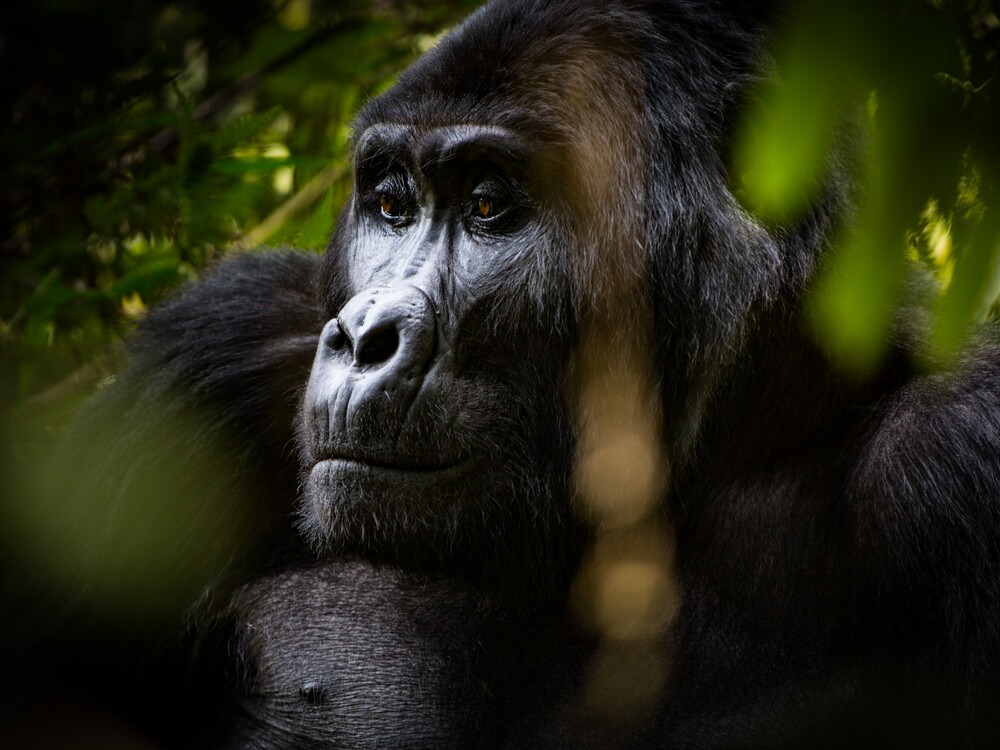
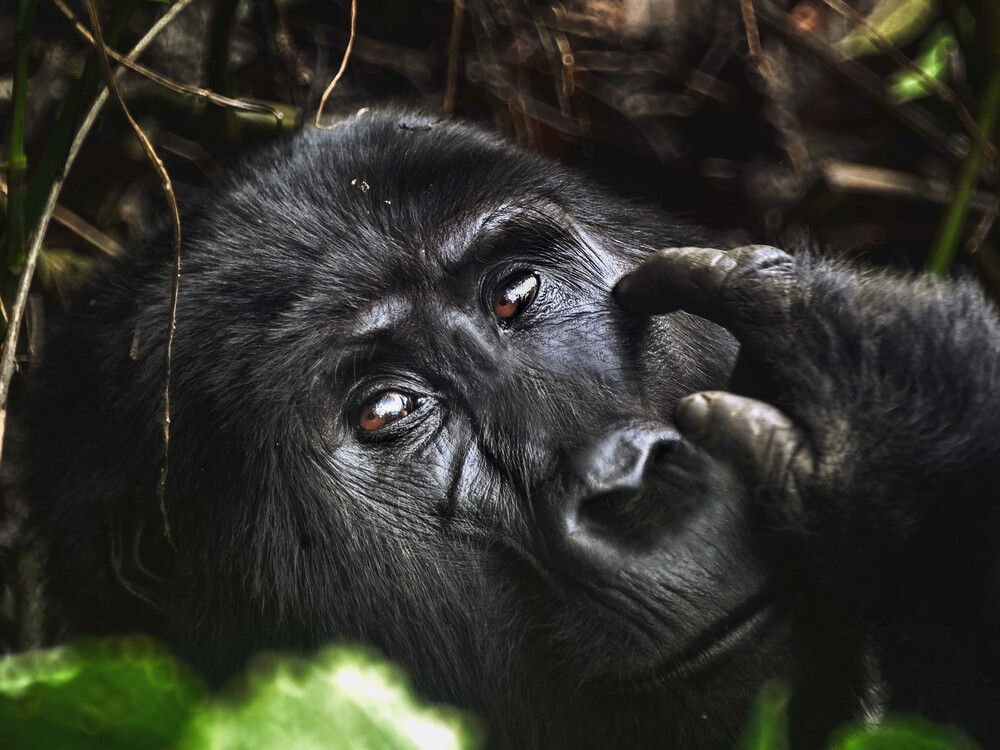
Uganda remains safe for travel amidst recent Ebola reports linked to the Democratic Republic of Congo (DRC). According to the Uganda Tourism Board (UTB), Uganda has only recorded isolated imported Ebola cases involving travelers entering from neighboring DRC, and there is currently ZERO local transmission or community spread of Ebola within Uganda.
For travelers continuously searching online, “Is Uganda Safe for Travel Amidst Ebola Reports Linked to DRC,” Uganda continues operating normally with tourism activities, gorilla trekking safaris, wildlife tours, safari lodges, hotels, restaurants, transportation services, domestic flights, and national parks remaining fully open and operational across the country.
As discussions continue globally about “Is Uganda Safe for Travel Amidst Ebola Reports Linked to DRC,” the Uganda Ministry of Health continues maintaining advanced surveillance systems, border screening procedures, contact tracing systems, emergency response teams, rapid disease monitoring programs, and coordinated public health systems nationwide. Uganda has extensive experience responding to public health situations while maintaining stable tourism operations, making the country one of Africa’s most organized, prepared, and resilient tourism destinations.
Travelers visiting Uganda in 2026 continue safely enjoying gorilla trekking experiences in Bwindi Impenetrable National Park, wildlife safaris in Queen Elizabeth National Park, chimpanzee tracking adventures in Kibale Forest National Park, and Nile River safari experiences in Murchison Falls National Park without interruption.
For travelers repeatedly asking, “Is Uganda Safe for Travel Amidst Ebola Reports Linked to DRC,” it is important to distinguish between isolated imported cases and a widespread national outbreak. Uganda’s health authorities acted rapidly to identify, isolate, monitor, and manage the imported cases linked to DRC, helping prevent community spread while maintaining tourism confidence, public safety, and stable travel operations throughout the country.
Uganda continues welcoming tourists from Europe, North America, Australia, Asia, the Middle East, and Africa. As travelers continue researching “Is Uganda Safe for Travel Amidst Ebola Reports Linked to DRC,” Entebbe International Airport remains fully operational with strengthened health screening systems and organized monitoring procedures supporting safe international travel into Uganda.
Uganda’s tourism destinations remain geographically stable, professionally managed, and unaffected by the isolated imported Ebola cases linked to neighboring DRC. Safari travelers continue enjoying wildlife game drives, luxury safaris, birdwatching holidays, photography expeditions, cultural experiences, chimpanzee tracking adventures, and gorilla trekking tours safely across the country.
As conversations continue online surrounding “Is Uganda Safe for Travel Amidst Ebola Reports Linked to DRC,” Uganda continues proving itself to be one of Africa’s safest and best-prepared safari destinations through strong healthcare coordination, organized tourism systems, active disease surveillance, rapid emergency response capabilities, and transparent communication with international travelers and tourism stakeholders.
For safari travelers planning gorilla trekking tours, wildlife safaris, birdwatching expeditions, luxury safari holidays, photography adventures, cultural experiences, and East African travel in 2026, Uganda remains safe, welcoming, stable, open, and fully operational for tourism despite ongoing discussions about “Is Uganda Safe for Travel Amidst Ebola Reports Linked to DRC.”
Uganda Tourism Board Official Statement on Ebola Reports Linked to DRC
The Uganda Tourism Board officially reassured international travelers, tourism investors, safari operators, and global tourism partners that Uganda remains safe for tourism despite recent Ebola reports connected to the Democratic Republic of Congo. As more travelers continue searching online asking, “Is Uganda Safe for Travel Amidst Ebola Reports Linked to DRC,” the Uganda Tourism Board continues emphasizing that Uganda currently has no active local Ebola outbreak affecting tourism destinations, national parks, safari experiences, or visitor activities within the country.
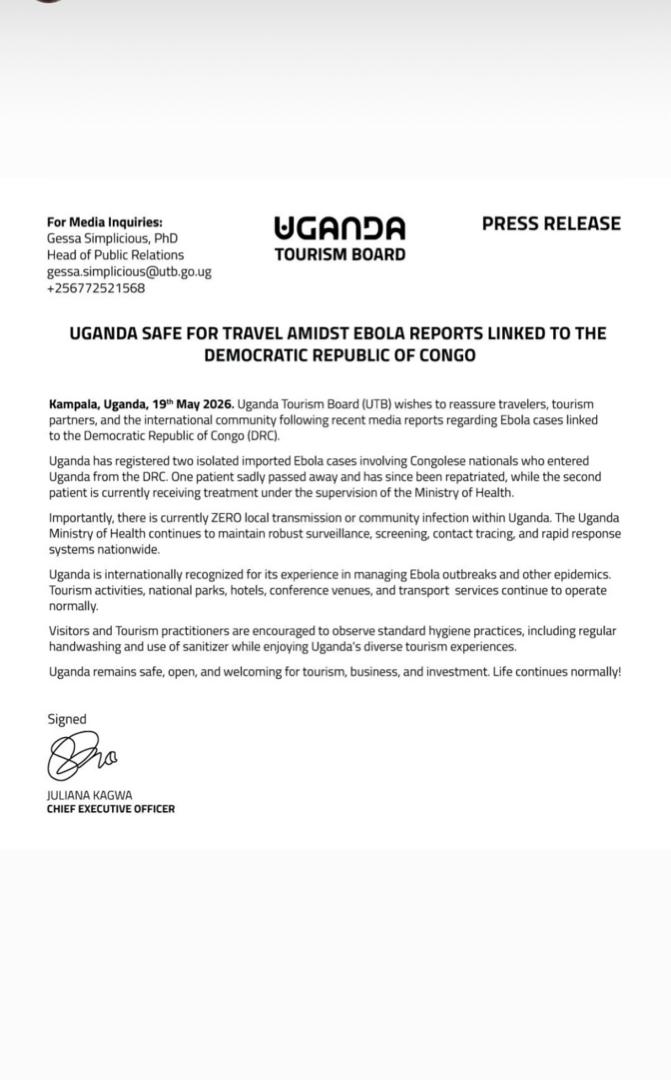
For travelers researching “Is Uganda Safe for Travel Amidst Ebola Reports Linked to DRC,” the Uganda Tourism Board confirmed that Uganda only recorded isolated imported Ebola cases involving Congolese nationals entering Uganda from neighboring DRC. One patient was later repatriated after passing away, while the second patient remains under professional medical supervision and treatment by Uganda’s health authorities.
Most importantly for travelers asking “Is Uganda Safe for Travel Amidst Ebola Reports Linked to DRC,” Ugandan authorities confirmed that there is currently no local transmission or community spread of Ebola within Uganda. This distinction is extremely important because isolated imported cases do not mean there is an active nationwide outbreak affecting tourism operations across Uganda.
The Uganda Tourism Board further reassured travelers that national parks remain fully open, gorilla trekking safaris continue operating normally, hotels and safari lodges remain operational, airports and border points continue functioning safely, wildlife safaris continue uninterrupted, tourism transportation systems remain active, and Uganda remains fully open for international visitors.
As travelers continue asking online whether “Is Uganda Safe for Travel Amidst Ebola Reports Linked to DRC,” the Uganda Tourism Board continues implementing strong health monitoring systems, visitor safety procedures, border screening measures, and coordinated public health surveillance nationwide while maintaining stable tourism operations across the country.
For international travelers researching “Is Uganda Safe for Travel Amidst Ebola Reports Linked to DRC,” the Uganda Tourism Board’s statement provides strong reassurance that Uganda’s tourism industry remains organized, stable, safe, and fully operational for tourism in 2026.
Uganda has historically demonstrated professionalism, transparency, and strong preparedness in handling public health situations while maintaining tourism confidence. The country’s willingness to communicate openly with travelers, tourism stakeholders, international organizations, safari operators, and global partners continues strengthening confidence that Uganda remains one of Africa’s safest safari destinations.
As global discussions continue surrounding “Is Uganda Safe for Travel Amidst Ebola Reports Linked to DRC,” Uganda continues positioning itself as a resilient, responsible, organized, and reliable tourism destination capable of maintaining safe tourism operations even during regional health concerns linked to neighboring countries.
Why Uganda Remains Safe for Tourism
Uganda remains safe for tourism because the country has highly experienced public health systems, organized tourism management structures, advanced disease surveillance networks, strong border health screening procedures, and internationally recognized emergency response capabilities.
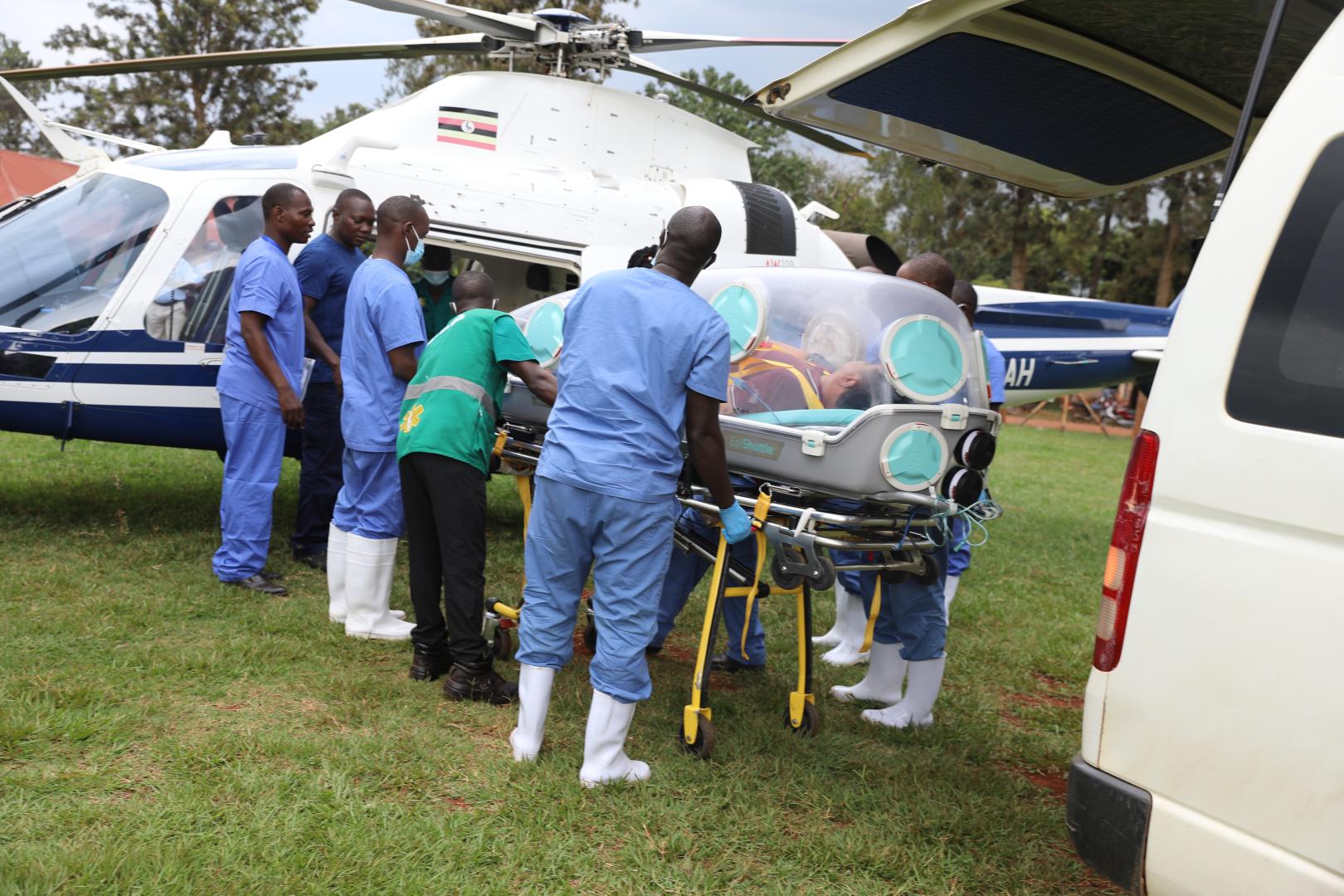
As travelers repeatedly continue asking online, “Is Uganda Safe for Travel Amidst Ebola Reports Linked to DRC,” Uganda’s successful management of isolated imported health incidents continues demonstrating the country’s preparedness, resilience, organization, and ability to maintain stable tourism operations safely.
Uganda’s tourism industry operates within structured conservation areas, regulated safari systems, professionally managed tourism environments, and controlled visitor networks that continue supporting traveler safety throughout the country.
For travelers concerned about “Is Uganda Safe for Travel Amidst Ebola Reports Linked to DRC,” Uganda’s Ministry of Health, Uganda Wildlife Authority, Uganda Tourism Board, airport authorities, immigration departments, hotels, safari operators, and tourism stakeholders continue working closely together to maintain coordinated health monitoring and tourism safety systems nationwide.
Unlike generalized international media reports that may create unnecessary fear about East Africa, Uganda’s tourism destinations remain geographically stable, operational, organized, and unaffected by the isolated imported Ebola cases linked to DRC.
As travelers continue researching “Is Uganda Safe for Travel Amidst Ebola Reports Linked to DRC,” visitors continue safely enjoying gorilla trekking experiences in Bwindi Impenetrable National Park, wildlife game drives in Queen Elizabeth National Park and Murchison Falls National Park, luxury safaris across Uganda, chimpanzee tracking adventures in Kibale Forest National Park, boat cruises along the Nile River and Kazinga Channel, birdwatching expeditions, hiking adventures, photography safaris, and cultural tourism experiences throughout the country.
Uganda’s tourism industry also benefits from strong conservation systems, organized tourism management structures, regulated safari operations, and professionally managed national parks that help maintain safe and controlled visitor experiences across all tourism destinations.
Hotels, safari lodges, domestic airlines, tour operators, transportation providers, restaurants, safari camps, and tourism service providers continue operating normally throughout Uganda despite ongoing discussions about “Is Uganda Safe for Travel Amidst Ebola Reports Linked to DRC.”
For travelers repeatedly searching online whether “Is Uganda Safe for Travel Amidst Ebola Reports Linked to DRC,” Uganda continues proving itself as one of Africa’s safest, most resilient, most organized, and best-prepared safari destinations through strong public health systems, stable tourism operations, coordinated health monitoring, and continued safe travel experiences across the country.
Zero Local Ebola Transmission in Uganda
One of the strongest reasons Uganda remains safe for tourism is that there is currently no confirmed local Ebola transmission or community outbreak anywhere within the country. For travelers continuously searching online, “Is Uganda Safe for Travel Amidst Ebola Reports Linked to DRC,” this remains one of the most important facts to understand before planning a safari or gorilla trekking adventure in Uganda.
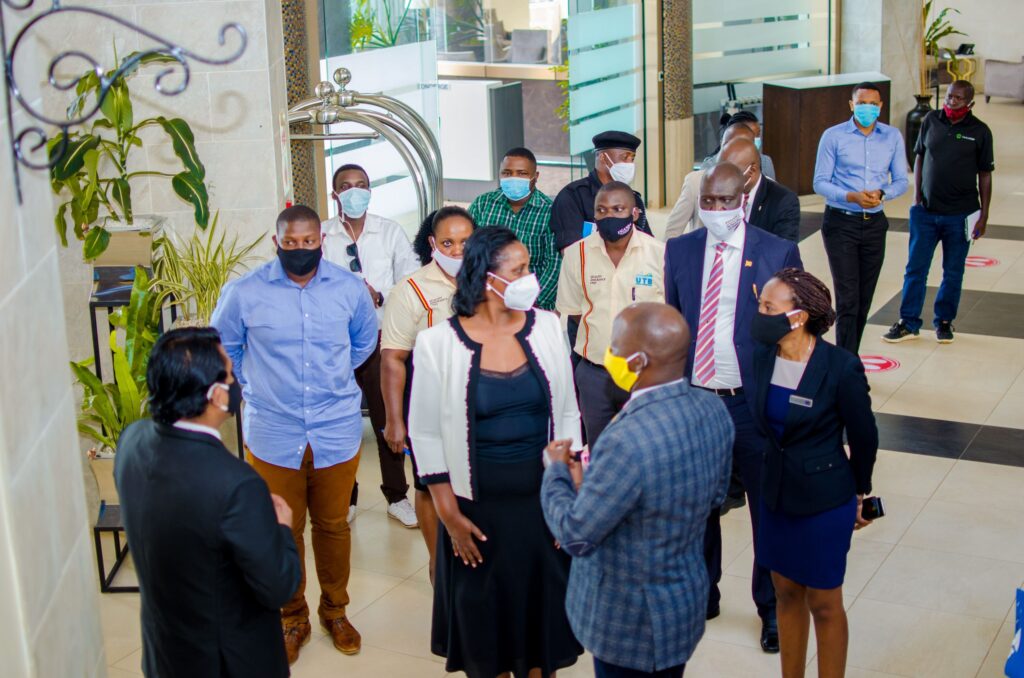
Uganda’s health authorities continue emphasizing that the recently reported Ebola cases were isolated imported incidents involving individuals entering Uganda from neighboring Democratic Republic of Congo. These isolated imported cases were identified rapidly through Uganda’s advanced surveillance and border health monitoring systems before authorities immediately placed the affected individuals under controlled medical supervision and response procedures.
For travelers researching “Is Uganda Safe for Travel Amidst Ebola Reports Linked to DRC,” the distinction between imported cases and a nationwide outbreak is extremely important. Imported cases do not automatically indicate widespread transmission or unsafe tourism conditions throughout Uganda. Uganda’s disease surveillance systems are specifically designed to detect imported health risks early, isolate suspected cases, conduct contact tracing, strengthen monitoring procedures, and prevent wider community spread.
The Uganda Ministry of Health continues maintaining active nationwide surveillance systems, coordinated emergency response procedures, and health monitoring programs that help ensure there is no uncontrolled spread affecting tourism destinations, safari regions, local communities, or visitor experiences across the country.
As travelers continue asking online, “Is Uganda Safe for Travel Amidst Ebola Reports Linked to DRC,” Uganda’s major tourism destinations continue operating safely and normally without disruption. Bwindi Impenetrable National Park, Queen Elizabeth National Park, Murchison Falls National Park, Kibale Forest National Park, Lake Mburo National Park, Mgahinga Gorilla National Park, and Kidepo Valley National Park continue welcoming tourists daily for wildlife safaris, gorilla trekking tours, chimpanzee tracking adventures, photography expeditions, luxury safaris, birdwatching holidays, and cultural experiences.
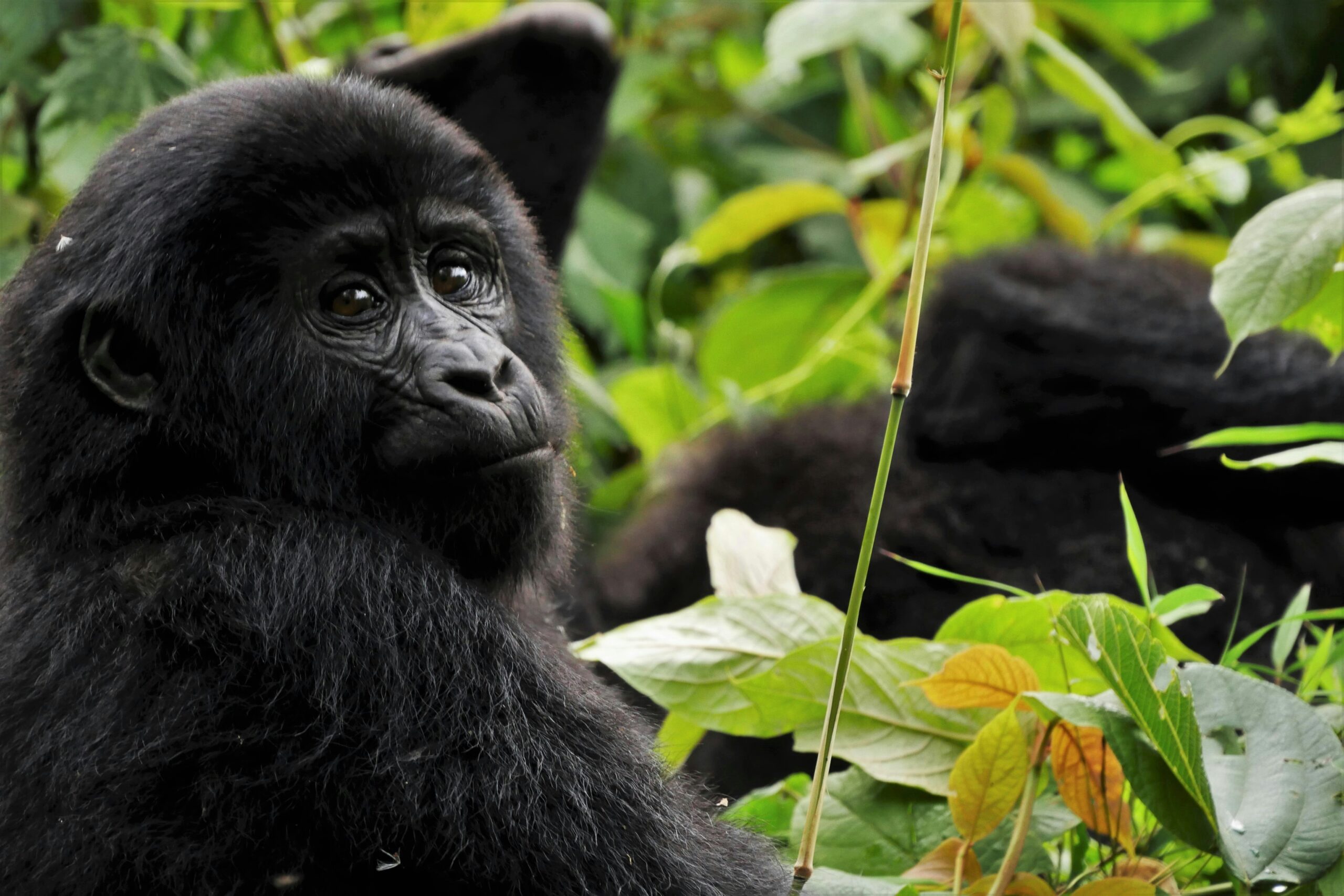
Tourists currently visiting Uganda continue enjoying successful safari experiences, comfortable lodge stays, organized safari transportation, guided game drives, and unforgettable gorilla trekking adventures safely across the country.
For anyone still researching “Is Uganda Safe for Travel Amidst Ebola Reports Linked to DRC,” the absence of local Ebola transmission remains one of the clearest indicators that Uganda continues operating tourism safely and responsibly in 2026.
Uganda’s transparent communication systems also continue strengthening international confidence. Health authorities, tourism officials, safari operators, and government agencies continue openly sharing accurate information, health updates, and tourism guidance with travelers, tourism stakeholders, international organizations, and global partners.
As discussions continue globally surrounding “Is Uganda Safe for Travel Amidst Ebola Reports Linked to DRC,” Uganda continues demonstrating resilience, preparedness, transparency, and strong public health coordination while maintaining stable and safe tourism operations nationwide.
Strong Border Health Screening
Uganda continues strengthening border health screening systems across major entry points to support national safety, protect travelers, and maintain tourism confidence amidst Ebola reports linked to DRC. As more international travelers continue researching online, “Is Uganda Safe for Travel Amidst Ebola Reports Linked to DRC,” Uganda’s organized border screening systems continue demonstrating the country’s proactive approach toward public health and safe tourism operations.
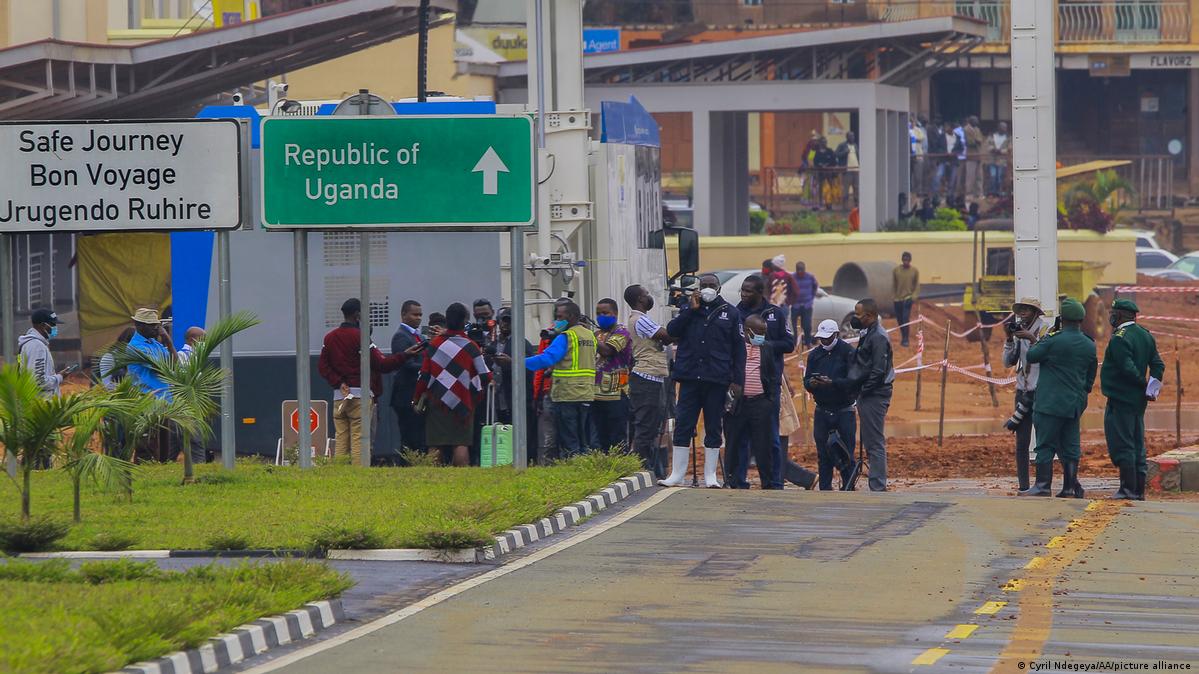
Uganda currently maintains preventive health screening procedures at airports, border crossings, transportation hubs, immigration checkpoints, and major travel routes throughout the country. These systems help authorities monitor travel movement, identify potential health concerns early, and maintain strong disease surveillance nationwide.
Enhanced screening procedures remain active at Entebbe International Airport, Uganda-DRC border crossings, regional airports, immigration checkpoints, major transport terminals, and cross-border travel corridors connecting Uganda to neighboring countries.
For travelers asking repeatedly whether “Is Uganda Safe for Travel Amidst Ebola Reports Linked to DRC,” Uganda’s strengthened screening procedures continue providing reassurance that the country remains organized, prepared, and committed to visitor safety.
Travelers entering Uganda may notice temperature screening procedures, health observation systems, hand sanitization stations, health declaration monitoring, and additional preventive screening measures as part of Uganda’s national precautionary health strategy.
These procedures are preventive measures designed to strengthen Uganda’s national disease surveillance systems while supporting safe and uninterrupted tourism operations throughout the country.
Entebbe International Airport continues operating normally for both international arrivals and departures while maintaining strengthened health monitoring systems. Airport health teams, immigration officers, aviation security personnel, and health authorities continue working together to identify and respond rapidly to any health-related concerns while ensuring smooth travel experiences for international visitors.
As global conversations continue surrounding “Is Uganda Safe for Travel Amidst Ebola Reports Linked to DRC,” Uganda’s border health systems continue functioning efficiently without disrupting tourism activities, safari operations, domestic flights, or international travel into the country.
Uganda’s screening systems have also been strengthened further because of regional movement between Uganda and eastern Democratic Republic of Congo. However, these additional preventive measures continue operating professionally and efficiently while maintaining normal tourism and travel operations nationwide.
For travelers researching “Is Uganda Safe for Travel Amidst Ebola Reports Linked to DRC,” Uganda’s organized health screening systems continue providing confidence that the country remains proactive, responsible, and fully committed to protecting travelers, tourism stakeholders, and local communities.
Safari operators, hotels, lodges, domestic airlines, transportation providers, restaurants, and tourism facilities throughout Uganda also continue maintaining hygiene-focused operational standards while supporting government health guidance and visitor safety measures.
Uganda’s organized border screening systems remain one of the key reasons the country continues operating tourism safely amidst regional Ebola concerns linked to neighboring DRC. As more travelers continue asking online, “Is Uganda Safe for Travel Amidst Ebola Reports Linked to DRC,” Uganda continues proving itself to be one of Africa’s safest, most prepared, and most professionally managed safari destinations in 2026.
Uganda’s Advanced Public Health Systems
Uganda is internationally respected for its advanced public health systems, rapid response capability, and strong disease surveillance networks.
As global travelers continue asking, “Is Uganda Safe for Travel Amidst Ebola Reports Linked to DRC,” Uganda’s strong healthcare preparedness remains one of the country’s greatest strengths in maintaining tourism confidence and public safety.
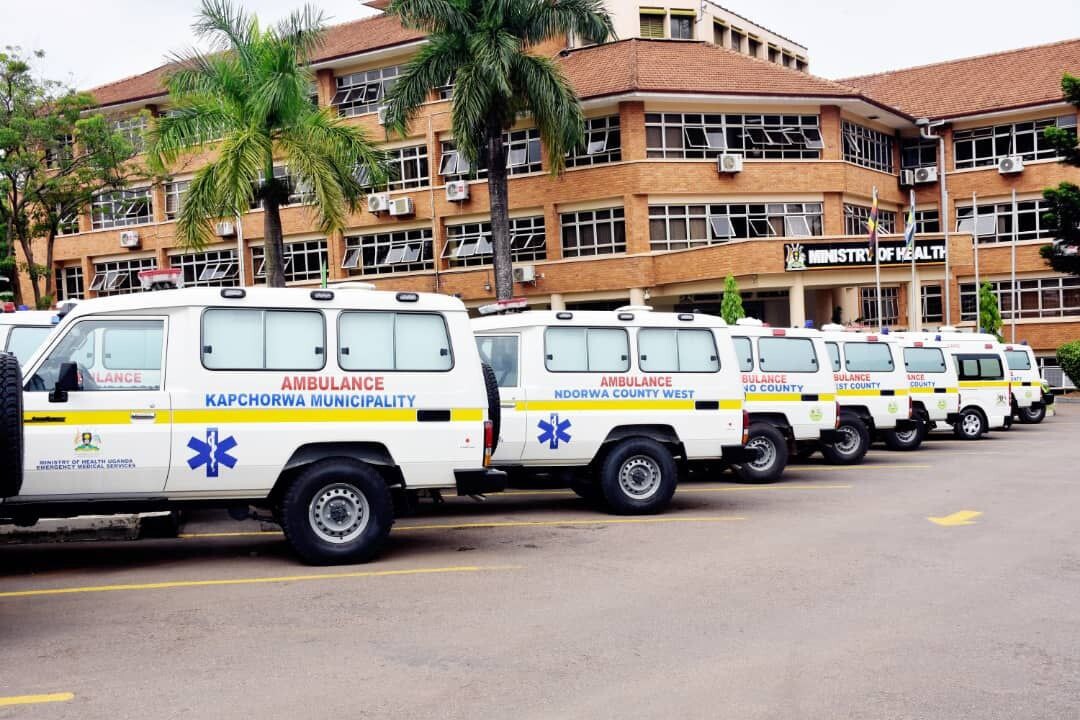
The Uganda Ministry of Health operates nationwide surveillance systems monitoring airports, border points, hospitals, districts, communities, and transportation corridors throughout the country.
Uganda’s public health infrastructure includes: Rapid response medical teams, Disease surveillance systems, Specialized isolation facilities, Emergency response coordination, Contact tracing programs, Laboratory testing systems, Border health monitoring, Public awareness communication systems
These systems allow Uganda to identify and manage imported health risks quickly before they affect tourism operations or local communities.
Uganda has previously managed Ebola-related situations successfully through rapid containment measures, strong inter-agency coordination, and transparent communication with international health partners.
The country continues working closely with international organizations, healthcare institutions, tourism authorities, and regional partners to maintain preparedness and operational stability.
For travelers searching online about “Is Uganda Safe for Travel Amidst Ebola Reports Linked to DRC,” Uganda’s proven public health systems help provide reassurance that the country remains organized, capable, and prepared to maintain safe tourism conditions.
Uganda’s tourism sector also benefits from close coordination between the Ministry of Health, Uganda Tourism Board, Uganda Wildlife Authority, airports, hotels, safari operators, and local authorities.
This integrated approach continues helping Uganda maintain normal tourism operations while protecting visitor safety throughout the country.
National Parks Remain Open and Safe
Uganda’s national parks remain fully open, operational, and safe for tourism despite recent Ebola reports linked to DRC.
Travelers searching online for “Is Uganda Safe for Travel Amidst Ebola Reports Linked to DRC” can continue planning wildlife safaris, gorilla trekking tours, chimpanzee tracking adventures, and luxury safari holidays confidently because Uganda’s protected tourism destinations continue functioning normally.
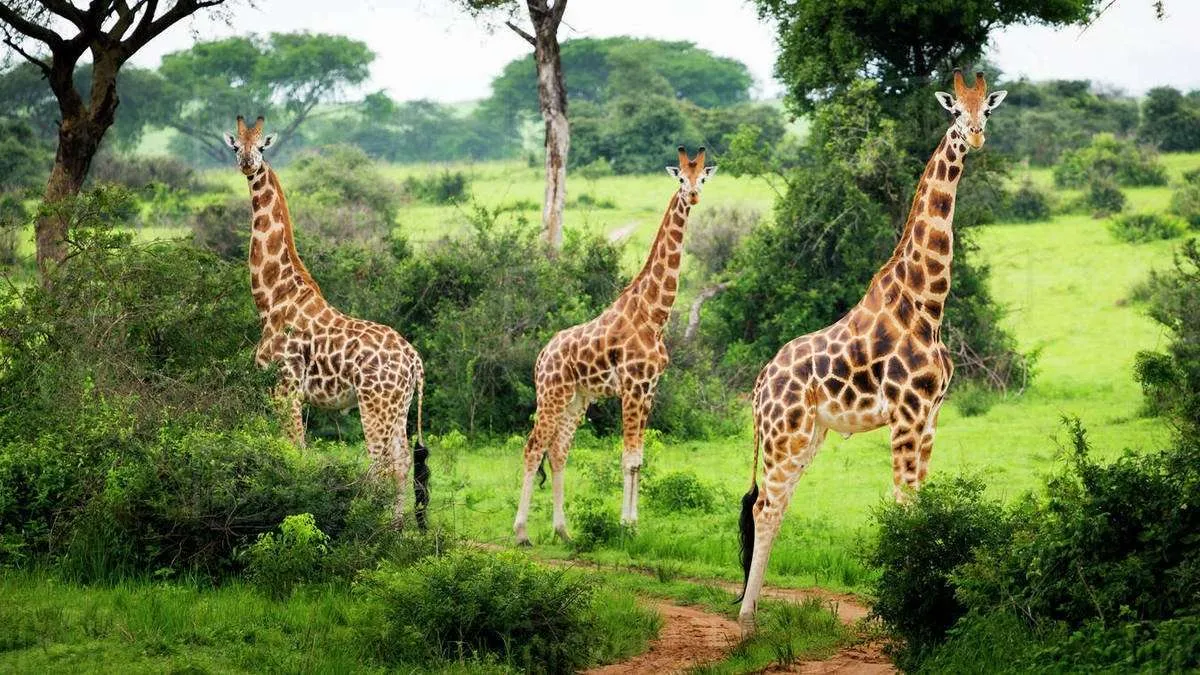
Uganda Wildlife Authority, tourism operators, safari lodges, conservation teams, and government authorities continue maintaining organized visitor management systems throughout the country’s tourism circuit.
Major national parks operating normally include: Bwindi Impenetrable National Park, Queen Elizabeth National Park, Murchison Falls National Park, Kibale Forest National Park, Mgahinga Gorilla National Park, Lake Mburo National Park, Kidepo Valley National Park, Semuliki National Park, Rwenzori Mountains National Park
Tourists continue enjoying game drives, boat cruises, gorilla trekking, birdwatching safaris, forest walks, chimpanzee tracking, photography tours, and cultural experiences safely across Uganda.
Gorilla trekking in Bwindi and Mgahinga National Parks remains one of Africa’s leading wildlife experiences, with ranger-guided trekking activities continuing daily under regulated conservation and visitor safety procedures.
Safari lodges, luxury camps, eco-lodges, restaurants, and tourism transportation systems surrounding the parks remain open and fully operational.
Domestic safari flights, private transfers, guided road safaris, and fly-in luxury safari experiences continue running normally throughout Uganda.
For travelers still asking “Is Uganda Safe for Travel Amidst Ebola Reports Linked to DRC,” Uganda’s operational national parks, functioning safari infrastructure, and ongoing tourism activities continue providing strong evidence that the country remains safe, stable, and welcoming for tourism in 2026.
Is Gorilla Trekking in Uganda Safe Amidst Ebola Reports Linked to DRC?
For travelers asking, “Is Uganda Safe for Travel Amidst Ebola Reports Linked to DRC?” the answer remains yes, especially for those planning gorilla trekking safaris in Uganda. Gorilla trekking activities in Uganda continue operating safely and normally under strict conservation, tourism, and public health regulations implemented by the Uganda Wildlife Authority, the Ministry of Health, and tourism stakeholders across the country.
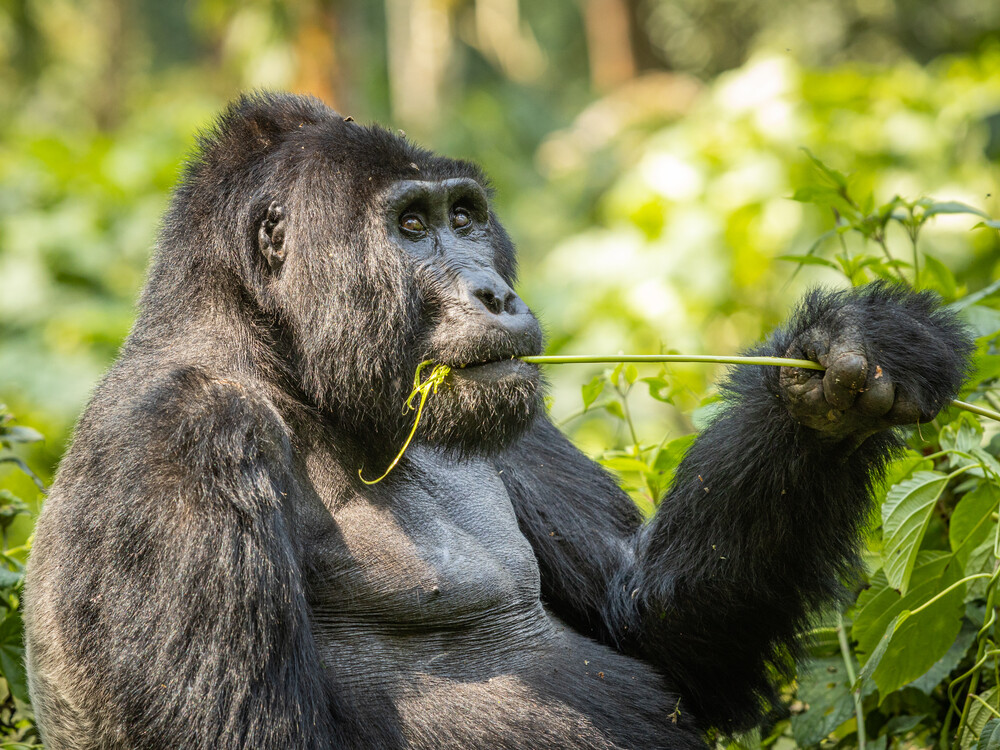
Uganda remains one of the world’s leading gorilla trekking destinations, and despite recent Ebola reports linked to the Democratic Republic of Congo, there are currently no restrictions affecting gorilla trekking tourism in Uganda. Travelers continue arriving from Europe, North America, Asia, Australia, the Middle East, and Africa to experience mountain gorilla trekking safely in Bwindi Impenetrable National Park and Mgahinga Gorilla National Park.
When discussing “Is Uganda Safe for Travel Amidst Ebola Reports Linked to DRC,” it is important to understand that Uganda has not recorded local Ebola transmission within its tourism destinations. The isolated imported cases linked to DRC were quickly identified and managed through Uganda’s advanced public health surveillance systems. Gorilla trekking regions remain safe, operational, and unaffected by the isolated imported incidents.
Uganda’s gorilla tourism sector already operates under highly controlled health and conservation systems designed to protect both visitors and endangered mountain gorillas. Because gorillas are genetically close to humans, Uganda has long maintained strict health-sensitive trekking procedures even before the recent Ebola reports linked to DRC.
Tourists participating in gorilla trekking safaris continue following organized visitor management systems that include ranger supervision, visitor briefings, controlled trekking group sizes, and conservation health regulations. These existing procedures help strengthen confidence that Uganda remains safe for travel amidst Ebola reports linked to DRC.
Travelers visiting Bwindi Impenetrable National Park continue enjoying unforgettable gorilla encounters deep within Uganda’s ancient rainforest while staying in luxury lodges, midrange safari camps, and eco-friendly accommodations operating normally throughout the region. Mgahinga Gorilla National Park also continues welcoming visitors for gorilla trekking experiences in the scenic Virunga mountain region.
Health-conscious conservation procedures remain active throughout the trekking experience. Visitors are encouraged to maintain basic hygiene practices, use sanitization facilities where provided, and follow ranger guidance during gorilla encounters. Safari lodges, trekking briefing centers, and park visitor areas continue maintaining hygiene protocols to support visitor wellbeing.
Uganda Wildlife Authority rangers continue escorting tourists safely through trekking trails while ensuring all wildlife conservation regulations are followed carefully. Gorilla trekking permits continue being issued normally, and safari itineraries remain fully operational throughout Uganda’s tourism circuit.
For anyone asking whether Uganda remains safe for gorilla trekking amidst Ebola reports linked to DRC, the reality on the ground is that tourism activities continue normally, parks remain open, and travelers are still experiencing safe and successful gorilla trekking adventures across Uganda in 2026.
What Tourists Should Know About Ebola and Travel in Uganda
When travelers hear the word Ebola, many immediately assume that an entire country or region has become unsafe for tourism. However, when discussing the important question, “Is Uganda Safe for Travel Amidst Ebola Reports Linked to DRC,” it is essential to understand the difference between isolated imported cases and a widespread outbreak affecting tourism nationwide.
Uganda remains safe for travel amidst Ebola reports linked to DRC because the country currently has no confirmed local Ebola transmission within its tourism destinations, safari circuits, or major travel hubs. The isolated cases reported were linked to cross-border movement from the Democratic Republic of Congo, and Uganda’s health authorities responded rapidly using surveillance systems, screening procedures, isolation measures, and emergency response protocols.
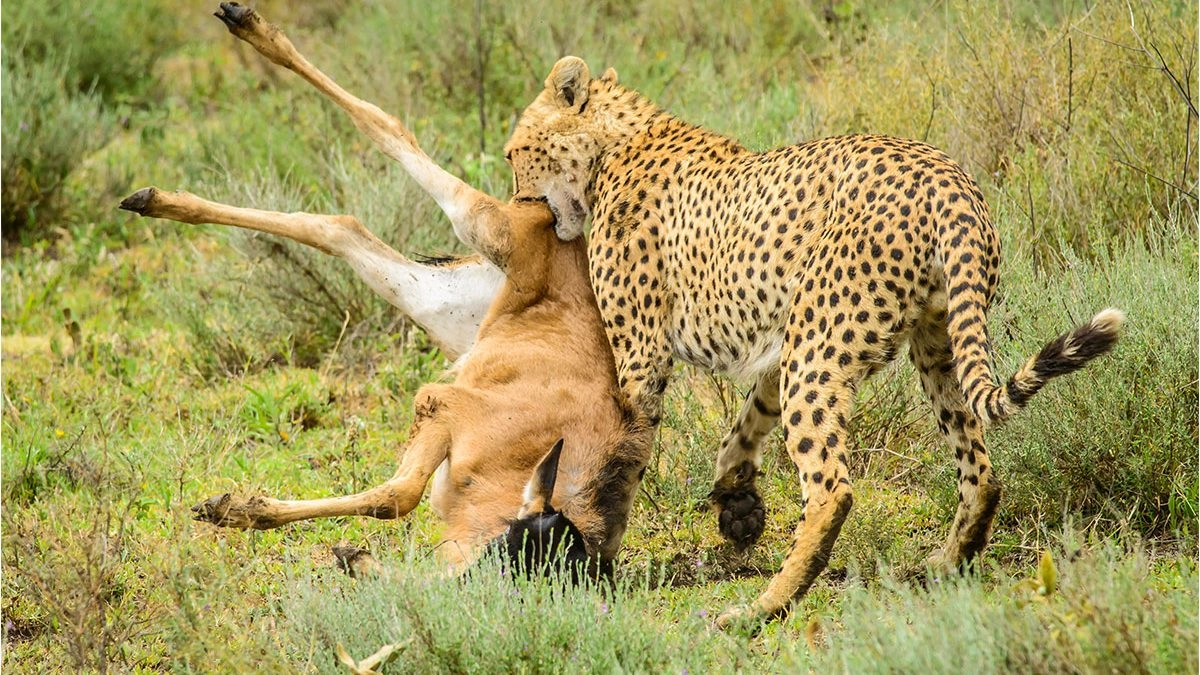
For travelers searching online for accurate information about “Is Uganda Safe for Travel Amidst Ebola Reports Linked to DRC,” the situation on the ground remains calm, organized, and stable. Uganda’s safari industry continues operating normally, national parks remain open, gorilla trekking permits continue being issued, hotels and safari lodges remain fully operational, and tourists continue arriving safely from around the world for unforgettable safari experiences.
Uganda’s tourism industry is also geographically spread across remote conservation regions, regulated safari destinations, protected national parks, and organized tourism circuits that are located far from isolated border-related health incidents. Destinations such as Bwindi Impenetrable National Park, Queen Elizabeth National Park, Murchison Falls National Park, Kibale Forest National Park, Lake Mburo National Park, and Kidepo Valley National Park continue operating safely and normally.
When asking “Is Uganda Safe for Travel Amidst Ebola Reports Linked to DRC,” travelers should also understand that Uganda has one of Africa’s most experienced public health response systems. The Uganda Ministry of Health continues maintaining active disease surveillance systems, border screening procedures, healthcare coordination networks, rapid response teams, and emergency preparedness programs nationwide.
Uganda continues implementing: Active disease surveillance systems, Rapid emergency response procedures, Visitor health monitoring, Border health screening systems, Coordinated healthcare management,Tourism safety protocols, Communication with international health agencies
These systems continue helping Uganda maintain stable tourism operations while ensuring public safety and visitor confidence throughout the country.
For travelers concerned about “Is Uganda Safe for Travel Amidst Ebola Reports Linked to DRC,” most safari itineraries in Uganda remain completely unaffected. Gorilla trekking safaris, wildlife game drives, chimpanzee tracking tours, birdwatching holidays, photography expeditions, luxury safaris, and cultural experiences continue operating smoothly across the country.
International travelers currently visiting Uganda continue sharing positive safari experiences, successful gorilla trekking adventures, exceptional wildlife encounters, and enjoyable luxury safari holidays despite ongoing discussions surrounding Ebola reports linked to DRC.
Uganda continues proving itself to be one of Africa’s most organized, resilient, and reliable tourism destinations. For anyone searching online whether “Is Uganda Safe for Travel Amidst Ebola Reports Linked to DRC,” Uganda remains open, safe, welcoming, and fully operational for tourism in 2026.
Uganda Continues to Welcome International Tourists
Uganda continues welcoming international tourists from Europe, North America, Australia, Asia, the Middle East, and Africa despite recent Ebola reports linked to DRC. Tourism activities remain active, safari experiences continue normally, and travelers continue arriving confidently for gorilla trekking holidays, wildlife safaris, luxury adventures, birdwatching tours, and cultural experiences across the country.
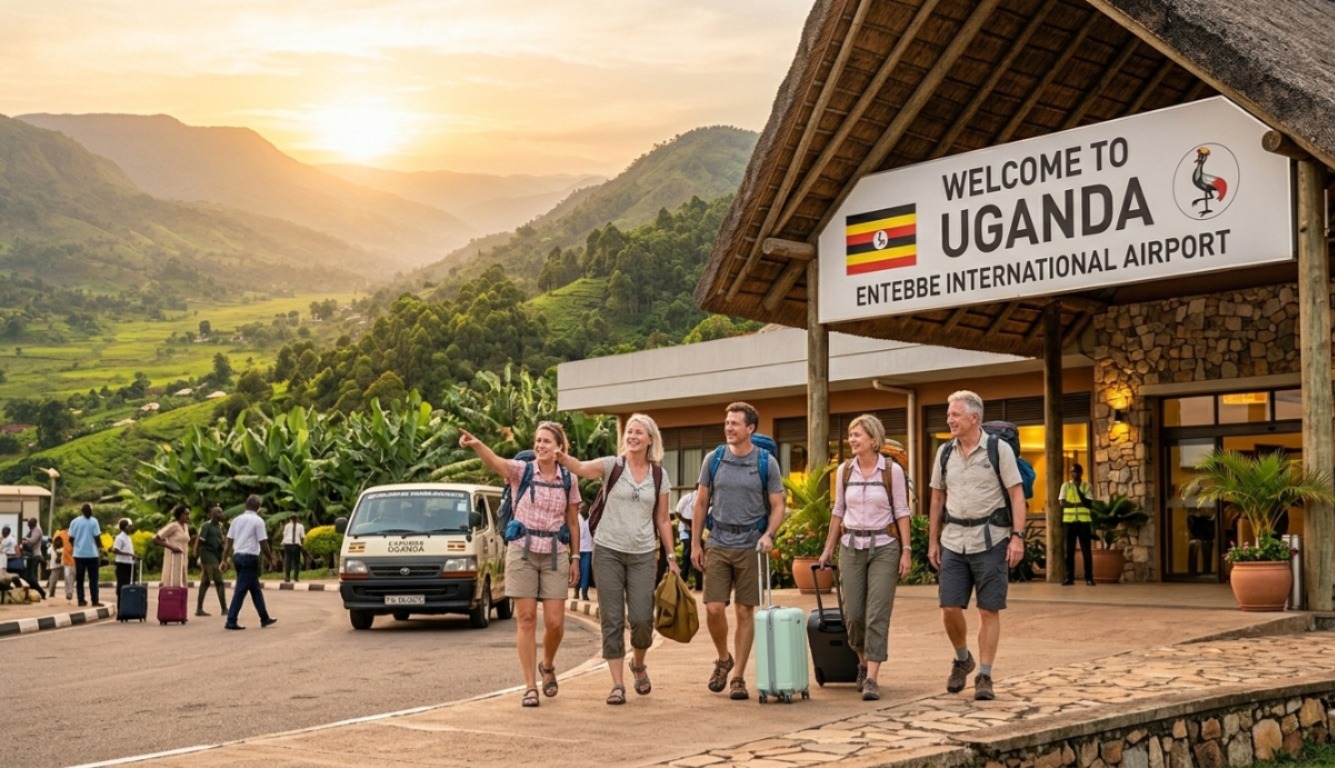
As more travelers search online asking “Is Uganda Safe for Travel Amidst Ebola Reports Linked to DRC,” Uganda continues maintaining its reputation as one of Africa’s leading safari and gorilla trekking destinations because tourism infrastructure, conservation systems, and public health monitoring remain stable and operational nationwide.
Uganda continues attracting visitors who come to experience the country’s exceptional wildlife, scenic landscapes, rich culture, tropical rainforests, and unique adventure tourism experiences.
Mountain gorilla trekking remains Uganda’s most iconic tourism experience. Bwindi Impenetrable National Park continues welcoming visitors daily for guided gorilla trekking adventures through ancient rainforest ecosystems. Travelers continue enjoying safe and unforgettable encounters with endangered mountain gorillas under the supervision of Uganda Wildlife Authority rangers and conservation teams.
For travelers specifically researching “Is Uganda Safe for Travel Amidst Ebola Reports Linked to DRC,” gorilla trekking safaris continue operating safely with organized visitor management systems, ranger guidance, conservation-focused health protocols, and regulated trekking procedures already integrated into Uganda’s gorilla tourism model.
Uganda’s Big Five wildlife safaris also continue operating successfully in destinations such as Murchison Falls National Park and Queen Elizabeth National Park. Visitors continue enjoying game drives while spotting lions, elephants, buffaloes, leopards, giraffes, antelopes, hippos, crocodiles, and countless bird species across Uganda’s protected savannah ecosystems.
Chimpanzee tracking experiences remain fully operational in Kibale Forest National Park, Budongo Forest, Kyambura Gorge, and Kalinzu Forest. Visitors continue exploring Uganda’s tropical rainforests safely while enjoying some of Africa’s best primate encounters.
Uganda also remains one of Africa’s top birdwatching destinations with over 1,000 recorded bird species. Birdwatchers continue visiting Uganda for shoebill expeditions, Albertine Rift endemic bird tours, wetland birdwatching safaris, and forest birding adventures.
Travelers continue exploring Uganda’s scenic destinations including the Nile River, Lake Bunyonyi, the Rwenzori Mountains, crater lakes, tropical rainforests, cultural communities, and wildlife-rich savannah parks.
Luxury tourism also continues operating normally throughout Uganda with high-end safari lodges, eco-lodges, tented camps, domestic flights, helicopter safaris, private game drives, and exclusive fly-in safari experiences remaining fully available for international guests.
For anyone continuing to ask “Is Uganda Safe for Travel Amidst Ebola Reports Linked to DRC,” the continued arrival of international tourists, open national parks, active safari operations, and fully functioning tourism infrastructure continue providing strong reassurance that Uganda remains safe, stable, and welcoming for tourism in 2026.
Frequently Asked Questions About Uganda Safety Amidst Ebola Reports Linked to DRC
Is Uganda safe for tourists right now?
Yes. Uganda remains safe for tourists despite recent Ebola reports linked to DRC. There is currently no confirmed local Ebola transmission affecting Uganda’s tourism destinations, national parks, or major cities. Tourism activities continue operating normally across the country, and travelers continue visiting Uganda safely for gorilla trekking, wildlife safaris, chimpanzee tracking, birdwatching tours, and cultural experiences.
For travelers asking repeatedly, “Is Uganda Safe for Travel Amidst Ebola Reports Linked to DRC,” Uganda continues maintaining strong disease surveillance systems, organized tourism management, active health monitoring, and rapid response capabilities nationwide.
Is there Ebola in Uganda in 2026?
Uganda reported isolated imported Ebola cases linked to travelers arriving from neighboring DRC. However, there is currently no active community outbreak or widespread local transmission within Uganda.
Uganda’s Ministry of Health responded rapidly through isolation procedures, contact tracing systems, border screening, and emergency response measures designed to prevent community spread and maintain tourism safety.
Are Uganda national parks open?
Yes. All major national parks in Uganda remain fully open and operational for tourism.
Gorilla trekking safaris, wildlife game drives, boat cruises, chimpanzee tracking tours, photography expeditions, birdwatching holidays, and cultural experiences continue operating safely across Uganda’s safari circuit.
Is gorilla trekking in Uganda safe?
Yes. Gorilla trekking remains safe and fully operational in Bwindi Impenetrable National Park and Mgahinga Gorilla National Park.
Uganda Wildlife Authority continues implementing regulated trekking systems, ranger supervision, conservation health protocols, and organized visitor management procedures.
For travelers researching “Is Uganda Safe for Travel Amidst Ebola Reports Linked to DRC,” gorilla trekking remains one of the safest and most professionally managed tourism experiences in Uganda.
Can I still travel to Uganda for safari?
Yes. Uganda safaris continue operating normally across the country.
Tourists continue enjoying Big Five safaris, luxury fly-in safaris, chimpanzee tracking tours, gorilla trekking holidays, birdwatching expeditions, cultural tours, and photography safaris throughout Uganda.
Are flights to Uganda operating normally?
Yes. International and domestic flights continue operating normally.
Entebbe International Airport remains open for international arrivals and departures while domestic safari flights continue serving Uganda’s major tourism destinations safely and efficiently.
Is Entebbe International Airport safe?
Yes. Entebbe International Airport remains safe and fully operational.
Additional health screening systems and monitoring procedures continue supporting safe international travel while maintaining smooth airport operations for travelers entering Uganda.
Should I cancel my Uganda safari?
Most travelers are continuing with their Uganda safari plans normally because tourism operations remain stable and there is currently no active local Ebola outbreak affecting Uganda’s tourism destinations.
For travelers concerned about “Is Uganda Safe for Travel Amidst Ebola Reports Linked to DRC,” Uganda continues operating tourism safely, professionally, and responsibly.
What precautions should travelers take?
Travelers should follow standard international travel health recommendations including maintaining good hygiene practices, using hand sanitizers where available, and monitoring official travel updates from trusted sources such as the Uganda Ministry of Health and Uganda Tourism Board.
Comprehensive travel insurance is also recommended for international safari travel.
Is Rwanda affected by Ebola reports linked to DRC?
Rwanda continues operating tourism normally while maintaining preventive health monitoring systems and border screening procedures.
Gorilla trekking safaris, wildlife experiences, and luxury tourism activities continue operating safely in Rwanda as well.
Book Your Uganda Safari with Boots in the Jungle Safaris
If you are still asking, “Is Uganda Safe for Travel Amidst Ebola Reports Linked to DRC,” Boots in the Jungle Safaris continues reassuring travelers that Uganda remains safe, open, and fully operational for tourism in 2026.
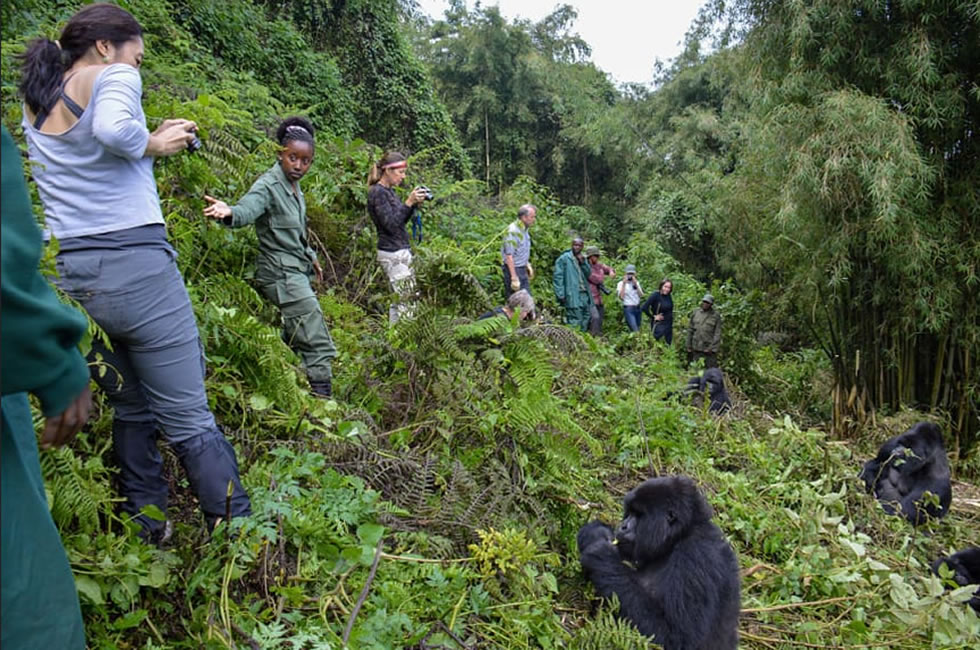
Despite recent Ebola reports linked to DRC, Uganda’s national parks, gorilla trekking experiences, wildlife safaris, lodges, and tourism activities continue operating normally. Travelers continue visiting Uganda safely for gorilla trekking in Bwindi, wildlife safaris in Murchison Falls and Queen Elizabeth National Park, chimpanzee tracking in Kibale Forest, and luxury safari experiences across the country.
For travelers researching “Is Uganda Safe for Travel Amidst Ebola Reports Linked to DRC,” Boots in the Jungle Safaris continues organizing safe, professionally guided, and personalized Uganda safaris with trusted accommodations, experienced safari guides, organized transportation, and up-to-date travel support.
Our Uganda safari experiences include: Gorilla trekking safaris,Big Five wildlife safaris, Chimpanzee tracking tours, Luxury fly-in safaris, Birdwatching safaris, Photography expeditions, Family and honeymoon safaris, Uganda and Rwanda combined tours
As conversations continue online about “Is Uganda Safe for Travel Amidst Ebola Reports Linked to DRC,” Uganda remains one of Africa’s leading safari destinations, and Boots in the Jungle Safaris remains committed to helping travelers experience Uganda safely and confidently.
Book your Uganda safari today with Boots in the Jungle Safaris and discover why Uganda continues welcoming international tourists for unforgettable African safari adventures.