
Ultimate Guide to Lake Manyara National Park – A Premier Safari Destination in Tanzania
Lake Manyara National Park is an unparalleled destination within Tanzania’s northern safari circuit. Located on the edge of the Great Rift Valley, it offers a stunning variety of landscapes and ecosystems. This UNESCO World Heritage site is renowned for its remarkable biodiversity, making it a must-see for nature lovers and safari enthusiasts.
Spanning over 330 square kilometers, Lake Manyara offers a diverse range of habitats that range from lush woodlands and swamps to the vast, arid plains surrounding Lake Manyara itself. The park’s unique geographical features provide an ideal environment for an extraordinary array of wildlife. From towering escarpments to the alkaline waters of the lake, the park’s varied terrain allows for the thriving of different ecosystems, each offering a new and exciting opportunity for adventure and discovery.
What makes Lake Manyara particularly exceptional is its proximity to other famous parks in Tanzania’s northern safari circuit, such as Serengeti National Park and Ngorongoro Crater. This makes it a perfect addition to any safari itinerary, offering travelers the chance to experience multiple types of landscapes and wildlife in a single journey. Whether you’re visiting for a short day trip or a longer stay, Lake Manyara’s stunning beauty and wildlife are sure to leave an indelible mark on your safari adventure.
The park is also a fantastic choice for those who prefer a quieter, more intimate safari experience. Unlike some of Tanzania’s larger national parks, Lake Manyara tends to have fewer tourists, giving you the chance to enjoy close encounters with wildlife without large crowds. This peaceful, less-traveled environment makes for an ideal safari experience, where you can fully immerse yourself in the wonders of nature.
Key Wildlife to Spot in Lake Manyara National Park
Tree-Climbing Lions
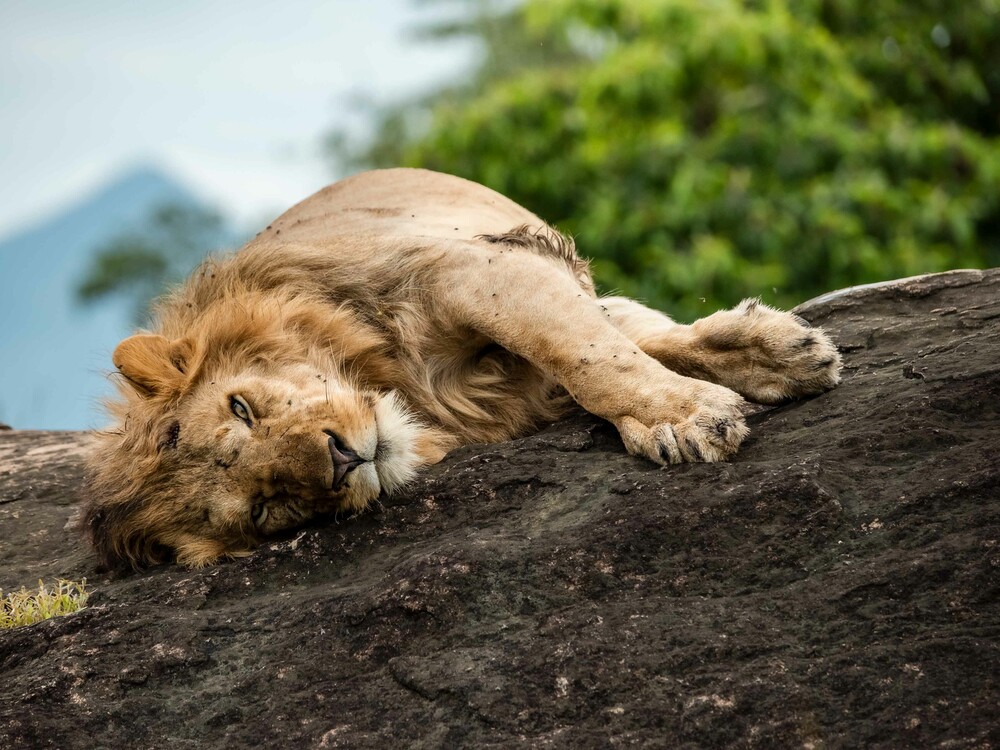
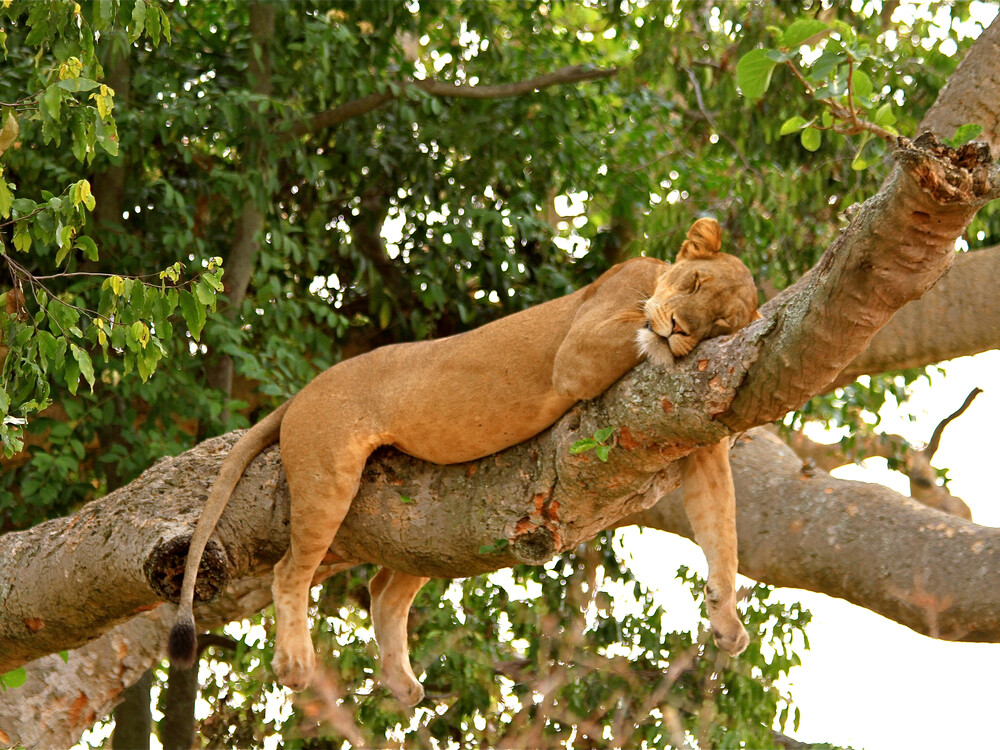
One of Lake Manyara’s most fascinating and unique wildlife features is its famous tree-climbing lions. These lions are unlike those found in other parts of Africa, as they are known for their unusual behavior of climbing trees, particularly acacia trees. It is a rare sight to see lions lounging comfortably on tree branches, sometimes perched high above the ground in a relaxed state. This behavior, though not fully understood, has intrigued both scientists and safari goers alike. Some theories suggest that it helps the lions escape the heat on the ground, or that it provides them with a better vantage point for spotting prey.
The tree-climbing lions of Lake Manyara are one of the park’s most iconic attractions, offering visitors a once-in-a-lifetime chance to witness this unusual behavior up close. Whether you’re capturing photographs of these majestic animals or simply marveling at their unique habits, the opportunity to see them in their natural habitat is a highlight of any visit.
Elephants, Giraffes, and Hippos
In addition to the famous lions, Lake Manyara National Park is home to a rich variety of wildlife, including large herds of elephants, giraffes, and hippos. These animals are a constant presence in the park and contribute to the diverse safari experience.
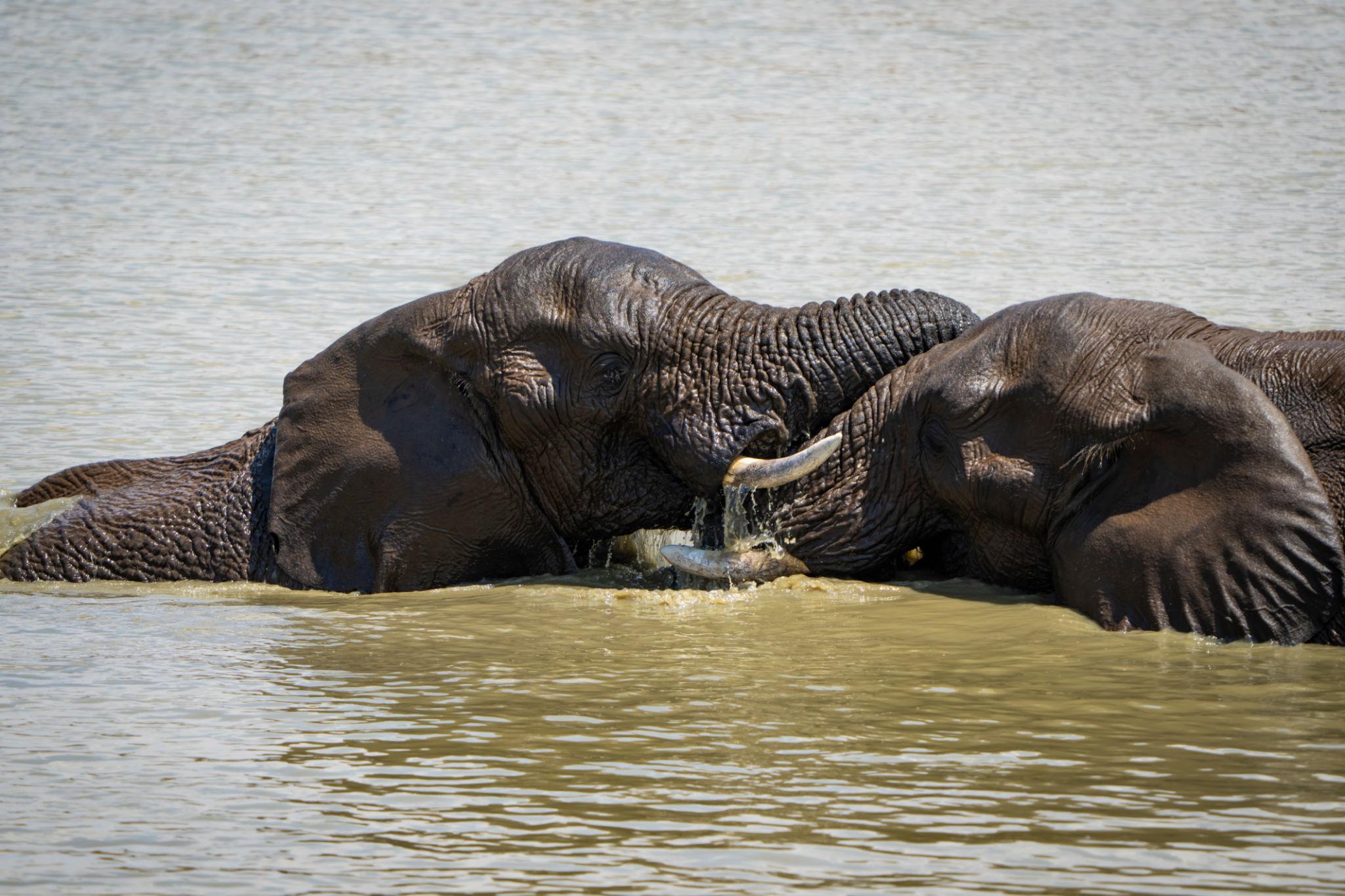
Elephants: Lake Manyara is well known for its sizable elephant population. Elephants can be found roaming the park’s woodlands and open plains, often seen in large herds. These majestic creatures are a must-see on any safari, and their size and intelligence never fail to leave a lasting impression. Whether they’re grazing in the grasslands or cooling off in the park’s swamps, the elephants of Lake Manyara are a testament to the park’s thriving wildlife.
Giraffes: Lake Manyara is also home to herds of giraffes, which can often be spotted gracefully wandering through the park’s forests and open savannah. These long-necked giants are an iconic sight in Tanzania, and their elegant movements are a favorite among safari visitors. The park’s relatively dense vegetation provides perfect cover for these gentle creatures, making them a treat for wildlife photographers.
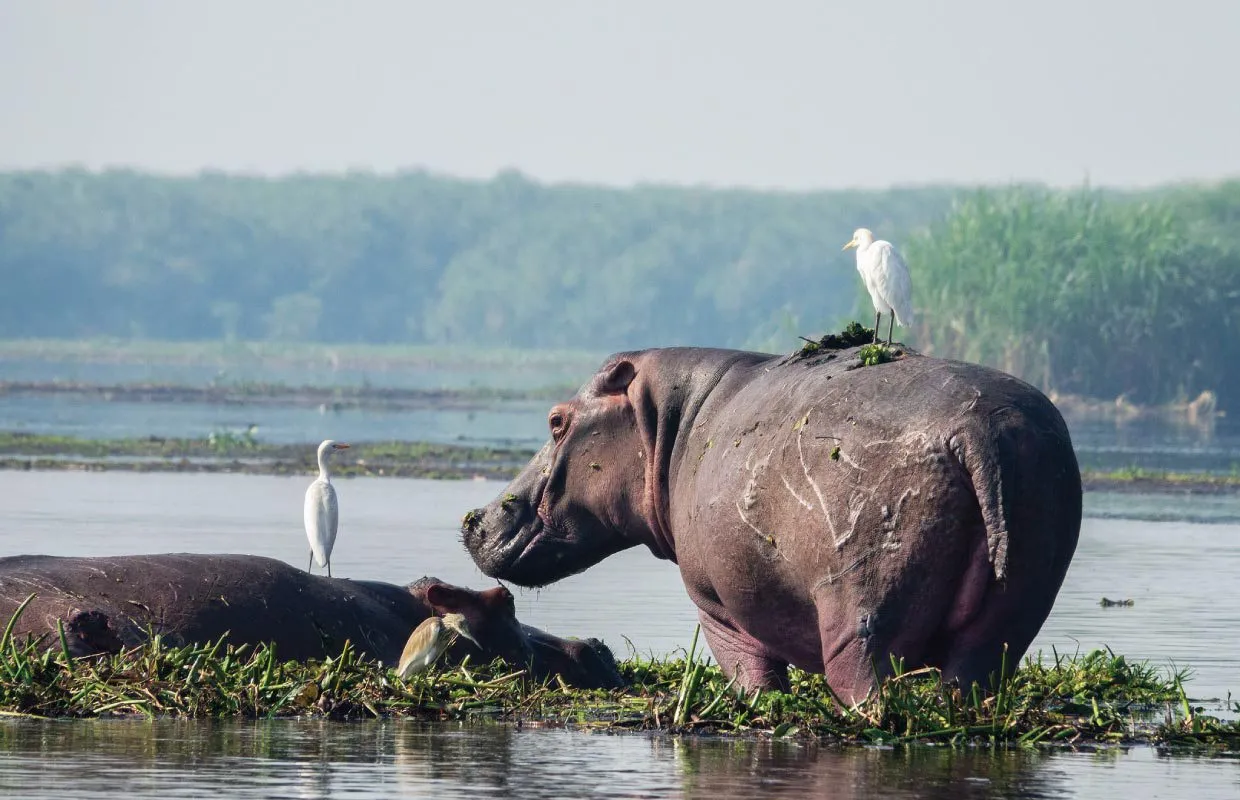
Hippos: The park’s fresh water sources, including the shallow Lake Manyara, attract large numbers of hippos. These fascinating creatures spend much of their time submerged in the water, emerging during the early morning or late afternoon to graze. Hippos are an exciting sight on safari, and Lake Manyara offers excellent opportunities to see them in their natural habitat, particularly along the shores of the lake or in the park’s wetlands.
Birdwatching Haven
For birdwatching enthusiasts, Lake Manyara is a paradise. The park is home to over 400 species of birds, making it one of the best birdwatching destinations in Tanzania. The diverse habitats within the park, from the freshwater lakes to the lush forests, create an ideal environment for a wide range of bird species.
Flamingos: Lake Manyara’s shores are often dotted with vast flocks of flamingos, which gather in large numbers to feed on the algae that thrive in the lake’s alkaline waters. These vibrant birds add a splash of color to the landscape, especially during the wet season when the flamingo population swells. Their striking pink feathers make them one of the park’s most picturesque birds.
Raptors and Eagles: In addition to its colorful shorebirds, Lake Manyara is home to a variety of raptors and eagles. The park’s diverse ecosystems, including forests and open savannah, provide the perfect hunting grounds for these skilled predators. Birds such as the martial eagle, black kite, and tawny eagle can be spotted soaring above the park, making it a dream destination for birdwatching enthusiasts.
Waterfowl and Shorebirds: The park’s wetland areas are a haven for a wide range of waterfowl. Species such as pelicans, ducks, and various waders can be seen along the lake’s shoreline. The park’s varied habitats also provide sanctuary for migratory birds, which can be seen during the rainy season, offering a dynamic birdwatching experience throughout the year.
Activities and Experiences in Lake Manyara National Park
Game Drives: A Wildlife Lover’s Dream
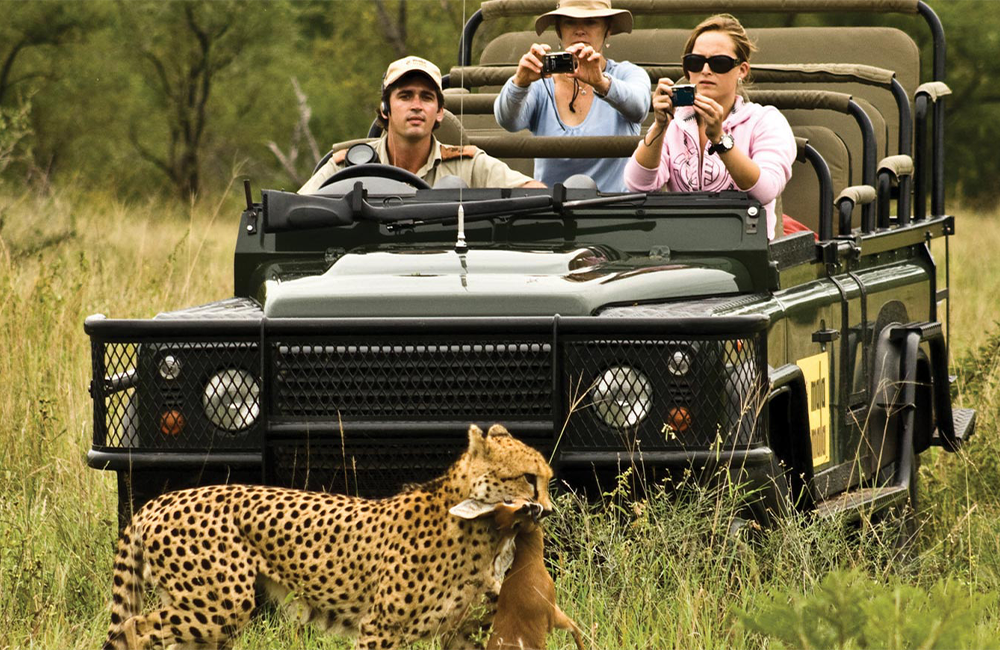
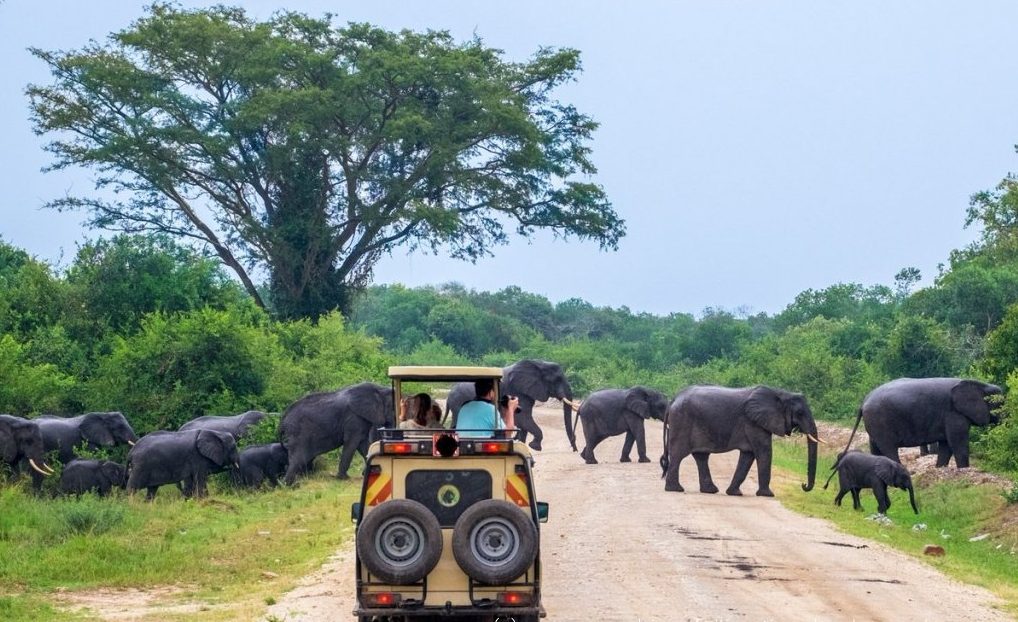
Game drives are one of the most popular ways to explore Lake Manyara National Park, offering a thrilling opportunity to witness the park’s rich diversity of wildlife in their natural habitats. With a wide range of ecosystems—ranging from dense forests to open savannahs and wetlands—Lake Manyara provides an ever-changing landscape that keeps every game drive exciting and full of surprises.
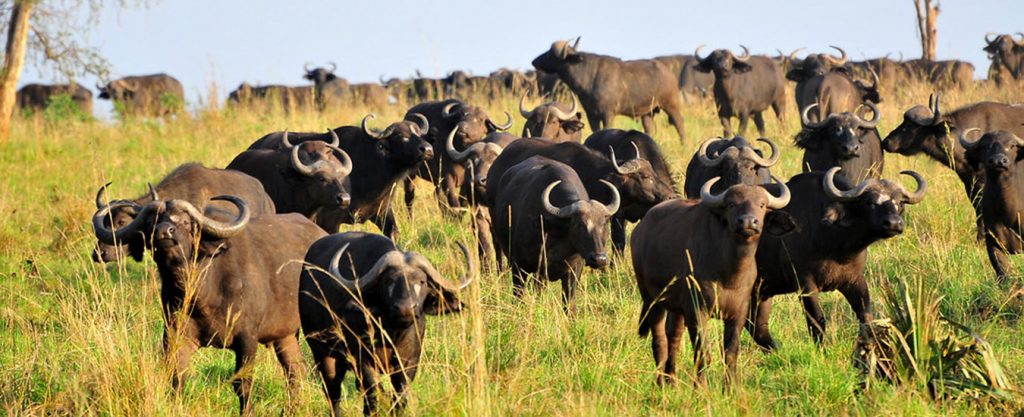
The park’s varying terrains mean that wildlife is spread across different areas, allowing you to encounter a variety of species. The dense forests and woodlands are home to large herds of elephants, giraffes, buffaloes, and zebras, while the savannahs are often teeming with wildebeests, impalas, and gazelles. As you venture through the park, you’re also likely to spot warthogs, baboons, and the elusive leopards hiding in the trees.
The best times for game drives are early mornings and late afternoons when the temperatures are cooler, and wildlife is most active. During these times, animals are often seen grazing, drinking at waterholes, or engaging in their natural behaviors. The cooler hours also offer optimal lighting for photography, with the warm golden hues of the sunrise or sunset providing a spectacular backdrop for your safari memories.
Lake Manyara’s game drives give visitors the chance to witness the “big five” (though the park is better known for its large population of elephants rather than lions). You’ll also have the chance to see the park’s famous tree-climbing lions—a rare and fascinating sight to behold. The park’s varied landscapes, from the flat plains to the steep escarpment, offer diverse wildlife sightings and rich experiences for nature lovers and photographers alike.
Birdwatching: A Global Destination for Avian Enthusiasts
For birdwatching enthusiasts, Lake Manyara is a world-class destination, providing incredible opportunities to spot a variety of bird species in a range of habitats. Over 400 species of birds have been recorded in the park, making it one of the best places in Tanzania for both amateur and seasoned birdwatchers. The park’s birdlife is exceptionally diverse, with many resident species alongside migratory birds that stop by the park during different seasons.
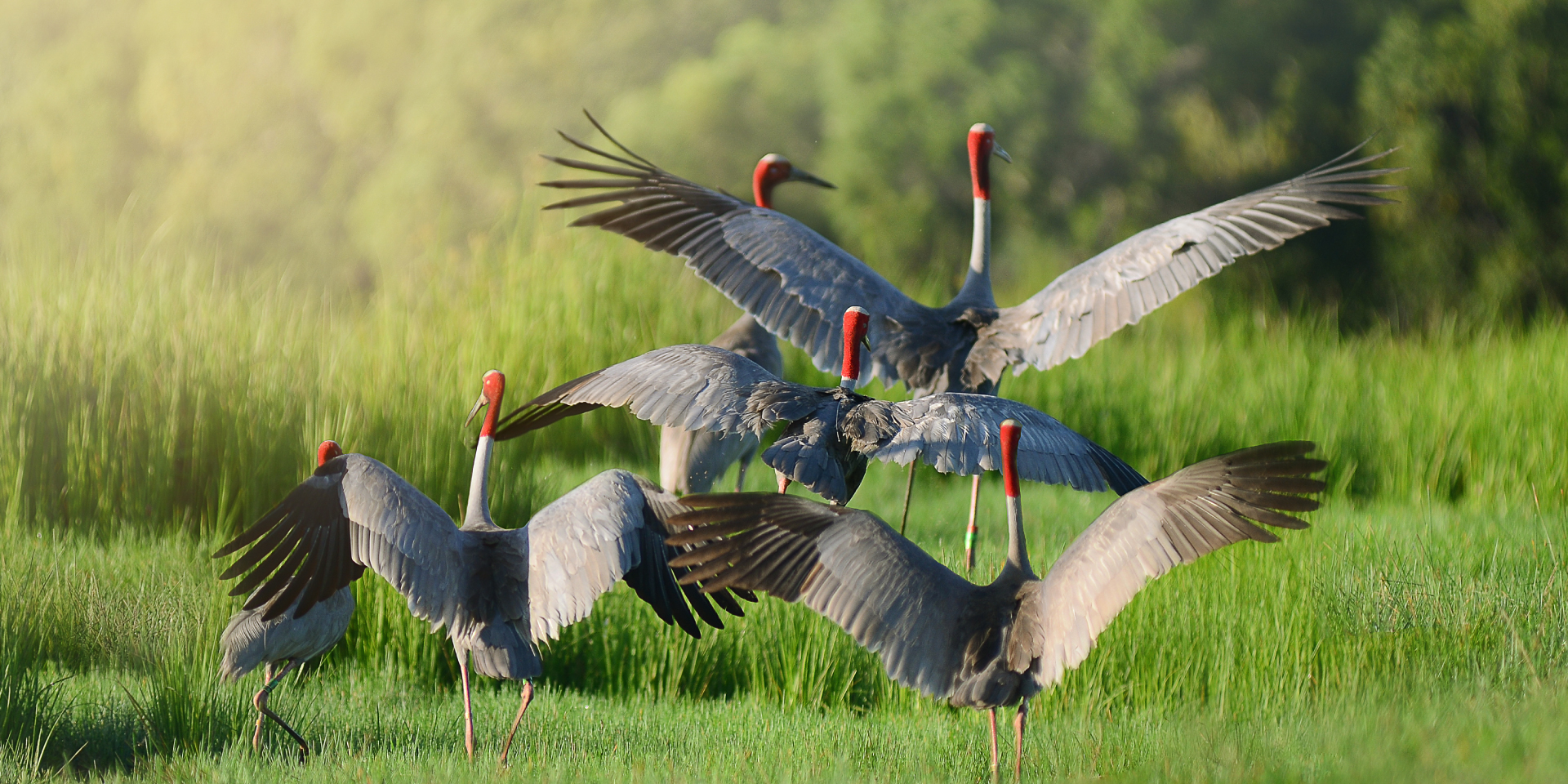
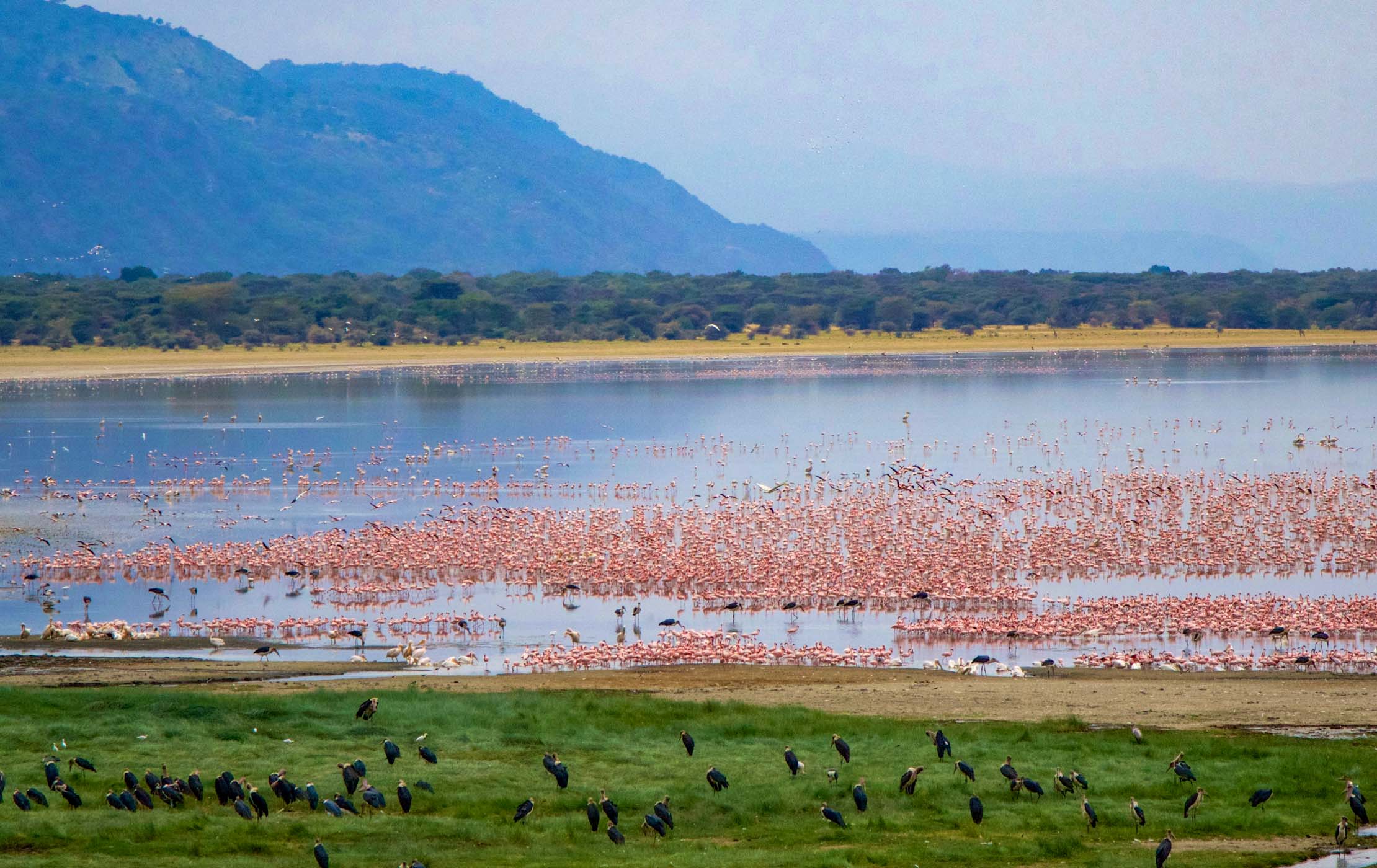
Flamingos: One of the park’s highlights is the large flocks of flamingos that frequent the shores of Lake Manyara, particularly during the wet season when the lake is at its fullest. The flamingos gather in massive numbers to feed on the algae in the lake’s shallow waters, creating a spectacular scene. Their vibrant pink feathers add a pop of color to the landscape, making them a favorite for photographers and nature lovers.
Waterfowl and Shorebirds: In addition to flamingos, the park is home to various waterfowl, including pelicans, ducks, and waders, all of which can be spotted along the lake’s shoreline. The wetlands and forested areas also attract other species of shorebirds, including herons, storks, and ibises. These birds are an important part of the park’s ecosystem and provide fantastic opportunities for birdwatching throughout the year.
Raptors and Eagles: Lake Manyara is also an excellent spot for spotting raptors and eagles, with species like the martial eagle, black kite, tawny eagle, and the African fish eagle soaring above the park. These birds of prey can often be seen hunting in the open grasslands or perched on tree branches, surveying the terrain for potential prey.
The park’s diverse range of habitats—wetlands, forests, and savannahs—provides an ideal environment for both resident and migratory bird species. Whether you’re a seasoned birder or just getting started, Lake Manyara offers some of the best birdwatching opportunities in East Africa.
Night Game Drives: Discover the Nocturnal Wonders
For those looking to experience the park in a completely different light, night game drives in Lake Manyara offer an exciting opportunity to witness the park’s nocturnal wildlife in action. As the sun sets and the park’s usual daytime inhabitants retreat into the shadows, the nocturnal creatures emerge. This experience provides a unique perspective on the park’s wildlife, offering the chance to observe a side of the park that’s rarely seen during the day.
Night drives are led by experienced safari guides who are trained to spot animals in the dark. With the aid of a spotlight, the guides are able to pick out glowing eyes in the distance and reveal the nocturnal activity that takes place once the sun sets. You’ll have the chance to see elusive creatures like leopards, hyenas, serval cats, and bush babies that are not easily spotted during the daytime hours.
Lions are often more active at night, and with a bit of luck, you may be able to witness their hunting behavior under the cover of darkness. Hyenas, known for their distinctive “laugh,” are often heard at night and can be seen scavenging or hunting in the dark. The night game drive experience adds a thrilling and mysterious dimension to your safari, allowing you to discover the secrets of the African bush that come to life after sundown.
Best Time to Visit Lake Manyara National Park
The best time to visit Lake Manyara National Park depends on what you wish to experience. The dry season, which lasts from June to October, is the most popular time for safari visits, as animals tend to gather around water sources, making it easier to spot them. During this period, the park is less lush and more open, offering excellent visibility and perfect conditions for game viewing. The dry season is especially good for those focused on wildlife, as animals are more concentrated near the lake and other waterholes.
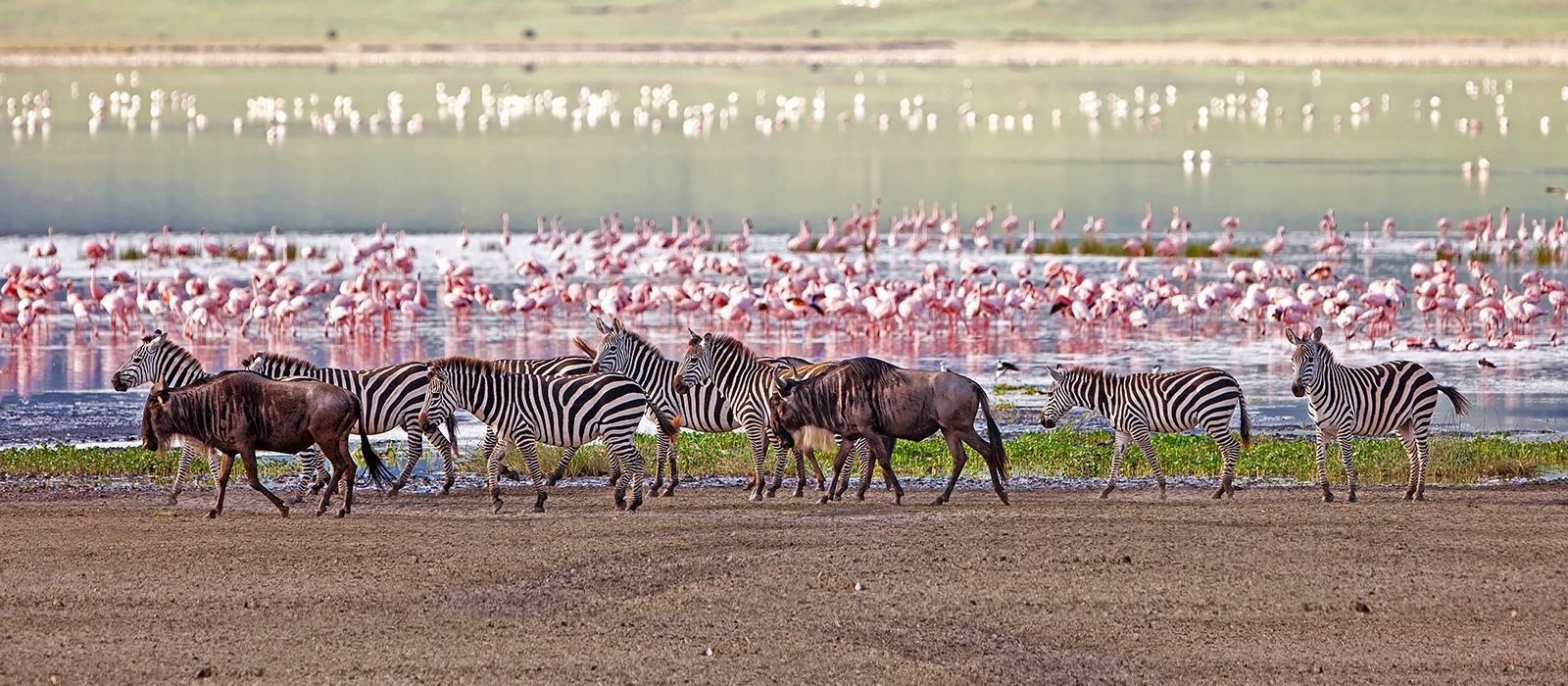
For birdwatchers, the rainy season, from November to April, is a fantastic time to visit Lake Manyara. During this time, the park transforms into a lush, green paradise, and migratory birds from Europe and Asia arrive to feed on the abundant insects and plants. If you’re interested in seeing large flocks of flamingos or other migratory birds, visiting during the wet season will give you the best chance to experience this spectacle.
The rainy season also brings a different atmosphere to the park. While the trails may be muddy and some roads harder to navigate, the park’s vibrant landscapes, rich birdlife, and fewer tourists make this time of year a rewarding visit for those willing to embrace the elements. Additionally, accommodation rates are often lower during the rainy months, making it a more budget-friendly option.
Accommodation Options in Lake Manyara National Park
Luxury Accommodation: Pamper Yourself
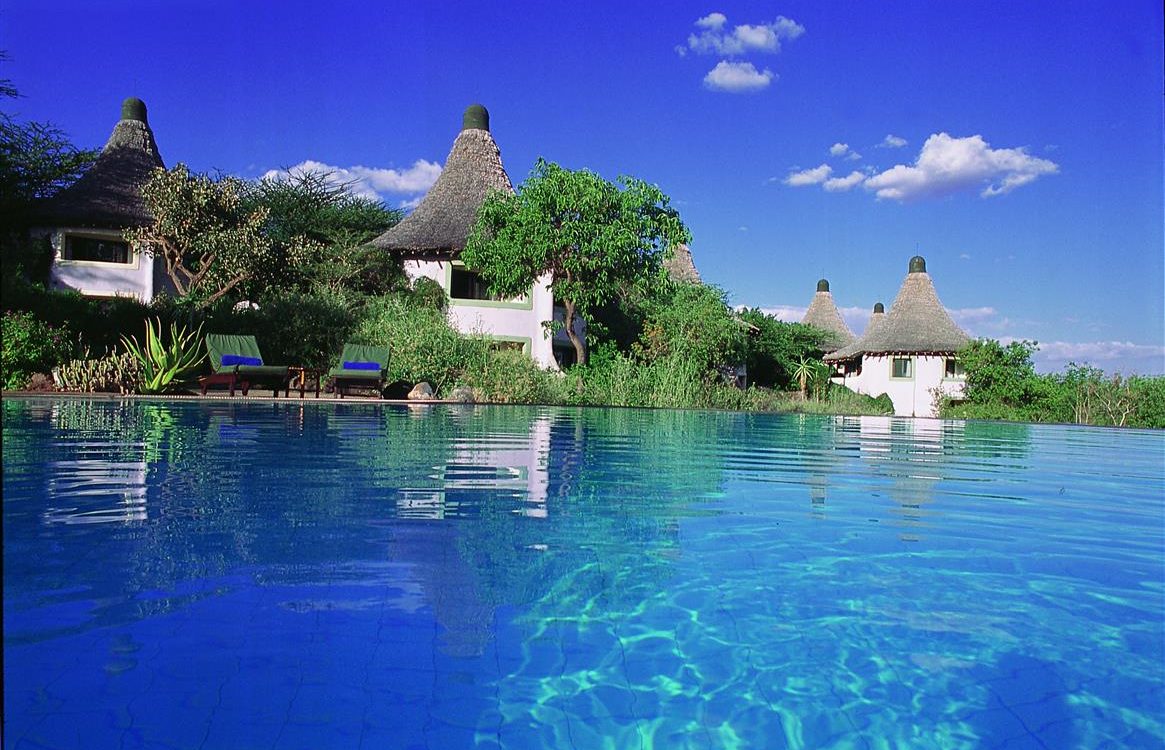
For travelers seeking an unforgettable, high-end safari experience, Lake Manyara National Park offers a variety of luxury accommodations that promise both comfort and style. These upscale lodges provide stunning views of the park’s breathtaking landscapes and come with top-tier amenities, ensuring a truly memorable stay.
Luxury Lodges at Lake Manyara National Park:
- Private Plunge Pools: Many of the luxury lodges at Lake Manyara National Park offer private plunge pools with sweeping views of the park, allowing guests to relax while taking in the stunning scenery.
- Exclusive Game Drives: Some of the premium accommodations offer exclusive game drives, providing guests with a more intimate safari experience at Lake Manyara National Park.
- Spa and Wellness: Luxury lodges often feature spa services where guests can unwind after a long day of game drives in Lake Manyara National Park, enjoying massages and other relaxing treatments.
- Fine Dining: From fresh, locally sourced ingredients to world-class cuisine, the dining options at these lodges cater to even the most discerning palates, offering a taste of local and international flavors while enjoying the views of Lake Manyara National Park.
Notable luxury lodges around Lake Manyara National Park include:
- Lake Manyara Tree Lodge: A luxurious, intimate retreat located deep inside Lake Manyara National Park, offering elegant treehouse-style accommodations with outstanding views and excellent service.
- Serena Lodge: Offering a comfortable blend of luxury and traditional Tanzanian design, with beautiful views of the Rift Valley escarpment and the lake itself, Serena Lodge provides an unforgettable stay in Lake Manyara National Park.
These properties cater to those who want to enjoy the wild beauty of Lake Manyara National Park without compromising on luxury and service.
Mid-Range and Budget Lodges: Comfort and Value
For those looking for a more budget-friendly option without sacrificing comfort, Lake Manyara National Park has a variety of mid-range and budget lodges that allow guests to experience the park’s stunning wildlife while enjoying excellent amenities at a lower cost. These lodges are perfect for those who want to immerse themselves in nature while maintaining a comfortable stay.
Mid-Range and Budget Lodges in Lake Manyara National Park:
- Lake Manyara Wildlife Lodge: This affordable option offers a fantastic view of Lake Manyara National Park and is known for its comfortable rooms, good food, and relaxed atmosphere. It is an excellent choice for budget-conscious travelers who still want to enjoy the park’s natural beauty.
- Mto Wa Mbu Tented Camp: A more rustic, but still comfortable, option with tented accommodations that offer an authentic safari experience, complete with guided nature walks and a true connection with the wildlife and nature of Lake Manyara National Park.
- Boulevard Park: Located near the park’s entrance, this budget-friendly lodge offers basic but clean and comfortable accommodation with great access to Lake Manyara National Park’s main attractions.
While these lodges may not offer the same high-end amenities as the luxury options, they still provide an excellent safari experience with knowledgeable staff, good facilities, and proximity to the park’s wildlife and landscapes.
Costs and Safari Packages in Lake Manyara National Park
The cost of visiting Lake Manyara National Park can vary greatly depending on the time of year, the type of accommodation, and the length of your stay. Understanding the price structure can help you plan and budget for your safari experience.
Park Entrance Fees
- Adult (Non-resident): $50 USD per person per day
- Tanzania Residents: $20 USD per person per day
- Children (Non-resident): $15 USD per person per day
- Children (Tanzania Residents): $5 USD per person per day
These entrance fees are subject to change and are typically charged per day of stay.
Safari Packages
Lake Manyara National Park offers a range of safari packages that vary in price based on accommodation, tour duration, and the level of service provided. Prices generally range from $200 USD to $600 USD per day, depending on the type of tour and accommodation chosen.
Safari Package Breakdown:
- Budget Packages: Starting at approximately $200 USD per day, these packages typically include basic tented accommodation, game drives, and limited additional services.
- Mid-range Packages: Ranging from $300 USD to $400 USD per day, mid-range options include comfortable lodges, more extensive safari experiences, and additional services such as meals, guided tours, and transportation.
- Luxury Packages: For those looking for an exclusive experience, luxury safari packages range from $500 USD to $600 USD per day. These packages often include stays at high-end lodges with full-board meals, private game drives, and other premium services such as spa treatments and guided bush walks.
Sample Pricing Table:
| Package Type | Price (Per Day) | Accommodation Type | Inclusions |
|---|---|---|---|
| Budget Safari | $200 – $300 | Tented Camps, Basic Lodges | Game Drives, Basic Meals, Park Fees |
| Mid-Range Safari | $300 – $400 | Mid-Range Lodges | Game Drives, Meals, Park Fees, Guided Tours |
| Luxury Safari | $500 – $600 | Luxury Lodges, Private Camps | Private Game Drives, All Meals, Spa, Guided Bush Walks |
Other Costs to Consider:
- Guided Tours: Some safari packages include a professional guide for game drives and walks, which may increase the cost. Expect to pay an additional $100 USD per day for a private guide.
- Transfers: If you need airport transfers, this can cost an additional $50 USD to $150 USD, depending on the distance and whether it’s a private or shared transfer.
- Meals and Drinks: In some lodges, meals are included in the price, but for others, meals may be an additional cost. Expect to pay $20 USD to $50 USD per person for meals at mid-range lodges.
Here’s the fully detailed Frequently Asked Questions (FAQs) section and the Book Your Safari with Boots in the Jungle Safaris section using the focus keyphrase Lake Manyara National Park multiple times:
Frequently Asked Questions (FAQs)
What is Lake Manyara National Park known for?
Lake Manyara National Park is renowned for its unique ecosystem and rare wildlife, most famously its tree-climbing lions. These lions are a rare sight in Africa, as they climb acacia trees to rest in the branches, a behavior that has captured the interest of many wildlife enthusiasts and photographers. Additionally, Lake Manyara National Park is known for its diverse ecosystems, including lush woodlands, open savannahs, and the alkaline waters of Lake Manyara itself. The park is also a birdwatcher’s paradise, home to large flocks of flamingos and over 400 bird species. Visitors to Lake Manyara can enjoy a rich and varied safari experience unlike any other in Tanzania.
When is the best time to visit Lake Manyara?
The best time to visit Lake Manyara National Park is during the dry season, which runs from June to October. During this period, wildlife congregates around water sources, making it easier to spot animals such as elephants, giraffes, and buffaloes. The dry season offers clear skies and optimal visibility, providing excellent conditions for game drives and wildlife photography. However, if you are a birdwatching enthusiast, the wet season (from November to April) is also a great time to visit, as migratory birds flock to the park, including large flocks of flamingos, which add a vibrant splash of color to the park’s landscapes.
Can I see flamingos in Lake Manyara?
Yes, Lake Manyara National Park is home to large flocks of flamingos, particularly during the wet season. These graceful birds gather along the shores of Lake Manyara, feeding on the algae found in the lake’s shallow waters. The sight of hundreds of flamingos filling the lake is a spectacular sight, especially when they create a vibrant pink hue across the water. During the wet season (November to April), the park becomes a birdwatcher’s paradise, attracting not only flamingos but also a variety of other migratory birds from around the world.
What wildlife can I expect to see in Lake Manyara?
Lake Manyara National Park offers a diverse range of wildlife, thanks to its varied ecosystems. Visitors can expect to see large herds of elephants, which are one of the park’s highlights, as well as giraffes, zebras, buffaloes, and hippos. The park is also home to the rare tree-climbing lions, which are often seen lounging in the branches of acacia trees, making for a unique and unforgettable sight. Additionally, the park is known for its abundant birdlife, including over 400 species of birds, from the iconic flamingos to various raptors and waterfowl. Whether you’re on a game drive or a birdwatching tour, the park provides incredible opportunities to observe wildlife in their natural habitat.
Is Lake Manyara a good place for a family safari?
Yes, Lake Manyara National Park is an excellent choice for a family safari. The park offers a range of activities that are enjoyable for all ages, including game drives, birdwatching, and exploring the park’s unique landscapes. The relatively small size of the park makes it ideal for families with young children, as it allows for easy exploration without long drives. Families can enjoy sightings of elephants, giraffes, and lions while learning about the wildlife and ecosystems from knowledgeable guides. The peaceful atmosphere and less crowded nature of the park ensure a relaxed and enjoyable safari experience for families looking to immerse themselves in the beauty of Tanzania’s wildlife.
Book Your Safari with Boots in the Jungle Safaris
At Boots in the Jungle Safaris, we specialize in providing expert-guided safari experiences in Lake Manyara National Park and other top destinations in Tanzania. Whether you’re seeking a luxury safari with private game drives or a budget-friendly adventure, we tailor our tours to meet your preferences, ensuring a seamless and exciting experience.
Our knowledgeable guides, who have extensive experience in Lake Manyara National Park, are committed to making your safari adventure both informative and unforgettable. They will lead you through the park’s diverse ecosystems, offering insights into the wildlife, flora, and history of the area. From the famous tree-climbing lions to the many bird species that call the park home, you’ll have the chance to witness it all.
Lake Manyara National Park is one of Tanzania’s best-kept secrets, offering an intimate safari experience with fewer crowds than other parks. Whether you are traveling with family, friends, or solo, Boots in the Jungle Safaris ensures that you will experience the best of the park in comfort and style. Our team will help you plan the perfect itinerary, providing you with all the information and support you need for a stress-free trip.
Why Book Your Safari with Us?
- Expert Guides: Our guides have an intimate knowledge of Lake Manyara National Park, ensuring you don’t miss any of the incredible wildlife and scenic beauty.
- Tailored Packages: We offer both luxury and budget-friendly options, ensuring that your safari experience is exactly what you want.
- Seamless Logistics: From airport transfers to park entrance fees and accommodation, we handle all the details so you can focus on enjoying your safari.
- Personalized Service: At Boots in the Jungle Safaris, we believe in providing exceptional customer service, ensuring your trip is stress-free and memorable.
Book your safari with us today and get ready to embark on the adventure of a lifetime in Lake Manyara National Park. Whether you’re looking to relax in a luxury lodge, experience the thrill of game drives, or immerse yourself in birdwatching, we have the perfect safari package for you. Don’t wait—Lake Manyara National Park awaits!