Ultimate Big Five Safari Guide in Africa
The Big Five are Africa’s most famous and sought-after safari animals. The term Big Five refers to the lion, leopard, elephant, rhinoceros, and African buffalo. These animals are considered the most iconic wildlife species found in Africa and remain the main highlight of many African safari adventures.
Originally, the term Big Five was used by hunters to describe the five most difficult and dangerous animals to hunt on foot. Today, the meaning has changed completely, and the Big Five are now celebrated as Africa’s most important wildlife attractions for photography, conservation, and safari tourism.
Travelers from around the world visit Africa specifically to experience Big Five safaris in national parks, private conservancies, wildlife reserves, and protected ecosystems. Seeing all members of the Big Five during one safari remains one of the greatest achievements for wildlife enthusiasts and safari travelers.
Big Five safaris combine exciting game drives, luxury lodges, expert guides, wildlife photography, and unforgettable encounters with some of the world’s most powerful animals.
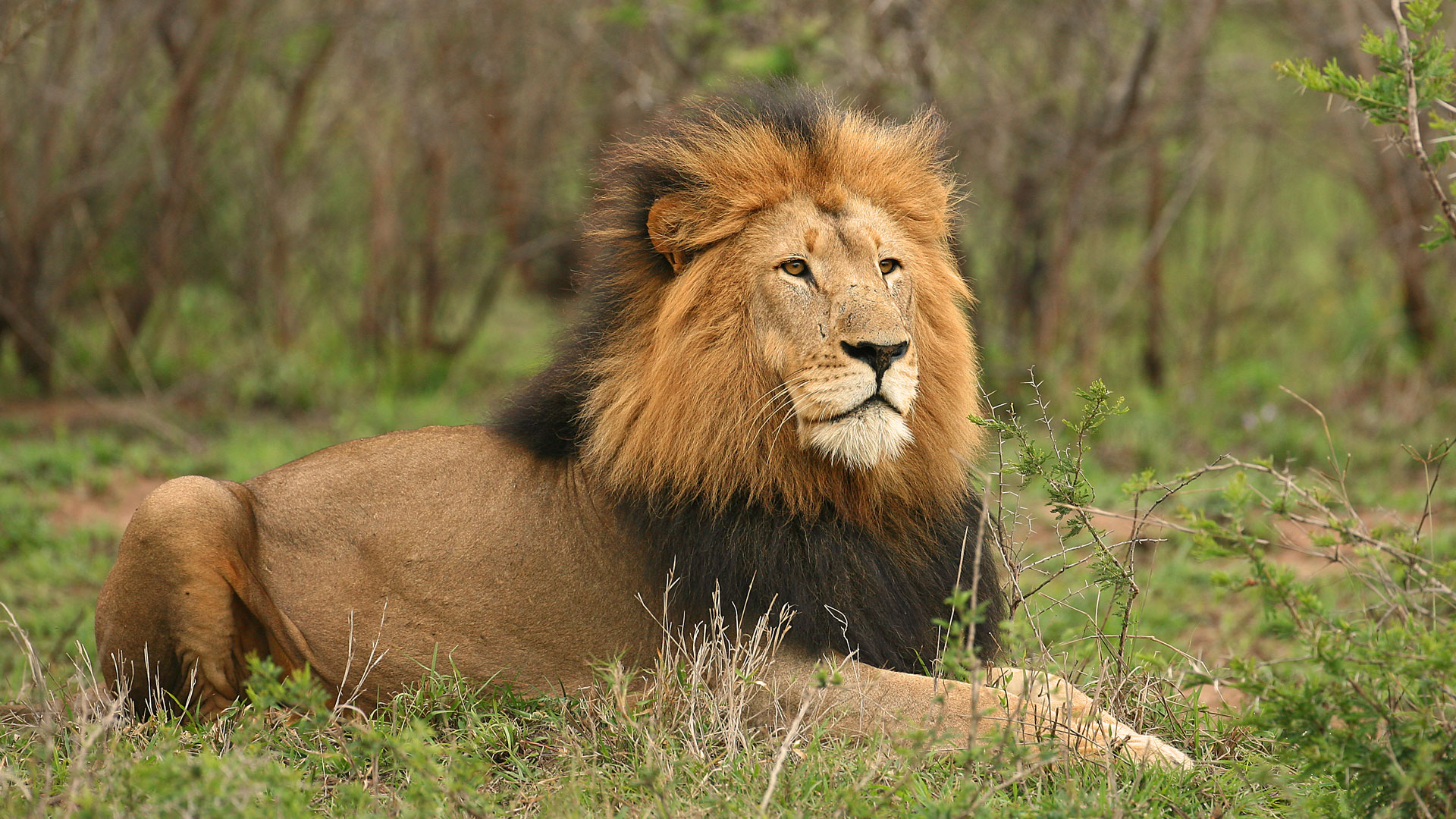
The Lion – King of the Big Five
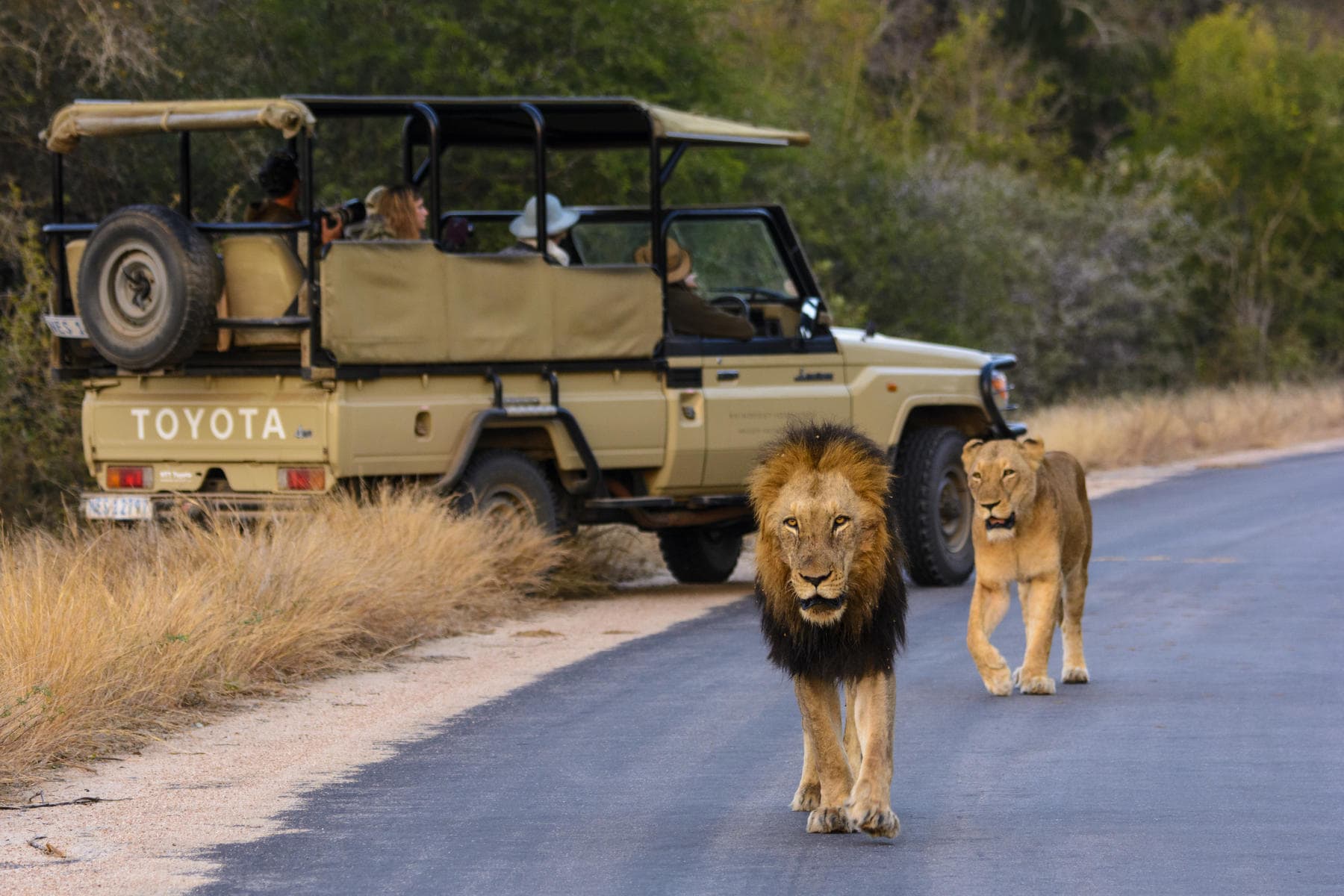
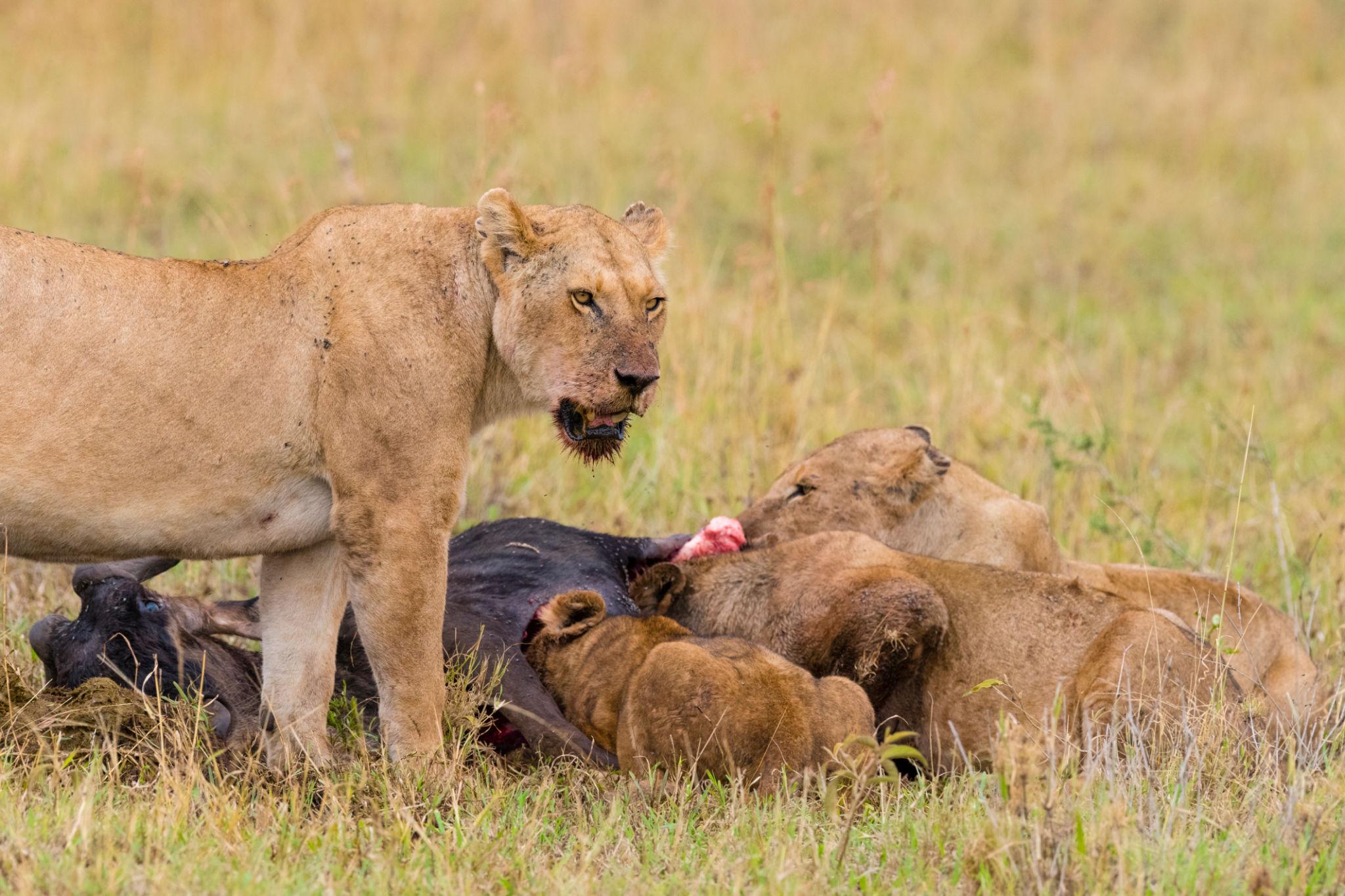
The lion is one of the most famous members of the Big Five and is often called the king of the African savannah. Lions are powerful predators known for their strength, social pride structure, and dramatic hunting behavior.
Lions are commonly seen in safari destinations across Uganda, Kenya, Tanzania, Botswana, South Africa, and Zambia. Some of the best places to see lions include Serengeti National Park, Maasai Mara National Reserve, Queen Elizabeth National Park, Kruger National Park, and the Okavango Delta.
Uganda is especially famous for tree-climbing lions found in the Ishasha Sector of Queen Elizabeth National Park. These rare lions are often seen resting in fig trees during hot afternoons, attracting travelers searching for unique Big Five experiences.
Lions are most active during early mornings and evenings, making sunrise and sunset game drives excellent for predator sightings.
Leopards – Africa’s Elusive Predators
Leopards are among the most elusive members of the Big Five. These solitary predators are famous for their camouflage, climbing skills, stealth, and nocturnal behavior.
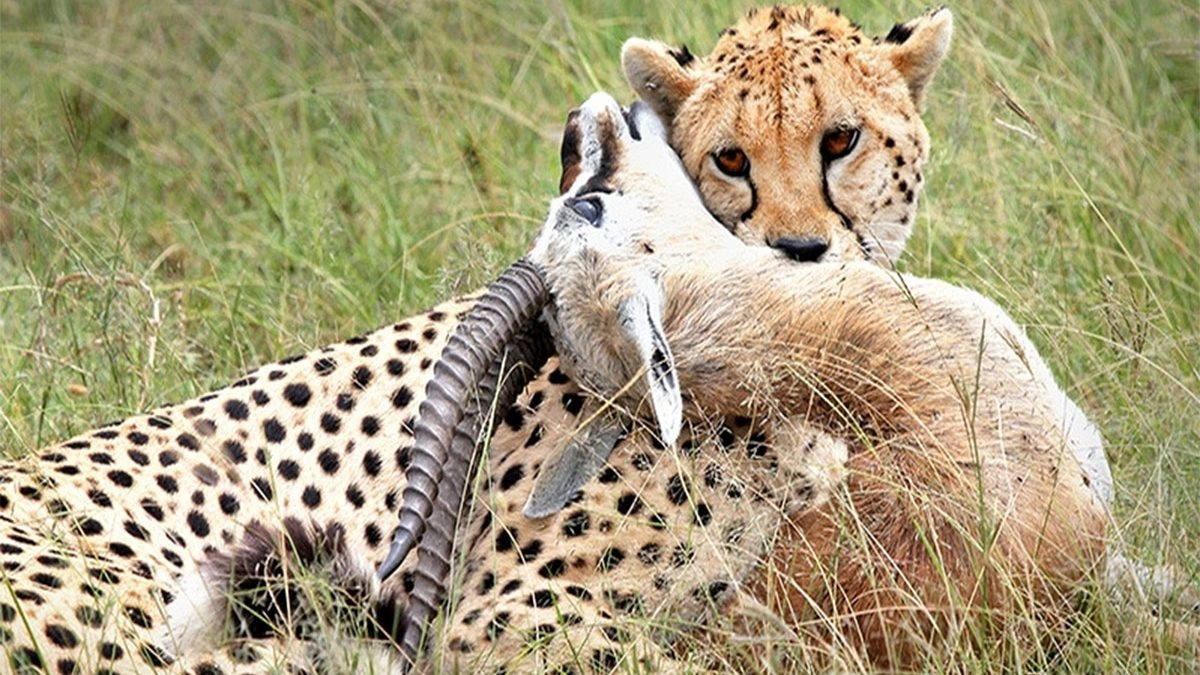
Although leopards live across many African safari destinations, sightings are never guaranteed because they are highly secretive animals. Many safari travelers consider spotting a leopard one of the most exciting moments during a Big Five safari.
Leopards are often seen resting in trees, hiding in thick vegetation, or moving silently through grasslands during early mornings and nighttime.
South Africa’s Kruger National Park, Zambia’s South Luangwa National Park, and Uganda’s Queen Elizabeth National Park are among the best places for leopard sightings.
Night game drives greatly improve chances of seeing leopards during Big Five safaris.
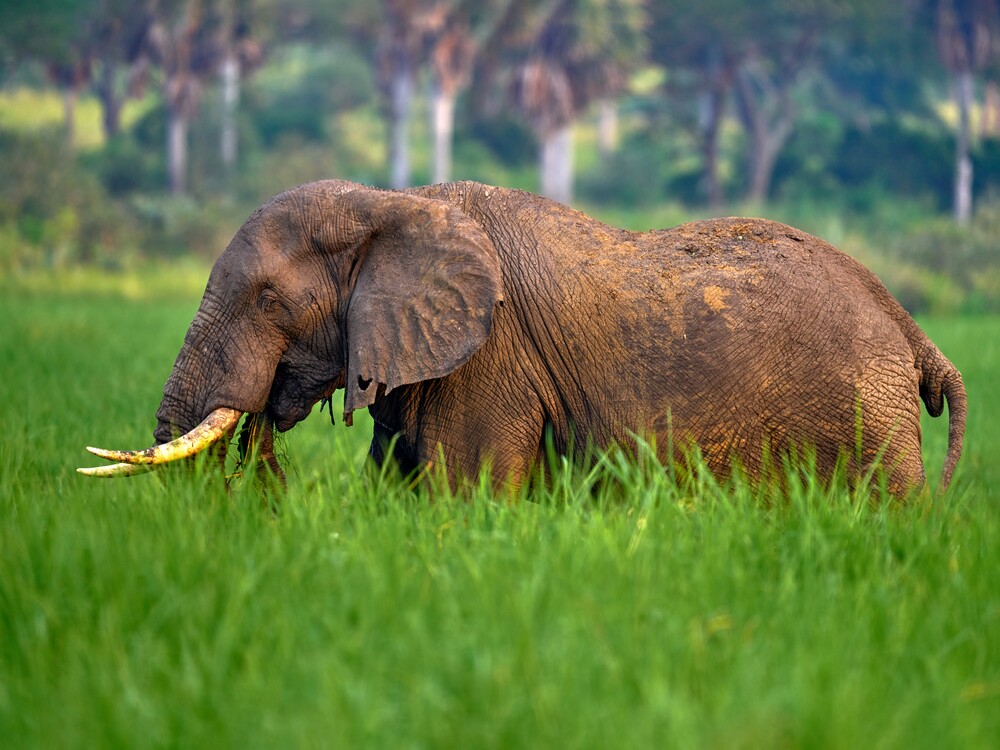
African Elephants
The African elephant is the largest land animal on earth and one of the most admired members of the Big Five. Elephants are highly intelligent, social, and emotional animals that live in family groups led by matriarch females.
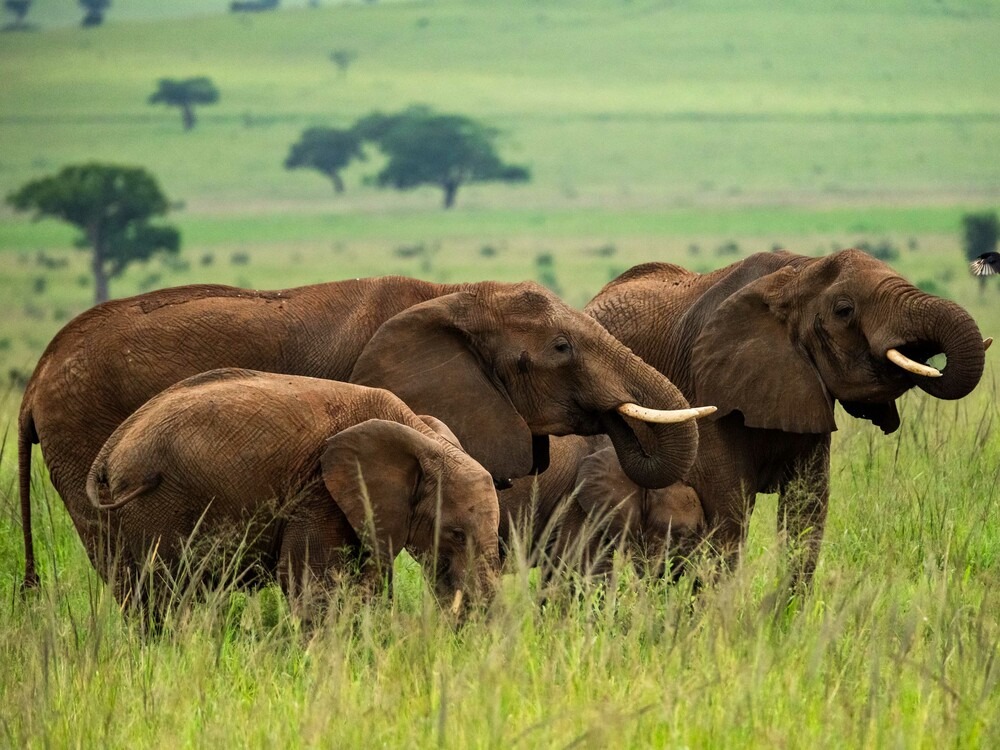
African elephants are found across savannahs, forests, wetlands, and woodlands throughout Africa. Popular destinations for elephant safaris include Amboseli National Park in Kenya, Chobe National Park in Botswana, Murchison Falls National Park in Uganda, and Tarangire National Park in Tanzania.
Elephants play a major role in maintaining healthy ecosystems because they shape vegetation, create water access points, and help disperse seeds across landscapes.
Many travelers consider close encounters with elephants among the most emotional and memorable experiences during Big Five safaris.
Rhinos – Africa’s Rare Giants
Rhinos are among the rarest and most endangered members of the Big Five. Africa is home to both black rhinos and white rhinos, although populations have declined significantly because of poaching and habitat loss.
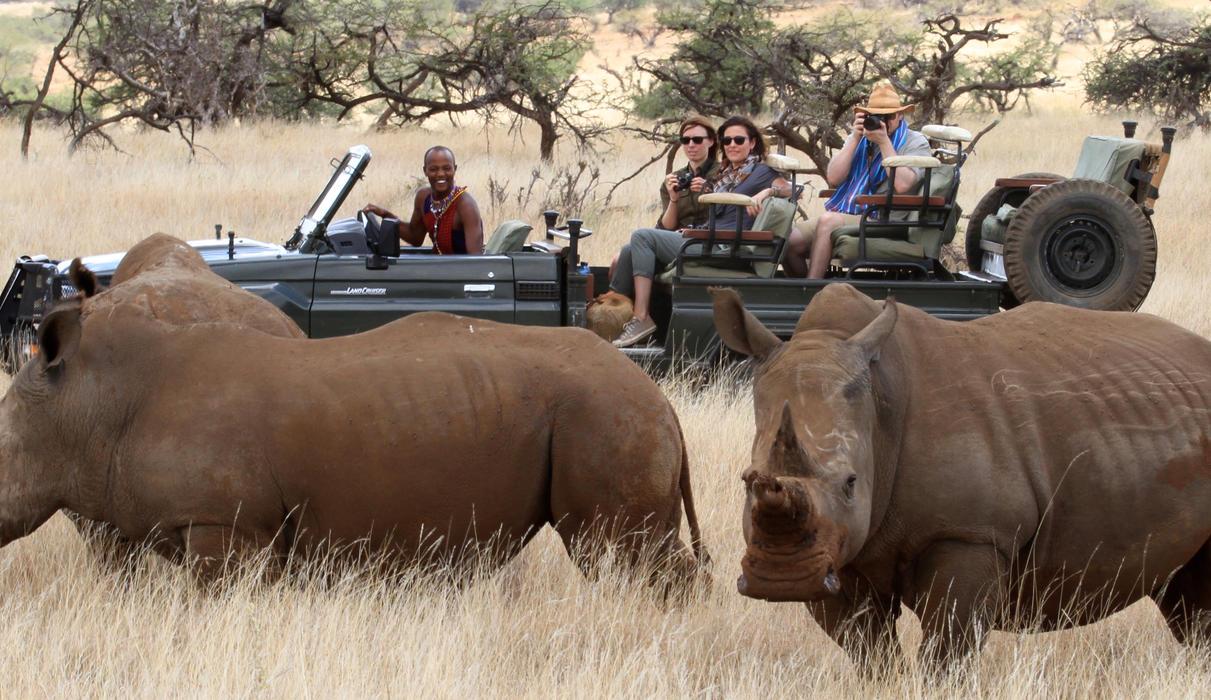
Rhino conservation has become one of Africa’s most important wildlife protection priorities. Many national parks and private conservancies continue working hard to protect rhino populations through anti-poaching operations and conservation programs.
Uganda offers rhino tracking experiences at Ziwa Rhino Sanctuary, while Kenya, South Africa, Namibia, and Tanzania also provide excellent rhino safari opportunities.
Rhinos are massive and powerful animals despite their calm appearance. Seeing rhinos in the wild remains one of the most rewarding experiences during Big Five safaris.
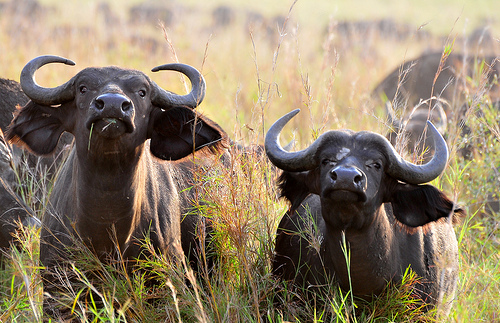
African Buffaloes
African buffaloes are often considered the most unpredictable members of the Big Five. These powerful animals live in large herds and are found in many African national parks and wildlife reserves.
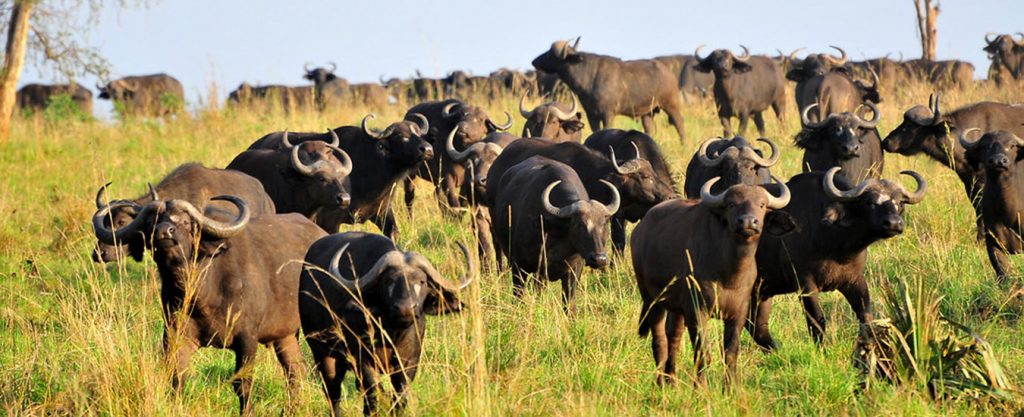
Buffaloes are known for their strength, aggressive defensive behavior, and ability to survive in diverse environments. They are commonly seen near rivers, wetlands, grasslands, and savannah plains.
Large buffalo herds are frequently seen in Queen Elizabeth National Park, Murchison Falls National Park, Serengeti National Park, and Kruger National Park.
Buffaloes are an important part of the African ecosystem and are often targeted by predators such as lions.
Best Destinations for Big Five Safaris
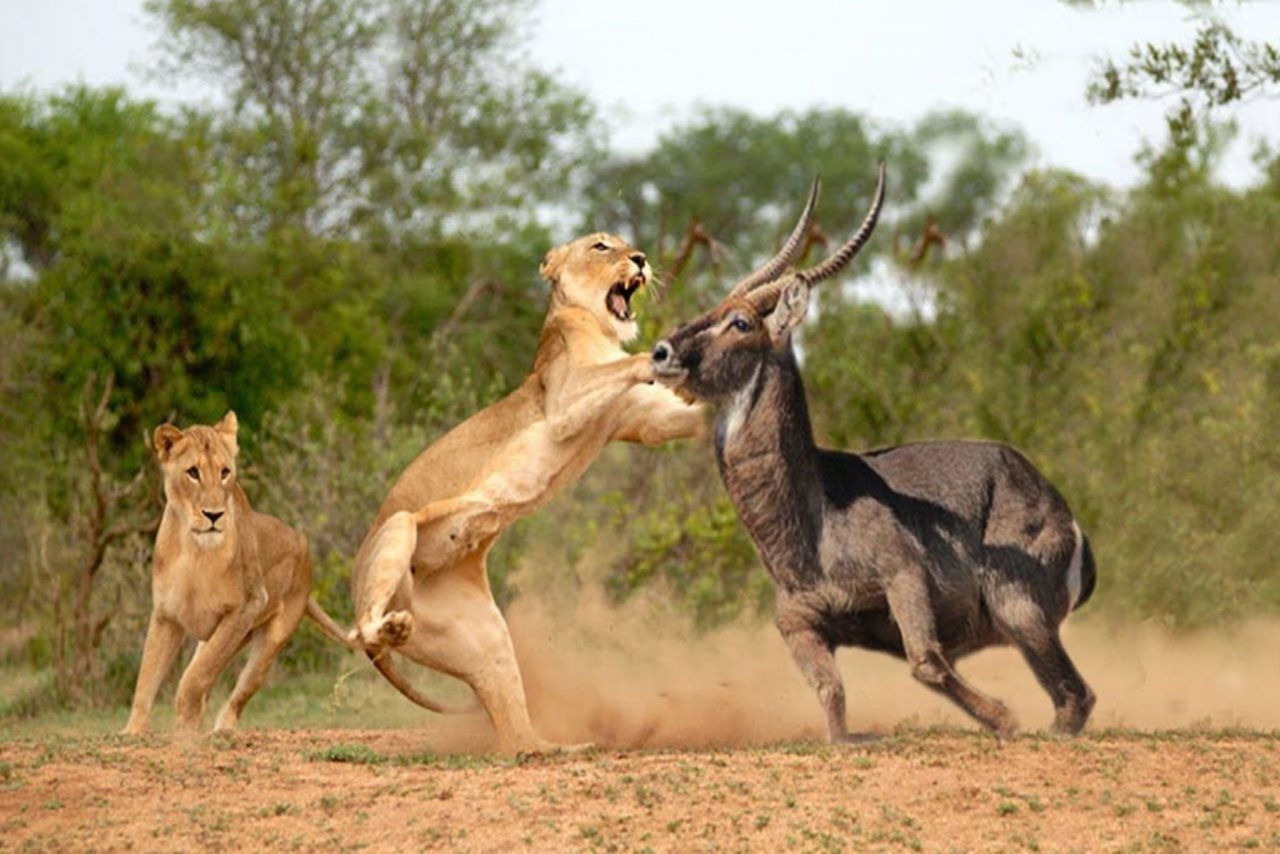
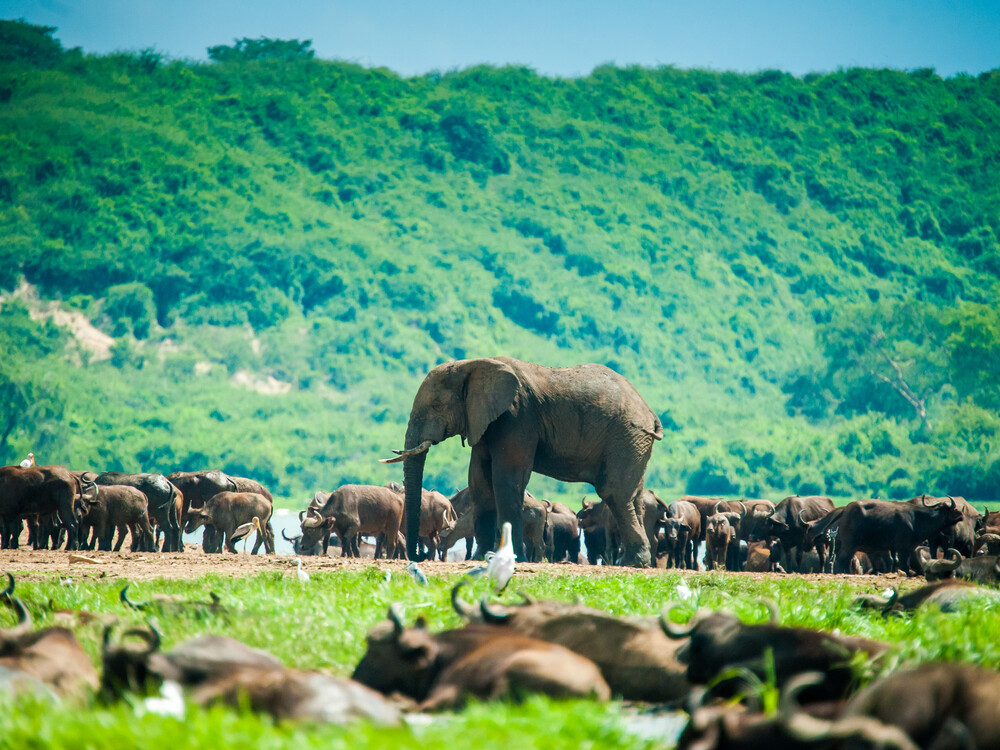
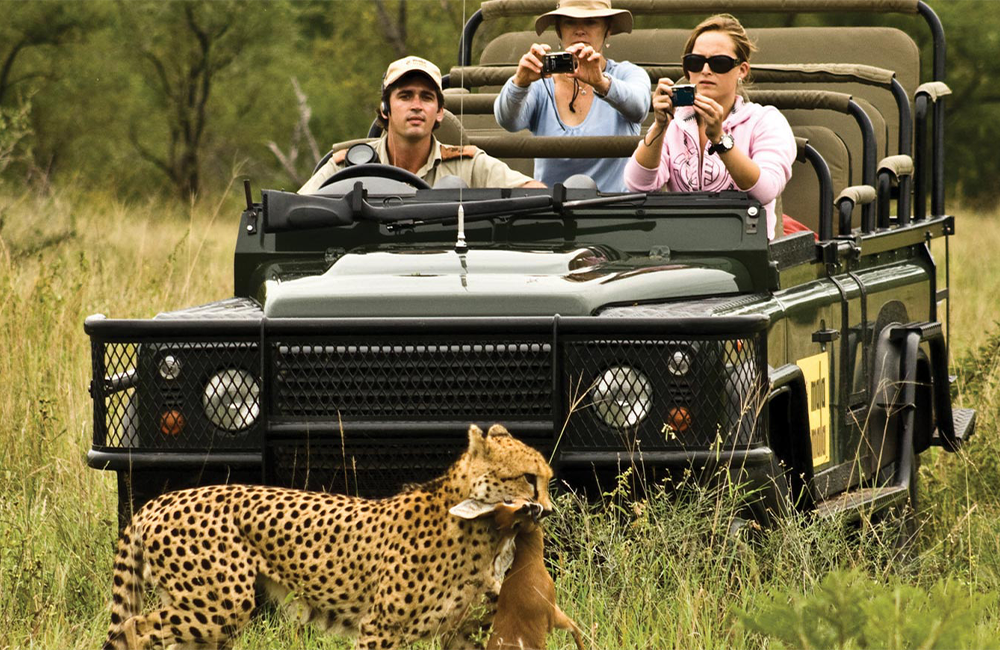
Africa offers some of the world’s greatest wildlife destinations for unforgettable safari experiences. From the open plains of East Africa to the wetlands of Botswana and the private reserves of South Africa, travelers have incredible opportunities to encounter lions, leopards, elephants, rhinos, and buffaloes in their natural habitats.
Uganda has become one of Africa’s most rewarding safari destinations because it combines classic wildlife experiences with mountain gorilla trekking adventures. Queen Elizabeth National Park is famous for tree-climbing lions in the Ishasha Sector, large elephant herds, buffaloes, and excellent boat safaris along the Kazinga Channel. Murchison Falls National Park is another outstanding destination offering lions, leopards, giraffes, elephants, buffaloes, and Nile River wildlife experiences around the powerful Murchison Falls. Travelers visiting Uganda often combine wildlife safaris with chimpanzee tracking in Kibale Forest National Park and gorilla trekking in Bwindi Impenetrable National Park.
Kenya remains one of Africa’s most iconic safari destinations. Maasai Mara National Reserve is globally famous for predator sightings, open savannah landscapes, and the Great Migration where thousands of wildebeests and zebras cross from Tanzania into Kenya. Amboseli National Park is another favorite destination, especially for travelers hoping to photograph large elephant herds with Mount Kilimanjaro in the background. Kenya’s conservancies also provide exceptional wildlife photography and luxury safari experiences.
Tanzania offers some of the most spectacular wildlife experiences in Africa. Serengeti National Park is world-famous for its endless plains, high predator populations, and the annual Great Migration. Ngorongoro Conservation Area provides incredible wildlife viewing inside the volcanic crater where travelers can encounter rhinos, lions, buffaloes, elephants, and numerous other animals within a relatively small area. Tarangire National Park is famous for giant elephant herds and ancient baobab trees, while Ruaha National Park offers remote wilderness experiences with fewer crowds and excellent predator sightings.
South Africa is widely regarded as one of the best destinations for luxury wildlife safaris. Kruger National Park offers excellent infrastructure, high wildlife densities, and consistent animal sightings throughout the year. Private reserves such as Sabi Sands are especially famous for close leopard encounters and exclusive luxury safari experiences. South Africa also offers premium lodges, private guides, night game drives, and world-class wildlife photography opportunities.
Botswana is known for exclusive safari experiences and untouched wilderness areas. The Okavango Delta is one of Africa’s most beautiful safari ecosystems, offering wildlife viewing by boat, mokoro canoe, and traditional game drives. Chobe National Park is famous for massive elephant populations and scenic river safaris along the Chobe River. Botswana’s low-tourism model creates intimate and luxurious wildlife experiences for travelers looking for privacy and remote safari adventures.
Namibia offers unique desert wildlife experiences with stunning landscapes and exceptional photography opportunities. Etosha National Park is the country’s most famous wildlife destination and provides excellent opportunities to see predators and large herbivores gathering around waterholes. Namibia is also known for desert-adapted elephants and cheetah conservation programs.
Zambia is famous for authentic walking safaris and remote wilderness experiences. South Luangwa National Park is one of Africa’s best places for leopard sightings and offers outstanding wildlife encounters in a less crowded environment. Lower Zambezi National Park combines river safaris, canoeing, and wildlife viewing along the Zambezi River.
Zimbabwe also offers remarkable safari experiences in Hwange National Park, which is known for large elephant populations and diverse wildlife. Mana Pools National Park is famous for walking safaris and canoe adventures along the Zambezi River.
Rwanda is increasingly becoming popular for combining wildlife safaris in Akagera National Park with gorilla trekking experiences in Volcanoes National Park. Akagera now offers lions, rhinos, elephants, buffaloes, and leopards within scenic savannah landscapes close to Kigali.
Each African safari destination offers unique landscapes, wildlife densities, photography opportunities, and safari styles. Some travelers prefer luxury fly-in safaris and private conservancies, while others enjoy adventurous overland journeys through multiple countries. Whether exploring the savannah plains of Kenya and Tanzania, the wetlands of Botswana, the forests of Uganda and Rwanda, or the luxury reserves of South Africa, Africa continues offering some of the world’s most unforgettable wildlife experiences.
Luxury Big Five Safaris
Luxury Big Five safaris continue attracting travelers seeking premium wildlife experiences across Africa.
Luxury safaris often include:
- Private safari guides
- Luxury lodges and camps
- Fly-in safari experiences
- Private game drives
- Fine dining experiences
- Wildlife photography safaris
- Spa and wellness experiences
- Personalized safari itineraries
Luxury lodges near Big Five destinations provide exceptional comfort, scenic views, gourmet cuisine, and exclusive safari hospitality.
Many travelers combine luxury Big Five safaris with gorilla trekking, beach holidays, cultural tours, and helicopter experiences across East and Southern Africa.
Conservation of the Big Five
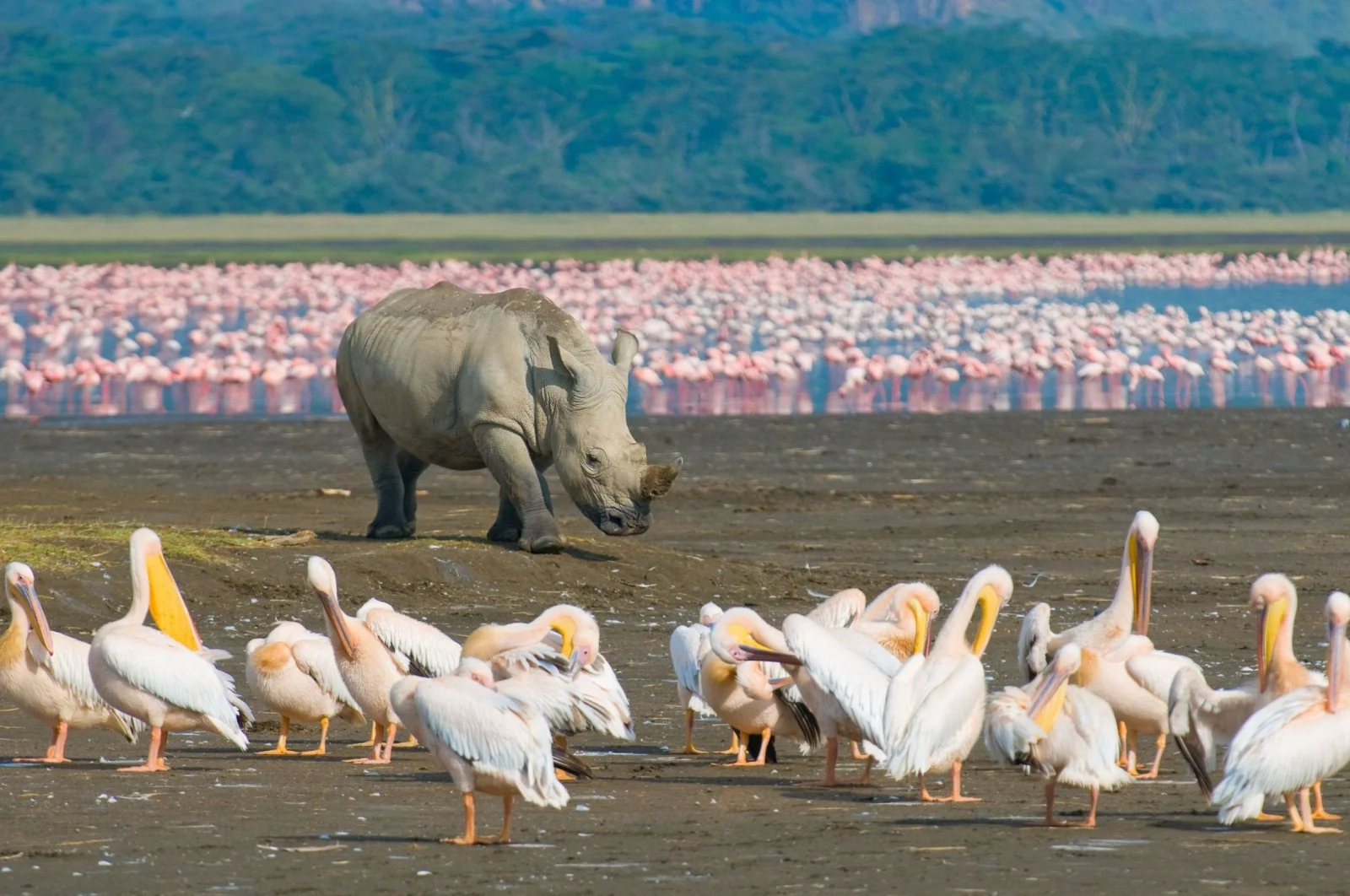
Conservation remains extremely important for protecting the Big Five and preserving Africa’s wildlife heritage.
Many species face threats from poaching, habitat destruction, human-wildlife conflict, climate change, and illegal wildlife trade.
National parks, conservation organizations, local communities, safari operators, and governments continue working together to protect wildlife populations and maintain healthy ecosystems.
Responsible tourism plays a major role in conservation because safari revenue supports ranger patrols, anti-poaching programs, community development, wildlife monitoring, and environmental protection projects.
Travelers visiting Africa for Big Five safaris directly contribute to wildlife conservation and sustainable tourism initiatives.
Frequently Asked Questions About the Big Five
What animals make up the Big Five?
The Big Five include the lion, leopard, elephant, rhinoceros, and African buffalo.
Why are they called the Big Five?
The term originally referred to the five most difficult animals to hunt on foot.
Which country is best for Big Five safaris?
South Africa, Kenya, Tanzania, Botswana, and Uganda are among the best destinations for Big Five safaris.
Can I see the Big Five in Uganda?
Yes. Uganda offers excellent Big Five experiences in Queen Elizabeth National Park, Murchison Falls National Park, and Ziwa Rhino Sanctuary.
What is the best time for a Big Five safari?
Dry seasons usually provide the best wildlife viewing opportunities.
Are Big Five safaris safe?
Yes. Safaris are conducted with experienced guides and regulated wildlife safety procedures.
Can Big Five safaris be combined with gorilla trekking?
Yes. Uganda and Rwanda are excellent destinations for combining wildlife safaris with gorilla trekking experiences.
What should I pack for a safari?
Comfortable clothing, binoculars, cameras, sunscreen, hiking shoes, hats, and insect repellent are recommended.
Book Big Five Safaris with Boots in the Jungle Safaris
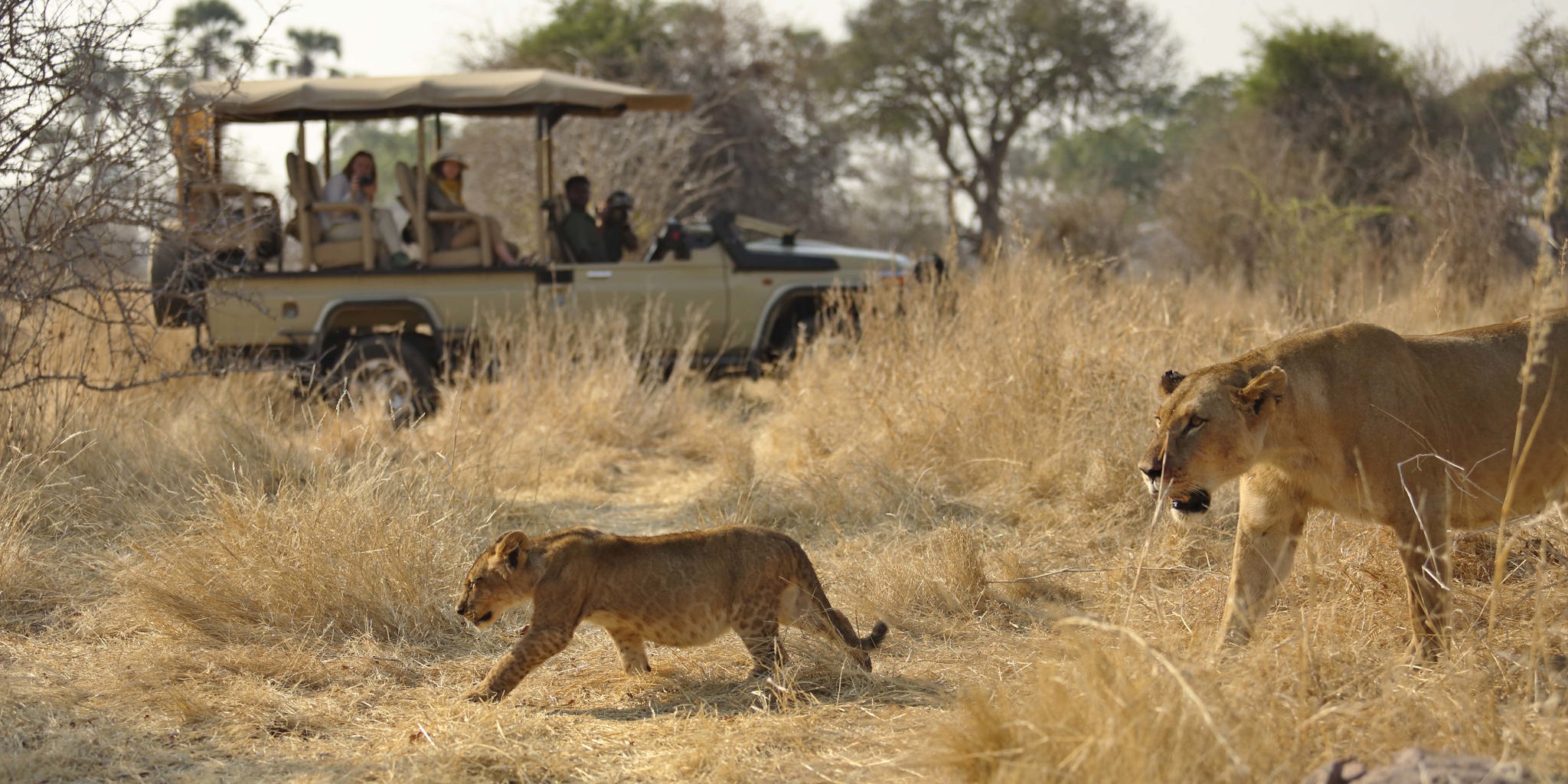
Boots in the Jungle Safaris organizes unforgettable Big Five safaris across Uganda, Kenya, Tanzania, Rwanda, Botswana, South Africa, and other top African safari destinations.
Our customized safari experiences include luxury safaris, wildlife photography tours, private game drives, gorilla trekking combinations, family safaris, honeymoon safaris, and multi-country African adventures.
Whether you are searching for tree-climbing lions in Uganda, leopard photography in South Africa, elephant herds in Botswana, or luxury wildlife safaris in Tanzania, Boots in the Jungle Safaris helps create unforgettable African safari experiences tailored to your interests.
Book your Big Five safari today with Boots in the Jungle Safaris and discover the incredible wildlife, landscapes, and safari experiences that make Africa one of the world’s greatest travel destinations.