
Kibale National Park Uganda – Ultimate Chimpanzee Tracking Safari, Wildlife, and Travel Guide
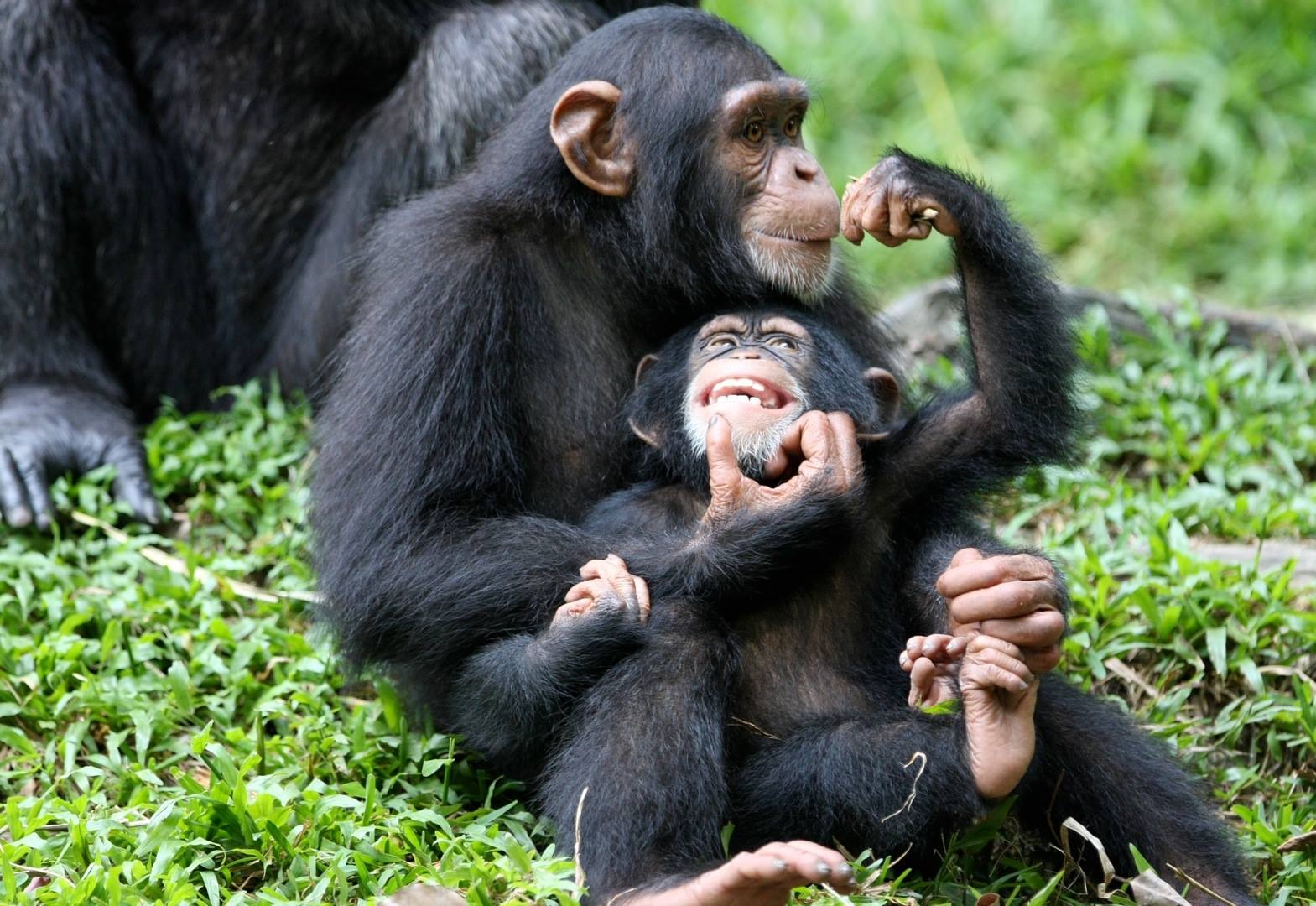
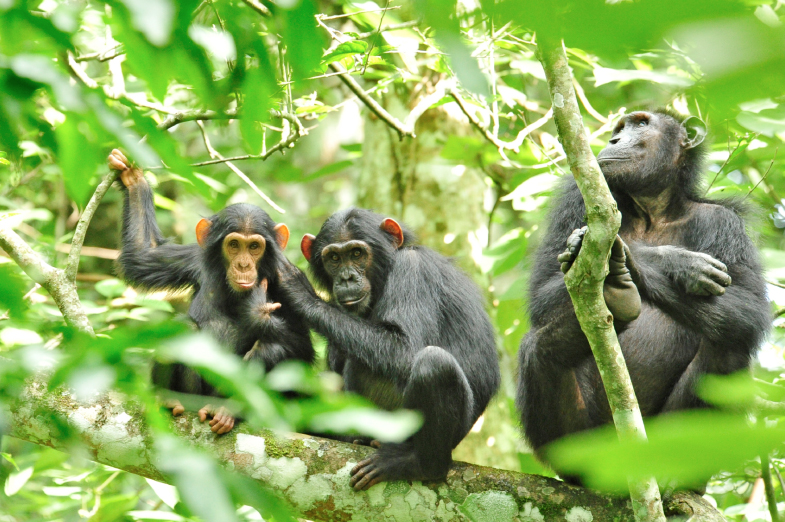
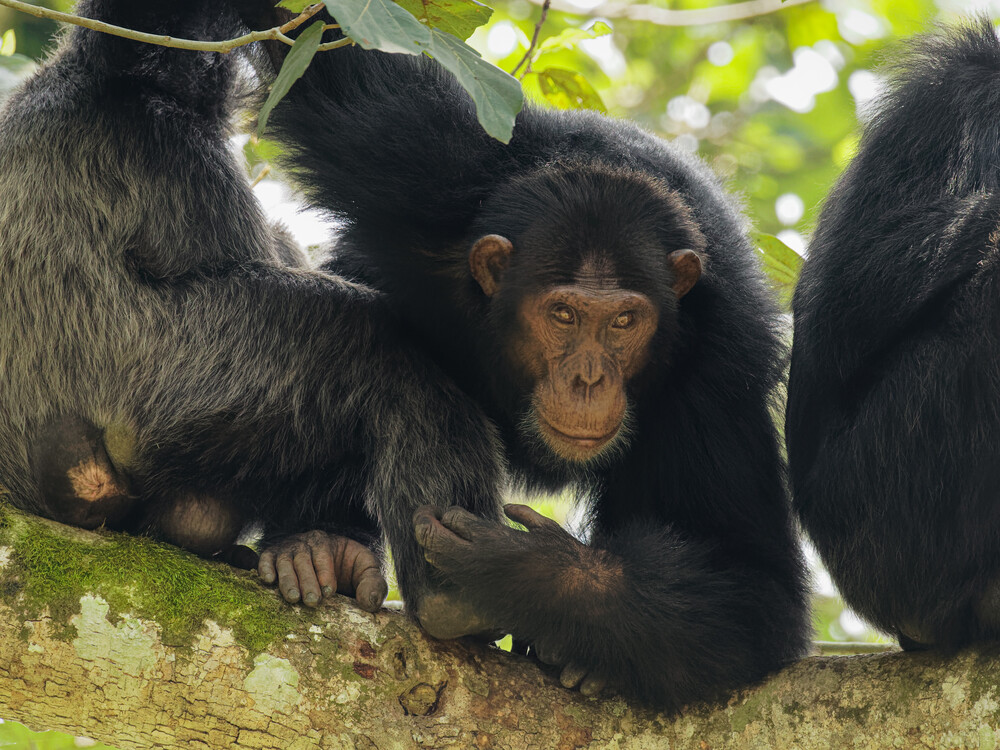
Kibale National Park stands out as one of Uganda’s most celebrated wildlife destinations, known globally for its exceptional biodiversity and primate tracking experiences. Often referred to as the “Primate Capital of the World”, Kibale National Park is home to a staggering variety of primates, with chimpanzees taking center stage as the park’s main attraction. This lush tropical rainforest offers visitors the chance to encounter a multitude of wildlife, from forest elephants to over 370 bird species, all nestled within a thriving ecosystem.
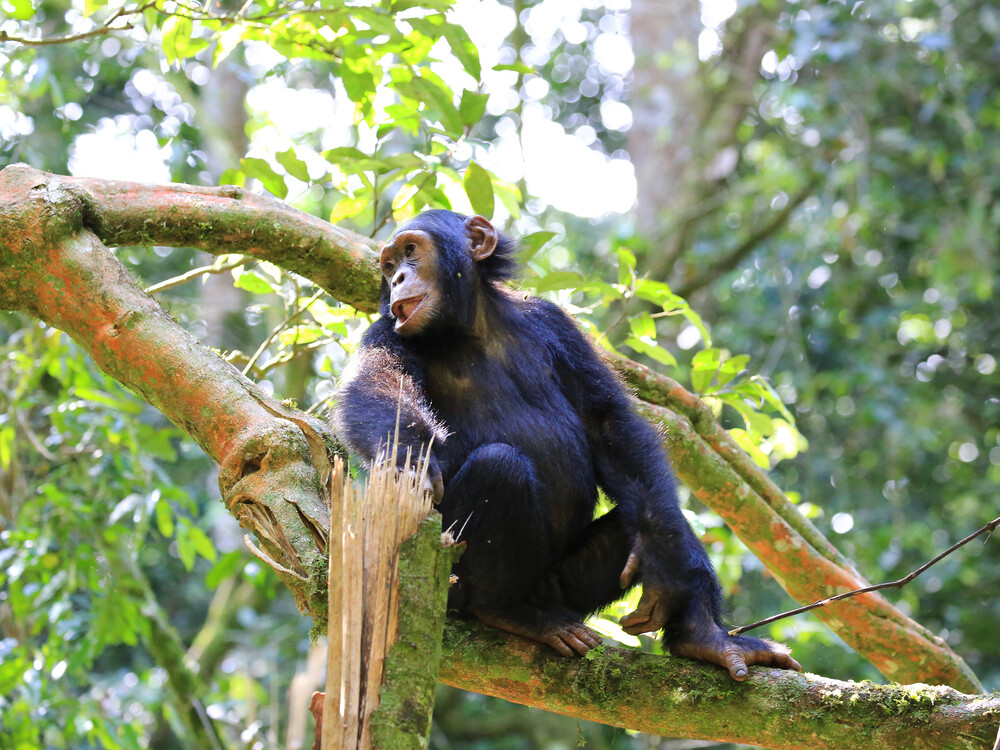
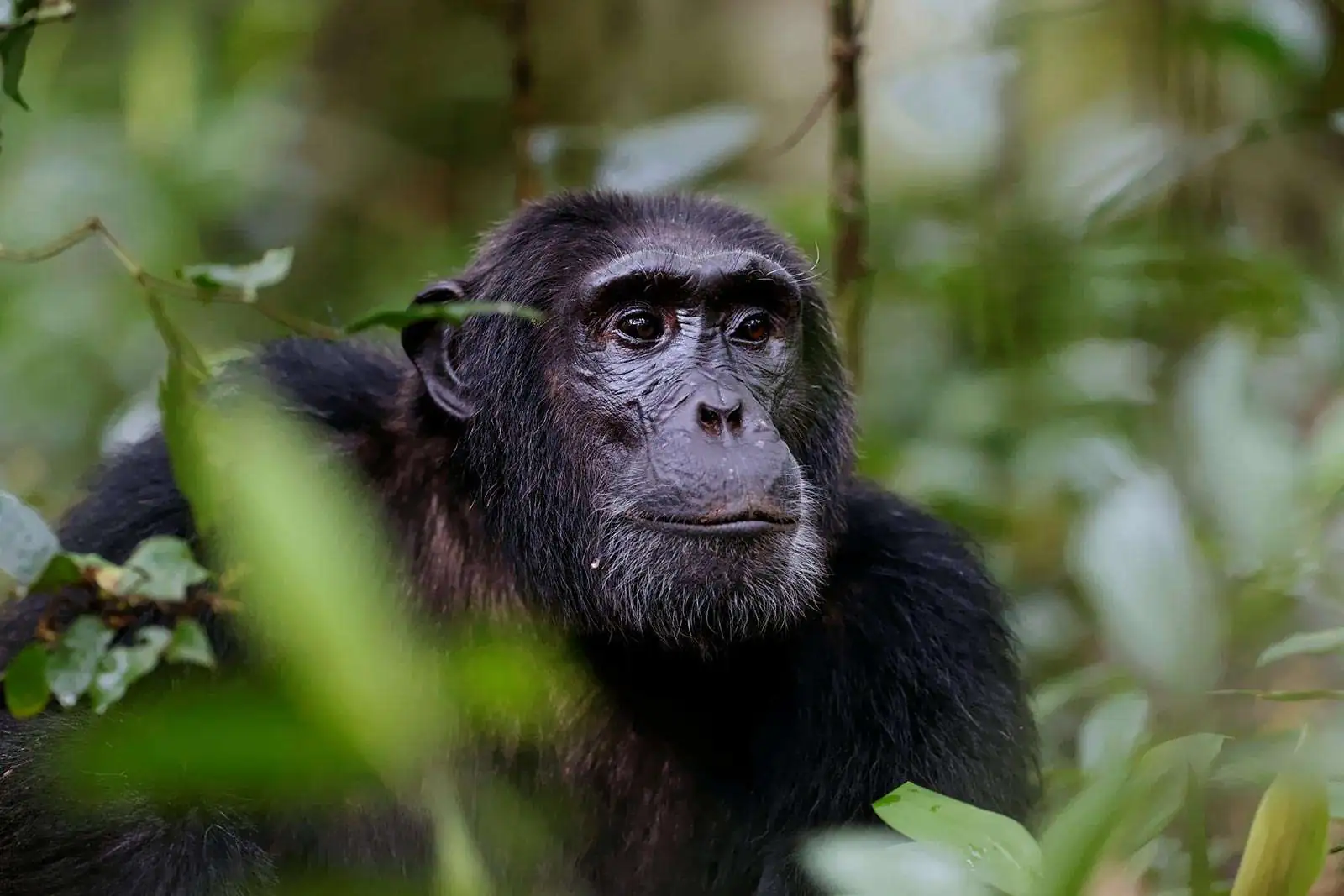
Covering approximately 795 square kilometers, Kibale National Park is a tropical haven with diverse ecosystems that include rainforests, swamps, grasslands, and crater lakes. The park’s dense forest canopy provides a habitat for 13 species of primates, including red colobus monkeys, olive baboons, and the rare Uganda mangabey. However, it’s the population of chimpanzees—around 1,500 individuals—that draws most visitors to this park. Known for their intelligence and social behaviors, chimpanzees are the park’s star attraction, making chimpanzee tracking one of the most sought-after activities for wildlife enthusiasts and adventurers alike.
Aside from chimpanzee tracking, Kibale National Park offers a wide range of other thrilling safari experiences, including birdwatching, forest walks, and cultural encounters with the local communities. Whether you are an avid birdwatcher, a primate enthusiast, or someone simply seeking an authentic, immersive wildlife experience, this Park promises to deliver memories that will last a lifetime.
For travelers looking to explore Uganda’s natural beauty and diverse wildlife, This park should be an essential stop. The park not only complements other national parks such as Queen Elizabeth National Park and Bwindi Impenetrable National Park but also stands as one of the world’s premier primate tracking destinations.
Where is Kibale National Park Located
Kibale National Park is situated in the western region of Uganda, approximately 5 to 6 hours by road from the country’s capital, Kampala, or Entebbe, making it a convenient destination for travelers on a Uganda safari. Kibale lies in close proximity to Queen Elizabeth National Park to the southwest and Bwindi Impenetrable National Park to the south, making it an excellent addition to a multi-destination safari itinerary.
The park is easily accessible from Fort Portal, a charming town located just 30 minutes away from Kibale. Fort Portal serves as the primary gateway for visitors traveling to the park and is well-connected by road to Kampala and other key regions. Once in Fort Portal, travelers can reach the park with a short drive, making Kibale an ideal stopover for those exploring the western part of Uganda.
Kibales strategic location between other major Ugandan national parks—such as Queen Elizabeth National Park and Bwindi Impenetrable National Park—makes it particularly convenient for travelers looking to explore Uganda’s rich wildlife offerings. From Kibale, you can easily combine primate tracking with traditional game drives, boat safaris, and even gorilla trekking, creating a well-rounded safari experience in one of Africa’s most biodiverse regions.
Additionally, Kibale is located near other notable attractions, such as the Rwenzori Mountains and Semuliki National Park, offering visitors plenty of options for further exploration within the region.
Traveling to Kibale National Park
To reach Kibale, visitors typically have two options: by road or air.
- By Road
The most common way to reach Kibale is by road. The journey from Kampala or Entebbe takes approximately 5 to 6 hours, passing through scenic Ugandan countryside and small towns like Mbarara. The drive is an experience in itself, with views of rolling hills, tea plantations, and the famous Equator crossing. - By Air
For those who prefer a quicker and more comfortable option, domestic flights to Kasese Airstrip are available from Entebbe International Airport. Kasese is about an hour’s drive from Kibale, allowing for a seamless transfer to the park. This option is ideal for travelers with limited time or those looking to cut down on travel time. - Access from Fort Portal
Fort Portal, located just 30 minutes from the park, serves as the main access point to Kibale National Park. Visitors flying into Kasese or traveling by road can easily reach Fort Portal and continue their journey to the park.
Nearby Attractions
- Queen Elizabeth National Park (5-6 hours by road) – A great place to explore Uganda’s famous tree-climbing lions and enjoy boat safaris along the Kazinga Channel.
- Bwindi Impenetrable National Park (5-6 hours by road) – Home to the endangered mountain gorillas, this park offers the ultimate gorilla trekking experience.
- Rwenzori Mountains (3 hours by road) – Known for their snow-capped peaks and diverse ecosystems, ideal for hiking and mountaineering enthusiasts.
- Semuliki National Park (2 hours by road) – Famous for its hot springs, wildlife, and birding opportunities, making it a hidden gem near Kibale.
Kibale’s location offers the perfect combination of accessibility and wildlife diversity, making it one of Uganda’s prime safari destinations. Whether you’re interested in chimpanzee tracking, wildlife safaris, or immersing yourself in local culture, Kibale National Park provides an exceptional adventure in the heart of Africa.
Why Kibale National Park is Famous
Kibale National Park is globally renowned for its exceptional chimpanzee tracking experiences, drawing travelers from around the world to observe these fascinating primates in their natural habitat. The park is home to one of the largest and most diverse populations of chimpanzees in Africa, with an estimated 1,500 individuals residing within the park’s boundaries. This makes Kibale the best place in Africa for chimpanzee tracking and one of the top primate destinations globally.
Chimpanzee Tracking in Kibale National Park
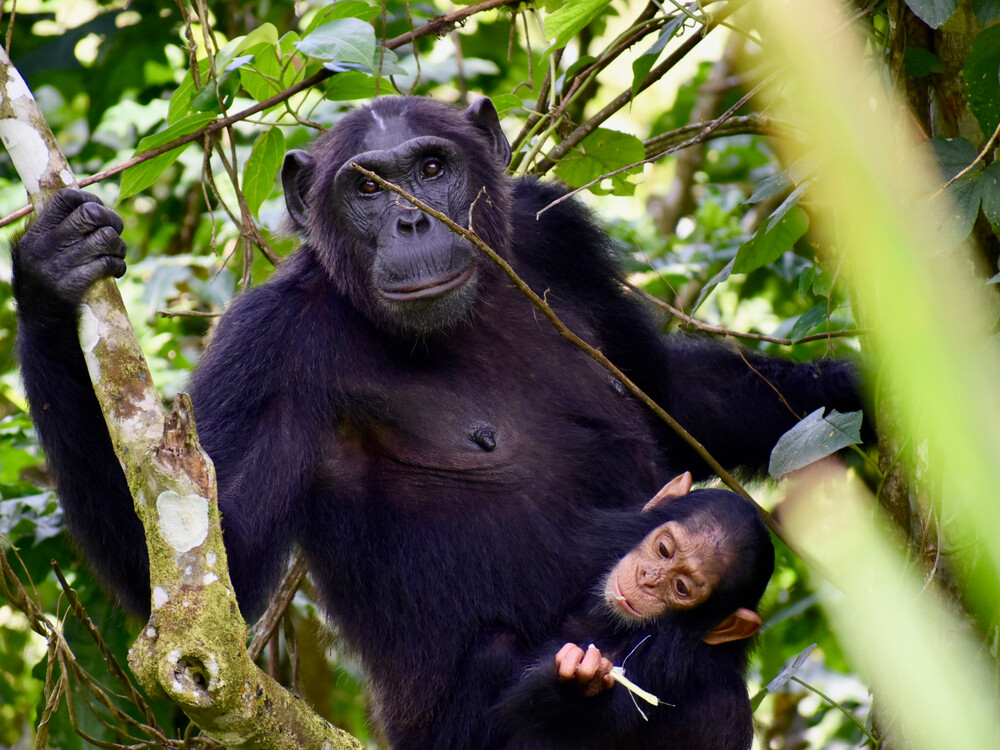
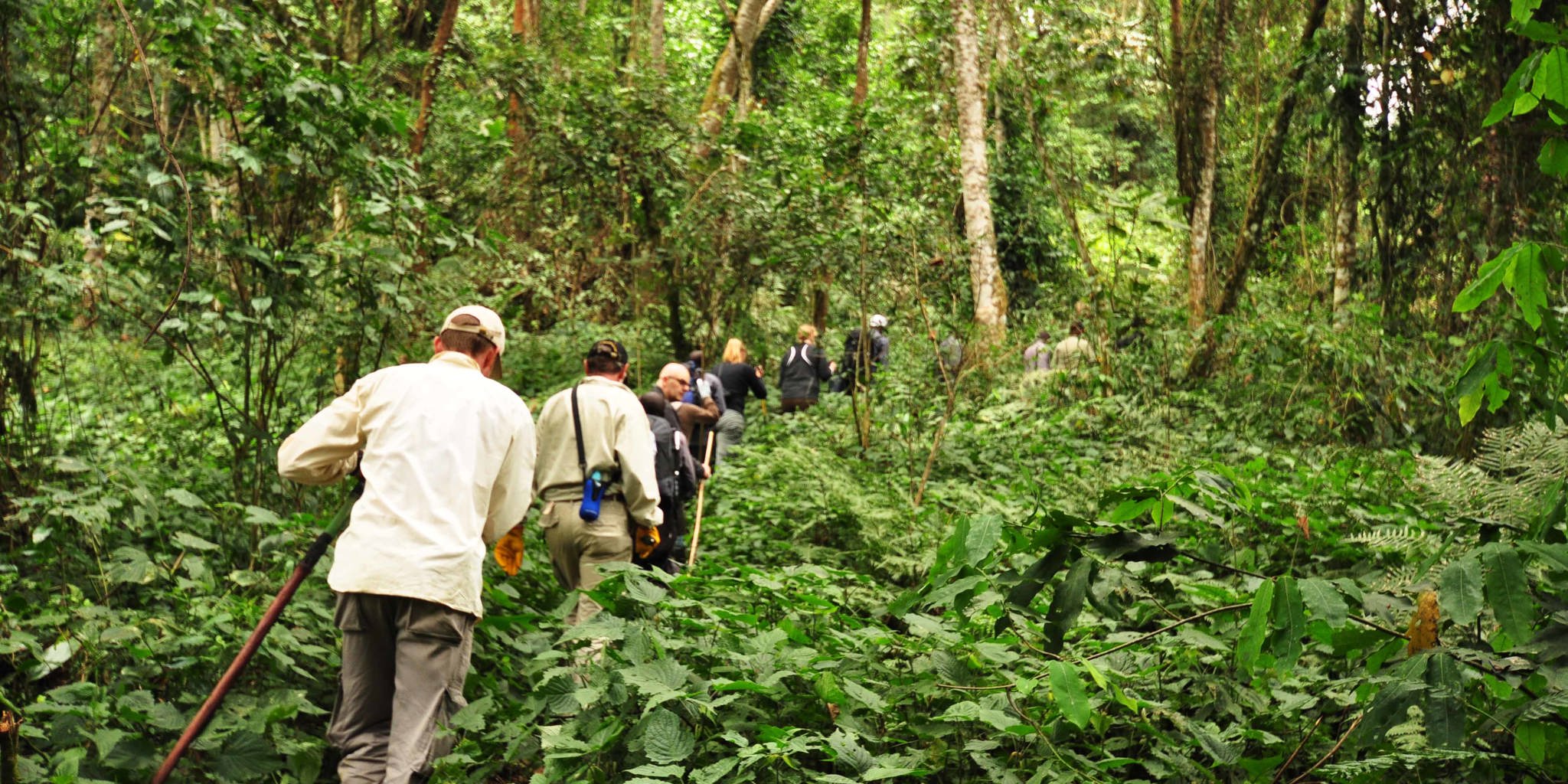
Chimpanzee tracking in Kibale National Park is a truly transformative experience for wildlife enthusiasts and adventure travelers alike. The park offers some of the best opportunities to observe chimpanzees in the wild, allowing visitors to witness firsthand their social behaviors, complex interactions, and even their tool use. Guided by expert rangers, you will embark on a trek through the park’s dense tropical forest, searching for one of the park’s habituated chimpanzee families. The trekking experience is intimate, educational, and often emotional, as visitors observe chimps engaging in behaviors such as grooming, foraging, playing, and taking care of their young.
What makes Kibale’s chimpanzee tracking so special is the chance to see wild, unhabituated chimpanzees in their natural environment, which many other locations cannot offer. Spending time with chimpanzees in Kibale National Park is not just about seeing them up close—it’s about gaining insight into their lives, learning about their role in the ecosystem, and understanding the conservation efforts required to protect them.
Other Primates in Kibale National Park
In addition to its famous chimpanzee population, Kibale National Park is home to a wide variety of primates, earning it the title of the “Primate Capital of the World”. The park’s 13 species of primates include several rare and endangered species, and visitors are often treated to the sight of these primates during forest walks or on game drives.
Some of the other primates found in Kibale National Park include:
- Red Colobus Monkeys – These monkeys are rare and can be spotted in the park’s forested areas. They are known for their bright red fur and distinctive behavior.
- Black-and-White Colobus Monkeys – With their striking black and white fur, these monkeys are commonly seen leaping between the trees in Kibale’s dense forest.
- L’Hoest’s Monkeys – These rare monkeys are found in Kibale’s highland forest, and visitors may spot them during walks through the park.
- Uganda Mangabey – This endangered species is found in Kibale and is one of the park’s lesser-known primates.
- Red-Tailed Monkeys – These monkeys are frequently spotted in Kibale, with their long red tails and curious nature.
Kibale’s primate diversity makes it a must-visit destination for primate lovers and wildlife enthusiasts seeking an immersive experience with some of the world’s most intelligent animals.
Mammals in Kibale National Park
In addition to its iconic primate population, Kibale National Park is home to a diverse range of mammals that inhabit its tropical rainforest ecosystem. While chimpanzees are the park’s most famous residents, Kibale also offers a chance to see a variety of other mammals, making it an exciting destination for safari-goers looking to spot a range of species.
Among the mammals of Kibale National Park, you’ll find:
- Forest Elephants – These smaller, more elusive elephants are a rare sight but can occasionally be seen in Kibale’s dense forest, often on the park’s outskirts.
- Buffaloes – Kibale is home to large herds of buffaloes, which roam the savannah areas and can often be seen grazing.
- Bushbucks – These shy, antelope-like mammals are common in Kibale and are often spotted during forest walks.
- Leopards – Though leopards are elusive and rarely seen in Kibale, their presence is confirmed, and some lucky visitors may catch a glimpse during evening game drives or walks.
Although Kibale is more famous for its primates, the variety of mammals found within the park adds a dimension of wildlife diversity that makes it stand out from other primate-focused parks.
Wildlife in Kibale National Park
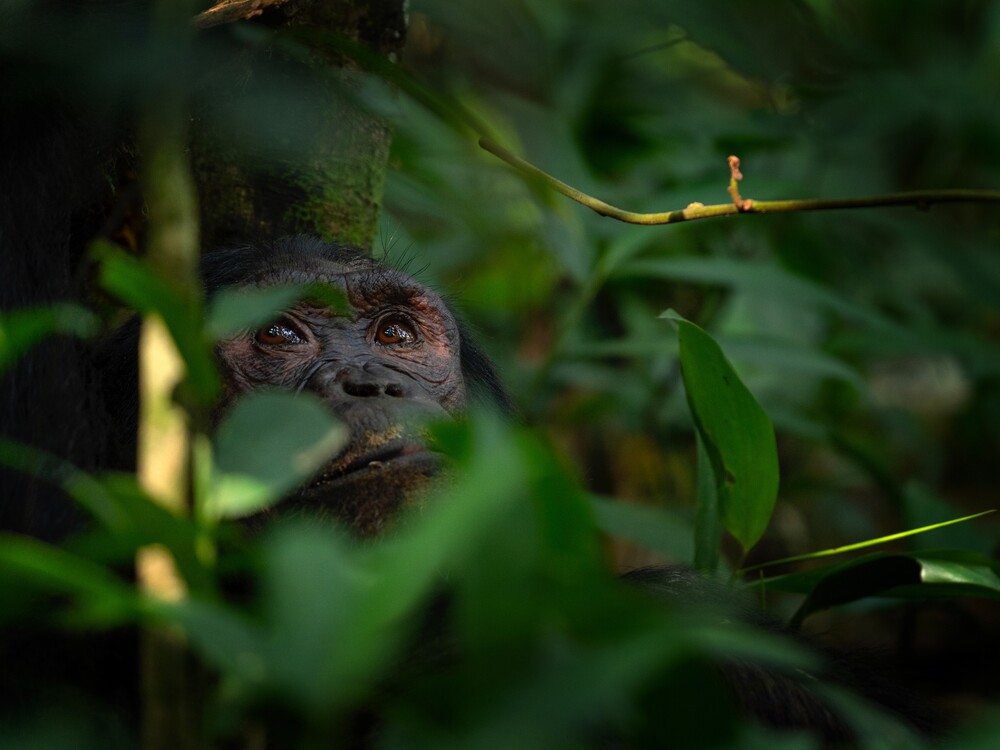
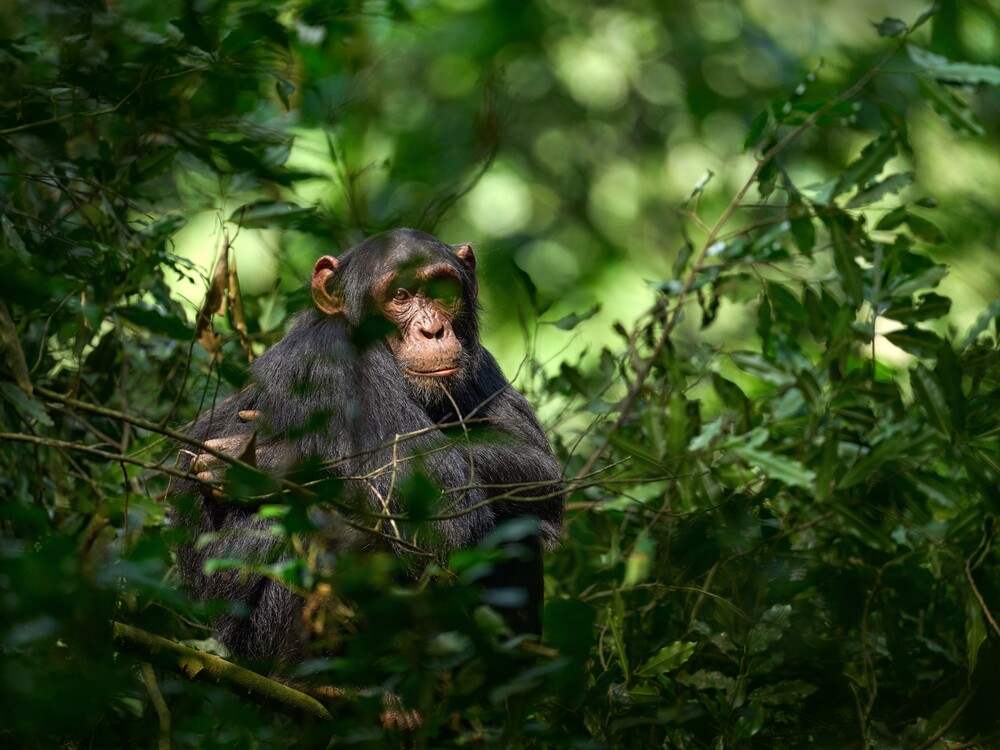
Kibale National Park is widely regarded as one of Uganda’s most biologically diverse national parks. Its combination of dense tropical rainforest, wetlands, and volcanic crater lakes provides an ideal habitat for an array of wildlife species, many of which are not found in other parts of Uganda. From iconic primates to elusive elephants, the wildlife in Kibale is diverse and provides an extraordinary safari experience.
Chimpanzees in Kibale National Park
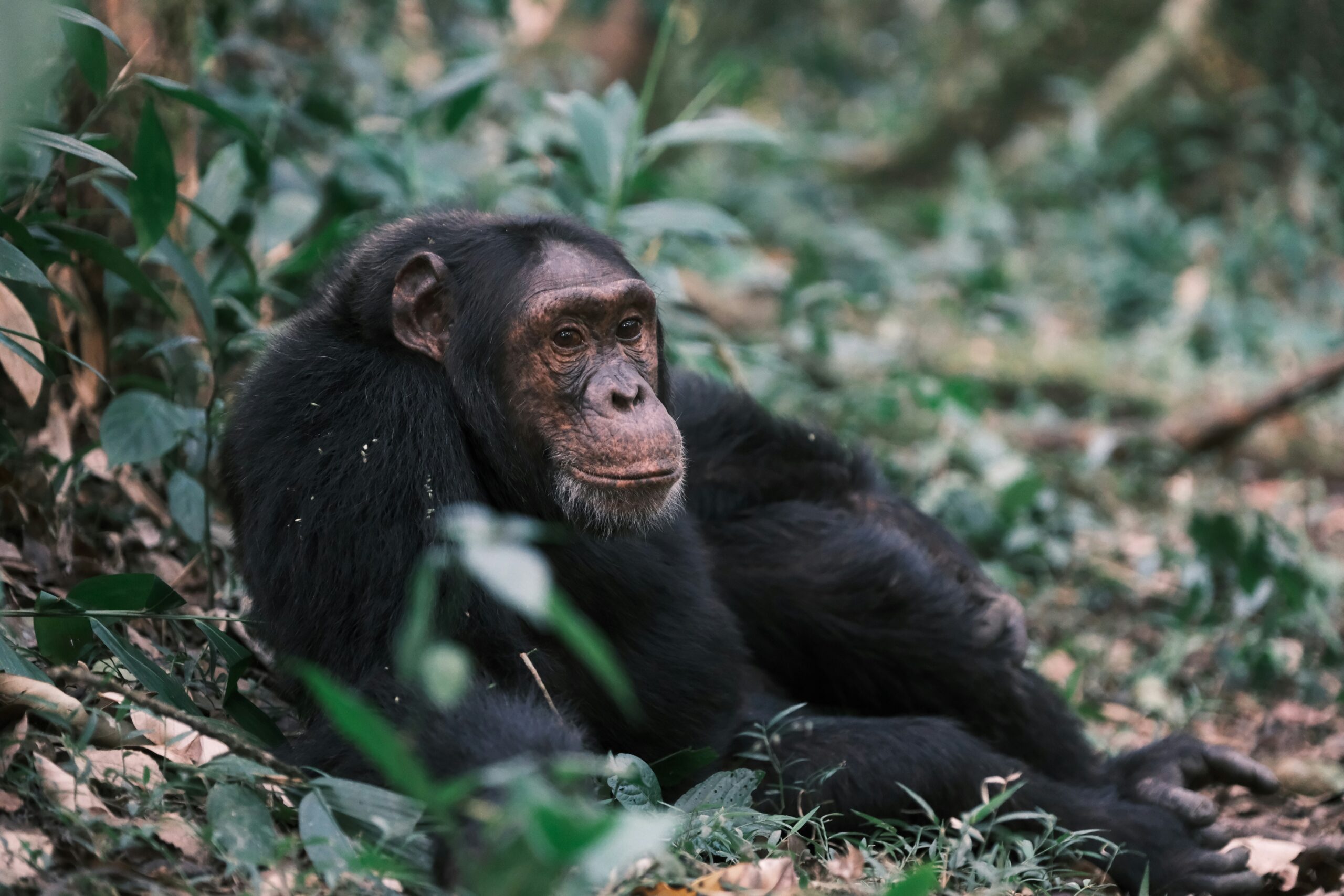
Kibale National Park is renowned as one of the best places in the world to see chimpanzees in the wild. Over 1,500 chimpanzees call the park home, making it one of the largest chimpanzee populations in Africa. Kibale’s chimpanzee tracking experience is unmatched, offering visitors the chance to observe chimpanzees in their natural habitat and witness their fascinating social behaviors. The rangers guide visitors on a trek through Kibale’s dense forest, leading to sightings of multiple chimpanzee families engaged in their daily activities.
The chimpanzee population in Kibale is well-studied, and the opportunity to interact with these fascinating primates is one of the primary reasons people visit Kibale. Visitors can observe wild chimpanzees using tools, playing, grooming, and interacting with one another—experiences that are both educational and incredibly moving.
Other Primates
Kibale is also home to a wide variety of other primates, making it the “Primate Capital of the World”. Visitors to may spot L’Hoest’s monkeys, red-tailed monkeys, and blue monkeys among the park’s 13 species of primates. The park’s dense forest is an ideal habitat for primates, providing plenty of cover and food sources.
Mammals of Kibale National Park
While Kibale National Park is most famous for its primates, the park also supports a variety of mammals that roam its savannah and forested areas. Forest elephants, buffaloes, bushbucks, and leopards are just a few of the mammals found in the park. Kibale’s diverse ecosystems provide suitable habitats for different species of mammals, making it an excellent destination for wildlife enthusiasts who want to experience more than just primate tracking.
Birdlife in Kibale National Park
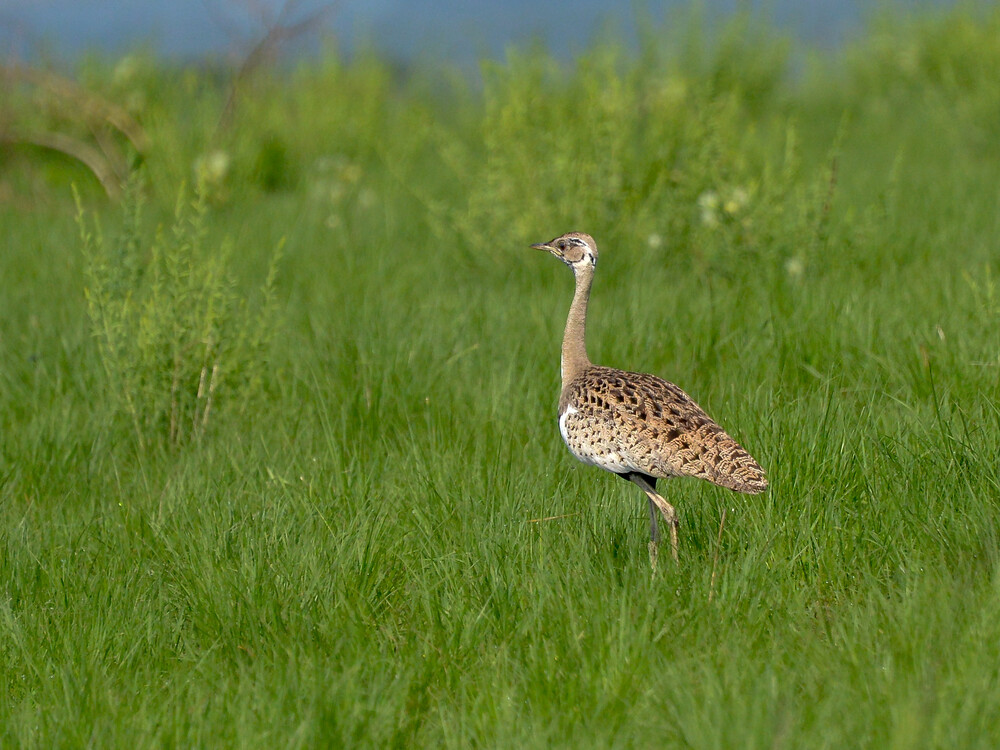
Birdwatching is another major draw for visitors to Kibale National Park. With over 370 bird species recorded, Kibale is a birding paradise. The park’s diverse habitats support a variety of birdlife, including forest birds, wetland species, and migratory birds. Some of the most sought-after birds in Kibale include the African grey parrot, the white-cheeked turaco, and the blue-headed coucal. Birdwatching in Kibale is rewarding throughout the year, but the rainy season offers the best opportunities to spot migratory species.
Reptiles and Amphibians
Kibale National Park is also home to a variety of reptiles and amphibians, which thrive in the park’s wetland and forest environments. Visitors may spot chameleons, geckos, and frogs while exploring the park’s diverse habitats.
Kibale National Park offers an immersive and diverse wildlife experience that caters to primate lovers, wildlife enthusiasts, birdwatchers, and anyone looking to explore Uganda’s rich natural beauty. From chimpanzee tracking to birdwatching and mammal sightings, Kibale provides a truly unique safari adventure in the heart of Uganda.
Top Activities in Kibale National Park
Kibale National Park is a treasure trove of experiences, packed with activities that allow visitors to explore its unique ecosystem and discover its rich biodiversity. From world-famous chimpanzee tracking to serene nature walks and birdwatching, Kibale offers a diverse range of activities that make every visit unforgettable. Whether you are looking to connect with nature, learn about wildlife conservation, or immerse yourself in local culture, Kibale National Park has something for everyone.
Chimpanzee Tracking in Kibale National Park
The highlight of any visit to Kibale National Park is undoubtedly chimpanzee tracking. Kibale is home to one of the largest populations of wild chimpanzees in the world, with approximately 1,500 individuals residing within the park. Tracking these intelligent primates through the park’s dense forest is an experience like no other.
Guided by expert park rangers, visitors embark on a trek through Kibale’s tropical rainforest in search of a habituated chimpanzee group. The trek can take anywhere from 1 to 3 hours, depending on where the chimpanzees are located. Once found, visitors have the chance to observe these fascinating primates up close as they engage in their natural behaviors, such as grooming, feeding, playing, and interacting socially.
This intimate experience offers a unique opportunity to learn about chimpanzee behavior, social structures, and their role in the ecosystem. Rangers share insightful information about chimpanzee conservation efforts and the challenges faced in protecting these incredible creatures. The experience is not only thrilling but also educational, making chimpanzee tracking in Kibale a must-do for any wildlife lover or adventurer.
Nature Walks in Kibale National Park

For those who want to take a slower, more immersive approach to discovering Kibale’s rich biodiversity, guided nature walks provide the perfect opportunity. These walks take visitors deep into the heart of Kibale’s dense rainforest, where they can discover a wide variety of plants, trees, insects, and smaller wildlife.
During nature walks in Kibale National Park, expert guides point out medicinal plants, unique tree species, and the forest’s intricate ecosystems. While the main focus is on flora, visitors also have the chance to spot other wildlife species such as red-tailed monkeys, blue monkeys, and L’Hoest’s monkeys.
Nature walks are an excellent way to gain a deeper understanding of Kibale’s biodiversity, and they are often a great complement to chimpanzee tracking or game drives. It is an intimate experience that allows visitors to feel fully immersed in the natural world of Kibale.
Birdwatching in Kibale National Park
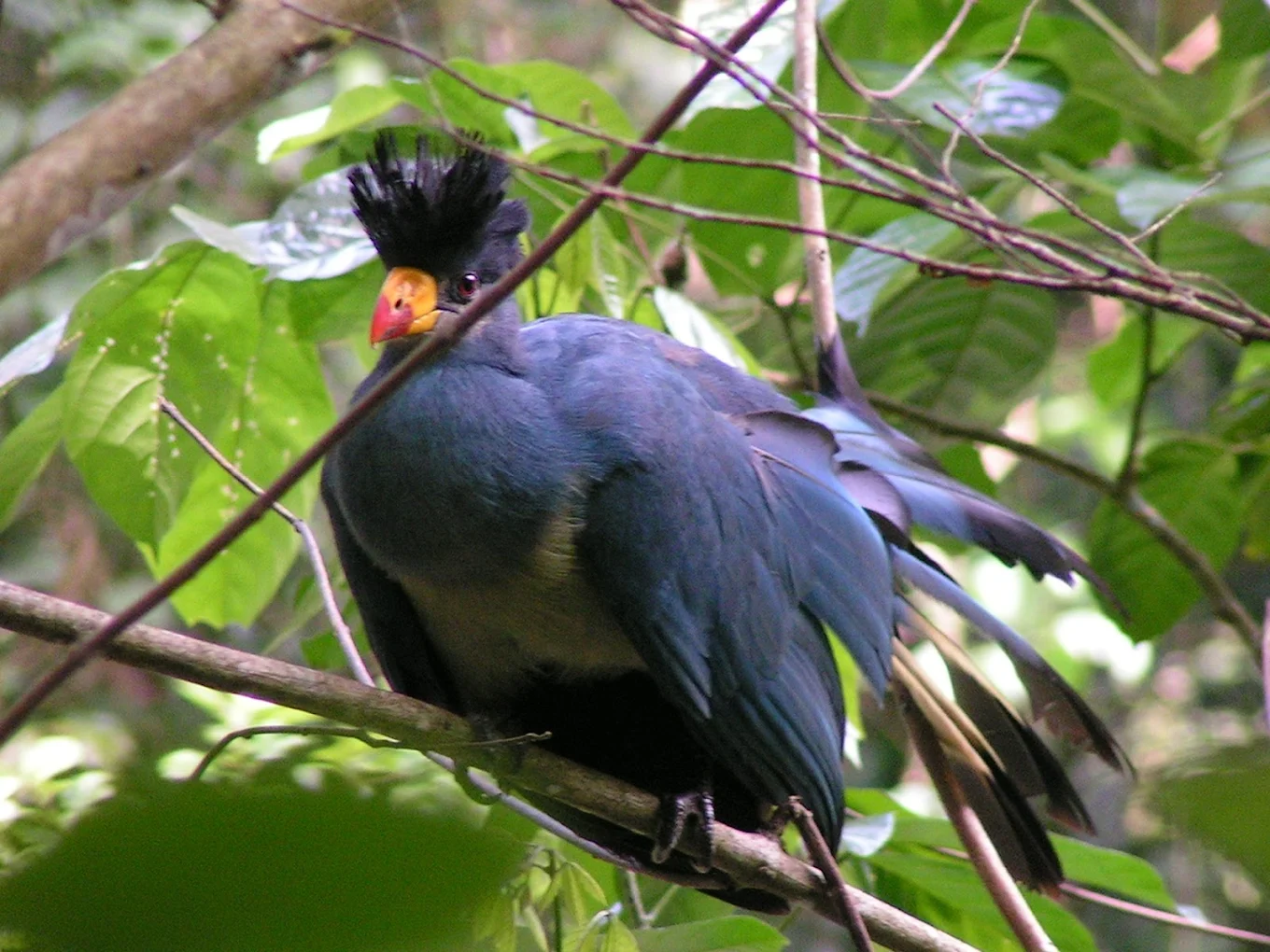
Kibale National Park is one of the top birdwatching destinations in Uganda, with over 370 recorded bird species. The park’s diverse habitats, including dense rainforests, wetlands, and open savannahs, create ideal conditions for a wide range of bird species. This makes birdwatching in Kibale National Park an essential activity for any bird lover visiting Uganda.
Some of the most notable bird species in Kibale include the African grey parrot, the white-cheeked turaco, and the blue-headed coucal. The park is also home to many migratory birds, which arrive during the wet season. Birdwatching tours in Kibale often focus on the forest edge, wetland areas, and swamps, where a variety of species are most active.
For serious birdwatchers, Kibale National Park offers exceptional birding opportunities, and guided birdwatching tours can be arranged for visitors who want to discover both common and rare species in their natural habitats.
Cultural Experiences Around Kibale National Park
Kibale National Park is not only about wildlife; it is also about experiencing the culture and traditions of the local communities that live alongside the park. Visitors have the opportunity to engage in cultural activities that provide insight into the everyday lives of the people who call this region home.
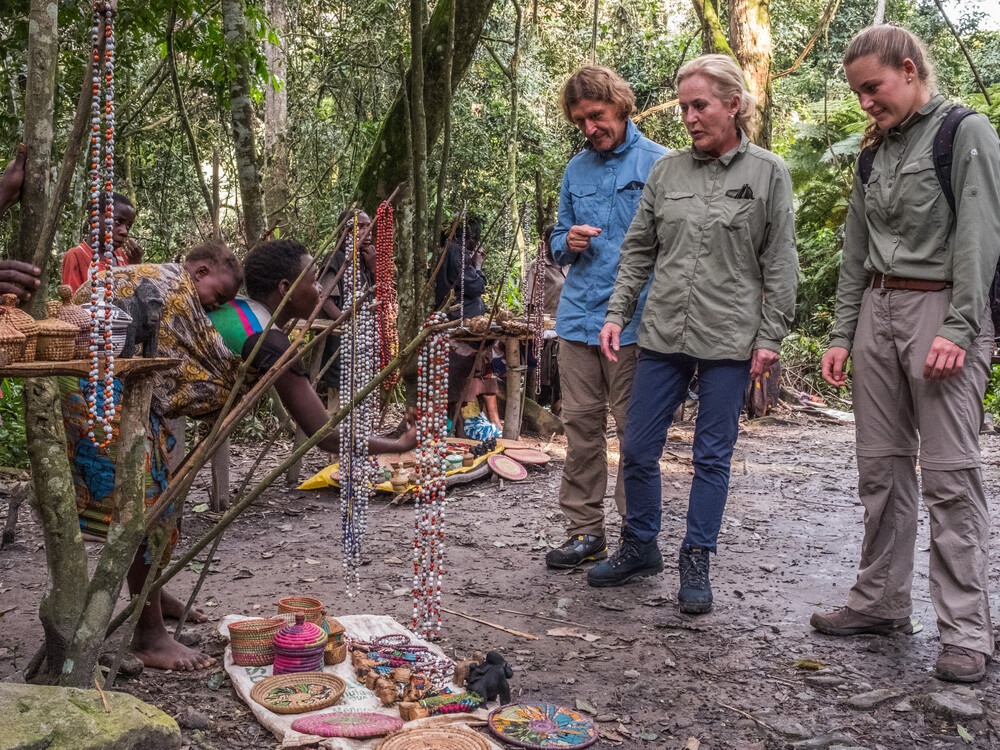
One of the most popular cultural activities around Kibale is visiting the local communities, where visitors can learn about traditional farming practices, local craftsmanship, and the customs that have been passed down through generations. Many tours include visits to local villages, where visitors can observe handicrafts, sample local food, and watch cultural performances.
The nearby Batwa communities, historically forest dwellers, offer an immersive cultural experience. Visitors can learn about the Batwa people’s traditional lifestyle and their connection to Kibale’s rainforest. The Batwa cultural experience provides an opportunity to understand the delicate balance between conservation and human communities, offering a more holistic view of Kibale National Park’s significance.
Best Time to Visit Kibale National Park
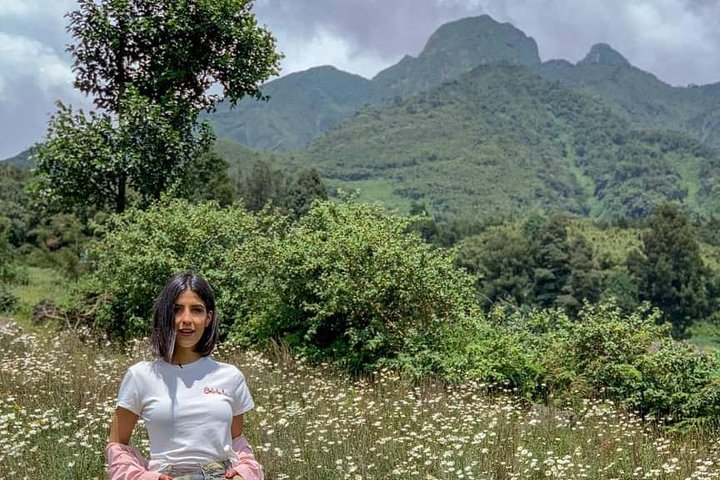
Kibale National Park can be visited year-round, but like most wildlife destinations, the park’s dry season offers the best conditions for wildlife viewing and trekking. Understanding the seasonal patterns will help you plan the best possible safari experience in Kibale National Park.
Dry Seasons: June to September and December to February
The best time to visit Kibale National Park is during the dry season, which lasts from June to September and December to February. During these months, the weather is relatively dry, making the forest trails less muddy and easier to navigate. Wildlife, including chimpanzees, is also easier to spot during this period, as animals tend to gather around water sources and vegetation is less dense.
The dry season is considered peak tourist season in Kibale National Park, so it’s advisable to book your accommodation and permits in advance, especially if you are visiting during the popular months of July, August, or December.
Wet Seasons: March to May and October to November
While the wet season in Kibale (March to May and October to November) brings heavy rains, it also brings lush green landscapes and a quieter atmosphere, with fewer tourists. The rain showers create a beautiful, verdant environment, making it an excellent time for photography and birdwatching.
However, the trails can become slippery and more challenging to navigate during this time, and wildlife may be more difficult to spot due to the thicker vegetation. Despite these challenges, fewer visitors during the wet season mean a more private and peaceful safari experience.
Birdwatching during the rainy season is excellent, as migratory species are abundant, and the park’s lush conditions make it easier to observe a wide range of bird species. If you prefer fewer crowds and a more tranquil atmosphere, the wet season can be an ideal time to explore Kibale National Park.
Whether you visit during the dry or rainy season, Kibale National Park offers a remarkable wildlife experience, and you will be rewarded with an enriching adventure filled with chimpanzee tracking, birdwatching, and forest exploration. No matter the time of year, Kibale remains one of Uganda’s premier destinations for nature lovers and wildlife enthusiasts.
Detailed Cost Table for Kibale National Park Safari
Lodge Breakdown in Kibale National Park (Luxury / Midrange / Budget)
Frequently Asked Questions About Kibale National Park
What is Kibale National Park famous for?
Kibale National Park is renowned for its exceptional chimpanzee tracking experiences. It is home to one of the largest populations of chimpanzees in the world, and visitors can observe these intelligent primates in their natural habitat.
Where is Kibale National Park located?
Kibale National Park is located in western Uganda, approximately 5 to 6 hours by road from Kampala or Entebbe. It is situated near the towns of Fort Portal and Queen Elizabeth National Park.
What is the best time to visit Kibale National Park?
The best time to visit Kibale National Park is during the dry seasons from June to September and December to February, when wildlife viewing is easier and the forest trails are less muddy.
What wildlife can I see in Kibale National Park?
Kibale National Park is home to over 13 species of primates, including chimpanzees, red-tailed monkeys, blue monkeys, and L’Hoest’s monkeys. The park also hosts forest elephants, buffaloes, and over 370 bird species.
How much does chimpanzee tracking cost in Kibale National Park?
The chimpanzee tracking permit in Kibale National Park costs USD 150 per person. This fee includes the guided trek and access to the park.
Are there other activities besides chimpanzee tracking?
Yes, Kibale National Park offers nature walks, birdwatching, and cultural experiences. You can also explore the park’s crater lakes and learn about the local communities around the park.
How long is the chimpanzee tracking experience in Kibale?
Chimpanzee tracking in Kibale typically takes between 1 to 3 hours, depending on the location of the chimpanzee group.
Can I see tree-climbing lions in Kibale National Park?
No, tree-climbing lions are not found in Kibale National Park. However, you can see them in Queen Elizabeth National Park, which is located nearby.
How do I get to Kibale National Park?
Kibale National Park is accessible by road from Kampala or Entebbe, taking about 5 to 6 hours. You can also fly into Kasese Airstrip and take a short drive to the park from there.
Can I combine Kibale National Park with other parks in Uganda?
Yes, Kibale National Park is often combined with Queen Elizabeth National Park, Bwindi Impenetrable National Park, and Semuliki National Park for a more extensive safari experience.
What accommodations are available in Kibale National Park?
Kibale National Park offers a variety of accommodation options, including luxury lodges, midrange accommodations, and budget lodges. Many lodges offer easy access to chimpanzee tracking trails and other activities.
What should I pack for a visit to Kibale National Park?
For chimpanzee tracking and nature walks, it’s recommended to pack sturdy hiking boots, long-sleeved clothing, a rain jacket, insect repellent, sunscreen, a camera, and a water bottle.
Is Kibale National Park safe for tourists?
Yes, Kibale National Park is a safe destination for tourists. The park has trained rangers to guide visitors during chimpanzee tracking and other activities, ensuring safety during the safari.
How many days should I spend in Kibale National Park?
Most visitors spend 2 to 3 days in Kibale National Park, allowing enough time for chimpanzee tracking, nature walks, birdwatching, and cultural activities.
Are there any cultural experiences near Kibale National Park?
Yes, visitors can engage with local communities around Kibale National Park, learning about traditional farming, craftsmanship, and customs. You can also visit the Batwa community, who traditionally lived in the forest before the park was established.
Is Kibale National Park good for birdwatching?
Yes, Kibale National Park is a birdwatching paradise. With over 370 bird species, including the rare white-cheeked turaco and African grey parrot, it’s one of the top birding destinations in Uganda.
Are permits required for chimpanzee tracking?
Yes, permits are required for chimpanzee tracking in Kibale National Park. It’s advisable to book your permits in advance, especially during peak seasons.
Can I self-drive to Kibale National Park?
Yes, you can self-drive to Kibale National Park, but it’s recommended to have a 4×4 vehicle, especially during the rainy season, due to the park’s rough and sometimes muddy roads.
Are there any age restrictions for chimpanzee tracking?
Yes, participants in chimpanzee tracking must be at least 12 years old to participate in the trek.
Can I do a night safari in Kibale National Park?
While Kibale National Park does not offer night safaris, you can enjoy evening game drives and nature walks during the early evening hours to spot nocturnal wildlife.
How do I book a safari or tour in Kibale National Park?
You can book a safari to Kibale National Park through travel agents, tour operators, or directly with Boots in the Jungle Safaris, who offer customized tours and safari packages.
Book Your Kibale National Park Safari with Boots in the Jungle Safaris
Planning a safari to Kibale National Park requires expert knowledge and attention to detail, and Boots in the Jungle Safaris is here to make your dream safari a reality. Our team specializes in creating personalized, seamless, and unforgettable safari experiences tailored to your interests, preferences, and budget.
Whether you are seeking a luxury chimpanzee tracking safari, a midrange primate experience, or a budget-friendly adventure, we ensure every detail of your trip is professionally handled—from booking permits to selecting the perfect accommodation and arranging guided activities.
By booking your safari with Boots in the Jungle Safaris, you get:
- Expert local knowledge of Kibale National Park and its ecosystems
- Guaranteed chimpanzee tracking permits and guided treks
- Tailored itineraries to combine Kibale with other national parks like Queen Elizabeth and Bwindi Impenetrable National Park
- Experienced, professional guides who ensure a safe and enriching experience
- Seamless logistics, including transportation, accommodation, and park entry fees
We work closely with local communities and accommodations to offer an authentic, eco-friendly experience while ensuring that conservation efforts in Kibale National Park are supported.
Booking your safari with Boots in the Jungle Safaris ensures you receive the best experience, expert insights, and personalized service. From arranging chimpanzee permits to guiding you through the lush rainforest, we take care of all the details so you can focus on the adventure of a lifetime.
Start your Kibale National Park safari today and let us help you create unforgettable memories.