
Rwenzori Mountains National Park – Ultimate Hiking, Wildlife, and Adventure Travel Guide
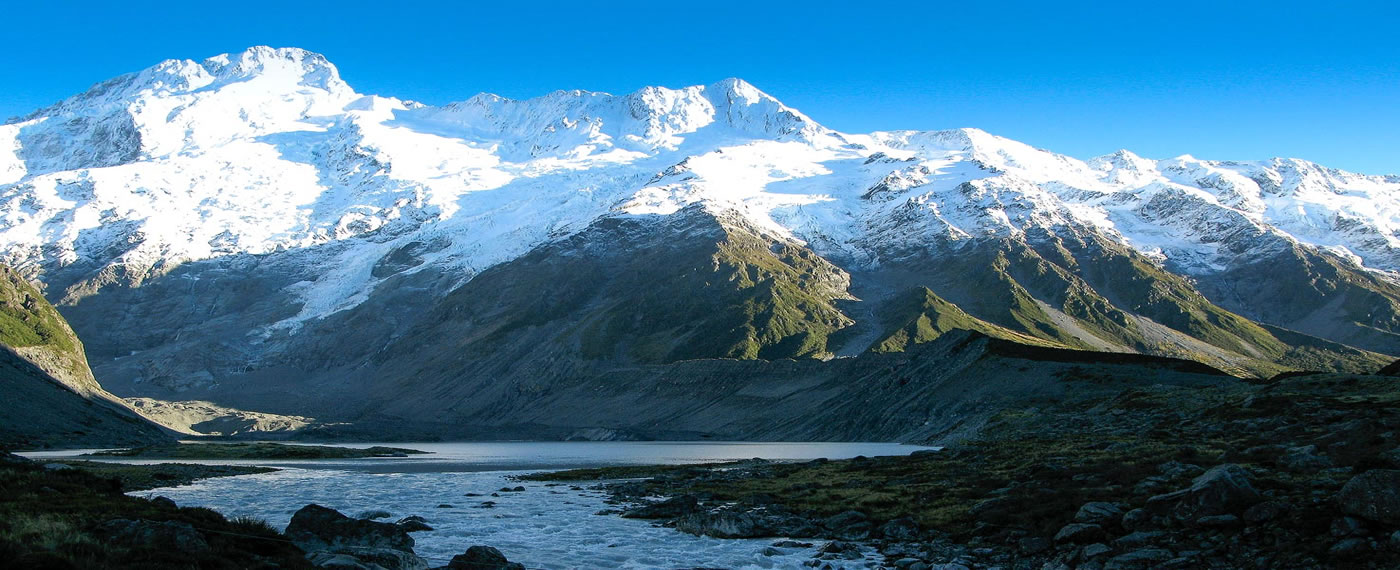
Rwenzori Mountains National Park, often referred to as the Mountains of the Moon, is one of Uganda’s most breathtaking destinations, offering some of the most spectacular landscapes, diverse wildlife, and world-class hiking trails. Located in the western part of Uganda, along the border with the Democratic Republic of Congo, this UNESCO World Heritage Site is home to the Rwenzori Mountains, a mountain range renowned for its dramatic peaks, glacial lakes, and verdant valleys.
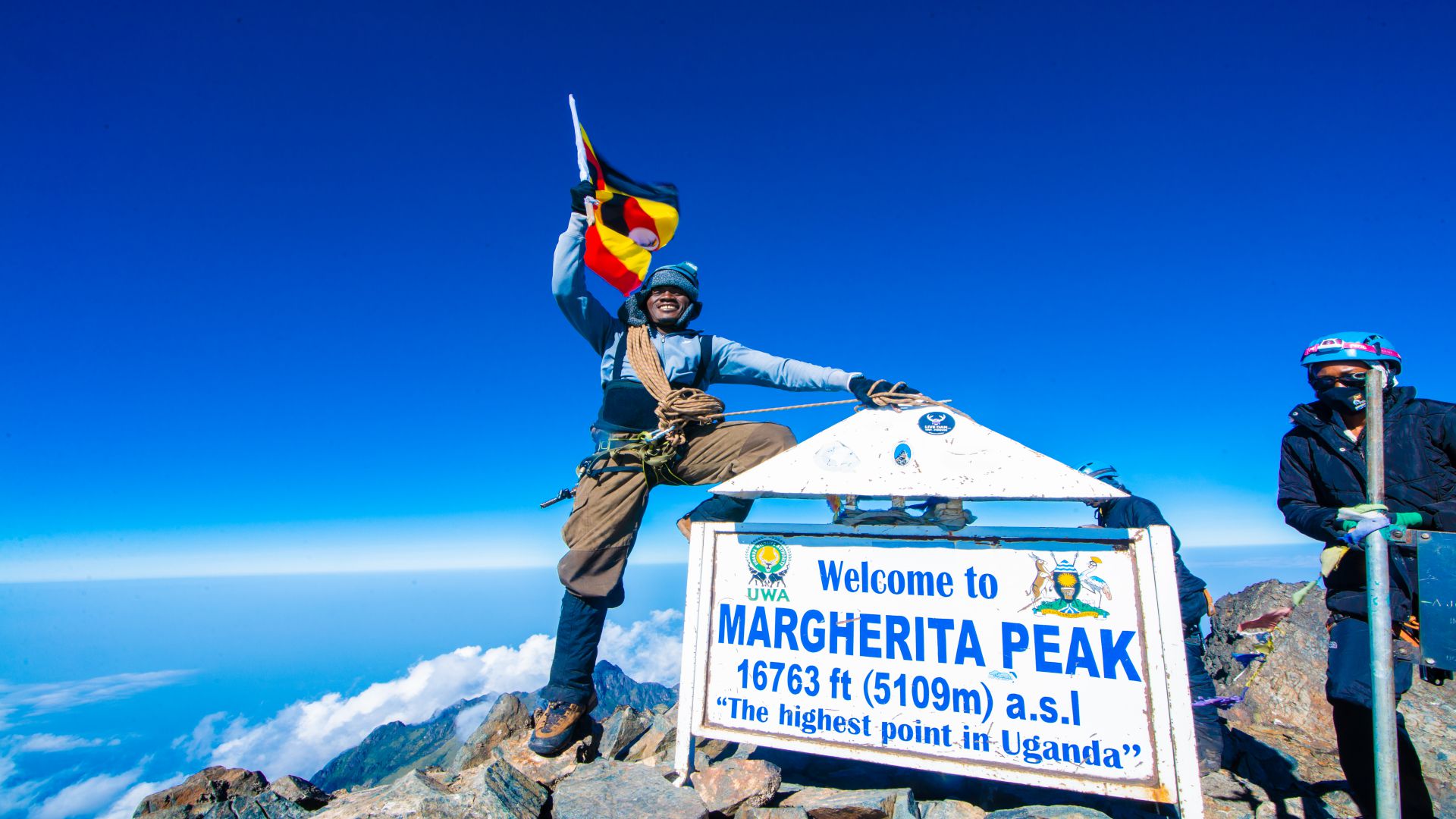
The park spans 1,000 square kilometers and is primarily known for its snow-capped peaks, with the highest point—Mount Margherita—standing at a towering 5,109 meters (16,763 feet) above sea level. The Rwenzori Mountains are one of the oldest and highest mountain ranges in Africa, offering visitors a once-in-a-lifetime experience of hiking through rainforests, moorlands, and alpine vegetation. The diverse ecosystems, from tropical forests to glacial-covered peaks, create the perfect environment for both wildlife exploration and trekking adventures.
The park’s rich biodiversity includes unique species such as the endangered Rwenzori gorilla and several rare birds, making it a fantastic destination for nature enthusiasts, hikers, and wildlife lovers. Whether you are looking for a challenging trekking experience, a wildlife safari, or simply a nature escape, Rwenzori Mountains National Park promises an unforgettable experience with its lush vegetation, unique flora, and rare wildlife.
Where is Rwenzori Mountains National Park Located?
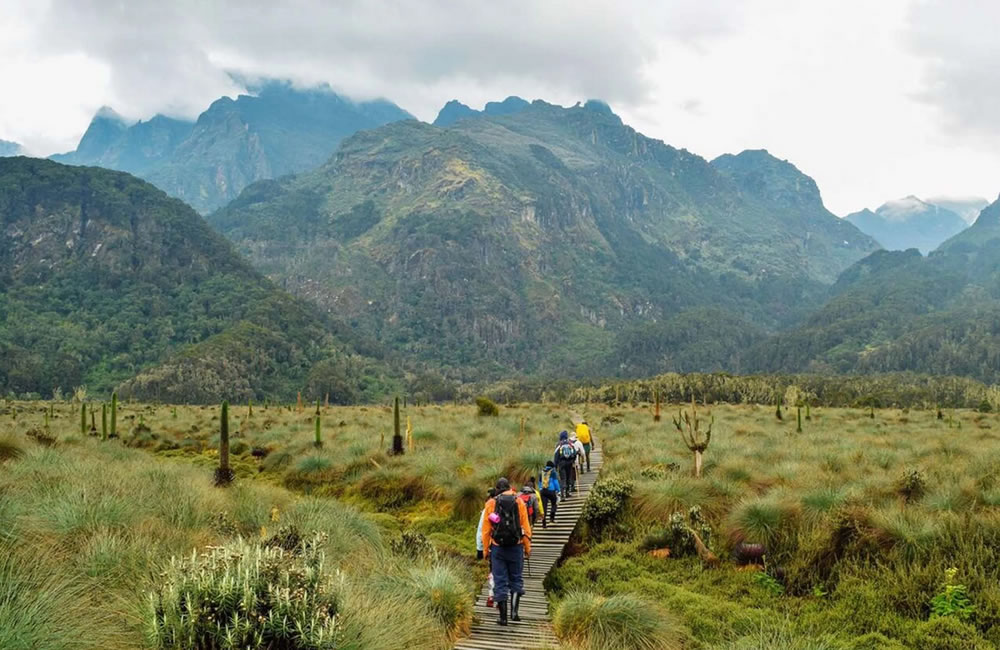
Rwenzori Mountains National Park is located in western Uganda, right along the border with the Democratic Republic of Congo. The park is approximately 300 kilometers (about 6 hours by road) from Kampala, Uganda’s capital. It’s easily accessible by road via the town of Kasese, a vibrant town that serves as the gateway to the park. From Kasese, the entrance to the park, Nyakalengija, is only about 2 hours away by road, making it convenient for visitors traveling from both Kampala and Kasese.
The park’s location within the Rwenzori Mountain Range, often referred to as the Mountains of the Moon, gives it a mystical quality, with the snow-covered peaks towering over the surrounding valleys. The name “Mountains of the Moon” is derived from ancient legends that describe the mountains as being beyond reach and forever cloaked in snow, adding to the mystique and beauty of the park.
For travelers looking to arrive more quickly or those with limited time, Kasese Airport is the nearest airstrip to the park. Domestic flights from Entebbe or Kampala take approximately 1 hour, making it a convenient option for luxury travelers or those wishing to avoid long drives. Additionally, there are helicopter services available for those seeking faster access to the park, further enhancing its accessibility for travelers from both Uganda and neighboring Kenya.
Proximity to Other Major Attractions
Rwenzori Mountains National Park is located between Queen Elizabeth National Park (to the southwest) and Kibale National Park (to the southeast). The park’s proximity to these other major parks makes it an ideal part of a longer Uganda safari circuit. Visitors can combine their trip to Rwenzori with nearby safaris in Queen Elizabeth (famous for its tree-climbing lions and Kazinga Channel boat safaris) or Kibale (famous for its chimpanzee tracking), creating a full and varied safari experience.
Why Rwenzori Mountains National Park is Famous
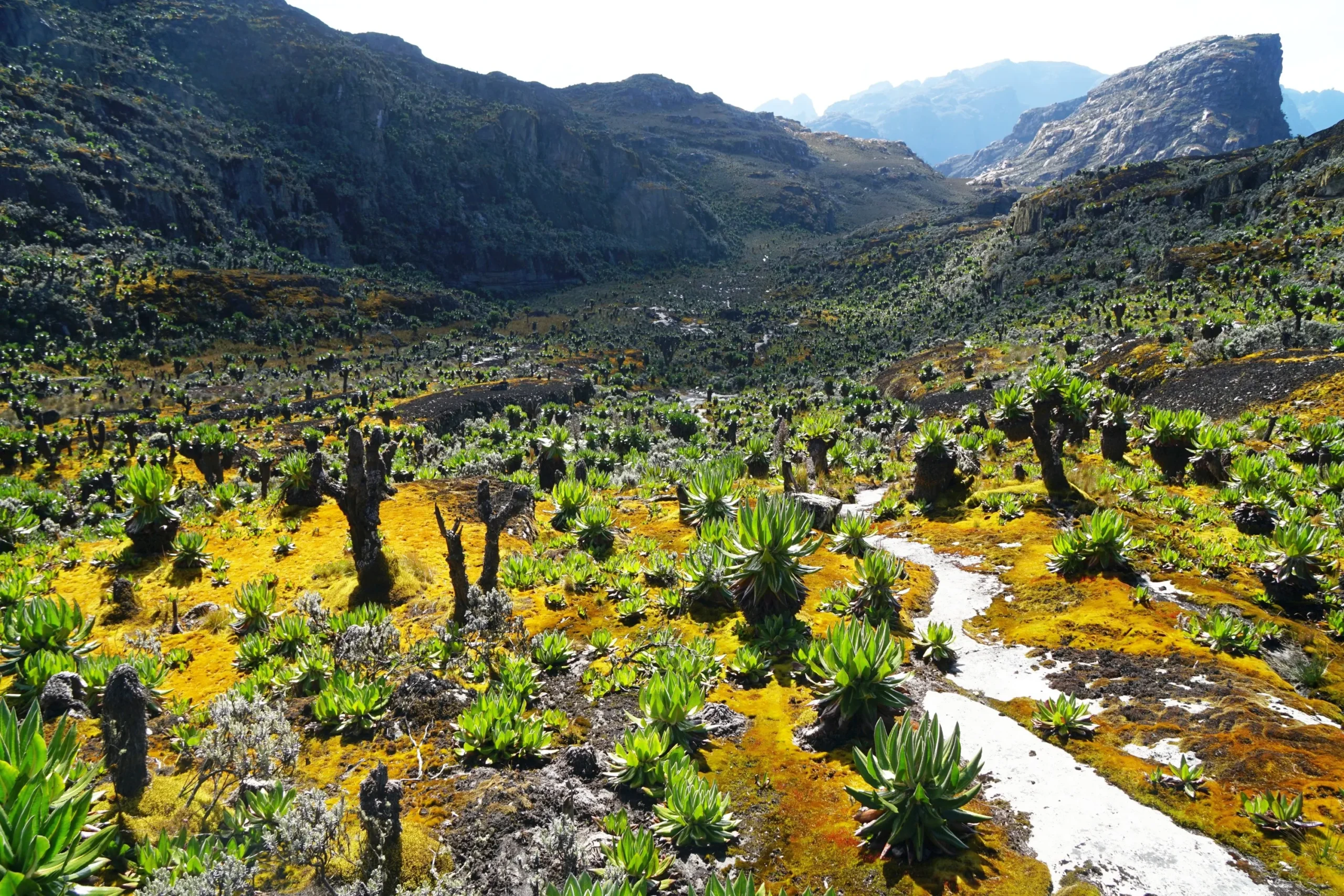
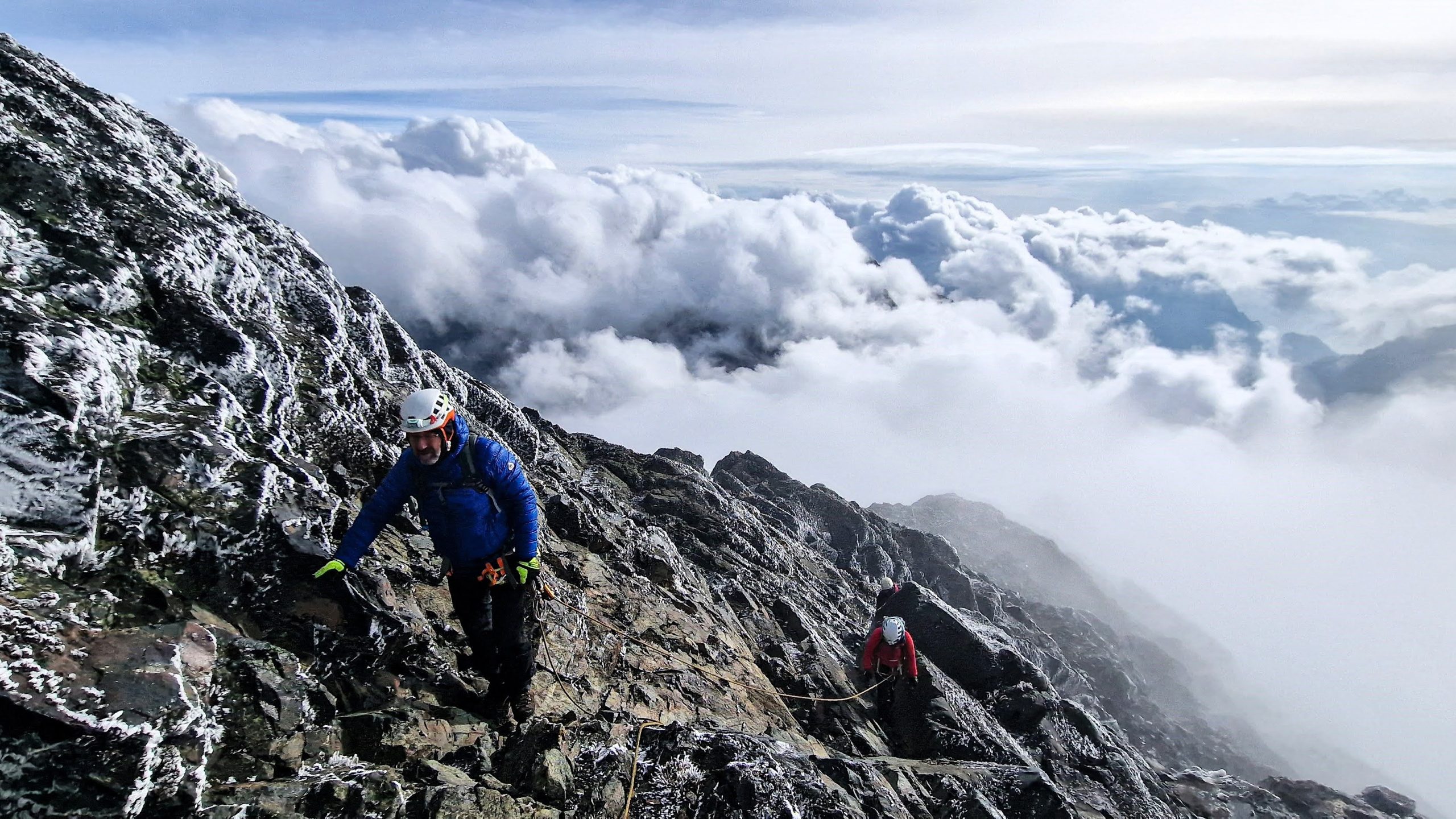
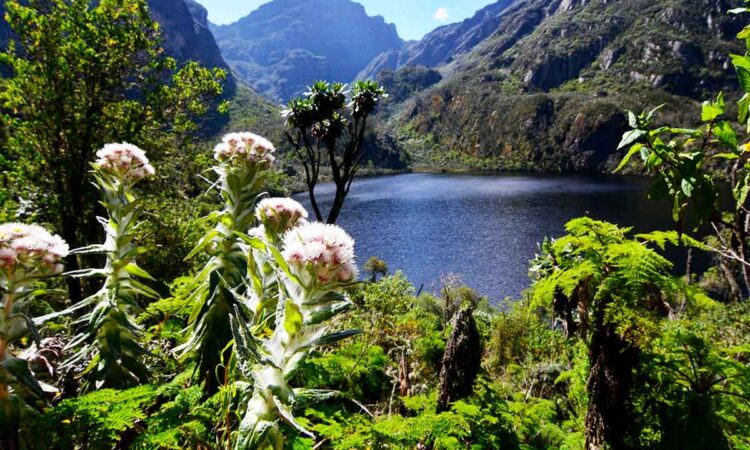
Rwenzori Mountains National Park is renowned for its spectacular landscapes, challenging hiking trails, and extraordinary biodiversity. The park is home to the iconic Mount Rwenzori—often referred to as the Mountains of the Moon—and offers visitors an unforgettable experience, combining rugged terrain, lush vegetation, and a wide variety of wildlife. Here are the key reasons why Rwenzori National Park stands out as one of Uganda’s premier destinations for wildlife and adventure:
1. Majestic Rwenzori Mountain Peaks
The centerpiece of Rwenzori Mountains National Park is the stunning Mount Rwenzori, often referred to as the Mountains of the Moon. This mountain range, known for its snow-capped peaks, is one of the tallest in Africa, with its highest point being Mount Margherita, which stands at 5,109 meters (16,763 feet). The park is famous for its glacial features, moss-covered trees, and alpine meadows, making it a breathtaking sight for any visitor.
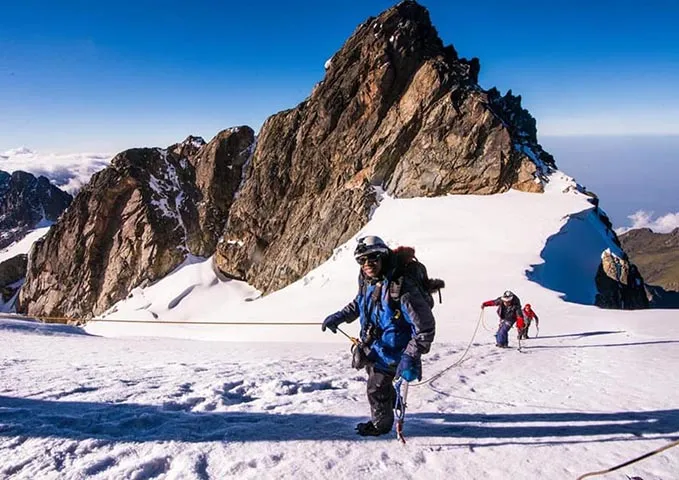
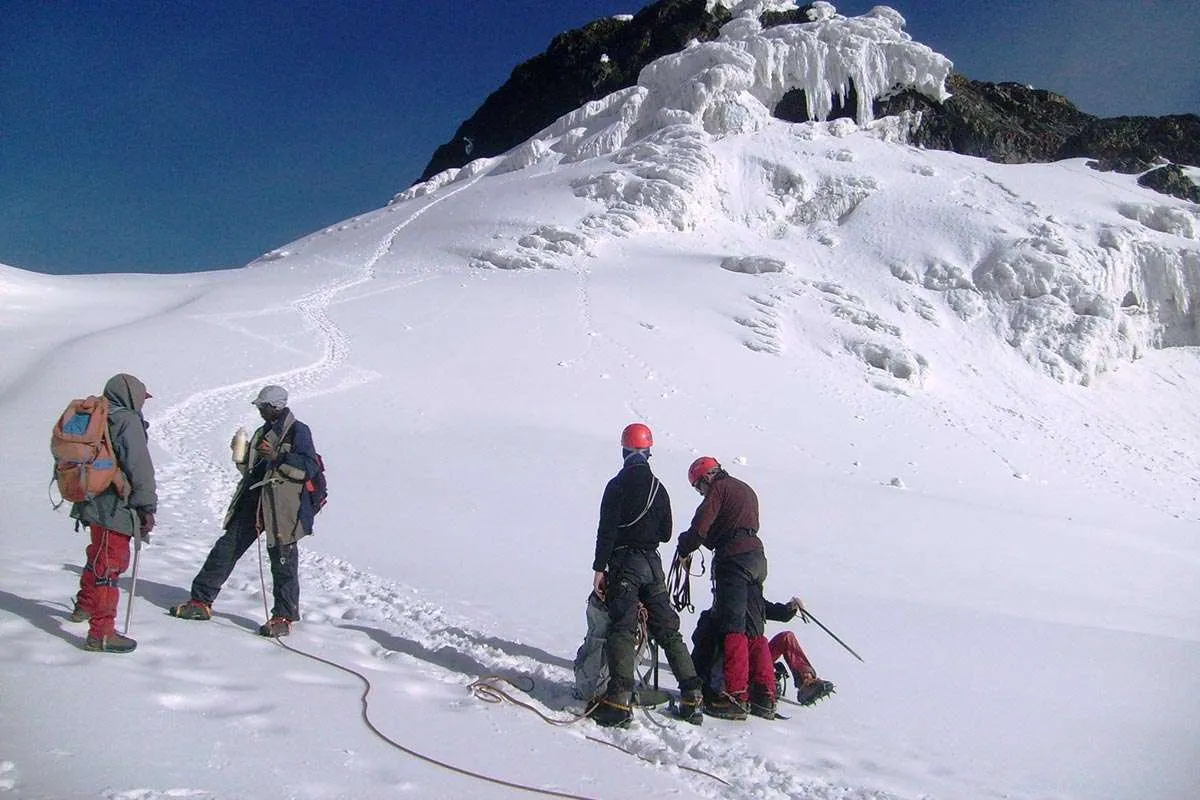
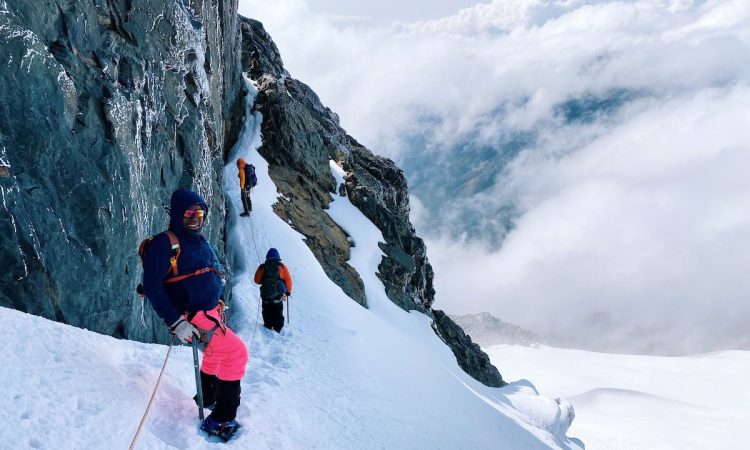
The Rwenzori Mountains offer a range of trekking opportunities, from multi-day treks to the summit of Mount Margherita, to shorter hikes that lead visitors through the beautiful landscapes of the mountain range. The view from the summit is truly stunning, providing visitors with panoramic views of Uganda and the Democratic Republic of Congo. The park’s majestic peaks, glaciers, and ridges make it an unforgettable destination for mountain enthusiasts and adventurers.
2. Scenic Hiking Trails
Rwenzori National Park is a hiker’s paradise, offering some of the most challenging and rewarding trails in Africa. The park provides trekkers with several scenic hiking routes that cater to various levels of ability, from beginner hikes to extremely difficult multi-day treks.
Some of the most popular hiking trails in the park include:
- Rwanda Trail: This trail is one of the longer treks, taking visitors through dense rainforests, moorlands, and to the glacial lakes and waterfalls of Mount Rwenzori. Hikers can experience the mountain’s diversity in flora and fauna along the way, with views of the alpine vegetation and snow-capped peaks.
- Kilembe Trail: The Kilembe Trail is known for its challenging terrain and takes hikers through dense tropical forests, with the opportunity to view unique plants and wildlife. The trail provides spectacular views of the Kilembe Valley and the snow-capped peaks of Mount Rwenzori.
- Nyakalengija Trail: This is a shorter and more moderate trek that provides visitors with a taste of Mount Elgon’s landscapes, including views of glacial lakes and waterfalls. It’s an ideal option for those who want to enjoy the beauty of the park without the physical challenge of summiting the mountain.
For more experienced trekkers, Mount Margherita can be reached via these trails, offering a rewarding summit trek with incredible views from the highest peak of Mount Rwenzori.
3. Wildlife and Birdlife
Rwenzori Mountains National Park is home to an impressive variety of wildlife that thrives in its high-altitude ecosystems. Although the park is not known for the Big Five, it is still home to rare species and offers excellent opportunities for wildlife viewing.
Mammals:
- Forest Elephants: Forest elephants are smaller and more elusive than the savannah species but are often spotted in the park’s forested regions. They are one of the park’s most iconic species and are often seen foraging in the lower montane forests.
- Buffaloes: Large herds of buffaloes can be seen in the park’s savannah and forest areas.
- Primates: The park is home to various primates, including blue monkeys, red-tailed monkeys, and black-and-white colobus monkeys. Chimpanzees can also be found in the lower reaches of the park.
- Antelopes: The park also hosts bushbucks, duikers, and waterbucks, all of which are commonly found in the rainforests and woodlands.
Birdlife:
- Rwenzori Turaco: The Rwenzori turaco is one of the most iconic birds in the park. Known for its vibrant green and blue feathers, it is a sought-after species for birdwatchers.
- Lammergeier: This bearded vulture is often seen soaring above the park’s rocky ridges and mountain slopes, making it a favorite sight for wildlife photographers.
- African Green Broadbill: A striking and rare species of bird, the African green broadbill is often spotted in the park’s rainforests.
- Yellow-eyed Black Flycatcher: A rare species, the yellow-eyed black flycatcher is commonly seen in the montane forests of the park.
The park is a birdwatcher’s paradise with over 200 species of birds, making it an ideal destination for birding enthusiasts looking to spot endemic and migratory species.
4. Cultural Experiences
Rwenzori National Park is also home to the Bakonzo and Bamba communities, who have lived in the area for generations. These local communities offer cultural experiences to visitors, where they can learn about the traditional farming practices, rituals, and craftsmanship that are integral to life in the Rwenzori region. Cultural walks give insight into how the park’s local people have adapted to the mountain environment.
Visitors can participate in cultural activities such as:
- Traditional dance performances and music.
- Learning about the Imbalu ceremony, a rite of passage for young men in the Bagisu community.
- Engaging with the local Karamojong and Bakonzo people to understand their customs and heritage.
These cultural experiences offer a rich alternative perspective to the park’s natural attractions and create a holistic experience for visitors.
Wildlife in Rwenzori Mountains National Park
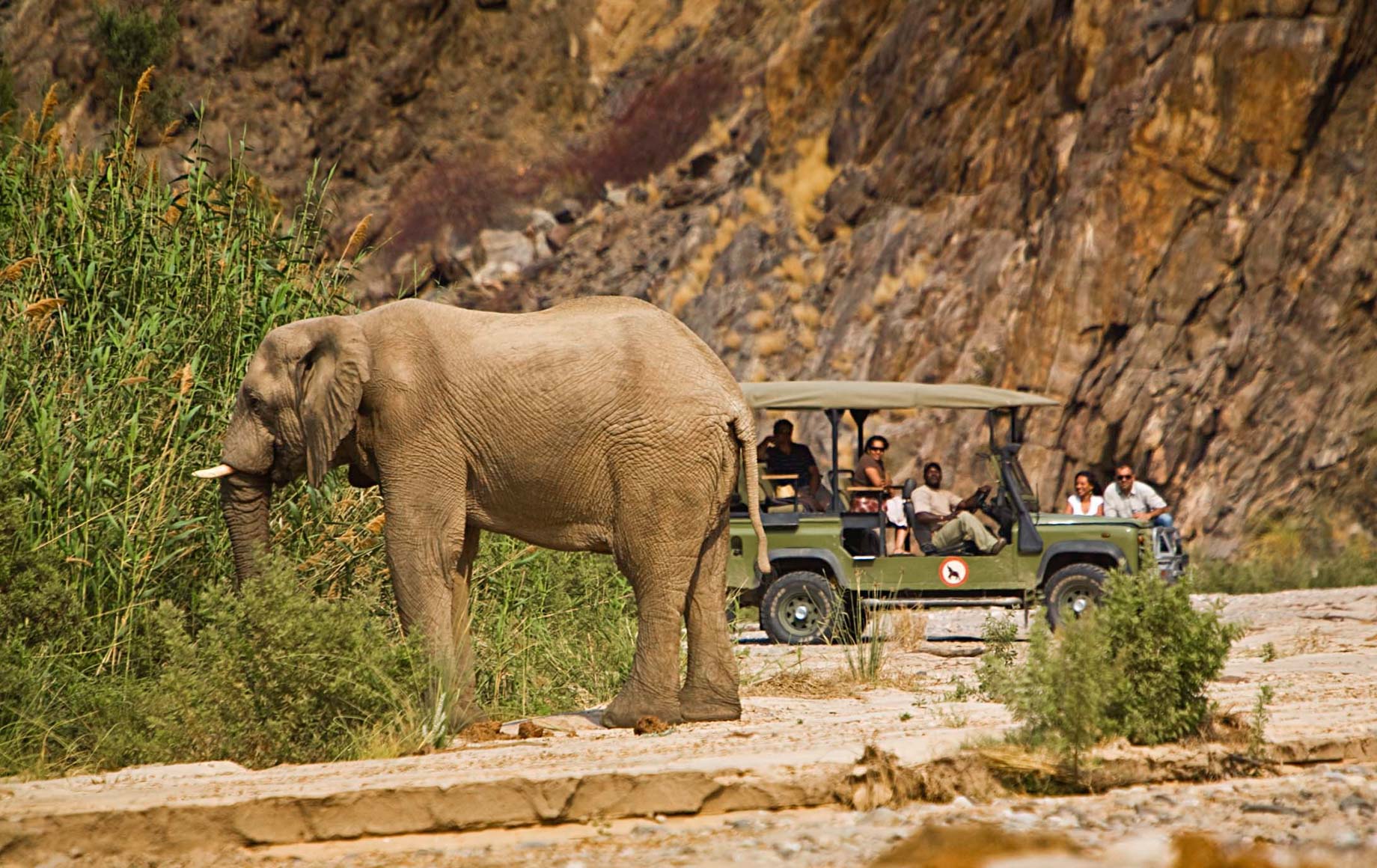
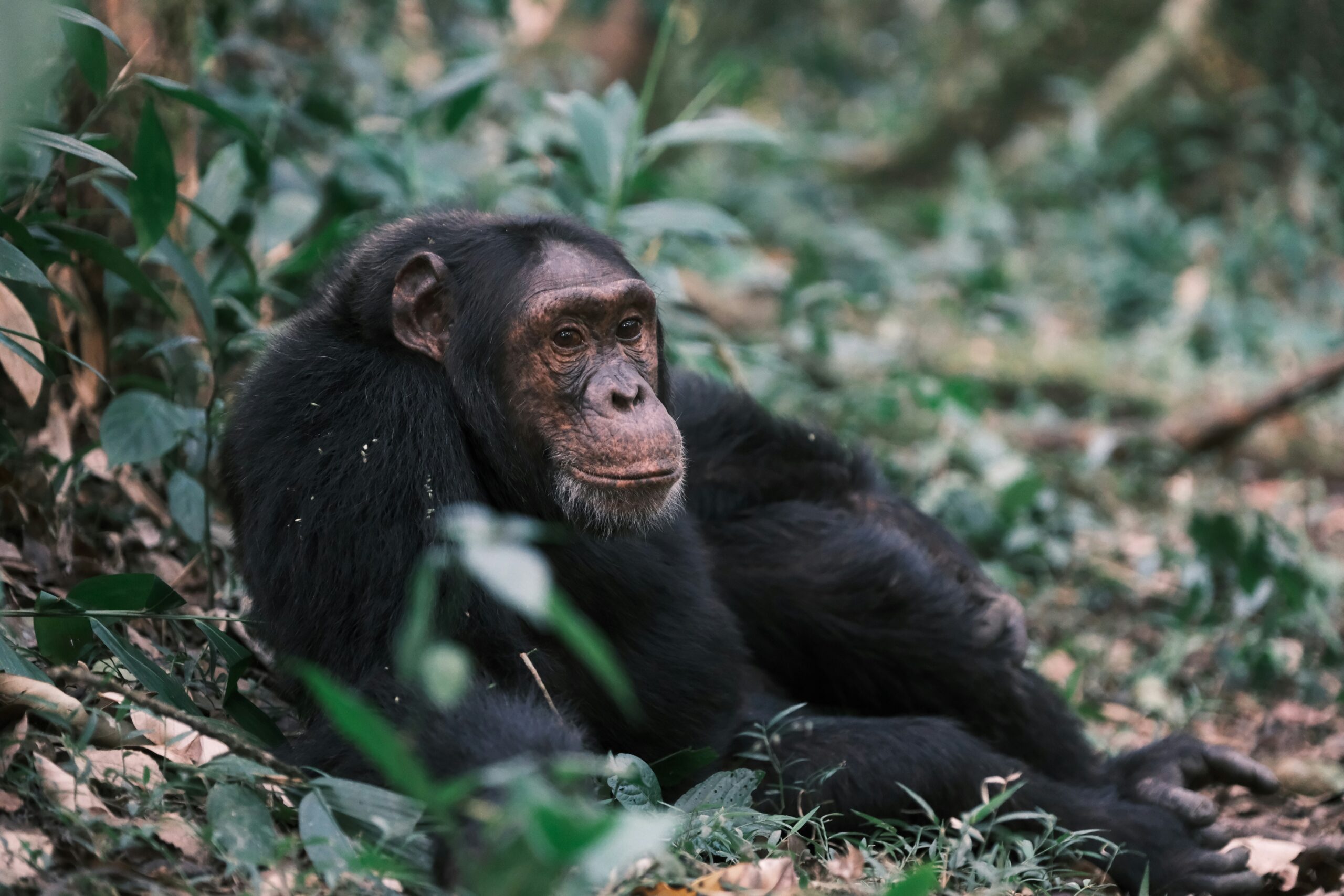
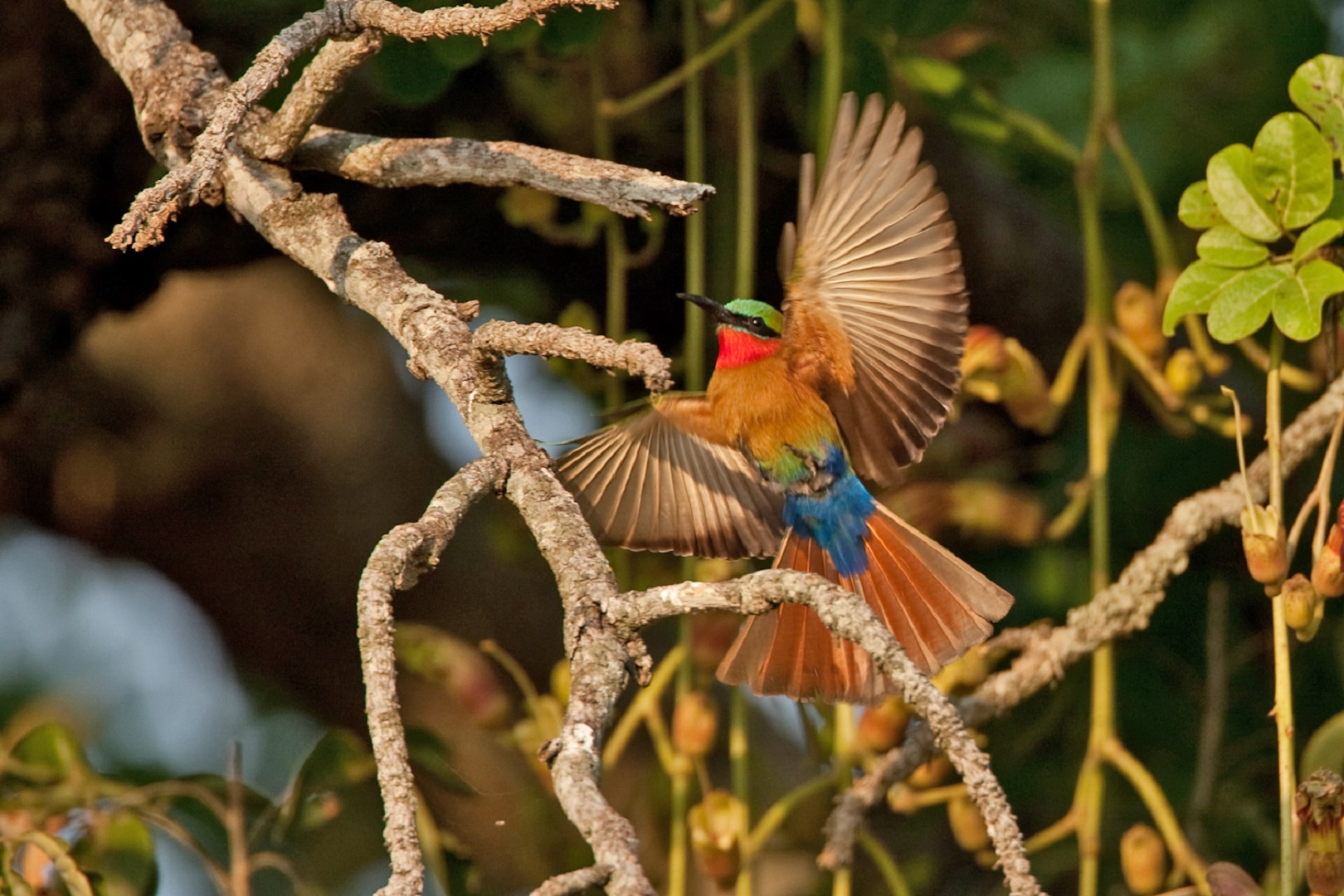
Rwenzori Mountains National Park is home to an exceptional variety of wildlife, many of which are adapted to the park’s high-altitude ecosystems. The park offers an opportunity to observe both large mammals and smaller species, and it is particularly renowned for its primates and endemic species. The park’s diverse habitats, ranging from tropical rainforests to alpine zones, support an impressive range of species, making it one of the most biodiverse parks in Uganda.
Elephants
The forest elephant, a smaller and more elusive species of elephant, is one of the park’s most iconic animals. These elephants are generally found in the lower forested regions of Rwenzori Mountains National Park, where they forage and browse in the dense undergrowth. Unlike their larger savannah cousins, forest elephants are more shy and elusive, making them harder to spot. However, for the wildlife enthusiast, spotting one of these majestic animals while trekking through the park is a rare and exciting experience.
Forest elephants are smaller, with shorter tusks and a more agile build, which allows them to navigate through the park’s dense forests. They play an essential role in the ecosystem by helping to maintain the forest structure and spreading seeds.
Primates
Rwenzori Mountains National Park is famous for its incredible primates, making it an ideal destination for chimpanzee tracking and observing other forest-dwelling species. Some of the notable primates found in the park include:
- Chimpanzees: The park is home to habituated chimpanzee groups, which can be tracked during guided treks. This is a unique experience for visitors to observe chimpanzee behavior in the wild, as they engage in activities such as foraging, grooming, and socializing. These chimpanzees live in the park’s rainforests and are an exciting highlight for wildlife lovers and photographers.
- Blue Monkeys: The blue monkey (Cercopithecus mitis) is a common primate species found in the park’s lower forest zones. Known for their distinctive blue-grey fur, they are often seen in monkey troops foraging and moving through the trees.
- Red-tailed Monkeys: Another primate species, the red-tailed monkey, can also be found in the park. These monkeys have striking red fur on their tails and are typically seen in the forests, playing and foraging for fruits and leaves.
- Black-and-white Colobus Monkeys: Known for their black fur and white tails, black-and-white colobus monkeys are frequently seen in the high-altitude forests of the park. These monkeys are often spotted in large troops as they leap from tree to tree, feeding on leaves and fruits.
These primates, along with other species such as baboons and monkeys, are a major attraction for visitors who wish to experience the rich primate biodiversity of the Rwenzori Mountains.
Birdlife
With over 200 species of birds recorded, Rwenzori Mountains National Park is a birdwatcher’s paradise. The park’s varied ecosystems, which include rainforests, savannahs, wetlands, and alpine zones, provide perfect habitats for both resident and migratory bird species. This makes the park an ideal destination for bird enthusiasts looking to spot rare and endemic species.
Some of the notable bird species in the park include:
- Rwenzori Turaco: The Rwenzori turaco (Tauraco johnstoni) is one of the park’s most iconic bird species. Known for its green and blue plumage, this bird is a favorite among birdwatchers and photographers. The Rwenzori turaco is typically found in the park’s forests, where it feeds on fruits and leaves.
- Lammergeier: The Lammergeier (also known as the bearded vulture) is a large, impressive bird that can be spotted soaring above the park’s rocky ridges and mountain slopes. This vulture species is highly valued by birdwatchers, as it is a rare and endangered species in the region.
- Yellow-eyed Black Flycatcher: The yellow-eyed black flycatcher (Muscicapa sethsmithi) is another sought-after bird species in the park. Its striking yellow eyes and black feathers make it a favorite for wildlife photographers.
- African Green Broadbill: This brightly colored bird can be found in the park’s rainforests, often flitting through the dense foliage in search of insects and fruit. Its vibrant green feathers make it one of the park’s most notable birds.
- Other Species: The park is also home to other birds such as hornbills, cuckoos, kingfishers, sunbirds, and warblers, adding to its diversity and making it a prime destination for birdwatching.
The rich diversity of birdlife in the park provides ample opportunities for both beginner and expert birdwatchers to spot rare and endemic species, making Rwenzori Mountains National Park one of the top birdwatching destinations in Uganda.
Top Activities in Rwenzori Mountains National Park
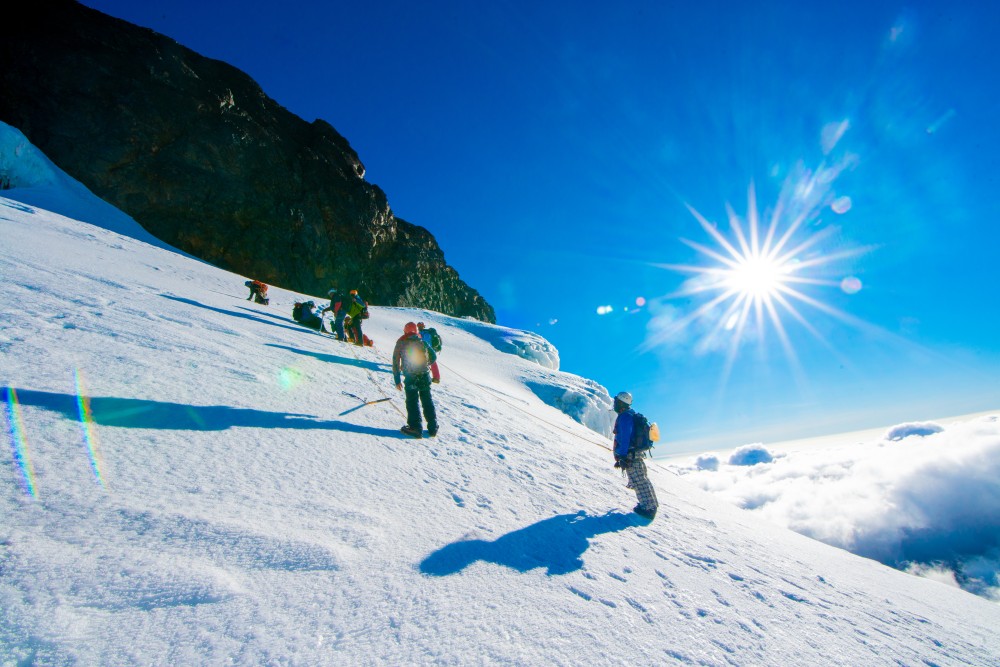
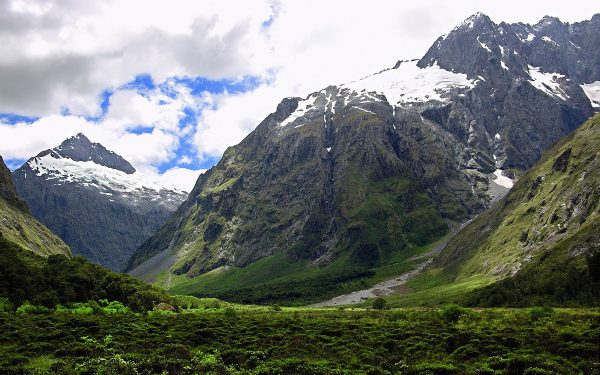
Hiking and Trekking
Rwenzori National Park is best known for its scenic and challenging hiking trails. The park offers a range of trekking options, from multi-day summit treks to shorter hikes that offer stunning views of glacier-covered peaks, alpine meadows, and the Sipi Falls. Popular hiking routes include:
- Rwanda Trail: A challenging trail that takes visitors through dense rainforests and moorland before reaching the glacial zones. It offers stunning views of Mount Rwenzori and the surrounding landscapes.
- Kilembe Trail: This trail takes visitors through the tropical forests and is known for its wildlife sightings and scenic views.
- Sipi Falls Hike: A shorter hike to the Sipi Falls, one of the park’s most iconic attractions, with beautiful views of waterfalls and the surrounding countryside.
Wildlife Viewing
Although the Big Five are absent, the park provides excellent opportunities for wildlife viewing. Visitors can enjoy game drives and guided nature walks to spot forest elephants, buffaloes, primates, and other wildlife. Chimpanzee tracking is one of the highlights of the park, offering a chance to observe wild chimpanzee behavior in their natural habitat.
Birdwatching
With over 200 bird species, Rwenzori National Park is a birdwatcher’s dream. Whether you’re an avid birder or a casual observer, the park provides exceptional opportunities to see endemic species, such as the Rwenzori turaco and Lammergeier. Birdwatching tours are available, allowing visitors to spot species in rainforests, alpine zones, and wetland areas.
Cultural Experiences
Visitors can enjoy cultural tours with the local Bakonzo and Bamba communities. These experiences provide insight into the traditional farming practices, craftsmanship, and local rituals of the mountain people. Cultural walks around the park offer a deeper understanding of the connection between the people and the land.
Best Time to Visit Rwenzori Mountains National Park
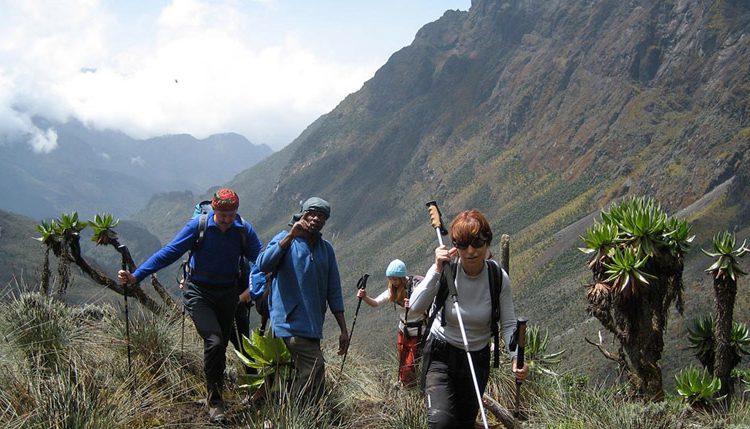
Rwenzori Mountains National Park offers a stunning adventure experience year-round, but the best time to visit depends on your interests and the activities you wish to enjoy. The park’s mountainous terrain and high-altitude ecosystems make the weather conditions an essential consideration when planning your visit.
Dry Season: June to September and December to February
The dry season is the best time to visit Rwenzori Mountains National Park for most activities, including hiking and wildlife viewing. During this period, the weather conditions are generally favorable for trekking, as the hiking trails are less muddy and more accessible. The park’s mountain trails, which can be challenging during the wet season, become easier to navigate, making the dry season perfect for summit hikes and multi-day treks.
The dry season is also an excellent time for wildlife viewing. The animals in Rwenzori National Park, including buffaloes, forest elephants, and primates, are easier to spot as they gather around water sources like the Rwenzori River and waterholes. These wildlife sightings are particularly rewarding during the early mornings and late afternoons when animals are most active.
Additionally, the dry season offers clear skies and crisp air, which enhances the visibility of the park’s snow-capped peaks and glacial lakes, creating panoramic views and perfect opportunities for photography.
Wet Season: March to May and October to November
The wet season (from March to May and October to November) brings a different experience to Rwenzori Mountains National Park. This is the time when the park’s landscapes are lush and green, offering a picturesque view of the forests, mountain slopes, and moors. The wet season is also ideal for birdwatching, as many migratory species arrive in the park, creating exceptional opportunities to observe a variety of birds. Birdwatchers can expect to see species such as the Rwenzori turaco and yellow-eyed black flycatcher.
However, the wet season does bring challenges for hiking. The trails can be muddy and slippery, which can make trekking more difficult, particularly for those attempting to reach the summit of Mount Rwenzori. The increased rainfall can also lead to limited visibility during hikes, making it less ideal for long trekking expeditions.
Despite these challenges, the wet season has its own advantages, including fewer tourists and a quieter experience. If you prefer a more peaceful, less crowded visit with vibrant greenery and lush landscapes, the wet season is a fantastic time to explore the park.
Frequently Asked Questions About Rwenzori Mountains National Park
Here are some of the most frequently asked questions about Rwenzori Mountains National Park to help you plan your visit to this wildlife-rich and adventure-filled destination.
What is Rwenzori Mountains National Park famous for?
Rwenzori Mountains National Park is famous for its majestic mountain peaks, challenging hiking trails, diverse wildlife, and unique tropical rainforests. It is home to the Rwenzori Mountains, one of Africa’s tallest mountain ranges, and offers stunning views of snow-capped peaks, glacier lakes, and biodiversity-rich habitats.
Where is Rwenzori Mountains National Park located?
Rwenzori Mountains National Park is located in western Uganda, along the border with the Democratic Republic of Congo. The park is approximately 300 kilometers (about 6 hours by road) from Kampala, Uganda’s capital, and can be accessed easily from Kasese (around 2 hours away).
What wildlife can I see in Rwenzori Mountains National Park?
Rwenzori Mountains National Park is home to a variety of wildlife, including forest elephants, buffaloes, blue monkeys, red-tailed monkeys, and baboons. The park also hosts several species of antelope, such as duikers and waterbucks, as well as over 300 species of birds, including the Rwenzori turaco, Lammergeier, and African green broadbill.
What activities can I do in Rwenzori Mountains National Park?
Rwenzori Mountains National Park offers a range of activities, including:
- Hiking to the summit of Mount Rwenzori or to Sipi Falls.
- Game drives and wildlife viewing to spot elephants, buffaloes, and primates.
- Birdwatching to observe over 300 bird species in the park’s diverse ecosystems.
- Cultural experiences with the Bakonzo and Bamba communities, learning about their traditional practices and rituals.
When is the best time to visit Rwenzori Mountains National Park?
The best time to visit Rwenzori Mountains National Park is during the dry season, which lasts from June to September and December to February. During these months, hiking trails are more accessible, and wildlife viewing is easier as animals gather around water sources. The wet season (from March to May and October to November) offers lush landscapes and excellent birdwatching opportunities, but it may make hiking more difficult due to muddy trails.
How do I get to Rwenzori Mountains National Park?
Rwenzori Mountains National Park can be accessed by road from Kampala (approximately 6 hours) or Fort Portal (about 1.5 hours). Visitors can also reach the park from Kasese by air, with domestic flights available to Kasese Airport, which is about 2 hours from the park entrance at Nyakalengija.
Can I hike to the summit of Mount Rwenzori?
Yes, hiking to the summit of Mount Rwenzori is one of the main attractions of the park. The Sasa Trail and Rwanda Trail provide multi-day treks that lead visitors to the summit of Mount Margherita, offering spectacular views and the chance to experience the park’s glacial features and alpine meadows.
What is the cost to visit Rwenzori Mountains National Park?
- Park Entry Fees:
- USD 40 for foreign non-residents
- USD 30 for foreign residents
- UGX 20,000 for East African citizens
- Hiking Permits (Sasa Trail): USD 100 – USD 250 per person
- Game Drive: USD 50 – USD 100 per vehicle
- Nature Walk: USD 20 – USD 40 per person
- Birdwatching Tour: USD 30 – USD 70 per person
Is there accommodation in Rwenzori Mountains National Park?
Yes, Rwenzori Mountains National Park offers a variety of accommodation options, including luxury lodges, midrange options, and budget campsites. Popular lodges include Sipi River Lodge, Mbale Resort Hotel, and Sipi Falls Camp for budget-conscious travelers.
Can I see wildlife during the hikes?
Yes, wildlife viewing can be part of your hiking experience. Forest elephants, buffaloes, and primates such as blue monkeys and red-tailed monkeys are commonly seen on treks through the park’s forests and savannah areas.
Book Your Rwenzori Safari with Boots in the Jungle Safaris
Ready to explore the majestic Rwenzori Mountains National Park? Let Boots in the Jungle Safaris help you plan the ultimate safari experience. Whether you’re seeking a challenging trek, a wildlife safari, or a cultural immersion, we offer customized safari packages to match your preferences and budget.
Why Choose Boots in the Jungle Safaris?
At Boots in the Jungle Safaris, we specialize in providing personalized itineraries for all types of travelers:
- Customized safari packages based on your interests.
- Expert local guides to enhance your experience.
- Guaranteed permits for hiking trails and activities in the park.
- All-inclusive packages covering accommodation, transportation, and park activities.
- 24/7 customer support to ensure a seamless safari experience.
How to Book Your Rwenzori Safari with Boots in the Jungle Safaris
Booking your safari with us is simple:
- Choose Your Safari Package: Select activities such as hiking, game drives, and cultural tours.
- Contact Our Team: Reach out via WhatsApp or email for a personalized quote.
- Confirm Your Booking: Once you’re happy with the details, confirm your booking, and we’ll handle all the logistics.
- Enjoy Your Safari: We ensure that your adventure is smooth and unforgettable.
Let Boots in the Jungle Safaris handle the details while you focus on your adventure. Whether you’re seeking a luxury safari or a budget-friendly trip, we guarantee a personalized experience and memorable journey.