Ultimate Great Migration Safari Guide 2026–2030 | Witness Africa’s Greatest Wildlife Spectacle
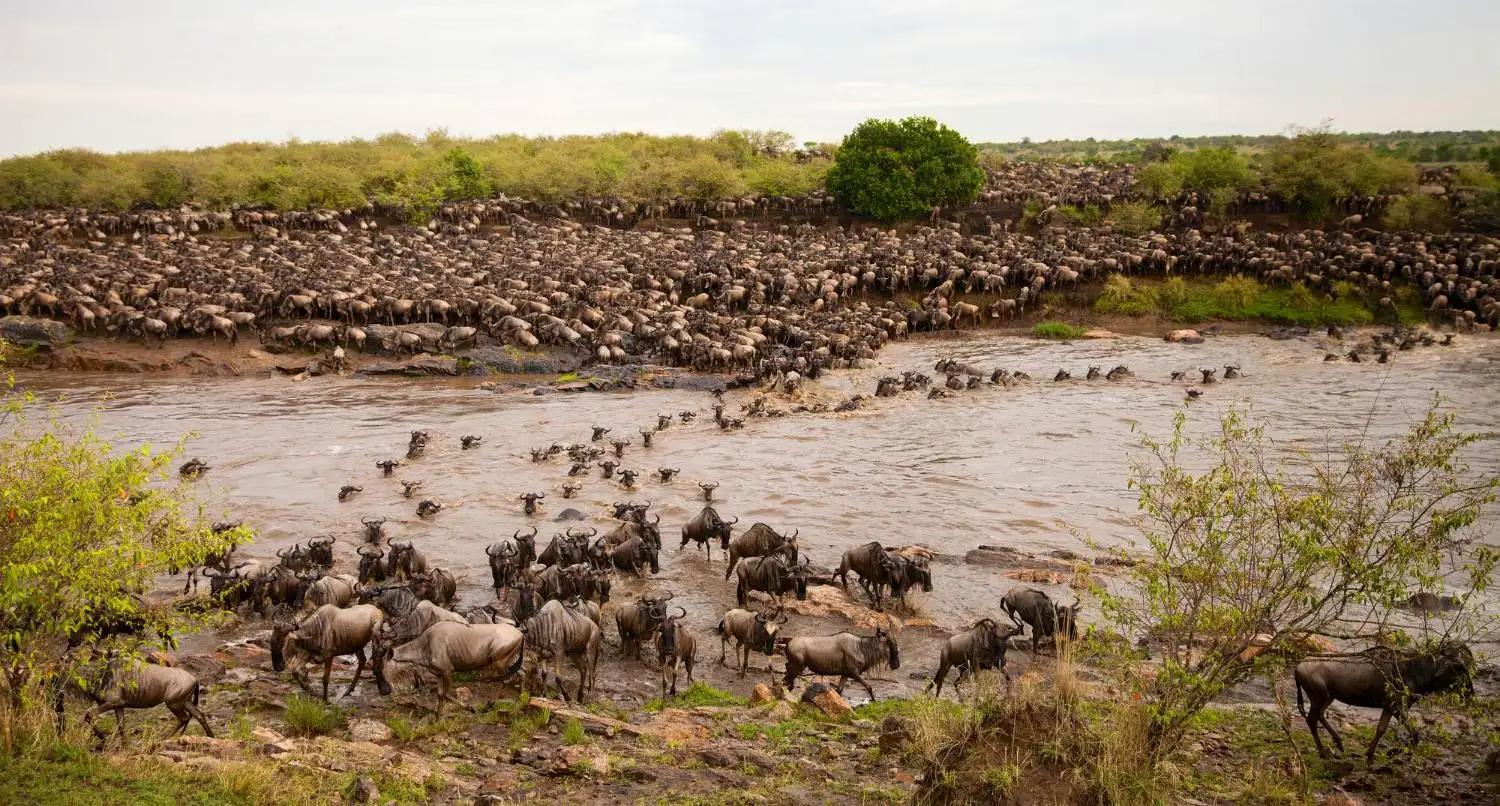
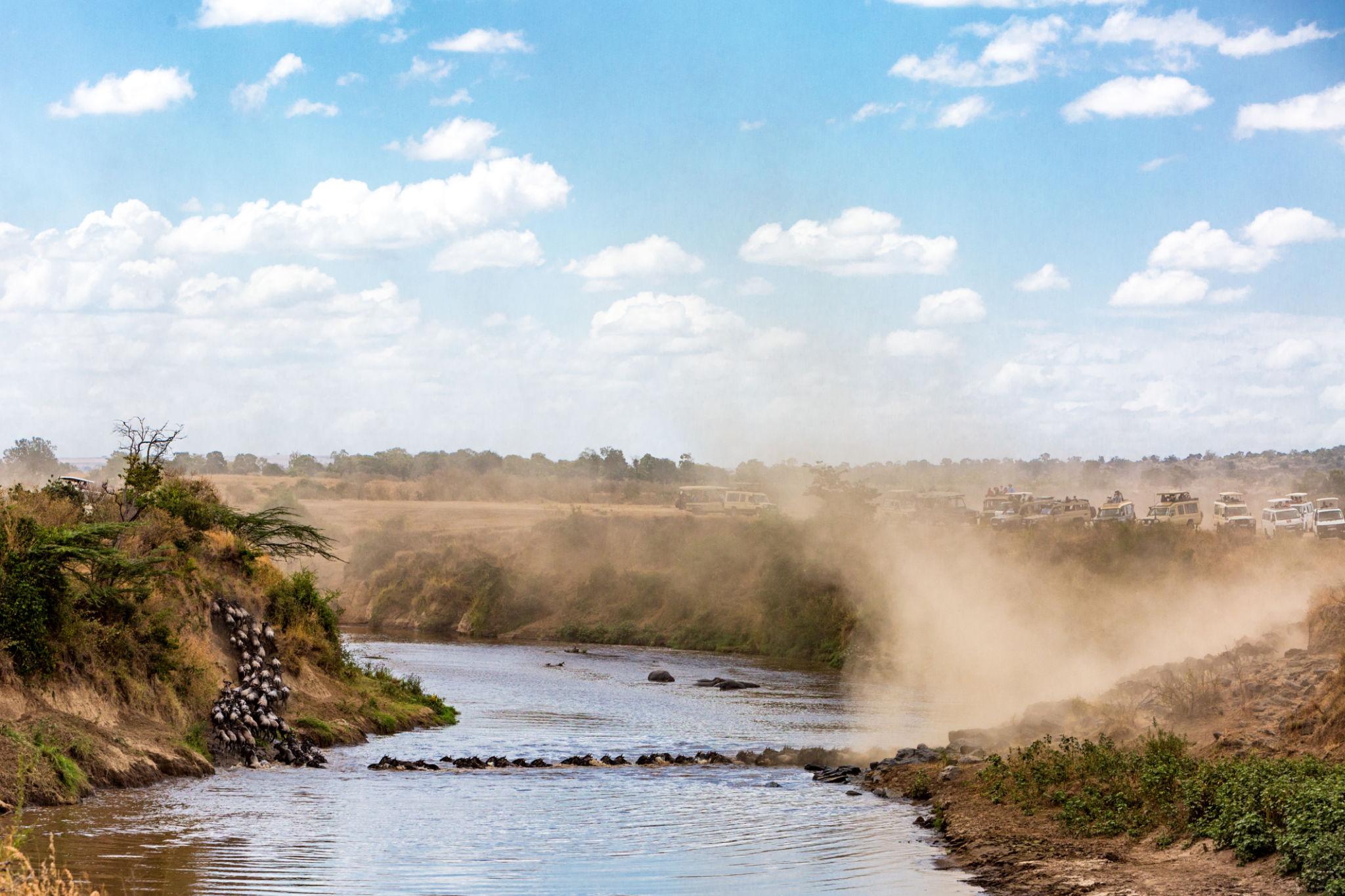
A Great Migration Safari is one of the most extraordinary wildlife experiences on Earth, offering travelers a front-row seat to nature’s most dramatic journey. Every year, millions of wildebeests, zebras, and gazelles move across the vast plains of Tanzania’s Serengeti National Park and Kenya’s Masai Mara National Reserve in search of fresh grass, water, and survival.
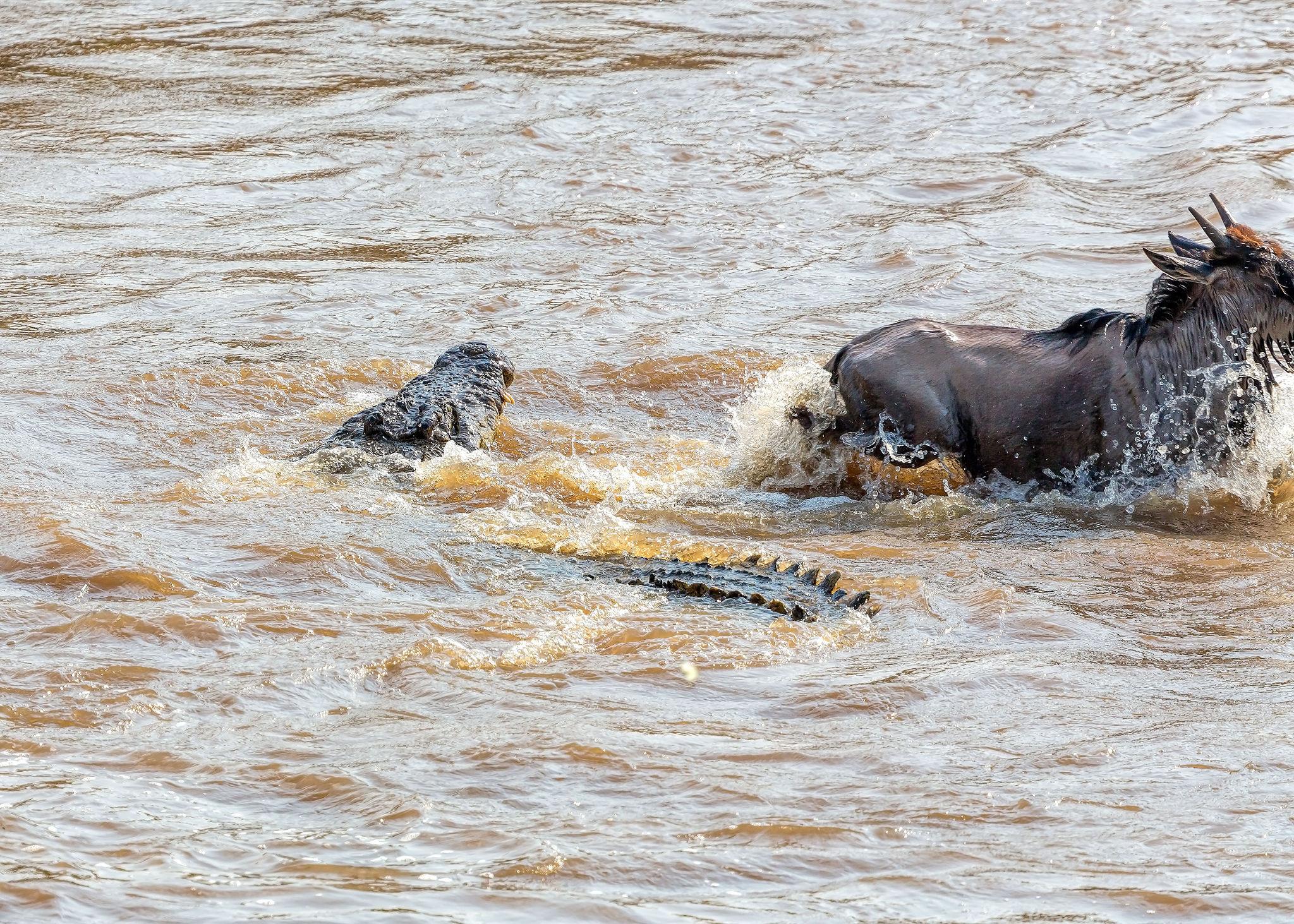
This breathtaking natural event brings together some of Africa’s most iconic wildlife moments, from thousands of wildebeests giving birth during the calving season to dangerous river crossings where powerful crocodiles wait beneath the waters and big cats follow the herds in search of opportunities.
At Boots in the Jungle Safaris, we create unforgettable Great Migration Safari experiences designed around the movement of the herds, wildlife behavior, photography opportunities, luxury accommodation, and personalized travel preferences. Whether you dream of watching a dramatic Mara River crossing, witnessing newborn wildebeests taking their first steps, or enjoying an exclusive luxury safari in the Serengeti, our expert team helps you experience this incredible natural wonder at the perfect time and place.
This complete Ultimate Great Migration Safari Guide 2026–2030 covers everything you need to know, including migration seasons, routes, wildlife encounters, best destinations, safari styles, and how to plan your perfect African adventure.
What Is the Great Migration?
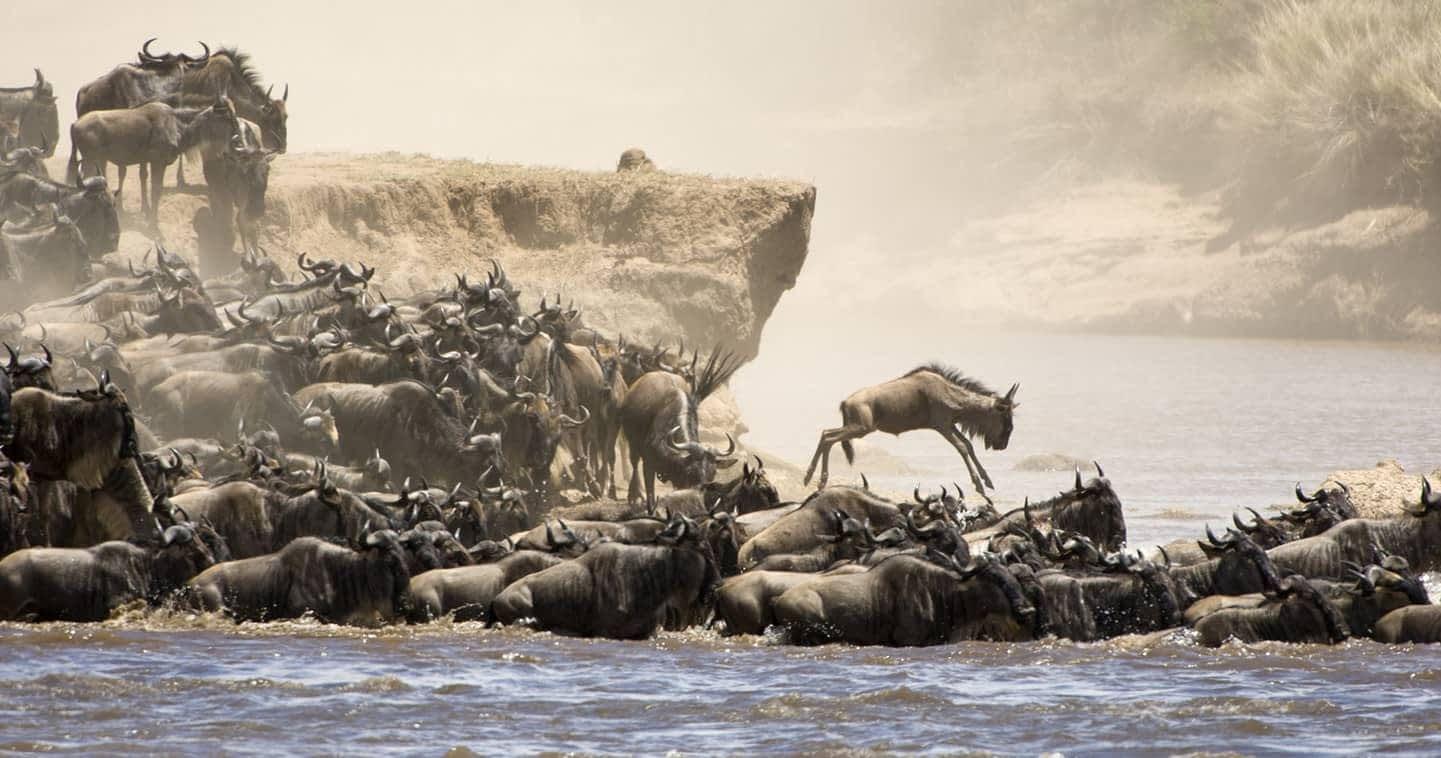
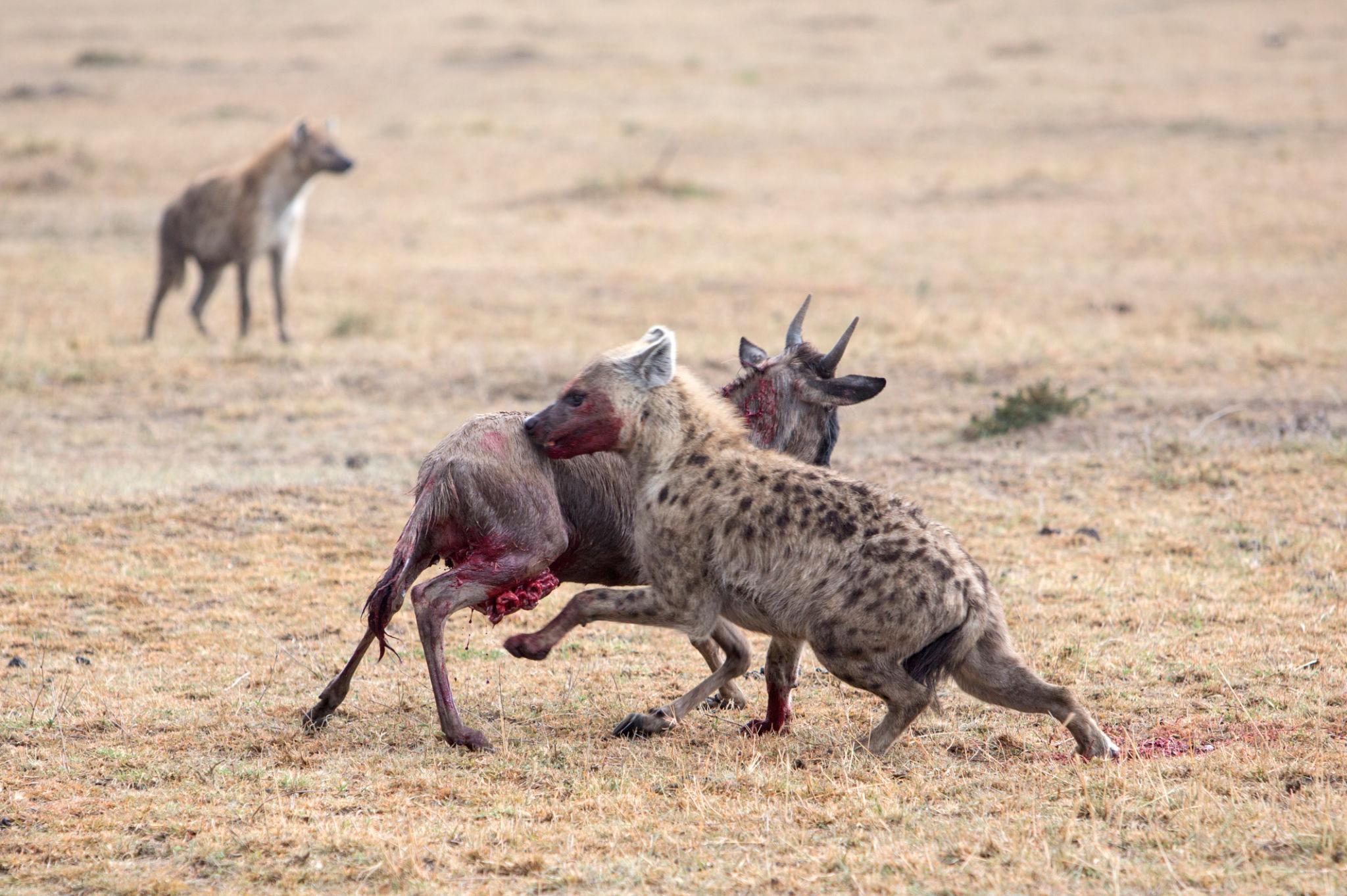
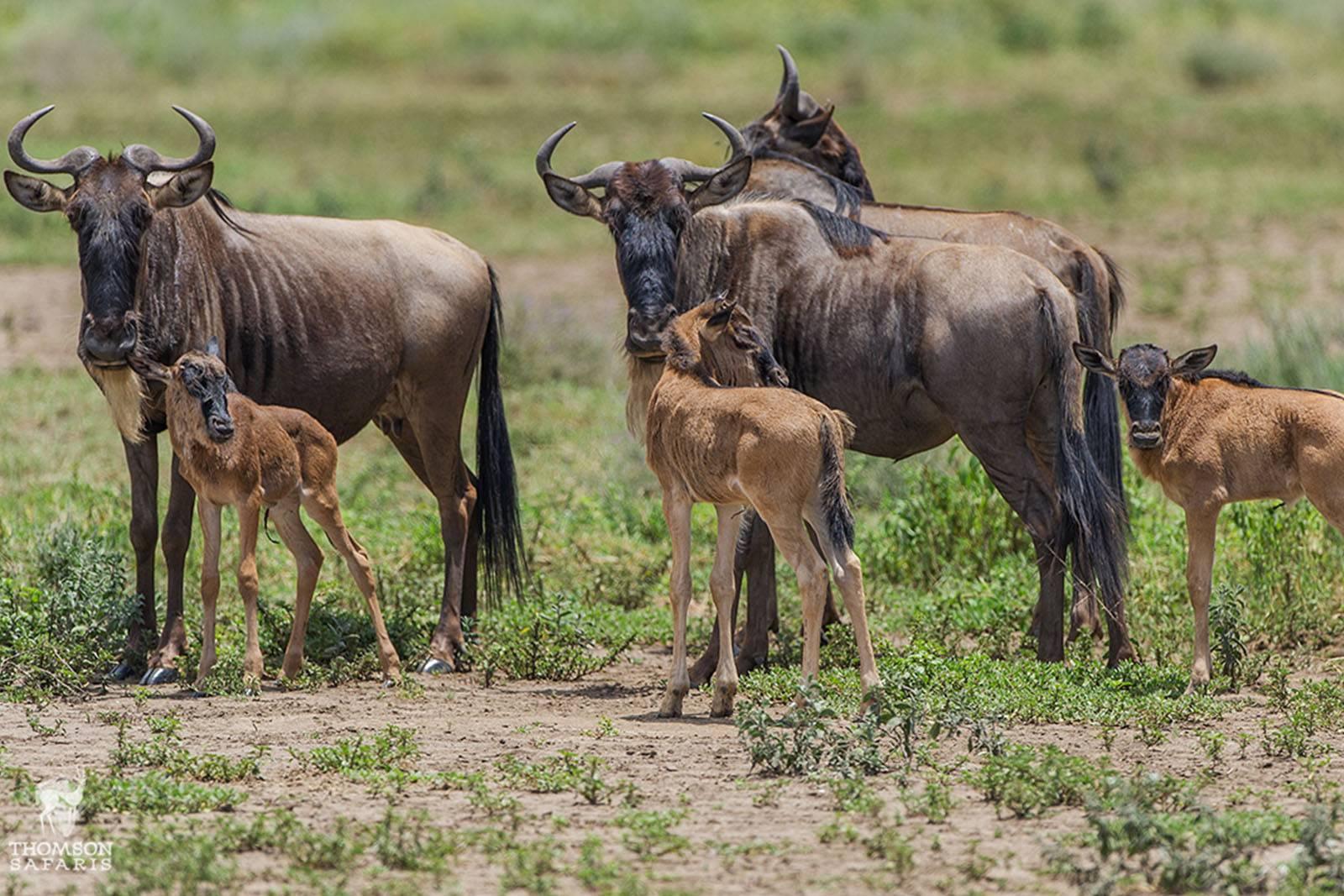
The Great Migration is the largest terrestrial wildlife movement on the planet and one of Africa’s most famous natural wonders. It is an annual circular journey involving approximately 1.5 million wildebeests, hundreds of thousands of zebras, and large numbers of gazelles traveling through the ecosystems of Tanzania and Kenya.
Unlike a traditional wildlife event that happens in one location, the Great Migration Safari follows a constantly moving cycle influenced by rainfall, grass availability, and water sources. The animals continuously move across the Serengeti-Mara ecosystem, creating different experiences throughout the year.
The migration is not simply a journey from one destination to another; it is a battle for survival. Every stage brings challenges, including exhaustion, predators, harsh landscapes, and dangerous water crossings.
During this incredible journey, travelers may witness:
- Massive herds stretching across endless plains.
- Thousands of animals moving together across the savannah.
- Lions following migrating herds.
- Cheetahs hunting vulnerable calves.
- Leopards hiding near migration routes.
- Hyenas competing for opportunities.
- Crocodiles waiting during river crossings.
- Newborn wildebeests taking their first steps during calving season.
A Great Migration Safari provides an opportunity to witness nature operating at its most powerful and dramatic level.
Why the Great Migration Is One of the World’s Greatest Wildlife Spectacles
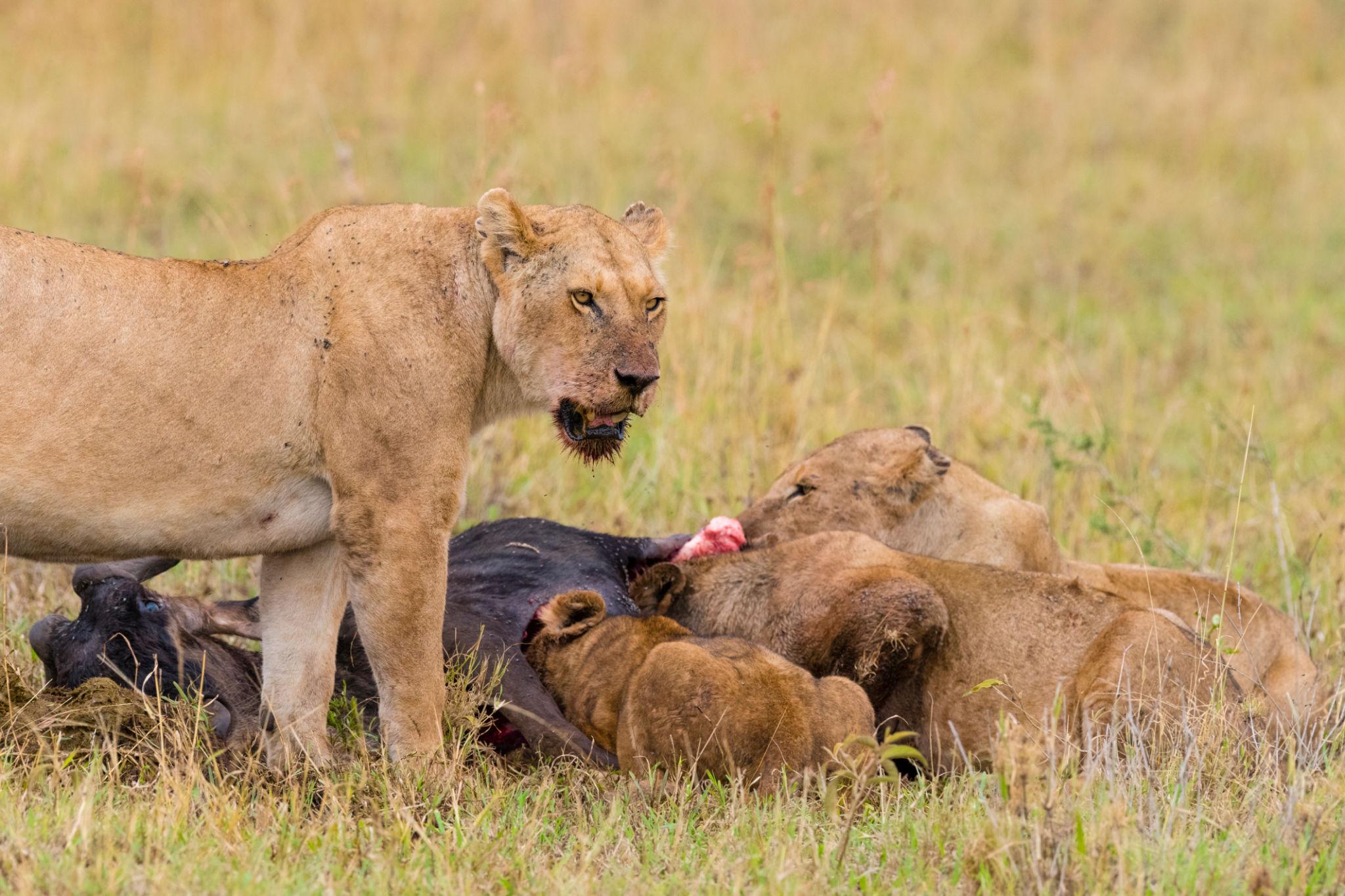
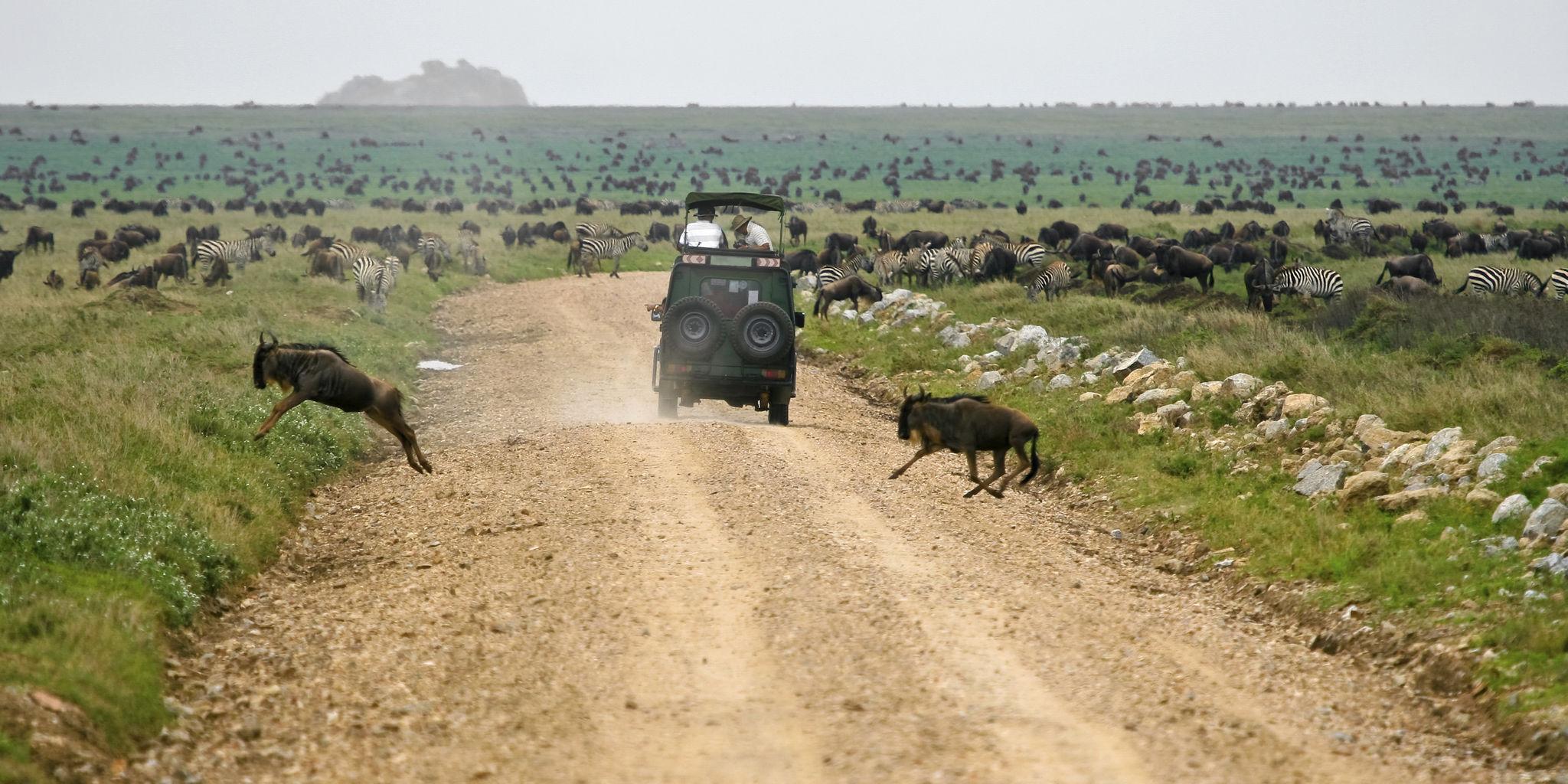
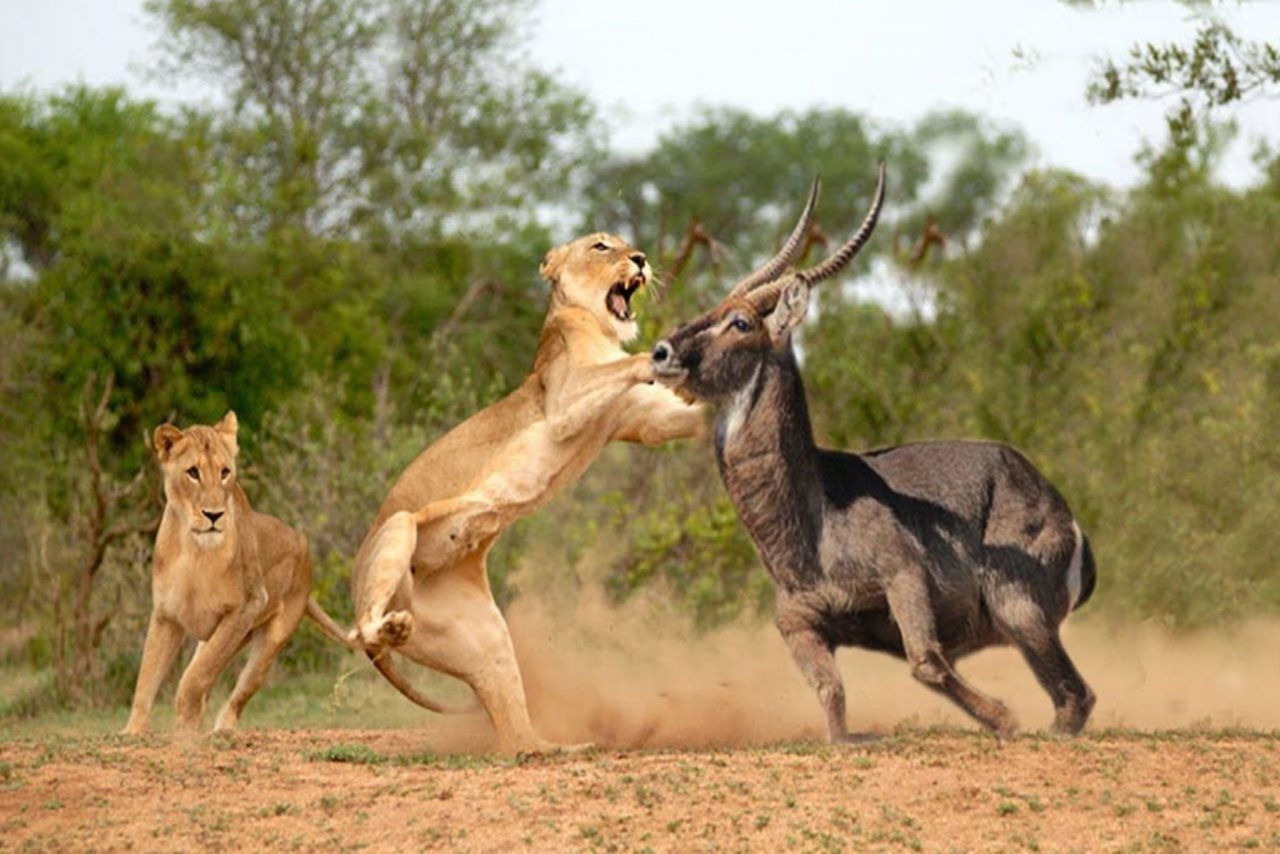
The Great Migration has earned its reputation as one of the greatest wildlife spectacles because it combines incredible numbers of animals, dramatic landscapes, predator interactions, and unforgettable survival moments.
Unlike ordinary game viewing, where visitors search for individual animals, the migration creates a moving wilderness experience where thousands of animals surround you.
A Natural Event Millions of Years in the Making
The migration has existed for thousands of years, following ancient wildlife routes shaped by seasons, rainfall patterns, and ecosystem changes. The Serengeti-Mara ecosystem provides the perfect environment for this continuous cycle.
Extraordinary Wildlife Concentrations
Few places on Earth offer the chance to see hundreds of thousands of animals moving together. The sheer scale of the herds makes the Great Migration unlike any other safari experience.
The Circle of Life
The migration represents the complete cycle of nature:
- Birth during the calving season.
- Growth and survival on the plains.
- Predator encounters.
- Long-distance movement.
- River crossings.
- Return to breeding grounds.
Every moment tells a story of survival.
A Photographer’s Dream
The combination of dramatic landscapes, golden light, wildlife movement, and predator action makes the Great Migration one of the world’s best photography experiences.
Serengeti to Masai Mara Migration Route: The Legendary Journey of the Wildebeests
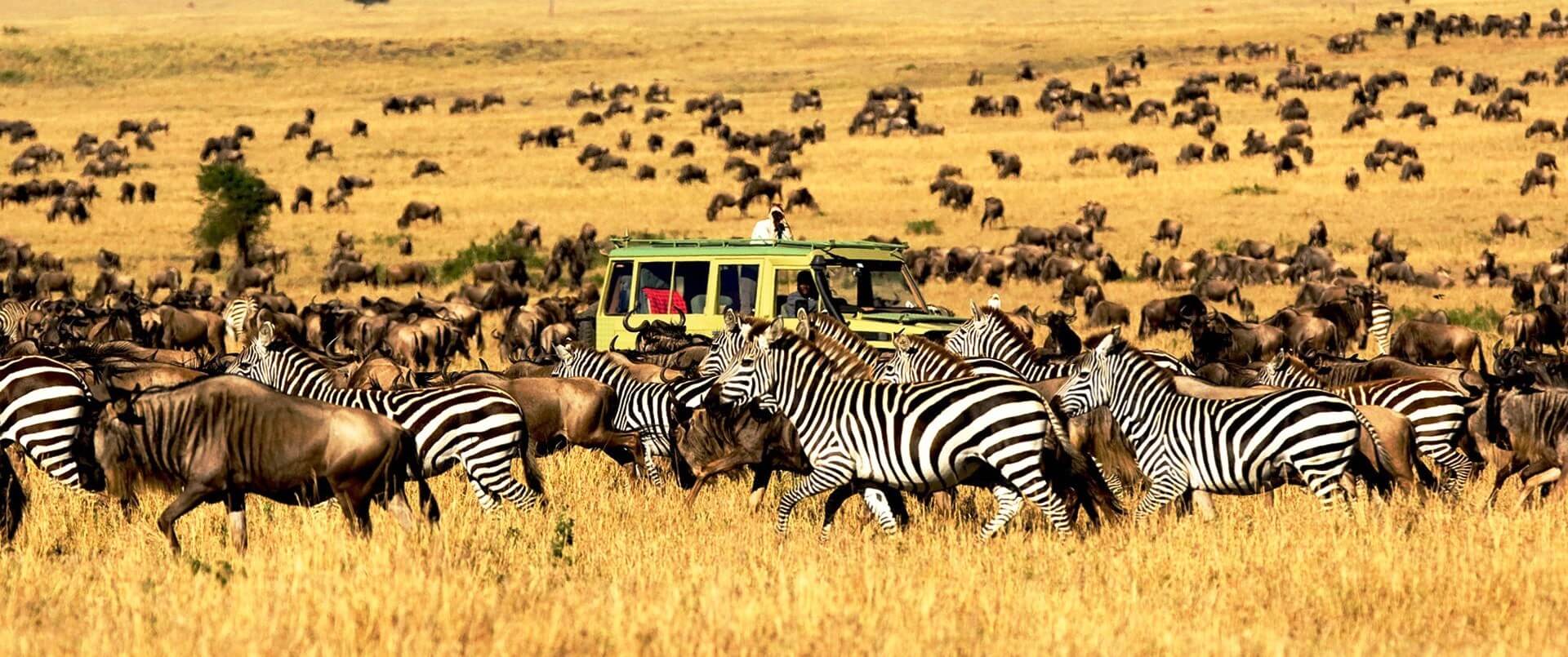
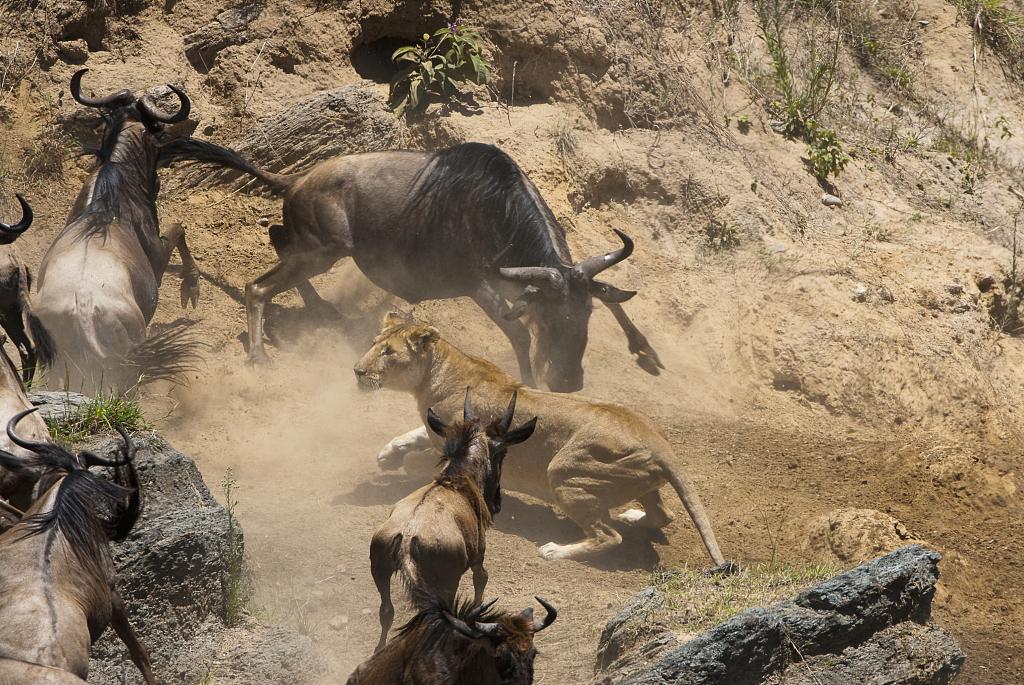
The Great Migration Safari follows one of the most remarkable wildlife journeys on Earth, connecting two of Africa’s most iconic wilderness areas: Tanzania’s Serengeti National Park and Kenya’s Masai Mara National Reserve. This ancient migration route covers a vast ecosystem where millions of wildebeests, zebras, and gazelles move continuously in search of fresh grazing areas and water.
Unlike many wildlife experiences that happen in one specific location, the Great Migration is a constantly moving natural event. The animals do not follow a fixed road or timetable; instead, their movement is guided by seasonal rainfall, availability of fresh grass, and the survival needs of the herds.
A successful Great Migration Safari requires understanding this movement because different months provide completely different experiences. Some travelers dream of witnessing thousands of wildebeests crossing crocodile-filled rivers, while others prefer the breathtaking calving season when thousands of newborn animals enter the world.
The migration creates a spectacular wildlife corridor stretching across northern Tanzania and southern Kenya, making the Serengeti-Mara ecosystem one of the greatest safari destinations on the planet.
Southern Serengeti and Ndutu Plains: The Birthplace of New Life
The southern Serengeti and Ndutu Plains represent the beginning of one of nature’s most emotional chapters.
Between January and March, the migrating herds gather in this region because seasonal rains transform the plains into nutrient-rich grasslands. This abundance of food provides the perfect environment for pregnant wildebeests to give birth.
During the peak calving period, hundreds of thousands of wildebeest calves are born within a short window. This extraordinary concentration of newborn animals creates one of the most impressive wildlife experiences available on a Great Migration Safari.
The atmosphere during calving season is unforgettable. The plains become a massive nursery where visitors can observe:
- Mothers protecting their newborn calves.
- Young wildebeests taking their first steps within minutes of birth.
- Herds gathering across endless golden grasslands.
- Predators carefully watching vulnerable young animals.
The abundance of newborns also attracts some of Africa’s most famous predators. Lions, cheetahs, leopards, hyenas, and jackals take advantage of this period when young animals are more vulnerable.
However, the calving season is not only about predator action; it is also a powerful reminder of the resilience and continuation of wildlife. Seeing a newborn calf rise and follow its mother across the Serengeti plains is one of the most touching moments any traveler can experience.
For travelers planning a Great Migration Safari in Tanzania, the Ndutu Plains offer an unmatched opportunity to witness the beginning of the migration cycle.
Central Serengeti: Endless Plains and Predator Territory
As the migration progresses northwards, the herds move through the central Serengeti, an area famous for breathtaking landscapes, abundant wildlife, and exceptional predator viewing.
Central Serengeti serves as an important resting and feeding area during the migration journey. The region’s open plains, rocky kopjes, and river valleys provide ideal habitats for both migrating animals and resident wildlife.
A Great Migration Safari through central Serengeti offers some of the best opportunities to experience Africa’s predator-prey interactions.
Visitors may encounter:
Lions Following the Migration
Lions are among the most impressive predators associated with the migration. They often position themselves near waterholes, grasslands, and migration routes where large herds pass.
The arrival of migrating wildebeests creates increased hunting opportunities, allowing travelers to witness natural behaviors rarely seen elsewhere.
Cheetahs Hunting Across Open Plains
The wide-open landscapes of the Serengeti provide the perfect hunting environment for cheetahs. These incredible cats rely on speed and visibility to chase prey across the plains.
During migration season, young wildebeests and gazelles may become targets for these powerful hunters.
Leopards in Riverine Forests
Although more secretive, leopards are frequently found around wooded areas and river systems within the Serengeti.
Their ability to climb trees and remain hidden makes spotting them a thrilling highlight of any safari.
Other Wildlife Encounters
Beyond the migration herds, central Serengeti provides opportunities to see:
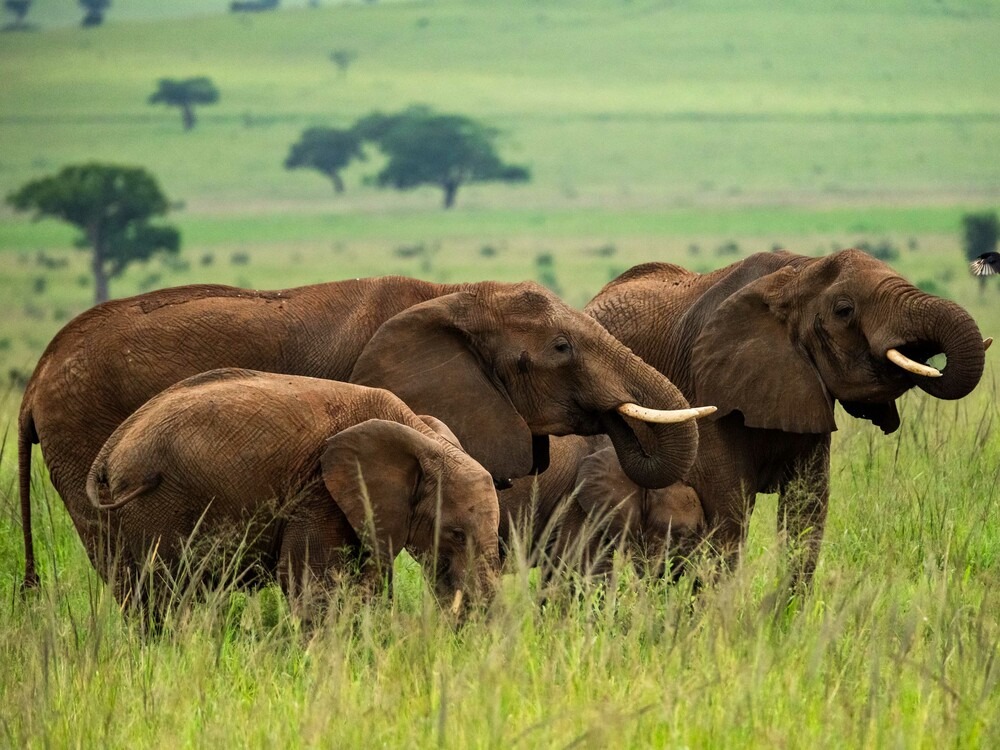
- Elephants moving through woodland areas.
- Giraffes feeding among acacia trees.
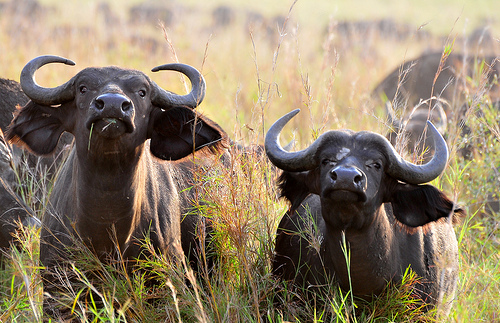
- Buffalo herds.
- Hippos in rivers.
- Large numbers of antelopes.
This combination of migrating herds, resident wildlife, and dramatic landscapes makes central Serengeti an essential stop on a complete Great Migration Safari.
Western Serengeti and the Grumeti River Challenge
Around May and June, the migration reaches the western corridor of Serengeti, where the herds face one of their first major survival challenges: the Grumeti River.
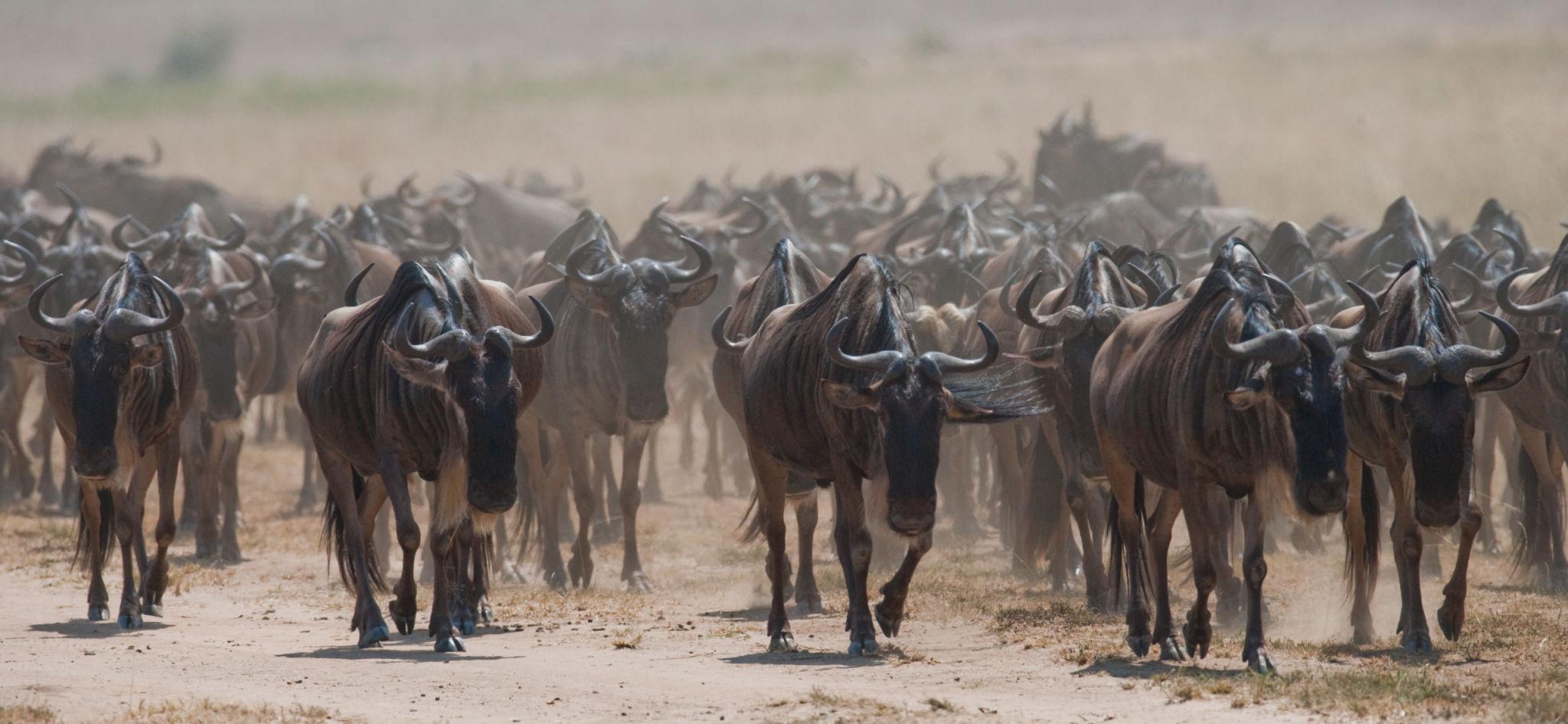
The Grumeti River crossing is one of the most dramatic moments of the migration cycle. Although it receives less international attention than the famous Mara River crossings, it offers an incredibly authentic safari experience with fewer crowds.
The challenge begins when thousands of wildebeests gather along the riverbanks. The animals must decide when and where to cross while facing strong currents and waiting predators.
The Grumeti River is famous for:
Large Nile Crocodiles
The river contains some of Africa’s largest crocodiles. These powerful reptiles wait patiently in the water, creating a dangerous obstacle for migrating animals.
Massive Herd Concentrations
Thousands of wildebeests may gather together before attempting the crossing, creating unforgettable scenes of movement and energy.
Predator Activity
The concentration of animals attracts predators including:
- Lions.
- Hyenas.
- Crocodiles.
- Other opportunistic hunters.
For travelers seeking a quieter but equally dramatic migration experience, the western Serengeti provides an excellent option.
Northern Serengeti and Masai Mara: The Legendary River Crossings
The northern Serengeti and Kenya’s Masai Mara represent the most famous stage of the Great Migration Safari.
Between July and October, millions of animals move toward the Mara River in search of fresh grazing areas. This is the period when many travelers dream of visiting because of the legendary river crossings.
The Mara River crossing is one of nature’s most dramatic survival events.
Travelers may witness:
- Thousands of wildebeests gathering at the river edge.
- Animals hesitating before entering the water.
- Powerful currents separating the herd.
- Crocodiles waiting below.
- Exhausted animals climbing steep riverbanks.
- Lions and other predators waiting nearby.
The crossing is unpredictable, which makes every sighting unique. Some days animals may gather for hours before crossing, while on other occasions thousands may rush into the water suddenly.
This uncertainty is part of what makes a Great Migration Safari so exciting. Nature controls the timing, and travelers are rewarded with a completely authentic wildlife experience.
The migration continues into Kenya’s Masai Mara, where the rich grasslands provide essential feeding grounds before the animals eventually begin their return journey south.
Great Migration Safari Calendar Month by Month
| Month | Migration Experience | Best Location |
|---|---|---|
| January | Herds gather across the plains as wildebeests prepare for the calving season and fresh grazing begins. | Southern Serengeti |
| February | Peak wildebeest calving season with thousands of newborn calves arriving and intense predator activity. | Ndutu Plains |
| March | Newborn calves become stronger while lions, cheetahs, and hyenas follow the migrating herds. | Southern Serengeti |
| April | The herds begin moving north following rainfall patterns and searching for fresh grazing areas. | Central Serengeti |
| May | Large migration movements take place as massive herds cross the Serengeti plains toward the west. | Western Serengeti |
| June | Wildebeests encounter the challenging Grumeti River crossings with crocodile encounters and dramatic scenes. | Western Corridor |
| July | The migration reaches northern Serengeti as herds prepare for the famous Mara River crossings. | Northern Serengeti |
| August | One of the best months for dramatic river crossings as wildebeests move between Tanzania and Kenya. | Serengeti & Masai Mara |
| September | Peak river crossing opportunities with huge concentrations of wildlife in the Masai Mara. | Masai Mara |
| October | Herds remain in Kenya’s rich grasslands while enjoying excellent predator viewing opportunities. | Masai Mara |
| November | The migration begins its return journey south following the seasonal rains. | Northern Tanzania |
| December | Herds return toward the southern plains, preparing for the next migration cycle. | Serengeti |
Wildebeest Numbers and Facts: Understanding the Heart of the Great Migration Safari
The wildebeest is the true symbol of the Great Migration Safari, representing one of the most incredible examples of animal movement and survival in the natural world. Every year, millions of wildebeests, together with zebras and gazelles, travel across the vast plains of Tanzania and Kenya in search of fresh grass and water.
This extraordinary journey is not only about numbers; it is about survival, adaptation, and the continuous cycle of life in the Serengeti-Mara ecosystem. The movement of these animals supports an entire wildlife community, attracting some of Africa’s most powerful predators and creating unforgettable moments for travelers.
A Great Migration Safari gives visitors the rare opportunity to witness this ancient journey firsthand, from massive herds covering the plains to dramatic encounters between prey and predators.
Around 1.5 Million Wildebeests: The Main Force Behind the Migration
One of the most remarkable facts about the Great Migration Safari is the sheer number of wildebeests involved. Approximately 1.5 million wildebeests participate in this annual movement, making it the largest terrestrial wildlife migration on Earth.
These blue wildebeests (Connochaetes taurinus) follow ancient migration routes that have existed for thousands of years. Their movement is mainly influenced by:
- Seasonal rainfall patterns.
- Availability of fresh grazing areas.
- Access to water sources.
- Natural survival instincts.
The massive herds create spectacular scenes across the Serengeti plains. From a distance, the landscape can appear to move as thousands of animals travel together in search of better feeding grounds.
During a Great Migration Safari, travelers may witness huge herds stretching across open grasslands, crossing dusty plains, gathering near rivers, and moving through some of Africa’s most iconic landscapes.
The wildebeest migration is also essential to the health of the ecosystem. As the animals move, they naturally recycle nutrients, spread seeds, and maintain the balance between grasslands and wildlife populations.
Hundreds of Thousands of Zebras: The Perfect Migration Partnership
Although wildebeests are the main attraction, they do not travel alone. Hundreds of thousands of zebras accompany them during the migration, creating one of the most impressive wildlife gatherings in Africa.
Wildebeests and zebras have a unique relationship because they feed differently.
Zebras prefer taller grasses, while wildebeests feed on shorter grasses left behind after zebras have grazed. This natural partnership allows both species to benefit from the same landscape.
During a Great Migration Safari, visitors can witness enormous mixed herds moving together across the Serengeti and Masai Mara.
The presence of zebras adds even more beauty to the migration because of their striking black-and-white patterns against the golden African plains.
Besides zebras, other animals that participate in or follow the migration include:
- Thomson’s gazelles.
- Grant’s gazelles.
- Elands.
- Impalas.
- Other grazing animals.
Together, these species create one of the most diverse wildlife movements on the planet.
Thousands of Newborn Calves: The Circle of Life Begins
One of the most emotional moments of a Great Migration Safari happens during the calving season between January and March.
During this period, thousands of wildebeest calves are born within a short period across the southern Serengeti and Ndutu Plains.
This incredible timing is a survival strategy. By giving birth when fresh grass is abundant, mothers can provide enough nutrition for their young while the large number of calves increases the chances that some will survive predator attacks.
A newborn wildebeest calf has an amazing ability to stand and walk shortly after birth. Within minutes, many calves are already attempting to follow their mothers and keep pace with the moving herd.
However, this season also attracts intense predator activity.
The arrival of thousands of vulnerable young animals creates opportunities for:
- Lions hunting near calving areas.
- Cheetahs chasing young calves.
- Hyenas searching for opportunities.
- Leopards observing from nearby woodland.
The calving season provides a completely different experience from river crossings, focusing on birth, family bonds, and the powerful struggle between survival and nature’s challenges.
A Journey of Hundreds of Kilometers Across East Africa
The Great Migration is not a short movement; it is an incredible journey covering hundreds of kilometers through Tanzania and Kenya.
The migration follows a circular route through:
- Southern Serengeti.
- Central Serengeti.
- Western Corridor.
- Northern Serengeti.
- Masai Mara.
The animals continuously move according to environmental conditions rather than following a strict calendar.
Rainfall determines where fresh grass grows, and the herds instinctively follow these changes. This is why every Great Migration Safari is unique. The exact location and behavior of the animals can change depending on weather patterns and natural conditions.
This endless movement represents one of nature’s greatest survival strategies and demonstrates the incredible connection between wildlife and the African landscape.
Great Migration River Crossings: Nature’s Greatest Survival Challenge
The river crossings are among the most famous and dramatic moments of any Great Migration Safari.
These events represent one of the greatest challenges faced by migrating animals. Thousands of wildebeests gather along riverbanks, waiting for the right moment to cross.
The scenes are filled with:
- Powerful emotions.
- Confusion among the herds.
- Dangerous currents.
- Waiting predators.
- Incredible displays of survival instinct.
The two most famous river crossings are the Mara River crossing and the Grumeti River crossing.
Mara River Crossings: The Legendary Migration Experience
The Mara River crossing is considered one of the greatest wildlife spectacles on Earth.
Located between northern Serengeti and Kenya’s Masai Mara, this river creates a dramatic barrier that migrating animals must overcome.
During a Great Migration Safari between July and October, travelers may witness thousands of wildebeests gathering along the riverbanks before making the dangerous journey across.
The experience may include:
Thousands of Wildebeests Gathering at the Riverbanks
The animals often gather in large groups, waiting for the moment when one individual begins the crossing. Once movement starts, thousands may follow quickly.
Animals Fighting Against Strong Currents
The Mara River can be challenging, with steep banks, deep water, and powerful currents. Some animals become separated from the herd while others struggle to climb out.
Nile Crocodiles Waiting Below
The Mara River is home to large Nile crocodiles that take advantage of this seasonal opportunity.
These ancient reptiles wait patiently in the water, making the crossing one of the most dangerous stages of the migration.
Predators Watching Nearby
The concentration of animals attracts predators including:
- Lions.
- Hyenas.
- Leopards.
- Crocodiles.
The Mara River crossing demonstrates the raw reality of nature, where every moment represents the struggle between survival and danger.
Grumeti River Crossings: The Hidden Gem of the Migration
The Grumeti River crossing in western Serengeti offers another spectacular migration experience.
Although less famous than the Mara River crossing, the Grumeti River provides excellent wildlife viewing with fewer visitors.
This region is known for:
- Large concentrations of wildebeests.
- Massive Nile crocodiles.
- Beautiful river landscapes.
- Authentic wilderness experiences.
Travelers looking for a quieter and more exclusive Great Migration Safari often choose the western Serengeti because it offers incredible wildlife encounters away from larger crowds.
Predator Action During the Great Migration
The arrival of millions of migrating animals creates one of Africa’s greatest predator gatherings.
A Great Migration Safari provides some of the best opportunities to observe predator behavior because the movement of prey attracts Africa’s most powerful hunters.
The migration creates a dramatic relationship between survival, hunting, and the natural balance of the ecosystem.
Lions: The Kings Following the Herds
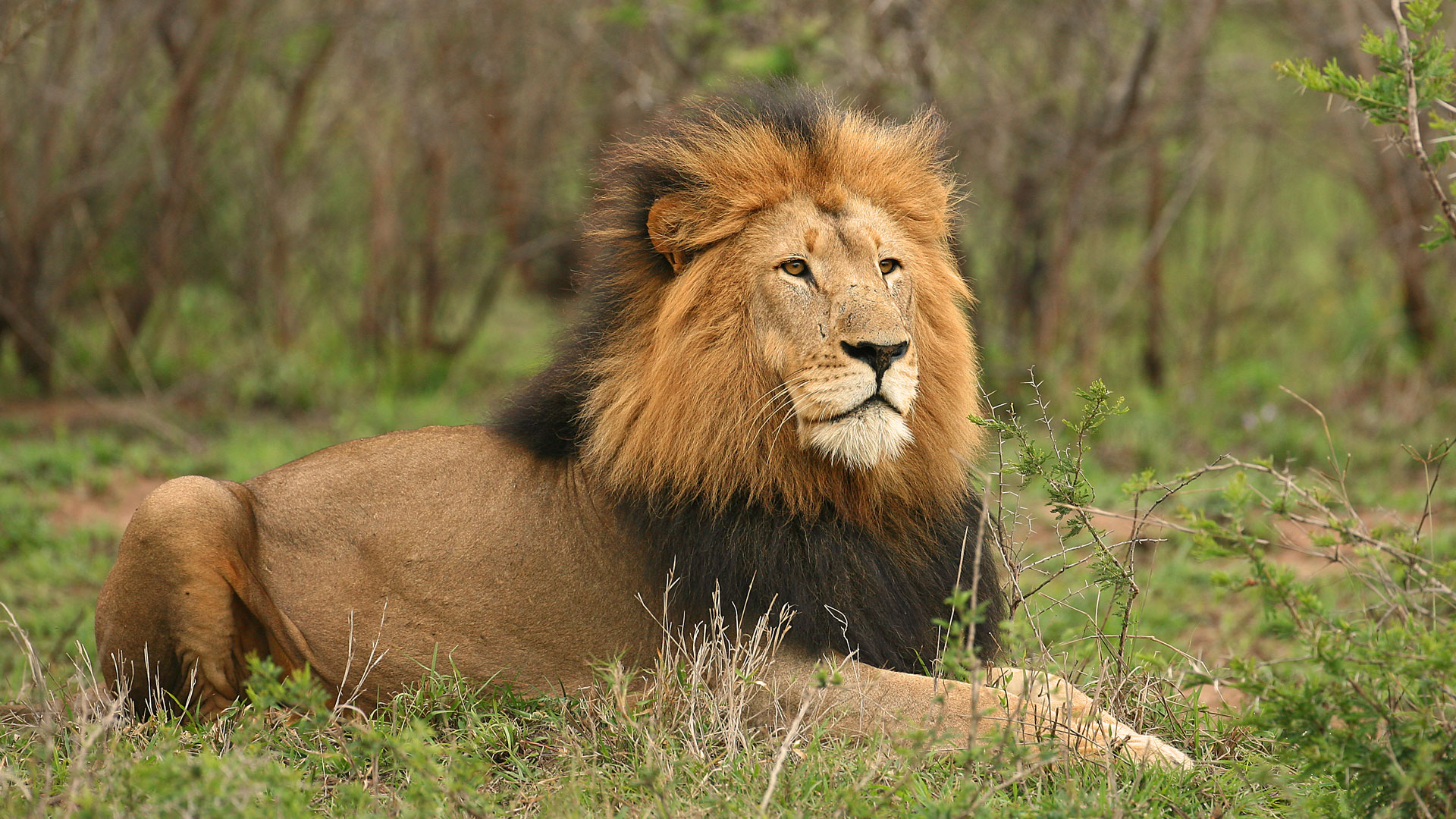
Lions are among the most impressive predators associated with the Great Migration.
They often follow migrating herds because the concentration of wildebeests and zebras provides excellent hunting opportunities.
During a migration safari, visitors may see lions:
- Resting near migration routes.
- Hunting near water sources.
- Watching herds from grasslands.
- Teaching cubs survival skills.
The Serengeti is famous for its large lion populations, making it one of the best destinations in Africa for lion encounters.
Cheetahs: Speed Hunters of the Serengeti Plains
Cheetahs thrive in the open landscapes of the Serengeti, where their incredible speed gives them an advantage.
During the Great Migration, cheetahs often target:
- Young wildebeest calves.
- Gazelles.
- Smaller antelope species.
Their hunting strategy depends on stealth, patience, and explosive speed.
A Great Migration Safari offers excellent opportunities to witness these magnificent cats using the open plains as their hunting ground.
Leopards: The Masters of Stealth
Leopards are more secretive than lions and cheetahs, but they are among the most fascinating predators encountered during the migration.
They are commonly found near:
- River forests.
- Woodland areas.
- Rocky landscapes.
Their ability to remain hidden makes every leopard sighting special.
Seeing a leopard resting on an acacia tree after following migration routes is one of the memorable moments of an African safari.
Hyenas: Powerful Hunters and Survivors
Hyenas play an important role in the Great Migration ecosystem.
Although often misunderstood, hyenas are skilled hunters and highly intelligent predators.
During migration season, they follow the movement of herds and take advantage of opportunities created by the large numbers of animals.
They contribute to the ecosystem by:
- Hunting weakened animals.
- Cleaning remains.
- Maintaining ecological balance.
Frequently Asked Questions About Great Migration Safari
What is the Great Migration Safari?
A Great Migration Safari is one of Africa’s most spectacular wildlife experiences, following millions of wildebeests, zebras, and gazelles as they move across the ancient Serengeti-Mara ecosystem between Tanzania’s Serengeti National Park and Kenya’s Masai Mara National Reserve.
A Great Migration Safari allows travelers to witness incredible natural events such as massive herd movements, dramatic river crossings, predator encounters, and the unforgettable wildebeest calving season. It is a journey into the heart of Africa’s wilderness where visitors experience the power, beauty, and survival instincts of nature.
When is the best time for a Great Migration Safari?
The best time for a Great Migration Safari depends on the specific experience you want to enjoy.
For travelers interested in the famous river crossings, the best months are usually July to October, when wildebeests reach the northern Serengeti and Masai Mara and face the challenging Mara River crossings.
For travelers who want to witness newborn animals, January to March is the ideal period because it is the wildebeest calving season in the southern Serengeti and Ndutu Plains.
Every season offers a unique Great Migration Safari experience, from predator action during calving season to massive herds moving across endless plains.
Where does the Great Migration take place?
The Great Migration Safari takes place mainly within the Serengeti-Mara ecosystem, covering northern Tanzania and southern Kenya.
The major areas involved include:
- Southern Serengeti.
- Ndutu Plains.
- Central Serengeti.
- Western Serengeti and Grumeti River.
- Northern Serengeti.
- Kenya’s Masai Mara National Reserve.
A complete Great Migration Safari may combine both Tanzania and Kenya to provide travelers with the opportunity to follow the movement of the herds throughout the year.
How many wildebeests are in the Great Migration?
Approximately 1.5 million wildebeests participate in the annual migration, making the Great Migration Safari the largest terrestrial wildlife migration on Earth.
These massive herds move together with hundreds of thousands of zebras and gazelles, creating one of the most impressive wildlife spectacles ever witnessed.
During a Great Migration Safari, travelers can experience the incredible sight of thousands of animals moving across the plains, crossing rivers, and following ancient migration routes.
Are river crossings guaranteed during a Great Migration Safari?
No, river crossings during a Great Migration Safari are not guaranteed.
The timing of river crossings depends on many natural factors, including:
- Rainfall patterns.
- Water levels.
- Animal movement.
- Herd behavior.
- Seasonal conditions.
The unpredictable nature of river crossings is part of what makes a Great Migration Safari so exciting. Travelers may wait patiently along the riverbanks before suddenly witnessing thousands of wildebeests rushing through the water
Can I see crocodiles during the Great Migration Safari?
Yes, travelers on a Great Migration Safari can often see large Nile crocodiles during famous river crossings.
The Mara River and Grumeti River are home to powerful crocodiles that have adapted to the annual arrival of migrating herds.
During a Great Migration Safari, visitors may witness crocodiles waiting in the water as wildebeests attempt to cross, creating one of nature’s most dramatic survival moments.
Can families go on a Great Migration Safari?
Yes, families can enjoy an unforgettable Great Migration Safari with the right planning and itinerary.
Family-friendly migration safaris can include:
- Comfortable family lodges.
- Private safari vehicles.
- Flexible game drives.
- Educational wildlife experiences.
- Shorter travel distances where possible.
A Great Migration Safari is an excellent learning adventure for children because it introduces them to wildlife conservation, ecosystems, animal behavior, and African cultures.
Boots in the Jungle Safaris designs family-focused Great Migration Safari experiences that balance adventure, comfort, and safety.
Is the Great Migration Safari suitable for luxury travelers?
Yes, a Great Migration Safari is one of Africa’s most exclusive luxury travel experiences.
Luxury migration journeys can include:
- Private safari vehicles.
- Professional private guides.
- Luxury tented camps.
- Premium lodges.
- Scenic flights.
- Hot air balloon safaris.
- Exclusive wildlife viewing locations.
A luxury Great Migration Safari combines incredible wildlife encounters with comfort, personalized service, and unforgettable experiences in the African wilderness.
How long should a Great Migration Safari last?
The ideal length of a Great Migration Safari depends on your travel goals and the migration season you choose.
Most travelers spend between 5 and 10 days exploring the Serengeti and Masai Mara, while longer safaris allow deeper exploration of different migration areas.
A longer Great Migration Safari provides more opportunities to experience:
- Different migration stages.
- Predator encounters.
- River crossings.
- Luxury lodge experiences.
- Additional wildlife destinations.
Boots in the Jungle Safaris can customize your Great Migration Safari according to your available time, interests, and travel style.
Can I combine a Great Migration Safari with gorilla trekking?
Yes, combining a Great Migration Safari with gorilla trekking creates one of Africa’s ultimate adventure journeys.
Travelers can experience the incredible wildlife migration in Tanzania or Kenya and then continue to Uganda or Rwanda for a mountain gorilla trekking adventure.
A combined Great Migration Safari and gorilla trekking itinerary may include:
- Serengeti wildlife viewing.
- Masai Mara game drives.
- Gorilla trekking in Bwindi Impenetrable National Park.
- Gorilla trekking in Volcanoes National Park.
- Cultural experiences.
- Luxury accommodation.
Boots in the Jungle Safaris specializes in creating personalized multi-country African adventures combining wildlife, primates, culture, and luxury travel.
Book Your Ultimate Great Migration Safari with Boots in the Jungle Safaris
A Great Migration Safari is more than a wildlife holiday; it is a once-in-a-lifetime journey into the heart of Africa’s most extraordinary wilderness.
From the endless golden plains of the Serengeti to the dramatic Mara River crossings, from thousands of newborn wildebeests during calving season to powerful predator encounters, every moment of a Great Migration Safari creates memories that last forever.
At Boots in the Jungle Safaris, we specialize in designing unforgettable Great Migration Safari experiences across Tanzania and Kenya. Our expert safari planners create personalized journeys based on your preferred season, accommodation style, wildlife interests, and travel expectations.
Whether you are looking for a luxury Great Migration Safari, private safari adventure, family wildlife journey, honeymoon experience, or photography expedition, our team will help you discover Africa’s greatest wildlife spectacle in the best possible way.