Gorilla Trekking Rules Rwanda: Understanding Conservation, Safety & Responsible Gorilla Encounters
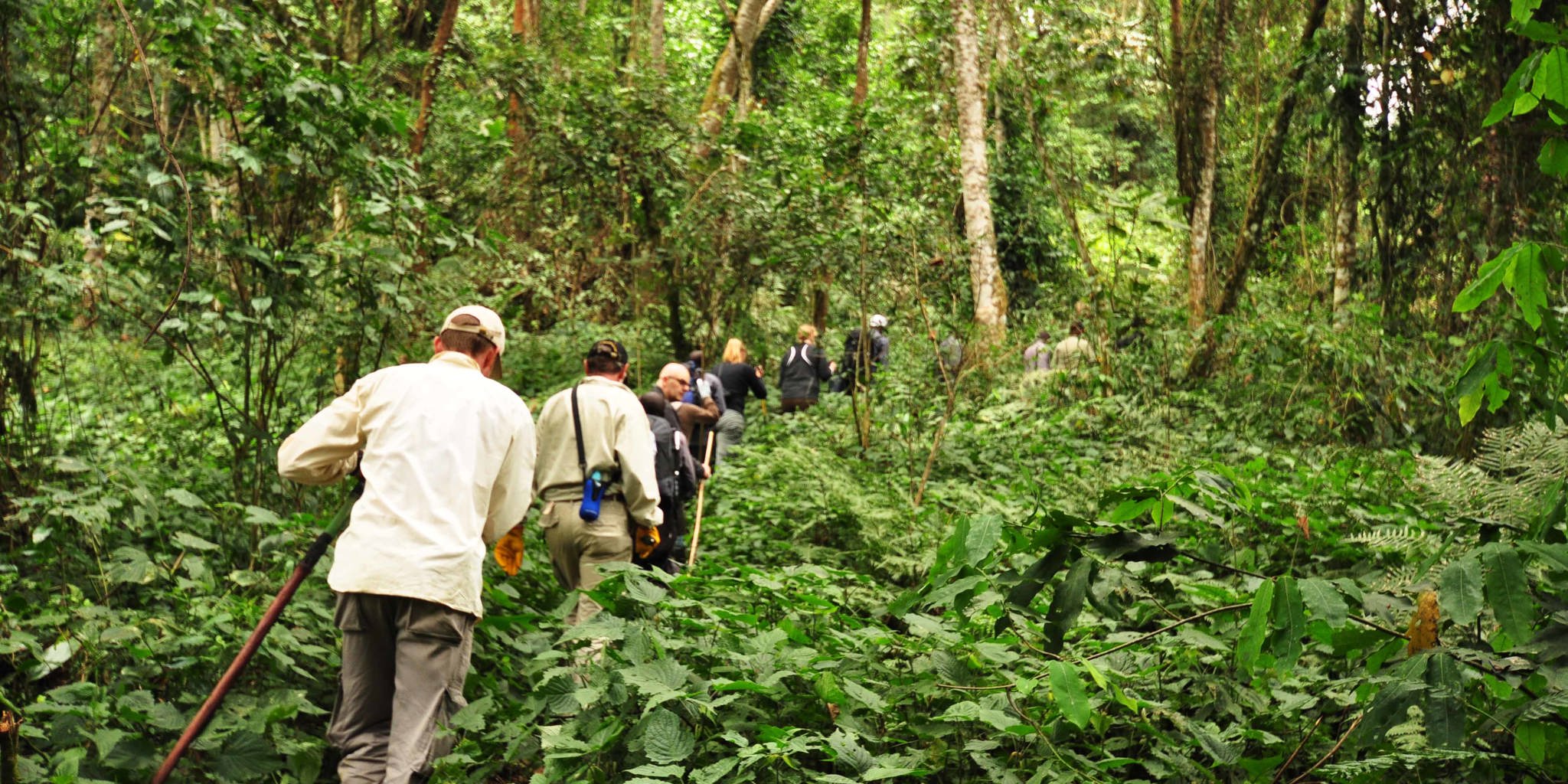
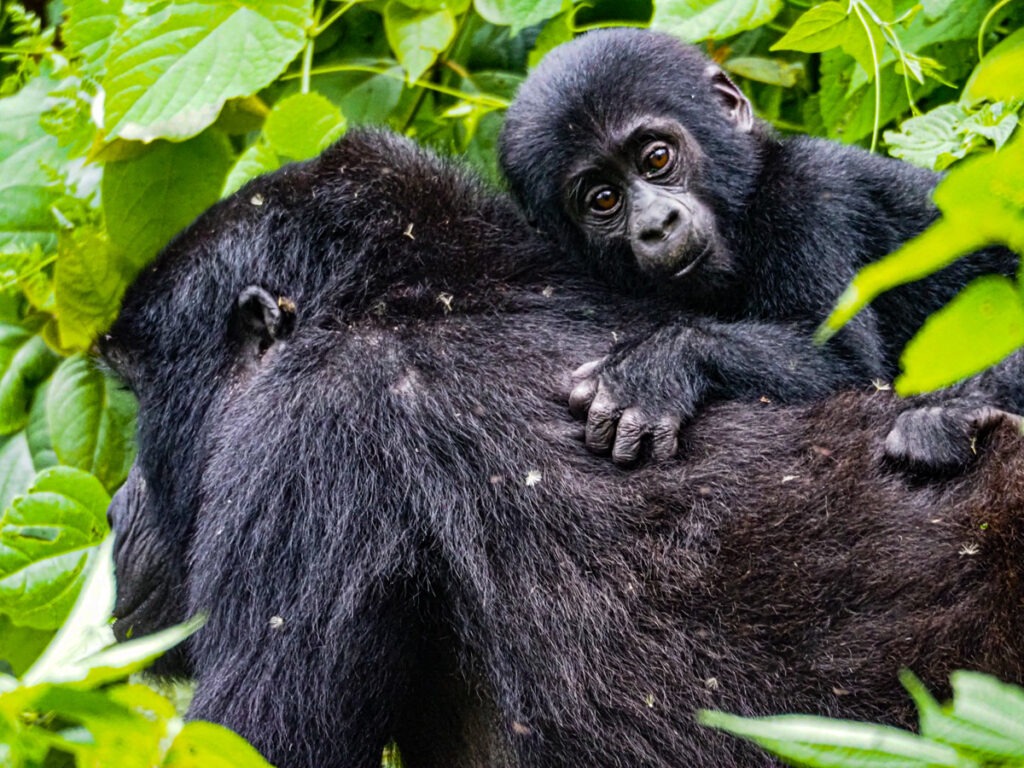
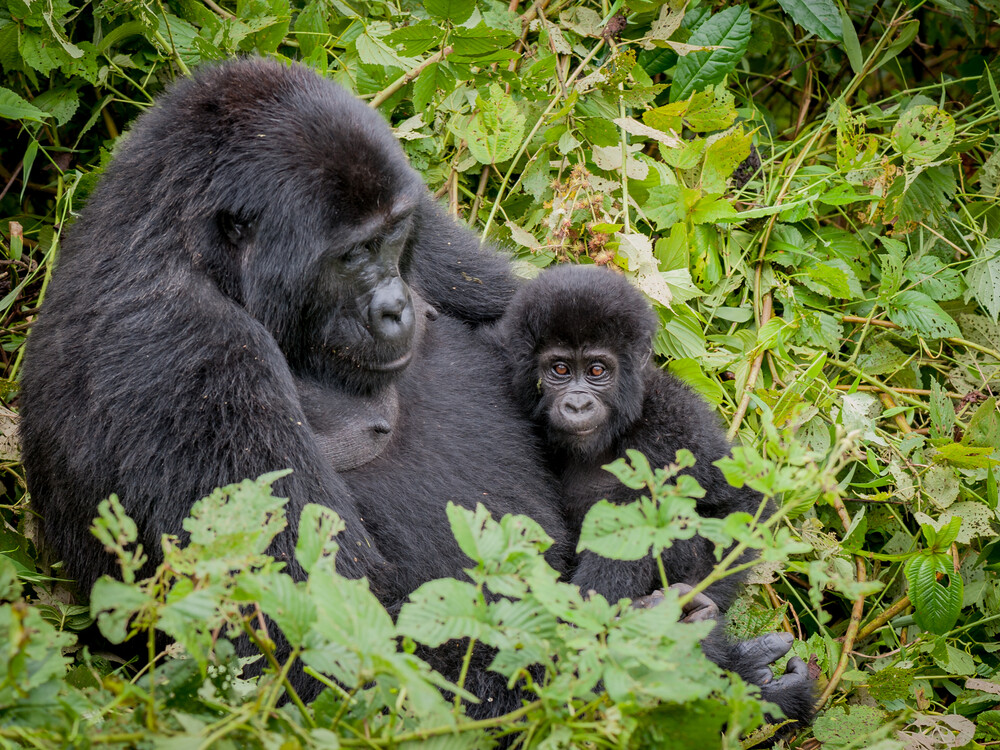
Following the correct Gorilla Trekking Rules Rwanda is one of the most important responsibilities for every traveler visiting the mountain gorillas of Volcanoes National Park. These guidelines are designed to create a safe, respectful, and sustainable experience while protecting one of the world’s most endangered wildlife species.
Rwanda’s mountain gorilla trekking experience is carefully managed to ensure that visitors can enjoy close encounters with gorillas while minimizing negative impacts on their natural environment. The strict rules followed during trekking are not meant to reduce the excitement of the experience; instead, they help preserve the unique relationship between humans and mountain gorillas.
Mountain gorillas share more than 98% of their DNA with humans, which makes them highly vulnerable to human-related diseases. Simple illnesses that may be harmless to people can become dangerous for gorilla populations. Because of this close connection, every visitor entering their habitat must follow conservation guidelines established by park authorities.
The Gorilla Trekking Rules Rwanda apply from the moment travelers arrive at Volcanoes National Park headquarters until they leave the forest. They guide visitors on how to behave around gorillas, how to protect the environment, and how to ensure the animals remain comfortable during human encounters.
The main rules include:
- Maintaining a safe distance from gorilla families
- Following instructions from ranger guides
- Avoiding physical contact with gorillas
- Limiting the time spent with gorillas
- Keeping voices low during encounters
- Avoiding flash photography
- Not entering the forest when sick
- Respecting the natural habitat
Understanding these rules allows travelers to appreciate why Rwanda’s gorilla trekking experience is considered one of the most responsible wildlife tourism activities in the world.
At Boots in The Jungle Safaris, we help travelers prepare for their Rwanda gorilla adventure by providing guidance on permits, preparation, trekking expectations, and the important Gorilla Trekking Rules Rwanda that ensure a safe and unforgettable experience.
Why Gorilla Trekking Rules Rwanda Are Important
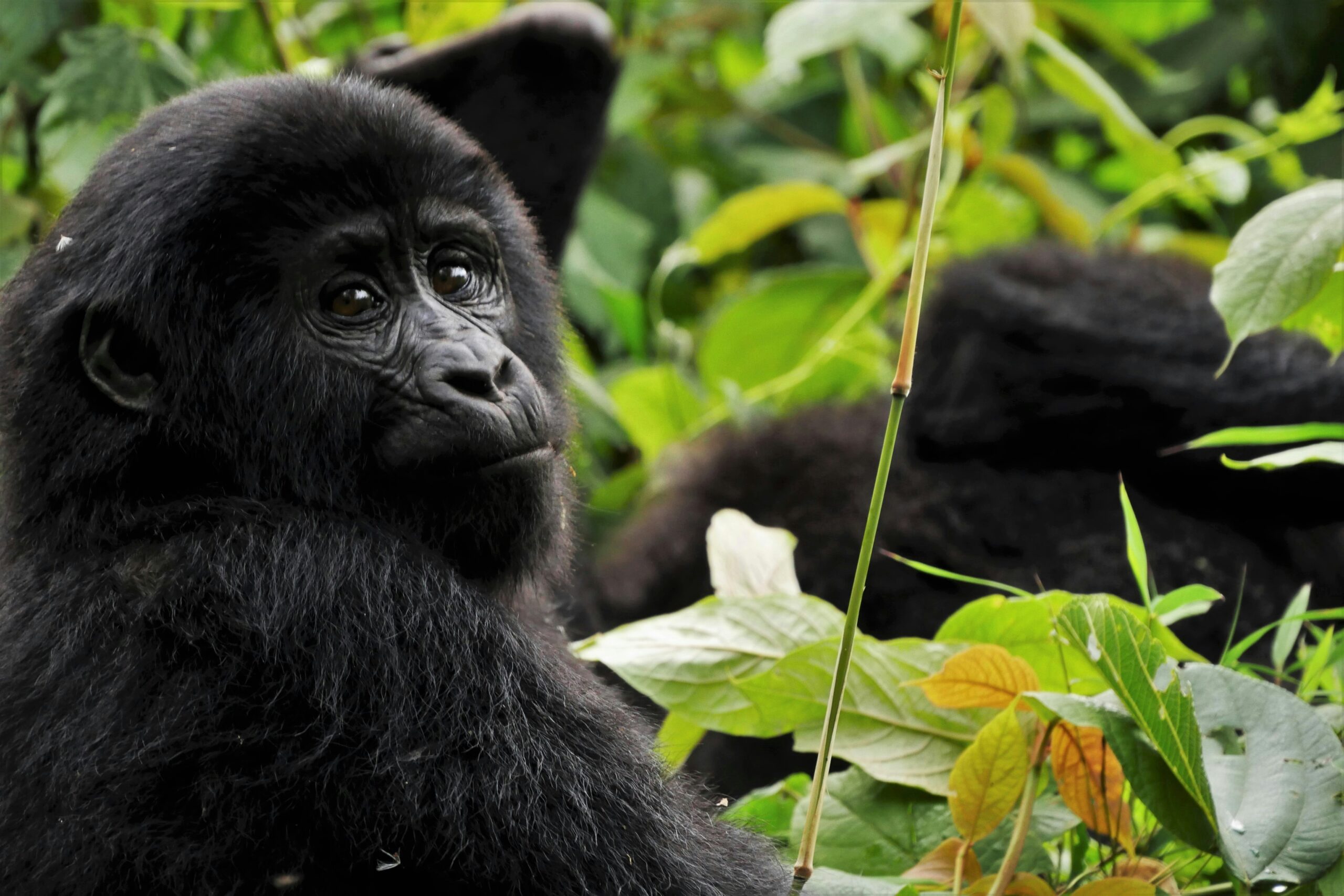
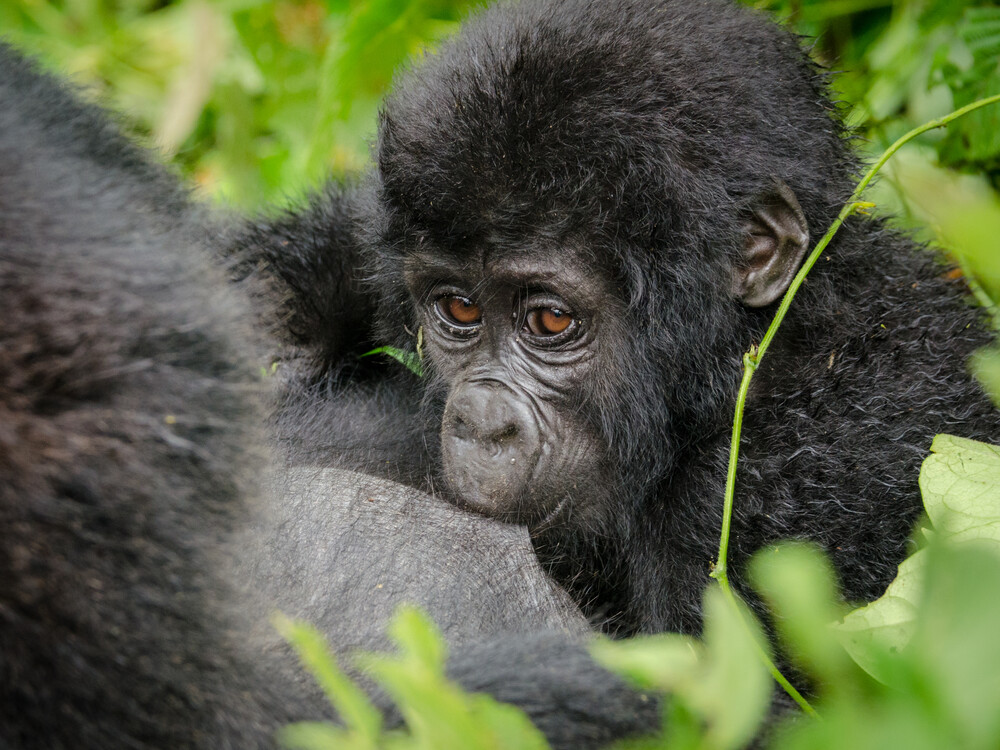
The Gorilla Trekking Rules Rwanda are not simply restrictions placed on visitors. They are carefully designed conservation measures created to protect mountain gorillas, visitors, and the future of gorilla tourism.
Mountain gorillas live in protected forests where they follow natural social behaviors, including feeding, playing, caring for young ones, and interacting within their family groups.
When humans enter their environment, responsible behavior is essential to avoid disturbing these natural activities.
The rules help achieve several important goals:
Protect Endangered Mountain Gorillas
Mountain gorillas are among the most endangered animals on Earth. Their survival depends on careful conservation efforts, habitat protection, and responsible tourism management.
The Gorilla Trekking Rules Rwanda help reduce human impact by ensuring that visitors interact with gorillas in a controlled and respectful way.
By limiting human disturbance, the rules help gorillas continue their natural behaviors, including:
- Social interactions within families
- Natural feeding patterns
- Movement through the forest
- Raising young gorillas
Without proper guidelines, increased human activity could negatively affect gorilla wellbeing.
Responsible trekking allows travelers to experience these incredible animals while contributing to their long-term protection.
Prevent Disease Transmission Between Humans and Gorillas
One of the most important reasons behind the Gorilla Trekking Rules Rwanda is preventing the spread of diseases.
Because mountain gorillas are closely related to humans, they can be affected by illnesses such as:
- Flu
- Colds
- Respiratory infections
- Other contagious diseases
Even a simple human illness can potentially affect a gorilla family.
This is why visitors are required to:
- Avoid trekking when sick
- Maintain a safe distance
- Avoid touching gorillas
- Follow hygiene instructions
These measures protect the health of habituated gorilla families that receive visitors regularly.
Maintain Natural Gorilla Behavior
The purpose of gorilla trekking is to observe gorillas behaving naturally in their forest environment.
The Gorilla Trekking Rules Rwanda ensure that gorillas do not become dependent on humans or change their normal behaviors.
Visitors must avoid actions that could influence gorilla behavior, such as:
- Offering food
- Moving too close
- Making loud noises
- Attempting interaction
The best gorilla encounters happen when visitors remain quiet and allow the animals to continue their daily activities naturally.
This creates a more authentic wildlife experience where travelers observe:
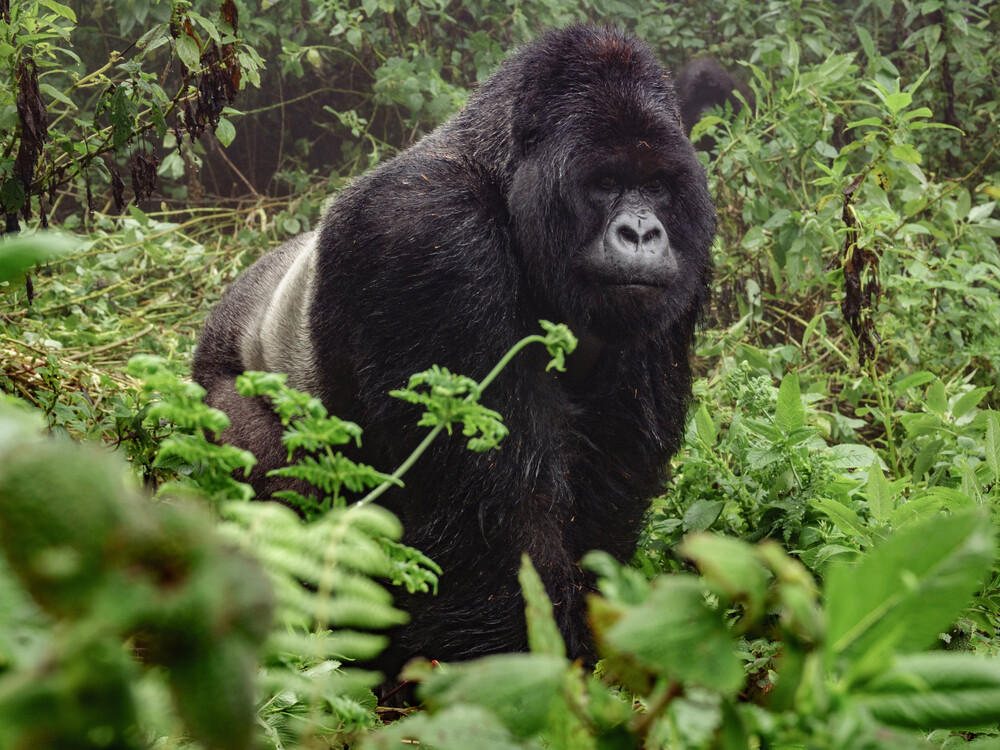
- Silverbacks protecting their families
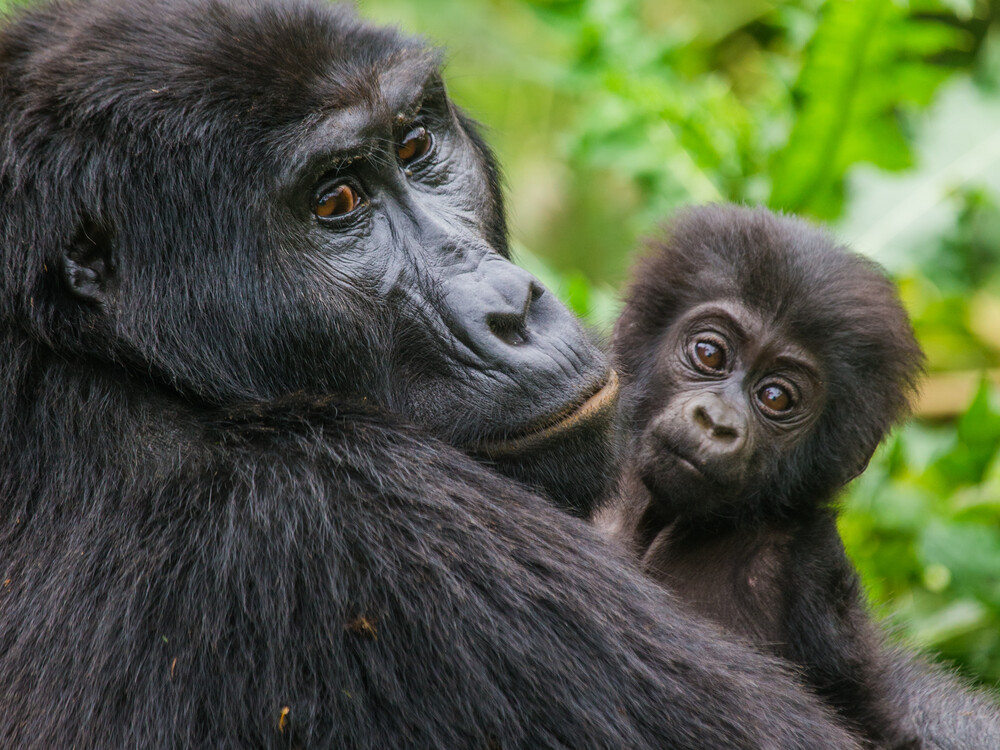
- Mothers caring for infants
- Young gorillas playing
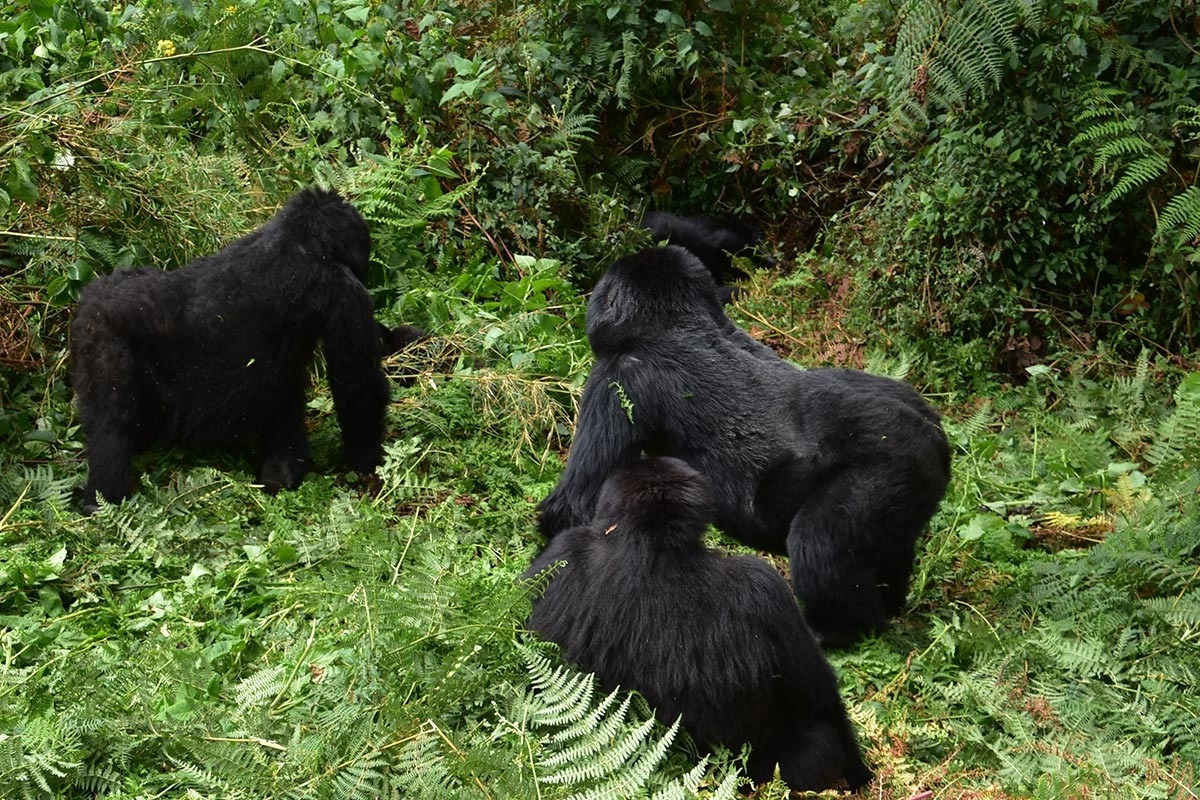
- Groups feeding and moving through the forest
Support Long-Term Gorilla Conservation
Following the Gorilla Trekking Rules Rwanda also supports Rwanda’s wider conservation efforts.
Gorilla tourism plays an important role in funding programs that protect mountain gorillas and their habitats.
Revenue generated through gorilla tourism contributes to:
Gorilla Protection Programs
Funds support conservation teams working to monitor and protect gorilla populations.
Veterinary Care
Specialized veterinary teams provide medical support to wild gorillas when needed.
Habitat Conservation
Protecting forests ensures gorillas have a safe environment to live and reproduce.
Ranger Operations
Park rangers play a vital role in:
- Protecting gorillas
- Monitoring families
- Guiding visitors
- Maintaining park security
Community Development Projects
Tourism revenue supports communities surrounding Volcanoes National Park through projects such as:
- Education initiatives
- Infrastructure development
- Local employment opportunities
By respecting the Gorilla Trekking Rules Rwanda, travelers become part of the conservation success story.
Gorilla Trekking Rules Rwanda Before Entering Volcanoes National Park
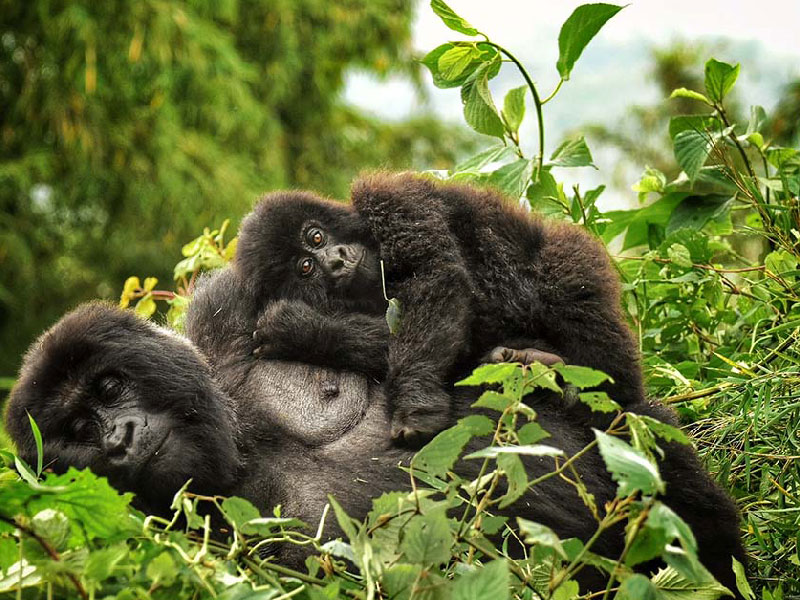
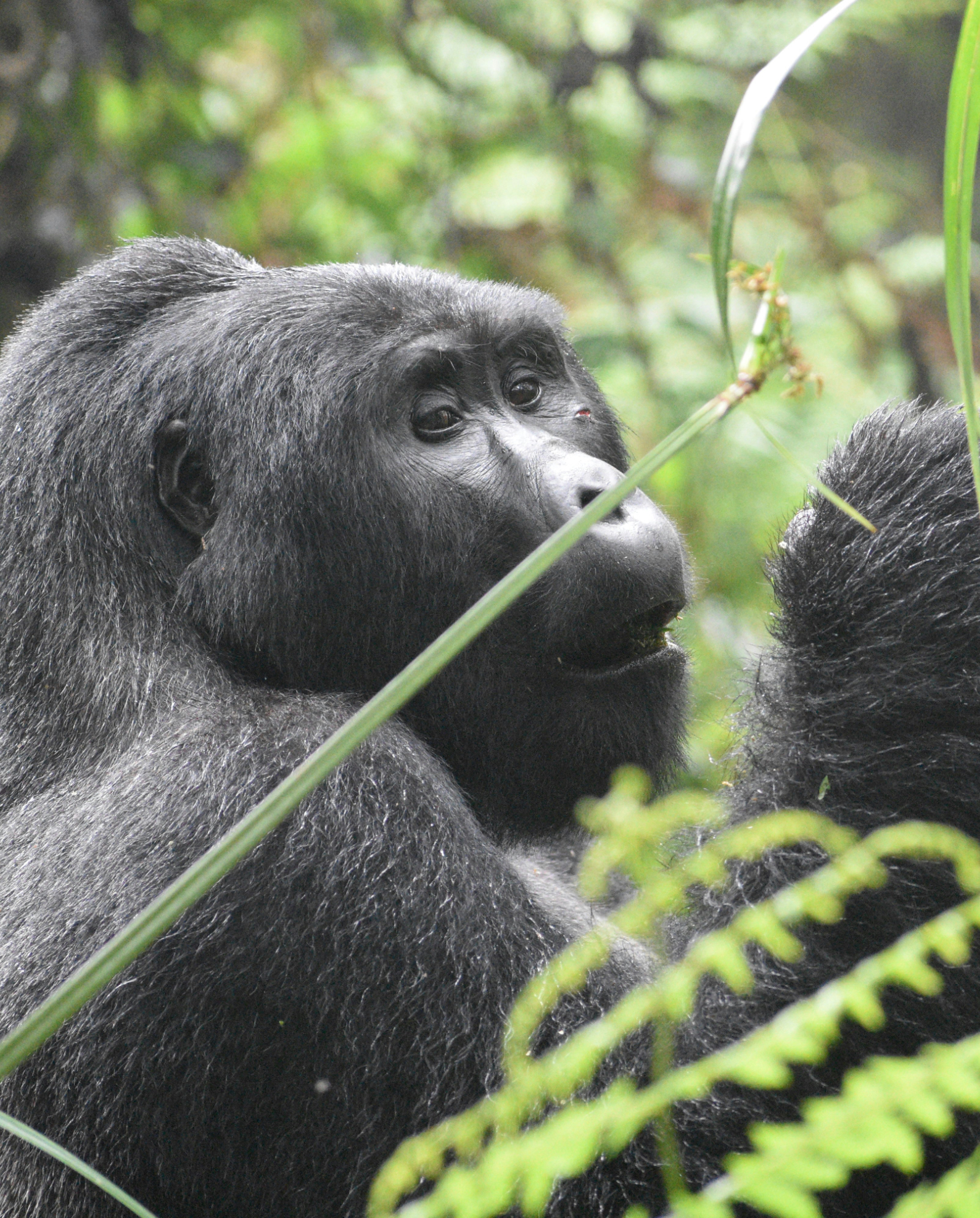
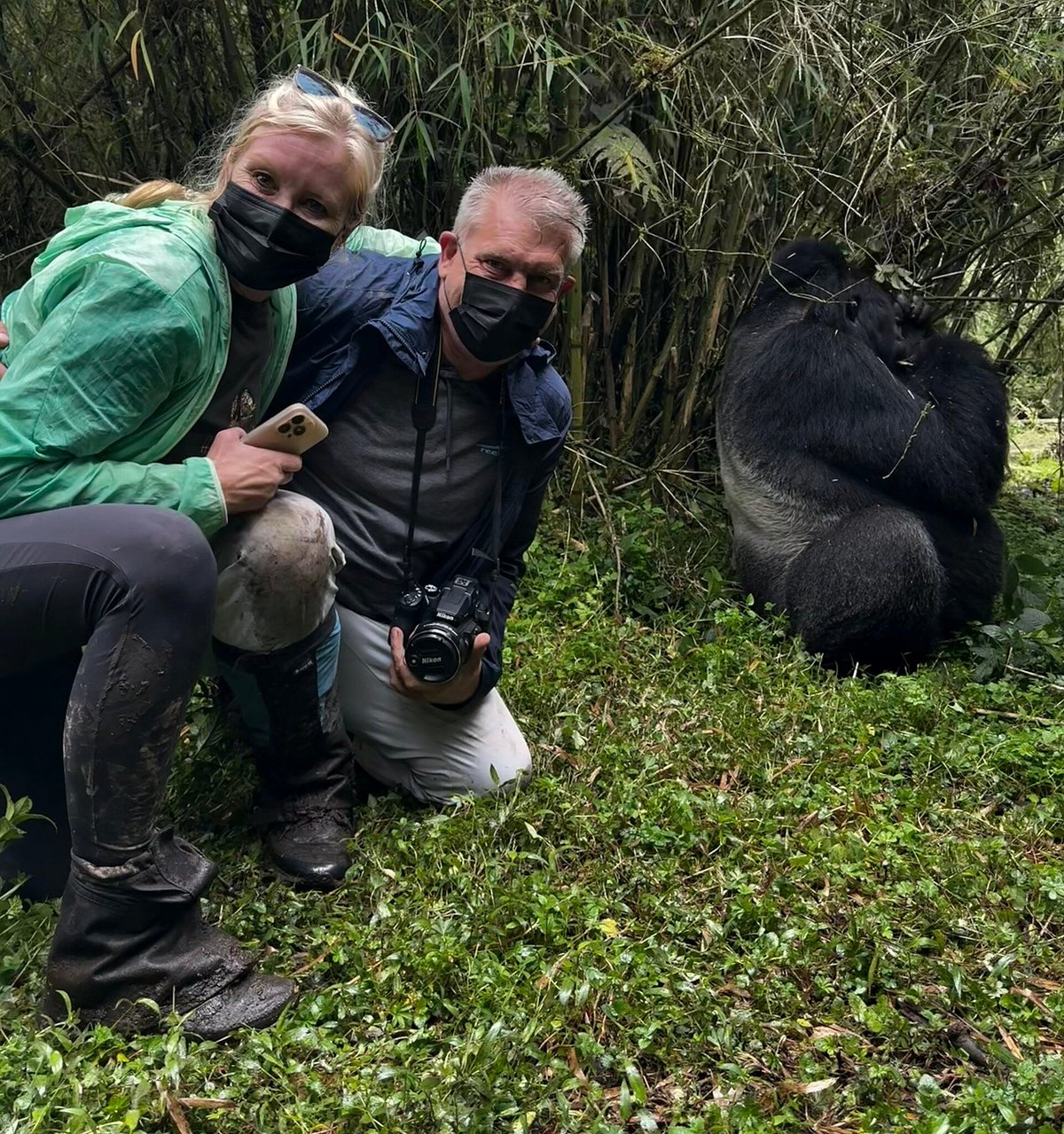
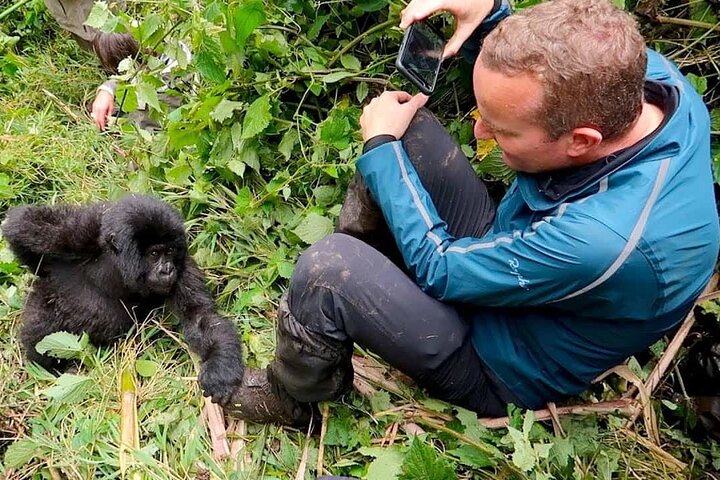
Before beginning the gorilla trek, every visitor participates in an official briefing at the Volcanoes National Park headquarters in Kinigi.
This briefing is an essential part of the Gorilla Trekking Rules Rwanda because it prepares visitors for what to expect inside the forest.
During the briefing, park officials explain:
- Safety procedures
- Gorilla behavior
- Trekking expectations
- Conservation guidelines
- Photography rules
- Visitor responsibilities
The briefing ensures that every traveler understands how to behave before entering the gorilla habitat.
Gorilla Family Assignment During the Briefing
During the morning briefing, visitors are assigned to different gorilla families.
The assignment process considers several factors, including:
Fitness Level
Travelers with lower fitness levels may be assigned to gorilla families requiring shorter hikes where possible.
Age and Physical Ability
Older travelers may communicate their needs to help the park team provide suitable arrangements.
Trekking Preferences
Guides consider visitor expectations while maintaining conservation requirements.
Current Gorilla Locations
Because gorillas move freely through the forest, assignments depend on their location and movement patterns.
This careful planning helps create a better experience while maintaining responsible tourism standards.
Maintain a Safe Distance From Mountain Gorillas
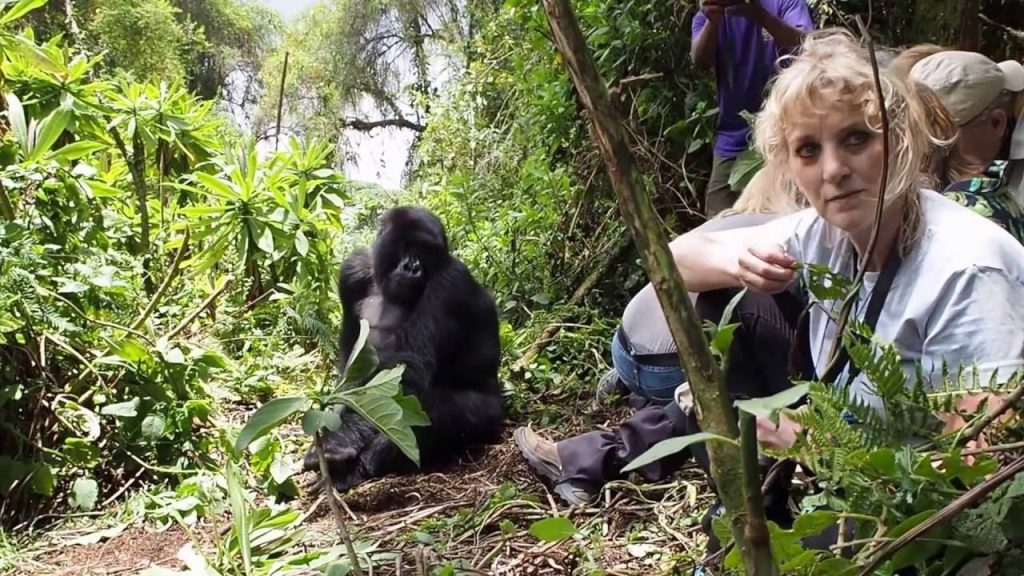
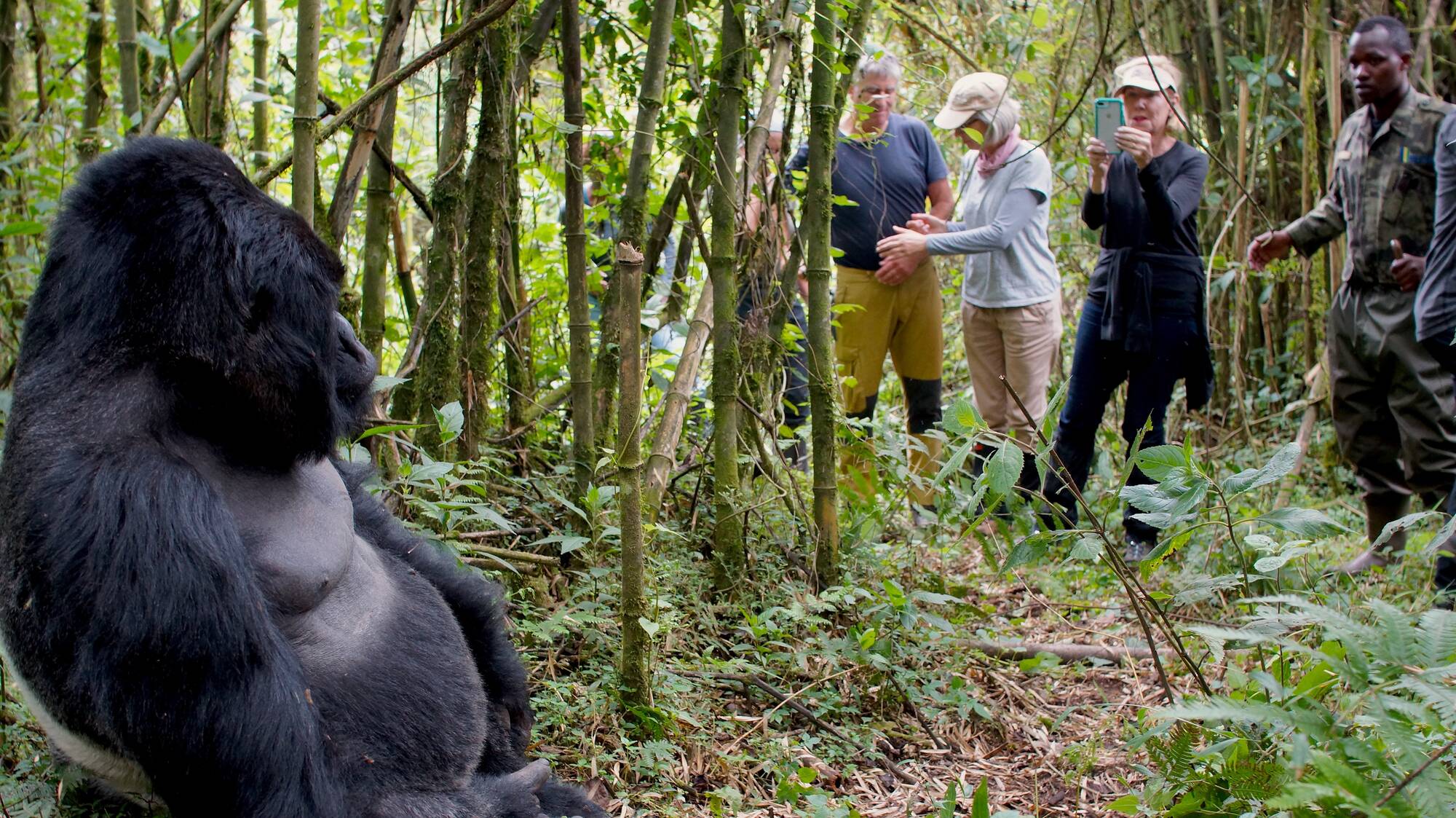
One of the most important Gorilla Trekking Rules Rwanda is maintaining a safe distance from the gorilla family.
Visitors are generally required to maintain approximately:
7 meters distance from mountain gorillas
This guideline exists to protect both visitors and gorillas.
Maintaining distance helps:
Protect Gorillas From Human Diseases
Keeping space between humans and gorillas reduces the possibility of disease transmission.
Reduce Stress on Gorilla Families
Although habituated gorillas are comfortable around humans, they are still wild animals that require personal space.
Maintain Natural Behavior
Distance allows gorillas to continue their normal activities without feeling disturbed.
What Visitors Should Never Do Around Gorillas
During the encounter, travelers should never:
Touch Gorillas
Physical contact increases health risks and can change natural behavior.
Move Closer for Better Photographs
Visitors should never leave their position or approach gorillas without ranger approval.
Block Gorilla Movement
Gorillas should always have freedom to move naturally through the forest.
Follow Gorillas Independently
Only trained guides and trackers should determine movement during the encounter.
The purpose of gorilla trekking is respectful observation, not interaction.
Do Not Touch the Gorillas During Trekking
One of the strictest Gorilla Trekking Rules Rwanda is avoiding any physical contact with mountain gorillas.
Although gorillas may appear calm, friendly, or curious, they remain wild animals.
Touching gorillas can create several risks:
Disease Transmission
Human contact can transfer bacteria and viruses between people and gorillas.
Stress and Disturbance
Physical interaction may create unnecessary stress for gorilla families.
Changes in Natural Behavior
Gorillas should remain independent and continue their natural lifestyle.
The most meaningful moments during trekking come from observing rather than touching.
Travelers often remember moments such as:
- Watching a silverback peacefully observe visitors
- Seeing mothers protect their babies
- Observing young gorillas playing
- Watching gorillas feed naturally in the forest
These quiet moments create a genuine connection with wildlife.
Gorilla Trekking Rules Rwanda About Health and Illness
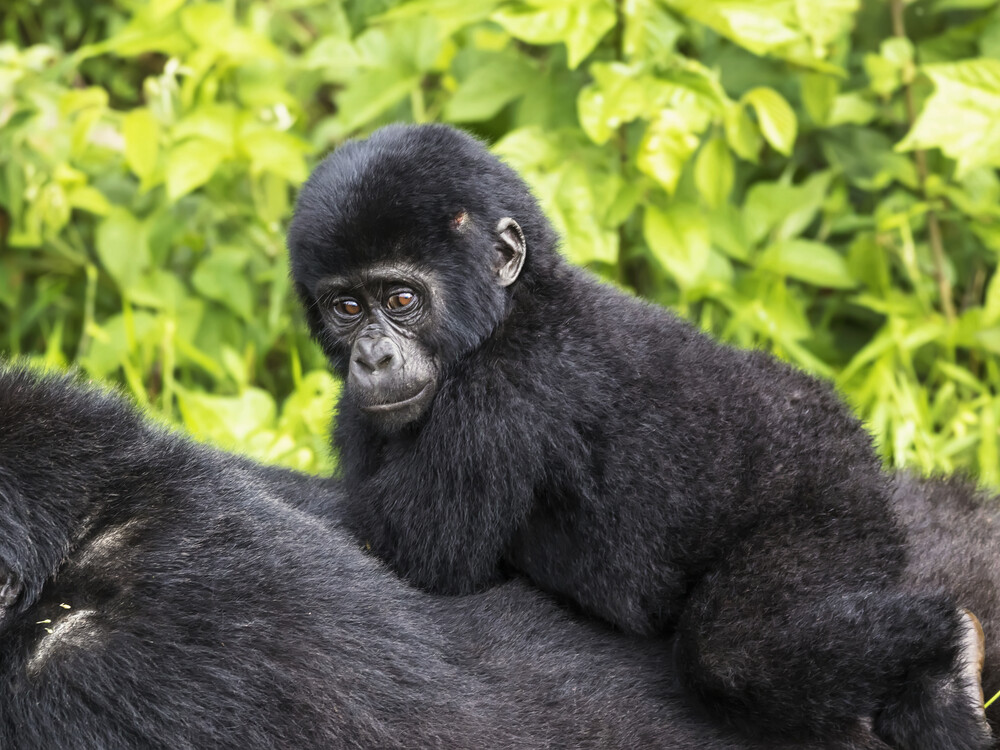
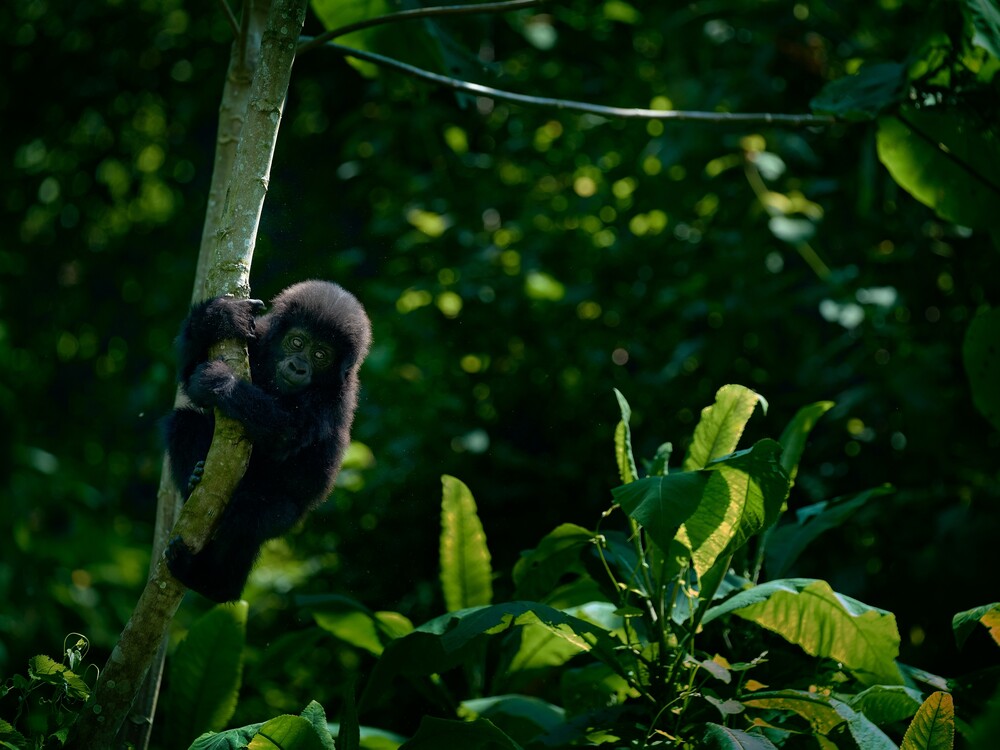
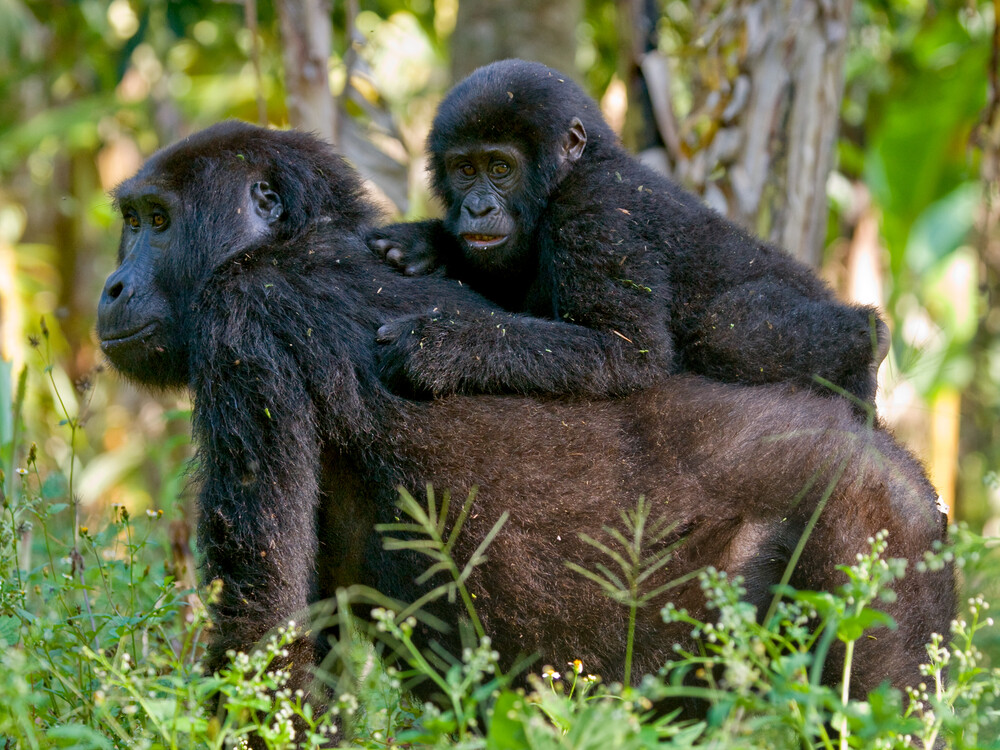
Health regulations are among the most important parts of responsible gorilla tourism.
Because mountain gorillas are vulnerable to human diseases, visitors must avoid entering the forest if they are sick.
Travelers should not participate in trekking if they experience:
- Fever
- Flu symptoms
- Persistent coughing
- Respiratory infections
- Contagious illnesses
Before trekking begins, visitors may be required to confirm their health condition.
What To Do If You Feel Sick Before Trekking
If a traveler becomes unwell before the trek, they should:
- Inform their safari company
- Speak with park authorities
- Follow medical guidance
- Avoid exposing gorillas to illness
Although missing a trek can be disappointing, protecting gorilla health is more important than completing a visit while sick.
Why Health Rules Are Essential for Gorilla Conservation
The health-related Gorilla Trekking Rules Rwanda exist because protecting gorillas requires preventing avoidable risks.
These rules help ensure:
- Healthy gorilla populations
- Safe visitor experiences
- Sustainable tourism
- Long-term conservation success
By following health guidelines, every visitor contributes to protecting Rwanda’s mountain gorillas for future generations.
Photography Rules During Gorilla Trekking Rwanda
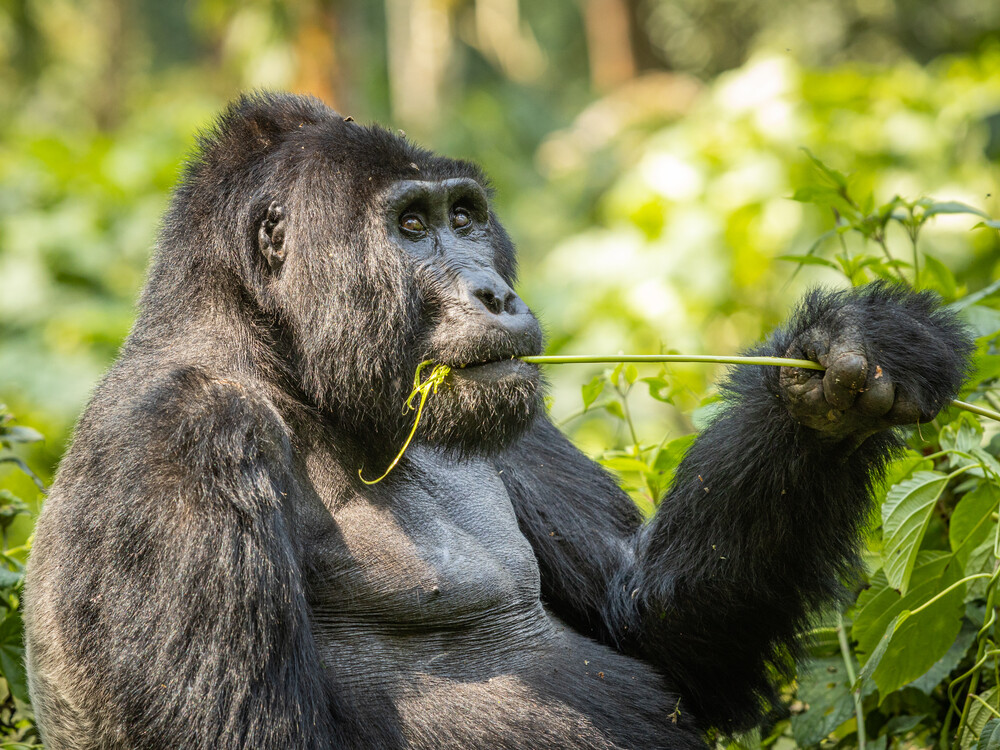
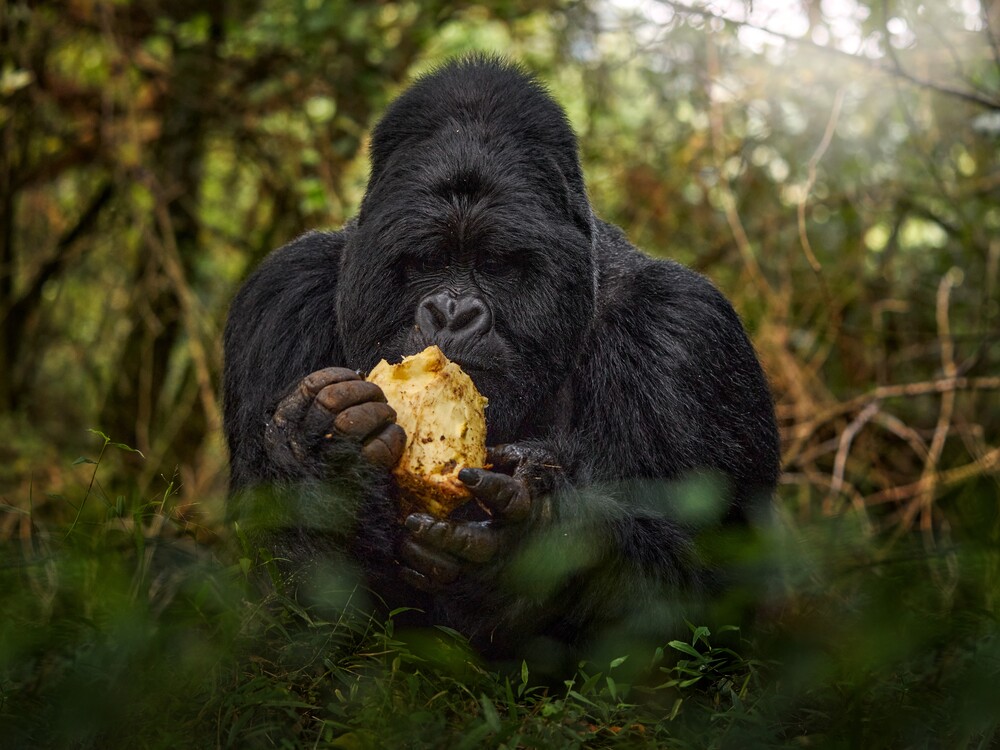
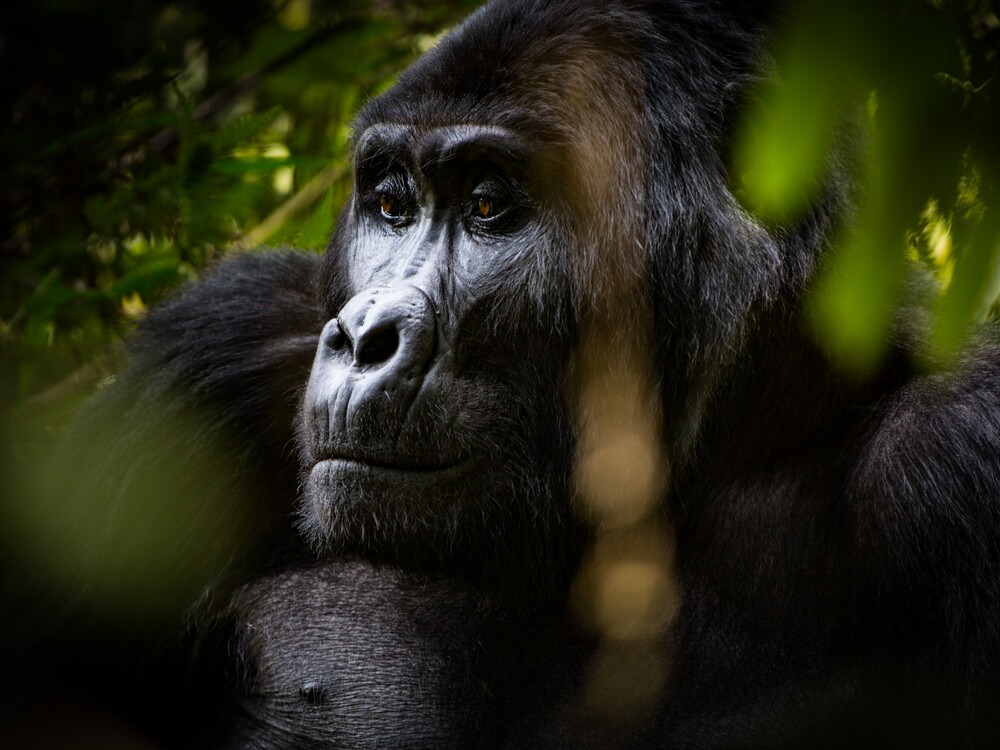
Photography is one of the most exciting parts of a mountain gorilla trekking experience. Capturing the moment when you observe a silverback, watch young gorillas playing, or see a family moving through the forest creates memories that last a lifetime.
However, photography must always be done responsibly. The Gorilla Trekking Rules Rwanda for photography are designed to ensure that visitors capture beautiful memories without disturbing gorillas or affecting their natural behavior.
Mountain gorillas are wild animals, and although habituated gorilla families are comfortable with human presence, they still require respect and protection.
Following proper photography guidelines helps maintain a peaceful encounter while allowing travelers to document their experience.
Do Not Use Flash Photography
One of the most important Gorilla Trekking Rules Rwanda related to photography is avoiding flash photography.
Camera flashes can:
- Startle gorillas
- Disturb their natural behavior
- Create unnecessary stress
- Affect the calm atmosphere of the encounter
Before entering the forest, visitors should ensure that their camera flash is turned off.
Modern cameras and smartphones usually perform well in natural forest lighting, allowing travelers to capture excellent photographs without using flash.
Responsible photography means allowing gorillas to continue their natural activities while visitors quietly observe.
Travelers should focus on capturing moments such as:
- Silverbacks resting peacefully
- Mothers caring for infants
- Young gorillas climbing trees
- Gorillas feeding naturally
without interfering with the animals.
Remain Quiet While Taking Photos
Another important part of the Gorilla Trekking Rules Rwanda is maintaining silence or speaking softly while taking photographs.
Many visitors become excited when they see gorillas, but loud reactions can disturb the animals.
Travelers should avoid:
- Shouting with excitement
- Loud conversations
- Sudden movements
- Calling out to gorillas
- Making unnecessary sounds
Instead, visitors should remain calm and allow the moment to unfold naturally.
Quiet photography provides several benefits:
- Gorillas remain relaxed
- Natural behaviors continue
- Visitors enjoy a more authentic experience
- The forest remains peaceful
Some of the most memorable photographs come from patiently observing rather than trying to force the perfect image.
Do Not Move Closer for Better Photos
A common mistake among wildlife photographers is attempting to move closer to capture a better photograph.
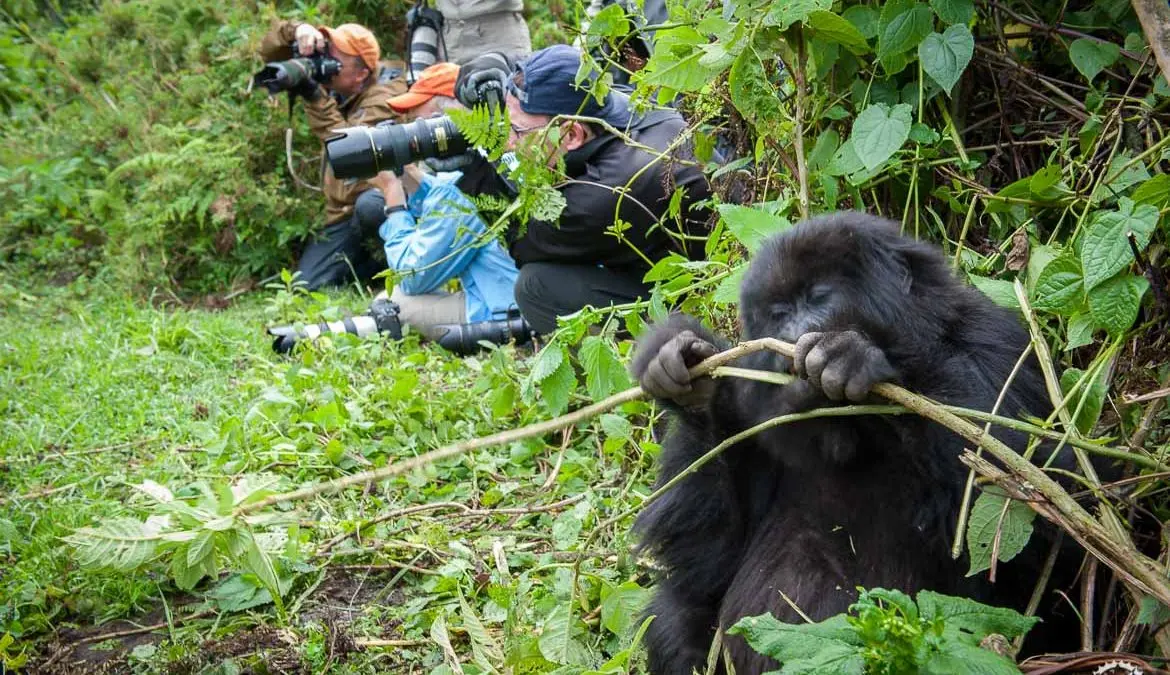
However, one of the strict Gorilla Trekking Rules Rwanda is that visitors must never leave their position or approach gorillas without permission from ranger guides.
Moving closer can:
- Break the recommended safety distance
- Disturb gorilla behavior
- Increase health risks
- Create unsafe situations
Professional guides understand gorilla behavior and know the safest positions for photography.
Visitors should remember that the value of the experience comes from observing these incredible animals respectfully, not from getting the closest photograph.
A photograph taken from a respectful distance is a reminder of a responsible wildlife encounter.
Listen to Ranger Instructions During Photography
Ranger guides play an essential role in creating a safe and successful gorilla photography experience.
During the encounter, rangers advise visitors on:
- Where to stand
- How close to remain
- When to move
- How to position themselves safely
Following ranger instructions is one of the most important Gorilla Trekking Rules Rwanda because rangers understand:
- Gorilla behavior
- Family dynamics
- Safety requirements
- Forest conditions
Visitors should always prioritize ranger guidance over personal photography preferences.
The guides are there to help travelers capture unforgettable memories while ensuring the protection of the gorillas.
Responsible Photography During Gorilla Trekking
Responsible photography allows visitors to preserve memories while supporting conservation efforts.
Good wildlife photography should focus on:
- Patience
- Respect
- Observation
- Minimal disturbance
Travelers should avoid:
- Blocking other visitors’ views
- Spending excessive time in one position
- Ignoring ranger instructions
- Disturbing gorillas for photographs
A respectful approach ensures that everyone enjoys the experience and that gorilla families remain comfortable.
Keep Your Voice Low Around Gorillas
Mountain gorillas are peaceful animals that live in complex social groups. Maintaining a quiet environment is one of the most important Gorilla Trekking Rules Rwanda during the encounter.
Although habituated gorillas are accustomed to human presence, loud noises can create unnecessary disturbance.
Visitors should avoid:
- Shouting
- Loud conversations
- Sudden movements
- Playing music or loud sounds
- Calling attention to themselves
The goal is to become a quiet observer of the forest rather than interrupting the gorillas’ natural activities.
Why Silence Is Important During Gorilla Encounters
Keeping your voice low helps maintain the natural atmosphere of the forest.
When visitors remain quiet, they may experience incredible moments such as:
- Hearing gorilla communication sounds
- Listening to forest birds
- Watching natural movements
- Observing family interactions
The silence allows travelers to appreciate the environment beyond just seeing gorillas.
Many visitors describe the quiet moments in the forest as some of the most emotional parts of their journey.
How to Behave Around Gorilla Families
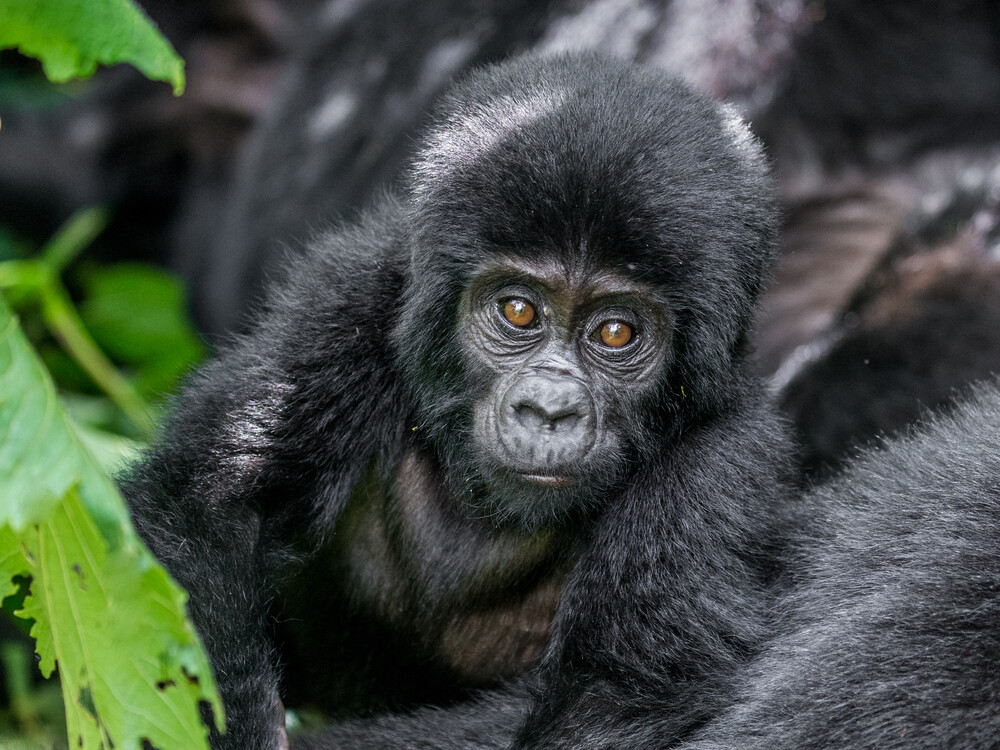
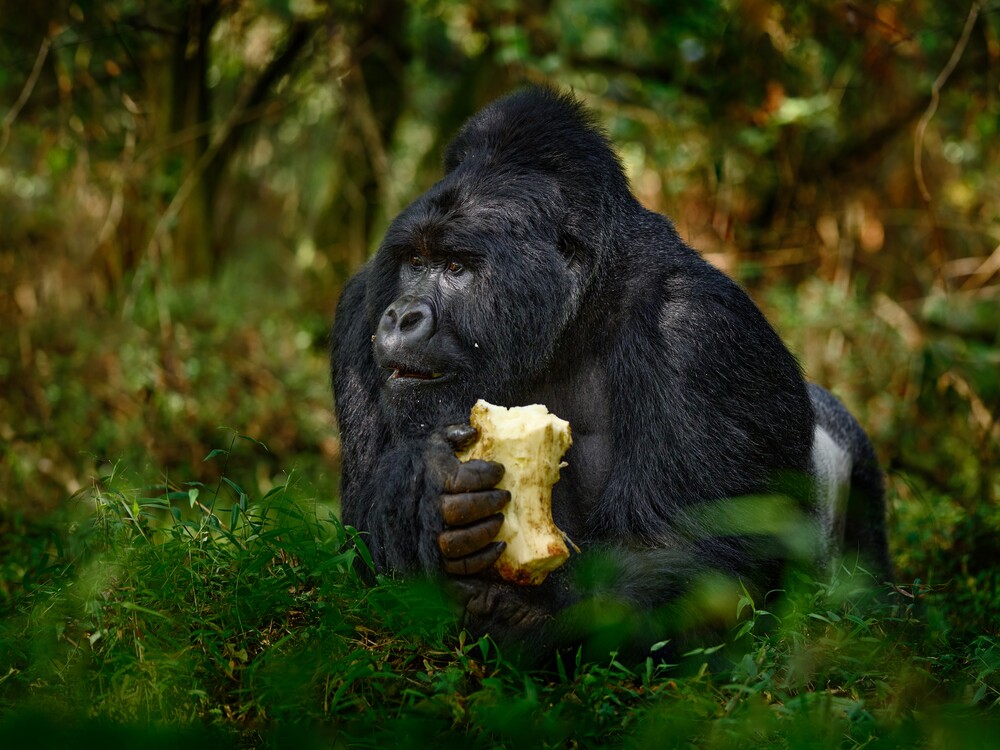
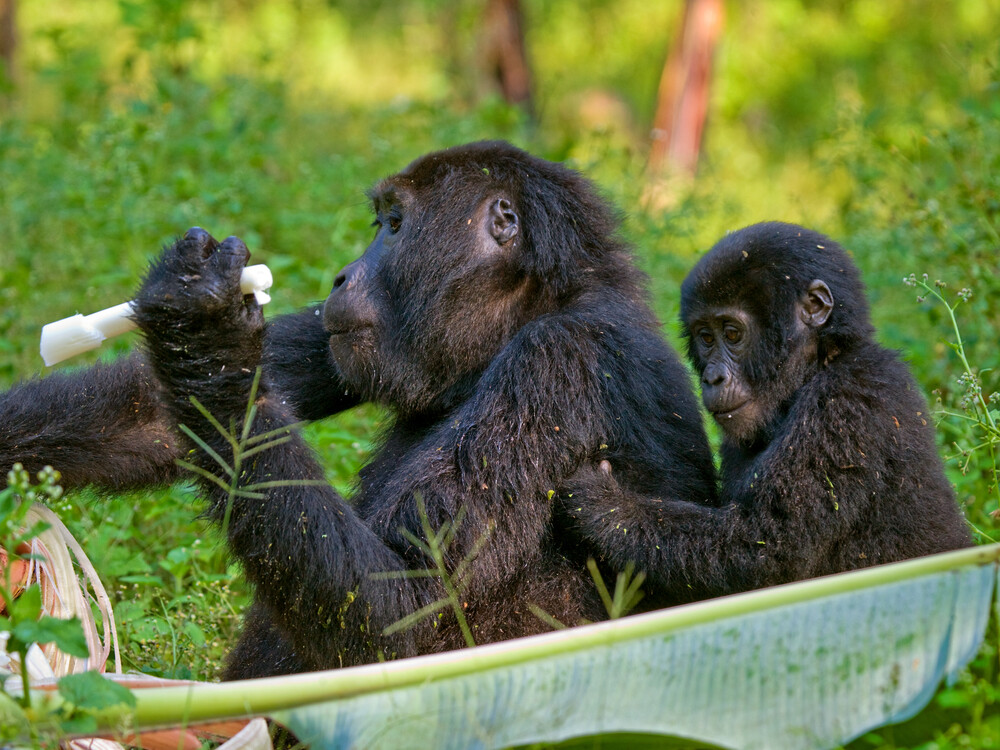
During the encounter, visitors should:
- Move slowly
- Follow ranger instructions
- Avoid sudden gestures
- Remain calm
- Observe respectfully
Gorillas may sometimes look directly at visitors, walk nearby, or continue their activities close to the group.
In such moments, travelers should remain relaxed and allow the gorillas to decide their movements.
The Gorilla Trekking Rules Rwanda are designed to create peaceful interactions where humans and gorillas share the forest responsibly.
Maximum Time Allowed With Gorillas
One of the most important Gorilla Trekking Rules Rwanda is the limit on the amount of time visitors can spend with a gorilla family.
Visitors are allowed a maximum of:
One hour with the gorilla family
This rule applies to every traveler regardless of the type of safari package booked.
Whether someone is traveling on:
- Budget gorilla trekking
- Luxury gorilla trekking
- Private gorilla safaris
- Family gorilla safaris
the one-hour encounter rule remains the same.
Why the One-Hour Gorilla Encounter Limit Exists
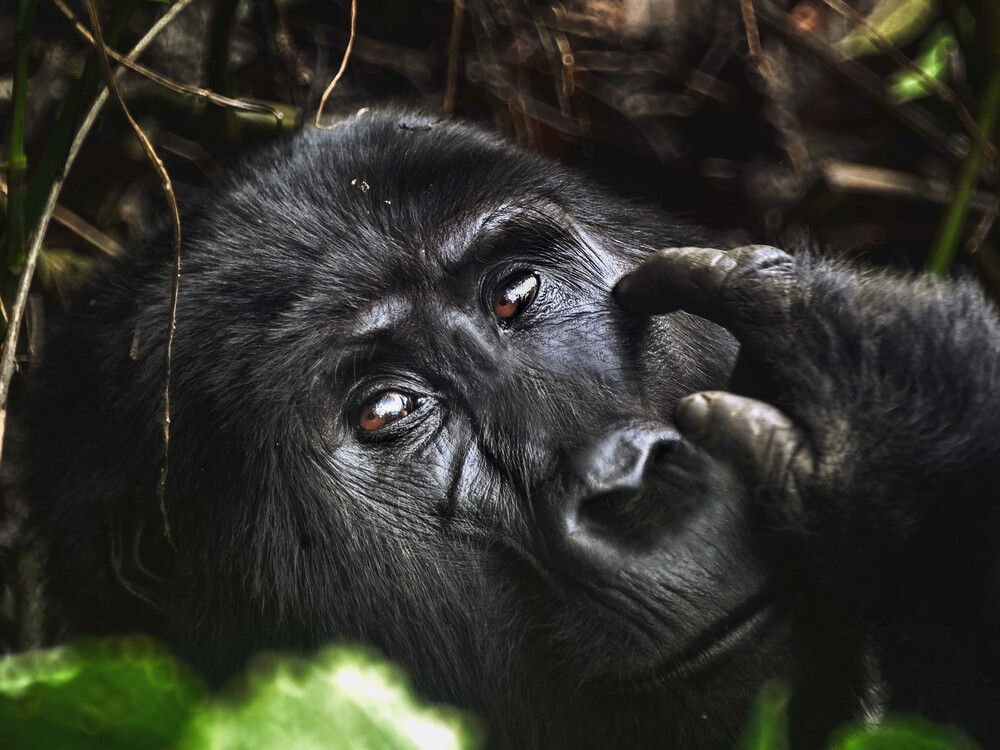
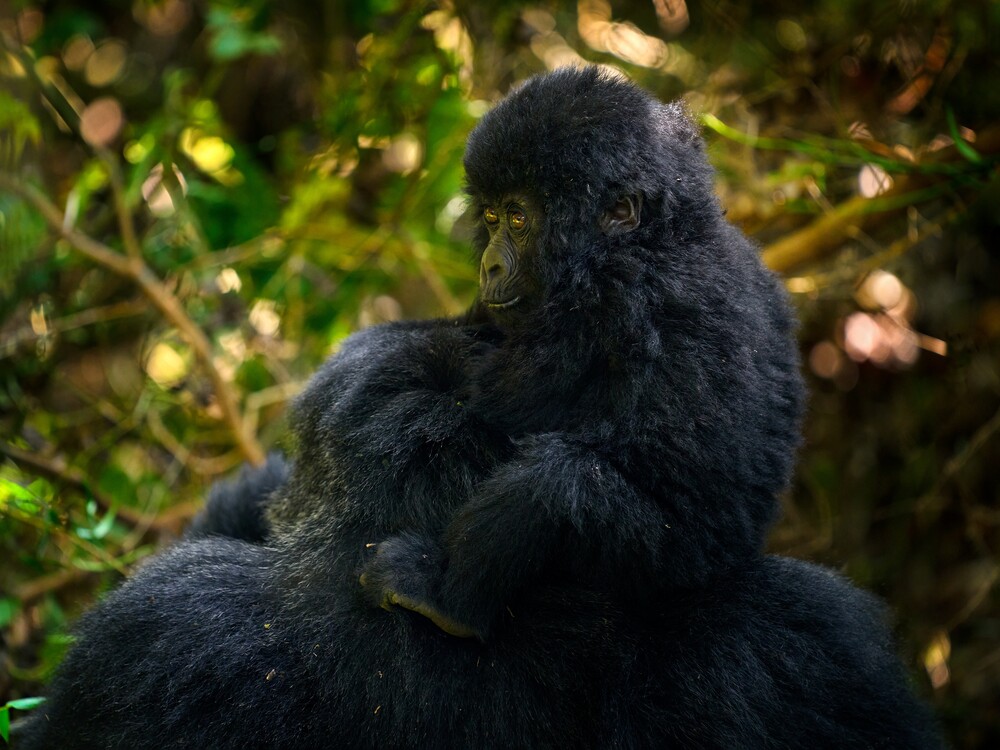
The one-hour limit is designed to protect gorilla wellbeing and maintain sustainable tourism.
It helps:
Reduce Stress on Gorilla Families
Although gorillas are habituated, they still need time without human presence.
Control Human Impact
Limiting visitor interaction prevents excessive pressure on gorilla groups.
Maintain Natural Behavior
Gorillas can continue their daily routines without becoming overly influenced by visitors.
Support Sustainable Conservation
Controlled tourism allows future generations to enjoy the same experience.
Although one hour may seem short, many travelers find it provides enough time to observe:
- Silverbacks
- Mothers and infants
- Juvenile gorillas
- Feeding behaviors
- Social interactions
The encounter is often described as one of the most unforgettable hours of a lifetime.
Gorilla Trekking Group Size Rules Rwanda
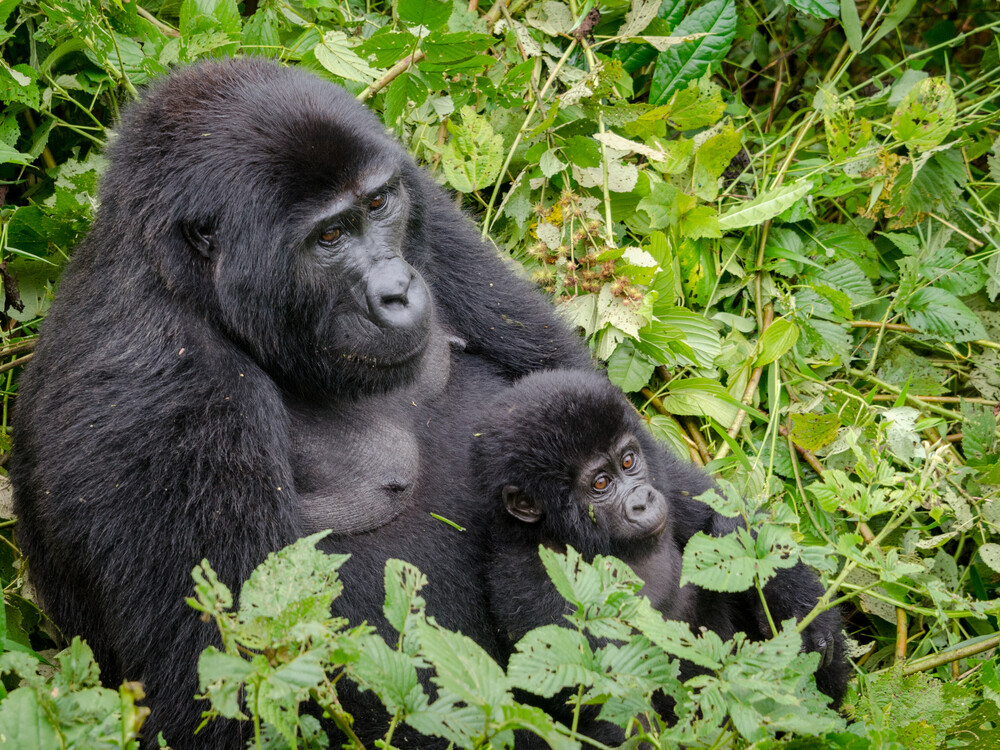
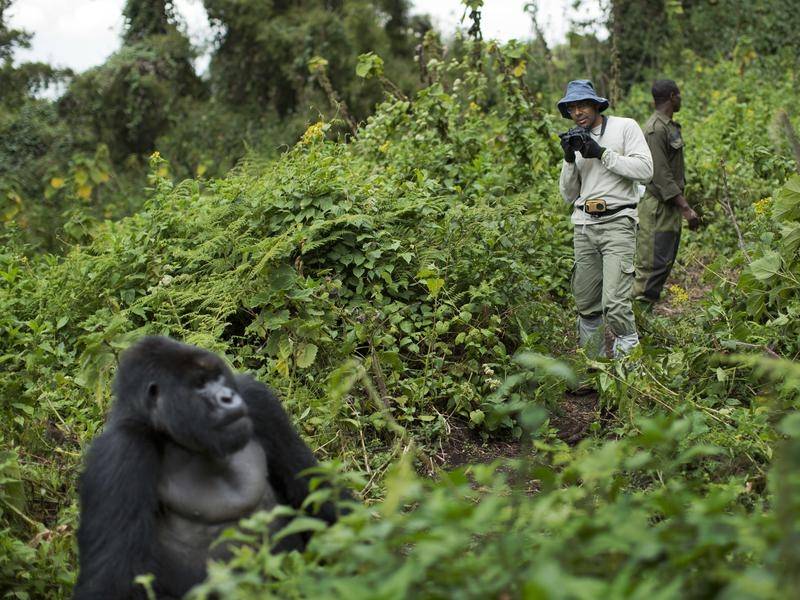
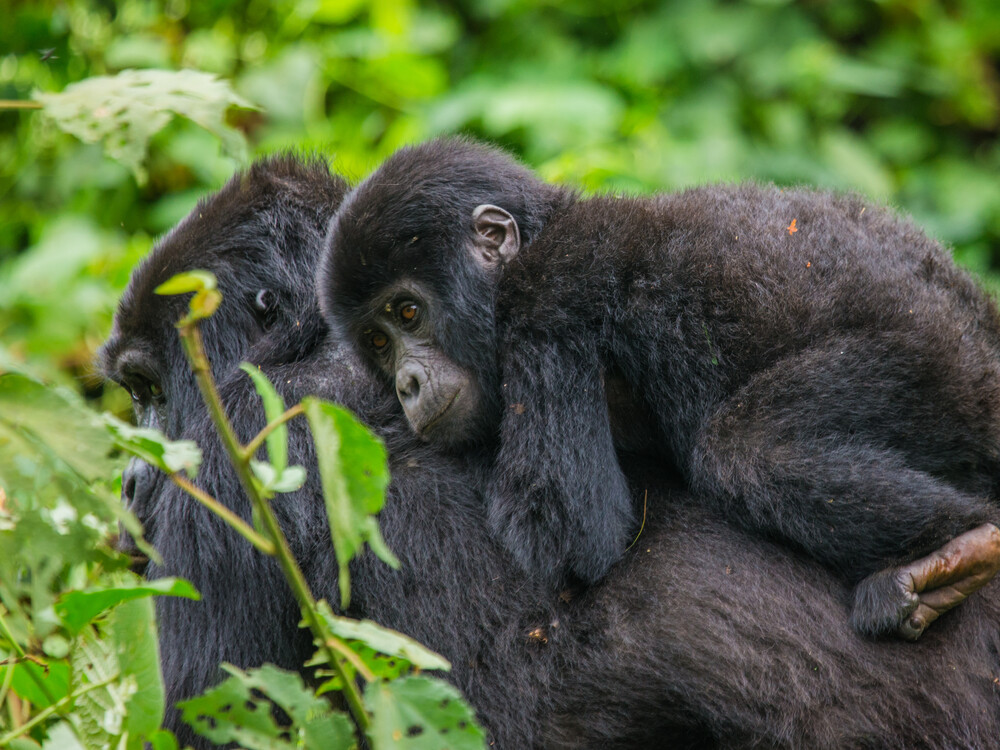
Another important aspect of the Gorilla Trekking Rules Rwanda is controlling the number of visitors allowed near each gorilla family.
Small trekking groups are maintained to reduce pressure on gorillas and improve the quality of the visitor experience.
Limited group sizes help:
Reduce Disturbance
Fewer people create a quieter and more peaceful environment.
Protect Gorilla Health
Reduced human presence lowers potential disease risks.
Improve Visitor Experience
Smaller groups allow better viewing opportunities and more meaningful encounters.
Support Conservation Goals
Controlled tourism ensures gorilla trekking remains sustainable.
The limited number of visitors per gorilla family is one reason Rwanda offers such a carefully managed wildlife experience.
Do Not Eat or Drink Near Gorillas
Food and drinks should not be consumed during the gorilla encounter.
This is another important Gorilla Trekking Rules Rwanda guideline designed to protect natural gorilla behavior.
Eating near gorillas can:
- Attract their attention
- Encourage unnatural behaviors
- Create health risks
- Increase interaction between humans and animals
Gorillas should never associate humans with food.
Proper Eating and Drinking Practices During Trekking
Visitors should:
- Eat snacks only in designated areas
- Drink water away from gorilla families
- Store food securely inside backpacks
- Follow ranger instructions
Water bottles should remain packed unless guides advise otherwise.
Travelers should also avoid dropping food items or waste in the forest.
Protecting the environment ensures Volcanoes National Park remains healthy for gorillas and other wildlife.
Gorilla Trekking Rules Rwanda for Children and Families
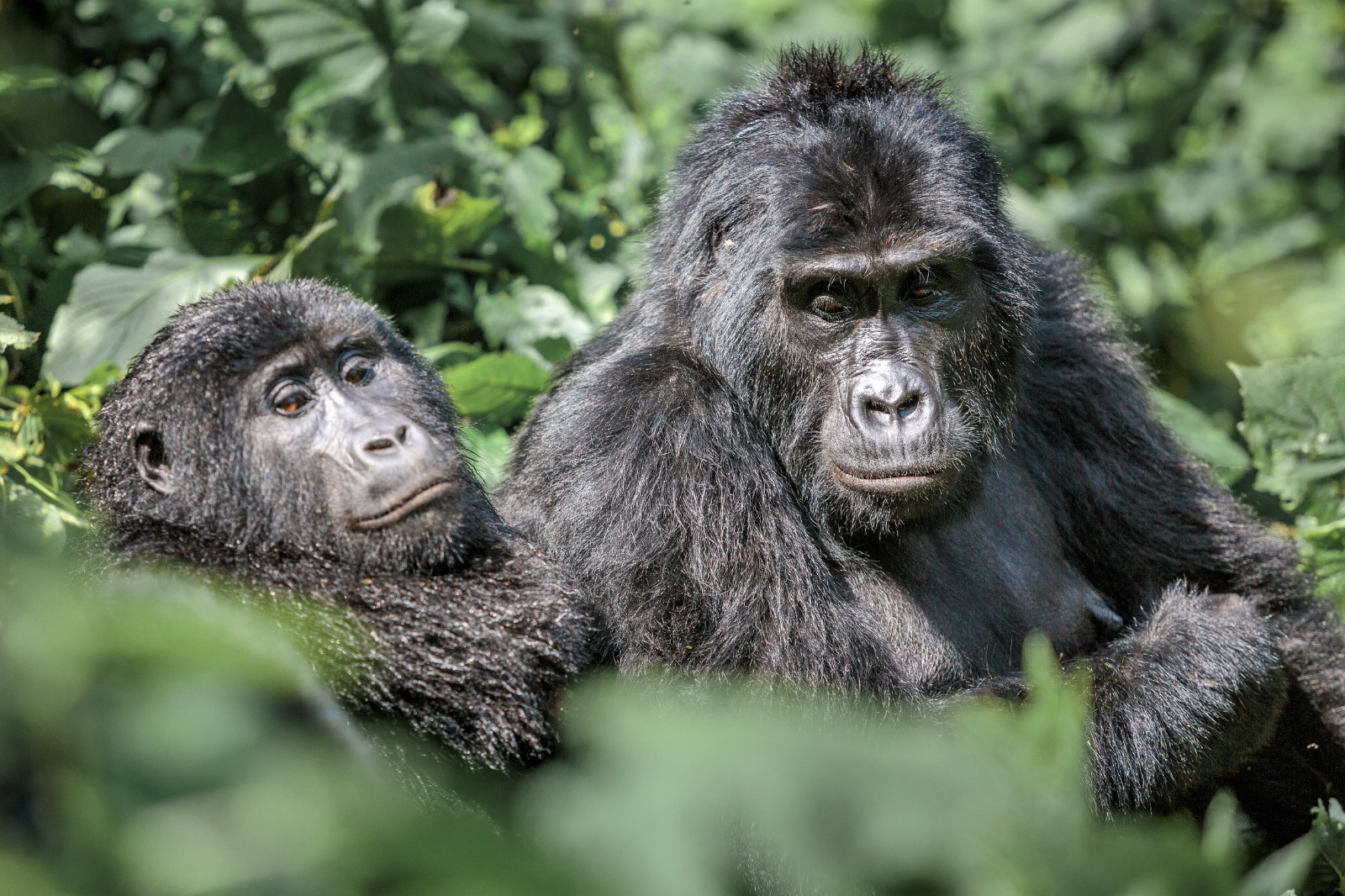
Families planning a gorilla safari should understand the age requirements and behavior expectations before traveling.
The minimum age for gorilla trekking in Rwanda is generally:
15 years old
This requirement exists because trekking requires:
- Walking through forest terrain
- Following conservation rules
- Remaining calm around gorillas
- Understanding safety instructions
Preparing Children for Gorilla Trekking
Children participating in gorilla trekking should understand the importance of responsible behavior.
Parents should explain:
Stay Quiet Around Gorillas
Children should avoid shouting or making sudden noises.
Follow Ranger Instructions
Guides are responsible for keeping visitors and gorillas safe.
Respect Wildlife
Children should understand that gorillas are wild animals, not pets.
Prepare for Hiking
Children should practice walking before the safari.
A well-prepared family enjoys a safer and more meaningful experience.
What to Wear According to Gorilla Trekking Rules Rwanda
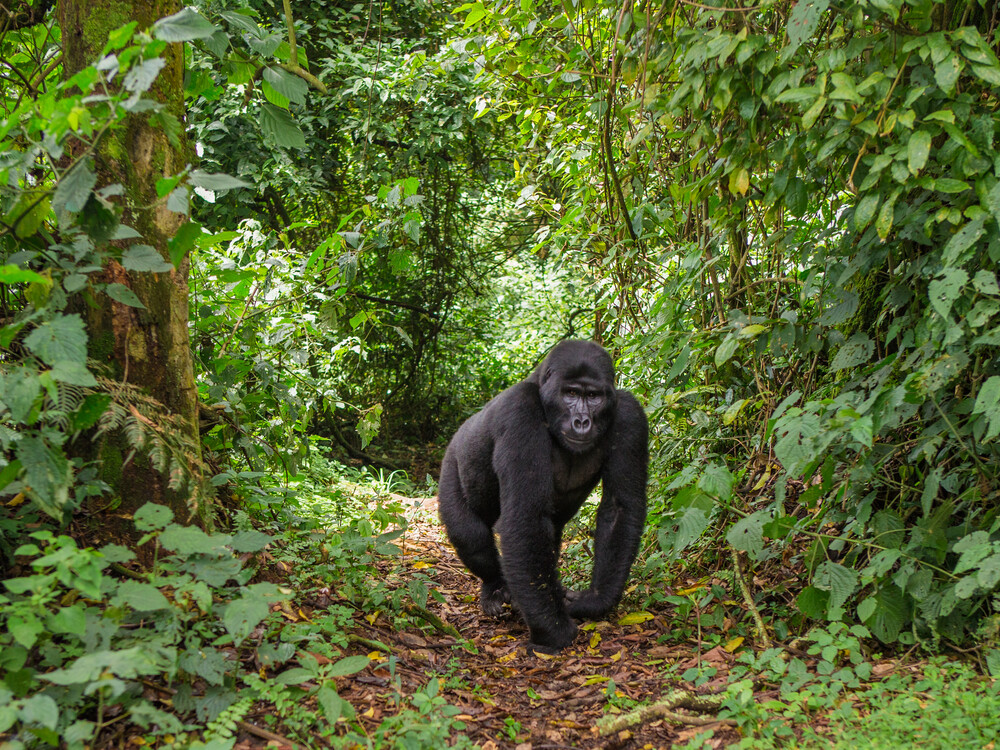
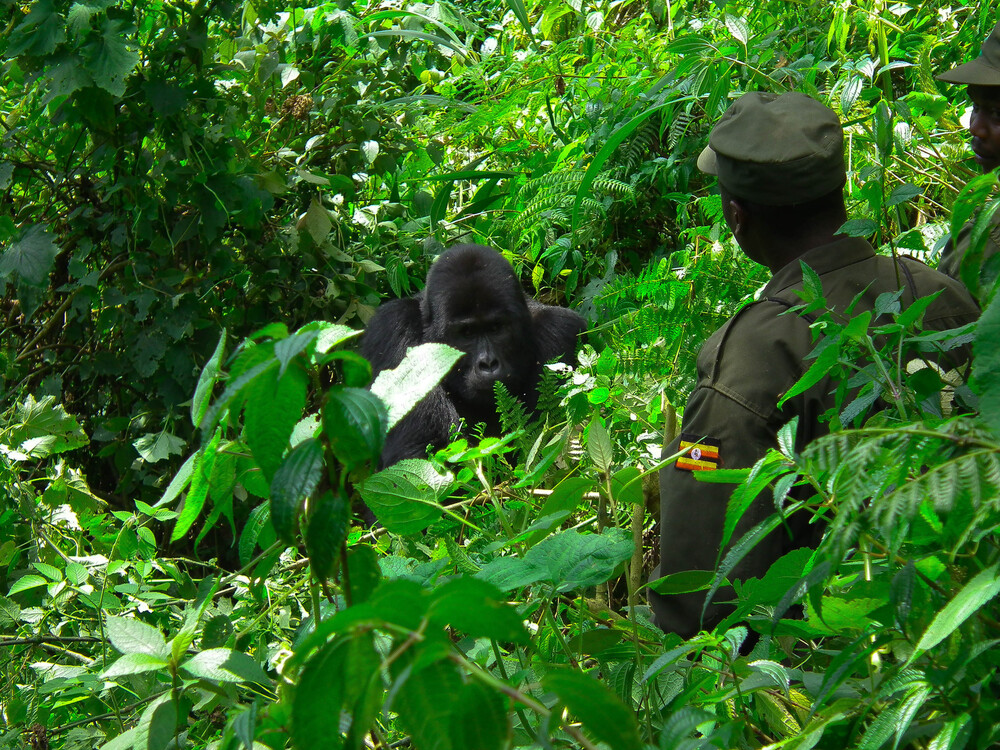
Proper clothing plays an important role in making gorilla trekking comfortable and safe.
The right clothing protects travelers from:
- Rain
- Mud
- Vegetation
- Insects
- Changing temperatures
A suitable trekking outfit includes:
Waterproof Hiking Boots
Waterproof hiking boots are among the most important items for Rwanda gorilla trekking.
They provide:
- Better grip
- Ankle support
- Protection from mud
- Comfort during long walks
Forest trails can become slippery, especially during rainy periods, making quality footwear essential.
Long Trousers
Long trousers protect visitors from:
- Forest vegetation
- Insects
- Mud
- Scratches from plants
Comfortable hiking trousers are recommended because they allow easy movement.
Long-Sleeved Shirts
Long sleeves provide protection from:
- Branches
- Plants
- Insects
- Cool forest temperatures
Lightweight outdoor shirts are ideal because they are comfortable and breathable.
Rain Jacket
Rain protection is essential because Volcanoes National Park is a rainforest environment.
A waterproof jacket protects against:
- Rain showers
- Forest humidity
- Cool weather
Even during dry seasons, visitors should carry rain protection.
Gardening Gloves
Gardening gloves are useful during forest trekking.
They protect hands from:
- Branches
- Thorny plants
- Rough vegetation
They are especially helpful when moving through dense forest areas.
Gorilla Trekking Rules Rwanda and Environmental Conservation
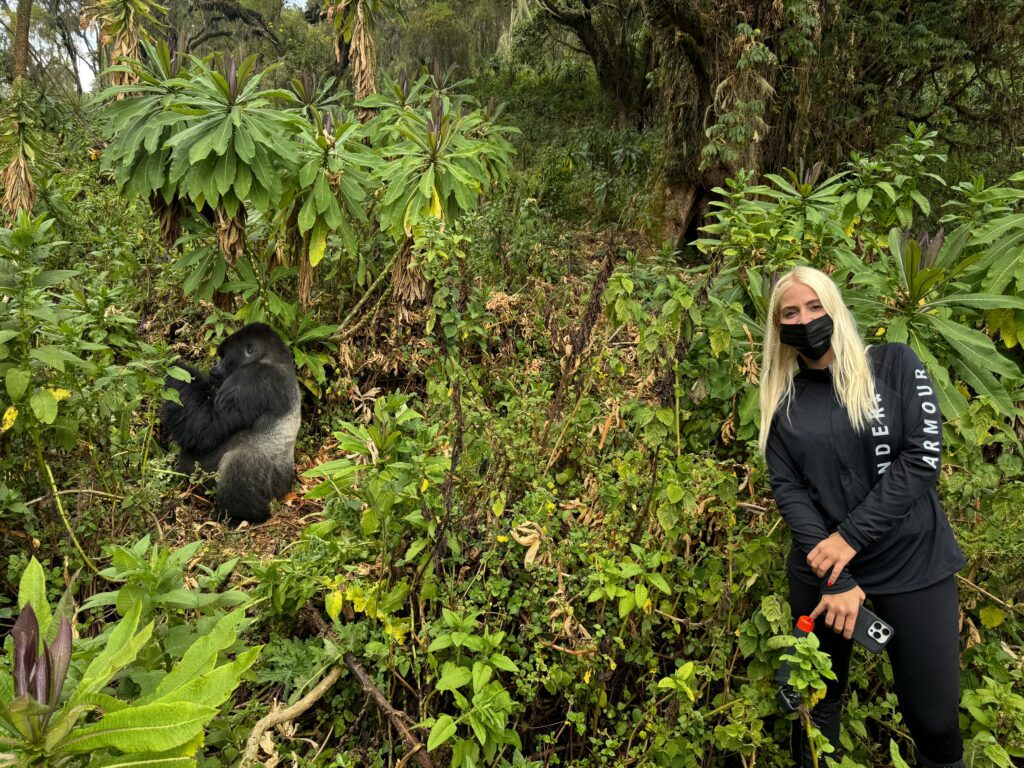
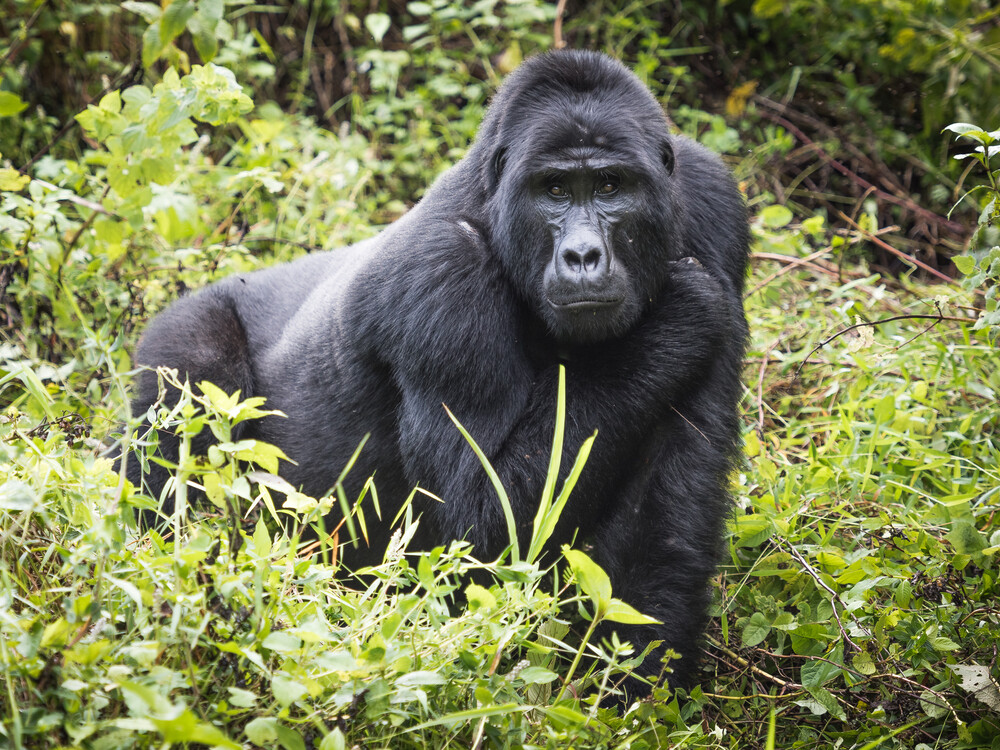
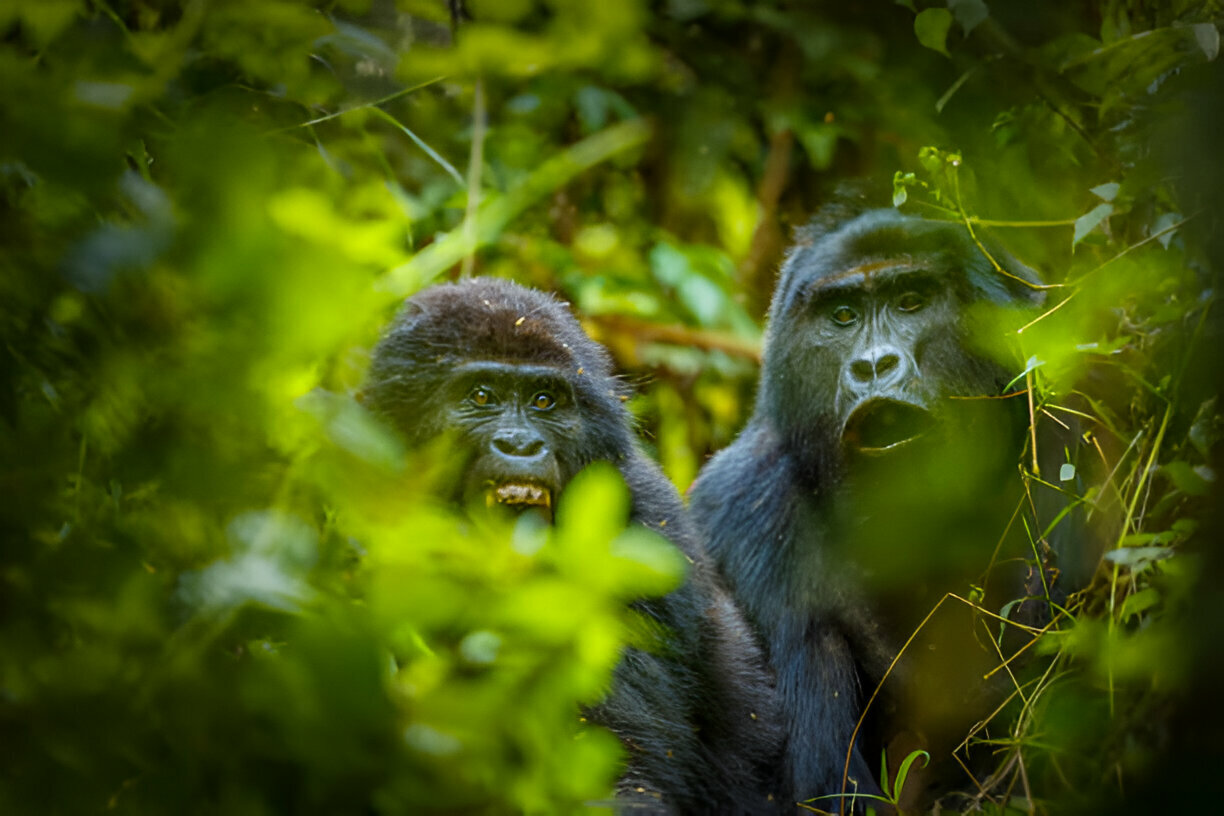
Responsible tourism extends beyond the gorilla encounter itself.
Visitors must also protect the natural environment of Volcanoes National Park.
Important conservation practices include:
Do Not Litter
All waste should be carried out of the forest.
Do Not Remove Plants
The forest ecosystem should remain untouched.
Do Not Disturb Other Wildlife
Gorillas share their habitat with many other species that deserve protection.
Stay on Recommended Paths
Following ranger instructions reduces environmental damage.
Respect Ranger Instructions
Guides protect both visitors and the ecosystem.
The forest around Volcanoes National Park supports not only mountain gorillas but also numerous birds, plants, and other wildlife species.
By following the Gorilla Trekking Rules Rwanda, every visitor contributes to protecting this unique ecosystem for future generations.
Frequently Asked Questions About Gorilla Trekking Rules Rwanda
What are the most important Gorilla Trekking Rules Rwanda visitors should know?
The most important Gorilla Trekking Rules Rwanda focus on protecting mountain gorillas, ensuring visitor safety, and maintaining responsible wildlife tourism.
Visitors should remember to:
- Maintain a safe distance from gorillas
- Avoid touching gorillas
- Follow ranger instructions at all times
- Keep voices low during the encounter
- Avoid flash photography
- Avoid trekking when sick
- Respect the natural environment
- Spend only the allowed time with gorilla families
Following these Gorilla Trekking Rules Rwanda ensures that travelers enjoy a safe and meaningful encounter while contributing to long-term gorilla conservation.
Why are Gorilla Trekking Rules Rwanda important?
The Gorilla Trekking Rules Rwanda are important because mountain gorillas are endangered animals that require careful protection.
Since gorillas share a close genetic relationship with humans, they are vulnerable to human diseases. Simple illnesses such as flu or respiratory infections can negatively affect gorilla families.
These rules help:
- Protect gorilla health
- Reduce stress on animals
- Maintain natural behaviors
- Support conservation programs
- Ensure sustainable tourism
By following the Gorilla Trekking Rules Rwanda, every visitor plays a role in protecting these incredible animals.
Can I touch a gorilla during trekking in Rwanda?
No. One of the strictest Gorilla Trekking Rules Rwanda is that visitors must never touch mountain gorillas.
Although habituated gorillas are comfortable around humans, they remain wild animals. Physical contact can create risks such as:
- Disease transmission
- Stress for gorillas
- Changes in natural behavior
The best way to enjoy the experience is through respectful observation.
Visitors should appreciate moments such as watching silverbacks, mothers, and young gorillas without attempting physical interaction.
How close can I get to gorillas during Rwanda gorilla trekking?
According to the Gorilla Trekking Rules Rwanda, visitors should maintain approximately a 7-meter distance from gorilla families.
This distance helps:
- Protect gorillas from possible infections
- Reduce disturbance
- Maintain natural behavior
Sometimes gorillas may move closer naturally. In such situations, visitors should remain calm and follow instructions from ranger guides.
Travelers should never move closer intentionally for photographs or a better view
Can I use a camera during gorilla trekking in Rwanda?
Yes. Photography is allowed during gorilla trekking, but visitors must follow the photography guidelines included in the Gorilla Trekking Rules Rwanda.
Important photography rules include:
- Do not use flash
- Keep quiet while taking photos
- Do not move closer for pictures
- Follow ranger instructions
- Avoid disturbing gorilla behavior
Responsible photography allows travelers to capture incredible memories while protecting the gorillas.
How long can I stay with gorillas in Rwanda?
Visitors are allowed a maximum of:
One hour with the gorilla family
This rule applies to all travelers regardless of the safari package.
Whether you book:
- Budget gorilla trekking
- Luxury gorilla trekking
- Private gorilla trekking
- Family gorilla safaris
the same one-hour encounter rule applies.
This part of the Gorilla Trekking Rules Rwanda helps reduce stress on gorilla families and ensures sustainable tourism.
What happens if I am sick before gorilla trekking?
Visitors who are sick should not participate in gorilla trekking.
Health protection is one of the most important parts of the Gorilla Trekking Rules Rwanda because mountain gorillas are vulnerable to human illnesses.
Travelers should avoid trekking if they have:
- Fever
- Flu symptoms
- Persistent cough
- Respiratory infections
- Contagious diseases
If you feel unwell before trekking, inform your safari company and park authorities so appropriate guidance can be provided.
Protecting gorilla health is more important than completing the trek while sick.
What should I wear for Rwanda gorilla trekking?
Following proper clothing recommendations is an important part of preparing according to the Gorilla Trekking Rules Rwanda.
Recommended items include:
- Waterproof hiking boots
- Long trousers
- Long-sleeved shirts
- Waterproof rain jacket
- Gardening gloves
- Comfortable outdoor clothing
These items protect travelers from:
- Muddy trails
- Rain
- Forest vegetation
- Insects
- Changing temperatures
Proper preparation makes the trekking experience safer and more comfortable.
Are children allowed to participate in gorilla trekking in Rwanda?
Yes, but there are age restrictions.
The minimum age for gorilla trekking in Rwanda is generally:
15 years old
This requirement exists because children participating in trekking must be able to:
- Follow ranger instructions
- Remain calm around gorillas
- Understand conservation rules
- Handle forest hiking conditions
Families should prepare children before travel by explaining the importance of the Gorilla Trekking Rules Rwanda and responsible wildlife behavior.
Can senior travelers follow Gorilla Trekking Rules Rwanda and complete the experience?
Yes. Many senior travelers successfully complete Rwanda gorilla trekking.
Older travelers should focus on preparation and support, including:
- Hiring a porter
- Using walking sticks
- Choosing suitable trekking options
- Preparing physically before travel
- Informing guides about their needs
The Gorilla Trekking Rules Rwanda apply equally to all visitors, but the experience can be adapted to different abilities through proper planning.
Booking Your Rwanda Gorilla Trekking Adventure
Understanding and following the Gorilla Trekking Rules Rwanda is essential for enjoying a safe, responsible, and unforgettable mountain gorilla experience.
A successful gorilla safari requires careful preparation, including securing permits, choosing suitable accommodation, arranging transportation, and understanding what to expect before entering Volcanoes National Park.
At Boots in The Jungle Safaris, we help travelers prepare for their Rwanda gorilla adventure by providing expert planning and complete safari support.
Our services include:
- Gorilla permit booking assistance
- Detailed pre-trek preparation guidance
- Explanation of Gorilla Trekking Rules Rwanda
- Professional local guides
- Private and comfortable transportation
- Porter arrangements
- Accommodation recommendations
- Customized Rwanda safari itineraries
Our team ensures that every traveler understands the important guidelines before meeting mountain gorillas, allowing them to enjoy the experience with confidence and respect.
Whether you are planning a luxury gorilla safari, private gorilla adventure, family trip, honeymoon experience, or first African wildlife journey, we create carefully planned experiences that balance comfort, conservation, and unforgettable memories.
Contact Boots in The Jungle Safaris today and let us help you plan your Rwanda gorilla trekking adventure while following the essential Gorilla Trekking Rules Rwanda for a safe, respectful, and life-changing encounter with mountain gorillas.