
Gorilla Trekking with Children in Uganda
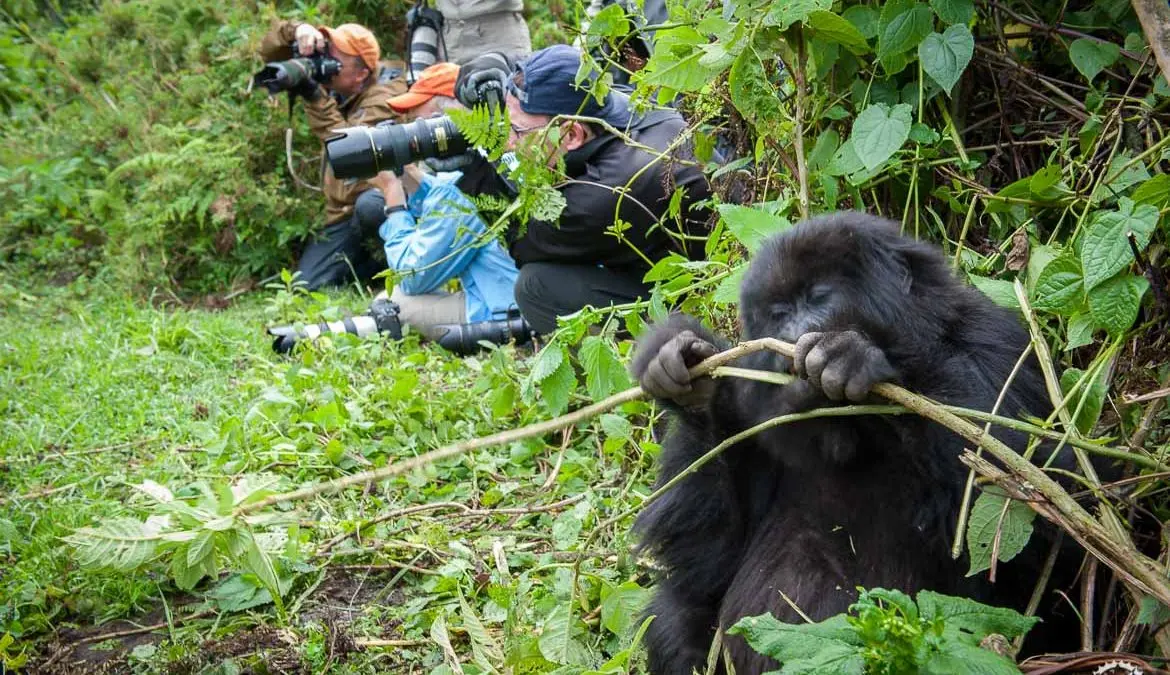
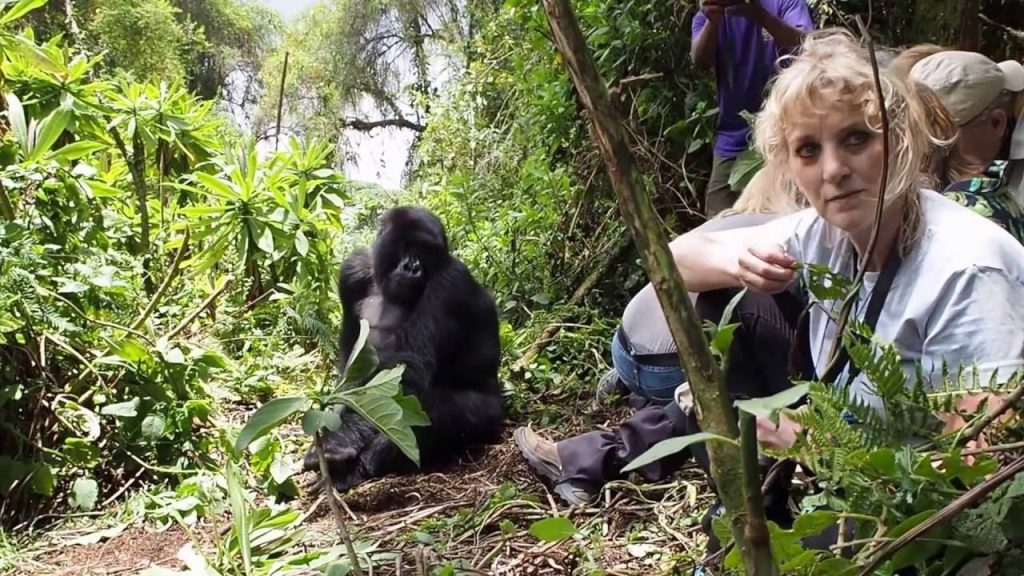
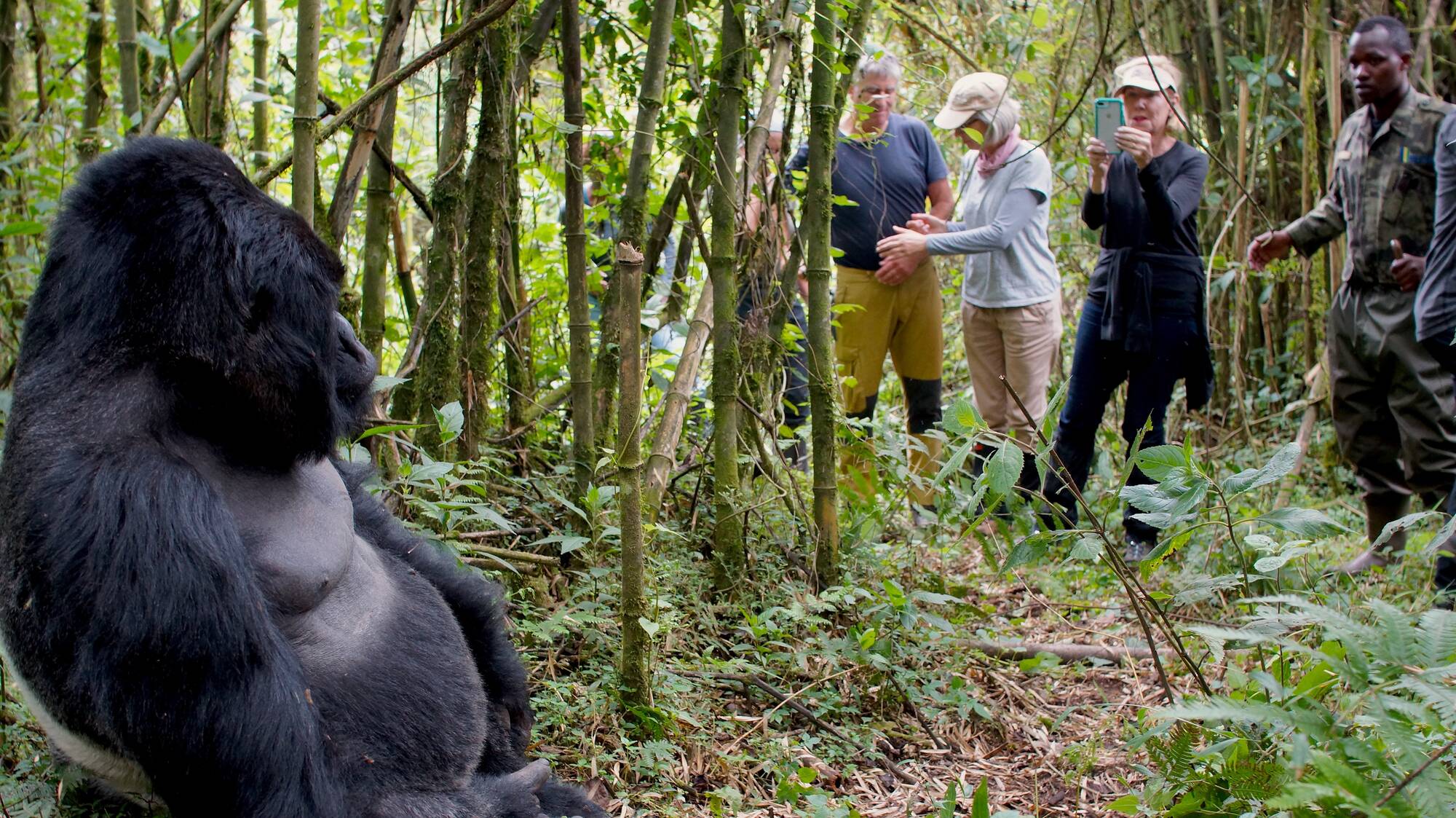
Understanding Gorilla Trekking with Children is one of the most important steps when planning a family safari in Uganda. While the idea of introducing children to one of the world’s greatest wildlife experiences is exciting, it is equally important to understand the regulations that govern gorilla trekking and the reasons behind them. Uganda is home to nearly half of the world’s remaining mountain gorillas, found in the lush rainforests of Bwindi Impenetrable National Park and Mgahinga Gorilla National Park. These endangered primates are protected through carefully managed tourism, where every visitor plays a role in conservation. Families planning to visit with children should therefore understand not only who can participate in gorilla trekking but also how to design an itinerary that allows every family member to enjoy an unforgettable safari.
The Uganda Wildlife Authority (UWA) has established a minimum age requirement of 15 years for gorilla trekking, making this one of the most important regulations families need to know. This rule applies equally to Ugandan citizens, East African residents, and international visitors, and it is strictly enforced at every gorilla trekking sector. Before the trek begins, park officials verify permits alongside passports or identification documents to confirm each participant’s age. Visitors who do not meet the age requirement are unfortunately not permitted to enter the forest for gorilla trekking, regardless of whether a permit has already been purchased.
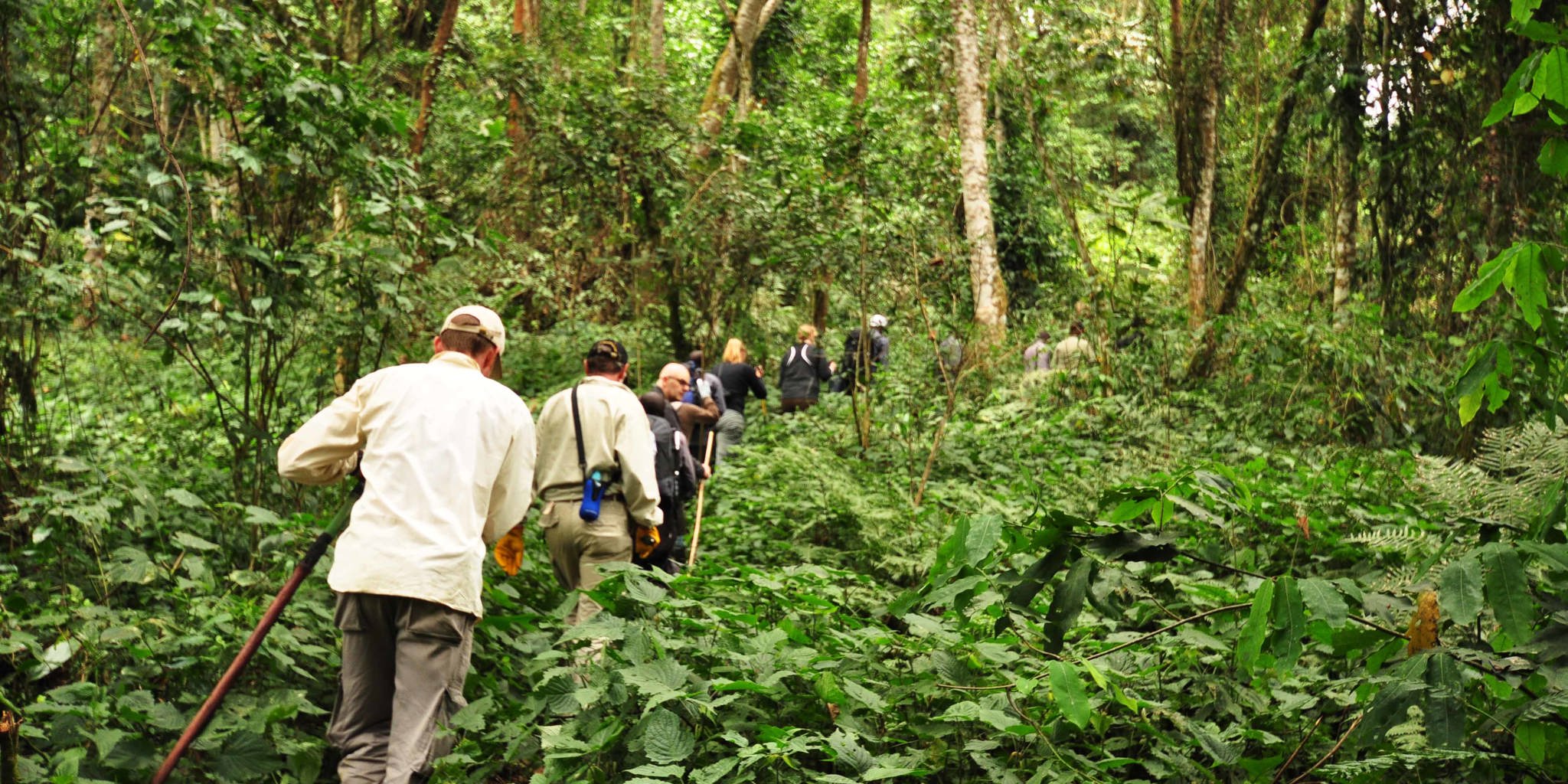
Many parents initially view this restriction as disappointing, but understanding the reasons behind it reveals why it is essential for both visitor safety and gorilla conservation. Gorilla trekking is not a simple walk through the forest. Depending on the location of the assigned gorilla family, visitors may hike for one to eight hours across steep hillsides, muddy trails, thick vegetation, and uneven mountain terrain. Some trekking routes involve climbing slippery slopes, crossing streams, or walking through dense bamboo forests before finally reaching the gorillas. These physical demands can be extremely challenging for younger children, whose endurance and balance are still developing.
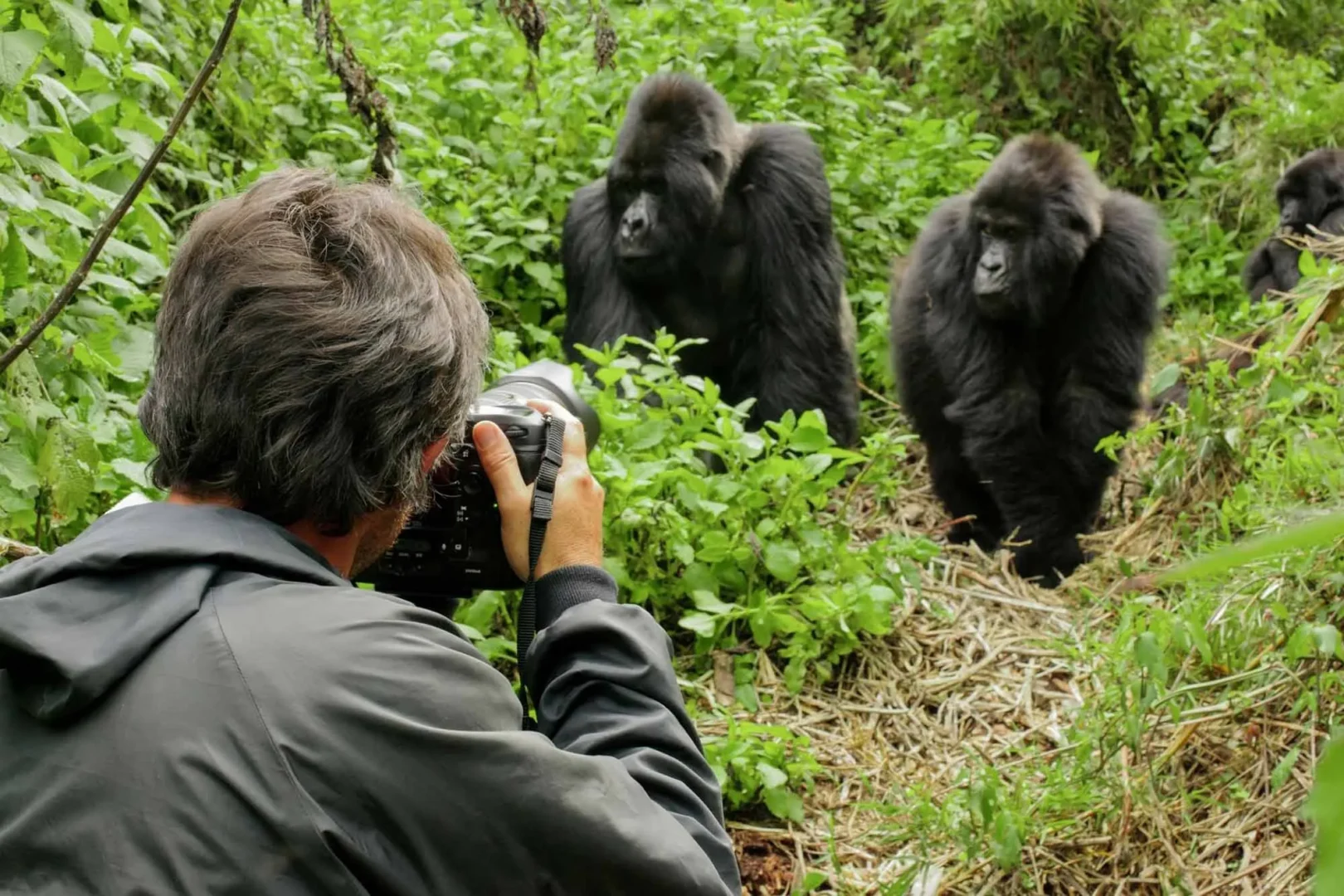
Emotional maturity is equally important during gorilla trekking. Once visitors reach a gorilla family, they must remain calm, quiet, and disciplined for the entire one-hour viewing period. Mountain gorillas are gentle and habituated to human presence, but they remain wild animals whose behavior must always be respected. Young children may naturally become excited, frightened, or overwhelmed during such close encounters and may unintentionally shout, cry, or make sudden movements. Such reactions could disturb the gorillas or interrupt their normal behavior, which is precisely what the conservation regulations aim to prevent.
Health protection is another critical factor behind Uganda’s age policy. Mountain gorillas share approximately 98 percent of their genetic makeup with humans, making them extremely vulnerable to many human diseases, particularly respiratory infections. Young children are generally more likely to carry common illnesses such as colds, influenza, or other viral infections, sometimes without showing obvious symptoms. Even minor illnesses that are harmless to humans can have devastating consequences for endangered gorilla populations. By restricting participation to visitors aged fifteen years and above, Uganda significantly reduces the risk of disease transmission while helping preserve healthy gorilla families for future generations.
Despite these restrictions, families should not assume that traveling with younger children means missing out on Uganda’s remarkable wildlife experiences. In reality, Gorilla Trekking with Children can become one of the most rewarding family holidays when properly planned. Many lodges around Bwindi and Mgahinga offer excellent child-friendly facilities, including nature walks, birdwatching, storytelling sessions, cultural performances, craft demonstrations, village visits, and supervised children’s activities. These experiences introduce younger travelers to Uganda’s unique wildlife, landscapes, and cultures while adults participate in gorilla trekking.
Working with an experienced safari company such as Boots in The Jungle Safaris makes planning significantly easier. Our safari specialists carefully organize itineraries that accommodate both trekkers and younger family members, ensuring that everyone enjoys meaningful experiences throughout the journey. From selecting family-friendly lodges and arranging childcare where available to recommending nearby attractions suitable for children, we help families create balanced itineraries that maximize every day of their safari.
Why Uganda Has an Age Limit for Gorilla Trekking with Children
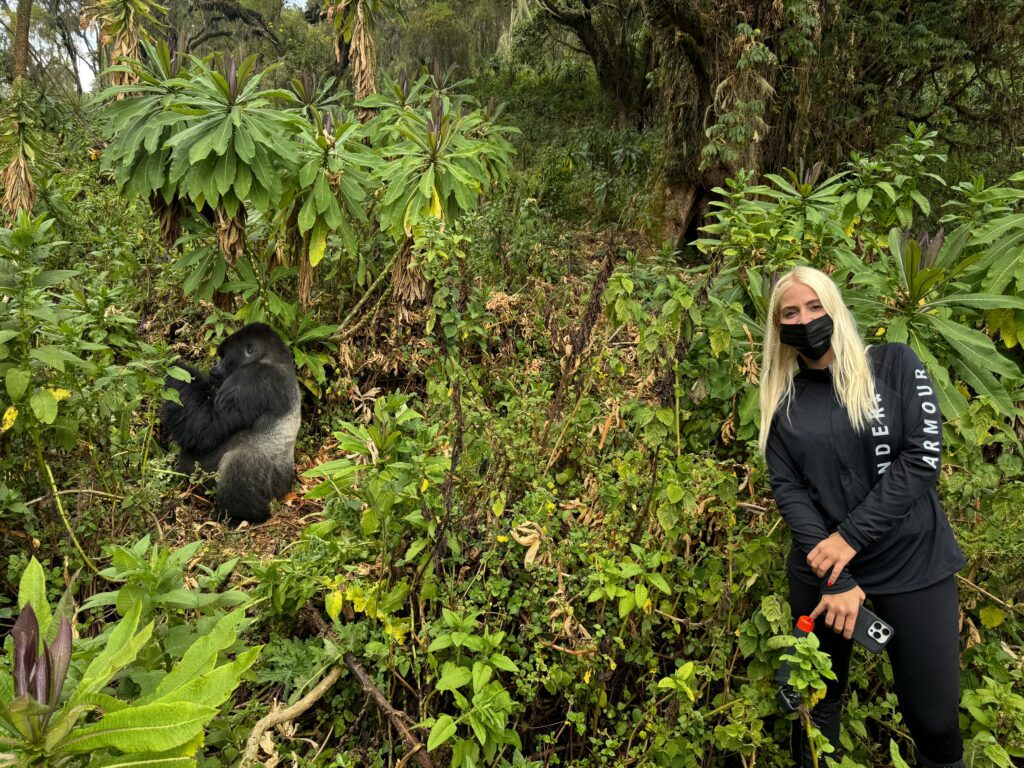
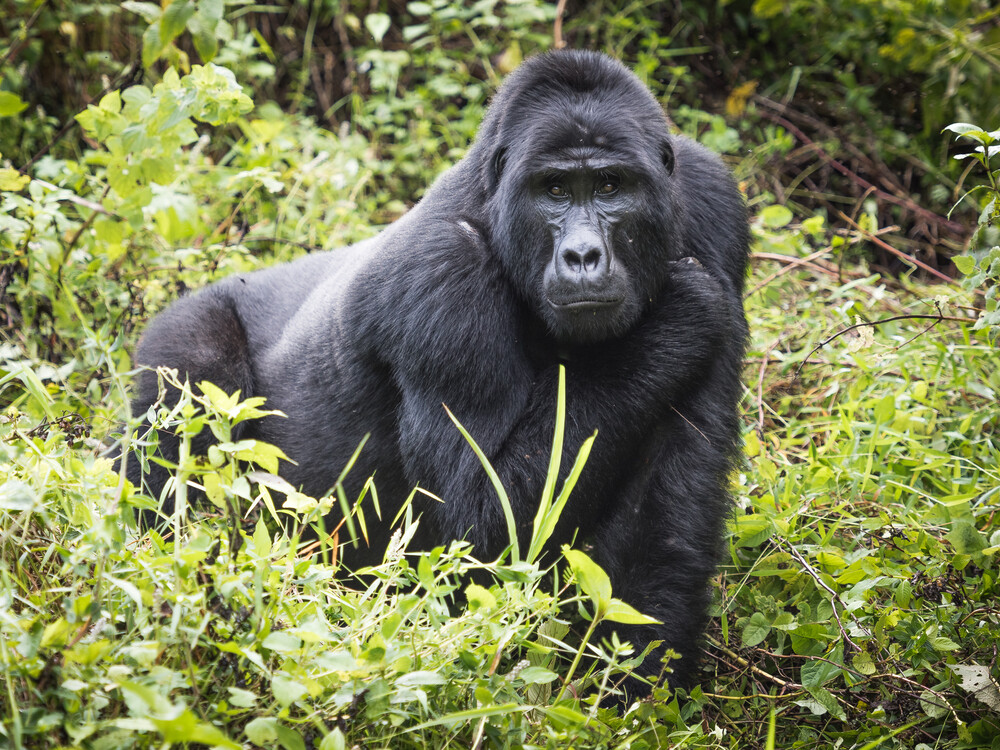
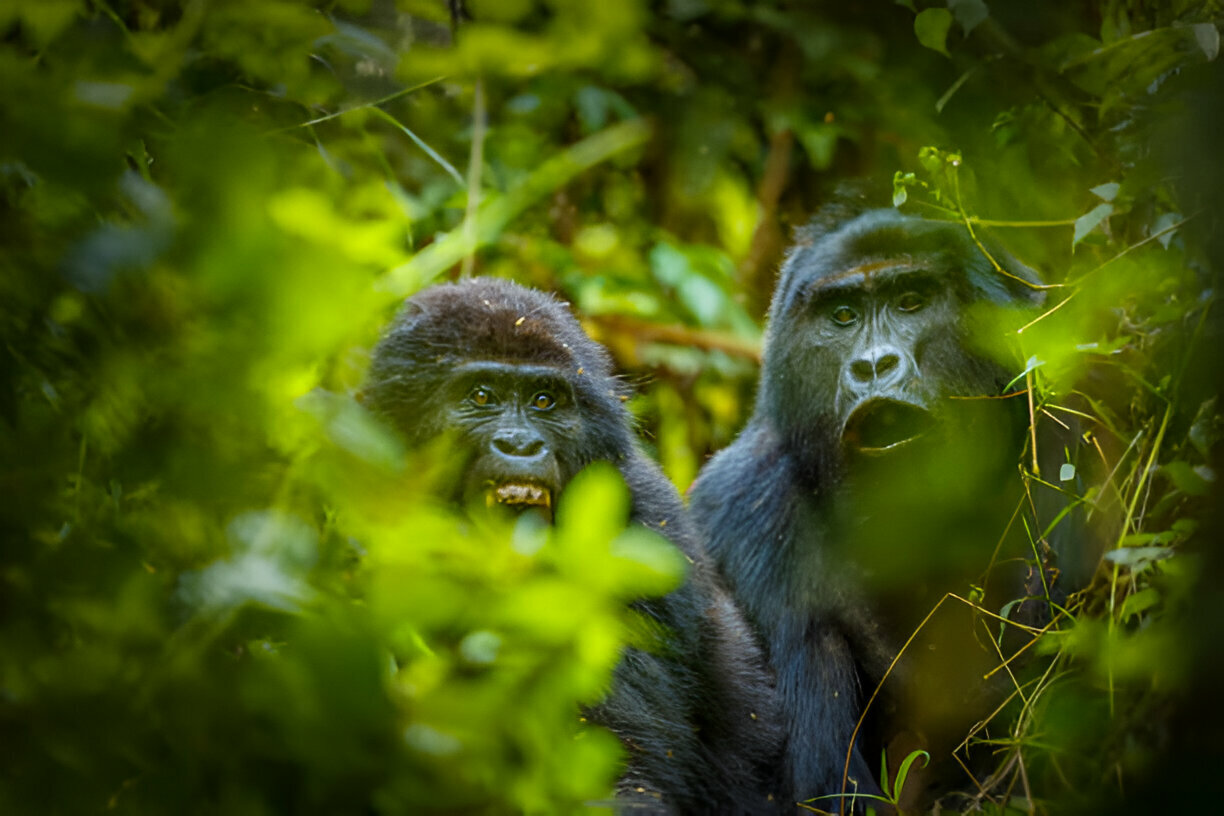
The age restriction associated with Gorilla Trekking with Children is not an arbitrary regulation but the result of decades of scientific research, wildlife conservation, and visitor management. Uganda Wildlife Authority developed this policy after carefully studying mountain gorilla behavior, visitor safety, and the long-term sustainability of gorilla tourism. Every regulation surrounding gorilla trekking exists for one primary purpose: protecting one of the world’s rarest and most endangered primates while allowing visitors to experience them responsibly in their natural habitat.
Mountain gorillas are incredibly intelligent and social animals that live in close-knit family groups led by a dominant silverback. Although habituated gorillas have gradually become accustomed to the presence of humans through years of careful conservation work, they remain wild animals capable of responding to unfamiliar situations. During a trekking encounter, visitors are expected to maintain calm body language, speak quietly, avoid sudden movements, and immediately follow every instruction provided by their ranger guide. These expectations require emotional maturity, patience, and self-control—qualities that younger children may naturally struggle to demonstrate consistently during exciting wildlife encounters.
The physical demands of gorilla trekking also played a major role in establishing the age limit. Unlike many wildlife activities conducted from safari vehicles, gorilla trekking requires visitors to actively hike through mountainous rainforest terrain. Depending on the location of the assigned gorilla family, trekkers may spend several hours navigating muddy slopes, thick undergrowth, narrow forest trails, and steep ridges at varying altitudes. Weather conditions can change rapidly, making the hike even more challenging. Uganda Wildlife Authority determined that children below fifteen years generally lack the physical endurance required to complete these treks safely and comfortably.
Disease prevention remains one of the strongest conservation reasons behind the age requirement. Because mountain gorillas are genetically very similar to humans, they can contract many common human illnesses, including influenza, pneumonia, COVID-19, tuberculosis, and other respiratory infections. Young children often experience viral infections more frequently than adults and may carry contagious illnesses without displaying noticeable symptoms. Restricting gorilla trekking to older visitors significantly lowers this health risk and helps safeguard Uganda’s critically important gorilla populations.
Another important consideration involves the overall quality of the visitor experience. Gorilla trekking is designed to be peaceful, respectful, and immersive. Visitors spend a full hour quietly observing gorilla families as they feed, groom, play, and interact naturally within the rainforest. Maintaining this tranquil environment allows everyone in the group to appreciate the extraordinary behavior of these gentle giants without unnecessary distractions. Older participants generally find it easier to respect these conservation guidelines, creating a safer and more rewarding experience for both visitors and wildlife.
The success of Uganda’s gorilla conservation program has been built on responsible tourism, and the age requirement is one of the many measures that have contributed to the recovery of mountain gorilla populations over recent decades. Every family that respects this regulation helps support a conservation model recognized worldwide as one of Africa’s greatest wildlife success stories.
Can Teenagers Participate in Gorilla Trekking with Children?
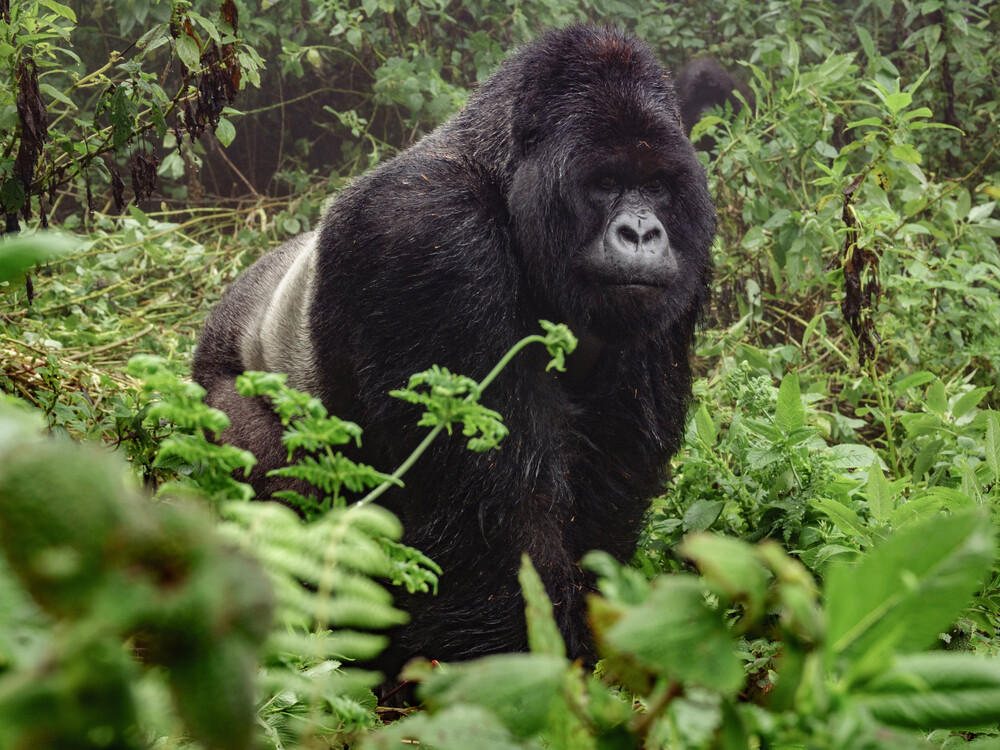
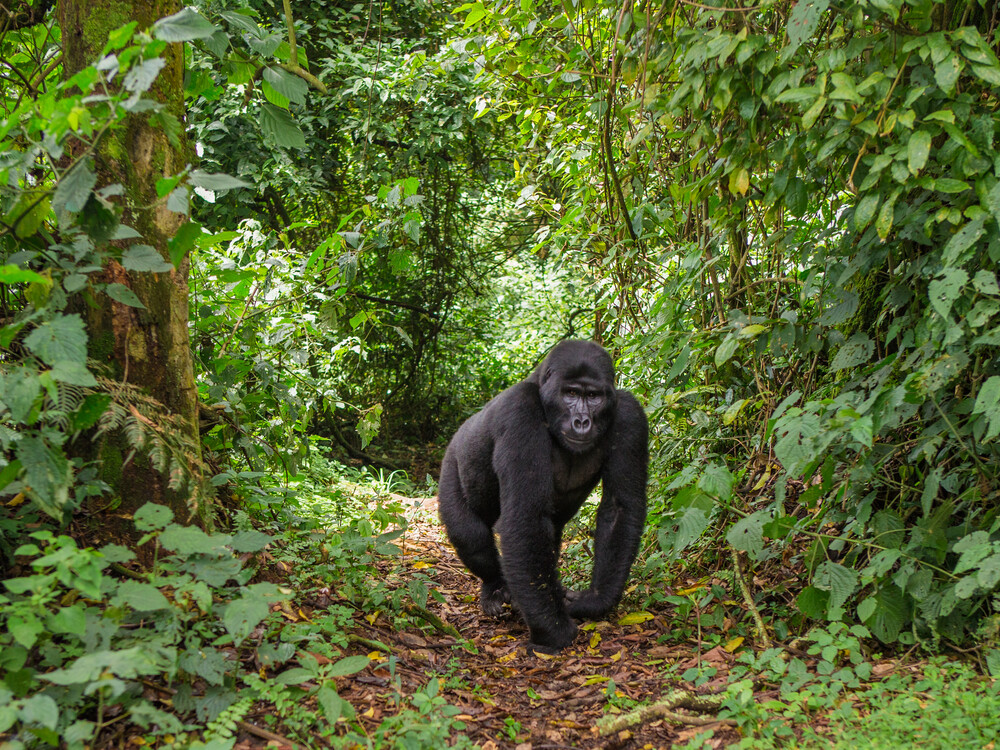
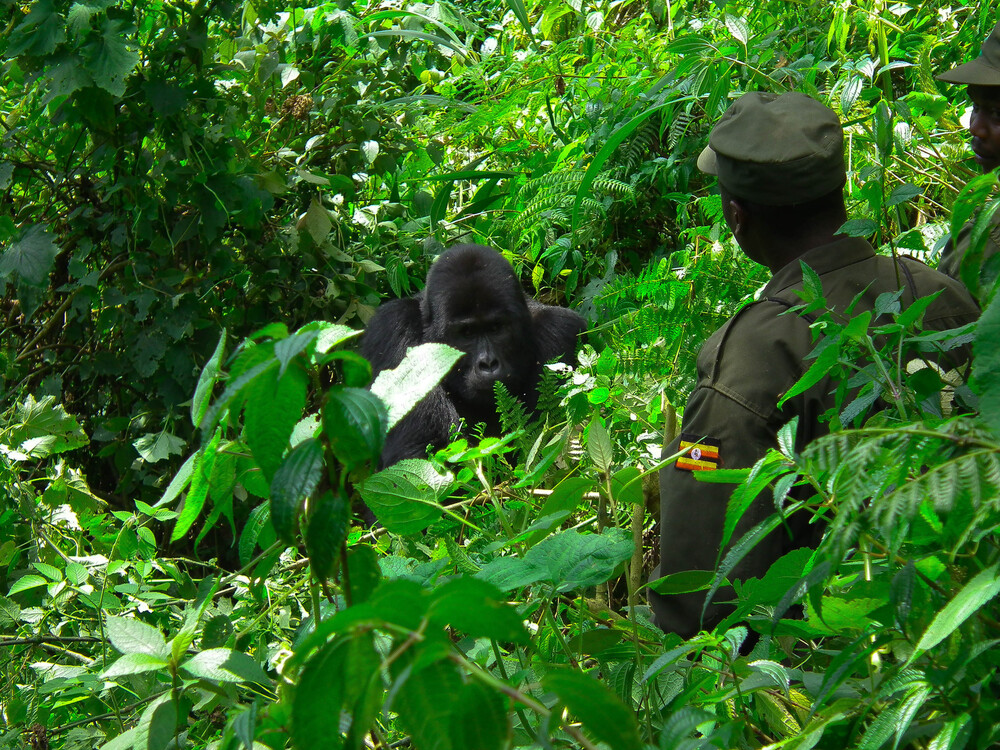
Families researching Gorilla Trekking with Children are often pleased to learn that teenagers aged 15 years and above are fully eligible to participate in gorilla trekking in Uganda. Once a child reaches the official minimum age before the trekking date, they can enjoy exactly the same gorilla trekking experience as adult visitors, provided they are physically fit, healthy, and willing to follow all Uganda Wildlife Authority regulations throughout the trek.
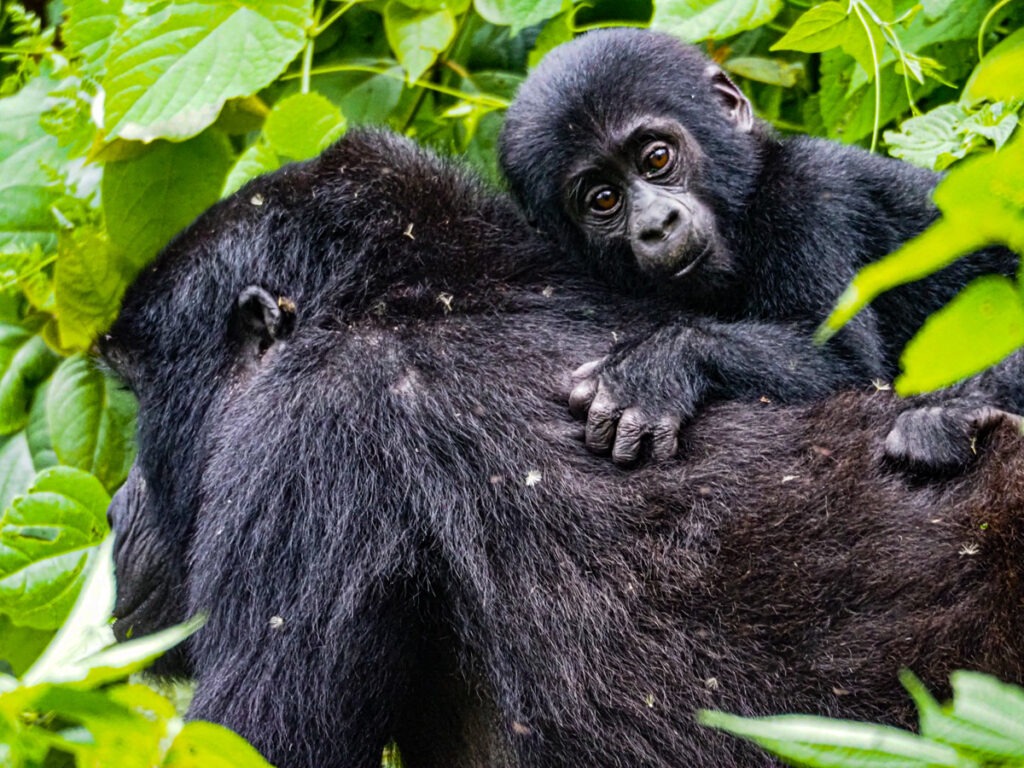
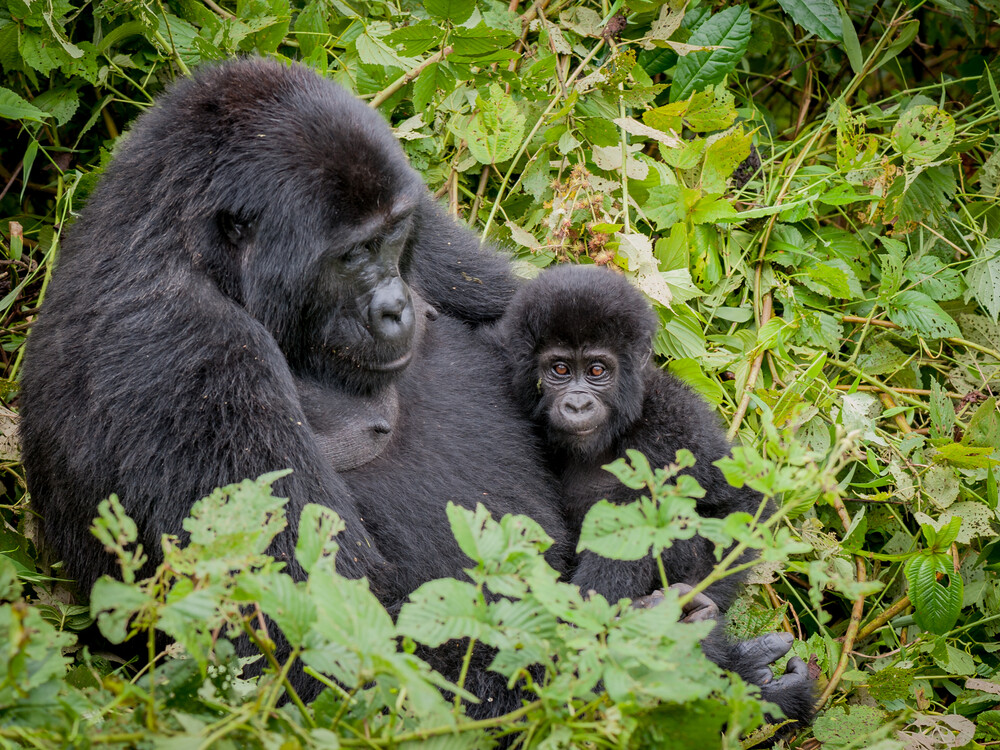
For many teenagers, gorilla trekking becomes one of the most life-changing experiences they will ever have. Unlike observing wildlife from a safari vehicle, gorilla trekking places visitors deep within one of Africa’s oldest rainforests, where they experience the sights, sounds, and atmosphere of an untouched natural environment before finally encountering a mountain gorilla family face to face. Watching playful infants interact with their mothers, observing dominant silverbacks protect their families, and witnessing complex social behaviors creates memories that often inspire lifelong appreciation for wildlife conservation.
Beyond the excitement of the trek itself, gorilla trekking provides teenagers with valuable educational opportunities. They gain firsthand knowledge about biodiversity, rainforest ecosystems, endangered species conservation, climate change, anti-poaching efforts, and the role sustainable tourism plays in protecting wildlife. Many young travelers return home with a much deeper understanding of environmental responsibility and the importance of preserving natural habitats around the world.
Preparing teenagers for gorilla trekking is equally important. Before traveling, they should engage in regular physical activity such as walking, jogging, hiking, or climbing stairs to improve endurance. Proper hiking boots, lightweight outdoor clothing, rain protection, drinking water, energy snacks, and a willingness to follow ranger instructions all contribute to a successful trekking experience. Families should also discuss gorilla trekking etiquette beforehand so teenagers understand the importance of remaining calm, maintaining appropriate viewing distances, avoiding flash photography, and respecting the gorillas’ natural behavior throughout the encounter.
For teenagers with an interest in wildlife, photography, biology, or environmental science, gorilla trekking offers an educational adventure unlike any classroom lesson. It combines conservation, outdoor exploration, cultural experiences, and close wildlife observation into an unforgettable journey that often becomes the highlight of a family safari in Uganda.
What Happens When Some Family Members Trek and Others Stay Behind?
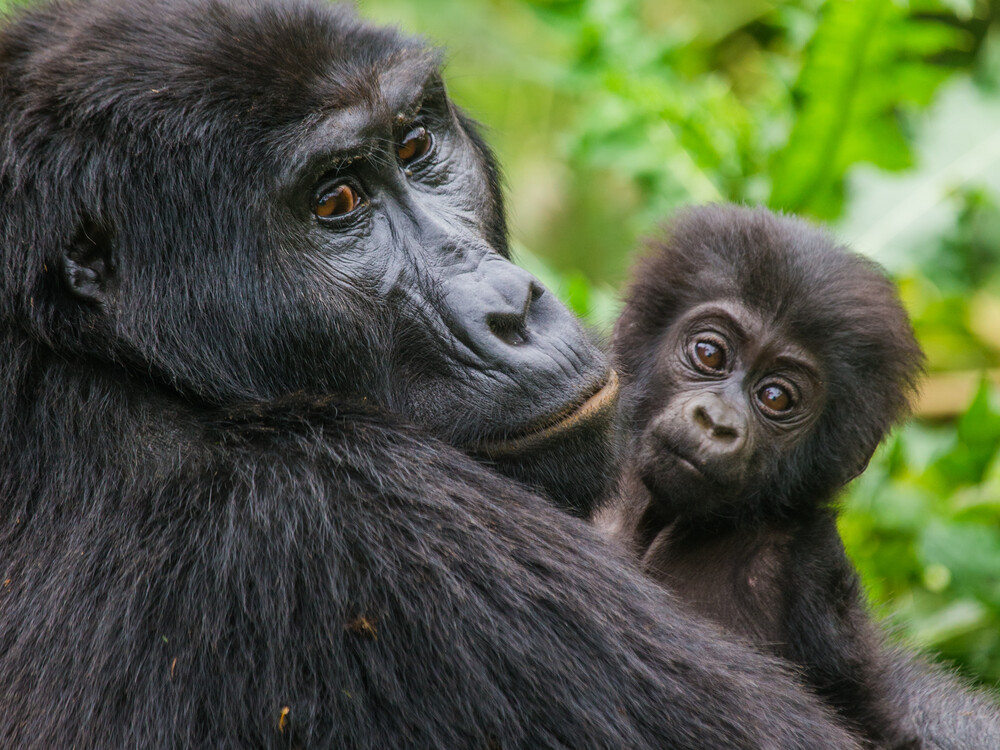
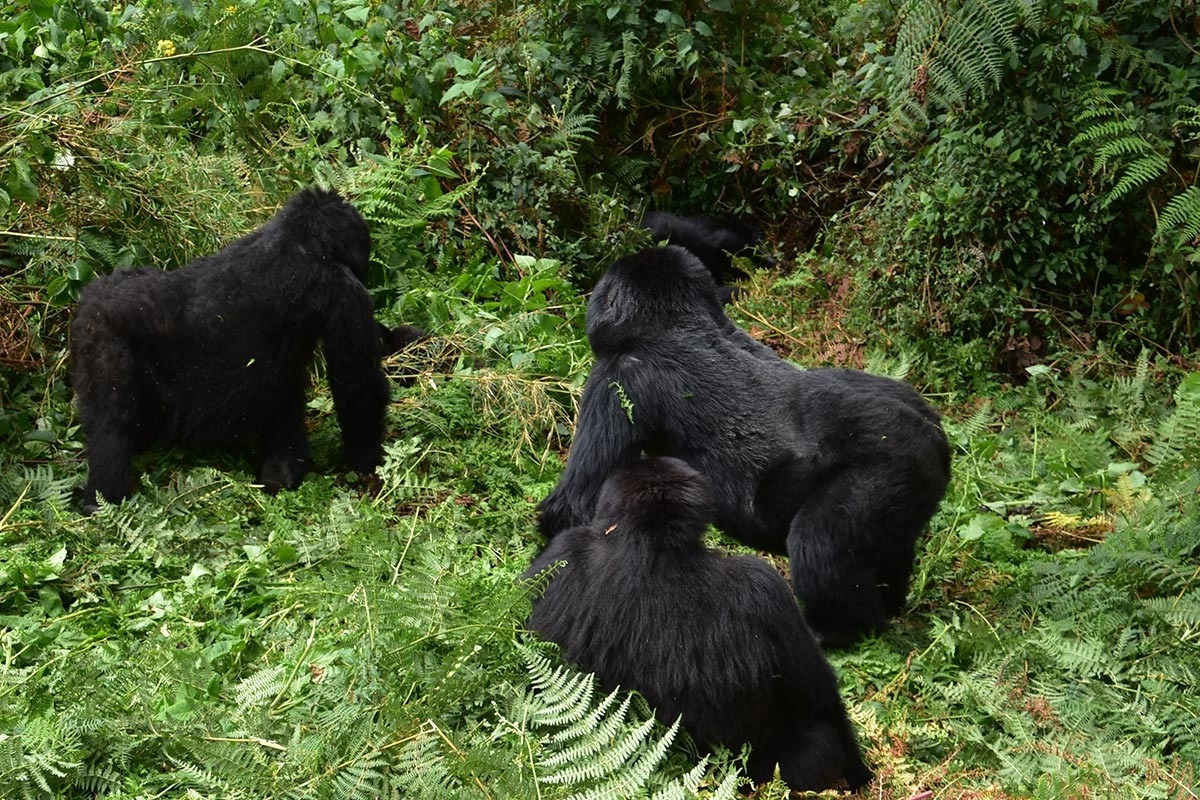
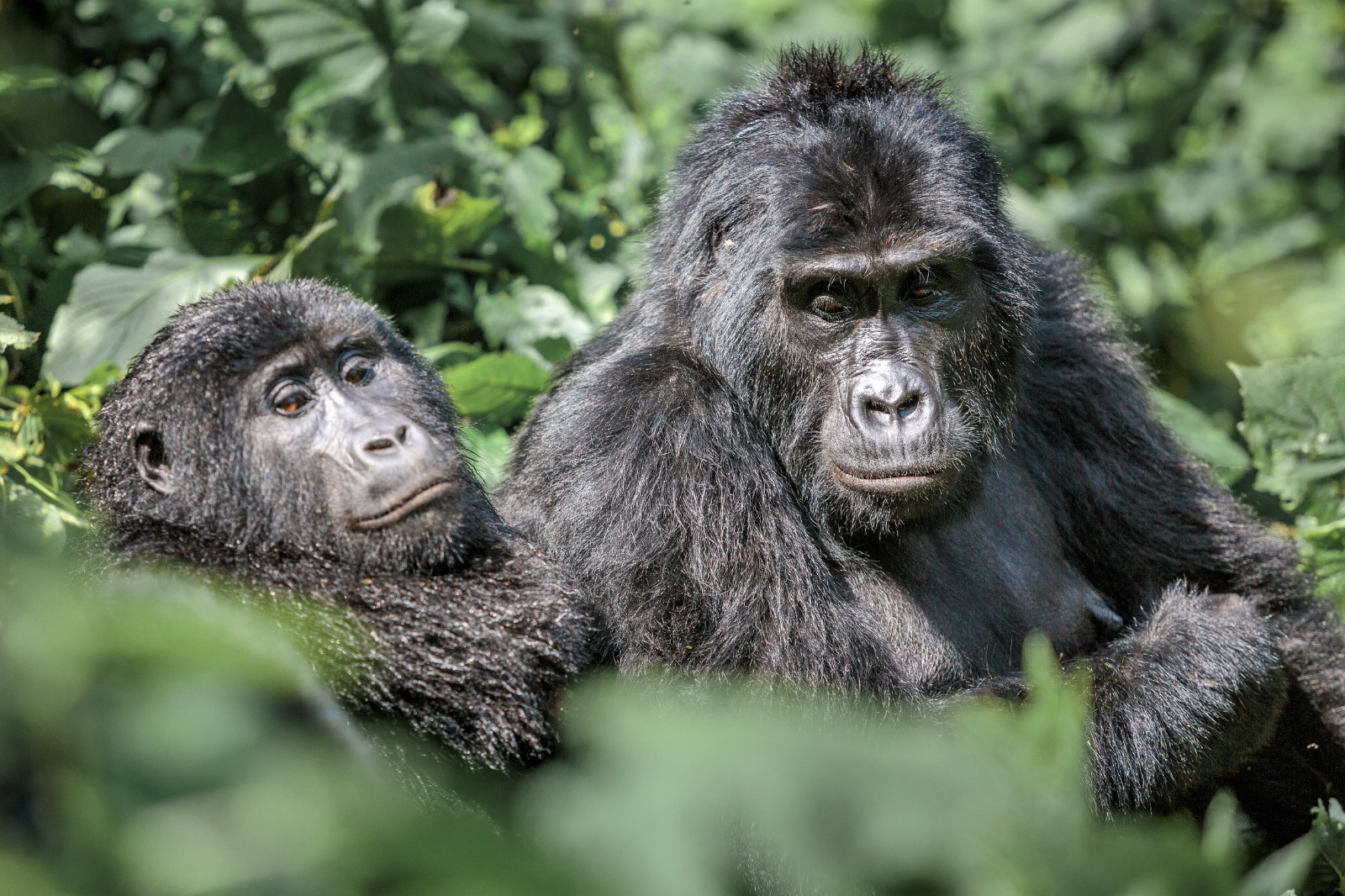
One of the most common questions families ask when planning Gorilla Trekking with Children is what happens if some members of the family are eligible for gorilla trekking while younger children are not. Fortunately, this situation is very common, and with proper planning, it can be managed smoothly to ensure that every member of the family enjoys a memorable holiday. Uganda has become increasingly family-friendly, and many safari lodges, tour operators, and local communities understand the unique needs of families traveling with children.
When adults and teenagers aged fifteen years and above leave early in the morning for gorilla trekking, younger children can remain comfortably at the lodge where a variety of supervised activities are available. Several lodges near Bwindi Impenetrable National Park and Mgahinga Gorilla National Park provide professional babysitting services, children’s play areas, educational nature activities, storytelling sessions, craft-making, and supervised games. Parents should always inquire about these services before booking their accommodation to ensure qualified caregivers are available throughout the trekking period.
For families with several children of different ages, another popular option is to divide responsibilities between parents. One parent participates in gorilla trekking while the other spends the day enjoying family-friendly activities with the younger children. If the itinerary allows for multiple trekking permits or additional days in Bwindi, the parents can alternate on different days, ensuring both adults have the opportunity to experience mountain gorilla trekking while the children continue enjoying their own adventure. This approach is particularly suitable for families with toddlers or younger children who require closer supervision.
Older grandparents or relatives traveling with the family also often provide valuable support by remaining at the lodge with younger children while parents participate in the trek. Many families appreciate the flexibility this arrangement provides, allowing everyone to enjoy their safari without unnecessary stress or concern.
At Boots in The Jungle Safaris, we carefully design customized itineraries that accommodate families with children of all ages. Before confirming your safari, our team discusses your family composition, children’s ages, accommodation preferences, and activity interests to recommend the most suitable itinerary. We ensure that every member of the family, whether trekking or not, has an exciting and meaningful experience throughout the safari. Our goal is to create a balanced family holiday where gorilla trekking becomes one highlight among many unforgettable experiences in Uganda.
Best Family-Friendly Activities While Parents Go Gorilla Trekking
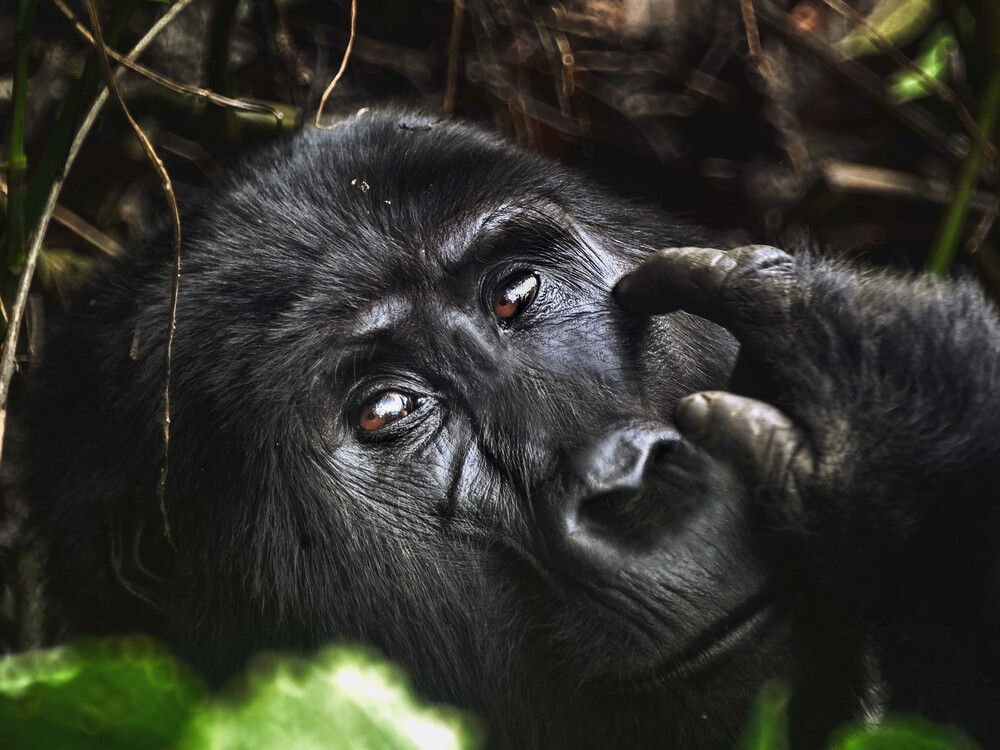
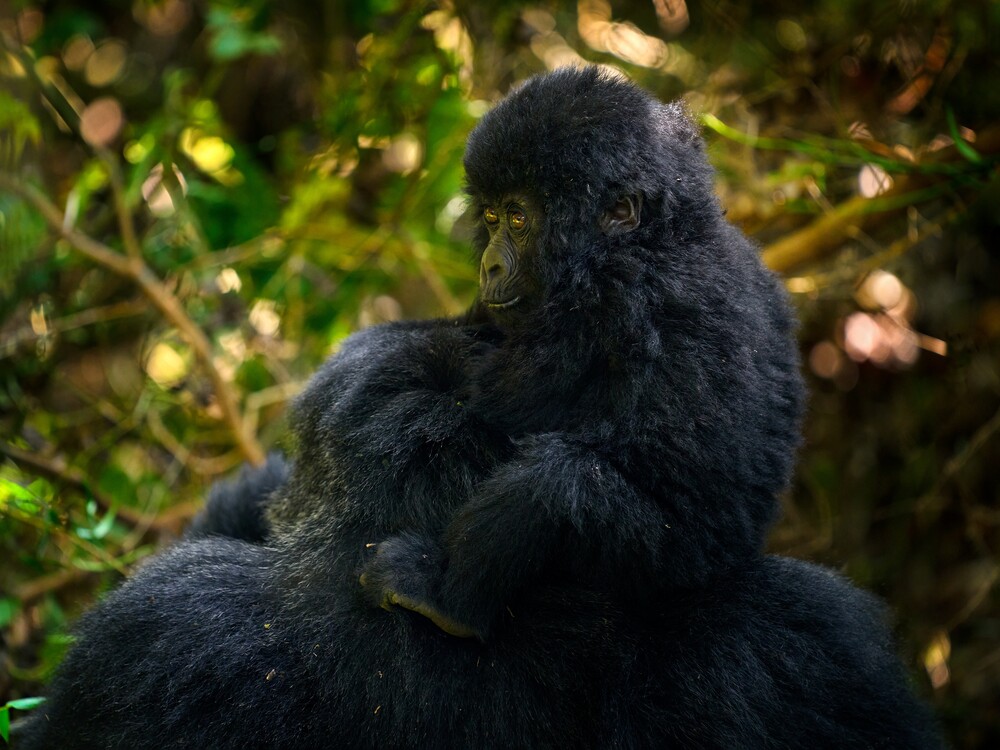
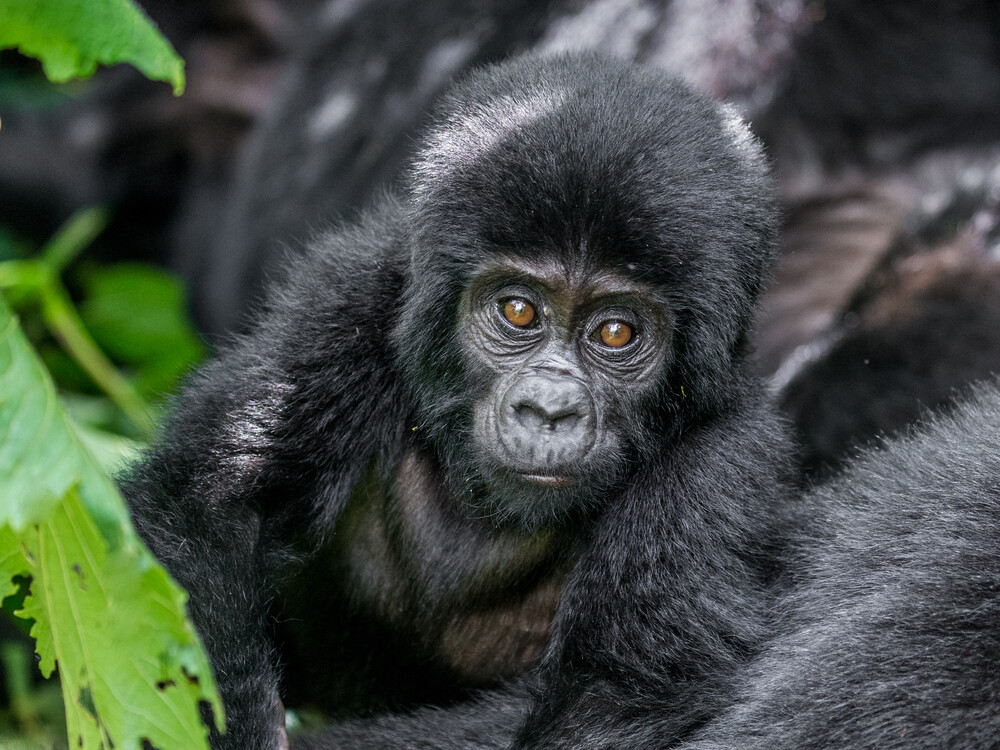
Although children under the age of fifteen cannot participate in gorilla trekking, Uganda offers a remarkable variety of alternative experiences that make Gorilla Trekking with Children one of Africa’s most rewarding family holidays. The regions surrounding Bwindi Impenetrable National Park and Mgahinga Gorilla National Park are rich in culture, biodiversity, and educational opportunities that allow younger travelers to remain engaged while parents enjoy their trekking adventure.
Guided community walks are among the most popular family activities. Accompanied by experienced local guides, children can visit nearby villages where they learn about everyday life, traditional farming methods, local schools, craft-making, music, and dance. These visits provide meaningful cultural interactions that help children understand the traditions and lifestyles of communities living alongside Uganda’s protected forests. Participating in traditional dance performances, learning local songs, or trying simple craft activities creates enjoyable experiences while supporting community tourism initiatives.
Nature walks around family-friendly lodges offer another excellent activity for younger children. Uganda’s rainforests are home to colorful butterflies, playful monkeys, numerous bird species, unique insects, and fascinating tropical plants. Guided nature walks introduce children to rainforest ecology in an interactive and engaging way, helping them appreciate biodiversity even without trekking to see mountain gorillas. Experienced guides explain the importance of the forest ecosystem while encouraging children to observe wildlife through binoculars and participate in simple nature identification activities.
One of the most enriching experiences available during Gorilla Trekking with Children is visiting the indigenous Batwa community. The Batwa people were the original inhabitants of the Bwindi forests before the creation of national parks. Today, cultural experiences allow visitors to learn about their traditional forest lifestyle, hunting techniques, medicinal plants, storytelling, music, and dance. Children particularly enjoy listening to traditional stories, watching cultural performances, trying simple survival demonstrations, and interacting with local families. These experiences provide valuable cultural education while supporting Batwa community development.
Families may also include boat excursions on nearby Lake Bunyonyi, one of Uganda’s most beautiful freshwater lakes. Children can safely enjoy canoe rides, birdwatching, island visits, swimming in designated areas, and learning about the fascinating history of the lake’s islands. The calm waters and breathtaking scenery provide a relaxing contrast to the mountain forests surrounding Bwindi.
If your itinerary extends beyond Bwindi, wildlife game drives in Queen Elizabeth National Park, visits to tea plantations, coffee farm tours, butterfly gardens, birdwatching excursions, and craft workshops can all be incorporated into a family safari. These experiences ensure younger children remain fully engaged while older family members enjoy gorilla trekking, making Uganda an exceptional destination for multigenerational family holidays.
Planning the Perfect Gorilla Trekking with Children Safari
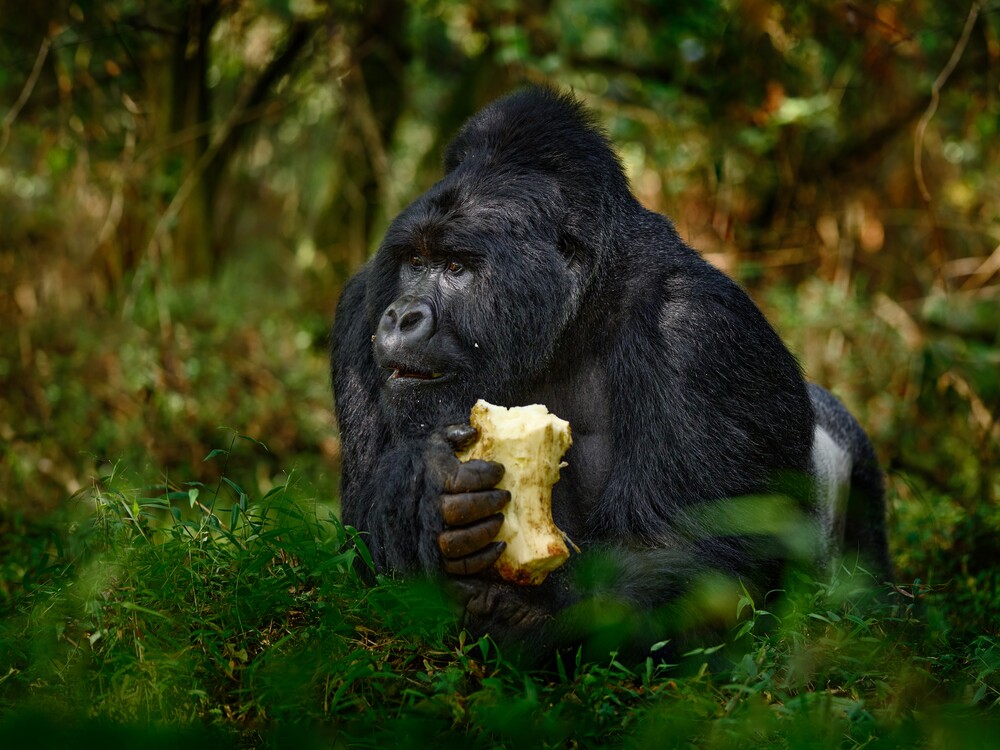
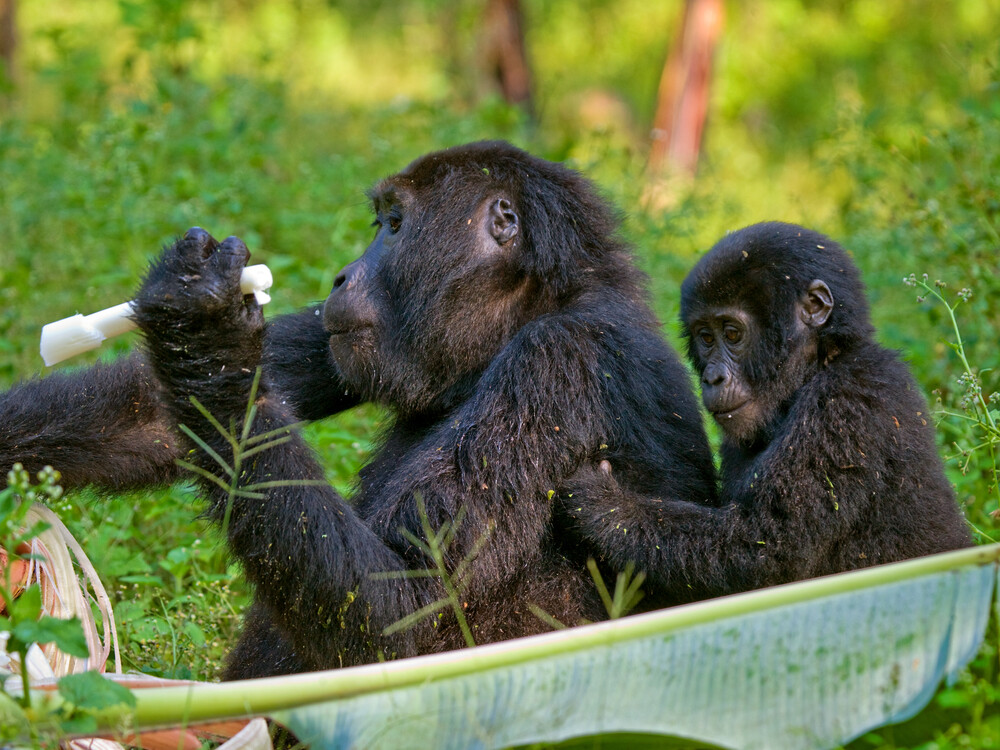
Successful Gorilla Trekking with Children begins months before arriving in Uganda. Careful planning ensures that every member of the family enjoys the safari regardless of age. Families should consider children’s ages, travel endurance, accommodation quality, transportation times, activity preferences, and available childcare options before finalizing their itinerary.
Choosing the correct arrival airport and travel route significantly improves family comfort. Families arriving through Kigali in Rwanda often benefit from shorter driving distances to southern Bwindi compared to traveling from Entebbe, particularly when visiting the Rushaga or Nkuringo sectors. Reducing long road transfers helps younger children remain comfortable while minimizing travel fatigue.
Accommodation selection is equally important. Families should choose lodges located close to their assigned gorilla trekking sector to avoid very early morning departures. Spacious family cottages, interconnected rooms, children’s menus, laundry facilities, recreational areas, and beautiful outdoor spaces all contribute to a more relaxing family holiday. Lodges offering flexible meal schedules and child-friendly staff make traveling with younger children considerably easier.
It is also advisable to avoid scheduling multiple physically demanding activities on consecutive days. Including rest days between long transfers, gorilla trekking, and wildlife safaris allows children time to relax and enjoy their surroundings without becoming overtired. Families often find that slower-paced itineraries create a far more enjoyable experience than trying to include too many destinations within a short period.
Working with an experienced safari company such as Boots in The Jungle Safaris ensures every detail is professionally organized. Our team helps families secure gorilla permits, recommend the most suitable trekking sectors, arrange family-friendly accommodation, coordinate transportation, and include child-friendly activities that keep every traveler entertained throughout the safari.
Health and Safety Tips for Gorilla Trekking with Children
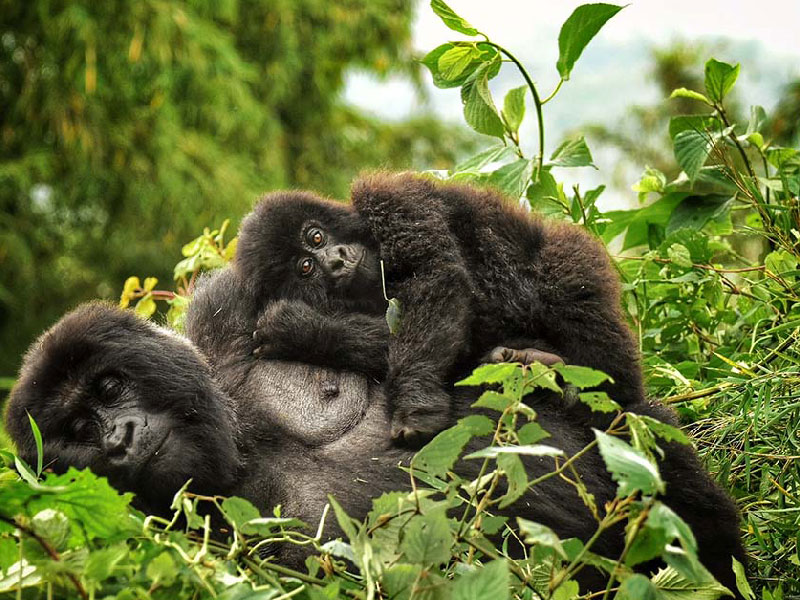
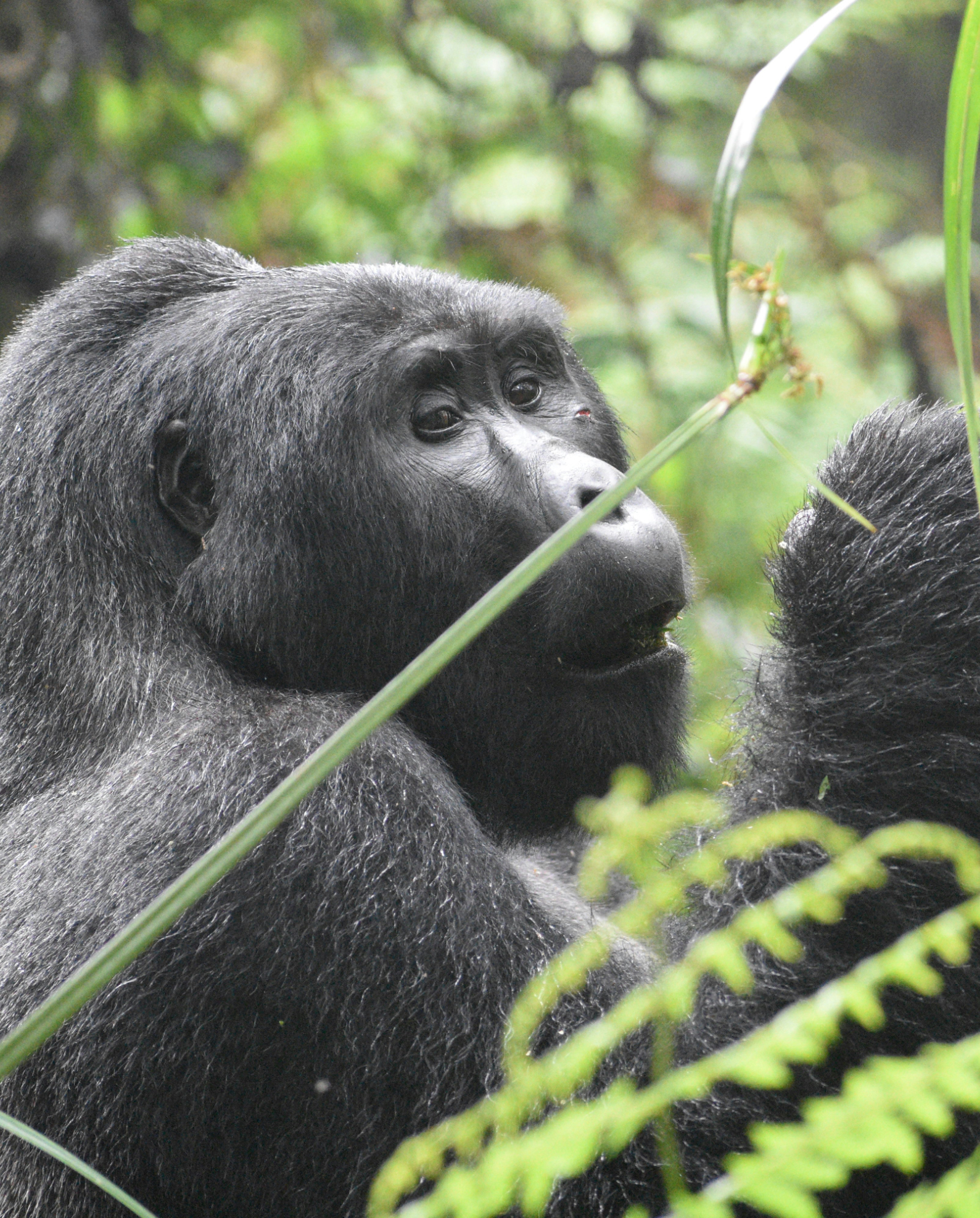
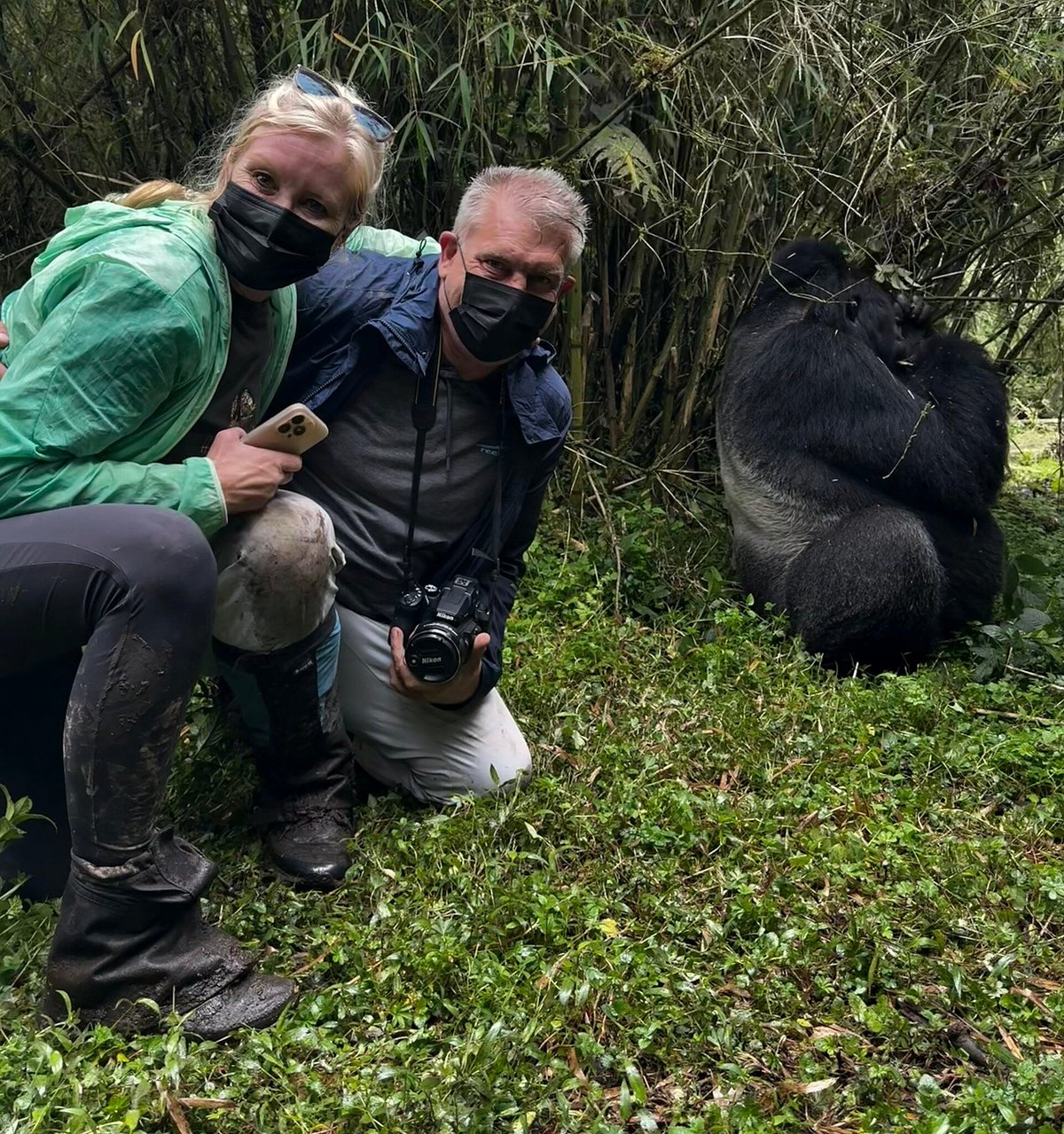
Preparing for Gorilla Trekking with Children involves careful attention to health, safety, and travel readiness. Families should consult their healthcare provider at least four to six weeks before departure to discuss recommended vaccinations, malaria prevention, travel medication, and any special medical considerations for children.
Children should remain well hydrated throughout the safari, particularly during warm afternoons and long road journeys. Parents should encourage frequent water intake, provide nutritious snacks, and ensure children receive adequate rest between activities. Lightweight long-sleeved clothing protects against insects during evenings, while sunscreen, hats, and sunglasses help prevent excessive sun exposure during daytime excursions.
Families should always travel with a well-stocked first aid kit containing prescribed medications, fever reducers, antiseptic cream, bandages, insect bite treatment, oral rehydration salts, and any medications required for existing medical conditions. Carrying copies of passports, vaccination certificates, travel insurance, and emergency contact information provides additional security throughout the journey.
Even though younger children may not participate in gorilla trekking itself, proper preparation ensures they remain healthy and comfortable while enjoying Uganda’s diverse wildlife, cultural, and educational experiences.
Educational Benefits of Gorilla Trekking with Children
One of the greatest advantages of planning Gorilla Trekking with Children is the exceptional educational value the experience offers. Uganda provides children with an opportunity to learn directly from nature in ways that traditional classroom education simply cannot replicate.
Families discover how mountain gorillas live within complex social groups, how conservation programs protect endangered wildlife, and why rainforests are essential for global biodiversity. Children also gain valuable insight into anti-poaching efforts, habitat conservation, sustainable tourism, climate change, and the relationship between wildlife protection and local communities.
Teenagers who participate in gorilla trekking often develop a lasting appreciation for environmental conservation after witnessing mountain gorillas in their natural habitat. Meanwhile, younger children participating in cultural visits, nature walks, and Batwa experiences learn about indigenous cultures, traditional knowledge, wildlife identification, and the importance of respecting nature.
These educational experiences often inspire lifelong interest in wildlife conservation while creating unforgettable family memories that extend far beyond the safari itself.
Why Choose Boots in The Jungle Safaris for Gorilla Trekking with Children
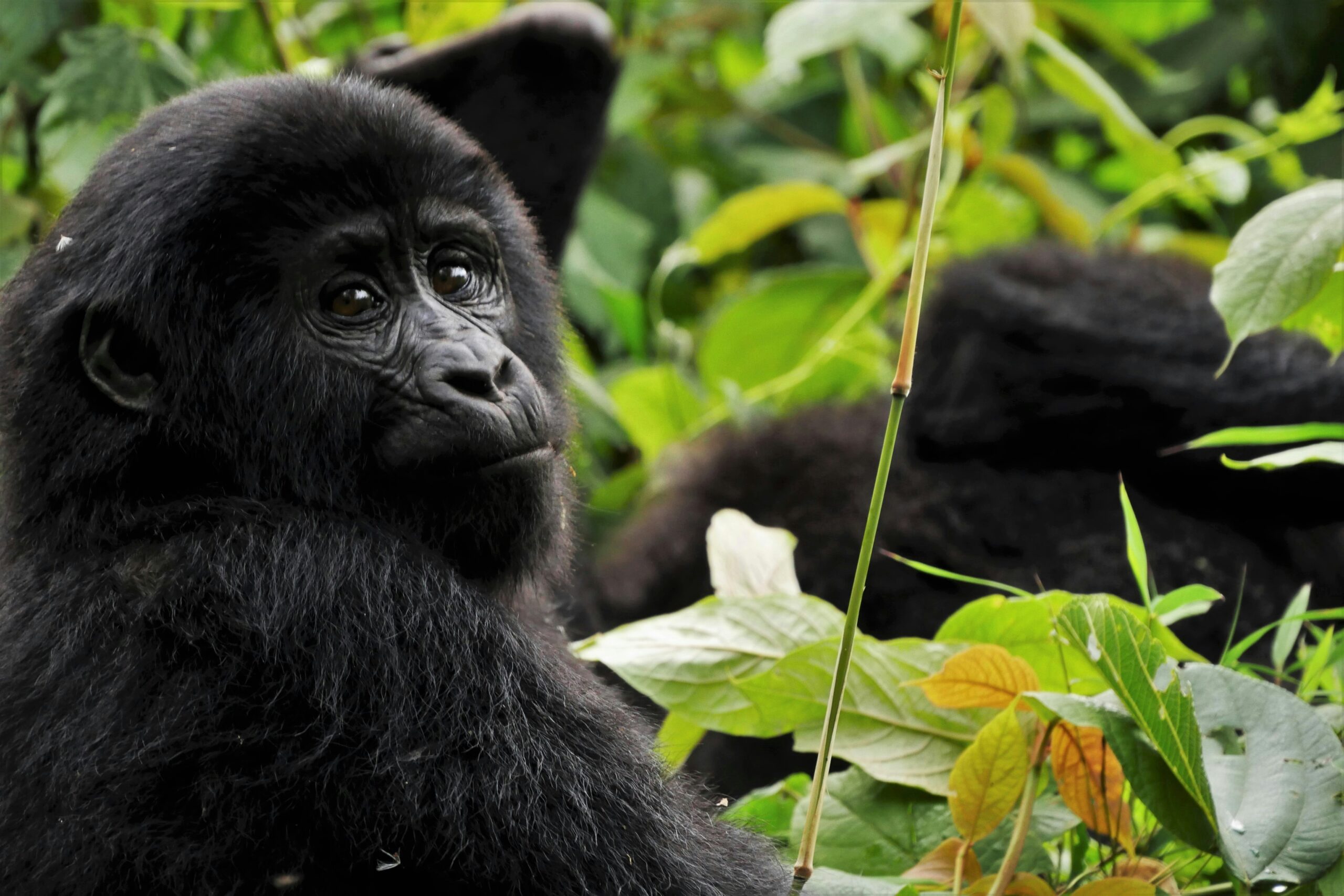
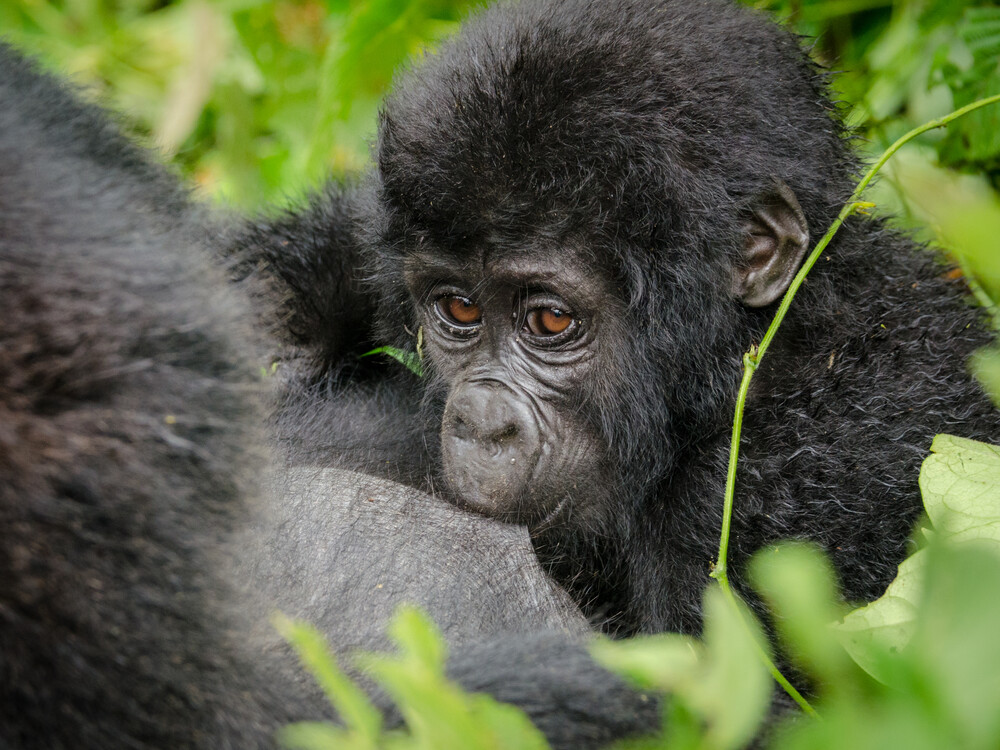
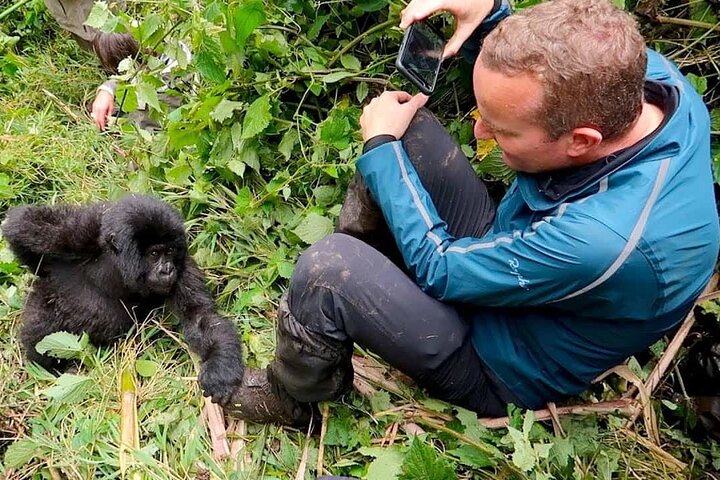
Planning Gorilla Trekking with Children requires expert local knowledge, careful organization, and a deep understanding of family travel. At Boots in The Jungle Safaris, we specialize in creating personalized family safari experiences that successfully combine gorilla trekking with exciting child-friendly activities throughout Uganda.
From your initial inquiry until the completion of your safari, our experienced travel consultants assist with every aspect of planning. We secure gorilla trekking permits, recommend the most suitable trekking sectors, reserve family-friendly accommodation, arrange comfortable transportation, coordinate airport transfers, organize cultural experiences, and design itineraries that match your family’s interests, ages, and budget.
Whether your family prefers a luxury safari, a comfortable mid-range holiday, or an affordable wildlife adventure, we carefully tailor every itinerary to maximize comfort, safety, and enjoyment. Our strong relationships with trusted lodges, experienced guides, and local communities allow us to provide seamless travel experiences while maintaining the highest standards of responsible tourism.
Choosing Boots in The Jungle Safaris means choosing a partner dedicated to making your family’s Ugandan adventure truly unforgettable. Through personalized service, extensive destination expertise, and a passion for conservation, we help families experience the magic of Uganda’s mountain gorillas while creating memories that will be treasured for generations.
Frequently Asked Questions About Gorilla Trekking with Children
1. Can children participate in Gorilla Trekking with Children in Uganda?
Yes, children can be part of a Gorilla Trekking with Children safari in Uganda, but only those who are 15 years or older are allowed to participate in the actual gorilla trekking experience. Children below the age of fifteen cannot enter the forest for gorilla trekking due to Uganda Wildlife Authority regulations. However, younger children can still enjoy numerous family-friendly activities while other family members trek.
2. Why is the minimum age for Gorilla Trekking with Children 15 years?
The age limit exists to protect both visitors and mountain gorillas. Gorilla trekking can involve several hours of hiking through steep, muddy rainforest terrain, requiring a reasonable level of physical fitness and emotional maturity. Younger children are also more susceptible to common illnesses that could be transmitted to endangered mountain gorillas, making this an important conservation measure.
3. What happens if one child is under 15 during our Gorilla Trekking with Children safari?
Families often face this situation, and it can easily be managed. While adults and eligible teenagers participate in gorilla trekking, younger children can stay safely at the lodge under professional supervision where available. Some families also alternate trekking days so that both parents have the opportunity to experience gorilla trekking while spending quality time with their younger children.
4. Can teenagers enjoy Gorilla Trekking with Children?
Absolutely. Teenagers who are 15 years or older can fully participate in Gorilla Trekking with Children provided they are physically fit and healthy. Many teenagers consider gorilla trekking one of the highlights of their African safari because it combines adventure, education, conservation, and close wildlife encounters.
5. Is Gorilla Trekking with Children safe for families?
Yes. Although younger children cannot participate in the trek itself, Gorilla Trekking with Children is extremely safe when organized by experienced operators such as Boots in The Jungle Safaris. Professional ranger guides accompany every trekking group, while carefully selected family-friendly lodges provide comfortable accommodation and child-friendly facilities.
6. What activities can younger children enjoy during Gorilla Trekking with Children?
Children below fifteen can enjoy guided nature walks, Batwa cultural experiences, birdwatching, village visits, storytelling sessions, traditional dance performances, canoe rides on Lake Bunyonyi, tea plantation visits, wildlife viewing, and supervised children’s activities at selected lodges. These experiences make Gorilla Trekking with Children enjoyable for every member of the family.
7. Which national parks offer Gorilla Trekking with Children experiences?
Uganda offers Gorilla Trekking with Children through family safaris visiting Bwindi Impenetrable National Park and Mgahinga Gorilla National Park. While only eligible family members trek, both parks and their surrounding communities provide numerous activities suitable for younger travelers.
8. What should teenagers pack for Gorilla Trekking with Children?
Teenagers participating in Gorilla Trekking with Children should pack waterproof hiking boots, long trousers, long-sleeved shirts, a waterproof jacket, gardening gloves, drinking water, energy snacks, insect repellent, sunscreen, a camera, binoculars, and any required personal medication.
9. When is the best time for Gorilla Trekking with Children in Uganda?
Gorilla Trekking with Children can be planned throughout the year. The dry seasons from June to September and December to February generally offer easier hiking conditions, while the rainy seasons provide lush scenery, fewer visitors, and excellent wildlife photography opportunities.
10. Why should families book Gorilla Trekking with Children through Boots in The Jungle Safaris?
Boots in The Jungle Safaris specializes in organizing personalized Gorilla Trekking with Children experiences. We arrange gorilla permits, family-friendly accommodation, transportation, airport transfers, cultural activities, wildlife safaris, and customized itineraries that ensure every member of your family enjoys an unforgettable Ugandan adventure.
Book Your Gorilla Trekking with Children Safari
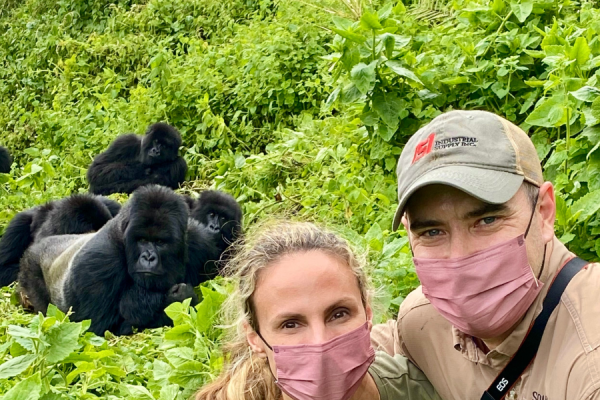
Planning the perfect Gorilla Trekking with Children adventure requires expert knowledge, careful preparation, and an itinerary designed around your family’s unique needs. At Boots in The Jungle Safaris, we understand that every family travels differently, which is why we create personalized safari experiences that combine world-class gorilla trekking with exciting child-friendly activities across Uganda.
Whether your family includes young children, teenagers eager to experience mountain gorilla trekking, or multiple generations traveling together, our experienced safari consultants will help you choose the most suitable gorilla trekking sector, family-friendly accommodation, transportation options, and complementary activities. We ensure that every aspect of your Gorilla Trekking with Children safari is professionally organized, allowing you to relax and focus on creating unforgettable memories together.
Our services include securing Uganda Wildlife Authority gorilla permits, arranging airport transfers, booking carefully selected family lodges, organizing cultural experiences, wildlife game drives, chimpanzee trekking, boat cruises, and cross-border safaris where required. We also provide comprehensive pre-departure information, ensuring you understand every aspect of Gorilla Trekking with Children, including age requirements, packing recommendations, health guidelines, and travel preparations.
From affordable family holidays to luxury gorilla trekking adventures, Boots in The Jungle Safaris offers tailor-made itineraries designed to suit your budget, travel style, and schedule. Our commitment to exceptional service, responsible tourism, and local expertise ensures your family enjoys a seamless safari while contributing to the long-term conservation of Uganda’s endangered mountain gorillas.
Contact Boots in The Jungle Safaris today to begin planning your Gorilla Trekking with Children safari. Our team is ready to help you create a once-in-a-lifetime family adventure where breathtaking wildlife encounters, meaningful cultural experiences, and unforgettable memories come together in the heart of Uganda.