
Ultimate Uganda vs Rwanda Gorilla Trekking Guide: Which Destination Should You Choose?
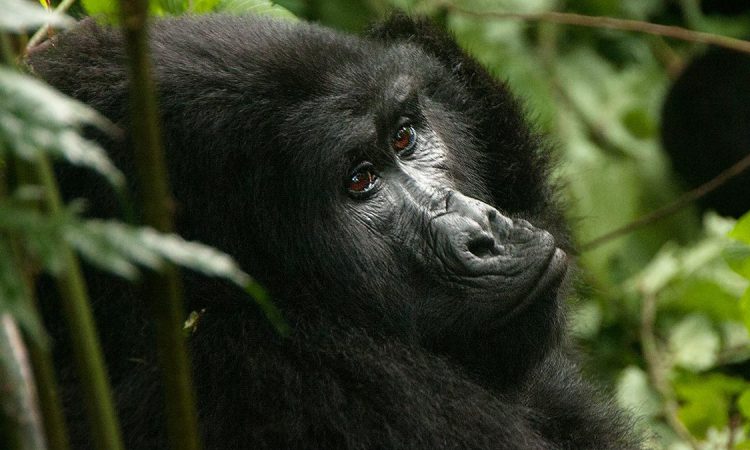
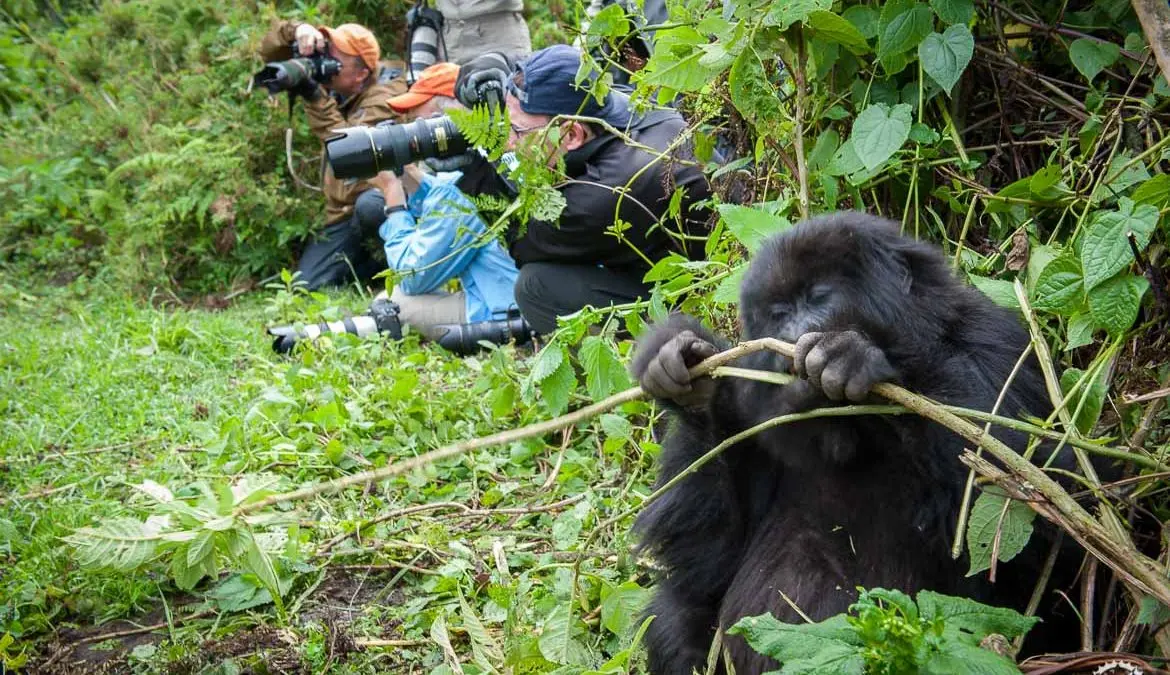
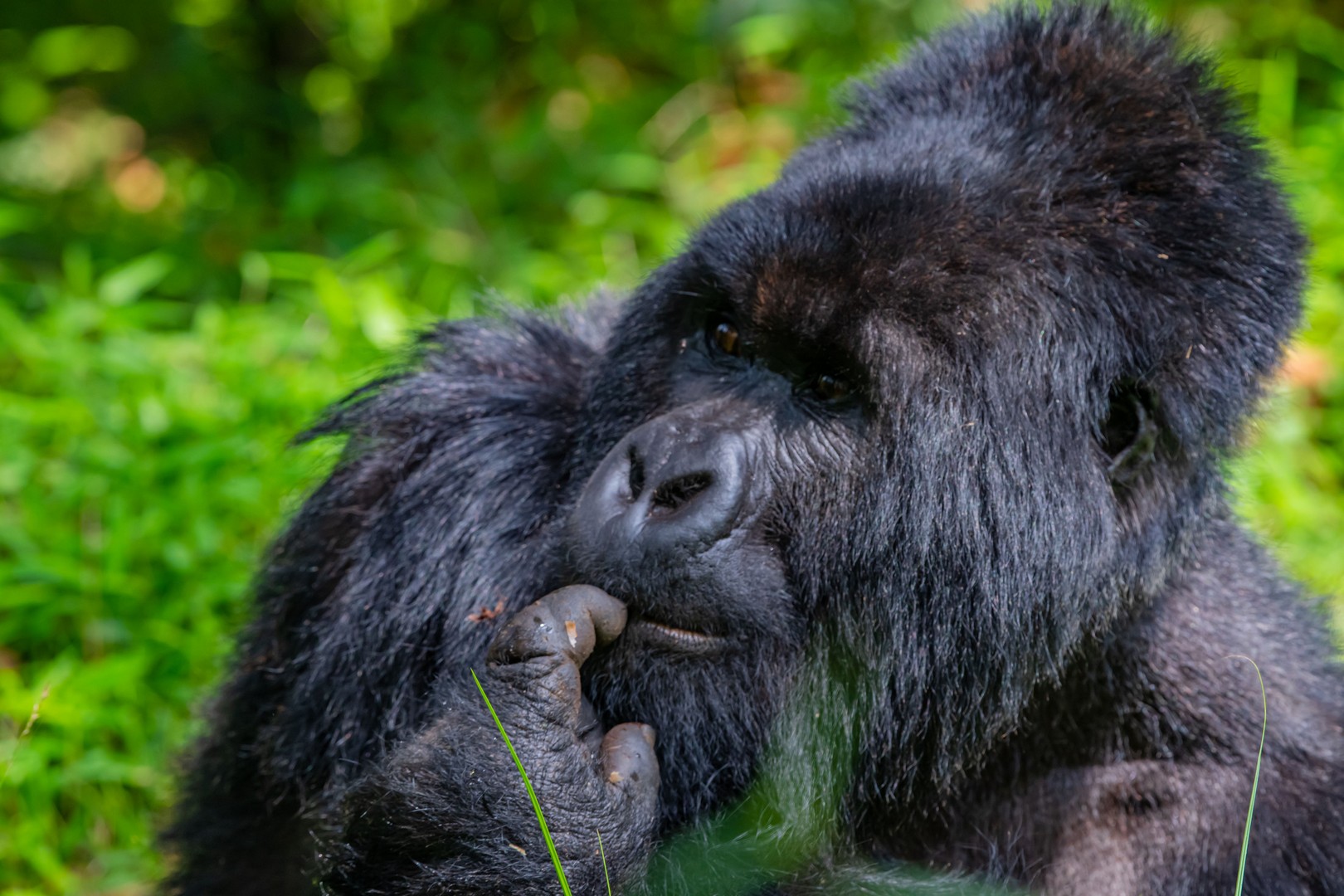
Choosing between Uganda vs Rwanda Gorilla Trekking is one of the most important decisions when planning an African gorilla safari. While both countries offer the unforgettable opportunity to observe endangered mountain gorillas in their natural habitat, the overall travel experience differs in several meaningful ways. From permit prices and accessibility to trekking terrain, accommodation standards, and safari combinations, understanding these differences will help you select the destination that best matches your travel goals and budget.
Uganda and Rwanda share the magnificent Virunga ecosystem, one of the world’s most biodiverse regions and the last remaining habitat of the mountain gorilla. Through decades of conservation efforts, both countries have become global leaders in gorilla protection, sustainable tourism, and community-based conservation. Every visitor who purchases a gorilla permit contributes directly to protecting these incredible primates while supporting nearby communities through tourism revenue, employment, education, healthcare, and environmental conservation projects.
For many travelers, cost becomes the first deciding factor. Uganda offers one of the most affordable gorilla trekking experiences in Africa while maintaining world-class guiding standards and conservation practices. Rwanda, on the other hand, positions itself as a premium luxury destination with higher permit prices but shorter travel times from Kigali International Airport and exceptional high-end safari lodges. Depending on your priorities, either destination can provide outstanding value.
Accessibility also plays a major role when comparing Uganda vs Rwanda Gorilla Trekking. Visitors arriving in Rwanda can reach Volcanoes National Park within two to three hours, making Rwanda ideal for shorter holidays or business travelers seeking a quick wildlife experience. Uganda’s Bwindi Impenetrable National Park requires a longer overland journey from Entebbe or a domestic flight, but rewards visitors with a deeper wilderness experience and opportunities to combine gorilla trekking with multiple national parks across the country.
Ultimately, the decision between Uganda vs Rwanda Gorilla Trekking depends on what matters most to you. If you seek affordability, diverse safari experiences, and a classic rainforest adventure, Uganda is often the preferred choice. If convenience, luxury accommodation, and shorter travel times are your priorities, Rwanda offers an exceptional premium gorilla trekking experience.
Where Can You See Mountain Gorillas?
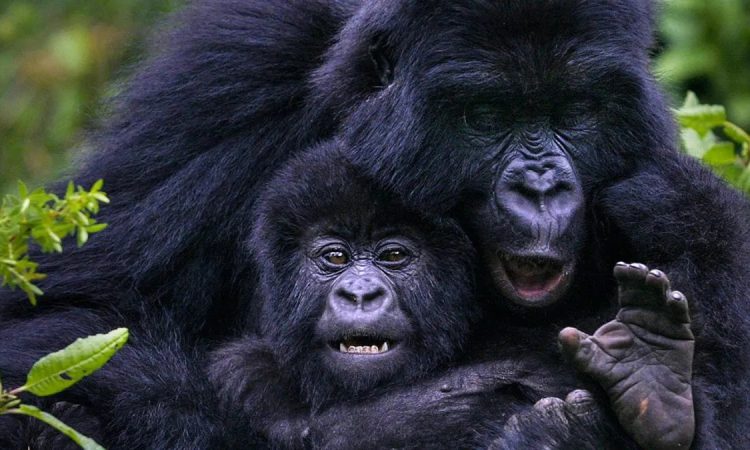
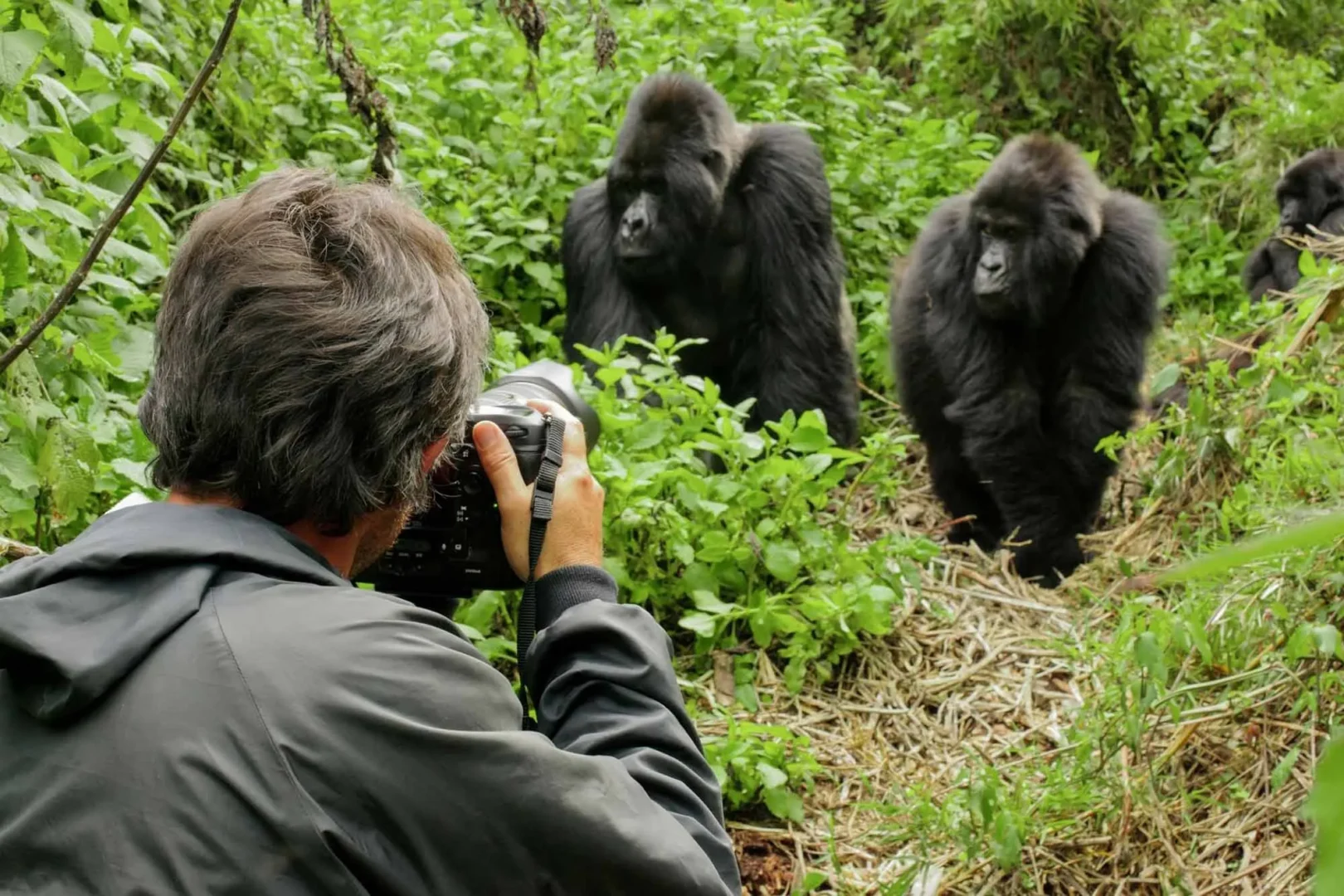
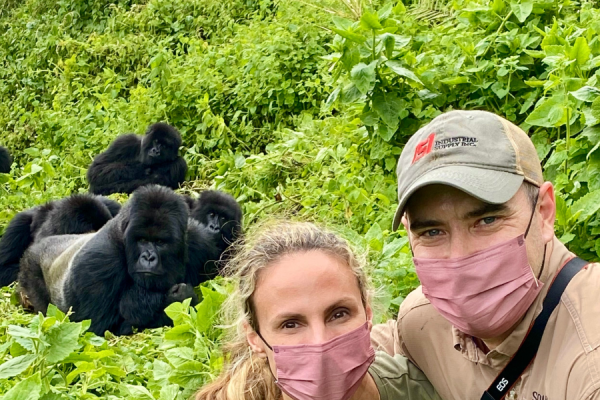
One of the first things travelers should understand when comparing Uganda vs Rwanda Gorilla Trekking is where mountain gorillas actually live. These magnificent great apes are among the world’s rarest primates and can only be found naturally in the high-altitude forests of the Albertine Rift within East and Central Africa. Today, fewer than 1,100 mountain gorillas remain in the wild, making every trekking experience an extraordinary conservation success story.
Uganda is home to the largest population of mountain gorillas in the world, hosting approximately half of the entire global population. Gorilla trekking takes place in two protected national parks: Bwindi Impenetrable National Park and Mgahinga Gorilla National Park. Bwindi, a UNESCO World Heritage Site, is internationally recognized as one of Africa’s oldest and most biologically diverse rainforests. The park contains over twenty habituated gorilla families that visitors can track every day under the guidance of experienced Uganda Wildlife Authority rangers.
Bwindi is divided into four main trekking sectors, each offering its own unique scenery and gorilla families. Buhoma, located in the northern section of the park, is the oldest and most famous sector, known for comfortable lodges and historical significance as the location where Uganda’s first gorilla tourism began. Ruhija offers spectacular high-altitude views and excellent birdwatching opportunities alongside gorilla trekking. Rushaga, situated in southern Bwindi, hosts the highest number of habituated gorilla families and is also the only location where visitors can participate in the famous Gorilla Habituation Experience, allowing four unforgettable hours with a semi-habituated gorilla family. Nkuringo, known for its breathtaking mountain scenery and challenging hikes, rewards visitors with some of the most scenic trekking experiences in East Africa.
Uganda also offers gorilla trekking in Mgahinga Gorilla National Park, the country’s smallest national park located within the Virunga Mountains. Although Mgahinga hosts fewer gorilla families, it provides stunning volcanic scenery and fewer visitor numbers, creating a more intimate trekking experience. Travelers visiting Mgahinga can often combine gorilla trekking with golden monkey tracking and volcano hiking, adding even more adventure to their safari.
Rwanda offers gorilla trekking exclusively within Volcanoes National Park, one of Africa’s most iconic protected areas. Located in the northern part of the country near the border with Uganda and the Democratic Republic of Congo, Volcanoes National Park forms part of the greater Virunga Conservation Area. The park features dramatic volcanic landscapes, bamboo forests, giant lobelias, and beautiful mountain scenery that create a completely different atmosphere from Uganda’s dense rainforest.
One important distinction in Uganda vs Rwanda Gorilla Trekking is the variety of trekking environments. Uganda offers multiple trekking sectors, diverse forest ecosystems, and different levels of hiking difficulty, allowing travelers to choose the experience that best suits their fitness and interests. Rwanda provides a more centralized experience with all gorilla trekking taking place within one beautifully managed national park, simplifying logistics while maintaining exceptional conservation standards.
Both destinations guarantee unforgettable encounters with mountain gorillas under strict conservation guidelines. Regardless of whether you choose Uganda or Rwanda, visitors are limited to one hour with the gorillas after locating them, ensuring minimal disturbance while maximizing the quality of the wildlife experience.
Gorilla Trekking Permit Comparison
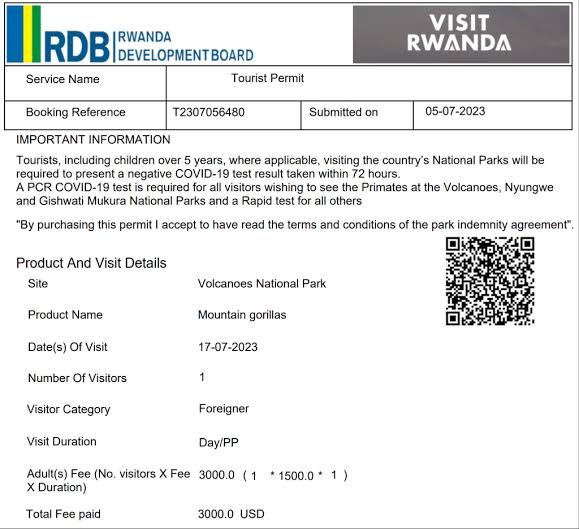
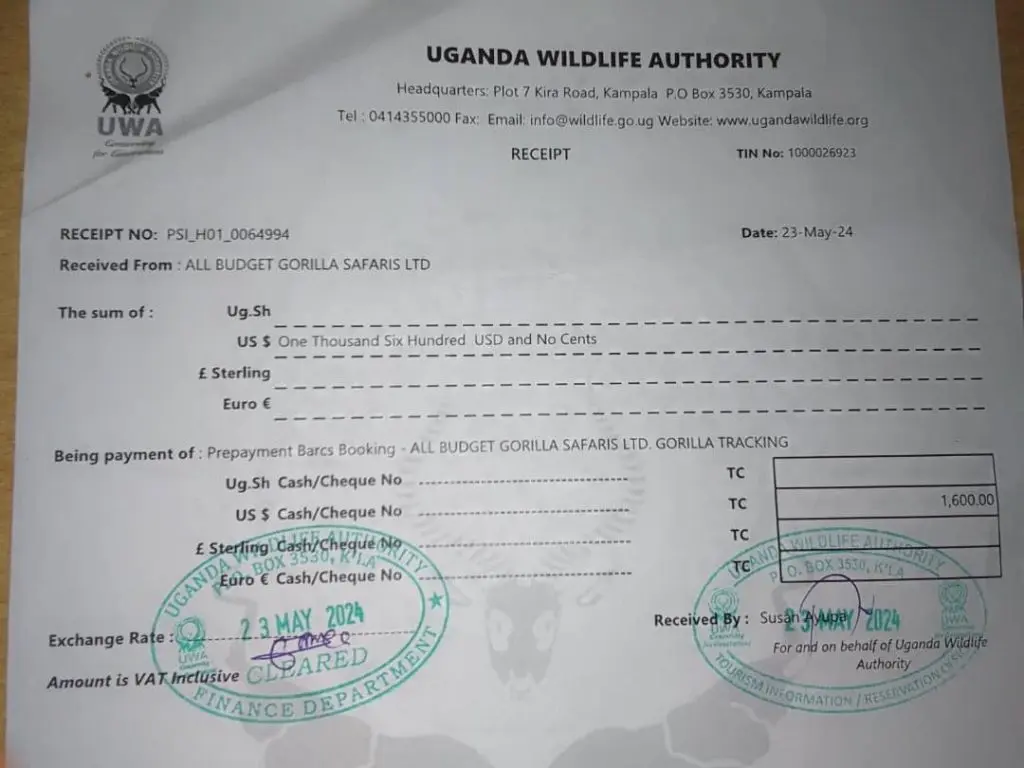
When comparing Uganda vs Rwanda Gorilla Trekking, permit prices often become the deciding factor for many travelers. Since every visitor must obtain a government-issued gorilla trekking permit before entering the forest, understanding the costs and what each permit includes is essential when planning your safari budget.
Uganda currently offers one of the most competitively priced mountain gorilla experiences in Africa. A standard gorilla trekking permit costs USD 800 per person for foreign non-residents, allowing visitors to spend one unforgettable hour with a habituated mountain gorilla family after successfully locating them in Bwindi Impenetrable National Park or Mgahinga Gorilla National Park. This fee includes park entry, ranger guides, trackers, conservation contributions, security, and the entire trekking experience, making it exceptional value considering the rarity of mountain gorillas and the conservation efforts required to protect them.
Uganda also offers a unique experience unavailable anywhere else except in limited research settings—the Gorilla Habituation Experience. This exclusive activity costs USD 1,500 per person and allows visitors to spend up to four hours with a gorilla family that is still undergoing habituation to human presence. Instead of the standard one-hour viewing time, participants accompany researchers, veterinarians, conservationists, and experienced rangers throughout the day, witnessing gorilla behaviors in much greater detail. For wildlife enthusiasts, photographers, filmmakers, and conservation lovers, this is often considered one of Africa’s most extraordinary wildlife experiences.
Rwanda’s gorilla trekking permit currently costs USD 1,500 per person for one hour with a fully habituated gorilla family inside Volcanoes National Park. Although the permit price is significantly higher than Uganda’s standard permit, Rwanda justifies the premium through its luxury tourism strategy, excellent infrastructure, short transfer times from Kigali, and high-quality visitor services.
The permit fees collected in both Uganda and Rwanda directly support mountain gorilla conservation. Revenue helps fund anti-poaching patrols, veterinary care through organizations such as Gorilla Doctors, habitat protection, scientific research, ranger salaries, community education programs, and sustainable tourism initiatives that benefit local communities living around the parks. This conservation model has played a significant role in increasing mountain gorilla populations over recent decades, making them the only great ape species whose numbers continue to grow in the wild.
For travelers seeking maximum value, Uganda often represents the better investment. The lower permit cost leaves additional budget for longer safaris, higher-quality accommodation, chimpanzee trekking, wildlife game drives, cultural experiences, or domestic flights. Many visitors are surprised to discover that a complete five-day Uganda gorilla safari can sometimes cost only slightly more than a single Rwanda gorilla permit.
However, Rwanda remains an outstanding choice for travelers prioritizing luxury, convenience, and shorter itineraries. Visitors flying into Kigali International Airport can often reach Volcanoes National Park within just a few hours, making Rwanda ideal for those with limited vacation time or business travelers looking to add an unforgettable wildlife experience to their schedule.
Increasingly, experienced safari planners recommend combining the strengths of both countries by flying into Kigali before crossing into Uganda for gorilla trekking in southern Bwindi. This popular itinerary significantly reduces driving time while allowing travelers to benefit from Uganda’s more affordable permit prices, offering the perfect balance when comparing Uganda vs Rwanda Gorilla Trekking.
Accessibility and Travel Times
When comparing Uganda vs Rwanda Gorilla Trekking, accessibility is one of the biggest factors influencing travelers’ decisions. While both destinations are well-developed for tourism, the amount of time required to reach the gorilla parks differs considerably. Depending on your schedule, arrival airport, and preferred mode of transport, one destination may suit your itinerary better than the other.
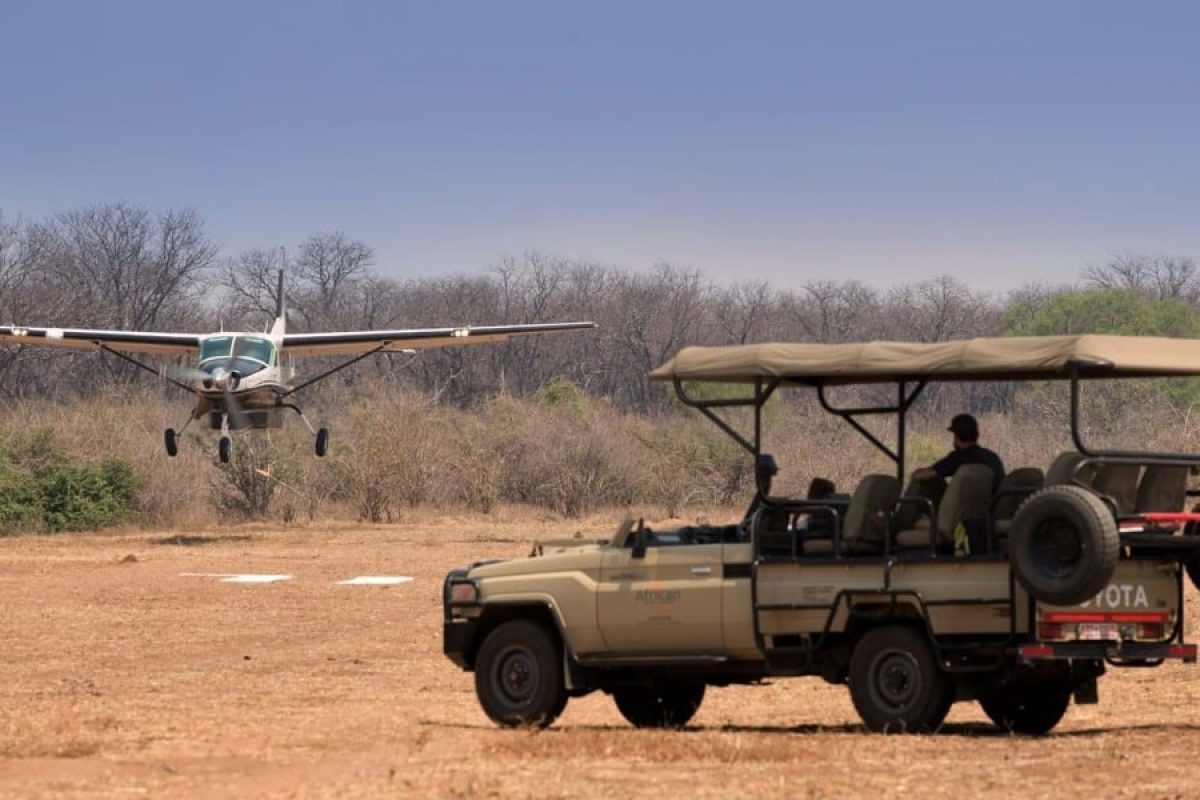
Rwanda is widely recognized as the most convenient destination for gorilla trekking. Travelers arrive through Kigali International Airport, the country’s main international gateway, which is served by numerous regional and international airlines. From Kigali, Volcanoes National Park is only about 120 kilometers away, making it possible to reach the park within approximately two to three hours by road. The journey follows smooth, well-maintained paved roads that wind through Rwanda’s famous rolling hills, picturesque villages, and beautiful countryside. Because of this short transfer time, many visitors can comfortably enjoy a gorilla trek during a two-day itinerary or even combine the experience with a business trip to Kigali.
The ease of access makes Rwanda particularly attractive to luxury travelers, honeymooners, conference delegates, photographers, and visitors with limited vacation time. Spending less time on the road allows travelers to maximize their time in the forest while minimizing travel fatigue.
Uganda offers a very different travel experience. Most international visitors arrive through Entebbe International Airport before traveling to Bwindi Impenetrable National Park or Mgahinga Gorilla National Park. Driving to Bwindi generally takes between eight and ten hours depending on the selected trekking sector, traffic conditions, and weather. Although the journey is considerably longer than Rwanda’s, many travelers consider it part of the safari adventure itself. The route passes through bustling towns, traditional villages, tea plantations, rolling hills, tropical forests, and the famous Equator crossing, offering numerous opportunities for sightseeing, photography, and cultural interaction.
For travelers who prefer to reduce road travel, Uganda offers scheduled and charter domestic flights from Entebbe or Kajjansi Airfield to nearby airstrips such as Kihihi and Kisoro. These flights reduce travel time to approximately one hour, followed by short scenic transfers to the lodges. Domestic flights are particularly popular among luxury travelers who wish to enjoy Uganda’s incredible gorilla experience while avoiding long drives.
One increasingly popular option when comparing Uganda vs Rwanda Gorilla Trekking is flying into Kigali before crossing the Cyanika or Katuna border into southern Uganda. This combination allows travelers to reach Bwindi in approximately four to five hours while still benefiting from Uganda’s significantly lower gorilla permit prices. Many safari companies, including Boots in The Jungle Safaris, regularly organize cross-border gorilla safaris that combine Rwanda’s convenient international access with Uganda’s excellent value for money.
Ultimately, travelers seeking the shortest possible transfer often choose Rwanda, while those interested in a broader safari experience frequently find Uganda’s longer but scenic journey well worth the extra time.
Gorilla Viewing Experience
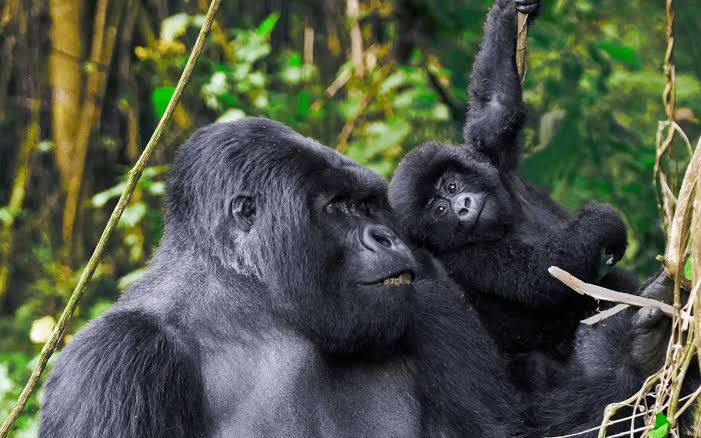
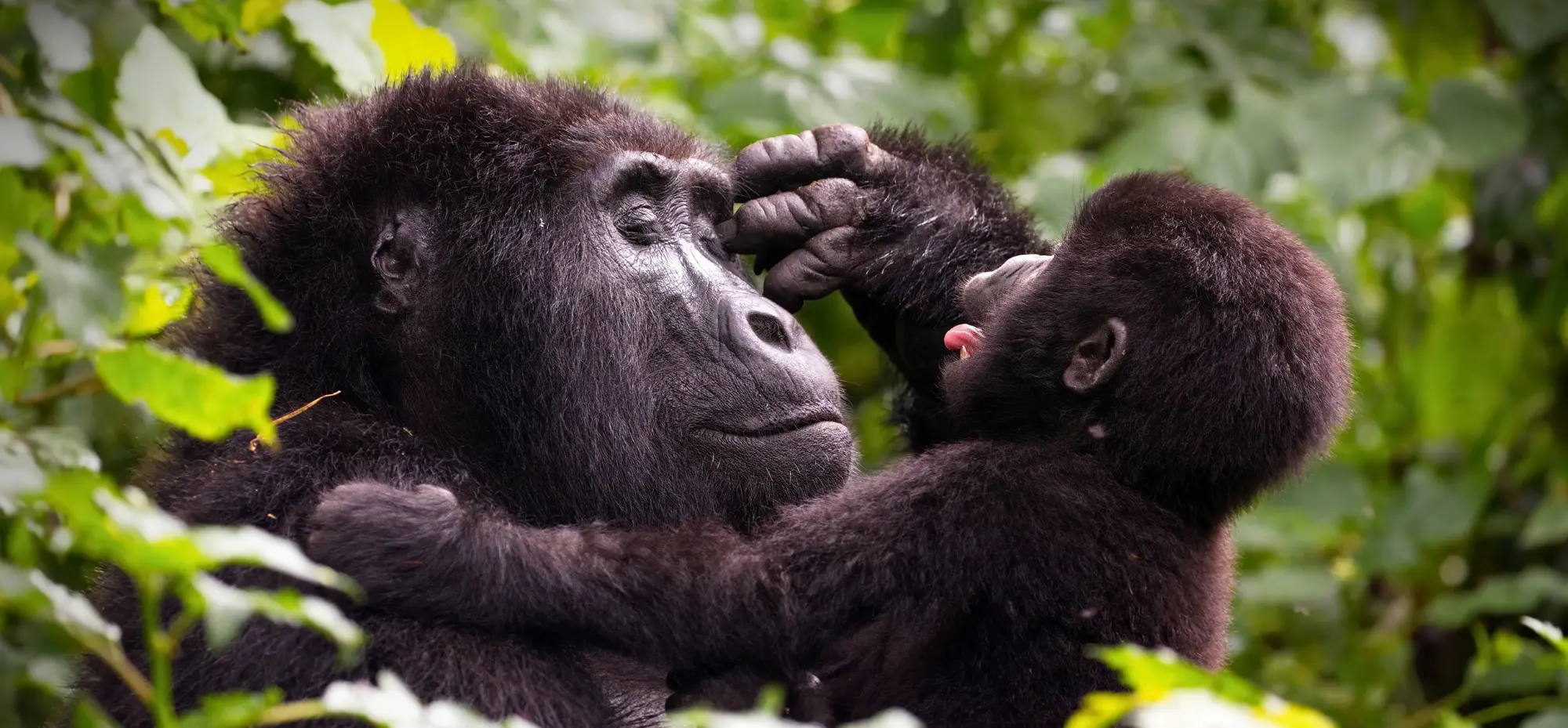
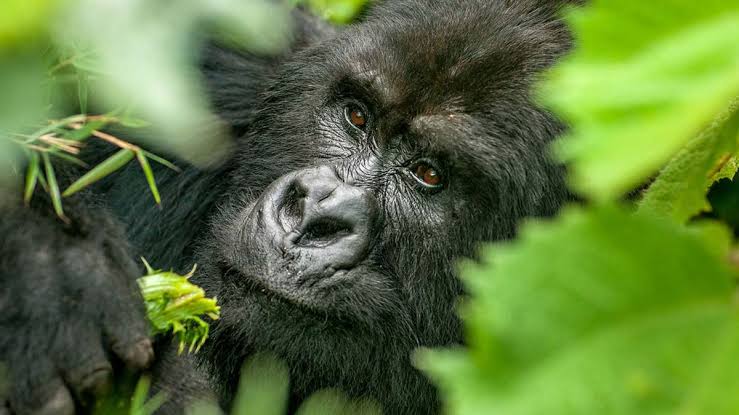
The highlight of any Uganda vs Rwanda Gorilla Trekking safari is undoubtedly the unforgettable moment when visitors come face to face with a family of wild mountain gorillas. Interestingly, despite the many differences between Uganda and Rwanda, the actual gorilla encounter itself remains almost identical in both countries because strict international conservation regulations govern every trekking experience.
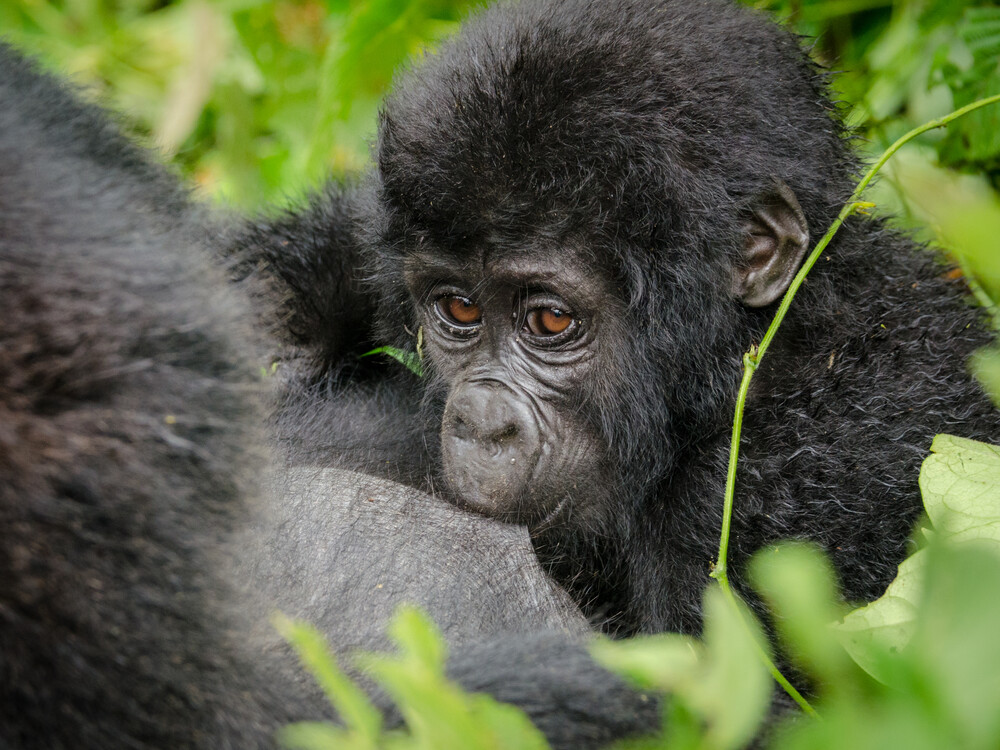
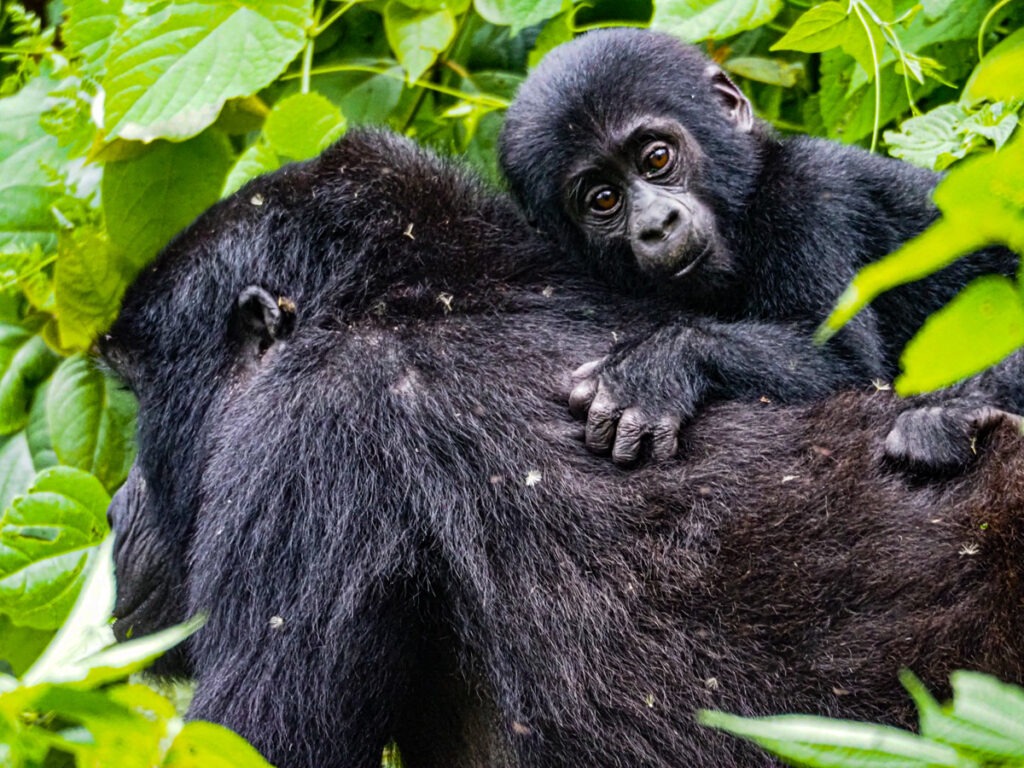
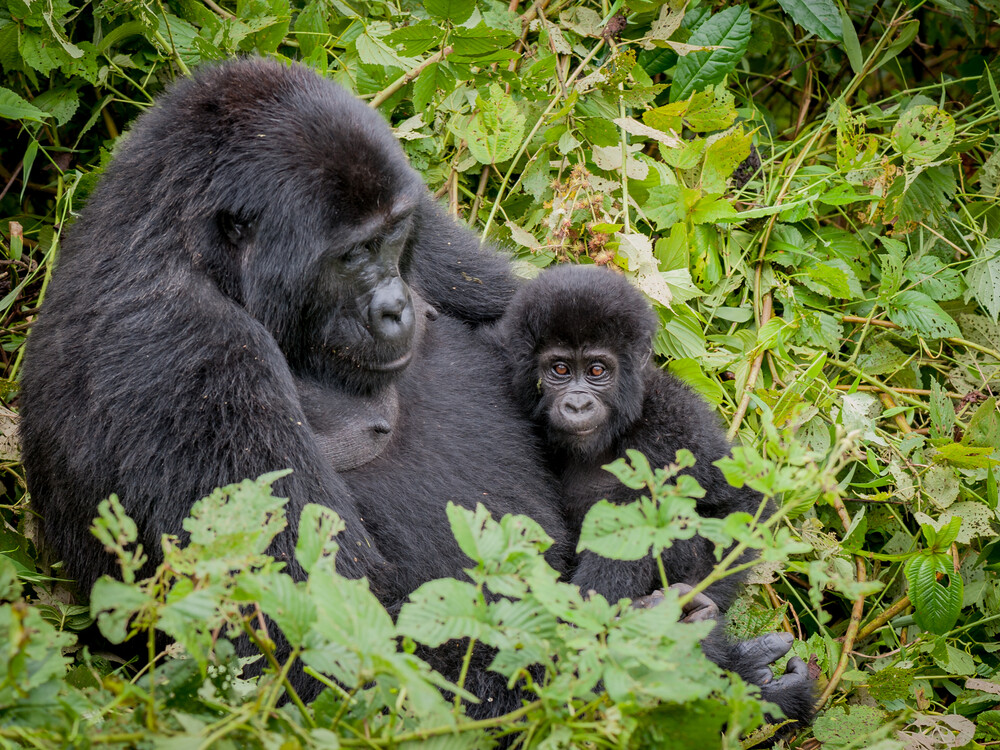
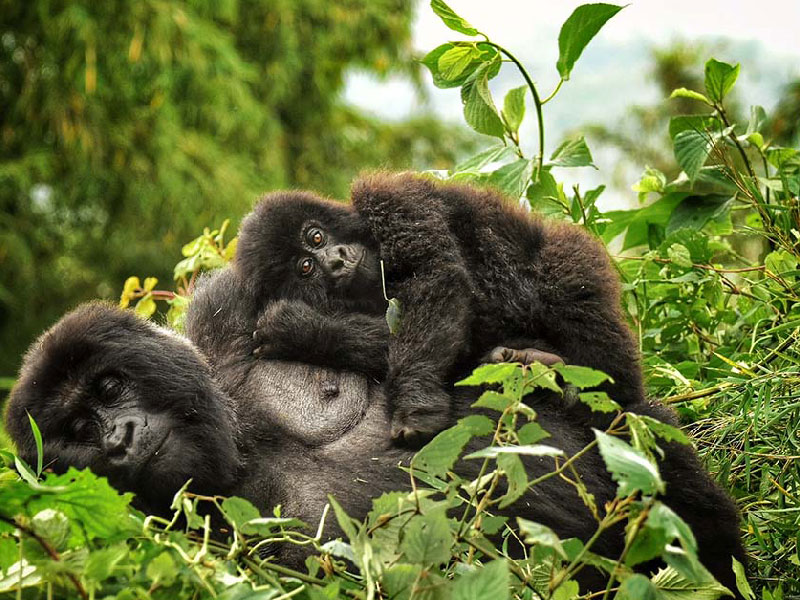
After hours of hiking through forests or volcanic slopes, visitors are rewarded with one magical hour spent observing a habituated gorilla family in its natural habitat. During this precious time, guests quietly watch the gorillas as they feed on leaves, groom one another, play, rest, nurse their infants, or move gracefully through the forest.
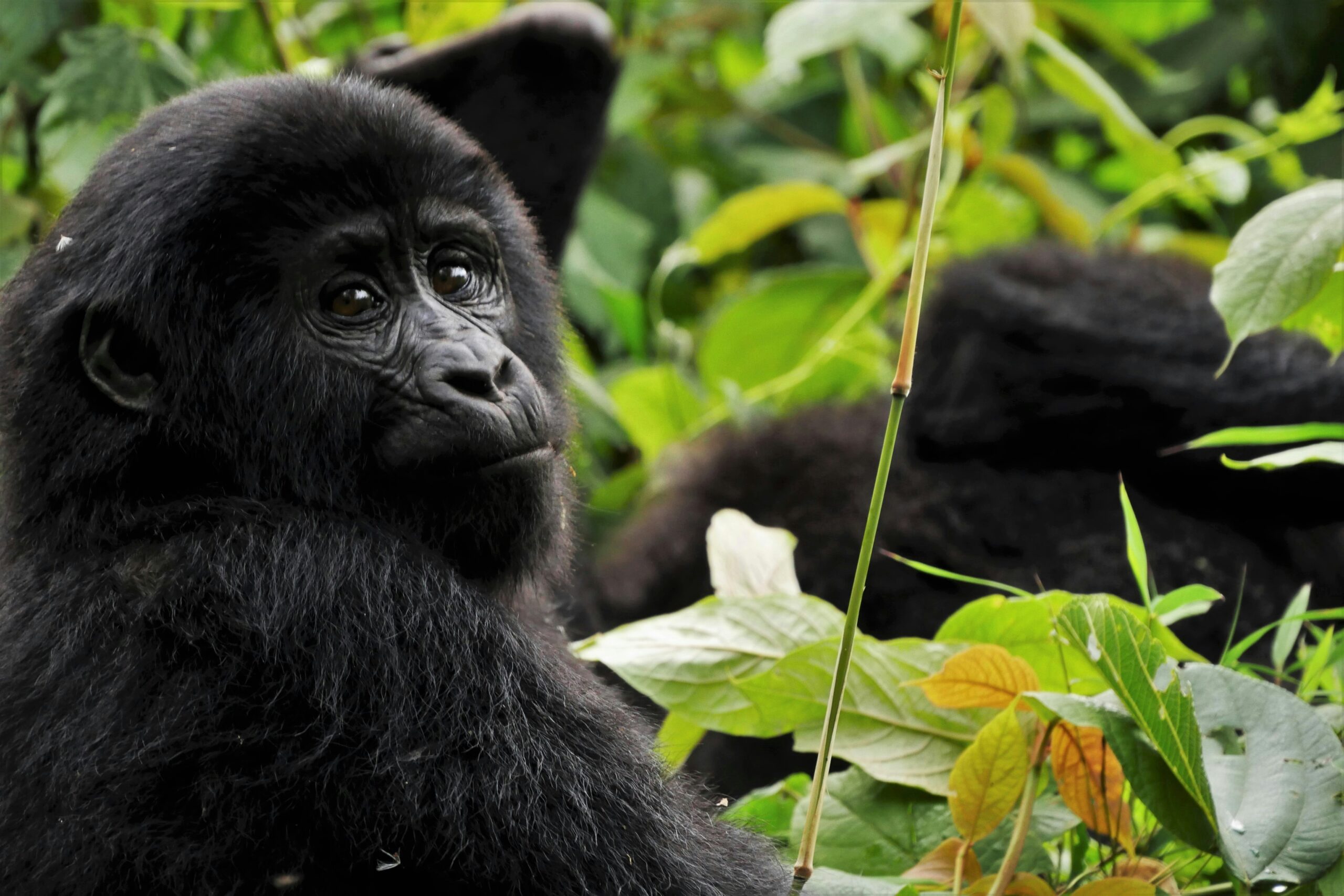
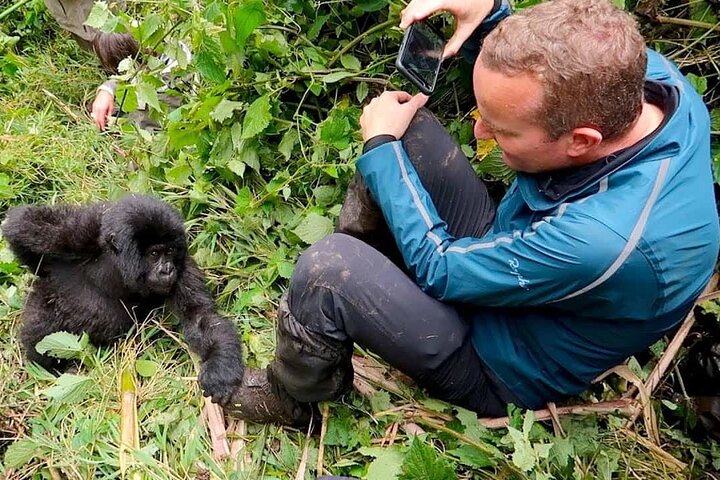
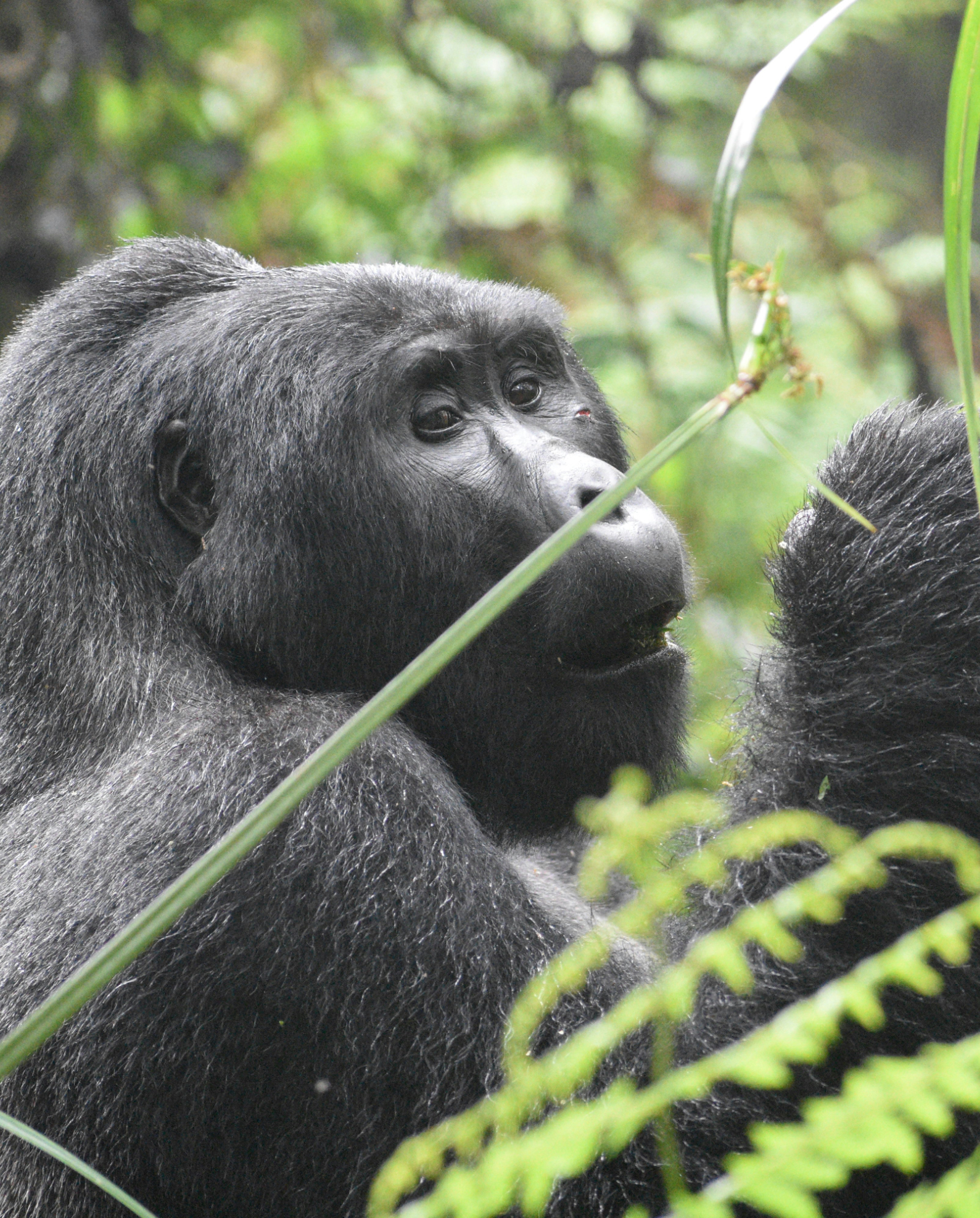
Perhaps the most awe-inspiring moment is standing just a few meters away from a massive silverback gorilla. Despite weighing over 180 kilograms, silverbacks often display remarkable calmness and intelligence as they protect and lead their families. Young gorillas provide endless entertainment by tumbling through vegetation, chasing one another, climbing trees, and curiously observing human visitors.
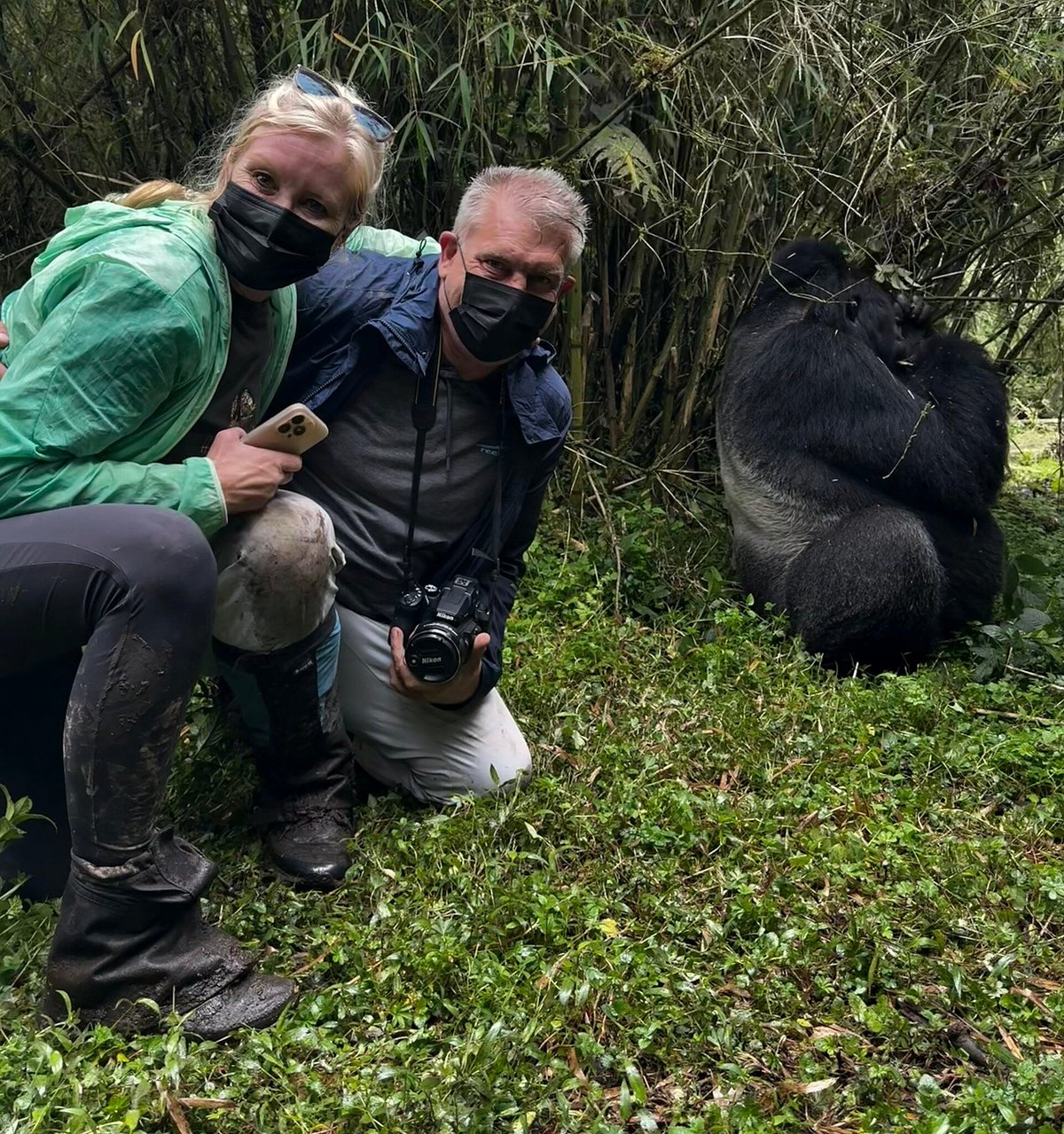
Both Uganda and Rwanda strictly limit visitor numbers to minimize stress on the gorillas. Only eight people are permitted to visit each habituated gorilla family per day, ensuring an intimate wildlife experience while protecting the animals from excessive human interaction.
Professional ranger guides provide fascinating insights into gorilla behavior, family relationships, conservation efforts, and individual personalities throughout the encounter. Visitors frequently describe this experience as emotional, humbling, and life-changing.
Ultimately, the real difference in Uganda vs Rwanda Gorilla Trekking is not the hour spent with the gorillas, but rather everything surrounding the experience—including landscapes, travel logistics, accommodation, and safari combinations.
Wildlife Beyond Gorillas
Although mountain gorillas are the primary attraction, many travelers choose their destination based on the variety of wildlife experiences available before and after the trek. This is where Uganda vs Rwanda Gorilla Trekking becomes particularly interesting.
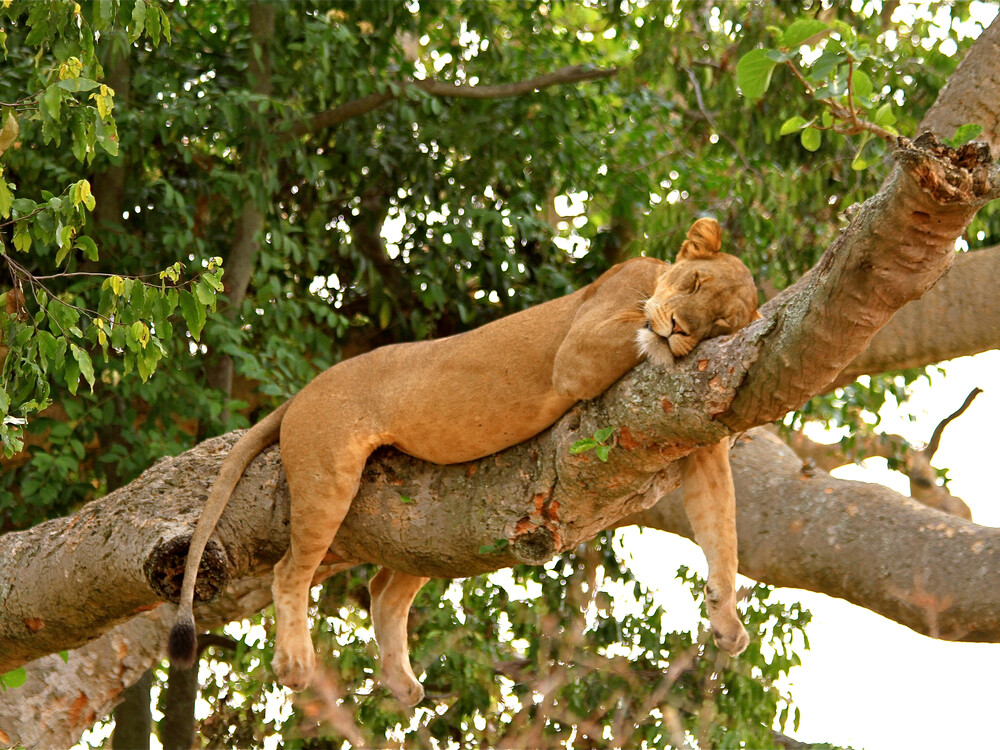
Uganda is widely regarded as one of Africa’s most diverse safari destinations. Beyond gorilla trekking, visitors can enjoy chimpanzee tracking in Kibale Forest National Park, home to one of Africa’s highest concentrations of chimpanzees. Queen Elizabeth National Park offers unforgettable game drives featuring elephants, buffaloes, lions, leopards, hyenas, antelopes, and the famous tree-climbing lions of Ishasha. Boat cruises along the Kazinga Channel provide close encounters with hippos, crocodiles, elephants, and hundreds of bird species.
Further north, Murchison Falls National Park combines spectacular waterfalls with classic Big Five wildlife viewing, while Kidepo Valley National Park offers one of Africa’s last true wilderness experiences with abundant wildlife and breathtaking landscapes. Lake Mburo National Park adds opportunities for walking safaris, horseback safaris, cycling, and excellent zebra viewing.
Uganda is also considered one of the world’s top birdwatching destinations, with over 1,090 recorded bird species, making it a paradise for bird enthusiasts.
Rwanda also offers impressive wildlife experiences beyond gorillas. Akagera National Park has successfully restored populations of the Big Five and offers rewarding game drives and boat safaris. Nyungwe Forest National Park is famous for chimpanzee trekking, canopy walks, and exceptional primate diversity. Although Rwanda’s safari circuit is growing rapidly, Uganda generally offers greater wildlife diversity, larger national parks, and more varied safari activities.
For travelers planning a complete East African wildlife holiday, Uganda often provides better overall safari value.
Accommodation Options
Accommodation quality is another major consideration when comparing Uganda vs Rwanda Gorilla Trekking. Fortunately, both countries offer excellent lodging options ranging from affordable guesthouses to some of Africa’s most luxurious safari lodges.
Uganda provides a wide selection of accommodation around Bwindi Impenetrable National Park and Mgahinga Gorilla National Park. Budget travelers can find comfortable lodges with excellent hospitality, while mid-range properties offer spacious cottages, beautiful forest views, and exceptional service at reasonable prices. Luxury travelers can enjoy elegant eco-lodges featuring private cottages, gourmet dining, spa services, fireplaces, and panoramic rainforest views.
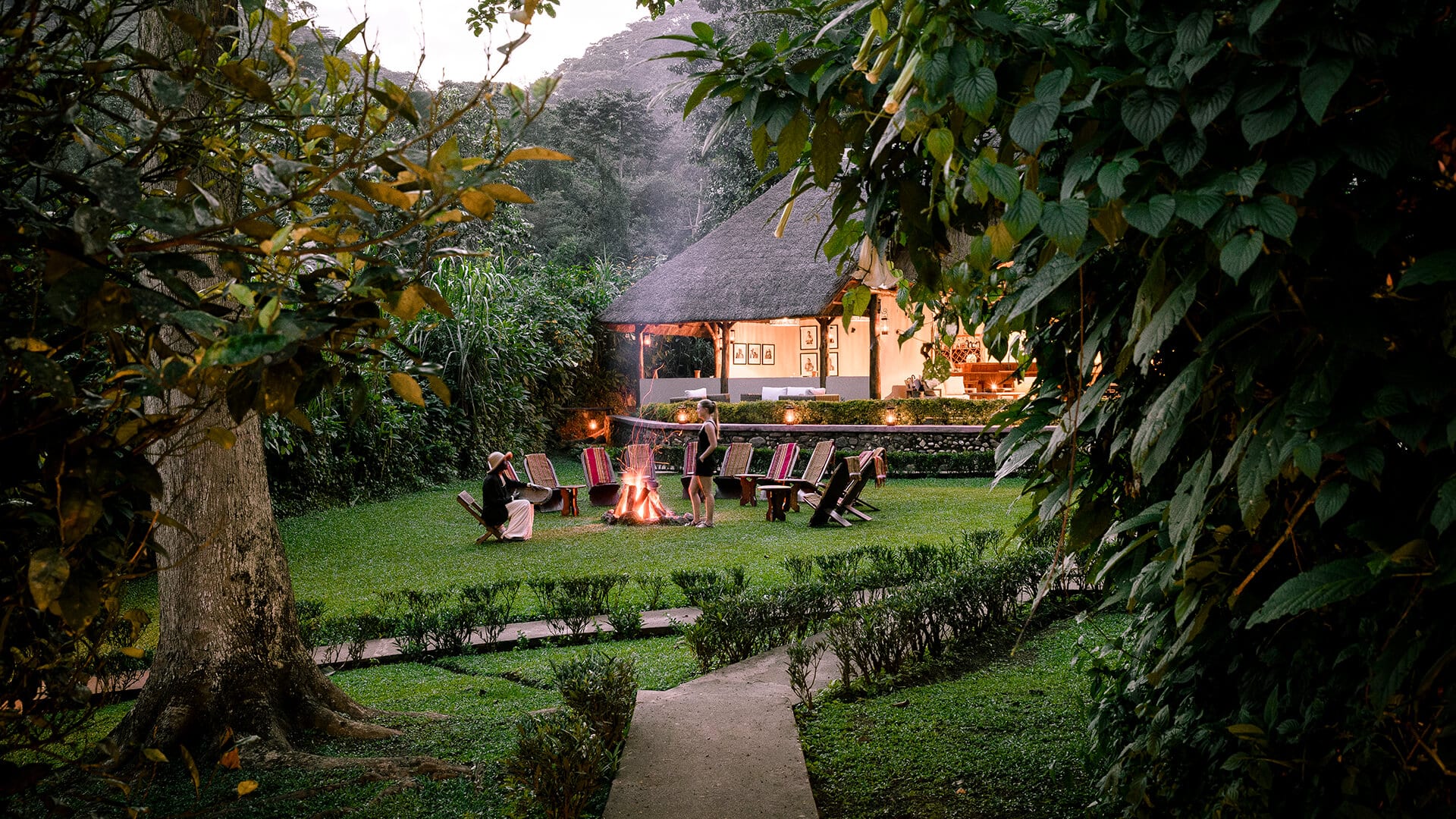
One of Uganda’s greatest strengths is the variety available across every price category. Travelers can easily customize their safari without dramatically increasing overall costs, making Uganda ideal for budget-conscious visitors and families.
Rwanda has developed a strong reputation as Africa’s premier luxury gorilla trekking destination. Volcanoes National Park is surrounded by internationally acclaimed luxury lodges known for exceptional architecture, personalized service, fine dining, wellness facilities, and breathtaking volcano views. Many of these exclusive properties regularly appear among the world’s finest safari accommodations.
Luxury honeymooners, celebrities, photographers, and high-end travelers often choose Rwanda because of these remarkable properties and the country’s premium tourism focus.
When comparing Uganda vs Rwanda Gorilla Trekking, Uganda generally offers better value across all accommodation categories, while Rwanda excels in ultra-luxury hospitality.
Cultural Experiences
A gorilla safari becomes even more meaningful when combined with authentic cultural experiences, allowing visitors to connect with the people who have lived alongside mountain gorillas for generations.
Uganda offers unforgettable Batwa cultural encounters, introducing visitors to the indigenous forest communities who once depended entirely on Bwindi’s rainforest for survival. Guided experiences showcase traditional hunting techniques, medicinal plants, storytelling, music, dance, fire-making demonstrations, and ancient forest survival skills. Visitors gain valuable insight into the Batwa’s deep relationship with the forest and how conservation has transformed their lives.
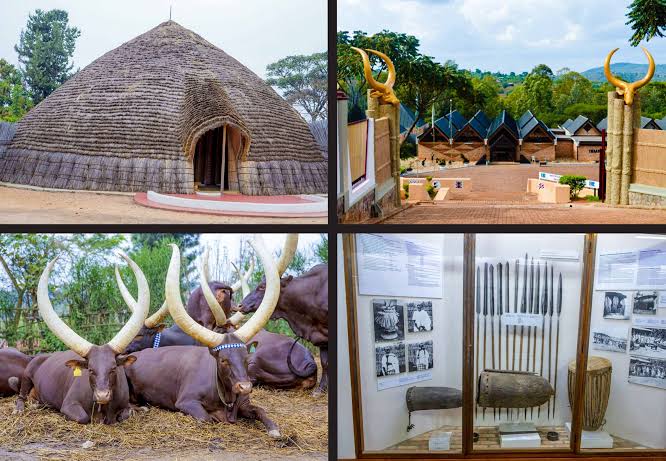
Rwanda complements gorilla trekking with visits to the Iby’Iwacu Cultural Village, now known as Gorilla Guardians Village. Here, travelers experience traditional Rwandan dances, drumming performances, local crafts, royal ceremonies, historical exhibits, and opportunities to interact with community members while learning about Rwanda’s remarkable cultural heritage.
Both experiences contribute directly to community development through sustainable tourism while enriching visitors’ understanding of local traditions.
Photography Opportunities
Photography enthusiasts frequently compare Uganda vs Rwanda Gorilla Trekking when deciding where to capture their dream wildlife images.
Uganda’s ancient rainforest provides dramatic lighting conditions, lush green backgrounds, moss-covered trees, hanging vines, and intimate forest compositions. Soft filtered sunlight creates beautiful natural illumination, producing atmospheric wildlife photographs unlike anywhere else in Africa.
Rwanda offers photographers expansive mountain scenery, bamboo forests, giant volcanic plants, and cleaner backgrounds that often make photographing gorillas slightly easier. Wide-angle landscape photography is particularly rewarding thanks to the spectacular Virunga Volcanoes surrounding the park.
Both destinations offer extraordinary photographic opportunities, and professional photographers often return to experience both environments because each provides a completely different artistic perspective.
Conservation Success
The success of mountain gorilla conservation is one of the greatest wildlife achievements in modern history, and both Uganda and Rwanda deserve global recognition for their efforts.
Revenue generated through gorilla trekking permits directly supports anti-poaching patrols, veterinary care, scientific research, ranger training, habitat restoration, environmental education, and community development. Local communities also benefit through employment opportunities, infrastructure improvements, schools, healthcare facilities, and tourism-related businesses.
These conservation initiatives have helped mountain gorilla populations steadily increase over recent decades, making them the only great ape species currently experiencing population growth in the wild.
Every visitor participating in Uganda vs Rwanda Gorilla Trekking plays a direct role in ensuring the long-term survival of these remarkable primates.
Best Time for Uganda vs Rwanda Gorilla Trekking
One of the advantages of Uganda vs Rwanda Gorilla Trekking is that both destinations offer excellent trekking opportunities throughout the year. Mountain gorillas remain within their forest habitats regardless of season, making sightings possible every day.
The dry seasons—from June to September and December to February—are generally considered the best times for gorilla trekking. During these months, hiking trails are drier, vegetation is slightly less dense, and photography conditions are often more favorable. These periods also coincide with peak safari season, so gorilla permits and accommodation should be booked several months in advance.
The rainy seasons—from March to May and October to November—transform the forests into lush green landscapes bursting with life. While hiking trails become muddier and require greater effort, these months offer quieter parks, increased permit availability, fewer tourists, and beautiful vibrant scenery. Many photographers actually prefer the rainy season because the forests appear greener and more dramatic.
Since mountain gorillas do not migrate, visitors enjoy outstanding wildlife encounters regardless of the season they choose. The best time ultimately depends on personal preferences, travel flexibility, and the type of safari experience you wish to enjoy.
Uganda vs Rwanda Gorilla Trekking Costs
Beyond permit prices, total safari costs vary depending on accommodation, transportation, and trip duration.
| Gorilla Trekking Experience | Country | Viewing Time | Starting Cost Per Person |
|---|---|---|---|
| Standard Gorilla Trekking Permit | Uganda | One hour with a habituated gorilla family | USD 800 |
| Gorilla Habituation Experience | Uganda | Up to four hours with a gorilla family | USD 1,500 |
| Standard Gorilla Trekking Permit | Rwanda | One hour with a habituated gorilla family | USD 1,500 |
These are typical starting permit costs per person and exclude international flights, accommodation, ground transportation, meals, visas, porter fees, tips, and other safari activities. Final Uganda vs Rwanda Gorilla Trekking costs may vary depending on the itinerary, travel season, accommodation category, and number of travelers.
A complete Uganda gorilla safari generally costs less because of the lower permit price and wider range of accommodation options. Rwanda’s higher permit cost increases the overall safari budget but appeals to travelers seeking shorter itineraries and luxury experiences.
| Feature | Uganda | Rwanda |
|---|---|---|
| Gorilla Permit | USD 800 | USD 1,500 |
| Gorilla Habituation | Available | Not available |
| Gorilla Families | More than 20 | Around 12 |
| National Parks | Bwindi Impenetrable National Park and Mgahinga Gorilla National Park | Volcanoes National Park |
| Accessibility | Longer drive from Entebbe or a domestic flight | Approximately 2–3 hours from Kigali |
| Budget Options | Excellent | Limited |
| Luxury Lodges | Excellent | Outstanding |
| Wildlife Diversity | Exceptional | Very good |
| Chimpanzee Trekking | Excellent | Available in Nyungwe Forest National Park |
| Overall Value | Outstanding | Premium experience |
This Uganda vs Rwanda Gorilla Trekking comparison is intended as a general planning guide. Permit prices, gorilla family availability, transfer times, and park arrangements may change, so travelers should confirm current details before booking.
Frequently Asked Questions About Uganda vs Rwanda Gorilla Trekking
Which country is better for gorilla trekking, Uganda or Rwanda?
The best choice between Uganda vs Rwanda Gorilla Trekking depends on your travel priorities. Uganda is generally better for travelers seeking affordable permits, diverse safari combinations, multiple trekking sectors, and excellent overall value. Rwanda is ideal for travelers who prefer shorter transfers, luxury lodges, smooth logistics, and a premium safari experience close to Kigali.
Is gorilla trekking cheaper in Uganda or Rwanda?
Uganda is considerably more affordable than Rwanda. A standard gorilla trekking permit in Uganda costs less than a permit in Rwanda, allowing travelers to use the savings for accommodation, transport, chimpanzee trekking, game drives, or additional safari activities. For budget-conscious travelers comparing Uganda vs Rwanda Gorilla Trekking, Uganda usually offers the strongest value.
Which destination is easier to access for gorilla trekking?
Rwanda is easier to access because Volcanoes National Park is only about two to three hours from Kigali International Airport. Uganda’s gorilla parks are farther from Entebbe International Airport, although travelers can take a domestic flight or enter Uganda through Kigali to reduce road travel. Accessibility is therefore one of the most important differences in the Uganda vs Rwanda Gorilla Trekking comparison.
Where does gorilla trekking take place in Uganda?
Gorilla trekking in Uganda takes place in Bwindi Impenetrable National Park and Mgahinga Gorilla National Park. Bwindi has four major trekking sectors: Buhoma, Ruhija, Rushaga, and Nkuringo. These sectors provide travelers with several lodge choices, different landscapes, and access to numerous habituated gorilla families.
Where does gorilla trekking take place in Rwanda?
Gorilla trekking in Rwanda takes place in Volcanoes National Park in the northern part of the country. The park lies within the Virunga Mountains and is known for bamboo forests, volcanic landscapes, efficient trekking arrangements, and easy access from Kigali.
Is gorilla trekking more difficult in Uganda or Rwanda?
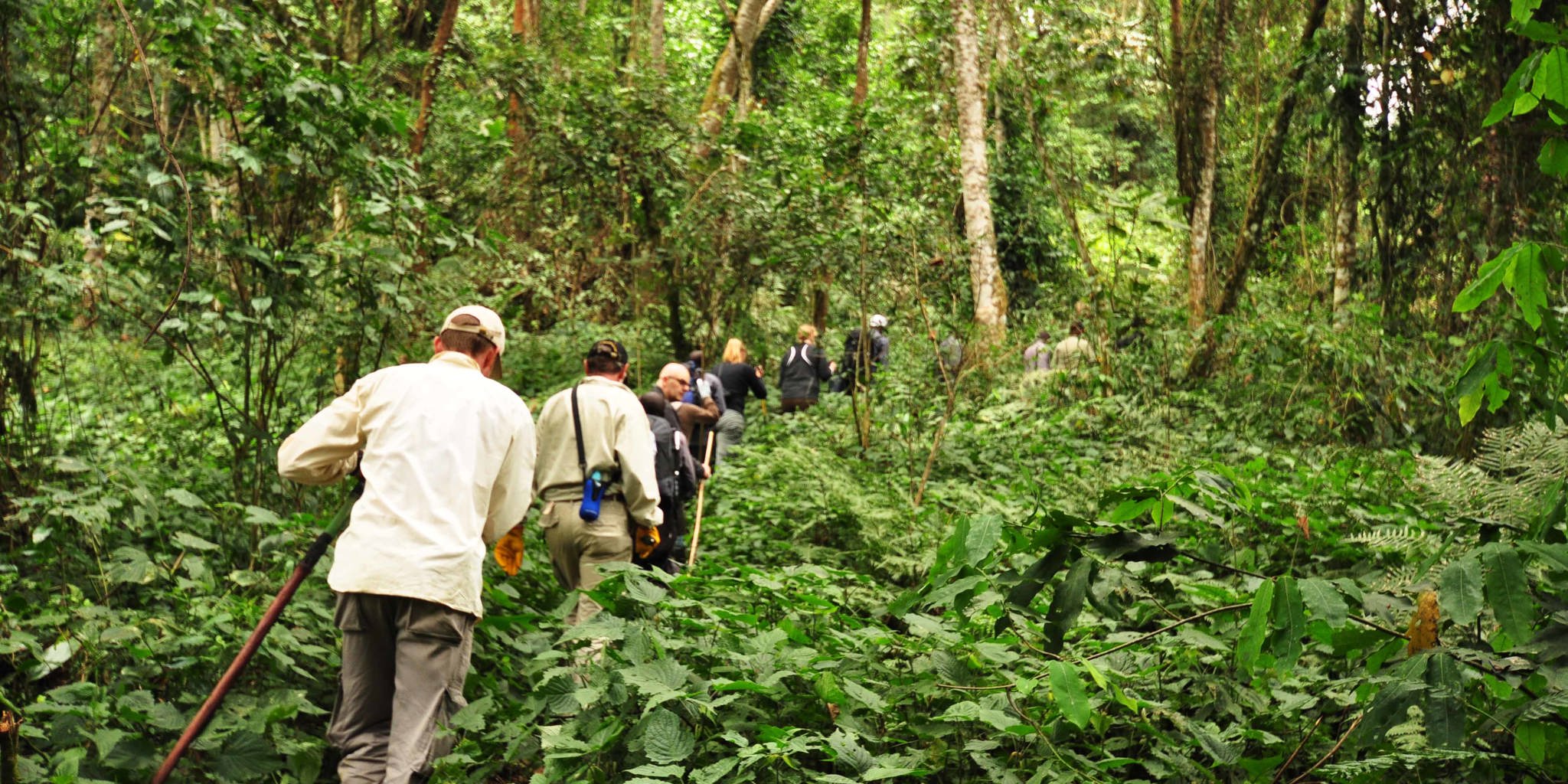
Uganda is often considered more challenging because Bwindi has dense vegetation, steep ridges, muddy trails, and rugged forest terrain. Rwanda’s trails can be more open, but some gorilla families live high on the volcanic slopes, making certain hikes physically demanding. In both countries, trekking difficulty depends on the gorillas’ location on the day of the trek.
How long does a gorilla trek take?
A gorilla trek can take anywhere from one to eight hours, depending on the movement and location of the gorilla family. Once the gorillas are found, visitors are normally allowed to spend one hour observing them. The Gorilla Habituation Experience in Uganda offers a longer period with a gorilla family under habituation.
Which country has more habituated gorilla families?
Uganda generally has more habituated gorilla families available for tourism, especially across the different sectors of Bwindi Impenetrable National Park. Rwanda also has several habituated gorilla families in Volcanoes National Park, but the trekking experience is concentrated in one protected area.
Can I fly into Kigali and trek gorillas in Uganda?
Yes. Many travelers fly into Kigali International Airport and drive across the border into southern Uganda for gorilla trekking in Bwindi or Mgahinga. This option combines Rwanda’s convenient international access with Uganda’s lower permit cost and excellent safari value. It is one of the most popular ways to plan an Uganda vs Rwanda Gorilla Trekking adventure.
Which destination is better for a short gorilla trekking trip?
Rwanda is usually better for a short trip because Volcanoes National Park is close to Kigali. A visitor can complete a one-day or two-day gorilla trekking itinerary more easily in Rwanda. Uganda is better suited to travelers with more time, although short gorilla trekking trips from Kigali to Bwindi can also be arranged.
Which destination is better for a complete wildlife safari?
Uganda is generally better for a longer and more varied wildlife safari. Gorilla trekking can be combined with chimpanzee trekking in Kibale, game drives in Queen Elizabeth National Park, boat cruises on the Kazinga Channel, Murchison Falls, Lake Mburo, and cultural experiences. Rwanda also offers the Big Five in Akagera and chimpanzee trekking in Nyungwe, but Uganda provides a wider safari circuit.
Which country offers better luxury gorilla trekking?
Rwanda is widely known for ultra-luxury gorilla lodges, high-end hospitality, and premium safari services. Uganda also has excellent luxury lodges around Bwindi and Mgahinga, often at more competitive prices. In the Uganda vs Rwanda Gorilla Trekking comparison, Rwanda leads in exclusive luxury, while Uganda offers strong luxury value.
Can elderly travelers participate in gorilla trekking?
Yes. Elderly travelers can participate if they are reasonably healthy and properly prepared. Porters are available to carry luggage and provide support on steep sections. In some areas, sedan chairs may be arranged for travelers with limited mobility. Boots in The Jungle Safaris can also help request a gorilla family believed to be closer to the starting point, although this cannot be guaranteed.
What should I wear for gorilla trekking?
Travelers should wear waterproof hiking boots, long trousers, a long-sleeved shirt, gardening gloves, a rain jacket, and long socks. A small backpack, drinking water, sunscreen, insect repellent, and a camera are also recommended. Proper clothing is important in both destinations because the forests can be wet, muddy, and covered with thick vegetation.
Is gorilla trekking safe in Uganda and Rwanda?
Gorilla trekking is carefully managed in both countries. Visitors are accompanied by professional ranger guides, trackers, and security personnel throughout the experience. Uganda and Rwanda have well-established gorilla tourism systems designed to protect both visitors and the gorillas.
What is the best time for Uganda vs Rwanda Gorilla Trekking?
Gorilla trekking is available throughout the year in both countries. The drier periods from June to September and December to February usually provide easier hiking conditions. The wetter months offer greener landscapes, fewer visitors, and excellent photography, although the trails may be more slippery.
How far in advance should I book a gorilla permit?
It is advisable to book several months in advance, particularly for travel during the dry seasons, holidays, and peak safari months. Gorilla permits are limited each day and can sell out quickly. Early booking also gives travelers a better choice of lodges and trekking sectors.
Can I combine Uganda and Rwanda in one safari?
Yes. A combined Uganda and Rwanda safari is an excellent option for travelers who want to explore both countries. You can visit Kigali, Volcanoes National Park, Bwindi, Queen Elizabeth National Park, Akagera, or other attractions depending on your available time and budget. Boots in The Jungle Safaris can create a cross-border itinerary with permits, transfers, accommodation, and border assistance.
Which country is better for photography?
Both destinations are outstanding for photography. Uganda offers dense rainforest, soft filtered light, vines, ancient trees, and dramatic jungle backgrounds. Rwanda provides bamboo forests, open volcanic slopes, and impressive views of the Virunga Mountains. The best destination depends on whether you prefer atmospheric rainforest images or wider volcanic landscapes.
Why book Uganda vs Rwanda Gorilla Trekking with Boots in The Jungle Safaris?
Boots in The Jungle Safaris provides expert local knowledge, personalized itinerary planning, professional guides, reliable safari vehicles, carefully selected lodges, and assistance with gorilla permits. We help travelers understand the differences between Uganda vs Rwanda Gorilla Trekking and recommend the destination that best suits their budget, schedule, fitness level, and preferred safari style.
Book Your Uganda vs Rwanda Gorilla Trekking Safari
Choosing between Uganda vs Rwanda Gorilla Trekking does not have to be difficult. Boots in The Jungle Safaris will help you compare permit costs, travel times, trekking sectors, lodge options, safari extensions, and overall value before creating a journey that matches your expectations.
Whether you prefer Uganda’s ancient rainforests and affordable gorilla permits or Rwanda’s volcanic scenery and convenient access from Kigali, our experienced team will organize every detail of your safari. We arrange gorilla permits, airport transfers, accommodation, professional guides, border crossings, domestic flights, meals, park activities, and customized wildlife extensions.
Travelers with limited time can choose a short Rwanda gorilla safari or a Bwindi gorilla trek starting from Kigali. Those seeking a complete African adventure can combine gorilla trekking with chimpanzees, Big Five game viewing, boat cruises, cultural experiences, birdwatching, and scenic nature walks.
Boots in The Jungle Safaris offers budget, mid-range, luxury, private, family, honeymoon, group, and photography-focused gorilla safaris. Every itinerary is carefully designed around your preferred travel dates, accommodation style, fitness level, and budget.
Start Planning Your Gorilla Trekking Safari Today
Contact Boots in The Jungle Safaris and share your preferred travel dates, number of travelers, arrival airport, trip duration, and accommodation category. Our safari specialists will prepare a personalized Uganda vs Rwanda Gorilla Trekking itinerary with clear costs and practical recommendations.
Do not wait until gorilla permits and the best lodges are fully booked. Reserve your safari early and prepare for an unforgettable encounter with mountain gorillas in the forests of East Africa.