Ultimate Uganda Gorilla Trekking Safari 2026–2027 | Boots in the Jungle Safaris
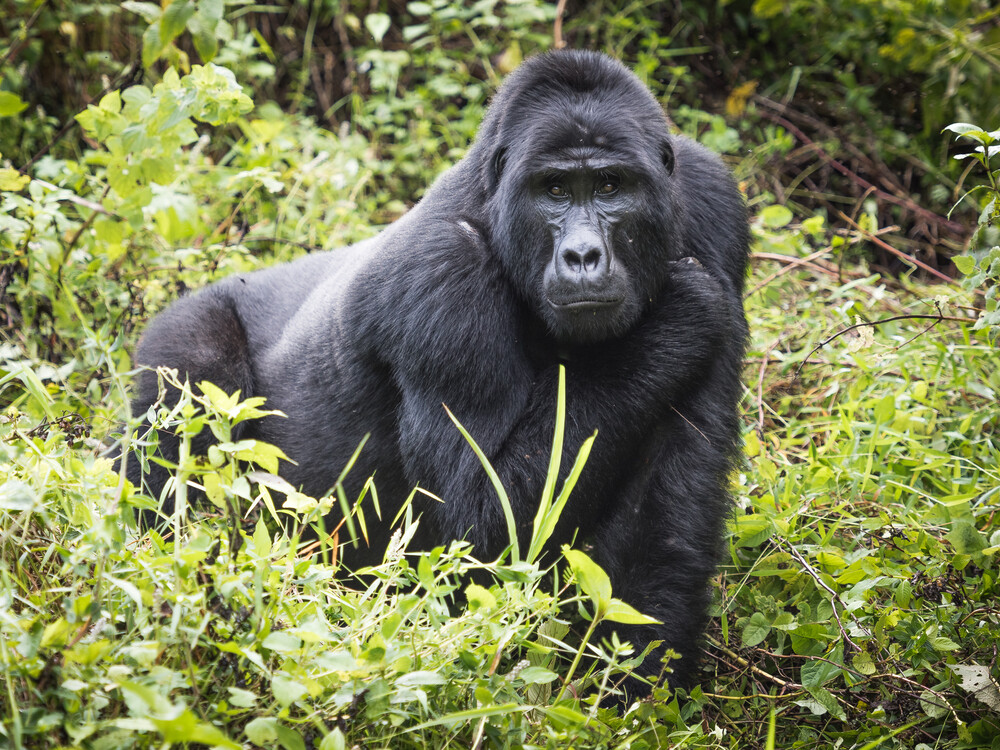
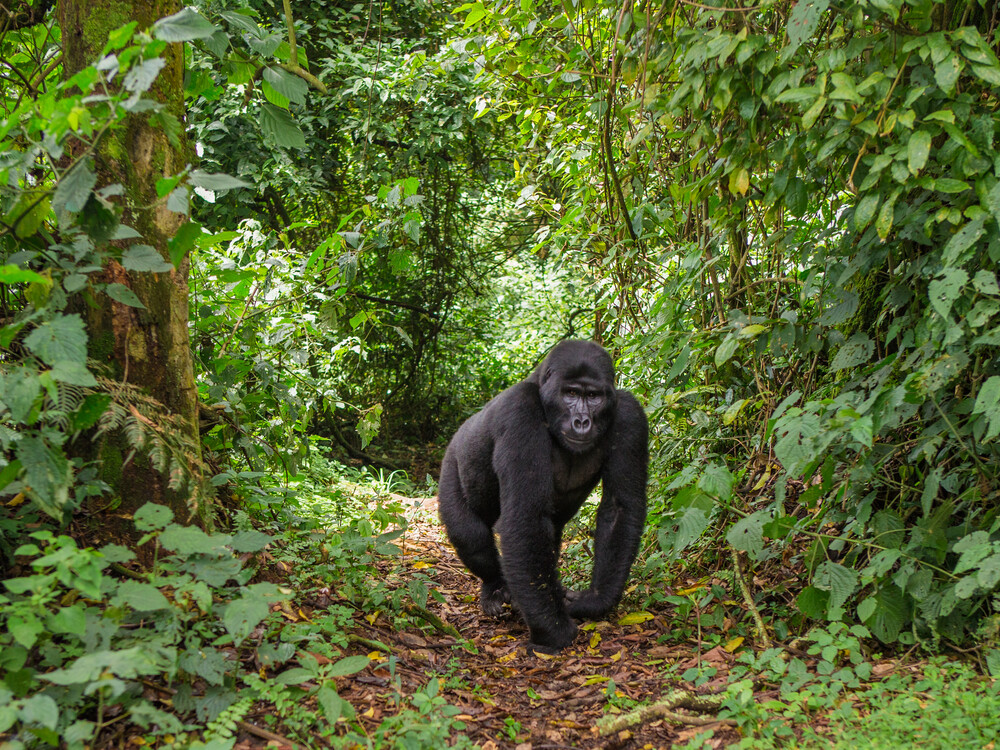
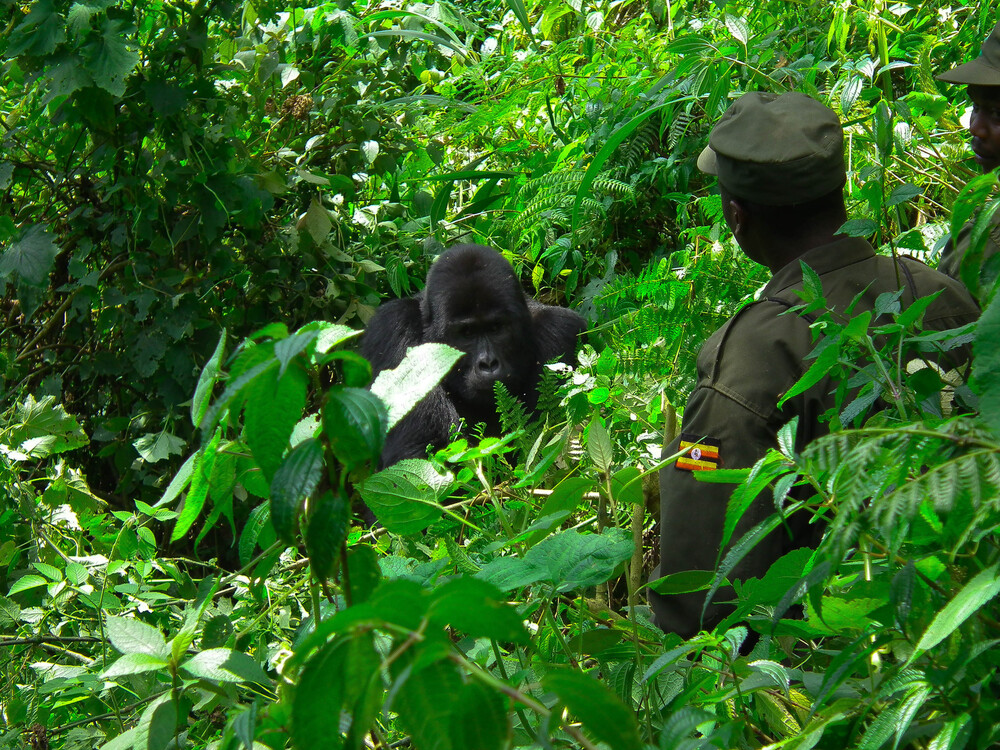
Few wildlife encounters on Earth compare to the thrill of a Uganda Gorilla Trekking Safari. Deep within Uganda’s ancient rainforests, endangered mountain gorillas live in family groups surrounded by towering trees, mist-covered hills, and incredible biodiversity. Watching these gentle giants in their natural habitat is a once-in-a-lifetime experience that leaves visitors inspired by both the beauty of nature and the importance of wildlife conservation.
A Uganda Gorilla Trekking Safari takes travelers into two of Africa’s most remarkable protected areas: Bwindi Impenetrable National Park and Mgahinga Gorilla National Park. Together, these parks protect more than half of the world’s remaining mountain gorillas, making Uganda the leading destination for gorilla trekking worldwide. Every trek contributes directly to conservation efforts, community development, and the long-term survival of this endangered species.
At Boots in the Jungle Safaris, we specialize in creating unforgettable Uganda Gorilla Trekking Safari experiences for solo travelers, couples, families, photographers, honeymooners, adventure seekers, and luxury travelers. Whether you dream of a short three-day gorilla safari, a luxury fly-in adventure, or an extended wildlife expedition across Uganda, our experienced safari consultants design personalized itineraries that combine comfort, expert guiding, and exceptional value.
A Uganda Gorilla Trekking Safari is far more than simply seeing gorillas. It is an immersive journey through one of Africa’s oldest tropical rainforests, where every trail reveals colorful birds, rare primates, butterflies, ancient trees, and breathtaking scenery. The trek itself is an adventure, leading visitors across forested ridges, bamboo zones, and lush valleys before reaching a gorilla family that may be feeding, grooming, resting, or playing only a few meters away.
Uganda offers excellent value compared to other gorilla trekking destinations, combining affordable permit prices, exceptional wildlife diversity, outstanding accommodations, and opportunities to extend your journey to destinations such as Queen Elizabeth National Park, Kibale Forest National Park, Murchison Falls National Park, Kidepo Valley National Park, Lake Mburo National Park, and Lake Bunyonyi. This makes a Uganda Gorilla Trekking Safari not only one of Africa’s greatest wildlife experiences but also one of its most rewarding safari holidays.
Whether you are visiting Uganda for the first time or returning for another adventure, Boots in the Jungle Safaris ensures every detail of your Uganda Gorilla Trekking Safari is carefully planned—from securing gorilla permits and selecting the best lodges to arranging comfortable transportation and providing experienced local guides. Our goal is to make your safari seamless, authentic, and unforgettable while helping protect one of the world’s most extraordinary wildlife populations.
Throughout this comprehensive guide, you will discover everything you need to know about planning the perfect Uganda Gorilla Trekking Safari, including the best destinations, permit information, trekking experience, accommodation options, transportation, costs, packing tips, conservation efforts, and the best safari itineraries to suit every budget and travel style. With the right preparation and expert planning, your Uganda Gorilla Trekking Safari will become one of the most memorable adventures of your lifetime.
Why Choose a Uganda Gorilla Trekking Safari
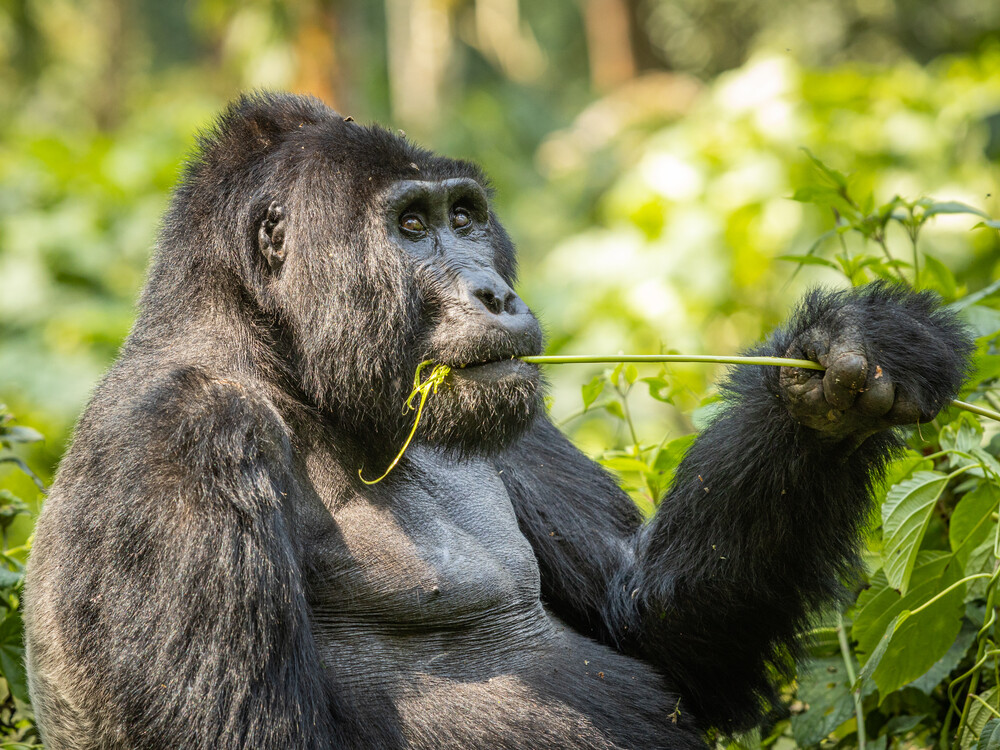
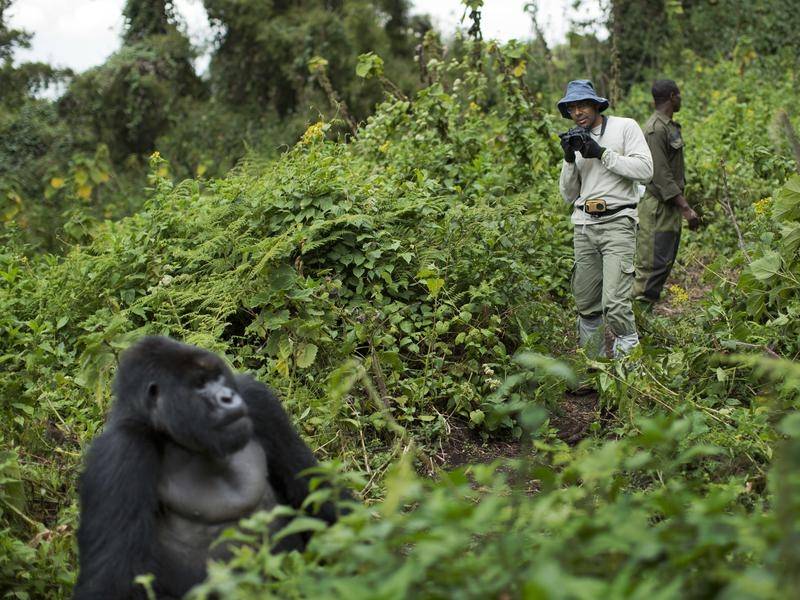
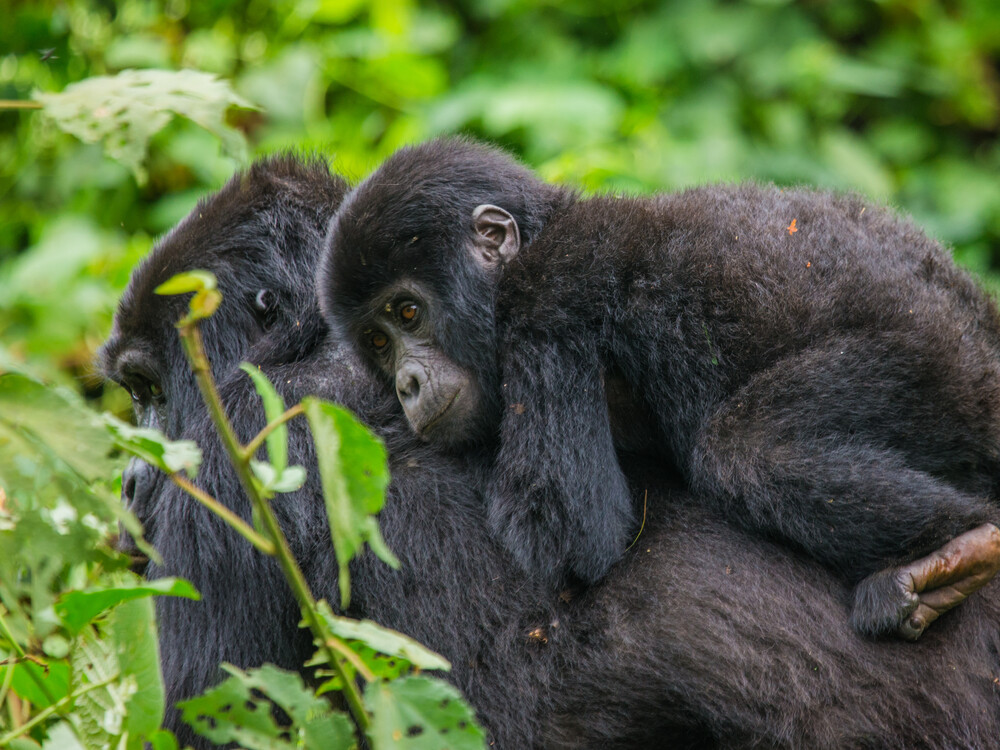
A Uganda Gorilla Trekking Safari offers one of the most powerful and memorable wildlife experiences in Africa. Unlike traditional game drives, where animals are usually viewed from inside a safari vehicle, gorilla trekking takes travelers deep into a living tropical rainforest on foot. The journey creates a much closer connection with nature, and the moment you finally stand near a family of mountain gorillas is difficult to compare with any other safari encounter.
Uganda is especially important in mountain gorilla conservation because it protects a significant share of the world’s remaining mountain gorilla population. These endangered primates survive only in a small area of East and Central Africa, and Uganda provides access to several habituated gorilla families that can be visited under carefully controlled conditions. Choosing a Uganda Gorilla Trekking Safari therefore allows travelers to enjoy a rare wildlife experience while directly supporting conservation and community tourism.
One of the strongest reasons to choose Uganda is the variety of trekking locations available. Gorilla trekking takes place in both Bwindi Impenetrable National Park and Mgahinga Gorilla National Park. Bwindi offers several trekking sectors and numerous habituated gorilla families, while Mgahinga provides a quieter experience beneath the volcanic landscapes of the Virunga Mountains. This variety makes it possible to select a trekking area based on travel route, lodge preference, fitness level, scenery, and the availability of gorilla permits.
Uganda also offers excellent value for travelers who want to combine gorilla trekking with other wildlife and cultural experiences. A Uganda Gorilla Trekking Safari can easily be extended to include game drives in Queen Elizabeth National Park, chimpanzee trekking in Kibale Forest, boat cruises on the Kazinga Channel, relaxation at Lake Bunyonyi, or visits to local communities. Travelers can therefore enjoy primates, savannah wildlife, birds, lakes, forests, and cultural experiences within one well-planned safari itinerary.
The diversity of accommodation is another major advantage. Visitors can choose from simple budget camps, comfortable mid-range lodges, stylish boutique properties, and high-end forest retreats. Many lodges are positioned close to the national park entrances, reducing morning transfer times and allowing guests to wake up surrounded by rainforest views, mist-covered hills, and the sounds of birds and primates.
A Uganda gorilla safari is suitable for many different types of travelers. Couples often include gorilla trekking in romantic holidays and honeymoons, while families with older children enjoy the educational and emotional value of the experience. Solo travelers appreciate the security of guided trekking groups, and photographers are drawn to the chance to capture mountain gorillas in their natural habitat. Private and luxury travelers can also choose fly-in safaris, exclusive vehicles, premium lodges, and personalized services.
Another reason to choose a Uganda Gorilla Trekking Safari is the professionalism of the trekking system. Every trek is led by trained Uganda Wildlife Authority rangers and trackers who understand gorilla behavior, forest safety, conservation rules, and the movement of each habituated family. Before entering the forest, visitors receive a full briefing on how to behave around the gorillas, how to maintain a respectful distance, and how to respond if a gorilla moves closer.
The trekking experience also benefits the communities living around the national parks. Tourism supports employment for guides, porters, lodge staff, drivers, craft makers, farmers, and community tourism groups. A portion of tourism revenue is also used for conservation and local development projects. By booking a responsible Uganda Gorilla Trekking Safari, travelers contribute to a tourism model that encourages both wildlife protection and community participation.
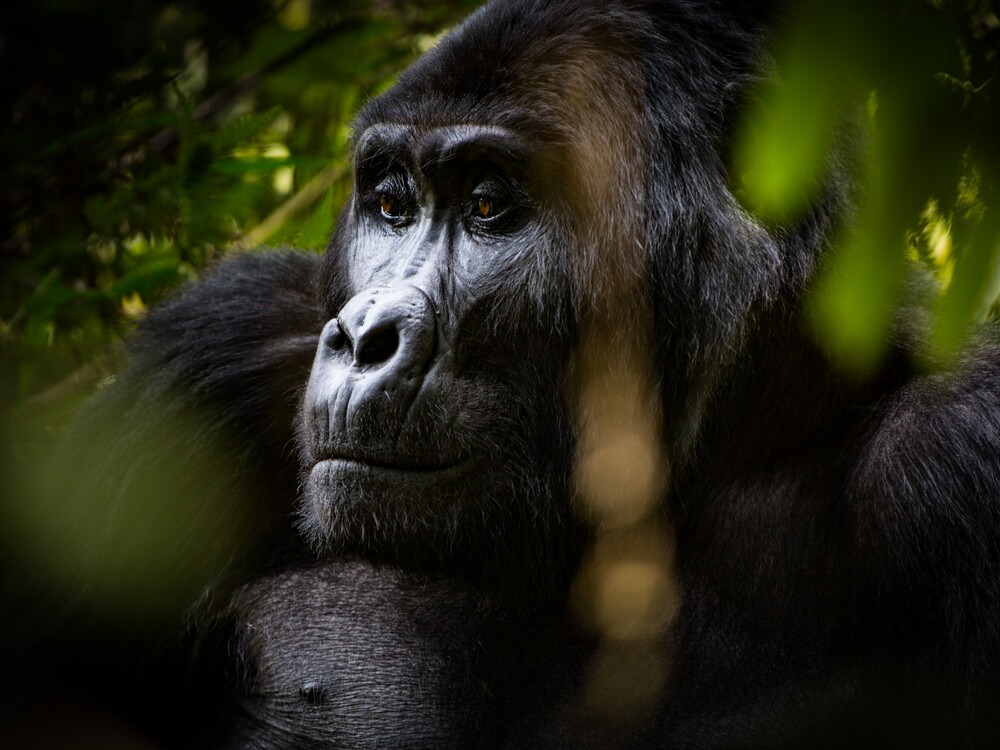
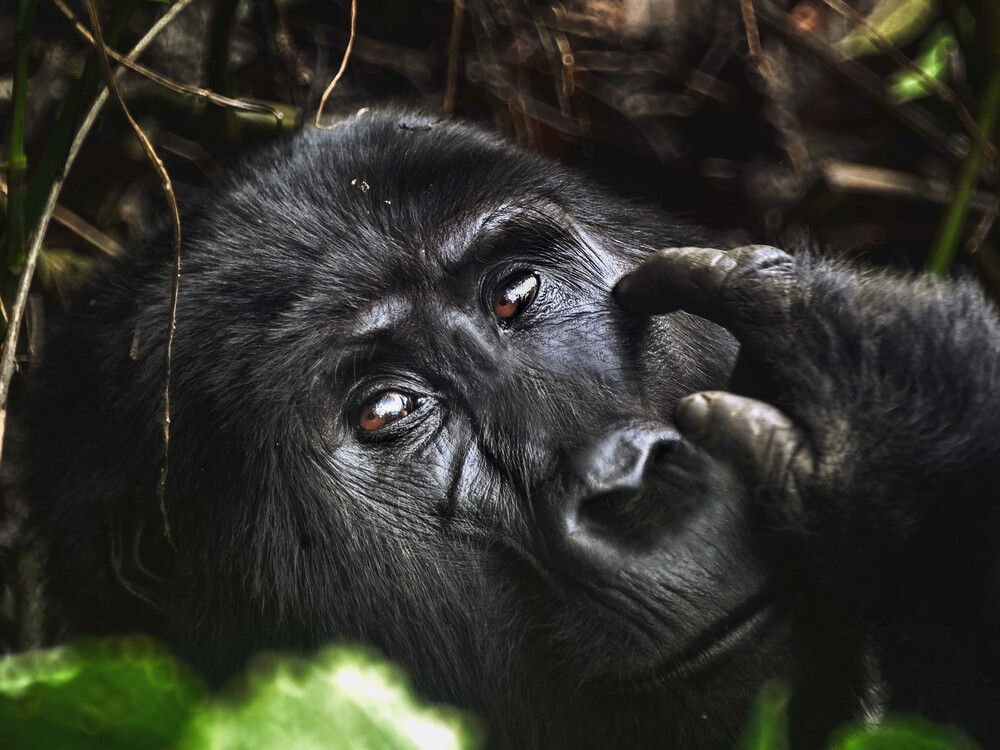
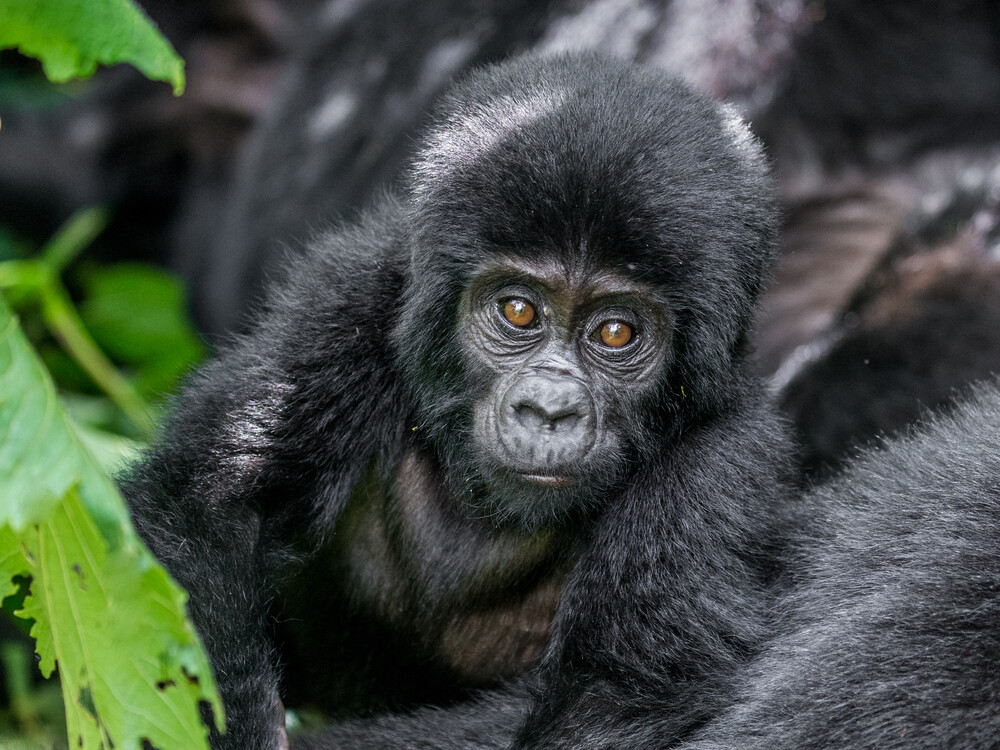
Above all, gorilla trekking in Uganda feels deeply personal. Mountain gorillas display gestures and social behavior that are surprisingly familiar. Visitors may watch a silverback resting protectively near his family, a mother caring for an infant, or young gorillas climbing, chasing one another, and playing in the vegetation. The permitted viewing time may seem short, but the emotional impact often lasts for years.
For travelers seeking adventure, conservation, scenery, and a meaningful wildlife encounter, a Uganda Gorilla Trekking Safari offers an experience that is both exciting and transformative. It is not simply another holiday activity. It is a journey into one of Africa’s most extraordinary ecosystems and an opportunity to meet one of humanity’s closest living relatives in the wild.
Where Gorilla Trekking Takes Place in Uganda
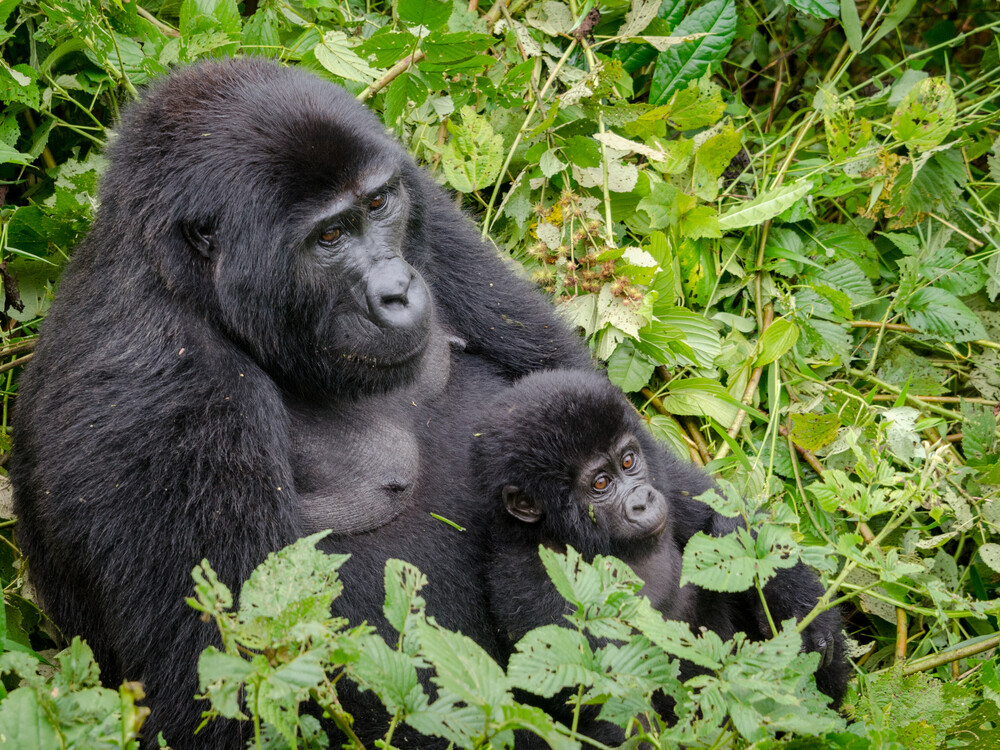
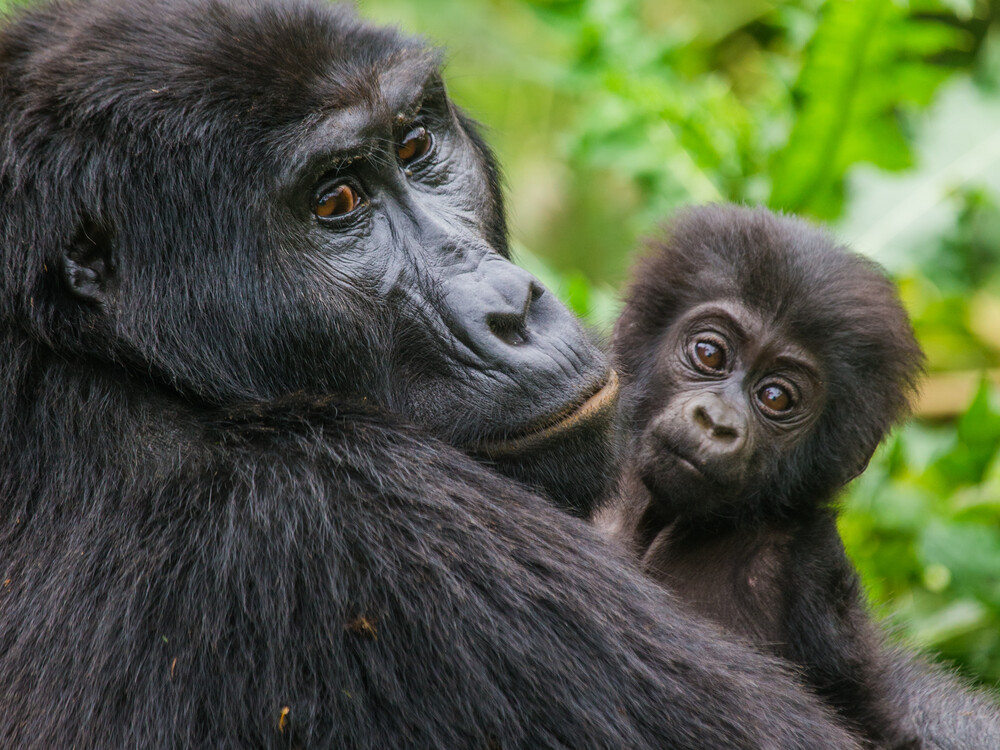
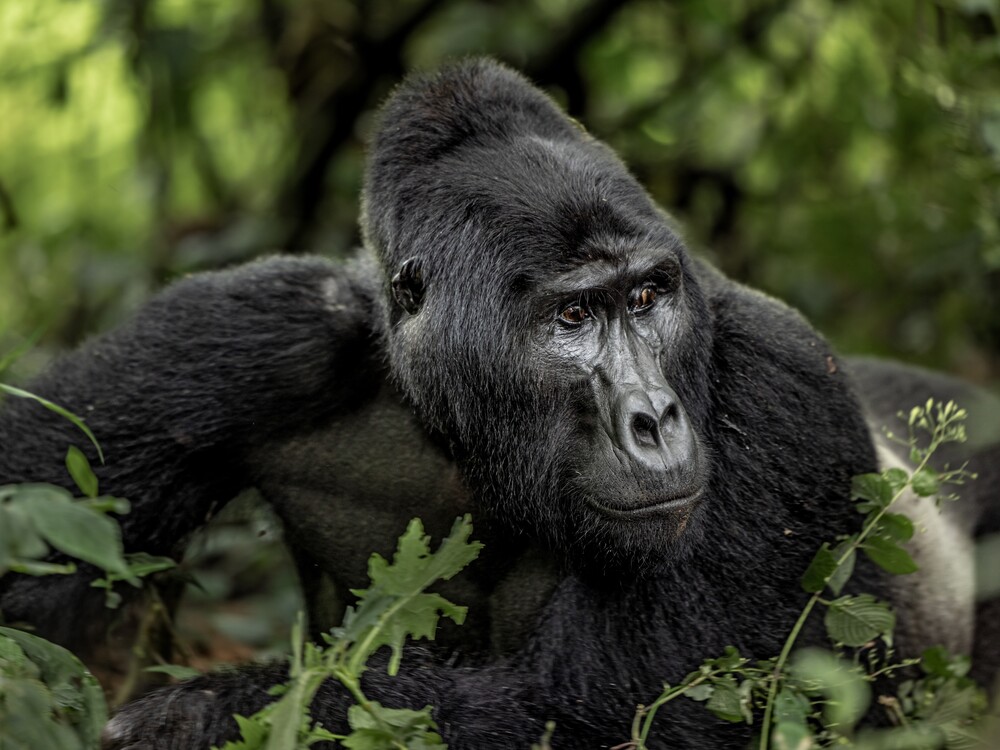
Gorilla trekking in Uganda takes place in the southwestern part of the country, close to the borders with Rwanda and the Democratic Republic of Congo. The two main destinations are Bwindi Impenetrable National Park and Mgahinga Gorilla National Park. Both parks protect mountain gorillas, but they differ in size, landscape, number of trekking sectors, accommodation options, and overall trekking atmosphere.
Bwindi Impenetrable National Park
Bwindi Impenetrable National Park is the most famous destination for a Uganda Gorilla Trekking Safari. The park lies across the steep hills of southwestern Uganda and protects an ancient rainforest known for its biological richness. It is home to mountain gorillas, forest elephants, chimpanzees, monkeys, birds, butterflies, and a remarkable variety of plant life.
The park is divided into four main gorilla trekking sectors: Buhoma, Ruhija, Rushaga, and Nkuringo. Each sector has its own park entrance, accommodation choices, access roads, scenery, and habituated gorilla families. Travelers must therefore book accommodation in the correct sector based on the location indicated on their gorilla permit.
Buhoma is one of the best-known sectors and has a long history of organized gorilla tourism. It offers a broad range of lodges and is often included in itineraries connecting Bwindi with Queen Elizabeth National Park. The sector is surrounded by thick forest, community villages, craft shops, and walking trails.
Ruhija is located on the eastern side of Bwindi and is known for its high-altitude scenery, misty forest views, and excellent birdlife. The terrain can be steep, but the sector often feels quiet and remote. Ruhija can also be connected with Kabale, Lake Bunyonyi, and Queen Elizabeth National Park.
Rushaga is situated in the southern part of Bwindi and is one of the most active trekking sectors. It has access to several gorilla families and is also associated with gorilla habituation experiences. Rushaga is convenient for travelers entering Uganda from Kigali through the Cyanika border or traveling through Kisoro.
Nkuringo is also found in southern Bwindi and is famous for dramatic mountain scenery and views toward the Virunga volcanoes. Treks in this sector can be physically demanding because of the steep slopes, but the landscape and sense of wilderness are exceptional. Nkuringo is popular with adventurous travelers, photographers, and visitors staying at scenic forest lodges.
Bwindi is especially suitable for travelers who want more choices. It has a larger number of trekking permits, several safari routes, and a wide selection of accommodation. A Uganda Gorilla Trekking Safari in Bwindi can also be combined with Lake Bunyonyi, Queen Elizabeth National Park, Kibale Forest, or a cross-border journey through Kigali.
Mgahinga Gorilla National Park
Mgahinga Gorilla National Park is Uganda’s smallest national park, but it offers one of the country’s most scenic gorilla trekking experiences. The park forms part of the wider Virunga Conservation Area, a chain of protected volcanic landscapes shared by Uganda, Rwanda, and the Democratic Republic of Congo.
The scenery in Mgahinga is very different from Bwindi. Instead of a vast, dense rainforest covering rolling hills, the park features bamboo forests, montane vegetation, volcanic slopes, and views of the Virunga Mountains. The peaks of Mount Muhabura, Mount Gahinga, and Mount Sabyinyo dominate the landscape.
Mgahinga is home to the Nyakagezi gorilla family, which has become well known among travelers and guides. Trekking groups are usually smaller, and the park often feels less crowded than Bwindi. This makes Mgahinga attractive to visitors seeking a quieter and more intimate Uganda Gorilla Trekking Safari.
The park also offers golden monkey trekking, volcano hiking, birdwatching, nature walks, and cultural experiences connected to the Batwa people. Travelers can therefore combine gorilla trekking with other activities without leaving the same protected area.
Mgahinga is accessed through Kisoro and works particularly well for safaris starting in Kigali. The drive from Kigali to the Uganda border and onward to Kisoro is shorter than traveling from Entebbe or Kampala by road. Fly-in options to Kisoro may also be available for travelers seeking a faster journey.
Although Mgahinga has fewer gorilla permits and accommodation options than Bwindi, it remains an excellent choice for travelers who value volcanic scenery, fewer visitors, and a compact park experience.
Bwindi vs Mgahinga Comparison
Both Bwindi Impenetrable National Park and Mgahinga Gorilla National Park offer outstanding gorilla trekking experiences. The best choice depends on permit availability, travel route, preferred scenery, accommodation style, and the other activities you want to include in your safari.
Bwindi vs Mgahinga Gorilla Trekking Comparison
Both parks offer unforgettable Uganda Gorilla Trekking Safari experiences, but each has its own character. This comparison helps you choose the best destination based on your travel style, fitness level, accommodation preferences, scenery, and safari plans.
| Feature |
Bwindi Impenetrable National Park Most Popular Destination |
Mgahinga Gorilla National Park Quieter Experience |
|---|---|---|
| Main Experience | Gorilla trekking in one of Africa’s oldest and most biodiverse tropical rainforests. | Gorilla trekking in the spectacular Virunga volcanic mountain landscape. |
| Number of Trekking Areas | Four trekking sectors: Buhoma, Ruhija, Rushaga, and Nkuringo. | One principal trekking area around the Ntebeko visitor centre. |
| Gorilla Family Options | Largest number of habituated gorilla families available for trekking. | Fewer habituated gorilla families, creating a more intimate experience. |
| Permit Availability | Generally offers more gorilla permits throughout the year. | More limited permit availability because of fewer trekking groups. |
| Landscape | Dense rainforest, steep valleys, rivers, ridges, waterfalls and ancient vegetation. | Bamboo forests, afro-montane vegetation, volcanic slopes and panoramic mountain views. |
| Trekking Atmosphere | Offers more trekking options and can be busier during peak travel seasons. | Usually quieter with fewer visitors and a more peaceful trekking environment. |
| Accommodation | Extensive choice of budget, mid-range, luxury and ultra-luxury lodges. | Smaller accommodation selection mainly around Kisoro and Ntebeko. |
| Access from Kigali | Convenient via Cyanika or Katuna border depending on the trekking sector. | Very convenient through Cyanika Border before reaching Kisoro. |
| Access from Entebbe | Accessible by road or scheduled domestic flights to Kihihi or Kisoro. | Accessible by road or domestic flights to Kisoro Airstrip. |
| Additional Activities | Gorilla habituation experience, birdwatching, forest nature walks, waterfalls and Batwa cultural visits. | Golden monkey trekking, volcano hiking, Batwa cultural trail and birdwatching. |
| Best For | First-time visitors, photographers, honeymooners, families, luxury safaris and extended Uganda itineraries. | Travelers seeking fewer crowds, volcanic scenery, hiking adventures and a peaceful trekking experience. |
| Trek Difficulty | Ranges from easy to challenging depending on gorilla family location and trekking sector. | Usually moderate to challenging depending on the movement of the Nyakagezi Gorilla Family. |
| Best Safari Combinations | Queen Elizabeth National Park, Lake Bunyonyi, Kibale Forest, Lake Mburo and Murchison Falls. | Lake Bunyonyi, Kigali City, Volcanoes National Park (Rwanda), Golden Monkey Trekking and Kisoro excursions. |
Bwindi is usually the preferred destination for travelers who want greater flexibility. Since it has more trekking sectors and gorilla families, it offers more possibilities when planning travel dates. It also has a broader range of lodges, making it easier to create budget, mid-range, luxury, honeymoon, or family-friendly safari packages.
Mgahinga is ideal for travelers who prefer a smaller park and a less commercial atmosphere. The views of the Virunga Mountains create a dramatic setting, and golden monkey trekking provides an excellent second primate experience. Travelers interested in hiking may also climb one of the volcanic peaks before or after gorilla trekking.
The physical difficulty of trekking cannot be predicted entirely by the park. Gorillas move freely, and the duration of the trek depends on where the family is located that day. A trek in Bwindi may be short and manageable, while another may involve steep slopes and several hours of walking. The same applies to Mgahinga. Travelers should therefore prepare for uneven terrain, mud, vegetation, altitude, and changing weather regardless of the park selected.
For many visitors, Bwindi remains the first choice because of its permit availability, lodge variety, and safari combinations. Mgahinga, however, can provide an equally rewarding Uganda Gorilla Trekking Safari, especially for those who want volcanic scenery and a quieter experience.
Boots in the Jungle Safaris can recommend the most suitable park after considering your arrival airport, safari duration, budget, preferred accommodation, fitness level, and permit availability.
Gorilla Trekking Experience Step by Step
A Uganda Gorilla Trekking Safari is carefully organized to protect the gorillas and provide travelers with a safe, respectful, and rewarding experience. Although every trek is different, the day generally follows a clear structure from the early morning briefing to the return from the forest.
Early Morning Preparation
The gorilla trekking day begins early. Guests normally wake before sunrise, have breakfast at the lodge, and prepare their trekking equipment. Essential items include hiking boots, long trousers, a long-sleeved shirt, rain protection, drinking water, gloves, insect repellent, and a packed lunch.
Most lodges are located close to a park entrance, but some require a short vehicle transfer. Travelers should arrive at the briefing point on time because trekking groups are organized before entering the forest.
Registration and Gorilla Trekking Briefing
At the park headquarters, visitors register and present their gorilla trekking permits and identification documents. Uganda Wildlife Authority rangers then conduct a detailed briefing.
The briefing explains the trekking rules, expected forest conditions, appropriate behavior around the gorillas, photography guidelines, and safety procedures. Visitors are reminded not to trek when suffering from contagious illness because gorillas are vulnerable to human diseases.
The rangers also explain how to react if a gorilla approaches, vocalizes, or moves close to the group. Travelers must remain calm, avoid sudden movements, speak quietly, and follow the ranger’s instructions.
Allocation to a Gorilla Family
After the briefing, visitors are allocated to a specific habituated gorilla family. Group allocation may consider age, mobility, fitness, and the expected location of the gorillas, although sightings can never be fully predicted.
Each trekking group is accompanied by professional guides, armed rangers, and trackers. Trackers often enter the forest earlier to search for signs such as nests, footprints, broken vegetation, feeding remains, and fresh dung.
Hiring a Porter
Before the trek begins, visitors have the opportunity to hire a porter. Porters carry backpacks, water, cameras, packed lunches, and other items. They also provide valuable assistance on steep, muddy, or slippery sections of the trail.
Hiring a porter is strongly recommended, even for physically fit travelers. It makes the trek more comfortable and provides direct income to members of the surrounding community.
Entering the Forest
The trek may begin directly from the park headquarters or after a short drive to a trailhead. Once inside the forest, the group moves at a steady pace behind the guides.
The route can pass through farmland, secondary vegetation, bamboo areas, thick rainforest, rivers, ridges, and valleys. Rangers may use machetes to clear overgrown sections of the trail. The forest can be muddy and slippery, especially after rainfall.
During the trek, guides share information about the park’s plants, birds, primates, conservation work, and local ecology. Visitors may see monkeys, forest birds, butterflies, insects, and signs of larger forest animals.
Tracking the Gorillas
Finding the gorillas may take less than an hour or several hours. The duration depends on the gorilla family’s movements, feeding patterns, weather, and terrain.
Trackers communicate with the guides and provide updates on the family’s location. As the group gets closer, visitors may hear branches moving, gorilla vocalizations, or the sounds of feeding.
Before approaching the gorillas, trekkers usually leave walking sticks, bags, packed lunches, and unnecessary equipment with the porters. Cameras should be prepared in advance, and flash photography must not be used.
The First Gorilla Encounter
The moment of first seeing a mountain gorilla is often emotional. A large silverback may be resting among the vegetation, while females feed nearby and juveniles climb trees or play on the forest floor.
Visitors remain together and follow the guide’s positioning instructions. The gorillas are habituated to human presence, but they are still wild animals. Respectful behavior is essential.
A gorilla may move closer than expected. When this happens, visitors must remain still and allow the animal to pass. Guides understand gorilla behavior and will provide calm instructions throughout the encounter.
The Viewing Period
During a standard Uganda Gorilla Trekking Safari, visitors are normally allowed a limited period with the gorilla family once contact has been established. This controlled viewing time reduces stress on the gorillas and limits their exposure to human activity.
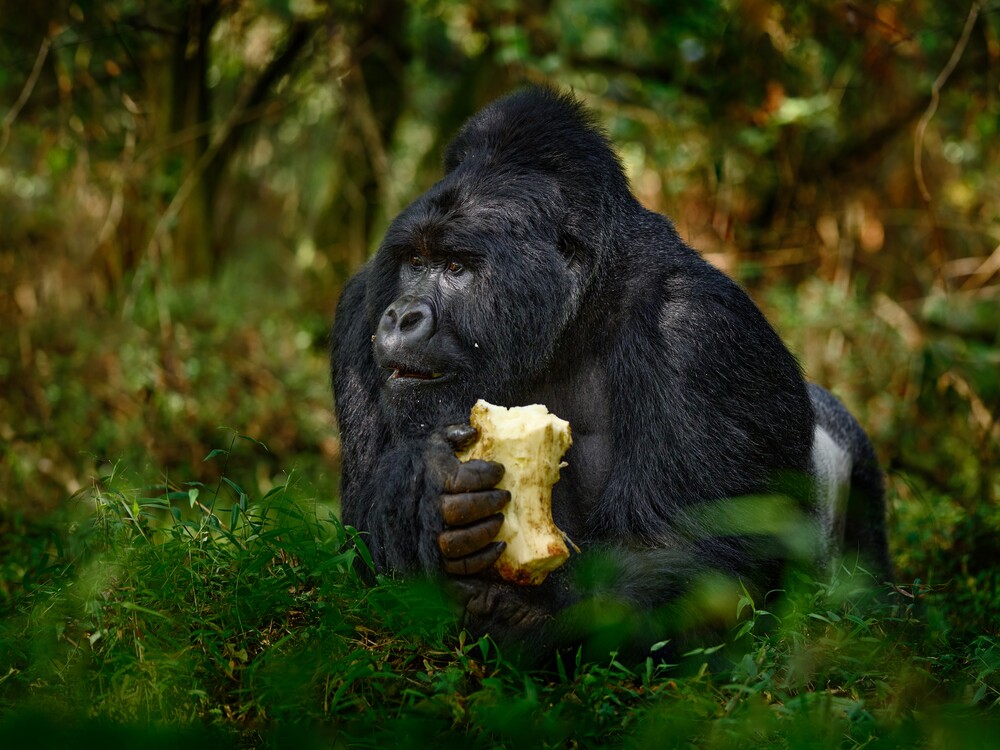
Visitors can observe feeding, grooming, resting, social interaction, parenting, and play. The silverback often remains alert and may change position to monitor the family.
Photography is allowed, but visitors should also take time to observe without looking through a camera. The expressions, sounds, movements, and atmosphere of the forest are central parts of the experience.
Returning Through the Forest
When the viewing period ends, the guide leads the group away from the gorillas. The return trek may follow the same route or a different path, depending on the terrain.
Trekkers often stop for water or lunch in a safe location. The return journey may be physically easier, although steep climbs, mud, and uneven ground can still be challenging.
Completion and Gorilla Trekking Certificate
After returning to the park headquarters, visitors may receive a gorilla trekking certificate as a reminder of the experience. The guides, trackers, porters, and rangers are usually thanked for their support.
Guests then return to the lodge to rest, enjoy a meal, share photographs, and reflect on the day. Some itineraries continue to Lake Bunyonyi, Queen Elizabeth National Park, or another destination, while others include an additional night near the forest.
Every gorilla trek is unique. Some visitors locate the gorillas quickly, while others spend several hours hiking through the forest. The weather, terrain, and gorilla movements are unpredictable, but that uncertainty is part of what makes a Uganda Gorilla Trekking Safari a genuine wildlife adventure.
Uganda Gorilla Trekking Permit Costs
A gorilla trekking permit is an official authorization issued by the Uganda Wildlife Authority allowing one visitor to join a guided trek to a habituated mountain gorilla family. Every traveler participating in a Uganda Gorilla Trekking Safari must have a valid permit for the specific trekking date and national park sector.
Uganda introduced discounted low-season gorilla permits for April, May, and November 2026. During these months, a foreign non-resident permit costs USD 600, while a qualifying foreign resident pays USD 500. For the standard season, the established rates are USD 800 for foreign non-residents, USD 700 for foreign residents, USD 500 for citizens of the rest of Africa, and UGX 300,000 for East African citizens. The standard gorilla-tracking rates remain unchanged from 1 January 2027, while the foreign non-resident gorilla habituation permit rises to USD 1,800.
The cost of a permit depends on the visitor category, travel month and whether the traveler chooses standard gorilla trekking or the extended gorilla habituation experience. The rates below are charged per person for one scheduled trekking date.
| Permit Category | Foreign Non-Resident | Foreign Resident | Rest of Africa | East African Citizen |
|---|---|---|---|---|
|
Low-Season Gorilla Trekking Permit April, May and November |
USD 600 | USD 500 | Standard applicable rate | Standard applicable rate |
|
Standard Gorilla Trekking Permit Bwindi or Mgahinga |
USD 800 | USD 700 | USD 500 | UGX 300,000 |
|
Gorilla Habituation Experience Current rate before 1 January 2027 |
USD 1,500 | USD 1,000 | USD 1,000 | UGX 750,000 |
|
Gorilla Habituation Experience Effective 1 January 2027 |
USD 1,800 | USD 1,600 | USD 1,000 | UGX 750,000 |
The permit normally covers park entry for the trekking day, the services of Uganda Wildlife Authority ranger guides and trackers, the guided search for the allocated gorilla family, the permitted viewing period, security support in the forest, and a contribution toward conservation and community development.
The permit does not ordinarily include accommodation, transportation to Bwindi or Mgahinga, porter services, personal travel insurance, meals outside the booked safari arrangement, visas, international flights, gratuities, or personal expenses. These items should be considered when calculating the complete cost of a Uganda Gorilla Trekking Safari.
Permit holders must be at least 15 years old. Standard trekking groups are generally limited to eight visitors per habituated gorilla family, and the official guidelines require visitors to observe health, distance, photography, and conduct rules while in the forest.
How to Book a Uganda Gorilla Trekking Permit
Travelers should first choose their preferred travel date, safari duration, arrival airport, and accommodation category. Boots in the Jungle Safaris then checks permit availability in Bwindi Impenetrable National Park or Mgahinga Gorilla National Park.
The selected permit is confirmed after the required payment has been received. Under the booking system effective from March 2026, operators can no longer hold permits for seven days without payment; permits are secured through immediate full payment at the time of booking. This makes early commitment particularly important during popular travel months.
Once the permit is confirmed, the safari itinerary should be arranged around the assigned park and sector. Bwindi permits are linked to trekking areas such as Buhoma, Ruhija, Rushaga, and Nkuringo. Booking a lodge in the correct sector prevents very long or impractical early-morning transfers on the trekking day.
Recommended Uganda Gorilla Trekking Packages
Boots in the Jungle Safaris can design every Uganda Gorilla Trekking Safari around the traveler’s available time, budget, preferred arrival airport, accommodation style, physical requirements, and additional interests. The following packages provide a practical starting point.
1-Day Uganda Gorilla Trekking Safari from Kigali
The one-day safari is designed for travelers with very limited time who are already staying in Kigali. The journey starts before sunrise and crosses into Uganda through the Cyanika border before continuing toward Mgahinga or southern Bwindi.
After registration and briefing, travelers join the guided trek and spend the permitted viewing period with a habituated gorilla family. The group later returns to the park headquarters before driving back to Kigali.
Although possible, this is a long and demanding day. It is most suitable for energetic travelers who cannot add an overnight stay. A two- or three-day itinerary provides a more relaxed experience.
Recommended for: Business travelers, short-stay visitors and travelers already based in Kigali.
2-Day Uganda Gorilla Trekking Safari from Kigali
This compact itinerary begins with a scenic drive from Kigali through Rwanda’s countryside and across the border into Uganda. Guests continue to a lodge near Bwindi or Mgahinga, allowing time to relax before the trek.
The second day begins with breakfast, transfer to the briefing point, gorilla trekking, and a return journey to Kigali. The overnight stay reduces the pressure of attempting the entire journey and trek within one day.
Recommended for: Weekend travelers, couples and visitors combining Rwanda with Uganda.
3-Day Uganda Gorilla Trekking Safari
The three-day itinerary is one of the most popular options. It can begin in Kigali, Entebbe, or Kampala, depending on the traveler’s wider arrangements.
Day one is dedicated to the transfer to Bwindi or Mgahinga. Day two features the full gorilla trekking experience, while day three provides a relaxed return transfer. Depending on the route, the journey may include scenic stops, community visits, the Equator, Lake Bunyonyi, or Kigali city attractions.
Recommended for: First-time gorilla trekkers, couples, solo travelers and short-holiday visitors.
4-Day Uganda Gorilla Trekking and Lake Bunyonyi Safari
This itinerary combines the excitement of gorilla trekking with relaxation at Lake Bunyonyi. After the forest experience, guests travel through the terraced hills of southwestern Uganda to the lake.
Activities may include a traditional canoe trip, island exploration, birdwatching, swimming in suitable areas, photography, village visits, or quiet relaxation overlooking the water. Lake Bunyonyi provides a peaceful recovery after the physical demands of the forest trek.
Recommended for: Couples, honeymooners, photographers and travelers seeking a balanced adventure.
4-Day Luxury Fly-In Uganda Gorilla Safari
A luxury fly-in safari reduces the long road journey between Entebbe and southwestern Uganda. Guests fly from Entebbe to Kisoro or Kihihi and continue by private vehicle to a carefully selected luxury lodge.
The package can include premium accommodation, private transfers, exceptional dining, personalized service, a gorilla permit, porter assistance, and optional spa treatments or community experiences. Fly-in arrangements maximize time near the forest and improve comfort.
Recommended for: Luxury travelers, honeymooners, mature guests and visitors with limited time.
5-Day Uganda Gorilla Trekking and Queen Elizabeth Safari
This package combines mountain gorillas with Uganda’s savannah wildlife. After trekking in Bwindi, travelers continue to Queen Elizabeth National Park, often through the Ishasha sector.
Safari activities may include game drives in search of elephants, buffaloes, lions, leopards, antelopes and warthogs. A boat cruise on the Kazinga Channel reveals hippos, crocodiles, waterbirds and animals gathering along the shoreline.
Recommended for: First-time visitors who want both gorillas and a traditional African wildlife safari.
6-Day Gorilla Trekking and Chimpanzee Safari
This primate-focused itinerary combines gorilla trekking in Bwindi or Mgahinga with chimpanzee trekking in Kibale Forest National Park. It may also include Bigodi Wetland Sanctuary, crater lakes, community encounters and scenic drives through western Uganda.
The safari allows travelers to compare the behavior, habitat and social structures of two of Africa’s most fascinating great apes.
Recommended for: Primate enthusiasts, researchers, photographers and nature lovers.
7-Day Uganda Gorilla and Wildlife Safari
A seven-day journey provides enough time to combine Bwindi with Queen Elizabeth National Park and Kibale Forest. The itinerary normally features gorilla trekking, chimpanzee trekking, game drives, the Kazinga Channel boat cruise, scenic crater landscapes and cultural experiences.
This is one of the strongest options for travelers seeking a complete Uganda Gorilla Trekking Safari without spending several weeks in the country.
Recommended for: Couples, families with children aged 15 or older, private groups and first-time visitors.
8-Day Uganda Gorilla Habituation and Wildlife Safari
The gorilla habituation experience provides a longer encounter with a gorilla family undergoing gradual familiarization with human observers. Visitors accompany researchers, trackers and rangers and may spend up to four hours with the gorillas after locating them.
The extended itinerary can combine habituation in southern Bwindi with Queen Elizabeth National Park, Lake Bunyonyi, Kibale Forest, or a standard second gorilla trek.
Recommended for: Wildlife photographers, researchers, repeat visitors and travelers seeking deeper immersion.
10-Day Best of Uganda Gorilla Safari
A ten-day safari can include Murchison Falls National Park, Kibale Forest, Queen Elizabeth National Park, Bwindi Impenetrable National Park and Lake Bunyonyi.
Guests can experience rhino tracking, game drives, Nile boat cruises, chimpanzee trekking, gorilla trekking, cultural encounters, crater lakes and some of Uganda’s finest scenery within one itinerary.
Recommended for: Travelers seeking a comprehensive Uganda holiday.
12- to 15-Day Complete Uganda Gorilla Trekking Safari
A longer journey can combine nearly all of Uganda’s major wildlife regions. Depending on the preferred route, it may include Ziwa Rhino Sanctuary, Murchison Falls, Kibale Forest, Queen Elizabeth, Bwindi, Mgahinga, Lake Bunyonyi, Lake Mburo and the source of the Nile in Jinja.
The slower pace allows more time for photography, cultural experiences, rest days, birding, boat cruises, nature walks and multiple primate encounters.
Recommended for: Wildlife enthusiasts, birders, photographers and travelers making a once-in-a-lifetime visit to Uganda.
Frequently Asked Questions About Uganda Gorilla Trekking Safaris
How much does a Uganda gorilla trekking permit cost?
A standard permit for a Uganda Gorilla Trekking Safari costs USD 800 for a foreign non-resident, USD 700 for a qualifying foreign resident, USD 500 for a citizen of the rest of Africa, and UGX 300,000 for an East African citizen. Discounted permits for April, May, and November 2026 cost USD 600 for foreign non-residents and USD 500 for qualifying foreign residents. The permit is required for every traveler participating in gorilla trekking in Bwindi Impenetrable National Park or Mgahinga Gorilla National Park.
Where does gorilla trekking take place in Uganda?
A Uganda Gorilla Trekking Safari takes place in Bwindi Impenetrable National Park and Mgahinga Gorilla National Park in southwestern Uganda. Bwindi offers four main trekking sectors—Buhoma, Ruhija, Rushaga, and Nkuringo—while Mgahinga provides gorilla trekking in a compact volcanic landscape near Kisoro.
Is Bwindi or Mgahinga better for gorilla trekking?
Both parks provide excellent Uganda Gorilla Trekking Safari experiences. Bwindi offers more habituated gorilla families, trekking sectors, permits, and accommodation choices. Mgahinga is ideal for travelers seeking a quieter atmosphere, dramatic Virunga volcano scenery, golden monkey trekking, and mountain hiking opportunities.
How long can I stay with the gorillas?
During a standard Uganda Gorilla Trekking Safari, visitors are normally allowed a controlled viewing period with the allocated gorilla family after it has been located. Travelers who choose the gorilla habituation experience may spend up to four hours with the gorillas after finding them, while accompanying trackers, researchers, and wildlife rangers.
How long does a gorilla trek take?
The complete Uganda Gorilla Trekking Safari activity may last from a few hours to most of the day. The duration depends on the location and movement of the allocated gorilla family, forest terrain, weather conditions, and the pace of the trekking group. Some families may be found relatively quickly, while others require several hours of hiking.
What is the minimum age for gorilla trekking in Uganda?
The minimum age for participating in a Uganda Gorilla Trekking Safari is 15 years. Every eligible participant, including teenagers aged 15 and older, must have a valid gorilla trekking permit for the scheduled date.
Can children younger than 15 trek gorillas?
Children younger than 15 are generally not permitted to participate in a standard Uganda Gorilla Trekking Safari. Families traveling with younger children should arrange a suitable lodge-based activity, community visit, nature experience, or caregiver while eligible family members enter the forest.
How difficult is a Uganda Gorilla Trekking Safari?
The difficulty of a Uganda Gorilla Trekking Safari varies according to the trekking sector, weather, altitude, terrain, and the location of the gorilla family. Some treks are relatively short, while others involve steep slopes, thick vegetation, mud, river crossings, and several hours of hiking. Good preparation, proper footwear, and porter assistance make the experience more manageable.
Do I need to be physically fit for a Uganda Gorilla Trekking Safari?
A reasonable level of fitness is recommended for a Uganda Gorilla Trekking Safari. Regular walking, stair climbing, light hiking, and cardiovascular exercise before travel can improve stamina. Travelers with mobility limitations should mention them during booking so that the most suitable trekking sector, assistance, and itinerary can be considered.
Can older travelers go gorilla trekking?
Yes. Many older travelers successfully complete a Uganda Gorilla Trekking Safari. A porter, walking stick, slower pace, appropriate trekking sector, and advance fitness preparation can make the experience more comfortable. Sedan-chair assistance may also be arranged in certain areas at an additional cost.
Should I hire a porter during a Uganda Gorilla Trekking Safari?
Hiring a porter is strongly recommended. A porter can carry your backpack, drinking water, camera equipment, rain jacket, and packed lunch while also helping on steep or slippery sections. Porter services make a Uganda Gorilla Trekking Safari more comfortable and provide direct employment to people living near the national parks.
What should I wear for gorilla trekking?
For a comfortable Uganda Gorilla Trekking Safari, wear sturdy waterproof hiking boots, long trousers, a long-sleeved shirt, high socks, gardening or trekking gloves, a rain jacket, and a comfortable hat. Neutral outdoor colors and quick-drying fabrics are preferable because forest conditions may be wet, muddy, and humid.
What should I carry during the trek?
During a Uganda Gorilla Trekking Safari, carry sufficient drinking water, a packed lunch, insect repellent, sunscreen, rain protection, personal medication, camera equipment, spare batteries, a waterproof daypack, and identification documents. A porter can carry most of these items while you concentrate on the trek.
Can I use flash photography during gorilla trekking?
No. Flash photography is prohibited during every Uganda Gorilla Trekking Safari because sudden light can disturb the gorillas. Travelers should disable the flash before approaching the gorilla family and use appropriate camera settings for low-light forest conditions.
How close can I get to the gorillas?
Visitors participating in a Uganda Gorilla Trekking Safari must maintain the official minimum distance instructed by Uganda Wildlife Authority rangers. Gorillas may occasionally approach visitors on their own. When this happens, trekkers should remain calm, avoid sudden movement, and follow the guide’s instructions.
Are gorilla sightings guaranteed?
Gorilla sightings during a Uganda Gorilla Trekking Safari are highly likely because experienced trackers monitor habituated families and follow signs of their movement. However, mountain gorillas are wild animals living in a natural rainforest, so no responsible safari operator should offer an unconditional guarantee.
What happens when it rains during the trek?
A Uganda Gorilla Trekking Safari usually continues during rainfall unless wildlife authorities determine that conditions are unsafe. Bwindi and Mgahinga are mountainous forest environments where rain can occur at any time. A waterproof jacket, hiking boots, gloves, gaiters, and a waterproof camera cover are therefore important.
Can I trek gorillas when I am sick?
Travelers with influenza, fever, colds, respiratory infections, or other contagious illnesses should not participate in a Uganda Gorilla Trekking Safari. Mountain gorillas can contract certain human diseases, and health restrictions help protect both the gorillas and their long-term conservation.
How early should I book a Uganda Gorilla Trekking Safari?
It is advisable to book a Uganda Gorilla Trekking Safari several months in advance, especially for travel between June and September, during December, and around Christmas, New Year, and Easter. Early booking is particularly important when travelers require a specific Bwindi sector, preferred lodge, domestic flight, or luxury safari arrangement.
Can I book a last-minute Uganda Gorilla Trekking Safari?
Yes, a last-minute Uganda Gorilla Trekking Safari can be arranged when gorilla permits, suitable accommodation, vehicles, and guides remain available. Flexibility with travel dates, trekking sectors, parks, and lodge categories increases the chance of securing a successful last-minute booking.
Can I start a Uganda Gorilla Trekking Safari from Kigali?
Yes. A Uganda Gorilla Trekking Safari can conveniently begin in Kigali, Rwanda. Travelers can cross into Uganda through the Cyanika or Katuna border and continue to Mgahinga or the appropriate Bwindi trekking sector. Kigali is especially convenient for shorter two-day and three-day gorilla safari itineraries.
Can I start a Uganda Gorilla Trekking Safari from Entebbe or Kampala?
Yes. Many Uganda Gorilla Trekking Safari itineraries begin in Entebbe or Kampala. The road journey to southwestern Uganda is long but scenic and can include stops at the Equator, Lake Mburo, local markets, or other attractions. Travelers seeking a faster journey may use a scheduled domestic flight to Kisoro or Kihihi.
Is the gorilla permit included in the safari price?
The permit may be included depending on the quotation. Boots in the Jungle Safaris can prepare a complete Uganda Gorilla Trekking Safari package covering the gorilla permit, private transportation, accommodation, meals, professional guide services, park activities, and selected transfers. Every inclusion and exclusion should be clearly shown before confirmation.
Can I trek gorillas more than once?
Yes. Travelers can include two or more gorilla treks within one Uganda Gorilla Trekking Safari, subject to permit availability. Multiple treks provide opportunities to visit different gorilla families, explore different trekking sectors, compare Bwindi with Mgahinga, or combine standard trekking with the gorilla habituation experience.
Can I combine gorilla trekking with chimpanzee trekking?
Yes. A Uganda Gorilla Trekking Safari can easily be combined with chimpanzee trekking in Kibale Forest National Park, Kyambura Gorge, or Budongo Forest. Kibale is the most popular choice and can be connected with Queen Elizabeth National Park, Bwindi, and other western Uganda destinations.
Can I combine gorilla trekking with a wildlife safari?
Yes. A complete Uganda Gorilla Trekking Safari can include game drives, boat cruises, birdwatching, nature walks, and cultural experiences. Popular combinations include Queen Elizabeth National Park, Murchison Falls National Park, Lake Mburo National Park, Kibale Forest, and Kidepo Valley National Park.
Is Uganda safe for gorilla trekking?
A professionally organized Uganda Gorilla Trekking Safari is conducted with trained wildlife rangers, trackers, and experienced safari guides. Travelers should book with a reputable operator, follow park rules, observe current travel guidance, and communicate any medical or mobility concerns before the safari begins.
What type of accommodation is available during a Uganda Gorilla Trekking Safari?
Accommodation options for a Uganda Gorilla Trekking Safari range from affordable guesthouses and budget camps to comfortable midrange lodges, boutique properties, and luxury forest retreats. The lodge should always be selected according to the trekking sector shown on the gorilla permit.
Can solo travelers book a Uganda Gorilla Trekking Safari?
Yes. Solo travelers can book a private or scheduled Uganda Gorilla Trekking Safari. Although they may join other permit holders during the official forest trek, they can still enjoy private transportation, personalized guiding, and accommodation selected according to their budget and travel style.
Can couples book a private Uganda Gorilla Trekking Safari?
Yes. Couples can reserve a private Uganda Gorilla Trekking Safari with a dedicated vehicle, personal driver-guide, preferred lodge category, romantic dining, scenic stays, and optional extensions to Lake Bunyonyi, Queen Elizabeth National Park, or Zanzibar.
Can families book a Uganda Gorilla Trekking Safari?
Yes. Families with children aged 15 or older can participate in a Uganda Gorilla Trekking Safari. The itinerary can be designed with comfortable travel times, family-friendly lodges, porter assistance, additional wildlife activities, and suitable arrangements for younger children who cannot trek.
Can a Uganda Gorilla Trekking Safari be customized?
Yes. Every Uganda Gorilla Trekking Safari can be customized according to travel dates, arrival airport, safari duration, group size, budget, lodge preference, fitness level, wildlife interests, and onward travel plans. Boots in the Jungle Safaris can create anything from a short Kigali-based trek to an extended Uganda gorilla and wildlife holiday.
What is the best time for a Uganda Gorilla Trekking Safari?
A Uganda Gorilla Trekking Safari is possible throughout the year. June to September and December to February are popular because conditions are often relatively dry. April, May, and November are wetter but may provide fewer visitors, lush scenery, and discounted permit opportunities.
How many days are recommended for a Uganda Gorilla Trekking Safari?
A minimum of three days is recommended for a relaxed Uganda Gorilla Trekking Safari from Kigali, while travelers beginning in Entebbe or Kampala may prefer three to five days. Longer itineraries of seven to fourteen days allow gorilla trekking to be combined with chimpanzees, wildlife, boat cruises, lakes, and cultural experiences.
What is included in a complete Uganda Gorilla Trekking Safari package?
A complete Uganda Gorilla Trekking Safari package may include airport transfers, a private safari vehicle, an English-speaking driver-guide, accommodation, meals, gorilla permits, bottled drinking water, park entry fees, and scheduled activities. International flights, visas, travel insurance, personal expenses, gratuities, and optional activities may be excluded unless stated otherwise.
Why book a Uganda Gorilla Trekking Safari with Boots in the Jungle Safaris?
Boots in the Jungle Safaris provides local destination knowledge, customized itineraries, permit assistance, carefully selected lodges, private safari vehicles, and professional guides. Every Uganda Gorilla Trekking Safari is planned around the traveler’s time, comfort, interests, and budget while supporting responsible tourism and mountain gorilla conservation.
Book Your Uganda Gorilla Trekking Safari
A Uganda Gorilla Trekking Safari begins with securing the right permit, but creating an unforgettable journey requires much more than purchasing access to the forest. The trekking sector, lodge location, road or flight connections, border arrangements, safari vehicle, guide, physical requirements and additional activities must all work together.
Boots in the Jungle Safaris creates personalized gorilla journeys in Bwindi Impenetrable National Park and Mgahinga Gorilla National Park. Whether you are planning a short safari from Kigali, a private trip from Entebbe, a luxury fly-in adventure, a honeymoon, a family holiday, a photography expedition or a complete Uganda wildlife circuit, our team can design the itinerary around your travel style.
Begin by sharing your preferred travel dates, number of travelers, arrival airport, desired safari duration and accommodation category. We will check current gorilla permit availability, recommend the most suitable trekking sector, prepare a detailed quotation and explain every inclusion before confirmation.
Because permits are limited and now require full payment when secured through the booking system, early planning is especially important for peak-season dates and popular Bwindi sectors.
Plan Your Gorilla Safari with Boots in the Jungle Safaris
Experience the misty forests of Bwindi, the volcanic landscapes of Mgahinga and the unforgettable moment of meeting mountain gorillas in their natural habitat. Let our local safari specialists organize your permit, accommodation, private transportation, professional guide and complete journey from arrival to departure.
Book Your Uganda Gorilla Trekking Safari
Let Boots in the Jungle Safaris secure your gorilla permit and create a personalized journey through Bwindi Impenetrable National Park or Mgahinga Gorilla National Park. Share your travel dates, group size, preferred accommodation and arrival airport to receive a customized quotation.