
Sibiloi National Park Safari – Ultimate Guide to Kenya’s Remote Desert Wilderness
Sibiloi National Park is one of Kenya’s most remote, fascinating, and historically significant safari destinations, located on the northeastern shores of Lake Turkana in northern Kenya. Known for its dramatic volcanic landscapes, prehistoric fossil discoveries, unique desert ecosystems, and rich wildlife, Sibiloi National Park offers travelers a truly extraordinary safari experience far from the traditional tourist routes of East Africa.
Covering approximately 1,570 square kilometers, Sibiloi National Park forms part of the UNESCO World Heritage Site known as the Lake Turkana National Parks. The park protects an ancient wilderness of lava plains, volcanic hills, dry riverbeds, open desert grasslands, acacia woodlands, and the stunning shoreline of Lake Turkana, the world’s largest permanent desert lake and the largest alkaline lake on Earth.
Unlike the green savannahs commonly associated with Kenya safaris, Sibiloi National Park presents a harsh yet breathtaking desert environment shaped by volcanic activity, extreme temperatures, seasonal rivers, and ancient geological processes. The park’s rugged scenery creates an atmosphere of exploration and adventure that attracts travelers seeking untouched wilderness, rare wildlife, archaeological discoveries, and authentic cultural experiences.
Sibiloi National Park is internationally famous for its fossil discoveries at Koobi Fora, one of the most important paleoanthropological sites in the world. Fossils discovered in this region have provided critical evidence about early human evolution and prehistoric life dating back millions of years. Because of these discoveries, Sibiloi National Park is often referred to as the “Cradle of Mankind.”
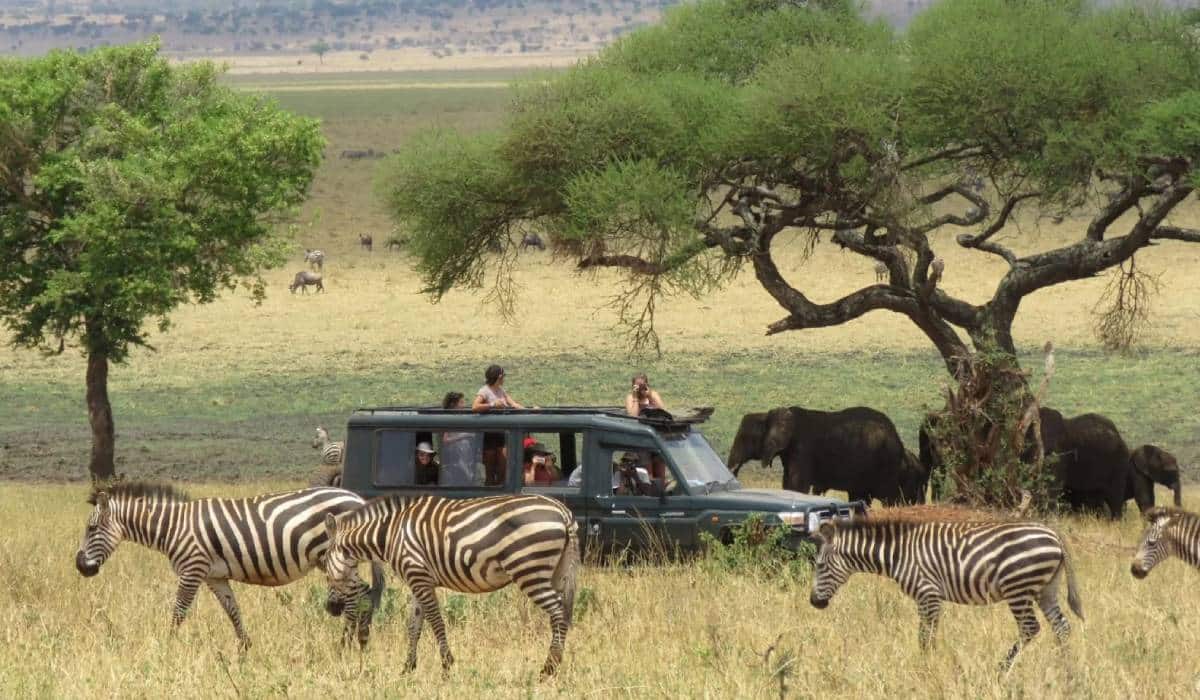
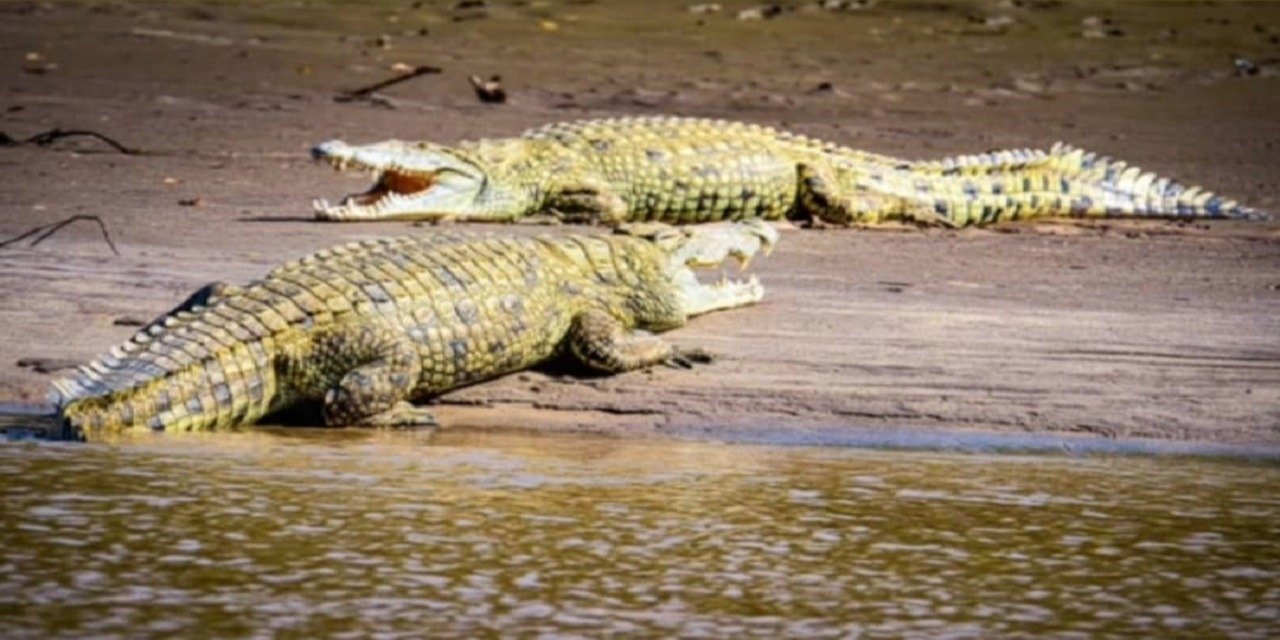
In addition to its historical importance, Sibiloi National Park supports a surprising diversity of wildlife including crocodiles, zebras, giraffes, oryx, lions, cheetahs, hyenas, hippos, gazelles, and numerous bird species adapted to the arid environment. The shores of Lake Turkana are also home to one of the world’s largest populations of Nile crocodiles.
At Boots in the Jungle Safaris, we create unforgettable Sibiloi National Park safari experiences tailored for adventurous travelers, photographers, researchers, birdwatchers, cultural explorers, and nature lovers seeking one of Kenya’s last truly wild frontiers.
Why Visit Sibiloi National Park
Sibiloi National Park offers a completely different safari experience compared to most national parks in Kenya. The park’s remote location, desert landscapes, fossil sites, volcanic scenery, wildlife, and cultural heritage combine to create a destination unlike anywhere else in East Africa.
One of the biggest reasons to visit Sibiloi National Park is the sense of isolation and untouched wilderness. The park receives far fewer visitors than popular safari destinations such as Masai Mara or Amboseli National Park, allowing travelers to experience Kenya’s wild landscapes in complete tranquility. The feeling of exploring remote desert terrain beside the vast waters of Lake Turkana creates a rare sense of adventure and discovery.
Sibiloi National Park is also one of the most historically important destinations in Africa. The fossil discoveries at Koobi Fora have transformed scientific understanding of human origins and prehistoric evolution. Travelers interested in archaeology, anthropology, geology, and ancient history find Sibiloi National Park incredibly rewarding because it offers direct access to one of the world’s most significant fossil regions.
The dramatic scenery of Sibiloi National Park is another major attraction. Volcanic formations, lava fields, desert plains, rocky outcrops, dry riverbeds, and the turquoise waters of Lake Turkana create spectacular landscapes ideal for photography and exploration. Sunrises and sunsets over Lake Turkana are particularly breathtaking and often become highlights of any safari experience in the region.
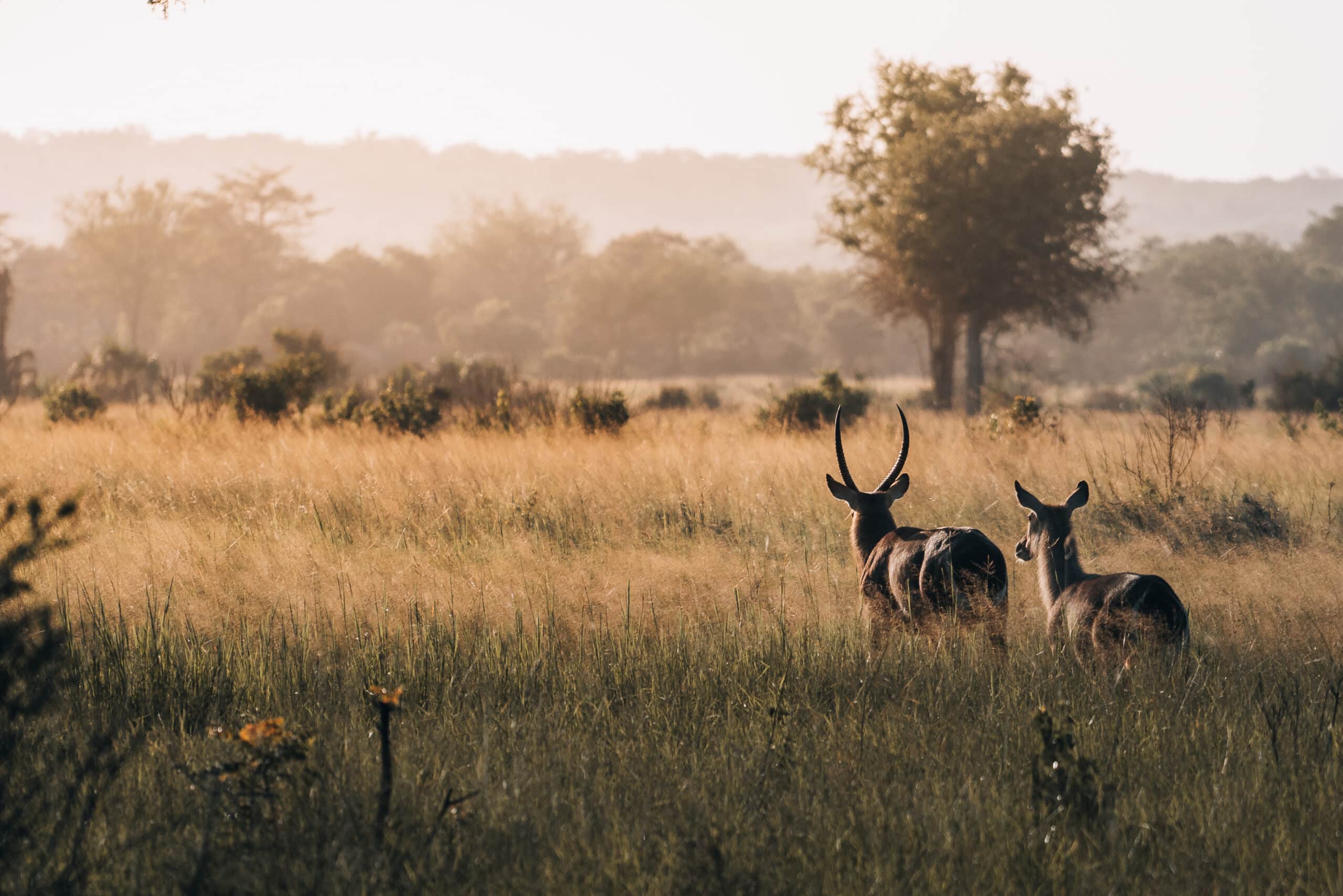
Wildlife viewing in Sibiloi National Park is equally unique because animals have adapted to survive within harsh desert conditions. Visitors may encounter Grevy’s zebras, Beisa oryx, gerenuks, giraffes, lions, striped hyenas, jackals, crocodiles, and hippos while exploring remote sections of the park.
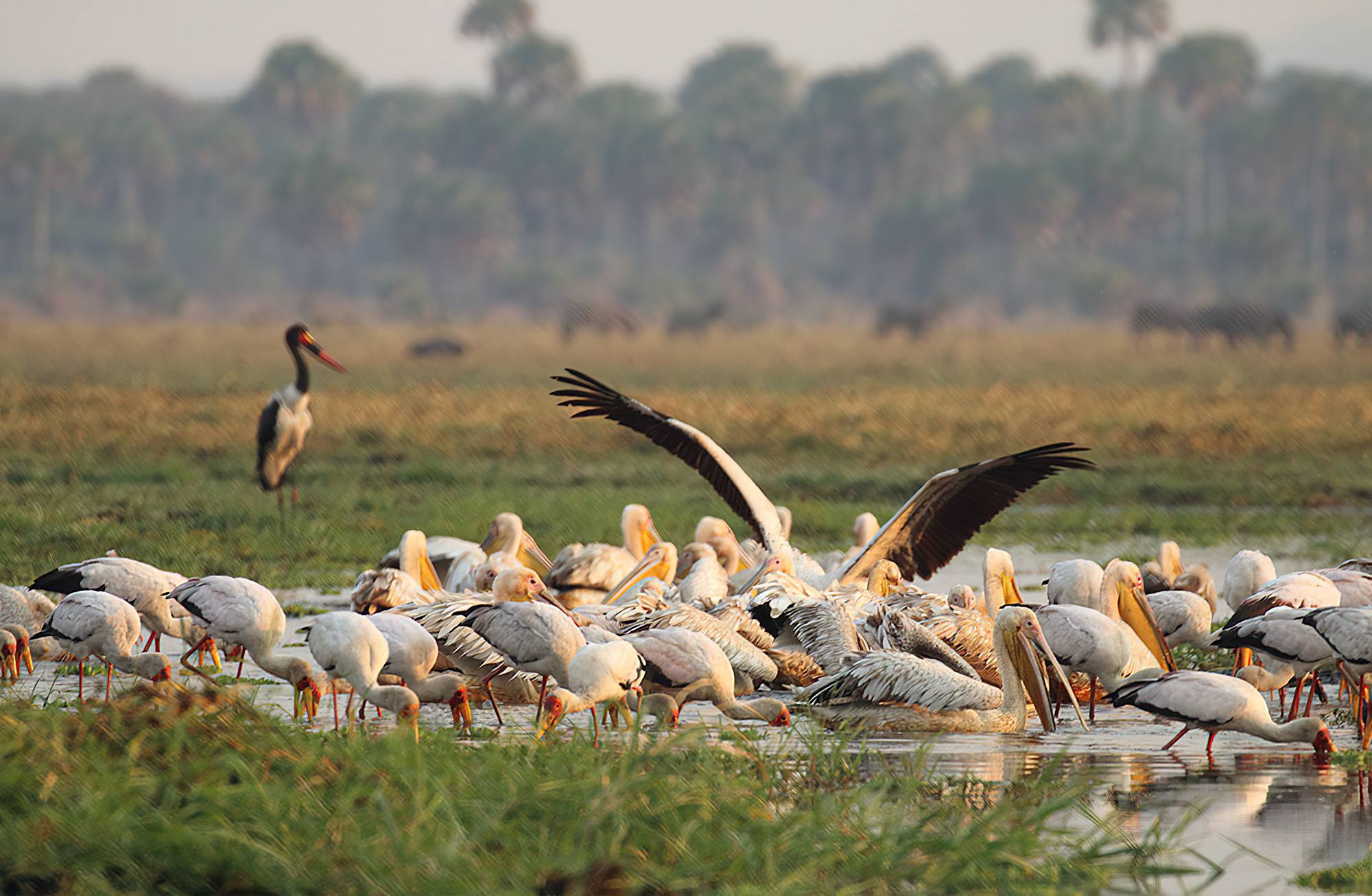
Sibiloi National Park is also a paradise for birdwatchers. Lake Turkana and surrounding wetlands attract both resident and migratory birds, including flamingos, pelicans, herons, gulls, storks, and birds of prey.
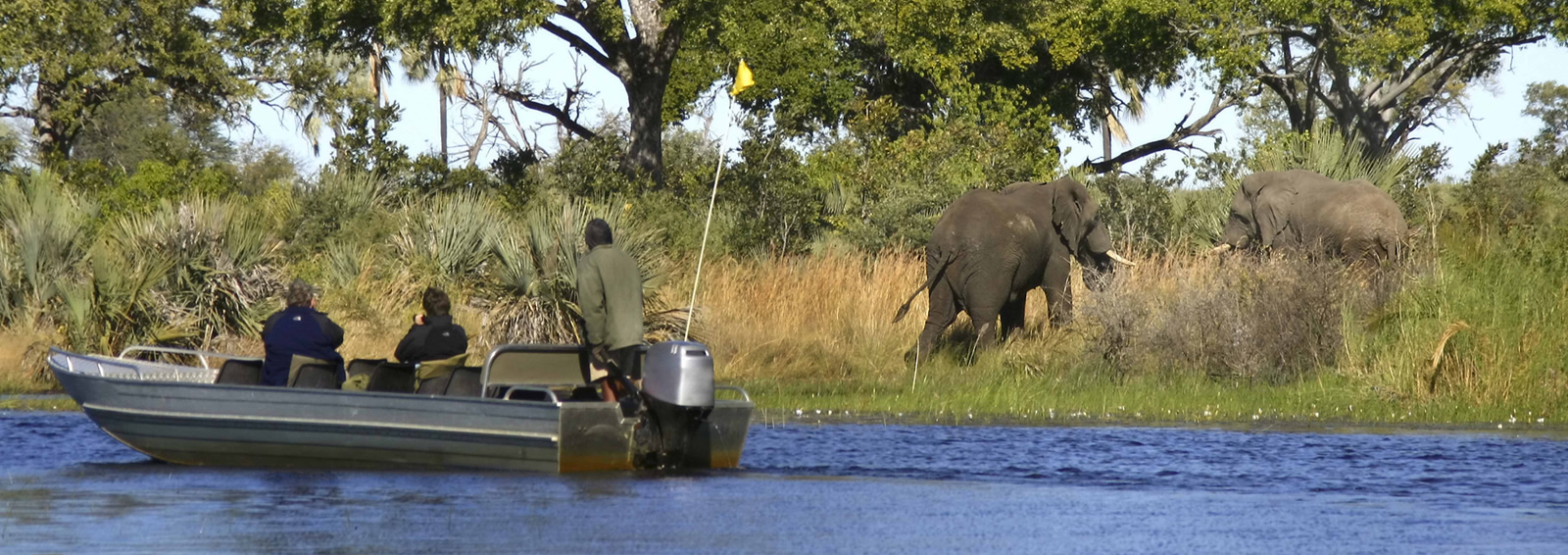
For travelers seeking adventure beyond conventional safari routes, Sibiloi National Park offers opportunities for camping, cultural encounters with local communities, fossil exploration, boat excursions on Lake Turkana, and off-road desert expeditions across northern Kenya.
Landscape and Environment of Sibiloi National Park
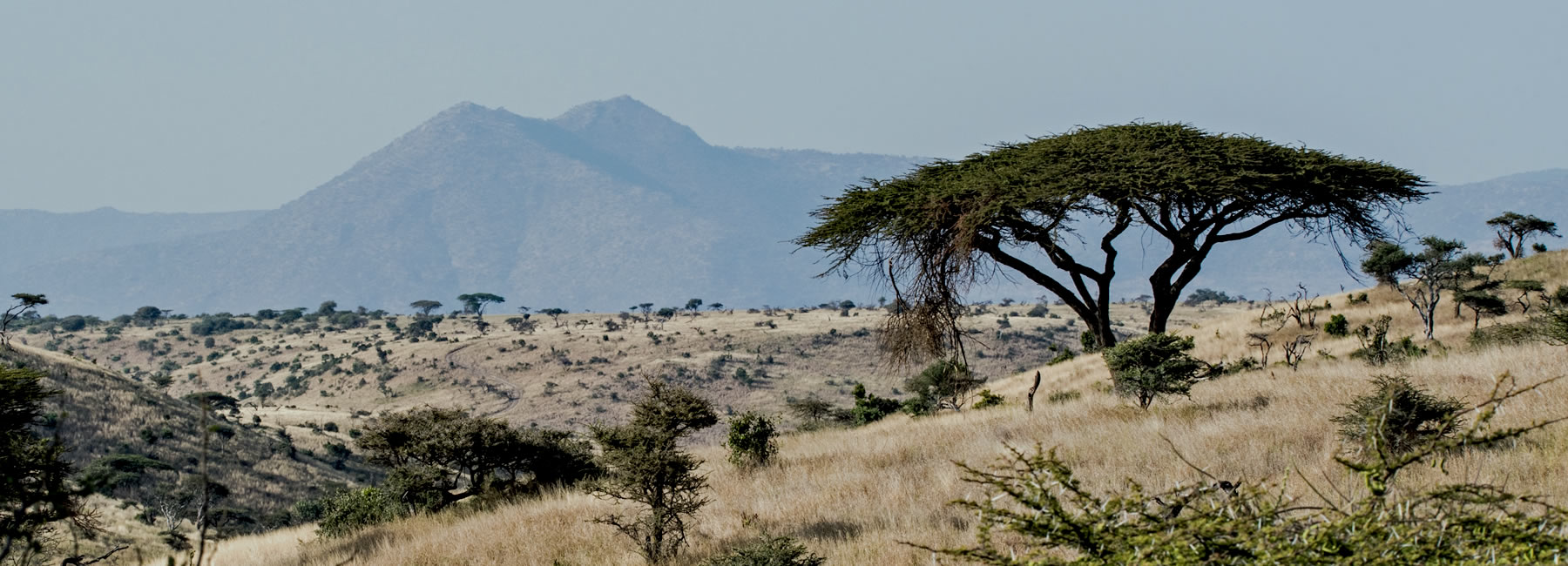
The landscape of Sibiloi National Park is among the most dramatic and unusual in Kenya, defined by vast volcanic plains, ancient lava fields, rocky escarpments, desert grasslands, dry riverbeds, and the immense shoreline of Lake Turkana. The park’s harsh yet beautiful scenery creates a raw wilderness atmosphere that feels untouched by modern development. Unlike the green forests and savannah ecosystems found in many Kenyan safari parks, Sibiloi National Park presents travelers with a rugged desert environment shaped over millions of years by volcanic activity, tectonic movements, erosion, and extreme climatic conditions.
Sibiloi National Park lies within the Lake Turkana Basin, one of Africa’s most geologically active and historically important landscapes. Ancient volcanic eruptions created black lava rocks, volcanic cones, basalt formations, and sedimentary layers that still dominate the terrain today. These geological processes exposed fossil-bearing rocks that continue to reveal evidence of prehistoric life and early human ancestors.
The environment within Sibiloi National Park is primarily arid and semi-desert, with very low annual rainfall and consistently high temperatures throughout the year. Daytime temperatures often rise above 35°C, especially during the dry seasons, while evenings near Lake Turkana can become cooler due to strong desert winds blowing across the lake.
Despite the harsh climate, the park supports surprising ecological diversity. Acacia woodlands, seasonal riverbeds, desert shrubs, grasses, and pockets of vegetation near water sources provide food and shelter for wildlife adapted to survive in extreme conditions. Areas close to Lake Turkana are particularly important because the lake provides moisture and supports fish, crocodiles, birds, and other aquatic life.
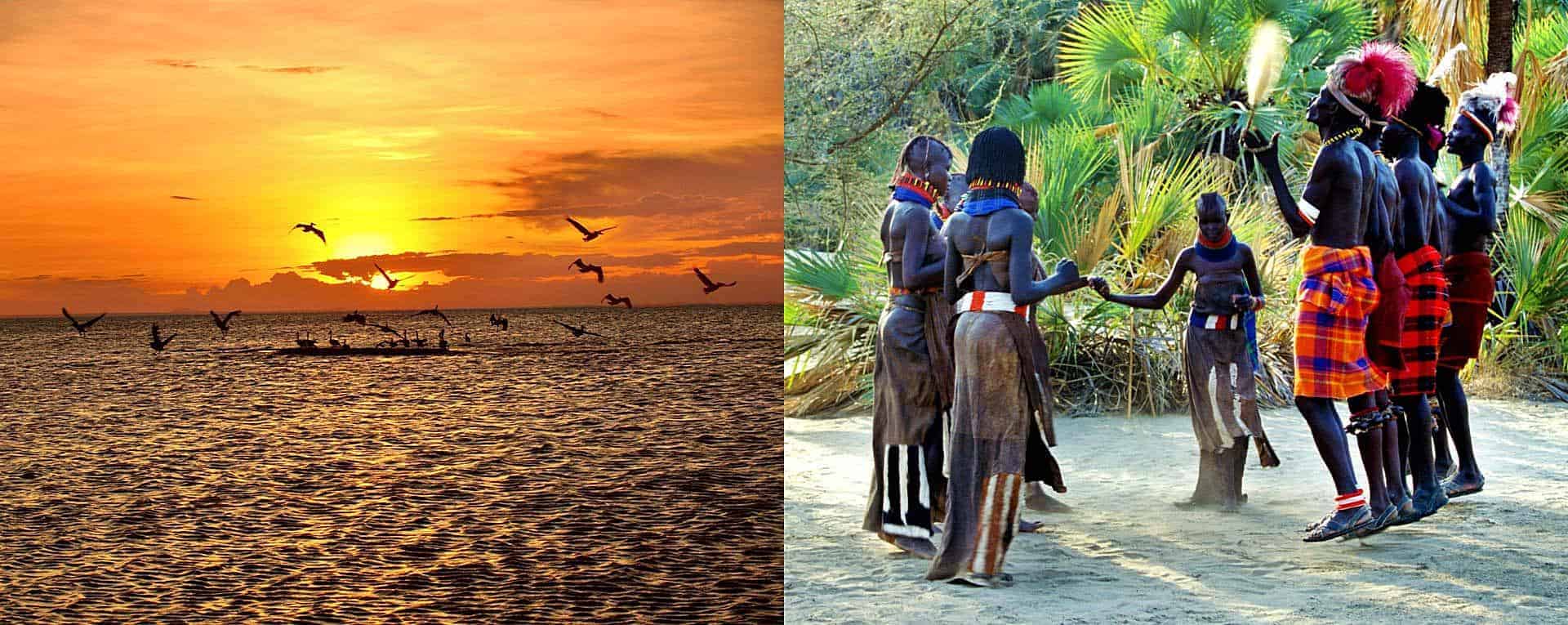
The scenery of Sibiloi National Park changes dramatically depending on the time of day. Early mornings often bring soft golden light across volcanic hills and desert plains, while sunsets over Lake Turkana create spectacular orange, red, and purple skies reflected on the water. These constantly changing landscapes make the park a paradise for photographers and travelers seeking remote natural beauty.
The isolation of Sibiloi National Park further enhances its environmental appeal. Vast open spaces stretch for long distances without signs of urban development, roads, or crowded tourist facilities. Travelers exploring the park experience a rare sense of wilderness and remoteness that is increasingly difficult to find in many safari destinations.
Fossils and Human History in Sibiloi National Park
Sibiloi National Park is internationally renowned for its extraordinary fossil discoveries and its importance in the study of human evolution. The park contains some of the world’s most significant paleoanthropological sites, particularly in the Koobi Fora region, where scientists have uncovered fossils that transformed the understanding of prehistoric life and early human ancestors.
The fossil-rich landscapes of Sibiloi National Park preserve evidence dating back millions of years. Ancient sedimentary layers exposed through erosion contain remains of prehistoric mammals, reptiles, fish, plants, and early hominids that once inhabited the region when the environment was far wetter and greener than it is today.
Koobi Fora became globally famous through the work of renowned paleoanthropologists, particularly Richard Leakey and his research teams. Their discoveries in Sibiloi National Park provided some of the most important evidence related to human origins ever found in Africa. Fossils uncovered in the area include skulls, jaws, bones, teeth, and stone tools linked to early hominid species such as Homo habilis and Homo erectus.
These discoveries helped scientists better understand the development of early humans, evolutionary changes over time, and the environmental conditions that shaped prehistoric life. Because of this scientific importance, Sibiloi National Park is often referred to as the “Cradle of Mankind.”
One of the most fascinating aspects of Sibiloi National Park is the realization that the region once supported ancient lakes, forests, rivers, and abundant wildlife millions of years ago. Fossil evidence suggests that prehistoric elephants, crocodiles, hippos, antelopes, and other species lived within the Lake Turkana Basin long before the area transformed into today’s arid desert environment.
The Koobi Fora Museum located within Sibiloi National Park allows visitors to learn more about these remarkable discoveries. The museum displays fossils, archaeological artifacts, scientific information, and exhibits explaining the significance of the area in human evolutionary studies. Exploring the museum and nearby fossil sites gives travelers a rare opportunity to connect directly with one of the most important chapters in human history.
For researchers, students, historians, archaeologists, and adventurous travelers, Sibiloi National Park offers a unique blend of science, history, exploration, and wilderness. Few destinations in Africa combine fossil discoveries, ancient human history, volcanic landscapes, and wildlife within one protected area as successfully as Sibiloi National Park.
Wildlife in Sibiloi National Park
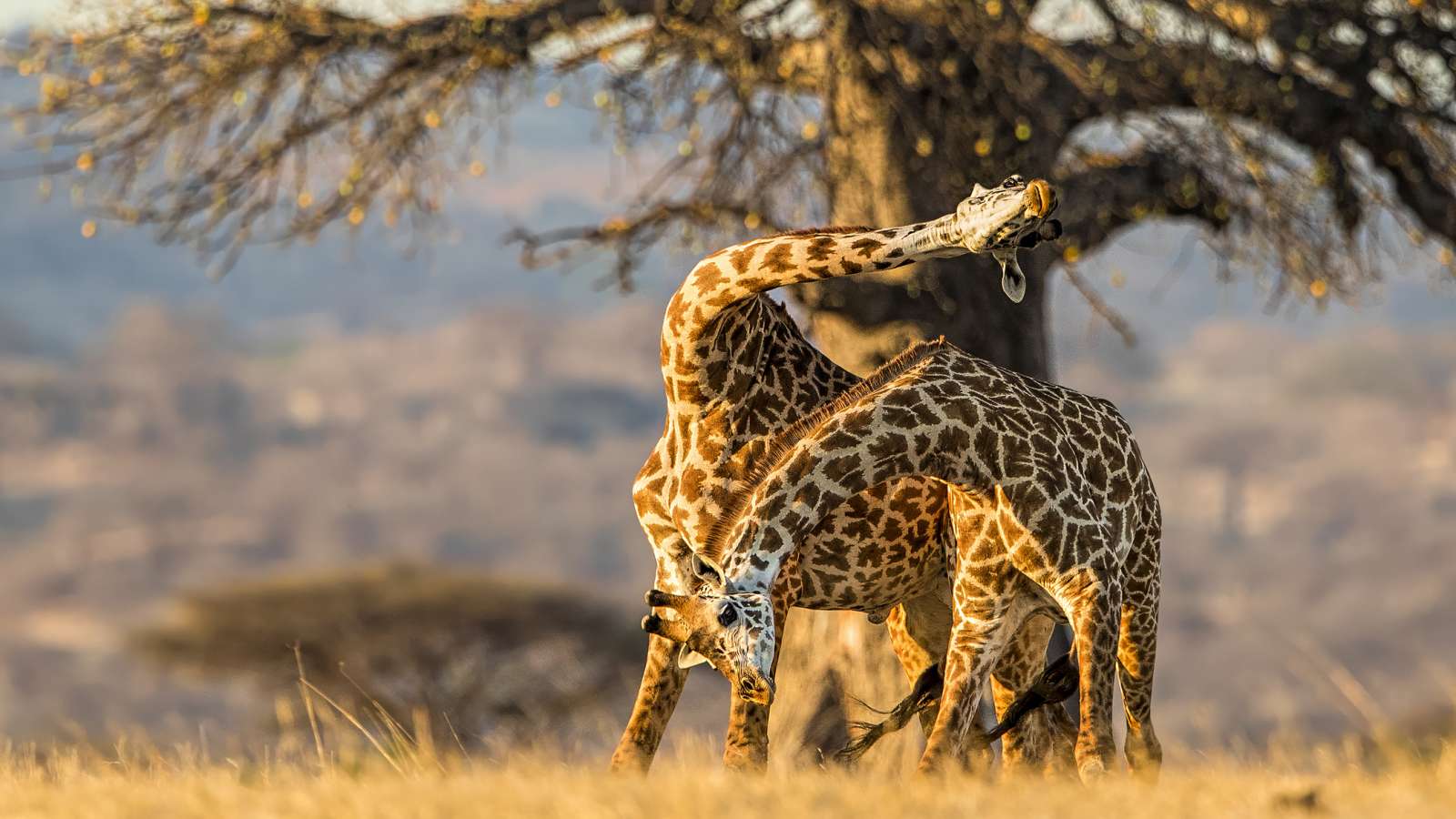
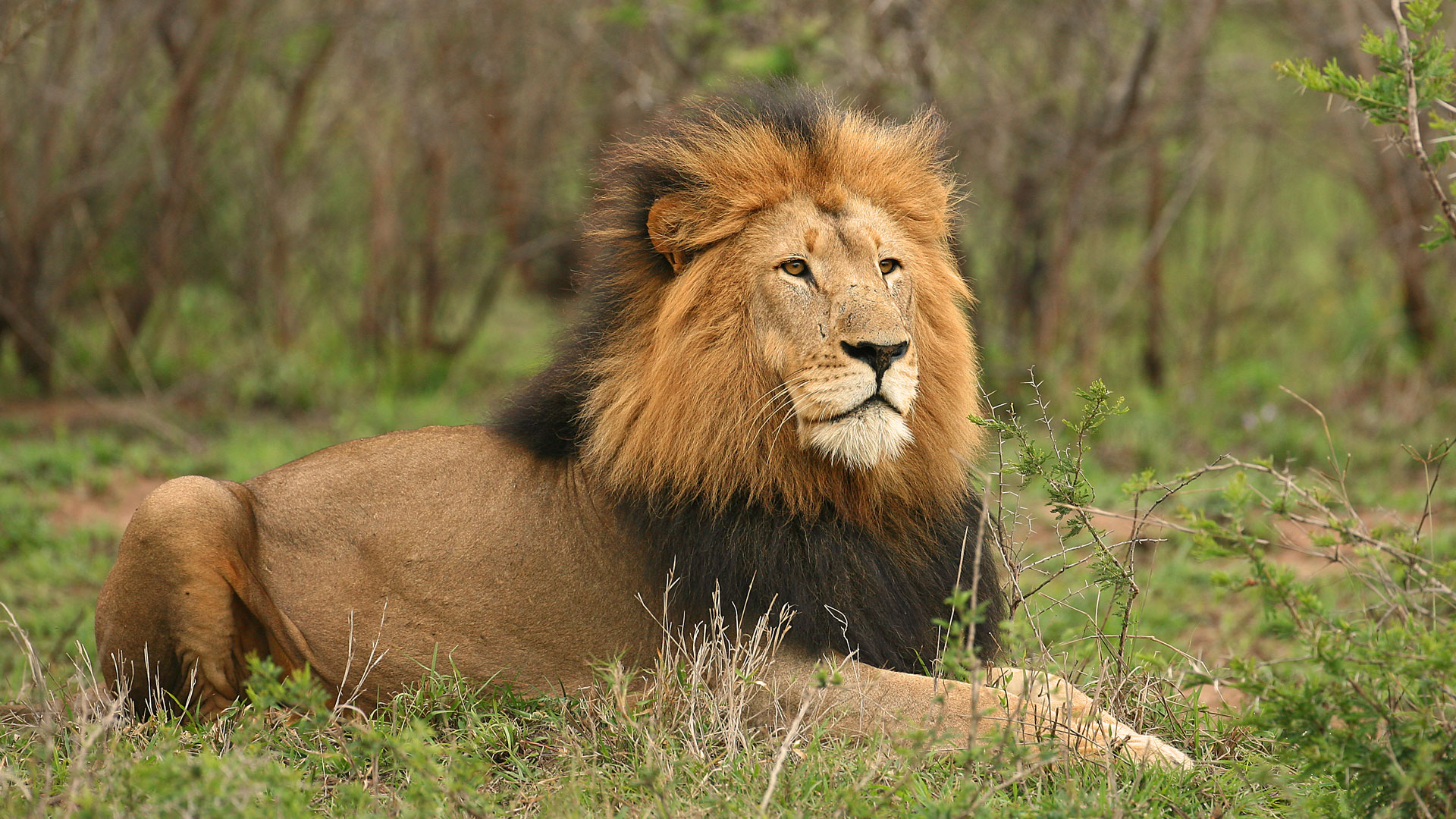
Wildlife viewing in Sibiloi National Park is unlike the classic safari experiences found in Kenya’s savannah parks because animals here survive within harsh desert conditions, volcanic terrain, and dry ecosystems shaped by extreme temperatures. Although wildlife populations are less concentrated than in destinations such as Masai Mara National Reserve, the species that inhabit Sibiloi National Park are specially adapted to arid environments and provide fascinating sightings for adventurous travelers.
The park supports a variety of mammals including Grevy’s zebras, Beisa oryx, gerenuks, Grant’s gazelles, giraffes, lions, leopards, striped hyenas, jackals, and smaller desert-adapted species. These animals have developed survival strategies that allow them to endure high temperatures, limited vegetation, and scarce water sources within the park’s desert landscape.
Grevy’s zebras are among the most distinctive animals seen in Sibiloi National Park. These rare zebras are larger and narrower-striped than common plains zebras and are highly adapted to dry environments. Beisa oryx are also commonly associated with the park’s arid grasslands and volcanic plains. Their ability to survive long periods without direct water access makes them perfectly suited for life in northern Kenya.
Gerenuks, sometimes called “giraffe gazelles,” are another remarkable species found in Sibiloi National Park. These elegant antelopes are known for their long necks and ability to stand upright on their hind legs while feeding on shrubs and vegetation above ground level.
Predators such as lions, leopards, striped hyenas, and jackals also inhabit the park, although sightings can be challenging due to the vast landscapes and low wildlife densities. Striped hyenas are particularly well adapted to desert conditions and are among the most unique carnivores found in the region.
Lake Turkana itself supports an entirely different ecosystem within Sibiloi National Park. The lake is famous for hosting one of the world’s largest populations of Nile crocodiles. Massive crocodiles are frequently seen basking along the shores or moving silently through shallow waters near the lake’s edge. Hippos are also present in certain areas around the lake and seasonal river mouths.
Birdlife in Sibiloi National Park is exceptional, particularly around Lake Turkana and nearby wetlands. Flamingos, pelicans, herons, gulls, cormorants, storks, and migratory bird species are commonly observed along the shoreline. Birds of prey such as eagles and vultures also thrive within the park’s desert ecosystem.
Wildlife viewing in Sibiloi National Park feels wild, remote, and unpredictable. The absence of large tourist crowds allows travelers to enjoy authentic wilderness experiences while exploring one of Kenya’s least visited and most adventurous national parks.
Top Things to Do in Sibiloi National Park
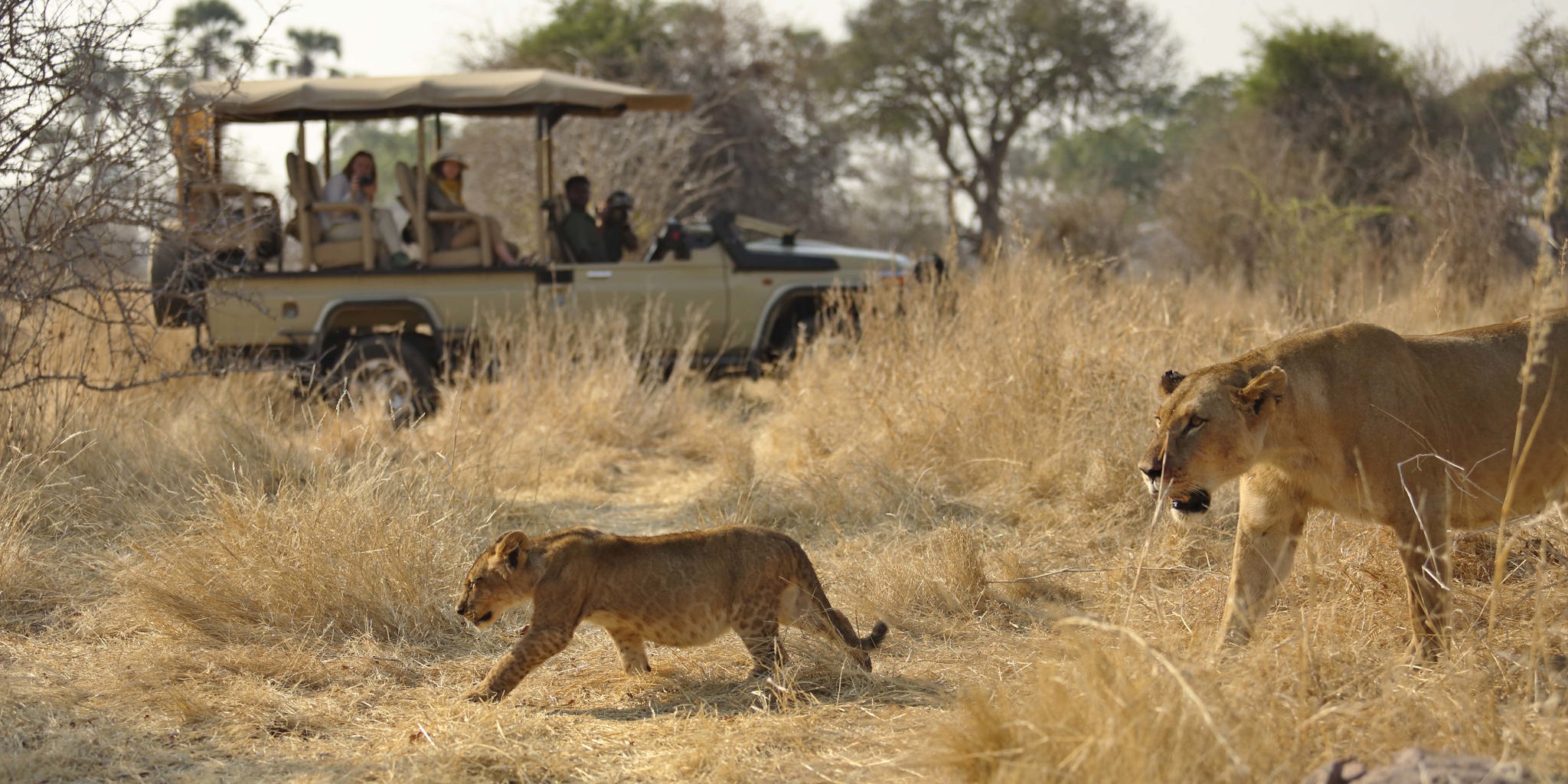
Sibiloi National Park offers a wide variety of unique safari activities focused on exploration, archaeology, wildlife, photography, cultural encounters, and desert adventure. Unlike traditional safari parks centered mainly on game drives, Sibiloi National Park provides experiences that combine science, history, wilderness, and remote travel within one of Kenya’s most extraordinary landscapes.
One of the top activities in Sibiloi National Park is exploring the famous Koobi Fora fossil sites. Travelers can visit the areas where groundbreaking discoveries about early human evolution were made and learn about the scientific importance of the Lake Turkana Basin. Guided tours of fossil regions and museums provide fascinating insight into prehistoric life and the origins of mankind.
Lake Turkana itself is another major attraction within Sibiloi National Park. Often called the “Jade Sea” because of its striking blue-green color, the lake offers breathtaking scenery and opportunities for photography, birdwatching, boat excursions, and crocodile viewing. Sunrises and sunsets over the lake are particularly spectacular and create unforgettable safari moments.
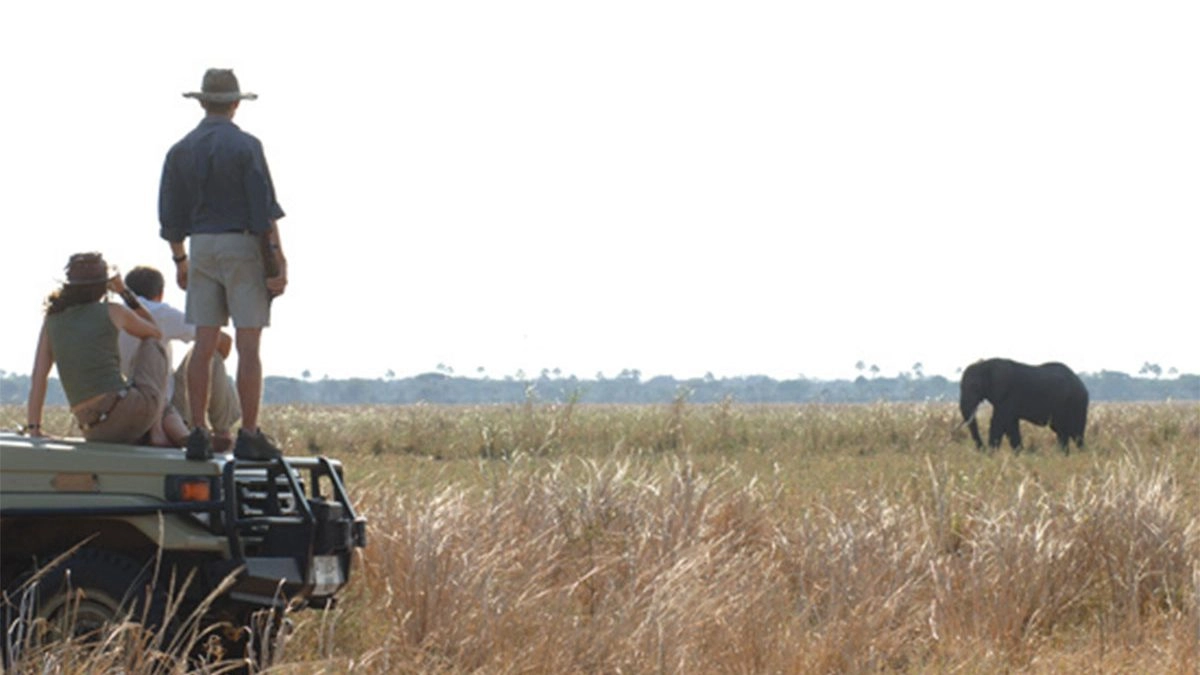
Wildlife viewing remains an important activity in Sibiloi National Park despite the harsh desert conditions. Guided game drives allow visitors to search for Grevy’s zebras, oryx, giraffes, crocodiles, lions, striped hyenas, and desert-adapted wildlife across volcanic plains and dry river valleys.
Birdwatching around Lake Turkana is exceptionally rewarding because the lake attracts numerous aquatic and migratory bird species. Flamingos, pelicans, gulls, herons, and cormorants are commonly observed along shorelines and wetlands.
Photography safaris are highly popular in Sibiloi National Park due to the park’s dramatic volcanic landscapes, fossil sites, desert scenery, wildlife, and unique lighting conditions. The contrast between black lava rocks, golden plains, and turquoise lake waters creates extraordinary visual opportunities rarely found elsewhere in East Africa.
Camping and expedition-style safaris are also among the most exciting ways to experience Sibiloi National Park. Spending nights under clear desert skies surrounded by remote wilderness gives travelers a deep sense of adventure and connection with nature.
Cultural experiences with local communities near Lake Turkana further enrich visits to Sibiloi National Park. Travelers may interact with local pastoral groups and fishing communities who have adapted to life in northern Kenya’s harsh desert environment over generations.
The combination of archaeology, wildlife, desert scenery, culture, photography, and wilderness adventure makes Sibiloi National Park one of the most unique and rewarding safari destinations in Kenya.
Best Time to Visit Sibiloi National Park
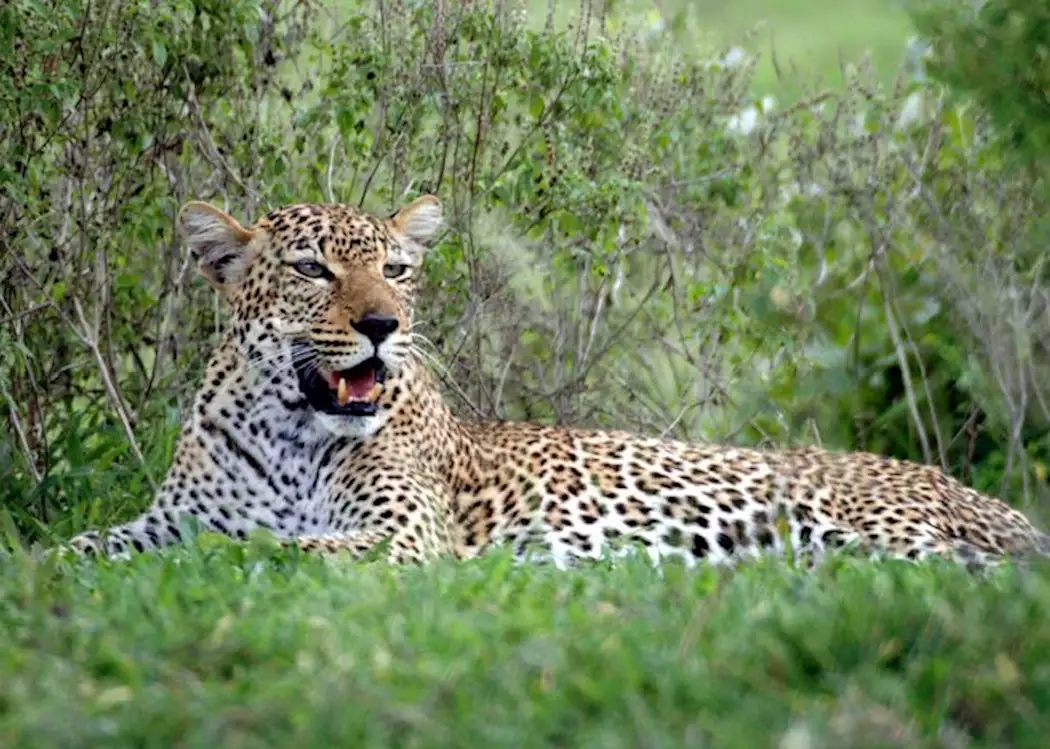
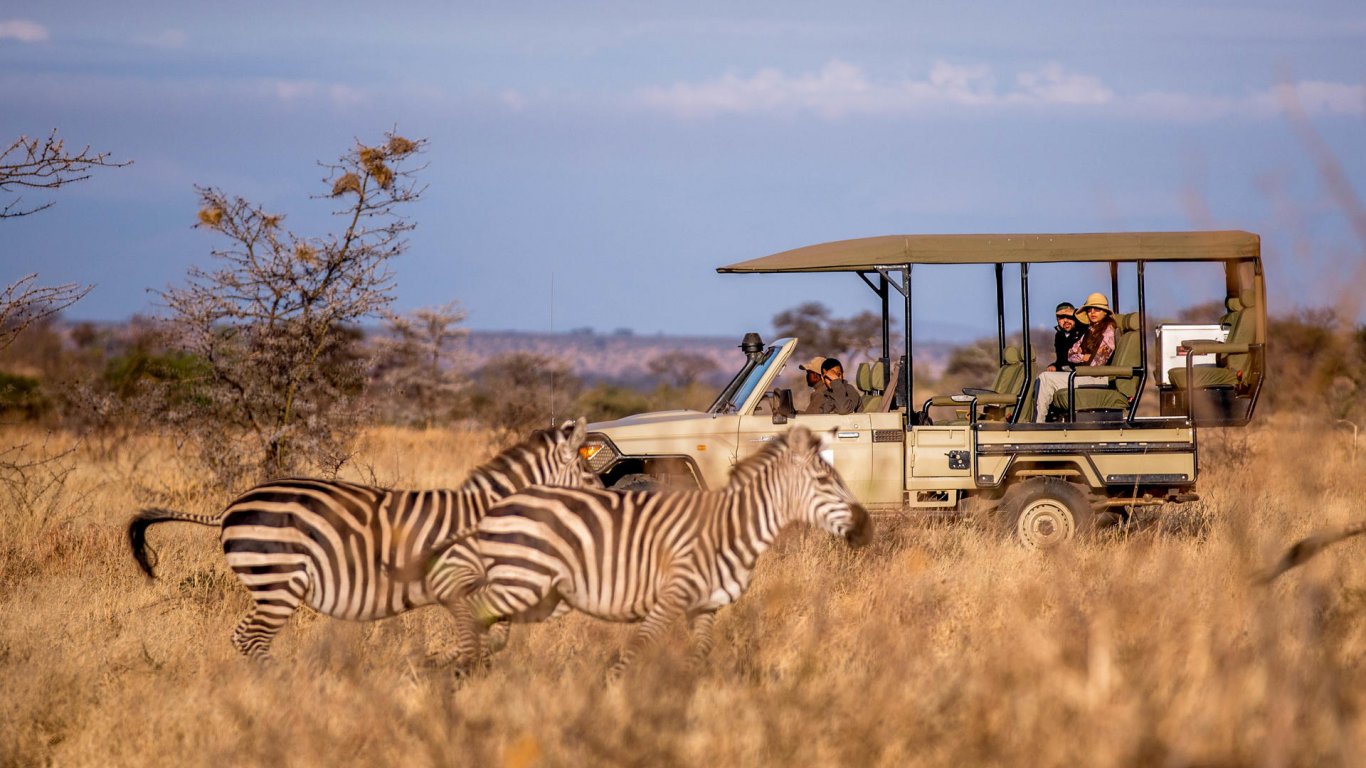
Sibiloi National Park can be visited throughout the year, but the best time to visit generally falls during the drier months from June to September and December to February when road conditions improve, temperatures become slightly more manageable, and wildlife viewing opportunities are better. Because Sibiloi National Park lies within Kenya’s arid northern region near Lake Turkana, weather patterns are very different from those experienced in many other safari destinations across East Africa.
During the dry seasons, access roads leading to Sibiloi National Park become more reliable and easier to navigate, which is extremely important because of the park’s remote location and rugged desert terrain. Travelers exploring the park during these months can move more comfortably between fossil sites, wildlife areas, camps, and the shores of Lake Turkana without major interruptions caused by muddy or flooded roads.
The dry season also improves wildlife viewing conditions in Sibiloi National Park. Sparse vegetation makes it easier to spot animals moving across volcanic plains, dry riverbeds, and open desert grasslands. Wildlife tends to gather near remaining water sources, seasonal wetlands, and areas close to Lake Turkana where food and water are more available.
From June to September, daytime temperatures remain hot but are often more comfortable than during the peak heat periods experienced later in the year. Early mornings and evenings are cooler and provide ideal conditions for photography, game drives, fossil exploration, hiking around archaeological sites, and birdwatching along the lake shore.
The months of December to February are also considered excellent for visiting Sibiloi National Park because skies are usually clear, visibility is good, and desert landscapes become especially dramatic under strong sunlight. The contrast between the volcanic black rocks, golden desert plains, and turquoise waters of Lake Turkana creates stunning scenery during this time of year.
Although Sibiloi National Park remains hot throughout the year, the cooler desert mornings and evenings make safari activities more enjoyable. Travelers staying in camps near Lake Turkana often experience refreshing winds blowing across the lake, particularly after sunset.
Rainfall in Sibiloi National Park is generally low and unpredictable, but occasional rains can occur during March to May and around November. When rains arrive, parts of the landscape briefly transform as vegetation becomes greener and seasonal streams begin flowing through normally dry valleys. However, road conditions can become challenging during wet periods, especially for travelers using overland safari vehicles.
Birdwatching in Sibiloi National Park is rewarding throughout the year, particularly near Lake Turkana where resident and migratory bird species gather around wetlands and shorelines. Migratory seasons often bring even greater bird diversity, attracting flamingos, pelicans, herons, gulls, cormorants, storks, and birds of prey.
Photography conditions are excellent year-round due to the park’s dramatic scenery and unique desert lighting. Sunrise and sunset over Lake Turkana are particularly breathtaking and create ideal opportunities for landscape photography and wildlife images.
Travelers planning a safari to Sibiloi National Park should also consider the remote nature of the destination when choosing travel dates. Proper planning, experienced guides, reliable vehicles, and carefully arranged logistics are especially important because of the park’s isolation and limited infrastructure.
Accommodation in Sibiloi National Park
Accommodation in Sibiloi National Park is limited compared to Kenya’s more developed safari destinations, but this is part of what makes the park such a unique and adventurous experience. The remote location of Sibiloi National Park means that accommodations focus more on wilderness immersion, expedition-style travel, and authentic desert safari experiences rather than luxury tourism infrastructure.
Travelers visiting Sibiloi National Park can choose from eco-camps, mobile camping safaris, expedition camps, and a few basic safari lodges located near Lake Turkana and surrounding wilderness areas. Most accommodations are designed to blend into the environment while providing travelers with comfort, safety, and direct access to the park’s dramatic landscapes and archaeological attractions.
Eco-camps near Lake Turkana are among the most popular accommodation options for visitors seeking scenic views and a peaceful atmosphere. These camps usually feature simple but comfortable tented rooms or bandas positioned to overlook the lake or surrounding desert terrain. Staying near Lake Turkana allows travelers to enjoy spectacular sunsets, birdwatching opportunities, and the sounds of nature in one of Kenya’s most remote wilderness regions.
Mobile camping safaris are especially popular in Sibiloi National Park because they allow travelers to fully experience the freedom and adventure of northern Kenya. Mobile camps are often set up in carefully selected scenic locations close to fossil sites, wildlife areas, or the shores of Lake Turkana. These safaris provide a deeper connection with the landscape and allow visitors to explore remote sections of the park inaccessible through standard tourism routes.
Expedition camps are ideal for travelers interested in archaeology, photography, scientific exploration, or long overland journeys through northern Kenya. These camps are usually more basic and focus on functionality, safety, and access to key exploration areas within Sibiloi National Park. Expedition-style accommodation appeals particularly to adventurous travelers looking for authentic wilderness experiences rather than luxury-focused safaris.
Basic safari lodges around the Sibiloi National Park region offer simple but comfortable rooms with essential facilities for travelers exploring Lake Turkana and the surrounding desert environment. While accommodations may not be as luxurious as those found in Kenya’s mainstream safari destinations, they provide an authentic atmosphere that matches the rugged beauty of the region.
Camping remains one of the best ways to experience Sibiloi National Park because it allows travelers to fully immerse themselves in the silence, isolation, and beauty of northern Kenya’s wilderness. Nights spent beneath clear desert skies surrounded by volcanic landscapes and distant sounds from Lake Turkana create unforgettable safari memories.
Because of the park’s remoteness, accommodation facilities in Sibiloi National Park are intentionally limited to preserve the natural environment and wilderness atmosphere. Visitors are encouraged to travel with experienced safari operators who understand the region’s logistics, road conditions, safety considerations, and environmental conditions.
At Boots in the Jungle Safaris, we carefully select accommodation options based on comfort, safety, location, and overall safari experience. Whether travelers prefer adventurous mobile camping, lakeside eco-camps, or expedition-style accommodations, we ensure every stay enhances the overall experience of exploring Sibiloi National Park and Lake Turkana.
Book Your Sibiloi National Park Safari with Boots in the Jungle Safaris
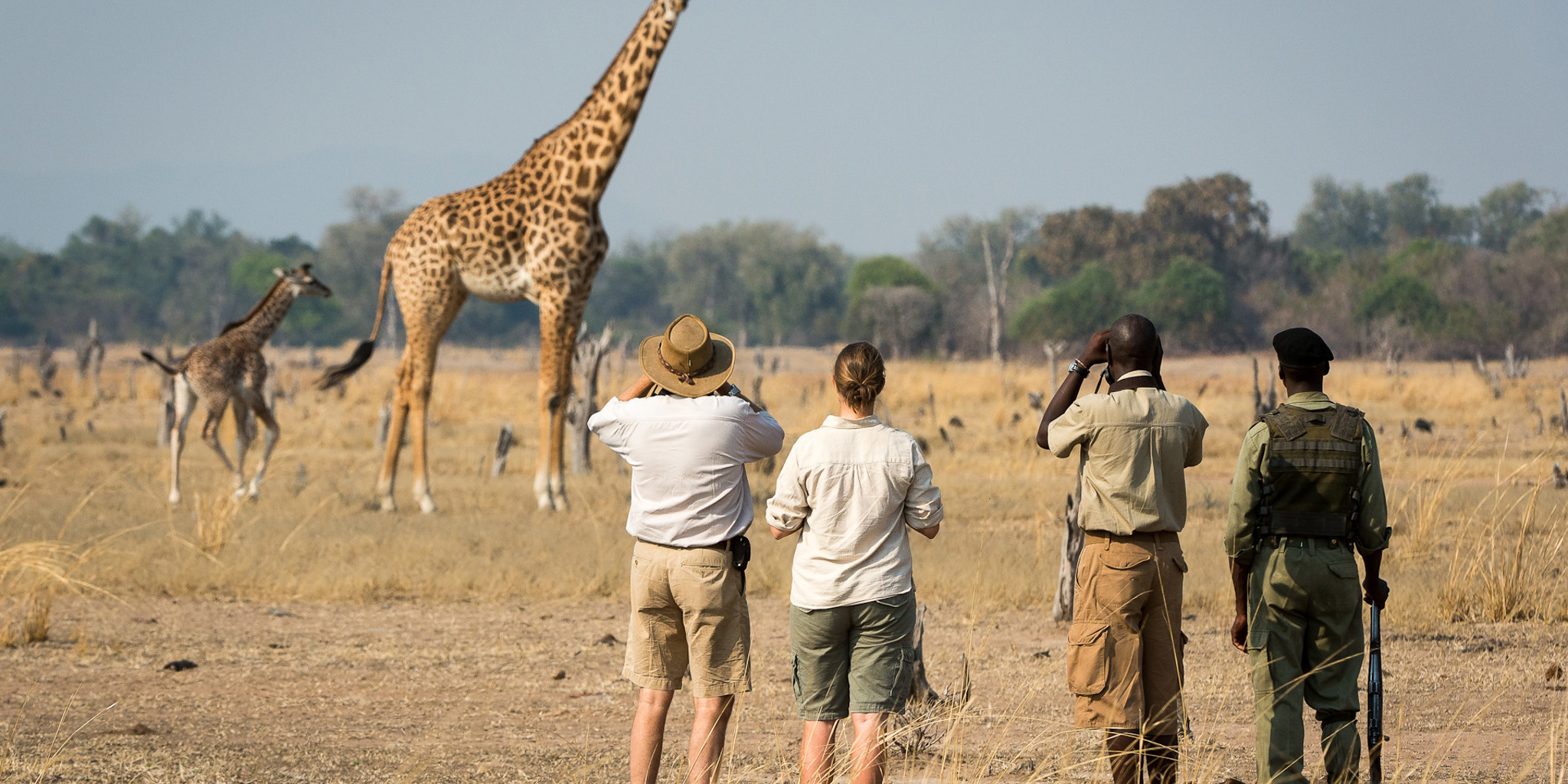
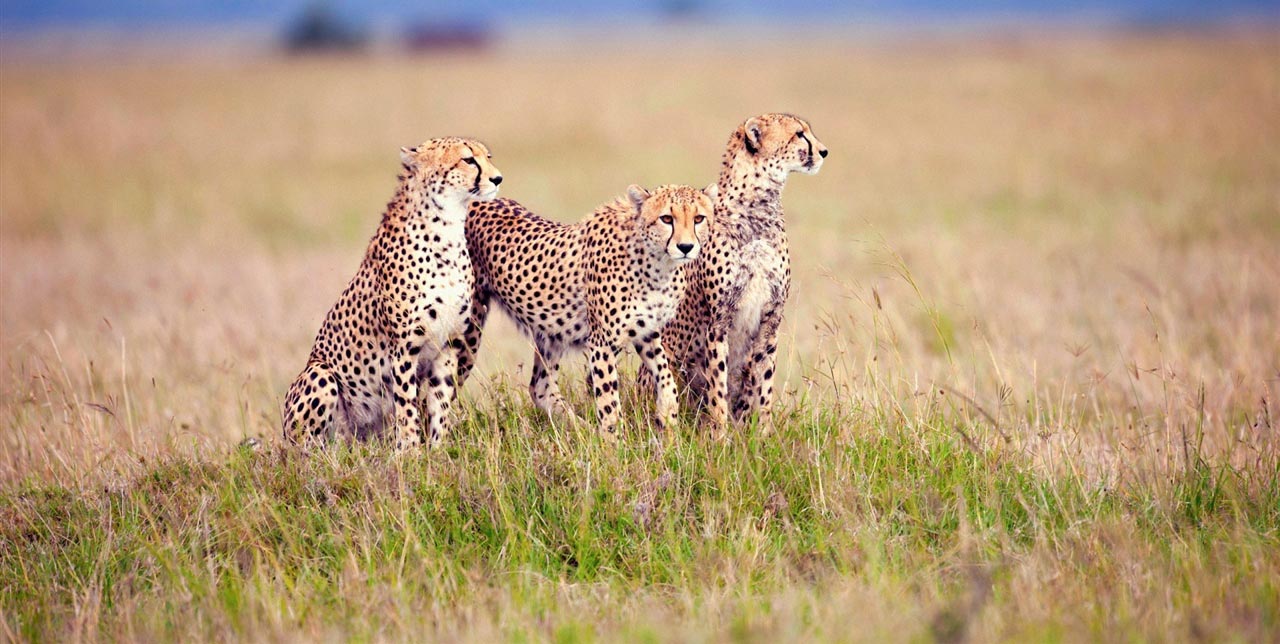
At Boots in the Jungle Safaris, we specialize in organizing extraordinary Sibiloi National Park safari adventures designed for travelers seeking authentic wilderness exploration, archaeology, wildlife encounters, photography, cultural experiences, and remote desert expeditions in northern Kenya. Our carefully designed safaris allow travelers to experience one of Kenya’s most isolated and fascinating national parks while enjoying professional planning, expert guidance, and personalized service throughout the journey.
Sibiloi National Park is not a typical safari destination. Its remote location, volcanic landscapes, fossil sites, harsh desert conditions, and limited infrastructure require experienced safari planning and reliable logistical support. At Boots in the Jungle Safaris, we use our extensive knowledge of northern Kenya to create safe, comfortable, and unforgettable safari experiences that fully showcase the beauty and significance of Sibiloi National Park.
Our customized Sibiloi National Park safari packages are tailored to suit different travel styles and interests. Whether you are a photographer seeking dramatic desert landscapes, a researcher interested in human evolution and archaeology, a birdwatcher exploring Lake Turkana’s wetlands, or an adventure traveler looking for untouched wilderness, we design itineraries that match your goals and preferences.
Our safaris include experienced guides familiar with northern Kenya’s terrain, wildlife, fossil regions, cultural communities, and remote travel conditions. We arrange reliable transportation using properly equipped safari vehicles capable of handling rugged desert roads and long expedition routes. For travelers seeking even greater comfort or faster access, we can also arrange charter flight connections to remote airstrips near Lake Turkana.
Boots in the Jungle Safaris carefully organizes every aspect of your Sibiloi National Park experience including accommodation, camping arrangements, meals, park entry logistics, fossil site exploration, cultural visits, photography opportunities, wildlife viewing, and Lake Turkana excursions. Our goal is to ensure travelers can focus entirely on exploration and adventure while we manage the operational details behind the safari.
One of the greatest advantages of booking with Boots in the Jungle Safaris is the flexibility of our itineraries. Sibiloi National Park can easily be combined with other destinations in northern Kenya including Samburu National Reserve, Marsabit National Park, Chalbi Desert, Central Island National Park, South Island National Park, and Lake Turkana cultural regions. We create customized northern Kenya safari circuits that allow travelers to experience multiple landscapes, wildlife habitats, and cultural traditions within a single expedition.
Travelers booking with Boots in the Jungle Safaris also benefit from our commitment to responsible tourism and environmental conservation. We encourage low-impact travel practices that help protect the fragile desert ecosystems, archaeological heritage, and cultural communities surrounding Sibiloi National Park.
A safari to Sibiloi National Park is not simply a wildlife trip; it is an expedition into one of Africa’s most historically important and visually dramatic landscapes. From ancient fossil discoveries and volcanic terrain to crocodile-filled shores and endless desert horizons, every moment in Sibiloi National Park feels adventurous, educational, and unforgettable.
Contact Boots in the Jungle Safaris today and let us help you plan a truly extraordinary Sibiloi National Park safari adventure filled with exploration, discovery, wilderness, and authentic experiences in one of Kenya’s last great frontiers.