
Essential Rwenzori Marathon FAQs: Complete Answers for Registration, Race Day, Travel and Safari Planning
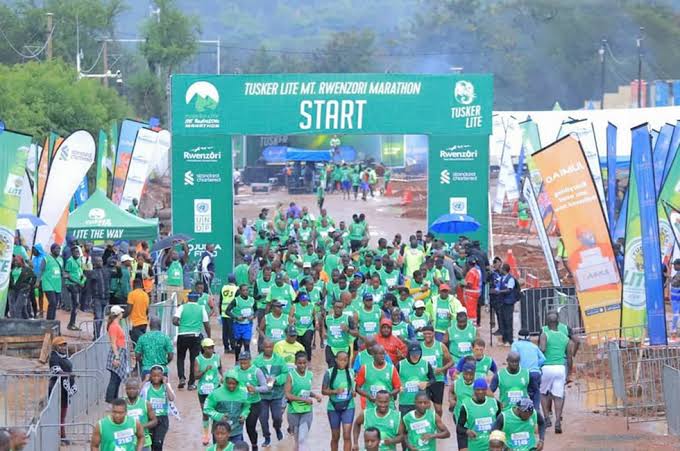
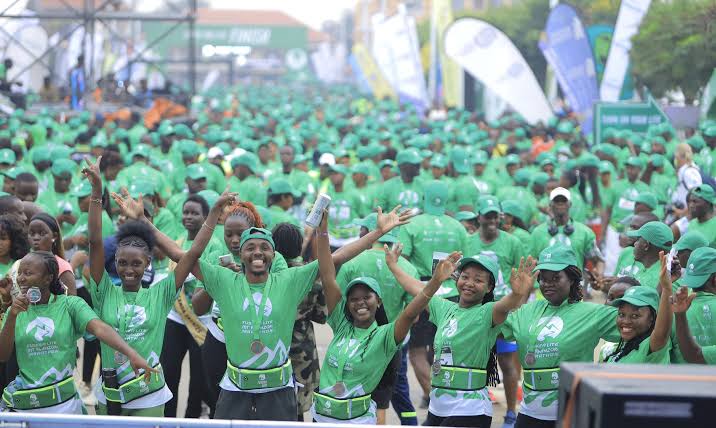
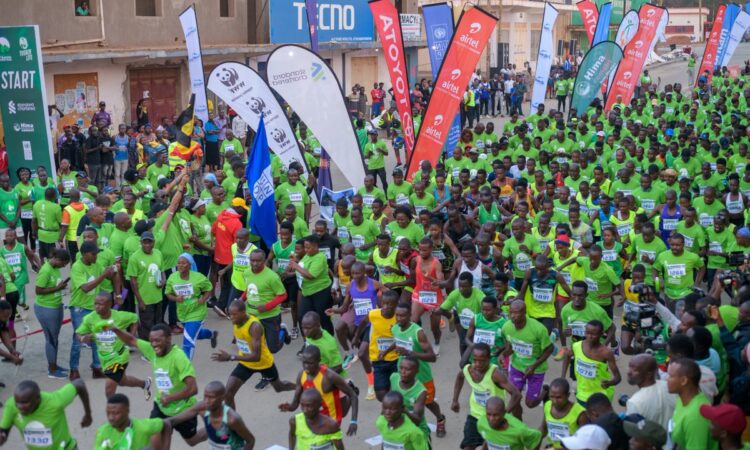
Rwenzori Marathon FAQs brings together the most important questions runners, spectators, families, and international visitors ask when planning their journey to Kasese. The Rwenzori Marathon is more than a competitive road race; it is a destination event that combines endurance running with the scenery of western Uganda, local culture, wildlife safaris, mountain adventures, and opportunities to explore some of the country’s most celebrated national parks.
The fifth edition of the event is scheduled for Saturday, August 22, 2026, in Kasese, Uganda. The marathon is a World Athletics Label Road Race and offers four categories: the full marathon, half marathon, 10-kilometre race, and 5-kilometre Vibes Run. All categories are currently restricted to participants aged 18 and above.
Planning an international race involves much more than selecting a distance. Participants need to understand registration, payment, kit collection, race-day transport, accommodation, weather, visas, medical preparation, and the safari opportunities available after crossing the finish line. This detailed Rwenzori Marathon FAQs page answers those questions in one convenient place while helping visitors plan a smooth and rewarding Uganda experience.
Event information may be updated by the organisers as race day approaches. Participants should therefore use this guide for planning while confirming final times, routes, kit-collection arrangements, and race policies through current official communication.
Rwenzori Marathon Registration FAQs

1. When will the Rwenzori Marathon 2026 take place?
The 2026 Rwenzori Marathon is scheduled for Saturday, August 22, 2026, in Kasese, western Uganda. It will be the fifth edition of the event.
2. Is registration for the 2026 marathon open?
Yes. Registration for the 2026 edition is open. The official registration page states that runners must register and complete payment to secure their entry. Registration can close when the event sells out or when the organisers reach the published closing date.
3. How do I register?
Participants register through the official online registration system. Your entry is only secured after the required information has been submitted and payment has been completed. Once successful, you should receive a confirmed-entry email, which must be kept safely because it may be required during race-kit collection.
4. How much does registration cost?
The official 2026 registration page lists standard entry fees of UGX 60,000 for East African Community citizens and residents and USD 60 for international runners. Early-bird rates before July 1, 2026, were listed as UGX 50,000 and USD 50 respectively. Always verify the current rate before payment because promotional periods can end or fees can be updated.
5. What race categories are available?
Participants can choose the 42.195-kilometre full marathon, 21.1-kilometre half marathon, 10-kilometre race, or 5-kilometre Vibes Run.
6. What is the minimum age for participating?
The official routes page states that all race categories, including the Vibes Run, are open only to participants aged 18 and above.
7. Can international runners participate?
Yes. International runners can register online and participate in the same event. Separate pricing applies to international entries, and visitors should arrange passports, visas, travel insurance, accommodation, and transport well before arriving in Uganda.
8. Can I register after arriving in Kasese?
Participants should not depend on last-minute registration. The event may close once available places are filled, and completing registration early gives you more time to arrange accommodation, transport, and safari extensions.
9. Can I change my race category after registration?
Category changes depend on the organisers’ current policy, available space, and the time remaining before the event. Contact the official registration team as soon as possible rather than waiting until kit collection.
10. Are registration payments refundable?
Refund and transfer conditions should be reviewed during registration. Older official registration guidance stated that payments were non-refundable, but participants should confirm the current 2026 terms before paying.
Race Kit and Bib Collection FAQs
11. What is included in the race kit?
The exact contents may vary, but race kits normally include the participant’s bib and other official event materials. Timing information and additional sponsor items may be included according to the category and current event arrangements.
12. Where do I collect my race kit?
The official runner-information page lists kit collection arrangements in Kampala and Kasese. Kasese collection is associated with the marathon arena on Stanley Street, while Kampala collection is offered before participants travel west. Dates and opening times should be verified carefully because published pages can be updated as race weekend approaches.
13. What should I bring when collecting my kit?
Carry your confirmed-entry email and valid photo identification. Your registration name should match the identification presented.
14. Can another person collect my kit?
This depends on the current collection policy. Where third-party collection is permitted, organisers may require written authorization and identification. Confirm this in advance rather than sending someone without the required documents.
15. What should I check before leaving the collection desk?
Confirm that your name, bib number, race category, and any timing information are correct. Report discrepancies immediately so they can be resolved before race morning.
Race-Day FAQs
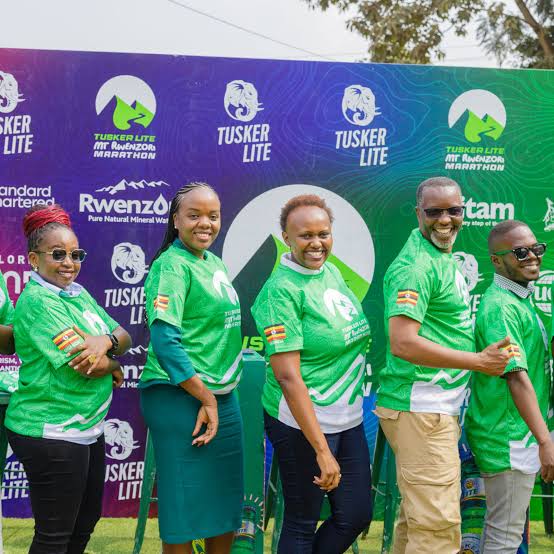
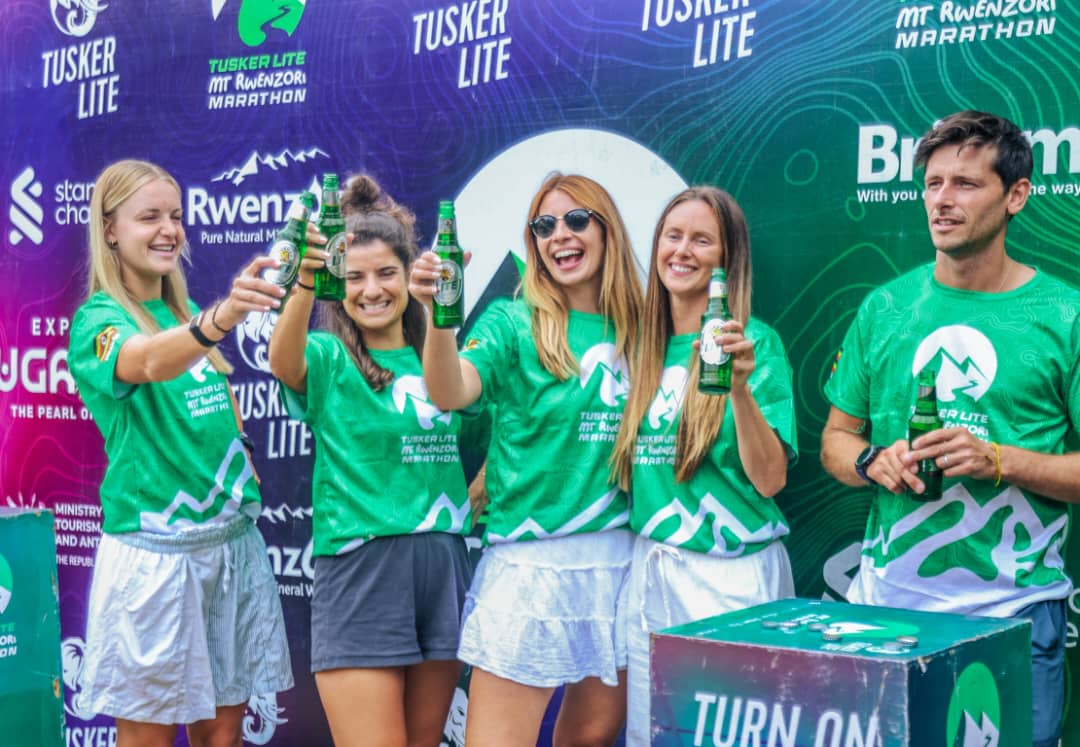
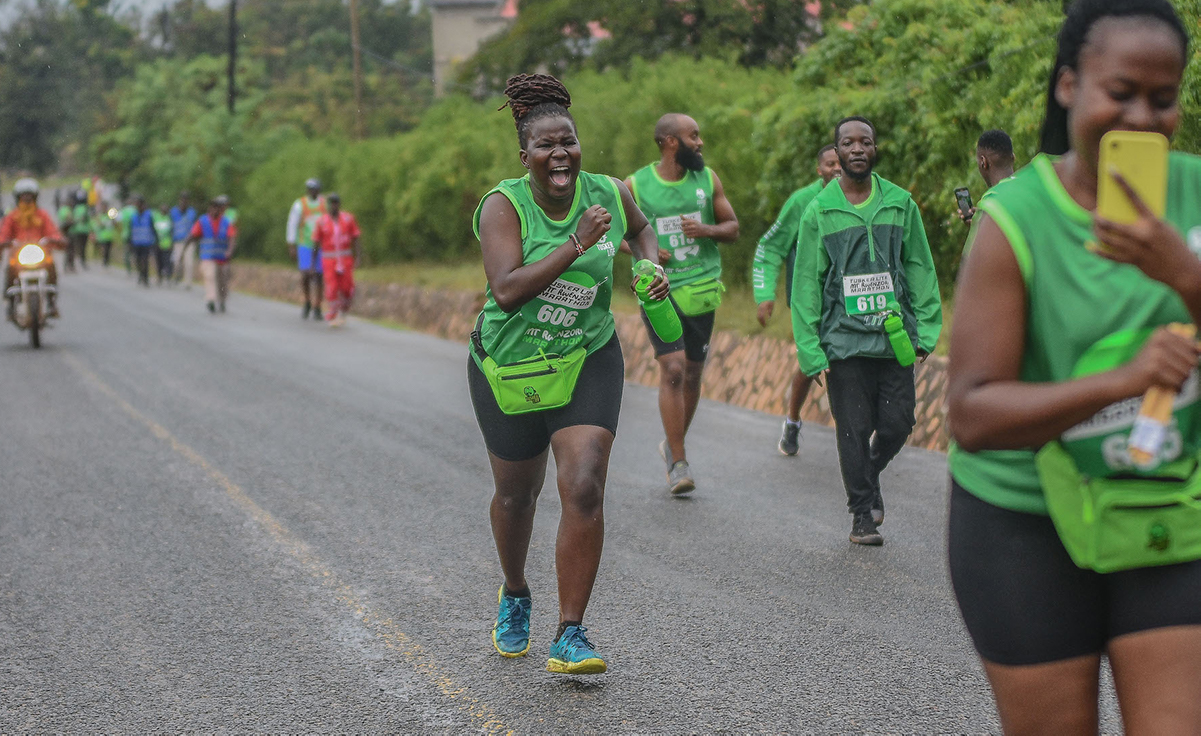
16. What time does the full marathon start?
The published 2026 programme lists assembly for the 42-kilometre race at 5:30 a.m. and the full-marathon start at 6:00 a.m. from the Equator at Kikorongo.
17. What time does the half marathon start?
The current programme lists the half-marathon start at 6:45 a.m. from Rwenzori Road outside Sandton Hotel in Kasese Town.
18. What time do the 10-kilometre and 5-kilometre races start?
The current programme lists the 10-kilometre start at 7:15 a.m. and the 5-kilometre Vibes Run at 7:30 a.m., both from Rwenzori Road in Kasese Town.
19. How do full-marathon runners reach the Equator start?
The published programme lists shuttle transfers between Kasese Town and the Equator beginning between 3:45 a.m. and 4:15 a.m. Full-marathon runners should confirm their pickup location and arrive early.
20. Are roads closed during the race?
The programme states that road closures are implemented from approximately 4:00 a.m. along the relevant Mbarara Highway section between the Kikorongo Equator and Kasese Airport. Drivers, spectators, and safari operators should plan around these restrictions.
21. Is the route officially certified?
The event is presented as a World Athletics Label Road Race, and the organiser has published updates regarding route certification and race operations.
22. Is professional timing used?
The official event-information page states that timing is handled by FinishTime, a South African timing company used at major African races.
23. Are water and aid stations provided?
Official race operations include participant-support arrangements along the course. The final number, spacing, and products available at water or aid stations should be confirmed from the current race briefing and route information.
24. Is medical assistance available?
Medical teams and event-support personnel are expected as part of a professionally organized road race. Participants should disclose relevant medical information where requested, carry necessary medication, and stop immediately if they experience serious discomfort.
25. Is baggage storage provided?
Baggage arrangements should be confirmed in the final participant information. Bring only necessary items and avoid leaving passports, cash, or high-value electronics in general race storage.
26. What happens if it rains?
The race can continue during ordinary rainfall, but organisers may adjust operations if weather creates a safety concern. Runners should prepare for changing equatorial and mountain-influenced conditions by using tested shoes, quick-drying clothing, and light rain protection before and after the event.
27. When is the prize-giving ceremony?
The current programme lists prize giving at 11:00 a.m. at the marathon arena.
28. Is there entertainment after the race?
The published schedule includes a Tusker Lite Neon Rave at the marathon arena on race-day evening. Participants should confirm the latest programme before attending.
Route and Difficulty FAQs
29. Where does the full marathon begin?
The full marathon begins at the Equator in the Kikorongo area and continues toward Kasese. This Equator start is one of the event’s most distinctive features.
30. Where do the shorter races begin?
The current programme lists Rwenzori Road outside Sandton Hotel in Kasese Town as the starting area for the half marathon, 10-kilometre race, and 5-kilometre Vibes Run.
31. Where is the finish line?
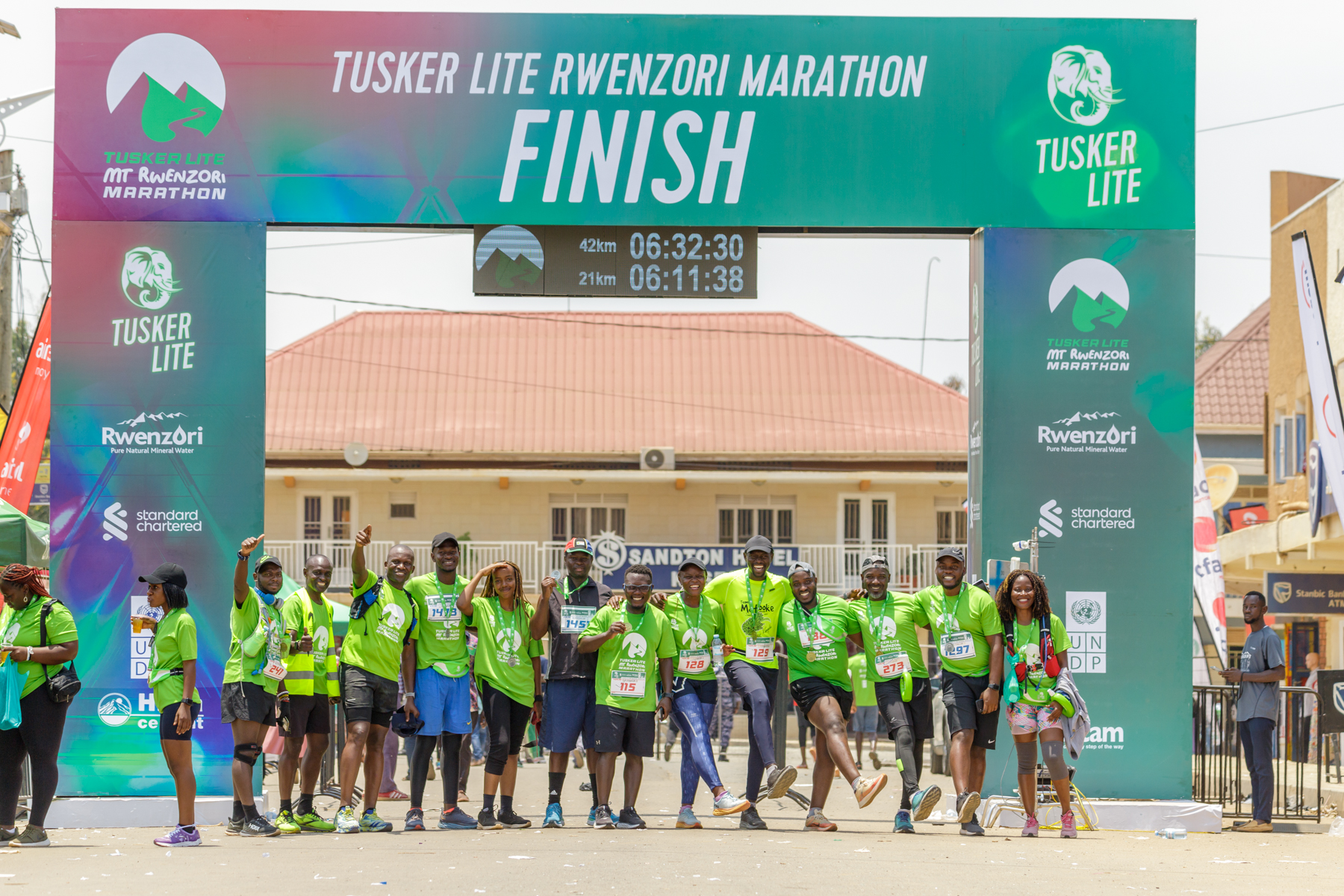
Published event information identifies the marathon arena around Stanley Street in Kasese as the main finish and event area.
32. Is the course flat?
The route includes both easier sections and changes in elevation associated with the Kasese and Kilembe landscape. Runners should include hill work, long runs, strength training, and controlled pacing in their preparation.
33. Is the Rwenzori Marathon suitable for beginners?
Beginners can select a distance appropriate to their training, but even the shorter races require preparation. The organisers’ training guidance recommends building mileage gradually, adding hill sessions and speed work, and using cross-training to improve overall fitness.
Travel and Transport FAQs
34. Which airport should international runners use?
Most international visitors enter Uganda through Entebbe International Airport before continuing to Kasese by private road transfer, scheduled transport, or domestic flight.
35. How long does the road journey to Kasese take?
Travel time varies with the route, traffic, stops, and pickup location. A private road transfer normally requires most of a day, so international visitors should avoid scheduling their arrival too close to kit collection or race morning.
36. Should I arrive in Kasese early?
Arriving at least one or two days before the race gives you time to rest, collect your kit, inspect the event area, confirm transport, and recover from the journey.
37. Can Boots in The Jungle Safaris arrange airport transfers?
Yes. Boots in The Jungle Safaris can organize private airport collection, road transfers to Kasese, domestic-flight coordination, marathon accommodation, and race-morning transport.
38. Do international visitors need a Uganda visa?
Visa requirements depend on nationality and current immigration rules. Travelers should use Uganda’s official immigration channels and ensure that passports meet the required validity period.
39. Is a Yellow Fever certificate required?
Travelers should check Uganda’s current health-entry requirements and consult an authorized healthcare professional before departure. Carry any required vaccination documentation with your passport.
40. Is travel insurance necessary?
Comprehensive insurance is strongly recommended. The policy should cover medical care, trip cancellation, baggage, sporting activity, and evacuation where appropriate.
Accommodation FAQs
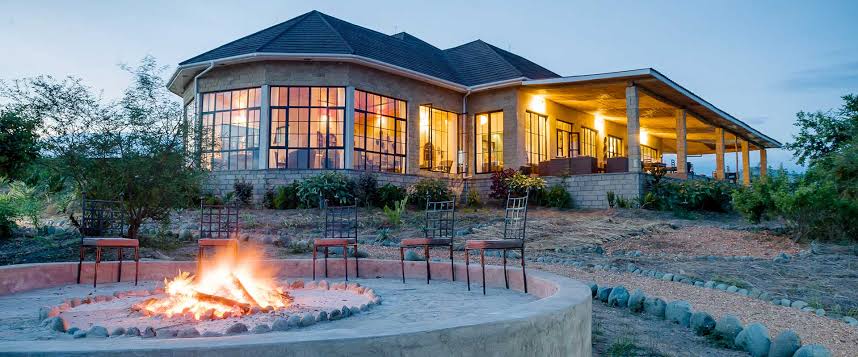
41. Where should runners stay?
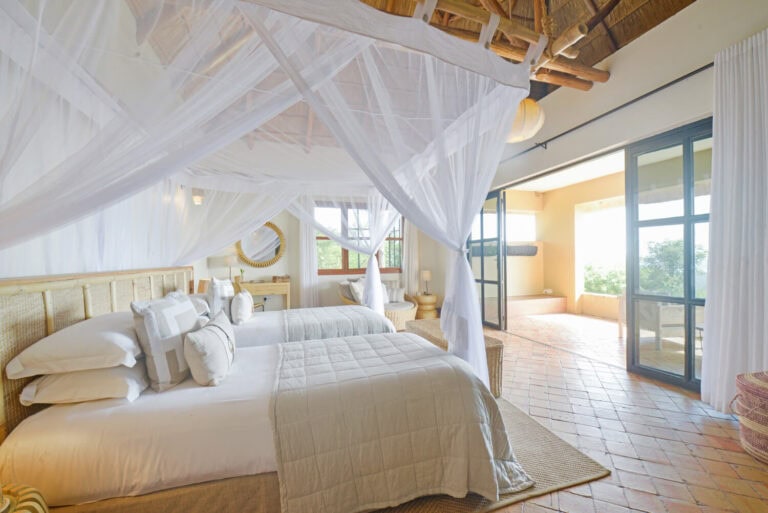
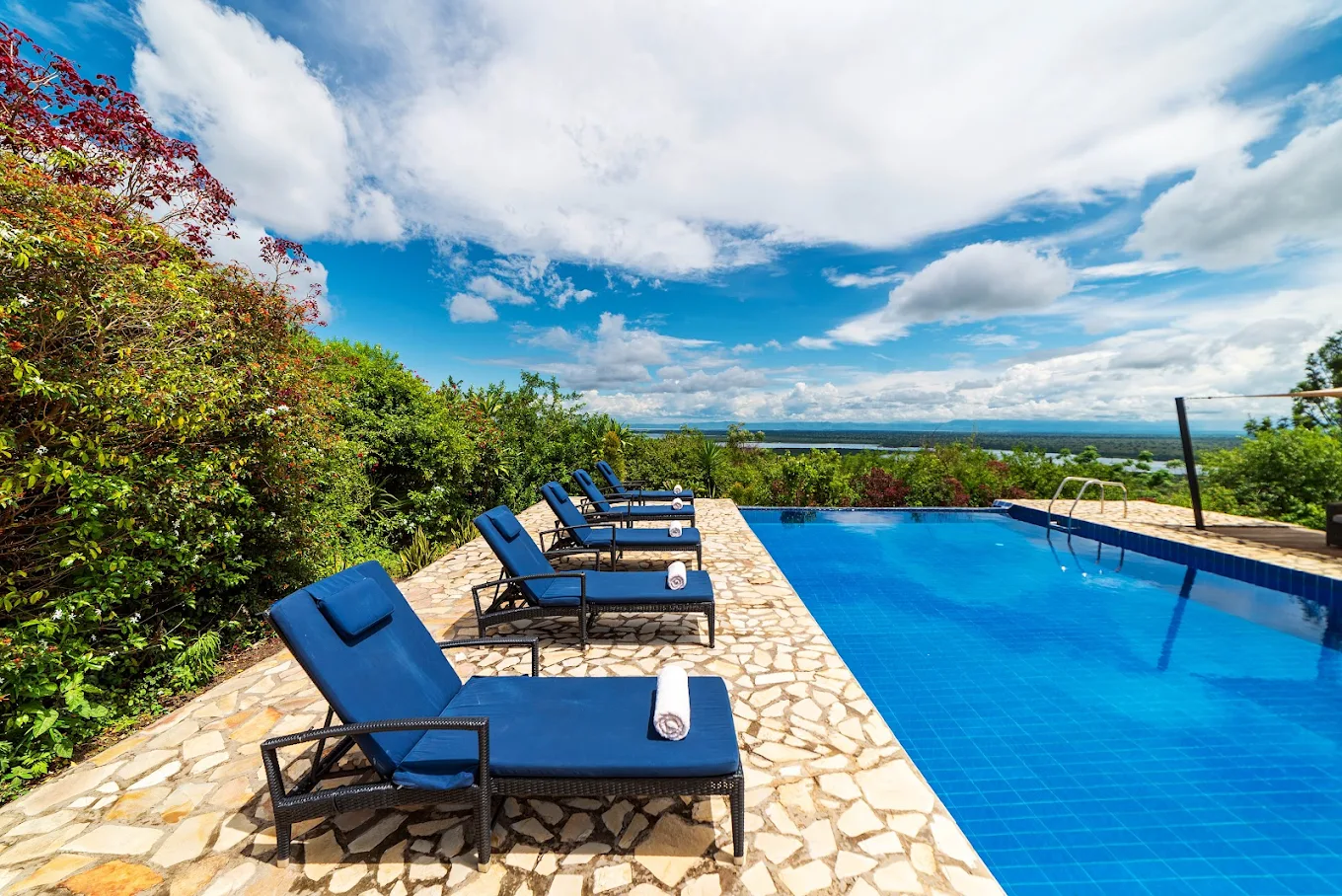
Kasese offers budget guesthouses, town hotels, camping, mid-range properties, and safari lodges. Central accommodation offers easier access to event activities, while properties near the Equator or Queen Elizabeth National Park may suit runners prioritizing the full-marathon start or a post-race safari.
42. How early should accommodation be booked?
Book as early as possible. Official planning guidance warns that accommodation fills quickly closer to race day. Kasese’s hotel capacity has expanded as the event has grown, but demand remains high during marathon weekend.
43. Is camping available?
Yes. The official travel-partner page lists accommodation options that include camping grounds, cottages, and private rooms near the Equator.
44. Can hotels provide an early breakfast?
Many properties can arrange an early or packed breakfast if requested in advance. Confirm the meal time and menu before arrival rather than assuming normal breakfast service will begin before the race.
45. Can Boots in The Jungle Safaris arrange accommodation?
Yes. We can arrange luxury, mid-range, budget, family, group, and camping accommodation according to your category, transport plan, and post-marathon itinerary.
Spectator and Family FAQs
46. Can spectators attend?
Yes. Spectators can support runners from appropriate areas, but they should respect road closures, marshal instructions, and official access restrictions.
47. Is the marathon suitable for families?
Families can travel together and combine race weekend with wildlife safaris, cultural experiences, and sightseeing. However, the current rules state that race categories are restricted to participants aged 18 and above.
48. What can non-running companions do?
Companions can explore Kasese, visit nearby crater lakes, enjoy Queen Elizabeth National Park, take guided cultural tours, or relax at a lodge while the runner completes registration and race preparation.
Safari and Post-Marathon FAQs
49. Can I visit Queen Elizabeth National Park after the marathon?
Yes. Queen Elizabeth National Park is the closest major wildlife destination and can be reached quickly from Kasese. It is ideal for game drives and Kazinga Channel boat cruises.
50. Can I go gorilla trekking after the race?
Yes. Bwindi Impenetrable National Park can be included in a three-day or longer post-marathon itinerary. Most full-marathon runners benefit from allowing recovery time before entering the forest.
51. Can I track chimpanzees after the marathon?
Yes. Kibale National Park is one of the easiest primate extensions from Kasese and can be combined with Queen Elizabeth National Park.
52. Can I hike the Rwenzori Mountains after running?
Yes, but the right hiking level depends on your recovery and physical condition. Gentle foothill walks are very different from demanding multi-day mountain expeditions.
53. How many additional safari days should I plan?
Two or three days are enough for a short Queen Elizabeth or Kibale experience. Five to ten days allow you to combine wildlife, chimpanzees, gorillas, hiking, and relaxation.
54. Can I combine Uganda and Rwanda?
Yes. Cross-border itineraries can end in Kigali after gorilla trekking or continue into Rwanda for additional experiences, subject to visa and immigration requirements.
Virtual Participation FAQs
55. Can I run the marathon virtually?
The official event-information page states that virtual participation is available. Registered virtual runners must submit proof through the method specified by the organisers.
56. Will virtual medals be shipped internationally?
The official event-information page states that virtual medals are collected in Kampala and that international shipping is not available. Confirm the latest collection arrangements before registering virtually.
Plan Your Rwenzori Marathon Journey with Boots in The Jungle Safaris
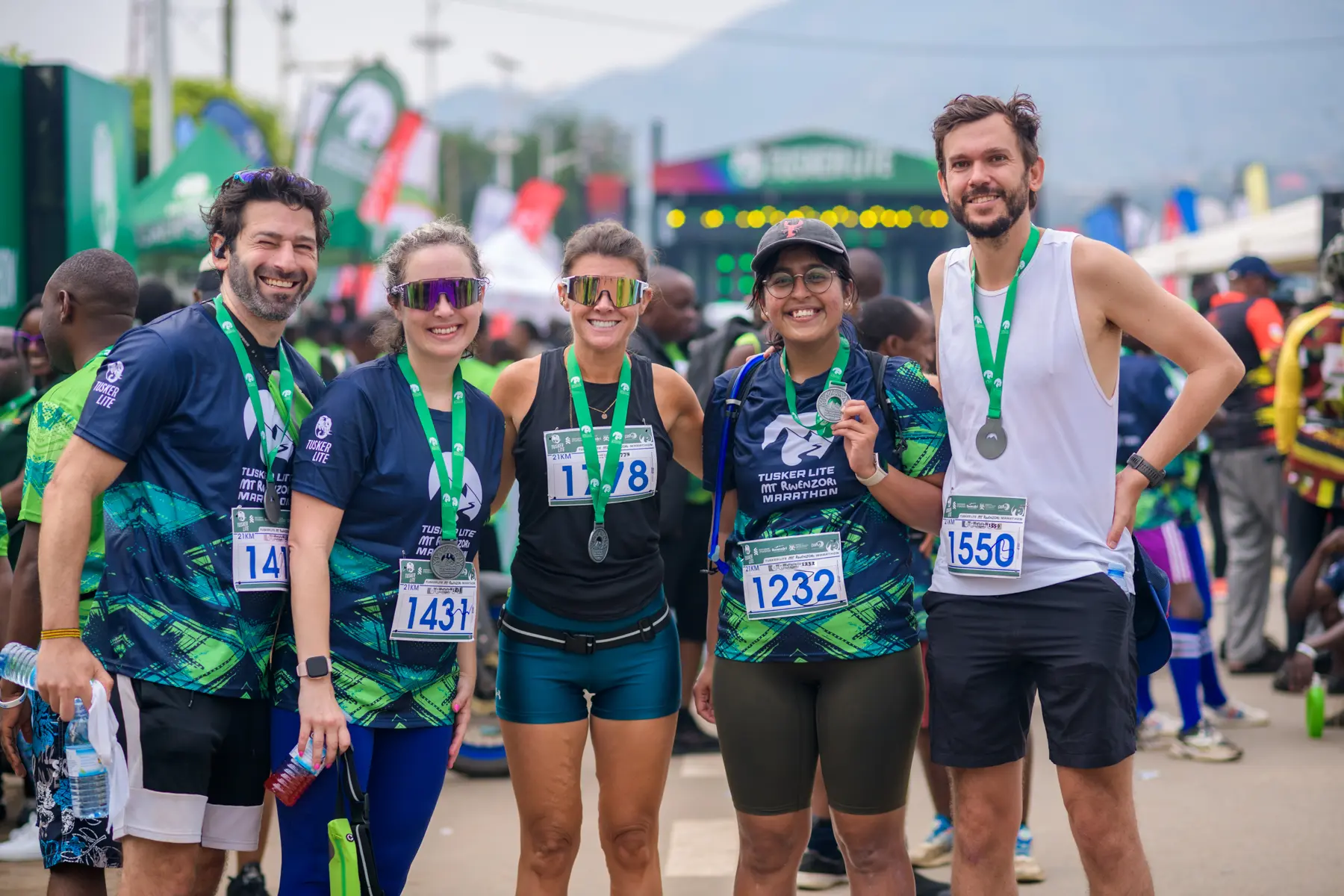
The answers in these Rwenzori Marathon FAQs show that a successful race holiday involves far more than registering and arriving at the starting line. International flights, airport transfers, accommodation, kit collection, race-morning transport, recovery time, and post-marathon travel all need to work together as one coordinated itinerary.
At Boots in The Jungle Safaris, we help runners, spectators, families, running clubs, and corporate groups organize complete Rwenzori Marathon holidays. Our experienced local team can arrange airport collection at Entebbe International Airport, comfortable private transfers to Kasese, carefully selected accommodation, race-day transport, luggage support, and personalized assistance throughout your journey.
After the race, we can transform your marathon trip into an unforgettable Uganda safari. Popular extensions include game drives and Kazinga Channel boat cruises in Queen Elizabeth National Park, chimpanzee tracking in Kibale National Park, gorilla trekking in Bwindi Impenetrable National Park, hiking in the Rwenzori Mountains, and relaxing stays at Lake Bunyonyi.
Every itinerary is designed around your race distance, available travel time, recovery needs, preferred accommodation, and budget. Whether you need a short two-day wildlife extension or a complete ten-day marathon and safari holiday, our team coordinates the transport, permits, lodges, guides, and activities within one seamless plan.
Book Your Rwenzori Marathon Package
Contact Boots in The Jungle Safaris for a personalized Rwenzori Marathon quotation. Let us arrange your airport transfers, Kasese accommodation, race logistics, private safari transport, gorilla and chimpanzee permits, wildlife experiences, mountain adventures, and complete pre- or post-marathon itinerary.
Turn the finish line into the beginning of an extraordinary journey through Uganda.