
Ultimate Rwenzori Mountains Hiking: Discover Uganda’s Legendary Mountains of the Moon After the Marathon
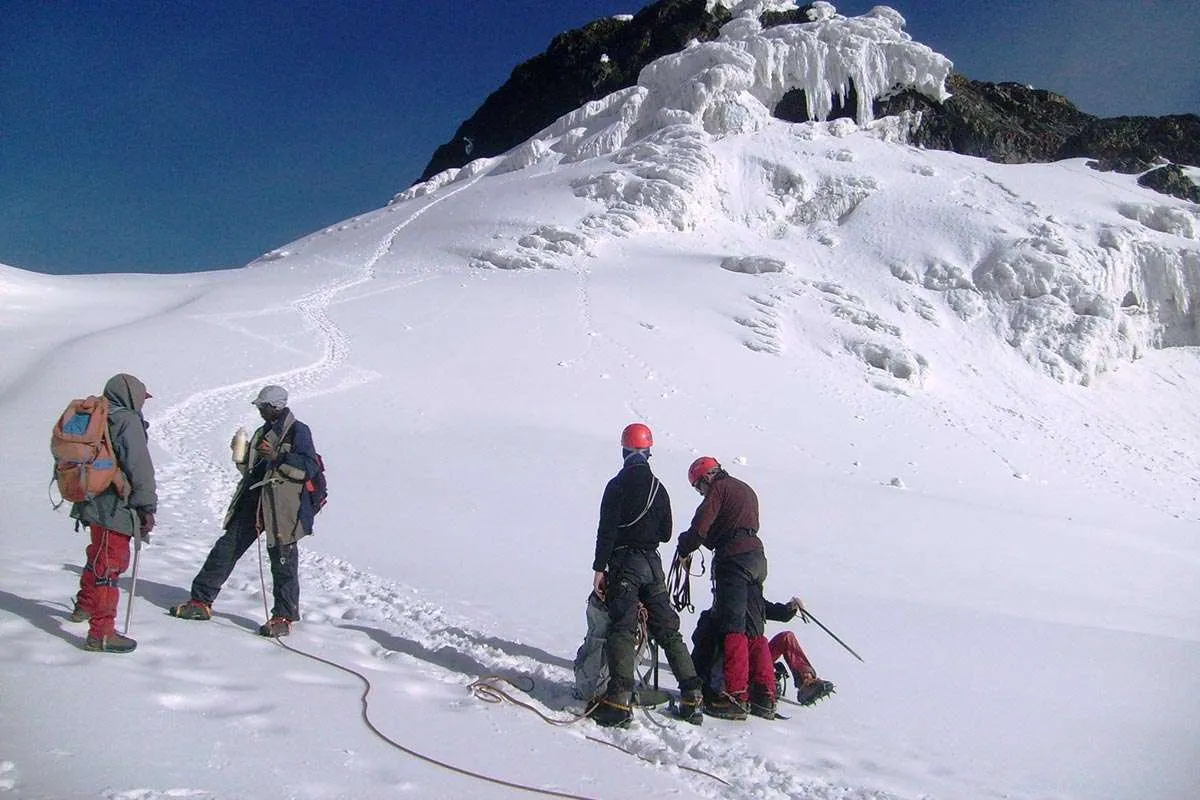

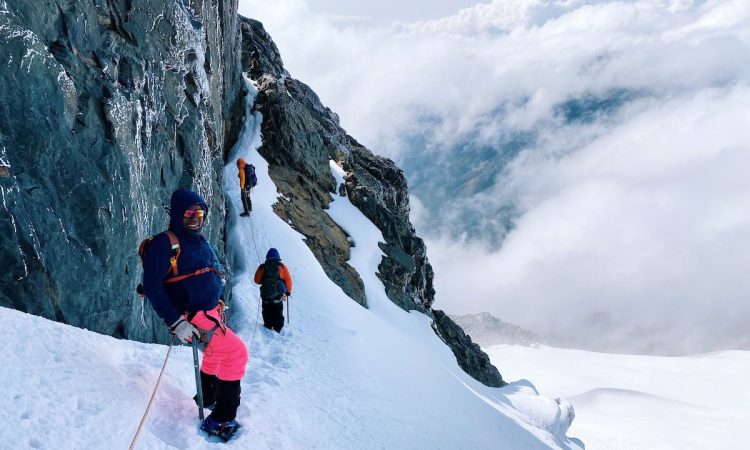
Rwenzori Mountains Hiking is one of the most extraordinary adventures you can experience after completing the Rwenzori Marathon. After the excitement, determination, and sense of accomplishment that come with crossing the marathon finish line, the nearby Rwenzori Mountains offer an entirely different challenge—one that rewards visitors with breathtaking alpine landscapes, ancient forests, spectacular waterfalls, unique wildlife, and some of Africa’s most dramatic mountain scenery.
The remarkable advantage of combining the marathon with Rwenzori Mountains Hiking is convenience. The marathon takes place in Kasese, the gateway to Rwenzori Mountains National Park, meaning that visitors are already perfectly positioned to continue their adventure into one of Africa’s most fascinating mountain ecosystems. Within a short drive from the marathon venue, you can begin exploring mist-covered forests, rushing rivers, bamboo zones, giant heather, alpine meadows, glacial valleys, and snow-capped peaks that have inspired explorers for centuries.
Unlike many mountain destinations that require long transfers, the Rwenzori Mountains are immediately accessible after the marathon, allowing travelers to design flexible itineraries that range from gentle nature walks lasting only a few hours to challenging multi-day expeditions reaching the legendary Margherita Peak, Africa’s third-highest mountain. Whether you are an experienced trekker seeking a serious alpine challenge or a first-time visitor simply wanting to experience the beauty of the foothills, there is a Rwenzori Mountains Hiking experience suitable for every level of fitness.
The mountains also complement Uganda’s wider tourism circuit perfectly. Many travelers combine hiking with wildlife safaris in Queen Elizabeth National Park, chimpanzee tracking in Kibale National Park, mountain gorilla trekking in Bwindi Impenetrable National Park, or relaxing holidays at Lake Bunyonyi. Together, these destinations create one of Africa’s most diverse adventure holidays.
At Boots in The Jungle Safaris, we organize professionally guided Rwenzori Mountains Hiking experiences ranging from scenic day hikes to demanding summit expeditions. Our experienced guides, carefully planned itineraries, quality accommodation, private transportation, and personalized support ensure that every visitor enjoys a safe, rewarding, and unforgettable mountain adventure.
Why Choose Rwenzori Mountains Hiking After the Marathon?
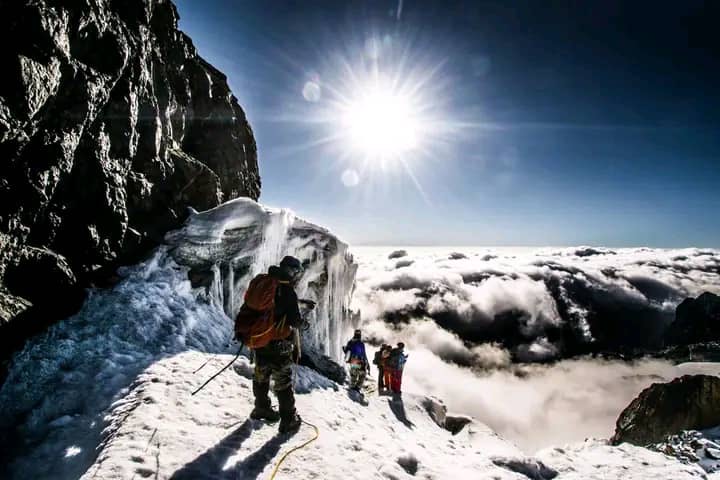
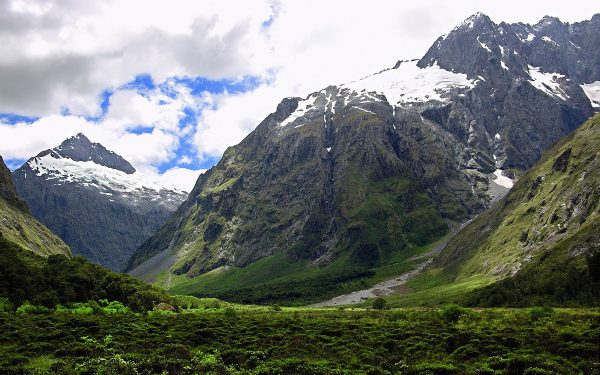
Choosing Rwenzori Mountains Hiking after completing the marathon allows visitors to experience western Uganda beyond the race itself while remaining in the same spectacular region. Rather than immediately returning home, many runners take advantage of their location to discover one of Africa’s least-explored mountain ranges and one of Uganda’s greatest natural treasures.
One of the biggest advantages is the short travel distance. Because Kasese serves as the gateway to Rwenzori Mountains National Park, visitors can begin their hiking adventure shortly after leaving their marathon accommodation. This eliminates the need for lengthy domestic travel and maximizes time spent enjoying the destination.
Another important benefit is flexibility. Rwenzori Mountains Hiking is not limited to experienced mountaineers. Visitors who have recently completed the marathon often choose shorter nature walks or half-day hikes that allow them to remain active while giving their bodies time to recover. Those seeking greater adventure can continue with one-day treks or longer expeditions into the heart of the mountains.
The Rwenzori Mountains also provide an entirely different environment from the marathon itself. Instead of roads and cheering spectators, hikers discover peaceful forests filled with birdsong, crystal-clear rivers, giant ferns, bamboo groves, waterfalls, and panoramic mountain views. The tranquil atmosphere creates the perfect setting for relaxation, reflection, and appreciation of Uganda’s extraordinary natural beauty.
Photography enthusiasts find endless opportunities throughout the mountains. Mist drifting across ancient forests, sunlight filtering through giant trees, colourful alpine vegetation, dramatic valleys, waterfalls, glaciers, and snow-covered peaks create exceptional photographic conditions throughout the year.
A Rwenzori Mountains Hiking adventure can also be combined easily with Queen Elizabeth National Park, Kibale National Park, or Bwindi Impenetrable National Park, making it one of the most versatile additions to any Uganda itinerary.
Why the Rwenzori Mountains are Called the Mountains of the Moon
The legendary name “Mountains of the Moon” has fascinated explorers, historians, and travelers for more than two thousand years. Ancient Greek geographer Claudius Ptolemy believed that the mysterious snow-covered mountains deep within central Africa were the source of the River Nile and referred to them as the “Mountains of the Moon.” Although modern geography has since clarified the origins of the Nile, the name has remained closely associated with the magnificent Rwenzori range.
Today, visitors undertaking Rwenzori Mountains Hiking quickly understand why these mountains inspired such legendary descriptions. Rising dramatically above the surrounding plains of western Uganda, the Rwenzori Mountains present an extraordinary contrast to the tropical landscapes below. Permanent glaciers, snowfields, mist-covered peaks, alpine vegetation, and dramatic valleys create scenery unlike anywhere else in East Africa.
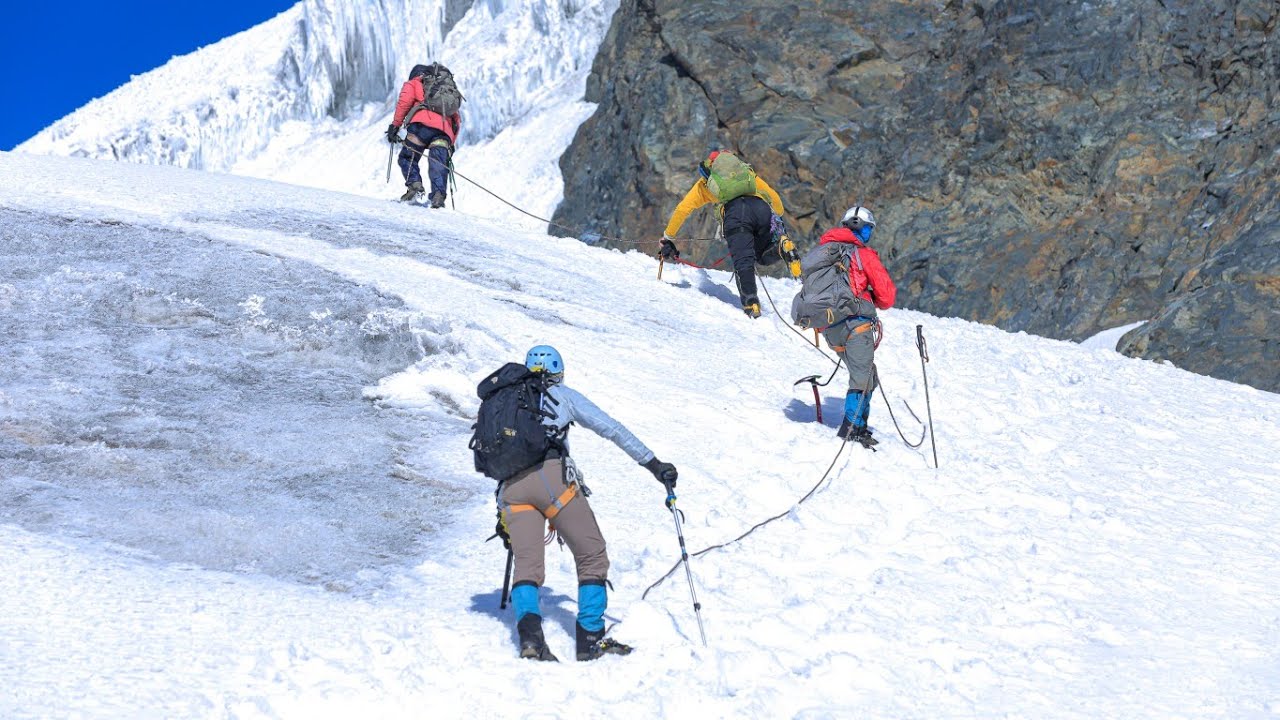
The range stretches for approximately 120 kilometres along the border between Uganda and the Democratic Republic of the Congo. Unlike volcanic mountains such as Kilimanjaro or Mount Kenya, the Rwenzori Mountains were formed through tectonic uplift, giving them rugged ridges, deeply carved valleys, and numerous peaks exceeding 4,500 metres.
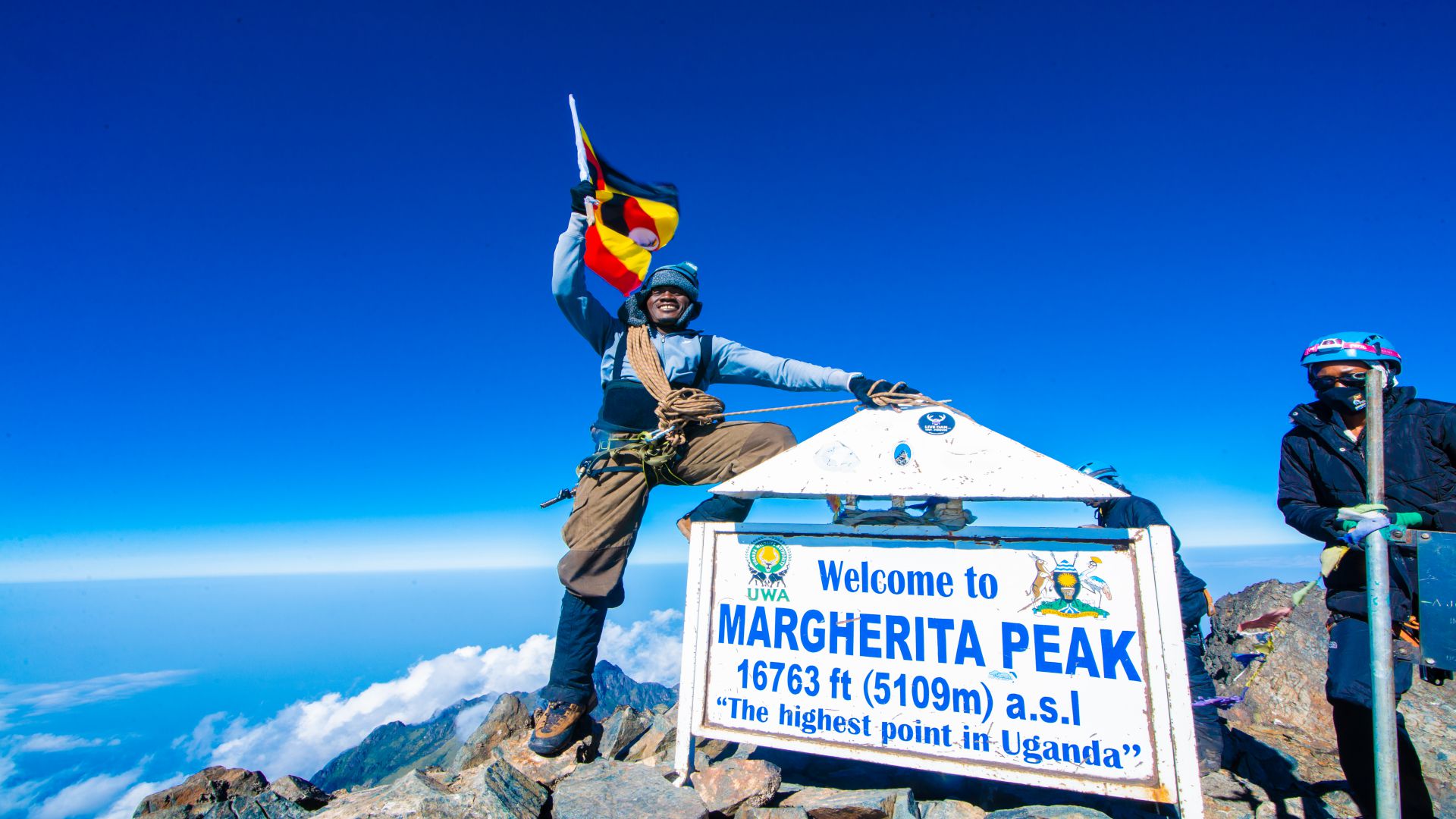
The highest summit, Margherita Peak on Mount Stanley, rises to 5,109 metres above sea level, making it the third-highest mountain in Africa. Its snow-covered summit, despite the equatorial location, continues to astonish visitors from around the world.
Walking through the Rwenzori Mountains allows visitors to appreciate landscapes that have inspired myths, exploration, scientific research, and conservation for generations. Every stage of the hike reveals another remarkable feature of these legendary “Mountains of the Moon.”
UNESCO World Heritage Status
One of the reasons Rwenzori Mountains Hiking is internationally respected is that the mountains are protected within Rwenzori Mountains National Park, a UNESCO World Heritage Site recognized for its exceptional natural value. This prestigious designation reflects the park’s remarkable biodiversity, unique mountain ecosystems, spectacular scenery, and global conservation importance.
The national park protects nearly 1,000 square kilometres of pristine mountain habitat ranging from lowland rainforest to glaciers and alpine moorlands. Because of the dramatic changes in altitude, hikers pass through several distinct ecological zones during longer treks, each supporting different plant and animal communities.
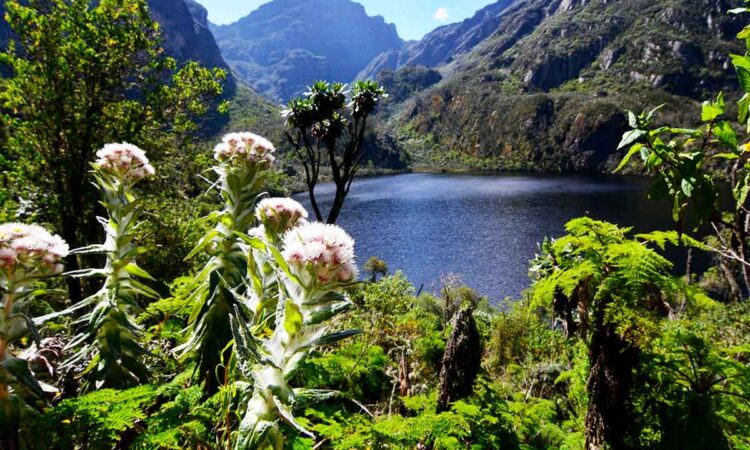
UNESCO recognized the park because of its outstanding natural beauty and extraordinary concentration of endemic species found nowhere else on Earth. Giant groundsels, giant lobelias, ancient heather forests, bamboo zones, alpine bogs, waterfalls, glacial lakes, and permanent snowfields combine to create one of the world’s most unusual mountain landscapes.
Conservation efforts within the park help protect endangered wildlife, fragile alpine ecosystems, and important water catchments that support surrounding communities. Revenue generated through tourism directly contributes to park management, scientific research, community development, and environmental protection.
Visitors participating in Rwenzori Mountains Hiking therefore enjoy not only an unforgettable adventure but also contribute to preserving one of Africa’s most important protected mountain environments.
Types of Rwenzori Mountains Hiking
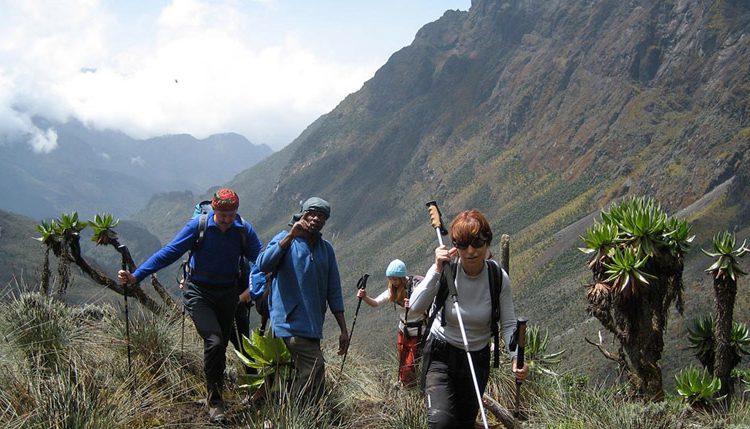
One of the greatest strengths of Rwenzori Mountains Hiking is that it caters to visitors with widely varying interests, fitness levels, and available time. From leisurely forest walks lasting only a few hours to demanding week-long summit expeditions, every traveler can experience the beauty of the Rwenzori Mountains.
Nature Walks
Nature walks are perfect for visitors who wish to experience the lower slopes of the Rwenzori Mountains without undertaking strenuous hiking. These guided excursions typically last between two and four hours and explore forest trails, rivers, waterfalls, local villages, and scenic viewpoints.
During nature walks, visitors learn about medicinal plants, traditional uses of forest resources, local culture, birds, butterflies, and the remarkable biodiversity that makes the mountains so unique. Because the pace is gentle, these walks are particularly suitable for marathon participants recovering after race day.
Nature walks are also excellent for families, photographers, birdwatchers, and visitors with limited hiking experience.
Half-Day Hikes
Half-day Rwenzori Mountains Hiking experiences provide a slightly more adventurous option while remaining accessible to most visitors. These hikes often include moderate elevation gain, forest trails, streams, waterfalls, bamboo zones, and panoramic viewpoints overlooking Kasese and Queen Elizabeth National Park.
The cooler mountain climate and peaceful surroundings provide an ideal environment for relaxation after the marathon while still offering opportunities to enjoy physical activity.
Many visitors choose half-day hikes before continuing to Queen Elizabeth National Park or Kibale National Park later the same day.
Full-Day Hikes
Full-day hikes allow visitors to explore deeper into the mountains while experiencing greater ecological diversity. Depending on the chosen trail, hikers may pass through tropical rainforest, bamboo forests, giant heather zones, alpine vegetation, rivers, suspension bridges, waterfalls, and scenic ridges.
These hikes usually require a moderate level of fitness but remain suitable for many visitors who have rested after the marathon. Professional mountain guides adjust the pace according to participants while providing fascinating information about geology, wildlife, plants, and local history throughout the journey.
A full-day Rwenzori Mountains Hiking adventure offers an excellent balance between physical activity and sightseeing without committing to a multi-day expedition.
Multi-Day Treks
For experienced hikers and adventure enthusiasts, multi-day Rwenzori Mountains Hiking expeditions represent one of Africa’s greatest trekking experiences. These challenging journeys progressively ascend through multiple ecological zones while providing access to remote valleys, glacial lakes, alpine meadows, snowfields, and the continent’s highest non-volcanic mountain range.
Treks typically range from three to eight days depending on the chosen route and objectives. Expeditions to Margherita Peak require excellent physical fitness, appropriate equipment, experienced guides, and careful preparation because of the altitude and demanding terrain.
Mountain huts or designated camps provide overnight accommodation during these expeditions, while professional guides, porters, and cooks support visitors throughout the journey.
Although physically demanding, multi-day treks reward participants with some of Africa’s most spectacular mountain scenery.
Popular Rwenzori Mountains Hiking Trails
Every Rwenzori Mountains Hiking adventure begins with selecting the route best suited to your interests, fitness level, and available time. The mountains offer numerous trails that vary from gentle forest walks to demanding alpine expeditions.
Lower forest trails introduce visitors to rivers, waterfalls, bamboo forests, giant trees, and beautiful birdlife while remaining suitable for beginners and families.
Intermediate trails climb higher into the mountains, revealing panoramic viewpoints, valleys, alpine vegetation, and more challenging terrain. These routes are particularly popular among visitors seeking a rewarding full-day hiking experience.
Experienced trekkers often follow the famous Central Circuit Trail or Kilembe Trail, both of which provide access to the higher mountain zones and eventually the snow-covered peaks. These routes pass through dramatic landscapes including giant lobelia forests, alpine bogs, glacial lakes, rocky ridges, and permanent glaciers before reaching Margherita Peak.
Each trail offers a different perspective on the Rwenzori Mountains, ensuring that every hiking experience remains unique.
Flora and Fauna of the Rwenzori Mountains
One of the most fascinating aspects of Rwenzori Mountains Hiking is the extraordinary diversity of plant and animal life found throughout the mountains. Because of the dramatic changes in altitude, vegetation changes noticeably as hikers ascend through different ecological zones.
Lower elevations support dense tropical rainforest filled with towering mahogany trees, figs, palms, vines, orchids, and ferns. Higher slopes transition into bamboo forests before giving way to giant heather, colourful mosses, and remarkable alpine vegetation.
The giant groundsels and giant lobelias of the upper mountain zones are among the most distinctive plants in Africa. Their unusual appearance creates an almost prehistoric landscape unlike anywhere else on the continent.
Wildlife is equally impressive. The mountains support forest elephants, bushbucks, giant forest hogs, blue monkeys, black-and-white colobus monkeys, chimpanzees in some lower forest areas, and numerous small mammals.
Birdwatchers are especially rewarded, with more than 200 recorded bird species including several Albertine Rift endemics that occur nowhere else in the world. Colourful sunbirds, turacos, hornbills, flycatchers, and raptors are frequently encountered along the hiking trails.
Every Rwenzori Mountains Hiking expedition therefore offers not only magnificent scenery but also opportunities to appreciate one of Africa’s richest mountain ecosystems.
Scenic Highlights of Rwenzori Mountains Hiking
The spectacular scenery is undoubtedly what makes Rwenzori Mountains Hiking one of Uganda’s greatest adventure experiences. Every section of the mountains offers breathtaking landscapes that continually surprise visitors.
Crystal-clear rivers descend through deep valleys while numerous waterfalls cascade from towering cliffs into forest streams below. Wooden bridges, moss-covered rocks, giant tree roots, and mist drifting through the rainforest create magical scenes that seem almost untouched by time.
Higher elevations reveal dramatic alpine valleys, glacial lakes, giant groundsels, colourful wildflowers, and panoramic views stretching across western Uganda. On clear days, hikers can admire Queen Elizabeth National Park, Lake George, Lake Edward, the Kazinga Channel, and the surrounding plains from elevated viewpoints.
Sunrise and sunset transform the mountains into a spectacular display of golden light, while the ever-changing clouds create constantly shifting scenery throughout the day. Photographers are rewarded with endless opportunities to capture waterfalls, forests, glaciers, alpine plants, wildlife, and sweeping mountain panoramas.
For many visitors, the most unforgettable moment arrives when the snow-capped peaks emerge from the clouds, revealing why the Rwenzori Mountains have inspired explorers, scientists, and adventurers for centuries. Completing Rwenzori Mountains Hiking after the marathon provides the perfect conclusion to an extraordinary journey through one of Africa’s most beautiful and least-explored mountain landscapes.
Suggested Rwenzori Mountains Hiking Itineraries After the Marathon
A successful Rwenzori Mountains Hiking itinerary should be designed around your recovery after the marathon, available travel time, hiking experience and desired altitude. The Rwenzori range is not a single continuous uphill climb. It contains steep ascents, descents, wetlands, river crossings, forest trails and high-altitude terrain, so longer journeys require careful pacing and professional support.
The itineraries below begin after the Rwenzori Marathon in Kasese. Runners completing the full marathon should generally allow adequate rest before attempting a demanding mountain expedition. A gentle nature walk may be suitable soon after race day, but a summit-oriented trek should only begin when you feel properly recovered and physically ready.
Uganda Wildlife Authority describes the Rwenzoris as one of Africa’s leading hiking and mountaineering destinations. Trekking options range from shorter walks to demanding expeditions through the range’s distinctive vegetation zones and high-altitude landscapes.
2-Day Rwenzori Mountains Hiking Adventure
The two-day itinerary is designed for marathon participants who want to experience the Rwenzori foothills without committing to a strenuous high-altitude expedition. It combines gentle hiking, waterfalls, community scenery and forest exploration while allowing sufficient time for post-race recovery.
Day 1: Recovery in Kasese and Transfer to the Rwenzori Foothills
After breakfast at your Kasese hotel, your Boots in The Jungle Safaris guide meets you for a relaxed transfer toward the Rwenzori Mountains. The day begins slowly, allowing you to recover from the marathon before undertaking any serious activity.
Depending on your energy level, the afternoon may include a guided community walk, a visit to a nearby waterfall or a short nature trail through the lower mountain environment. These experiences introduce you to the forests, rivers, farms and villages surrounding the park without requiring a demanding climb.
Your local guide explains the cultural relationship between the Bakonzo communities and the mountains, identifies useful plants and introduces the natural features that make the Rwenzori range so distinctive. You then settle into a lodge or guesthouse near the foothills for dinner and overnight.
Day 2: Guided Nature Hike and Departure
After an early breakfast, you begin a guided half-day or full-day nature hike according to your recovery and fitness. The route may pass through forest paths, river valleys, cultivated slopes and scenic viewpoints overlooking Kasese and the surrounding plains.
The hike focuses on landscape, vegetation, birds, waterfalls and local culture rather than reaching a high-altitude destination. After returning from the trail, you have lunch and continue to Kasese, Queen Elizabeth National Park, Fort Portal or another agreed destination.
Recommended for: Marathon runners seeking a gentle introduction to the Mountains of the Moon.
Request a Quote for the 2-Day Rwenzori Hiking Experience
3-Day Rwenzori Mountains Hiking Adventure
The three-day itinerary provides more time to explore the lower slopes while maintaining a comfortable pace. It suits runners who want meaningful time in the mountains but are not ready for a technical or high-altitude expedition.
Day 1: Kasese to the Rwenzori Base
Following breakfast, you transfer from your marathon accommodation to the hiking base near the park. After checking in, you meet your mountain guide for an equipment review, safety briefing and discussion of the following day’s route.
A gentle afternoon activity may include a community walk, birdwatching, a nearby waterfall or a short forest excursion. The emphasis remains on recovery and preparation.
Day 2: Full-Day Rwenzori Mountains Hike
After breakfast, you begin a full-day guided hike through the lower mountain environment. The trail may pass through cultivated foothills, tropical forest, rivers, waterfalls and bamboo vegetation depending on the selected route.
Your guide sets a manageable pace while explaining the mountain’s ecology, geology and cultural importance. Stops are included for photography, hydration, lunch and scenic observation.
Unlike a summit expedition, this experience does not require glacier equipment or overnight stays at high-altitude camps. You return to the lodge in the late afternoon for a hot shower, dinner and rest.
Day 3: Scenic Morning and Onward Transfer
After a relaxed breakfast, you may enjoy a brief nature walk or viewpoint visit before departing. The journey can continue to Queen Elizabeth National Park for wildlife viewing, Kibale National Park for chimpanzee tracking or Entebbe for your onward flight.
Recommended for: Active travelers wanting a full mountain day without a long expedition.
Explore the 3-Day Rwenzori Mountains Hiking Package
5-Day Rwenzori Mountains Hiking Trek
The five-day itinerary takes hikers deeper into the mountain ecosystem and is intended for travelers with good fitness, previous hiking experience and sufficient recovery after the marathon. It offers a genuine multi-day trekking experience without necessarily attempting Margherita Peak.
Day 1: Kasese to the Trail Base
You transfer from Kasese to the selected trekking base, complete registration and meet the mountain support team. Guides inspect your clothing and personal equipment before discussing weather, trail conditions and the planned route.
The remainder of the day is reserved for rest and preparation.
Day 2: Enter Rwenzori Mountains National Park
After breakfast, you begin the trek through farmland and community areas before entering the protected mountain forest. As elevation increases, cultivated land gives way to dense forest, vines, giant ferns and rivers.
The trail may be steep or muddy in places. Your guide controls the pace while porters transport the designated expedition equipment. You reach the first mountain camp or hut in the afternoon, where the support team prepares a warm meal.
Day 3: Forest and Bamboo Zones
The trek continues through changing vegetation. Depending on the selected route and altitude, hikers may enter bamboo forest, giant heather and moss-covered terrain.
This stage demonstrates why the Rwenzoris are unlike many other African mountain destinations. The environment can feel wild, wet and dramatically green, with mist drifting across valleys and ridges.
After several hours of hiking, you reach the next overnight camp. The evening is spent resting, eating and preparing equipment for the following day.
Day 4: Scenic High Point and Descent
You hike toward the main scenic objective of the itinerary, which may include a high-altitude viewpoint, glacial valley, alpine lake or distinctive vegetation zone. The exact destination depends on the selected route, weather and ability of the group.
After enjoying the views and taking photographs, you begin descending toward a lower camp. Descents can place considerable pressure on the knees, so trekking poles and controlled movement are important.
Day 5: Complete the Trek and Return to Kasese
After breakfast, you complete the final descent through forest and community land. At the trail base, you reunite with your safari driver and continue to Kasese or your next destination.
This itinerary can be extended with Queen Elizabeth National Park, Kibale chimpanzee tracking or Bwindi gorilla trekking.
Recommended for: Fit marathon runners and adventure travelers seeking a true multi-day mountain experience.
Plan the 5-Day Rwenzori Mountains Hiking Trek
7-Day Rwenzori Mountains Hiking Expedition
A seven-day expedition is a serious mountain journey designed for experienced and physically prepared hikers. Depending on the route, it may explore high-altitude valleys, glacial environments and peaks of the Rwenzori range. A Margherita Peak attempt may require a longer or differently structured itinerary based on route, operator advice, acclimatization and current safety requirements.
Margherita Peak rises to 5,109 metres, making it Uganda’s highest point and Africa’s third-highest summit. High-altitude expedition planning must account for cold, technical terrain, changing weather and acclimatization.
Day 1: Transfer, Registration and Expedition Briefing
You travel from Kasese to the trail base and meet the guides, cooks and porters supporting the expedition. Equipment is checked carefully, loads are organized and the team explains the route, altitude profile and safety procedures.
This preparation day should not be skipped. It allows runners to assess whether they have recovered sufficiently from the marathon before entering the mountains.
Day 2: Begin the Ascent
The trek begins through community land and lower mountain forest. The first stage introduces the humid conditions, roots, mud and uneven terrain that characterize the Rwenzoris.
You reach the first camp for dinner and overnight.
Day 3: Bamboo and Heather Zones
The ascent continues through bamboo forest and into giant heather. Vegetation changes dramatically with altitude, and moss-covered branches create an atmospheric landscape.
Frequent hydration and steady pacing are essential as the body begins adjusting to elevation.
Day 4: Alpine Valleys and High-Altitude Vegetation
You enter the distinctive alpine environment of the Rwenzoris, where giant lobelias, groundsels, wetlands and rugged ridges dominate the landscape. Conditions become colder, and waterproof layers are increasingly important.
The team reaches a higher camp for overnight rest.
Day 5: High-Altitude Exploration
This day focuses on a major scenic destination, acclimatization point or mountain objective appropriate to the itinerary. The exact plan depends on weather, route conditions and the physical condition of each hiker.
Guides make all safety decisions, and no summit or altitude goal should be prioritized over participant wellbeing.
Day 6: Begin the Descent
After breakfast, you descend through the alpine and heather zones. Although oxygen levels improve as altitude decreases, the long descent remains physically demanding.
You spend the final mountain night at a lower camp.
Day 7: Exit the Mountains
The trek concludes with a descent through forest and community landscapes. At the trail base, the group celebrates the completion of the expedition before returning to Kasese.
Recommended for: Experienced hikers with excellent fitness, proper equipment and sufficient post-marathon recovery.
Request a Personalized 7-Day Rwenzori Expedition
Best Time for Rwenzori Mountains Hiking
Rwenzori Mountains Hiking is possible throughout the year, but conditions vary significantly because the mountains create their own weather patterns. Rain, mist and mud are possible in every month, including during Uganda’s relatively drier periods.
The generally preferred hiking windows are from approximately December to February and June to August. These periods often provide comparatively drier trail conditions and better opportunities for clear mountain views. However, no month guarantees completely dry weather in the Rwenzoris.
The marathon takes place in August, making it possible to combine the event with hiking during one of the commonly preferred trekking periods. Even so, visitors should carry complete rain protection and prepare for cold, wet and rapidly changing conditions at higher elevations.
Short nature walks and lower-altitude hikes can often be arranged throughout the year. Longer mountain expeditions become more demanding during wetter months because trails may be muddy, rivers higher and visibility reduced.
Hiking in June, July and August
June through August is popular for trekking because rainfall is often lower than during the main wet seasons. These months suit marathon visitors particularly well because the event takes place in August.
Demand may be higher during this period, so guides, accommodation and trekking arrangements should be reserved early.
Hiking from December to February
December through February is another frequently selected window. Conditions may be comparatively dry, although rainfall and cloud remain possible.
This period works well for travelers planning a standalone Rwenzori expedition rather than combining it with the marathon.
Hiking During the Wetter Months
March to May and September to November generally receive more rainfall. The mountains become greener and waterfalls more powerful, but trails can also become slippery and physically demanding.
Experienced hikers may still enjoy these months, particularly when prepared for mud, rain and reduced visibility.
Fitness and Preparation for Rwenzori Mountains Hiking
The fitness required depends entirely on the chosen itinerary. A short nature walk demands far less preparation than a seven-day high-altitude expedition.
Marathon fitness provides a strong aerobic base, but running fitness does not automatically prepare the body for steep hiking, unstable ground, mud, heavy boots or repeated descents. Hiking uses muscles differently, particularly the calves, hips, knees and ankles.
Preparing for Short Hikes
Nature walks and half-day routes require general fitness rather than specialized training. Regular walking, gentle hill sessions and comfortable outdoor shoes are usually sufficient.
Runners should still allow their bodies to recover after the marathon before adding another activity.
Preparing for Multi-Day Treks
For a five- or seven-day trek, training should include long walks, hill climbing, stair sessions, strength exercises and time carrying a daypack. Back-to-back hiking days are especially useful because they prepare the body to continue walking while tired.
Strength training should focus on the legs, hips, core and lower back. Step-ups, controlled squats, lunges and calf raises can improve stability, provided they are performed safely and consistently.
Altitude Preparation
The highest parts of the Rwenzori Mountains reach altitudes where reduced oxygen can affect performance. A gradual ascent, steady pace, hydration and honest communication with guides are essential.
Symptoms such as severe headache, confusion, loss of coordination or unusual breathlessness should never be ignored. Guides may change the itinerary or require descent when safety demands it.
Recovery After the Marathon
Participants planning a demanding trek should build recovery into the itinerary. The amount of rest required varies between individuals, race distances and finishing effort.
Hydration, balanced meals, sleep and gentle mobility are more valuable than rushing into another difficult activity immediately after crossing the finish line.
Anyone with an injury, unusual pain or significant fatigue should seek appropriate medical advice before beginning a mountain expedition.
Essential Hiking Equipment
Equipment requirements depend on the length and altitude of the hike. A short foothill walk requires relatively simple gear, while a high-altitude expedition requires waterproof, insulated and potentially technical equipment.
Footwear
Sturdy waterproof hiking boots with strong ankle support are essential for multi-day treks. The boots should be broken in before travel rather than worn for the first time on the mountain.
Light hiking shoes may be suitable for short, lower-altitude trails when conditions are dry.
Waterproof Clothing
A reliable waterproof jacket and waterproof trousers are essential because rain may occur at any time. Cheap, lightweight rain covers may not provide adequate protection during prolonged mountain weather.
Pack clothing inside waterproof bags or dry sacks to ensure that warm layers remain usable.
Warm Layers
Temperatures decrease substantially at higher elevations. Hikers should carry thermal base layers, an insulating fleece or jacket, warm trousers, gloves, a hat and dry socks.
High camps can become extremely cold. UWA notes that Elena Camp, at approximately 4,500 metres, can experience temperatures of 2°C or lower.
Daypack and Duffel Bag
A comfortable daypack should hold water, snacks, waterproof clothing, camera equipment and personal essentials. Porters generally carry the larger expedition bag according to the operator’s weight allowance.
Trekking Poles
Trekking poles improve balance in mud, reduce pressure on the knees during descents and provide support when crossing uneven terrain.
Sleeping Equipment
Multi-day itineraries may require a warm sleeping bag suitable for low temperatures. Confirm whether sleeping bags, mattresses and other camp equipment are supplied or must be hired.
Additional Essentials
Useful items include a reusable water bottle, headlamp, spare batteries, sunscreen, sunglasses, insect repellent, personal medication, blister treatment, gloves and a waterproof phone or camera case.
Technical summit attempts may require helmets, harnesses, crampons, ropes or other specialized equipment. These should only be used under professional supervision and according to current route and safety requirements.
Costs and Inclusions for Rwenzori Mountains Hiking
The cost of Rwenzori Mountains Hiking depends on the duration, route, group size, park charges, guide and porter requirements, accommodation, meals, equipment and transport arrangements.
Short hikes cost less because they require fewer mountain support services. Multi-day expeditions require guides, porters, cooks, food, park access, overnight facilities and logistical preparation, making them significantly more expensive.
Uganda Wildlife Authority lists park hiking and related activity charges separately, while full mountaineering services are provided by licensed trekking operators. Rates can change, and the official UWA tariff page now references 2026–2027 tariff updates. For this reason, the figures below should be treated as planning estimates rather than guaranteed prices.
Professional HTML Pricing Table
| Hiking Package | Duration | Experience Level | Indicative Price* |
|---|---|---|---|
| Rwenzori Foothills Experience Nature walk, waterfalls and community scenery | 2 Days | Beginner | From US$450 per person |
| Rwenzori Full-Day Hiking Package Forest trails, rivers and panoramic viewpoints | 3 Days | Beginner to Intermediate | From US$750 per person |
| Rwenzori Multi-Day Trek Mountain camps and changing vegetation zones | 5 Days | Intermediate | From US$1,650 per person |
| Rwenzori High-Altitude Expedition Extended mountain trekking and alpine scenery | 7 Days | Experienced | Custom Quote |
*Indicative planning prices only. The final cost depends on the selected route, group size, current park tariffs, accommodation, equipment, porter requirements, transport and itinerary customization.
Frequently Asked Questions About Rwenzori Mountains Hiking
1. What is Rwenzori Mountains Hiking?
Rwenzori Mountains Hiking is a guided trekking experience through Uganda’s spectacular Rwenzori Mountains National Park, a UNESCO World Heritage Site famous for its glaciers, waterfalls, tropical rainforests, alpine vegetation, and Africa’s third-highest mountain, Margherita Peak.
2. Why should I combine Rwenzori Mountains Hiking with the Rwenzori Marathon?
The marathon finishes in Kasese, the main gateway to the Rwenzori Mountains. This makes it incredibly convenient to extend your stay with a hiking adventure without travelling long distances. It is one of the most rewarding ways to transform your marathon into a complete Uganda adventure holiday.
3. How far are the Rwenzori Mountains from Kasese?
The main hiking trailheads are only a short drive from Kasese, making the mountains one of the easiest post-marathon adventures to access.
4. Do I need hiking experience?
Not necessarily. There are guided nature walks, half-day hikes, full-day hikes, and challenging multi-day expeditions suitable for different experience levels.
5. Is Rwenzori Mountains Hiking suitable for beginners?
Yes. Beginners can enjoy shorter nature walks and lower-altitude hikes with experienced guides without attempting the more demanding summit routes.
6. How difficult is Rwenzori Mountains Hiking?
Difficulty depends on the route selected. Lower trails are moderate, while multi-day expeditions require good physical fitness, endurance, and proper preparation.
7. Can I hike after completing the marathon?
Yes. Many runners choose to begin hiking after allowing sufficient time for recovery. Gentle hikes are ideal immediately after the marathon, while longer expeditions are better suited after one or two days of rest.
8. How long do Rwenzori hikes last?
Options range from two-hour nature walks to challenging expeditions lasting seven days or more.
9. Can I climb Margherita Peak?
Yes. Margherita Peak can be reached on specialized multi-day expeditions designed for experienced hikers with appropriate preparation and equipment.
10. What is the highest point in the Rwenzori Mountains?
Margherita Peak stands at approximately 5,109 metres above sea level, making it Uganda’s highest mountain and Africa’s third-highest peak.
11. When is the best time for Rwenzori Mountains Hiking?
The drier months from June to August and December to February generally offer the most favourable hiking conditions, although hiking is possible throughout the year.
12. Does it rain in the Rwenzori Mountains?
Yes. Rain can occur during any month because of the mountains’ unique climate. Waterproof clothing is essential regardless of the season.
13. How cold does it get?
Temperatures become significantly colder at higher elevations. Summit expeditions often experience near-freezing temperatures, especially during the night.
14. What fitness level is required?
Short hikes require average fitness, while longer expeditions demand good endurance, strength, and preparation for sustained walking over several consecutive days.
15. Can altitude affect hikers?
Yes. Higher elevations may cause altitude-related symptoms. Professional guides monitor participants carefully and adjust the pace to encourage proper acclimatization.
16. What should I pack?
Essential equipment includes waterproof hiking boots, rain gear, warm clothing, gloves, a hat, sunscreen, a reusable water bottle, trekking poles, a daypack, and personal medication.
17. Are trekking poles necessary?
They are highly recommended because they improve balance, reduce strain on the knees, and provide additional stability on steep or muddy trails.
18. Can equipment be hired?
Yes. Certain specialist equipment may be available for hire depending on your chosen itinerary. Boots in The Jungle Safaris can advise what is included and what should be brought personally.
19. Where do hikers stay?
Accommodation depends on the itinerary. Short hikes use comfortable lodges or hotels, while multi-day treks involve mountain huts or designated camps within the national park.
20. Can Boots in The Jungle Safaris arrange accommodation?
Yes. We organize luxury lodges, mid-range hotels, budget guesthouses, and mountain accommodation according to your itinerary and budget.
21. Do you provide airport transfers?
Yes. We offer private airport transfers from Entebbe International Airport together with transport to and from the Rwenzori Mountains.
22. Are private guides included?
Yes. Every Rwenzori Mountains Hiking experience is led by experienced professional mountain guides familiar with the trails, weather conditions, wildlife, and safety procedures.
23. Can I combine hiking with Queen Elizabeth National Park?
Absolutely. Queen Elizabeth National Park is located close to Kasese and is one of the most popular wildlife extensions after hiking.
24. Can I combine hiking with gorilla trekking?
Yes. Many visitors continue from the Rwenzori Mountains to Bwindi Impenetrable National Park for mountain gorilla trekking.
25. Can I combine hiking with chimpanzee tracking?
Yes. Kibale National Park is within easy reach of the Rwenzori region, making chimpanzee tracking an excellent addition to your itinerary.
26. Can families enjoy the Rwenzori Mountains?
Yes. Families often choose shorter guided walks and nature trails that are suitable for children and less experienced hikers.
27. Is travel insurance recommended?
Yes. Comprehensive travel insurance that covers hiking and emergency medical evacuation is strongly recommended for all visitors.
28. Can solo travellers book?
Absolutely. We regularly organize private and customized Rwenzori Mountains Hiking itineraries for solo travellers from around the world.
29. How early should I book?
We recommend booking at least four to six months in advance, especially if you plan to hike immediately after the Rwenzori Marathon during the busy August season.
30. Can Boots in The Jungle Safaris organize my complete marathon and hiking holiday?
Yes. We specialize in complete Rwenzori Marathon and Rwenzori Mountains Hiking packages, including marathon logistics, mountain guides, accommodation, airport transfers, private transport, safari extensions, chimpanzee tracking, gorilla trekking, and fully customized Uganda adventure holidays.
Book Your Rwenzori Mountains Hiking Adventure with Boots in The Jungle Safaris
Completing the Rwenzori Marathon is a remarkable achievement, but your adventure in western Uganda does not have to end at the finish line. A Rwenzori Mountains Hiking experience allows you to discover the legendary Mountains of the Moon, where ancient rainforests, roaring waterfalls, giant lobelias, alpine valleys, glaciers, and breathtaking viewpoints create one of Africa’s most extraordinary mountain landscapes.
At Boots in The Jungle Safaris, we specialize in designing seamless post-marathon adventures that combine world-class hiking with Uganda’s finest wildlife experiences. Whether you are looking for a relaxing nature walk, a challenging multi-day trek, or a complete adventure holiday, our experienced team will create an itinerary tailored to your fitness level, interests, travel schedule, and budget.
Our complete Rwenzori Mountains Hiking services include:
- Professional mountain guides licensed for Rwenzori Mountains National Park.
- Luxury, mid-range, and budget accommodation before and after your hike.
- Private airport transfers from Entebbe International Airport.
- Comfortable private 4×4 transportation throughout your journey.
- Park entry arrangements and hiking logistics.
- Porter services and mountain support teams for multi-day expeditions.
- Equipment advice and assistance with gear hire where available.
- Customized Rwenzori Marathon and hiking packages.
- Combined itineraries with Queen Elizabeth National Park game drives, Kazinga Channel boat cruises, Kibale chimpanzee tracking, Bwindi gorilla trekking, and Lake Bunyonyi relaxation.
- Personalized itinerary planning with 24-hour local support from arrival to departure.
Whether you have just two days after the marathon or wish to spend a full week exploring the Rwenzori Mountains, we will help you create an unforgettable journey through one of Africa’s most spectacular mountain destinations.
Start Planning Your Rwenzori Mountains Hiking Adventure Today
Contact Boots in The Jungle Safaris today for a personalized quotation and let our experienced team design the perfect Rwenzori Mountains Hiking itinerary for you. We will take care of every detail—from airport transfers and accommodation to mountain guides, hiking permits, private transport, and exciting safari extensions—so you can focus on enjoying the adventure of a lifetime in Uganda’s legendary Mountains of the Moon.