
Saadani National Park – Tanzania’s Unique Beach and Wildlife Safari Destination
Saadani National Park is one of the most unique and underrated safari destinations in Tanzania and the only national park in East Africa where wildlife and the beach meet along the shores of the Indian Ocean. Located along the northern coastline between Dar es Salaam and Tanga, Saadani National Park offers an extraordinary safari experience that combines traditional wildlife adventures with tropical beach relaxation, river safaris, coastal scenery, and rich Swahili culture.
Unlike many inland safari parks, Saadani National Park gives travelers the rare opportunity to enjoy game drives in the morning and relax on peaceful beaches in the afternoon. This unique combination of bush and beach experiences makes Saadani National Park one of the most diverse and refreshing safari destinations in Tanzania.
Covering approximately 1,100 square kilometers, Saadani National Park protects a wide range of ecosystems including coastal forests, open savannah plains, mangrove swamps, riverine habitats, grasslands, palm vegetation, wetlands, and sandy Indian Ocean beaches. The incredible ecological diversity found within Saadani National Park supports both terrestrial and marine wildlife environments, creating an ecosystem unlike any other national park in East Africa.
Saadani National Park was officially established in 2005 after the former Saadani Game Reserve was upgraded and combined with neighboring protected areas. Since then, Saadani National Park has steadily grown into one of Tanzania’s most attractive safari destinations for travelers seeking quieter, less crowded, and more authentic wildlife experiences away from the heavily visited safari circuits.
One of the most remarkable attractions in Saadani National Park is the sight of elephants, buffaloes, and other wildlife moving close to the Indian Ocean coastline. Very few places in Africa allow visitors to witness large mammals wandering near tropical beaches while hearing ocean waves nearby. This extraordinary setting gives Saadani National Park a magical atmosphere that combines wilderness with coastal beauty.
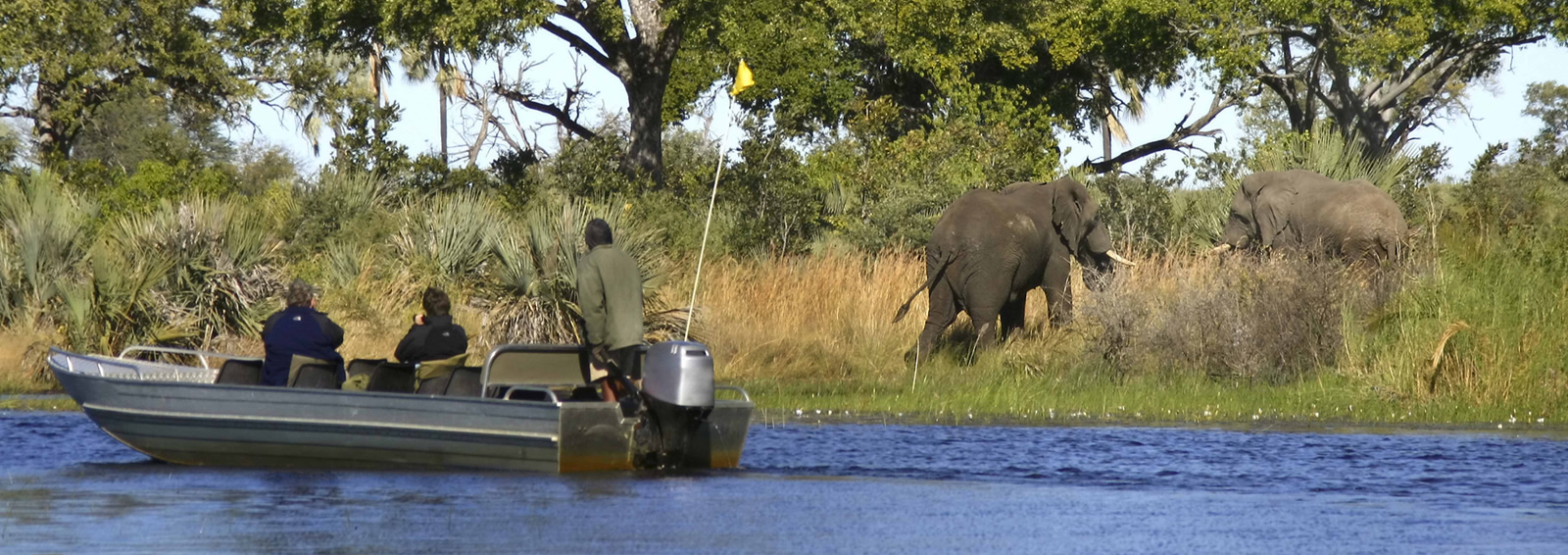
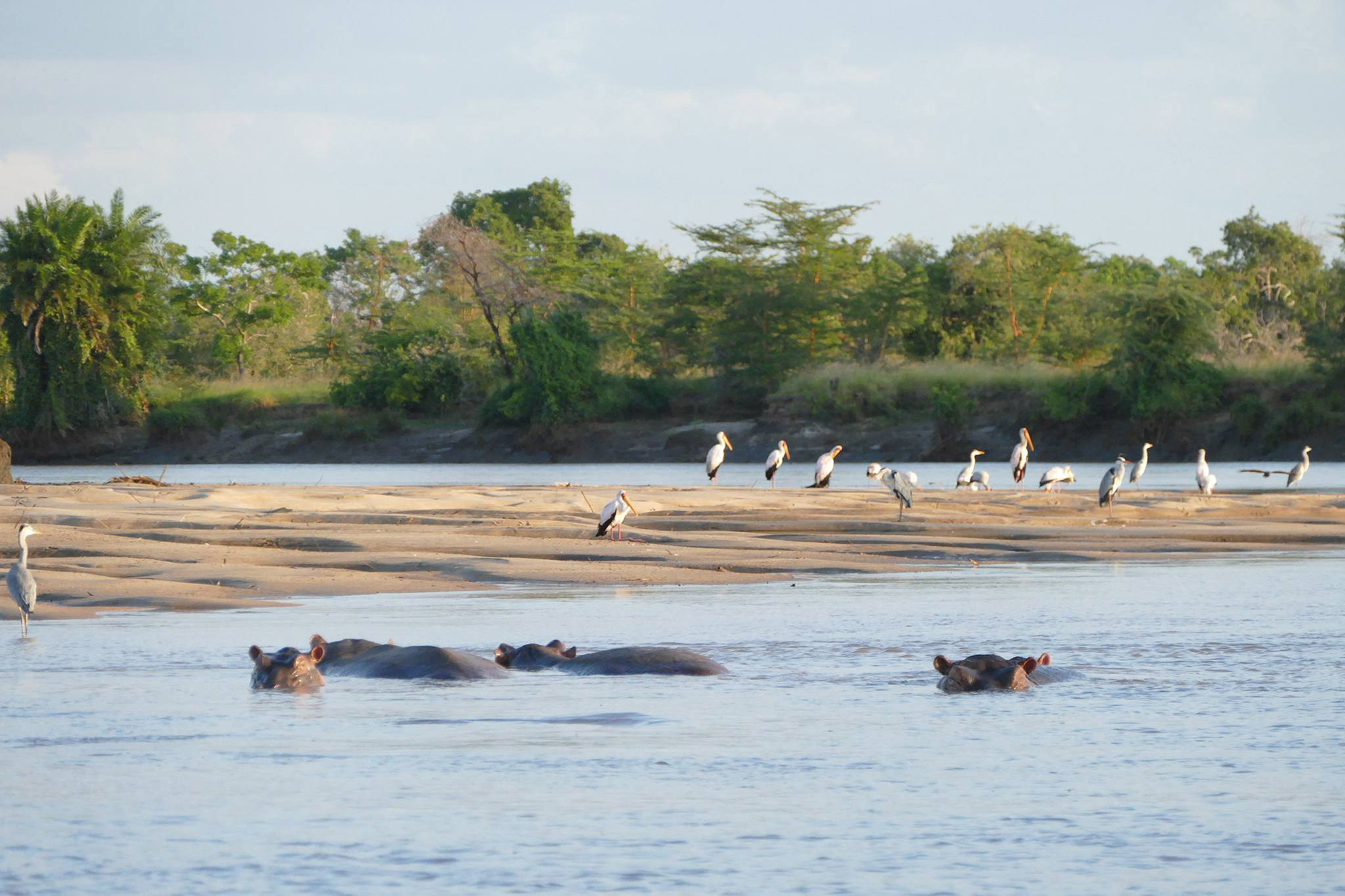
The scenic Wami River is another major highlight of Saadani National Park and offers some of the best boat safari experiences in Tanzania. Boat safaris along the river provide opportunities to observe hippos, crocodiles, monkeys, mangrove forests, and large concentrations of water birds in a peaceful and relaxing environment. The river ecosystem is rich in biodiversity and creates excellent conditions for photography, birdwatching, and sunset cruises.
Wildlife in Saadani National Park includes elephants, lions, giraffes, buffaloes, zebras, wildebeests, warthogs, hyenas, antelopes, hippos, crocodiles, monkeys, and many smaller mammal species. Although Saadani National Park does not have the extremely high wildlife densities found in parks such as Serengeti National Park, it offers a more intimate safari atmosphere with fewer vehicles and quieter wildlife encounters.
Birdwatching in Saadani National Park is especially rewarding due to the park’s mix of river habitats, mangroves, grasslands, coastal forests, and oceanfront ecosystems. More than 300 bird species have been recorded within Saadani National Park including fish eagles, kingfishers, flamingos, bee-eaters, hornbills, herons, storks, and migratory water birds.
Saadani National Park is also historically and culturally significant. The nearby Saadani village once served as an important coastal trading center connected to historic Swahili trade routes along the East African coast. Visitors exploring Saadani National Park can learn about local coastal culture, fishing traditions, Swahili history, and the lifestyles of communities living near the Indian Ocean.
One of the advantages of visiting Saadani National Park is its accessibility. The park can easily be reached from Dar es Salaam by road within a few hours, making it one of the most convenient safari destinations for travelers combining wildlife experiences with Zanzibar holidays, beach tourism, or short safari escapes. Saadani National Park is especially popular for weekend safaris, honeymoon trips, family vacations, photography tours, and beach-and-bush safari combinations.
The landscapes of Saadani National Park are incredibly varied and scenic. Visitors can explore savannah plains filled with wildlife, cruise along river channels surrounded by mangroves, walk along quiet beaches, and enjoy spectacular sunsets over the Indian Ocean all within the same safari destination.
For travelers seeking something different from traditional savannah safaris, Saadani National Park offers a rare and unforgettable blend of wildlife, beaches, river adventures, birdwatching, photography, cultural experiences, and peaceful coastal wilderness. The combination of ocean scenery and safari activities makes Saadani National Park one of Tanzania’s most distinctive and rewarding safari destinations.
Why Visit Saadani National Park
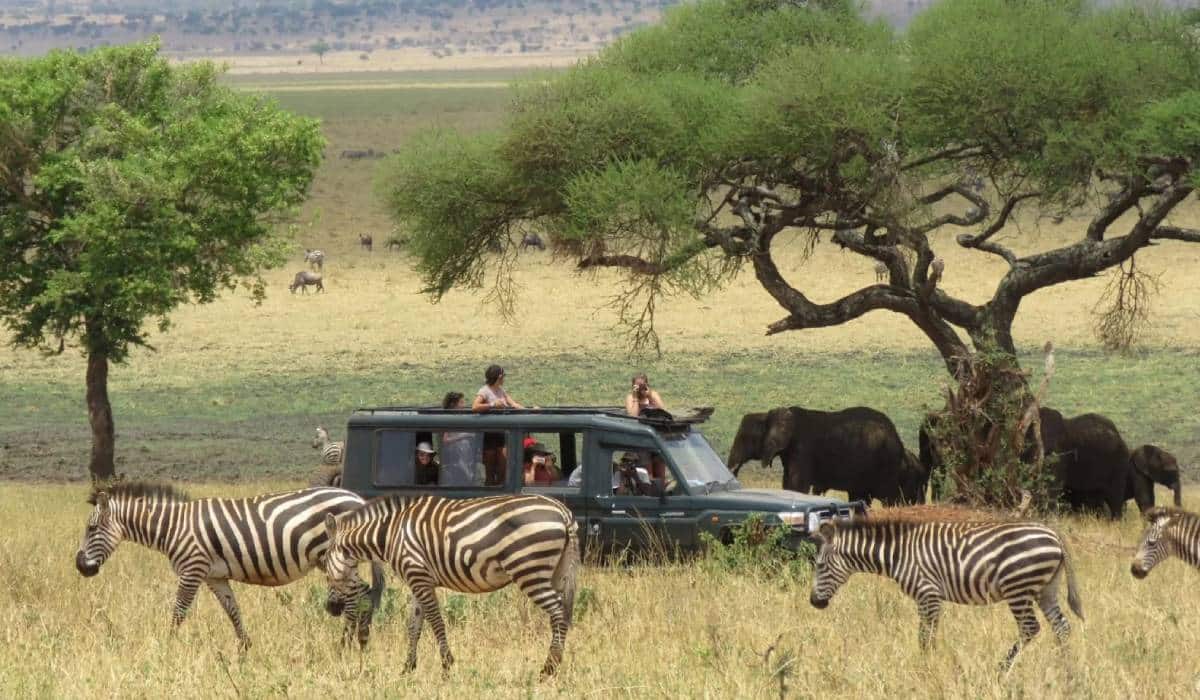
Saadani National Park offers one of the most distinctive safari experiences in Africa because it combines wildlife safaris with tropical coastal scenery. Unlike most safari destinations located far inland, this park allows visitors to enjoy game drives, river safaris, and beach relaxation within the same environment.
Unique Beach and Wildlife Combination
The biggest reason travelers visit Saadani National Park is its rare combination of wildlife and ocean scenery. It is the only national park in Tanzania where the bush meets the beach.
Visitors can enjoy morning game drives searching for elephants, giraffes, buffaloes, and lions before relaxing on sandy beaches overlooking the Indian Ocean. This combination creates a peaceful and refreshing safari experience perfect for travelers seeking variety and relaxation.
Excellent Boat Safaris on the Wami River
Boat safaris along the Wami River are among the park’s most popular activities. The river supports hippos, crocodiles, monkeys, water birds, and mangrove ecosystems that create excellent wildlife viewing opportunities.
Boat safaris are peaceful, scenic, and ideal for photography and birdwatching. Sunset boat cruises are especially beautiful as the golden light reflects across the calm waters surrounded by wildlife.
Rich Birdlife
Saadani National Park is one of Tanzania’s best birdwatching destinations with more than 300 recorded bird species. The mix of coastal habitats, mangroves, river systems, grasslands, and forests attracts both resident and migratory birds throughout the year.
Birdwatchers can spot fish eagles, kingfishers, flamingos, bee-eaters, herons, hornbills, sunbirds, and many water birds around the river and coastline.
Peaceful and Uncrowded Safari Experience
Unlike some of Tanzania’s busier safari parks, Saadani National Park remains peaceful and relatively uncrowded. Visitors can enjoy wildlife viewing and nature experiences without large numbers of safari vehicles or tourist crowds.
This relaxed atmosphere makes the park ideal for honeymooners, photographers, couples, families, and travelers seeking quiet wilderness experiences.
Diverse Landscapes and Ecosystems
The landscapes within Saadani National Park are highly diverse and visually beautiful. Visitors can explore savannah plains, palm forests, river systems, mangrove swamps, coastal forests, beaches, and oceanfront scenery all within one protected area.
This ecological diversity supports a wide range of wildlife species and creates excellent opportunities for photography, nature walks, and scenic exploration.
Wildlife in Saadani National Park
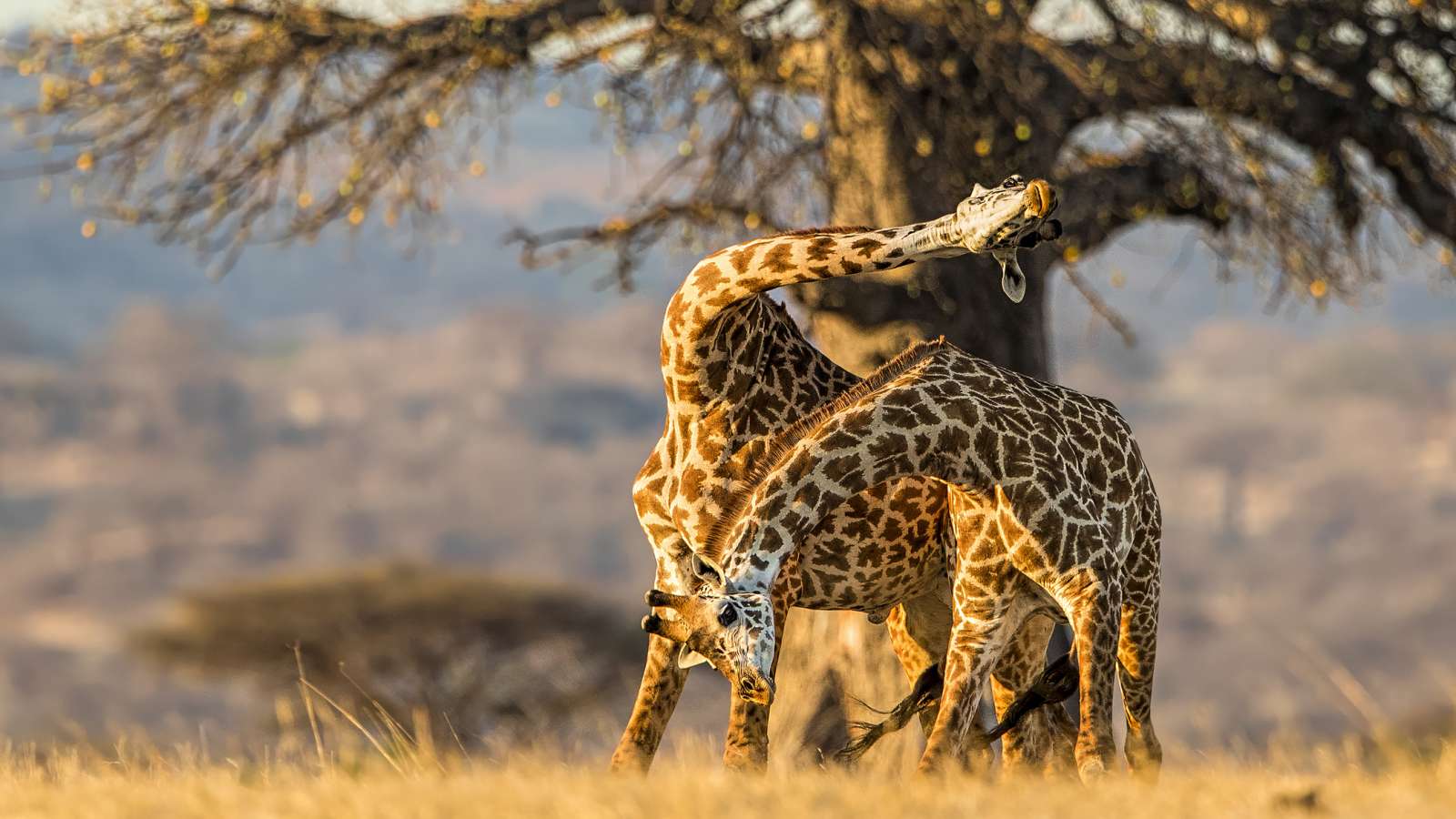
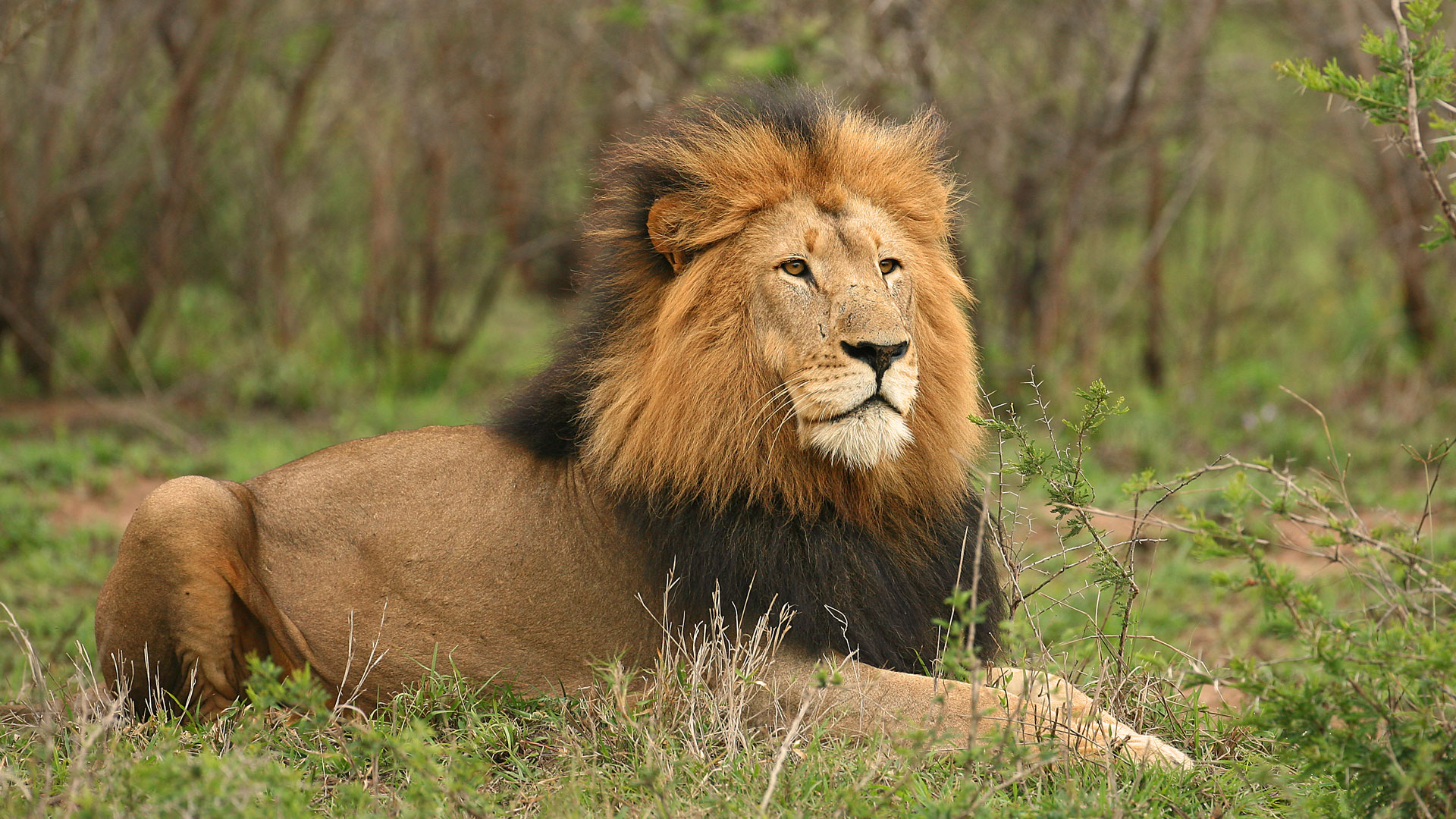
Saadani National Park supports a wide variety of wildlife species adapted to coastal, riverine, and savannah ecosystems. The park’s unique location near the Indian Ocean allows for a mix of terrestrial and aquatic wildlife experiences rarely found elsewhere in East Africa.
Large Mammals
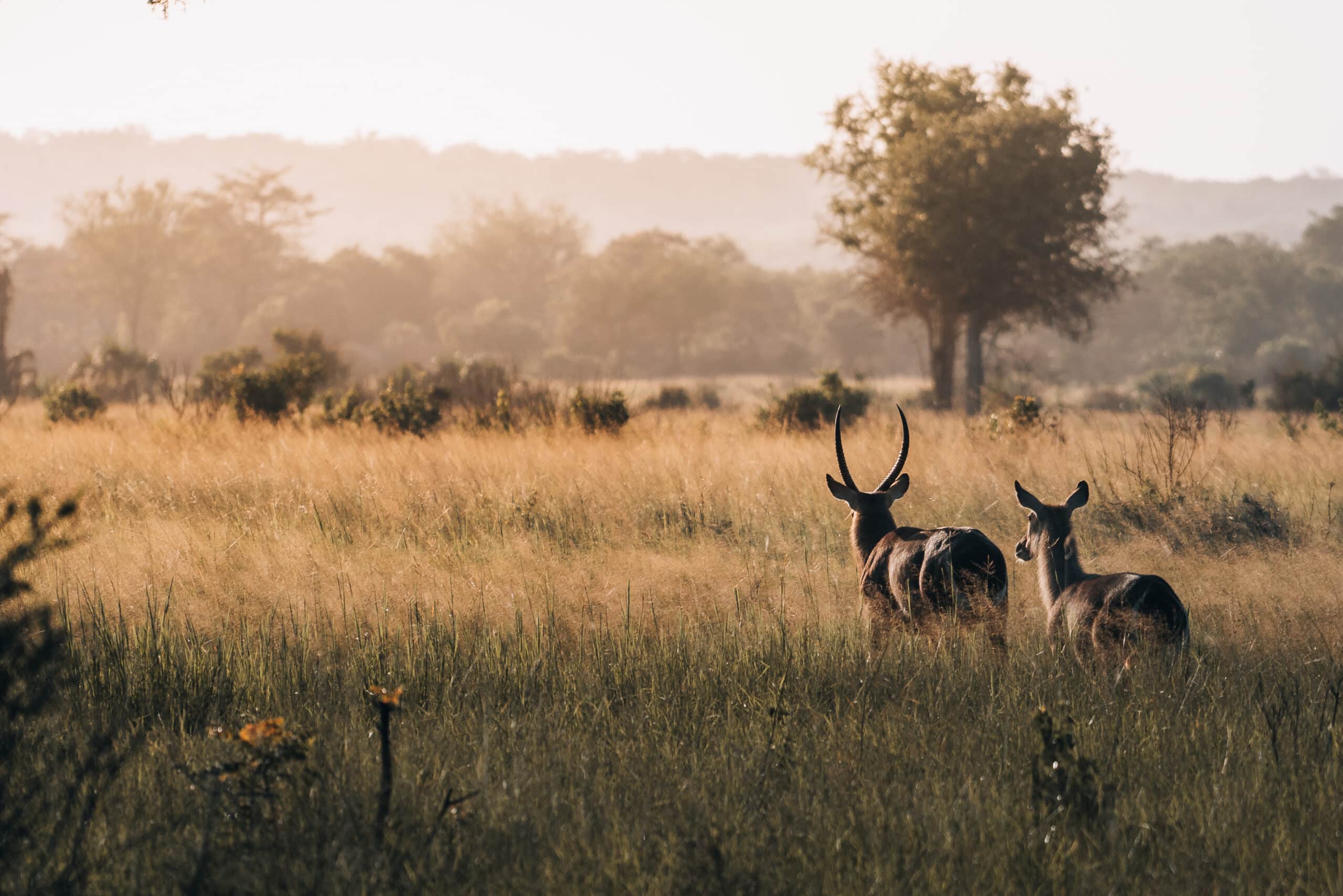
Wildlife commonly seen during game drives includes elephants, buffaloes, giraffes, zebras, wildebeests, waterbucks, hartebeests, warthogs, and various antelope species.
Elephants are among the park’s most iconic animals and are often seen moving through coastal vegetation and open grasslands.
Predators
Predators found within the park include lions, spotted hyenas, leopards, and smaller carnivores such as civets and genets. Predator sightings are possible during game drives although they are less frequent than in larger inland parks.
Hippos and Crocodiles
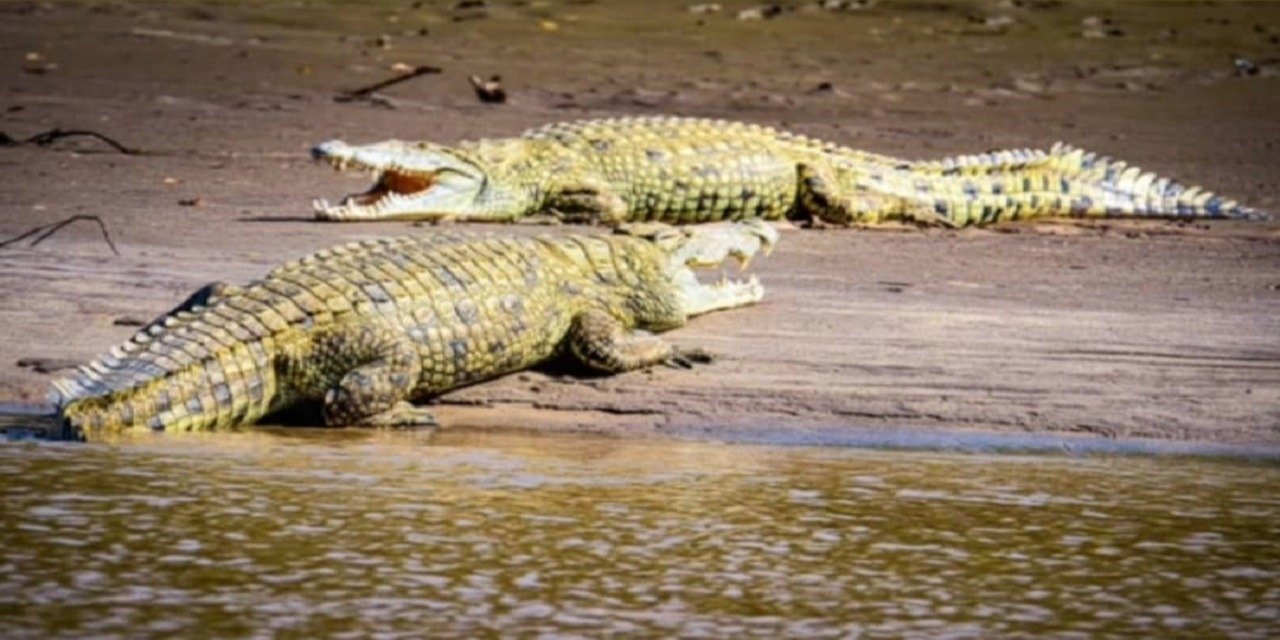
The Wami River supports healthy populations of hippos and Nile crocodiles. Boat safaris provide excellent opportunities to observe these animals closely in their natural habitat.
Primates
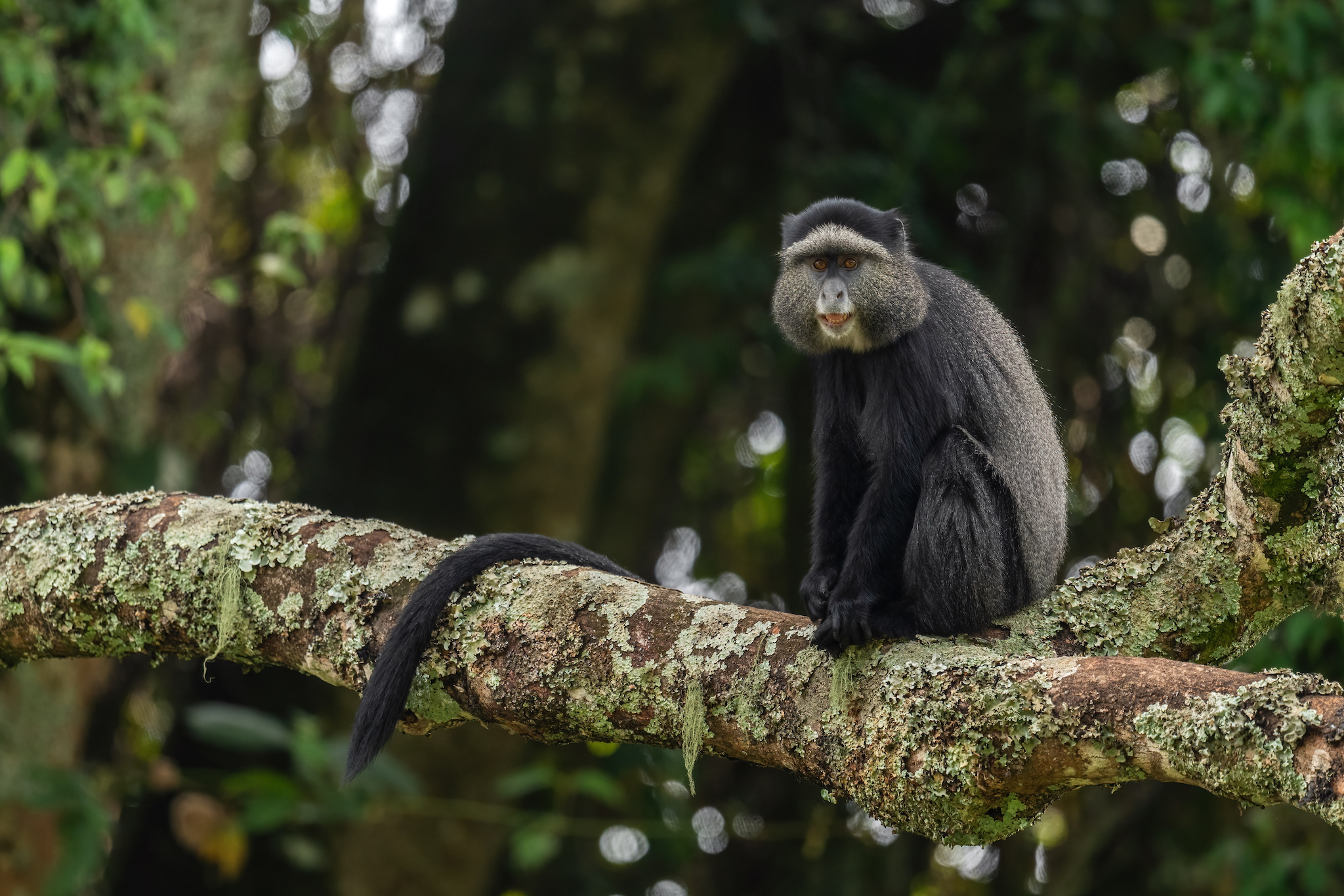
The park is also home to yellow baboons, vervet monkeys, and blue monkeys commonly seen around riverine forests and lodge areas.
Birdlife
Birdwatching is exceptional with over 300 bird species recorded within the park including African fish eagles, kingfishers, flamingos, hornbills, bee-eaters, weavers, herons, storks, and many migratory birds.
The combination of river habitats, mangroves, grasslands, and coastal ecosystems makes Saadani National Park one of Tanzania’s most rewarding birdwatching destinations.
Activities in Saadani National Park
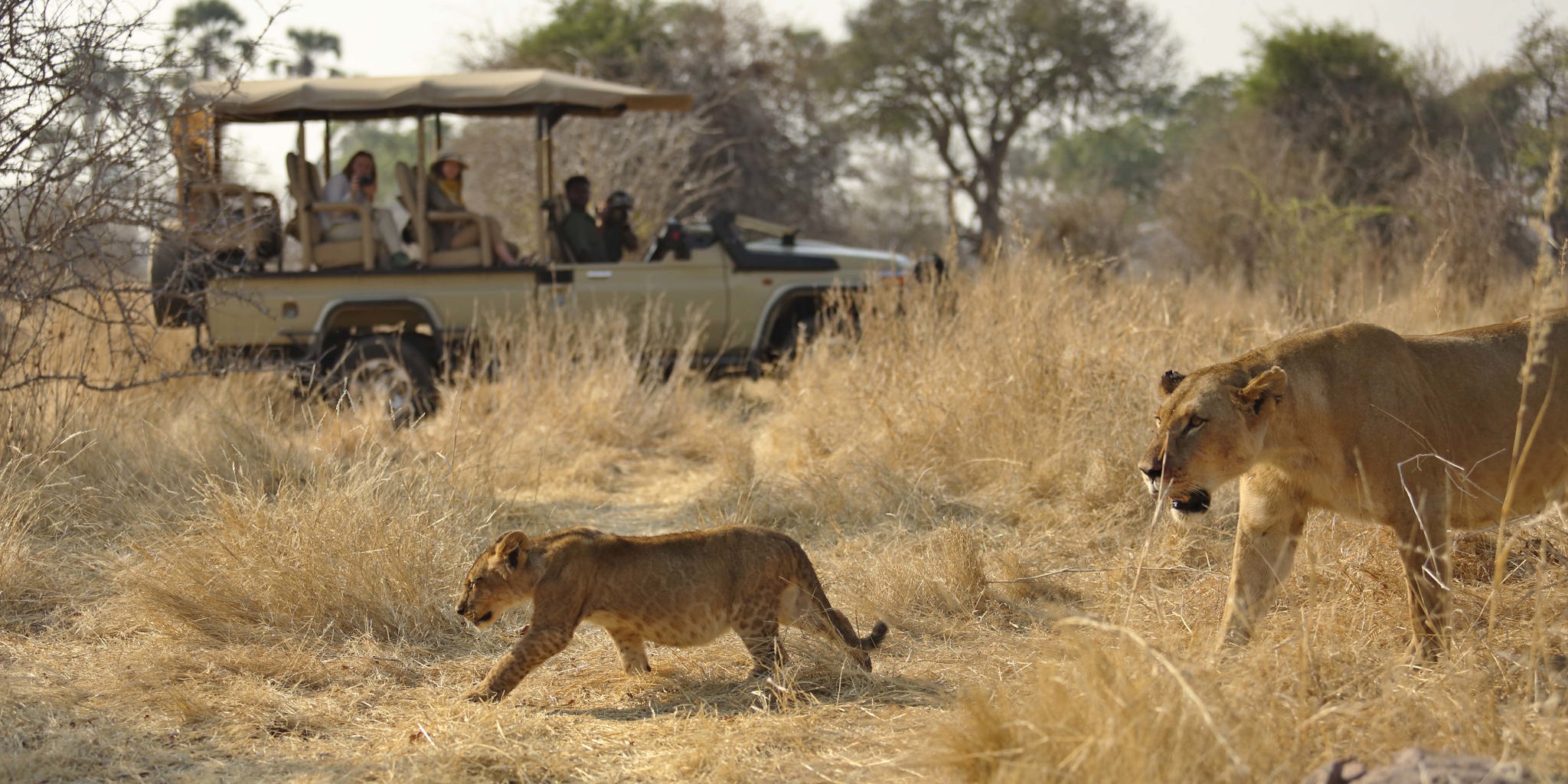
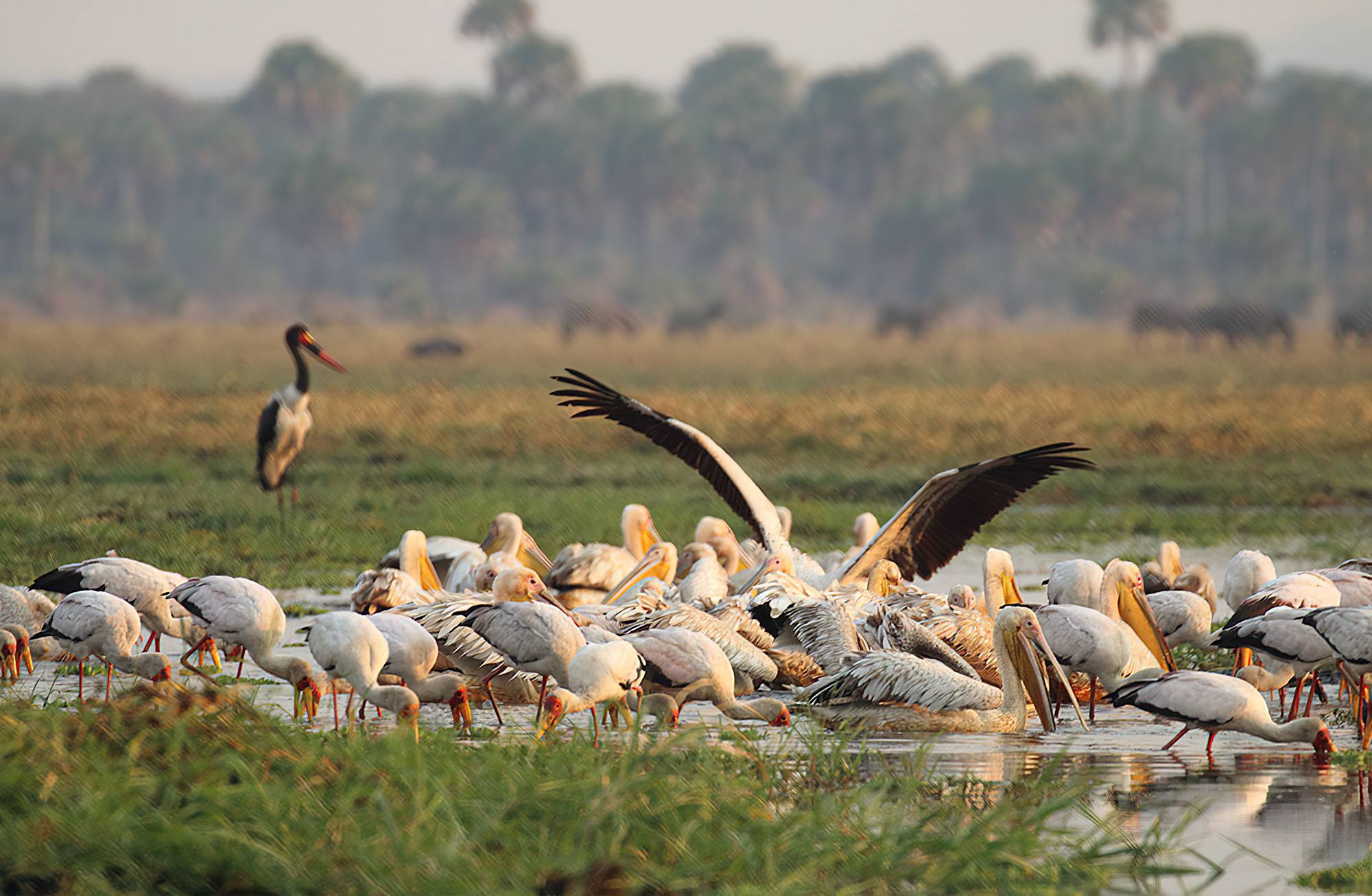
Saadani National Park offers one of the most unique safari experiences in Africa because it combines traditional wildlife safaris with coastal and river activities along the Indian Ocean. Visitors can enjoy a wide range of adventures including wildlife viewing, boat safaris, beach relaxation, birdwatching, cultural experiences, and photography within one destination. The peaceful atmosphere and natural beauty make every activity highly immersive and relaxing.
Unlike many inland safari parks, Saadani National Park allows travelers to combine bush and beach experiences during the same trip. The park’s ecosystems include savannah plains, mangrove forests, river habitats, palm vegetation, coastal forests, and sandy beaches, creating exceptional diversity for safari activities.
Game Drives
Game drives are among the main activities in Saadani National Park and provide opportunities to explore the park’s savannah and coastal ecosystems while searching for wildlife. Guided game drives are usually conducted in the early morning or late afternoon when animals are most active.
Visitors can encounter elephants, buffaloes, giraffes, zebras, wildebeests, waterbucks, hartebeests, warthogs, monkeys, and a variety of antelope species moving through the grasslands and forest edges. Predators such as lions, hyenas, and leopards also inhabit the park, although sightings can be less frequent compared to larger savannah parks.
One of the most unique experiences during game drives is seeing wildlife close to the coastline and Indian Ocean beaches. Few places in Africa offer the opportunity to observe elephants or giraffes wandering near tropical coastal scenery.
Boat Safaris on the Wami River
Boat safaris along the Wami River are one of the most popular and scenic activities within Saadani National Park. The river flows through mangrove forests and wildlife-rich habitats before entering the Indian Ocean, creating excellent conditions for wildlife viewing and photography.
During boat safaris, visitors commonly see hippos resting in the water, Nile crocodiles basking along riverbanks, monkeys moving through riverside vegetation, and a variety of bird species feeding near the water.
The calm river environment creates a peaceful safari atmosphere very different from traditional vehicle safaris. Sunset boat cruises are especially beautiful as golden light reflects on the water while wildlife becomes active along the riverbanks.
Boat safaris are also ideal for birdwatching because many water birds and migratory species inhabit the river ecosystem.
Birdwatching
Saadani National Park is one of Tanzania’s most rewarding birdwatching destinations due to its diverse habitats and coastal location. The combination of mangroves, river systems, beaches, grasslands, forests, and wetlands supports more than 300 recorded bird species.
Birdwatchers may spot African fish eagles, giant kingfishers, bee-eaters, flamingos, hornbills, weavers, herons, storks, sunbirds, sandpipers, and many migratory birds throughout the year.
The Wami River and coastal wetlands are especially productive birdwatching areas where visitors can observe large concentrations of water birds and fish-eating species.
Birdwatching can be enjoyed during boat safaris, guided walks, game drives, and around lodge areas where birdlife is often abundant.
Beach Relaxation
One of the most unique attractions of Saadani National Park is the opportunity to relax on quiet beaches after wildlife activities. The Indian Ocean coastline offers peaceful sandy beaches ideal for unwinding after game drives or walking safaris.
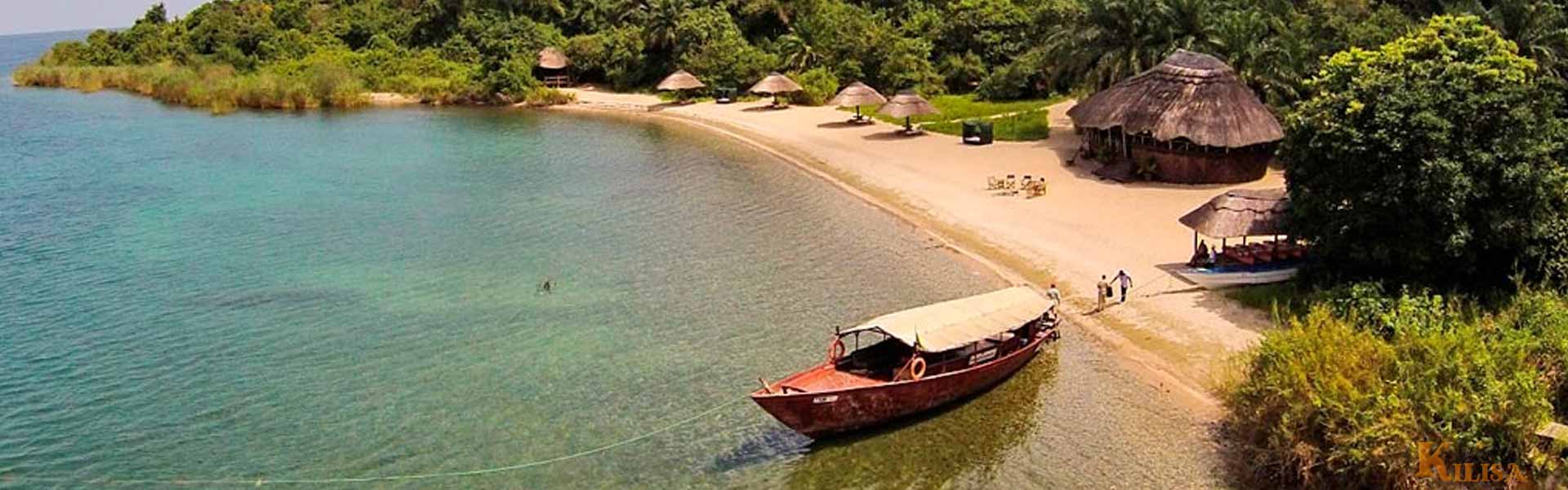
Visitors can enjoy ocean views, tropical breezes, beach walks, swimming, and spectacular sunrises or sunsets over the coastline. The combination of safari adventures and beach relaxation creates a refreshing and highly relaxing holiday experience.
Unlike crowded coastal tourism destinations, the beaches near the park remain peaceful and natural, offering privacy and tranquility surrounded by wilderness.
Guided Walking Safaris
Walking safaris allow visitors to explore the environment on foot while learning about smaller wildlife species, plants, animal tracks, insects, and local ecosystems from experienced guides.
Walking through the bush provides a more intimate connection with nature and allows visitors to appreciate details often missed during vehicle safaris. Guides explain the behavior of wildlife, medicinal plants, birdlife, and ecological relationships within the environment.
Walking safaris may also include visits to river areas, mangrove habitats, or coastal forests depending on the chosen route and conditions.
Cultural Visits to Saadani Village
Cultural visits provide opportunities to interact with local communities and learn about traditional coastal lifestyles in the region. The nearby Saadani village has historical importance linked to Swahili coastal trade routes and fishing traditions.
Visitors can explore local markets, traditional fishing activities, cultural customs, village life, and coastal cuisine while gaining insight into the relationship between local communities and conservation.
These cultural experiences help support local livelihoods while adding educational and cultural value to the safari experience.
Sunset Cruises
Sunset cruises on the Wami River or near the coastline are among the most relaxing experiences available within the park. Visitors can enjoy peaceful boat rides while watching wildlife become active during the evening hours.
The golden colors reflecting across the river and ocean create beautiful scenery perfect for photography and relaxation.
Fishing Excursions
Fishing excursions on the river and nearby coastal waters are available for visitors interested in sport fishing or traditional fishing experiences. Local guides often assist visitors while explaining fishing traditions and aquatic ecosystems within the region.
Wildlife Viewing
Wildlife viewing remains one of the core safari activities within Saadani National Park. The diversity of habitats supports a wide range of wildlife species including elephants, giraffes, buffaloes, hippos, crocodiles, monkeys, antelopes, birds, and predators.
The peaceful atmosphere and relatively low visitor numbers create more private and relaxed wildlife encounters compared to busier safari destinations.
Best Time to Visit Saadani National Park
Saadani National Park can be visited throughout the year, but different seasons offer varying safari experiences depending on wildlife viewing conditions, weather, bird activity, and road accessibility.
Dry Season
The dry season from June to October is generally considered the best time to visit Saadani National Park. During these months, vegetation becomes less dense and animals gather more frequently around rivers and water sources, making wildlife easier to spot during game drives and boat safaris.
Road conditions are usually much better during the dry season, allowing easier access to wildlife areas and safari routes within the park. The cooler temperatures and lower humidity also create more comfortable conditions for outdoor activities such as walking safaris, hiking, and wildlife photography.
Boat safaris on the Wami River are especially rewarding during the dry season because wildlife often concentrates near the riverbanks. Visitors may enjoy excellent sightings of hippos, crocodiles, elephants, buffaloes, and numerous bird species.
The dry season also provides clear skies and beautiful lighting conditions for photography, especially during sunrise and sunset.
Wet Season
The wet season from November to May transforms Saadani National Park into a lush green paradise filled with fresh vegetation, dramatic scenery, and increased bird activity.
During this period, migratory birds arrive in large numbers, making the park especially attractive for birdwatchers. The landscapes become greener and more vibrant, offering beautiful scenery and excellent photography opportunities.
Although wildlife remains present throughout the year, dense vegetation during the rainy season can sometimes make animal sightings slightly more difficult. Heavy rainfall may also affect some roads, making certain areas harder to access temporarily.
However, the wet season offers advantages including fewer tourists, quieter safari experiences, beautiful green landscapes, and lower accommodation rates at some lodges.
Best Time for Birdwatching
Birdwatching is especially productive during the rainy season when migratory bird species arrive and breeding activity increases within wetlands, mangroves, forests, and river systems.
Best Time for Beach and Boat Activities
Beach relaxation and boat safaris are enjoyable year-round, although calmer weather conditions during the dry season generally provide the best overall experience.
No matter the season, Saadani National Park offers a unique combination of wildlife, coastal scenery, river adventures, and peaceful safari experiences throughout the year.
Accommodation in Saadani National Park
Accommodation in Saadani National Park ranges from luxury beachfront lodges and eco-resorts to comfortable midrange camps and budget-friendly guesthouses. Most properties are designed to blend naturally into the coastal environment while offering guests peaceful surroundings and close access to wildlife activities.
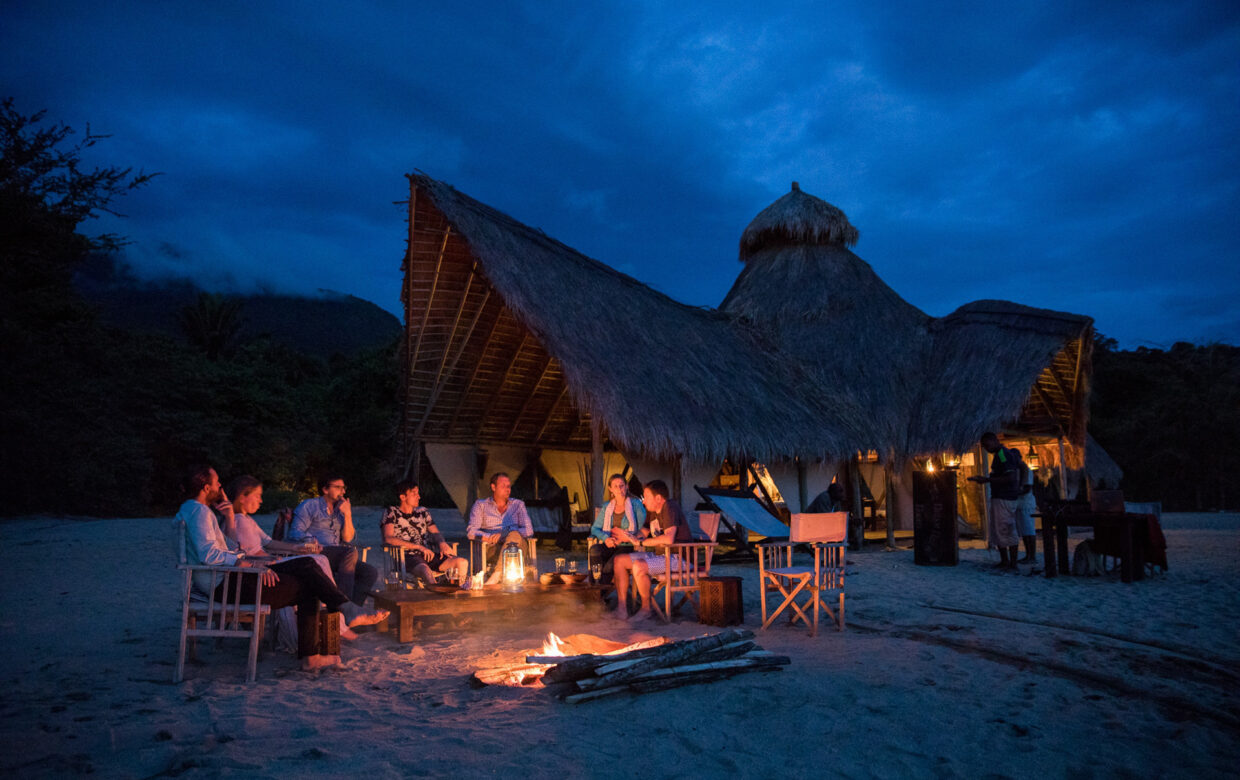
The park’s combination of bush and beach environments allows visitors to enjoy safari adventures while staying near the Indian Ocean coastline or close to the Wami River.
Luxury Lodges
Luxury lodges provide the highest level of comfort, exclusivity, and personalized safari experiences. Many luxury properties are located along the beachfront or near wildlife-rich river habitats, offering stunning views of the ocean, mangroves, or surrounding wilderness.
Guests staying at luxury lodges often enjoy spacious suites or bandas with private decks, comfortable lounges, gourmet dining, swimming pools, spa services, and direct beach access.
Luxury accommodations also organize personalized activities including private game drives, boat safaris, sunset cruises, guided walks, photography experiences, and romantic beach dinners.
These lodges are especially popular with honeymooners, couples, photographers, and travelers seeking a peaceful and exclusive safari holiday.
Midrange Camps
Midrange lodges and safari camps provide comfortable accommodation at more affordable rates while still offering excellent safari experiences and quality service.
Rooms are usually spacious and well-equipped with private bathrooms, comfortable beds, dining areas, and scenic views of the surrounding environment.
Midrange accommodations often include guided activities such as game drives, river safaris, walking safaris, and birdwatching excursions within safari packages.
These camps are ideal for couples, families, and travelers seeking comfort and good value while exploring the park.
Budget Accommodation
Budget camps, lodges, and guesthouses allow travelers to experience the beauty of Saadani National Park at lower costs while still enjoying wildlife activities and coastal scenery.
Budget accommodation usually offers simple but comfortable rooms, shared facilities in some cases, local cuisine, and access to guided safari activities.
These options are popular among backpackers, adventure travelers, students, and visitors exploring Tanzania on a tighter budget.
Eco-Friendly Accommodation
Many lodges and camps operating around Saadani National Park focus on eco-tourism and sustainable tourism practices. Properties are often designed using local materials and environmentally friendly systems to reduce their ecological impact.
Eco-friendly accommodation supports conservation efforts, local employment, and responsible tourism while helping preserve the natural beauty of the coastal ecosystem.
Whether choosing luxury lodges, midrange camps, or budget accommodation, visitors can enjoy peaceful surroundings, ocean views, wildlife encounters, and memorable safari experiences within one of Tanzania’s most unique national parks.
Conservation in Gombe Stream National Park
Gombe Stream National Park plays one of the most important roles in chimpanzee conservation and primate research anywhere in the world. Although the park is relatively small in size, its contribution to wildlife science, rainforest protection, and global conservation awareness has been enormous. The park is internationally recognized for its long history of chimpanzee research and for helping transform scientific understanding of primates and their relationship to humans.
The conservation importance of Gombe Stream National Park became globally recognized through the pioneering work of Jane Goodall, who began studying wild chimpanzees in the forests surrounding Lake Tanganyika in 1960. Her groundbreaking observations changed how scientists viewed chimpanzee intelligence, communication, emotions, social relationships, and tool use.
Before her research, scientists believed that humans were the only species capable of making and using tools. Observations of chimpanzees using sticks to collect termites challenged that belief and reshaped scientific understanding of animal behavior and evolution.
Today, Gombe Stream National Park continues to serve as one of Africa’s most important research and conservation centers for wild chimpanzees.
Chimpanzee Protection
Chimpanzees remain the primary focus of conservation within the park. These intelligent primates face numerous threats across Africa including habitat destruction, poaching, disease transmission, illegal wildlife trade, and increasing pressure from human activities.
The protected rainforest environment allows chimpanzees to live, feed, reproduce, and move naturally within a secure habitat. Conservation teams closely monitor chimpanzee communities to track their health, population trends, movement patterns, and behavior.
Because chimpanzees share approximately 98 percent of human DNA, they are highly vulnerable to diseases transmitted by humans. Strict trekking rules help minimize disease risks and protect chimpanzee populations from infections brought into the forest by visitors.
Habitat Preservation
Protecting the rainforest ecosystem is another major conservation priority. The dense tropical forest provides essential habitat not only for chimpanzees but also for red colobus monkeys, olive baboons, blue monkeys, birds, reptiles, butterflies, and numerous plant species.
Conservation programs focus on preventing deforestation, reducing habitat degradation, protecting water sources, and preserving biodiversity throughout the forest ecosystem.
Healthy forests are critical for maintaining ecological balance, supporting wildlife populations, and preserving the natural beauty of the region.
Anti-Poaching Operations
Anti-poaching activities play a major role in protecting wildlife and maintaining the safety of the ecosystem. Rangers regularly patrol forest trails and surrounding areas to prevent illegal hunting, wildlife trapping, logging, and habitat destruction.
Although large-scale poaching is less common than in some other African regions, continued monitoring remains essential for protecting vulnerable species and maintaining long-term conservation success.
The presence of trained rangers and conservation staff helps ensure that wildlife populations remain protected within the park boundaries.
Scientific Research
Scientific research remains one of the defining features of Gombe Stream National Park. Long-term chimpanzee studies conducted here have become some of the most important wildlife research projects in the world.
Researchers continue studying chimpanzee social structures, feeding behavior, communication systems, emotional interactions, territorial behavior, and adaptation to environmental changes.
The data collected from these studies contributes to global conservation planning, wildlife education, primate protection strategies, and scientific understanding of human evolution.
Research activities also help conservationists identify emerging threats to wildlife populations and improve management practices within the park.
Sustainable Tourism
Sustainable tourism provides important financial support for conservation activities and helps create awareness about wildlife protection and responsible travel.
Tourism revenue contributes directly to park management, ranger operations, conservation programs, research activities, and local employment opportunities.
Eco-tourism practices encourage visitors to respect wildlife, minimize environmental impact, and support conservation-focused safari experiences.
Responsible tourism also helps reduce pressure on natural resources while creating economic benefits linked to wildlife protection.
Community Involvement
Local communities surrounding the park play an important role in conservation success. Community involvement programs focus on environmental education, tourism employment, cultural tourism, and sustainable development projects.
Many local residents benefit from guiding services, lodge employment, transportation operations, handicraft sales, and tourism-related businesses connected to the park.
When communities benefit from tourism and conservation, they become stronger partners in protecting wildlife and rainforest ecosystems for future generations.
Conservation education programs also help increase awareness about the importance of chimpanzee protection, sustainable resource use, and environmental stewardship.
Responsible tourism and long-term conservation efforts continue helping preserve one of Africa’s most iconic chimpanzee habitats while protecting biodiversity and supporting local livelihoods in western Tanzania.
Book Your Safari with Boots in the Jungle Safaris
Experience unforgettable chimpanzee trekking, rainforest adventures, breathtaking landscapes, and peaceful lakeside relaxation with Boots in the Jungle Safaris. We specialize in creating personalized Tanzania safari experiences designed around wildlife encounters, authentic nature exploration, comfort, and seamless travel planning.
A safari to Gombe Stream National Park offers travelers the rare opportunity to explore one of Africa’s most famous chimpanzee destinations while experiencing the beauty of tropical rainforest and the crystal-clear waters of Lake Tanganyika.
At Boots in the Jungle Safaris, we carefully design every itinerary to match your interests, travel style, and safari goals. Whether you are planning a chimpanzee trekking expedition, honeymoon safari, photography adventure, birdwatching holiday, family trip, or luxury Tanzania safari, our experienced team ensures every detail is professionally organized.
Personalized Safari Experiences
Our safaris are designed to provide highly personalized and immersive experiences. We arrange everything from airport transfers and domestic flights to accommodation, professional guides, trekking permits, and customized safari activities.
Travelers can choose from luxury lodge safaris, midrange adventures, eco-tourism experiences, or private tailor-made itineraries depending on budget and preferences.
Chimpanzee Trekking Adventures
Chimpanzee trekking remains the highlight of every safari to this region. Our experienced guides help travelers enjoy safe, educational, and rewarding encounters with habituated chimpanzee communities within the rainforest.
Watching chimpanzees move naturally through the forest while learning about their behavior and conservation creates one of the most emotional wildlife experiences in Africa.
Forest Hikes and Waterfall Visits
Guided forest walks allow visitors to explore rainforest trails, waterfalls, streams, scenic viewpoints, and diverse wildlife habitats beyond chimpanzee trekking.
These hikes provide opportunities to discover birds, butterflies, monkeys, medicinal plants, and beautiful forest scenery while enjoying peaceful nature experiences.
Boat Cruises on Lake Tanganyika
Boat excursions on Lake Tanganyika offer stunning scenery, birdwatching opportunities, fishing experiences, photography, and peaceful relaxation along one of Africa’s most beautiful freshwater lakes.
Sunset cruises are especially memorable as the golden light reflects across the calm waters surrounded by forested mountains.
Birdwatching Safaris
Birdwatchers can enjoy guided birding excursions searching for fish eagles, kingfishers, hornbills, bee-eaters, herons, flycatchers, sunbirds, and many tropical forest species found within the rainforest and lakeshore habitats.
Luxury Lodge Stays
Boots in the Jungle Safaris carefully selects comfortable and eco-friendly lodges offering beautiful lake views, excellent service, delicious cuisine, and peaceful surroundings close to nature.
Travelers can relax in luxury bandas, lakeside suites, or comfortable safari camps while enjoying personalized hospitality and stunning scenery.
Cultural Experiences
Our safaris can also include cultural interactions with local communities around Kigoma and Lake Tanganyika where visitors learn about traditional fishing lifestyles, local customs, food culture, and Swahili traditions.
These experiences add cultural value and deeper understanding to every safari adventure.
Domestic Flights and Transfers
We organize smooth domestic flight connections, boat transfers, road transportation, and complete safari logistics to ensure stress-free travel throughout Tanzania.
Our safari packages can also combine Gombe Stream National Park with other famous destinations including Serengeti National Park, Katavi National Park, Mahale Mountains National Park, Ruaha National Park, and Zanzibar for a complete Tanzania safari and beach holiday experience.
With Boots in the Jungle Safaris, travelers enjoy expert safari planning, professional guiding, carefully selected accommodation, responsible tourism practices, and unforgettable wildlife encounters in some of Africa’s most spectacular natural landscapes.
Let Boots in the Jungle Safaris help you discover the beauty, wildlife, conservation history, and unforgettable chimpanzee experiences of one of Africa’s most iconic rainforest safari destinations.