Uganda Safari in July – Ultimate Guide to Gorilla Trekking, Wildlife and Dry-Season Adventures
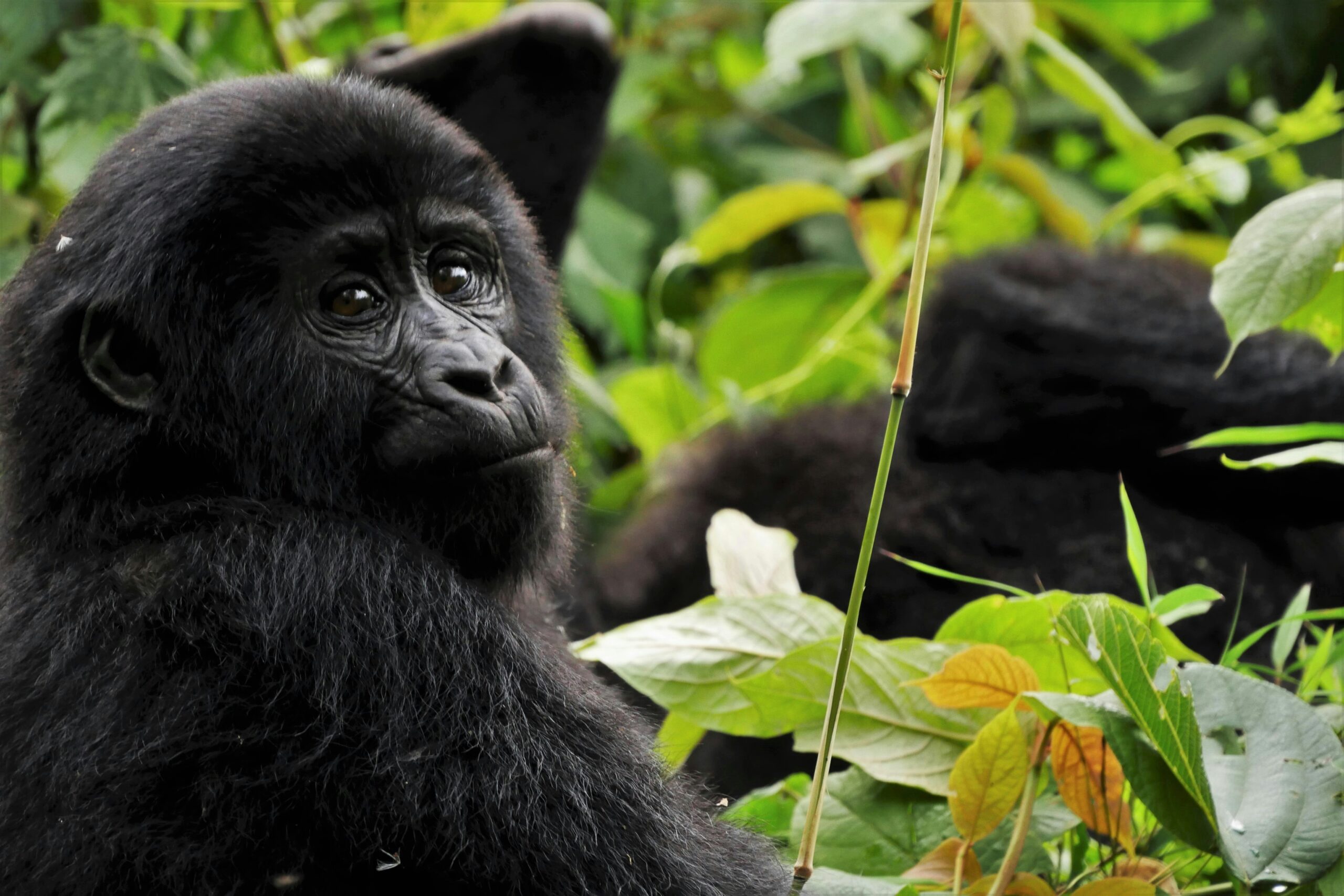
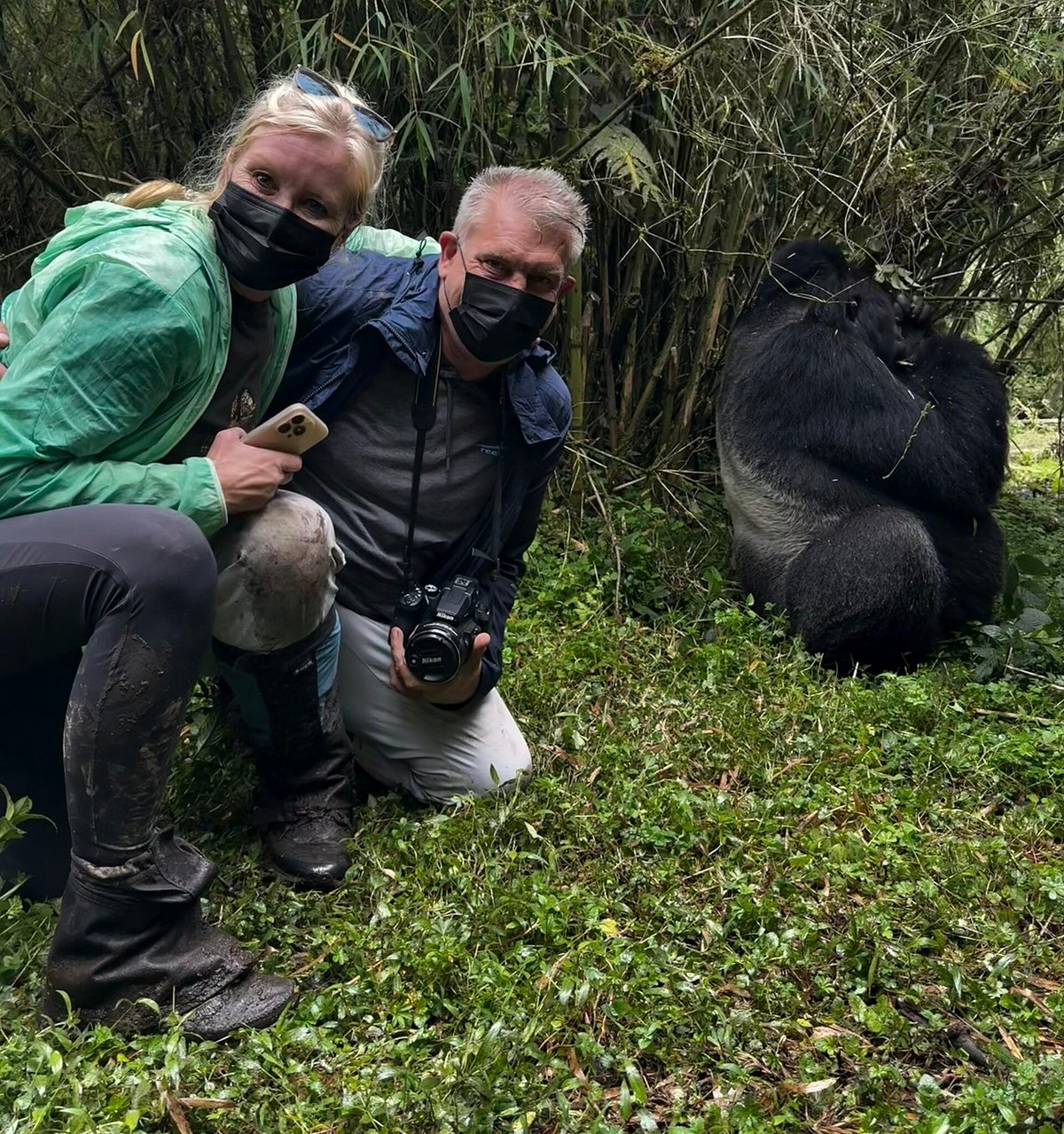
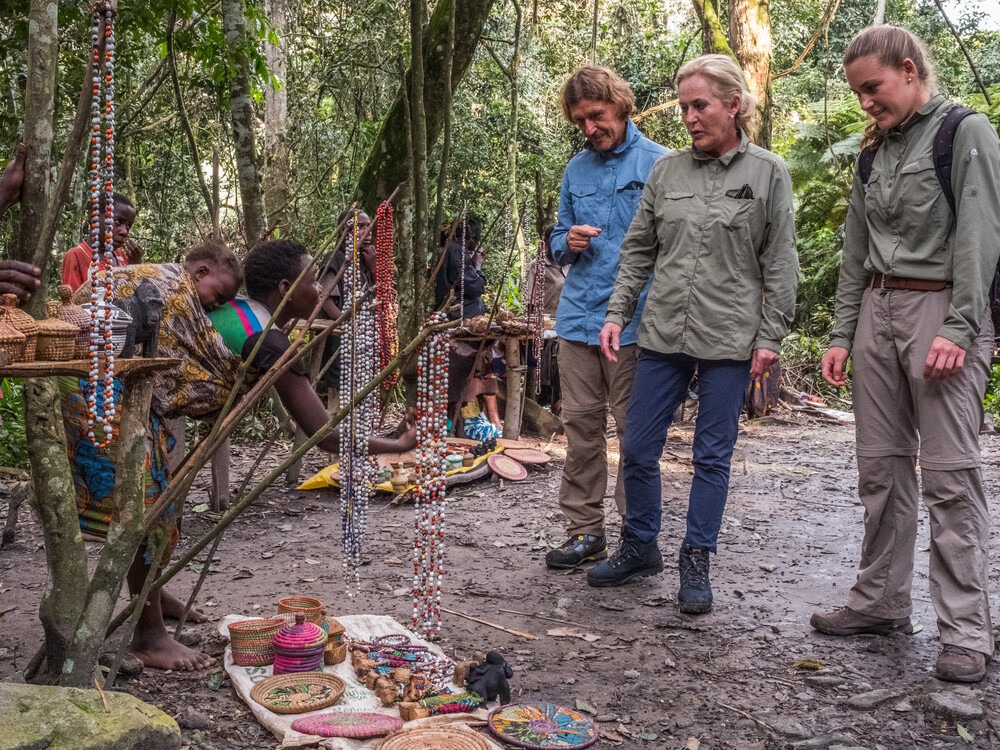
A Uganda Safari in July offers one of the most extraordinary opportunities to discover the Pearl of Africa during its popular dry-season safari period. July is widely regarded as one of the best months for mountain gorilla trekking, chimpanzee tracking, traditional wildlife game drives, birdwatching, and scenic exploration across Uganda’s breathtaking national parks. With comparatively low rainfall across much of southwestern Uganda, travellers can enjoy favourable forest trekking conditions, beautiful highland landscapes, and unforgettable encounters with some of Africa’s most remarkable wildlife.
Planning a Uganda Safari in July allows you to combine the excitement of encountering endangered mountain gorillas in Bwindi Impenetrable National Park with traditional wildlife viewing in Queen Elizabeth National Park, chimpanzee tracking in Kibale National Park, and spectacular Nile River adventures in Murchison Falls National Park. Travellers can also explore the volcanic landscapes of Mgahinga Gorilla National Park, relax beside Lake Bunyonyi, discover the remote wilderness of Kidepo Valley, or enjoy guided wildlife walks in Lake Mburo National Park.
July is particularly attractive because it coincides with summer holidays in Europe, North America, and other international markets. Couples, families, honeymooners, wildlife photographers, solo adventurers, and private groups frequently choose this month for African safari holidays. However, the popularity of July also means that mountain gorilla trekking permits, chimpanzee tracking permits, and sought-after safari lodges can be reserved many months in advance.
At Boots in the Jungle Safaris, we organise personalised Uganda wildlife holidays designed around your preferred July travel dates, wildlife interests, accommodation requirements, and available time. Whether you want a short mountain gorilla trekking adventure, a comprehensive wildlife safari, a romantic luxury holiday, or an extended exploration of Uganda’s magnificent national parks, our itineraries combine professional local guiding, carefully selected lodges, comfortable private transportation, and extraordinary wildlife experiences.
Uganda Safari in July – Overview
July falls within Uganda’s longer dry-season period, which generally extends from June through September across much of southern and southwestern Uganda. Following the main rainy season of March, April, and May, rainfall usually becomes less frequent, forest trails gradually become firmer, and travel conditions often improve for outdoor wildlife activities.
A Uganda Safari in July is especially rewarding for travellers who want to experience both primate trekking and traditional savannah wildlife viewing. Mountain gorilla trekking in Bwindi and Mgahinga is particularly popular because comparatively dry conditions can make steep forest trails easier to navigate. Chimpanzee tracking in Kibale remains an outstanding experience, while game drives in Queen Elizabeth and Lake Mburo National Parks offer opportunities to observe elephants, buffaloes, antelopes, lions, and other wildlife.
However, Uganda does not experience identical weather conditions across every region. While southwestern Uganda generally enjoys drier conditions in July, northeastern destinations such as Kidepo Valley National Park have a different rainfall pattern. July falls within Kidepo’s broader wet season, and afternoon showers remain possible. Visitors should therefore consider destination-specific weather rather than assuming that the entire country experiences completely dry conditions.
Another important characteristic of July is the increasing demand for safari services. It is among the busiest months for mountain gorilla trekking, particularly in Bwindi, where popular permit dates and accommodation can sell out well in advance. Early planning provides greater flexibility when choosing trekking sectors, lodges, travel routes, and additional activities.
Uganda Safari in July at a Glance
| Safari Factor | What to Expect in July |
|---|---|
| Main travel season | Longer dry season in southern and southwestern Uganda |
| Weather | Relatively dry in the southwest, with regional variation |
| Gorilla trekking | Excellent and highly popular |
| Chimpanzee tracking | Available throughout July |
| Savannah game drives | Generally rewarding |
| Birdwatching | Excellent resident birdlife |
| Mountain forest conditions | Cool mornings, often firmer trails |
| Kidepo Valley | Within its wetter seasonal period |
| Tourism demand | High, especially for gorilla trekking |
| Accommodation | Budget, mid-range and luxury |
| Recommended duration | 3–14 days or longer |
| Main advantage | Favourable conditions for primate trekking |
| Main consideration | Early permit and lodge reservations |
Why July Is One of the Best Months for a Uganda Safari

1. Excellent Dry-Season Conditions for Gorilla Trekking
One of the strongest reasons to choose a Uganda Safari in July is the favourable weather commonly experienced across the southwestern mountain forests. Bwindi Impenetrable National Park and Mgahinga Gorilla National Park receive substantial rainfall throughout the year, but July generally offers comparatively drier conditions than April or May. This can make certain forest paths firmer, reduce the likelihood of prolonged muddy sections, and improve walking comfort.
Mountain gorilla trekking remains a physically demanding adventure because the animals move naturally through steep forest environments. Nevertheless, relatively favourable weather allows many visitors to concentrate more comfortably on the remarkable experience of tracking endangered mountain gorillas. You may spend several hours walking through beautiful tropical forest before encountering a silverback and his family, observing their behaviour under the supervision of authorised Uganda Wildlife Authority rangers.
2. Rewarding Savannah Wildlife Viewing
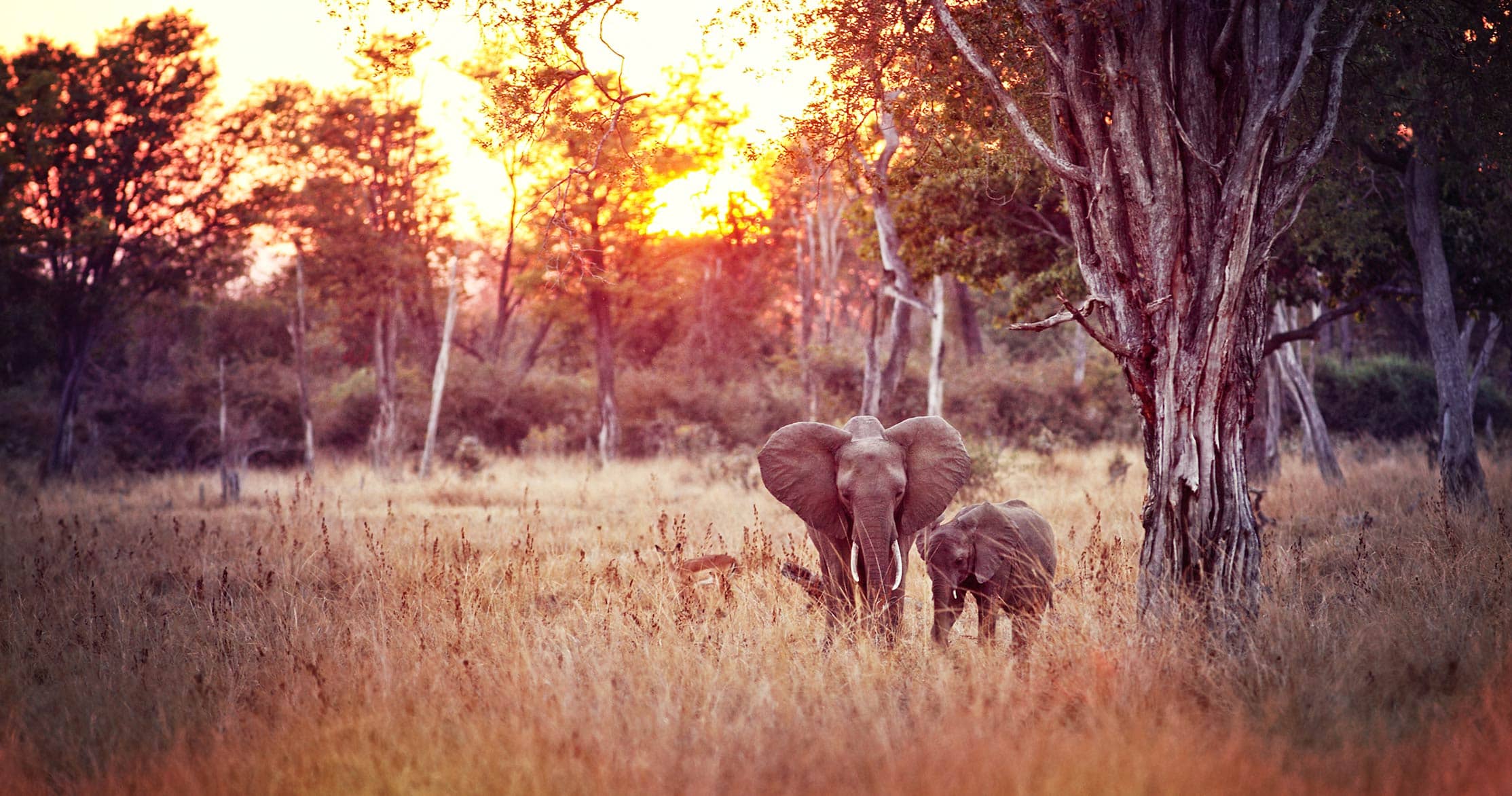
July provides attractive opportunities for wildlife game drives in Queen Elizabeth National Park, Lake Mburo National Park, and other savannah destinations. During drier conditions, vegetation can become less dense, improving visibility across certain grassland habitats. Some animals may also concentrate near permanent water sources as seasonal pools diminish.
Travellers can search for elephants, buffaloes, Uganda kob, giraffes, lions, leopards, zebras, and other wildlife while exploring beautiful natural landscapes. Wildlife encounters remain unpredictable, and sightings depend on the animals’ movements, local conditions, and the experience of your guide. A Uganda Safari in July is particularly rewarding when game drives are combined with boat excursions along the Kazinga Channel or Nile River.
3. More Comfortable Forest Trekking
The relatively dry conditions of July can benefit more than mountain gorilla trekking. Chimpanzee tracking in Kibale, golden monkey tracking in Mgahinga, birdwatching, and selected guided nature walks can also be more comfortable when trails are less muddy.
However, tropical forests remain humid environments, and rainfall can occur without warning. Visitors should always pack waterproof hiking boots, rain jackets, and suitable outdoor clothing. The advantage of July is a generally reduced likelihood of prolonged wet conditions in much of southwestern Uganda, rather than a guarantee of completely dry forest trails.
4. Excellent Opportunities for Family Summer Holidays
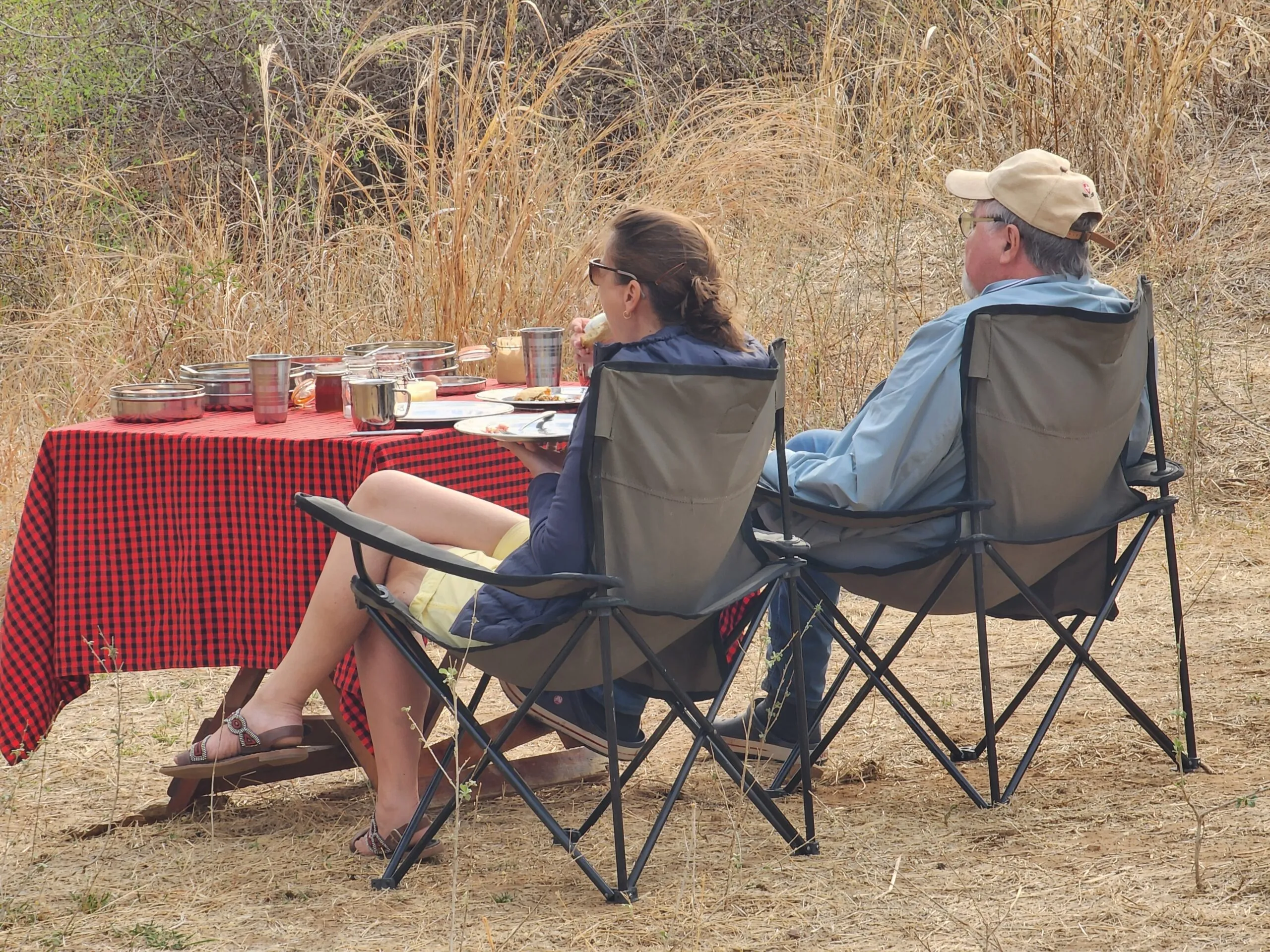
A Uganda Safari in July is particularly attractive for families because it coincides with summer holidays in many countries. Families can enjoy guided wildlife drives, boat safaris, scenic travel, birdwatching, and cultural experiences while staying in comfortable safari lodges.
Families with children aged 15 and above can consider mountain gorilla trekking, subject to the relevant permits and fitness requirements. Younger children can participate in suitable alternative activities according to individual park regulations. Boots in the Jungle Safaris can help create family itineraries with manageable transfers, appropriate accommodation, and activities suited to different ages.
5. Beautiful Landscapes and Wildlife Photography
July offers attractive conditions for nature photography, combining comparatively clear periods in the southwestern highlands with spectacular rainforest, volcanic, savannah, and lake scenery. The landscapes remain green in many places following the earlier rainy season, although some grasslands gradually become drier as the season progresses.
Photographers can enjoy opportunities to capture mountain gorillas in Bwindi, golden monkeys in Mgahinga, elephants and lions in Queen Elizabeth National Park, and the powerful Nile River at Murchison Falls. Early morning and late afternoon light is especially appealing for wildlife photography, while misty mountain views provide spectacular landscape compositions.
6. Excellent Primate Safari Combinations
Uganda is one of Africa’s most rewarding destinations for primate enthusiasts. A Uganda Safari in July can combine mountain gorilla trekking in Bwindi, chimpanzee tracking in Kibale, and golden monkey tracking in Mgahinga within a carefully planned itinerary.
These experiences provide opportunities to observe primate species with very different behaviours and habitats. Mountain gorillas are known for their powerful build and complex family relationships, chimpanzees for their intelligence and energetic social interactions, and golden monkeys for their striking colours and quick movements through bamboo forests.
7. A Popular Month for Luxury and Private Safaris
July’s popularity makes it especially attractive for travellers planning luxury safaris, private family holidays, and extended wildlife adventures. Premium lodges around Bwindi, Queen Elizabeth, Kibale, and Murchison Falls offer comfortable accommodation and beautiful natural settings.
Private transportation allows travellers to explore Uganda according to their own interests, while suitable domestic flights can reduce long road journeys. However, popular luxury lodges and fly-in connections may have limited availability during July, making early reservations particularly important.
Weather in Uganda in July – Rainfall, Temperatures and Safari Conditions
Understanding July weather is essential because Uganda’s climate varies significantly according to geographical location, elevation, and regional rainfall patterns.
In southwestern Uganda, July is generally associated with comparatively low rainfall, cooler mountain mornings, and comfortable daytime conditions. Bwindi, Mgahinga, and Lake Bunyonyi are located at higher elevations, meaning mornings and evenings can feel chilly even during the dry season.
Savannah destinations such as Queen Elizabeth and Lake Mburo are generally warmer, while Murchison Falls experiences its own regional rainfall pattern. Kidepo Valley in northeastern Uganda is different again, with July falling within its wetter period despite relatively low annual rainfall compared with Uganda’s tropical forests.
July Weather by Safari Destination
| Destination | Typical July Conditions | Main Attractions |
|---|---|---|
| Bwindi Impenetrable National Park | Comparatively dry, cool and sometimes misty | Gorilla trekking |
| Mgahinga Gorilla National Park | Cool, relatively dry mountain conditions | Gorillas and golden monkeys |
| Queen Elizabeth National Park | Warm, often relatively dry | Game drives and boat safaris |
| Murchison Falls National Park | Warm with possible seasonal showers | Wildlife and Nile cruises |
| Kibale National Park | Humid forest, variable rainfall | Chimpanzee tracking |
| Kidepo Valley National Park | Warm, possible wet-season showers | Remote wildlife safaris |
| Lake Mburo National Park | Mild to warm, comparatively dry | Game drives and walking safaris |
| Lake Bunyonyi | Cool mornings and generally pleasant days | Relaxation and photography |
| Entebbe | Warm and humid, occasional showers | Arrival and lakeside activities |
Early July vs Late July in Uganda
Early July (1–15 July) generally offers established dry-season conditions across much of southwestern Uganda. Bwindi and Mgahinga often experience comparatively favourable trekking weather, while the landscapes can retain attractive green vegetation. International tourist arrivals are usually strong, particularly at popular gorilla trekking destinations.
Late July (16–31 July) remains a popular period for primate trekking and wildlife safaris. Conditions in the southwestern highlands are often relatively dry, although showers remain possible. Tourist demand can be substantial because many families and international travellers are on summer holidays, making advance accommodation and permit reservations essential.
Neither half of the month guarantees better wildlife encounters. The location of gorilla families, animal movements, daily rainfall, and forest terrain remain more important than selecting a particular week.
Does It Rain in Uganda During July?
Yes. Although July is a dry-season month across much of southern Uganda, rainfall is still possible, particularly in Bwindi, Mgahinga, Kibale, and parts of northern Uganda. Visitors should prepare for changing conditions instead of assuming that every safari day will be sunny.
Is July the Best Month for Gorilla Trekking in Uganda?
July is certainly one of the most favourable months for gorilla trekking because relatively low rainfall often improves trail conditions. However, July is also one of the busiest months, and visitors who prefer quieter travel periods may consider June, September, or another suitable month.
Uganda Wildlife Authority confirms that standard gorilla trekking can involve several hours of hiking, with a one-hour observation period once the gorilla family is located. The season cannot guarantee an easy trek.
Best Places to Visit on a Uganda Safari in July

1. Bwindi Impenetrable National Park – Mountain Gorilla Trekking
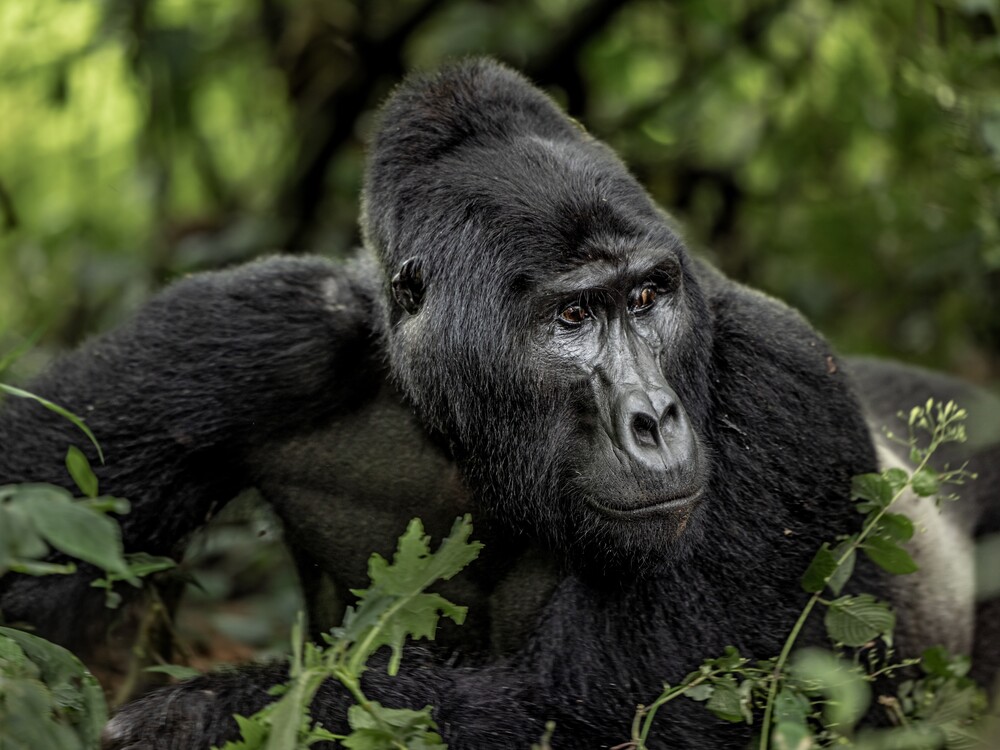
Bwindi Impenetrable National Park is one of the most important destinations to include in a Uganda Safari in July, especially for travellers interested in mountain gorilla trekking. Located in southwestern Uganda, this UNESCO World Heritage Site protects an extraordinary tropical mountain forest known for its endangered mountain gorillas, exceptional biodiversity, and spectacular landscapes. The forest contains steep valleys, ancient trees, dense vegetation, and a remarkable variety of birds, butterflies, monkeys, and other wildlife species.
July is among the most popular months for gorilla trekking in Bwindi because rainfall is generally lower than during the long rainy season. Forest trails may be firmer, making hiking more manageable in certain areas. However, trekking can still involve climbing steep slopes, walking through dense vegetation, and navigating slippery sections of forest. The length and difficulty of the hike depend on the location of the assigned gorilla family and the conditions experienced on the day.
Bwindi is divided into four principal trekking sectors: Buhoma, Ruhija, Rushaga, and Nkuringo. Each sector offers different terrain, access routes, accommodation options, and habituated gorilla families. Buhoma is particularly convenient for certain routes from Queen Elizabeth National Park, while Rushaga and Nkuringo are attractive for travellers arriving from Kigali or combining gorilla trekking with Mgahinga. Ruhija is known for its beautiful mountain forest scenery and birdwatching opportunities.
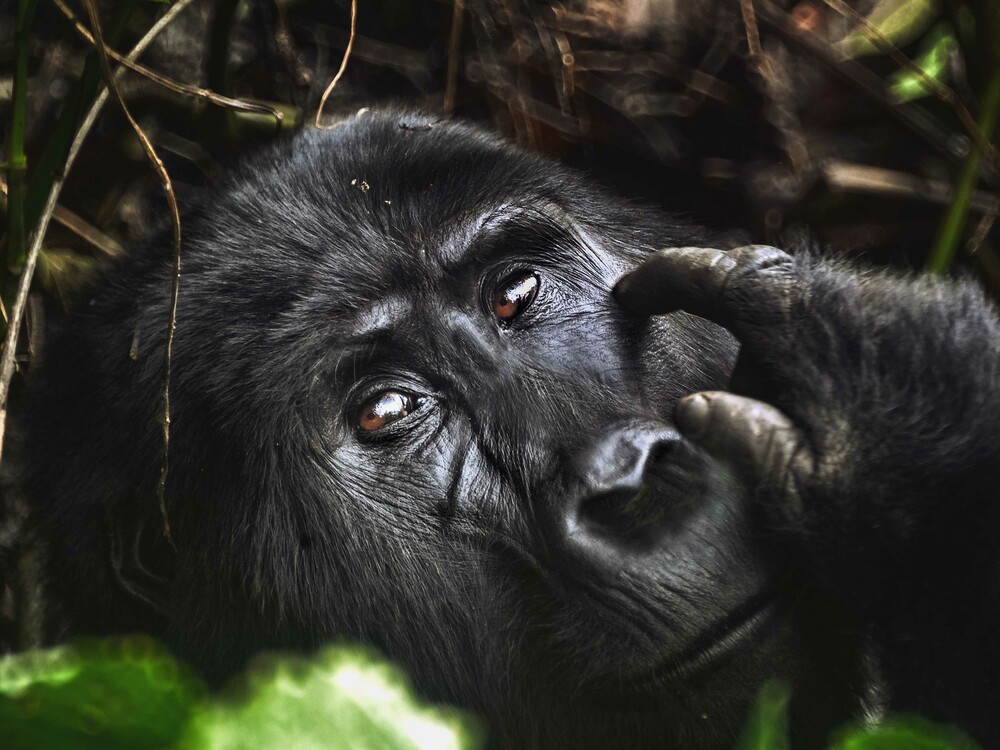
The highlight of visiting Bwindi is the opportunity to observe mountain gorillas in their natural habitat. After a briefing at the designated park headquarters, authorised wildlife rangers lead you into the forest in search of your assigned habituated family. Once the gorillas are found, you can generally spend up to one hour watching their behaviour, including feeding, grooming, playing, and family interactions. For many travellers, this becomes the most unforgettable experience of their entire African safari.
2. Mgahinga Gorilla National Park – Golden Monkeys and Virunga Volcanoes
Mgahinga Gorilla National Park is another remarkable destination for a Uganda Safari in July. Located near Kisoro in southwestern Uganda, the park forms part of the greater Virunga conservation landscape shared by Uganda, Rwanda, and the Democratic Republic of the Congo. Its scenery includes bamboo forests, volcanic slopes, montane vegetation, and spectacular mountain peaks that create one of Uganda’s most beautiful natural environments.
The park is particularly rewarding for travellers interested in combining mountain gorilla trekking with golden monkey tracking. Golden monkeys are distinguished by their golden-orange colouring, playful behaviour, and energetic movement through bamboo vegetation. During a guided tracking experience, visitors can observe their feeding habits, social interactions, and remarkable agility while exploring the beautiful forest habitat.
July’s comparatively dry weather in southwestern Uganda can provide favourable conditions for golden monkey tracking, nature walks, and selected volcanic hikes. However, mountain weather remains unpredictable, and some trails can be physically demanding. Visitors planning longer hikes should prepare for changing temperatures, steep terrain, and the possibility of rainfall.
Boots in the Jungle Safaris can combine Mgahinga with Bwindi Impenetrable National Park, allowing travellers to enjoy two distinctive primate experiences during a single itinerary. Lake Mutanda is another attractive addition, offering peaceful relaxation and beautiful views of the surrounding volcanoes.
3. Queen Elizabeth National Park – Lions, Elephants and Kazinga Channel
Queen Elizabeth National Park is one of Uganda’s leading traditional wildlife destinations and a valuable addition to a Uganda Safari in July. Located in western Uganda, the park protects an extraordinary range of habitats, including open savannah grasslands, wetlands, crater lakes, woodland, and the famous Kazinga Channel. This diversity supports elephants, buffaloes, Uganda kob, hippos, crocodiles, lions, leopards, and numerous bird species.
July generally offers rewarding conditions for wildlife game drives in Queen Elizabeth National Park because rainfall is comparatively low across much of western Uganda. As grasslands gradually become drier, visibility may improve in certain areas, making it easier to observe grazing mammals and search for predators. However, wildlife sightings remain unpredictable, and animals continue moving freely throughout their natural habitats.
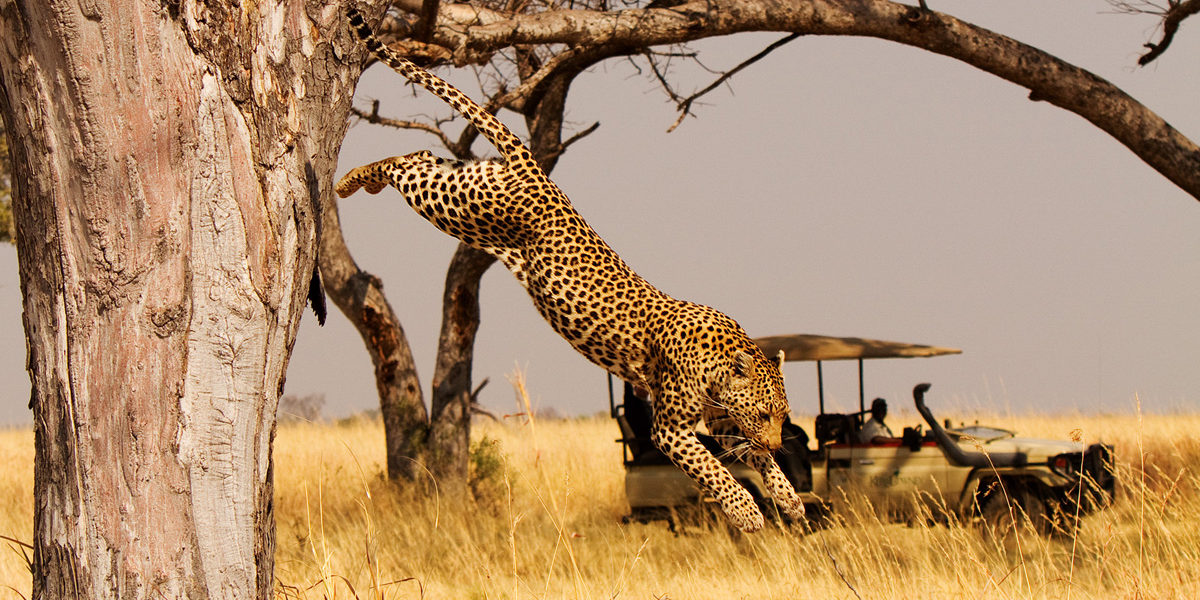
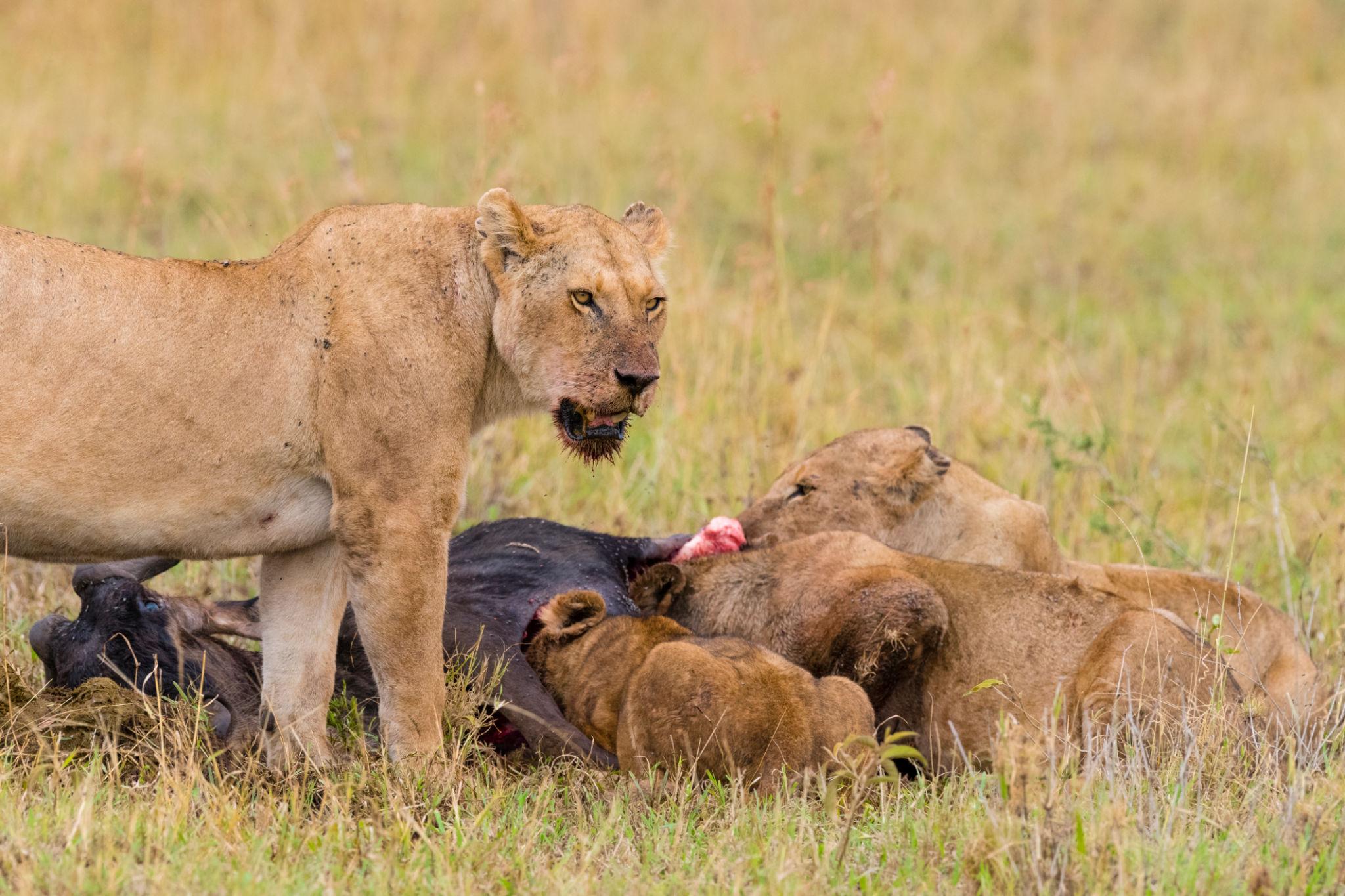
The Kasenyi Plains are particularly popular for early morning game drives, offering opportunities to encounter antelopes, buffaloes, elephants, and predators. The Ishasha sector is known for its tree-climbing lions, which may occasionally be seen resting in large trees. Sightings cannot be guaranteed, but exploring the Ishasha landscape creates a rewarding wildlife experience even when the lions remain out of view.
The Kazinga Channel boat safari is another major attraction. Visitors can observe hippos, crocodiles, elephants, buffaloes, and waterbirds while travelling along the natural channel connecting Lake Edward and Lake George. Combining a morning game drive with an afternoon boat excursion provides an excellent opportunity to experience Uganda’s savannah and aquatic wildlife.
4. Murchison Falls National Park – The Nile River and Big Game
Murchison Falls National Park is Uganda’s largest national park and one of the most spectacular destinations for traditional African wildlife adventures. Located in northwestern Uganda, the park features extensive savannah grasslands, woodland habitats, beautiful river scenery, and the magnificent Murchison Falls, where the Nile River forces its way through a narrow rocky gorge.
A Uganda Safari in July can include morning and afternoon game drives, Nile River boat safaris, birdwatching, and scenic visits to the waterfall. The park is home to giraffes, elephants, buffaloes, Uganda kob, hartebeest, lions, leopards, hippos, crocodiles, and numerous other species. Experienced safari guides help locate wildlife according to recent animal movements, vegetation, and seasonal conditions.
Although July is a relatively dry period in southwestern Uganda, the Murchison Falls region can receive rainfall during this month. Game drives remain rewarding, but visitors should understand that conditions vary between northern and southern destinations. The park’s permanent waterways and diverse habitats support wildlife throughout the year.
One of the most memorable activities is the boat safari along the Nile towards the base of Murchison Falls. The journey offers opportunities to photograph hippos, crocodiles, elephants, and waterbirds against spectacular river scenery. A separate visit to the top of the falls provides a dramatic perspective on the power of the Nile.
5. Kibale National Park – Chimpanzee Tracking in July
Kibale National Park is one of East Africa’s most rewarding primate destinations and an excellent choice for visitors interested in chimpanzee tracking. Situated near Fort Portal, the park protects a tropical rainforest inhabited by chimpanzees, several monkey species, butterflies, birds, and numerous other wildlife species.
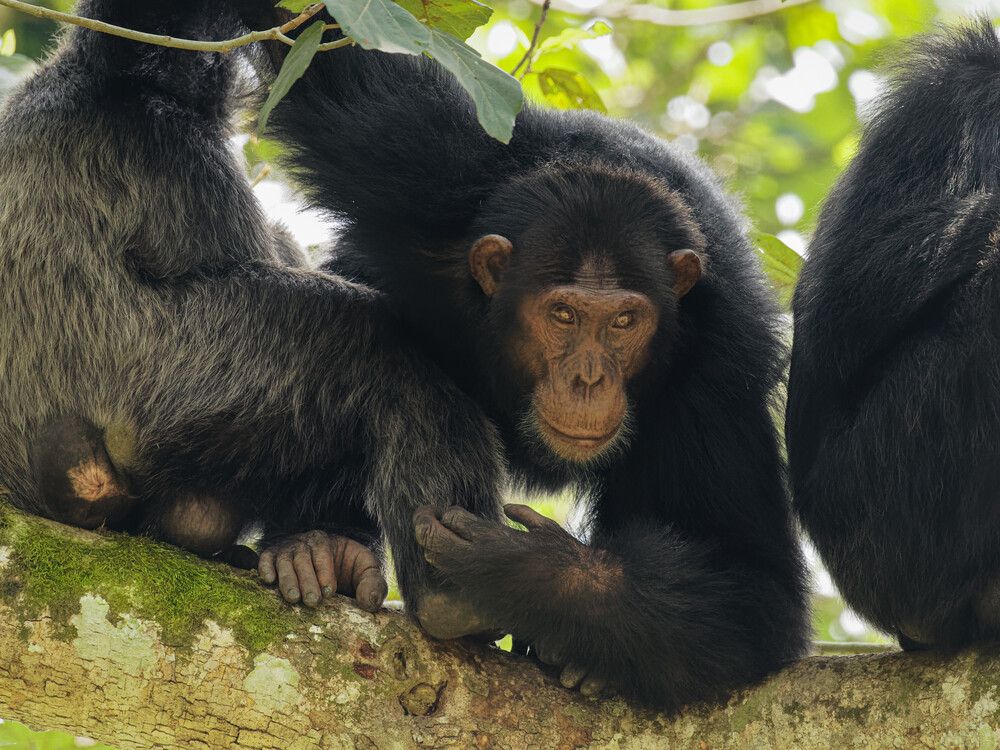
Chimpanzee tracking is the park’s main attraction. During a guided forest walk, authorised wildlife guides search for habituated chimpanzee communities while explaining the rainforest ecosystem and the behaviour of its animals. Visitors may hear loud chimpanzee calls echoing through the forest, observe individuals feeding in trees, or witness grooming and other social interactions.
July can provide comparatively comfortable conditions for trekking as rainfall is generally lower than during the main rainy season in much of western Uganda. However, Kibale remains a humid tropical forest, and trails may still become muddy following showers. Visitors should prepare with suitable hiking boots, drinking water, and lightweight rain protection.
A Uganda Safari in July that includes Kibale can also incorporate guided birdwatching, Bigodi Wetland Sanctuary, and scenic excursions around Fort Portal. These activities provide opportunities to learn about Uganda’s forest ecology and the communities surrounding its protected areas.
6. Kidepo Valley National Park – Remote Wilderness Safaris
Kidepo Valley National Park is one of Uganda’s most spectacular wilderness destinations, particularly for travellers seeking dramatic scenery and a sense of remote adventure. Located in northeastern Uganda near the borders with South Sudan and Kenya, the park is characterised by wide savannah plains, rugged mountains, beautiful valleys, and remarkable natural landscapes.
Unlike southwestern Uganda, Kidepo follows a broader wet-season pattern that commonly extends from April through August or beyond. July can therefore bring rain showers, green grasslands, and changing road conditions. Although Kidepo remains open for tourism, travellers should avoid assuming that its weather will match the comparatively dry conditions experienced around Bwindi.
The park supports buffaloes, elephants, giraffes, zebras, antelopes, lions, and a variety of other wildlife. Game drives through the Narus Valley and other designated areas provide opportunities to observe animals against spectacular mountain backdrops. The landscape itself is a major attraction, particularly for photographers and nature enthusiasts.
Because Kidepo is relatively remote, visitors should plan transport carefully. Depending on the itinerary, travellers can arrange a longer road safari or consider suitable domestic flight connections where available.
7. Lake Mburo National Park – Zebras and Walking Safaris
Lake Mburo National Park is a beautiful wildlife destination located along the route between central Uganda and the southwestern highlands. The park features rolling grasslands, acacia woodland, wetlands, and lakes supporting zebras, impalas, giraffes, buffaloes, elands, and numerous bird species.
A Uganda Safari in July can include guided game drives, birdwatching, boat excursions, and authorised walking safaris in Lake Mburo. July’s comparatively dry conditions can make some walking trails more accessible, although suitable footwear and professional guidance remain essential.
Lake Mburo is particularly convenient for travellers driving between Entebbe and Bwindi. Spending one or two nights near the park allows visitors to break up a long journey while experiencing Uganda’s beautiful savannah wildlife.
8. Lake Bunyonyi – Relaxation in Uganda’s Highlands
Lake Bunyonyi is one of Uganda’s most beautiful highland destinations and an excellent place to relax after physically demanding mountain gorilla trekking. Situated near Kabale, the lake is famous for its numerous islands, terraced hillsides, peaceful rural communities, and spectacular views.
July can provide attractive conditions for lakeside relaxation, birdwatching, scenic photography, canoeing, and selected cultural experiences. The surrounding landscapes often remain green, while cooler mornings and evenings create a peaceful mountain atmosphere.
For couples, honeymooners, families, and travellers seeking a relaxed conclusion to their Uganda Safari in July, Lake Bunyonyi offers a beautiful contrast to the adventure of forest trekking and traditional wildlife viewing.
Mountain Gorilla Trekking in Uganda in July
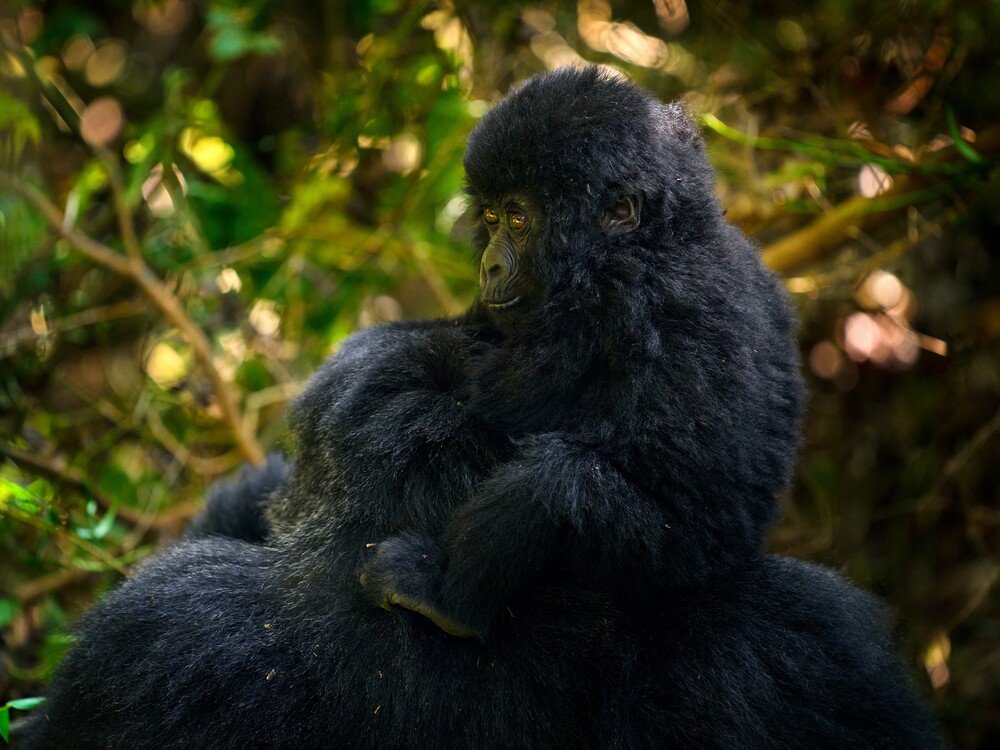
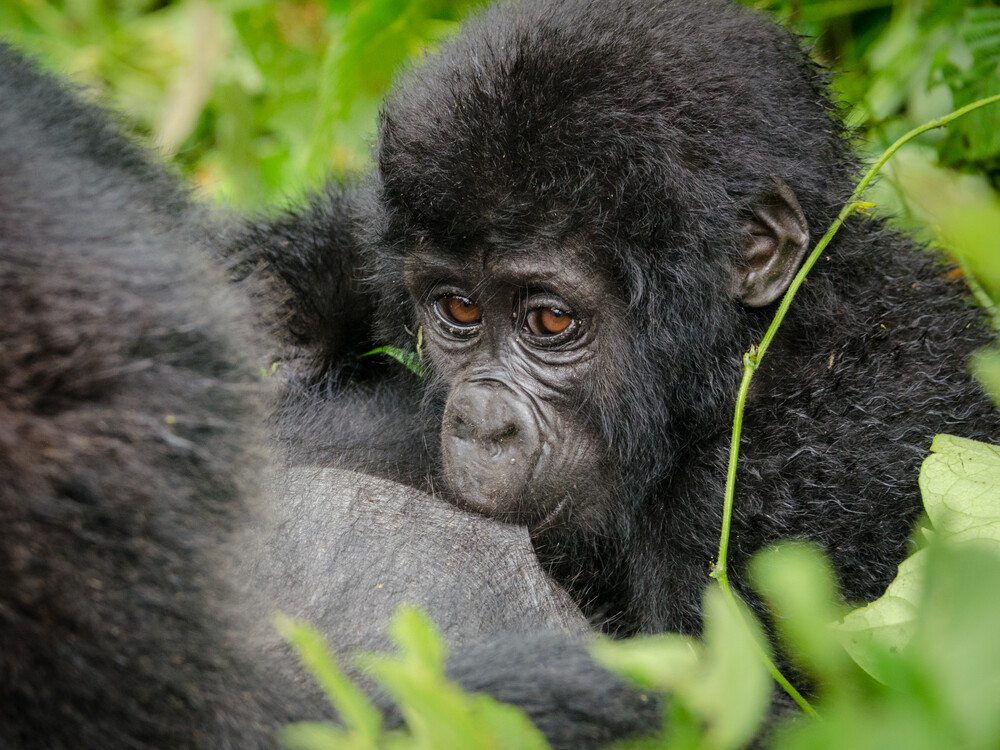
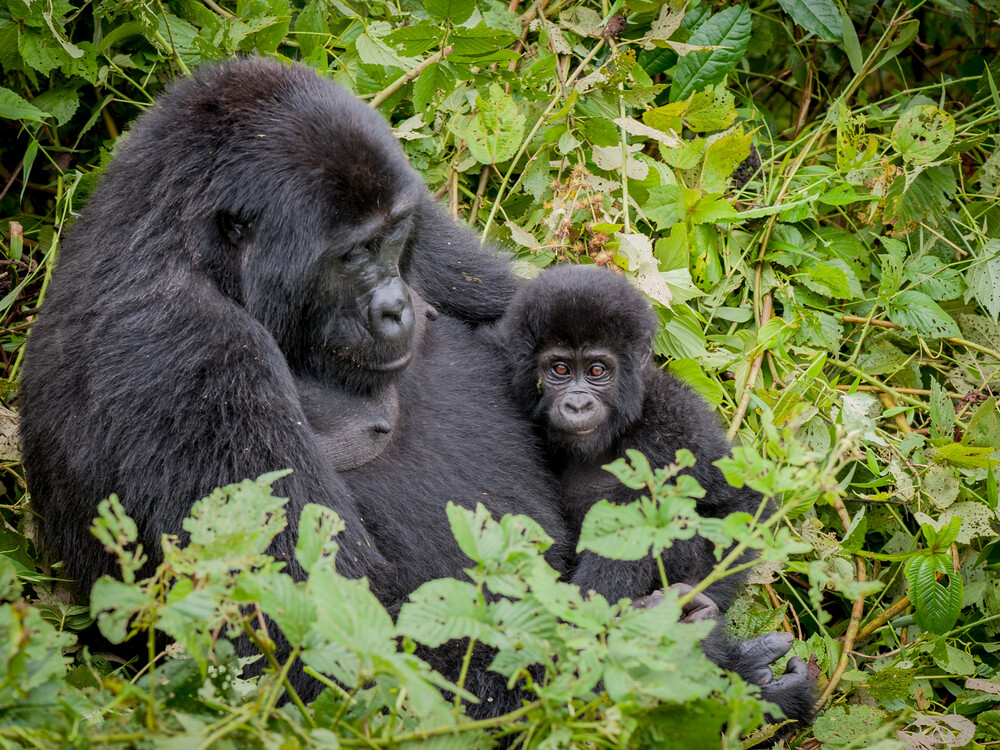
Mountain gorilla trekking is one of the most extraordinary wildlife experiences available during a Uganda Safari in July. Bwindi Impenetrable National Park and Mgahinga Gorilla National Park protect endangered mountain gorillas and provide carefully managed opportunities for visitors to observe habituated families in their natural habitats.
What Happens During a July Gorilla Trek?
Your gorilla trekking experience usually begins early in the morning at the designated national park headquarters. Uganda Wildlife Authority rangers explain the tracking procedures, safety requirements, wildlife viewing rules, and expected forest conditions before allocating participants to habituated gorilla families.
After the briefing, authorised rangers lead you into the rainforest. The trek may involve walking along established paths, crossing uneven terrain, climbing hillsides, and navigating thick forest vegetation. The duration varies according to the location of the assigned gorilla family and conditions on the day. Some treks are relatively short, while others can take several hours.
Once the gorillas are located, visitors generally receive up to one hour observing their natural behaviour. You may witness a powerful silverback resting near his family, juveniles playing, mothers caring for infants, and individuals feeding among the vegetation. Every encounter is unique because mountain gorillas remain wild and behave according to their natural routines.
Why Is July So Popular for Gorilla Trekking?
July is popular because rainfall across southwestern Uganda is generally lower than during the main rainy season, which can improve forest trekking conditions. The month also coincides with international summer holidays, allowing many visitors to travel during their annual vacation period.
However, the popularity of July increases demand for gorilla permits and accommodation. Visitors should secure their preferred trekking dates and sectors well in advance.
How Difficult Is Gorilla Trekking in July?
Gorilla trekking can still be physically demanding during July. Although trails may be less muddy, Bwindi and Mgahinga contain steep mountain terrain, thick vegetation, and uneven forest paths. Trekking difficulty depends on the allocated gorilla family’s location, weather conditions, and individual fitness.
Travellers should wear appropriate hiking boots, carry drinking water, and consider hiring a local porter to assist with personal belongings and difficult sections of the trail.
Gorilla Trekking Rules and Age Requirements
Mountain gorilla trekking is a regulated conservation activity. Visitors must be at least 15 years old, hold a valid trekking permit, and follow the instructions of authorised wildlife rangers. Flash photography, feeding the animals, and touching gorillas are prohibited.
Visitors must maintain the required viewing distance and inform park authorities if they have symptoms of an infectious illness. These measures protect mountain gorillas from unnecessary disturbance and disease transmission.
Chimpanzee Tracking in Uganda in July
Chimpanzee tracking is another exciting activity to include in a Uganda Safari in July. Kibale National Park offers opportunities to observe wild chimpanzees within one of East Africa’s most remarkable tropical forest ecosystems.
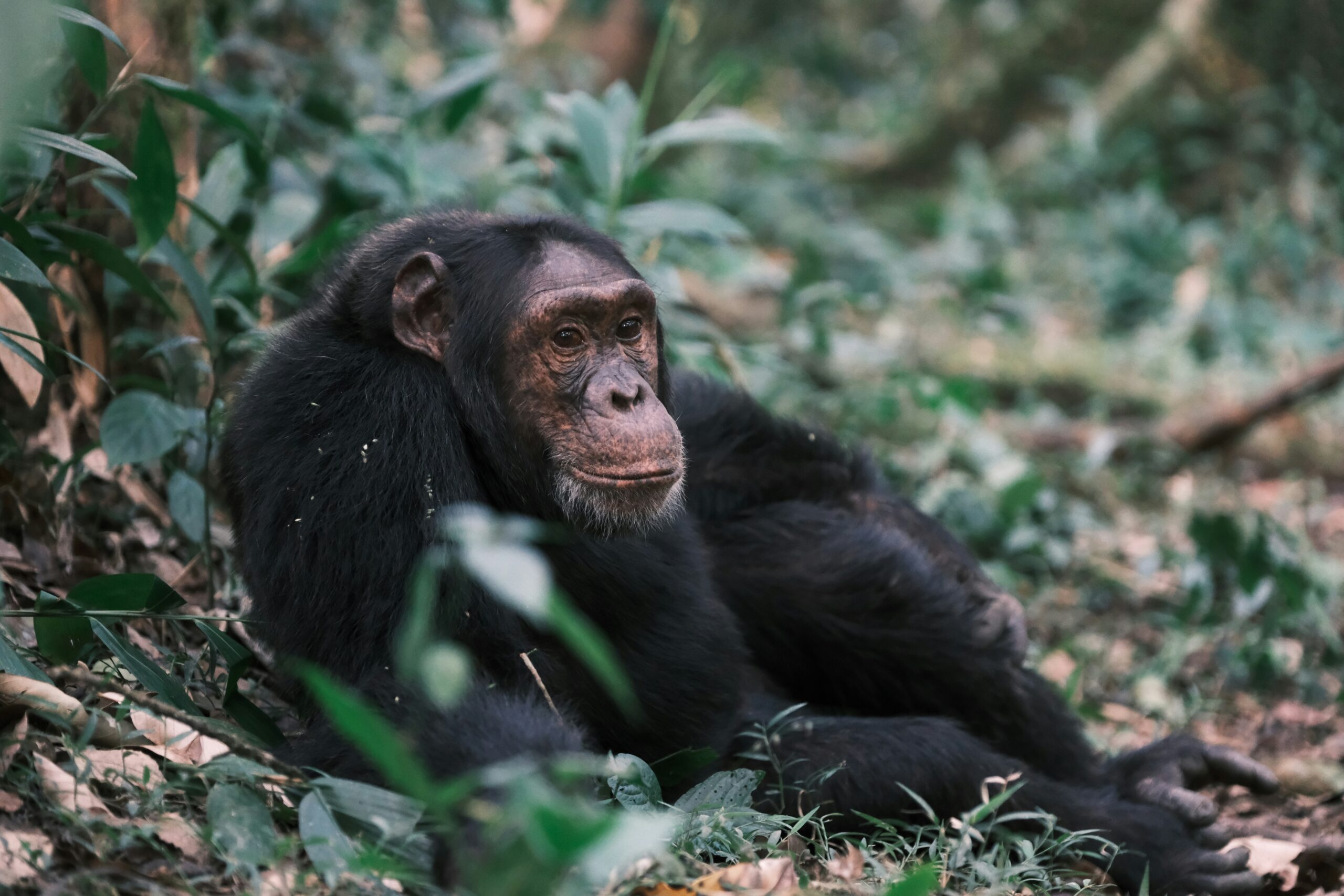
During a guided tracking experience, you enter the forest in search of a habituated chimpanzee community. Chimpanzees are highly intelligent and energetic primates known for complex social behaviour, loud vocalisations, grooming, feeding, and movement through the forest canopy.
July’s comparatively favourable weather can improve walking comfort, although the rainforest remains humid and rainfall is still possible. Tracking duration varies according to chimpanzee movements and forest conditions.
For a comprehensive primate safari, chimpanzee tracking in Kibale can be combined with mountain gorilla trekking in Bwindi and golden monkey tracking in Mgahinga. This provides opportunities to observe three fascinating primate species during one Uganda wildlife holiday.
Wildlife Game Drives and Boat Safaris in July
Traditional wildlife viewing is one of the most exciting components of a Uganda Safari in July. Uganda’s national parks support an extraordinary variety of animals across savannah, woodland, wetland, and river environments.
Morning Wildlife Game Drives
Early morning game drives are particularly rewarding because many animals are more active during cooler hours. In Queen Elizabeth National Park, visitors can search for elephants, buffaloes, Uganda kob, lions, leopards, and other species. Murchison Falls offers opportunities to observe giraffes, elephants, antelopes, and predators, while Lake Mburo is famous for zebras and impalas.
Afternoon and Evening Game Drives
Afternoon game drives provide opportunities to observe changing animal behaviour and enjoy attractive photographic lighting. Depending on the national park, visitors may witness grazing herbivores, animals moving towards water sources, and predators becoming active as temperatures decrease.
Kazinga Channel Boat Safari
The Kazinga Channel boat safari is one of Queen Elizabeth National Park’s most rewarding experiences. Visitors can observe hippos, crocodiles, elephants, buffaloes, and numerous waterbirds along the shoreline while enjoying beautiful views of the surrounding landscapes.
Nile River Boat Safari
A Nile River boat safari in Murchison Falls National Park combines aquatic wildlife viewing with spectacular river scenery. Travellers can observe hippos, crocodiles, elephants, and birds before approaching the dramatic waterfall.
Birdwatching in Uganda in July
July is an excellent month for travellers interested in Uganda’s remarkable resident birdlife. The country supports an extraordinary diversity of birds across tropical forests, wetlands, savannah grasslands, mountain environments, rivers, and lakes.
Bwindi Impenetrable National Park offers opportunities to search for Albertine Rift forest specialists, while Kibale National Park provides distinctive tropical forest birdwatching. Queen Elizabeth National Park supports numerous wetland and savannah species, and Murchison Falls is particularly rewarding for birds associated with the Nile River.
Mabamba Swamp is another important destination for travellers hoping to observe the iconic shoebill. Guided canoe excursions can provide opportunities to search for the species within its natural wetland environment.
Although many northern-hemisphere migratory species are absent during July, Uganda’s resident bird populations make the country a rewarding year-round birdwatching destination.
Uganda Safari in July – Recommended Safari Itineraries
Boots in the Jungle Safaris organises personalised itineraries ranging from short mountain gorilla trekking adventures to extensive wildlife holidays. July’s generally favourable weather in southwestern Uganda makes it especially attractive for combining primate trekking, game drives, scenic relaxation, and cultural experiences.
3 Days Uganda Safari in July – Gorilla Trekking from Kigali
This three-day safari is ideal for travellers who want to experience mountain gorillas in Bwindi without undertaking the longer journey from Entebbe.
Day 1: Kigali to Bwindi Impenetrable National Park – Meet your professional safari driver-guide in Kigali and travel through Rwanda’s beautiful countryside towards southwestern Uganda. Complete border formalities and continue to your selected lodge near the confirmed trekking sector. The road journey usually takes approximately four to six hours or longer, depending on the location, traffic, and border procedures.
Day 2: Mountain Gorilla Trekking in Bwindi – Enjoy an early breakfast before travelling to the designated park headquarters for a trekking briefing. Enter the rainforest with authorised wildlife rangers and search for a habituated mountain gorilla family. Return to your lodge after the trek for relaxation.
Day 3: Bwindi to Kigali – After breakfast, begin the scenic journey back to Kigali for your onward travel arrangements.
5 Days Uganda Safari in July – Gorilla Trekking and Queen Elizabeth Wildlife
This five-day safari combines mountain gorilla trekking in Bwindi with traditional savannah wildlife viewing in Queen Elizabeth National Park.
Day 1: Kigali to Bwindi Impenetrable National Park – Transfer from Kigali to southwestern Uganda and settle into your forest lodge.
Day 2: Mountain Gorilla Trekking in Bwindi – Enjoy an unforgettable guided encounter with mountain gorillas in their natural rainforest habitat.
Day 3: Bwindi to Queen Elizabeth National Park – Travel towards Queen Elizabeth National Park, enjoying spectacular views of western Uganda’s highlands and rural landscapes. The transfer generally takes several hours depending on the trekking sector and selected lodge.
Day 4: Game Drive and Kazinga Channel Boat Safari – Enjoy an early morning wildlife game drive in search of elephants, buffaloes, antelopes, and predators. In the afternoon, experience a boat safari along the Kazinga Channel.
Day 5: Queen Elizabeth National Park to Entebbe – After breakfast, begin the journey to Entebbe, allowing a substantial part of the day for the road transfer and onward arrangements.
7 Days Uganda Safari in July – Gorillas, Chimpanzees and Wildlife
This seven-day itinerary combines three of Uganda’s leading wildlife destinations: Kibale National Park, Queen Elizabeth National Park, and Bwindi Impenetrable National Park.
Day 1: Arrival in Entebbe – Meet your Boots in the Jungle Safaris representative at Entebbe International Airport and transfer to your selected hotel.
Day 2: Entebbe to Kibale National Park – Travel approximately five to seven hours towards the Kibale region, enjoying beautiful countryside and views of western Uganda.
Day 3: Chimpanzee Tracking in Kibale – Enjoy a guided chimpanzee tracking adventure and spend the afternoon relaxing or participating in a suitable optional activity.
Day 4: Kibale to Queen Elizabeth National Park – Travel approximately three to four hours towards Queen Elizabeth National Park. Depending on your arrival time, enjoy a scenic game drive or relaxation at the lodge.
Day 5: Morning Game Drive and Transfer to Bwindi – Explore Queen Elizabeth’s savannah before continuing towards Bwindi. Transfer duration depends on your selected gorilla trekking sector.
Day 6: Mountain Gorilla Trekking in Bwindi – Experience a guided mountain gorilla trek and enjoy an unforgettable encounter with a habituated family.
Day 7: Bwindi to Kigali – Return to Kigali through the scenic southwestern highlands for your onward departure arrangements.
10 Days Uganda Safari in July – Complete Wildlife and Primate Safari
A ten-day Uganda Safari in July provides opportunities to explore several major wildlife destinations while combining traditional African game drives with extraordinary primate encounters.
Day 1: Arrival in Entebbe – Airport reception and overnight accommodation.
Day 2: Entebbe to Murchison Falls National Park – Travel north with an optional guided rhino tracking experience at Ziwa Rhino Sanctuary. Continue to your safari lodge.
Day 3: Murchison Falls Game Drive and Nile Boat Safari – Explore the park’s savannah during a morning game drive before enjoying an afternoon boat excursion towards Murchison Falls.
Day 4: Murchison Falls to Kibale National Park – Begin an early transfer through western Uganda towards Kibale. This is a long driving day and requires a realistic schedule.
Day 5: Chimpanzee Tracking in Kibale – Enter the tropical rainforest in search of chimpanzees before returning to your lodge for relaxation.
Day 6: Kibale to Queen Elizabeth National Park – Travel south towards Queen Elizabeth and settle into your selected accommodation.
Day 7: Queen Elizabeth Game Drive and Kazinga Channel Boat Safari – Enjoy savannah wildlife viewing and a memorable afternoon boat cruise.
Day 8: Queen Elizabeth to Bwindi Impenetrable National Park – Transfer through western Uganda’s picturesque countryside towards Bwindi.
Day 9: Mountain Gorilla Trekking in Bwindi – Enjoy the highlight of your primate safari with a guided mountain gorilla encounter.
Day 10: Bwindi to Kigali – Return to Kigali for your onward arrangements, allowing adequate time for border procedures and road travel.
14 Days Uganda Safari in July – Ultimate Uganda Wildlife Exploration
This extended safari offers a comprehensive introduction to Uganda’s spectacular biodiversity, combining waterfalls, savannah wildlife, mountain gorillas, chimpanzees, golden monkeys, and peaceful highland scenery.
Day 1: Arrival in Entebbe – Airport reception, hotel transfer, and relaxation.
Day 2: Entebbe to Murchison Falls National Park – Travel north via Ziwa Rhino Sanctuary, with an optional guided rhino experience.
Day 3: Murchison Falls Game Drive and Nile Boat Safari – Enjoy a morning wildlife drive and an afternoon Nile River excursion.
Day 4: Additional Murchison Falls Exploration – Visit the top of the falls and enjoy a suitable additional wildlife activity.
Day 5: Murchison Falls to Kibale National Park – Travel through western Uganda towards the Kibale region.
Day 6: Chimpanzee Tracking and Bigodi Wetland – Enjoy chimpanzee tracking and an optional guided wetland activity.
Day 7: Kibale to Queen Elizabeth National Park – Travel south and settle into your safari lodge.
Day 8: Queen Elizabeth Wildlife Safari – Enjoy a morning game drive and afternoon Kazinga Channel boat excursion.
Day 9: Queen Elizabeth to Bwindi – Travel through beautiful highland landscapes towards Bwindi Impenetrable National Park.
Day 10: Mountain Gorilla Trekking in Bwindi – Enjoy an unforgettable gorilla trekking experience.
Day 11: Bwindi to Kisoro or Mgahinga – Transfer towards the Mgahinga region, enjoying spectacular views of the surrounding highlands.
Day 12: Golden Monkey Tracking in Mgahinga – Explore the bamboo forests in search of golden monkeys.
Day 13: Lake Bunyonyi Relaxation – Travel to Lake Bunyonyi for beautiful scenery, optional activities, and peaceful relaxation.
Day 14: Lake Bunyonyi to Kigali – Complete your safari with a scenic return journey to Kigali.
These sample itineraries can be modified according to your preferred July travel dates, confirmed permits, starting and finishing locations, accommodation availability, and desired wildlife activities. Travellers wishing to finish in Entebbe rather than Kigali may require an adjusted route, an additional overnight stay, or a suitable domestic flight.
Best Accommodation for a Uganda Safari in July
Accommodation is an important part of planning a Uganda Safari in July because the month attracts strong international demand, particularly around popular mountain gorilla trekking destinations. Uganda offers a wide selection of budget lodges, comfortable mid-range properties, and exclusive luxury accommodation.
Budget Safari Accommodation
Budget accommodation is suitable for travellers who want to prioritise wildlife experiences while maintaining practical lodging arrangements. Budget lodges generally offer essential room facilities, dining services, and convenient access to nearby national parks.
Around Bwindi, Rushaga Gorilla Havens Lodge and other established budget properties may be considered depending on the confirmed trekking sector. Affordable accommodation can also be found around Kisoro, Fort Portal, Queen Elizabeth National Park, and Murchison Falls.
Because July is a popular gorilla trekking month, even budget properties near preferred trekking headquarters should be reserved early.
Mid-Range Safari Accommodation
Mid-range safari lodges provide a comfortable balance between quality facilities, attractive scenery, and practical access to wildlife activities. They are particularly suitable for couples, families, solo travellers, and small groups seeking comfort without requiring premium luxury accommodation.
Properties worth considering include Ichumbi Gorilla Lodge around Bwindi and suitable established lodges near Kibale, Queen Elizabeth, and Murchison Falls. Accommodation should be selected according to the confirmed trekking sector, activity schedule, and overall route.
Luxury Safari Accommodation
Luxury accommodation is particularly attractive to honeymooners, couples, families, and travellers seeking an exclusive Uganda wildlife holiday. Uganda’s premium safari lodges offer beautiful locations, stylish rooms or suites, personalised hospitality, and comfortable spaces for relaxation.
Luxury options worth considering include Clouds Mountain Gorilla Lodge near Nkuringo, Four Gorillas Lodge near Rushaga, Elephant Plains Lodge near Queen Elizabeth National Park, Nile Safari Lodge at Murchison Falls, and selected premium properties around Kibale.
A luxury Uganda Safari in July can also incorporate domestic flights where suitable routes are available, reducing long road transfers and allowing more time to enjoy the destinations.
Gorilla and Chimpanzee Trekking Permits in July
Mountain gorilla trekking and chimpanzee tracking are among Uganda’s most sought-after wildlife experiences. Both activities require valid permits arranged according to Uganda Wildlife Authority procedures.
Gorilla Trekking Permits
A standard mountain gorilla trekking permit allows an eligible visitor to participate in a guided trek in Bwindi Impenetrable National Park or Mgahinga Gorilla National Park, including up to one hour observing a habituated gorilla family after it has been located.
July is one of the busiest trekking months, and permit availability can become limited well before the intended travel date. Visitors should organise their gorilla permits early, especially when travelling with fixed international flights or requiring multiple permits for a private group.
Chimpanzee Tracking Permits
Chimpanzee tracking in Kibale National Park requires a separate permit for the selected date and tracking activity. Travellers planning comprehensive primate itineraries should confirm chimpanzee and gorilla permits before finalising accommodation and transportation.
How Early Should July Permits Be Booked?
For July travel, planning approximately six to twelve months in advance is advisable where possible, particularly for popular gorilla trekking dates and preferred luxury lodges. This is a planning recommendation, not an official minimum booking period.
Actual availability depends on the selected date, park, sector, and number of travellers. July’s high demand is well documented, especially for Bwindi gorilla trekking.
Permit tariffs, eligibility requirements, and booking procedures must be confirmed against the official schedule valid for the intended travel year. Boots in the Jungle Safaris can help coordinate permit reservations and incorporate the confirmed activities into your personalised itinerary.
How to Travel Around Uganda in July
A Uganda Safari in July can be organised through private road transfers, domestic flights, or a combination of both. The most suitable transport arrangement depends on your preferred destinations, budget category, available time, and desired level of comfort.
Private Four-Wheel-Drive Safari Vehicles
Private safari vehicles provide flexibility when travelling between national parks and allow visitors to appreciate Uganda’s spectacular countryside. Suitable four-wheel-drive vehicles are particularly useful on game-viewing tracks, mountainous roads, and rural routes.
July’s generally drier conditions across southwestern Uganda can improve road access compared with the main rainy season, although conditions vary between destinations. Professional driver-guides assist with safe transportation, itinerary coordination, and information about the landscapes and communities visited.
Domestic Fly-In Safaris
Domestic flights offer a convenient alternative for travellers seeking to reduce long road journeys. Depending on current schedules and availability, flights can connect Entebbe with selected airstrips serving Bwindi, Murchison Falls, Kidepo, and other wildlife destinations.
Luxury travellers, honeymooners, and visitors with limited time may find fly-in safaris particularly attractive. However, flight schedules, baggage restrictions, airstrip transfers, and seat availability must be confirmed before finalising the itinerary.
Uganda Safaris Starting from Kigali
Kigali is a convenient gateway for travellers interested in shorter gorilla trekking safaris to southern Bwindi and Mgahinga. Visitors can cross into Uganda through an appropriate international border crossing and continue to their selected lodge.
This route is particularly attractive for three-, four-, and five-day safaris, although travel times depend on border formalities, road conditions, and the specific trekking sector.
Uganda Safaris Starting from Entebbe
Entebbe International Airport is Uganda’s principal international gateway and a convenient starting point for longer itineraries featuring Murchison Falls, Kibale, Queen Elizabeth, Lake Mburo, and Bwindi.
Travellers can organise comprehensive road safaris or include domestic flight connections where available.
What to Pack for a Uganda Safari in July
July’s relatively favourable weather in southwestern Uganda makes outdoor travel attractive, but visitors should prepare for different climates across the country. Savannah destinations can be warm, while mountain forests often experience cool mornings, mist, and occasional showers.
Recommended essentials include:
- Waterproof hiking boots with good grip.
- Lightweight, breathable safari shirts and trousers.
- Long-sleeved clothing for forest trekking.
- Comfortable walking shoes.
- A lightweight waterproof rain jacket.
- A warm fleece or jacket for highland destinations.
- Gardening gloves for gorilla trekking.
- A comfortable trekking daypack.
- Sunglasses and a wide-brimmed hat.
- Sunscreen and insect repellent.
- Binoculars for wildlife viewing.
- A camera with spare batteries and memory cards.
- Waterproof protection for electronics.
- Reusable drinking water bottles.
- Personal medication and essential toiletries.
- Valid identification and travel documents.
Visitors planning mountain gorilla trekking should consider using local porter services to assist with carrying personal equipment during challenging forest hikes.
Uganda Safari in July for Couples, Families and Solo Travellers


Family Wildlife Safaris in July
A Uganda Safari in July is particularly suitable for family holidays because it coincides with school summer breaks in many countries. Families can explore Queen Elizabeth National Park on guided game drives, enjoy Nile River boat excursions in Murchison Falls, discover zebras in Lake Mburo, or relax beside Lake Bunyonyi.
For families with teenagers aged 15 and above, mountain gorilla trekking can be an extraordinary shared experience. Younger children can enjoy suitable alternative wildlife and cultural activities, subject to individual park regulations. Boots in the Jungle Safaris can help create family itineraries with comfortable accommodation, realistic travel schedules, and age-appropriate experiences.
Romantic July Safaris for Couples and Honeymooners
July is an excellent month for couples seeking a combination of spectacular wildlife, beautiful accommodation, and romantic natural surroundings. A personalised Uganda Safari in July can feature mountain gorilla trekking in Bwindi, private game drives in Queen Elizabeth National Park, luxury forest accommodation, and relaxing afternoons overlooking Lake Mutanda or Lake Bunyonyi.
Couples can choose premium safari lodges, private transportation, and domestic flight connections where available. Depending on the selected lodge, special dining arrangements and romantic experiences can also be requested in advance.
Solo Uganda Safaris in July
Solo travellers can enjoy Uganda through privately guided wildlife itineraries featuring mountain gorilla trekking, chimpanzee tracking, game drives, birdwatching, and cultural experiences. July’s popularity can create a lively atmosphere at certain lodges and visitor centres, although private safari arrangements remain available.
A short gorilla trekking safari from Kigali can be convenient for visitors with limited time, while longer road safaris provide opportunities to explore several national parks. Travelling with a knowledgeable driver-guide helps simplify transport, accommodation, and activity arrangements.
Luxury Fly-In Safaris in July
A luxury Uganda Safari in July can combine premium accommodation, private guiding, carefully planned wildlife activities, and domestic flights where available. Travellers can experience mountain gorillas in Bwindi, chimpanzees in Kibale, elephants and lions in Queen Elizabeth, and beautiful Nile River scenery at Murchison Falls.
Because July attracts substantial demand, premium accommodation and flight seats should be arranged well in advance. A carefully planned fly-in itinerary can reduce time spent on long-distance road transfers and provide additional opportunities for relaxation.
Advantages and Challenges of a Uganda Safari in July
| Advantages | Considerations |
|---|---|
| Favourable trekking conditions in southwestern Uganda | Popular gorilla permits can sell out early |
| Excellent mountain gorilla encounters | Forest hikes can still be strenuous |
| Rewarding savannah wildlife experiences | Wildlife sightings cannot be guaranteed |
| Good conditions for outdoor photography | Popular accommodation may have limited availability |
| Excellent chimpanzee tracking opportunities | Rain remains possible in tropical forests |
| Convenient for international summer holidays | Tourist demand is relatively high |
| Comfortable private and fly-in safari options | Domestic flights require advance coordination |
| Beautiful highland scenery | Kidepo and other northern areas have different rainfall patterns |
Uganda Safari in July vs June, August and September
Choosing the most suitable month for a Uganda safari depends on your preferred weather, travel dates, desired wildlife activities, and accommodation requirements. July is one of the most popular months because it offers well-established dry-season conditions across much of southwestern Uganda.
| Travel Factor | June | July | August | September |
|---|---|---|---|---|
| Season in southwestern Uganda | Start of longer dry season | Longer dry season | Longer dry season | Later dry-season period |
| Rainfall in southwest | Generally decreasing | Usually comparatively low | Usually comparatively low | May begin increasing |
| Gorilla trekking | Often favourable | Often very favourable | Often very favourable | Generally favourable |
| Forest scenery | Very green | Green, gradually drier | Variable | Variable |
| Visitor demand | Increasing | High | High | Often moderate to high |
| Gorilla permit demand | Strong | Very strong | Very strong | Strong on popular dates |
| Main advantage | Green scenery and improving trails | Established trekking conditions | Popular summer safari period | Good trekking and seasonal transition |
Is July Better Than June for a Uganda Safari?
July generally offers more established dry-season conditions across southwestern Uganda, while June can provide greener landscapes following the main rainy season. Both months are rewarding for mountain gorilla trekking, chimpanzee tracking, and traditional wildlife viewing.
Is July Better Than August for Gorilla Trekking?
Both July and August are popular gorilla trekking months. The difference in actual trekking conditions is often relatively small, and the location of the assigned gorilla family has a greater influence on trekking difficulty than choosing between these two months.
Is September Better Than July for a Uganda Safari?
September can be attractive for travellers seeking good trekking conditions later in the dry-season period. However, rainfall may begin increasing in parts of southern Uganda, and some destinations remain busy. July is often preferable for travellers prioritising well-established dry-season conditions, while September may offer greater flexibility on certain dates.
Uganda Safari in July – Inclusions
A safari organised by Boots in the Jungle Safaris may include the following services, depending on the confirmed itinerary:
- Accommodation for the specified number of nights.
- Meals according to the agreed meal plan.
- Private transportation in a suitable safari vehicle.
- Services of a professional English-speaking driver-guide.
- Scheduled national park activities and relevant entrance fees.
- Gorilla and chimpanzee trekking permits where specifically included.
Uganda Safari in July – Exclusions
Unless specifically included in your confirmed safari quotation, the following are normally excluded:
- International flights.
- Visa fees.
- Personal travel insurance.
- Tips and gratuities.
Why Book Your Uganda Safari in July with Boots in the Jungle Safaris?
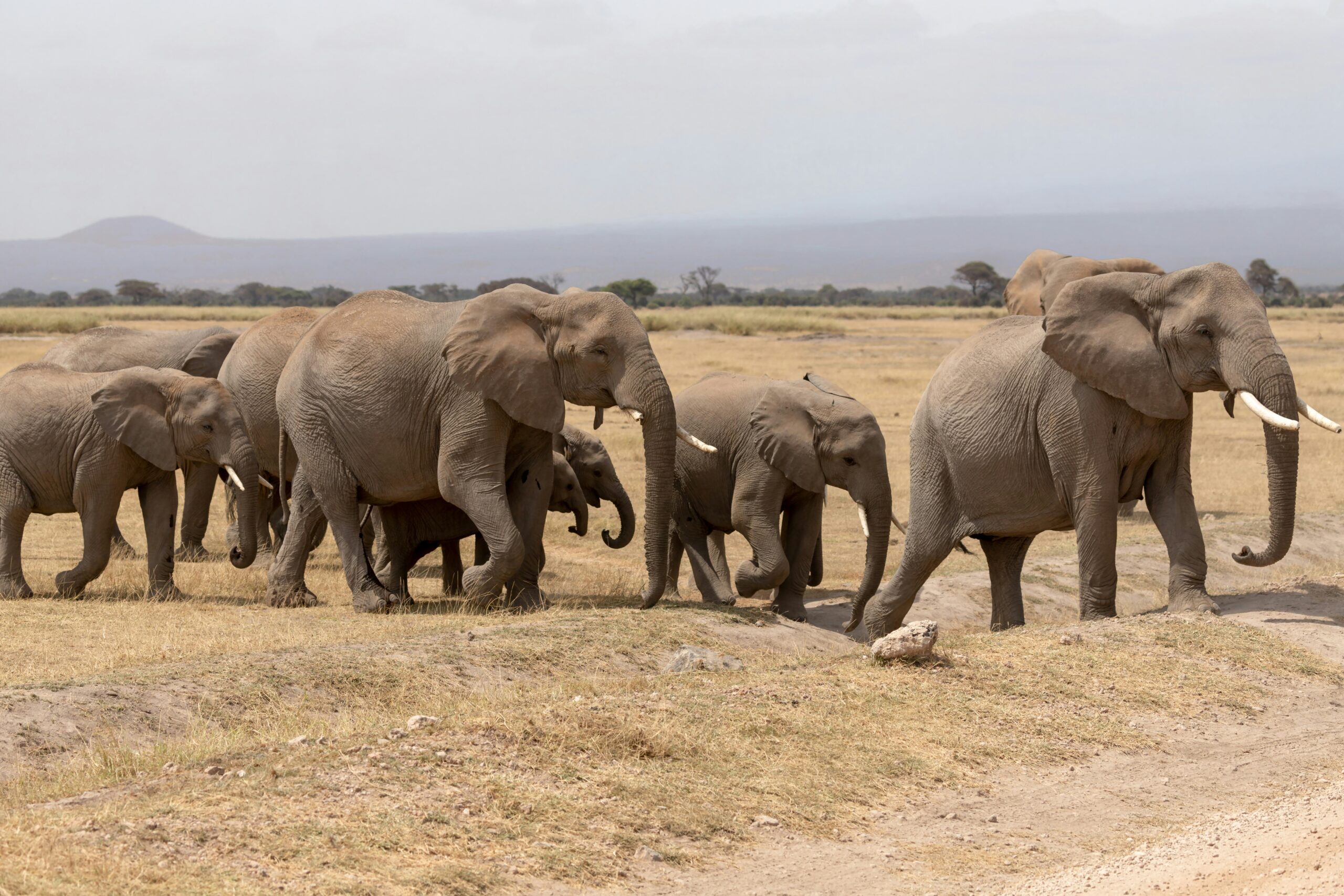
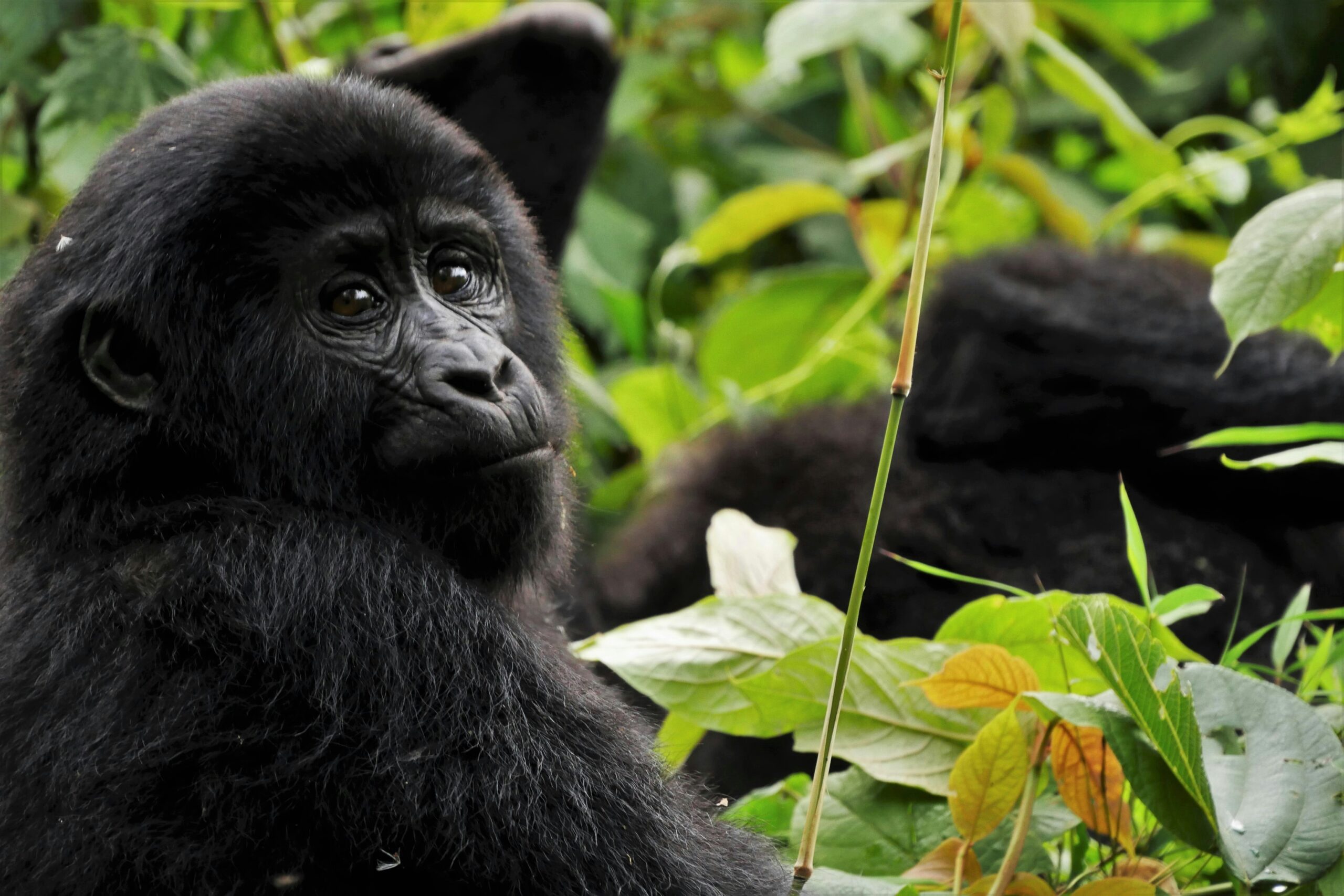
Planning a successful Uganda Safari in July requires careful coordination of wildlife permits, accommodation, transportation, national park activities, and realistic travel arrangements. Because July is one of Uganda’s most popular months for mountain gorilla trekking, arranging important services early is particularly valuable. At Boots in the Jungle Safaris, we help travellers create personalised African wildlife experiences that combine adventure, comfort, and practical planning.
Personalised July Safari Itineraries
Every traveller has different expectations for an African safari. Some visitors want to concentrate on mountain gorillas and chimpanzees, while others prefer traditional wildlife viewing, birdwatching, luxury relaxation, cultural experiences, or a combination of several activities.
We help develop itineraries that reflect your preferred travel dates, accommodation category, group size, wildlife interests, and available time. Whether you want a short gorilla trekking adventure from Kigali or a comprehensive two-week Uganda safari, we can help organise a route suited to your priorities.
Professional Local Safari Guides
Our safari arrangements include knowledgeable driver-guides who assist with transportation, destination information, and itinerary coordination. During specialised activities such as mountain gorilla trekking and chimpanzee tracking, authorised wildlife rangers conduct the experiences according to national park regulations.
Professional guiding enhances the safari by helping travellers understand wildlife behaviour, conservation efforts, ecosystems, and the cultural landscapes encountered during the journey.
Gorilla and Chimpanzee Permit Coordination
Gorilla and chimpanzee trekking permits are essential for many Uganda itineraries. July’s popularity means that popular dates can become fully booked, making early coordination particularly important.
Boots in the Jungle Safaris can assist with checking permit availability and organising the necessary arrangements according to applicable wildlife authority procedures.
Budget, Mid-Range and Luxury Accommodation
Uganda offers accommodation suited to different travel preferences. We help identify budget lodges, comfortable mid-range properties, and exclusive luxury accommodation according to the confirmed itinerary and wildlife activities.
Accommodation selection is especially important around Bwindi, where the location of the lodge should be coordinated with the confirmed trekking sector to avoid unnecessary early morning transfers.
Comfortable Private Safari Transportation
Private transportation provides flexibility when exploring Uganda’s national parks and allows travellers to enjoy the country’s beautiful scenery. Suitable four-wheel-drive safari vehicles are particularly useful on national park tracks and mountainous roads.
Domestic flights can also be incorporated where available and appropriate for travellers wishing to reduce long road journeys.
Responsible Wildlife Tourism
Uganda’s protected areas support extraordinary biodiversity and provide essential habitats for endangered species. We encourage responsible wildlife viewing, respect for conservation regulations, and meaningful engagement with local communities.
By supporting regulated wildlife experiences and responsible tourism activities, visitors contribute to the continued conservation value of Uganda’s natural heritage.
Frequently Asked Questions About Uganda Safari in July
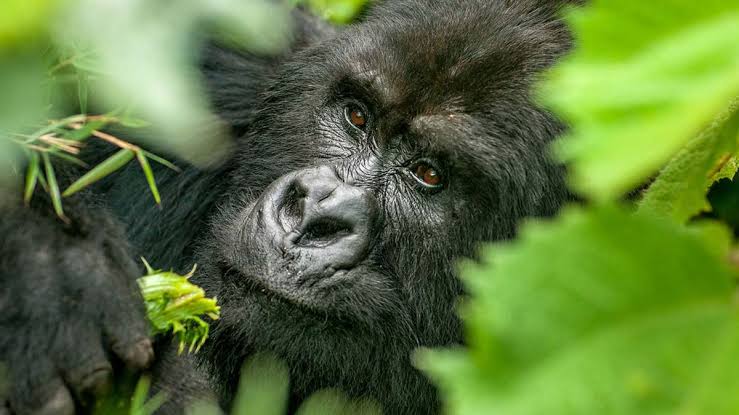
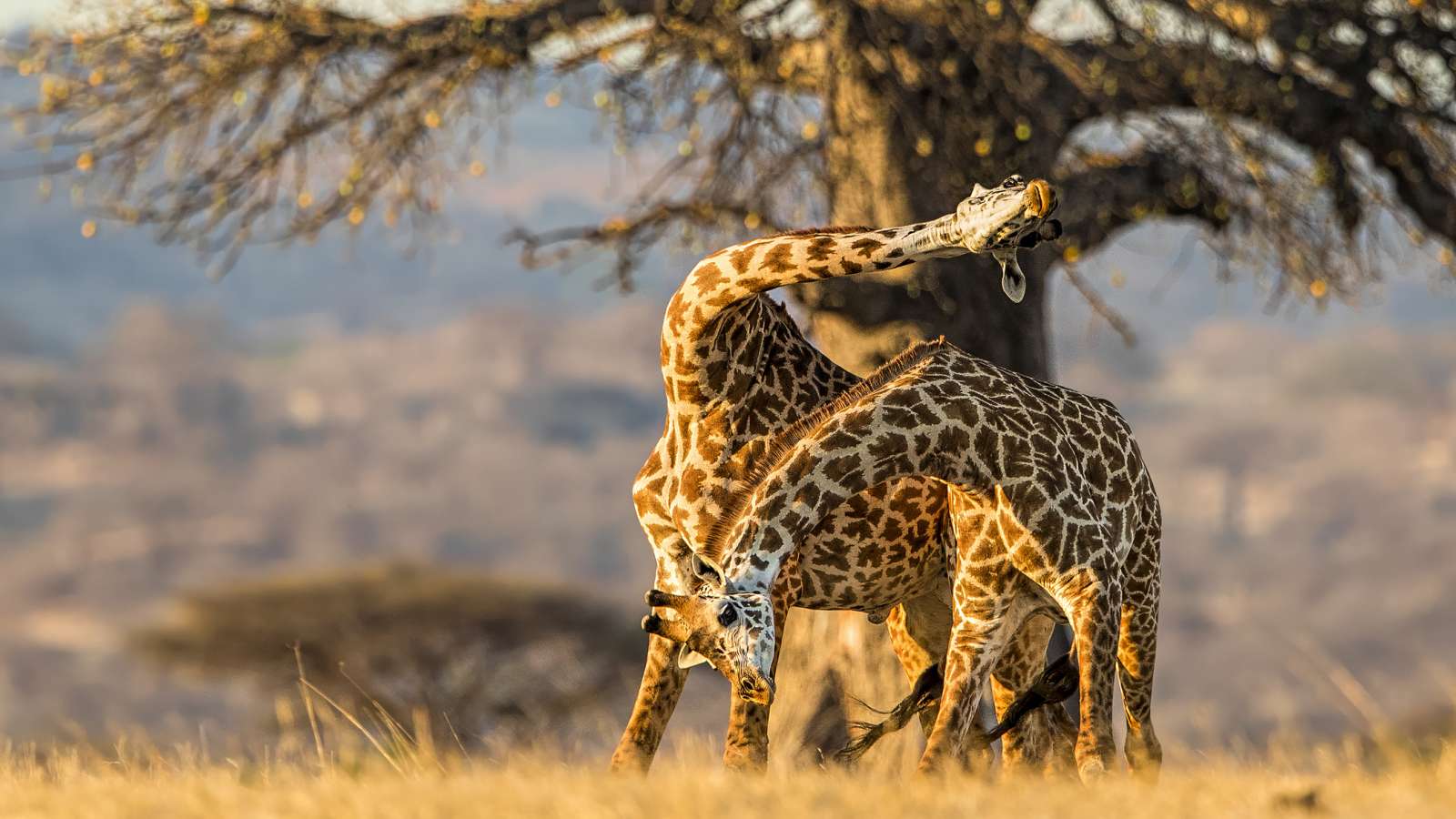
1. Is July a good month for a safari in Uganda?
Yes. July is one of Uganda’s most popular safari months, offering favourable gorilla trekking conditions in the southwest, rewarding wildlife viewing, and excellent primate experiences.
2. Is Uganda dry or rainy in July?
Much of southern and southwestern Uganda experiences relatively dry conditions in July. However, rainfall remains possible in mountain forests, and northern destinations follow different seasonal patterns.
3. Can you see mountain gorillas in Uganda in July?
Yes. Mountain gorilla trekking operates in Bwindi Impenetrable National Park and Mgahinga Gorilla National Park throughout July, subject to permits and park conditions.
4. Is July good for gorilla trekking in Bwindi?
Yes. July generally offers favourable trekking conditions because forest trails are often less muddy than during the main rainy season.
5. Which national park is best for a Uganda Safari in July?
Bwindi is ideal for gorillas, Kibale for chimpanzees, Queen Elizabeth and Murchison Falls for traditional wildlife viewing, and Mgahinga for golden monkeys.
6. Is Queen Elizabeth National Park good in July?
Yes. July offers rewarding game drives, wildlife photography, and Kazinga Channel boat safaris under generally favourable seasonal conditions.
7. Is Murchison Falls worth visiting in July?
Yes. Murchison Falls offers Nile River boat excursions, traditional wildlife game drives, birdwatching, and spectacular waterfall sightseeing.
8. Can I visit Kidepo Valley National Park in July?
Yes. Kidepo remains an outstanding wilderness destination, but July falls within its broader wet season, so visitors should prepare for seasonal showers.
9. Is July a good month for chimpanzee tracking?
Yes. Chimpanzee tracking in Kibale National Park remains highly rewarding during July, with comparatively favourable conditions in much of western Uganda.
10. Is July good for birdwatching in Uganda?
Yes. Uganda’s remarkable resident bird species can be observed throughout July across forests, wetlands, lakes, rivers, and savannah habitats.
11. Is early July or late July better for gorilla trekking?
Both periods offer favourable conditions. The actual trekking experience depends on weather, terrain, and the location of the allocated gorilla family.
12. How many days are ideal for a Uganda Safari in July?
Seven to ten days provide a good opportunity to combine mountain gorilla trekking, chimpanzee tracking, and traditional wildlife safaris. Shorter and longer itineraries are also possible.
13. Can I start a Uganda Safari in July from Kigali?
Yes. Kigali provides convenient road access to southern Bwindi, Mgahinga, Lake Bunyonyi, and other southwestern Uganda destinations.
14. Can I start my July safari from Entebbe?
Yes. Entebbe is the principal gateway for Uganda safaris and is convenient for itineraries featuring Murchison Falls, Kibale, Queen Elizabeth, and Bwindi.
15. Are safari lodges busy in Uganda during July?
Yes. July is a popular international travel month, and desirable safari accommodation may become fully booked well in advance.
16. Should I book gorilla trekking permits early for July?
Yes. Advance reservations are strongly recommended because July is one of the busiest months for mountain gorilla trekking.
17. What should I wear for a Uganda Safari in July?
Pack lightweight safari clothing, waterproof hiking boots, comfortable walking shoes, a rain jacket, sun protection, and warm layers for cool mountain mornings.
18. Is July suitable for family safaris in Uganda?
Yes. July is particularly attractive for family summer holidays, although mountain gorilla trekking requires participants to be at least 15 years old.
19. Can I combine gorilla trekking with golden monkey tracking in July?
Yes. Gorilla trekking in Bwindi or Mgahinga can be combined with golden monkey tracking in Mgahinga Gorilla National Park.
20. Is July better than June for gorilla trekking?
Both months are favourable. July generally offers more established dry-season conditions, while June can provide particularly lush scenery following the rainy season.
21. Is July better than August for a Uganda safari?
Both July and August are excellent safari months in southwestern Uganda. The best choice depends on your travel dates, permit availability, and accommodation preferences.
22. Can I combine gorilla trekking and chimpanzee tracking in July?
Yes. Many itineraries combine mountain gorilla trekking in Bwindi with chimpanzee tracking in Kibale National Park.
23. Is July a good month for wildlife photography in Uganda?
Yes. July offers beautiful natural scenery, favourable conditions in many southwestern destinations, and excellent opportunities to photograph primates and savannah wildlife.
24. Are Uganda’s national parks open during July?
Yes. Uganda’s principal national parks generally operate throughout July, subject to normal wildlife management procedures and weather conditions.
25. Is July a peak safari season in Uganda?
Yes. July is part of the popular dry-season travel period, particularly for mountain gorilla trekking and international summer holidays.
26. Can I visit Lake Bunyonyi during July?
Yes. Lake Bunyonyi is an excellent destination for relaxation, birdwatching, photography, and scenic highland experiences in July.
27. Is July suitable for luxury Uganda safaris?
Yes. July is attractive for luxury holidays combining premium accommodation, private transportation, suitable domestic flights, and personalised wildlife experiences.
28. Can I travel around Uganda by road in July?
Yes. Road travel is generally practical, particularly across southwestern Uganda, although road conditions vary and suitable safari vehicles remain important.
29. Are gorilla trekking permits more expensive in July?
Official permit charges depend on the tariff applicable to the travel year and visitor category. July’s high demand does not automatically mean that the official gorilla permit fee increases.
30. How can I book a Uganda Safari in July with Boots in the Jungle Safaris?
Contact Boots in the Jungle Safaris with your preferred travel dates, number of travellers, desired destinations, and accommodation category. We can prepare a personalised itinerary and help coordinate permits and accommodation.
Book Your Uganda Safari in July with Boots in the Jungle Safaris
Discover Uganda during one of its most rewarding periods for African wildlife exploration, when the southwestern highlands enjoy comparatively favourable dry-season weather, mountain forests remain spectacular, and extraordinary wildlife experiences await across the country’s national parks. A Uganda Safari in July offers unforgettable opportunities to encounter endangered mountain gorillas, track wild chimpanzees, observe elephants and lions, explore magnificent waterfalls, and relax beside some of East Africa’s most beautiful lakes.
Imagine beginning your morning in the ancient rainforest of Bwindi Impenetrable National Park, following authorised rangers through the forest before encountering a family of mountain gorillas. Picture yourself watching elephants roam the savannah plains of Queen Elizabeth National Park, enjoying a peaceful boat excursion along the Kazinga Channel, or discovering the magnificent Nile River at Murchison Falls. These remarkable experiences make Uganda one of Africa’s most diverse and rewarding safari destinations.
At Boots in the Jungle Safaris, we help travellers organise personalised Uganda wildlife holidays featuring professional local guiding, carefully selected accommodation, private safari transportation, and thoughtfully planned itineraries. We can assist with coordinating gorilla and chimpanzee permits, choosing suitable wildlife destinations, and arranging practical travel routes based on your confirmed July dates.
Whether you are planning a short gorilla trekking adventure from Kigali, a romantic luxury holiday, a family summer safari, or an extended journey through Uganda’s national parks, our team can customise your experience according to your travel preferences, interests, and available time.
Because July is a popular safari month, we recommend beginning your arrangements early to secure suitable trekking permits and accommodation.
Start planning your Uganda Safari in July today. Contact Boots in the Jungle Safaris to request a personalised itinerary, check July gorilla trekking availability, and begin preparing for an unforgettable dry-season wildlife adventure in the Pearl of Africa.