Uganda Visa Guide 2026–2027: Essential Entry Requirements, Costs and Online Application Process


This Uganda Visa Guide provides international travellers with essential information about visa requirements, application procedures, fees, passport regulations, visa exemptions, and entry rules for visiting Uganda in 2026 and 2027. Whether you are planning an unforgettable mountain gorilla trekking adventure in Bwindi Impenetrable National Park, a wildlife safari in Queen Elizabeth National Park, a luxury holiday in Murchison Falls National Park, or a cultural journey through Uganda, understanding the country’s immigration requirements is an important first step towards a successful trip.
Uganda is one of Africa’s most rewarding tourism destinations, offering exceptional wildlife encounters, magnificent landscapes, beautiful lakes, and welcoming communities. Visitors arrive from the United States, United Kingdom, Canada, Australia, Germany, France, India, China, and many other countries to experience the remarkable natural attractions of the Pearl of Africa. However, entry requirements differ according to nationality, passport type, purpose of travel, and intended duration of stay. Some travellers qualify for visa-free entry, while others must obtain an approved electronic visa before travelling.
This comprehensive Uganda Visa Guide by Boots in the Jungle Safaris explains how the country’s visa system works, who needs a visa, how to apply online, which documents to prepare, and what to expect when arriving at Entebbe International Airport or an authorised land border. It also covers the East African Tourist Visa for travellers combining Uganda with Rwanda and Kenya, common application mistakes, and important immigration policy changes.
With careful preparation, applying for a Uganda visa is generally straightforward. Boots in the Jungle Safaris can help you organise the safari itinerary, accommodation details, transportation arrangements, and travel information needed to support your application while Uganda’s immigration authorities remain responsible for issuing visas and granting entry.
Important 2026 visa update
Verified
On October 2, 2026, Uganda officially announced that a yellow fever vaccination certificate is no longer mandatory for entry. Travellers should still seek professional medical advice about yellow fever vaccination and check any separate requirements for other countries on their itinerary.
Uganda Visa Guide: Quick Overview of Entry Requirements
| Visa Requirement | Information for Travellers |
|---|---|
| Ordinary Tourist Visa | USD 50 |
| East African Tourist Visa | USD 100 |
| Tourist Visa Entry | Single entry |
| Potential Tourist Stay | Up to three months, as authorised |
| Passport Validity | At least six months for ordinary tourist visa applications |
| Application Method | Online through Uganda’s immigration portal |
| Visa on Arrival | Do not rely on obtaining one at arrival |
| Visa-Free Entry | Available to qualifying nationalities |
| Yellow Fever Certificate | No longer mandatory for Uganda entry |
| Visa Approval | Required before departure for visa-required tourists |
These details reflect current guidance from Uganda’s National Citizenship and Immigration Control. Visa fees are generally non-refundable, and payment processing charges may apply.
Do You Need a Visa to Visit Uganda?
One of the most common questions addressed in this Uganda Visa Guide is whether international tourists need a visa before entering Uganda. The answer depends primarily on nationality and the type of passport or travel document held. Uganda maintains visa-exemption arrangements with certain countries, meaning eligible nationals can visit without obtaining an ordinary tourist visa. Visitors who are not covered by an exemption generally need an approved visa before starting their journey.
For example, ordinary passport holders from countries such as the United States, United Kingdom, Germany, France, Canada, Australia, and China generally need to obtain an appropriate Uganda visa for ordinary tourism. By contrast, qualifying citizens of Kenya, Rwanda, Tanzania, Burundi, South Sudan, and several other countries benefit from visa-exemption arrangements.
It is important to understand that holding a residence permit in one country does not necessarily give you the same immigration privileges as a citizen of that country. A traveller living in Germany with a passport from another country must normally follow the requirements associated with their nationality and travel document.
Before making travel arrangements, identify your passport nationality, confirm whether an exemption applies, and select the appropriate visa category for your intended activities.
Uganda Visa-Free Countries in 2026–2027
Uganda maintains a list of countries and regions whose qualifying nationals do not require an ordinary visa to enter. These arrangements include several East African Community countries, other African nations, Caribbean states, and selected countries elsewhere in the world.
Examples of visa-exempt countries include Kenya, Rwanda, Tanzania, Burundi, South Sudan, the Democratic Republic of Congo, Botswana, Ghana, Malawi, Mauritius, Seychelles, Zambia, Zimbabwe, Ireland, Singapore, Malaysia, and the United Arab Emirates. The complete exemption list is broader, and special rules also apply to certain diplomatic or official passports.
Visa-free entry does not mean that a traveller is exempt from immigration inspection or other entry conditions. Immigration officers may still check your passport, purpose of visit, intended accommodation, and the duration of your stay. The length of admission is determined by the relevant immigration rules and the permission granted at the border.
The official exemption list may be updated, so visitors should verify the position applicable to their nationality before departure.
Types of Uganda Visas Available to International Travellers


Uganda offers different visa categories depending on the purpose and frequency of travel. Choosing the correct category is important because applying for an unsuitable visa can lead to unnecessary delays or additional questions from immigration officials.
Uganda Ordinary Tourist Visa – Single Entry
The ordinary tourist visa is the most common option for international visitors planning wildlife safaris, gorilla trekking, chimpanzee tracking, cultural holidays, and other recreational activities. This visa costs USD 50 and can permit a stay of up to three months, although the specific authorised duration depends on the immigration decision.
It is a single-entry visa, meaning it is not designed for repeated departures from Uganda followed by re-entry. If your safari involves travelling to Rwanda and returning to Uganda, you must ensure that your immigration arrangements permit the entire route.
East African Tourist Visa
The East African Tourist Visa is intended for eligible visitors travelling within Uganda, Rwanda, and Kenya for tourism. It costs USD 100 and is valid for 90 days, subject to its conditions. The visa is useful for itineraries combining Uganda gorilla trekking, Rwanda’s Volcanoes National Park, and Kenya wildlife safaris.
The issuing country must be the first participating country you enter. The visa does not include Tanzania or the Democratic Republic of Congo, and it becomes invalid when you leave the participating three-country area.
Uganda Multiple-Entry Visa
Multiple-entry visas are available for eligible travellers who have a genuine need to enter Uganda repeatedly. These are different from ordinary single-entry tourist visas and may require additional documentation explaining the need for multiple visits.
They are not automatically the best option for a holidaymaker making one visit. Travellers should confirm current eligibility conditions and fees before applying.
Uganda Transit Visa
A transit visa may be appropriate for travellers passing through Uganda on their way to another country when immigration entry is required. The correct arrangements depend on the travel route, duration, and whether the passenger will leave the international transit area.
Passengers should confirm requirements with their airline and Uganda’s immigration authorities instead of assuming that every connecting flight requires a transit visa.
How to Apply for a Uganda Visa Online
Understanding the online application process is one of the most useful parts of this Uganda Visa Guide. Uganda operates an electronic visa system that allows applicants to submit their information and supporting documents online before travelling. The system is designed to simplify applications while allowing immigration authorities to examine the purpose and eligibility of each visit.
The application begins by visiting Uganda’s official electronic visa portal and selecting the appropriate visa type. Applicants must then provide personal details, passport information, planned travel dates, accommodation information, and the purpose of their visit. Accuracy is essential because even small differences between the application and passport can cause delays.
The process generally follows these steps:
- Access Uganda’s official immigration visa portal.
- Select the appropriate visa category.
- Complete the electronic application form.
- Upload the required documents.
- Submit the application and pay the prescribed fee when instructed.
- Retain the application reference number.
- Check for additional document requests.
- Download and print the visa approval authorisation once issued.
Successful applicants receive an electronic approval letter, which should be presented with their passport and supporting documentation when travelling to Uganda.
Avoid Unofficial Uganda Visa Websites
Travellers should exercise caution when searching online for visa services because unofficial websites sometimes imitate government application portals. Some intermediaries charge substantially more than official fees, while fraudulent websites can expose applicants to financial loss or misuse of personal information.
Uganda’s immigration authorities have specifically warned travellers about unofficial electronic visa websites and recommend using the government-operated system.
Documents Required for a Uganda Tourist Visa
Applicants should prepare their documents before beginning the electronic application. This reduces the likelihood of submitting incomplete information and allows the visa application to proceed more smoothly.
For an ordinary tourism application, the main supporting documents generally include a passport biodata page with at least six months of validity, a recent passport photograph, travel itinerary, tour plan or booking information, and accommodation details. If you are staying with friends or relatives rather than at a hotel, you may need to provide the relevant residential address and additional information about your host.
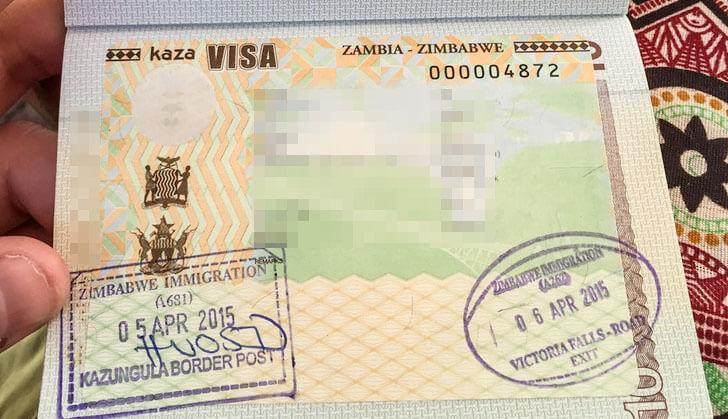
All uploaded documents should be clear, readable, and consistent with the information entered in the application form. Poor-quality passport scans, incorrect personal details, or inconsistent travel dates can create avoidable complications. Uganda’s immigration authorities may also request additional information during processing.
Boots in the Jungle Safaris can provide a confirmed safari programme and accommodation information for travellers who have booked their Uganda holiday. These documents may be useful when describing the purpose of travel and demonstrating planned arrangements.
Uganda Visa Fees and Validity in 2026–2027
The Uganda Visa Guide should also help travellers understand the difference between visa application fees, approval validity, and the period of stay permitted after arrival. These are separate matters, and misunderstanding them can lead to avoidable problems.
| Visa Requirement | Information for Travellers |
|---|---|
| Ordinary Tourist Visa | USD 50 |
| East African Tourist Visa | USD 100 |
| Tourist Visa Entry | Single entry |
| Potential Tourist Stay | Up to three months, as authorised |
| Passport Validity | At least six months for ordinary tourist visa applications |
| Application Method | Online through Uganda’s immigration portal |
| Visa on Arrival | Do not rely on obtaining one at arrival |
| Visa-Free Entry | Available to qualifying nationalities |
| Yellow Fever Certificate | No longer mandatory for Uganda entry |
| Visa Approval | Required before departure for visa-required tourists |
USD amounts are published by Uganda’s immigration authorities. Multiple-entry eligibility and available duration categories must be reconfirmed when applying. Bank or payment charges may be additional.
For an ordinary tourist visa, Uganda states that the approval authorisation remains valid for 90 days from the approval date. This means travellers should plan to enter Uganda within that period. The authorisation’s 90-day validity should not be confused with an automatic right to remain in Uganda for 90 days after arrival. The actual period of stay is determined by immigration officials.
Visa fees are normally non-refundable, including when an application is unsuccessful. Travellers should therefore review their details carefully before making payment.
How Long Does Uganda Visa Processing Take?
Uganda visa processing times depend on application volume, document quality, visa category, and whether immigration officers require additional information. Some straightforward applications may be processed within a few working days, but travellers should not assume that approval is guaranteed within a specific period.
Uganda’s immigration guidance recommends applying at least ten days before the intended journey. For a more comfortable preparation period, international tourists may consider submitting their applications several weeks before departure while remaining mindful that ordinary tourist visa approval authorisations expire after 90 days.
Applicants should monitor their email accounts and the application portal after submission. If immigration authorities request clarification or additional documents, responding promptly can prevent further delays. Travellers should avoid purchasing non-refundable services solely on the assumption that a pending application will necessarily be approved.
Uganda Visa Guide for American, British and European Travellers
Travellers from the United States, United Kingdom, Germany, France, Canada, Australia, and many other countries commonly visit Uganda for mountain gorilla trekking, wildlife safaris, birdwatching, and cultural holidays. For ordinary passport holders from these countries, a tourist visa is generally required before travelling.
The electronic application procedure is broadly similar regardless of which of these nationalities you hold. You will normally need a suitable passport, clear supporting documents, and a confirmed travel plan. However, applicants should always check requirements specific to their nationality and travel document, particularly if they hold dual citizenship, emergency passports, or refugee travel documents.
Visitors planning multi-country safaris should be particularly careful about entry arrangements. A safari starting in Kigali and continuing into Uganda may require different visa planning from a journey that begins at Entebbe International Airport. If you intend to return to Rwanda or visit Kenya afterwards, the East African Tourist Visa may be worth considering.
Uganda Visa Requirements for Gorilla Trekking Safaris
Gorilla trekking is one of Uganda’s major tourism attractions, and many international travellers apply for their visas specifically to experience endangered mountain gorillas in Bwindi Impenetrable National Park or Mgahinga Gorilla National Park.
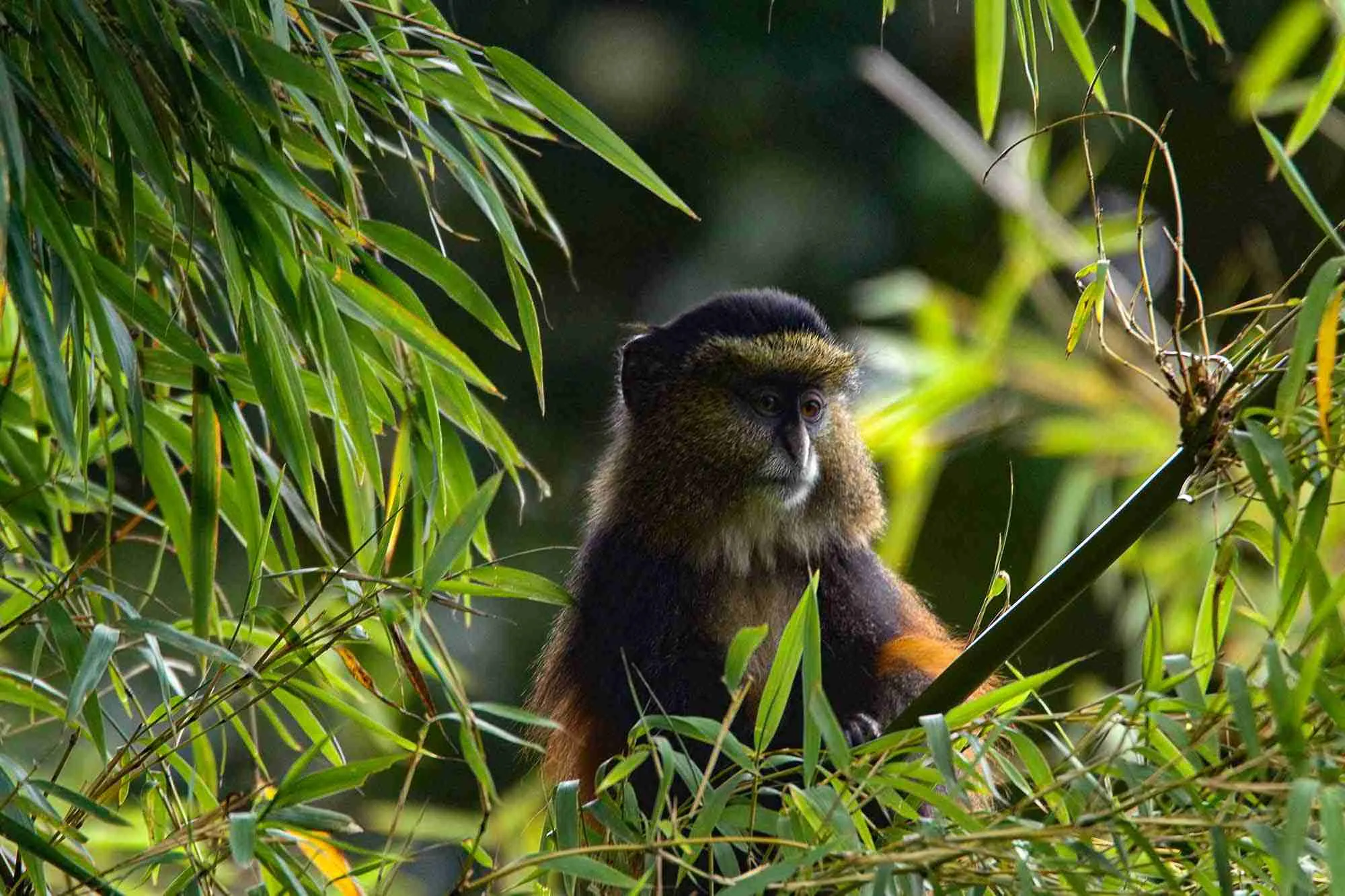
An ordinary tourist visa allows eligible visitors to enter Uganda for tourism, but it does not include a gorilla trekking permit. The permit is a separate authorisation issued through the Uganda Wildlife Authority and must be arranged for a particular trekking date and designated location.
Travellers should reserve gorilla trekking permits well in advance, particularly during popular travel periods. Permit availability is limited, and the experience is subject to park regulations, including the minimum trekking age of 15 years.
When planning your journey, ensure that the visa application dates, international flights, accommodation, and gorilla permit reservation are coordinated. Boots in the Jungle Safaris can organise your gorilla trekking itinerary and related tourism arrangements so that the supporting documents reflect your planned visit accurately.
Uganda Visa Guide for Travellers Entering from Rwanda or Kenya
Not every Uganda safari begins at Entebbe International Airport. Many international visitors enter Uganda overland after exploring Rwanda or Kenya, particularly when combining gorilla trekking with wildlife safaris in neighbouring countries.
Travellers entering from Rwanda commonly use authorised crossings such as Katuna or Cyanika. Those arriving from Kenya may use crossings such as Busia or Malaba. Immigration requirements apply at these land borders, and visitors must hold suitable documentation before arriving if their nationality requires a visa.
For eligible tourists using the East African Tourist Visa, travel between Uganda, Rwanda, and Kenya can be possible under one joint authorisation. However, the visa must be issued by the first participating country entered, and it becomes invalid if the traveller leaves the three-country area.
For example, if you first arrive in Kigali and intend to travel to Bwindi before continuing to Kenya, you should investigate applying for the joint visa through Rwanda. If you start in Entebbe, Uganda would ordinarily be the appropriate issuing country.
Travellers should also confirm the entry requirements of every destination on their itinerary, particularly if visiting Tanzania or the Democratic Republic of Congo, which are not covered by the joint visa.
Is a Yellow Fever Certificate Required for a Uganda Visa?
Yellow fever requirements are particularly important because some older online sources contain outdated information. On October 2, 2026, Uganda’s National Citizenship and Immigration Control officially announced that a yellow fever vaccination certificate is no longer mandatory for entering Uganda. The authority also stated that the certificate is no longer listed as an entry requirement on the immigration website or electronic visa portal.
This change does not mean that yellow fever vaccination is medically unnecessary. Uganda remains a destination where travellers should seek professional advice about yellow fever prevention, particularly when visiting rural areas and national parks. International visitors should consult a travel-health clinician before departure to establish which vaccinations and preventive measures are appropriate.
There is also an important documentation inconsistency: Uganda’s published East African Tourist Visa information still lists a yellow fever certificate among application attachments. Since that guidance has not been fully harmonised with the October 2026 announcement, travellers should follow the current electronic application requirements and seek clarification from immigration authorities if necessary.
Can You Get a Uganda Visa on Arrival?
Visitors who require a visa should not depend on obtaining one when they reach Entebbe International Airport or a land border. Uganda introduced mandatory online visa applications for visa-required travellers and instructs applicants to obtain approval before travelling.
This is especially important for international airline passengers because airlines may check visa approval documents before allowing travellers to board. Arriving at the airport without the required approval can therefore prevent you from starting your journey, even before reaching Uganda.
Although individual immigration situations may have separate provisions, the safest standard procedure for an ordinary tourist is to complete the official online application, receive approval, and carry the relevant documentation before departure.
What Happens When You Arrive at Entebbe International Airport?
Upon arriving at Entebbe International Airport, international travellers proceed through immigration before collecting their luggage and completing applicable customs formalities. Visa-required visitors should have their passports, approval authorisations, and supporting travel information ready for inspection.
Immigration officials may verify the purpose of the visit, planned accommodation, and intended duration of stay. Depending on the entry procedure, biometric information may also be collected. Travellers should ensure that any entry endorsement or permission reflects their intended period of stay and seek clarification immediately if there is a discrepancy.
After completing immigration and customs procedures, travellers who have booked with Boots in the Jungle Safaris can meet their driver-guide or designated representative for onward transportation to their hotel or safari destination.
Can You Extend Your Uganda Tourist Visa?
Travellers who wish to remain in Uganda longer than initially authorised should seek an extension before their permitted stay expires. Uganda’s immigration authorities provide procedures for extending certain tourist admissions, subject to eligibility and approval. The ordinary tourist visa guidance indicates that the initial period granted at entry may be extended by up to 60 additional days in two intervals.
Extensions may be handled through appropriate immigration offices or available online procedures. Approval is not automatic, and applicants should ensure that their immigration status remains valid while making any request. Remaining in Uganda beyond the authorised period can result in penalties or other immigration consequences.
Travellers should also recognise that an East African Tourist Visa operates under different conditions and cannot simply be extended in the same way as an ordinary Uganda tourist admission.
Common Uganda Visa Application Mistakes to Avoid
Many Uganda visa applications proceed smoothly, but preventable mistakes can cause delays and inconvenience. One of the most frequent problems is submitting information that does not match the passport. Applicants should carefully check the spelling of names, passport numbers, birth dates, and nationality before submission.
Another common issue involves uploading incomplete or unclear documents. Passport scans should show the required biodata information clearly, while photographs should meet the specifications shown on the official application portal. Travellers should also provide realistic arrival dates and accommodation information that agrees with the planned itinerary.
Applying through unofficial websites can create additional risks, including excessive charges and fraudulent payment requests. Uganda’s government has warned applicants against using imitation visa portals, making it important to verify that the website is operated by the immigration authorities.
Finally, travellers should not confuse visa approval with guaranteed entry. Immigration officials retain responsibility for examining travel documents and determining admissibility at the border. A carefully prepared application and clear travel arrangements help reduce complications but cannot remove all immigration discretion.
Why Book Your Uganda Safari Before Applying for a Visa?
Arranging your safari itinerary before applying for a visa can make the application process easier because you will already know your expected arrival date, accommodation locations, and travel route. These details are especially useful for international tourists visiting Uganda for gorilla trekking, wildlife photography, birdwatching, and multi-destination safari holidays.
Boots in the Jungle Safaris can provide a clearly organised programme showing the national parks you intend to visit, planned accommodation, transportation arrangements, and relevant booking information. This can help you complete application fields accurately and provide supporting documents when requested.

Our team can organise safari experiences in Bwindi Impenetrable National Park, Queen Elizabeth National Park, Kibale National Park, Murchison Falls National Park, Kidepo Valley National Park, and other destinations across Uganda. We can also coordinate suitable overland connections for travellers arriving from Rwanda or continuing towards Kenya.
However, visa applications are evaluated by the relevant immigration authorities, and booking a safari does not guarantee that a visa will be approved.
Frequently Asked Questions About the Uganda Visa Guide
1. Do I need a visa to visit Uganda in 2026 or 2027?
Most foreign tourists need a visa unless their nationality qualifies for an exemption. Check Uganda’s current immigration rules before travelling.
2. How much does a Uganda tourist visa cost?
The standard single-entry Uganda tourist visa costs USD 50, excluding applicable payment processing charges.
3. Where can I apply for a Uganda visa?
Visa-required travellers should use Uganda’s official government electronic visa application system.
4. How long does Uganda visa processing take?
Processing varies. Uganda’s immigration authorities recommend applying at least ten days before your intended travel date.
5. Is a Uganda visa available on arrival?
Visa-required tourists should obtain electronic approval before departure rather than depending on a visa being issued upon arrival.
6. How long can I stay in Uganda with a tourist visa?
An ordinary tourist visa can permit a stay of up to three months, depending on the period authorised by immigration officers.
7. What is the East African Tourist Visa?
It is a joint tourism visa that allows eligible visitors to travel within Uganda, Kenya, and Rwanda under its conditions for up to 90 days.
8. Can I visit Rwanda with my ordinary Uganda tourist visa?
No. An ordinary single-entry Uganda tourist visa does not grant permission to enter Rwanda.
9. Is yellow fever vaccination mandatory for Uganda entry?
No. Uganda removed the mandatory yellow fever entry-certificate requirement on October 2, 2026, although vaccination may still be medically recommended.
10. Can I apply for a Uganda visa without a hotel reservation?
Tourism applicants are generally expected to provide accommodation information. Where staying in private accommodation, an appropriate address may be accepted.
11. Do children need Uganda visas?
Children who are not covered by a nationality-based exemption generally require the appropriate travel documentation and visa arrangements.
12. Can I extend my Uganda tourist visa?
Certain ordinary tourist admissions may qualify for an extension, subject to approval by Uganda’s immigration authorities.
13. Is a gorilla trekking permit included in a tourist visa?
No. Gorilla trekking permits are separate from immigration visas and must be arranged for the intended trekking date.
14. Can Boots in the Jungle Safaris help with visa documentation?
Yes. Boots in the Jungle Safaris can provide confirmed itineraries and accommodation information to support your travel preparations.
15. What is the most important advice in this Uganda Visa Guide?
Verify your nationality’s visa requirements, apply through the official immigration system, submit accurate documentation, and obtain approval before travelling.
Book Your Uganda Safari with Boots in the Jungle Safaris
Planning your African holiday becomes much easier when you understand the visa requirements and arrange your travel documents in advance. This Uganda Visa Guide provides the essential information you need to prepare for your journey, whether you are visiting Uganda for mountain gorilla trekking, chimpanzee encounters, spectacular wildlife safaris, cultural experiences, or a relaxing holiday beside Lake Victoria.

Boots in the Jungle Safaris can help you plan a personalised journey through Uganda’s remarkable national parks, organise comfortable accommodation, coordinate wildlife permits, and provide the itinerary details needed for your visa application. Whether you are travelling alone, as a couple, with family, or as part of a private group, our safari specialists can create a programme that reflects your interests, available time, and preferred budget.
Contact Boots in the Jungle Safaris today to request your personalised Uganda safari quotation and prepare for an unforgettable journey to the Pearl of Africa.