
Kora National Park Safari – Ultimate Kenya Wilderness & Adventure Travel Guide
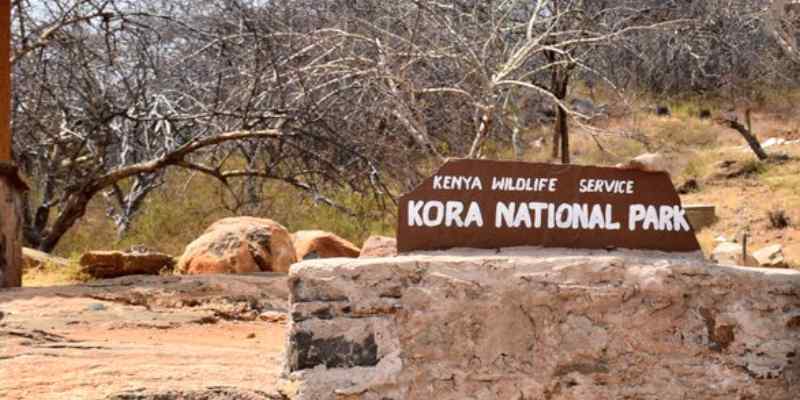
Kora National Park is one of Kenya’s most remote, rugged, and untouched safari destinations, offering travelers a true wilderness experience far from crowded tourist routes. Located in eastern Kenya along the Tana River, Kora National Park is famous for its dramatic landscapes, semi-arid wilderness, rocky hills, riverine forests, wildlife habitats, and historical connection to legendary conservationist George Adamson, famously known as the “Father of Lions.”
Covering approximately 1,788 square kilometers, Kora National Park forms part of a larger protected ecosystem that includes Meru National Park, Mwingi National Reserve, and Rahole National Reserve. Together, these wilderness areas create one of Kenya’s largest conservation landscapes supporting wildlife migration and biodiversity conservation.
The scenery in Kora National Park is striking and wild. Massive granite inselbergs rise above open plains, seasonal rivers cut through dry landscapes, doum palms line riverbanks, and rocky hills dominate the horizon. The park’s semi-desert environment creates a raw African wilderness atmosphere rarely experienced in more commercial safari destinations.
Kora National Park is especially appealing to adventure travelers, wilderness explorers, campers, photographers, conservation enthusiasts, and visitors looking for authentic off-the-beaten-path safari experiences. The park remains largely undeveloped, allowing travelers to experience nature in its purest form with very few tourists and minimal safari traffic.
One of the most important historical attractions in Kora National Park is Campi ya Simba, the former home of George Adamson. Adamson dedicated much of his life to lion conservation and rehabilitation in the wilderness of Kora National Park after gaining worldwide fame through the story of Elsa the lioness in the book and film “Born Free.” His presence left a lasting conservation legacy that continues to attract visitors interested in wildlife history and African conservation.
Wildlife found in Kora National Park includes elephants, lions, leopards, cheetahs, hyenas, buffaloes, hippos, crocodiles, antelopes, giraffes, zebras, and numerous bird species adapted to semi-arid habitats.
The Tana River, Kenya’s longest river, forms part of the park boundary and provides critical water sources for wildlife while supporting riverine forests and aquatic ecosystems. Scenic river landscapes contrast beautifully with the dry wilderness terrain, adding ecological diversity to Kora National Park.
Boots in the Jungle Safaris organizes expertly guided Kora National Park safari experiences for travelers seeking adventure, remote wilderness, camping safaris, wildlife exploration, photography tours, and historical conservation journeys in one of Kenya’s least explored safari destinations.
Where is Kora National Park Located?
Kora National Park is located in eastern Kenya primarily within Tana River County, approximately 280 kilometers northeast of Nairobi. The park lies near the border of Meru County and stretches along the Tana River, Kenya’s largest river.
The remote location of Kora National Park contributes to its untouched wilderness atmosphere and low visitor numbers. Unlike heavily visited parks such as Maasai Mara or Amboseli, Kora National Park offers a truly wild and isolated safari experience.
Kora National Park borders several protected areas including Meru National Park, Mwingi National Reserve, and Rahole National Reserve. These connected conservation areas create an extensive ecosystem that supports wildlife movement and ecological diversity across eastern Kenya.
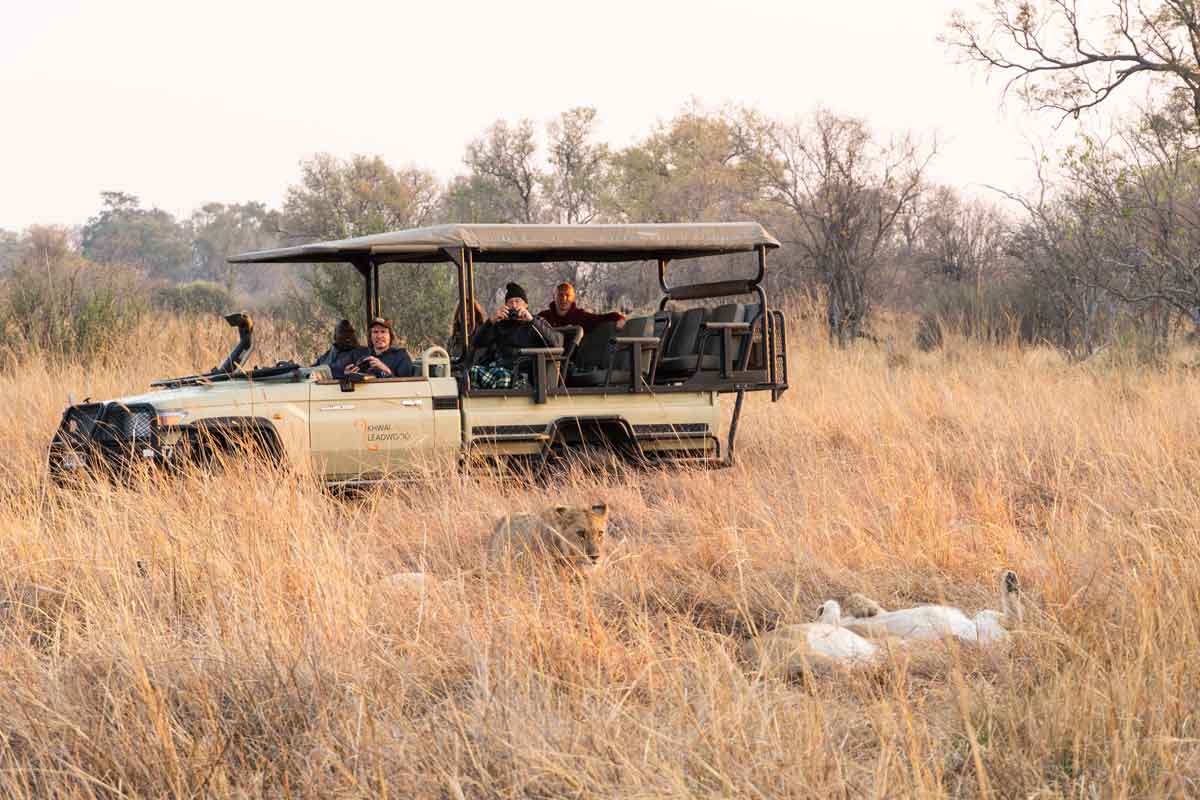
Travelers usually access Kora National Park by road from Nairobi through Meru or Mwingi towns. Due to the remote terrain and rough roads, 4×4 safari vehicles are highly recommended.
The Tana River flowing through the park provides scenic beauty and supports important riverine habitats within the otherwise dry semi-arid environment.
Why Visit Kora National Park?
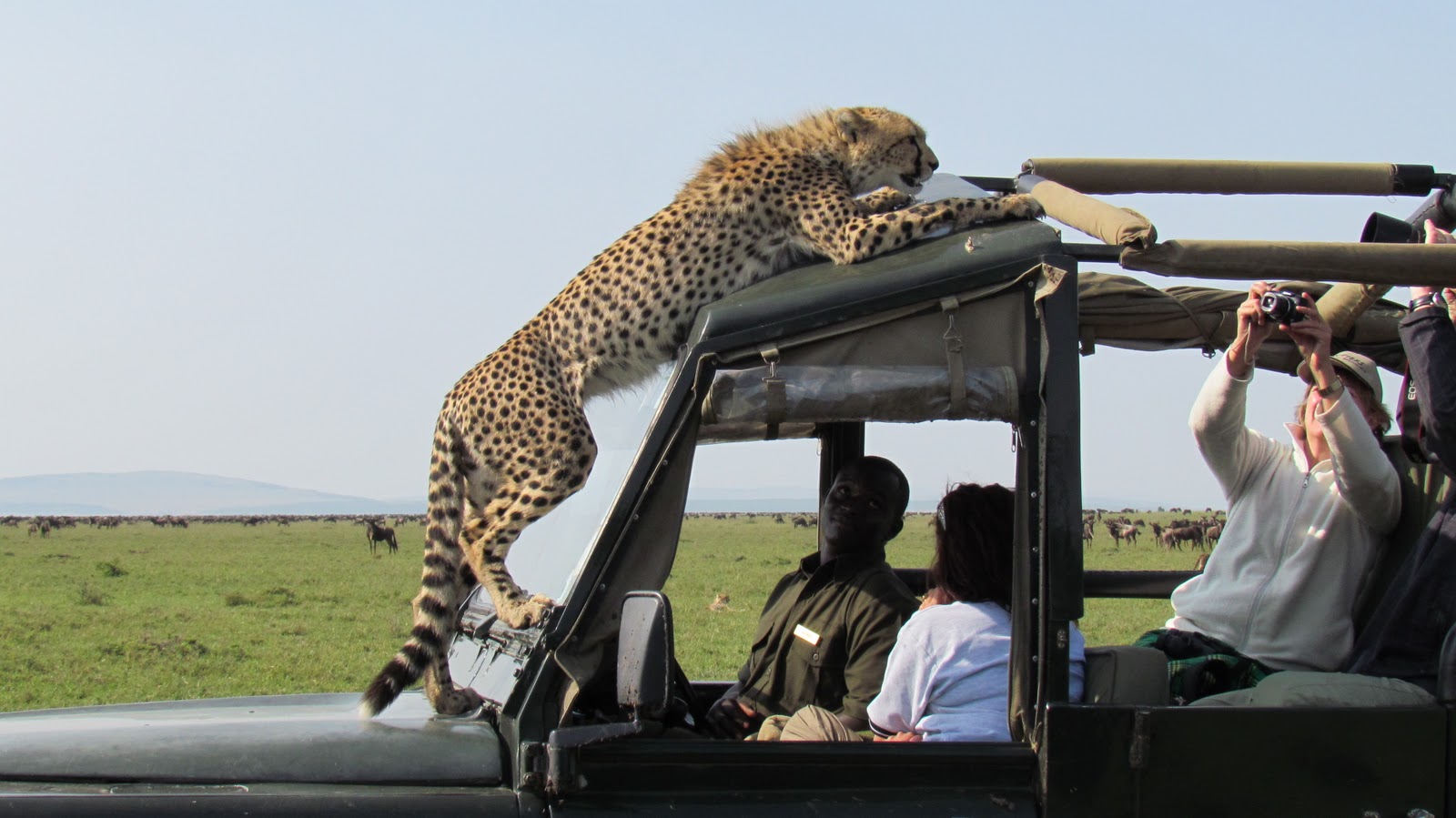
Kora National Park is one of Kenya’s most remote, wild, and untouched safari destinations, offering travelers an authentic African wilderness experience far away from busy tourism circuits. Unlike the more commercial safari parks that attract large crowds of visitors and safari vehicles, Kora National Park remains raw, isolated, and naturally beautiful, making it ideal for adventure travelers, conservation enthusiasts, photographers, campers, and explorers seeking a deeper connection with nature.
The park’s rugged landscapes, rich conservation history, semi-arid wilderness, dramatic granite hills, riverine forests, wildlife diversity, and historical connection to George Adamson make Kora National Park one of Kenya’s most unique safari destinations. Every journey into the park feels adventurous and exclusive because of its remoteness and untouched environment.
Visitors to Kora National Park experience not only wildlife viewing but also history, wilderness solitude, outdoor adventure, scenic exploration, conservation heritage, and unforgettable camping experiences within one of East Africa’s least explored protected areas.
Authentic Wilderness Experience
One of the biggest reasons travelers visit Kora National Park is its authentic wilderness atmosphere. The park offers one of the most untouched safari experiences in Kenya, where visitors can spend hours exploring rugged landscapes without encountering other tourist vehicles.
Unlike heavily visited safari destinations such as Maasai Mara or Amboseli, Kora National Park remains largely undeveloped and naturally wild. The absence of crowds allows travelers to fully immerse themselves in nature and experience Africa in its purest form.
The remote location of Kora National Park contributes greatly to its wilderness character. Travelers entering the park encounter vast open landscapes, dry riverbeds, rocky hills, acacia woodlands, riverine forests, and untouched plains stretching across the horizon. The silence, isolation, and raw beauty create a feeling of true exploration rarely found in modern safari tourism.
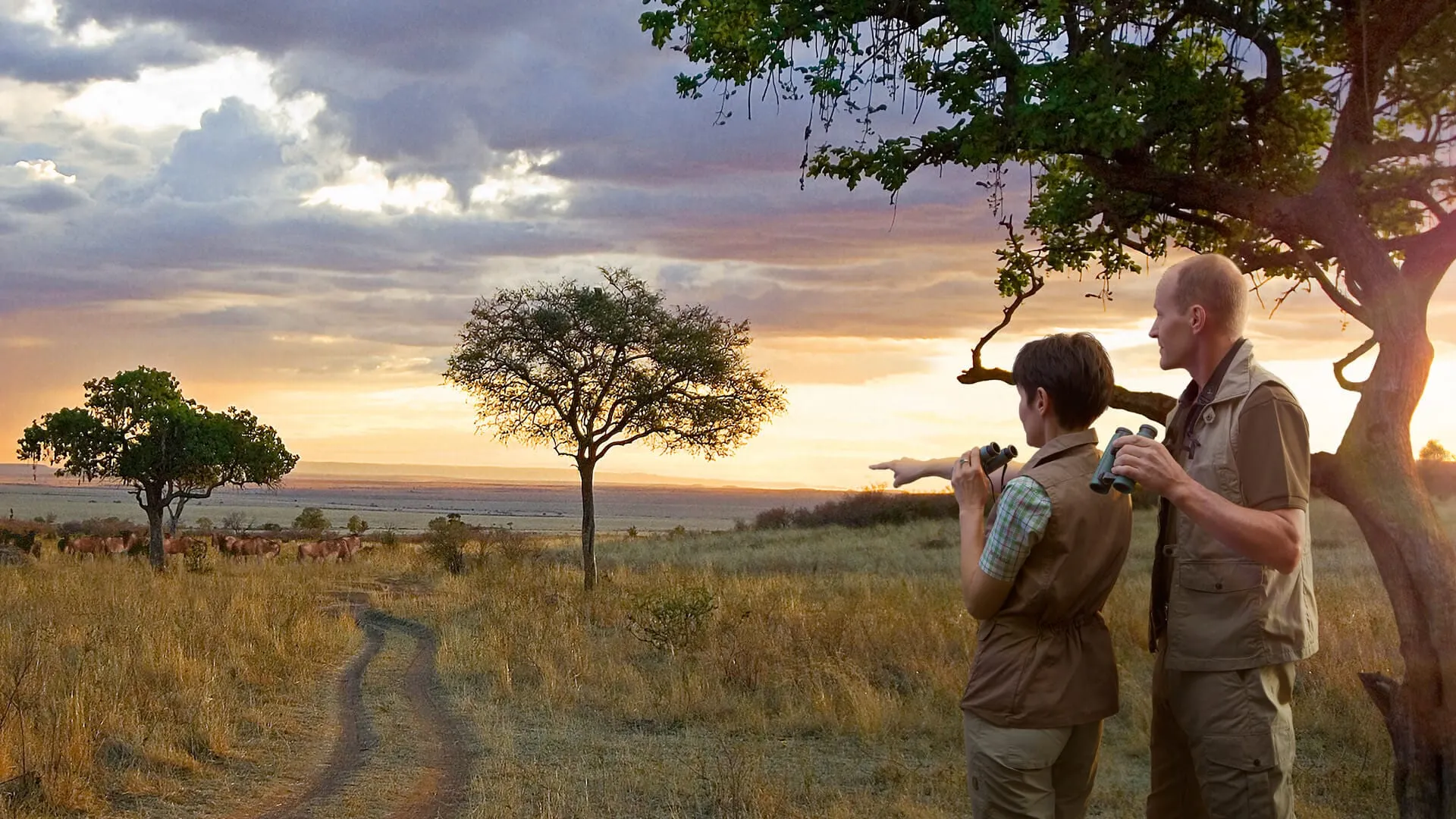
This authentic wilderness experience makes Kora National Park especially attractive for travelers seeking adventure, solitude, and meaningful interactions with nature. Visitors can enjoy peaceful game drives, remote camping experiences, quiet photography sessions, and uninterrupted scenic exploration without the distractions of mass tourism.
The park’s untamed atmosphere also enhances wildlife encounters because animals behave naturally in an environment with very low human pressure. Watching elephants crossing dry plains, lions resting near riverbeds, or giraffes moving through acacia woodlands feels especially rewarding in such a remote setting.
Kora National Park is perfect for travelers who value exclusivity, adventure, and wilderness immersion over luxury tourism crowds and busy safari circuits.
Rich Conservation History
Kora National Park is internationally famous for its deep connection to wildlife conservation and the legendary conservationist George Adamson, whose work with lions inspired global awareness about African wildlife protection.
George Adamson became world famous through the story of Elsa the lioness in the book and film “Born Free.” After the success of “Born Free,” Adamson moved to Kora National Park where he dedicated much of his life to rehabilitating lions and releasing them back into the wild.
His camp, known as Campi ya Simba, became a center for lion conservation within the remote wilderness of Kora National Park. Adamson lived among lions, protected wildlife from poachers, and advocated for conservation during a period when many wild animals faced severe threats across Africa.
The history of George Adamson gives Kora National Park unique emotional and historical significance beyond its landscapes and wildlife. Travelers visiting the park can explore Campi ya Simba and visit Adamson’s grave, which remains one of the most important conservation landmarks in Kenya.
The conservation story connected to Kora National Park continues to inspire wildlife lovers, conservationists, photographers, filmmakers, and safari travelers from around the world. The park represents not only wilderness protection but also dedication, sacrifice, and the struggle to preserve Africa’s wildlife heritage.
Today, Kora National Park stands as a symbol of Kenya’s conservation legacy and remains one of the country’s most historically important wildlife destinations.
Dramatic Landscapes
Kora National Park is famous for its rugged and dramatic landscapes that create one of the most visually striking wilderness environments in Kenya.
The park’s scenery includes massive granite inselbergs, rocky hills, semi-desert plains, dry riverbeds, acacia woodlands, doum palm groves, and riverine forests along the Tana River. These contrasting landscapes create breathtaking scenery unlike any other safari destination in the country.
Towering granite formations rise suddenly above the flat plains, creating dramatic silhouettes against the sky. These rocky hills and outcrops give Kora National Park its rugged identity and provide scenic viewpoints overlooking the surrounding wilderness.
The Tana River, Kenya’s longest river, adds another layer of beauty to the park. The river supports lush vegetation and wildlife habitats that contrast sharply with the dry surrounding landscapes. Riverine forests filled with palms and thick greenery create beautiful natural corridors along the riverbanks.
Sunrise and sunset in Kora National Park are especially spectacular as golden light illuminates the granite hills, dry plains, and distant forests. The dramatic lighting conditions make the park one of Kenya’s best destinations for landscape photography.
The raw, untamed scenery of Kora National Park creates an atmosphere of true wilderness exploration and makes every safari feel adventurous and visually unforgettable.
Excellent Camping Adventures
Camping is one of the greatest experiences in Kora National Park and is considered one of the best ways to fully appreciate the park’s remote wilderness environment.
Unlike luxury lodge-focused destinations, Kora National Park is ideal for adventurous camping safaris where travelers can sleep under the stars surrounded by untouched African wilderness.
Camping experiences in Kora National Park allow visitors to hear wildlife sounds at night, enjoy campfires beneath clear skies, wake up to sunrise over granite hills, and fully disconnect from busy urban life.
The remote setting enhances the feeling of adventure and exploration. Travelers camping in Kora National Park experience nature in its purest form with very limited modern distractions.
Camping safaris often include guided wilderness exploration, wildlife viewing, scenic drives, photography opportunities, birdwatching, and visits to historical conservation sites.
For adventure travelers, photographers, researchers, students, and wilderness enthusiasts, camping in Kora National Park offers one of the most authentic safari experiences in East Africa.
Wildlife Viewing
Kora National Park supports diverse wildlife species adapted to semi-arid ecosystems and riverine habitats. Although wildlife densities may not be as high as in some savannah parks, the wilderness atmosphere makes wildlife encounters feel especially authentic and rewarding.
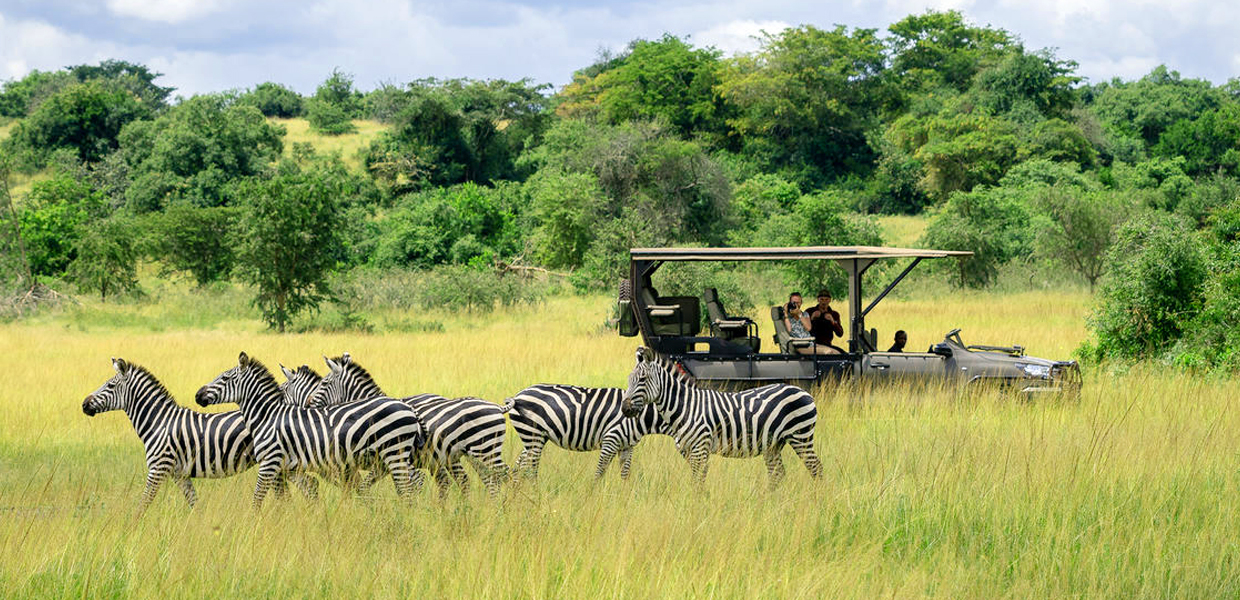
Visitors exploring Kora National Park may encounter elephants, lions, giraffes, buffaloes, antelopes, crocodiles, hippos, zebras, leopards, hyenas, cheetahs, and smaller mammals moving across the rugged landscapes.
The Tana River acts as a major water source for wildlife and attracts animals to riverbanks especially during dry periods.
Wildlife viewing in Kora National Park often feels more adventurous because animals are encountered within remote wilderness settings rather than crowded safari circuits.
The park’s low tourist numbers allow visitors to observe wildlife in peaceful surroundings without competition from large numbers of safari vehicles.
Photography Opportunities
Kora National Park is a dream destination for photographers due to its rugged scenery, dramatic lighting, remote wilderness atmosphere, wildlife diversity, and historical conservation sites.
Photographers visiting Kora National Park can capture granite hills, dry landscapes, riverine forests, wildlife portraits, sunsets, river scenery, campfires, and untouched African wilderness.
The park’s raw landscapes create dramatic compositions ideal for landscape photography, wildlife photography, adventure photography, and documentary storytelling.
Sunrise and sunset photography in Kora National Park are especially spectacular because of the warm golden light reflecting across rocky hills and open plains.
The remoteness of the park also allows photographers to work without crowds or distractions, making it easier to capture natural and authentic safari moments.
Wildlife in Kora National Park
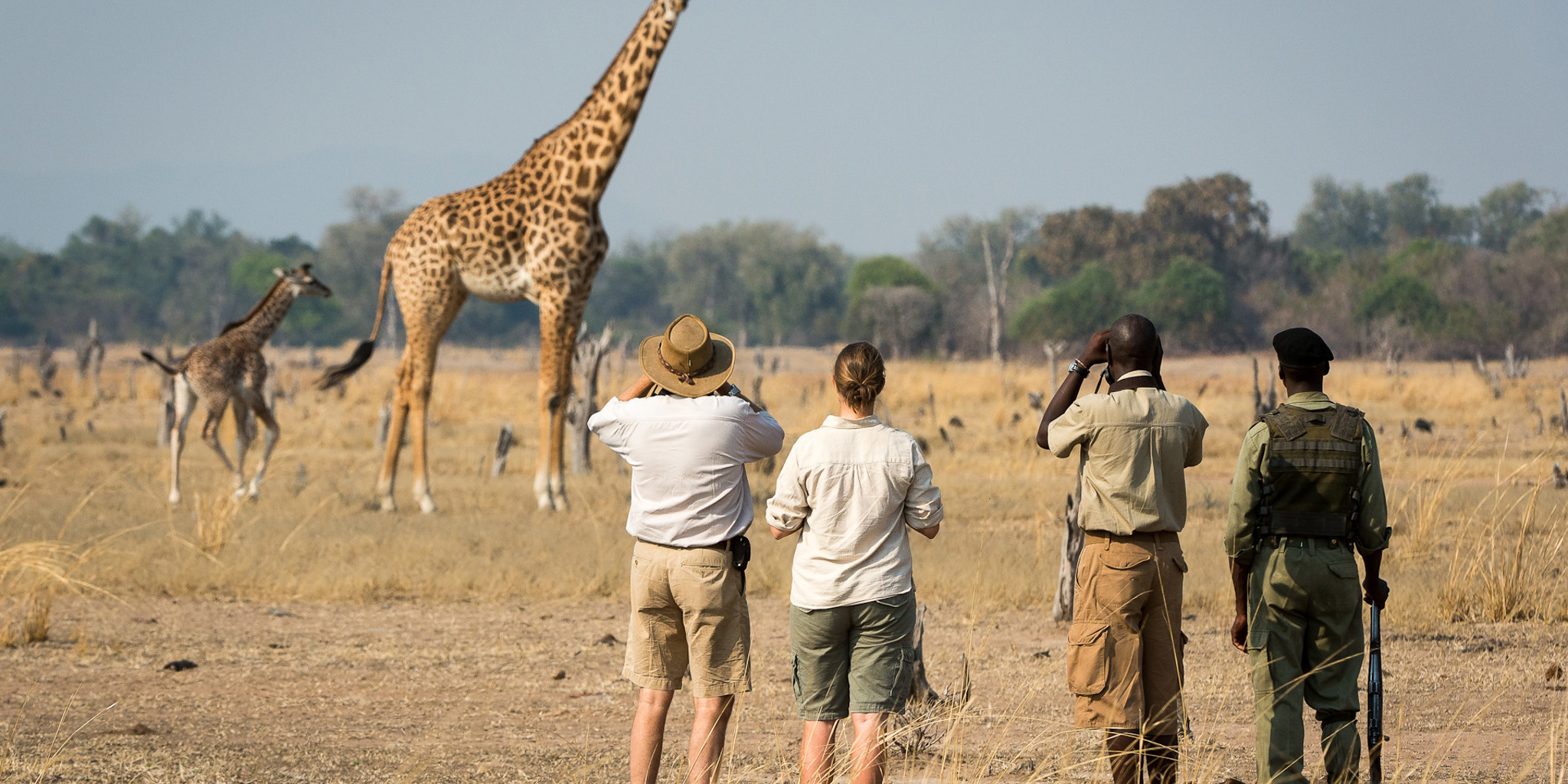
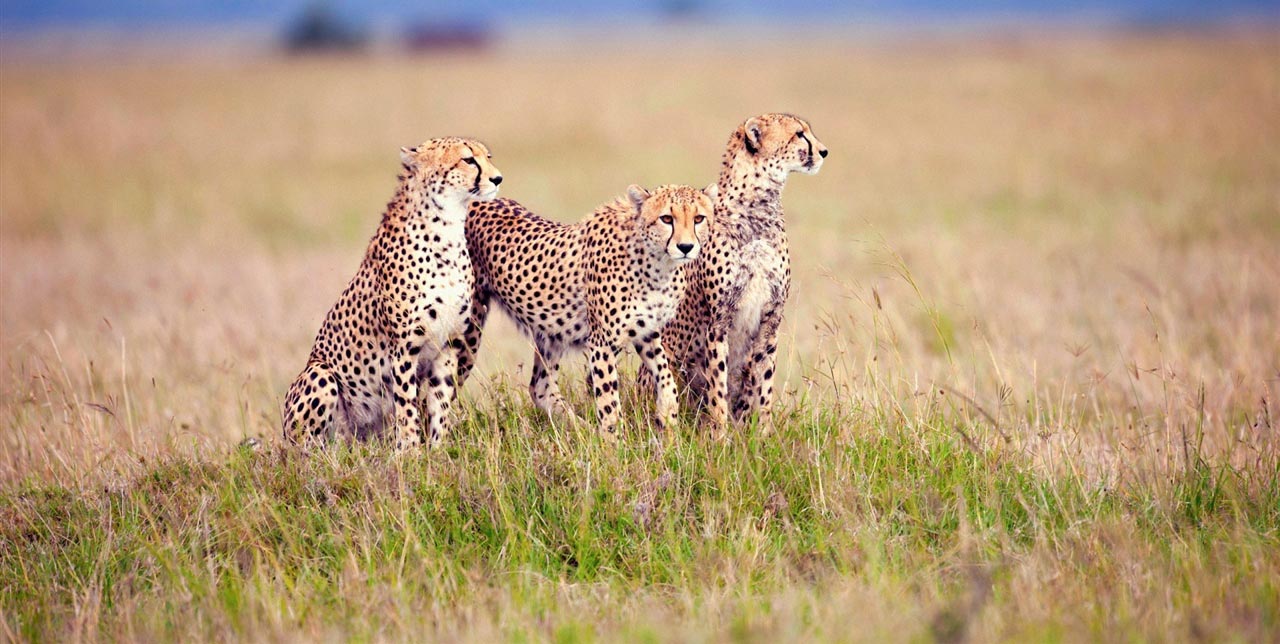
Kora National Park supports a rich variety of wildlife species adapted to the park’s semi-arid plains, rocky hills, riverine forests, and dry savannah ecosystems. The combination of open wilderness and permanent water sources along the Tana River creates important habitats for large mammals, predators, birds, reptiles, and aquatic species.
Wildlife viewing in Kora National Park feels especially wild and authentic because of the park’s remote environment and low visitor numbers. Animals move naturally through the wilderness landscapes with minimal human disturbance, creating rewarding safari experiences for travelers seeking untamed Africa.
The connected ecosystem linking Kora National Park with Meru National Park and surrounding reserves also supports wildlife movement and biodiversity conservation across eastern Kenya.
Elephants
Elephants are among the most iconic animals found in Kora National Park. Large herds roam across plains, riverine forests, and woodland areas searching for water, grasses, leaves, and vegetation.
The Tana River plays a critical role in supporting elephant populations within Kora National Park, especially during dry seasons when water becomes scarce across surrounding landscapes.
Watching elephants moving through rugged wilderness landscapes and crossing dry riverbeds creates unforgettable safari moments for visitors exploring the park.
Elephants are often seen near river areas during cooler morning and evening hours.
Lions
Kora National Park has a deep historical connection with lions because of George Adamson’s famous lion rehabilitation work within the park.
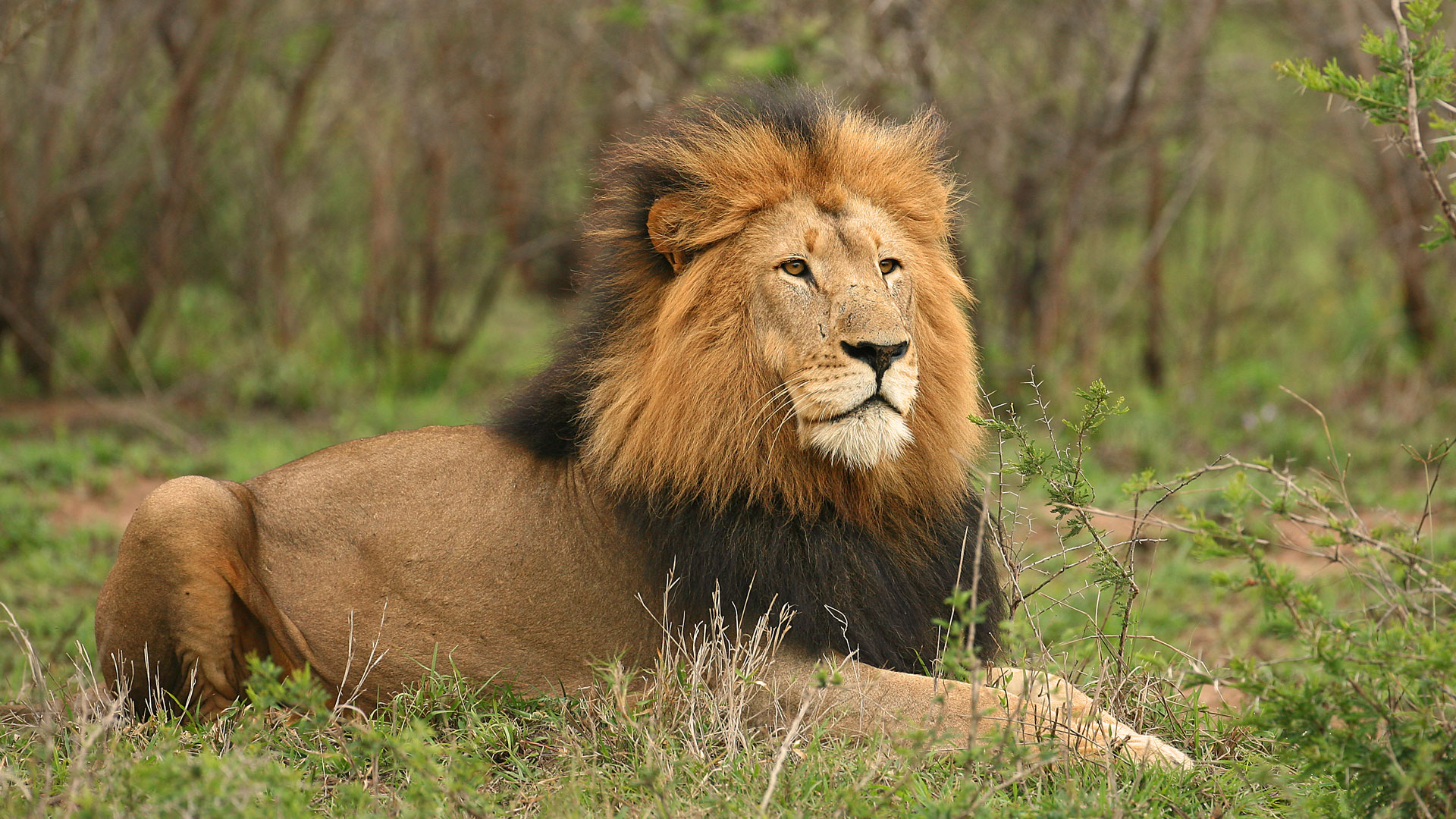
Lions continue to inhabit the wilderness landscapes of Kora National Park and remain one of the park’s most symbolic wildlife species.
The remote and rugged environment provides excellent habitat for lions, especially in areas with sufficient prey and access to water sources.
Although lion sightings can be less predictable than in heavily visited parks, encountering lions in the isolated wilderness of Kora National Park feels incredibly authentic and rewarding.
Leopards and Cheetahs
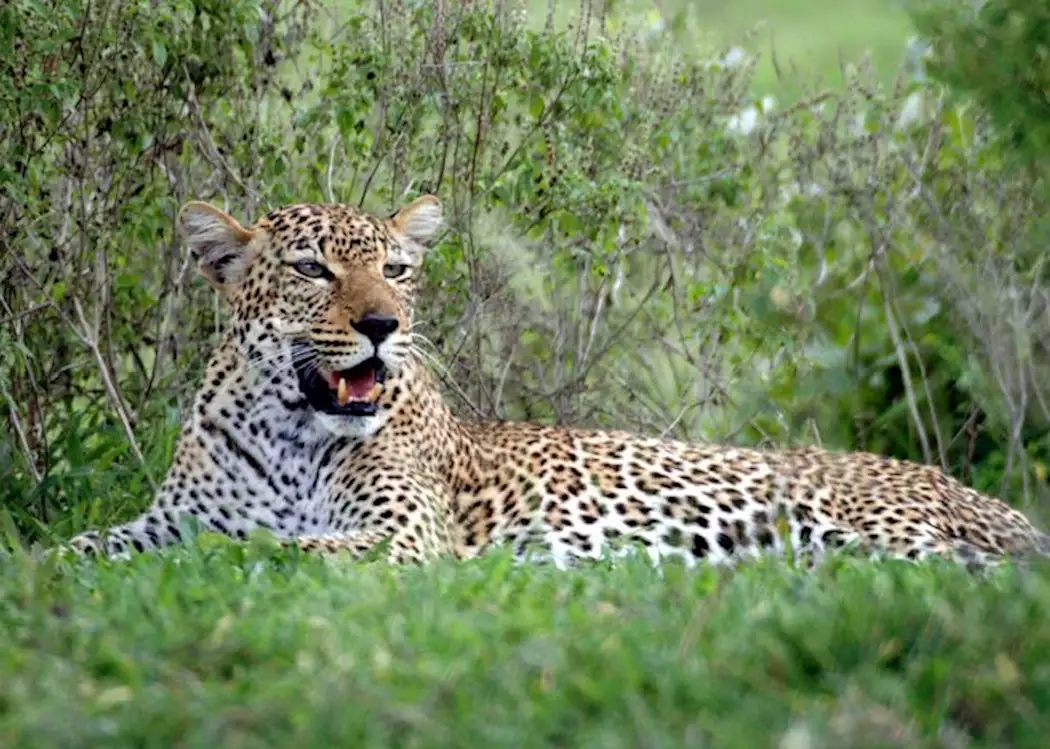
Predators such as leopards and cheetahs inhabit the rocky wilderness areas and open plains of Kora National Park.
Leopards prefer rocky hillsides, riverine forests, and areas with dense vegetation where they can hunt and rest in concealment.
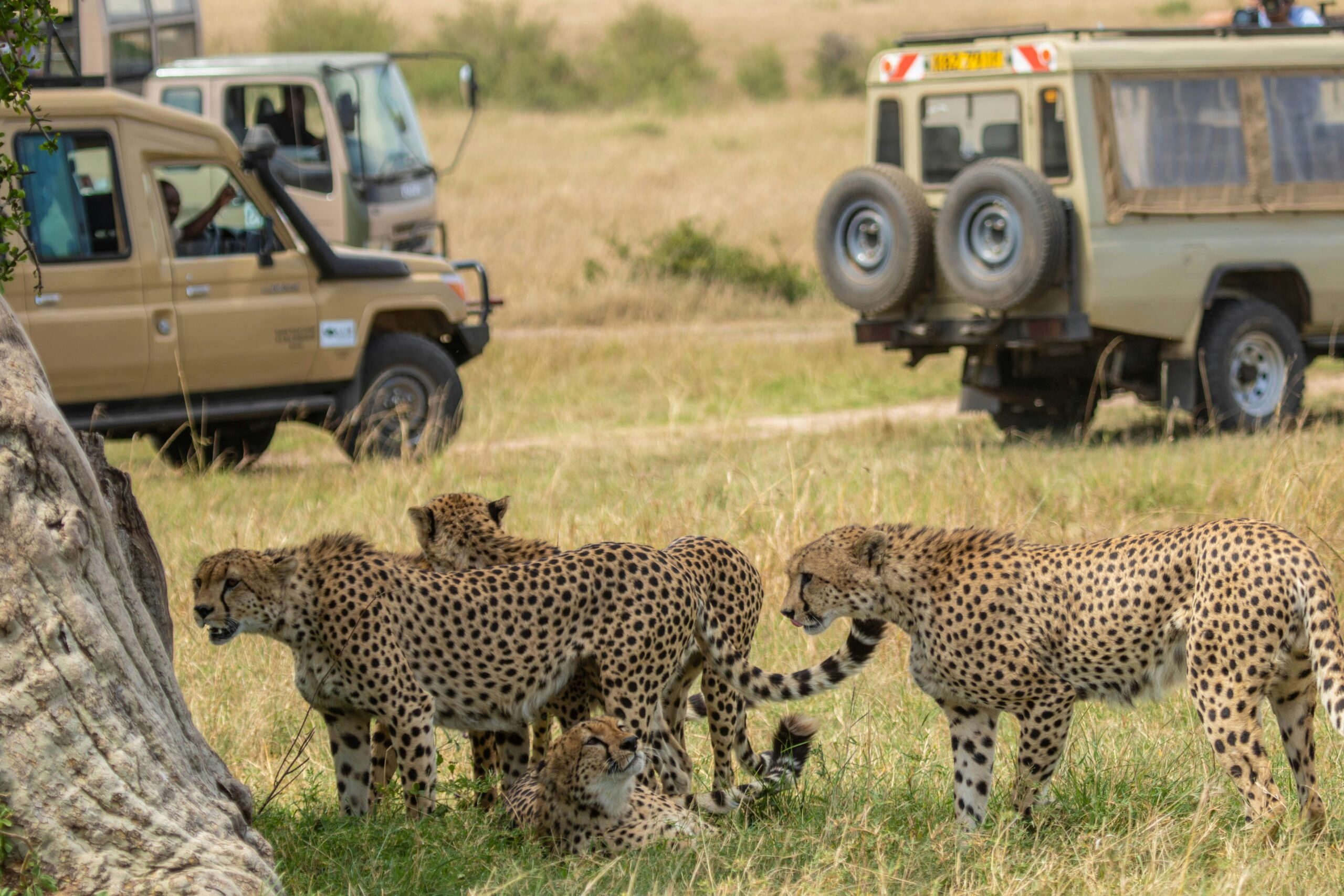
Cheetahs use open plains and semi-arid landscapes to hunt antelopes and smaller prey species across the park.
These predators are elusive and sightings require patience, experienced guides, and careful exploration of the park’s remote landscapes.
Buffaloes and Antelopes
Buffaloes and various antelope species are commonly found throughout Kora National Park.
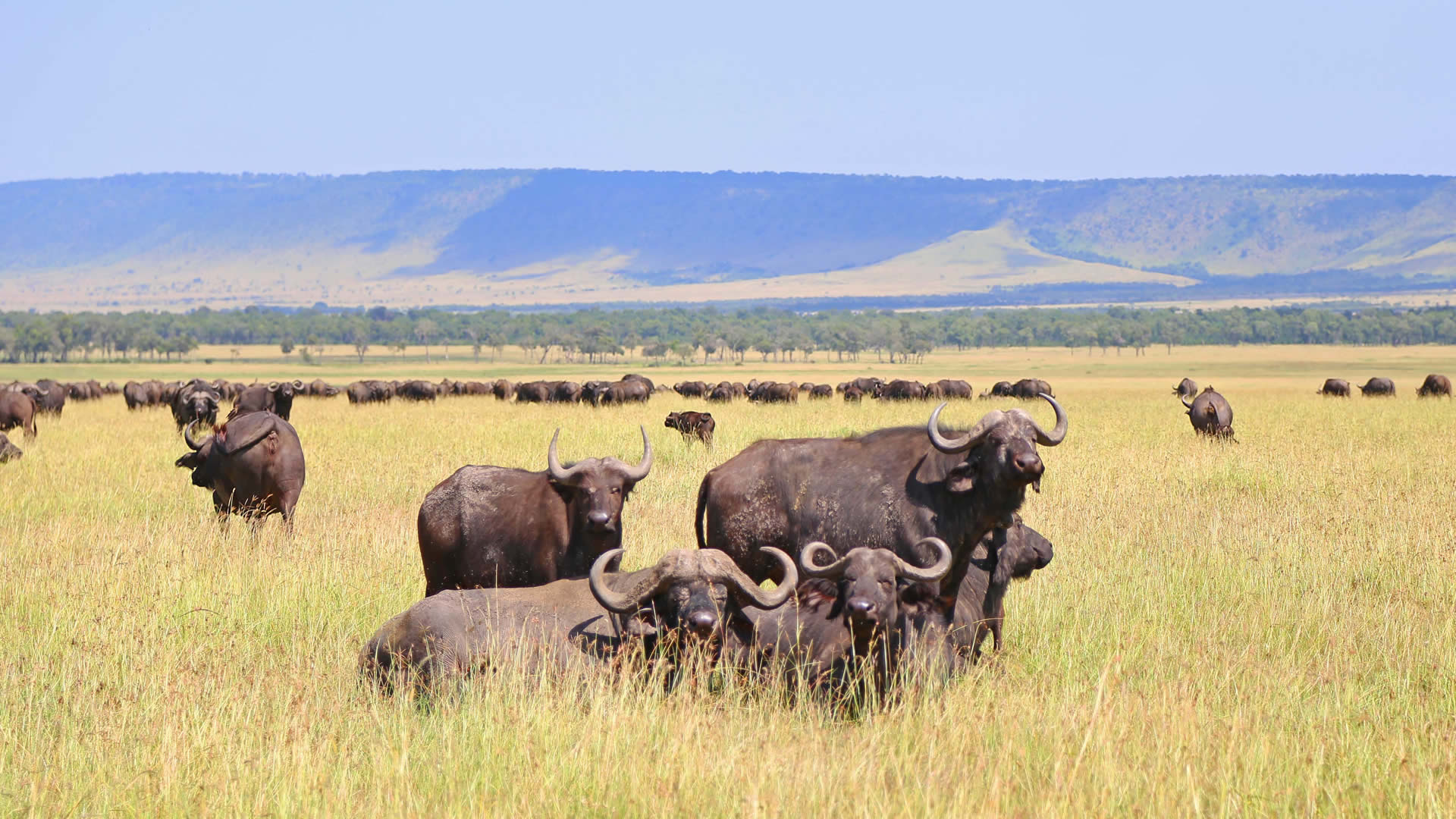
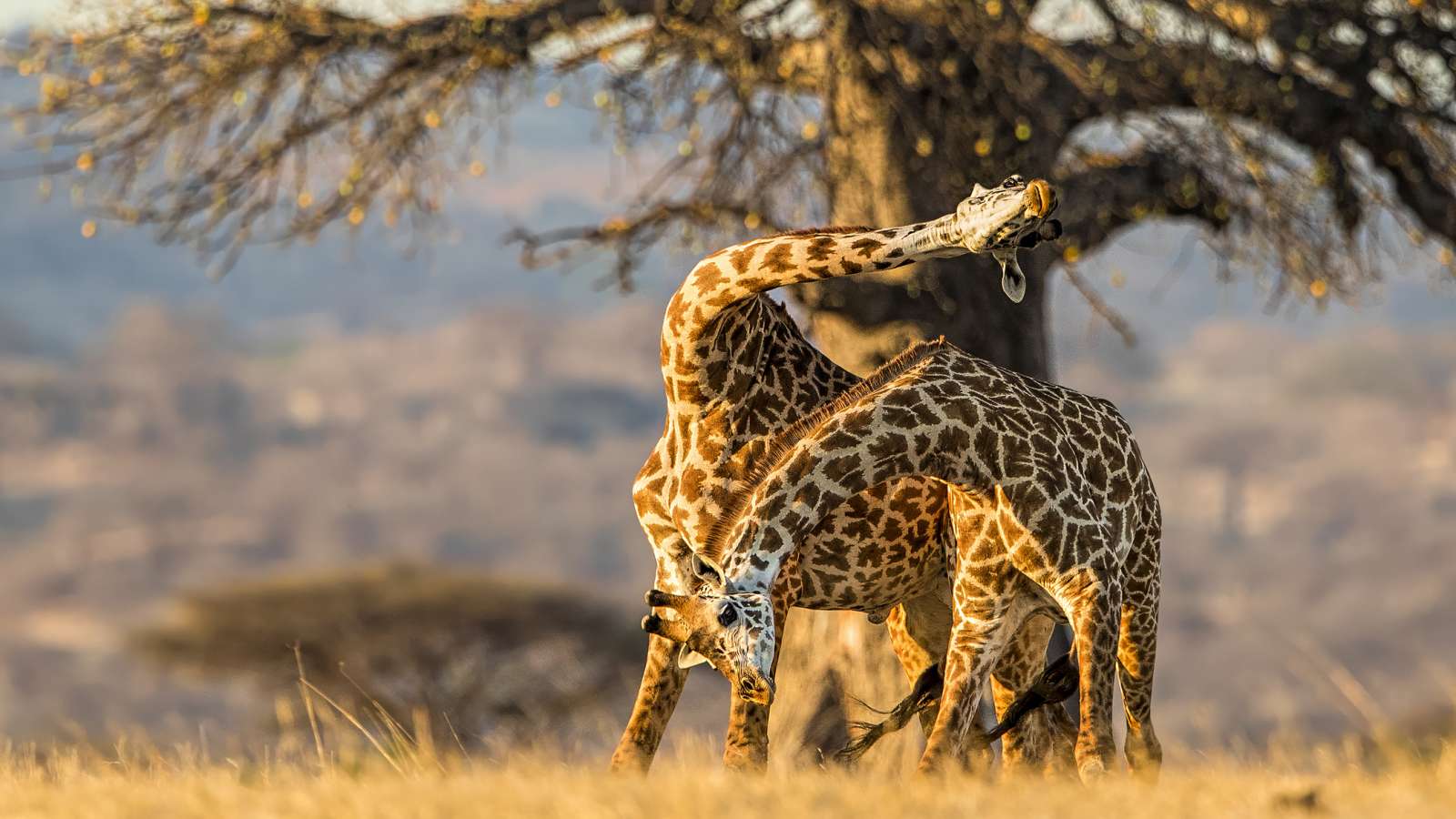
Large herbivores including buffaloes, elands, impalas, oryx, gazelles, and hartebeests graze across plains and woodland areas while moving between feeding and water sources.
These animals form an important part of the park’s ecosystem and support predator populations within the wilderness environment.
The sight of antelopes moving across dry landscapes beneath granite hills creates classic African safari scenery.
Crocodiles and Hippos
The Tana River supports crocodile and hippo populations within Kora National Park and creates important aquatic habitats within the otherwise dry environment.
Hippos spend much of their time in river pools during the day before emerging at night to graze along riverbanks.
Nile crocodiles bask on sandy riverbanks and hunt within the river ecosystem.
River areas within Kora National Park provide excellent opportunities for wildlife photography, birdwatching, and scenic exploration.
Birdlife
Kora National Park supports numerous bird species adapted to riverine forests, semi-arid plains, woodland habitats, and rocky wilderness environments.
Birdwatchers visiting the park may encounter: Kingfishers, African fish eagles, Hornbills, Bee-eaters, Herons, Storks, Eagles, Vultures, Sunbirds, Migratory bird species
The Tana River and surrounding forests provide excellent bird habitats and attract numerous species throughout the year.
Early morning birdwatching in Kora National Park is particularly rewarding due to cooler temperatures and increased bird activity.
Top Activities in Kora National Park
Kora National Park offers adventurous safari activities designed for travelers seeking wilderness exploration, wildlife encounters, conservation history, camping experiences, and remote African landscapes.
The park’s rugged environment and low tourism levels make every activity feel authentic, exclusive, and deeply connected to nature.
Game Drives
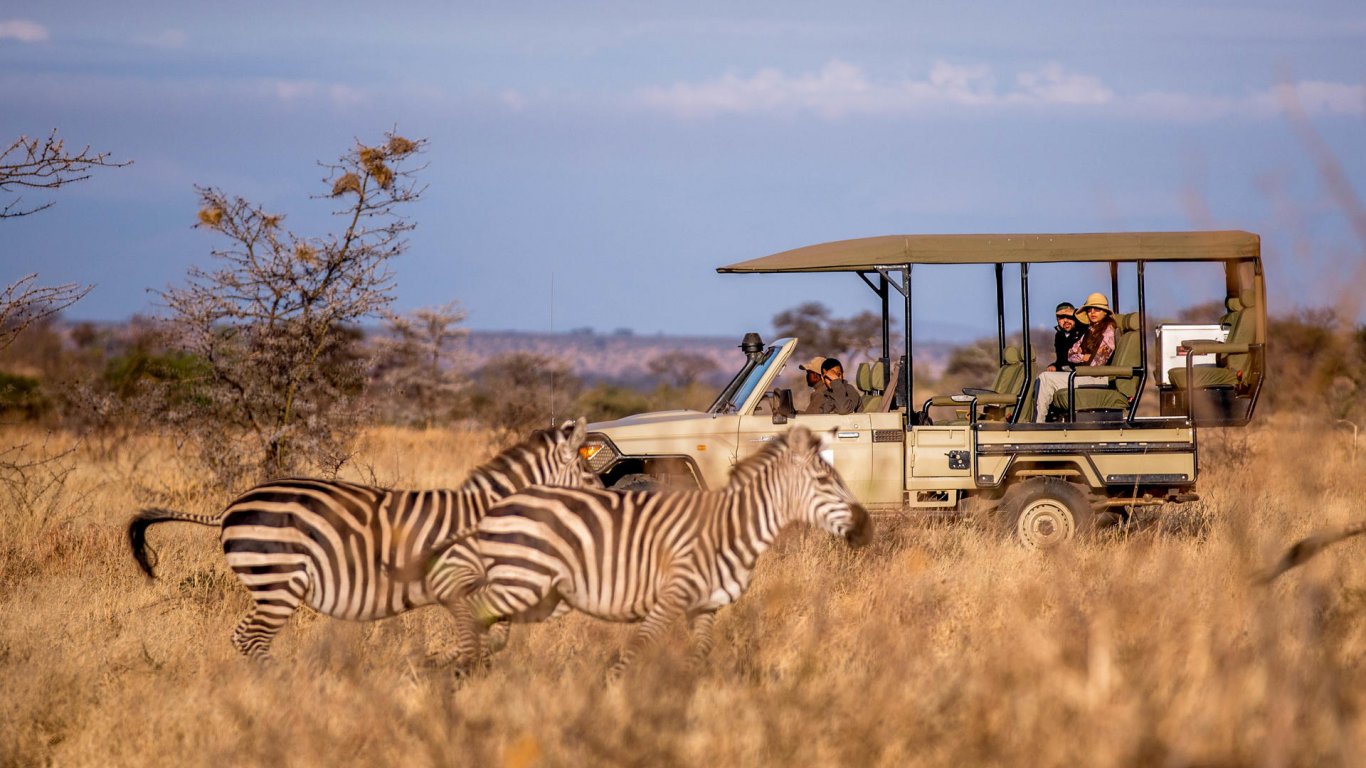
Game drives in Kora National Park allow travelers to explore rugged wilderness landscapes while searching for wildlife across plains, forests, rocky hills, and river areas.
Because the park remains remote and uncrowded, game drives feel adventurous and highly exclusive compared to busier safari destinations.
Visitors may encounter elephants, lions, giraffes, antelopes, buffaloes, crocodiles, and birdlife while exploring scenic landscapes dominated by granite formations and dry savannah terrain.
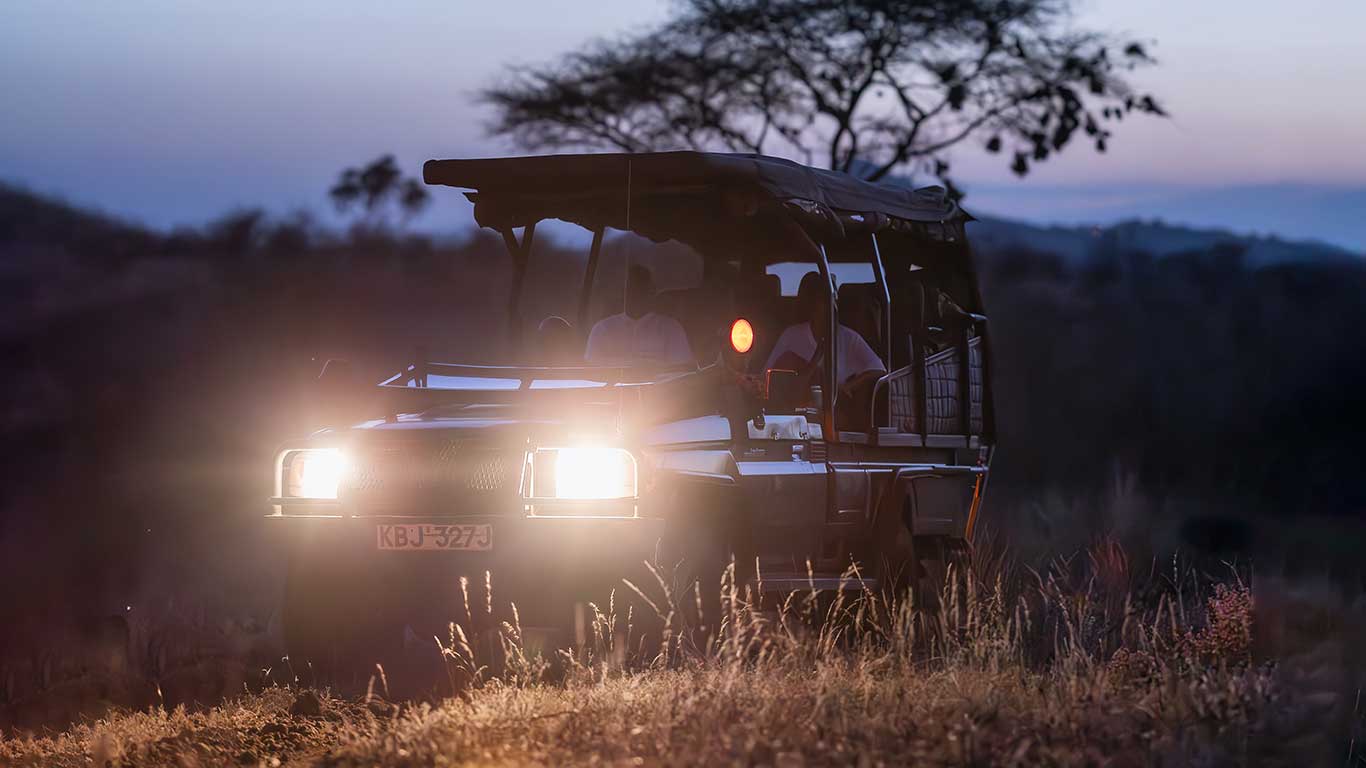
Game drives are especially rewarding during early mornings and evenings when wildlife activity increases.
Camping Safaris
Camping safaris are among the most popular experiences in Kora National Park and provide immersive wilderness adventures surrounded by untouched nature.
Travelers camping within the park enjoy nights beneath star-filled skies while listening to wildlife sounds and experiencing the isolation of true African wilderness.
Camping safaris often include guided exploration, bush meals, photography opportunities, campfires, and educational conservation experiences.
The remote environment of Kora National Park makes camping especially exciting for adventure travelers and outdoor enthusiasts.
Visit Campi ya Simba
One of the most important experiences in Kora National Park is visiting Campi ya Simba, the former home and camp of George Adamson.
Visitors can learn about Adamson’s lion conservation work, explore historical sites connected to “Born Free,” and gain deeper understanding of Kenya’s conservation history.
The camp and Adamson’s grave remain powerful symbols of wildlife protection and continue attracting travelers interested in conservation heritage.
Visiting Campi ya Simba adds emotional and historical depth to safaris within Kora National Park.
Birdwatching
Birdwatchers exploring Kora National Park can discover rich birdlife within riverine forests, dry woodland habitats, and river ecosystems.
The combination of semi-arid landscapes and permanent river habitats supports both resident and migratory bird species throughout the year.
Birdwatching excursions are especially rewarding during early mornings along the Tana River and forested areas.
Photography Safaris
Kora National Park provides exceptional photography opportunities because of its dramatic landscapes, raw wilderness atmosphere, wildlife diversity, and historical conservation sites.
Photographers can capture granite hills, dry riverbeds, wildlife portraits, sunsets, river scenery, campfires, and untouched African wilderness landscapes.
The park’s isolation and low tourist numbers create excellent conditions for uninterrupted wildlife and landscape photography.
Nature Exploration
Guided exploration in Kora National Park allows travelers to discover the park’s geological formations, river ecosystems, forests, wildlife habitats, and historical conservation sites.
Exploration activities may include walks near campsites, river visits, scenic drives, geological observation, and educational discussions about wildlife conservation and ecology.
The raw wilderness environment makes every exploration experience feel adventurous and deeply connected to Africa’s natural heritage.
Kora National Park Safari Costs
The cost of visiting Kora National Park depends on several important factors including safari duration, transportation, accommodation style, camping arrangements, guide services, group size, season of travel, and the level of comfort required. Because Kora National Park is located in a remote wilderness area with limited tourism infrastructure, safaris are often customized and designed for adventurous travelers seeking authentic and exclusive experiences.
Unlike highly commercial safari parks, Kora National Park focuses more on wilderness exploration, camping safaris, conservation experiences, photography adventures, and off-the-beaten-path travel. This means safari pricing can vary significantly depending on how basic or luxurious the experience is.
Budget safaris generally focus on camping, shared transport, and simple safari logistics, while luxury safaris include private 4×4 vehicles, professional guides, charter flights, premium camping equipment, private chefs, photography support, and customized wilderness experiences.
Travelers planning safaris to Kora National Park should also understand that the park’s remoteness increases operational costs such as fuel, transport logistics, camping setup, food supply, guide support, and safety coordination.
Below is a general guide to estimated safari costs for Kora National Park.
| Safari Type | Estimated Cost Per Person | Ideal For | Typical Inclusions |
|---|---|---|---|
| Day Trip Safari | USD 120 – USD 300 | Short explorers, local travelers, adventure seekers | Park entry fees, 4×4 transport, guide services, game drive, picnic meals |
| Budget Camping Safari | USD 250 – USD 600 | Backpackers, students, adventure travelers | Camping equipment, guide, transport, meals, camping fees, wildlife viewing |
| Midrange Safari | USD 700 – USD 1,200 | Couples, families, private travelers | Comfortable camps, private safari vehicle, meals, guide, activities, transfers |
| Luxury Adventure Safari | USD 1,500 – USD 3,500+ | Luxury travelers, photographers, conservation enthusiasts | Charter flights, luxury mobile camps, private guides, customized wilderness experiences, premium meals |
Safari prices for Kora National Park may also increase depending on: Private charter flights, Photography equipment support, Exclusive guide services, Multi-destination itineraries, River excursions, Conservation-focused activities, Seasonal demand, Group size, Special camping arrangements,Luxury safari customization
Travelers combining Kora National Park with Meru National Park, Samburu National Reserve, Buffalo Springs National Reserve, or Mount Kenya may benefit from more efficient safari logistics and better overall value.
How to Get to Kora National Park
Kora National Park is located in eastern Kenya and remains one of the country’s most remote safari destinations. Accessing the park requires careful planning due to its rugged terrain, limited infrastructure, and wilderness location. However, the journey itself forms part of the adventure and offers travelers the opportunity to experience Kenya’s remote landscapes and untouched natural environments.
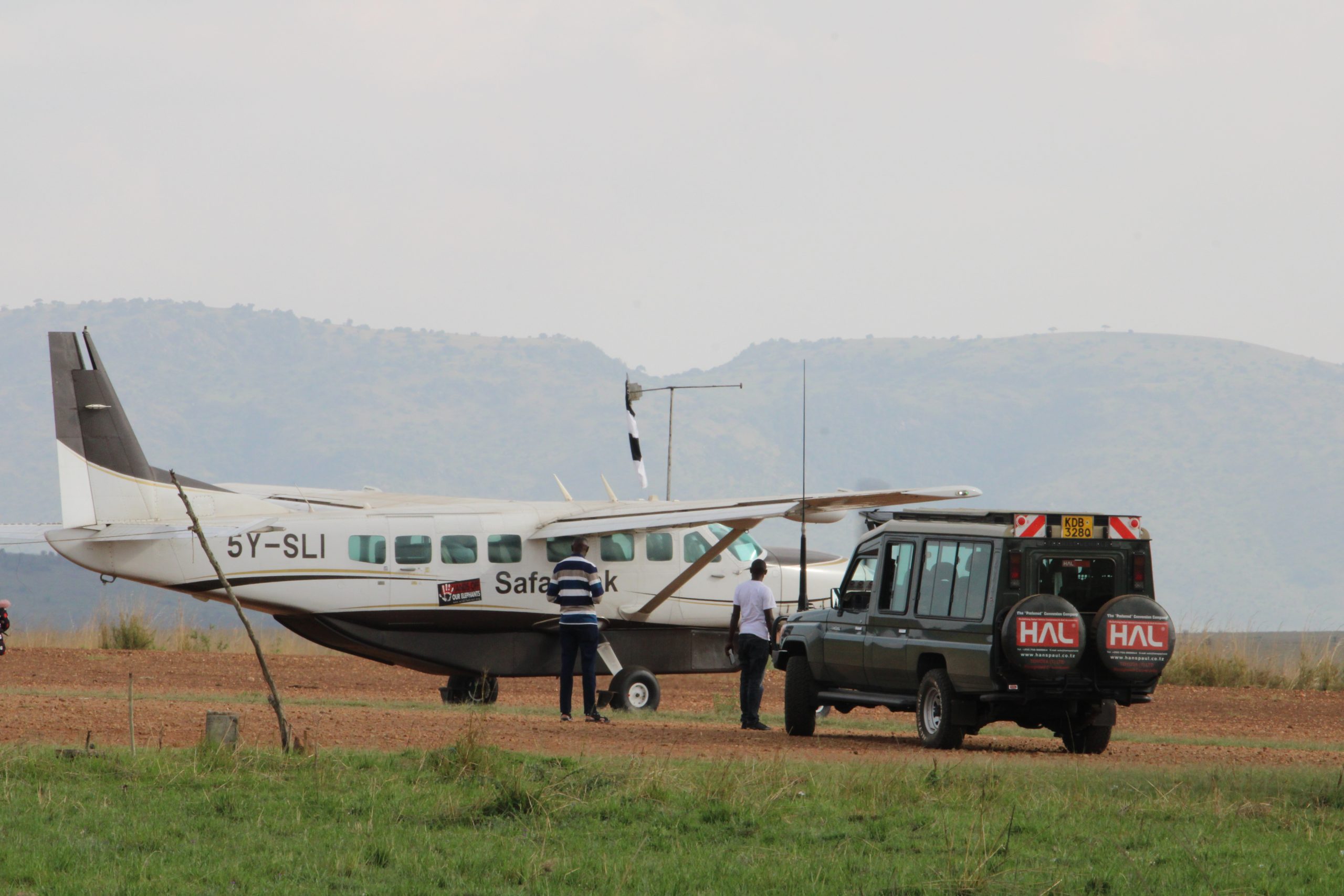
Because of its isolation, Kora National Park attracts travelers seeking authentic wilderness exploration rather than mass tourism experiences.
By Road
The most common way to reach Kora National Park is by road from Nairobi through Meru or Mwingi towns using a reliable 4×4 safari vehicle.
The drive from Nairobi to Kora National Park usually takes approximately 6 to 8 hours depending on road conditions, weather, and the chosen route. Most travelers pass through central Kenya landscapes, local towns, dry savannah areas, and rural countryside before entering the wilderness region surrounding the park.
A 4×4 safari vehicle is highly recommended because many roads leading into Kora National Park are rough, dusty, rocky, and sometimes difficult to navigate during rainy seasons. Experienced safari drivers familiar with the terrain are essential for safe and efficient travel within the park.
Traveling by road offers several advantages including: Scenic countryside views, Flexible safari stops, Wildlife sightings along routes, Photography opportunities, Easier combination with nearby destinations, More immersive wilderness experience
Road safaris also allow travelers to explore additional attractions along the journey including Meru National Park, local villages, rivers, and scenic landscapes.
For adventurous travelers, overland journeys to Kora National Park provide a strong sense of exploration and connection with Kenya’s remote regions.
By Air
For luxury travelers and private safari guests, charter flights can be arranged to nearby airstrips serving Kora National Park and surrounding wilderness areas.
Flying significantly reduces travel time and offers spectacular aerial views of Kenya’s landscapes including rivers, plains, rocky hills, forests, and remote wilderness ecosystems.
Charter flights are especially suitable for: Luxury safaris, Photography expeditions, Private travelers, High-end wilderness experiences, Conservation researchers, Short safari itineraries
Air access also allows travelers to combine Kora National Park more comfortably with other luxury safari destinations across Kenya.
Upon arrival at nearby airstrips, guests are usually transferred by 4×4 safari vehicles into the park where guided wilderness experiences begin.
Although air travel increases safari costs, it provides greater comfort, efficiency, exclusivity, and scenic value for travelers seeking premium safari experiences.
Book Your Wilderness Safari with Boots in the Jungle Safaris
Boots in the Jungle Safaris specializes in organizing unforgettable wilderness adventures across Kenya’s most remote, scenic, and authentic safari destinations. Our expertly designed safaris to Kora National Park focus on providing immersive African wilderness experiences that combine wildlife exploration, conservation history, adventure travel, photography, and nature immersion.
We understand that Kora National Park is not a typical luxury safari destination. It is a place for true explorers, wilderness lovers, photographers, conservation enthusiasts, campers, and travelers searching for raw and untamed Africa. Our safari itineraries are carefully customized to ensure travelers experience the park safely, comfortably, and meaningfully while preserving the authenticity of the wilderness environment.
Our Kora National Park safari experiences may include: Guided camping safaris, Wildlife game drives, Visits to Campi ya Simba, George Adamson conservation experiences, Photography expeditions, Birdwatching safaris, Wilderness exploration, River excursions, Bush camping adventures, Multi-destination northern Kenya itineraries, Private safari experiences, Adventure overland safaris
Our experienced safari guides understand the landscapes, wildlife behavior, conservation history, seasonal conditions, and logistical challenges associated with remote wilderness travel. This allows us to provide safe, educational, and rewarding safari experiences tailored to each traveler’s interests and level of adventure.
For photographers, Kora National Park offers extraordinary opportunities to capture dramatic granite hills, dry riverbeds, wildlife portraits, sunsets, untouched wilderness, campfire scenes, and authentic safari moments far away from crowded tourism areas.
Adventure travelers can enjoy wilderness camping under star-filled skies, remote exploration, guided nature experiences, and meaningful connections with Africa’s natural landscapes.
We also organize combined itineraries linking Kora National Park with Meru National Park, Samburu National Reserve, Buffalo Springs National Reserve, Shaba National Reserve, Mount Kenya, and other wilderness destinations across Kenya.
Whether you are planning a rugged camping expedition, a conservation-focused journey, a private wilderness escape, a photography adventure, or a multi-destination Kenya safari, Boots in the Jungle Safaris is ready to help you experience the extraordinary beauty, history, wildlife, and untamed landscapes of Kora National Park through professionally guided and carefully crafted safari experiences.