
Meru National Park Safari – Untamed Kenya Wildlife Adventure with Boots in the Jungle Safaris
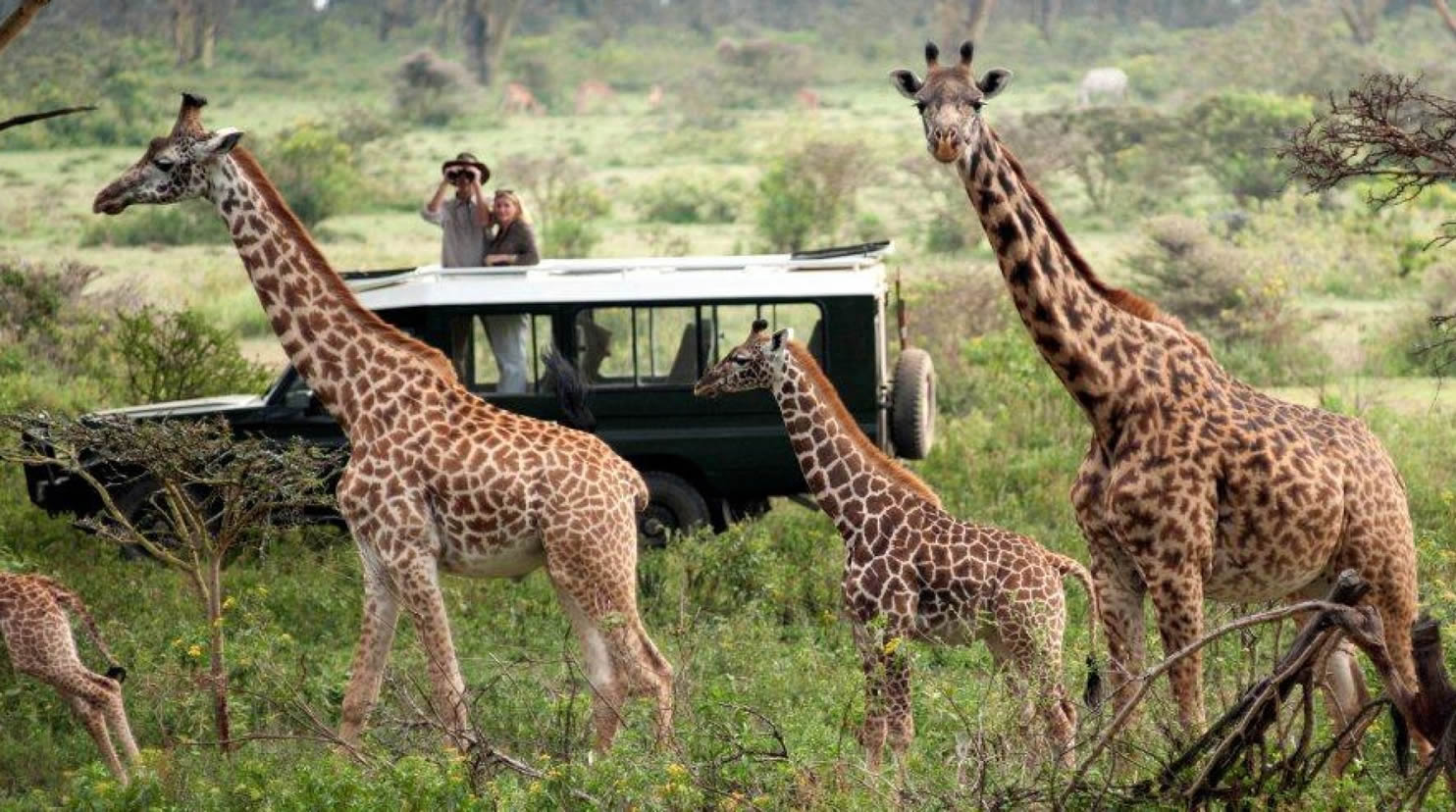
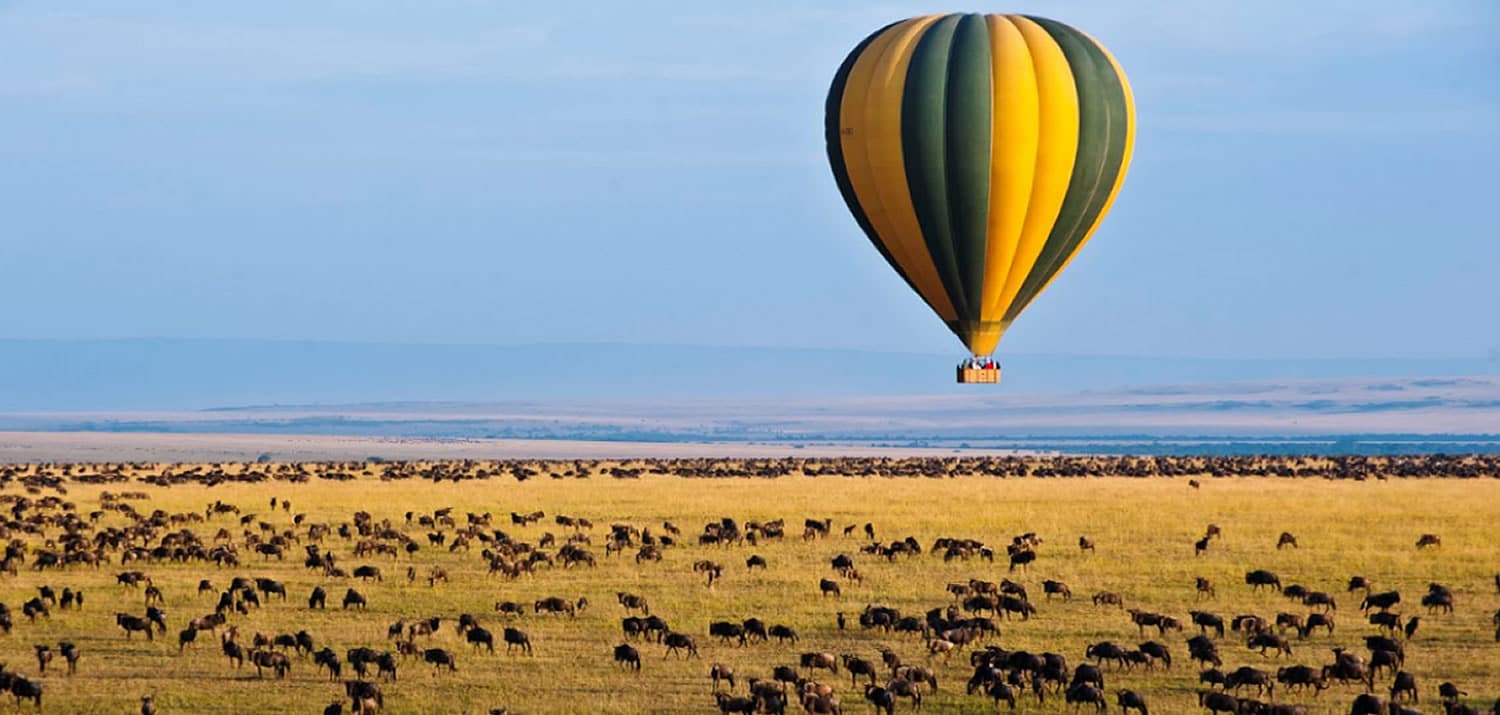
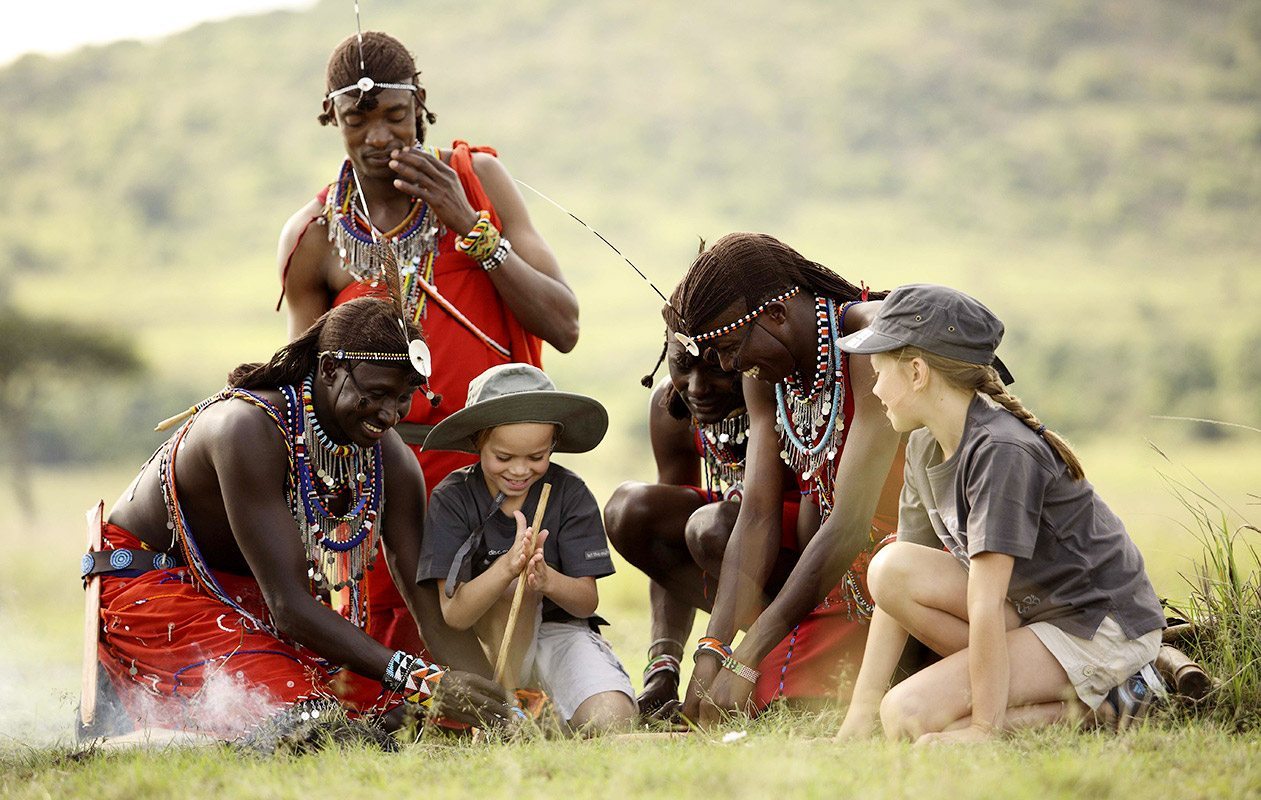
Meru National Park is one of Kenya’s most spectacular and least crowded safari destinations, offering travelers an authentic wilderness experience far from the heavily visited tourist circuits. Located in eastern Kenya near Mount Kenya, Meru National Park is famous for its untamed landscapes, rich wildlife populations, scenic rivers, and remarkable conservation success stories.
Covering approximately 870 square kilometers, Meru National Park is one of the largest protected wilderness areas in Kenya. The park features an extraordinary diversity of habitats including open savannah plains, riverine forests, swamps, acacia woodlands, grasslands, rocky outcrops, and dense bush landscapes that support abundant wildlife and birdlife.
Meru National Park is particularly famous for its connection to conservationists George and Joy Adamson, who raised and released Elsa the lioness made world-famous through the book and film Born Free. This conservation history has made Meru National Park one of Kenya’s most iconic safari destinations for wildlife enthusiasts and nature lovers.
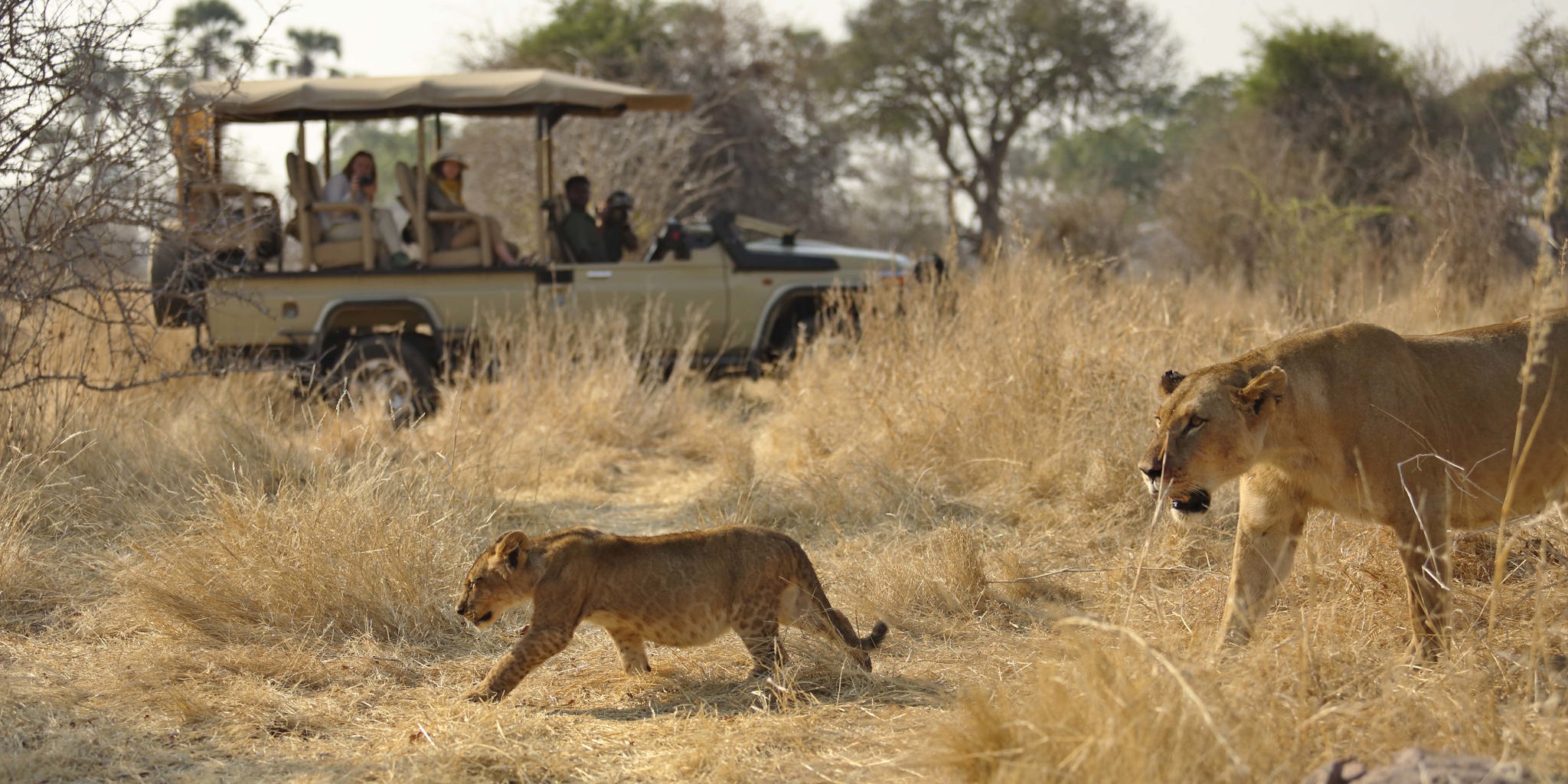
Unlike many crowded safari parks, Meru National Park offers peaceful game viewing with fewer safari vehicles, allowing visitors to experience Kenya’s wilderness in a more intimate and authentic way. Travelers exploring Meru National Park often enjoy uninterrupted wildlife sightings, quiet landscapes, and exceptional photographic opportunities.
The park is crossed by numerous permanent rivers including the Tana River, Rojewero River, Ura River, and Murera River, creating fertile ecosystems that attract large concentrations of wildlife throughout the year. Palm-lined riverbanks, lush vegetation, and natural springs add extraordinary beauty to the landscape and distinguish Meru National Park from other Kenya safari destinations.
Meru National Park is home to an impressive range of wildlife including the Big Five, endangered black and white rhinos, elephants, lions, leopards, cheetahs, buffaloes, giraffes, zebras, hippos, crocodiles, and numerous antelope species. The park also supports over 400 bird species, making it an outstanding destination for birdwatching safaris in Kenya.
One of the major highlights of Meru National Park is the rhino sanctuary, which protects both black and white rhinos within a secure conservation zone. Visitors often enjoy excellent rhino sightings during game drives, adding significant value to the safari experience.
The landscapes of Meru National Park are incredibly diverse and scenic. Visitors encounter rolling grasslands, doum palm groves, volcanic soils, dense forests, swamps, and flowing rivers that create a dramatic and ever-changing safari environment. This variety of ecosystems supports rich biodiversity while offering breathtaking scenery for photography and exploration.
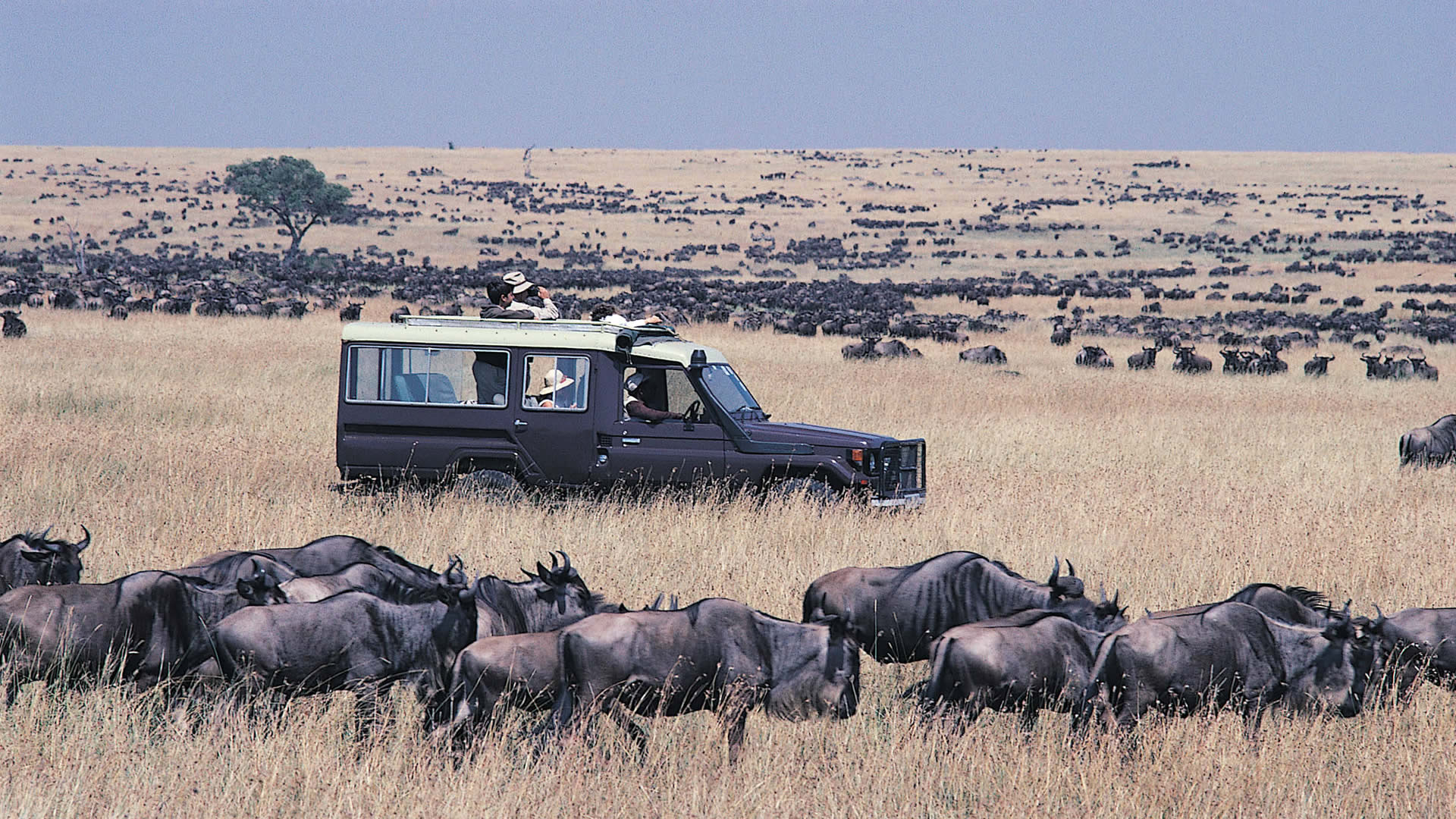
Meru National Park also provides excellent opportunities for adventure and outdoor activities. Visitors can enjoy morning and evening game drives, guided nature walks, birdwatching excursions, photography safaris, cultural experiences, and luxury lodge stays surrounded by pristine wilderness.
Because of its remote and unspoiled character, Meru National Park appeals especially to travelers seeking exclusive safari experiences away from mass tourism. Honeymooners, photographers, conservation enthusiasts, families, and experienced safari travelers often consider Meru National Park one of Kenya’s hidden safari gems.
The park’s proximity to Mount Kenya also allows travelers to combine mountain adventures with wildlife safaris, creating diverse Kenya safari itineraries that include both alpine scenery and savannah wildlife experiences.
Meru National Park can easily be combined with other major safari destinations including Samburu National Reserve, Ol Pejeta Conservancy, Maasai Mara National Reserve, and Amboseli National Park for a complete Kenya safari experience.
For travelers searching for raw wilderness, exceptional wildlife encounters, scenic landscapes, rhino conservation experiences, and uncrowded game drives, Meru National Park remains one of the finest safari destinations in East Africa.
Why Visit Meru National Park
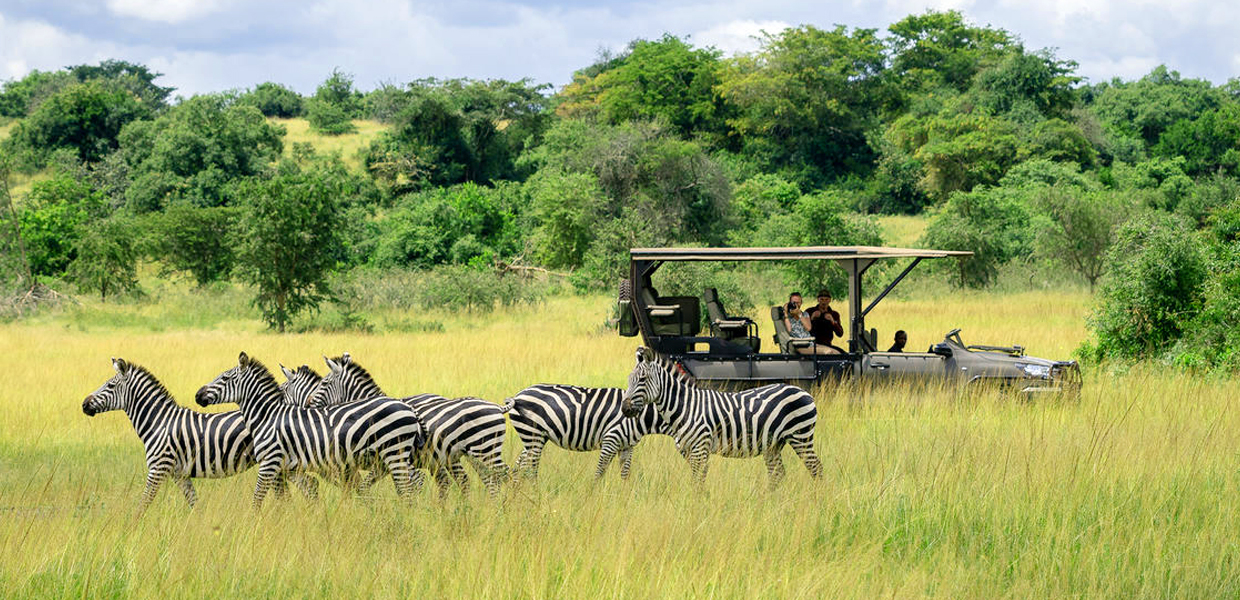
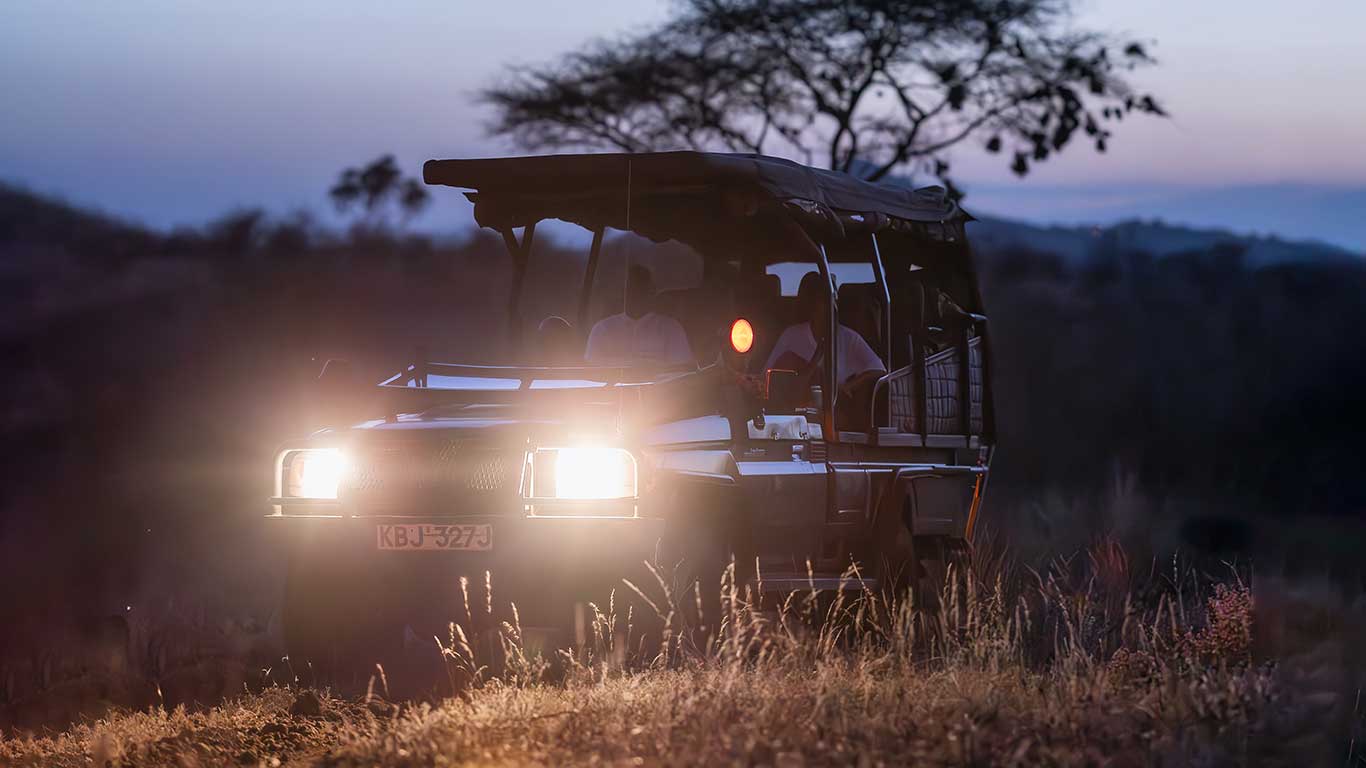
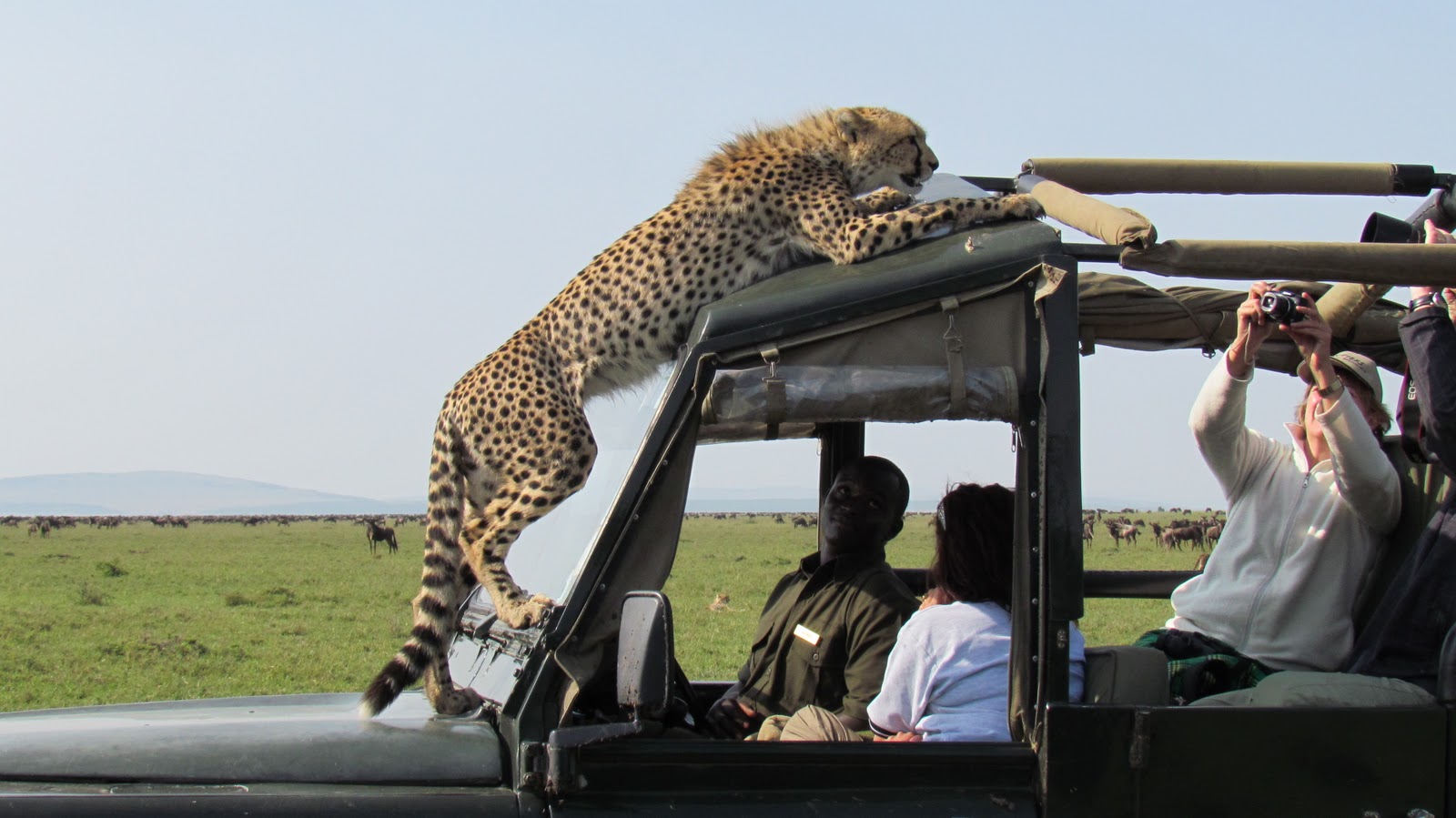
Meru National Park offers one of the most rewarding safari experiences in Kenya because of its untouched wilderness, diverse ecosystems, abundant wildlife, and peaceful safari atmosphere. Unlike more commercialized parks, Meru National Park provides authentic safari adventures where visitors can explore vast natural landscapes with minimal crowds.
Exceptional Big Five Safaris
Meru National Park is one of the few parks in Kenya where visitors can encounter the Big Five in a relatively uncrowded environment. Lions, leopards, elephants, buffaloes, and rhinos thrive within the park’s diverse habitats.
Game drives in Meru National Park often provide intimate wildlife encounters without large numbers of safari vehicles surrounding sightings. This creates a more natural and immersive safari experience for travelers and photographers. Unlike heavily visited safari destinations where sightings may become crowded, Meru National Park allows visitors to quietly observe wildlife behavior in a peaceful wilderness setting.
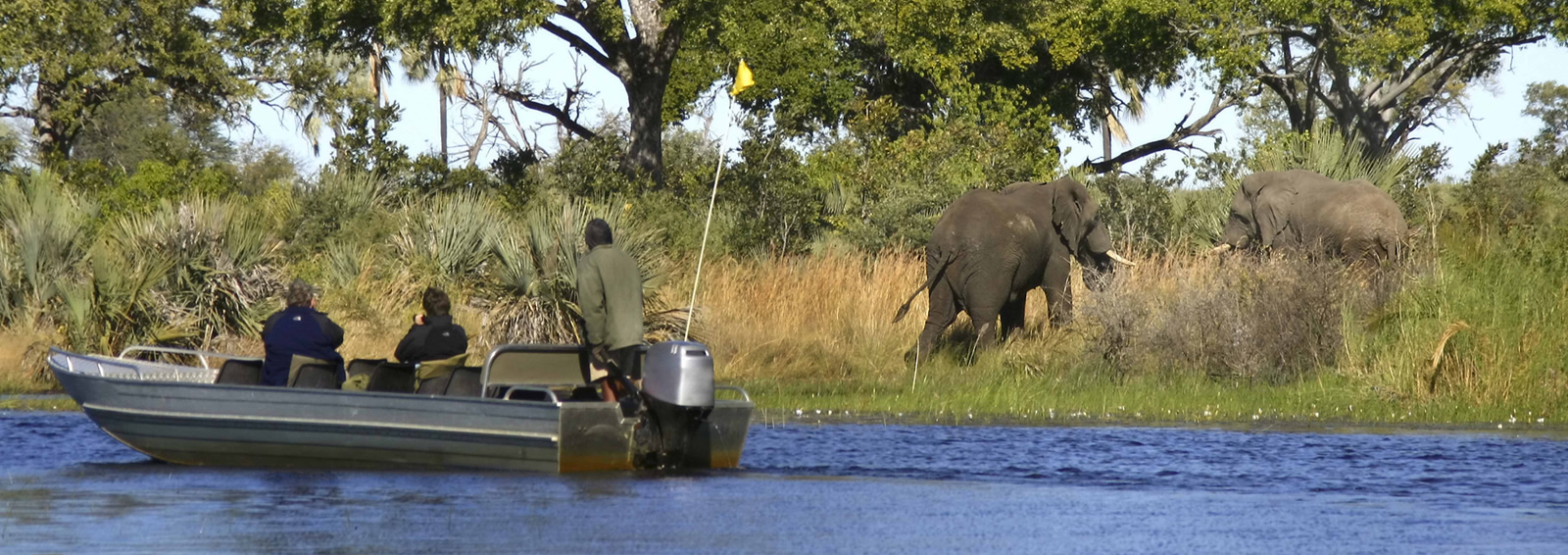
Large elephant herds move through the park’s riverine forests and open plains, while predators such as lions and leopards patrol the grasslands and bush areas in search of prey. Buffaloes gather near rivers and wetlands, while rhinos within the sanctuary remain among the park’s most exciting wildlife sightings.
The diversity of habitats within Meru National Park increases the chances of encountering different species during a single game drive. Morning and evening safaris are especially rewarding because wildlife is most active during cooler hours of the day.
Because visitor numbers remain relatively low, photographers can enjoy better angles, quieter wildlife interactions, and uninterrupted safari moments throughout the park.
Outstanding Rhino Conservation
One of the most important attractions in Meru National Park is its rhino sanctuary, which protects endangered black and white rhinos. The sanctuary plays a major role in Kenya’s rhino conservation efforts and offers excellent opportunities to observe these rare animals in their natural habitat.
The rhino sanctuary inside Meru National Park was created to help restore rhino populations that had drastically declined due to poaching in previous decades. Intensive conservation efforts, anti-poaching patrols, habitat management, and wildlife monitoring have helped the sanctuary become one of Kenya’s successful rhino conservation projects.
Today, visitors exploring the sanctuary often enjoy close sightings of both black and white rhinos grazing peacefully across the protected grasslands. Black rhinos are generally more elusive and aggressive, while white rhinos are larger and more social.
Rhino sightings in Meru National Park are among the best in Kenya because the sanctuary offers a secure environment with lower tourist traffic compared to other rhino conservation areas.
The sanctuary also supports other wildlife species including zebras, giraffes, antelopes, buffaloes, and numerous bird species that coexist within the protected ecosystem.
Travelers interested in conservation tourism often find the rhino sanctuary one of the most meaningful parts of visiting Meru National Park because it demonstrates the importance of wildlife protection and long-term ecosystem restoration.
Beautiful Rivers and Scenic Landscapes
Meru National Park is uniquely beautiful because of its many permanent rivers, lush riverine forests, palm groves, and green landscapes. The rivers attract wildlife throughout the year while creating stunning scenery rarely seen in other Kenyan parks.
Unlike the dry open plains found in many safari destinations, Meru National Park offers an extraordinary combination of green vegetation, flowing water systems, dense forests, and open savannahs that create dramatic contrasts across the landscape.
The park is crossed by several rivers including: Tana River, Rojewero River, Ura River, Murera River
These rivers provide permanent water sources that sustain wildlife populations even during dry seasons. Animals frequently gather along riverbanks to drink, feed, and cool off, creating excellent wildlife viewing opportunities.
The riverine forests surrounding the waterways are filled with doum palms, acacia trees, tamarind trees, and dense vegetation that support rich biodiversity. Visitors often encounter elephants feeding among the palm groves, hippos resting in river pools, crocodiles basking along muddy banks, and birds nesting within the forests.
The contrast between dry savannah plains and green river ecosystems makes Meru National Park visually spectacular. The ever-changing scenery creates a truly immersive safari experience where every part of the park feels different and unique.
The volcanic soils, rocky outcrops, swamps, and grasslands further contribute to the park’s scenic beauty while supporting different wildlife habitats.
Sunrises and sunsets in Meru National Park are especially breathtaking as golden light spreads across the rivers, palm trees, and wilderness landscapes.
Fewer Crowds and Exclusive Experiences
One of the greatest advantages of visiting Meru National Park is the low number of tourists compared to other major safari parks in Kenya. Visitors can enjoy peaceful game drives, quiet landscapes, and uninterrupted wildlife viewing.
Many safari travelers today seek authentic wilderness experiences away from crowded tourist areas, and Meru National Park delivers exactly that. It is possible to spend hours exploring the park while encountering very few other safari vehicles.
This exclusivity allows visitors to fully connect with nature while enjoying a more personal safari experience. Wildlife sightings become more intimate and relaxed because animals are less disturbed by vehicle congestion.
Luxury travelers and honeymooners particularly appreciate the privacy and tranquility offered by Meru National Park. The peaceful environment creates ideal conditions for romantic safaris, photography trips, and high-end wilderness retreats.
Safari lodges and camps inside Meru National Park also benefit from the park’s exclusivity. Guests often enjoy personalized service, quiet surroundings, and uninterrupted views of the surrounding wilderness.
Photographers find Meru National Park especially rewarding because they can spend extended time observing wildlife without competition from large crowds of vehicles.
The remote atmosphere of Meru National Park makes visitors feel as though they are exploring one of Africa’s last untouched wilderness regions.
Rich Birdlife
Meru National Park is a paradise for birdwatchers with more than 400 recorded bird species. The rivers, forests, swamps, and grasslands create excellent bird habitats that support both resident and migratory species.
The park’s varied ecosystems allow birdlife to thrive throughout the year. Wetlands attract water birds while forests and savannahs support raptors, songbirds, and woodland species.
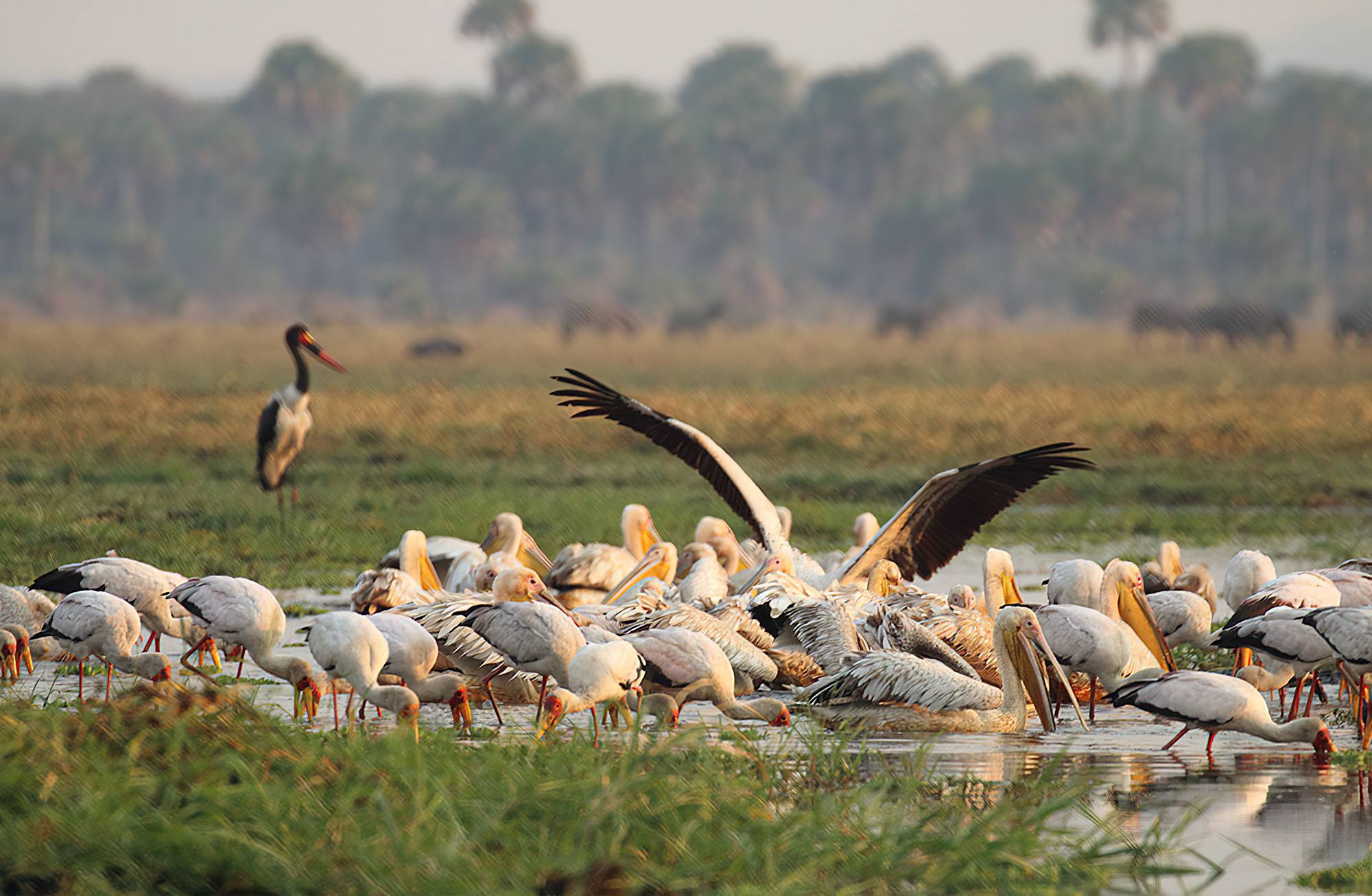
Birdwatchers visiting Meru National Park frequently encounter: Kingfishers, Bee-eaters, Hornbills, Fish eagles, Herons, Ostriches, Secretary birds, Falcons, Vultures, Owls, Storks, Sunbirds
The rivers and swamps provide excellent habitats for aquatic bird species, while acacia woodlands attract colorful savannah birds and migratory species.
Early morning birdwatching excursions are especially rewarding because bird activity is highest during sunrise hours. The peaceful atmosphere of Meru National Park further enhances the birdwatching experience.
Bird photographers also appreciate the park’s scenic river systems and natural lighting conditions that create exceptional opportunities for wildlife photography.
Strong Conservation History
Meru National Park holds a special place in African conservation history because of George and Joy Adamson’s work with Elsa the lioness. The park remains deeply connected to wildlife conservation and natural heritage.
The story of Elsa the lioness became internationally famous through the book and film Born Free, bringing global attention to wildlife conservation efforts in Kenya. George and Joy Adamson raised Elsa in Meru National Park before successfully reintroducing her into the wild.
This conservation story transformed Meru National Park into a symbol of wildlife rehabilitation and human commitment to protecting endangered species.
Visitors interested in conservation tourism often find Meru National Park especially meaningful because of this historical legacy. Exploring the landscapes connected to the Born Free story creates a deeper emotional connection to the park and its wildlife.
Beyond its historical importance, Meru National Park continues to play a major role in modern conservation through: Rhino protection programs, Anti-poaching initiatives, Wildlife monitoring, Habitat restoration, Eco-tourism development, Community conservation partnerships
The park’s successful recovery from severe poaching during the 1980s and 1990s stands as one of Kenya’s greatest wildlife conservation achievements.
Today, Meru National Park remains not only a safari destination but also a living example of successful ecosystem restoration and sustainable wildlife conservation in Africa.
Wildlife in Meru National Park
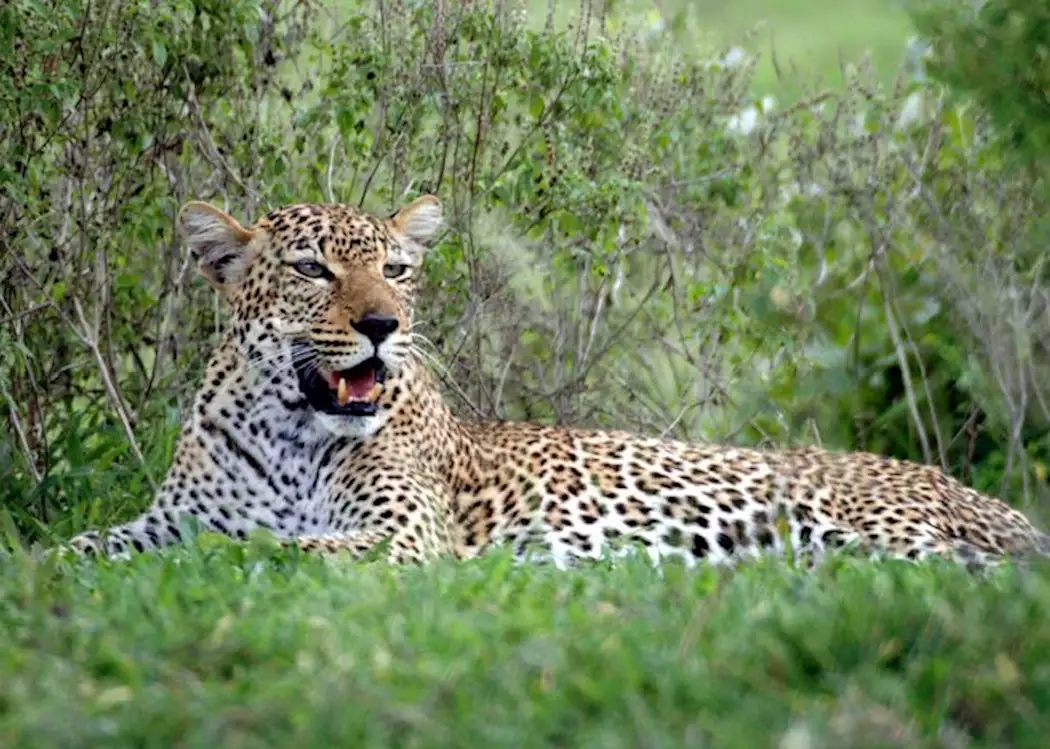
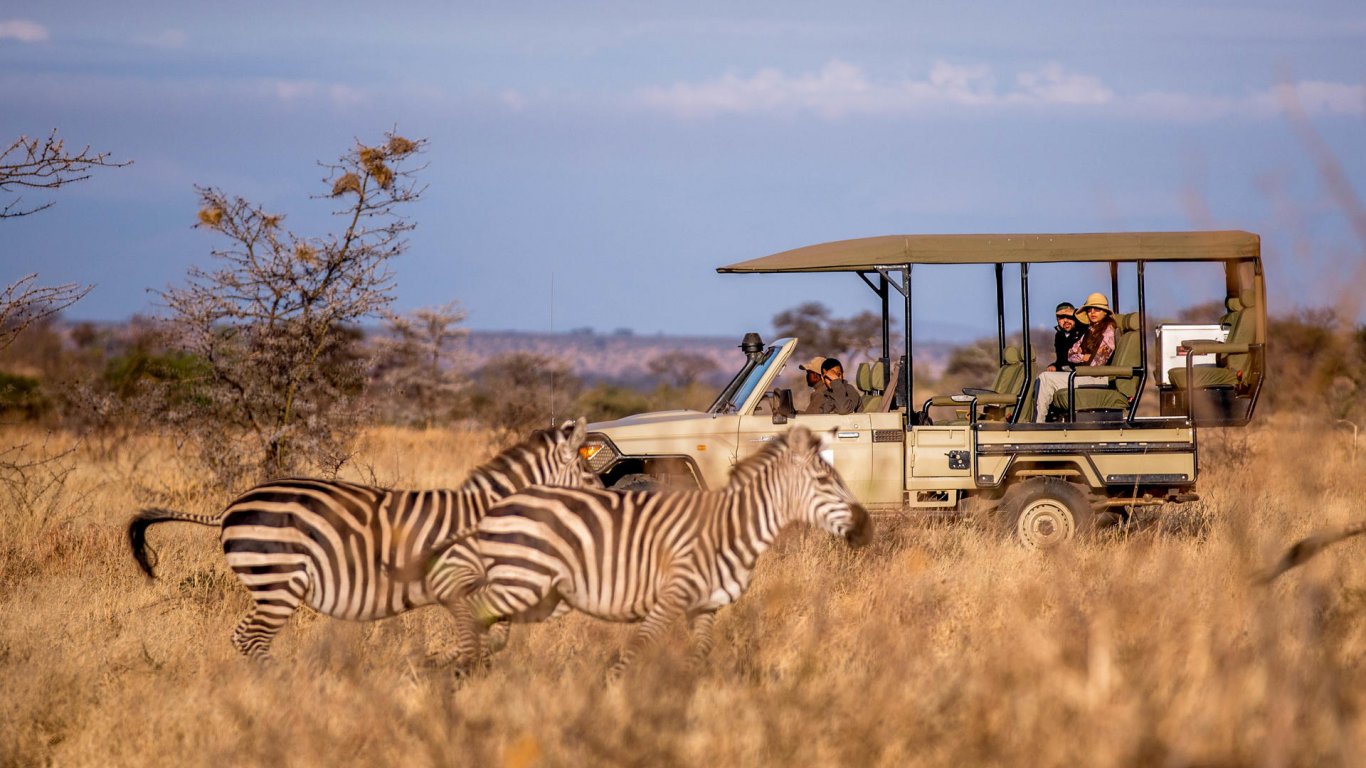
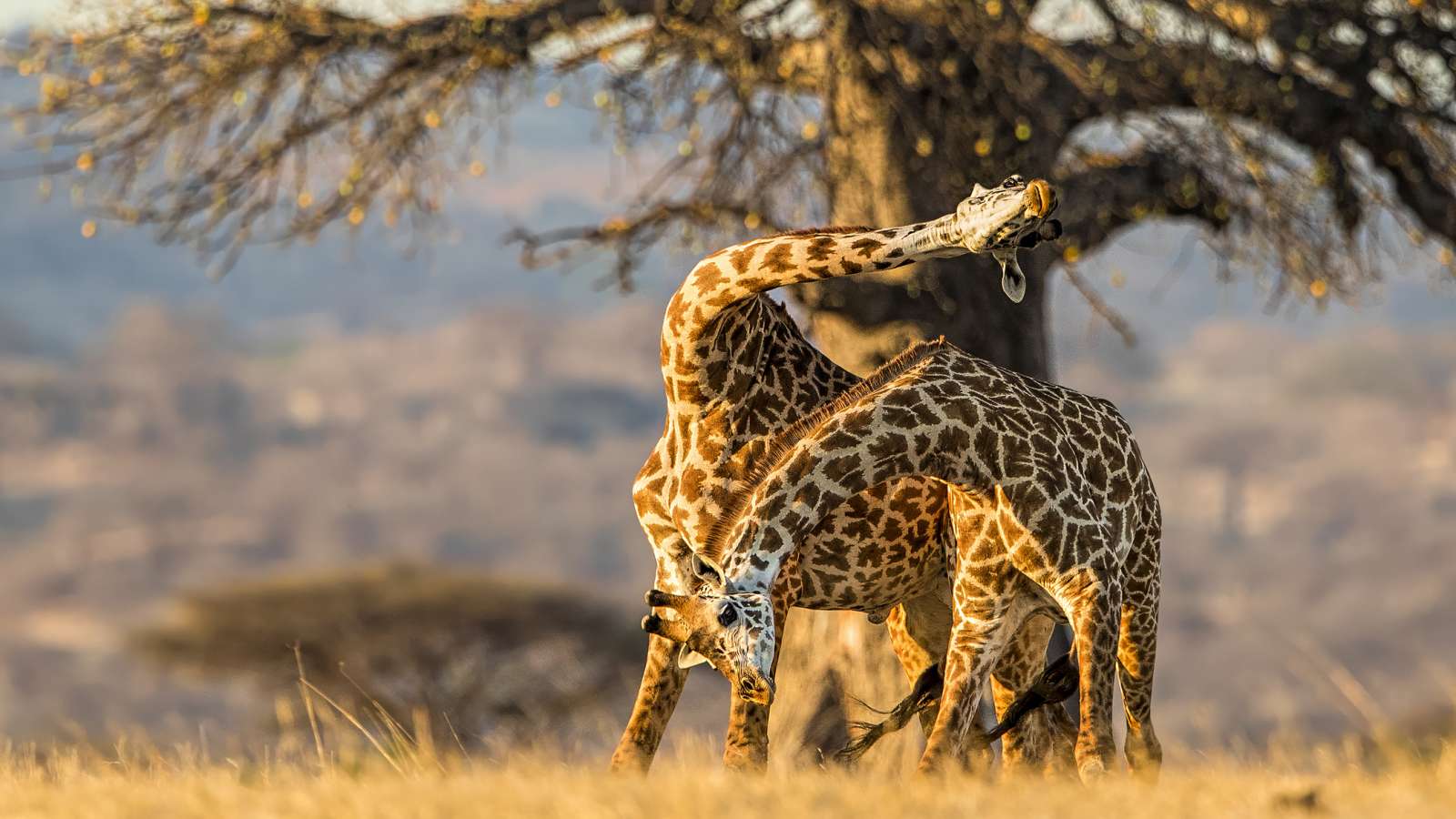
Wildlife viewing here is one of the most rewarding safari experiences in Kenya because of the park’s rich biodiversity, scenic landscapes, and peaceful wilderness atmosphere. The rivers, swamps, forests, grasslands, and open savannah support a remarkable variety of animals, creating excellent conditions for year-round game viewing.
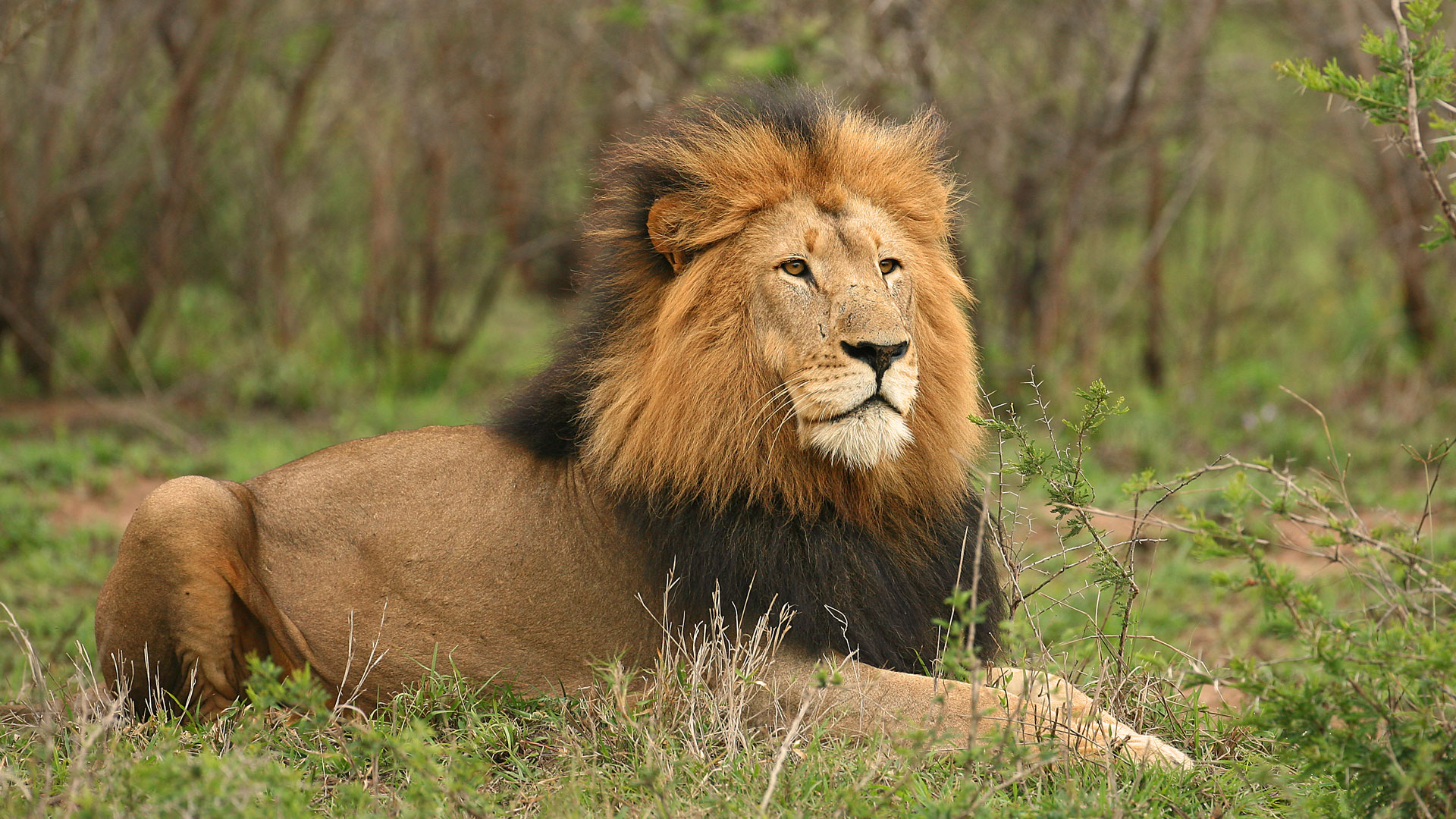
The park is home to the Big Five, including lions, leopards, elephants, buffaloes, and rhinos. Large elephant herds are commonly seen moving between river systems, forests, and open plains, while buffaloes gather in impressive numbers near wetlands and grasslands. Lions patrol the savannah searching for prey, especially during cooler morning and evening hours.
Leopards are more secretive and are usually spotted around riverine forests, rocky outcrops, and dense vegetation. Their elusive nature makes every sighting exciting for safari travelers and photographers.
One of the biggest highlights is the protected rhino sanctuary, where both black rhinos and white rhinos can be seen in a secure conservation area. Rhino sightings are often excellent, making this destination one of Kenya’s top safari locations for travelers interested in endangered wildlife conservation.
The park also supports healthy populations of cheetahs, giraffes, zebras, hippos, crocodiles, warthogs, and numerous antelope species. Common antelopes include impalas, waterbucks, dik-diks, lesser kudus, elands, Grant’s gazelles, hartebeests, and oribis.
The permanent rivers flowing across the wilderness attract large concentrations of wildlife throughout the year. Hippos rest in river pools during the daytime while Nile crocodiles bask along muddy riverbanks waiting for prey. These waterways also create spectacular scenery for wildlife photography.
Birdlife is extraordinary, with more than 400 recorded bird species making the area a paradise for birdwatchers. Visitors regularly spot African fish eagles, kingfishers, bee-eaters, hornbills, secretary birds, ostriches, herons, storks, vultures, sunbirds, owls, and migratory birds depending on the season.
The diverse habitats support both resident and migratory bird species, while wetlands and rivers provide ideal environments for aquatic birds and fish-eating species.
One of the biggest advantages of safari experiences here is the low number of tourists. Wildlife sightings often feel private, peaceful, and natural without the crowds commonly found in more commercial safari destinations. This creates a more immersive wilderness experience for honeymooners, families, photographers, birdwatchers, and travelers seeking authentic African safaris.
The combination of predators, herbivores, birdlife, scenic rivers, forests, and uncrowded landscapes makes this destination one of the finest wildlife safari experiences in East Africa.
Budgeting for a Meru National Park Safari
The cost of a Meru National Park safari depends on travel style, accommodation level, transport method, number of days, season, park fees, and included activities. Meru National Park can work well for budget, midrange, and luxury travelers, especially when the safari is planned carefully with the right lodge, vehicle, and itinerary.
| Safari Option | Estimated Price | Best For | What It Usually Includes |
|---|---|---|---|
| Budget Meru National Park Safari | USD 180, USD 350 per person per day | Backpackers, students, budget travelers, small groups | Budget accommodation, shared or private road transport, guided game drives, meals, park entry support |
| Midrange Meru National Park Safari | USD 350, USD 700 per person per day | Couples, families, friends, comfort safari travelers | Comfort lodge or tented camp, private safari vehicle, professional guide, game drives, meals, park fees |
| Luxury Meru National Park Safari | USD 700, USD 1,800+ per person per day | Honeymooners, luxury travelers, photographers, private safari guests | Luxury lodge, private guide, premium game drives, fine dining, exclusive service, optional fly-in safari |
| Park Entry Fees | USD 50, USD 60 per adult per day | All visitors | Conservation access to Meru National Park, rhino sanctuary access depending on itinerary |
| Road Transfer from Nairobi | USD 150, USD 350 per vehicle per way | Budget and midrange travelers | Private vehicle transfer, driver guide, fuel, route assistance |
| Domestic Flight Option | USD 250, USD 500 return per person | Luxury travelers, short-stay guests, fly-in safari clients | Nairobi Wilson Airport flight, nearby airstrip access, lodge transfer support |
| 3 Day Meru National Park Safari | USD 550, USD 2,800+ per person | Short Kenya safari extensions | 2 nights accommodation, game drives, meals, transport, guide, park fees depending on package |
| 5 Day Meru National Park Safari | USD 900, USD 4,500+ per person | Wildlife lovers, photographers, family safaris | 4 nights accommodation, multiple game drives, rhino sanctuary visit, meals, transport, guide, park fees depending on package |
Frequently Asked Questions About Meru National Park
What is this safari destination famous for?
This wilderness area is famous for its uncrowded safari experience, Big Five wildlife viewing, rhino sanctuary, scenic rivers, rich birdlife, and its connection to Elsa the lioness from the famous Born Free story. Visitors also love the beautiful landscapes filled with palm groves, forests, grasslands, and flowing rivers.
Where is it located?
The park is located in eastern Kenya, northeast of Mount Kenya, within Meru County. It lies about 350 kilometers from Nairobi and can be accessed by road or domestic flights.
Is it worth visiting?
Yes, this is one of the best safari destinations in Kenya for travelers looking for authentic wilderness experiences, fewer crowds, diverse wildlife, and scenic landscapes. Many safari travelers consider it one of Kenya’s hidden gems because of its peaceful environment and excellent game viewing.
What animals can be seen during a safari?
Visitors can see the Big Five including lions, leopards, elephants, buffaloes, and rhinos. Other commonly spotted wildlife includes giraffes, zebras, cheetahs, hippos, crocodiles, antelopes, warthogs, monkeys, and over 400 bird species.
Does the park have rhinos?
Yes, the protected rhino sanctuary supports both black rhinos and white rhinos. Rhino viewing is one of the major highlights of the safari experience.
How many days are enough for a safari here?
A 3 to 5 day safari is ideal for fully exploring the wilderness, enjoying multiple game drives, visiting the rhino sanctuary, birdwatching, and experiencing the scenic landscapes at a relaxed pace.
What is the best time to visit?
The best time to visit is during the dry seasons from June to October and December to March when wildlife viewing is easier and roads are more accessible. However, safaris are possible throughout the year.
Can this destination be combined with other safari parks?
Yes, travelers often combine this safari experience with visits to Samburu National Reserve, Ol Pejeta Conservancy, Maasai Mara National Reserve, Amboseli National Park, and Kenya’s coastal beach destinations.
Is it good for birdwatching?
Yes, the area is excellent for birdwatching with more than 400 recorded bird species. Rivers, forests, swamps, and grasslands provide ideal habitats for resident and migratory birds.
Are game drives crowded?
No, one of the biggest advantages of visiting this park is the low number of tourists. Visitors often enjoy peaceful game drives and more exclusive wildlife encounters.
Can families visit this safari destination?
Yes, it is suitable for families, couples, honeymooners, photographers, birdwatchers, and solo travelers. The park offers safe safari experiences and family-friendly accommodation options.
How do travelers get there?
Travelers can reach the park by road from Nairobi in approximately 6 to 7 hours. Domestic flights from Nairobi Wilson Airport to nearby airstrips are also available for quicker access.
What accommodation options are available?
The park offers luxury lodges, tented camps, midrange safari lodges, and budget accommodation choices. Visitors can select options based on comfort level, travel style, and safari budget.
Why is this park important for conservation?
The park plays a major role in rhino conservation, wildlife protection, habitat restoration, and eco-tourism in Kenya. It is internationally recognized because of George and Joy Adamson’s conservation work with Elsa the lioness.
Book Your Meru National Park Safari with Boots in the Jungle Safaris
Experience the beauty, wilderness, and incredible wildlife of Meru National Park with Boots in the Jungle Safaris. We specialize in creating unforgettable Kenya safari experiences tailored to your travel style, budget, and interests while ensuring every Meru National Park safari is professionally organized and deeply rewarding.
At Boots in the Jungle Safaris, we design customized Meru National Park safari itineraries that include luxury safaris, midrange wildlife adventures, budget-friendly game drives, honeymoon safaris, birdwatching tours, photography safaris, and family safari holidays.
Our expertly guided Meru National Park safaris allow travelers to explore rhino sanctuaries, Big Five wildlife areas, scenic rivers, palm-lined landscapes, and peaceful wilderness regions filled with exceptional wildlife. Whether you want short game drives or extended Kenya safari adventures, we ensure your Meru National Park experience is smooth, comfortable, and unforgettable.
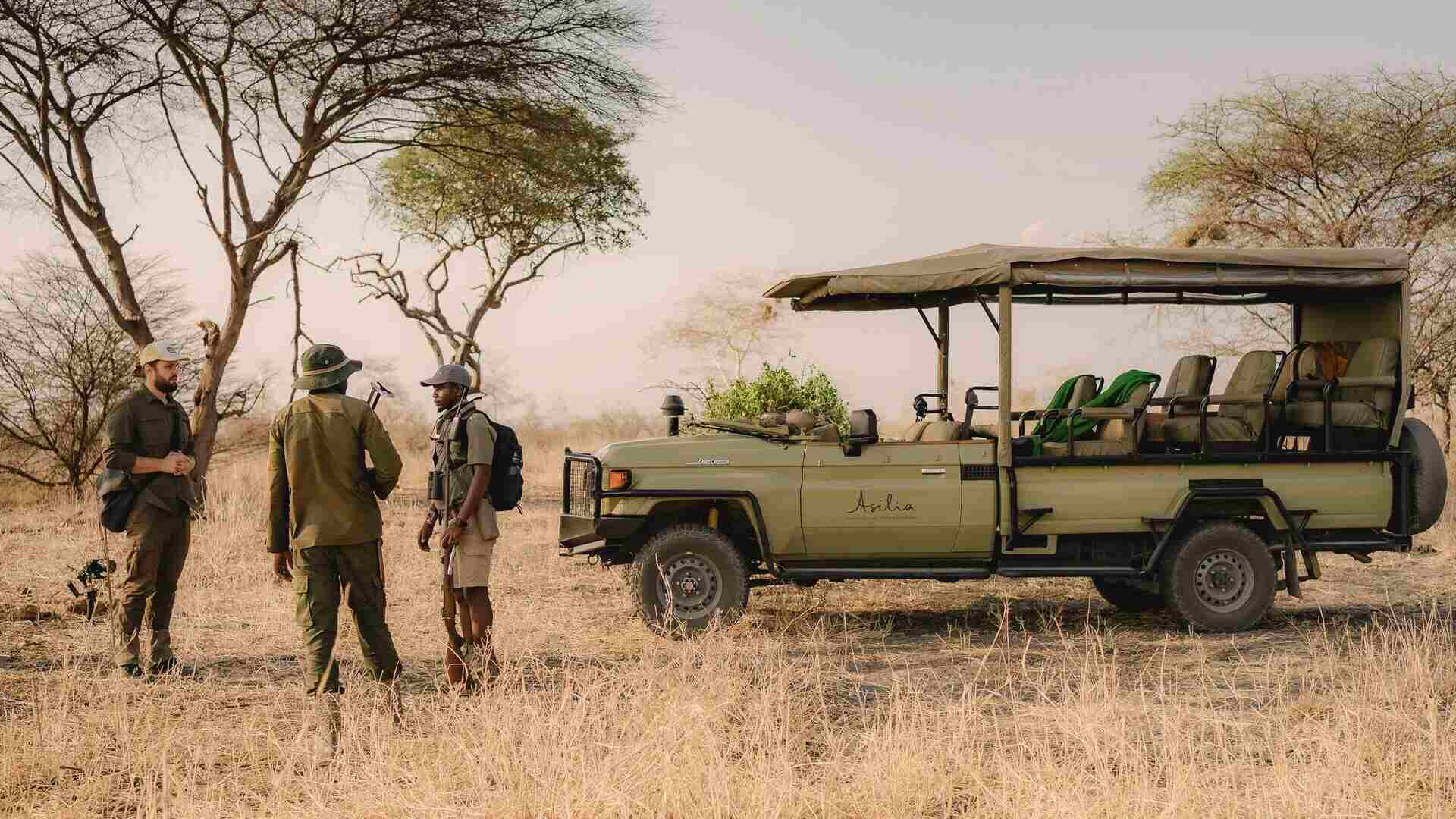
Booking your Meru National Park safari with Boots in the Jungle Safaris gives you access to: Professional safari guides, selected lodges and camps, Customized safari itineraries, Big Five game drives, Rhino sanctuary visits, Birdwatching experiences, Luxury and budget safari options, Private and group safaris, Road and fly-in safari arrangements
We help travelers combine Meru National Park with other leading safari destinations in Kenya including Samburu National Reserve, Ol Pejeta Conservancy, Maasai Mara National Reserve, and Amboseli National Park for a complete East African safari experience.
Whether you are visiting Meru National Park for wildlife photography, rhino conservation experiences, birdwatching, luxury safaris, or peaceful wilderness adventures, Boots in the Jungle Safaris is ready to help you create the perfect Kenya safari.
Contact Boots in the Jungle Safaris today and start planning your unforgettable Meru National Park safari adventure.