
Gombe Stream National Park – Ultimate Chimpanzee Trekking Safari Destination in Tanzania
Gombe Stream National Park is one of the most remarkable primate destinations in Africa and a place that holds great importance in wildlife conservation, scientific research, and chimpanzee tourism. Situated along the northeastern shores of Lake Tanganyika in western Tanzania, the park is internationally famous for its extraordinary chimpanzee trekking experiences, lush rainforest landscapes, and groundbreaking wildlife studies.
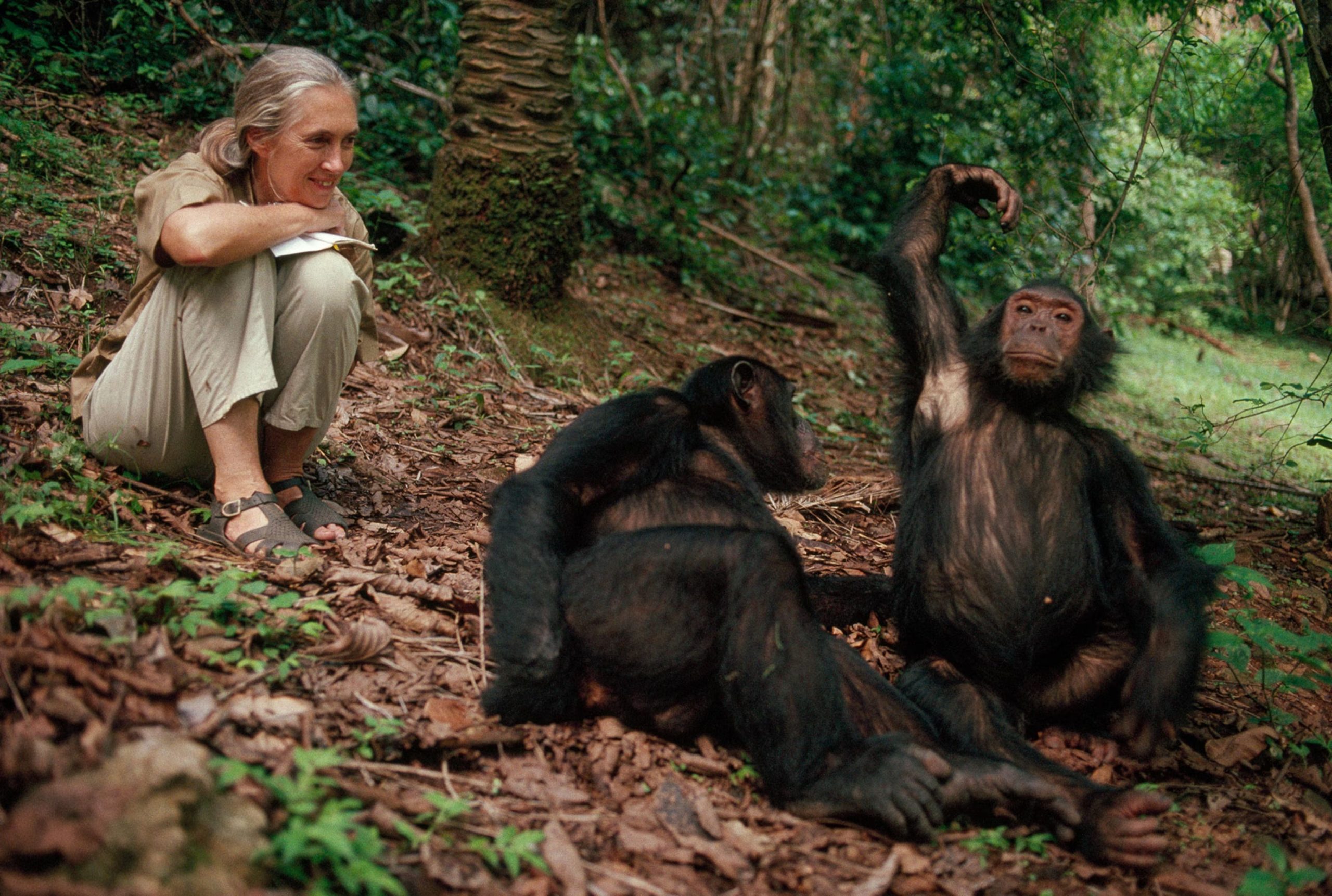
Despite covering only about 52 square kilometers, Gombe Stream National Park is one of Tanzania’s most significant protected areas. Its global reputation was built largely through the pioneering work of renowned primatologist Jane Goodall, who began her chimpanzee research here in 1960. Her studies transformed the scientific understanding of chimpanzee intelligence, emotions, social structures, and tool use, forever changing how humans understand primates.
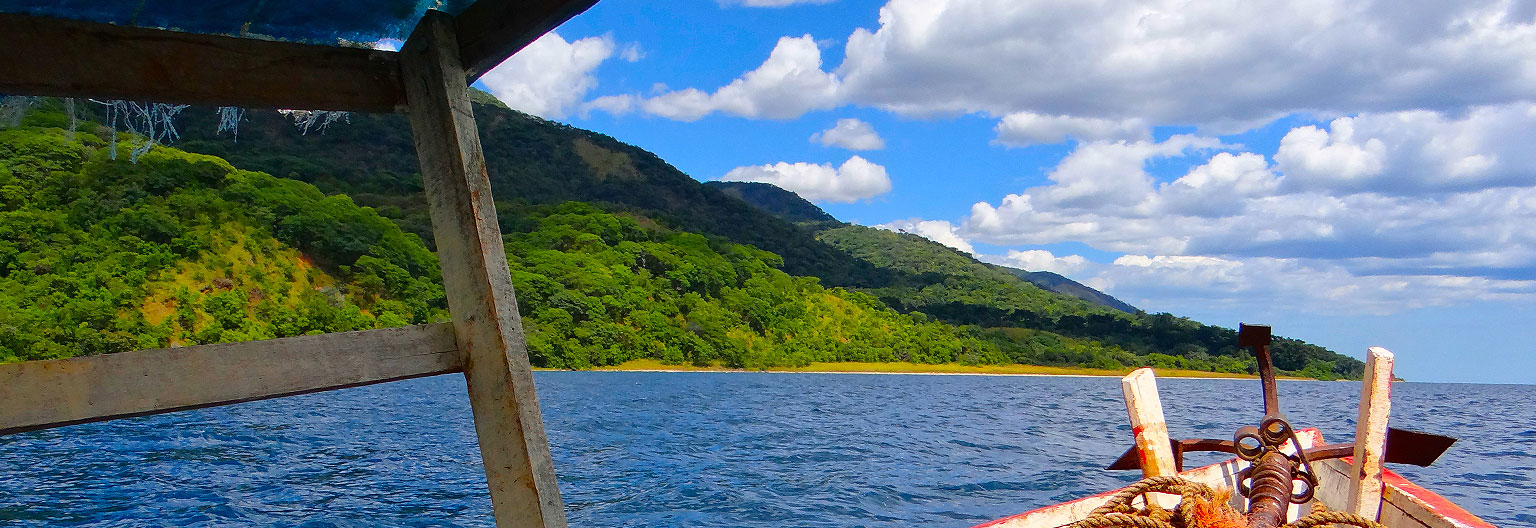
The landscape is incredibly scenic and diverse, consisting of steep valleys, forested mountains, tropical rainforest, streams, waterfalls, and sandy beaches along Lake Tanganyika. The dense rainforest ecosystem provides an ideal habitat for chimpanzees and many other wildlife species, making this one of the finest primate safari destinations in Africa.
Chimpanzee trekking is the main activity attracting visitors from around the world. Guided treks through the rainforest allow travelers to observe habituated chimpanzee families in their natural environment. Watching chimpanzees feed, groom, climb trees, care for infants, and communicate loudly through the forest canopy creates an unforgettable wildlife experience filled with emotion and excitement.
Unlike larger savannah parks focused mainly on game drives, this destination offers a more personal and immersive connection with nature. The remote location, limited visitor numbers, and peaceful atmosphere create an exclusive safari experience perfect for travelers seeking authentic wilderness adventures away from crowded tourist routes.
In addition to chimpanzees, the park supports several other primate species including olive baboons, red colobus monkeys, vervet monkeys, blue monkeys, and red-tailed monkeys. The rainforest also shelters birds, butterflies, reptiles, bush pigs, and various forest mammals.
The scenic setting along Lake Tanganyika adds even more beauty to the safari experience. Visitors can enjoy swimming, kayaking, fishing, boat excursions, and relaxing by the lakeshore after forest adventures. The calm waters, mountain views, and tropical environment create one of Tanzania’s most peaceful safari atmospheres.
Access to the park is mainly by boat from the nearby town of Kigoma, adding a sense of remoteness and adventure to the journey. Boat transfers across Lake Tanganyika offer breathtaking views of the forest-covered mountains and pristine coastline before arriving at the park.
For travelers looking for chimpanzee encounters, rainforest hiking, wildlife photography, birdwatching, eco-tourism, and meaningful conservation experiences, Gombe Stream National Park remains one of Tanzania’s most iconic and unforgettable safari destinations.
Why Visit Gombe Stream National Park
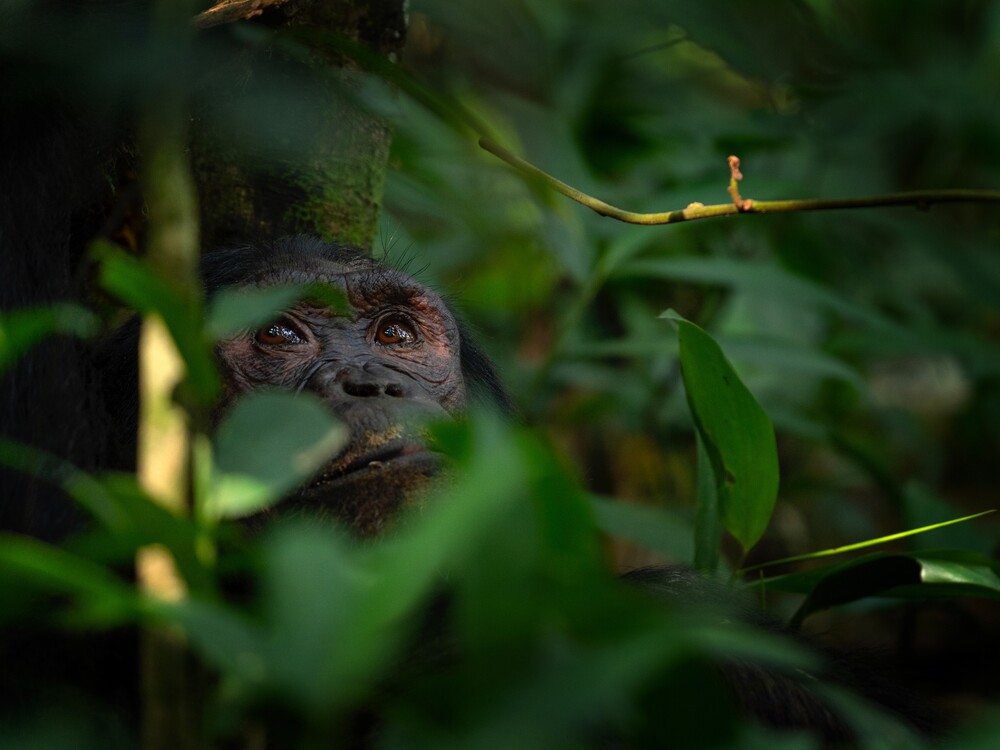
Gombe Stream National Park offers one of the most unique safari experiences in Africa. Unlike traditional wildlife safaris centered around open savannahs and large mammals, Gombe Stream National Park focuses on primate encounters, conservation history, wilderness exploration, and intimate nature experiences.
The combination of chimpanzee trekking, mountain scenery, tropical rainforest, scientific history, and the beautiful shores of Lake Tanganyika creates a safari experience unlike anywhere else in East Africa. Gombe Stream National Park remains one of Tanzania’s most rewarding destinations for travelers seeking authentic chimpanzee encounters and remote wilderness adventures.
World-Famous Chimpanzee Trekking
Chimpanzee trekking is the primary reason why travelers visit Gombe Stream National Park. The habituated chimpanzee communities living within the rainforest of Gombe Stream National Park allow visitors to enjoy close and memorable wildlife encounters in a natural environment.
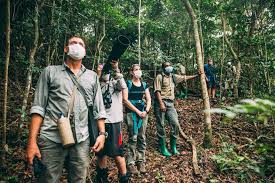
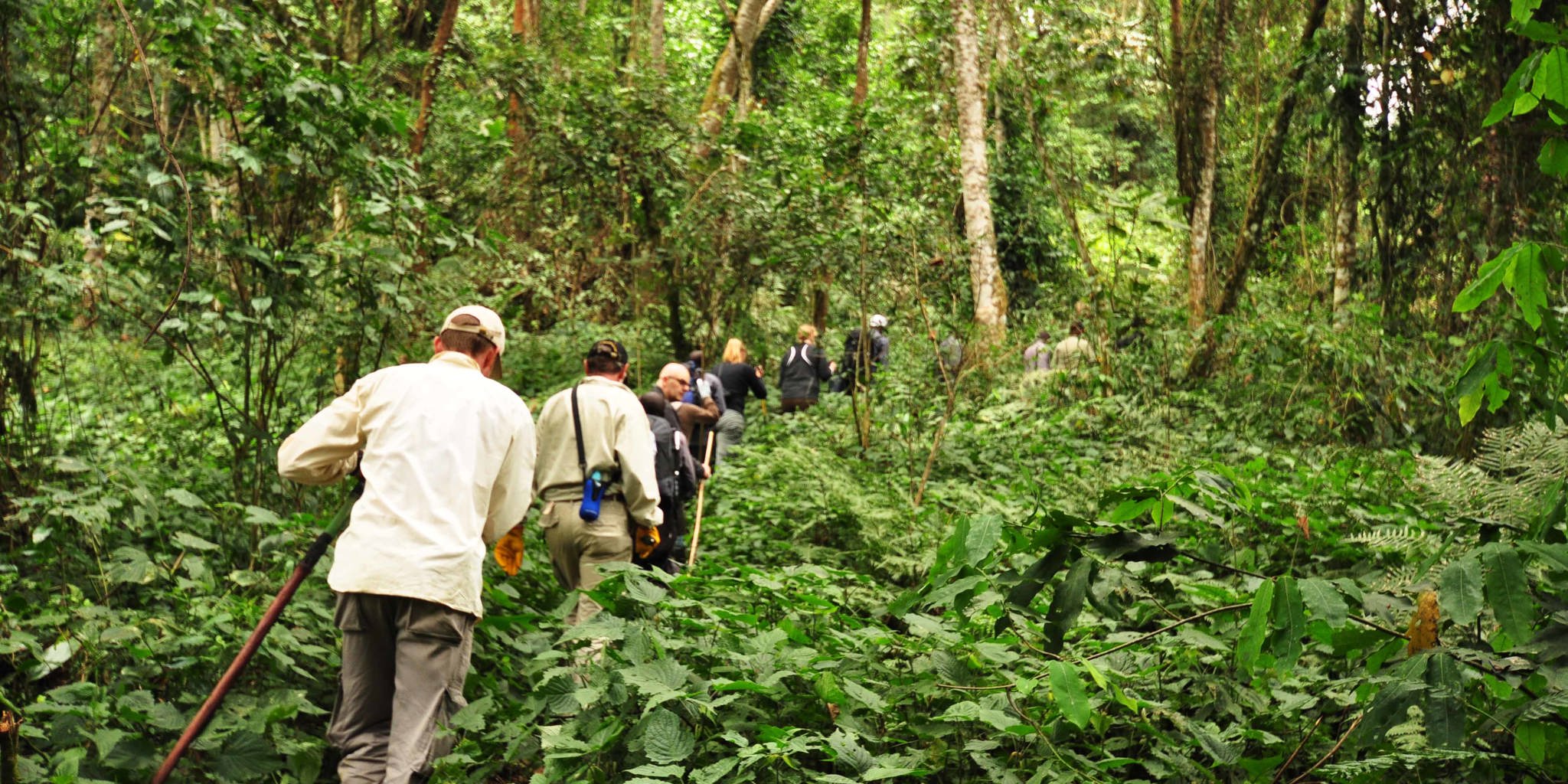
Trekking through the forest in search of chimpanzees in Gombe Stream National Park is both exciting and rewarding. Experienced trackers guide visitors along forest trails while following vocal calls, feeding signs, nests, and movement patterns deep within the jungle of Gombe Stream National Park. Once the chimpanzees are located, visitors observe them interacting naturally within their communities.
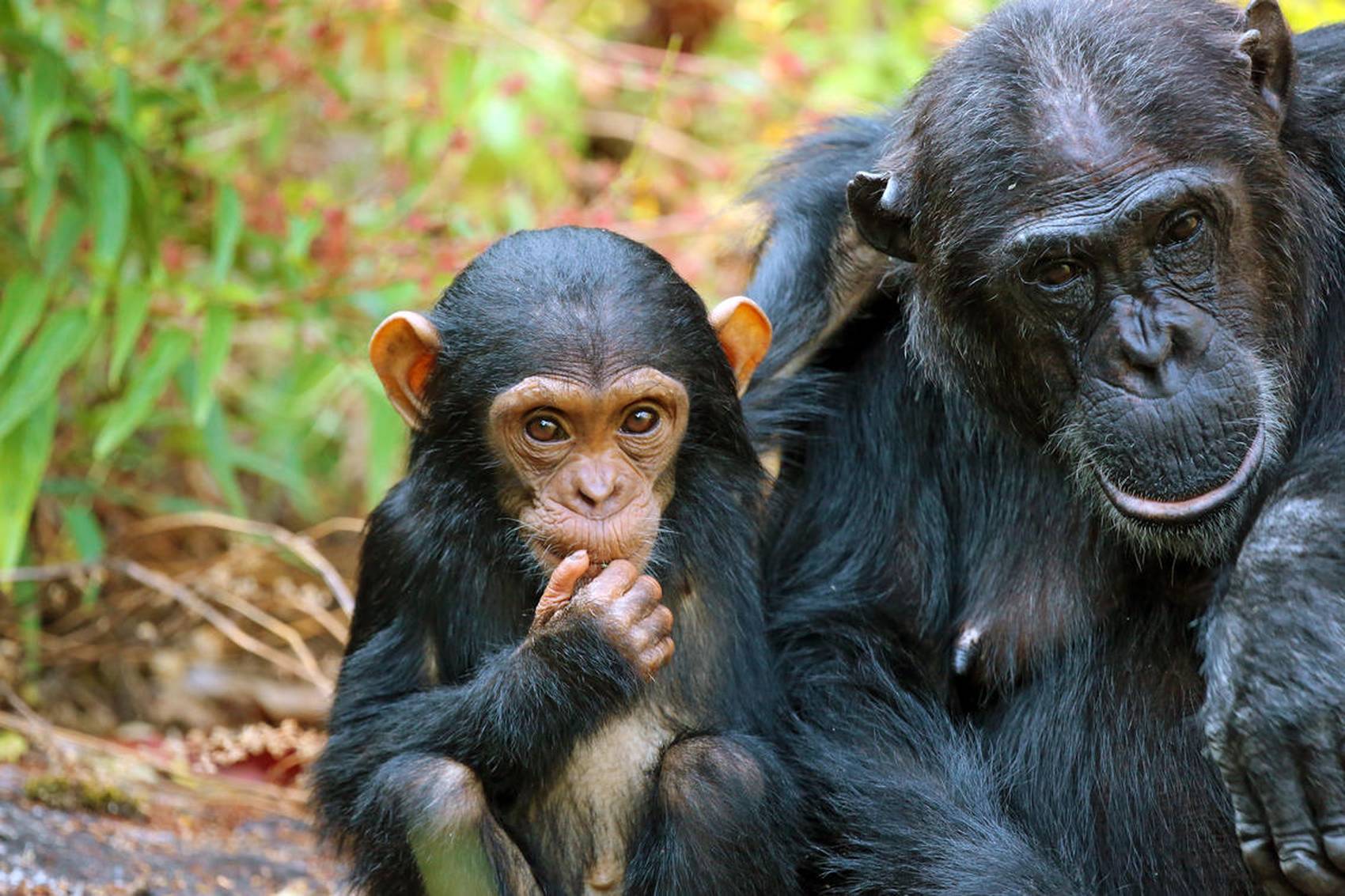
Chimpanzees are highly intelligent and social animals. During trekking experiences in Gombe Stream National Park, visitors may witness chimpanzees grooming each other, caring for infants, feeding on fruits, climbing trees, playing, resting, or communicating loudly through the forest canopy. These close encounters create emotional wildlife experiences that leave lasting memories.
The rainforest environment of Gombe Stream National Park itself makes the trekking experience even more spectacular. Dense vegetation, waterfalls, streams, birds, and mountain scenery create a dramatic backdrop that makes chimpanzee trekking in Gombe Stream National Park one of the most rewarding wildlife activities in Tanzania.
Historic Research Destination
Gombe Stream National Park became internationally famous because of the groundbreaking work of Jane Goodall. Her long-term chimpanzee studies in Gombe Stream National Park revolutionized scientific understanding of primate intelligence, emotions, communication, and social behavior.
Before her research in Gombe Stream National Park, scientists believed humans were the only species capable of making and using tools. Her observations of chimpanzees using sticks to collect termites in Gombe Stream National Park changed that understanding completely and helped reshape global scientific thinking about animals and human evolution.
Visitors often feel inspired knowing they are exploring the same forests of Gombe Stream National Park where some of the world’s most important wildlife research was conducted. The conservation legacy and scientific history of Gombe Stream National Park add a deeper meaning to every safari experience.
Beautiful Rainforest and Lake Scenery
The landscapes found in Gombe Stream National Park are among the most beautiful in Tanzania. Steep green mountains descend into tropical rainforest before meeting the clear blue waters of Lake Tanganyika, creating breathtaking scenery throughout Gombe Stream National Park.
Forest trails in Gombe Stream National Park pass waterfalls, streams, giant trees, bamboo vegetation, and panoramic viewpoints overlooking the lake. The peaceful lakeshore of Gombe Stream National Park provides opportunities for relaxation, photography, swimming, and sunset viewing after trekking adventures.
Sunsets over Lake Tanganyika near Gombe Stream National Park are especially spectacular. The calm waters reflect golden evening light while the surrounding mountains create dramatic natural scenery. Many travelers consider the lake views around Gombe Stream National Park one of the highlights of visiting Tanzania.
Remote and Exclusive Safari Experience
Because of its isolated location and limited access, Gombe Stream National Park remains peaceful and uncrowded compared to more commercial safari destinations. Visitor numbers in Gombe Stream National Park are relatively low, creating a more personal and immersive wildlife experience.
The sense of remoteness in Gombe Stream National Park makes travelers feel deeply connected to nature. There are no large safari traffic jams, crowded viewpoints, or busy roads. Instead, visitors experience quiet rainforest trails, peaceful beaches, and intimate wildlife encounters surrounded by untouched wilderness in Gombe Stream National Park.
This exclusivity makes Gombe Stream National Park especially attractive for honeymooners, photographers, wildlife enthusiasts, conservation travelers, and guests seeking authentic safari experiences away from mass tourism.
Rich Biodiversity
Although chimpanzees are the most famous attraction in Gombe Stream National Park, the rainforest ecosystem supports an impressive variety of wildlife species. Several primates inhabit the forest of Gombe Stream National Park including red colobus monkeys, olive baboons, blue monkeys, vervet monkeys, and red-tailed monkeys.
The forest of Gombe Stream National Park also provides habitat for reptiles, butterflies, small mammals, bush pigs, and rare plant species that thrive within the tropical ecosystem.
Birdwatching in Gombe Stream National Park is highly rewarding with more than 200 recorded bird species. Visitors commonly spot African fish eagles, giant kingfishers, hornbills, bee-eaters, herons, palm-nut vultures, and colorful tropical songbirds around the forest and lakeshore habitats of Gombe Stream National Park.
The combination of rainforest biodiversity, mountain scenery, chimpanzee encounters, scientific history, and lakeside beauty makes Gombe Stream National Park one of the most biologically and visually rewarding safari experiences in Africa.
Chimpanzee Trekking in Gombe Stream National Park
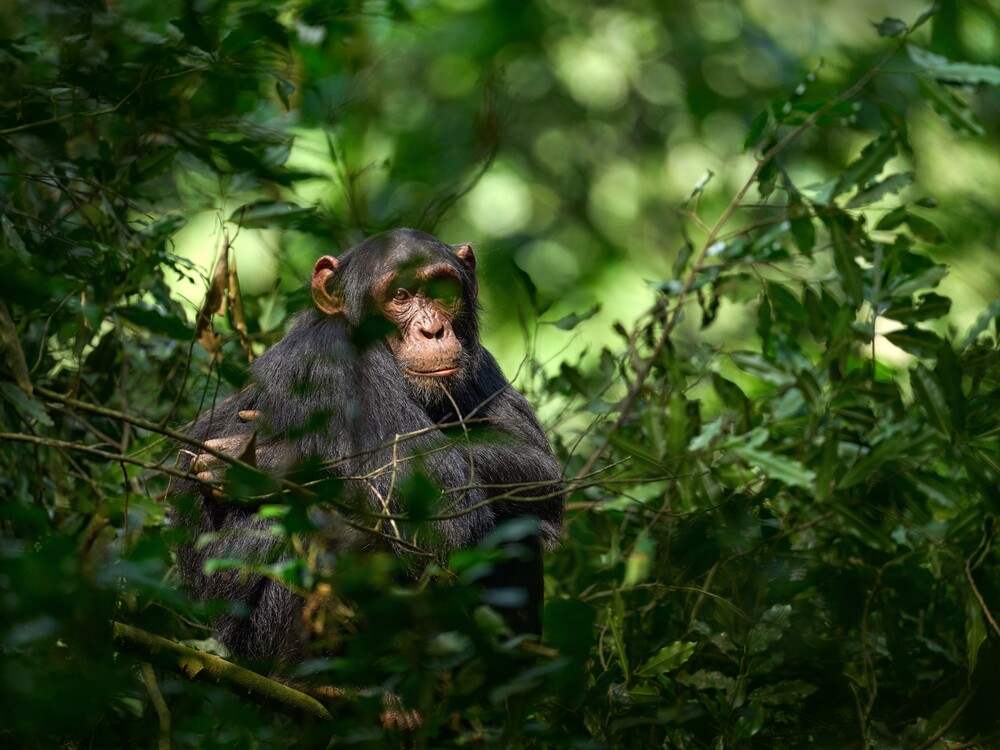
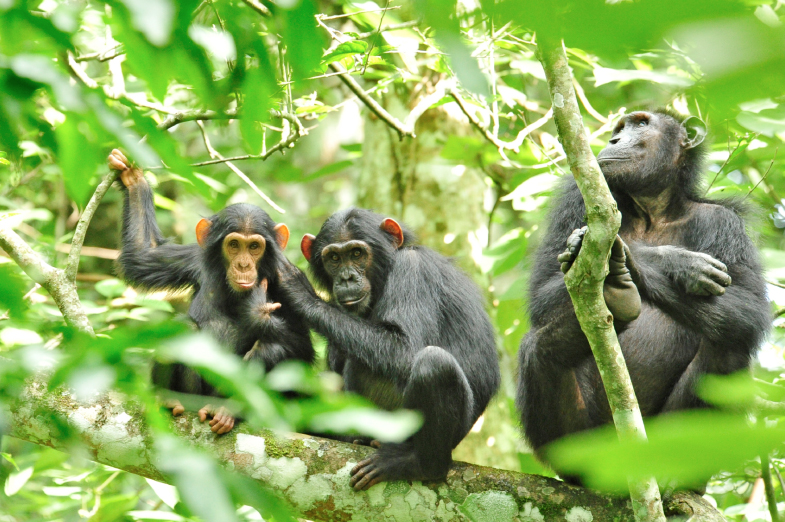
Chimpanzee trekking is the highlight of any visit to western Tanzania and one of the most extraordinary wildlife experiences in Africa. Trekking through tropical rainforest in search of wild chimpanzees offers visitors an emotional and deeply immersive connection with one of humanity’s closest relatives.
Chimpanzee trekking normally begins early in the morning after a briefing from experienced guides and trackers. During the briefing, visitors receive information about trekking rules, chimpanzee behavior, conservation efforts, and safety procedures. Trekkers are advised to keep a respectful distance from the chimpanzees, avoid loud noises, and never feed or touch the animals.
After the briefing, visitors enter the rainforest accompanied by professional guides who track chimpanzee groups using fresh feeding signs, nests, footprints, broken branches, and vocal calls. Trekking routes pass through dense tropical vegetation, steep forested slopes, waterfalls, bamboo areas, and scenic valleys overlooking Lake Tanganyika.
The trekking experience can vary from relatively easy walks to more physically demanding hikes depending on the location of the chimpanzees on a particular day. Because chimpanzees move constantly through the forest searching for food, each trekking experience is different and unpredictable.
The moment chimpanzees are finally located is often unforgettable. Visitors may hear loud calls echoing through the forest before spotting chimpanzees moving through the trees or resting on the forest floor. Once found, visitors spend time observing their fascinating social behavior in the wild.
Chimpanzees may be seen grooming one another, climbing trees, feeding on fruits, caring for infants, resting in the shade, or communicating through loud vocalizations and gestures. Young chimpanzees are often playful and energetic while dominant males display powerful behavior and leadership within the group.
Because chimpanzees share approximately 98 percent of human DNA, many visitors are amazed by how human-like their expressions, emotions, and interactions appear. Watching them interact naturally creates a powerful wildlife encounter filled with emotion, fascination, and respect for these intelligent primates.
The rainforest scenery enhances the entire trekking experience. Dense vegetation, giant trees, flowing streams, waterfalls, birds, butterflies, and mountain views make the trek itself as rewarding as the chimpanzee encounter.
Chimpanzee trekking permits are limited in order to minimize disturbance and support conservation efforts. This controlled tourism model helps preserve the rainforest ecosystem while ensuring visitors enjoy a more exclusive and authentic experience.
For travelers seeking unforgettable wildlife encounters, conservation experiences, rainforest adventures, and meaningful connections with nature, chimpanzee trekking remains one of Tanzania’s most rewarding safari activities.
Wildlife in Gombe Stream National Park
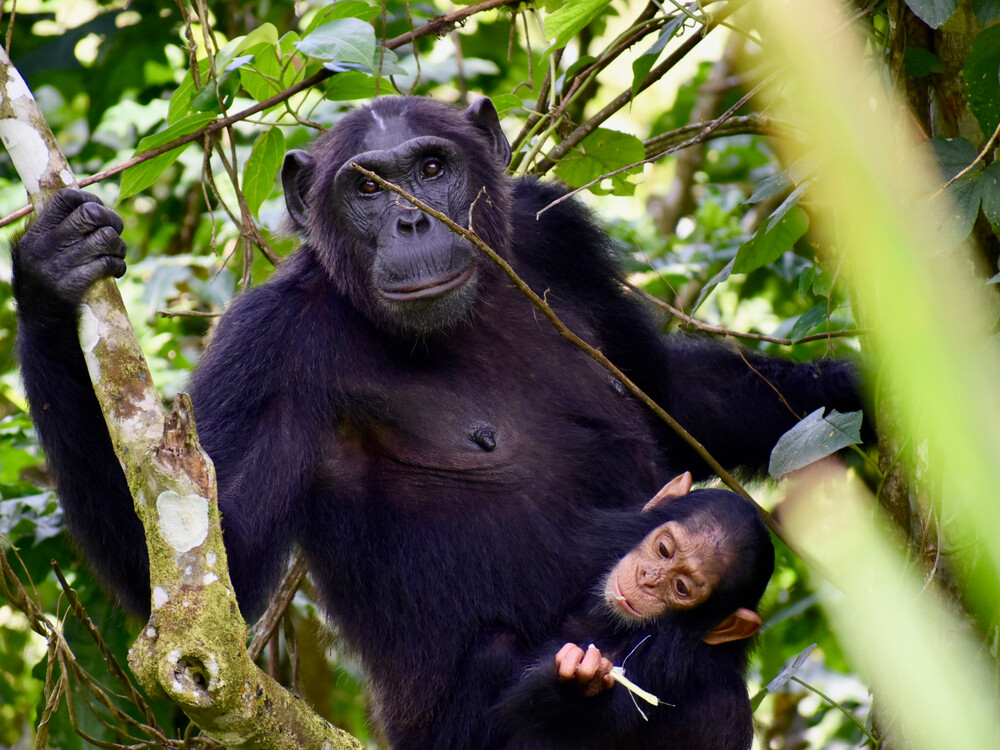
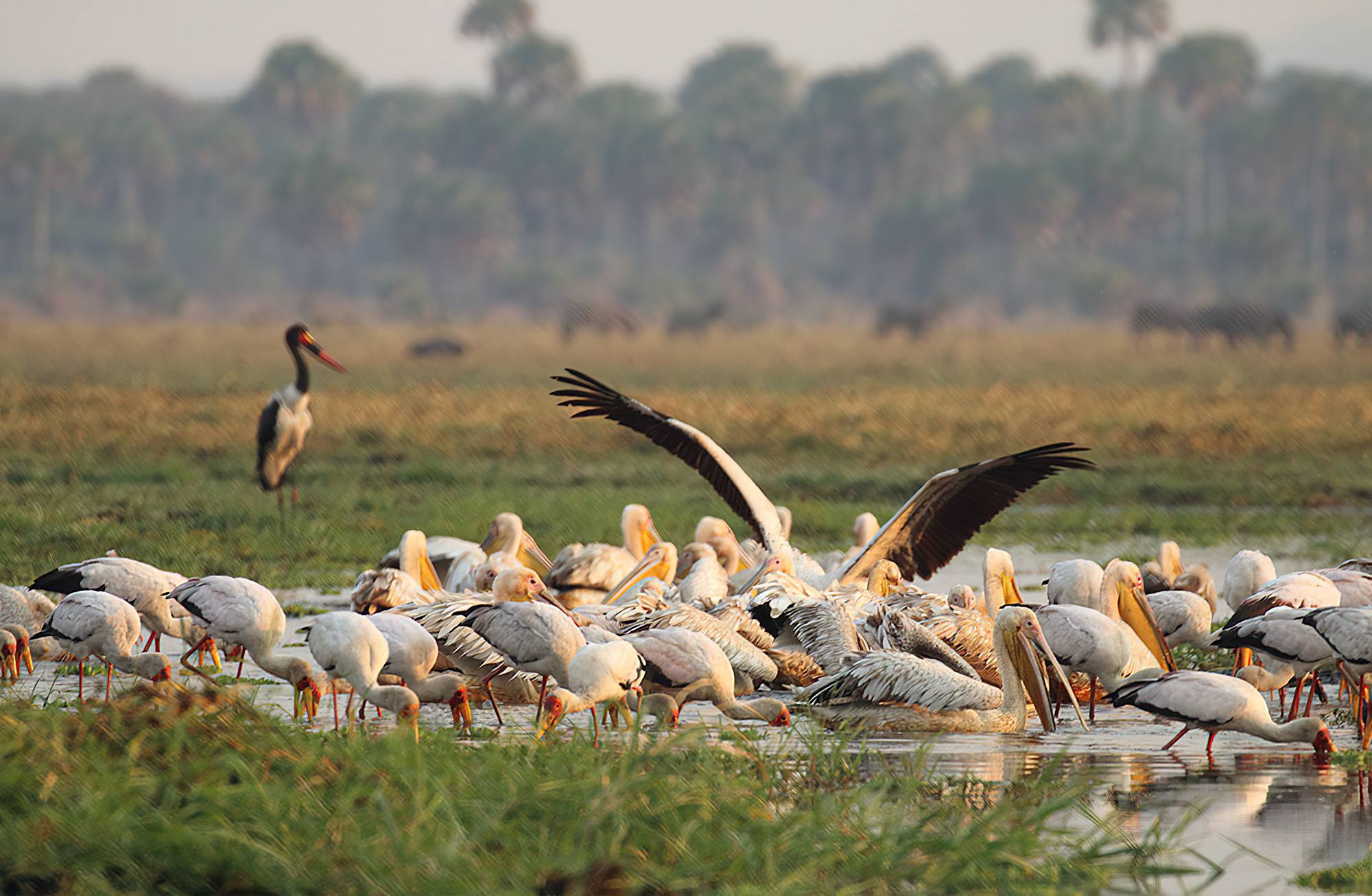
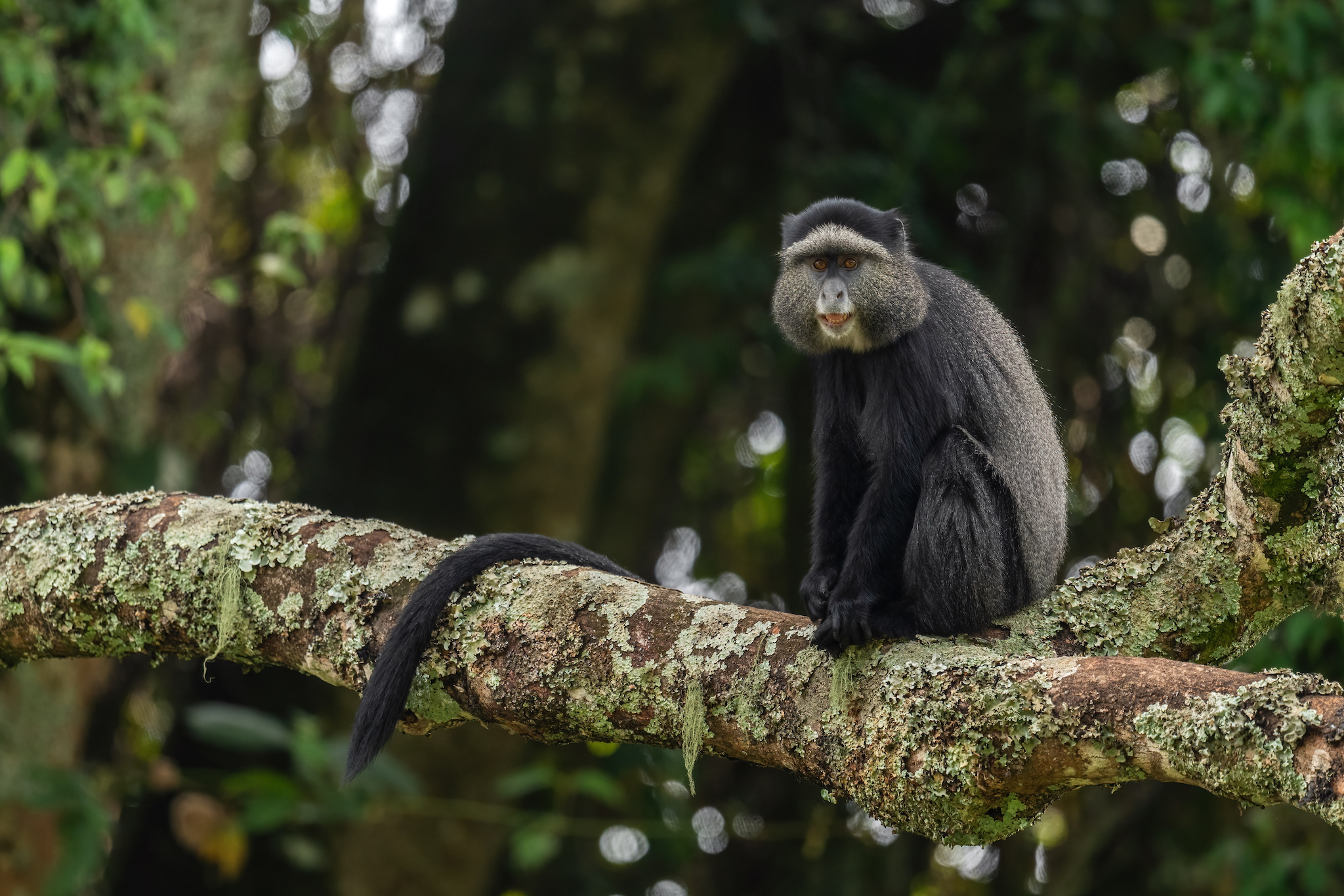
Gombe Stream National Park supports an impressive diversity of wildlife species despite being one of Tanzania’s smallest national parks. The combination of tropical rainforest, mountain slopes, valleys, streams, and the shoreline of Lake Tanganyika creates a rich ecosystem that provides habitat for primates, birds, reptiles, butterflies, and forest mammals. Tanzania is widely known for its savannah wildlife, but this rainforest destination offers a completely different safari experience focused on primates and forest biodiversity.
Primates are the main wildlife attraction and the most commonly encountered animals within the rainforest. The park is internationally famous for its habituated chimpanzee communities, but several other monkey species also inhabit the forest.
The park’s thick vegetation and remote environment help protect many species that thrive within the rainforest ecosystem. Wildlife viewing here is more intimate and immersive compared to traditional game drive safaris because visitors explore the forest on foot with experienced guides.
Primates
Chimpanzees are the most important and celebrated wildlife species found here. These intelligent primates live in complex social communities and are known for their human-like behaviors, emotional expressions, communication skills, and social interactions. Visitors trekking through the forest may observe chimpanzees feeding on fruits, grooming one another, caring for infants, climbing trees, playing, or communicating through loud calls that echo across the valleys.
Red colobus monkeys are another striking primate species commonly seen moving through the forest canopy in groups. They are recognized by their reddish fur, long tails, and energetic movements between trees. These monkeys feed mainly on leaves and are highly social animals.
Olive baboons are frequently encountered near forest trails and open areas. They live in large troops and are highly adaptable primates with complex social structures. Baboons are active throughout the day and are often seen foraging on the forest floor.
Blue monkeys inhabit the dense rainforest canopy and are known for their shy behavior and agile movement through the trees. Despite their name, they appear more grayish-blue in color and are usually spotted feeding quietly on fruits and leaves.
Vervet monkeys are smaller and highly active primates often seen around forest edges and lakeshore habitats. They are intelligent and social animals that move in organized groups while searching for food.
Red-tailed monkeys also inhabit the rainforest and are easily recognized by their colorful faces and reddish tails. These monkeys are agile climbers and spend much of their time in the middle canopy feeding on fruits, flowers, and insects.
The variety of primates makes this rainforest one of East Africa’s best destinations for primate viewing and photography.
Mammals
Although dense forest vegetation makes sightings less common than in open savannah parks, the rainforest ecosystem supports several mammal species adapted to tropical forest environments.
Bush pigs inhabit the thick forest undergrowth and are usually active during the evening or nighttime hours. These elusive animals forage through the forest floor searching for roots, fruits, and insects.
Small antelope species can occasionally be spotted moving quietly through the vegetation near streams and forest clearings. Their shy nature and camouflage make them difficult to observe, adding excitement to wildlife walks.
Forest rodents, squirrels, and other small mammals play an important role in maintaining the rainforest ecosystem and are commonly found throughout the park.
Leopards are among the park’s top predators, although they are rarely seen because of the dense rainforest habitat and their secretive nocturnal behavior. These elusive cats usually avoid human contact and move silently through the forest.
Civets are another rarely seen forest mammal species active mainly during nighttime hours. Their presence reflects the healthy biodiversity of the rainforest ecosystem.
The combination of rainforest, valleys, streams, and lakeshore habitats allows many wildlife species to survive within this relatively small protected area.
Birdlife
Birdwatching is one of the most rewarding activities in Gombe Stream National Park because the park supports over 200 recorded bird species. The rainforest environment, freshwater habitats, streams, and lakeshore ecosystems attract both resident and migratory birds, making the park an excellent destination for bird lovers and wildlife photographers.
The African fish eagle is one of the most iconic birds commonly seen around the shores of Lake Tanganyika. Its powerful calls and impressive hunting dives make it a favorite among birdwatchers.
Palm-nut vultures inhabit forested areas near water sources and are occasionally observed gliding above the rainforest canopy.
The giant kingfisher is frequently spotted near streams and along the lakeshore where it hunts fish in the clear waters.
Hornbills are among the most recognizable forest birds due to their large curved bills and loud calls echoing through the forest. Several hornbill species inhabit the rainforest ecosystem.
Bee-eaters add bright colors to the forest environment with their vibrant feathers and graceful flight patterns. These birds are often seen catching insects while flying near clearings and water sources.
Herons inhabit wetlands and lakeshore regions where they feed on fish and aquatic creatures along the edge of Lake Tanganyika.
Sunbirds are admired for their brilliant colors and rapid movements between flowering plants within the rainforest.
The combination of mountains, rainforest, streams, waterfalls, and lakeshore scenery creates outstanding conditions for birdwatching and wildlife photography throughout the year.
Activities in Gombe Stream National Park
Visitors to Gombe Stream National Park can enjoy a wide variety of nature-based activities that combine wildlife encounters, rainforest exploration, conservation experiences, and lakeside relaxation. Unlike traditional safari destinations focused mainly on vehicle game drives, this park offers more immersive activities that allow travelers to experience the rainforest ecosystem up close.
Chimpanzee Trekking
Chimpanzee trekking is the main activity and the highlight of visiting the park. Guided treks through the tropical rainforest allow visitors to observe wild chimpanzees in their natural environment while learning about their behavior, social structures, feeding habits, and conservation.
The trekking experience combines adventure, wildlife photography, hiking, and emotional wildlife encounters in one unforgettable activity.
Guided Forest Walks
Guided forest walks provide opportunities to explore the rainforest ecosystem beyond chimpanzee trekking. Visitors can walk through scenic valleys, dense vegetation, waterfalls, streams, and mountain trails while learning about medicinal plants, insects, birds, butterflies, reptiles, and smaller primates.
These walks are highly educational and allow visitors to appreciate the incredible biodiversity of the rainforest.
Birdwatching
The park is one of Tanzania’s best birdwatching destinations due to its rich variety of forest and lakeshore bird species. Birdwatching excursions are especially rewarding during early morning hours when bird activity is highest.
Bird enthusiasts can observe fish eagles, kingfishers, hornbills, bee-eaters, herons, sunbirds, flycatchers, and many tropical forest species throughout the park.
Hiking and Waterfall Visits
The mountainous terrain offers excellent hiking opportunities through rainforest trails leading to scenic viewpoints and waterfalls. Hiking routes pass through steep valleys, bamboo forests, streams, and ridges overlooking Lake Tanganyika.
Waterfall visits are especially refreshing after trekking activities and provide excellent photography opportunities within the forest.
Boat Rides on Lake Tanganyika
Boat excursions on Lake Tanganyika are among the most scenic activities available. Visitors can enjoy relaxing cruises along the shoreline while viewing forested mountains, birds, fishing villages, and beautiful sunsets over the lake.
Boat rides are also the main way visitors access the park from Kigoma, adding to the adventurous atmosphere of the safari.
Swimming and Kayaking
The clear waters of Lake Tanganyika provide excellent opportunities for swimming and kayaking. After trekking through humid rainforest trails, relaxing by the lake offers a peaceful and refreshing experience.
Kayaking along the shoreline allows visitors to explore hidden beaches and enjoy the quiet natural beauty surrounding the park.
Cultural Experiences
Visitors can also enjoy cultural experiences with nearby local communities around Kigoma and Lake Tanganyika. These experiences provide insight into local traditions, fishing lifestyles, food culture, and daily life in western Tanzania.
Best Time to Visit Gombe Stream National Park
The best time to visit Gombe Stream National Park depends on the type of experience travelers are looking for, although chimpanzee trekking remains possible throughout the year. The park experiences both dry and wet seasons, each offering different advantages for wildlife viewing, hiking, photography, and birdwatching.
Dry Season
The dry season from June to October is generally considered the best time to visit. During these months, trekking trails are drier, less slippery, and easier to navigate through the mountainous rainforest terrain.
Chimpanzee trekking conditions are also usually better because chimpanzees tend to remain closer to lower slopes where food is easier to find during drier periods. This can reduce trekking times and improve photography opportunities.
The dry season also offers comfortable weather conditions with lower humidity, clearer skies, and excellent visibility for hiking and lake activities. Boat rides on Lake Tanganyika are especially enjoyable during this period due to calmer water conditions.
Because this is the peak safari season, accommodation and trekking permits should be booked well in advance.
Rainy Season
The rainy season typically runs from November to May and transforms the rainforest into a lush green paradise. The vegetation becomes vibrant and beautiful, waterfalls become more dramatic, and the forest feels even more alive with bird activity and fresh vegetation.
Birdwatching is particularly rewarding during the rainy season because migratory birds arrive and many resident bird species become more active and colorful.
Although trekking remains possible, trails can become muddy, slippery, and more physically demanding during heavy rains. Chimpanzees may also move deeper into the forest searching for seasonal food sources, sometimes making trekking more challenging.
However, travelers visiting during the rainy season often enjoy fewer tourists, quieter trails, excellent photography conditions, and a more peaceful safari atmosphere.
Best Time for Chimpanzee Trekking
For travelers primarily interested in chimpanzee trekking, the dry season from June to October generally provides the easiest trekking conditions and the best chances for comfortable forest hikes.
Best Time for Birdwatching
Birdwatchers often prefer the wetter months because of increased bird activity, lush scenery, and the arrival of migratory species within the rainforest ecosystem.
No matter the season, this rainforest destination offers unforgettable wildlife encounters, breathtaking scenery, and immersive nature experiences throughout the year.
Book Your Safari with Boots in the Jungle Safaris
Experience unforgettable chimpanzee trekking, rainforest adventures, and lakeside relaxation with Boots in the Jungle Safaris.
We specialize in creating personalized safari experiences that combine wildlife encounters, comfortable accommodation, expert guiding, and seamless travel planning across Tanzania.
Your safari can include: Chimpanzee trekking, Forest hikes and waterfall visits, Boat cruises on Lake Tanganyika, Birdwatching safaris, Luxury lodge stays, Cultural experiences, Domestic flights and transfers
We can also combine your safari with destinations such as Serengeti National Park, Katavi National Park, Mahale Mountains National Park, and Zanzibar for a complete Tanzania safari experience.
Let Boots in the Jungle Safaris help you discover the beauty, wildlife, and conservation legacy of one of Africa’s most iconic chimpanzee destinations.