
Ishasha Tree-Climbing Lions – Discover Uganda’s Unique Wildlife
Discover one of Uganda’s most fascinating wildlife experiences with Boots in the Jungle Safaris. The Ishasha Tree-Climbing Lions are among the most remarkable attractions in Queen Elizabeth National Park, drawing travellers from around the world who want to see lions displaying an unusual behaviour in their natural habitat.
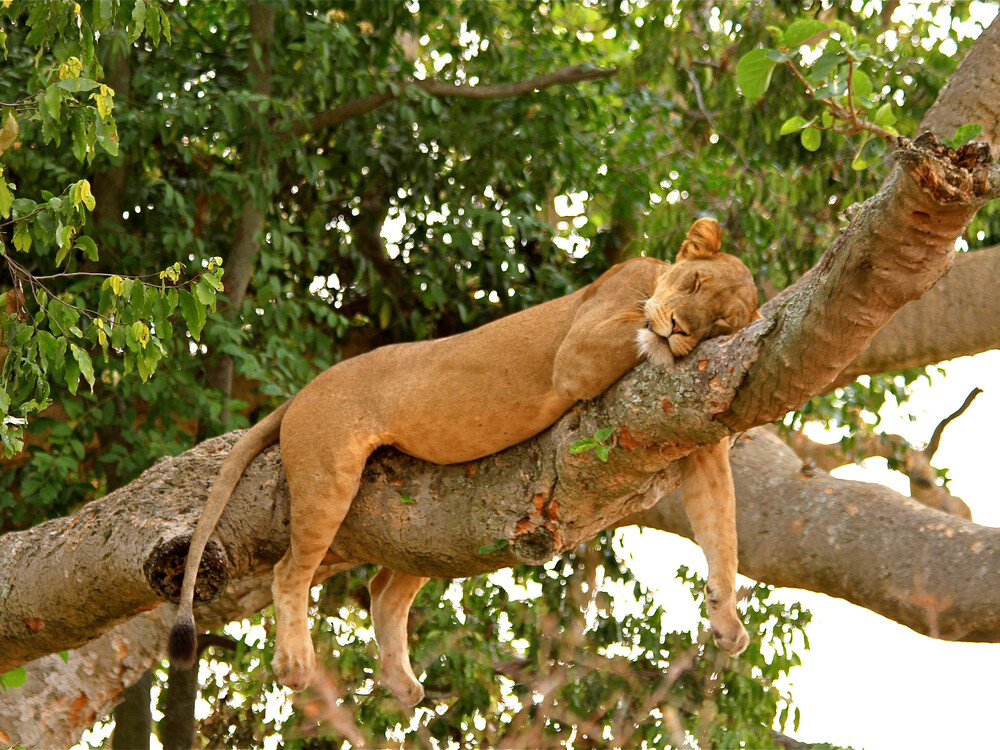
Located in the southern sector of Queen Elizabeth National Park in western Uganda, Ishasha is famous for lions that sometimes climb and rest in the branches of large fig trees. Unlike the lions commonly observed resting on the ground, these remarkable cats may be spotted lying among the branches, watching their surroundings or relaxing above the savannah.
An encounter with the Ishasha Tree-Climbing Lions offers a memorable opportunity to appreciate Uganda’s wildlife and explore one of the country’s distinctive safari destinations. The experience combines wildlife viewing, beautiful landscapes, photography opportunities, and the excitement of searching for lions in their natural environment.
At Boots in the Jungle Safaris, we help travellers plan personalised Ishasha safari experiences based on their travel dates, interests, budget, and preferred level of comfort. Whether you want a dedicated lion-tracking game drive, a one-day wildlife excursion, or a longer Uganda safari, we can help you organise your journey.
What Makes the Ishasha Tree-Climbing Lions Special?
The Ishasha Tree-Climbing Lions are famous for their unusual habit of climbing trees and resting on their branches. This behaviour has made the Ishasha Sector one of the most distinctive wildlife-viewing areas in East Africa.
Lions are generally associated with resting on the ground, particularly in shady areas during the heat of the day. However, in Ishasha, visitors sometimes encounter lions stretched across the branches of large fig trees, creating a spectacular sight against the backdrop of the Ugandan savannah.
Researchers and wildlife observers have suggested several possible explanations for this behaviour, including avoiding ground-level heat, escaping some biting insects, obtaining a comfortable resting position, and taking advantage of the surrounding landscape. The precise reasons may vary, and no single explanation accounts for every sighting.
For wildlife enthusiasts, seeing lions in trees offers a different perspective on the behaviour and adaptability of these powerful predators.
The Ishasha Tree-Climbing Lions have also become an important attraction for Uganda’s tourism industry, encouraging visitors to explore the southern part of Queen Elizabeth National Park and discover its wider wildlife diversity.
Where Can You See the Ishasha Tree-Climbing Lions?
The Ishasha Sector is located in the southern part of Queen Elizabeth National Park in western Uganda. It is known for its expansive grasslands, scattered trees, seasonal water sources, and diverse wildlife.
The area lies south of the park’s more frequently visited central areas around Mweya and the Kasenyi Plains. It is also a useful stop for travellers continuing towards Bwindi Impenetrable National Park for mountain gorilla trekking.

The Ishasha landscape provides suitable habitats for a variety of animals, including lions, African elephants, buffaloes, Uganda kob, topis, and numerous bird species.
During a safari with Boots in the Jungle Safaris, you can explore designated game-drive tracks in search of the Ishasha Tree-Climbing Lions while enjoying the wider scenery and wildlife of the region.
Lion sightings depend on the animals’ movements, behaviour, and location on the day. Even when the lions are not visible in trees, the Ishasha Sector offers a rewarding opportunity to experience Uganda’s savannah wilderness.
Why Do Ishasha Lions Climb Trees?
One of the most common questions travellers ask is why the Ishasha Tree-Climbing Lions climb trees when many other lions spend most of their resting time on the ground.
Although the exact reasons are not fully established, several explanations have been proposed.
1. Escaping the Heat
The branches of large trees may provide comfortable resting places during hot periods of the day. Elevated positions can offer shade and airflow, although the conditions vary depending on the tree and weather.
2. Avoiding Some Insects
Some researchers and wildlife observers suggest that resting above the ground may help lions avoid certain biting insects. This is a possible explanation rather than a confirmed reason for every tree-climbing event.
3. Finding Comfortable Resting Places
Large fig trees have broad, sturdy branches that can support resting lions. These branches may provide comfortable positions from which the animals can relax and observe their surroundings.
4. Observing Their Surroundings
An elevated position can provide a different view of the surrounding landscape. Lions resting in trees may watch animals and activity below them, although climbing should not be interpreted as a deliberate hunting strategy in every case.
5. A Distinctive Local Behaviour
Tree-climbing behaviour has been documented in several lion populations, but it is unusual enough to make Ishasha particularly famous. The area provides an excellent opportunity to learn about variation in lion behaviour.
The best way to appreciate this phenomenon is to observe the lions respectfully in their natural habitat and allow experienced guides to explain what is known about their behaviour.
Ishasha Tree-Climbing Lions Game Drives
A game drive is the principal way to search for the Ishasha Tree-Climbing Lions. These guided wildlife excursions take visitors through suitable tracks and habitats where lions and other animals may be encountered.
With Boots in the Jungle Safaris, your Ishasha game drive can be arranged as a dedicated wildlife experience or included in a wider Queen Elizabeth National Park safari.

During the drive, your guide will help you look for signs of wildlife and identify suitable areas to explore. If tree-climbing lions are present and visible, you may have the opportunity to observe them resting on branches or moving through their habitat.
Your game drive may also provide opportunities to see:
- African elephants moving through the savannah.
- Buffaloes grazing in open grasslands.
- Uganda kob and other antelopes.
- Topis in suitable grassland habitats.
- Warthogs and other savannah wildlife.
- A variety of birds associated with woodland and grassland environments.
The length of the game drive depends on your itinerary, accommodation location, and available time. Morning and afternoon excursions may both be suitable, depending on your schedule and prevailing conditions.
Although guides use their knowledge of the area to search for wildlife, no safari operator can guarantee a sighting of the Ishasha Tree-Climbing Lions.
Wildlife You Can See in the Ishasha Sector
Although the tree-climbing lions are the area’s main attraction, Ishasha is home to a variety of other wildlife that makes the experience worthwhile.
| Wildlife Species | What Makes the Sighting Special |
|---|---|
| African Lions | Search for lions resting on the ground or among tree branches. |
| African Elephants | Observe these impressive mammals moving through the grasslands and woodland. |
| African Buffaloes | Watch herds grazing and moving across open areas. |
| Uganda Kob | See one of Uganda’s characteristic antelope species in suitable grassland habitats. |
| Topis | Look for these distinctive antelopes across the savannah. |
| Warthogs | Observe these animals feeding and moving through open habitats. |
| Leopards | These elusive cats may occur in the wider park, but sightings are unpredictable. |
| Birds | Discover grassland and woodland species during your game drive. |
Wildlife encounters vary with the season, habitat conditions, and animal movements. Every drive is different, making patience and careful observation important parts of the safari experience.
Best Time to See the Ishasha Tree-Climbing Lions
The Ishasha Tree-Climbing Lions can potentially be seen throughout the year. However, seasonal conditions may affect road access, vegetation, visibility, and the overall safari experience.
Dry Seasons: June to August and December to February
These periods are often popular for wildlife safaris in Uganda. Some tracks may be easier to navigate, and shorter vegetation can improve visibility in certain areas.
Dry-season travel is also convenient for visitors planning to combine Ishasha with other destinations in Queen Elizabeth National Park or continue to Bwindi for gorilla trekking.
Wet Seasons: March to May and September to November
The rainy seasons can bring lush green scenery and beautiful photography opportunities. The landscape becomes particularly attractive to visitors who enjoy nature and varied scenery.
However, rainfall may make some tracks more difficult to navigate, and taller vegetation can affect visibility in some areas.
Is There a Best Time of Day?
Morning and afternoon game drives can both be rewarding. Lions may be resting in trees or on the ground at different times, depending on weather, activity, and other environmental conditions.
Your guide can help determine suitable areas to explore based on current conditions and available information.
The most important consideration is to allow sufficient time for wildlife viewing rather than expecting a guaranteed encounter within a fixed period.
How to Plan an Ishasha Tree-Climbing Lions Safari
Planning your safari in advance helps you make the most of your time in the Ishasha Sector.
Step 1: Choose Your Travel Dates
Decide when you want to visit Uganda and how many days you can dedicate to wildlife experiences.
Step 2: Select Your Safari Duration
You can explore Ishasha as part of a longer Queen Elizabeth National Park safari or incorporate it into a multi-day itinerary connecting several destinations.
Step 3: Arrange Transportation
Consider your starting point, accommodation, road conditions, and onward travel plans. Ishasha is in the southern part of Queen Elizabeth National Park, so the driving time depends on where your journey begins.
Step 4: Choose Your Accommodation
Depending on your budget and itinerary, you can arrange accommodation in or around the Ishasha area or stay elsewhere in the park and travel to the sector.
Staying closer to your intended game-drive area can help reduce travel time, depending on your plans.
Step 5: Plan Your Game Drives
Allow sufficient time to explore suitable habitats in search of the lions and other wildlife. Your itinerary should remain flexible enough to account for animal movements and changing conditions.
Boots in the Jungle Safaris can help coordinate these arrangements according to your travel preferences.
Ishasha Tree-Climbing Lions Safari Cost
The cost of an Ishasha Tree-Climbing Lions safari depends on the length of your trip, number of travellers, transportation, accommodation, guiding arrangements, and activities included in your package.
A short game-drive excursion has different cost requirements from a multi-day safari that includes accommodation, meals, park fees, and transportation from Kampala or another destination.

Your quotation may take into account:
- Safari vehicle and transportation.
- Driver-guide or guiding services.
- Applicable park entry and activity fees.
- Accommodation and meals, where included.
- Number of travellers and length of stay.
- Additional game drives and wildlife activities.
- Connections to other national parks.
Budget, Mid-Range, and Luxury Safaris
Budget safari: Focuses on essential transport, suitable accommodation, and planned wildlife activities, with careful attention to overall costs.
Mid-range safari: May include more comfortable accommodation, private transportation, and additional flexibility in your itinerary.
Luxury safari: May include premium accommodation, personalised arrangements, and a higher level of comfort, depending on availability and the package selected.
These categories describe general travel styles rather than fixed prices. The final cost depends on your dates and the services included.
Boots in the Jungle Safaris can prepare a personalised quotation once you share your travel dates, number of travellers, preferred accommodation level, and intended safari duration.
Combine Ishasha Tree-Climbing Lions with Gorilla Trekking
One of the most appealing ways to experience southern Queen Elizabeth National Park is to combine the Ishasha Tree-Climbing Lions with mountain gorilla trekking in Bwindi Impenetrable National Park.
The two destinations offer contrasting wildlife experiences. Ishasha focuses on savannah wildlife and the distinctive behaviour of lions, while Bwindi is famous for its mountain gorillas and ancient montane forest.
Depending on your itinerary and the gorilla trekking permits available, your safari may include:
- A game drive in the Ishasha Sector.
- Wildlife viewing and photography opportunities.
- Travel towards Bwindi Impenetrable National Park.
- A guided mountain gorilla trekking experience with the appropriate permit.
- Accommodation and other activities arranged around your travel dates.
Travel time and road conditions should be considered when planning the connection between the destinations.
Boots in the Jungle Safaris can help you coordinate a multi-day itinerary that combines these experiences, subject to accommodation availability and gorilla permit arrangements.
Combine Ishasha with Other Queen Elizabeth National Park Attractions
The Ishasha Tree-Climbing Lions can form part of a broader safari exploring Queen Elizabeth National Park.

Depending on your available time, you can combine your visit with several other attractions.
Kasenyi Plains Game Drives
The Kasenyi Plains are known for open savannah landscapes and opportunities to search for lions, Uganda kob, elephants, buffaloes, and other wildlife.
Kazinga Channel Boat Safari
A boat cruise along the Kazinga Channel provides opportunities to observe hippos, crocodiles, elephants, buffaloes, and numerous birds from the water.
Mweya Peninsula
Mweya offers scenic views and access to activities around the central part of Queen Elizabeth National Park.
Kibale National Park
Kibale is famous for chimpanzee tracking and forest biodiversity. It can be included in a longer itinerary, depending on your travel schedule.
Bwindi Impenetrable National Park
Bwindi is one of Uganda’s leading destinations for mountain gorilla trekking and is a popular addition to longer wildlife safaris.
Combining destinations gives you a more varied experience of Uganda’s wildlife, landscapes, and natural environments.
What Is Included in an Ishasha Tree-Climbing Lions Safari?
Package inclusions vary according to your chosen itinerary. Boots in the Jungle Safaris will clarify what is covered in your quotation before you confirm your trip.
Depending on the package, arrangements may include:
- Safari transportation.
- Driver-guide services.
- Planned game drives.
- Applicable park fees, where expressly included.
- Accommodation and meals, where specified.
- Transfers between safari destinations.
- Additional activities included in the agreed itinerary.
Personal expenses, tips, optional activities, and services not specified in the quotation may be charged separately.
If your itinerary includes gorilla trekking, confirm that the required permit is arranged and clearly identified in your booking.
We recommend checking all inclusions, departure arrangements, and accommodation details before travelling.
Why Choose Boots in the Jungle Safaris?
Boots in the Jungle Safaris helps travellers discover Uganda through wildlife experiences and carefully planned safari itineraries.
When organising your Ishasha Tree-Climbing Lions safari with us, you can benefit from:
Personalised planning: We help tailor your itinerary to your available time, wildlife interests, and budget.
Flexible safari options: Choose a focused Ishasha excursion or combine it with other destinations in Uganda.
Wildlife-focused experiences: Explore suitable habitats in search of lions and other animals while learning about the park’s biodiversity.
Practical itinerary coordination: Arrange transportation, accommodation, game drives, and additional activities according to your package.
Clear quotations: Understand the planned services and costs before confirming your trip.
Multi-destination safari planning: Incorporate Ishasha into a longer Uganda safari featuring Queen Elizabeth National Park, Kibale, Bwindi, or other suitable destinations.
Our aim is to help you enjoy a rewarding safari experience while respecting wildlife and supporting responsible tourism.
Responsible Wildlife Viewing in Ishasha
Responsible wildlife viewing helps protect the Ishasha ecosystem and ensures that animals can continue to behave naturally.
During your safari, follow your guide’s instructions and all applicable park regulations.
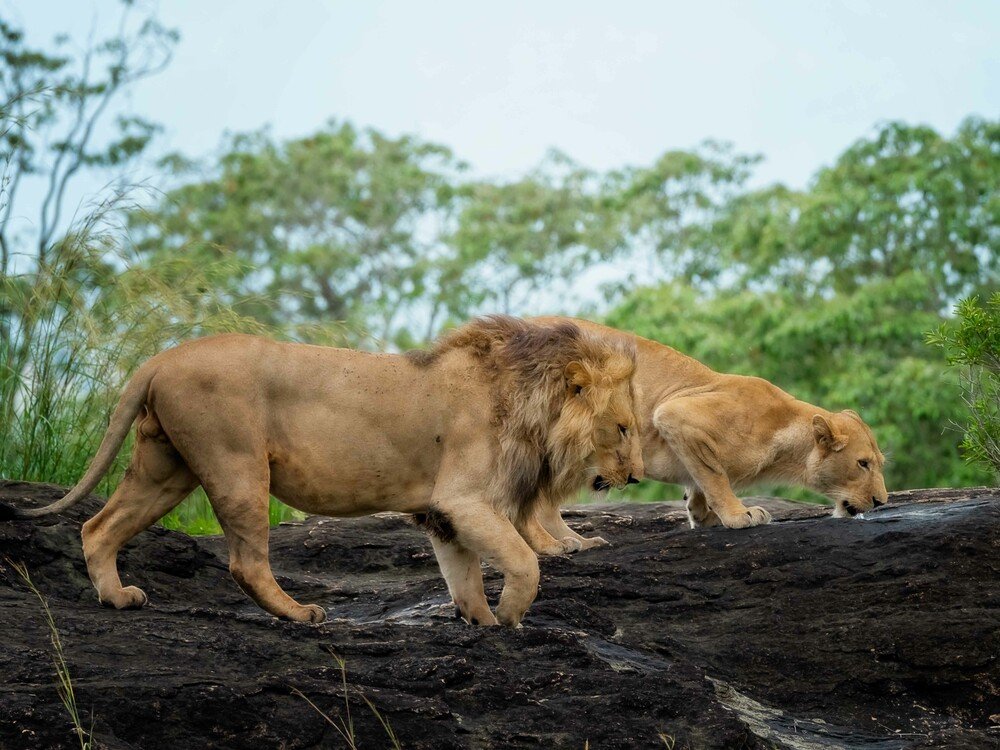
- Maintain a respectful distance from lions and other wildlife.
- Remain inside the safari vehicle where required.
- Avoid shouting or making unnecessary noise around animals.
- Never attempt to feed or approach wild animals.
- Follow authorised tracks and designated viewing rules.
- Do not pressure your guide to move dangerously close to lions.
- Dispose of waste responsibly and leave the environment undisturbed.
Lions are powerful wild predators, and even apparently relaxed animals can behave unpredictably. Safe distances and responsible guiding are essential.
Remember that a successful safari is not only about photographs. It is also about appreciating wildlife without disturbing it.
Frequently Asked Questions About Ishasha Tree-Climbing Lions
1. Where are the Ishasha Tree-Climbing Lions found?
The Ishasha Tree-Climbing Lions are associated with the Ishasha Sector in the southern part of Queen Elizabeth National Park in western Uganda.
2. Why are the Ishasha lions famous?
They are famous for their unusual behaviour of climbing and resting in the branches of large trees, particularly fig trees. This behaviour makes Ishasha a distinctive destination for wildlife enthusiasts.
3. Can I be guaranteed to see lions in trees?
No. The lions move freely through their natural habitat and may rest on the ground or in other locations. Although Ishasha is famous for tree-climbing lions, sightings in trees are never guaranteed.
4. How long should I spend in Ishasha?
A game drive can be organised within a shorter visit, but the ideal duration depends on your starting point, travel schedule, and other activities. Including an overnight stay may provide more flexibility for exploring the area.
5. What other animals can I see in Ishasha?
Possible sightings include elephants, buffaloes, Uganda kob, topis, warthogs, and numerous birds. Other predators may occur in the wider park, although sightings vary.
6. What is the best time to see the Ishasha Tree-Climbing Lions?
The area can be visited throughout the year. Dry-season months are often popular for safari travel, but wildlife sightings depend on animal movements and prevailing conditions rather than season alone.
7. Can I combine Ishasha with gorilla trekking?
Yes. Ishasha can be combined with mountain gorilla trekking in Bwindi Impenetrable National Park. The itinerary must allow for travel time and availability of the required gorilla trekking permits.
8. How much does an Ishasha Tree-Climbing Lions safari cost?
The cost depends on transportation, accommodation, guiding services, group size, safari duration, and other activities. Contact Boots in the Jungle Safaris for a quotation based on your requirements.
9. Is Ishasha suitable for wildlife photography?
Yes. Ishasha offers opportunities to photograph lions, elephants, buffaloes, antelopes, and scenic savannah landscapes. A lion resting in a tree can provide a particularly memorable photographic subject when visible.
10. Can I visit Ishasha as part of a Queen Elizabeth National Park safari?
Yes. Ishasha can be included in a longer Queen Elizabeth National Park itinerary alongside game drives in other sectors and a boat cruise along the Kazinga Channel.
11. Do I need to book my safari in advance?
Advance planning is recommended, particularly if you are travelling during a busy season or combining Ishasha with gorilla trekking, which requires an available permit.
12. How do I book an Ishasha Tree-Climbing Lions safari?
Contact Boots in the Jungle Safaris with your intended travel dates, group size, accommodation preferences, and other destinations you want to visit. We can help plan your itinerary and provide a personalised quotation.
Book Your Ishasha Tree-Climbing Lions Safari Today
Discover the remarkable wildlife of southern Queen Elizabeth National Park with Boots in the Jungle Safaris.
The Ishasha Tree-Climbing Lions offer a fascinating glimpse into the diversity of African wildlife and the unusual behaviours that make every safari different. From searching for lions among the branches of fig trees to observing elephants, buffaloes, and antelopes across the savannah, Ishasha provides a memorable experience for nature lovers.
Whether you are planning a dedicated lion-viewing excursion, a Queen Elizabeth National Park safari, or a longer journey that includes mountain gorilla trekking in Bwindi, we can help you plan an experience suited to your travel goals.