
Ol Donyo Sabuk National Park Safari – Ultimate Kenya Wildlife & Mountain Adventure Guide
Ol Donyo Sabuk National Park is one of Kenya’s most scenic and underrated protected areas, offering travelers a unique combination of mountain landscapes, wildlife encounters, hiking adventures, waterfalls, forests, and breathtaking panoramic views. Located near Nairobi in eastern Kenya, Ol Donyo Sabuk National Park is a perfect destination for travelers seeking nature, adventure, and peaceful wilderness experiences away from crowded safari circuits.
The name “Ol Donyo Sabuk” originates from the Maasai language and means “Big Mountain,” a fitting description for the park’s dominant feature, Mount Kilimambogo, which rises dramatically above the surrounding plains. The mountain creates a striking landscape visible from many kilometers away and serves as the centerpiece of Ol Donyo Sabuk National Park.
Ol Donyo Sabuk National Park covers an area of approximately 20 square kilometers and protects mountain forests, grasslands, rivers, waterfalls, and diverse wildlife habitats. Despite its relatively small size, the park offers remarkable biodiversity and spectacular scenery that attract hikers, birdwatchers, photographers, campers, cyclists, and safari travelers.
One of the most popular experiences in Ol Donyo Sabuk National Park is hiking to the summit of Mount Kilimambogo. The hike rewards visitors with incredible panoramic views stretching across central Kenya, including views toward Mount Kenya, the Aberdare Ranges, Nairobi skyline, and surrounding plains on clear days.
Ol Donyo Sabuk National Park is also known for its cool mountain climate, dense forests, scenic picnic sites, waterfalls, and peaceful atmosphere. Travelers visiting the park can encounter buffaloes, monkeys, bushbucks, porcupines, mongooses, birds, and the famous descendants of Lord Macmillan’s imported buffaloes that still roam the park today.
The park is an ideal destination for day trips from Nairobi, weekend getaways, family adventures, hiking expeditions, educational tours, birdwatching excursions, and photography safaris. Because of its close proximity to Nairobi, Ol Donyo Sabuk National Park provides one of the easiest opportunities to experience mountain wilderness and wildlife within a short distance from Kenya’s capital city.
Boots in the Jungle Safaris offers expertly designed Ol Donyo Sabuk National Park safari experiences tailored for adventure travelers, nature enthusiasts, photographers, families, hikers, solo travelers, and anyone looking to explore one of Kenya’s hidden natural treasures.
Where is Ol Donyo Sabuk National Park Located?
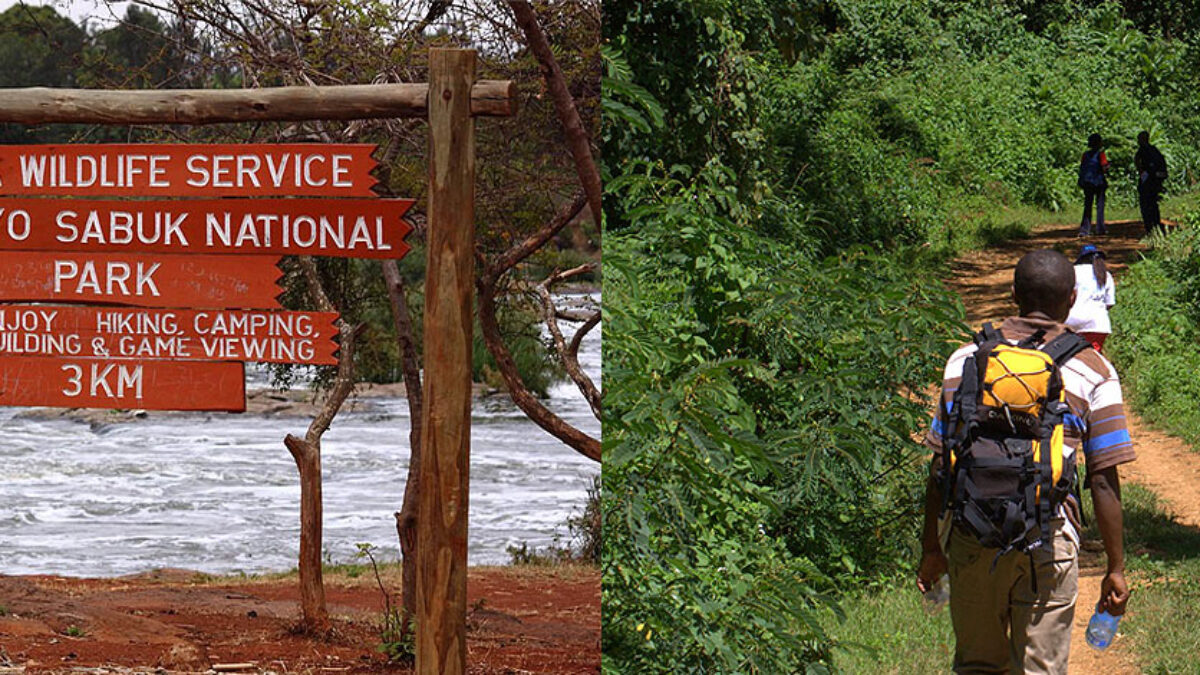
Ol Donyo Sabuk National Park is located in Machakos County in eastern Kenya, approximately 85 kilometers northeast of Nairobi, making it one of the most accessible and convenient national parks for travelers visiting Kenya’s capital city. The park lies close to Thika town and the central Kenyan highlands, offering a peaceful mountain wilderness experience within a relatively short driving distance from Nairobi.
The park covers the slopes and summit of the impressive Mount Kilimambogo, also known locally as Ol Donyo Sabuk, which rises dramatically from the surrounding plains to an elevation of approximately 2,145 meters above sea level. The mountain dominates the landscape and can be seen from various parts of central Kenya due to its isolated position above the flat surrounding terrain.
The location of Ol Donyo Sabuk National Park makes it an ideal destination for travelers looking for quick escapes from Nairobi without traveling long distances. Because of its close proximity to the city, the park has become highly popular for day trips, weekend getaways, hiking adventures, school excursions, nature tours, camping experiences, and short safari holidays.
Travelers driving from Nairobi to Ol Donyo Sabuk National Park typically take between two and three hours depending on traffic conditions and the chosen route. The drive itself is scenic and enjoyable, passing through local towns, pineapple plantations, coffee farms, rural villages, and rolling countryside landscapes before reaching the mountain wilderness of the park.
The most common route to Ol Donyo Sabuk National Park passes through Thika town before connecting to roads leading toward the mountain. As travelers approach the area, Mount Kilimambogo becomes increasingly visible rising above the plains, creating dramatic scenery that signals arrival near the park.
One of the advantages of the park’s location is its cooler mountain climate compared to the warmer lowland areas surrounding Nairobi and eastern Kenya. The higher elevation creates fresh mountain air, misty forests, and pleasant hiking conditions throughout much of the year.
Ol Donyo Sabuk National Park also enjoys strategic positioning near several other tourism destinations in central Kenya. Travelers can combine visits to the park with Nairobi National Park, Mount Kenya National Park, Aberdare National Park, Ol Pejeta Conservancy, Fourteen Falls, Sagana, and other adventure destinations within central Kenya’s tourism circuit.
The park’s location makes it especially attractive for travelers seeking outdoor adventure activities without committing to long-distance safari journeys. Hiking enthusiasts, birdwatchers, photographers, cyclists, campers, and nature lovers can all access the park relatively easily while still experiencing authentic wilderness environments.
Because Ol Donyo Sabuk National Park lies near important transport routes and urban centers, it is also frequently visited by local Kenyan travelers, schools, conservation groups, and weekend adventure tourists. Despite this accessibility, the park still maintains a peaceful atmosphere with quiet forests, scenic trails, and uncrowded wilderness experiences.
The combination of mountain scenery, accessibility, cool climate, wildlife habitats, and proximity to Nairobi makes Ol Donyo Sabuk National Park one of Kenya’s best hidden gems for short safaris and outdoor adventures.
Why Visit Ol Donyo Sabuk National Park?
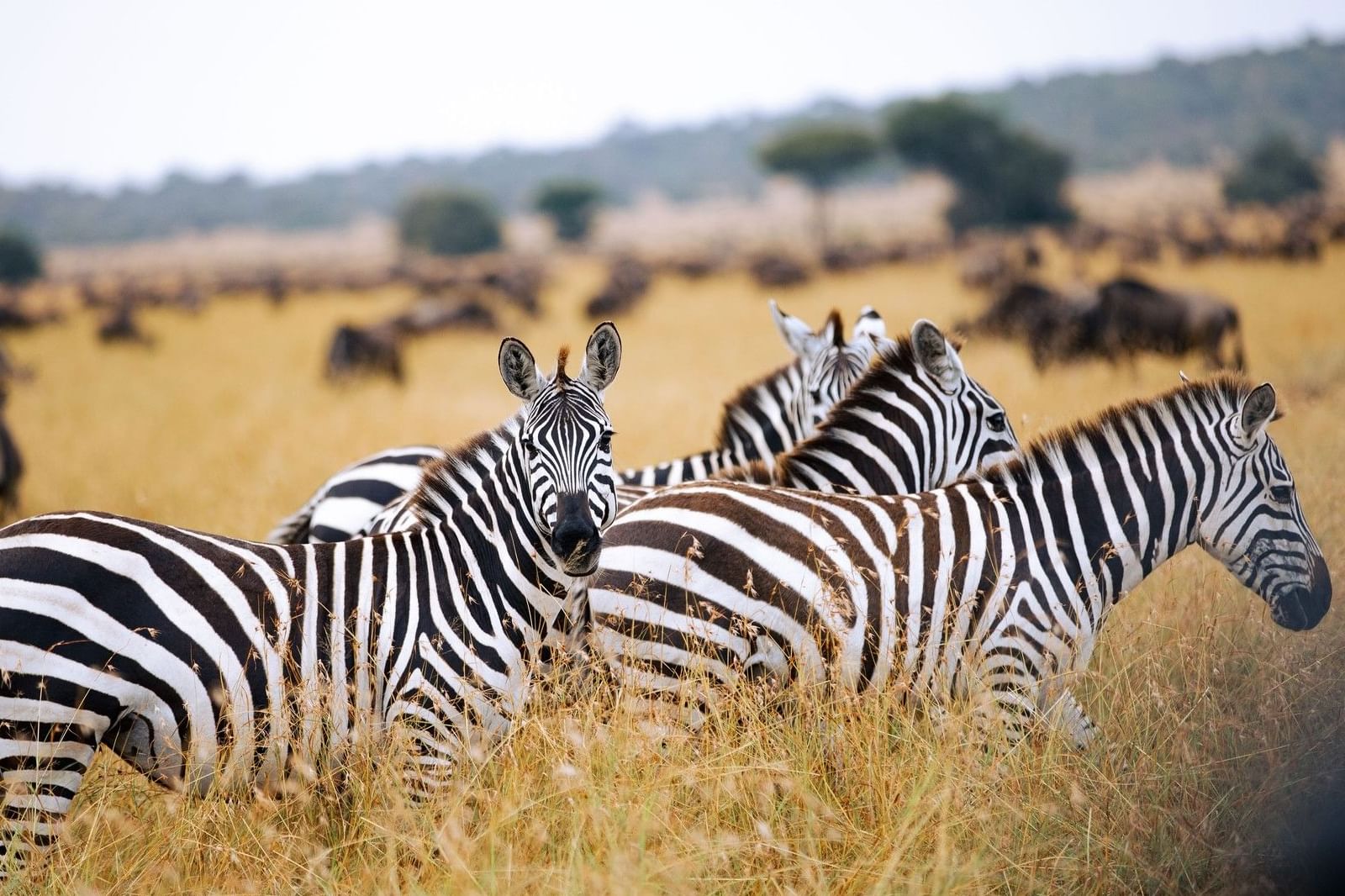
Ol Donyo Sabuk National Park is one of Kenya’s most rewarding hidden adventure destinations, offering travelers a unique combination of mountain scenery, hiking experiences, wildlife encounters, birdwatching opportunities, cool forests, waterfalls, and peaceful wilderness landscapes. Although smaller and less famous than many major safari parks, the park delivers unforgettable outdoor experiences within easy reach of Nairobi.
Travelers visiting Ol Donyo Sabuk National Park enjoy a refreshing alternative to traditional safari destinations. Instead of large open savannahs and crowded game drive routes, the park offers mountain trails, forest exploration, scenic viewpoints, and nature-based adventures in a calm and uncrowded environment.
The dramatic presence of Mount Kilimambogo rising above the surrounding plains gives the park a spectacular visual identity that attracts hikers, photographers, nature lovers, families, and adventure travelers throughout the year.
Spectacular Mountain Landscapes
One of the main reasons travelers visit Ol Donyo Sabuk National Park is the breathtaking mountain scenery that defines the entire park. The landscapes combine steep forested slopes, cliffs, rocky outcrops, valleys, waterfalls, open grasslands, and panoramic viewpoints that create some of the most impressive scenery near Nairobi.
Mount Kilimambogo dominates the landscape and provides dramatic views from nearly every section of the park. The mountain rises abruptly from the surrounding plains, creating spectacular contrasts between flat lowlands and densely forested slopes.
As visitors explore Ol Donyo Sabuk National Park, they encounter changing scenery that includes thick mountain forests, bamboo vegetation, scenic ridges, rocky trails, and open viewpoints overlooking central Kenya. During clear weather, travelers can enjoy views stretching toward Mount Kenya, the Aberdare Ranges, Nairobi skyline, and surrounding countryside.
The mountain environment also creates a cooler and fresher climate compared to lower surrounding areas. Mist often covers parts of the forest during mornings, adding a magical atmosphere to hiking trails and scenic viewpoints.
Waterfalls, streams, cliffs, and forested valleys further enhance the beauty of Ol Donyo Sabuk National Park, making it a paradise for photographers and outdoor enthusiasts.
Excellent Hiking Opportunities
Hiking is the most famous activity in Ol Donyo Sabuk National Park and one of the main reasons travelers visit the park. The climb to the summit of Mount Kilimambogo offers one of the best hiking experiences near Nairobi and attracts both beginner and experienced hikers.
The hiking trails pass through forests, open slopes, scenic ridges, and natural viewpoints while gradually ascending toward the summit. Along the way, hikers enjoy fresh mountain air, wildlife sightings, bird sounds, and stunning scenery.
Reaching the summit of Mount Kilimambogo rewards visitors with spectacular panoramic views across central Kenya. On clear days, hikers can see Mount Kenya, the Aberdares, Nairobi, surrounding plains, forests, and distant hills stretching across the horizon.
The hike also includes historical attractions such as Lord Macmillan’s grave site near the summit, adding cultural and historical interest to the adventure.
Because the park is close to Nairobi, hiking in Ol Donyo Sabuk National Park is highly popular for weekend fitness adventures, group hikes, educational tours, and outdoor recreation.
Rich Birdlife
Ol Donyo Sabuk National Park is an excellent destination for birdwatching due to its diverse mountain habitats, forests, grasslands, streams, and cooler climate. The park supports numerous resident and migratory bird species that thrive within the protected mountain ecosystem.
Birdwatchers visiting Ol Donyo Sabuk National Park may spot eagles, sunbirds, hornbills, kingfishers, weavers, turacos, owls, woodland birds, and many colorful forest species.
The dense forests and mountain vegetation provide ideal nesting and feeding habitats for birds throughout the year. Early morning birdwatching walks are especially rewarding as bird activity increases during cooler temperatures.
The peaceful and uncrowded environment of Ol Donyo Sabuk National Park makes birdwatching more enjoyable compared to busier safari destinations.
Unique Wildlife Encounters
Although Ol Donyo Sabuk National Park is smaller than Kenya’s major safari parks, it still supports a variety of wildlife species across its forests, mountain slopes, and grasslands.
Buffaloes are among the most commonly seen animals in the park and are historically linked to Lord Macmillan’s introduced buffalo population. Visitors may also encounter bushbucks, baboons, vervet monkeys, colobus monkeys, porcupines, mongooses, squirrels, and smaller mammals while exploring the park.
Wildlife sightings in Ol Donyo Sabuk National Park often occur during hikes, nature walks, scenic drives, and forest exploration activities.
The combination of wildlife viewing and mountain scenery makes wildlife encounters in the park especially memorable and visually dramatic.
Peaceful Wilderness Experience
One of the greatest attractions of Ol Donyo Sabuk National Park is its peaceful atmosphere. Unlike heavily visited safari parks, the park offers quiet trails, uncrowded viewpoints, calm forests, and relaxing natural environments ideal for travelers seeking tranquility and nature immersion.
Visitors can spend hours hiking, birdwatching, relaxing, photographing landscapes, or enjoying picnics without encountering large crowds of tourists.
The fresh mountain air, scenic silence, forest sounds, and beautiful natural surroundings create a refreshing escape from busy urban life.
This peaceful environment makes Ol Donyo Sabuk National Park especially attractive for wellness travelers, families, photographers, couples, campers, and outdoor enthusiasts.
Easy Access from Nairobi
Ol Donyo Sabuk National Park is one of the easiest national parks to reach from Nairobi, making it an ideal destination for short adventures, day trips, weekend escapes, and quick nature experiences.
Travelers can leave Nairobi in the morning and reach the park within a few hours, allowing enough time for hiking, wildlife viewing, photography, picnics, or nature walks before returning to the city.
The accessibility of Ol Donyo Sabuk National Park also makes it highly popular among local Kenyan travelers, schools, corporate groups, and tourists looking for outdoor activities close to Nairobi.
Its strategic location allows travelers to combine the park with other central Kenya attractions, creating flexible and diverse safari itineraries suitable for both short and extended Kenya holidays.
Wildlife in Ol Donyo Sabuk National Park
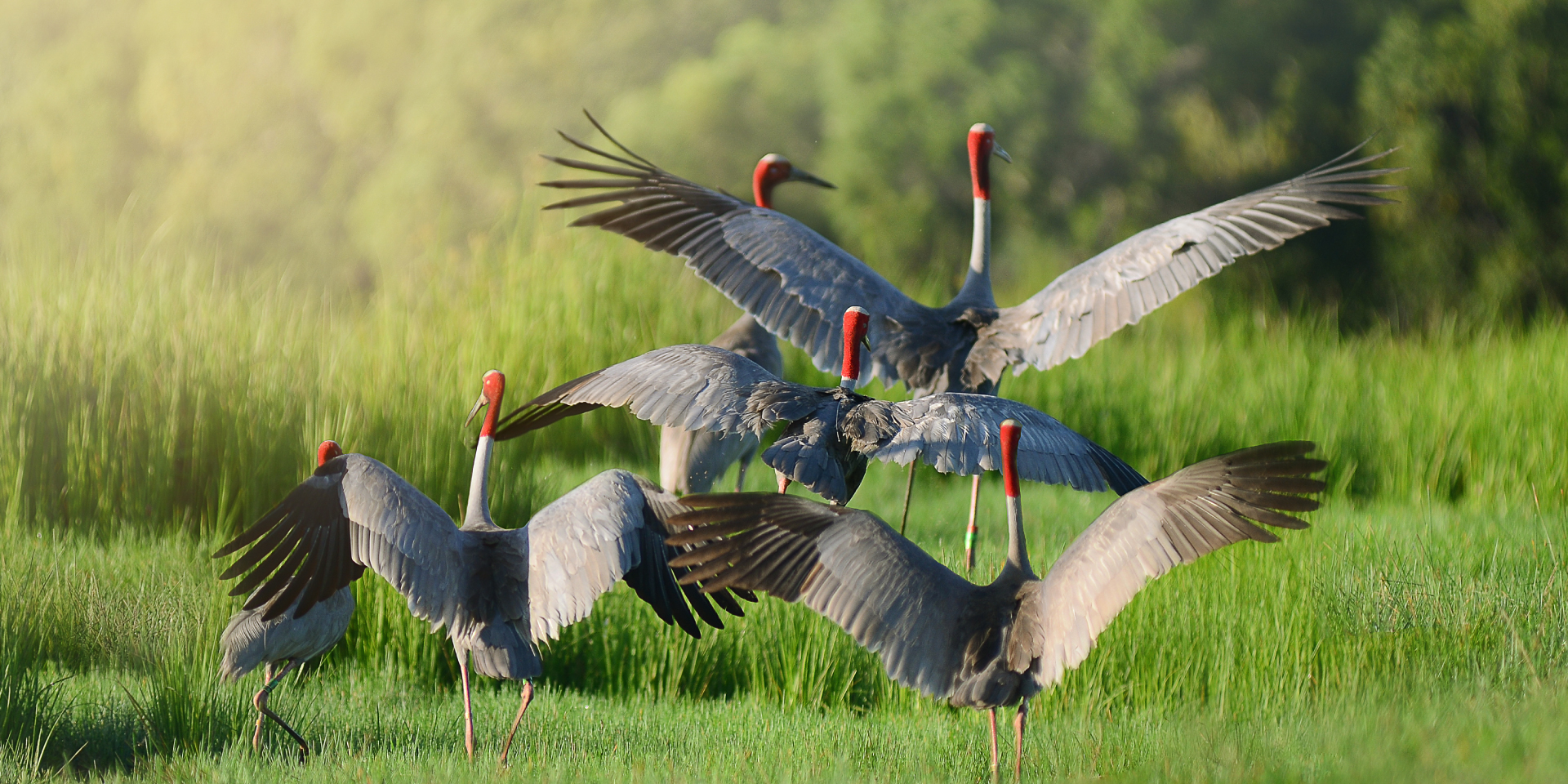
Although Ol Donyo Sabuk National Park is smaller compared to Kenya’s larger safari parks, it supports an impressive variety of wildlife species across its forests, mountain slopes, valleys, streams, and open grasslands. The park’s protected mountain ecosystem provides food, water, shelter, and breeding habitats for numerous mammals, birds, reptiles, and smaller forest creatures.
The unique combination of mountain forests and grassland habitats allows visitors to experience wildlife encounters in a scenic and peaceful environment far away from crowded safari destinations. Wildlife viewing in Ol Donyo Sabuk National Park is especially rewarding because animals are often seen against dramatic mountain scenery, dense forests, waterfalls, and panoramic landscapes.
The cooler climate, thick vegetation, and permanent water sources around Mount Kilimambogo help support biodiversity throughout the year. Visitors exploring the park during hikes, nature walks, scenic drives, and camping experiences frequently encounter wildlife moving through the forests and grasslands.
Ol Donyo Sabuk National Park is also important for conservation because it protects one of the remaining mountain forest ecosystems near Nairobi and central Kenya. These forests provide critical habitats for both wildlife and bird species while helping preserve important water catchment areas.
Buffaloes
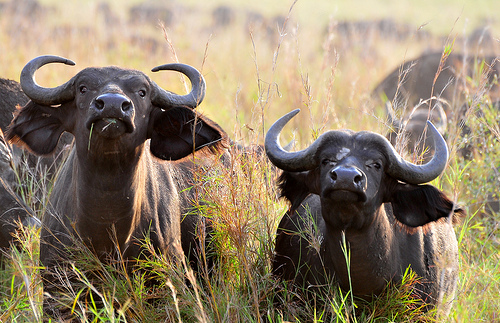
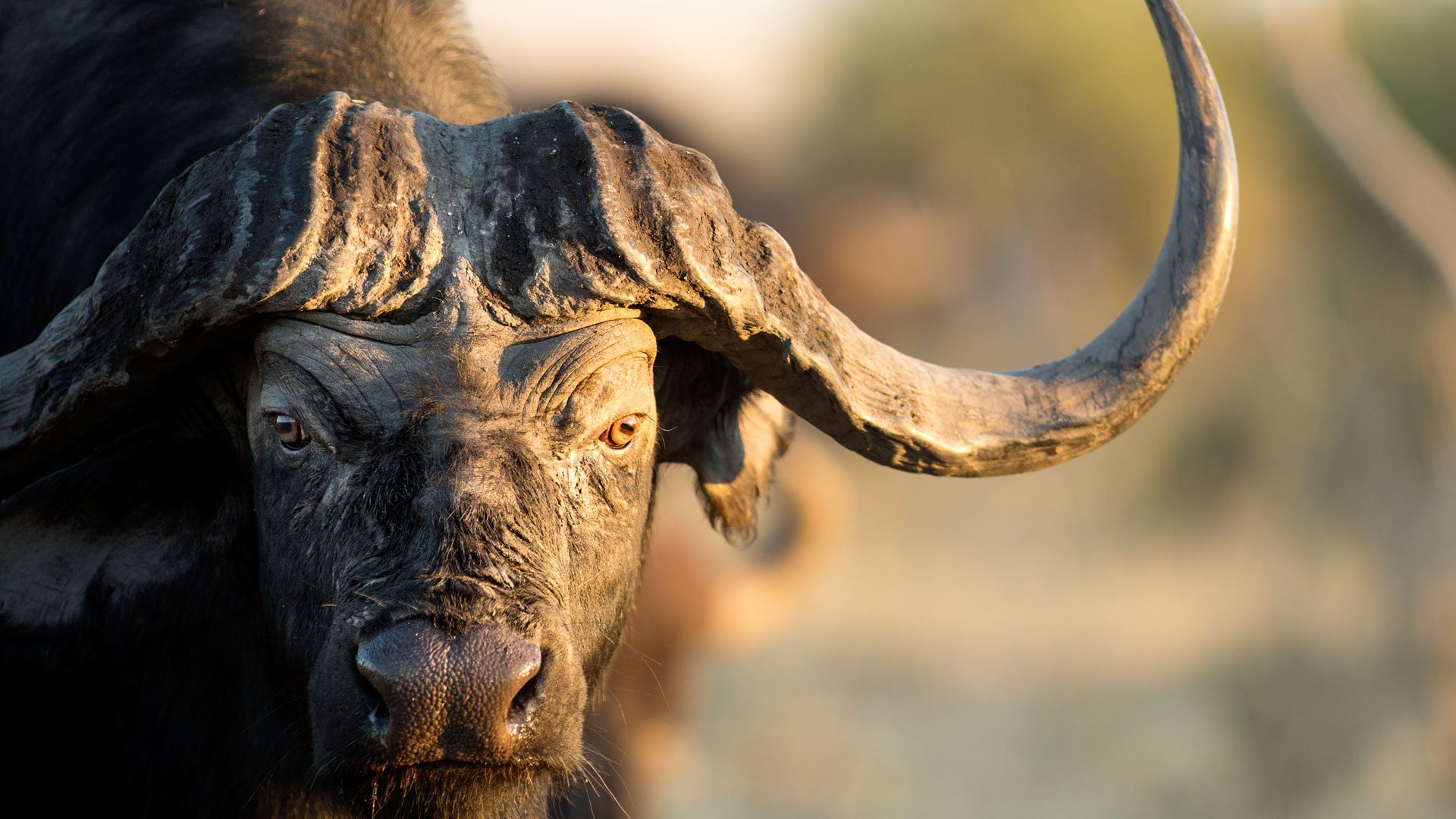
Ol Donyo Sabuk National Park is particularly famous for its buffalo population, which forms one of the park’s most iconic wildlife attractions. Buffaloes are among the largest mammals found in the park and are commonly encountered grazing across grasslands, forest edges, and mountain slopes.
The buffaloes of Ol Donyo Sabuk National Park are historically significant because many are believed to be descendants of animals introduced during the colonial era by Lord William Northrop Macmillan. These animals adapted successfully to the mountain ecosystem and continue to thrive within the protected park environment today.
Visitors hiking or driving through Ol Donyo Sabuk National Park often encounter buffalo herds resting in shaded forest areas or feeding in open clearings. The sight of buffaloes moving through mist-covered mountain forests creates a dramatic and authentic wilderness experience.
Because buffaloes can be unpredictable and potentially dangerous, visitors are advised to follow park regulations and remain accompanied by experienced guides during nature walks and hiking activities.
The presence of healthy buffalo populations in Ol Donyo Sabuk National Park highlights the importance of conservation efforts protecting the park’s mountain ecosystem and wildlife habitats.
Monkeys and Primates
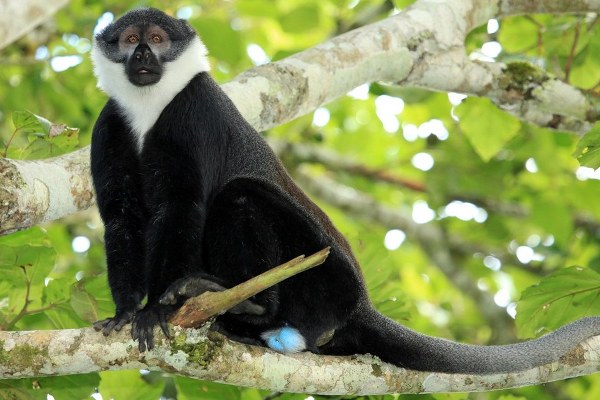
Ol Donyo Sabuk National Park is home to several primate species that inhabit the dense mountain forests and wooded valleys across the park. These primates are among the most commonly seen animals during hikes and nature walks and add excitement and energy to the forest environment.
Baboons
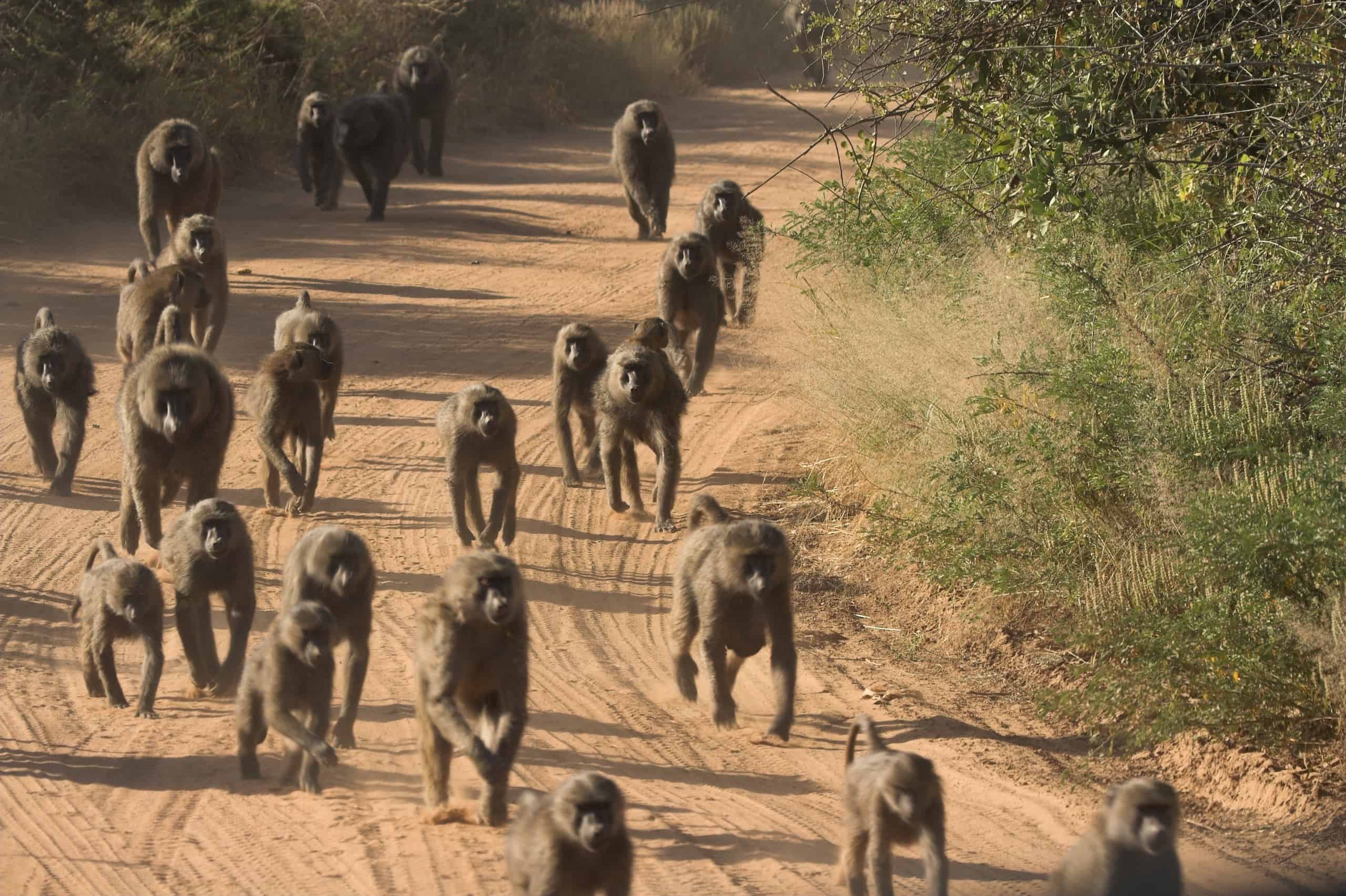
Baboons are frequently encountered in Ol Donyo Sabuk National Park, especially near roads, forest clearings, and picnic areas. These intelligent and highly social primates live in large troops and are often observed grooming, feeding, playing, and moving through the forest together.
Baboons are highly adaptable and feed on fruits, roots, seeds, insects, and smaller animals found within the park ecosystem.
Vervet Monkeys
Vervet monkeys are also common within Ol Donyo Sabuk National Park and are easily recognized by their grey fur, black faces, and long tails. These active monkeys move quickly through trees and forest edges searching for fruits, leaves, flowers, and insects.
Vervet monkeys are especially entertaining for visitors because of their playful behavior and constant movement through the forest canopy.
Colobus Monkeys
Black-and-white colobus monkeys are among the most beautiful primates found in Ol Donyo Sabuk National Park. These monkeys are recognized by their striking black fur, long white tails, and graceful movement through tall forest trees.
Colobus monkeys are less noisy and more elusive compared to baboons and vervet monkeys, making sightings particularly special for wildlife enthusiasts and photographers.
The forests of Ol Donyo Sabuk National Park provide ideal habitats for these primates due to the abundance of food, shelter, and safe breeding environments.
Bushbucks and Antelopes
Bushbucks and smaller antelope species inhabit the forests, river valleys, and grasslands of Ol Donyo Sabuk National Park. These shy and graceful herbivores contribute to the ecological balance of the park and provide rewarding sightings for visitors exploring quieter forest areas.
Bushbucks are often seen near dense vegetation and water sources where they browse on leaves, shrubs, flowers, and grasses. Their brown coats marked with white spots and stripes help camouflage them within forest environments.
Other antelope species occasionally spotted in Ol Donyo Sabuk National Park include duikers and smaller grazing animals that thrive within the mountain ecosystem.
Wildlife sightings are often more intimate in Ol Donyo Sabuk National Park because of the park’s peaceful atmosphere and lower visitor numbers compared to larger safari parks.
Porcupines and Mongooses
Ol Donyo Sabuk National Park also supports several smaller mammal species that contribute to the park’s biodiversity and ecological health.
Porcupines
Porcupines inhabit forested sections and rocky areas within the park and are mostly active at night. These nocturnal animals are recognized by their sharp protective quills and slow-moving behavior.
Although porcupines are not frequently seen during daytime visits, evidence such as tracks, burrows, and feeding signs may sometimes be observed along hiking trails and forest edges.
Mongooses
Mongooses are agile and intelligent small mammals commonly found in Ol Donyo Sabuk National Park. They move quickly through grasslands and forest floors searching for insects, reptiles, rodents, eggs, and smaller prey.
Mongooses are often spotted crossing trails or foraging in open areas during daytime activities.
The presence of smaller mammals such as porcupines and mongooses highlights the ecological diversity of Ol Donyo Sabuk National Park beyond its larger wildlife species.
Birdlife in Ol Donyo Sabuk National Park
Ol Donyo Sabuk National Park is an excellent destination for birdwatching due to its mountain forests, streams, waterfalls, open grasslands, and cooler climate that support a wide variety of resident and migratory bird species.
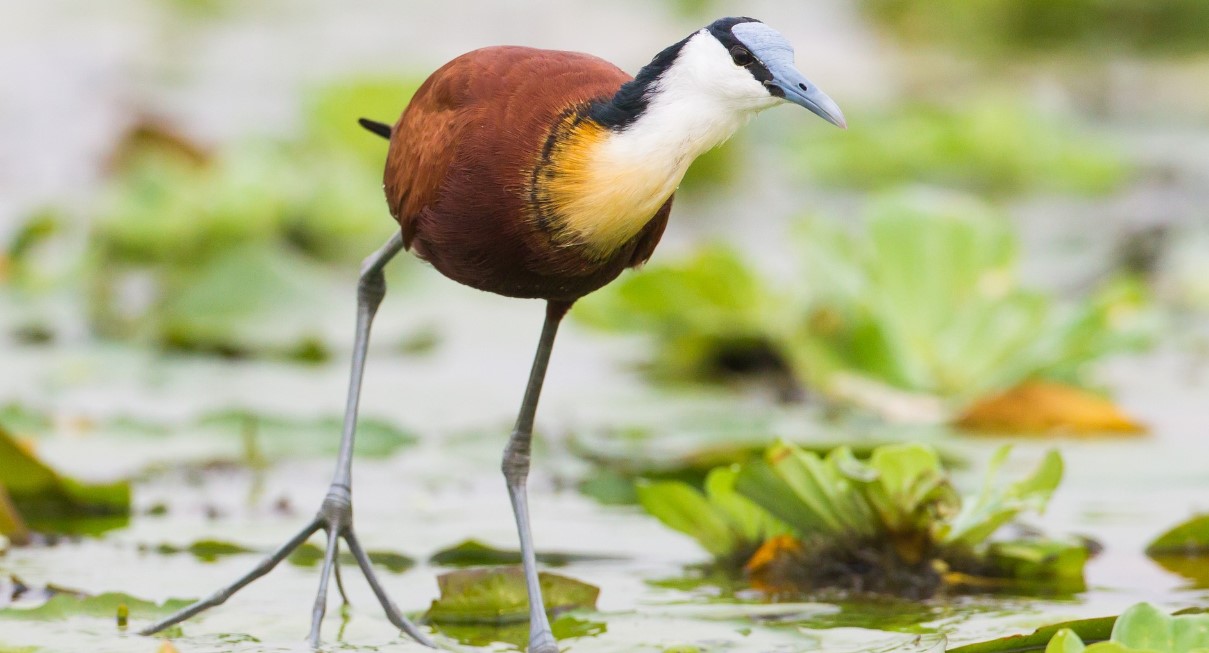
Birdwatchers visiting the park can enjoy sightings of colorful forest birds, raptors, songbirds, and water-associated species throughout different sections of the park ecosystem.
Common bird species found in Ol Donyo Sabuk National Park include: Eagles, Sunbirds, Hornbills, Kingfishers, Weavers, Turacos, Woodland birds, Owls, Bee-eaters, Forest doves, Flycatchers
The dense forests and varied vegetation provide ideal nesting and feeding habitats for birds throughout the year. Early mornings are particularly rewarding for birdwatching because bird activity increases during cooler temperatures.
Migratory birds also visit the park seasonally, especially during wetter months when food availability increases.
The peaceful and uncrowded environment of Ol Donyo Sabuk National Park makes birdwatching more enjoyable for photographers, ornithologists, and nature enthusiasts.
Top Activities in Ol Donyo Sabuk National Park
Ol Donyo Sabuk National Park offers a wide range of outdoor activities that combine adventure, nature exploration, wildlife encounters, photography, relaxation, and mountain experiences. The park’s scenic landscapes, forests, waterfalls, wildlife habitats, and panoramic viewpoints make it one of the best outdoor adventure destinations near Nairobi.
Whether visitors are interested in hiking, birdwatching, photography, camping, wildlife viewing, or simply relaxing in nature, Ol Donyo Sabuk National Park provides unforgettable experiences suitable for travelers of all ages.
Hiking Mount Kilimambogo
Hiking Mount Kilimambogo is the most famous activity in Ol Donyo Sabuk National Park and one of the top hiking experiences near Nairobi.
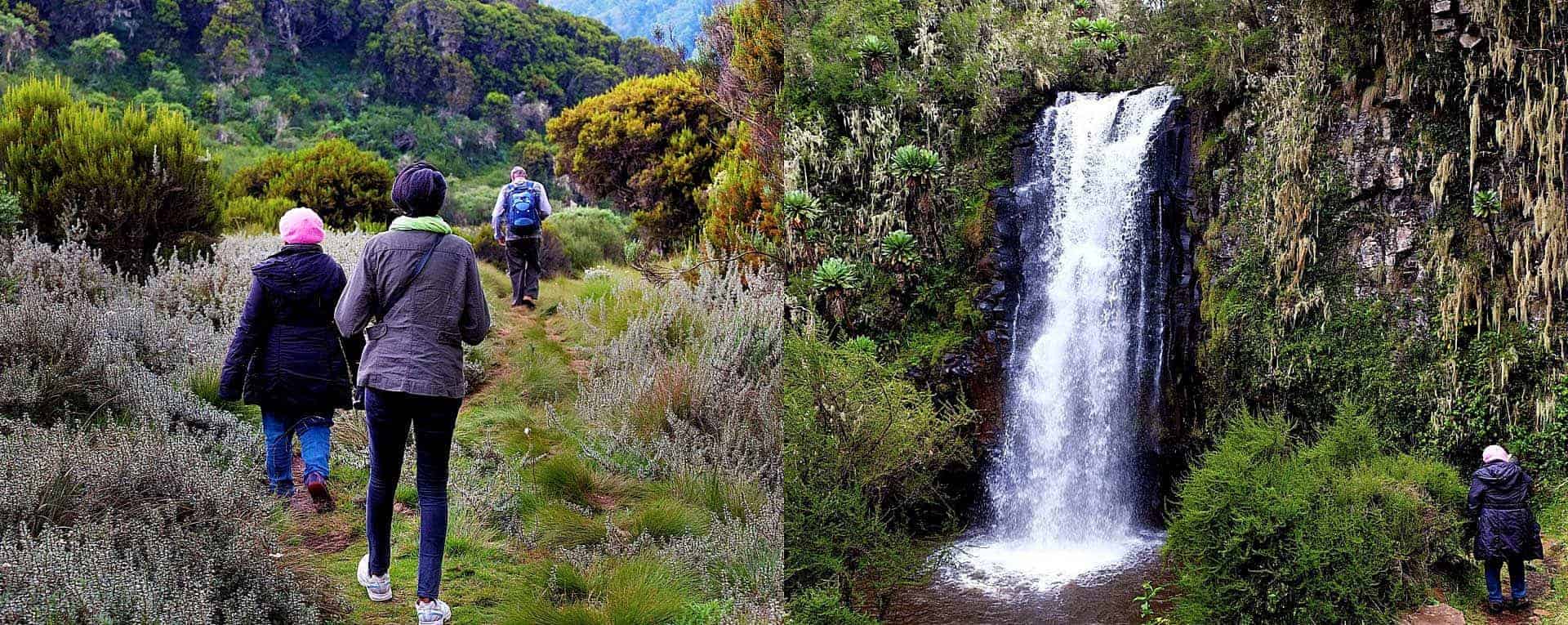
The hiking trails lead visitors through dense forests, scenic ridges, rocky paths, and panoramic viewpoints while gradually ascending toward the summit of the mountain.
The hiking trails lead visitors through dense forests, scenic ridges, rocky paths, and panoramic viewpoints while gradually ascending toward the summit of the mountain.
As hikers climb higher, they enjoy breathtaking views of central Kenya’s landscapes including plains, forests, hills, rivers, and distant mountains. On clear days, hikers can see Mount Kenya, the Aberdare Ranges, and even parts of Nairobi from the summit.
The hike also passes historical attractions such as Lord Macmillan’s grave site near the top of the mountain, adding cultural significance to the adventure.
Hiking Mount Kilimambogo is popular among adventure travelers, fitness enthusiasts, schools, photographers, and weekend visitors seeking outdoor recreation in nature.
Nature Walks
Guided nature walks in Ol Donyo Sabuk National Park allow visitors to explore the mountain ecosystem at a slower and more immersive pace.
Nature walks pass through forests, streams, waterfalls, grasslands, and scenic trails while offering opportunities to observe wildlife tracks, birds, plants, insects, and smaller animals.
Experienced guides provide educational insights into the park’s ecology, conservation importance, medicinal plants, geological features, and wildlife behavior.
Nature walks are especially enjoyable for photographers, students, birdwatchers, families, and conservation-focused travelers interested in learning more about Kenya’s mountain ecosystems.
Birdwatching
Birdwatching is one of the most rewarding activities in Ol Donyo Sabuk National Park because of the park’s rich forest habitats and varied bird species.
Birdwatchers can explore different sections of the park searching for colorful forest birds, eagles, hornbills, kingfishers, sunbirds, turacos, owls, and migratory species.
The peaceful mountain environment and limited tourist crowds make birdwatching in Ol Donyo Sabuk National Park especially relaxing and productive.
Early morning birdwatching excursions are highly recommended due to increased bird activity and cooler temperatures.
Wildlife Viewing
Although the park is smaller than Kenya’s major safari destinations, wildlife viewing in Ol Donyo Sabuk National Park remains enjoyable because of the scenic mountain environment and peaceful atmosphere.
Visitors commonly encounter buffaloes, monkeys, bushbucks, mongooses, squirrels, porcupines, and smaller forest mammals while exploring the park.
Wildlife viewing experiences often occur during hikes, nature walks, scenic drives, and camping adventures rather than traditional large-scale game drives.
The combination of wildlife and mountain scenery creates unique safari experiences different from open savannah safari parks.
Photography Safaris
Ol Donyo Sabuk National Park offers excellent photography opportunities for both amateur and professional photographers.
The mountain landscapes, forests, waterfalls, wildlife, panoramic viewpoints, mist-covered hills, and scenic trails provide endless opportunities for stunning photography.
Sunrise and sunset are particularly beautiful in Ol Donyo Sabuk National Park as golden light spreads across the mountain slopes and surrounding plains.
Photographers can capture landscapes, wildlife, birds, waterfalls, forest scenery, hiking adventures, and historical landmarks throughout the park.
Picnics and Relaxation
Ol Donyo Sabuk National Park provides peaceful picnic sites surrounded by forests, fresh mountain air, and scenic landscapes.
Visitors looking for relaxation can enjoy quiet outdoor experiences while listening to birds, observing nature, and escaping busy city environments.
Picnic experiences are popular among families, couples, student groups, and local travelers visiting the park for day trips from Nairobi.
The calm environment and cooler temperatures make the park ideal for outdoor relaxation and nature appreciation.
Camping in Ol Donyo Sabuk National Park
Camping in Ol Donyo Sabuk National Park allows visitors to fully experience the mountain wilderness overnight.
Campers enjoy peaceful nights surrounded by forests, wildlife sounds, cool mountain air, and star-filled skies.
Camping experiences range from simple adventure camping to organized group camping with safari support services.
The park’s quiet atmosphere makes camping especially enjoyable for outdoor enthusiasts, hikers, school groups, photographers, and nature lovers seeking immersive wilderness experiences.
The Famous Fourteen Falls Near Ol Donyo Sabuk National Park
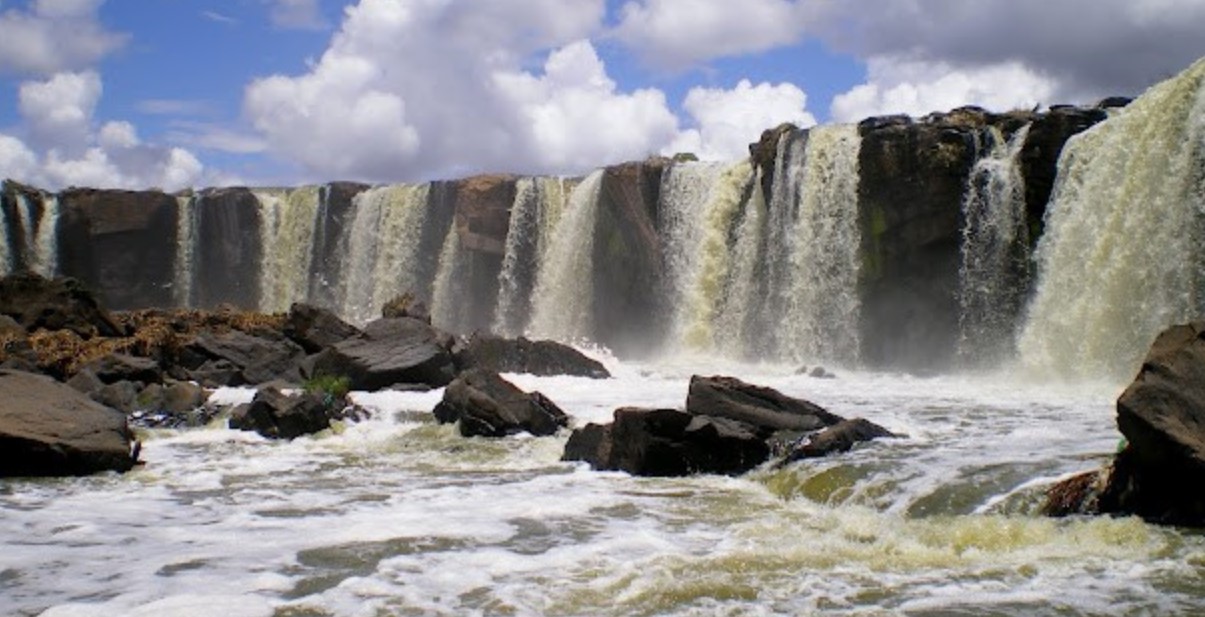
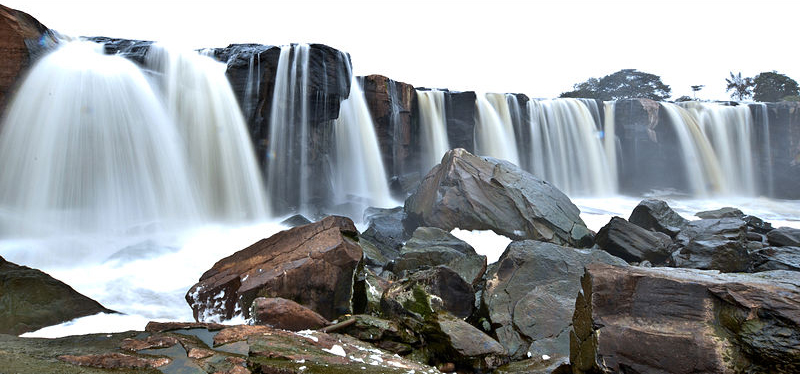
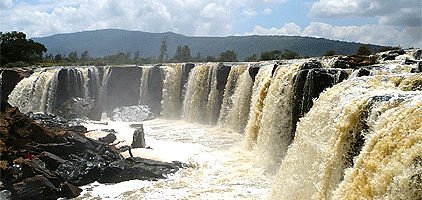
One of the most popular attractions commonly combined with Ol Donyo Sabuk National Park is the famous Fourteen Falls, a spectacular waterfall located along the Athi River near Thika town.
Fourteen Falls is named after the fourteen distinct streams of water that cascade dramatically over a wide rock formation, creating one of the most scenic waterfalls in central Kenya. The waterfall attracts visitors because of its natural beauty, cultural significance, photography opportunities, and recreational experiences.
Travelers visiting Fourteen Falls can enjoy: Scenic waterfall views, Boat rides on the Athi River, Birdwatching, Photography, Cultural experiences, Nature walks, Local craft shopping, Relaxation by the river
The powerful flow of water creates beautiful mist and dramatic scenery especially during the rainy season when water levels increase significantly.
Birdlife around Fourteen Falls is also impressive, with kingfishers, cormorants, egrets, weavers, and other water-associated bird species commonly seen near the river.
Local communities around Fourteen Falls often offer cultural interactions, traditional performances, and handicraft sales that allow visitors to experience local Kenyan culture alongside natural attractions.
Because Fourteen Falls is located relatively close to Ol Donyo Sabuk National Park, many travelers combine both destinations into a single day trip or weekend itinerary from Nairobi, creating a rewarding mix of mountain adventure and scenic waterfall exploration.
Ol Donyo Sabuk National Park Safari Costs
The cost of visiting Ol Donyo Sabuk National Park depends on the type of safari experience, transport option, accommodation level, activities included, group size, guiding service, and number of days spent exploring the park. Because the park is located close to Nairobi, it is one of the most affordable and convenient Kenya safari destinations for day trips, hiking adventures, school excursions, weekend getaways, and short nature escapes.
A simple day trip to Ol Donyo Sabuk National Park can be budget-friendly, especially for travelers who only need transport, park entry, hiking support, and guiding services. Overnight safaris cost more because they may include accommodation, meals, camping arrangements, extended guiding, and extra activities such as birdwatching, photography, Fourteen Falls visits, or combined central Kenya excursions.
Luxury safaris are ideal for travelers who prefer private transport, professional safari guides, premium accommodation, customized activities, special meals, photography support, and a relaxed itinerary with personalized service.
Safari prices may increase depending on private transfers, special guiding requests, luxury accommodation, camping equipment, meal preferences, photography support, combined destinations, and the number of travelers in the group. Group safaris are usually more affordable per person because transport and guiding costs are shared, while private safaris offer more flexibility, comfort, and personalized service.
How to Get to Ol Donyo Sabuk National Park
Ol Donyo Sabuk National Park is one of the easiest national parks to access from Nairobi, making it ideal for travelers who want a short Kenya safari experience without long-distance travel. The park is located near Thika town and can be reached comfortably by road from Nairobi, Machakos, Thika, or other parts of central Kenya.
By Road
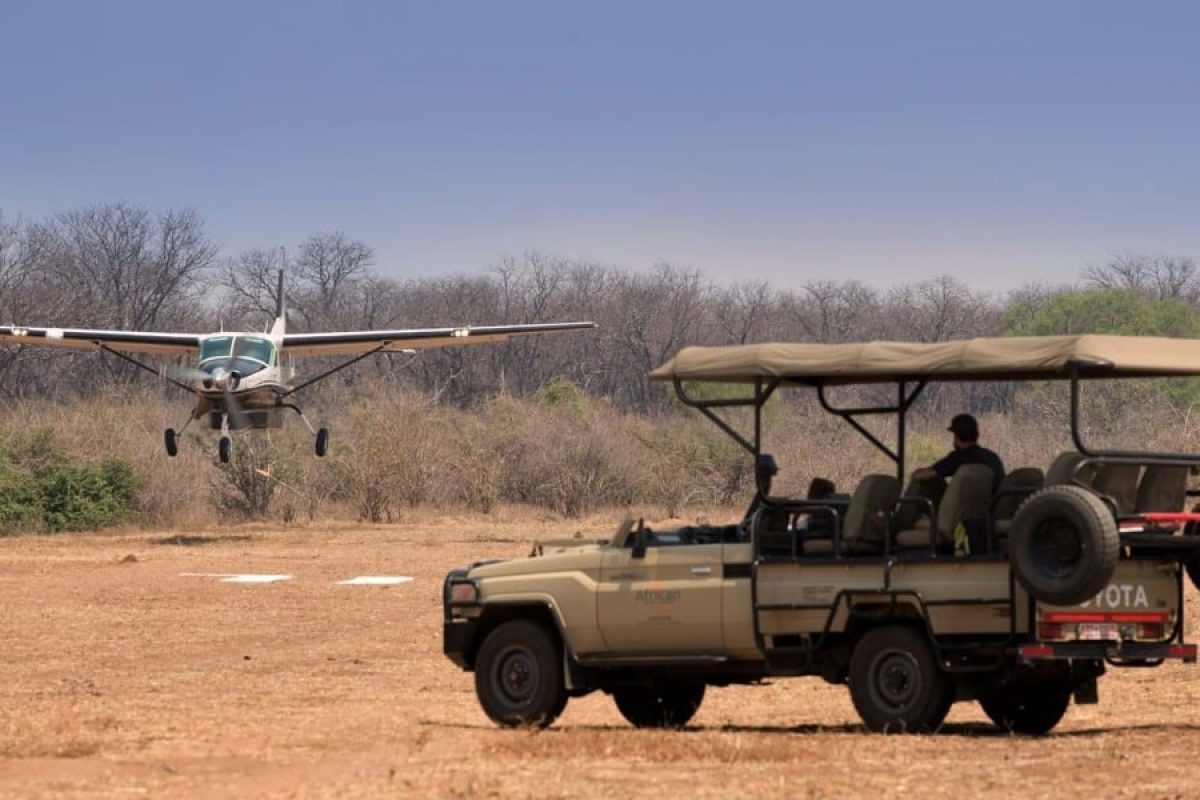
Most visitors travel to Ol Donyo Sabuk National Park by road from Nairobi. The journey usually takes approximately two to three hours depending on traffic, weather, and the starting point in Nairobi. The route passes through busy urban areas, local towns, plantations, rural landscapes, and scenic countryside before reaching the mountain area.
Traveling by road is the most practical option for day trips, hiking safaris, family outings, student tours, photography trips, and weekend escapes. A private safari vehicle is recommended because it allows flexibility for stops, photography, picnic supplies, luggage, and combined visits to nearby attractions such as Fourteen Falls.
Private Safari Transfers
Boots in the Jungle Safaris organizes comfortable private transfers and guided safari transport to Ol Donyo Sabuk National Park. This is the best option for travelers who want a smooth, safe, and well-planned experience from Nairobi or any nearby destination.
Private transfers can include hotel pickup, professional driver-guide services, park entry assistance, hiking coordination, picnic arrangements, photography stops, and return transport. This makes the journey easier for international travelers, families, school groups, couples, and visitors unfamiliar with local routes.
A guided transfer also gives travelers more value because the journey becomes part of the experience. Along the way, guests can learn about local towns, central Kenya landscapes, agriculture, history, wildlife, and the cultural importance of the region.
Book Your Safari with Boots in the Jungle Safaris
Boots in the Jungle Safaris offers tailor-made Kenya safari experiences designed for travelers who want adventure, nature, comfort, scenery, and meaningful wildlife encounters. Our trips to Ol Donyo Sabuk National Park are carefully planned to suit different travel styles, including day trips from Nairobi, hiking adventures, family outings, student excursions, photography tours, camping safaris, and multi-destination Kenya itineraries.
Our team helps travelers enjoy a smooth and memorable experience by arranging transport, guides, activity planning, accommodation, meals, park logistics, and optional add-ons such as Fourteen Falls visits or central Kenya safari extensions.
With Boots in the Jungle Safaris, your experience can include mountain hiking, scenic viewpoints, wildlife viewing, birdwatching, photography, guided nature walks, picnics, camping, and cultural stops. Every itinerary is designed with comfort, safety, flexibility, and authentic safari experiences in mind.
Whether you want a simple day trip from Nairobi, a peaceful weekend escape, a guided Mount Kilimambogo hike, a photography safari, or a longer Kenya safari holiday, Boots in the Jungle Safaris is ready to help you plan a rewarding journey filled with nature, adventure, and unforgettable memories.