Why a Gorilla Trekking Packing List Matters
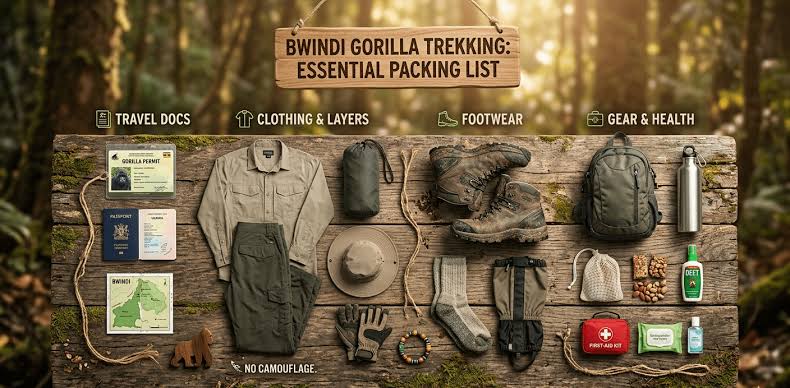
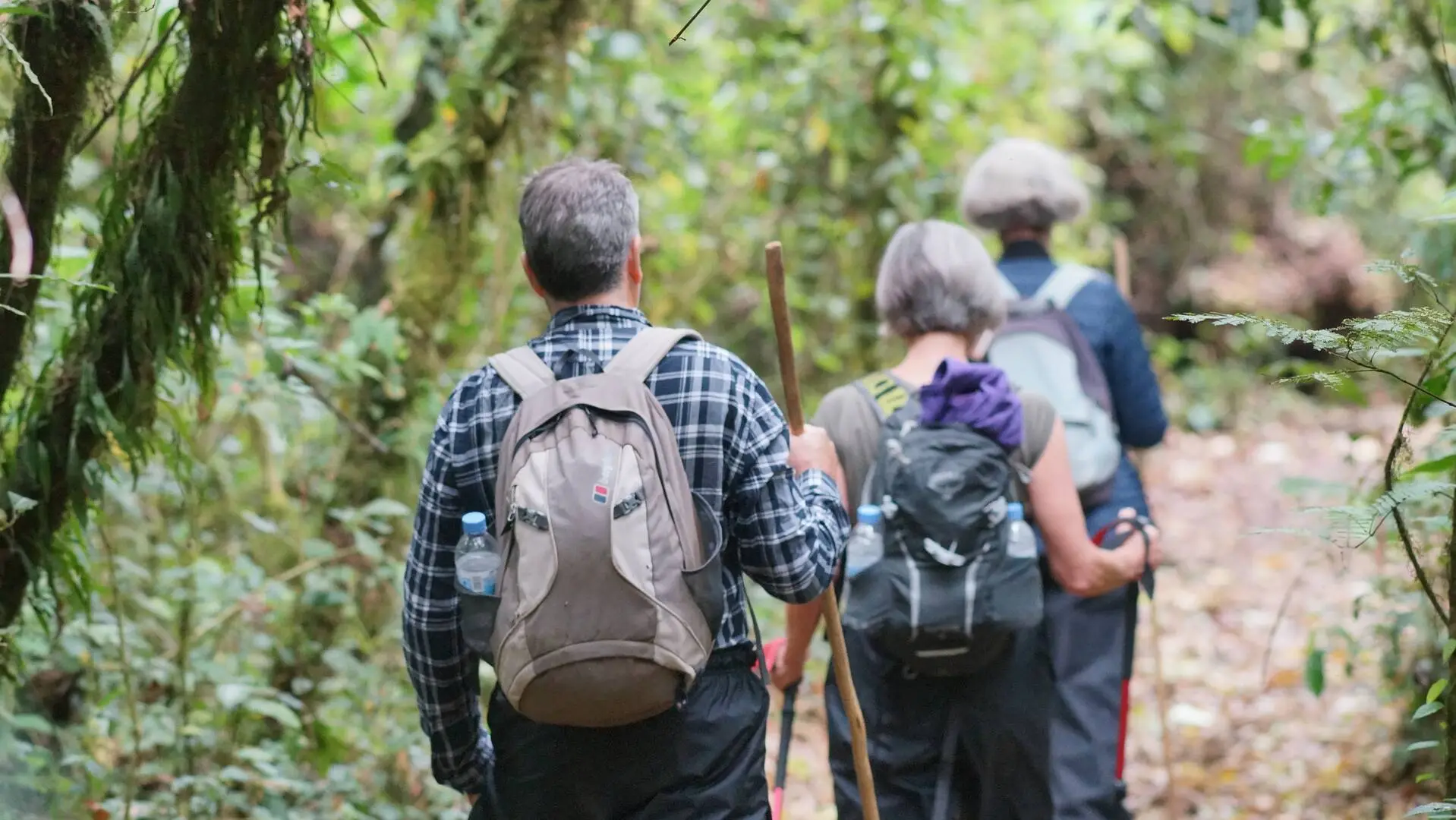
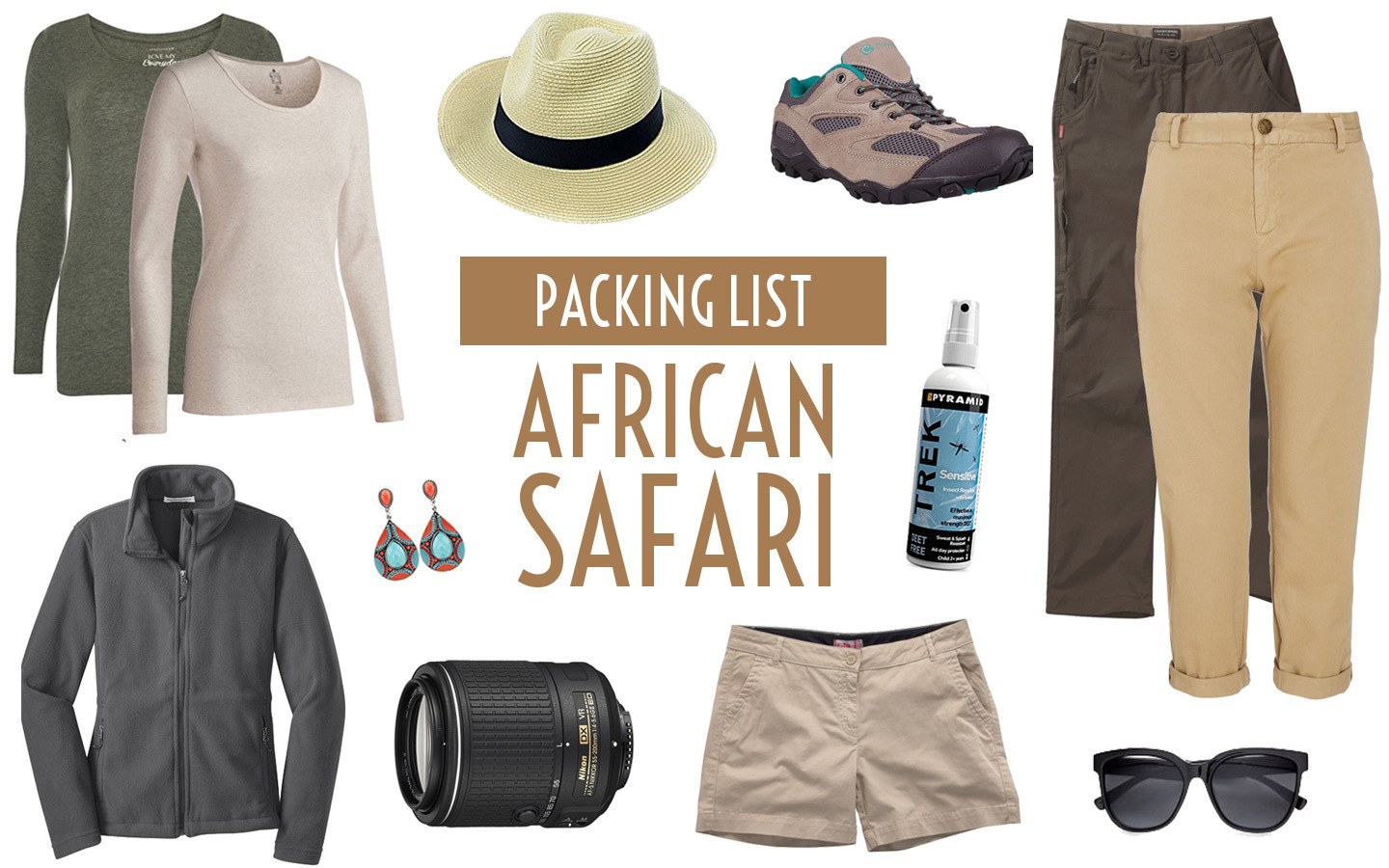
A carefully prepared Gorilla Trekking Packing List is much more than a checklist of travel items—it is an essential part of planning a successful mountain gorilla adventure. Gorilla trekking takes place deep inside tropical rainforests where the terrain is natural, rugged, and constantly changing. Unlike city tours or ordinary hiking trails, trekkers navigate steep hillsides, muddy footpaths, dense vegetation, bamboo forests, exposed tree roots, and sometimes slippery rocks. Depending on where the gorilla family is located, the trek can last anywhere from one hour to eight hours, making comfort and preparedness extremely important.
Weather conditions in Uganda and Rwanda’s mountain forests are equally unpredictable. A bright sunny morning can quickly turn into heavy rainfall before clearing again within a short period. Since mountain gorillas inhabit high-altitude forests between 2,200 and over 4,000 meters above sea level, temperatures are generally cooler than most visitors expect, especially during the early morning hours when trekking begins. Packing clothing that allows you to adapt to changing temperatures ensures that you remain comfortable throughout the day.
The rainforest itself presents several natural challenges that many first-time trekkers underestimate. Thick vines, thorny shrubs, stinging nettles, slippery mud, insects, and steep slopes are all part of the authentic gorilla trekking experience. Wearing the right clothing and carrying appropriate equipment helps protect you from minor scratches, insect bites, wet clothing, and unnecessary fatigue. Something as simple as wearing long sleeves or waterproof boots can significantly improve your overall comfort during the trek.
Having a complete Gorilla Trekking Packing List also allows you to focus entirely on the once-in-a-lifetime experience of meeting mountain gorillas rather than worrying about forgotten essentials. When you are comfortable, hydrated, properly dressed, and carrying the right equipment, you can fully appreciate the breathtaking scenery, listen to the sounds of the rainforest, observe countless bird species, and enjoy the magical moment when you finally come face to face with a gorilla family.
For travelers booking with Boots in The Jungle Safaris, proper preparation begins long before arriving in Uganda or Rwanda. We provide personalized packing advice based on the season, destination, accommodation, and individual travel preferences, ensuring every guest begins their gorilla trekking adventure fully prepared.
Understanding Gorilla Trekking Conditions
Before deciding exactly what belongs on your Gorilla Trekking Packing List, it is important to understand the unique environment where mountain gorillas live. These critically endangered primates inhabit some of Africa’s oldest and most biologically diverse rainforests, including Bwindi Impenetrable National Park and Mgahinga Gorilla National Park in Uganda, as well as Volcanoes National Park in Rwanda. These forests have remained largely untouched for thousands of years and provide one of the most spectacular wildlife habitats on Earth.
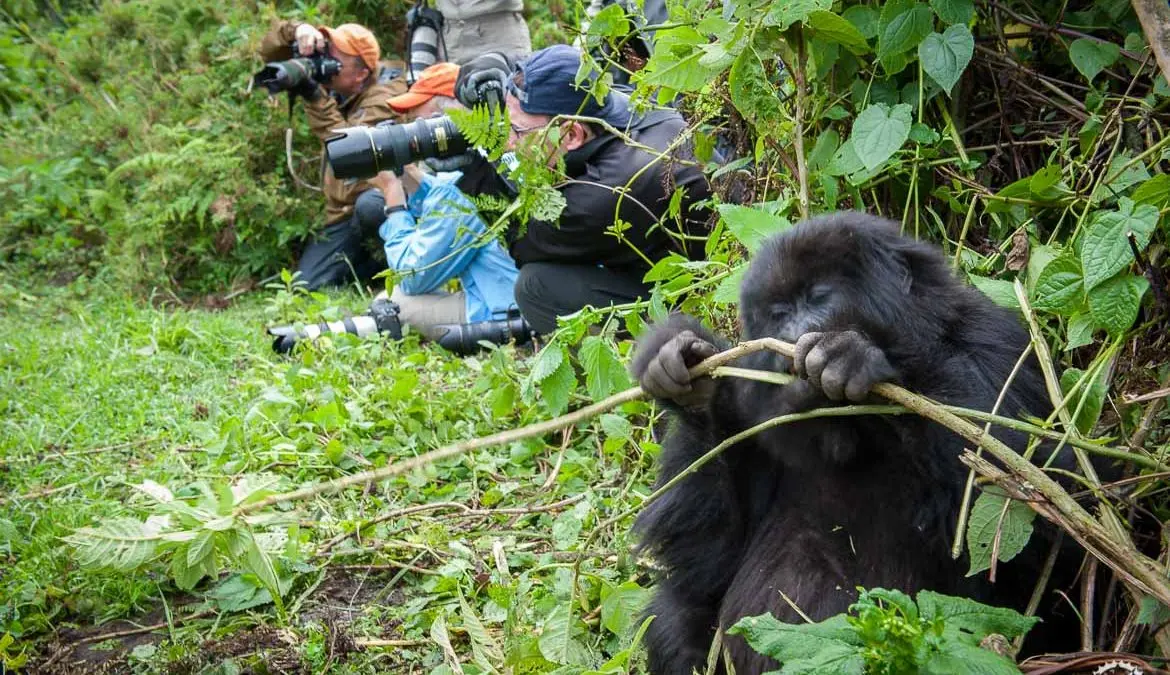
The terrain is naturally mountainous because gorillas prefer higher elevations where dense vegetation provides abundant food throughout the year. Trekkers often climb ridges, descend valleys, cross streams, and navigate narrow forest paths while following experienced park rangers who track the gorillas each morning. Unlike regular hiking trails, gorilla trekking routes are determined by the current location of each gorilla family, meaning no two trekking experiences are ever exactly the same.
Rain is common throughout the year regardless of season. Even during the traditional dry months, brief showers frequently occur because these are tropical rainforests with consistently high humidity. As a result, waterproof clothing, quick-drying fabrics, and reliable hiking boots remain essential items regardless of when you plan your visit. The forest floor often remains damp, creating muddy sections that require careful footing throughout the hike.
Temperatures generally range between 10°C and 25°C depending on altitude and time of day. Mornings often begin with cool mist covering the mountains before gradually warming as the day progresses. Because of these changing conditions, wearing multiple lightweight layers is much more practical than carrying one heavy jacket.
The physical demands of gorilla trekking also vary considerably. Some gorilla families remain relatively close to the park headquarters and require only short hikes, while others move deeper into the forest, requiring several hours of trekking over challenging terrain. Fortunately, experienced guides adjust the pace according to the group’s fitness level, allowing everyone to enjoy the experience safely. Visitors can also hire local porters who assist with carrying backpacks and providing support on steep sections, making the trek easier while directly supporting local communities.
Understanding these trekking conditions helps visitors appreciate why every item included in a Gorilla Trekking Packing List serves an important purpose. From protecting against rain and mud to ensuring comfort during long hikes, proper preparation significantly enhances the overall experience.
Essential Clothing for Gorilla Trekking
Selecting the right clothing is one of the most important parts of any Gorilla Trekking Packing List. Unlike ordinary hiking adventures, gorilla trekking requires clothing that offers protection, flexibility, breathability, and comfort while allowing you to move easily through dense rainforest vegetation. The goal is not simply to dress for hiking but to prepare for an active day inside one of Africa’s oldest tropical forests.
Long-sleeved shirts are highly recommended because they provide excellent protection against thorny bushes, branches, insects, and stinging nettles that are commonly encountered during the trek. Lightweight moisture-wicking fabrics are ideal because they keep your body cool while allowing sweat to evaporate naturally during strenuous climbs. Cotton clothing is generally less suitable since it absorbs moisture and takes much longer to dry once wet.
Long hiking trousers are equally important and should always be included in your Gorilla Trekking Packing List. The lower sections of the forest contain thick undergrowth, vines, and thorny vegetation that can easily scratch exposed skin. Durable hiking trousers protect your legs while remaining comfortable during long hours of walking. Many experienced trekkers prefer lightweight convertible hiking trousers made from quick-drying materials because they provide maximum flexibility without adding unnecessary weight.
Choosing the right colors also plays an important role. Neutral earth tones such as olive green, brown, khaki, grey, or dark green blend naturally with the surrounding forest environment. These colors are less likely to attract insects and create a more natural presence while observing wildlife. Bright colors such as red, orange, or fluorescent shades should generally be avoided since they stand out sharply against the rainforest backdrop.
Layering your clothing is another essential strategy for mountain gorilla trekking. Early mornings in Bwindi, Mgahinga, and Volcanoes National Park can be surprisingly cold due to the high elevation, while physical activity during the trek gradually warms your body. Wearing a moisture-wicking base layer, a lightweight fleece, and a waterproof outer jacket allows you to easily adjust your clothing throughout the day as temperatures change.
Comfortable hiking socks should never be overlooked. High-quality moisture-wicking socks help prevent blisters, reduce friction inside your boots, and keep your feet dry even during long treks. Carrying an extra pair inside your backpack is always recommended, particularly during the rainy season when boots may become wet.
Accessories such as a wide-brimmed hat, lightweight gloves, and a neck buff further improve comfort during the hike. Gloves protect your hands while holding branches or climbing steep sections, while a hat shields you from both rain and sunshine during open sections of the trail. Together, these clothing choices ensure you remain comfortable, protected, and fully prepared to enjoy one of Africa’s greatest wildlife experiences.
Waterproof Hiking Boots
Among every item included on a Gorilla Trekking Packing List, waterproof hiking boots are arguably the single most important. Your boots will determine not only your comfort throughout the trek but also your safety as you navigate muddy trails, steep slopes, rocky paths, exposed tree roots, and dense rainforest vegetation.
Mountain gorilla trekking takes place on natural forest terrain where no paved paths or constructed hiking trails exist. Rangers lead visitors along routes determined entirely by the daily movement of each gorilla family. This means you may walk through soft mud, cross shallow streams, climb slippery hillsides, or descend steep forest slopes before reaching the gorillas. A pair of sturdy hiking boots provides the grip and stability needed to walk confidently across these constantly changing surfaces.
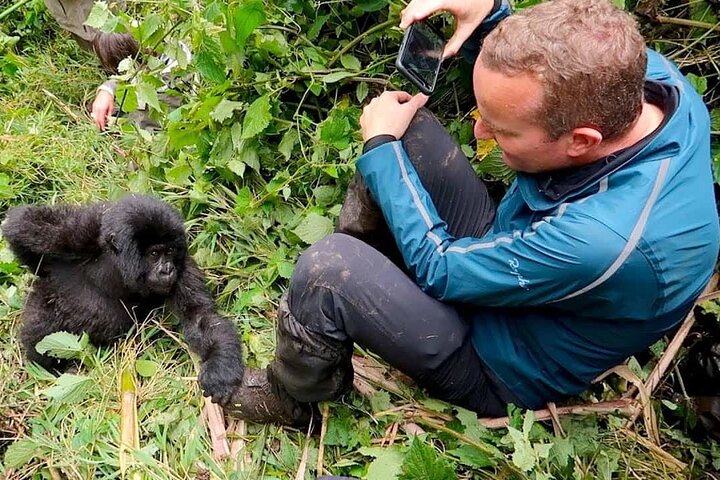
Waterproof boots are particularly valuable because rainfall is possible throughout the year in Uganda and Rwanda’s mountain forests. Wet feet quickly become uncomfortable during long hikes and significantly increase the likelihood of developing painful blisters. Waterproof boots help keep your feet dry while protecting against mud, puddles, and damp vegetation encountered along the trail.
Strong ankle support is another essential feature when selecting trekking boots. Gorilla trekking often involves walking across uneven terrain where loose rocks, hidden roots, and slippery mud can easily cause ankle injuries. Boots that extend above the ankle provide greater stability, reducing fatigue while improving balance during difficult sections of the trek.
Equally important is ensuring your boots are already broken in before arriving for your safari. Brand-new hiking boots often cause pressure points and blisters because they have not yet molded to your feet. It is highly recommended to wear your boots during several walks or hikes at home before traveling to East Africa. This simple preparation greatly increases comfort during your gorilla trekking experience.
The outsole of your hiking boots should feature deep, aggressive tread patterns that provide reliable traction on wet and muddy surfaces. Boots with durable rubber soles offer excellent grip while climbing steep hills or descending slippery trails after rainfall. Breathable waterproof membranes also help regulate temperature inside the boots, preventing excessive sweating while maintaining dryness.
Pairing waterproof boots with moisture-wicking hiking socks and gaiters creates the ideal combination for rainforest trekking. Together, they protect your feet from mud, water, insects, and small debris while ensuring you remain comfortable from the beginning of the trek until your unforgettable encounter with the mountain gorillas. Investing in quality hiking boots is therefore one of the smartest decisions you can make when preparing your Gorilla Trekking Packing List.
Waterproof Rain Jacket
A high-quality waterproof rain jacket is one of the most essential items on any Gorilla Trekking Packing List because mountain gorilla trekking takes place in tropical rainforests where rainfall can occur at any time of the year. Even during the traditional dry seasons, short but heavy rain showers are common in Bwindi Impenetrable National Park, Mgahinga Gorilla National Park, and Volcanoes National Park. Weather conditions in these mountainous forests change rapidly, and what begins as a clear sunny morning can quickly become wet and misty within minutes.
Unlike ordinary raincoats, a proper trekking rain jacket should be lightweight, breathable, and completely waterproof. Breathability is especially important because gorilla trekking involves continuous walking over steep terrain, causing your body to generate heat. A breathable jacket allows sweat to escape while preventing rainwater from entering, helping you stay comfortable throughout the hike. Jackets made with waterproof membranes also dry quickly after rainfall, making them ideal for rainforest environments.
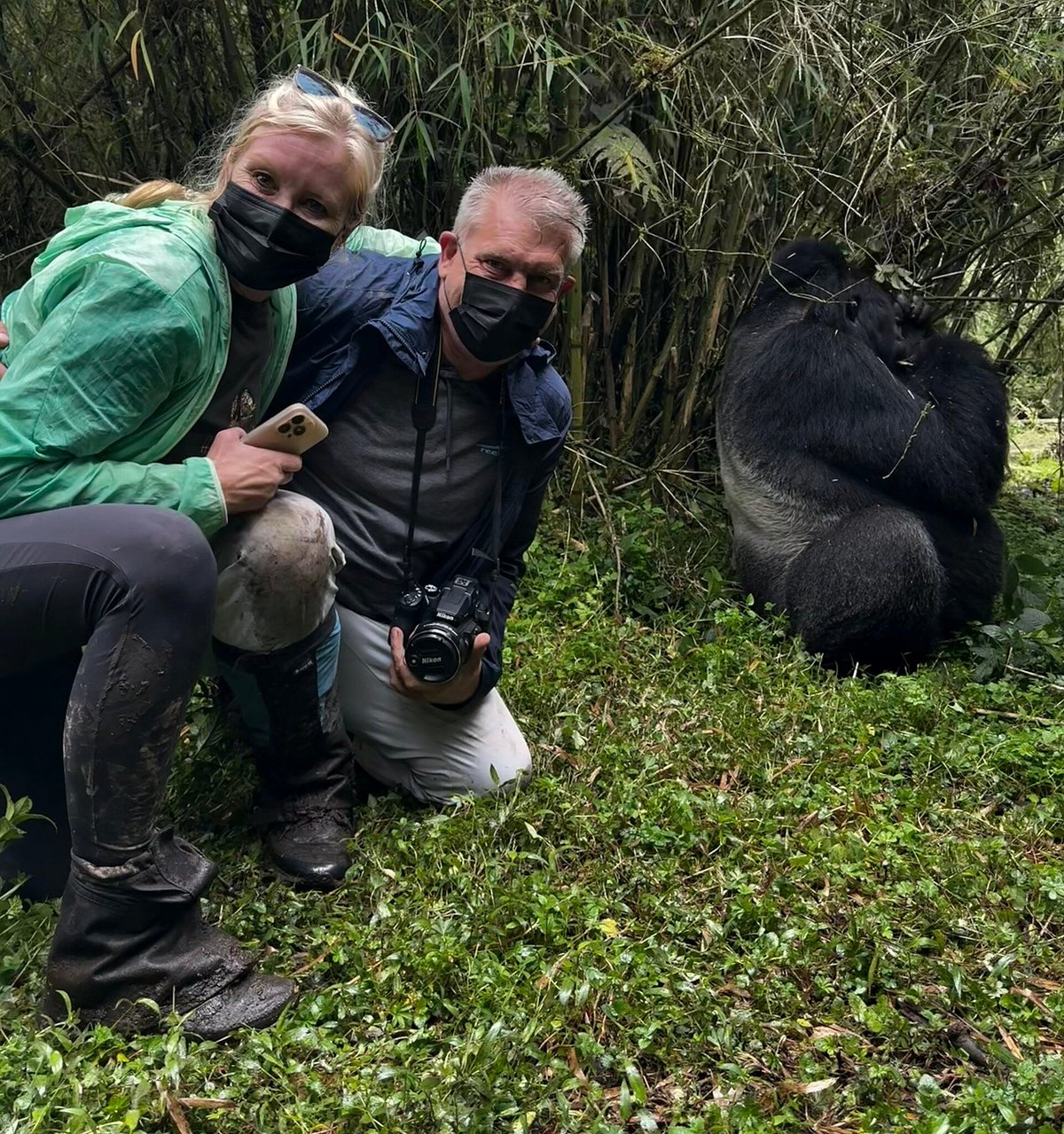
Your rain jacket should include an adjustable hood, waterproof zippers, and elastic cuffs that prevent rain from running inside your clothing. Many modern hiking jackets are designed to fold into their own pocket or a small carrying pouch, allowing them to fit easily inside a daypack when not in use. Since the jacket remains compact and lightweight, there is little reason not to carry one on every trek.
Besides protecting you from rain, a waterproof jacket also provides additional warmth during cool early mornings and at higher elevations where temperatures are considerably lower. When combined with proper layering, it creates an effective barrier against wind, mist, and cold mountain air. At Boots in The Jungle Safaris, we always recommend packing a reliable waterproof jacket regardless of the season because rainforest weather is naturally unpredictable and being prepared greatly enhances your overall trekking experience.
Gardening Gloves or Trekking Gloves
Although they may seem like a minor accessory, lightweight gloves quickly become one of the most appreciated items on a complete Gorilla Trekking Packing List. During gorilla trekking, visitors frequently use their hands to steady themselves while climbing hills, holding onto tree branches, pushing aside dense vegetation, or navigating slippery sections of the forest. Without gloves, hands can easily become scratched by thorny bushes, rough bark, bamboo stems, or stinging plants that naturally grow throughout the rainforest.
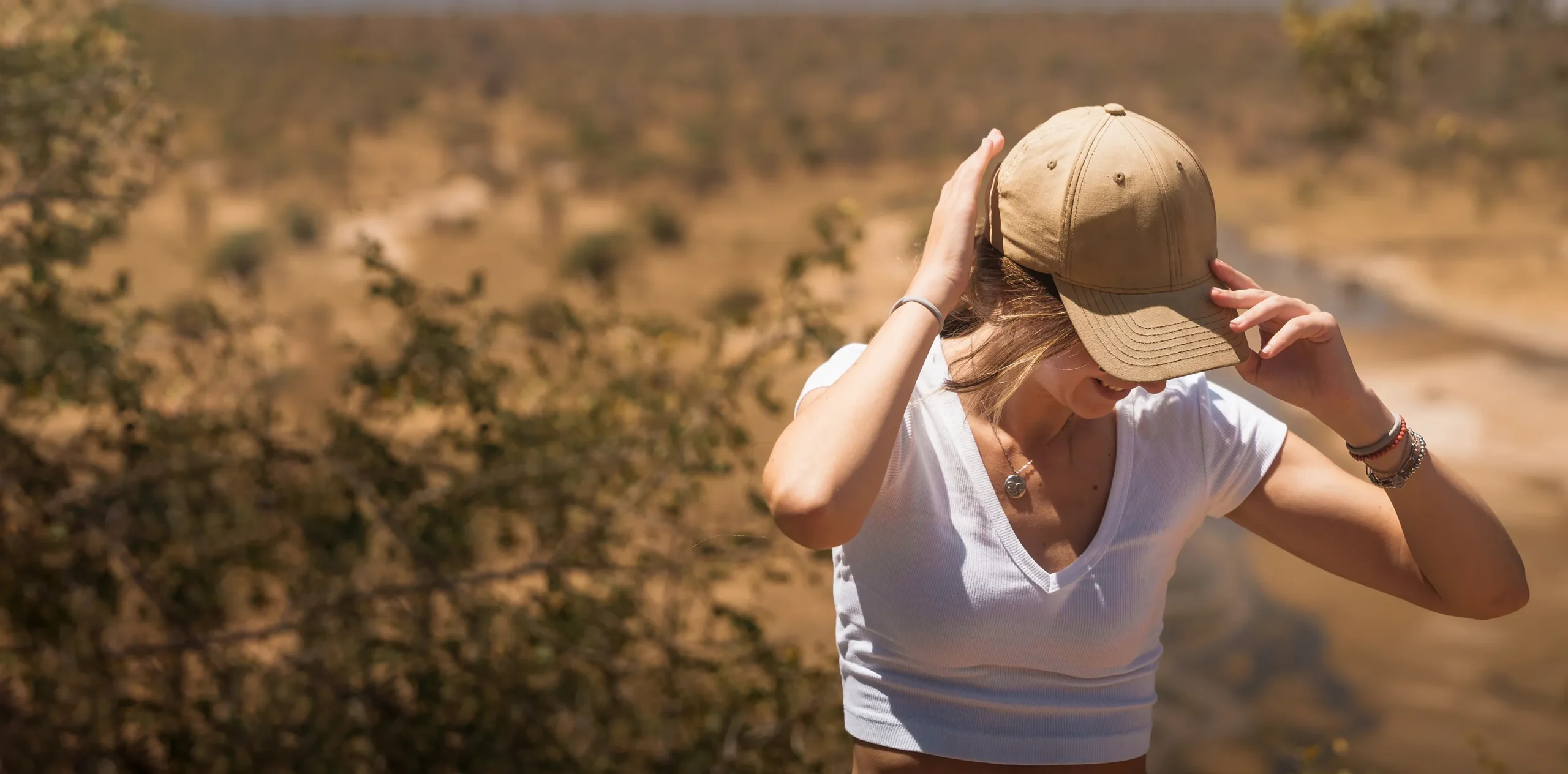
Simple gardening gloves are actually among the most popular choices because they are lightweight, inexpensive, durable, and provide excellent grip. Many experienced guides and trekkers prefer them over bulky winter gloves because they offer better flexibility while protecting the hands. Trekking gloves designed specifically for hiking are also excellent alternatives, especially those made from breathable materials that prevent excessive sweating.
The rainforest contains numerous thorny shrubs and vines that can make sections of the hike challenging. Wearing gloves allows you to confidently grab vegetation for balance without worrying about cuts or scratches. Gloves also improve your grip when climbing steep muddy slopes or descending slippery trails after rainfall, reducing the risk of slipping.
Another advantage of wearing gloves is protection from insects, dirt, and moisture encountered during the trek. Even after several hours in the forest, your hands remain relatively clean and protected, making the overall experience much more comfortable. Since gloves occupy very little space in your backpack yet provide considerable practical benefits, they are strongly recommended for anyone preparing a Gorilla Trekking Packing List.
Day Backpack
A comfortable day backpack is another essential component of every Gorilla Trekking Packing List because it allows you to carry everything required for a full day in the rainforest without becoming unnecessarily burdened. Gorilla trekking can last anywhere from one to eight hours depending on the location of the gorilla family, making it important to have all essential items easily accessible throughout the hike.
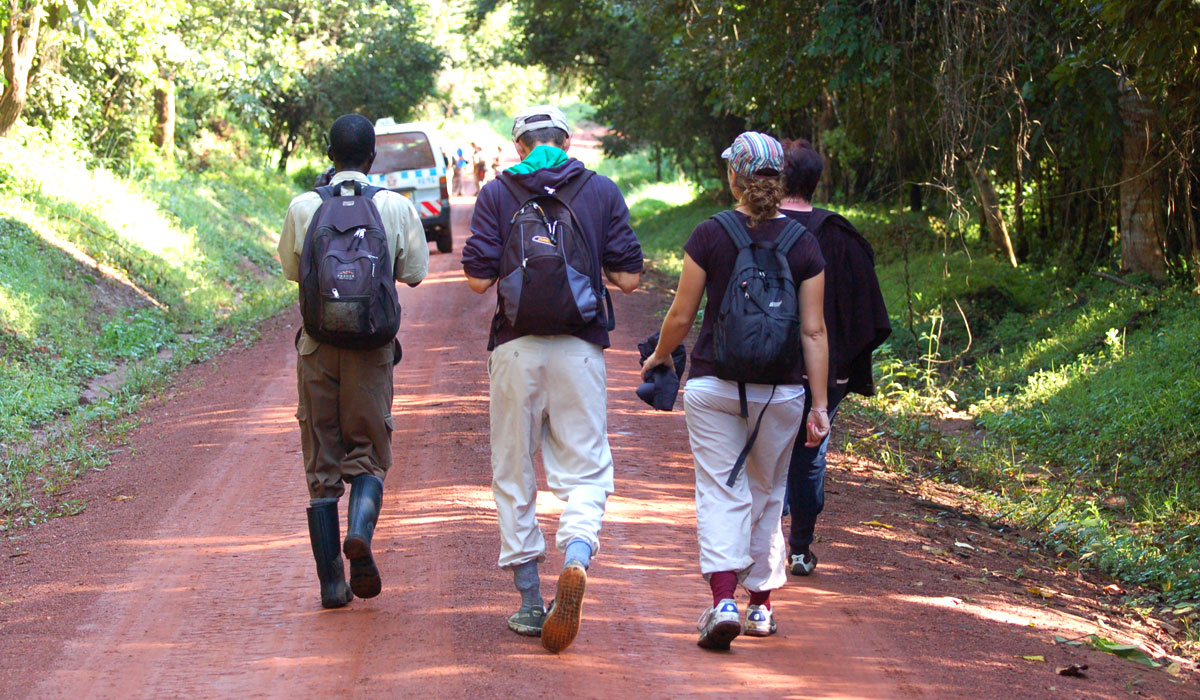
An ideal trekking backpack should be lightweight, waterproof, and large enough to comfortably hold drinking water, snacks, a rain jacket, camera equipment, spare batteries, gloves, sunscreen, insect repellent, personal medication, travel documents, and other small essentials. A capacity of approximately 20 to 30 liters is usually sufficient for most gorilla trekking adventures while remaining comfortable to carry over long distances.
Comfort is just as important as storage capacity. Backpacks with padded shoulder straps, adjustable chest straps, and breathable back panels distribute weight more evenly, reducing fatigue during steep climbs. A waist belt provides additional support by transferring some of the load from your shoulders to your hips, making extended hikes much easier.
Choosing a waterproof backpack or using a waterproof rain cover is highly recommended because sudden rainfall can damage electronics, cameras, travel documents, and other valuables. Many backpacks include multiple compartments that allow you to organize your belongings efficiently, making it easier to retrieve items without unpacking everything. If you choose to hire a local porter—which Boots in The Jungle Safaris highly recommends—they will carry your backpack for you, allowing you to enjoy the trek with greater ease while supporting local community livelihoods.
Drinking Water
Proper hydration is one of the simplest yet most important aspects of preparing a Gorilla Trekking Packing List. Gorilla trekking is a physically demanding activity that often involves climbing hills, walking for several hours, and navigating challenging rainforest terrain. These activities naturally increase your body’s need for water, even when the weather feels cool.
Most visitors should carry at least two liters of drinking water for the trek. Depending on your fitness level, the length of your hike, and the day’s weather conditions, you may require even more. Drinking small amounts regularly throughout the hike helps maintain energy levels, improves concentration, and reduces fatigue, allowing you to enjoy the experience much more comfortably.
Many safari lodges and camps provide bottled drinking water before guests depart for the national park each morning. Some environmentally conscious travelers prefer carrying reusable water bottles or insulated hydration systems instead of disposable plastic bottles. Refillable bottles help reduce plastic waste while supporting responsible tourism practices within protected conservation areas.
Waiting until you feel thirsty is not the best strategy during gorilla trekking because thirst is already an early sign of dehydration. Guides usually schedule short breaks during longer treks, providing opportunities to rest, drink water, and regain energy before continuing deeper into the forest. Staying properly hydrated allows you to fully enjoy your encounter with the mountain gorillas without unnecessary physical exhaustion.
Energy Snacks
While gorilla trekking is not a race, it can be physically demanding, particularly for visitors who are not accustomed to hiking through mountainous terrain. Including nutritious energy snacks on your Gorilla Trekking Packing List helps maintain your strength throughout the trek, especially if your assigned gorilla family is located several hours from the park headquarters.
Energy-rich snacks such as granola bars, protein bars, trail mix, dried fruits, roasted nuts, biscuits, dark chocolate, or energy gels provide quick and sustained energy during long hikes. These foods are lightweight, easy to carry, require no preparation, and fit conveniently inside your backpack without taking up much space.
It is important to remember that eating is only permitted during designated breaks approved by your guide. Visitors should never consume food while close to the gorillas because doing so may expose the animals to human diseases or encourage unwanted interactions. Park rangers usually identify safe resting points where trekkers can enjoy snacks before continuing the hike.
Choosing snacks that are individually packaged, non-perishable, and easy to eat minimizes waste while keeping your backpack organized. Boots in The Jungle Safaris also recommends carrying all empty wrappers back out of the forest to support conservation efforts and maintain the pristine condition of these remarkable ecosystems.
Walking Stick
A walking stick is one of the simplest yet most valuable tools included in a Gorilla Trekking Packing List. Although often overlooked by first-time visitors, most trekkers quickly realize how much assistance a walking stick provides when navigating the steep, uneven, and occasionally slippery terrain found within mountain gorilla habitats.
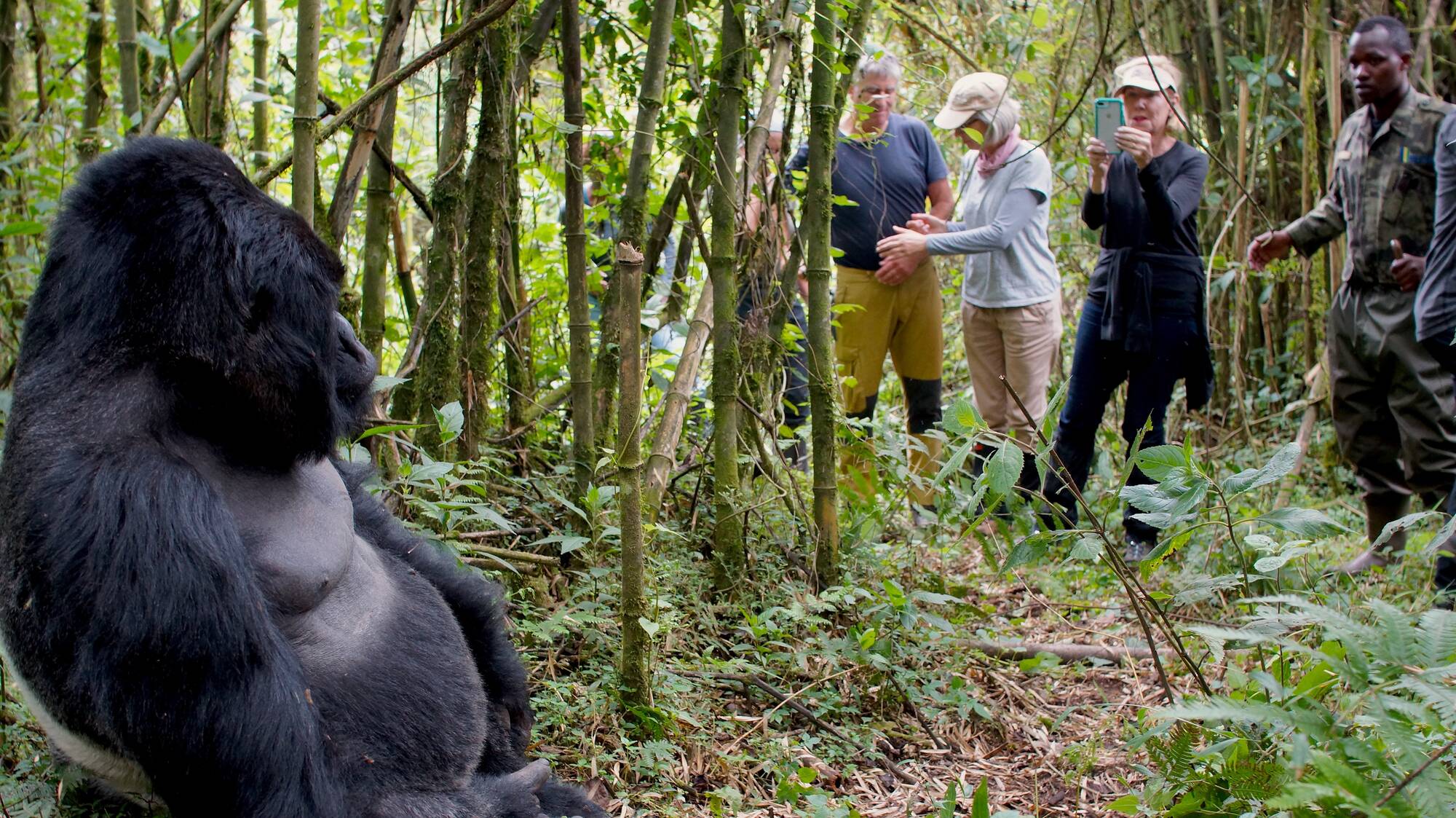
Uganda Wildlife Authority and Rwanda Development Board usually provide sturdy wooden walking sticks free of charge at the park headquarters before the trek begins. These locally made sticks are selected specifically for rainforest conditions and are extremely helpful when climbing steep hills, crossing muddy sections, balancing on uneven ground, or descending slippery slopes.
Walking sticks improve balance by providing an additional point of contact with the ground, reducing strain on your knees and ankles during long hikes. They are particularly beneficial for older travelers, visitors with minor mobility concerns, or anyone carrying camera equipment. Even experienced hikers appreciate the extra stability provided by a walking stick, especially after rainfall when trails become more challenging.
Some travelers prefer bringing their own adjustable trekking poles from home because they offer customizable height settings and ergonomic grips. Whether using locally provided sticks or professional trekking poles, this simple piece of equipment greatly improves confidence, stability, and overall comfort during your gorilla trekking adventure. For many visitors, the walking stick becomes an indispensable companion from the beginning of the hike until the unforgettable moment they stand just meters away from a family of wild mountain gorillas.
Camera Equipment
No Gorilla Trekking Packing List is complete without reliable camera equipment to capture one of the world’s most extraordinary wildlife encounters. Coming face to face with a family of wild mountain gorillas is a once-in-a-lifetime experience, and having the right camera allows you to preserve these unforgettable memories for years to come. Whether you are an amateur traveler or a professional wildlife photographer, your camera will become one of the most valuable items on your Gorilla Trekking Packing List.
Mirrorless cameras, DSLR cameras, bridge cameras, and even modern smartphones can produce exceptional photographs depending on your level of experience and photography goals. Many visitors prefer mirrorless cameras because they combine excellent image quality with lightweight construction, making them easier to carry during long forest hikes. DSLR cameras remain popular among professional photographers due to their interchangeable lenses and superior performance in challenging lighting conditions, while smartphones continue to improve with advanced camera technology capable of producing remarkable images.
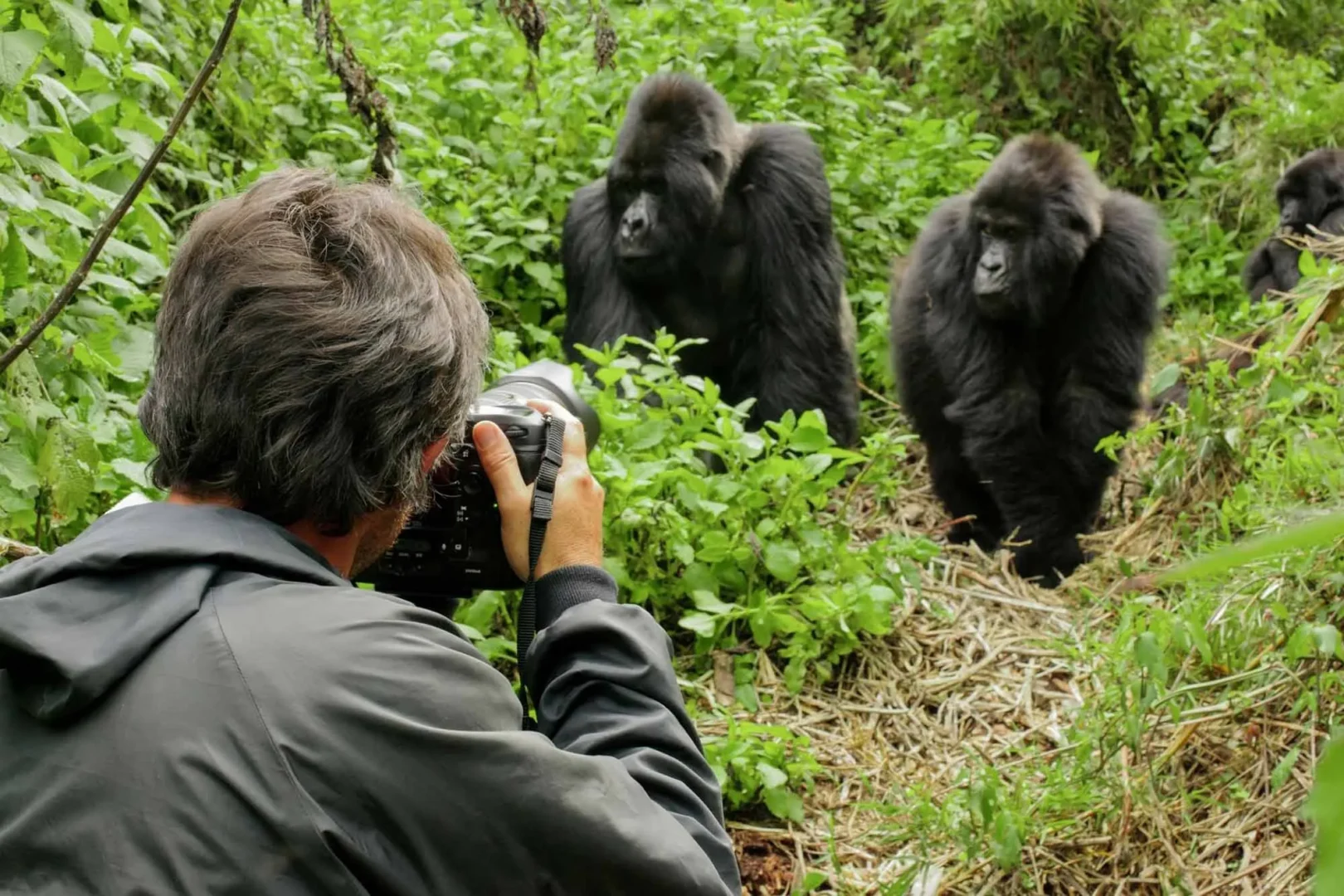
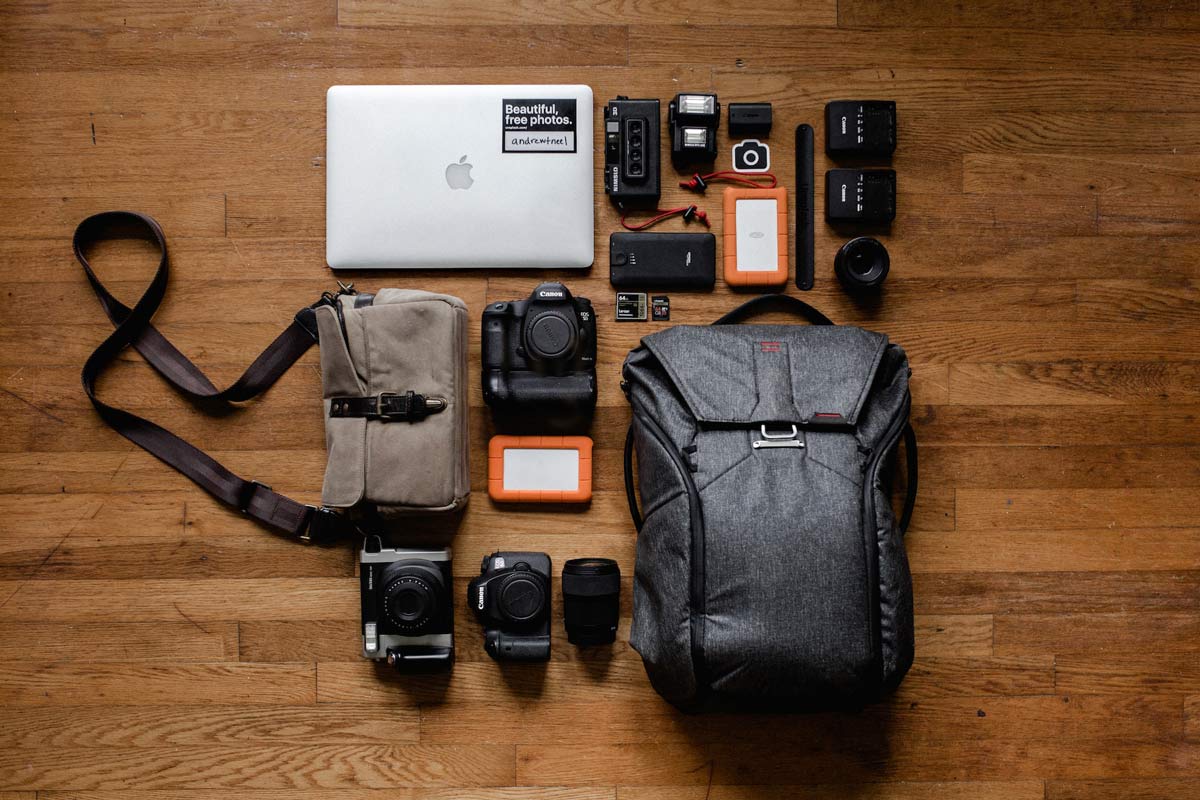
When preparing your Gorilla Trekking Packing List, remember to include extra batteries because cold mountain temperatures and continuous photography drain battery power much faster than normal. Carrying spare memory cards is equally important, ensuring you never run out of storage while photographing gorillas, birds, scenic landscapes, and other wildlife encountered throughout the trek. Lens cleaning cloths and waterproof camera covers also help protect expensive equipment from rain, moisture, and dust commonly found in rainforest environments.
It is extremely important to remember that flash photography is strictly prohibited during gorilla trekking. Flash can startle or disturb the gorillas and interfere with their natural behavior. Instead, visitors should rely on natural light and appropriate camera settings to capture ethical and breathtaking wildlife photographs. By including the right photography gear in your Gorilla Trekking Packing List, you will return home with incredible memories captured responsibly.
Binoculars
Although mountain gorillas are the primary attraction, a complete Gorilla Trekking Packing List should also include a compact pair of binoculars. The rainforests of Uganda and Rwanda are among Africa’s richest biodiversity hotspots, supporting hundreds of bird species, colorful butterflies, primates, reptiles, and numerous mammals that visitors often encounter before and after their gorilla trek.
High-quality binoculars allow travelers to appreciate the incredible diversity of these ancient forests while waiting for the gorilla briefing or hiking through the park. Many visitors observe black-and-white colobus monkeys, blue monkeys, L’Hoest’s monkeys, forest duikers, and a remarkable variety of endemic birds that would otherwise be difficult to identify with the naked eye. Bird enthusiasts especially consider binoculars an essential part of their Gorilla Trekking Packing List, as Bwindi Impenetrable National Park alone is home to more than 350 recorded bird species.
Compact binoculars weighing between 300 and 600 grams are ideal because they provide excellent magnification without adding unnecessary weight to your backpack. Waterproof and fog-resistant models perform particularly well in humid rainforest conditions, ensuring clear viewing throughout the trek. While gorillas themselves are usually observed at close range, binoculars significantly enhance the overall wildlife experience by revealing fascinating details hidden within the forest canopy.
Including binoculars in your Gorilla Trekking Packing List allows you to enjoy every aspect of the rainforest ecosystem rather than focusing solely on the gorillas.
Personal Medications
Your health and safety should always be a priority when preparing your Gorilla Trekking Packing List. Travelers should ensure they carry all prescribed medications in sufficient quantities for the duration of their safari, keeping them easily accessible inside their day backpack rather than packed in checked luggage.
If you have asthma, diabetes, allergies, heart conditions, or any other medical concerns, it is important to inform both your safari operator and the park authorities before beginning your trek. Gorilla trekking can involve several hours of hiking over mountainous terrain, and guides appreciate knowing if additional assistance may be required. Including personal medications on your Gorilla Trekking Packing List provides peace of mind while ensuring you remain comfortable throughout the adventure.
Besides prescription medication, it is advisable to carry a small personal first-aid kit containing pain relievers, antihistamines, anti-diarrheal medication, blister plasters, antiseptic wipes, bandages, and motion sickness tablets if you are sensitive to winding mountain roads. These simple items occupy very little space yet can greatly improve your comfort during your safari.
At Boots in The Jungle Safaris, we always encourage guests to review their Gorilla Trekking Packing List carefully before departure to ensure no essential medications or medical supplies are forgotten.
Insect Repellent
An effective insect repellent deserves a place on every Gorilla Trekking Packing List, even though the high-altitude gorilla habitats generally contain fewer mosquitoes than lower-altitude regions. The rainforest environment still supports various insects that can become bothersome during long hikes through dense vegetation.
Applying insect repellent before entering the forest provides reliable protection against mosquitoes, biting flies, ants, and other insects commonly encountered along the trail. Repellents containing DEET or natural alternatives such as lemon eucalyptus oil both provide excellent protection depending on personal preference. Environmentally friendly repellents are particularly recommended because they minimize environmental impact within protected conservation areas.
To maximize effectiveness, insect repellent should be applied to exposed skin as well as the outside of clothing before the trek begins. Reapplication may be necessary during longer hikes depending on the product used. By including insect repellent on your Gorilla Trekking Packing List, you reduce distractions caused by insect bites and remain comfortable while enjoying your unforgettable wildlife experience.
Sunscreen and Lip Balm
Many visitors mistakenly assume sunscreen is unnecessary because gorilla trekking takes place inside dense rainforest. However, an experienced traveler always includes sunscreen on their Gorilla Trekking Packing List because portions of the hike often pass through open clearings, mountain ridges, farmland, and exposed trails where ultraviolet radiation remains surprisingly strong.
Applying a broad-spectrum sunscreen before departing for the trek protects exposed areas such as your face, neck, ears, and hands from sunburn. Waterproof sunscreen is particularly beneficial because it remains effective despite perspiration or light rainfall encountered during the hike.
Lip balm is another small but valuable item that belongs on every Gorilla Trekking Packing List. Cool mountain air combined with changing weather conditions can quickly dry out your lips, particularly during long hikes at higher elevations. A moisturizing lip balm containing SPF protection prevents cracking while increasing overall comfort throughout the day.
Together, sunscreen and lip balm occupy almost no space inside your backpack yet provide valuable protection against both sunshine and harsh mountain conditions.
Hat and Sunglasses
A lightweight hat and quality sunglasses are practical additions to any well-prepared Gorilla Trekking Packing List. A wide-brimmed hat offers protection from direct sunshine during transfers, park briefings, and open sections of the trail while also providing light protection against unexpected rainfall.
Although much of the trekking takes place beneath dense forest canopy, visitors often spend time outside the forest before and after the hike. During these periods, sunglasses help reduce glare while protecting your eyes from ultraviolet rays, particularly during scenic drives between national parks and safari lodges.
Inside the rainforest itself, sunglasses are generally less necessary because the thick vegetation creates abundant natural shade. Many trekkers therefore store their sunglasses inside their backpack until they exit the forest. Including both items on your Gorilla Trekking Packing List ensures you remain comfortable regardless of changing weather conditions throughout your safari.
Cash
Carrying a reasonable amount of cash is another important recommendation for your Gorilla Trekking Packing List. Although many lodges accept credit cards, cash remains useful for tipping guides, park rangers, trackers, porters, lodge staff, and purchasing small souvenirs from local communities surrounding the national parks.
Hiring a porter is strongly encouraged and should be considered an important part of your gorilla trekking experience. Porters assist by carrying your backpack, providing support on steep slopes, helping you cross difficult sections of the trail, and making the hike considerably easier. More importantly, porter fees provide direct income to local families and contribute to community-based conservation initiatives.
Many visitors later describe hiring a porter as one of the best decisions they made during their safari. Including sufficient local currency or US dollars on your Gorilla Trekking Packing List ensures you can comfortably support the dedicated individuals who help make your trek successful.
Boots in The Jungle Safaris Can Help You Prepare
Planning a successful gorilla safari involves much more than simply creating a Gorilla Trekking Packing List. At Boots in The Jungle Safaris, we assist travelers with every stage of their journey, from securing gorilla permits and arranging accommodation to organizing transportation, experienced safari guides, porter services, and personalized travel advice.
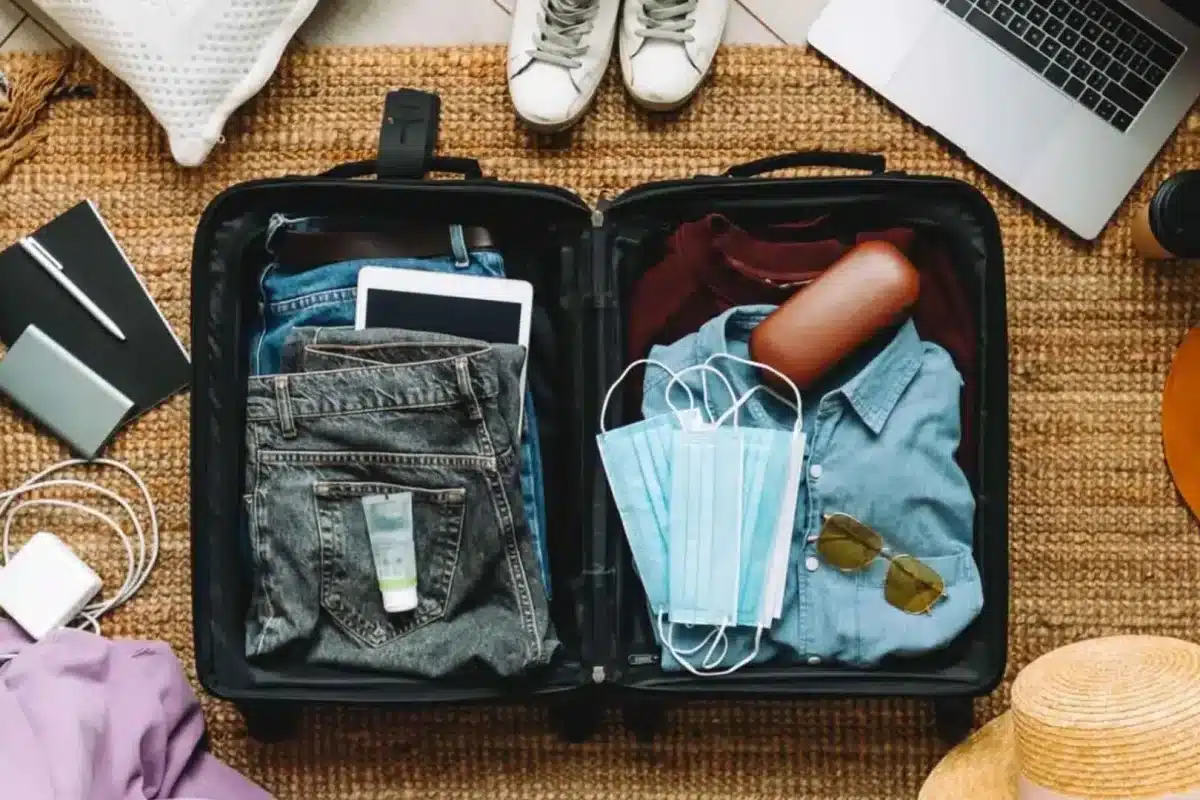
Our experienced safari consultants provide detailed pre-departure information tailored to your destination, travel season, fitness level, and preferred style of safari. Whether you are trekking in Bwindi Impenetrable National Park, Mgahinga Gorilla National Park, or Volcanoes National Park, we ensure your Gorilla Trekking Packing List contains everything required for a comfortable, safe, and unforgettable adventure.
From your initial inquiry until the moment you return home, Boots in The Jungle Safaris remains committed to helping you prepare thoroughly for one of Africa’s most extraordinary wildlife experiences. With expert guidance, personalized recommendations, and years of gorilla trekking experience, we ensure that every traveler begins their journey with complete confidence and the perfect Gorilla Trekking Packing List.