
Explore Kilimanjaro National Park – Tanzania’s Iconic Safari Destination & Mount Kilimanjaro
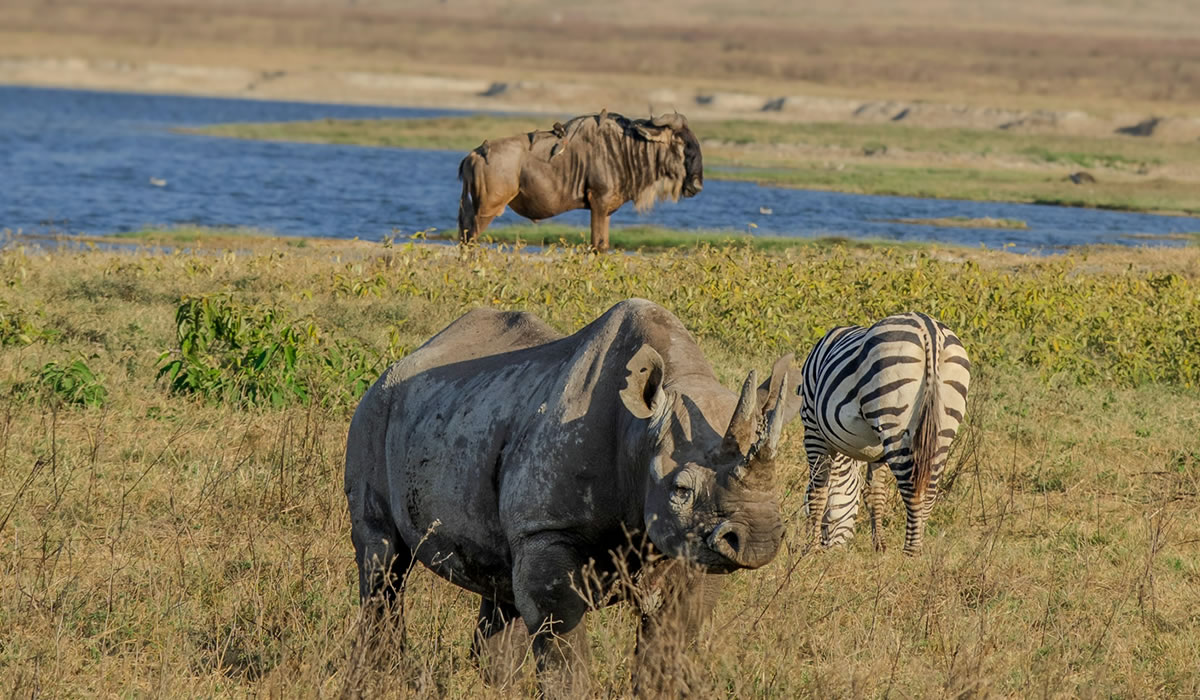
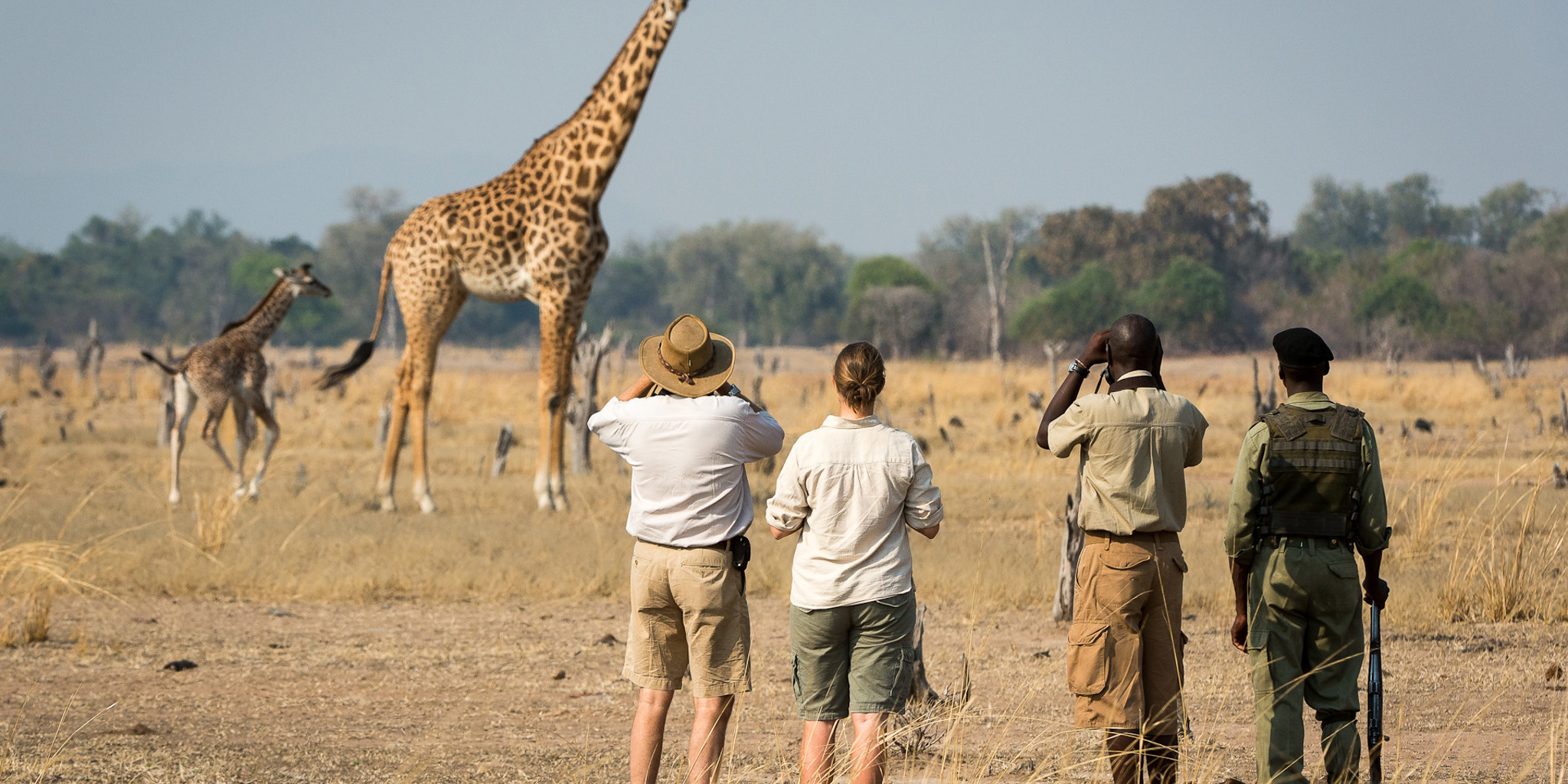
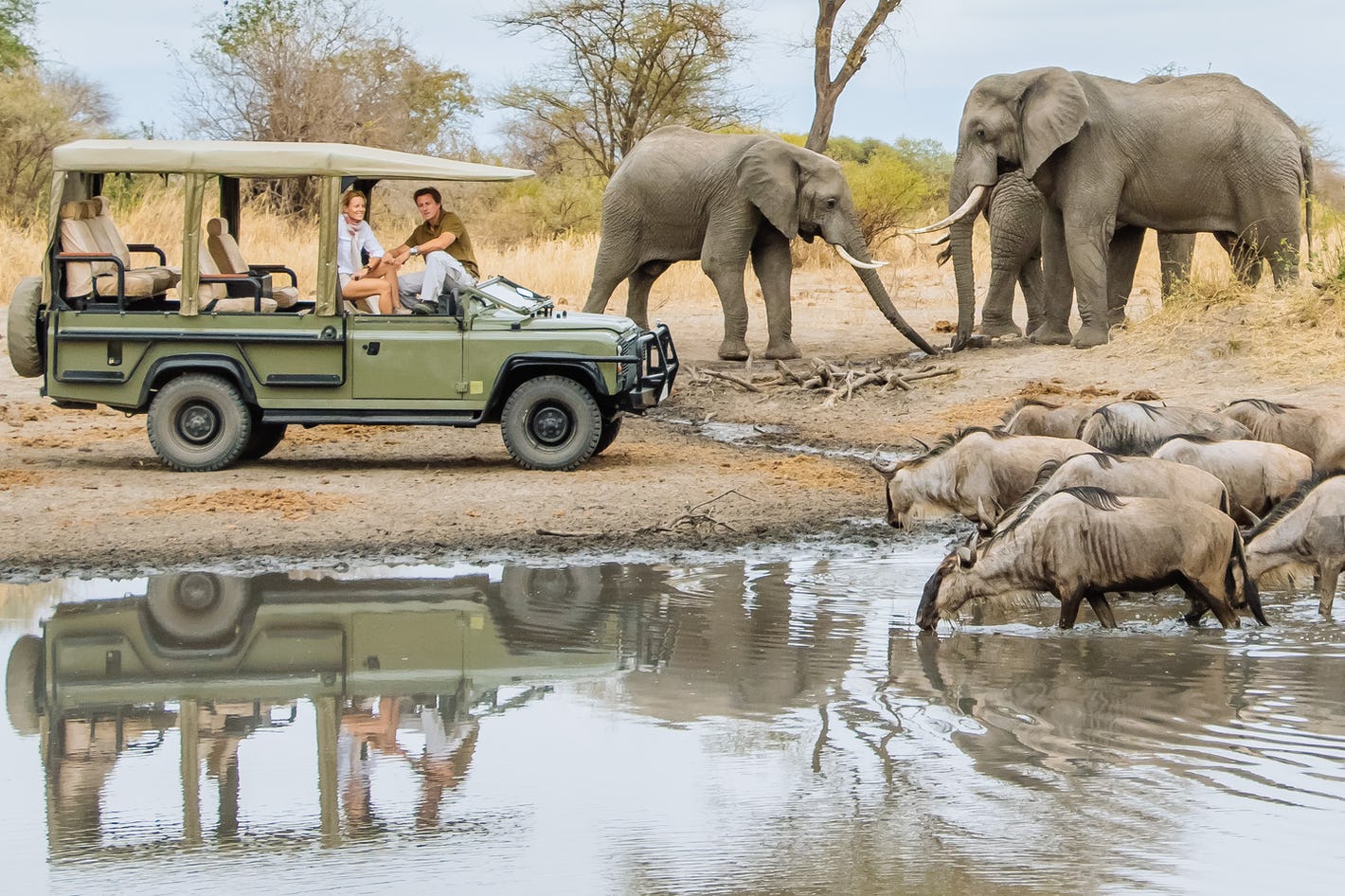
Kilimanjaro National Park is one of Tanzania’s most iconic and sought-after destinations, attracting adventure seekers, nature lovers, and wildlife enthusiasts from across the globe. This UNESCO World Heritage Site is best known for being home to Mount Kilimanjaro, Africa’s highest peak. Towering at 5,895 meters (19,341 feet), Mount Kilimanjaro is a major draw for trekkers aiming to conquer one of the Seven Summits, and the park offers a perfect blend of mountaineering, game drives, and birdwatching opportunities, making it an all-encompassing destination for various types of travelers.
Whether you’re setting out to climb Mount Kilimanjaro, observing the abundant wildlife, or simply soaking in the park’s dramatic landscapes, Kilimanjaro National Park promises an unforgettable and rewarding experience. The unique combination of trekking and wildlife experiences in the heart of Tanzania makes it a must-visit destination for anyone looking to experience the country’s true beauty.
What Makes Kilimanjaro National Park Unique?
Mount Kilimanjaro: A Majestic Giant
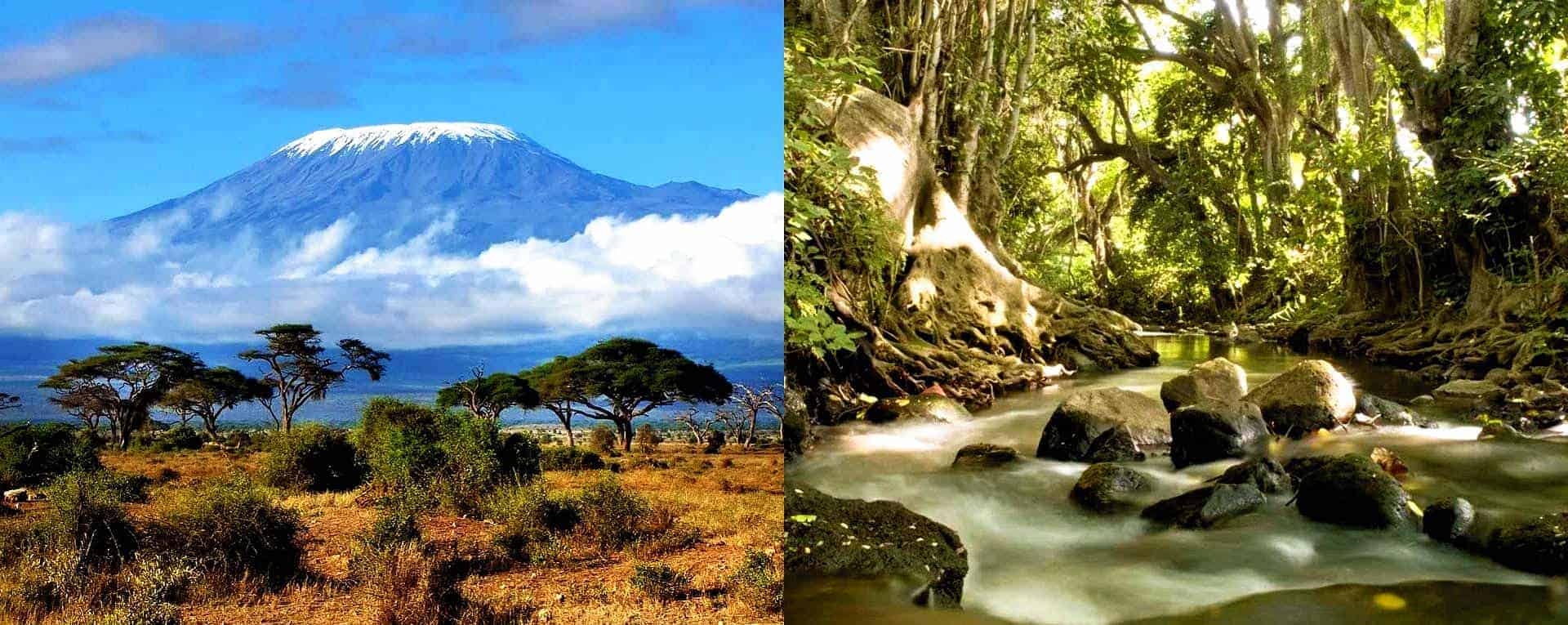
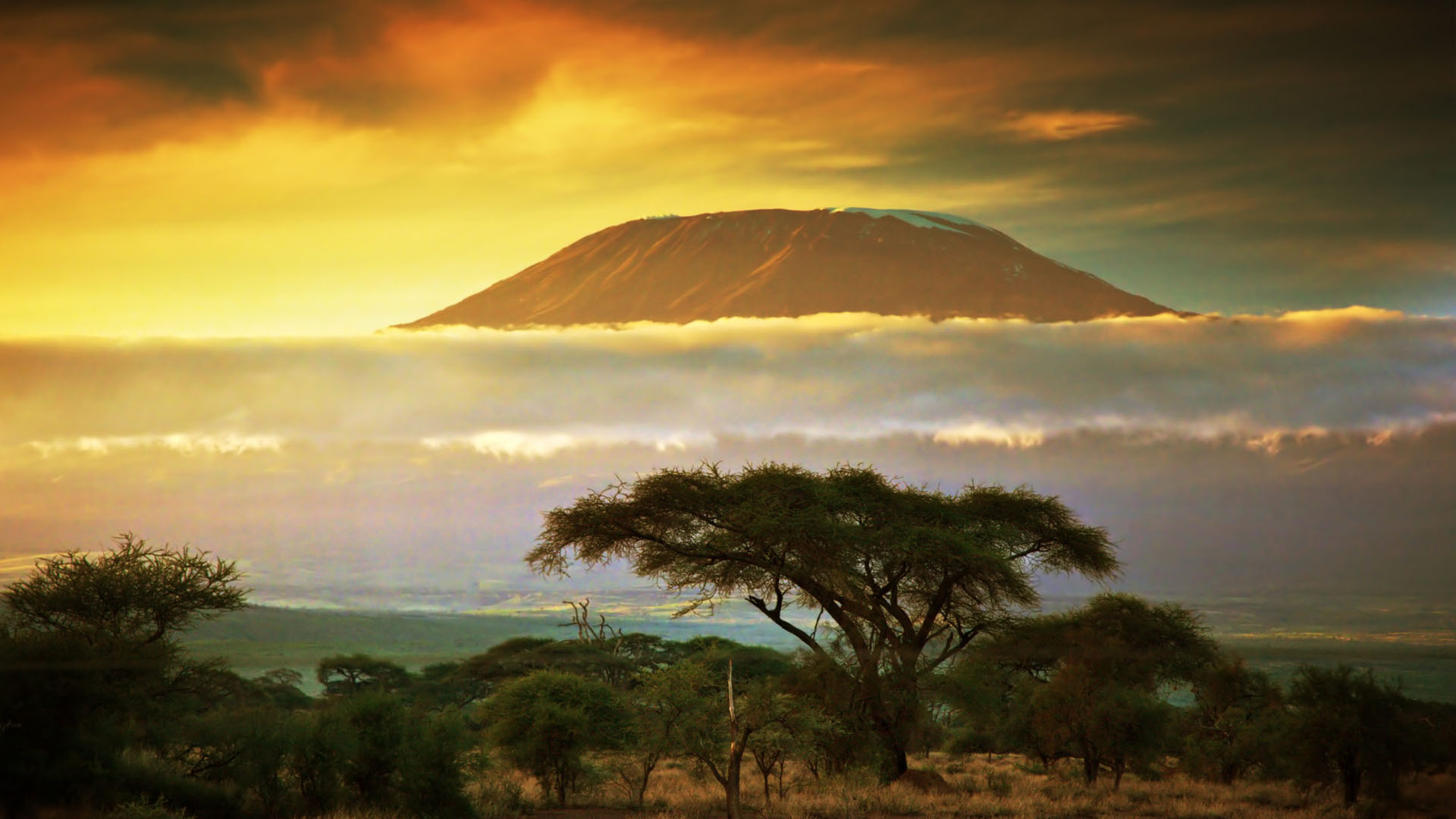
At the core of Kilimanjaro National Park lies Mount Kilimanjaro, a towering, snow-capped giant that defines the park’s identity. As the highest mountain in Africa, Mount Kilimanjaro has long been a symbol of adventure, challenge, and natural beauty. It is part of the Seven Summits, the seven tallest peaks on each continent, which adds to its prestige as one of the world’s most famous mountains.
This majestic mountain rises to a staggering 5,895 meters (19,341 feet) above sea level, attracting climbers from all corners of the world. What makes Mount Kilimanjaro so unique is its accessibility—unlike many other high-altitude peaks, Mount Kilimanjaro does not require advanced mountaineering skills, making it possible for climbers of varying experience levels to summit the mountain.
The trek to the summit of Mount Kilimanjaro takes climbers through a variety of ecosystems, each offering a different experience. From the lush, tropical rainforests at the base to the alpine meadows and glaciers found higher up, every stage of the climb presents new challenges and breathtaking views. The mountain’s glaciers, which are rapidly retreating due to climate change, offer a stunning sight and make this trek an even more precious experience.
Several trekking routes, such as the popular Machame Route, Marangu Route, and Lemosho Route, provide climbers with different experiences. Each route varies in difficulty, duration, and the type of scenery you’ll encounter along the way. Machame Route, known for its scenic beauty, provides stunning panoramic views, while Marangu Route, often referred to as the “Coca-Cola Route,” is considered the easiest and most accessible for first-time climbers.
Whether you’re looking to summit Mount Kilimanjaro or simply enjoy the stunning views from the base, the presence of this mighty peak is what defines the entire Kilimanjaro National Park experience. Mount Kilimanjaro symbolizes adventure, perseverance, and the natural grandeur of Tanzania.
Diverse Ecosystems and Scenic Landscapes
Kilimanjaro National Park is home to one of the most diverse ecosystems in Africa, which adds to its appeal as a destination for both mountaineers and wildlife enthusiasts. The park’s varied landscapes are shaped by the impressive altitudinal gradient of Mount Kilimanjaro, creating habitats that support an extraordinary range of species. Whether you’re trekking up the mountain or exploring the lower slopes, the park’s ecosystems offer something for everyone.
Tropical Rainforests and Biodiversity
At the lower slopes of Mount Kilimanjaro, visitors will find tropical rainforests that are home to a rich diversity of flora and fauna. The rainforest zone is known for its lush greenery, dense vegetation, and thriving wildlife, offering ample opportunities for wildlife watching and photography. This zone is a haven for blue monkeys, colobus monkeys, and various bird species, including the rare Tanzania crimson-winged finch. The rainforests also offer a cool, shaded environment, making it a peaceful and refreshing place to explore.
The Kilimanjaro rainforests are also home to several species of trees, including giant podocarpus and fig trees, which provide a canopy of leaves that filters the sunlight, creating a vibrant and mystic atmosphere for trekkers. As you ascend the mountain, the forest gradually gives way to heath and moorland, where the ecosystem transitions from a humid tropical environment to the more temperate alpine zone.
Alpine Meadows and Glaciers
As you move up the mountain, the landscape changes dramatically, transitioning into alpine meadows and rocky terrain. The alpine meadows are marked by expansive vistas and diverse plant life, including heathers and grasses that provide food for wildlife such as buffaloes and zebras. These meadows are also home to large herbivores that can be spotted during trekking, adding to the park’s wildlife diversity.
The glaciers of Mount Kilimanjaro are one of the park’s most distinctive features. The Kilimanjaro glaciers, particularly those around Kibo Peak, are a reminder of the mountain’s ancient volcanic activity. These glaciers are rapidly receding due to climate change, making it even more important to visit and experience their awe-inspiring beauty. The sight of glaciers in an otherwise tropical region is one of the most striking features of Mount Kilimanjaro, and it offers trekkers a truly unique experience.
Mawenzi Peak and Rugged Terrain
Mawenzi Peak, one of the three volcanic cones of Mount Kilimanjaro, adds a dramatic feature to the park’s landscape. With its jagged peaks and steep ridges, Mawenzi offers a stark contrast to the more gradual slopes of Kibo Peak. Mawenzi’s rugged terrain is not only breathtaking but also provides a challenge for mountaineers looking for a more strenuous trekking route. The peak’s alien-like appearance makes it an iconic part of Kilimanjaro National Park.
Key Wildlife to Spot in Kilimanjaro National Park
Kilimanjaro’s Unique Wildlife
While Kilimanjaro National Park is primarily known for Mount Kilimanjaro, the park also offers an exceptional variety of wildlife. Its diverse ecosystems, ranging from lush rainforests to alpine meadows and savannahs, create ideal habitats for an abundance of animal species. Visitors to the park can enjoy thrilling wildlife sightings, whether they’re trekking through the forested slopes of Mount Kilimanjaro or exploring the lower altitudes of the park.
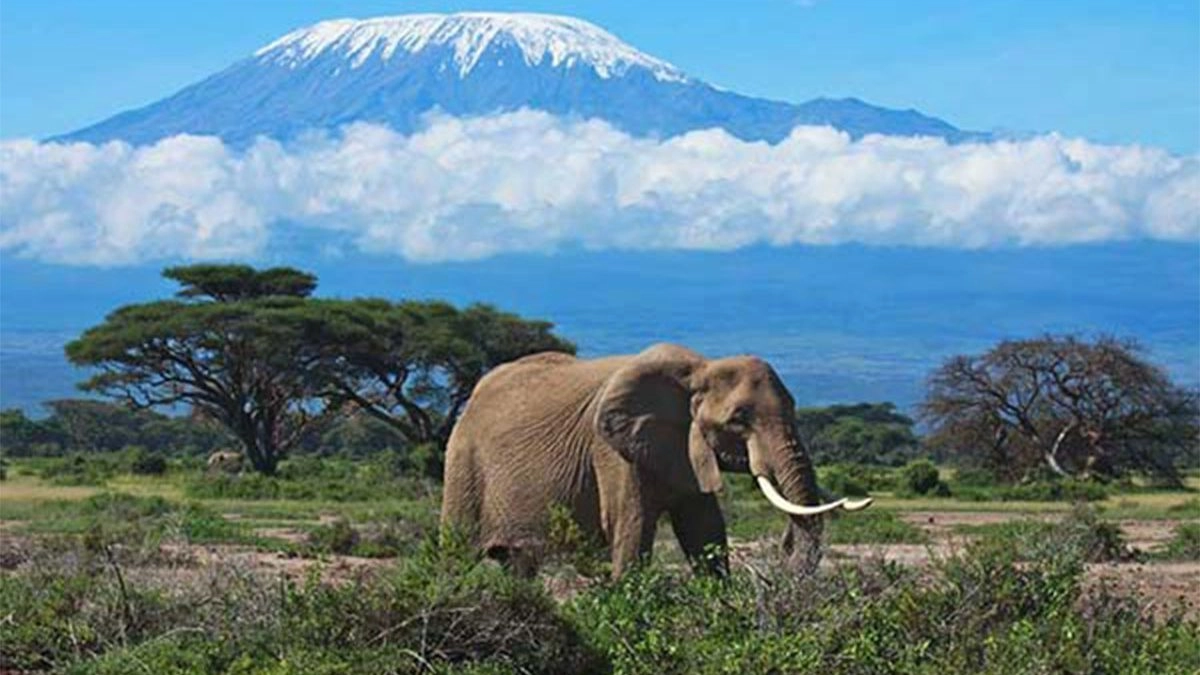
Elephants
Elephants are among the most iconic species in Kilimanjaro National Park. The lower slopes of Mount Kilimanjaro, especially in the Kilimanjaro Forest area, provide a perfect habitat for these majestic creatures. Elephants are often spotted grazing on the dense vegetation along the park’s forest paths or near water sources. The sight of these magnificent animals in the wild, moving through the forest or taking a drink from a river, is one of the highlights of any safari experience in Kilimanjaro National Park. These creatures’ social behavior and their ability to adapt to different habitats make them an awe-inspiring presence in the park.
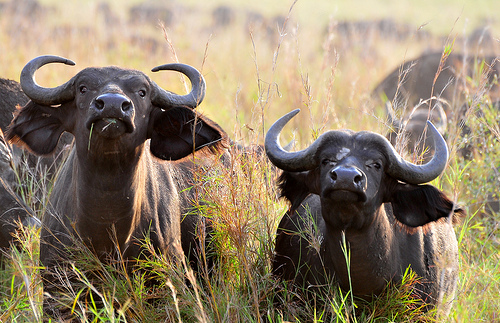
Buffaloes
Buffaloes are another commonly sighted species in Kilimanjaro National Park. Known for their formidable size and strength, buffaloes are often found near the park’s water sources, where they gather in large herds. These animals are frequently spotted in the early morning or late afternoon when they are more active, grazing in the open savannahs or roaming the forested areas. Their presence adds to the park’s appeal as a prime wildlife destination for those looking to encounter large herbivores in their natural habitat.
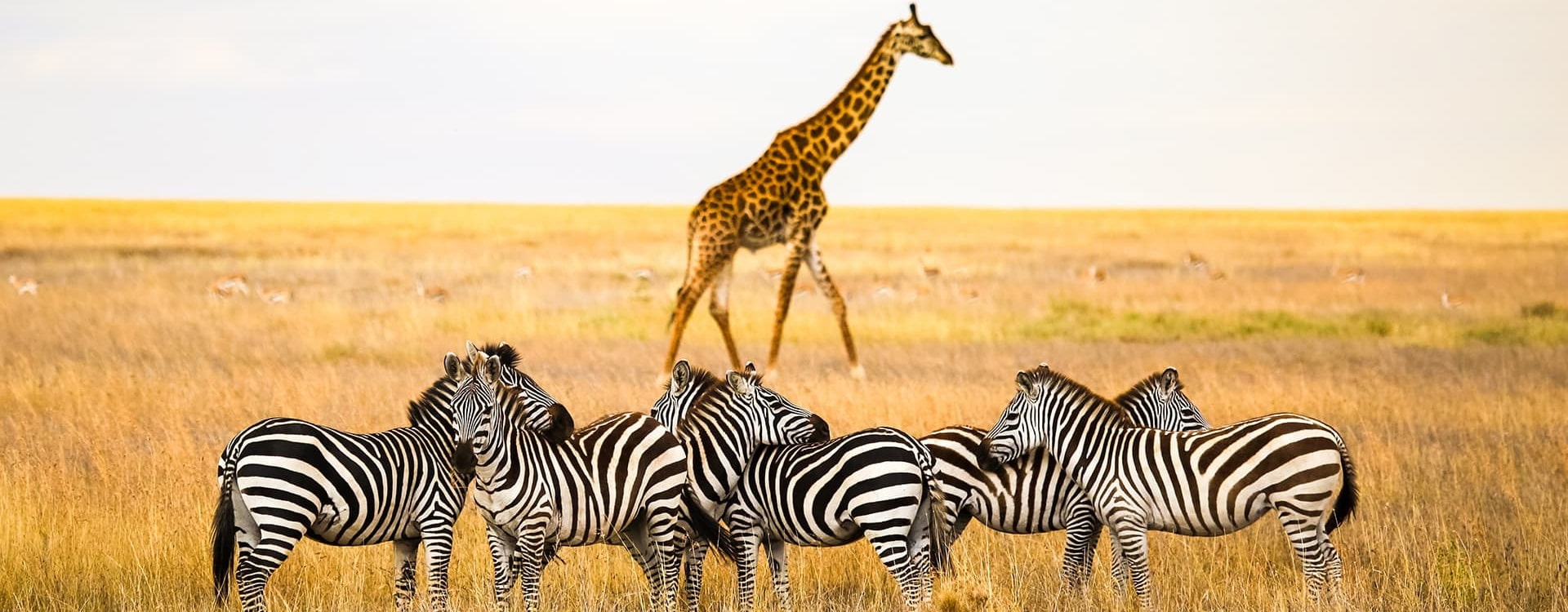
Giraffes and Antelopes
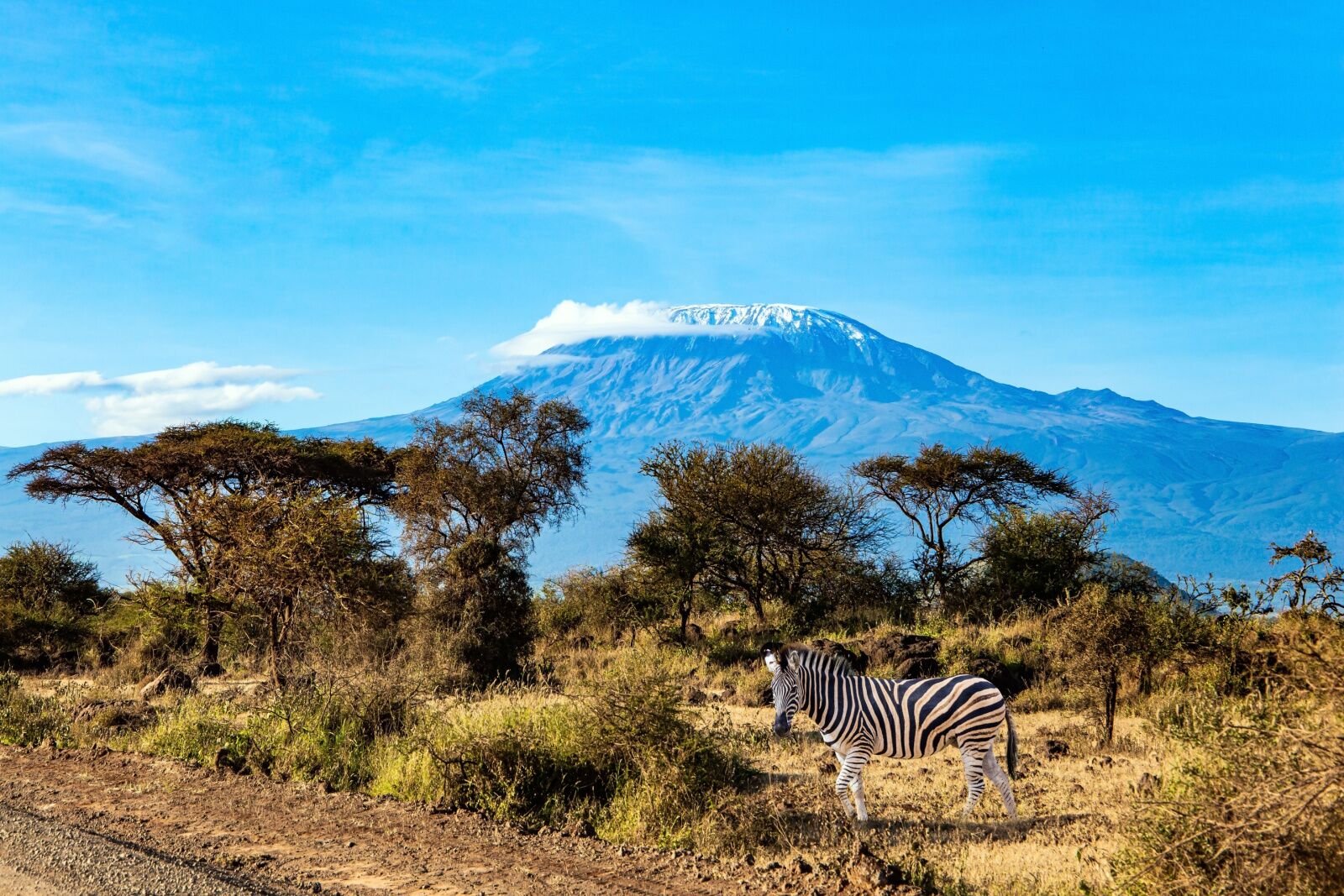
The savannah areas of Kilimanjaro National Park are home to several iconic African species, including giraffes and antelope. Giraffes are frequently seen grazing on the tall acacia trees, their long necks reaching the highest branches. The park is also home to a variety of antelope species, including Grant’s gazelle, impalas, and oryx. These animals add a dynamic element to the park’s wildlife viewing experiences. Zebras, with their striking black-and-white stripes, can also be seen roaming the savannahs, often grazing alongside giraffes and antelopes. The combination of these herbivores provides ample opportunities for photography and close-up wildlife encounters.
Birdwatching Paradise
Kilimanjaro National Park is a birdwatching paradise, boasting over 400 bird species. The park’s diverse ecosystems, from forests and savannahs to wetlands and alpine meadows, provide a wide range of habitats for both migratory and resident bird species. Some notable species include the African fish eagle, vultures, sunbirds, and hornbills. The African fish eagle, in particular, is often seen soaring high above the park’s rivers and lakes, its distinctive call echoing through the air. The park’s variety of habitats provides birdwatchers with opportunities to spot rare species that can’t be found in other areas of Tanzania.
Whether you’re interested in spotting large raptors, colorful songbirds, or elusive forest species, Kilimanjaro National Park offers an unparalleled birdwatching experience.
Primates
Kilimanjaro National Park is also home to several species of primates, including the blue monkeys and colobus monkeys. These playful and social animals are often seen in the park’s forested regions, where they live in groups and forage for food in the treetops. Blue monkeys, with their distinctive blue-gray fur and curious nature, are often seen moving through the branches, while colobus monkeys can be spotted in the forest canopy. The park’s rich primate life adds a unique and engaging element to any safari in Kilimanjaro National Park.
Activities and Experiences in Kilimanjaro National Park
Game Drives: Discover Kilimanjaro’s Wildlife
One of the best ways to explore Kilimanjaro National Park and witness its diverse wildlife is on a game drive. The park’s lower altitudes, particularly around the Kilimanjaro Forest and savannahs, are teeming with animals such as elephants, giraffes, buffaloes, and a variety of antelopes. These game drives offer the chance to explore the park’s ecosystems and witness wildlife in their natural environment.
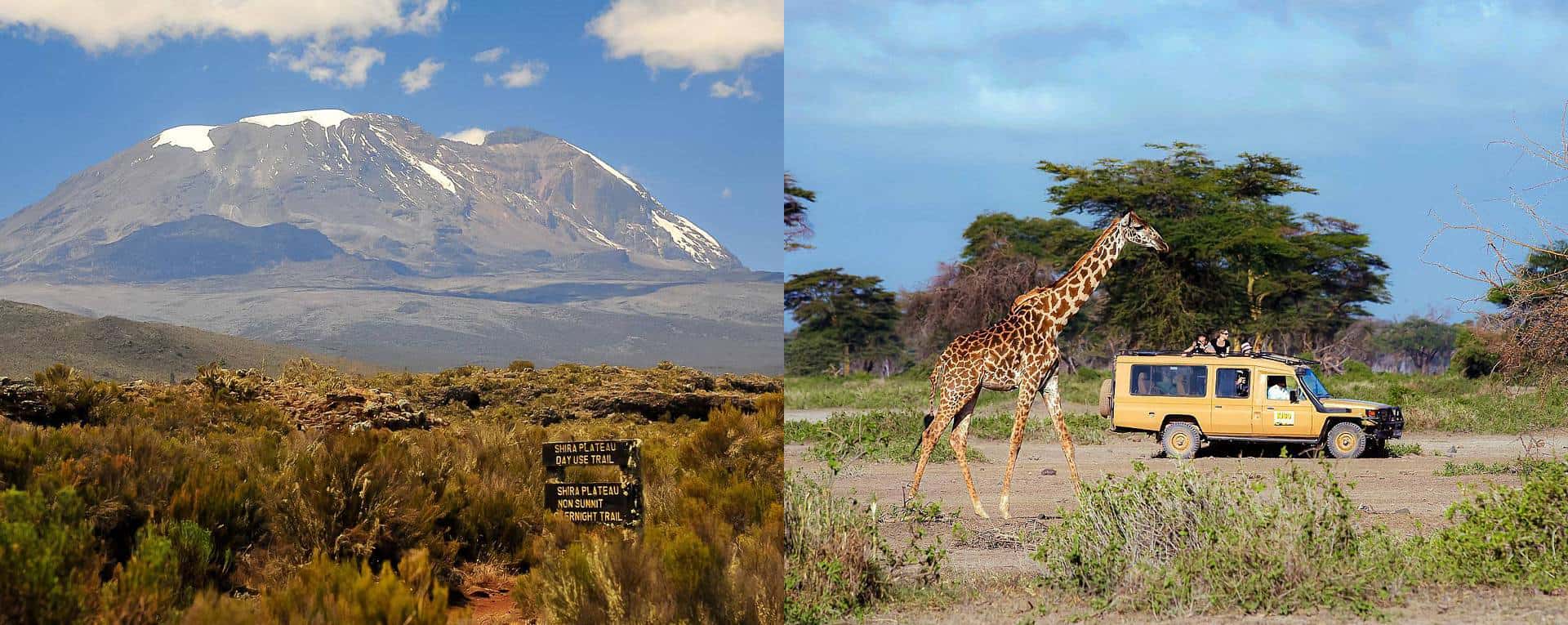
The best times for game drives are early mornings and late afternoons when animals are most active. During these cooler hours, wildlife is typically seen grazing, drinking, or resting in the park’s lush areas. The park’s compact size allows for highly rewarding game drives, giving you the opportunity to spot a wide range of species in a relatively short amount of time. The drives can also take you to the Mweka Gate, where you can enjoy panoramic views of Mount Kilimanjaro and observe the surrounding landscapes.
Trekking and Climbing Mount Kilimanjaro
Mount Kilimanjaro is undoubtedly the star attraction of the park, offering world-renowned trekking and climbing opportunities. As the highest peak in Africa, Mount Kilimanjaro draws climbers from around the world who seek to summit its challenging slopes. With several trekking routes to choose from, including the popular Machame, Marangu, and Lemosho Routes, climbers of all levels can find a path that suits their experience.
The trek to the summit takes climbers through diverse ecosystems, from rainforests to alpine deserts, offering stunning views and unique wildlife sightings along the way. The climb is demanding, but the reward at the top—breathtaking views of Tanzania and the surrounding areas—is worth the effort. For those seeking to conquer Mount Kilimanjaro, this is an adventure like no other.
For those not looking to summit, shorter treks and day hikes around the lower slopes of Mount Kilimanjaro offer a chance to explore the park’s lush rainforests and observe the diverse wildlife in a less strenuous way. Hiking to the Mweka Waterfall or trekking through the Kilimanjaro Forest provides a memorable experience for nature lovers.
Birdwatching: A Haven for Avian Enthusiasts
With over 400 bird species recorded, Kilimanjaro National Park is a birdwatcher’s haven. Whether you are a seasoned birder or a casual observer, the park offers excellent opportunities to spot a wide variety of species. The park’s diverse habitats—from rainforests and savannahs to wetlands—provide ideal environments for different types of birds.
Some of the notable bird species you can spot include the African fish eagle, hornbills, sunbirds, and vultures. The African fish eagle, in particular, is an iconic bird often spotted near the park’s rivers and lakes, and its haunting call echoes across the landscape. Whether you’re birdwatching from the forested trails or the savannah plains, Kilimanjaro National Park offers a rewarding experience for bird enthusiasts of all levels.
Best Time to Visit Kilimanjaro National Park
The best time to visit Kilimanjaro National Park largely depends on the type of experience you’re looking for, whether it’s mountaineering, game drives, or birdwatching. Each season brings its own advantages, offering different experiences depending on the activity. Below is a guide to help you decide when to visit Kilimanjaro National Park based on your interests.
Trekking and Mountaineering: Dry Season (June to October and January to March)
For those interested in trekking Mount Kilimanjaro and summiting Africa’s highest peak, the dry season is the best time to visit. The optimal months for climbing are June to October and January to March. During these months, the weather conditions are stable, with clearer skies, warmer temperatures, and minimal rainfall, providing ideal conditions for trekkers.
Climbing Mount Kilimanjaro is a multi-day journey, and the weather plays a crucial role in the safety and comfort of trekkers. The dry season offers predictable weather patterns, allowing climbers to tackle the mountain’s various routes, including the Machame Route, Marangu Route, and Lemosho Route, with greater ease. Clear skies also offer breathtaking views of the surrounding landscapes and Mount Meru, providing climbers with a more rewarding experience. During the rainy season, the trekking routes can become slippery and challenging, which makes the dry months the best time for a successful and safe ascent.
Game Drives: Dry Season (June to October)
For game drives, the dry season is again the best time to visit Kilimanjaro National Park. From June to October, the park’s wildlife, including elephants, giraffes, buffaloes, and a variety of antelopes, tends to congregate near the remaining waterholes, making wildlife sightings more frequent and easier. As the vegetation dries up during the dry season, animals gather around water sources for hydration, allowing visitors to observe them more easily.
Additionally, the cooler weather during the dry months means animals are more likely to be active during the early morning and late afternoon hours, which is perfect for game drives. These cooler hours also offer better photography opportunities, as the lighting is softer and wildlife is more active. The dry season also reduces the chance of road closures or difficulty accessing certain parts of the park due to rains, which is common in the wet season.
Birdwatching: Rainy Season (March to May)
For birdwatching enthusiasts, the rainy season (from March to May) is the best time to visit Kilimanjaro National Park. This is when migratory birds arrive, transforming the park into a vibrant paradise for birdwatchers. The lush greenery and blooming vegetation during the rainy season provide ideal conditions for spotting both resident and migratory bird species.
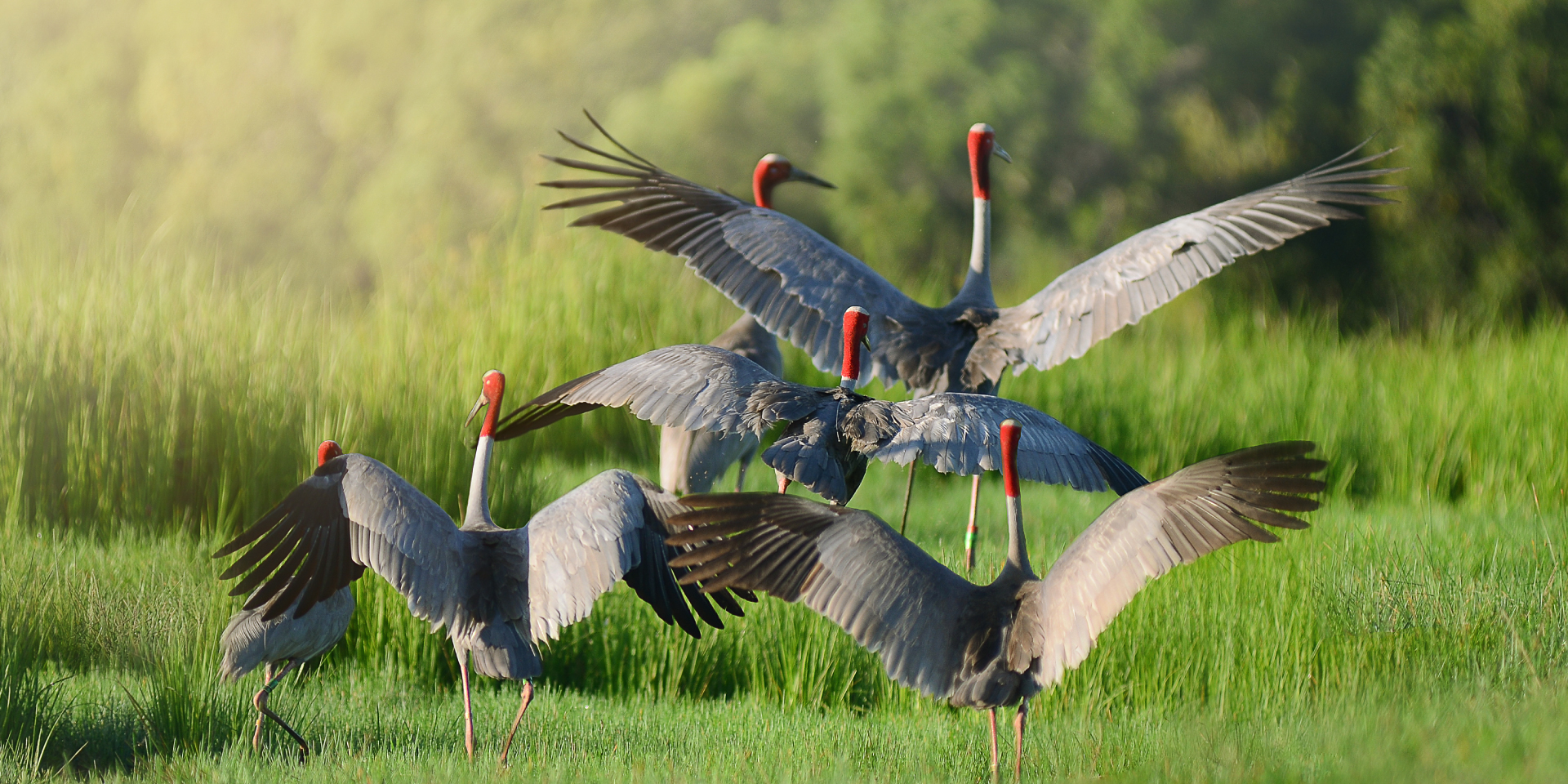
During the rainy months, the park becomes lush, and its wetlands and forests come alive with birds. Species such as African fish eagles, hornbills, sunbirds, and vultures are easier to spot as they take advantage of the abundant resources. The migration of species from Europe and other regions adds a dynamic layer to the birdwatching experience, making this period a particularly exciting time for avid birders.
Although the rainy season can bring some showers, it also means fewer tourists in the park, which allows birdwatchers to enjoy a more peaceful and serene experience. If you want to see birds in their full vibrancy and enjoy lush scenery, the rainy season is the perfect time for birdwatching.
Should You Visit During the Shoulder Seasons?
The shoulder seasons (from November to December and February to March) offer a good balance of favorable weather and fewer crowds. During these months, rainfall is lighter than in the peak rainy season, and wildlife can still be spotted. The park also experiences moderate temperatures, making it a comfortable time for trekking or game drives. For those looking for a quieter time to visit, the shoulder seasons offer a great option with the added benefit of reduced crowds.
Accommodation Options in Kilimanjaro National Park
Kilimanjaro National Park offers a wide range of accommodation options, catering to all types of travelers. Whether you’re looking for luxurious lodges, comfortable mid-range options, or a more rustic camping experience, the park provides a variety of choices to suit your preferences and budget.
Luxury Lodges: Stay in Comfort and Style
For those seeking a luxurious experience, Kilimanjaro National Park offers high-end lodges that provide a combination of comfort, breathtaking views, and excellent service. These lodges are perfect for visitors who wish to enjoy a premium safari experience while being immersed in the beauty of the park’s diverse landscapes.
- Kilimanjaro Safari Lodge: A luxury lodge offering stunning views of Mount Kilimanjaro and the surrounding savannah. With spacious rooms, a private pool, gourmet meals, and a range of activities, this lodge provides an upscale experience. Guests can enjoy private game drives, relax in stylish accommodations, and explore the surrounding environment.
- Serena Mountain Lodge: Situated at the foot of Mount Kilimanjaro, this elegant lodge offers a blend of luxury and traditional Tanzanian design. It features beautiful views of the mountain, comfortable rooms with modern amenities, and a variety of leisure activities. The lodge also offers guided safaris and trekking excursions, making it a great option for those looking for a comfortable base near the park.
These luxury lodges offer the perfect combination of comfort and adventure, allowing guests to unwind after a day of trekking or exploring the park’s diverse ecosystems.
Mid-Range Lodges: Comfortable and Affordable
For travelers who want a more affordable stay without compromising on comfort, there are several mid-range lodges available. These lodges provide good value for money while still offering the convenience of being close to the park’s attractions and wildlife.
- Lake Duluti Lodge: Located just outside Kilimanjaro National Park, this mid-range lodge offers comfortable accommodations with stunning views of Mount Kilimanjaro. The lodge is known for its spacious rooms, excellent service, and proximity to the park. It’s an ideal base for visitors looking to explore the park while enjoying comfortable, affordable lodging.
- Kilimanjaro Tea Farm Lodge: Nestled in a scenic setting, this lodge offers guests a tranquil environment combined with modern amenities and easy access to Kilimanjaro National Park. Guests can enjoy the surrounding nature, take part in tea farm tours, and go on guided game drives to the park.
These mid-range options are great for visitors looking for comfort and convenience at a more affordable price point.
Campsites: Immerse Yourself in Nature
For those looking for a more rustic experience, Kilimanjaro National Park also offers several campsites where visitors can enjoy the full nature immersion experience. These campsites provide basic but comfortable facilities for those who want to stay close to the natural beauty of the park without the frills of luxury lodges.
- Kilimanjaro Campsite: Located near the park’s entrance, this campsite offers a great place to camp under the stars with minimal facilities. The site is equipped with basic amenities like toilets and showers, and provides easy access to the park’s game drives and trekking routes.
- Mweka Campsite: This campsite is located on the lower slopes of Mount Kilimanjaro, making it an ideal base for climbers. It provides basic accommodations and a chance to connect with nature in an environment away from the crowds.
Camping in Kilimanjaro National Park is perfect for those who want a more adventurous experience, staying close to the park’s wildlife and waking up to the sounds of nature.
Frequently Asked Questions (FAQs)
What is Kilimanjaro National Park known for?
Kilimanjaro National Park is most famous for being home to Mount Kilimanjaro, Africa’s highest peak. It attracts trekkers from all over the world who want to summit this iconic mountain. The park also boasts diverse wildlife, including elephants, giraffes, and buffaloes, as well as over 400 species of birds, making it a great destination for both trekking and wildlife safaris.
When is the best time to visit Kilimanjaro National Park?
The best time to visit Kilimanjaro National Park for trekking is during the dry season, from June to October or January to March. These months offer clear skies and stable weather, making it ideal for climbing Mount Kilimanjaro. For wildlife and game drives, the dry season is also best, as animals gather around waterholes, making sightings easier. If you’re a birdwatching enthusiast, the rainy season (from March to May) is perfect, as migratory birds flock to the park.
Can I go on a safari in Kilimanjaro National Park?
Yes! While Kilimanjaro National Park is primarily known for mountain trekking, it also offers excellent game drives in its lower altitudes. You can spot elephants, giraffes, buffaloes, and various antelope species. The park is also a fantastic destination for birdwatching, with over 400 bird species recorded.
Is it possible to climb Mount Kilimanjaro?
Absolutely! Kilimanjaro National Park is home to Mount Kilimanjaro, and climbing the mountain is one of the park’s main attractions. With multiple trekking routes, including the Machame Route, Marangu Route, and Lemosho Route, visitors can choose a path suited to their fitness level and preferences. Climbing Mount Kilimanjaro is challenging but achievable for most climbers, and it offers breathtaking views of Tanzania and beyond.
What wildlife can I see in Kilimanjaro National Park?
Kilimanjaro National Park is home to a variety of wildlife. At the lower altitudes, you’ll find elephants, giraffes, zebras, and buffaloes. The park’s diverse ecosystems, including rainforests and savannahs, also support several antelope species and primates like blue monkeys and colobus monkeys. The park is also a birdwatcher’s paradise, with over 400 species recorded.
Book with Boots in the Jungle Safaris
At Boots in the Jungle Safaris, we specialize in crafting personalized adventures to Kilimanjaro National Park, ensuring that your trip is unforgettable. Whether you are trekking Mount Kilimanjaro, exploring the park’s wildlife, or simply enjoying the breathtaking landscapes, we offer expertly guided safaris tailored to your interests.
Why Book with Boots in the Jungle Safaris?
- Expert Guides: Our experienced and knowledgeable guides will provide you with detailed insights into Kilimanjaro National Park’s ecosystems, wildlife, and cultural significance. They will ensure you have a safe and enjoyable experience while climbing Mount Kilimanjaro or exploring the park’s diverse habitats.
- Tailored Safari Packages: Whether you want to trek to the summit of Mount Kilimanjaro or enjoy game drives and birdwatching, we offer a wide range of safari packages designed to suit your needs. We customize your itinerary to make sure it aligns with your adventure level and interests.
- Seamless Experience: From your accommodation and game drives to park permits and transportation, we handle all the logistics. This allows you to focus on enjoying the wonders of Kilimanjaro National Park without worrying about the details.
- Flexible Options: Whether you’re looking for a luxurious stay at Kilimanjaro Safari Lodge, a mid-range option like Lake Duluti Lodge, or a camping experience near the park’s entrance, we offer various accommodation options to fit your preferences and budget.
How to Book Your Safari with Boots in the Jungle Safaris
- Contact Us: Reach out via our website, phone, or email. Let us know your preferred dates, type of safari (e.g., trekking, game drives, or birdwatching), and accommodation preferences.
- Personalized Itinerary: We’ll design a custom itinerary that suits your adventure level. Whether you’re looking to summit Mount Kilimanjaro, embark on a game drive, or enjoy a scenic trek, we’ll create the perfect package.
- Confirm Your Booking: Once you’re happy with the proposed itinerary, we’ll send you a confirmation and finalize all the details, including accommodation, park permits, and transportation.
- Embark on Your Adventure: After everything is taken care of, you can relax and enjoy your safari in Kilimanjaro National Park. From Mount Kilimanjaro trekking to exciting wildlife experiences, our expert guides will ensure your adventure is unforgettable.
Kilimanjaro National Park offers the perfect blend of adventure, wildlife, and natural beauty. Book your safari with Boots in the Jungle Safaris now and embark on an unforgettable journey to the highest peak in Africa and explore the park’s stunning landscapes and diverse ecosystems. Let us guide you through the adventure of a lifetime!