Ultimate Rwanda and Kenya Safari – Gorilla Trekking, Masai Mara & Big Five Adventures
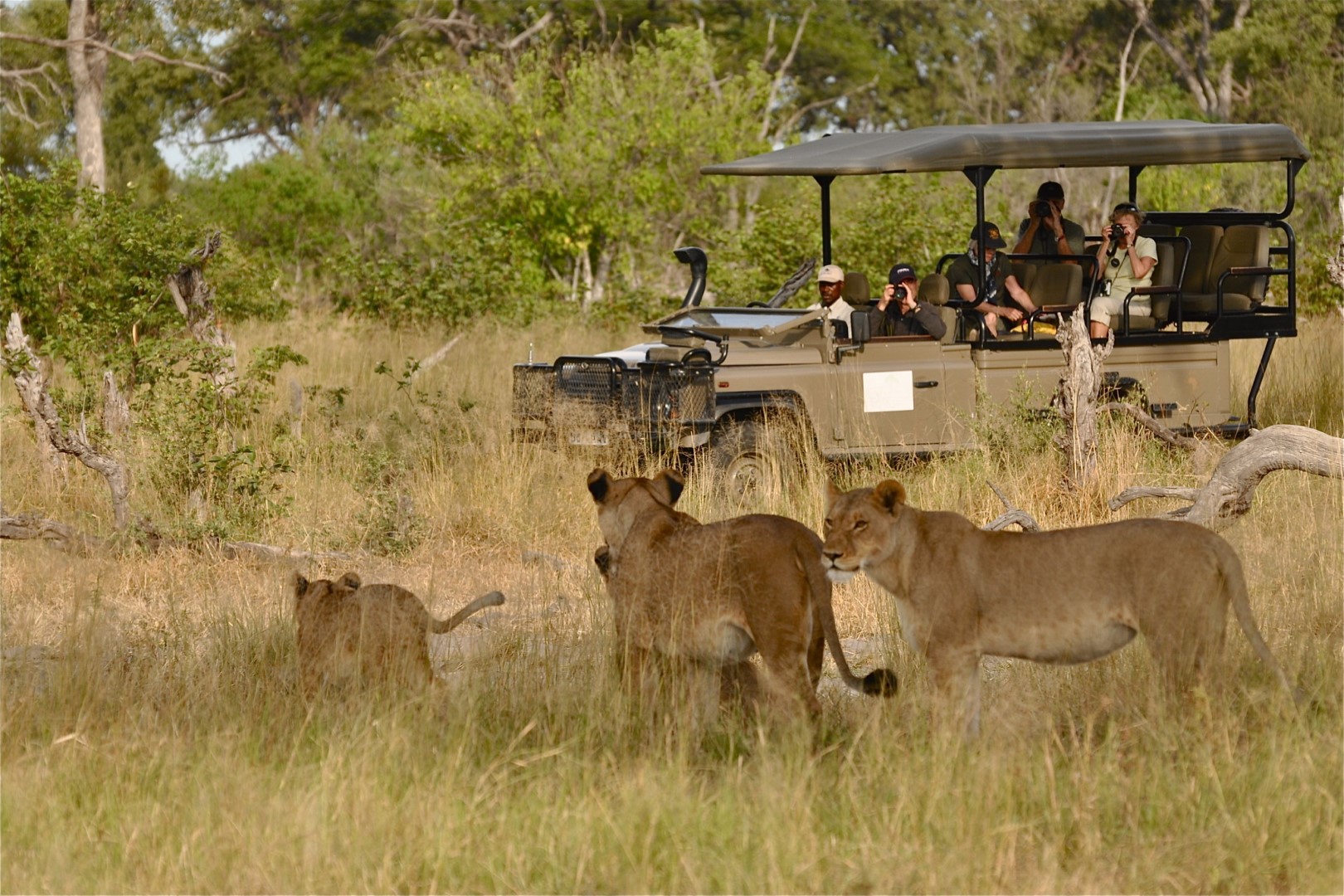
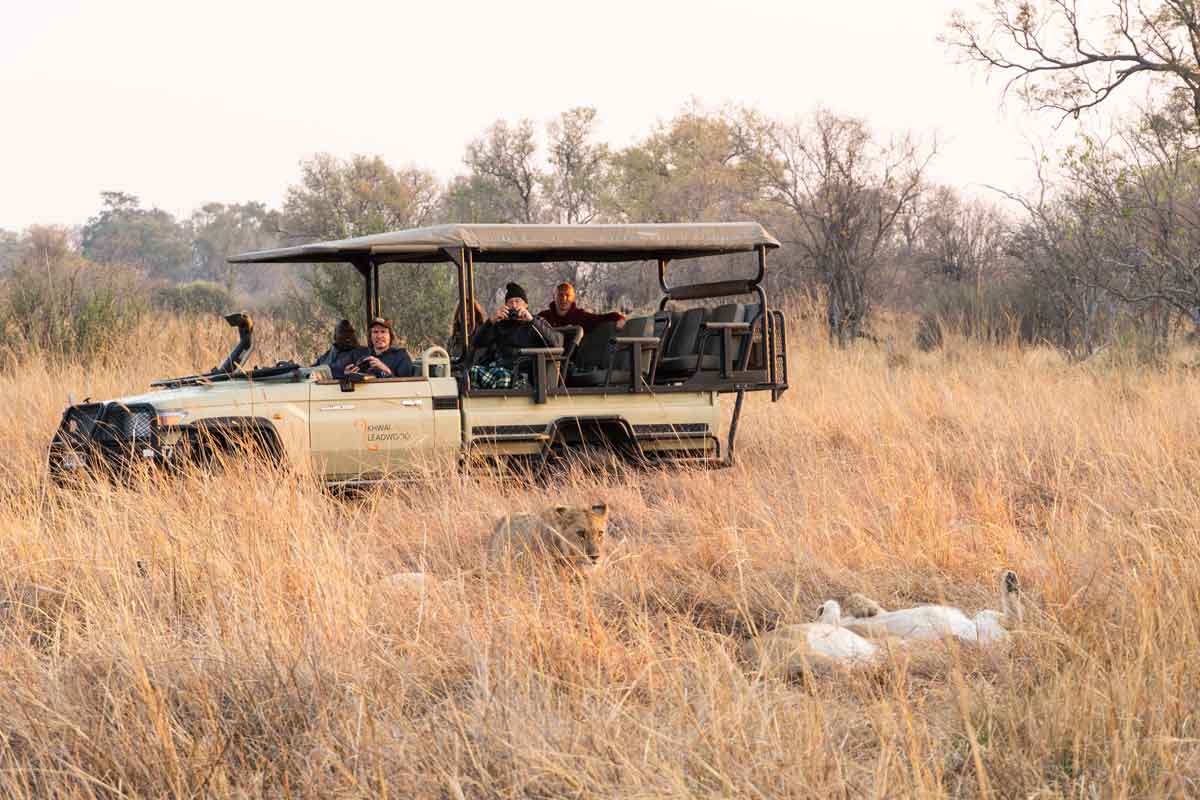
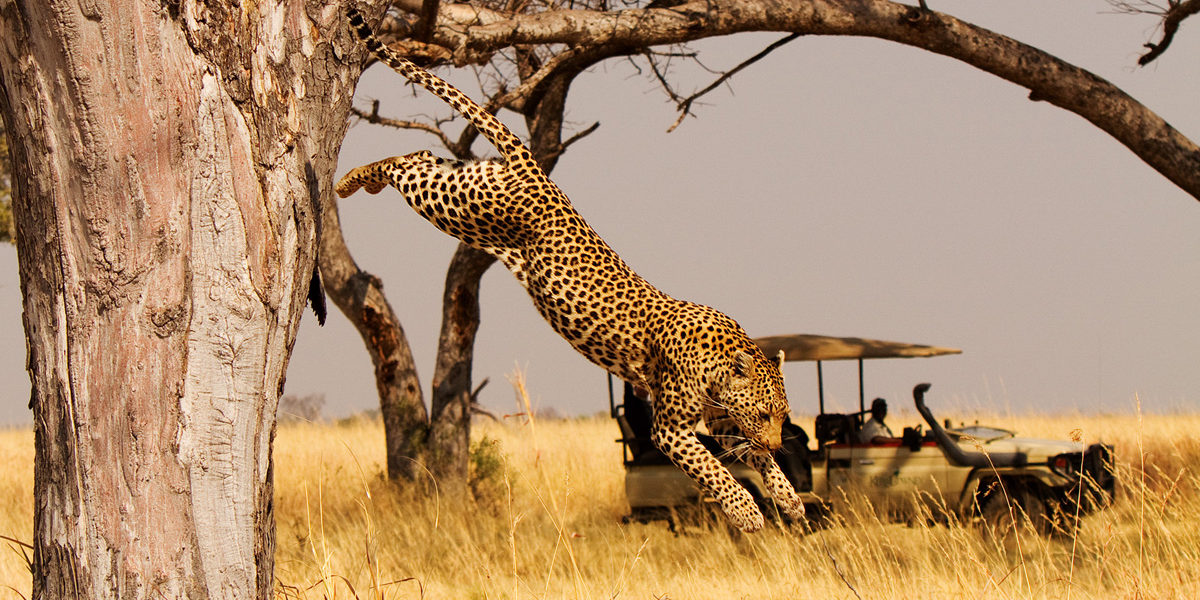
A Rwanda and Kenya Safari combines two of East Africa’s most remarkable travel experiences into one beautifully balanced journey. Rwanda brings travelers close to endangered mountain gorillas, chimpanzees, golden monkeys and breathtaking volcanic landscapes, while Kenya adds vast savannahs, exceptional Big Five wildlife, the Masai Mara, rich cultural experiences and the possibility of witnessing part of the Great Wildebeest Migration.
This combination is ideal for travelers who want more than a traditional safari. Instead of spending the entire journey inside a safari vehicle, guests can begin on foot in Rwanda’s misty forests, trekking mountain gorillas in Volcanoes National Park, before flying to Kenya for open-plains game drives among lions, elephants, giraffes, cheetahs, leopards and huge herds of plains game.
At Boots in the Jungle Safaris, we design Rwanda and Kenya Safari journeys according to each traveler’s available time, preferred accommodation level, budget, wildlife interests and travel style. Whether you are planning a honeymoon, luxury safari, family holiday, photographic journey or first-time African adventure, Rwanda and Kenya can be combined into one unforgettable East African safari.
Why Choose a Rwanda and Kenya Safari?
A Rwanda and Kenya Safari offers one of the strongest contrasts available within a single East African itinerary. Rwanda is known for its highland landscapes, rainforests, volcanoes and primates, while Kenya provides some of Africa’s most famous savannahs and traditional wildlife experiences.
The combination allows travelers to enjoy both intimate wildlife encounters and wide-open wilderness. Mountain gorilla trekking in Rwanda places visitors on foot in the forest, following experienced trackers through dense vegetation before reaching a habituated gorilla family. In Kenya, wildlife is generally explored from a private safari vehicle, allowing guests to cover much larger areas and observe predators, herbivores and birdlife across the savannah.
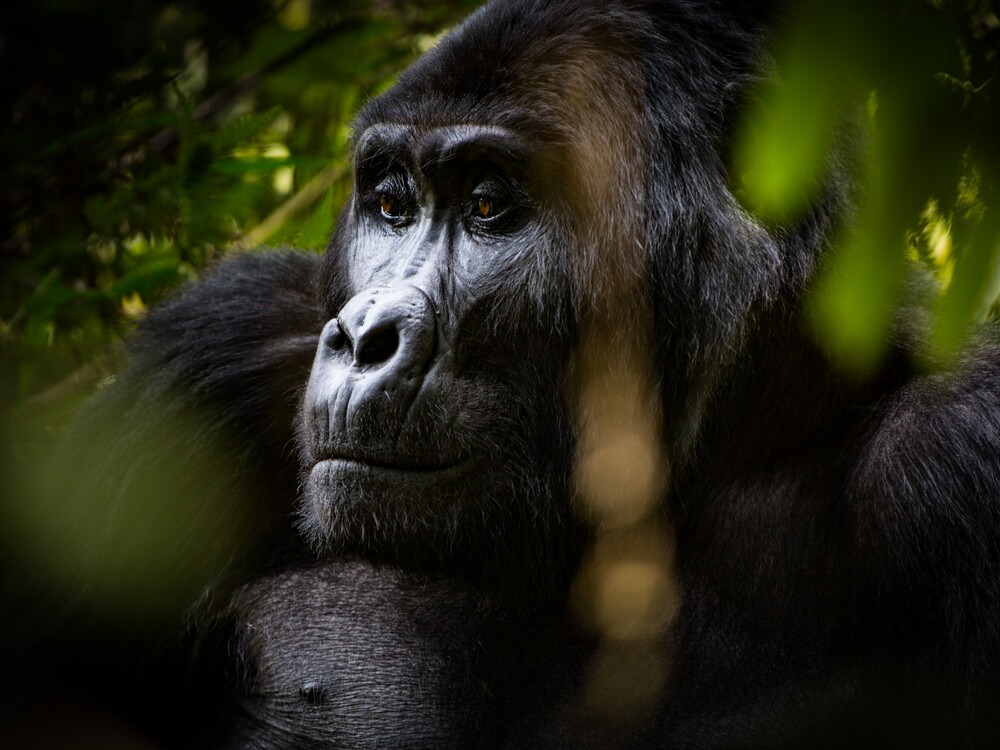
This variation makes the journey feel constantly fresh. One day can be spent watching a silverback gorilla resting among bamboo forest, while a few days later you may be photographing lions in the Masai Mara or elephants beneath the shadow of Mount Kilimanjaro in Amboseli.
For first-time visitors to Africa, this combination provides an excellent introduction to both primate trekking and traditional wildlife safaris.
Mountain Gorilla Trekking in Rwanda
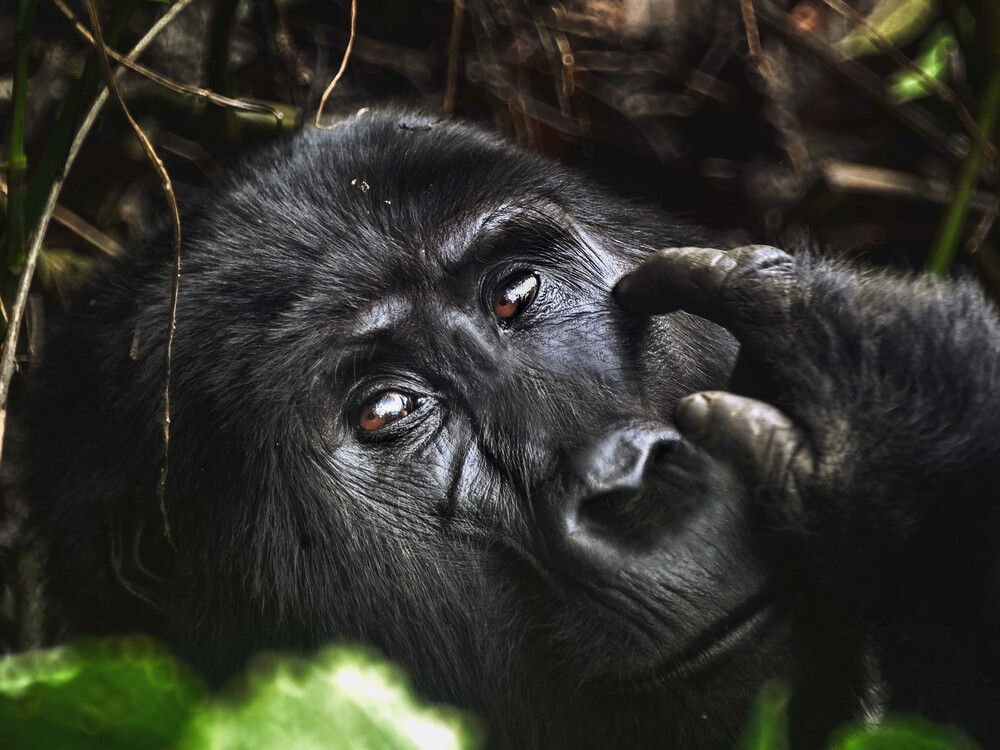
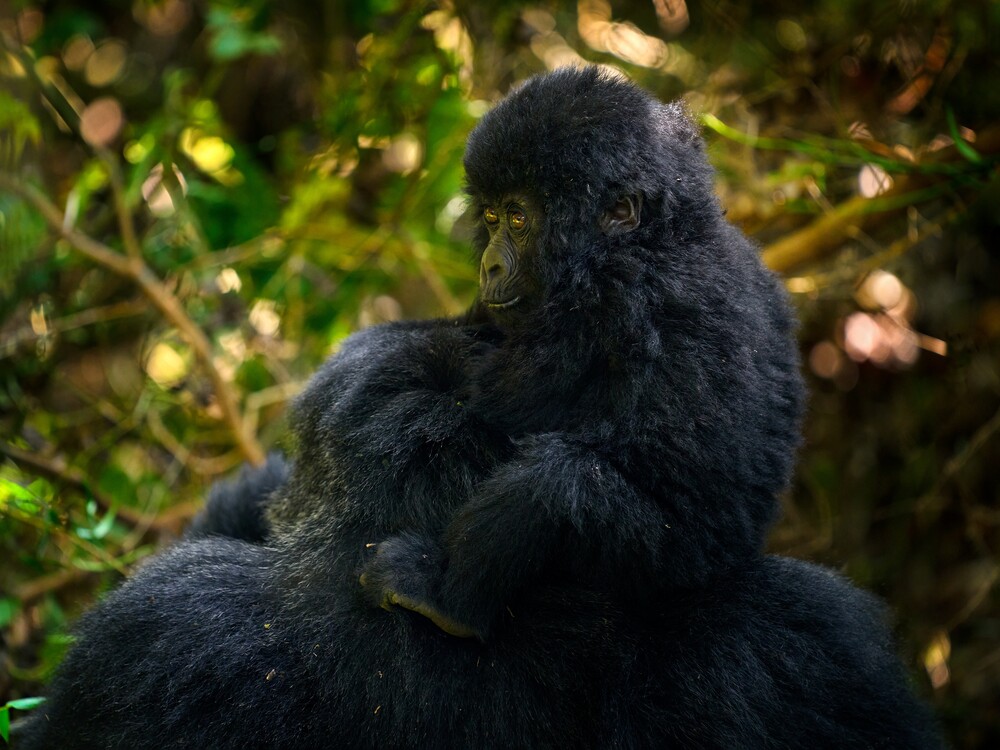
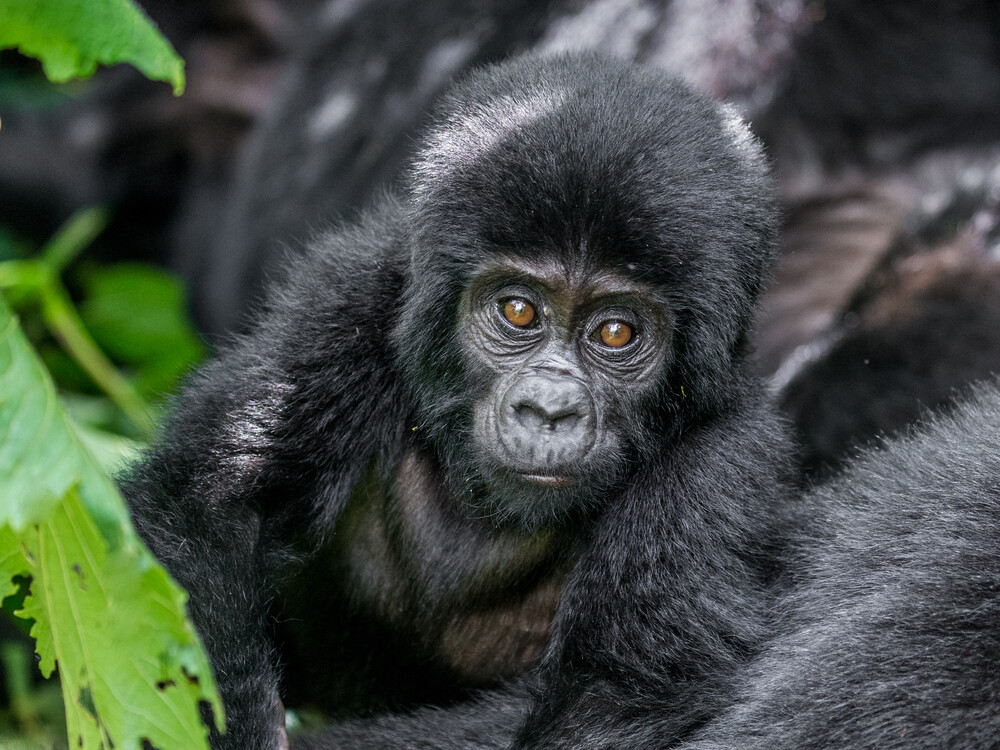
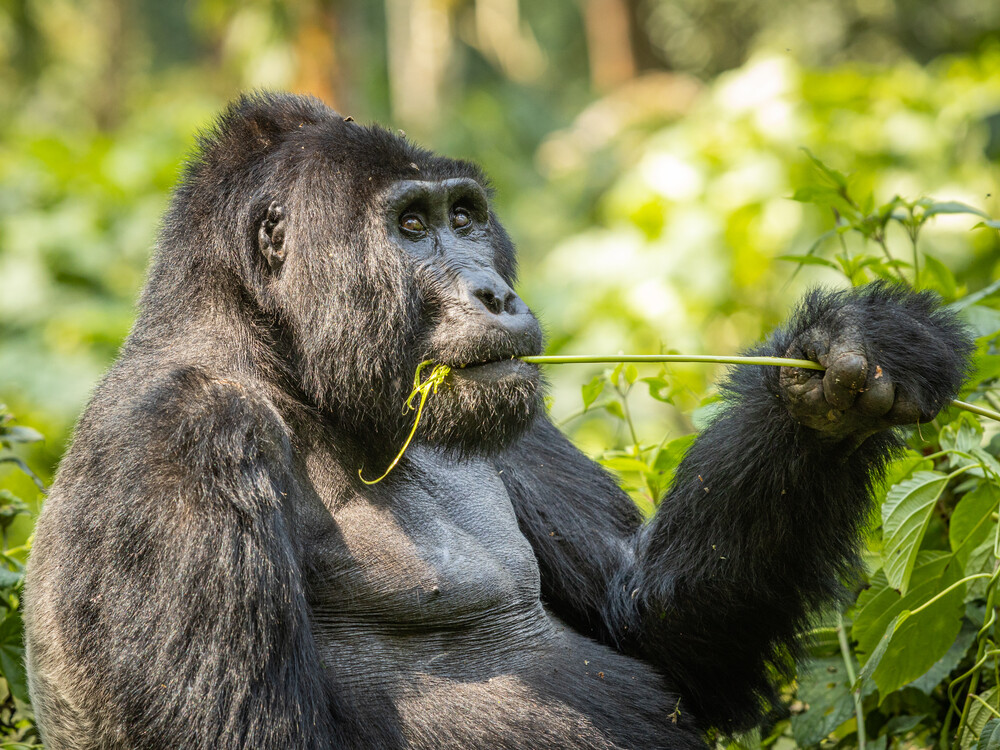
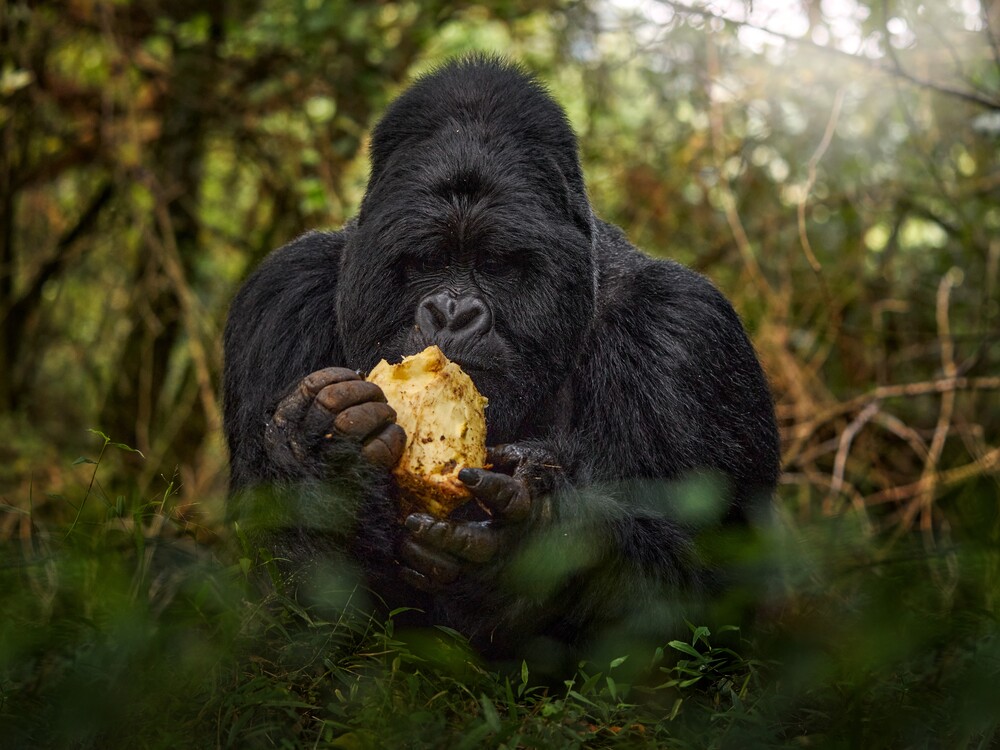
For many travelers, mountain gorilla trekking in Rwanda is the defining experience of a Rwanda and Kenya Safari. It is very different from a traditional game drive because visitors leave the vehicle behind and enter the forest on foot, accompanied by professional guides, trackers and park rangers. The experience is personal, quiet and deeply immersive. Instead of observing wildlife from a distance across open grasslands, travelers move through mountain forest in search of a habituated gorilla family living naturally within its protected habitat.
Gorilla trekking takes place in Volcanoes National Park in northwestern Rwanda, a spectacular region of bamboo forest, montane vegetation, cultivated foothills and volcanic peaks. The park forms part of the greater Virunga landscape and protects habitat used by mountain gorillas and several other primate species. The scenery alone makes the journey worthwhile, with dramatic volcanoes rising above Rwanda’s green countryside and mountain communities scattered across the surrounding landscape.
A typical gorilla trekking day begins early in the morning. Guests travel to the park headquarters for registration and a briefing on gorilla trekking regulations, expected forest conditions and responsible behavior around the gorillas. Trekking groups are then organized before visitors enter the forest with their assigned guides and trackers. The exact route changes from day to day because the gorillas are wild animals and constantly move through their territory.
The trek may be relatively short or may require several hours of walking depending on the location of the assigned gorilla family. Trails can cross farmland, bamboo forest, thick vegetation and uneven mountain terrain. Rain can make some sections muddy, while higher altitudes can make the trek physically demanding for some visitors. Hiring a porter is often worthwhile because porters can assist with bags and provide support on difficult sections while also contributing directly to local livelihoods.
The moment a gorilla family is located often becomes one of the most memorable moments of the entire safari. Visitors may observe a dominant silverback resting beside other family members, mothers caring for infants, juveniles climbing vegetation or younger gorillas interacting playfully. Because the animals are observed at relatively close range under strict park regulations, the encounter can feel extraordinarily intimate.
Mountain gorilla trekking pairs exceptionally well with a Kenya wildlife safari because the two experiences are completely different. Rwanda offers a close, forest-based primate encounter, while Kenya introduces broad savannah landscapes and game drives among lions, elephants, giraffes and other large mammals. This contrast is one of the strongest reasons to combine the countries in one Rwanda and Kenya Safari.
Travelers interested in photography should prepare differently for gorilla trekking than they would for the Masai Mara. Forest lighting can be lower and change quickly, while gorillas may move between dense vegetation and open areas. Comfortable waterproof footwear, long trousers, lightweight rain protection and camera equipment that can be carried comfortably are all important.
Because gorilla trekking permits are limited and demand can be high during popular travel periods, the Rwanda section should usually be planned early. Boots in the Jungle Safaris can coordinate the permit, accommodation, transfers and trekking logistics as part of the complete safari itinerary.
Volcanoes National Park
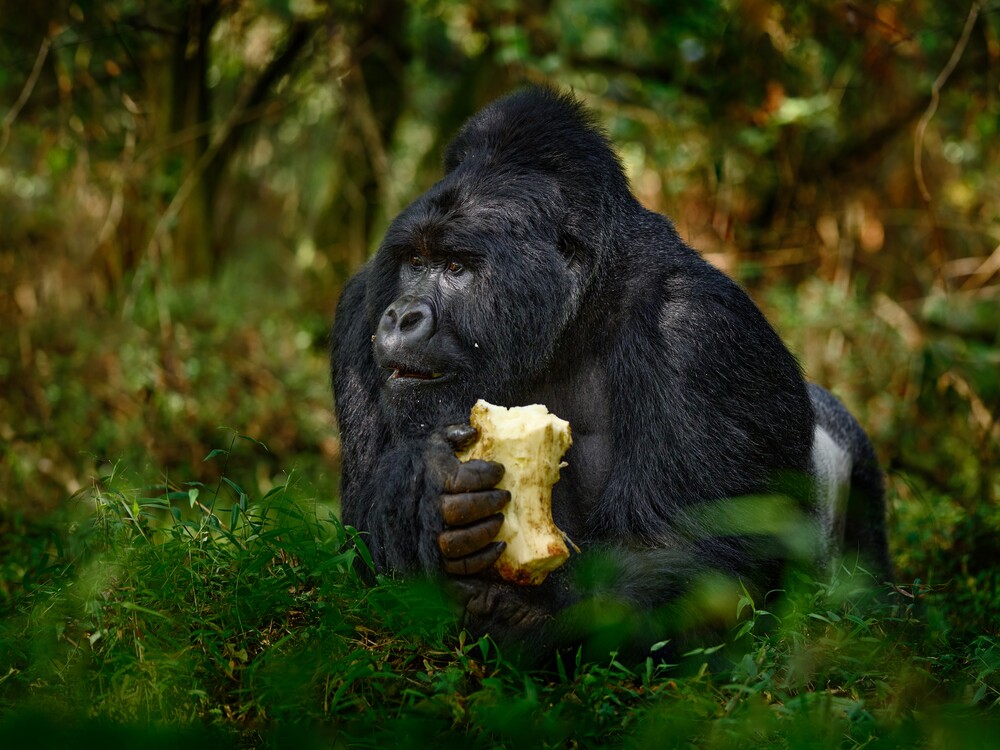
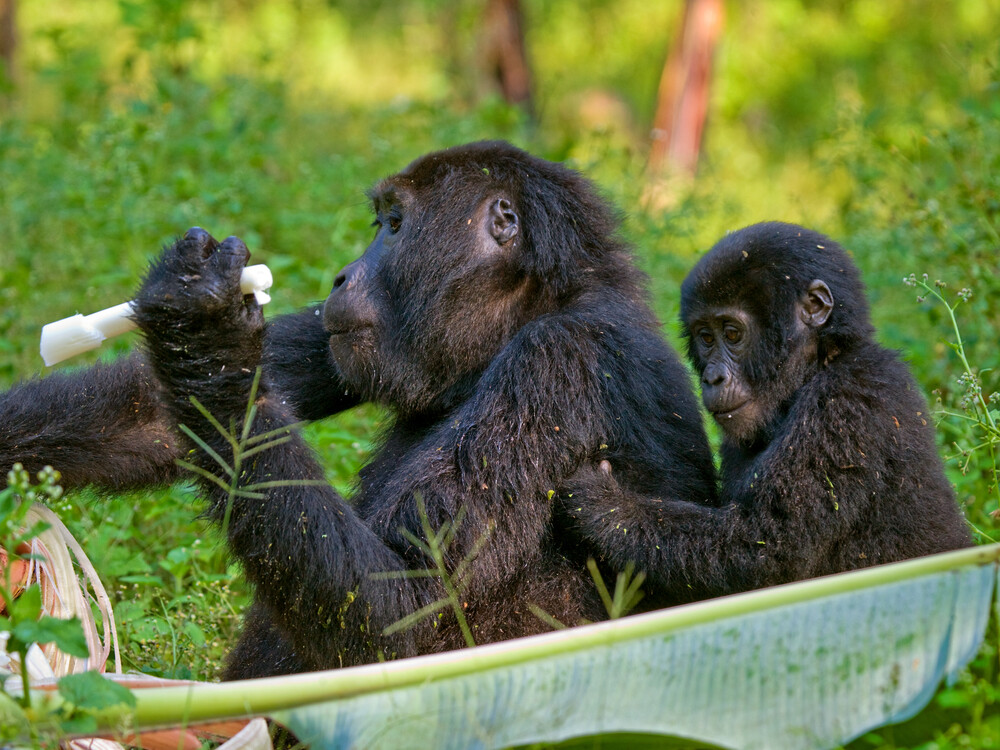
Volcanoes National Park deserves to be treated as a complete destination rather than simply the place where travelers spend one morning gorilla trekking. The park and surrounding Musanze area offer scenic landscapes, primate experiences, conservation stories, cultural encounters and a wide range of accommodation. Spending at least two or three nights in the area often creates a much more enjoyable Rwanda and Kenya Safari because travelers have enough time to appreciate the destination without rushing immediately before or after their gorilla trek.
The park is characterized by dense mountain forest, bamboo zones and the dramatic volcanic peaks of the Virunga range. On clear mornings, the mountains dominate the horizon and create one of the most distinctive landscapes anywhere in East Africa. The cool highland climate is another noticeable contrast with the warmer savannah environments travelers later encounter in Kenya.
Golden monkey trekking is one of the most rewarding activities to combine with gorilla trekking. Golden monkeys are energetic primates commonly associated with bamboo forest. Unlike gorillas, which often spend periods resting and feeding quietly, golden monkeys can move quickly through vegetation. This gives visitors a more active and playful primate experience.
A second trekking day can also help travelers appreciate how different primate species use the forest. Guests who choose both gorilla trekking and golden monkey trekking therefore gain a broader understanding of the ecosystem rather than focusing on one species alone.
The area around Volcanoes National Park also provides opportunities for cultural and community experiences. Depending on the final itinerary, travelers may visit local communities, learn about traditional livelihoods, experience Rwandan music and dance or explore projects connected with conservation and community tourism.
Conservation is an important part of the Volcanoes region. Travelers can incorporate experiences that help explain the long history of mountain gorilla research and protection, including the role of local communities in protecting wildlife habitat. This adds meaningful context to the trekking experience.
Accommodation around Volcanoes National Park is suitable for many travel styles. Mid-range properties provide comfortable rooms and convenient access to trekking activities, while high-end and ultra-luxury lodges offer secluded settings, exceptional views, premium dining and highly personalized service. This allows a Rwanda and Kenya Safari to be designed for travelers ranging from value-conscious adventurers to honeymooners seeking a fully luxury journey.
A slower itinerary may include an arrival afternoon in Musanze, a full gorilla trekking day, a second day for golden monkeys or cultural activities and then onward travel to Kigali or another Rwanda destination. This pace gives guests time to recover after trekking and enjoy the surrounding mountain landscape.
Chimpanzee Trekking in Nyungwe National Park
Travelers planning a longer Rwanda and Kenya Safari can extend south to Nyungwe National Park, one of Rwanda’s most important forest destinations. The park offers a completely different environment from Volcanoes National Park, with extensive montane rainforest, deep valleys, dense vegetation and a remarkable diversity of primates and birds.
Chimpanzee trekking is one of the main reasons to visit Nyungwe. The experience normally begins early in the morning because chimpanzees can be active soon after dawn. Travelers join professional trackers and guides before entering the forest to search for habituated chimpanzee communities.
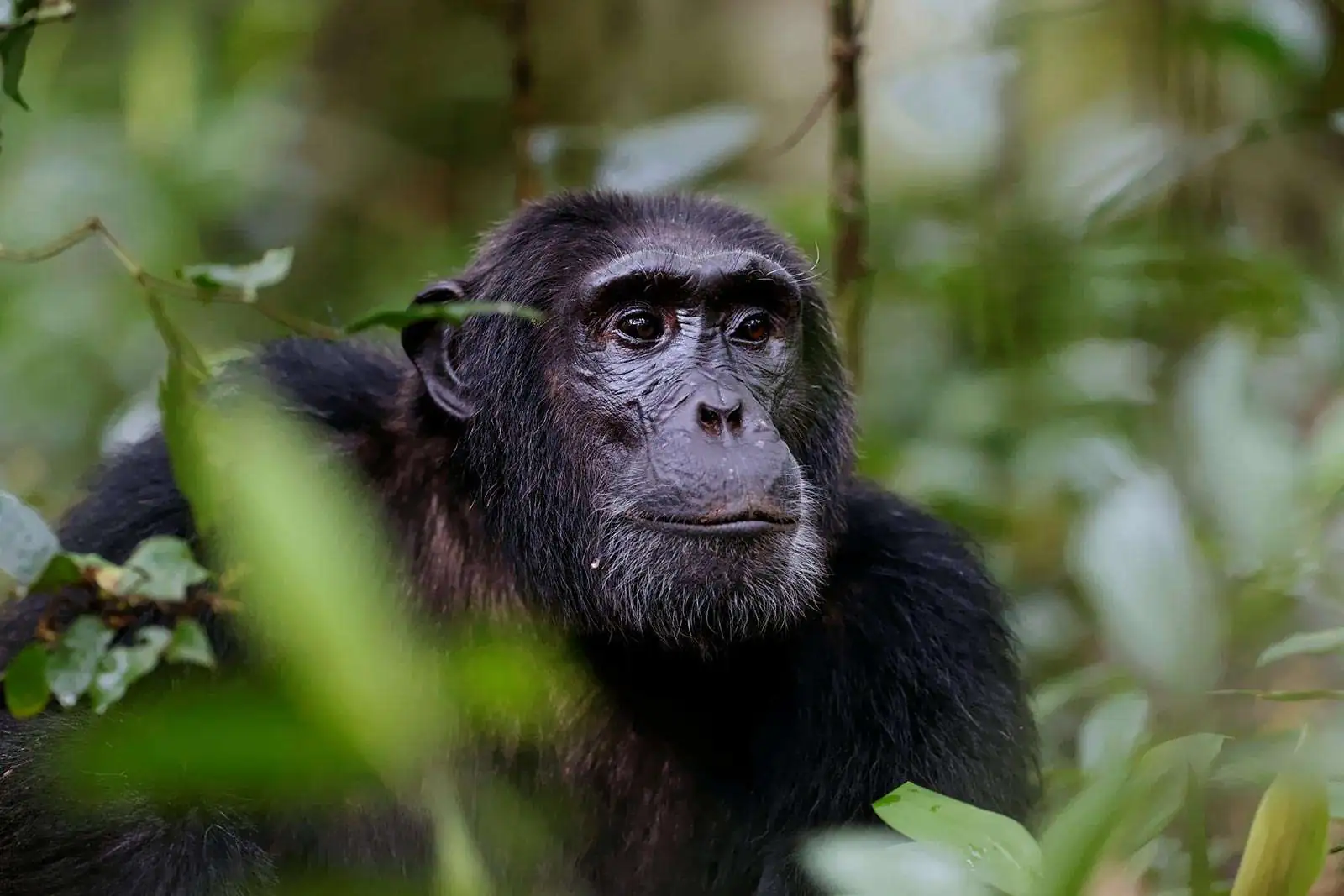
Chimpanzee trekking is generally more dynamic than gorilla trekking. Chimpanzees can move quickly through trees and along the forest floor, often communicating through loud vocalizations that echo through the forest. Visitors may hear the group before seeing it, creating a sense of anticipation as guides follow calls and signs of movement.
Once a chimpanzee community is located, travelers may observe individuals feeding, climbing, grooming or interacting socially. Some animals may remain high in the canopy while others descend closer to the forest floor. Every trek is different because the chimpanzees move according to food availability, weather and natural behavior.
Combining chimpanzee trekking with mountain gorilla trekking creates a particularly strong primate itinerary. Travelers are able to compare two very different great ape experiences before flying to Kenya for open-country wildlife viewing.
Nyungwe also offers additional forest activities, including the well-known canopy walkway. Elevated above the forest, the walkway gives visitors a different perspective over the treetops and surrounding valleys. It can be combined with guided forest walks and other nature-based activities depending on available time.
The drive toward Nyungwe also allows travelers to see more of Rwanda’s countryside, including hills, villages, agricultural landscapes and areas around Lake Kivu if the route is extended. This makes the Rwanda section more complete for travelers who do not want to visit only Kigali and Volcanoes National Park.
A longer Rwanda and Kenya Safari could therefore begin with chimpanzees in Nyungwe, continue north for mountain gorillas in Volcanoes National Park and then transition to Kenya for the Masai Mara and other classic wildlife destinations. This combination offers rainforest, mountains, savannah and primate experiences within a single holiday.
Kigali City Experience
Most Rwanda and Kenya Safari itineraries begin or end in Kigali, and the city deserves more than being treated only as an airport stop. Kigali provides historical context, contemporary culture, good restaurants, comfortable accommodation and a gentle introduction to Rwanda before travelers continue into the national parks.
One of the most significant places to visit is the Kigali Genocide Memorial. A guided or self-paced visit provides important background on the 1994 genocide against the Tutsi and the broader historical circumstances surrounding it. For many visitors, this experience helps them better understand modern Rwanda, its recovery and the country’s emphasis on reconciliation.
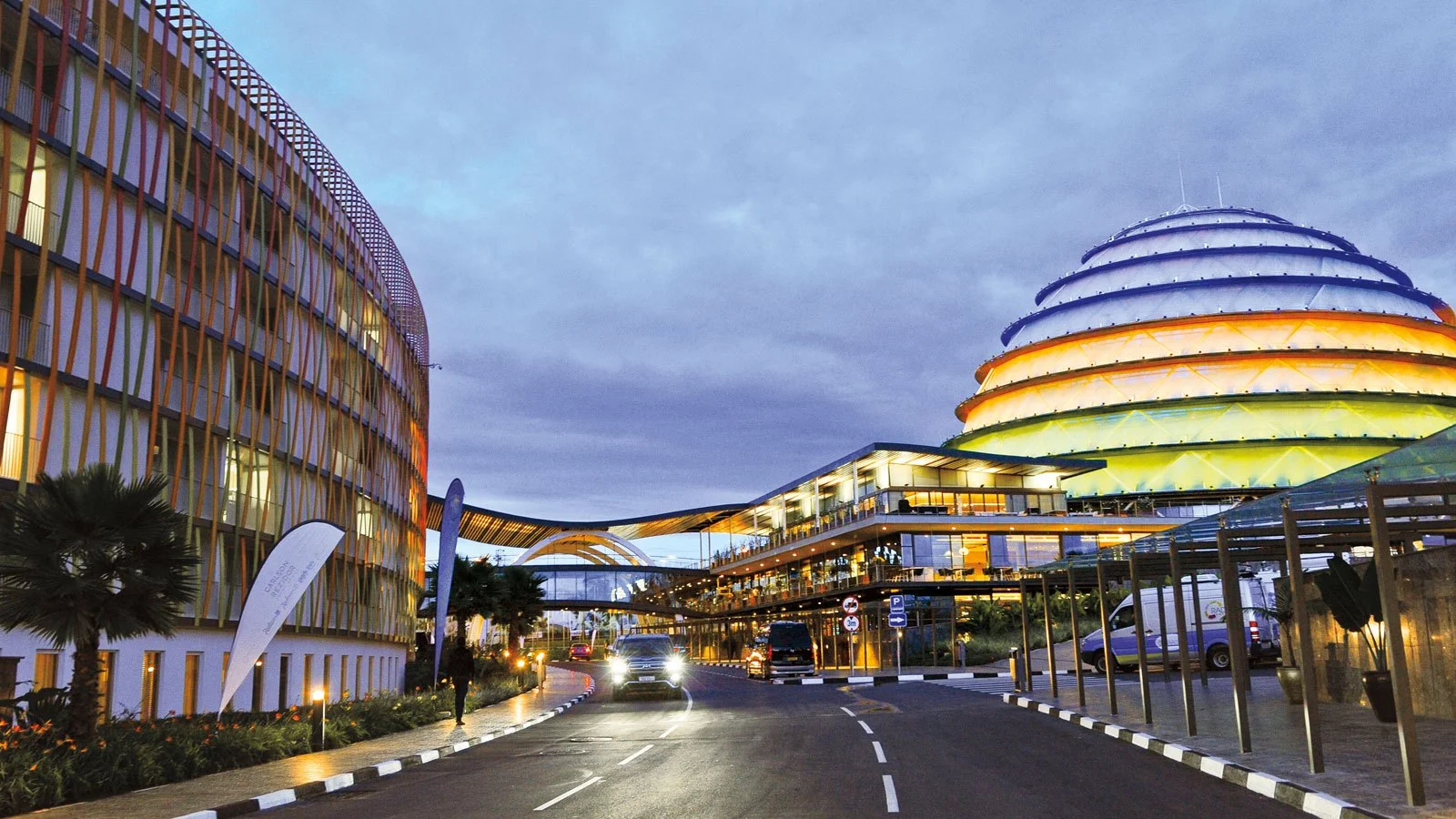
Beyond the memorial, a Kigali city experience can include local markets, craft centers, neighborhood visits, art spaces, restaurants and viewpoints across the surrounding hills. Kigali’s compact size makes it possible to combine several attractions within a half-day or full-day city tour.
For travelers arriving after a long international journey, spending the first night in Kigali can also be practical. It allows time to rest before traveling to Volcanoes National Park or Nyungwe. A relaxed city day can be especially valuable for older travelers, families or guests arriving from long-haul flights.
Kigali also works well as the connection point between Rwanda and Kenya. After completing the Rwanda portion, guests can return to Kigali for an onward regional flight to Nairobi. This makes the logistics of combining both countries relatively straightforward.
A Rwanda and Kenya Safari that includes Kigali, rather than simply passing through it, feels more culturally complete because the journey includes Rwanda’s history, contemporary urban life, mountain forests and wildlife experiences.
Akagera National Park
Travelers who want to experience Rwanda beyond its primate destinations can include Akagera National Park. Located in eastern Rwanda, Akagera presents a landscape completely different from Volcanoes and Nyungwe, making it a valuable addition to a longer Rwanda and Kenya Safari.
The park contains savannah, woodland, wetlands, lakes and open plains. It therefore introduces travelers to a more traditional African safari environment before they continue into Kenya.
Game drives can offer sightings of elephants, giraffes, buffaloes, antelopes and a range of other mammals. Predators may also be encountered, although sightings vary naturally from one day to another.
The park’s wetland environments are particularly attractive for birdlife. Boat trips can provide opportunities to see hippos, crocodiles and water-associated birds while enjoying a slower perspective on the landscape.
Including Akagera is especially useful for travelers with approximately two weeks or more because it creates a broader Rwanda experience. Instead of visiting Rwanda only for gorilla trekking, guests can explore rainforest, mountain forest, wetlands and savannah.
It can also create an interesting comparison with Kenya. Akagera is smaller and more intimate, while Kenya’s Masai Mara and other major reserves feel broader and more expansive. Experiencing both helps travelers understand how different East African safari ecosystems can be.
A complete Rwanda route could therefore include Kigali, Akagera, Nyungwe, Volcanoes National Park and then a regional flight to Kenya. This is best suited to travelers who prefer a comprehensive two-country journey rather than a short highlights itinerary.
Flying from Rwanda to Kenya
Combining Rwanda and Kenya by air makes the two-country itinerary efficient and comfortable. Most travelers fly from Kigali International Airport to Nairobi, where they either overnight or connect onward to one of Kenya’s safari regions.
The most efficient routing depends on the traveler’s final safari plan. Guests heading directly to the Masai Mara may choose to connect from Nairobi to a domestic flight serving one of the Mara airstrips. This significantly reduces road travel and allows travelers to arrive closer to their safari camp.
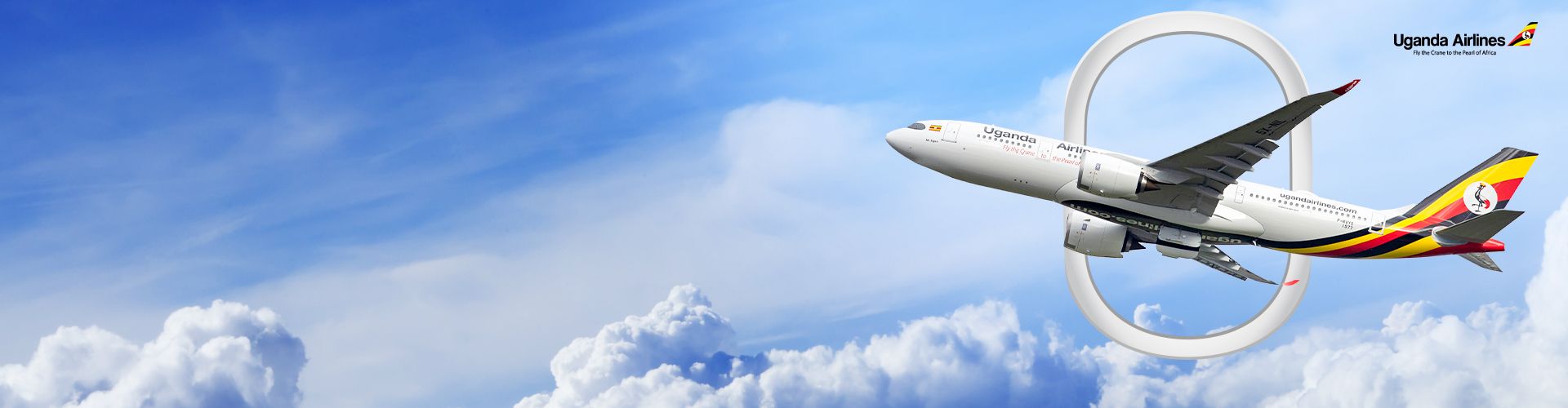
Fly-in arrangements are especially attractive for luxury travelers, honeymooners, families and guests with limited holiday time. Instead of spending much of the journey on long road transfers, more time can be dedicated to game drives, relaxation and wildlife viewing.
A road-based Kenya itinerary can also work very well, particularly when combining several destinations such as Lake Nakuru, Amboseli or other regions. In this case, guests may arrive in Nairobi and begin the Kenya section with a private safari vehicle and guide.
Boots in the Jungle Safaris coordinates the transition between the two countries so that transfers, flights and accommodation connect smoothly. The goal is to make the itinerary feel like one complete Rwanda and Kenya Safari rather than two separate tours joined together.
Baggage planning is also important when small domestic aircraft are used. Travelers may need to follow specific luggage weight or bag-type requirements. These details should be explained before travel so guests can pack appropriately.
Kenya Safari Experience
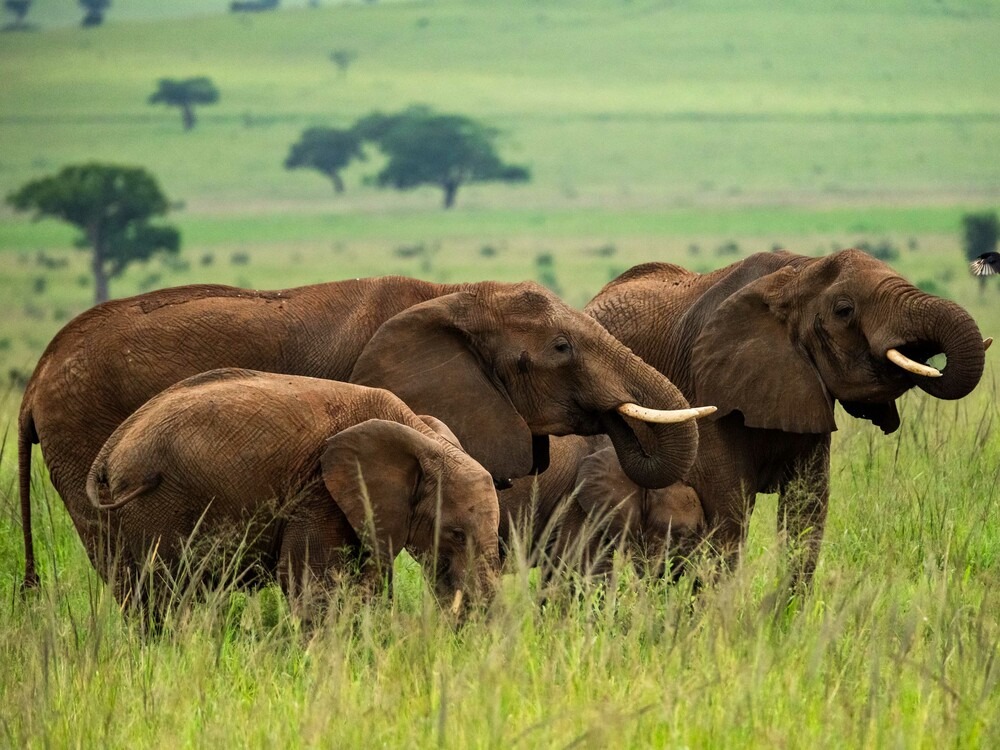
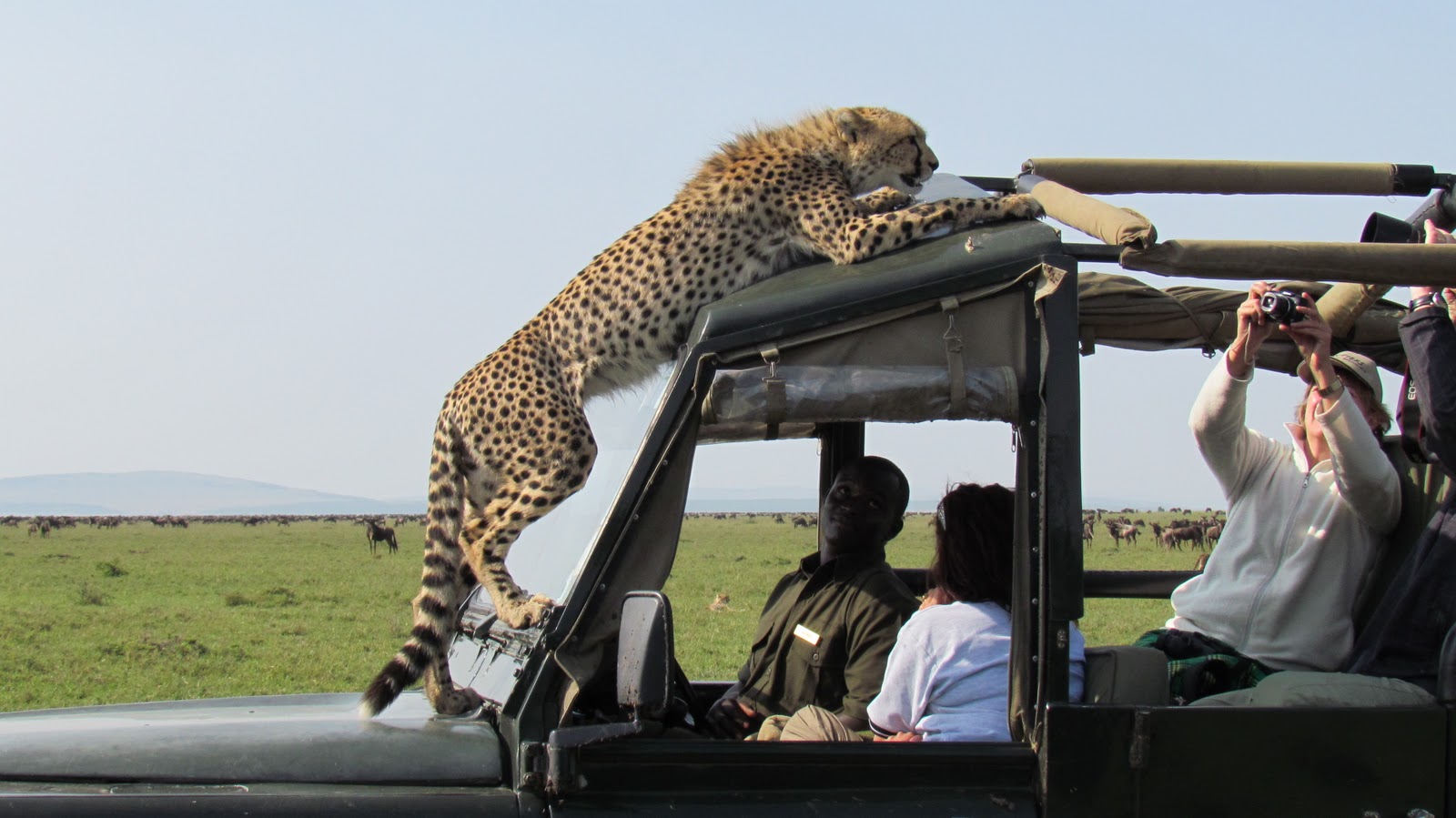
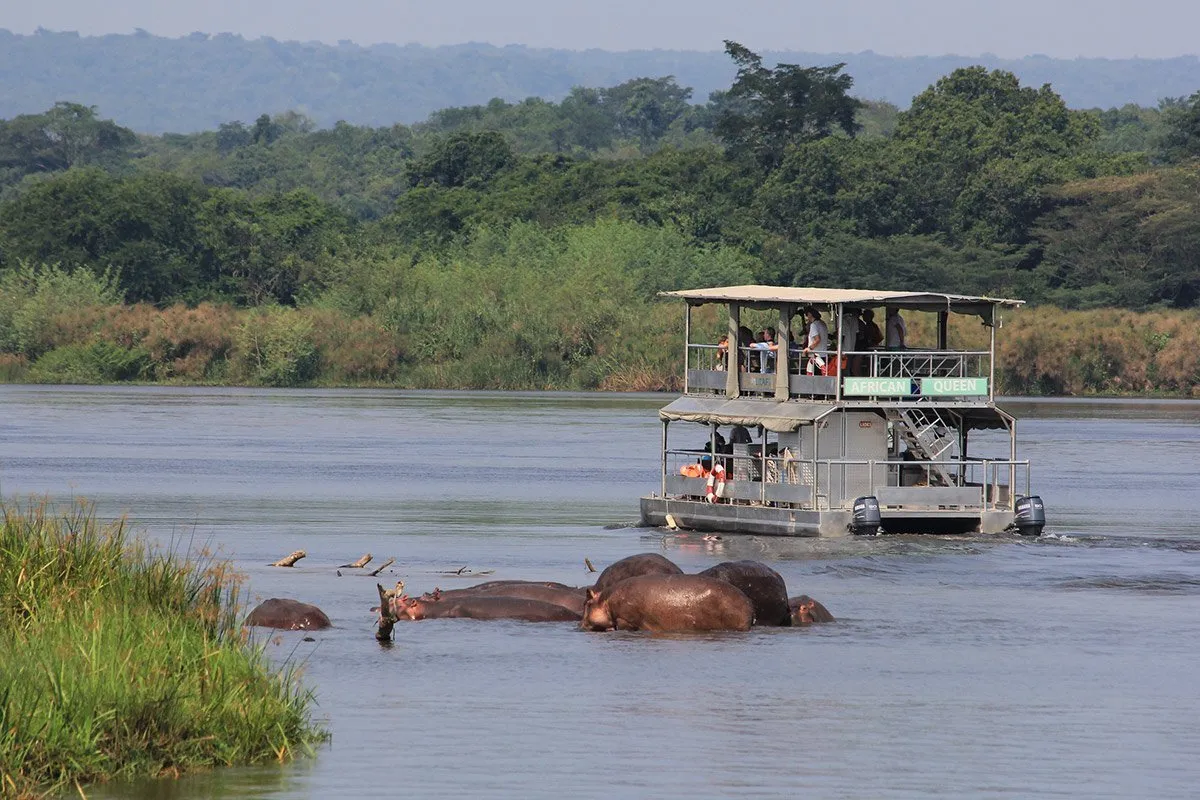
After Rwanda’s mountains and forests, Kenya introduces travelers to the classic East African safari experience. Wide grasslands, acacia-dotted landscapes, large wildlife concentrations and predator-rich ecosystems create a dramatic change in scenery.
Kenya offers a wide variety of safari regions, each with its own character. The Masai Mara is usually the first choice for travelers interested in predators and the Great Migration. Amboseli is renowned for elephants and views toward Mount Kilimanjaro. Lake Nakuru adds Rift Valley scenery and rhino viewing opportunities, while Samburu introduces a drier northern landscape and different wildlife.
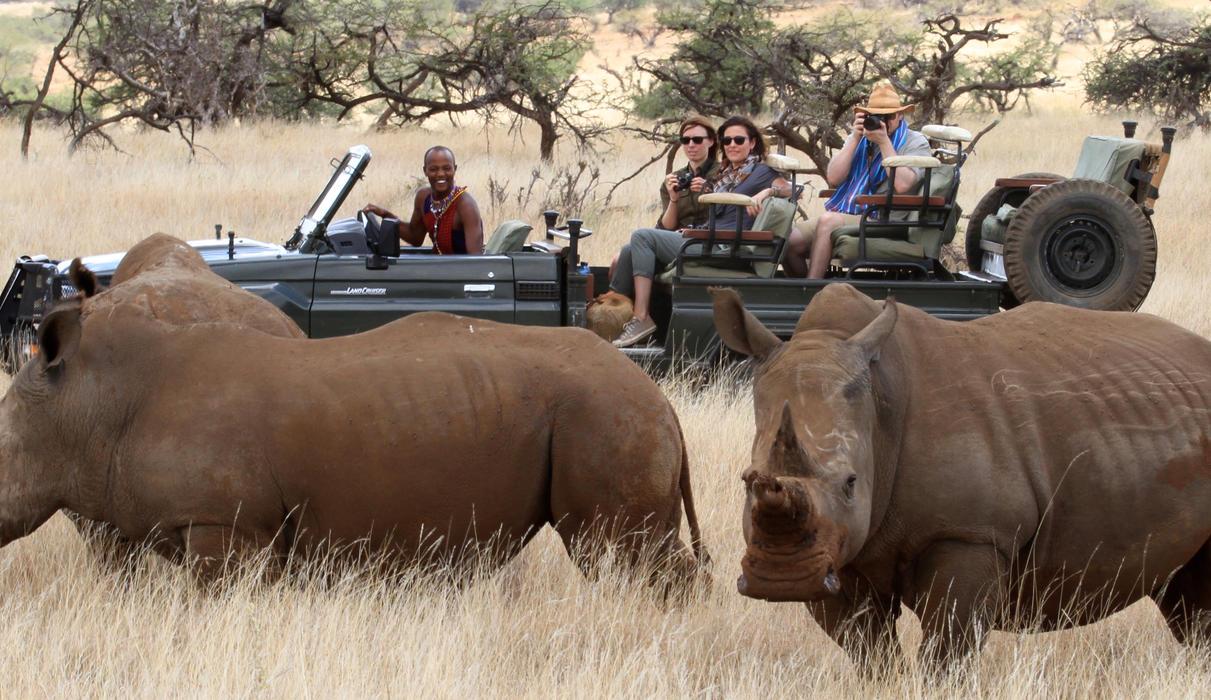
The style of safari also changes. In Rwanda, the principal activities may involve walking through forests or touring cities and communities. In Kenya, much of the wildlife viewing is done from a safari vehicle, allowing travelers to explore broad areas while searching for animals.
Game drives can take place early in the morning, late in the afternoon or across full days depending on the destination and lodge location. Experienced guides use tracks, animal behavior, local knowledge and communication with other guides to improve wildlife viewing opportunities.
Kenya’s accommodation options range from value-focused safari lodges to intimate tented camps, private conservancy properties and ultra-luxury camps. This makes the Kenya section easy to match with the accommodation style already chosen for Rwanda.
Masai Mara National Reserve
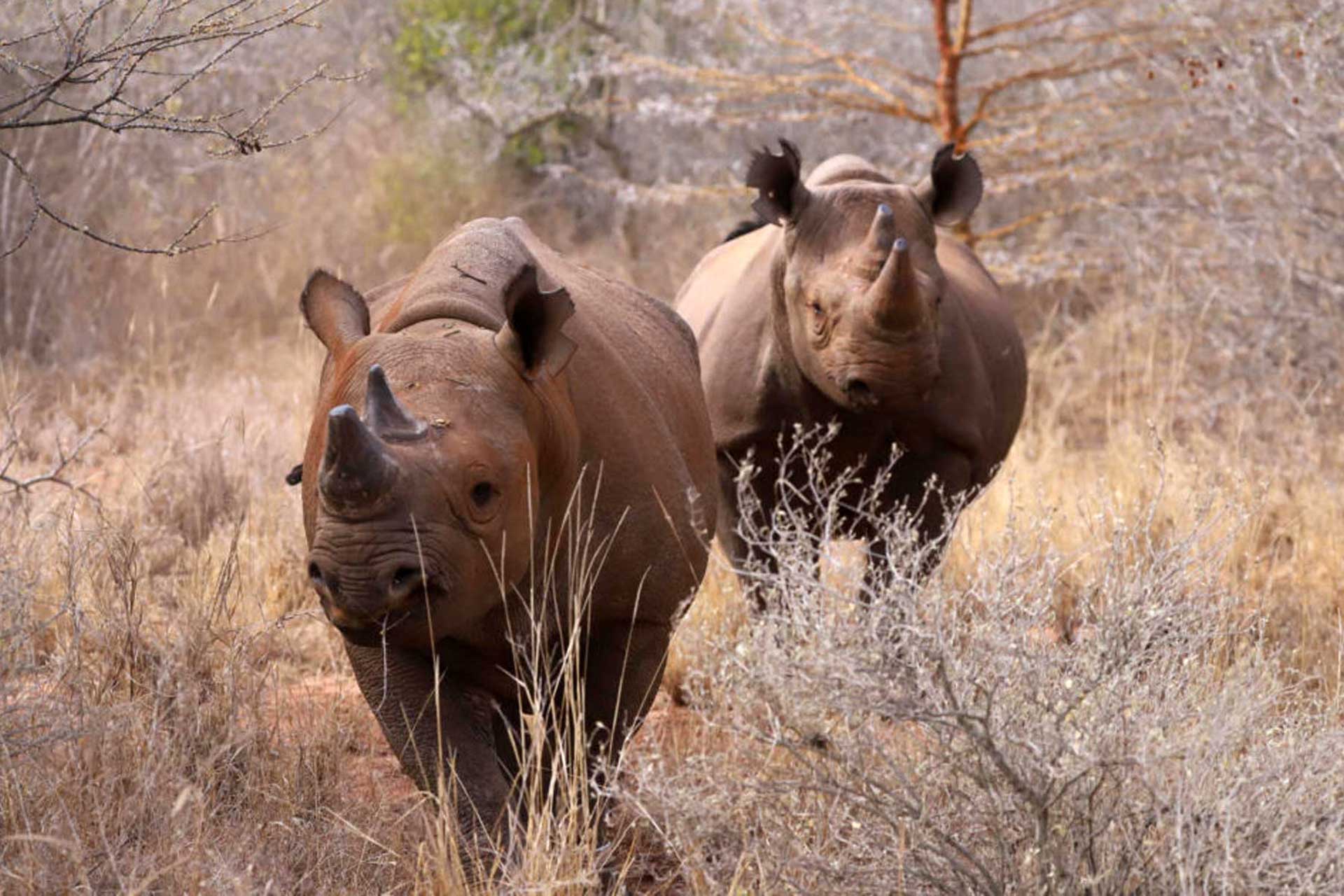
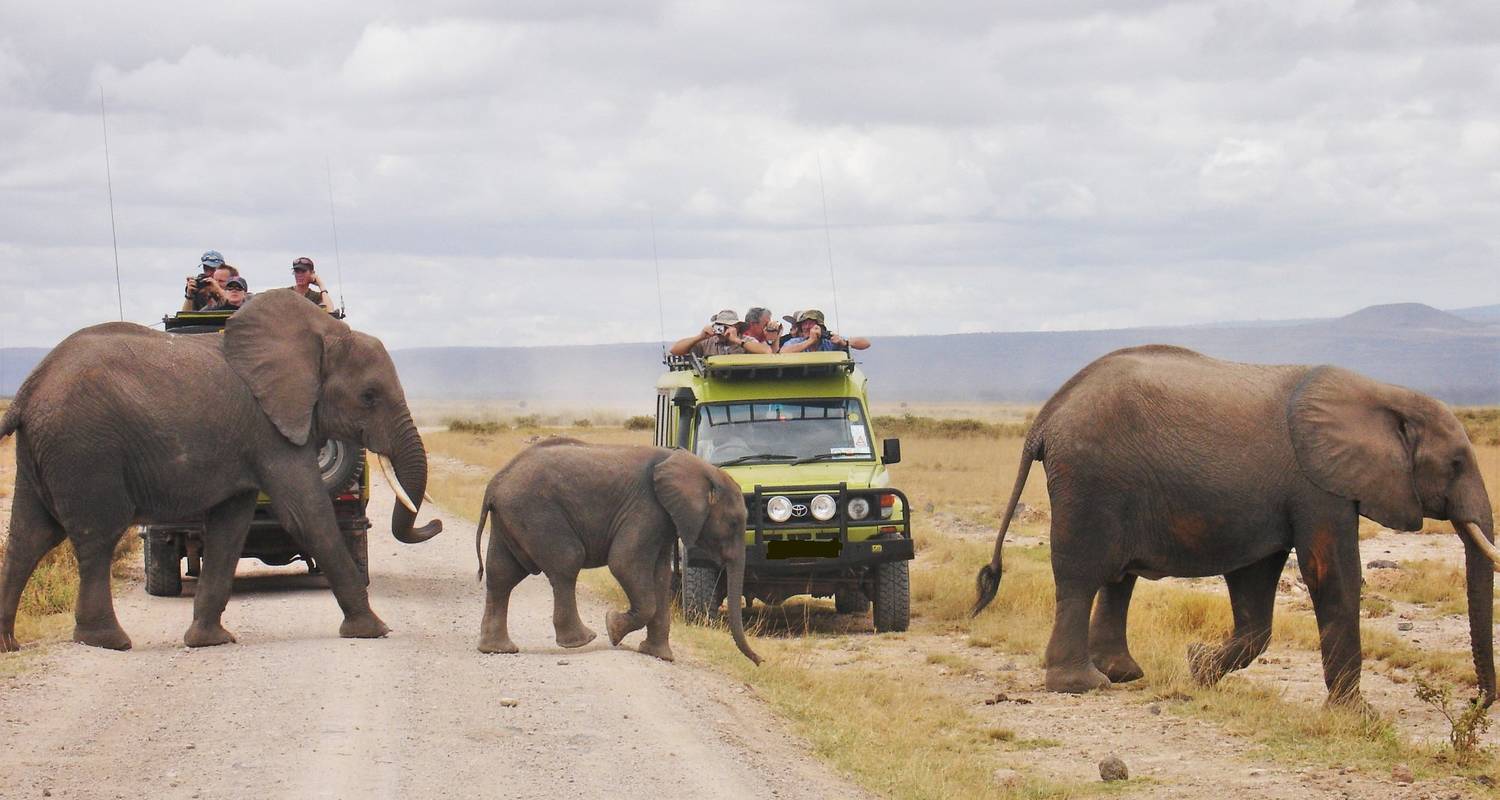
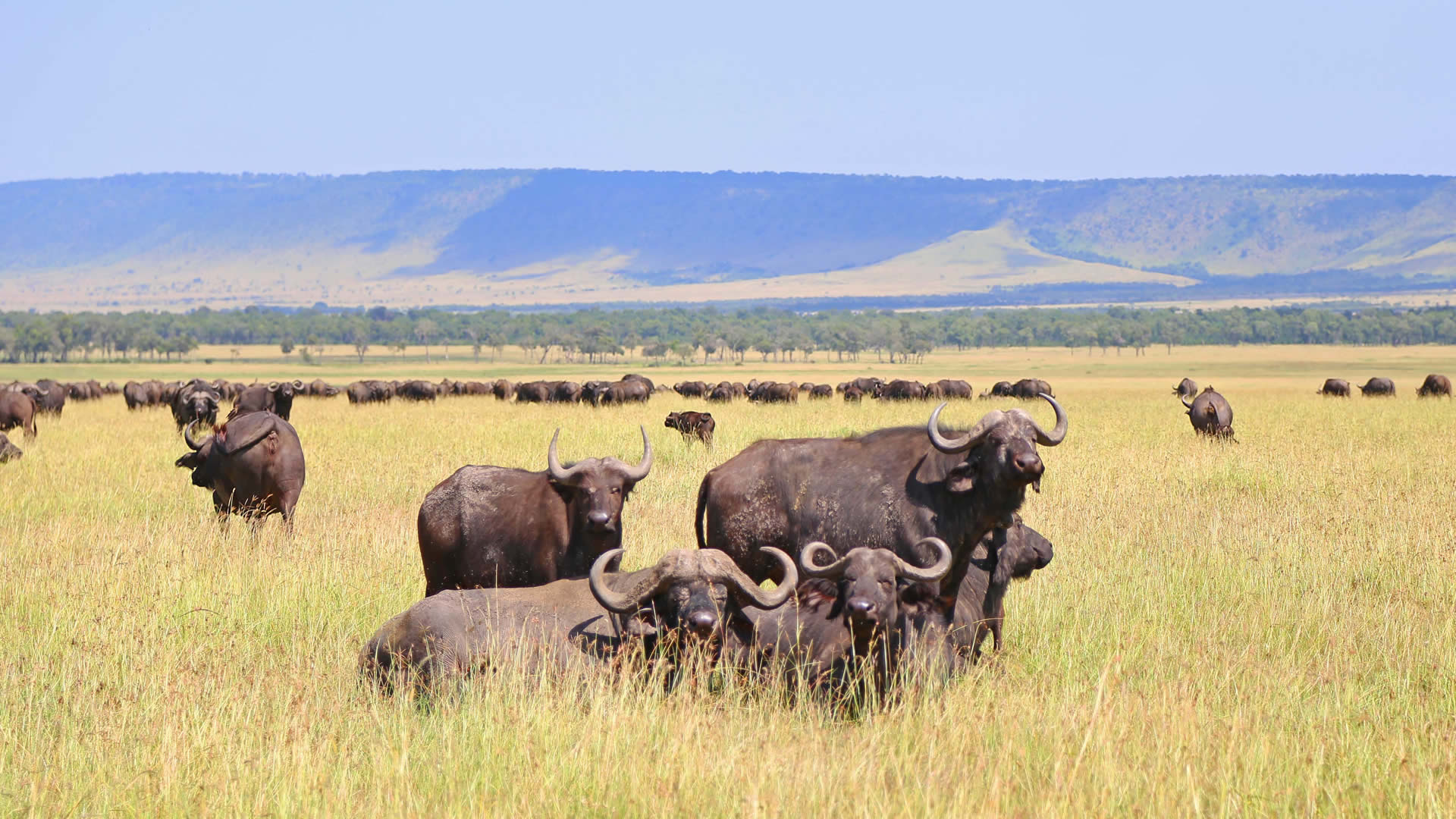
The Masai Mara National Reserve is the centerpiece of many Rwanda and Kenya Safari itineraries because of its excellent wildlife density, open landscapes and legendary predator viewing.
The reserve forms part of the larger Serengeti–Mara ecosystem and contains rolling grasslands, riverine areas and open plains. This varied terrain supports a remarkable diversity of wildlife throughout the year.
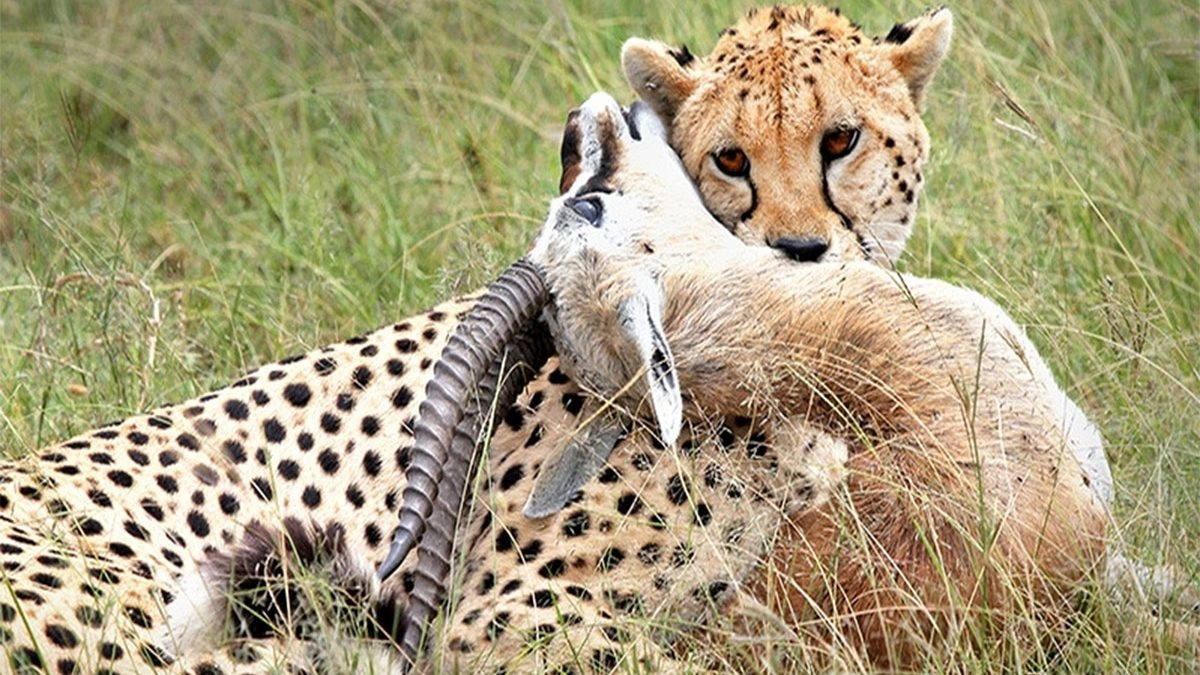
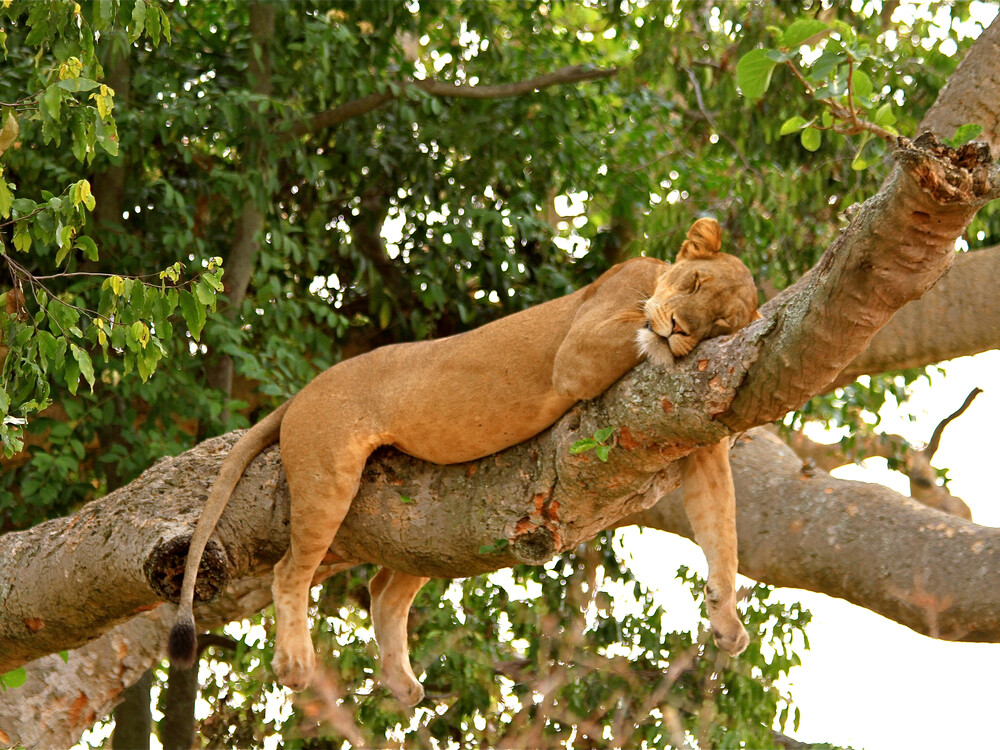
Lions are one of the major highlights. Prides may be seen resting on the plains, moving through long grass or watching nearby herbivores. Leopards may be encountered in areas with suitable cover and trees, while cheetahs are particularly associated with open country where they can use speed to hunt.
Large herbivores are equally important to the Mara experience. Wildebeest, zebras, giraffes, buffaloes, elephants and several antelope species contribute to the classic East African landscape.
Game drives are best enjoyed without rushing. Spending at least three nights in the region allows guests to explore different habitats and increases the chances of observing interesting animal behavior.
Private conservancies around the greater Mara region can also add a different style of experience depending on the property and safari package. These areas may offer lower vehicle densities, specialized guiding and selected activities beyond standard reserve game drives.
Photography is excellent because open landscapes often provide clearer views of wildlife than dense forest environments. Sunrise and sunset also create dramatic lighting across the plains.
For first-time visitors, combining gorilla trekking with at least three nights in the Masai Mara creates a very strong balance between intimate primate encounters and classic African wildlife viewing.
Great Wildebeest Migration in Kenya
The Great Wildebeest Migration is one of the strongest reasons to time a Rwanda and Kenya Safari carefully. The migration involves immense numbers of wildebeest, zebras and other grazing animals moving through the greater Serengeti–Mara ecosystem in response to rainfall and available grazing.
During periods when the herds move into Kenya’s Masai Mara, the landscape can transform dramatically. Large concentrations of animals spread across the plains, attracting predators and creating some of the most famous wildlife scenes in Africa.
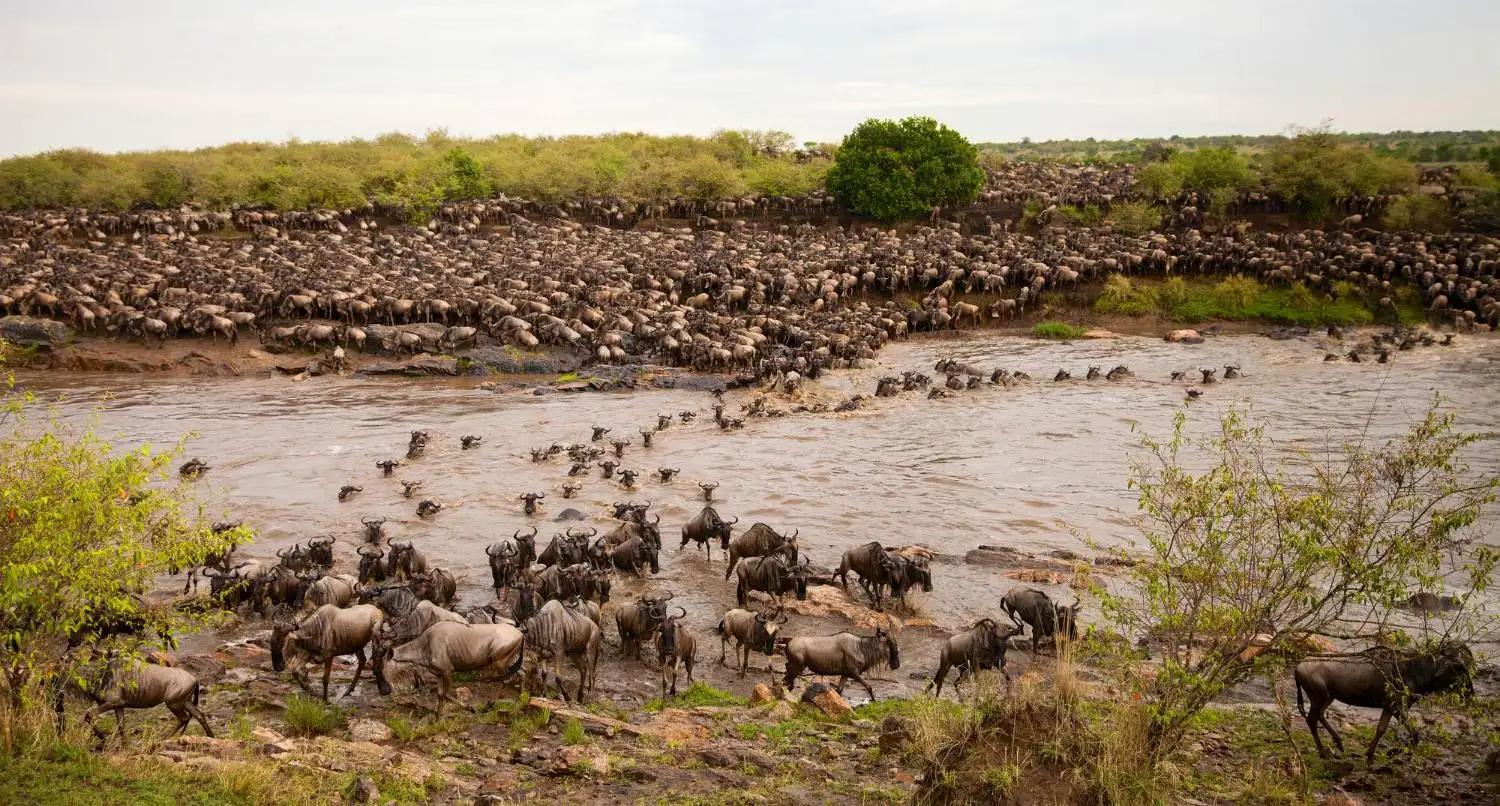
River crossings are among the most sought-after migration experiences. Wildebeest may gather near riverbanks before crossing areas where strong currents and predators create natural challenges.
However, travelers should understand that wildlife movements cannot be guaranteed to happen on a particular day or at a fixed location. Rainfall patterns can influence timing, and herds may move earlier or later than expected.
This is why migration safaris should be designed around probability rather than promises. Spending several nights in a well-positioned part of the greater Mara region gives travelers a better chance of witnessing major migration activity than scheduling only one night.
Even without a river crossing, the migration season can still provide exceptional wildlife viewing because the sheer concentration of prey often attracts predators.
Combining this experience with mountain gorilla trekking in Rwanda is particularly powerful. Within one safari, travelers can observe gorillas at close range in a mountain forest and later witness vast herds spread across the Kenyan savannah.
Amboseli National Park
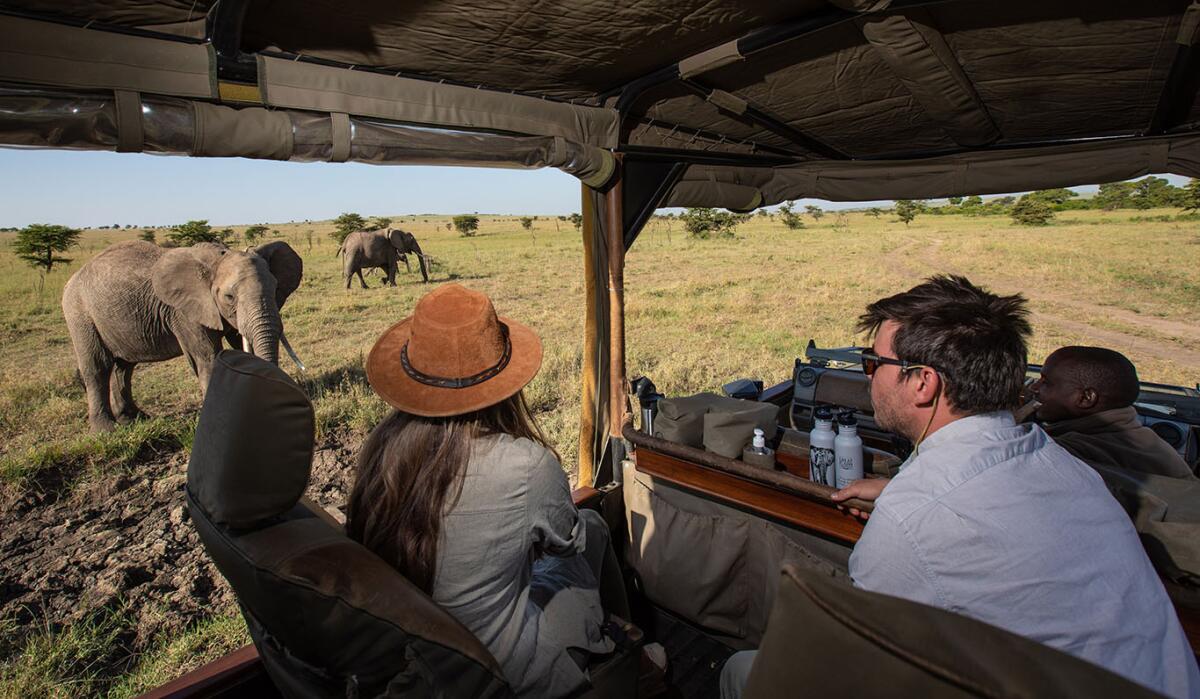
Amboseli National Park is one of the most visually distinctive safari destinations in Kenya and is an excellent addition for travelers with several days beyond the Masai Mara.
The park is particularly famous for elephants. Large herds frequently move across the plains and wetlands, giving visitors excellent opportunities to observe family groups, calves and older bulls.
On clear days, Mount Kilimanjaro forms a dramatic backdrop. Although the mountain itself is located in Tanzania, some of the most iconic views are obtained from the Kenyan side in the Amboseli region.
The combination of wildlife and mountain scenery makes Amboseli especially attractive to photographers.
The park also supports buffaloes, zebras, giraffes, antelopes and predators, while wetland areas attract numerous birds.
Amboseli works well as either the beginning or final wildlife destination in a Kenya safari depending on flight arrangements.
A Rwanda and Kenya Safari combining Volcanoes National Park, Masai Mara and Amboseli offers three dramatically different landscapes: volcanic forest, open migration plains and elephant country beneath Kilimanjaro.
Lake Nakuru National Park
Lake Nakuru National Park adds Rift Valley scenery and a more compact game-viewing environment to a Kenya safari.
The park surrounds Lake Nakuru and includes woodland, open areas and viewpoints over the wider lake environment.
Rhinos are among the wildlife species many travelers hope to encounter here, making Lake Nakuru particularly valuable for visitors interested in expanding their Big Five sightings.
Buffaloes, giraffes, zebras, baboons, antelopes and other mammals may also be seen.
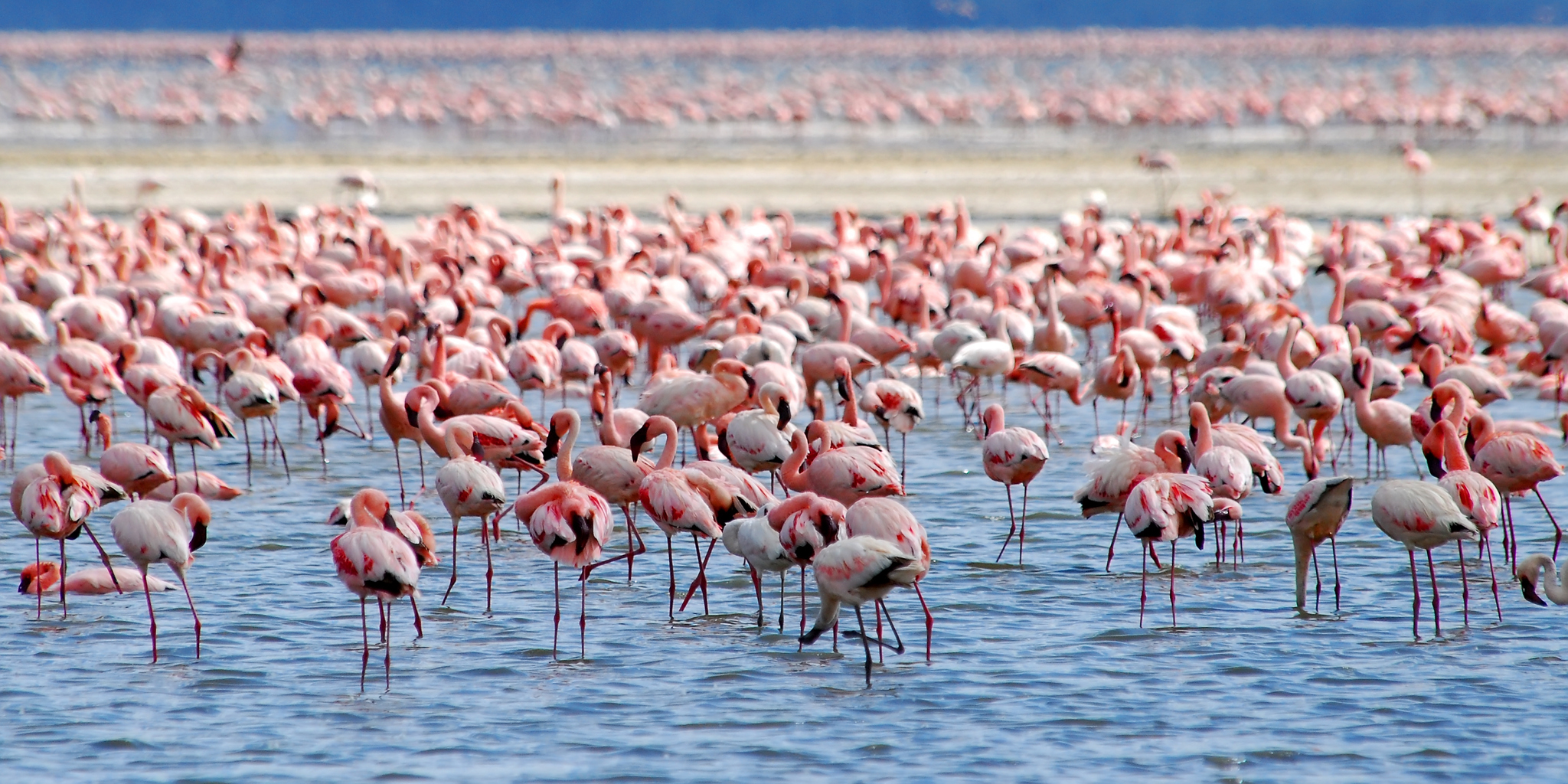
Birdlife is another major feature, with different species associated with the lake, forests and open habitats.
Because the park is relatively compact compared with the Masai Mara, it can often be explored effectively during an afternoon and morning game drive when included as part of a road safari.
Lake Nakuru can work well between Nairobi and the Masai Mara, depending on the overall route.
For travelers who want more than one Kenyan ecosystem, it introduces another layer of variety without requiring an extremely long extension.
Samburu National Reserve
Samburu National Reserve is an excellent choice for travelers who want their Rwanda and Kenya Safari to extend beyond the best-known routes.
Located in northern Kenya, Samburu has a drier and more rugged appearance than the Masai Mara. The landscape includes semi-arid plains, rocky areas and riverine vegetation associated with the Ewaso Nyiro River.
This river is an important wildlife resource and can attract elephants and other animals to the surrounding habitat.
The reserve supports lions, leopards and other predators together with several wildlife species more strongly associated with northern Kenya.
For travelers who have already experienced the Masai Mara, Samburu offers a refreshing contrast because the terrain, vegetation and animal communities feel noticeably different.
Cultural experiences may also be incorporated in the broader Samburu region, providing opportunities to learn about local communities and traditions when arranged respectfully.
Spending two or three nights in Samburu works well within longer itineraries, particularly for photographers, wildlife enthusiasts and repeat visitors to East Africa.
A comprehensive Rwanda and Kenya Safari combining Nyungwe, Volcanoes National Park, Masai Mara and Samburu can therefore cover an extraordinary range of ecosystems, from dense rainforest and volcanic mountains to fertile savannah and semi-arid northern wilderness.
Best Time for a Rwanda and Kenya Safari
A Rwanda and Kenya Safari can be arranged throughout the year.
The best time depends on your priorities.
Mountain gorilla trekking in Rwanda is available year-round. Drier periods are often preferred because forest trails may be easier to navigate, although rain can occur at any time in mountain rainforest environments.
Kenya also offers year-round wildlife viewing.
Travelers interested specifically in the Great Migration usually select dates when large herds are expected within the Masai Mara ecosystem.
Those who prefer greener scenery, fewer visitors or potentially better-value accommodation may consider other months.
The ideal travel period therefore depends on whether the main priority is gorilla trekking, migration viewing, general wildlife, photography, honeymoon travel or avoiding peak-season crowds.
How Many Days Do You Need?
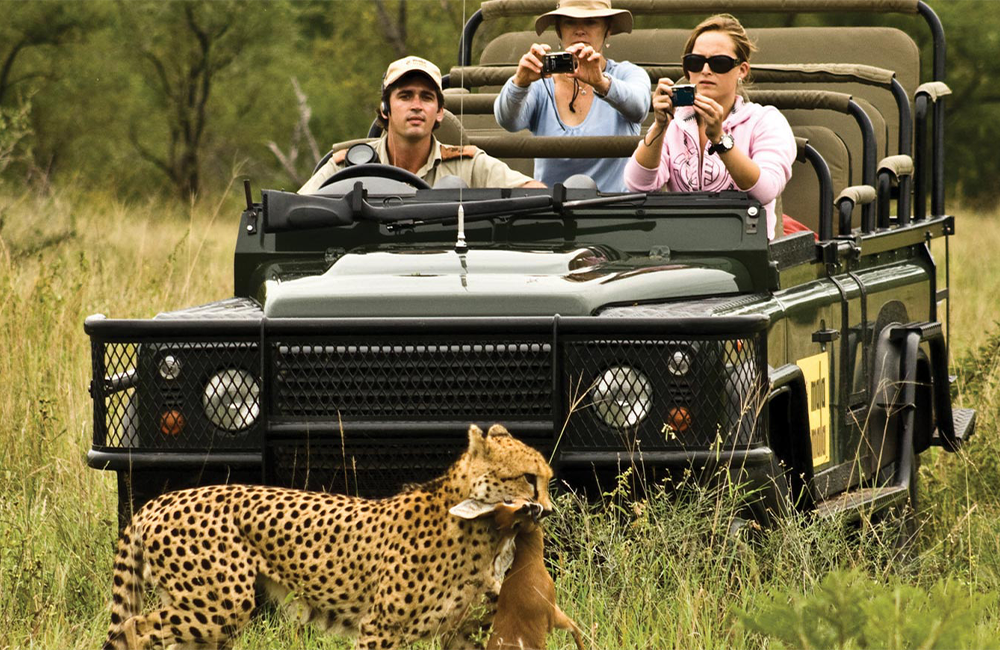
A Rwanda and Kenya Safari can be designed from approximately 7 days, although 9 to 14 days provides a much better experience.
A shorter journey may include Kigali, Volcanoes National Park, one gorilla trek and three or four nights in the Masai Mara.
With around 10 days, travelers can add golden monkey trekking or additional Kenya destinations.
A 12-day itinerary can combine Rwanda gorillas with Masai Mara, Lake Nakuru and Amboseli.
A two-week journey provides enough time for chimpanzee trekking, mountain gorillas, the Masai Mara and another Kenya wildlife destination without constantly changing hotels.
7-Day Rwanda and Kenya Safari
A shorter 7-day Rwanda and Kenya Safari can focus exclusively on the highlights.
The journey may begin in Kigali before continuing to Volcanoes National Park.
Guests complete mountain gorilla trekking before flying to Nairobi and onward toward the Masai Mara.
The remaining days are spent enjoying private game drives before returning to Nairobi for departure.
This option is suitable for travelers with limited time who still want to combine two of East Africa’s greatest wildlife experiences.
10-Day Rwanda and Kenya Safari
A 10-day Rwanda and Kenya Safari allows for a more relaxed pace.
The Rwanda section can include Kigali, Volcanoes National Park, gorilla trekking and golden monkey trekking.
Travelers then fly into Kenya and spend several nights in the Masai Mara.
An additional Kenya destination such as Lake Nakuru or Amboseli can also be incorporated depending on routing.
This is one of the strongest itinerary lengths for first-time travelers.
12-Day Rwanda and Kenya Safari
A 12-day journey creates even more flexibility.
Travelers can spend additional nights in Rwanda or Kenya while reducing the amount of constant movement.
Rwanda can include Kigali, Volcanoes National Park and perhaps Nyungwe for chimpanzee trekking.
Kenya can include Masai Mara plus Lake Nakuru, Amboseli or another selected destination.
The result is a well-balanced safari covering primates, predators, elephants, big game and scenic landscapes.
14-Day Rwanda and Kenya Safari
A 14-day Rwanda and Kenya Safari is ideal for travelers wanting a deeper East African experience.
The journey can begin with chimpanzee trekking in Nyungwe, followed by Volcanoes National Park for mountain gorilla trekking.
After flying to Kenya, guests can explore several wildlife regions such as the Masai Mara, Lake Nakuru and Amboseli.
The slower pace allows several two- or three-night stays instead of changing accommodation every day.
This produces a more relaxed safari and provides more opportunities for meaningful wildlife observation.
Luxury Rwanda and Kenya Safari
A Luxury Rwanda and Kenya Safari combines exceptional wildlife experiences with high-end accommodation, private transfers and personalized guiding.
Rwanda offers some of Africa’s most exclusive gorilla lodges around Volcanoes National Park.
These properties can provide spectacular views, elegant rooms, personalized service, fine dining and convenient access to trekking activities.
Kenya also has an exceptional collection of luxury camps and lodges.
In the Masai Mara, private conservancies can offer intimate safari experiences, premium accommodation and carefully managed wildlife viewing.
Fly-in connections can reduce road travel and create additional time for safari activities.
Luxury journeys can also include private vehicles, exclusive-use guides, scenic flights, romantic bush meals and other personalized experiences.
Mid-Range Rwanda and Kenya Safari
A high-quality Rwanda and Kenya Safari can also be designed using comfortable mid-range accommodation.
This option is ideal for travelers who want the main wildlife experiences without paying for ultra-luxury properties.
In Rwanda, well-positioned lodges near Volcanoes National Park can provide comfortable rooms, good meals and convenient access to the gorilla trekking headquarters.
In Kenya, permanent tented camps and safari lodges can provide excellent wildlife access while maintaining reasonable overall costs.
The focus remains on professional guiding, quality wildlife experiences and efficient logistics.
Rwanda and Kenya Honeymoon Safari
Rwanda and Kenya create a beautiful honeymoon combination.
Couples can begin with intimate lodge stays in Rwanda before experiencing mountain gorilla trekking together.
Afterward, they can fly into Kenya and enjoy private game drives across the Masai Mara.
Luxury tented camps, sunset drinks, private dining and scenic landscapes create a romantic atmosphere.
A honeymoon can also finish with several beach nights on Kenya’s Indian Ocean coast.
Destinations such as Diani Beach can provide a relaxing finale after the more active trekking and safari portions.
Rwanda and Kenya Family Safari
A Rwanda and Kenya Safari can also be designed for families.
Families with teenagers who meet the required age for gorilla trekking can share one of Africa’s most memorable wildlife experiences.
Families traveling with younger children can still visit Rwanda while alternative activities are arranged for those unable to participate in gorilla trekking.
Kenya works particularly well for families because wildlife viewing takes place mainly from safari vehicles.
Many safari camps offer family rooms or interconnected accommodation.
Longer stays in fewer destinations can also make family travel more comfortable and less tiring.
Rwanda and Kenya Safari for Photographers
Photographers can benefit greatly from the diversity of a Rwanda and Kenya Safari.
Rwanda provides opportunities for close primate photography under forest conditions.
Mountain gorillas, golden monkeys and chimpanzees require a different photographic approach from savannah wildlife.
Kenya provides broad landscapes, predator action, birds and large herbivore herds.
The Masai Mara is particularly attractive to wildlife photographers because of its open terrain and strong predator populations.
Private vehicles can be arranged for photographers who want greater control over positioning and game-drive timing.
Frequently Asked Questions About Rwanda and Kenya Safari
Can Rwanda and Kenya be combined in one safari?
Yes. Rwanda and Kenya combine extremely well because travelers can fly between Kigali and Nairobi and continue easily to Kenya’s main wildlife regions.
How many days are best for a Rwanda and Kenya Safari?
Approximately 9 to 12 days works very well, while 14 days allows a more relaxed itinerary with additional destinations.
Can I see gorillas and the Great Migration on the same trip?
Yes. Mountain gorilla trekking in Rwanda can be combined with the Masai Mara during periods when migration herds are expected in Kenya.
Where is gorilla trekking done in Rwanda?
Mountain gorilla trekking takes place in Volcanoes National Park in northwestern Rwanda.
Can I include chimpanzee trekking?
Yes. Nyungwe National Park can be added for chimpanzee trekking before visiting Volcanoes National Park.
Which park is best in Kenya?
For first-time visitors, the Masai Mara is often the strongest choice because of its abundant wildlife and excellent predator viewing.
Can Amboseli be added?
Yes. Amboseli is a popular addition, especially for travelers interested in elephants and views of Mount Kilimanjaro.
Is Rwanda and Kenya good for honeymooners?
Yes. The combination works exceptionally well for honeymooners because it combines private lodge stays, gorilla trekking, luxury game drives and optional beach relaxation.
Can families take this safari?
Yes. Family itineraries can be customized, although mountain gorilla trekking has an age requirement that must be considered during planning.
Can I finish with a beach holiday?
Yes. The safari can finish on Kenya’s coast, including destinations such as Diani Beach.
Book Your Rwanda and Kenya Safari
A Rwanda and Kenya Safari brings together two dramatically different sides of East Africa.
In Rwanda, travelers walk through mist-covered forests in search of mountain gorillas, explore the Virunga landscapes and can add chimpanzee trekking for an even deeper primate experience.
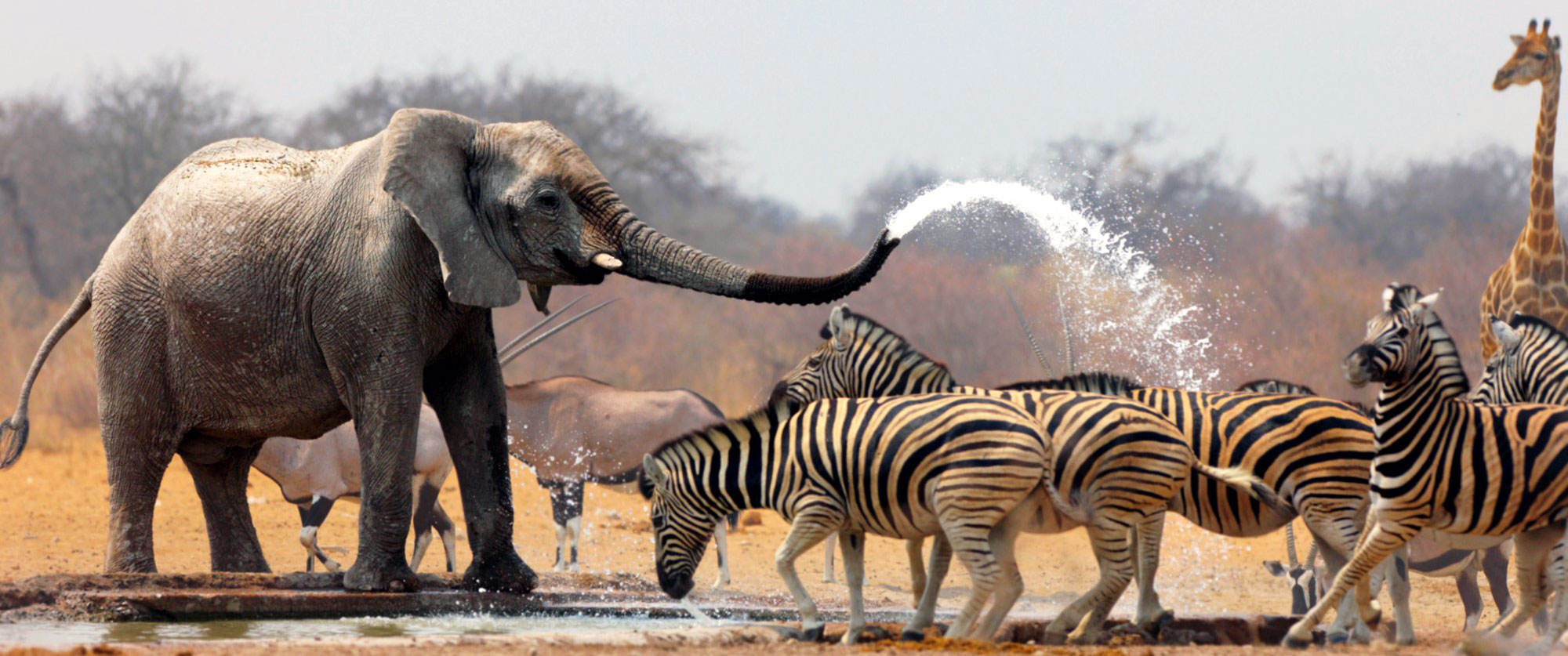
In Kenya, the journey opens into enormous savannahs where lions, elephants, giraffes, cheetahs, zebras and wildebeest roam across some of Africa’s most famous wildlife landscapes.
Whether your dream is watching mountain gorillas at close range, photographing lions in the Masai Mara, witnessing migration herds, staying in luxury safari camps or finishing beside the Indian Ocean, Boots in the Jungle Safaris can design the entire journey around you.
Contact Boots in the Jungle Safaris with your preferred dates, number of travelers, approximate safari length and accommodation preference, and we will create a personalized Rwanda and Kenya Safari built around your interests.