The Great Wildebeest Migration – Detailed Guide
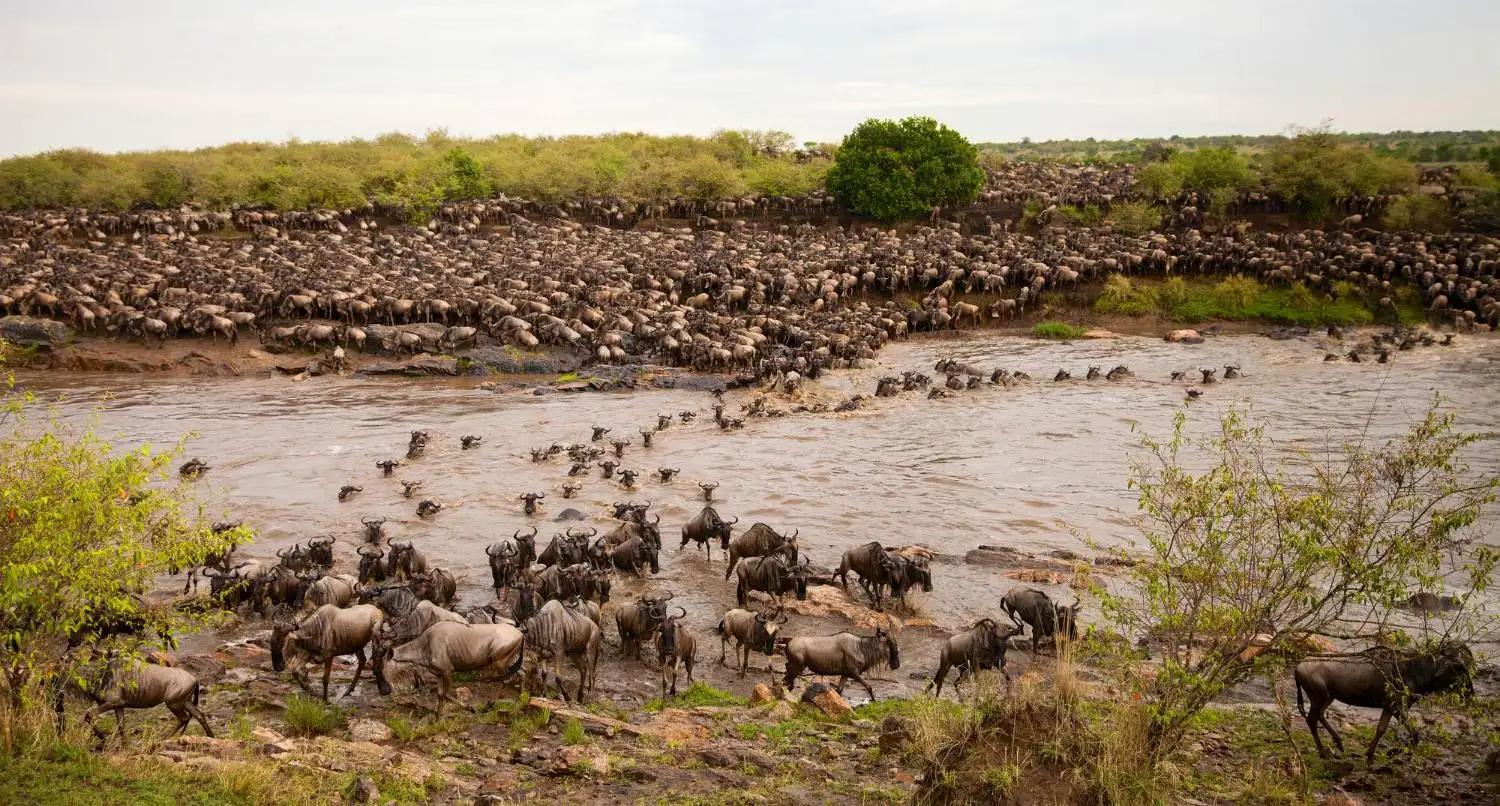
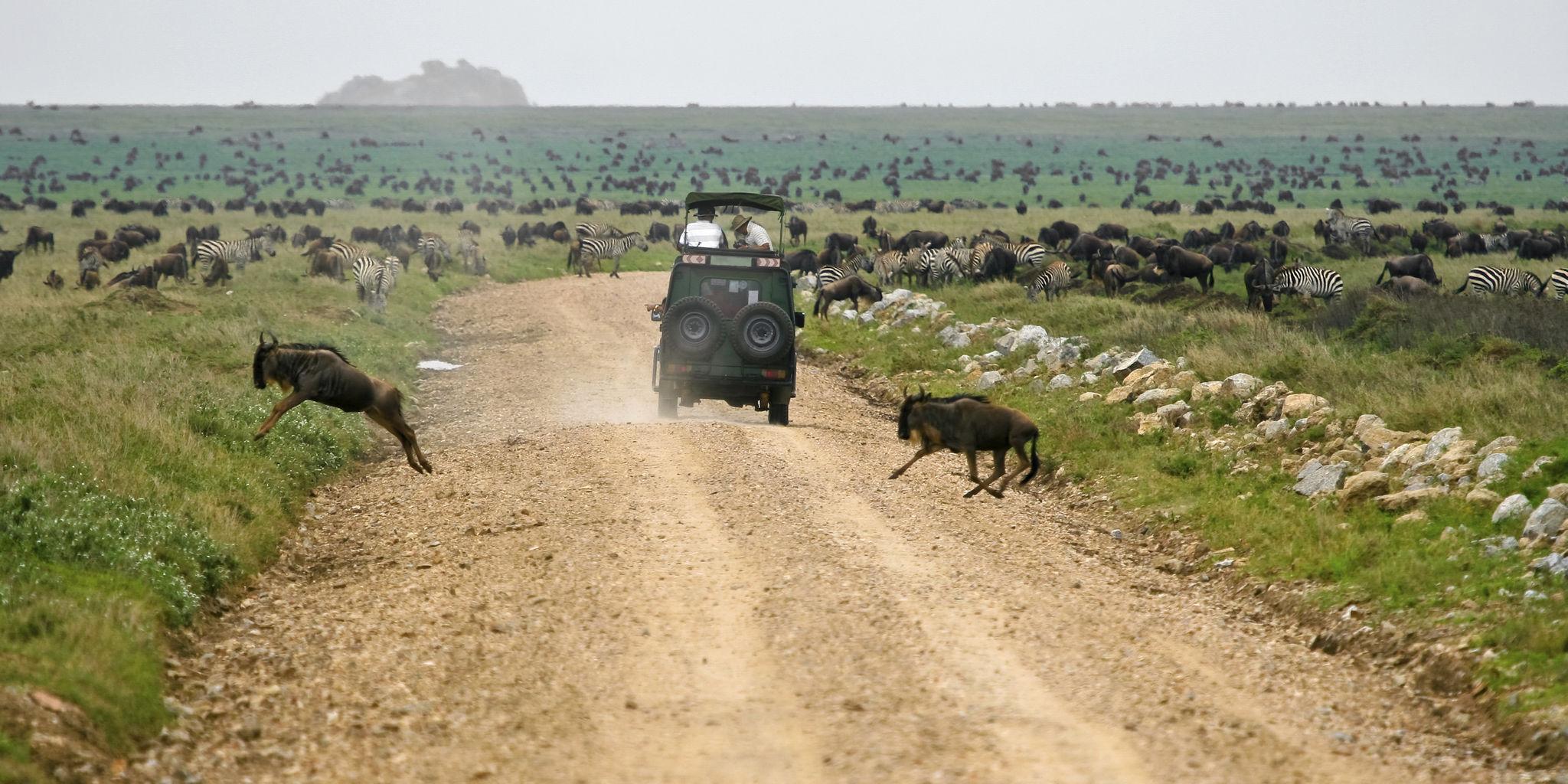
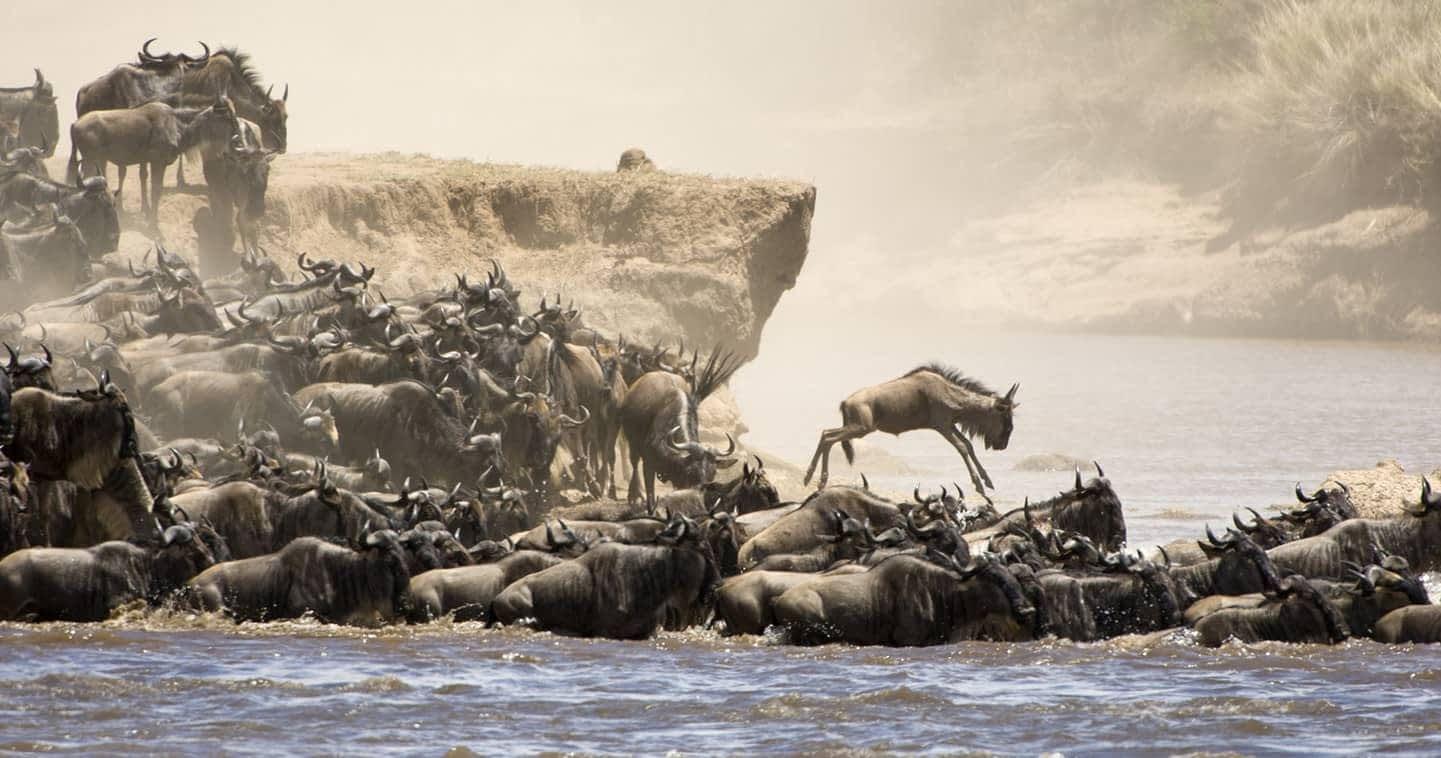
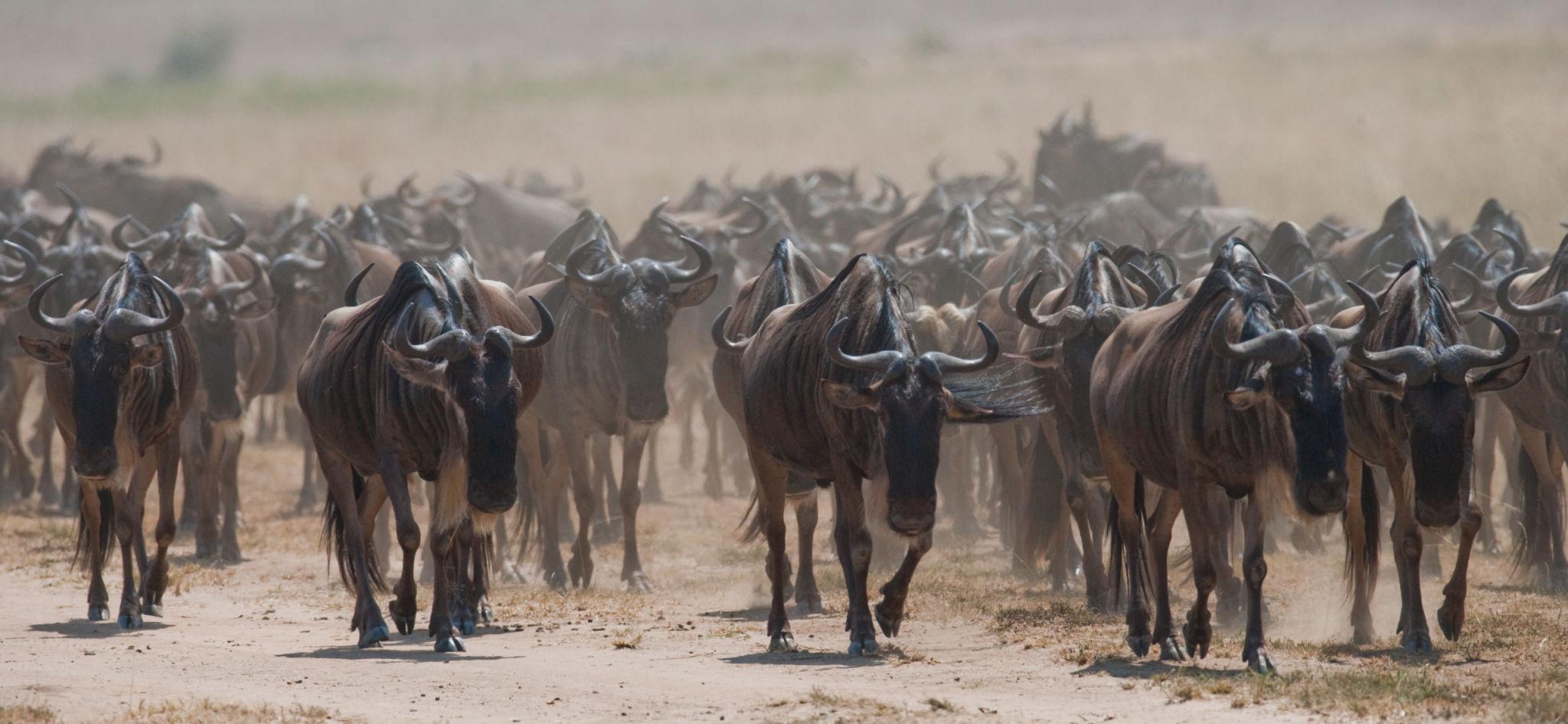
The Great Wildebeest Migration is widely recognized as one of the most spectacular wildlife events on Earth. Each year, over 1.5 million wildebeests, accompanied by hundreds of thousands of zebras and gazelles, move across the Serengeti plains in Tanzania and the Maasai Mara in Kenya. Their journey follows seasonal rainfall patterns and the search for fresh grazing, making this migration one of Africa’s most iconic natural phenomena. For safari travelers, witnessing this mass movement is considered a once-in-a-lifetime experience and a bucket-list adventure, offering a rare glimpse into the scale and rhythm of Africa’s ecosystems.
This migration is far more than just a movement of wildebeests. Predators including lions, leopards, cheetahs, hyenas, and crocodiles rely on the herds as a primary food source, creating extraordinary predator-prey dynamics. Visitors often witness lions ambushing calves on the open plains, leopards stalking through tall grass, and crocodiles lying in wait at river crossings, producing dramatic wildlife scenes. Beyond predator activity, travelers can observe vast herds stretching as far as the eye can see, forming a natural spectacle that demonstrates the raw beauty and scale of African wilderness. The migration is a dynamic, living ecosystem in motion, offering unparalleled wildlife viewing and photographic opportunities.
When to Witness the Migration
The timing of the Great Wildebeest Migration varies slightly each year depending on rainfall, vegetation growth, and ecological conditions. However, there is a predictable seasonal cycle that helps safari planners and travelers anticipate herd movements and key wildlife events:
December to March – Calving Season:
During this period, wildebeests give birth across the southern Serengeti. The plains are lush and green, teeming with newborn calves. This is an ideal time to witness predator-prey interactions as lions, cheetahs, and hyenas hunt near calving grounds. Calving season provides close encounters with young wildebeests and offers an intense, dynamic wildlife experience with dramatic interactions between predators and prey.
April to May – Herds Move Northwest:
As the dry season begins, the herds start migrating northwest toward the central Serengeti. Grasslands gradually dry, concentrating wildlife in specific areas and creating large congregations of wildebeests, zebras, and gazelles. Safari travelers during this period often witness high-density animal movements and active predator behavior, making this stage one of the most exciting for photography and wildlife observation.
June to July – Grumeti River Crossings:
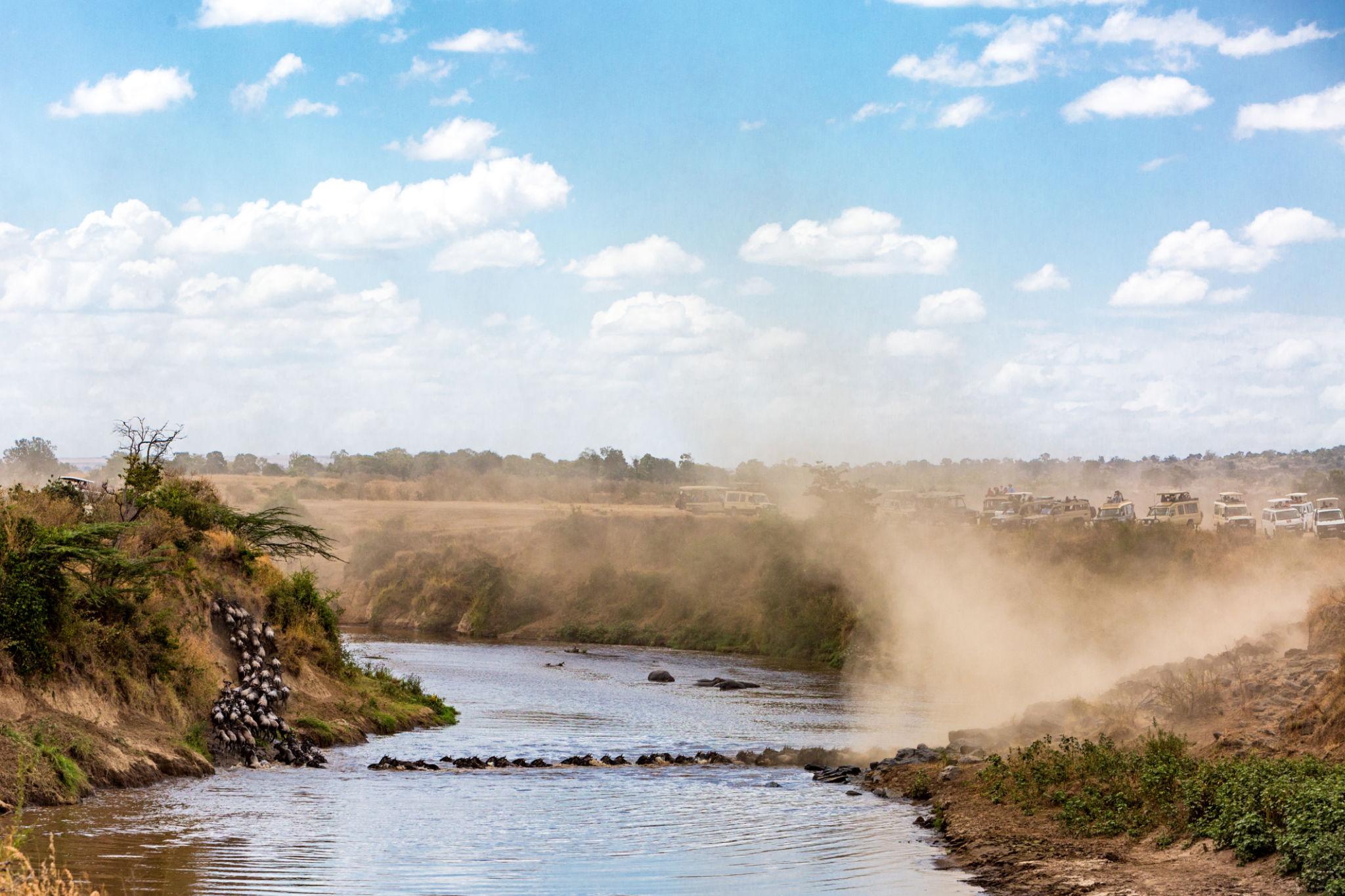
By mid-year, the herds reach the Grumeti River in western Serengeti. These river crossings are among the most iconic and dramatic events of the migration. Crocodiles lie in ambush along the riverbanks, and wildebeests must navigate strong currents, creating tense, visually striking moments. Travelers often capture these crossings in wildlife photography, documenting both the peril faced by the animals and the skill of the predators waiting along the river.
August to October – Maasai Mara Crossings:
The herds cross into Kenya’s Maasai Mara during these months. The Mara River crossings are famous worldwide for their photographic potential and for predator encounters. Lions, crocodiles, and hyenas are highly active, providing thrilling opportunities to witness African wildlife in action. The landscape of the Mara, combined with large herd densities, makes this one of the peak periods to experience the migration.
November – Return South:
As short rains arrive, the herds begin their journey back toward the Serengeti. Travelers witnessing this stage can observe the herds’ return, with early preparations for calving in the southern plains. This final stage offers a full-cycle perspective of the migration, showing the seasonal rhythm and the dynamic interactions of predators and prey throughout the ecosystem.
Selecting the best time for a migration safari depends on the wildlife experiences desired—whether observing newborn calves, dramatic river crossings, intense predator activity, or capturing the vast scale of the herds moving across the plains. Each stage offers unique photographic opportunities, wildlife interactions, and unforgettable safari moments that define the Great Wildebeest Migration.
Best Safari Destinations to Witness the Migration
Several locations are renowned for providing the optimal Great Wildebeest Migration experience:
- Serengeti National Park, Tanzania: Serengeti serves as the central stage for the migration. Its expansive plains, predator hotspots, and well-developed safari infrastructure make it ideal for multi-day itineraries that follow the herds. The central and northern regions offer excellent game drive opportunities, allowing travelers to witness large-scale predator-prey interactions and herd movements.
- Maasai Mara National Reserve, Kenya: This reserve is world-famous for its dramatic Mara River crossings, tree-climbing lions, and dense predator populations. The rolling savannah and riverine habitats provide an exceptional setting for close-up wildlife encounters and photography. Travelers visiting during August to October can capture some of the migration’s most intense predator-prey events.
- Grumeti River, Tanzania: Early river crossings occur along the Grumeti River, providing spectacular photography opportunities. Crocodiles are often seen preying on crossing wildebeests, creating dramatic moments for wildlife enthusiasts and photographers. The western Serengeti surrounding the Grumeti River is also home to large predator populations, including lions, leopards, and hyenas.
- Ndutu and Ngorongoro Conservation Area, Tanzania: These southern Serengeti regions are ideal for witnessing the calving season, where thousands of newborn wildebeest calves attract predators. The Ngorongoro Crater in particular offers a concentrated wildlife viewing experience, as the crater’s ecosystem contains high densities of prey and predators within a relatively compact area, making it perfect for safari travelers focused on intense wildlife interactions.
These destinations are interconnected, and many safari operators provide multi-day itineraries that follow the herds across both Tanzania and Kenya. This approach maximizes wildlife viewing opportunities, increases the chances of witnessing river crossings and calving events, and allows travelers to experience different predator-prey interactions in various habitats.
Wildlife Encounters During the Migration
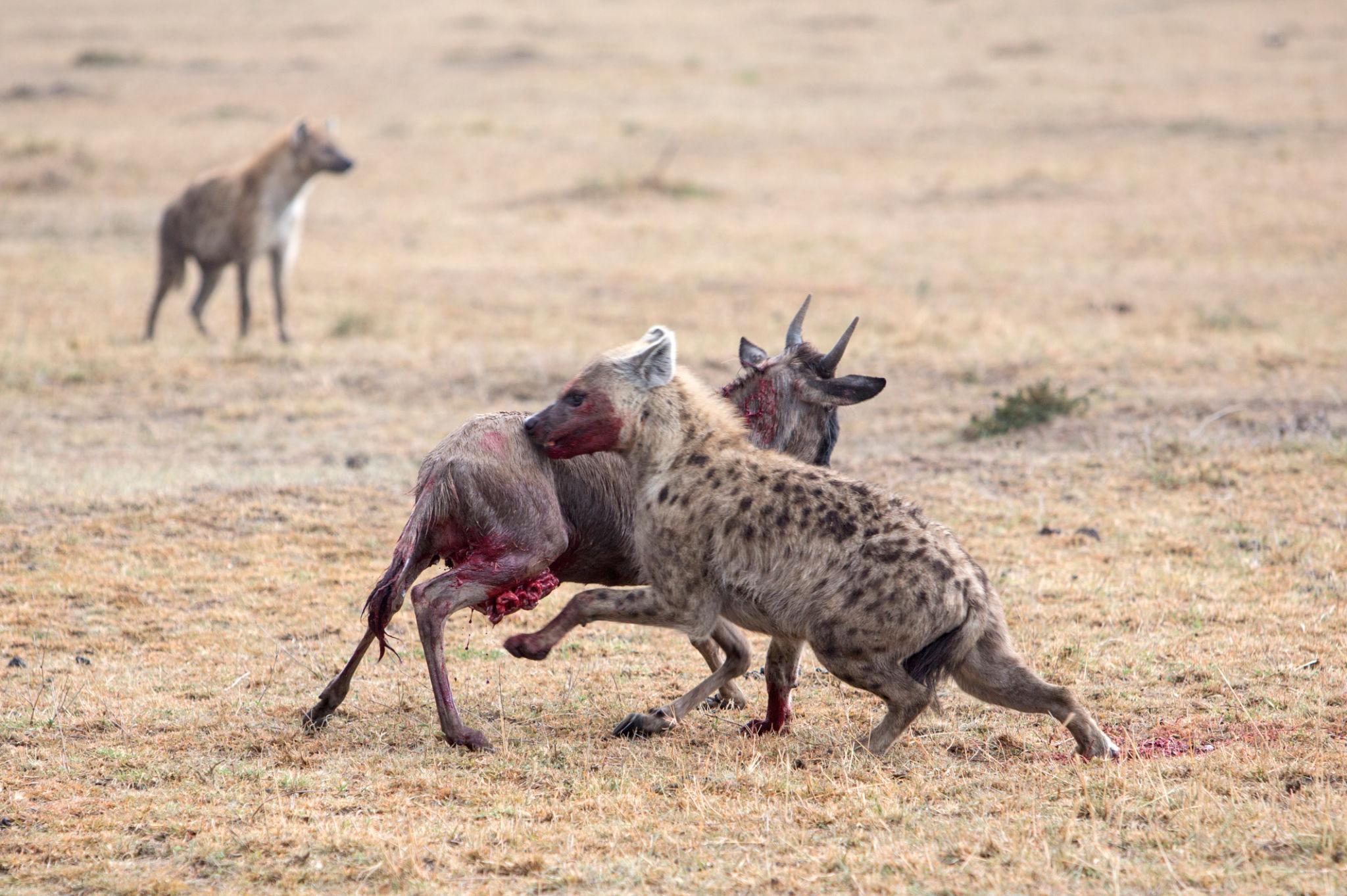
The Great Wildebeest Migration provides some of the most immersive wildlife encounters in Africa. Safari drives during this period are often full of action, drama, and unpredictable moments. Key wildlife experiences include:
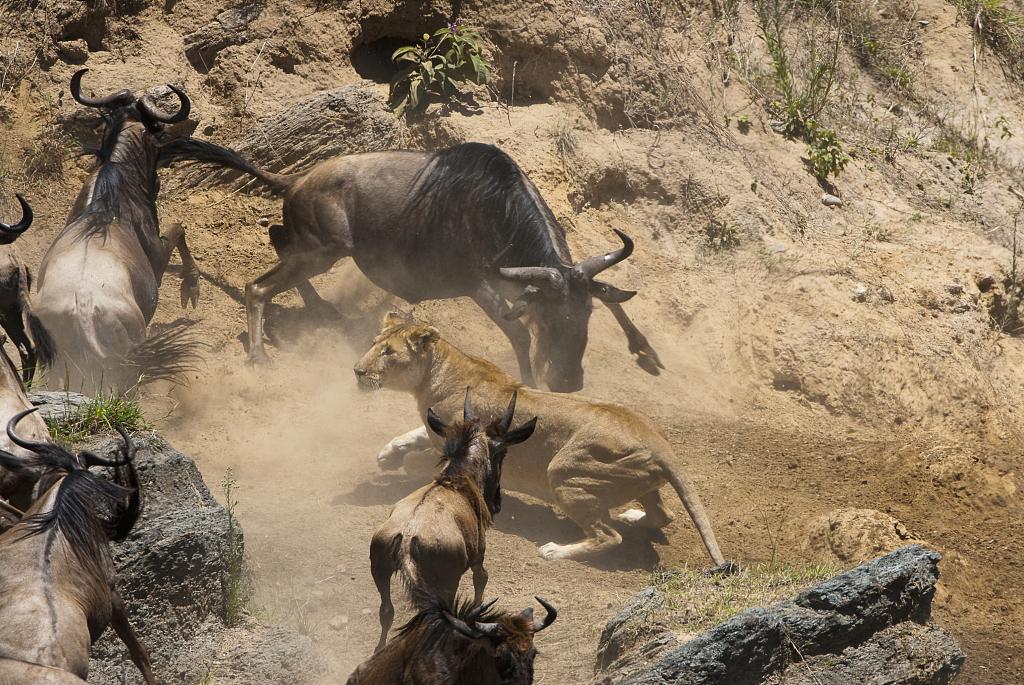
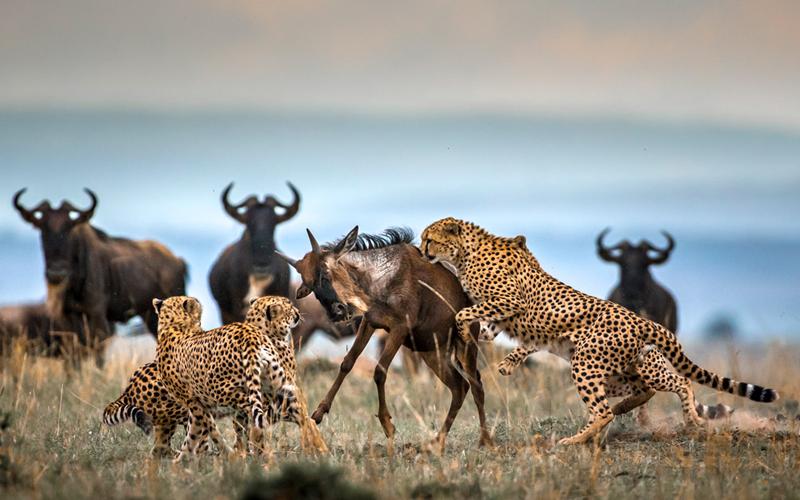
- Predator Activity: Lions, cheetahs, leopards, and hyenas track the migrating herds, creating thrilling hunting scenarios that safari travelers can observe safely from vehicles.
- River Crossings: Dramatic crossings at Grumeti and Mara rivers often feature crocodile predation. These crossings are among the most photographed events in African wildlife tourism and offer unforgettable experiences.
- Calving Season: Thousands of calves born in the southern Serengeti attract predators, creating intense and dynamic wildlife interactions. Observing predator-prey behavior during this time offers rare insights into the survival strategies of African animals.
- Birdlife: Raptors, storks, oxpeckers, and other birds often accompany the migrating herds, providing additional wildlife observation opportunities. Birdwatchers can enjoy seeing these species feeding, following the herds, or interacting with predators.
Each safari drive during the migration provides a unique opportunity to witness the scale, drama, and intensity of Africa’s ecosystems. Visitors can observe how prey and predator behaviors adapt to seasonal movements, and how millions of animals navigate challenges like river crossings and predator encounters.
Tips for Planning Your Migration Safari
Book Early: Lodges and permits fill up months in advance, particularly during river crossing season. Early booking ensures access to the best accommodation, guides, and optimal viewing locations.
Plan for Mobility: Multi-day itineraries across Tanzania and Kenya are recommended to follow the herds throughout the migration. Moving strategically allows travelers to witness key events such as river crossings, calving, and predator activity.
Bring Proper Gear: Essential items include binoculars, cameras with telephoto lenses, sun protection, comfortable safari attire, walking shoes, hats, and insect repellent. Proper gear enhances both safety and wildlife viewing opportunities.
Consider the Season: Decide whether you want to experience calving, river crossings, predator hunts, or aerial photography. Each phase of the migration offers different wildlife interactions and photographic possibilities.
Use Expert Guides: Experienced guides and trackers improve the chances of locating predators, observing river crossings, and understanding wildlife behavior. Their knowledge ensures a safe and enriching safari experience.
Conservation and Responsible Tourism
The Great Wildebeest Migration is crucial for ecosystem balance and biodiversity. Tourism revenue generated from migration safaris supports:
- National park management and infrastructure
- Anti-poaching initiatives and patrols
- Wildlife conservation and research projects
- Community development and local livelihoods
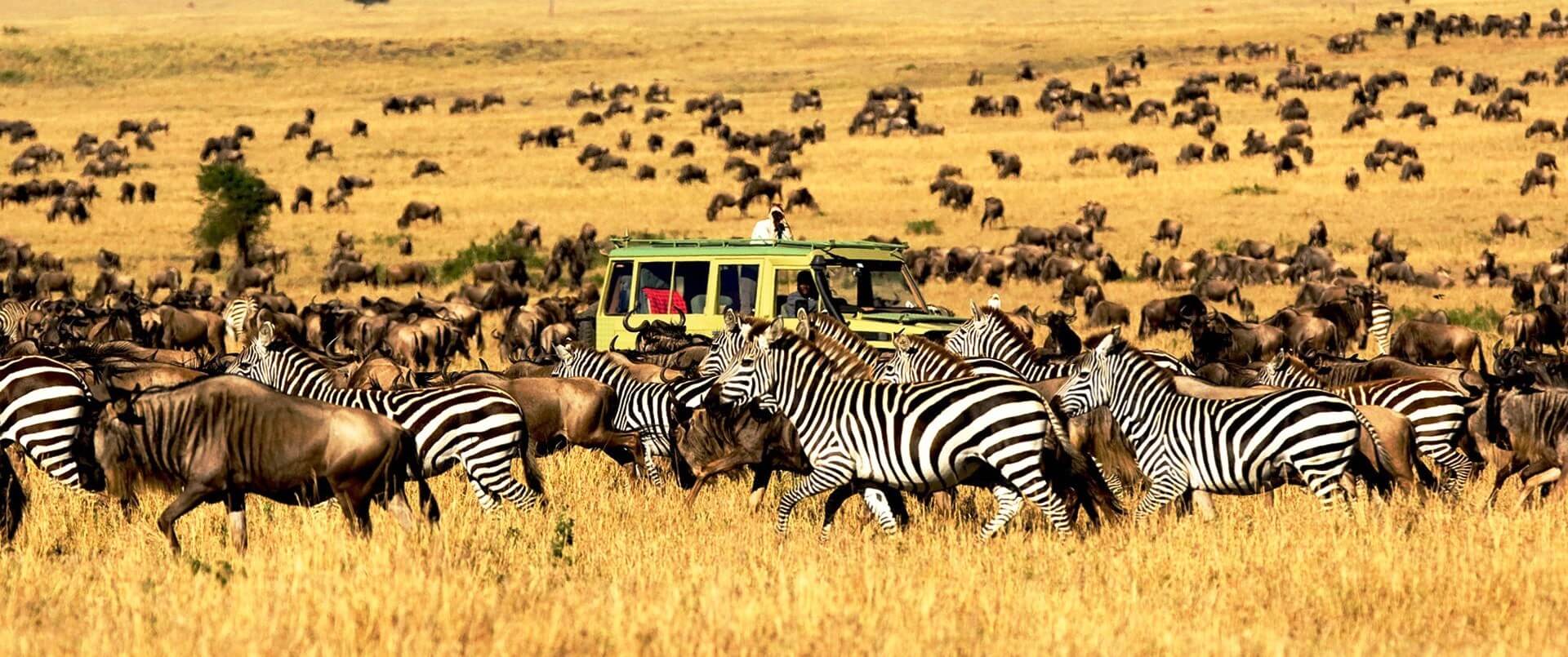
Responsible tourism ensures that wildlife, habitats, and local communities benefit sustainably from the migration. Visitors contribute to preserving these ecosystems while enjoying unforgettable wildlife experiences.
Frequently Asked Questions About the Great Wildebeest Migration
What is the Great Wildebeest Migration?
The Great Wildebeest Migration is the annual movement of over 1.5 million wildebeests, along with zebras and gazelles, across the Serengeti in Tanzania and Maasai Mara in Kenya. This event is one of Africa’s most iconic wildlife experiences.
When is the best time to witness the Great Wildebeest Migration?
The timing varies by year and rainfall patterns, but generally: calving occurs December–March, herds move northwest April–May, Grumeti River crossings June–July, Mara River crossings August–October, and return migration November.
Where can I experience the Great Wildebeest Migration?
Top destinations include Serengeti National Park, Maasai Mara National Reserve, Grumeti River, Ndutu, and Ngorongoro Conservation Area. These locations offer optimal opportunities to see river crossings, predator activity, and calving plains.
What wildlife can I see during the Great Wildebeest Migration?
Travelers can encounter lions, leopards, cheetahs, hyenas, crocodiles, elephants, giraffes, buffaloes, zebras, and thousands of wildebeests. Birdlife such as raptors and storks also accompanies the herds.
Are there river crossings in the Great Wildebeest Migration?
Yes. Iconic river crossings occur at the Grumeti and Mara rivers. Crocodiles lie in wait, creating some of the most dramatic moments of the migration.
Can I photograph the Great Wildebeest Migration?
Absolutely. Morning and evening safaris offer the best lighting. Photographers capture wildebeest herds, predators hunting, river crossings, and dramatic African landscapes.
How long do the migrations last?
The Great Wildebeest Migration is a year-round cycle. Herds move across regions seasonally, with the entire migration completing annually as the herds circle the Serengeti-Mara ecosystem.
Do I need a guide to experience the Great Wildebeest Migration?
Yes. Expert guides and trackers greatly increase chances of witnessing river crossings, predator-prey interactions, and large herd movements during the migration.
What type of safaris can be combined with the Great Wildebeest Migration?
Travelers often combine the migration with gorilla trekking in Uganda, chimpanzee tracking, Big Five safaris, birdwatching tours, or luxury photographic safaris.
Why is the Great Wildebeest Migration important?
The migration supports the African ecosystem, maintains predator-prey balance, and generates revenue for conservation, national parks, and local communities. Witnessing it provides a unique insight into Africa’s wildlife dynamics.
Can I join a luxury safari for the Great Wildebeest Migration?
Yes. Luxury migration safaris include fly-in options, private vehicles, luxury lodges, personalized itineraries, and professional photography guides.
How do I plan for the Great Wildebeest Migration?
Book early, select the season based on wildlife activity, bring proper gear, and use expert guides to maximize the migration experience.
Is the Great Wildebeest Migration safe to witness?
Yes. Safaris are conducted with trained guides and vehicles, ensuring safe observation of predators, river crossings, and large herds.
This FAQ section uses the keyphrase Great Wildebeest Migration multiple times naturally, emphasizing locations, timing, wildlife, photography, luxury safari options, and conservation to enhance SEO while answering travelers’ common questions.
Book Your Great Wildebeest Migration Safari
Boots in the Jungle Safaris offers fully customized Great Wildebeest Migration safari packages across Tanzania and Kenya. Travelers can experience the migration in style with:
- Luxury lodges and tented camps near key wildlife areas
- Private safari vehicles with professional guides and trackers
- Fly-in transfers for efficient herd tracking
- Multi-day itineraries covering Serengeti, Ngorongoro, Grumeti, and Maasai Mara
- Photography-focused excursions and sunrise/sunset drives
Whether witnessing dramatic river crossings, calving plains, predator hunts, or enjoying luxury safari accommodations, Boots in the Jungle Safaris ensures a seamless and unforgettable migration adventure.
Book your Great Wildebeest Migration safari today and witness one of the world’s most extraordinary wildlife events.