Mgahinga Gorilla Trekking offers one of Uganda’s most distinctive mountain gorilla experiences, combining close encounters with endangered mountain gorillas with the dramatic scenery of the Virunga Mountains in the far southwest of the country. While Bwindi Impenetrable National Park receives considerably more attention from international travelers, Mgahinga provides a very different environment: an intimate volcanic national park where bamboo forest, montane vegetation and the slopes of three great Virunga volcanoes create the setting for a highly specialized primate safari.
Mgahinga Gorilla National Park covers only about 33.7 square kilometres, making it Uganda’s smallest national park, yet its ecological importance is far greater than its size suggests. The park rises from approximately 2,227 metres to 4,127 metres above sea level and protects the Ugandan slopes of Mount Gahinga, Mount Sabyinyo and Mount Muhabura. It also forms part of the wider transboundary Virunga ecosystem shared with protected areas in Rwanda and the Democratic Republic of Congo.
The park is important for two internationally celebrated primates. Mountain gorillas move through the Virunga habitat, while endangered golden monkeys occupy the bamboo forests of Mgahinga. Uganda Wildlife Authority currently identifies Mgahinga as the only Ugandan national park where golden monkeys occur, creating the possibility of combining Mgahinga Gorilla Trekking and golden monkey tracking within the same safari.
Mgahinga is also notably more limited in gorilla trekking capacity than Bwindi. Uganda Wildlife Authority currently states that approximately eight gorilla trekking permits are issued per day for Mgahinga, reflecting its single habituated gorilla group. For travelers who secure one of those permits, this smaller scale can contribute to the feeling of visiting a highly specialized gorilla destination rather than one of several trekking sectors spread across a much larger national park.
The experience is particularly attractive to travelers who appreciate mountain scenery and want to combine primate tracking with other active experiences. A carefully planned stay can include gorilla trekking, golden monkey tracking, volcano hiking, birding and culturally focused experiences around the park. UWA’s visitor information identifies Ntebeko as the principal trailhead for gorilla tracking, golden monkey tracking, nature walks and volcano climbs.
For Boots in the Jungle Safaris, Mgahinga Gorilla Trekking works especially well for travelers beginning or ending in Kigali, guests traveling through Kisoro and Lake Mutanda, visitors combining Mgahinga with Bwindi, and travelers who want a Uganda gorilla safari that feels particularly focused on the landscapes and primates of the Virunga Mountains.
What Is Mgahinga Gorilla Trekking?
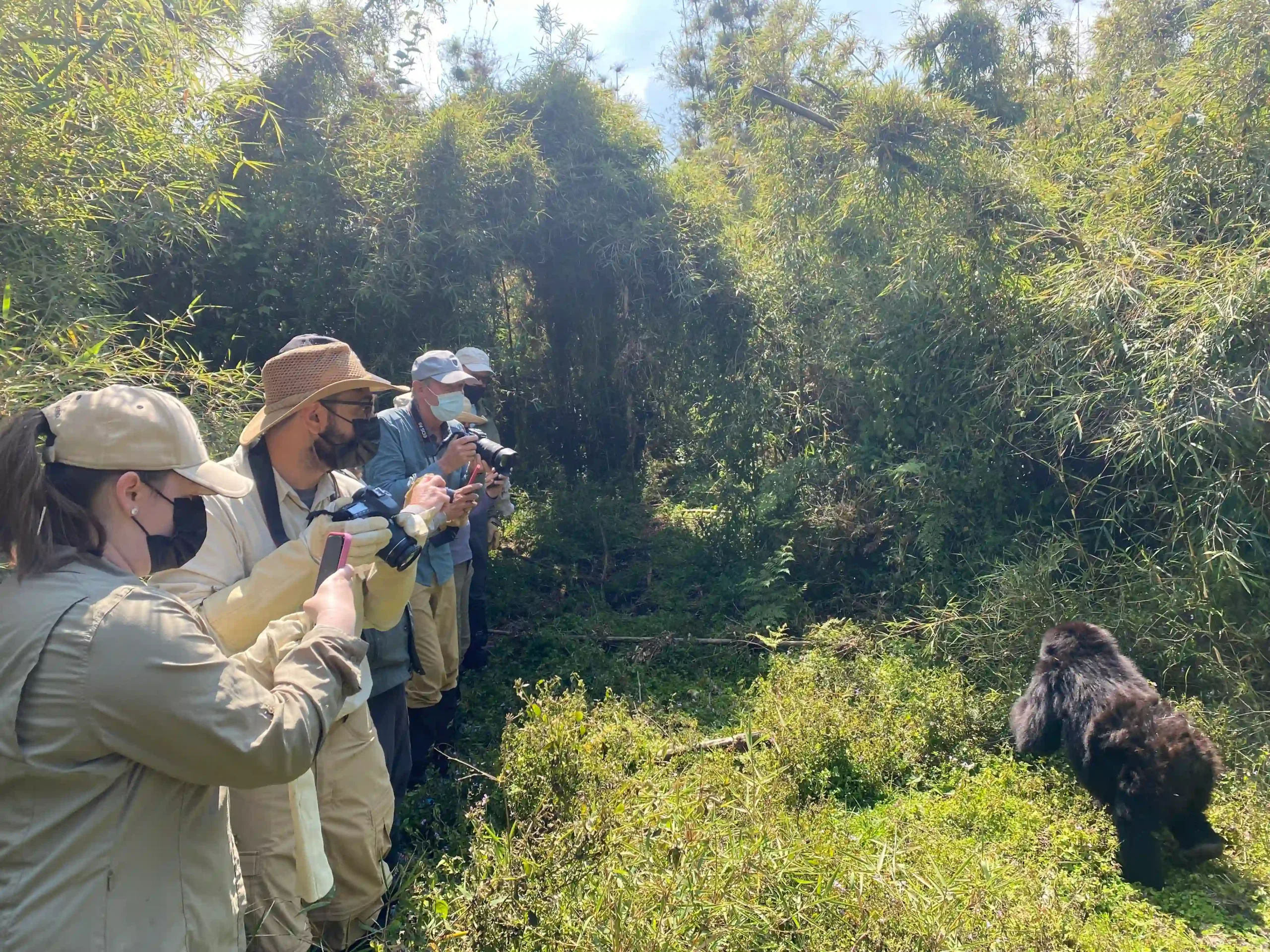
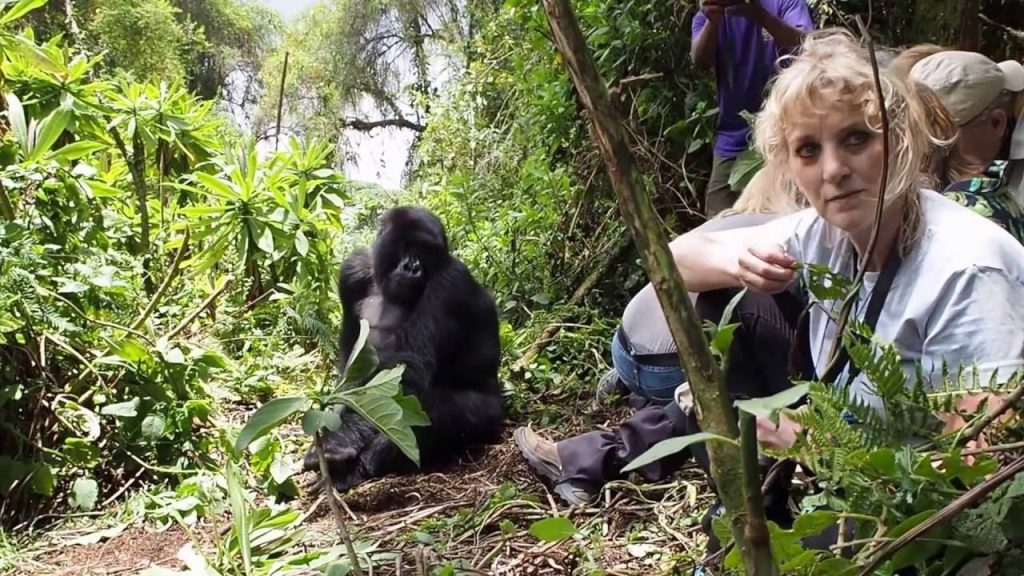
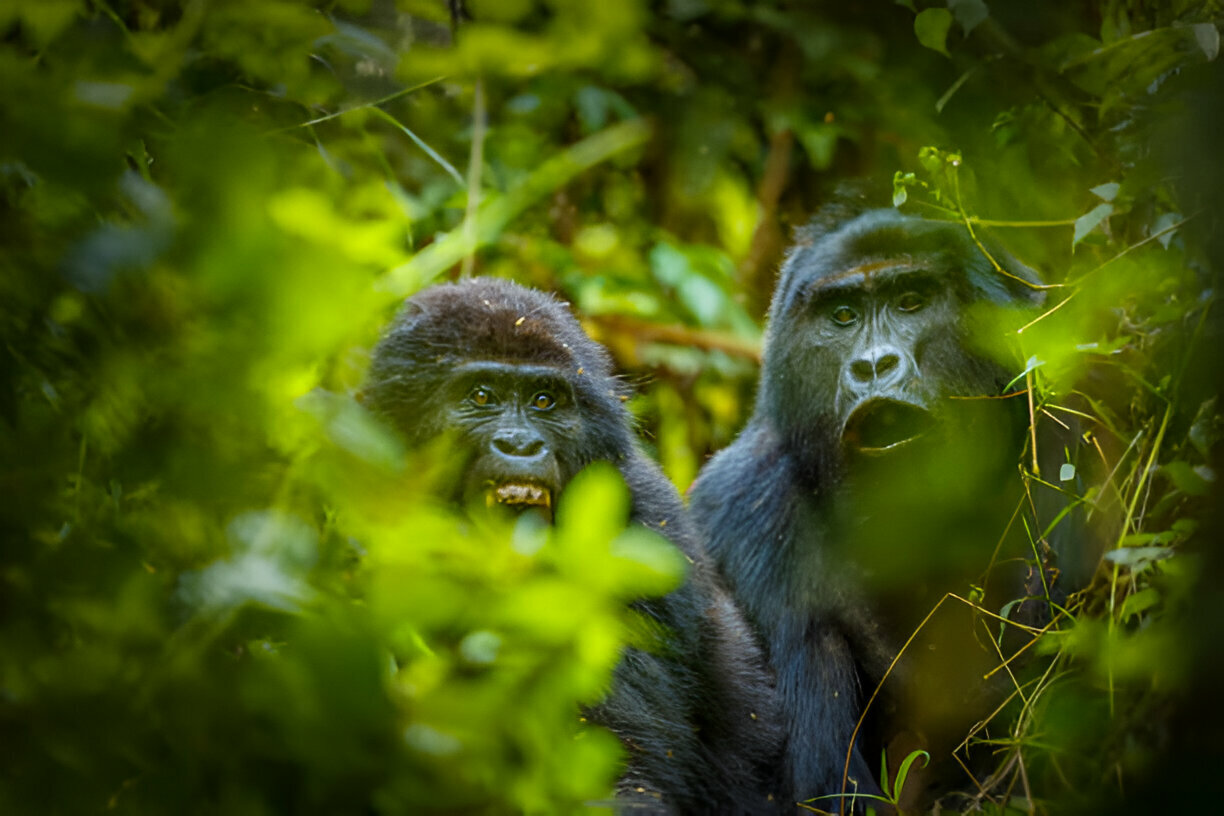
Mgahinga Gorilla Trekking is a guided wildlife experience in which visitors enter Mgahinga Gorilla National Park with Uganda Wildlife Authority rangers and trackers to search for a habituated mountain gorilla family living freely within the Virunga forest. The experience is not based around an enclosure, feeding station or predictable observation platform. Instead, visitors walk through natural mountain gorilla habitat, following signs of recent movement until the ranger and tracking teams determine the location of the family.
The park’s current official information states that Mgahinga contains one habituated transboundary gorilla group. More recent UWA project documentation identifies this as the Nyakagezi group, which uses habitat within the wider Virunga landscape. This is important because Mgahinga’s gorillas belong to the Virunga population rather than the separate Bwindi population, giving travelers an opportunity to experience mountain gorillas within one of Africa’s most dramatic cross-border volcanic ecosystems.
The trek begins from the Ntebeko Visitor Centre, which serves as the main trailhead for gorilla tracking and several other park activities. UWA’s visitor brochure indicates that gorilla tracking begins at approximately 8:00 a.m., with the total activity commonly taking several hours depending on where the gorillas are located. Once the family is found, the standard gorilla encounter includes the regulated viewing period.
As in Bwindi, the length of the search cannot be guaranteed. Mountain gorillas remain wild animals and move through their habitat according to feeding opportunities, social behavior, weather and previous nesting locations. Uganda Wildlife Authority’s broader gorilla-tracking guidance advises visitors to expect an activity that may last from roughly two to seven hours and requires moderate fitness.
The forest environment is another major part of the experience. Mgahinga contains montane forest, bamboo and progressively higher-altitude vegetation associated with the Virunga volcanoes. The result is a trek that feels strongly connected to the mountains. Rather than walking only through dense closed-canopy rainforest, travelers may experience bamboo zones, steep volcanic landscapes and expansive views over the surrounding highlands.
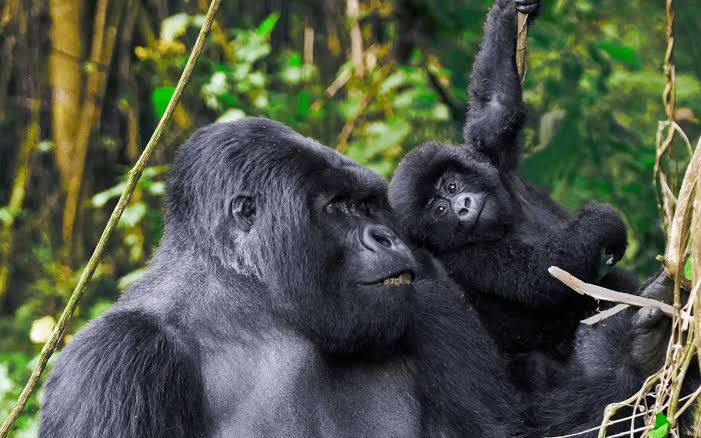
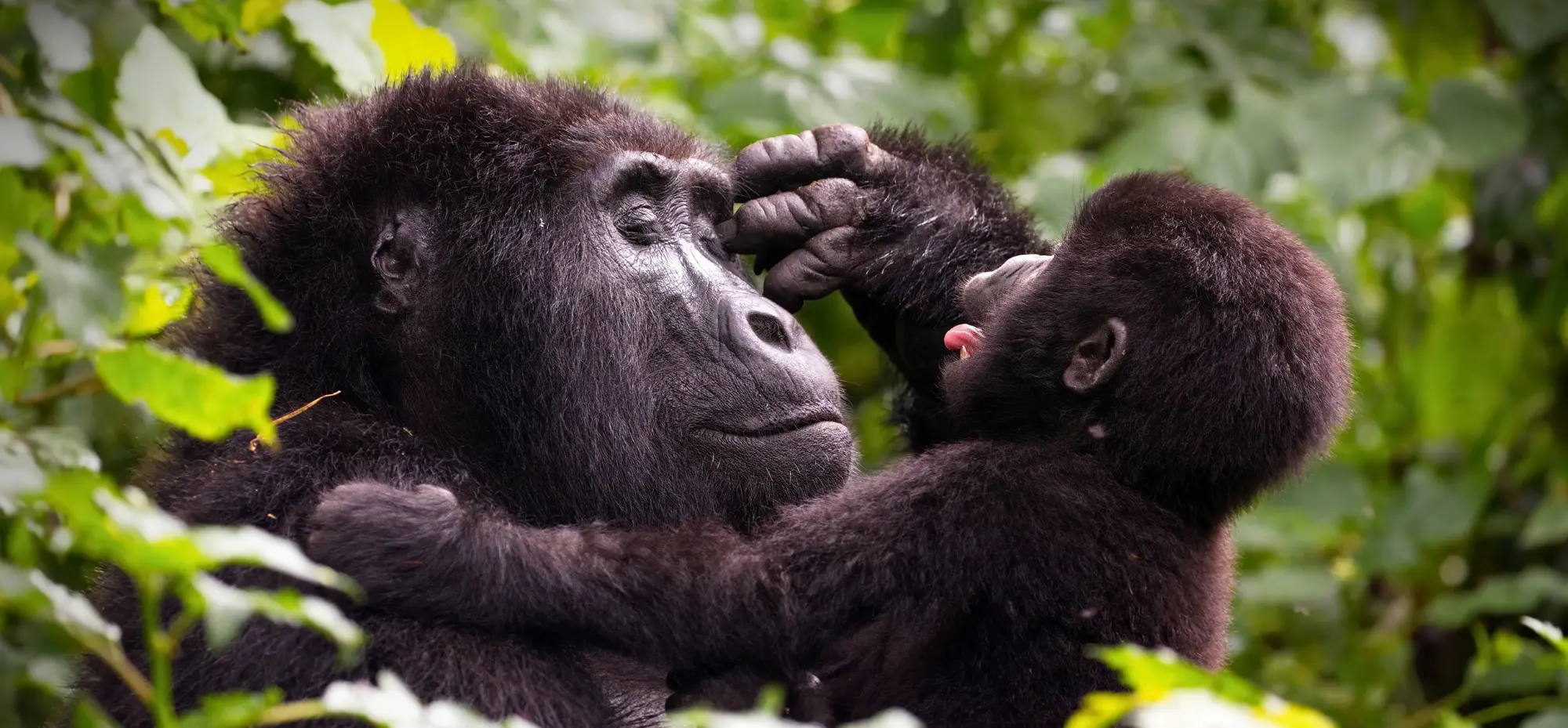
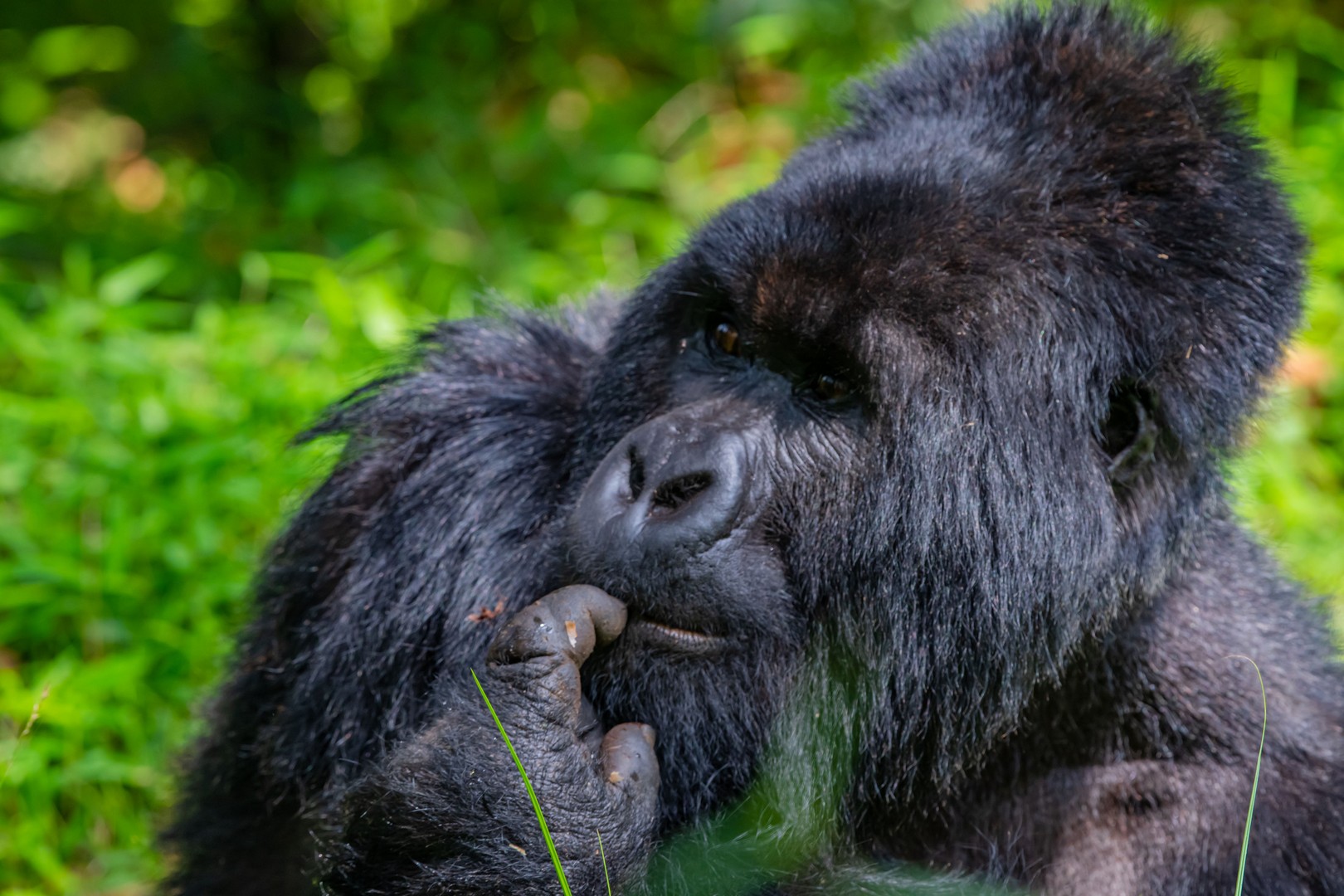
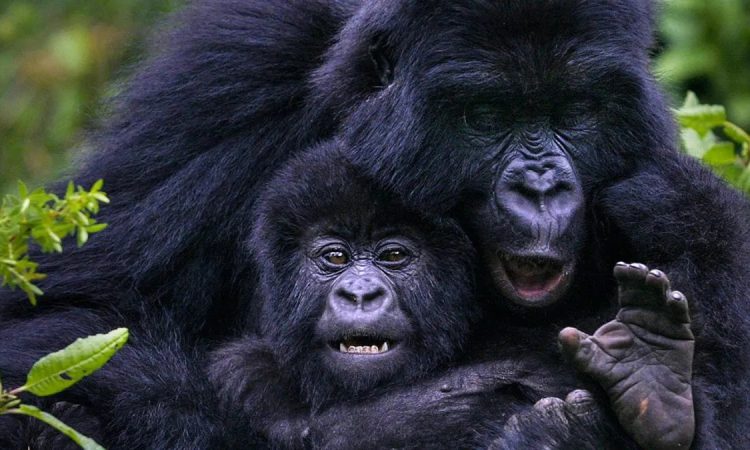
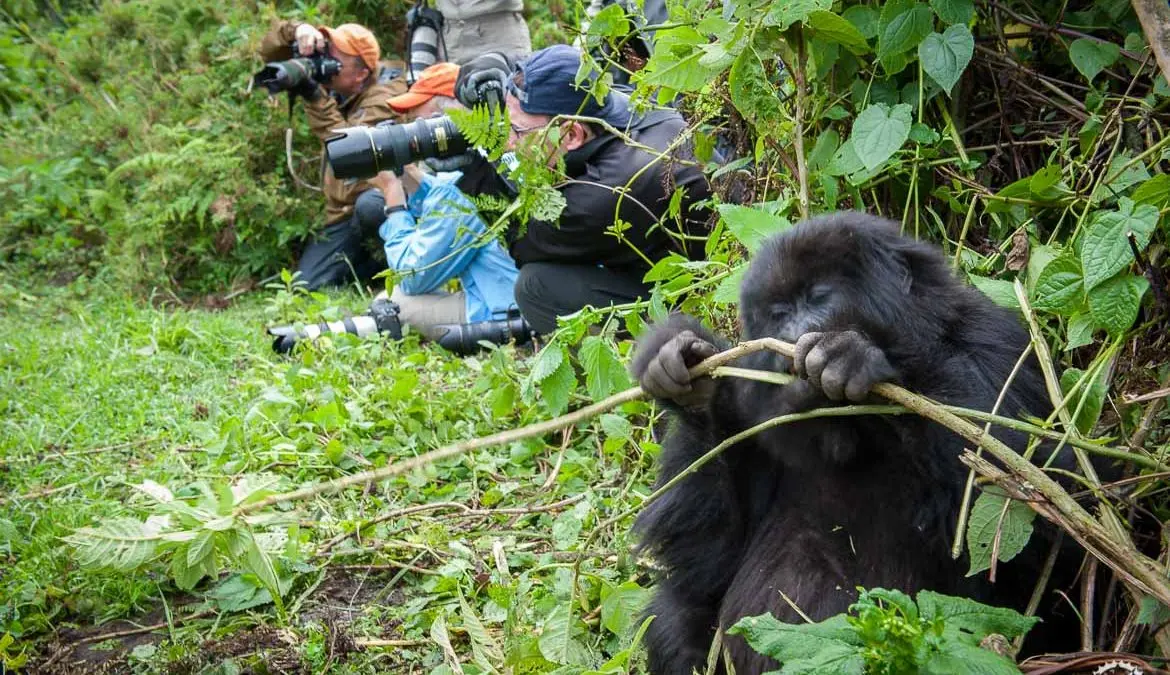
Once the gorillas are located, the emphasis changes from tracking to quiet observation. Visitors follow the instructions of the ranger team and watch the family behave naturally within the forest. Depending on the particular encounter, travelers may observe a silverback resting or feeding, females caring for young animals, juveniles playing or the group gradually moving through vegetation.
For many travelers, Mgahinga Gorilla Trekking feels particularly intimate because of the limited number of daily permits. UWA’s current activity page says the park issues about eight gorilla permits per day, substantially fewer than the overall capacity distributed across Bwindi’s four trekking sectors. This does not make the encounter inherently “better” than Bwindi, but it makes Mgahinga particularly appealing to travelers seeking a smaller-scale gorilla destination.
Why Choose Mgahinga for Gorilla Trekking in Uganda?
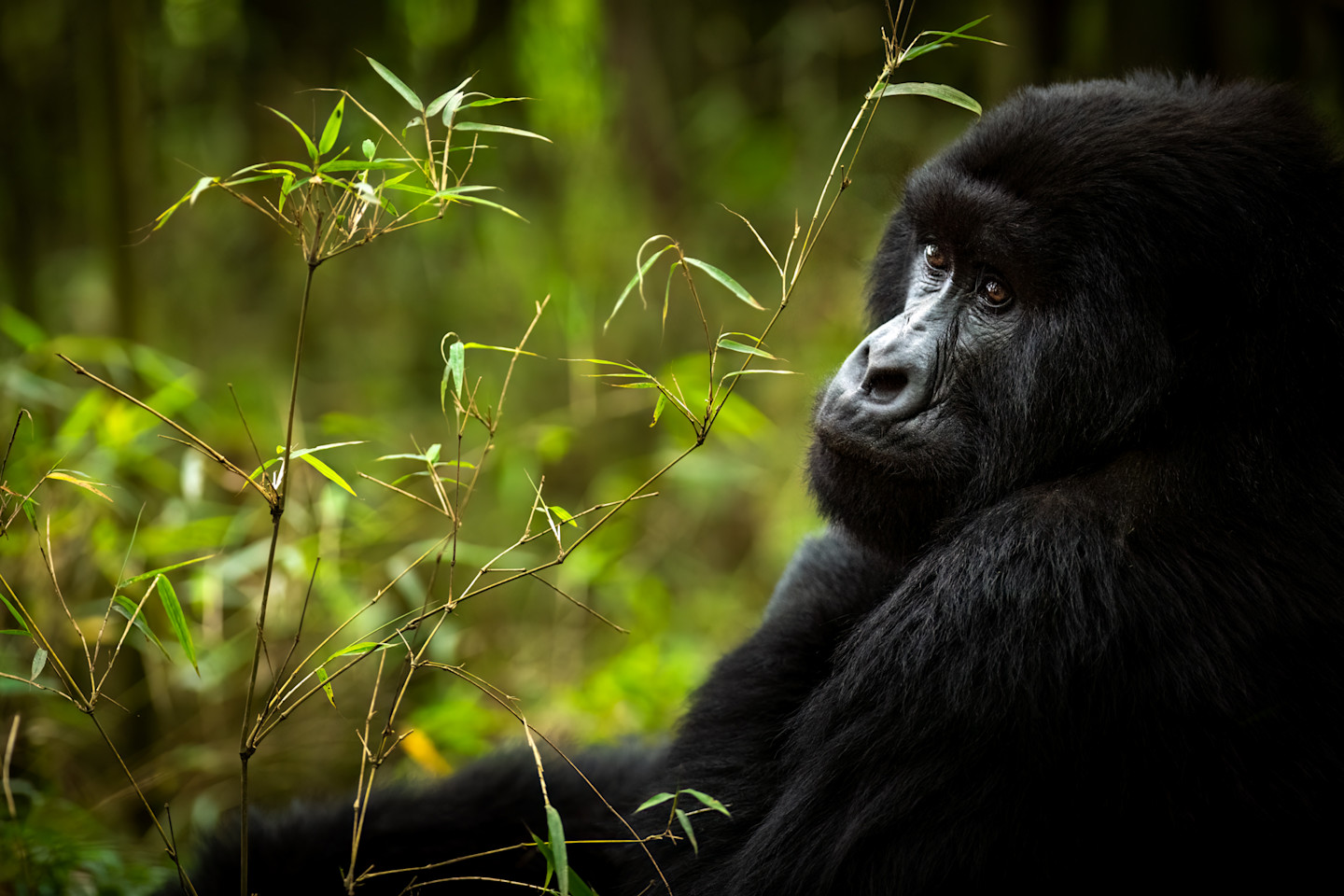
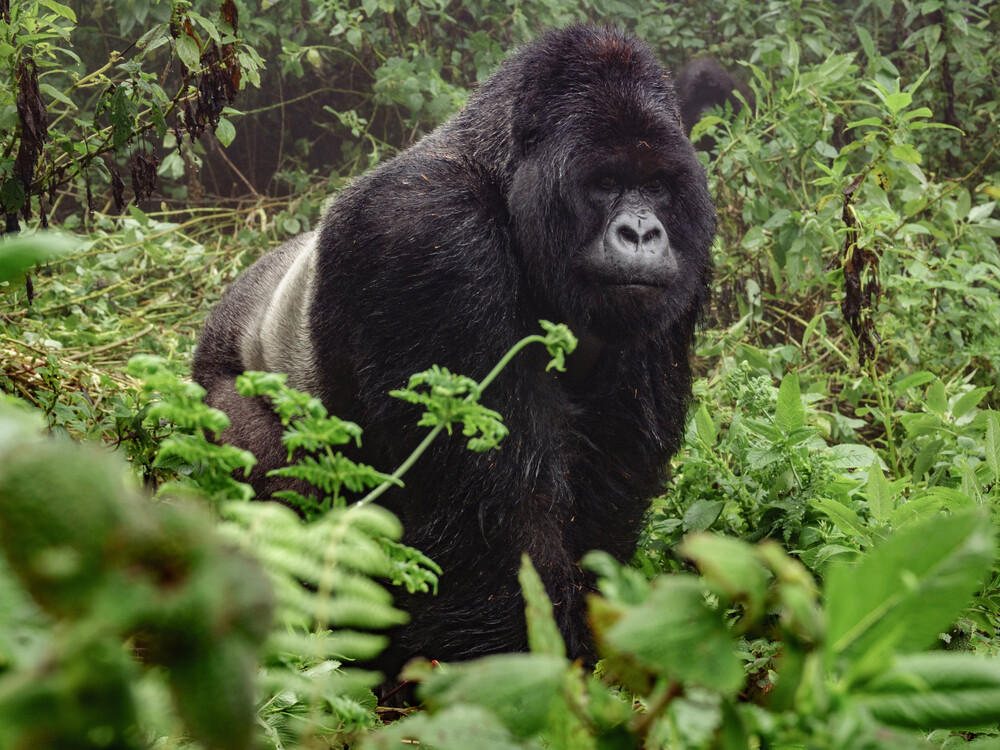
One of the strongest reasons to choose Mgahinga Gorilla Trekking is the setting. Mgahinga lies within the Virunga Mountains and contains three volcanic peaks—Mount Muhabura, Mount Gahinga and Mount Sabyinyo. UWA places the highest point of the park at the 4,127-metre summit of Muhabura, while the broader landscape includes bamboo forest, montane vegetation and high-altitude ecosystems.
This produces a fundamentally different visual experience from gorilla trekking in much of Bwindi. Bwindi is characterized by deeply folded rainforest-covered ridges and valleys, whereas Mgahinga’s forest lies beneath unmistakable volcanic peaks. For photographers and travelers who value landscape as strongly as wildlife, the Virunga backdrop can become an important part of the safari.
The second advantage is the park’s scale. At only 33.7 km², Mgahinga is compact compared with most major East African national parks. The main visitor activities are concentrated around the Ntebeko side of the park, meaning travelers can establish themselves in the Kisoro–Ntebeko–Lake Mutanda region and enjoy several different experiences without repeatedly moving accommodation.
The third major advantage is golden monkey tracking. Mgahinga is Uganda’s principal destination for this endangered Virunga primate. UWA describes golden monkeys as endemic to the Virunga Mountains and confirms their presence within Mgahinga’s bamboo forest. This makes it possible to dedicate one day to mountain gorillas and another to golden monkeys, producing an unusually strong two-primate itinerary from one base.
Active travelers can add another layer by climbing one of the Virunga volcanoes. UWA’s park brochure describes day hikes on Mount Gahinga, Mount Muhabura and Mount Sabyinyo, with the mountains presenting very different levels of challenge and scenery. A visitor with four or five days available can therefore build a journey around gorillas, golden monkeys and a volcano hike rather than leaving the region immediately after the gorilla trek.
The park is also convenient for travelers whose wider route passes through Kisoro. UWA places Mgahinga in Kisoro District, approximately 14 kilometres from Kisoro town by the park’s older visitor guidance. Scheduled and charter flights can connect Entebbe with Kisoro Airstrip, after which travelers continue by road toward Mgahinga.
Finally, Mgahinga offers an important alternative for travelers who already know Bwindi or who want a Uganda gorilla safari centered specifically on the Virunga ecosystem. There is no need to claim that one park is universally superior. The better question is which landscape, route and wider set of activities best suits the traveler.
Where Is Mgahinga Gorilla National Park?
Mgahinga Gorilla National Park is located in Kisoro District in the extreme southwestern corner of Uganda, near the borders with Rwanda and the Democratic Republic of Congo. The park protects part of the Ugandan side of the Virunga Mountains and is contiguous with neighboring protected areas in the wider transboundary Virunga landscape.
The park’s position gives Mgahinga Gorilla Trekking a significant logistical advantage for travelers combining Uganda and Rwanda. Kisoro sits close to the international border area, meaning itineraries can be designed to begin in Kigali, continue into southwestern Uganda and then proceed toward Mgahinga or Bwindi depending on the permits and experiences selected.
For travelers arriving from Entebbe or Kampala, the road journey is substantially longer. Uganda Wildlife Authority describes the road journey from Kampala toward Kisoro as approximately nine hours via Kabale under normal planning assumptions, after which visitors continue toward the park. A 4×4 vehicle is strongly recommended for the final approach.
The landscape becomes increasingly dramatic as travelers move through southwestern Uganda. Roads descend and climb between steep cultivated hills, with views opening toward the Virunga volcanoes as the journey approaches Kisoro. For travelers driving rather than flying, this approach can become part of the experience rather than merely a transfer.
Kisoro functions as the principal service town for Mgahinga, while accommodation can also be arranged closer to Ntebeko or around Lake Mutanda. UWA’s visitor material identifies accommodation options at Ntebeko, in Kisoro and around Lake Mutanda. The correct option depends on budget, desired scenery and how early the traveler wants to transfer on trekking morning.
Ntebeko Visitor Centre and the Start of Mgahinga Gorilla Trekking
The Ntebeko Visitor Centre is central to the Mgahinga experience. Uganda Wildlife Authority identifies Ntebeko as the trailhead for gorilla tracking, golden monkey tracking, volcano climbs and several nature-based activities. For anyone planning Mgahinga Gorilla Trekking, understanding the importance of Ntebeko helps determine where accommodation should be located and how the trekking morning should be organized.
Visitors normally arrive at Ntebeko early enough to complete registration and attend the ranger briefing before entering the forest. The orientation covers expected trail conditions, appropriate behavior around mountain gorillas, conservation rules and safety. This is also the time to make final preparations such as arranging porter assistance and checking that water, rain protection and camera equipment are ready.
The visitor centre sits within the dramatic volcanic environment that defines Mgahinga. Rather than beginning from a busy urban edge, guests immediately experience the sense of entering the Virunga highlands, with the volcanoes forming the dominant backdrop.
Staying reasonably close to Ntebeko can make the morning considerably more relaxed. Travelers sleeping in Kisoro can still reach the park comfortably with an appropriately timed transfer, while accommodation around the park edge reduces morning road travel further.
For Boots in the Jungle Safaris, the accommodation choice should therefore reflect the complete itinerary. A guest who wants nightlife or easy access to town services may prefer Kisoro, while a honeymooner or photographer may value a scenic property closer to the mountains or around Lake Mutanda.
The Nyakagezi Gorilla Group in Mgahinga
Current Uganda Wildlife Authority documentation identifies Nyakagezi as Mgahinga’s habituated mountain gorilla group. UWA’s December 2025 planning documentation confirms the park as home to the Nyakagezi group and notes that Mgahinga’s gorilla habitat connects with the adjoining Virunga protected areas of Rwanda and the Democratic Republic of Congo.
The group’s transboundary setting is one of the characteristics that makes Mgahinga Gorilla Trekking particularly fascinating. Mountain gorillas do not recognize political boundaries in the way travelers do; their ecological landscape extends across the Virunga Mountains, making international conservation cooperation important for the protection of the population.
Visitors should nevertheless avoid focusing too heavily on historical descriptions of exactly how many gorillas belong to Nyakagezi at any given time. Gorilla-family composition changes naturally through births, maturation, dispersal, deaths and changes in social structure. For that reason, Boots in the Jungle Safaris recommends confirming current family information close to the travel date rather than treating an old online count as permanent.
What does remain important is the limited visitor capacity. Uganda Wildlife Authority’s current gorilla activity guidance says Mgahinga issues approximately eight permits per day. Travelers who specifically want Mgahinga should therefore secure permits early instead of assuming space will remain available because the park receives fewer visitors than Bwindi.
What Happens on a Mgahinga Gorilla Trekking Day?
A Mgahinga Gorilla Trekking day begins with an early breakfast followed by transfer to Ntebeko Visitor Centre. Visitors should arrive with appropriate clothing, drinking water, packed lunch, rain protection and camera equipment. UWA’s visitor guidance states that gorilla tracking starts at about 8:00 a.m. from Ntebeko.
Before entering the forest, Uganda Wildlife Authority rangers conduct a briefing explaining the trekking procedure, gorilla etiquette and conservation rules. The group then enters the park with trained ranger guides and trackers who monitor gorilla movements and interpret signs within the forest.
The initial walk may move through different vegetation zones depending on the day’s route. The Virunga environment gives the experience a distinctive character, with bamboo and montane vegetation occurring beneath the volcanic slopes. The gorillas’ location determines how far visitors travel and whether the trek remains relatively straightforward or becomes physically demanding.
Tracking involves reading the forest. Rangers may identify feeding remains, broken vegetation, footprints or other recent signs of gorilla movement. Radio communication with trackers can help refine the group’s direction as the search continues.
The moment the gorillas are found is often preceded by a noticeable change in atmosphere. Voices become quieter, visitors prepare cameras and the ranger team gives final instructions. The group then approaches the family carefully and begins the regulated observation period.
Standard gorilla tracking allows one hour with the gorillas once they are located, and UWA currently requires gorilla trekkers to be at least 15 years old. During the encounter, travelers may observe feeding, resting, social behavior or movement through the forest, but the precise experience is determined entirely by what the gorillas are doing that day.
After the viewing period, visitors begin the walk back toward Ntebeko. The complete activity may take several hours, and UWA’s general gorilla-tracking guidance indicates that trekkers should be prepared for a potentially lengthy forest experience. The remainder of the day should ideally remain relaxed rather than being filled with another physically demanding activity.
Mgahinga Gorilla Trekking Permit Cost in 2026 and 2027
A valid Uganda Wildlife Authority permit is required for Mgahinga Gorilla Trekking. The same standard Uganda gorilla tracking permit framework applies to gorilla tracking in both Mgahinga and Bwindi, while the availability of permits differs substantially because Mgahinga currently has only one habituated gorilla group available for tourism.
Uganda Wildlife Authority introduced special low-season gorilla permit pricing for April, May and November, reducing the foreign non-resident gorilla tracking permit to US$600 and the foreign resident rate to US$500. UWA states that these discounted low-season permits cannot be rescheduled.
From 1 January 2027, UWA’s revised tariff lists standard gorilla tracking at US$800 for foreign non-residents, US$700 for foreign residents, US$500 for Rest of Africa visitors and UGX 300,000 for East African Community citizens.
Another important change concerns how permits are reserved. Effective 1 March 2026, UWA suspended its previous seven-day unpaid reservation window. Under the revised arrangement, tour operators secure permits through full payment when the booking is made rather than temporarily holding them without payment.
That change is particularly important for Mgahinga because daily availability is much smaller than Bwindi. A traveler who specifically wants Mgahinga Gorilla Trekking should therefore check availability before locking in non-refundable accommodation or flights.
At Boots in the Jungle Safaris, we coordinate the permit with accommodation and transport so the safari is built around confirmed availability. Permit prices and policies can change, so the applicable UWA tariff should always be reconfirmed when the safari is actually booked.
Best Time for Mgahinga Gorilla Trekking
Mgahinga Gorilla Trekking is available throughout the year. Uganda Wildlife Authority’s park brochure specifically lists Mgahinga as an all-year destination, meaning the mountain gorillas do not disappear during a particular tourism season.
What changes through the year is the condition of the trail and the atmosphere of the mountains. UWA’s visitor information identifies December to February and roughly May to August as relatively drier periods, with June and July among the driest months, while March–April and September–November receive more rainfall. These patterns are useful for planning, but travelers should remember that Mgahinga is a high-altitude mountain environment and rain can occur outside the conventional wet season.
Drier months may be attractive to travelers who are particularly concerned about slippery trails. Less rainfall can make sections of the forest more manageable, although the actual difficulty of the trek still depends heavily on where the gorillas are located.
Wetter months create a different experience. Mist, wet bamboo and intensely green vegetation can make Mgahinga exceptionally atmospheric, particularly for landscape photography. The trade-off is that trails may be muddy and waterproof footwear becomes even more important.
April, May and November can also appeal to travelers looking for permit value because of UWA’s special low-season gorilla tracking rates. A traveler comfortable with rain may therefore find these months particularly interesting.
There is consequently no universally perfect month for Mgahinga Gorilla Trekking. Travelers prioritizing potentially drier hiking conditions may choose the conventional dry periods, while visitors prioritizing value, rich scenery and a quieter feeling may enjoy wetter months.
How Difficult Is Mgahinga Gorilla Trekking?
The difficulty of Mgahinga Gorilla Trekking should be described realistically without making the experience sound inaccessible. Mgahinga lies at significant altitude, beginning at more than 2,200 metres and rising dramatically toward the summit of Mount Muhabura at 4,127 metres. Gorilla trekking does not normally require visitors to climb to the volcanic summits, but the highland terrain can still involve slopes, uneven ground and changes in elevation.
The length of a particular trek depends on the gorillas’ position. Uganda Wildlife Authority’s general guidance indicates that gorilla trekking can last anywhere from roughly two to seven hours, while the older Mgahinga park brochure describes typical Mgahinga tracking as several hours. Neither figure should be treated as a guaranteed daily duration.
Visitors do not need advanced mountaineering fitness. Reasonable walking ability, good balance and moderate cardiovascular fitness are much more relevant. Travelers preparing for the trip can benefit from regular walking, stairs and hill training before departure.
Footwear makes an enormous difference. Waterproof hiking boots with reliable traction help on wet roots, volcanic soil and muddy slopes. Long trousers, rain protection and gloves can also improve comfort.
Hiring a porter is recommended even for fit travelers. The porter can carry drinking water, lunch, cameras and rain gear while assisting on difficult sections. This allows visitors to conserve energy for the actual encounter.
Senior travelers should discuss mobility concerns during planning rather than automatically assuming Mgahinga is unsuitable. The more important question is whether the safari can be structured intelligently around the traveler’s fitness, rest time and support requirements.
Mgahinga Gorilla Trekking and Golden Monkey Tracking
One of the strongest reasons to spend several nights around Mgahinga is the opportunity to combine mountain gorillas with golden monkey tracking. Uganda Wildlife Authority identifies Mgahinga as Uganda’s habitat for the endangered golden monkey, a primate associated with the bamboo forests of the Virunga Mountains.
A traveler can dedicate one morning to Mgahinga Gorilla Trekking and another to golden monkeys. The experiences feel very different. Mountain gorillas are much larger terrestrial primates and often provide slower, more intimate observation, whereas golden monkeys can be highly energetic and move quickly through bamboo vegetation.
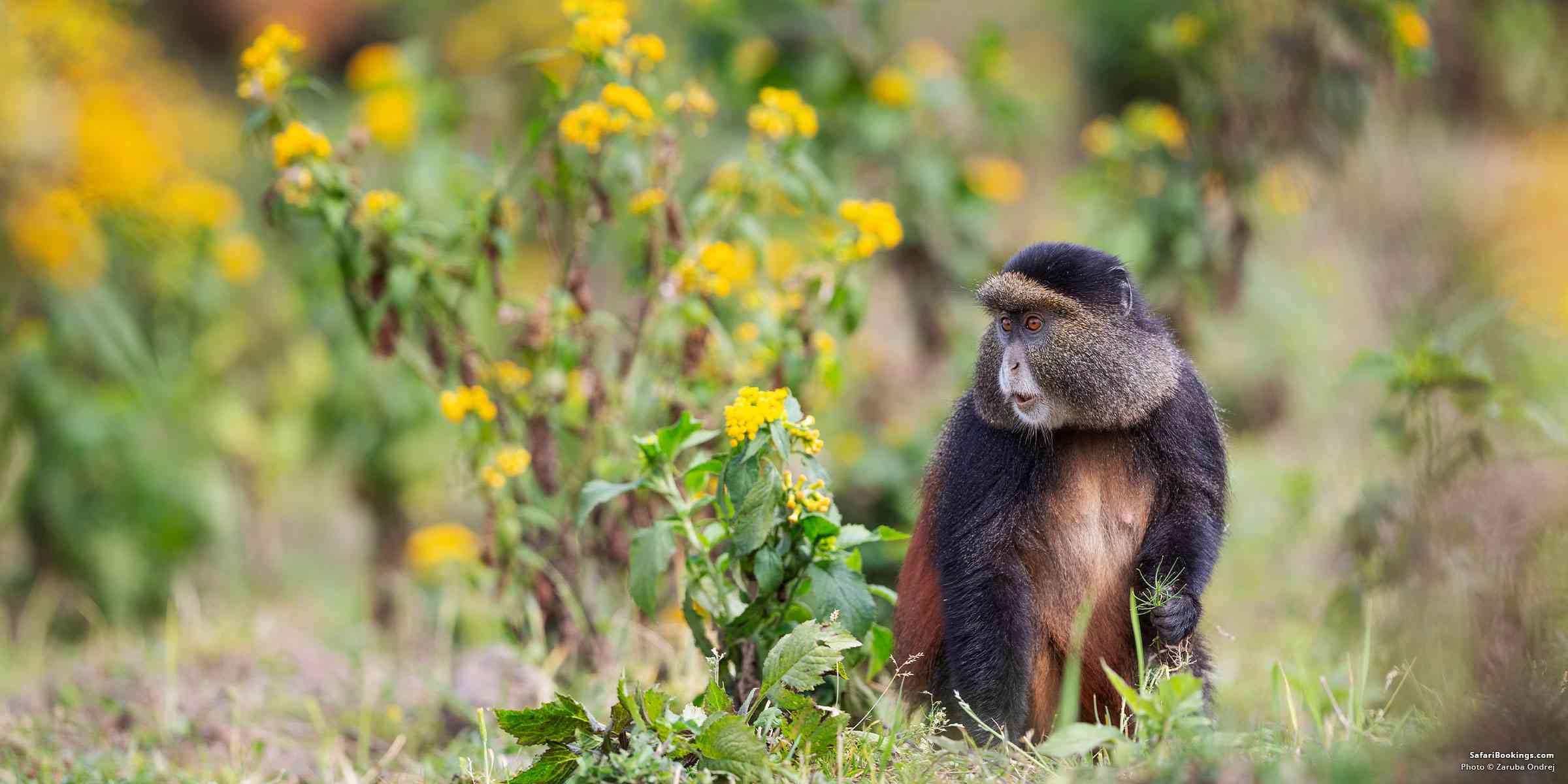
For photographers, the combination creates very different challenges. Gorilla photography often requires working in low forest light around relatively large subjects, while golden monkeys can demand faster reactions as they move between bamboo stems.
The combination also improves the value of traveling all the way to southwestern Uganda. Instead of arriving solely for one gorilla trek and departing the following morning, travelers can stay for several nights and experience the Virunga ecosystem more fully.
This is particularly suitable for primate enthusiasts, repeat Uganda visitors and travelers who want something different from the conventional gorilla-and-savannah safari combination.
Combining Mgahinga Gorilla Trekking With Volcano Hiking
Mgahinga is unusual because visitors can combine gorillas with genuine Virunga volcano hiking. The park protects the Ugandan slopes of Mount Gahinga, Mount Sabyinyo and Mount Muhabura, and Uganda Wildlife Authority offers hiking routes associated with all three.
Mount Gahinga reaches approximately 3,474 metres and is the smallest of the three volcanoes. UWA describes its upper landscape as including a swamp-filled crater, while the lower slopes include extensive bamboo habitat. This makes it particularly appealing to active travelers who want a serious mountain day without selecting the highest summit.
Mount Sabyinyo provides a more rugged hiking challenge. UWA describes the mountain’s distinctive jagged summit and steep sections, while its position on the international border landscape creates extraordinary geographical interest.
Mount Muhabura is the highest of Mgahinga’s three volcanoes at approximately 4,127 metres. The climb passes through several altitudinal vegetation zones and rewards strong hikers with far-reaching views across the Virunga landscape under favorable weather conditions.
For travelers considering both volcano hiking and Mgahinga Gorilla Trekking, pacing matters. We generally would not recommend scheduling the most demanding mountain climb immediately before the gorilla trek if the traveler is concerned about fatigue.
A better itinerary allows recovery time and places the most important experience—the gorilla trek—at a point when visitors are rested and ready to enjoy it.
Mgahinga Gorilla Trekking and the Batwa Cultural Experience
The history of Mgahinga cannot be understood only through wildlife. Uganda Wildlife Authority identifies the Batwa as people with a long historical relationship with the forests of the region and offers a Batwa Trail experience through which visitors can learn about traditional forest knowledge and cultural practices.
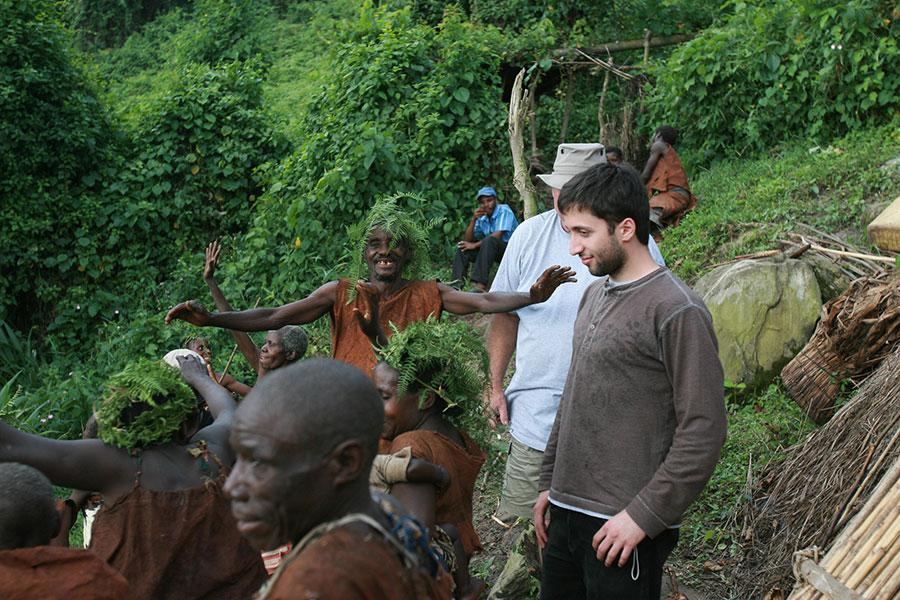
The experience provides context for understanding the human history surrounding today’s national park. UWA’s visitor information describes Batwa guides introducing travelers to traditional forest skills and knowledge, with the Garama Cave forming one of the notable features associated with the historical trail.
For travelers interested in responsible tourism, the cultural component should be approached with the same respect given to wildlife encounters. Visitors should avoid treating communities simply as photographic attractions and should choose experiences structured around genuine interpretation and community participation.
Adding a cultural activity after Mgahinga Gorilla Trekking can provide a broader understanding of the conservation landscape by showing that protected areas are connected to communities, history and livelihoods as well as endangered species.
Recent UWA documentation also discusses efforts around Batwa livelihood opportunities, tourism participation and cultural tourism initiatives in the Mgahinga area.
Where to Stay for Mgahinga Gorilla Trekking
Choosing accommodation for Mgahinga Gorilla Trekking is simpler geographically than choosing between Bwindi’s four sectors, but location still matters. UWA’s visitor material notes that accommodation is available near Ntebeko, in Kisoro town and around Lake Mutanda.
Staying close to Ntebeko gives travelers the advantage of a relatively short transfer on trekking morning. This can be especially valuable for guests who prefer a quiet forest-and-mountain setting and want to wake close to the national park.
Kisoro provides another practical base. The town offers easy access to transportation services and can work well for budget-conscious or flexible itineraries. Travelers staying in Kisoro should simply allow enough time for the morning road transfer to Ntebeko.
Lake Mutanda provides perhaps the most scenic alternative. UWA places the lake north of Mgahinga and describes its island-dotted waters against the Virunga backdrop. For honeymooners, photographers and luxury travelers, staying around Lake Mutanda can provide an excellent combination of mountain views and relaxation.
The correct choice depends on more than price. A guest spending three or four nights in the region may appreciate a spectacular lakeside setting, whereas someone arriving late and trekking early the following morning may prefer accommodation positioned closer to Ntebeko.
Boots in the Jungle Safaris therefore considers the trekking date, transport route, subsequent activity and comfort level before confirming accommodation.
How to Get to Mgahinga Gorilla National Park
Entebbe or Kampala to Mgahinga
Travelers beginning in Entebbe or Kampala can reach Mgahinga overland through southwestern Uganda. UWA currently estimates the drive toward Kisoro at around nine hours via Kabale under normal planning conditions and recommends an appropriate 4×4 vehicle for the final park access.
Because the journey is long, visitors with sufficient time can break it into a broader Uganda safari rather than treating the entire day as a direct transfer. Lake Mburo, Lake Bunyonyi or other southwestern stops can be incorporated depending on the itinerary.
Private transportation is especially useful because it allows rest stops, photography and meal timing to be adapted to the traveler rather than a fixed public schedule.
Flying From Entebbe to Kisoro
Travelers wanting to reduce road time can fly from Entebbe to Kisoro Airstrip. Uganda Wildlife Authority states that scheduled and charter flight options operate to Kisoro and places the flight at approximately one hour and ten minutes, after which visitors continue overland toward Mgahinga.
This option works particularly well for luxury safaris, honeymooners and travelers whose holiday time is limited.
It can also be combined with overland travel in only one direction, allowing guests to experience the countryside on the outward journey and fly back after completing Mgahinga Gorilla Trekking.
Kigali to Mgahinga
Kigali can be a practical international gateway for travelers whose main safari interests are Mgahinga, Kisoro and southern Bwindi. The exact timing depends on the border route, traffic and immigration formalities, so transfers should be planned conservatively rather than promising an exact journey time.
This routing is particularly attractive for travelers building a short private Uganda gorilla safari or combining Rwanda and Uganda.
Border requirements should always be verified for the actual travel dates because immigration and entry rules can change.
Mgahinga Gorilla Trekking vs Bwindi Gorilla Trekking
Travelers planning gorilla trekking in Uganda frequently ask whether they should choose Mgahinga or Bwindi. Both destinations provide legitimate mountain gorilla trekking under Uganda Wildlife Authority management, but the experiences differ substantially in scale and landscape. UWA identifies Bwindi as having four major trekking sectors, while Mgahinga currently operates with one habituated transboundary gorilla group and roughly eight daily permits.
Bwindi offers far greater permit capacity and a larger selection of trekking sectors and lodges. This can make it easier to accommodate larger groups, fixed dates and a wide range of safari routes.
Mgahinga Gorilla Trekking, by contrast, offers the dramatic Virunga volcano environment and a smaller-scale operation. The experience can be particularly attractive for guests who want to combine gorillas with golden monkeys, volcano climbing and activities around Kisoro and Lake Mutanda.
Mgahinga can also make excellent logistical sense for travelers approaching from Kigali or traveling through the Kisoro region. Bwindi may be more convenient for travelers combining gorillas with Queen Elizabeth National Park, particularly when trekking from the northern sectors.
The decision should therefore not be framed as “Which park has better gorillas?” Both protect mountain gorillas. The better decision comes from permit availability, itinerary route, landscape preference, accommodation style and the additional activities the traveler wants to include.
For some dedicated primate enthusiasts, the ideal answer is actually to experience both parks on separate days.
What to Wear for Mgahinga Gorilla Trekking
Clothing for Mgahinga Gorilla Trekking should prioritize weather protection, comfort and traction. Mgahinga is a high-altitude mountain environment where conditions can change quickly, and UWA’s park information notes that wet periods bring mist and persistent dampness.
Long trousers and a lightweight long-sleeved shirt help protect against vegetation and insects while remaining comfortable during physical activity. Quick-drying materials are generally preferable to heavy clothing that remains wet after rain.
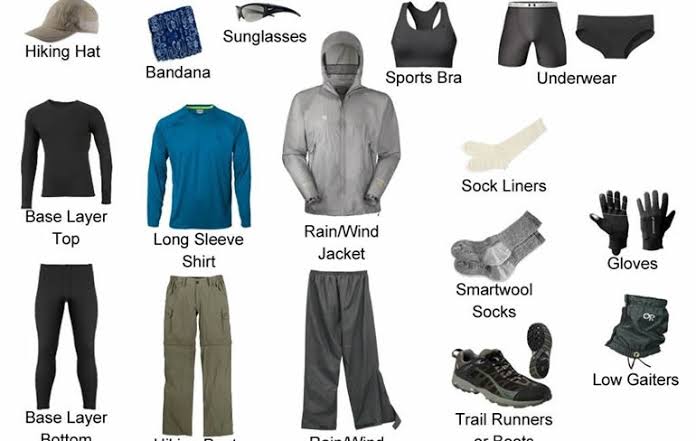
Waterproof hiking boots with reliable grip are particularly important. The combination of mountain slopes, forest soil and rain can make sections slippery, so footwear should be broken in before the safari rather than worn for the first time on trekking morning.
A lightweight waterproof jacket should remain easily accessible. Gloves can be useful when holding vegetation for balance, while gaiters help keep mud and moisture away from the lower legs and boots.
Travelers should carry adequate drinking water, a packed lunch, camera equipment and essential personal items without overloading the daypack. Hiring a porter can significantly reduce the physical burden.
Sample 3-Day Mgahinga Gorilla Trekking Safari
Day 1: Kigali or Entebbe to Mgahinga Gorilla National Park
Your private safari begins with collection by a Boots in the Jungle Safaris driver-guide. Travelers arriving through Kigali travel toward the Uganda border before continuing into the Kisoro highlands, while guests starting in Entebbe can either fly to Kisoro or undertake a longer overland journey through southwestern Uganda.
As the journey approaches Kisoro, the Virunga volcanoes increasingly dominate the horizon. Continue to accommodation selected according to the overall itinerary, whether close to Ntebeko, around Kisoro or overlooking Lake Mutanda.
The evening is intentionally relaxed. Guests have dinner, prepare hiking equipment and receive a briefing about the following morning’s Mgahinga Gorilla Trekking experience.
Day 2: Mgahinga Gorilla Trekking at Ntebeko
After an early breakfast, transfer to Ntebeko Visitor Centre for registration and the Uganda Wildlife Authority briefing. Gorilla tracking begins at around 8:00 a.m. according to UWA visitor guidance.
Enter the forest with the ranger and tracking team and begin searching for the habituated gorilla group. The duration of the walk depends entirely on where the gorillas are located.
Once the family is found, enjoy the regulated encounter before beginning the return journey through the forest.
After the trek, return to the lodge for a relaxed afternoon. Avoid automatically filling the day with another demanding activity because the forest walk can be tiring.
Day 3: Golden Monkeys or Departure
Travelers with an appropriate departure schedule can spend the morning exploring another element of Mgahinga, with golden monkey tracking being one of the most natural additions. Alternatively, depart after breakfast toward Kigali, Kisoro Airstrip, Lake Bunyonyi, Bwindi or another Uganda destination.
For travelers with more time, we recommend extending the itinerary rather than leaving immediately. Adding an extra day creates space for golden monkeys, volcano hiking or cultural experiences.
Conservation and Communities Around Mgahinga
Mgahinga Gorilla Trekking exists within a much broader conservation landscape. Uganda Wildlife Authority manages Mgahinga as part of Uganda’s protected-area system, while its geographical position also makes cross-border conservation significant because the mountain gorilla population and Virunga ecosystem extend into neighboring Rwanda and the Democratic Republic of Congo.
Conservation also has a community dimension. In June 2025, Uganda Wildlife Authority reported distributing more than UGX 2.19 billion in revenue-sharing funds to communities surrounding the combined Bwindi–Mgahinga Conservation Area, with funding derived from park revenues and the gorilla permit levy.
For visitors, this helps place the permit price in a wider context. Gorilla tourism is not solely about gaining access to endangered wildlife; it also contributes to a conservation model intended to create benefits around protected areas.
Travelers can support the local tourism economy further through porter employment, locally operated experiences, accommodation and responsible purchasing around Kisoro and the park.
Why Book Mgahinga Gorilla Trekking With Boots in the Jungle Safaris?
Planning Mgahinga Gorilla Trekking involves coordinating a limited gorilla permit supply with accommodation, transport, border arrangements where necessary and the wider Uganda safari route. Because Mgahinga has substantially lower daily gorilla permit capacity than Bwindi, confirming the trekking date should be one of the first steps in planning.
Boots in the Jungle Safaris can coordinate the gorilla permit and build the itinerary around confirmed availability rather than reserving accommodation first and hoping that a suitable permit remains available.
Private transportation also gives travelers considerably greater flexibility. We can organize journeys from Entebbe, Kampala, Kisoro or Kigali and combine Mgahinga with Bwindi, Lake Bunyonyi, Lake Mutanda, Queen Elizabeth National Park and other destinations.
Accommodation can be matched to the traveler’s priorities. Some guests may want to sleep close to Ntebeko, while others prefer a scenic Lake Mutanda property or a convenient Kisoro base.
For travelers wanting more than gorillas, the safari can include golden monkey tracking, volcano hiking and culturally focused experiences around Mgahinga. The result is a complete Virunga highlands itinerary rather than a rushed overnight visit.
Most importantly, the journey can be designed around the individual traveler. Photographers may prefer additional nights and multiple primate activities; honeymooners may prioritize scenery and privacy; active travelers may combine trekking with volcano hiking; and senior travelers may prefer fly-in arrangements and a more relaxed pace.
Frequently Asked Questions About Mgahinga Gorilla Trekking
Is Mgahinga Gorilla Trekking worth it?
Yes. Mgahinga Gorilla Trekking is particularly worthwhile for travelers attracted to a smaller-scale gorilla destination surrounded by the Virunga volcanoes. The park combines mountain gorillas with dramatic scenery, golden monkeys and mountain activities within a compact area. UWA currently limits overall gorilla trekking capacity in Mgahinga to about eight permits per day.
How many gorilla families are available for trekking in Mgahinga?
Uganda Wildlife Authority currently identifies one habituated transboundary gorilla group in Mgahinga. Recent UWA documentation identifies it as the Nyakagezi group.
How many Mgahinga Gorilla Trekking permits are available each day?
UWA currently states that Mgahinga issues approximately eight gorilla permits per day. Because availability is limited, travelers wanting Mgahinga specifically should book early.
Where does Mgahinga Gorilla Trekking start?
Gorilla tracking starts from Ntebeko Visitor Centre, which also serves as the trailhead for golden monkey tracking and several other park activities.
What time does Mgahinga Gorilla Trekking begin?
UWA’s visitor information states that gorilla tracking normally begins at approximately 8:00 a.m. from Ntebeko. Travelers need to arrive earlier for registration and briefing.
What is the minimum age for Mgahinga Gorilla Trekking?
Visitors participating in gorilla trekking must be at least 15 years old, according to Uganda Wildlife Authority’s Mgahinga visitor guidance.
How long does Mgahinga Gorilla Trekking take?
There is no guaranteed duration. Gorilla movements determine how long visitors need to walk before finding the family. UWA’s broader gorilla guidance indicates that treks can potentially take several hours, so travelers should leave the main part of the day free.
Can I combine Mgahinga Gorilla Trekking with golden monkeys?
Yes. This is one of Mgahinga’s strongest combinations. Golden monkeys occur in the park’s Virunga bamboo habitat and can be tracked as a separate experience.
Can I do Mgahinga Gorilla Trekking from Kigali?
Yes. Mgahinga’s location in extreme southwestern Uganda makes Kigali a practical gateway for some itineraries. The exact travel time depends on the border route, road conditions and immigration procedures, so these should be confirmed for the travel date.
Can I fly to Mgahinga?
Travelers can fly from Entebbe to Kisoro Airstrip and then continue by road. UWA places the scheduled flight at roughly one hour and ten minutes.
Is Mgahinga better than Bwindi for gorilla trekking?
Neither destination is universally better. Bwindi offers substantially greater permit capacity and multiple trekking sectors, while Mgahinga provides a smaller-scale experience within the Virunga volcano environment and convenient access to golden monkey tracking.
Can I hike a volcano after Mgahinga Gorilla Trekking?
Yes, provided you have enough time and physical energy. Mgahinga contains Mount Gahinga, Mount Sabyinyo and Mount Muhabura, and UWA offers hiking opportunities associated with the volcanic landscape. It is usually better to schedule demanding hikes on a separate day from gorilla trekking.
Plan Your Mgahinga Gorilla Trekking Safari
A successful Mgahinga Gorilla Trekking safari begins with securing the appropriate gorilla permit and then building accommodation, transport and additional activities around it. Because the park has far lower daily trekking capacity than Bwindi, travelers who specifically want Mgahinga should treat permit availability as a priority rather than leaving it until the final stages of planning.
Boots in the Jungle Safaris can arrange private Mgahinga gorilla journeys starting from Entebbe, Kampala or Kigali, with overland and fly-in options depending on the available time and preferred level of comfort.
A short itinerary can focus on the gorilla trek, while longer journeys can combine Mgahinga Gorilla Trekking with golden monkeys, Lake Mutanda, Lake Bunyonyi, Bwindi, Queen Elizabeth National Park or Rwanda.
The strongest Mgahinga safaris are not necessarily the ones containing the greatest number of activities. They are the ones that leave enough time to appreciate the volcanic landscape, prepare properly for the gorilla trek and experience the wider Kisoro region without rushing.