
Ultimate Rwanda and Tanzania Safari – Gorilla Trekking, Serengeti Wildlife & Great Migration Adventures
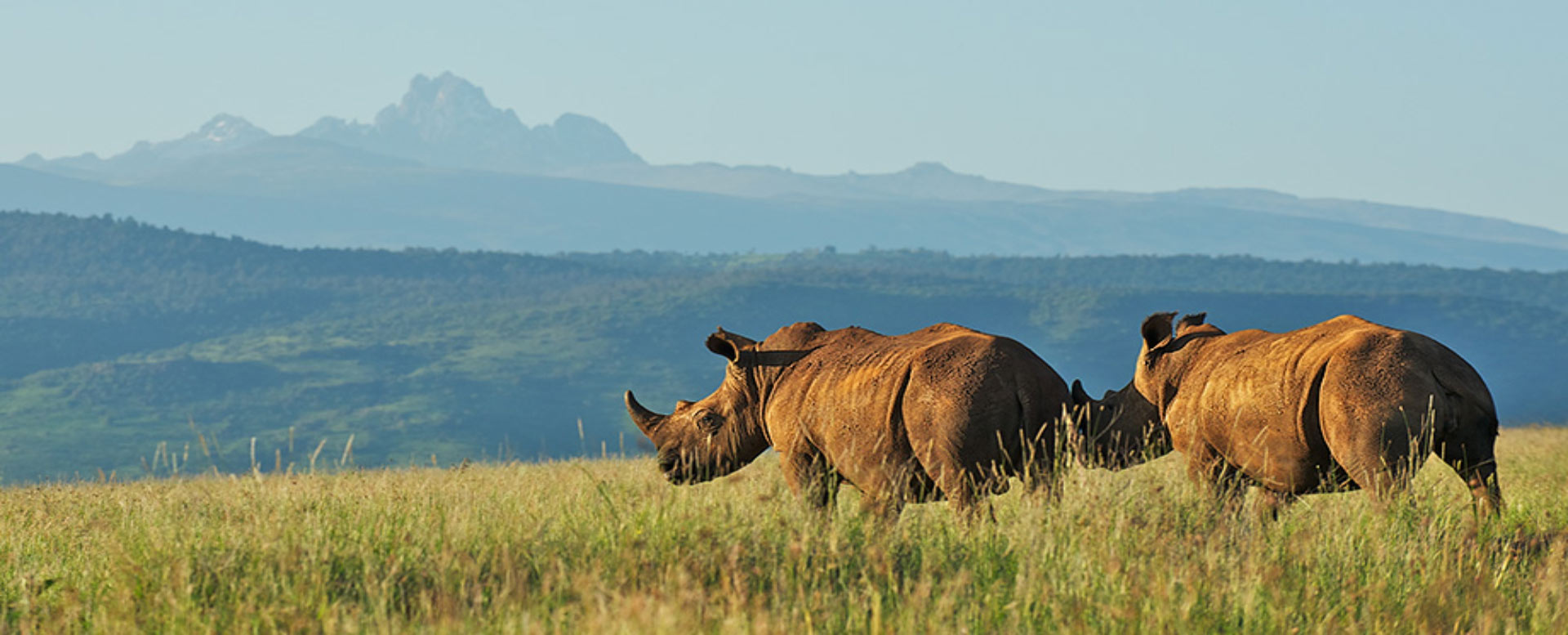
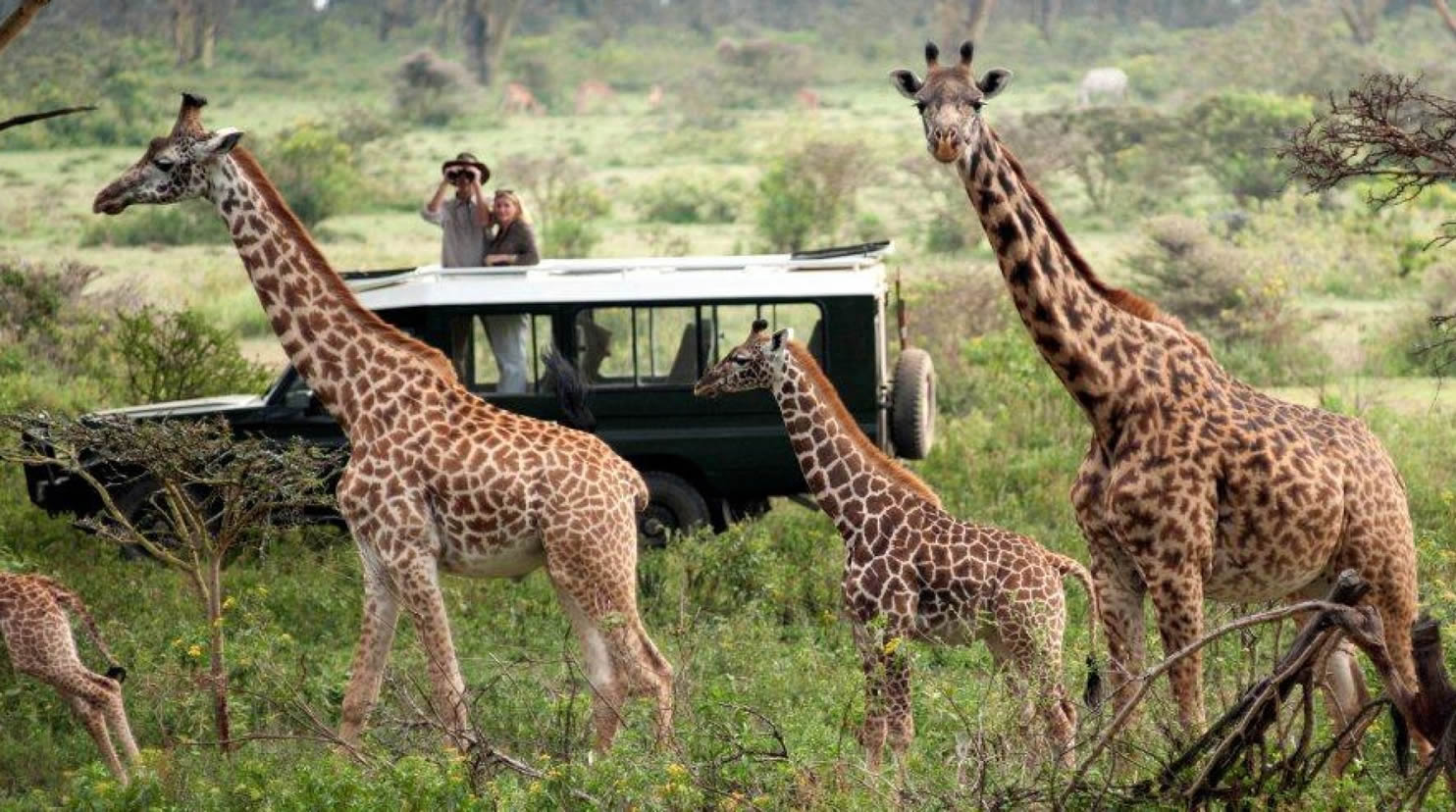
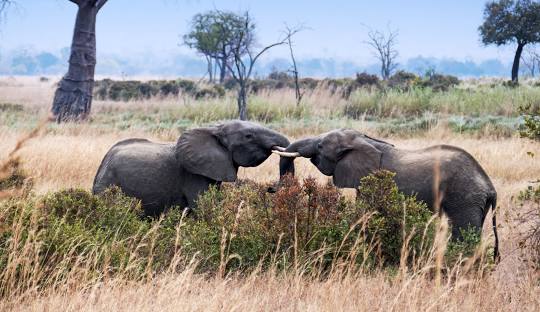
Rwanda and Tanzania Safari journeys bring together two of East Africa’s most extraordinary travel experiences: intimate encounters with mountain gorillas in Rwanda’s mist-covered forests and spectacular wildlife safaris across Tanzania’s legendary savannahs. This combination creates a remarkably diverse African adventure where rainforest trekking, primate encounters, Big Five game viewing, the Great Wildebeest Migration, dramatic volcanic landscapes and optional Indian Ocean relaxation can all become part of one carefully planned itinerary.
A Rwanda and Tanzania Safari can begin among the green hills and volcanic mountains of Rwanda, where travelers explore Kigali before continuing to Volcanoes National Park for mountain gorilla trekking. Those with additional time can include chimpanzee trekking in Nyungwe National Park or a wildlife safari in Akagera National Park before flying onward to Tanzania. Once in Tanzania, the experience changes completely as forested mountains give way to the vast plains of the Serengeti, the wildlife-rich floor of the Ngorongoro Crater and the baobab-dotted landscapes of Tarangire National Park.
At Boots in the Jungle Safaris, we design Rwanda and Tanzania Safari itineraries around the travel style, available time, interests and preferred accommodation level of every guest. Whether you are planning a luxury honeymoon, private family safari, photographic wildlife journey, gorilla trekking holiday or extended East African adventure, Rwanda and Tanzania can be combined into one seamless safari experience.
Why Choose a Rwanda and Tanzania Safari?
A Rwanda and Tanzania Safari is ideal for travelers who want considerably more than a traditional game-viewing holiday. Rwanda introduces the journey through forests, mountains, primates and intimate conservation experiences, while Tanzania adds some of Africa’s greatest concentrations of large mammals and immense open landscapes. Instead of spending an entire holiday doing similar game drives, travelers experience distinctly different ecosystems and activities as the journey moves from one destination to another.
Mountain gorilla trekking is one of the greatest reasons to begin the journey in Rwanda. Volcanoes National Park protects part of the Virunga Mountains, where guided trekking experiences allow visitors to enter the forest in search of habituated mountain gorilla families. Tanzania then offers an entirely different form of wildlife encounter. In the Serengeti, animals can be seen across enormous grasslands, while Ngorongoro provides concentrated game viewing within a spectacular volcanic setting.
The combination is also highly suitable for first-time visitors to Africa because it introduces several of the continent’s most celebrated experiences within one holiday. Travelers can photograph mountain gorillas in Rwanda, track chimpanzees through rainforest, watch lions and elephants on the Serengeti plains, descend into the Ngorongoro Crater and finish beside the warm waters of Zanzibar if they wish.
Mountain Gorilla Trekking on a Rwanda and Tanzania Safari
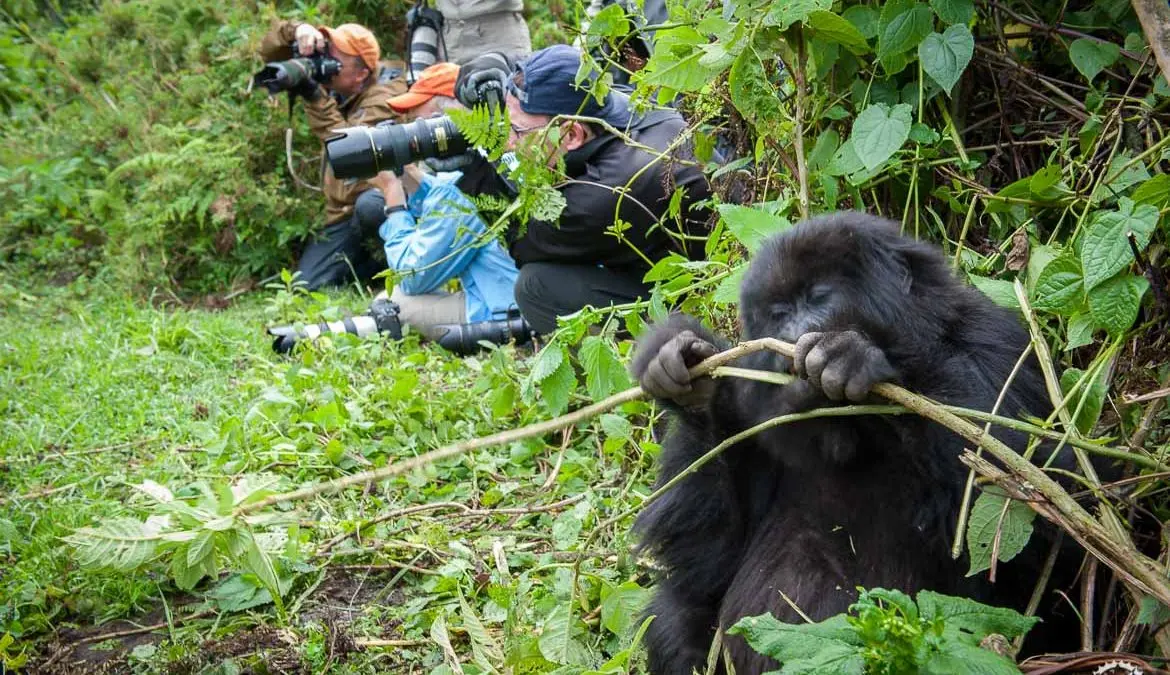
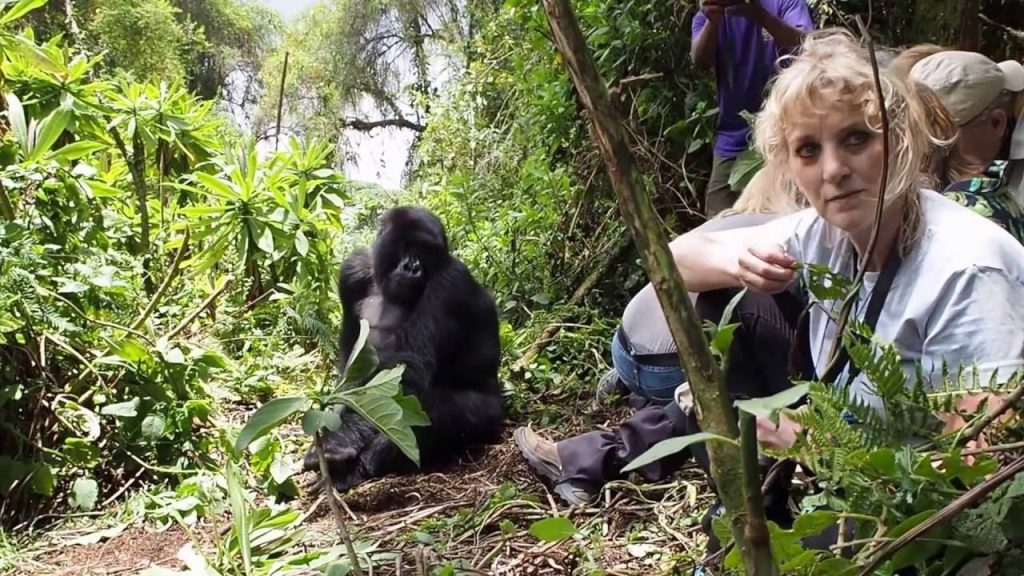
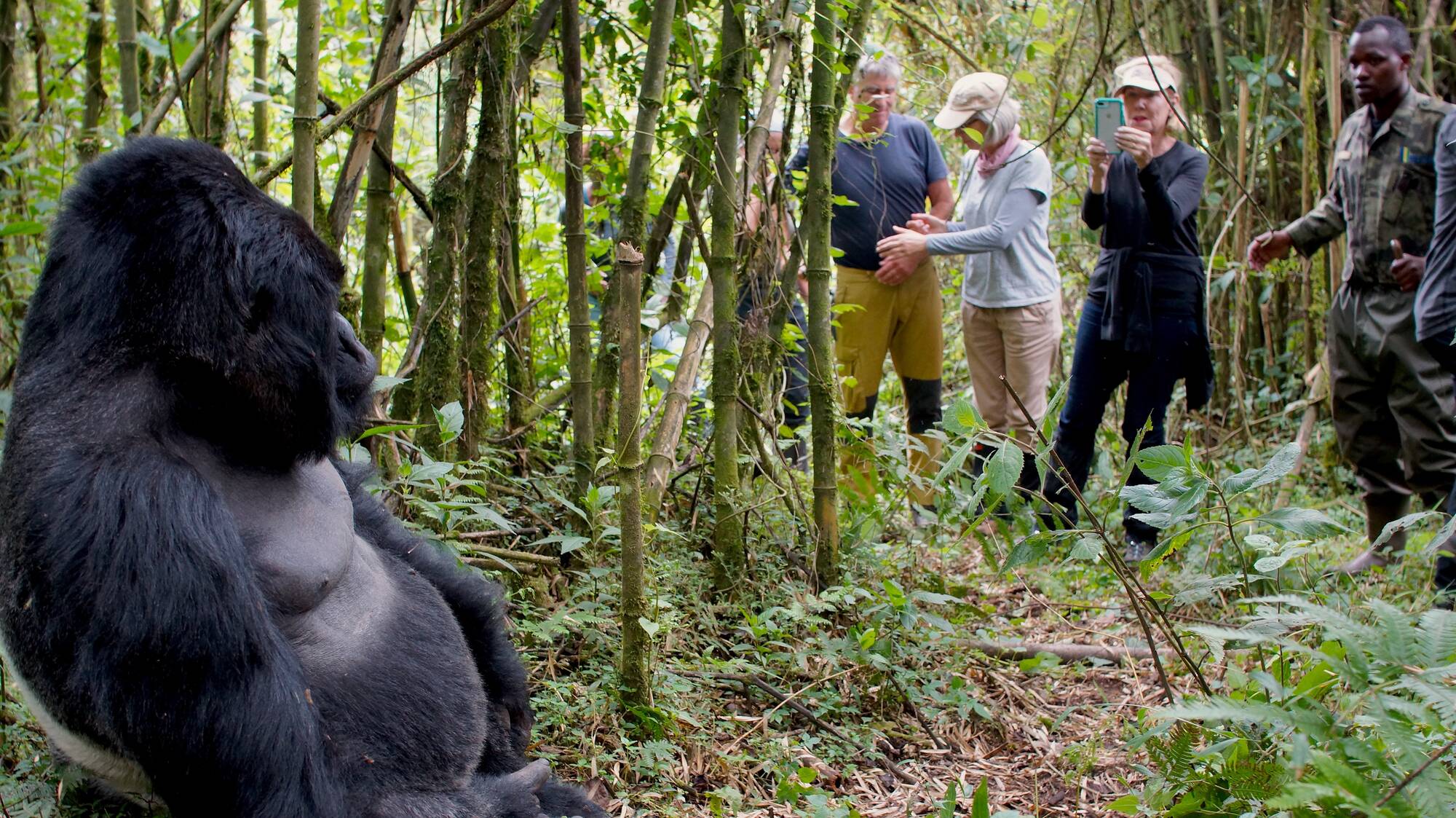
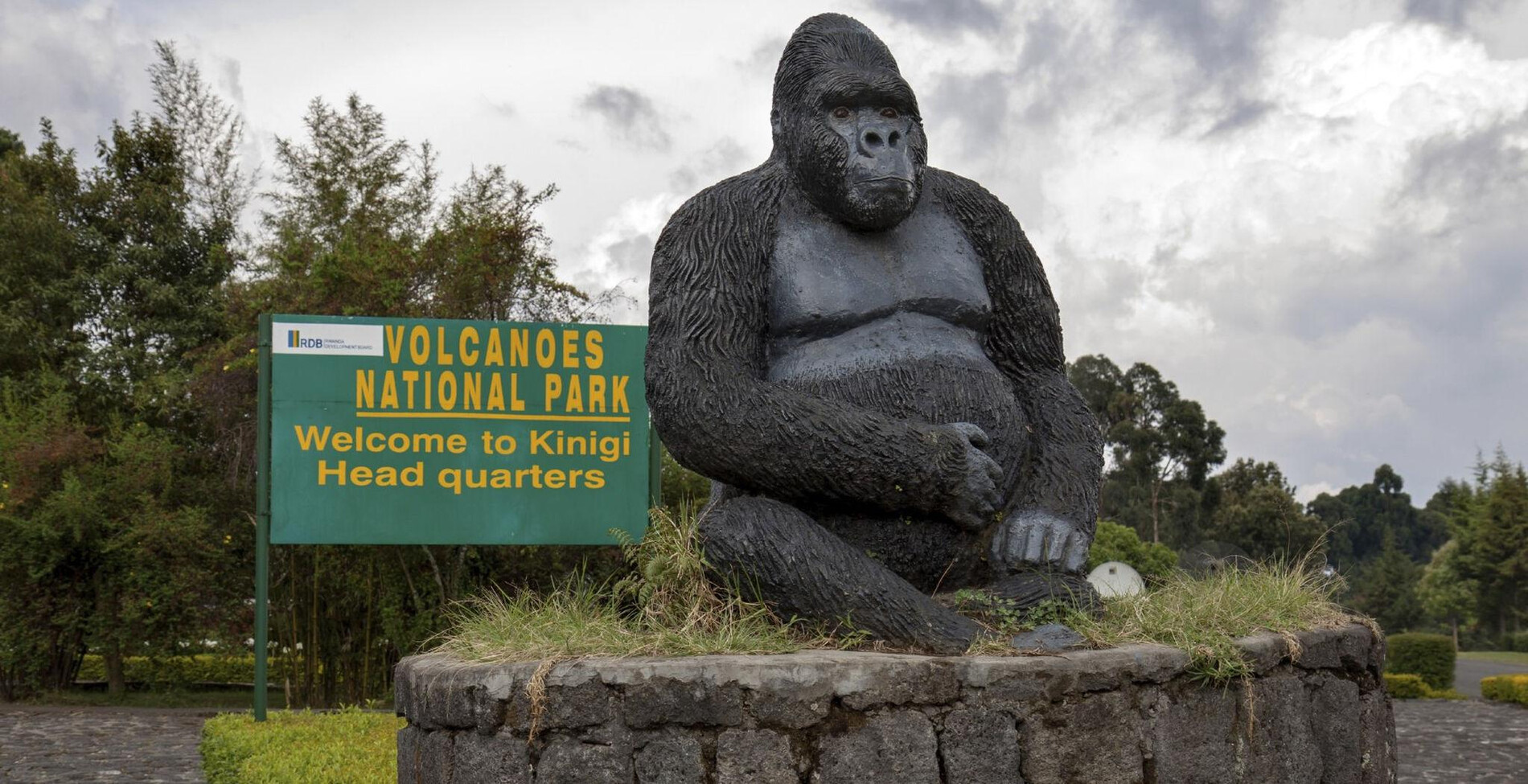
For many travelers, mountain gorilla trekking becomes the emotional highlight of a Rwanda and Tanzania Safari. The experience takes place in Volcanoes National Park in northwestern Rwanda, a beautiful landscape dominated by rainforest, bamboo forest and the peaks of the Virunga volcanoes.
The day normally begins early with a briefing before visitors are placed into trekking groups and assigned a habituated gorilla family. Accompanied by experienced guides, trackers and park rangers, guests enter the forest and follow signs of gorilla movement. Trekking conditions differ from day to day because the gorillas move naturally through their habitat, meaning some groups may be reached relatively quickly while others require a longer walk through mountainous terrain.
Reaching a gorilla family is a very different wildlife experience from watching animals from a safari vehicle. Visitors are on foot in the forest, sharing the environment with these remarkable primates while observing their social relationships and natural behavior under controlled park regulations. Silverbacks may rest close to members of their family while younger gorillas play among the vegetation and mothers care for infants.
Rwanda currently charges international visitors US$1,500 per person per day for a gorilla trekking permit, and advance reservation is highly recommended, particularly during popular travel periods. Gorilla trekking also has a minimum participation age of 15 years. For families traveling with younger children, we can design alternative activities while eligible family members undertake the gorilla trek.
Volcanoes National Park – The Primate Heart of Rwanda
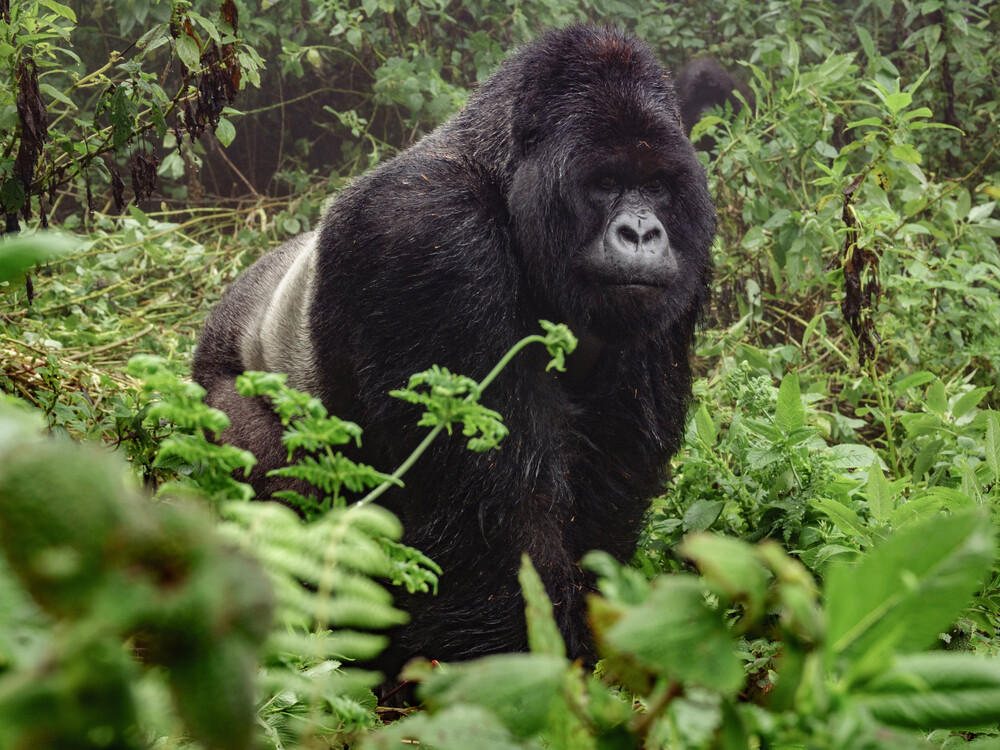
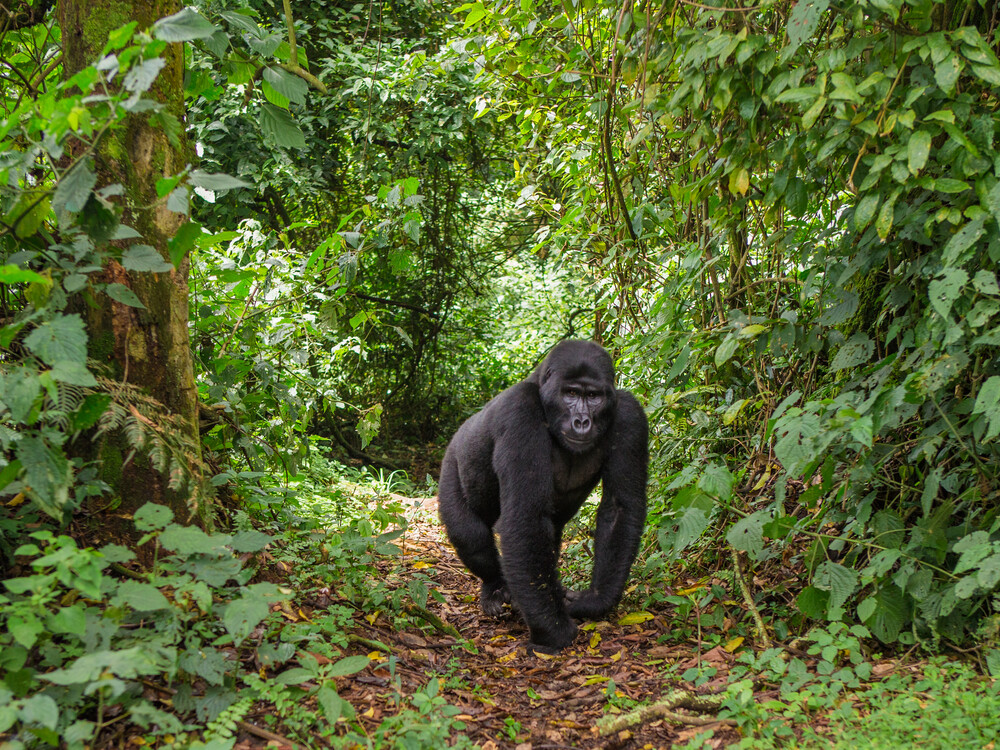
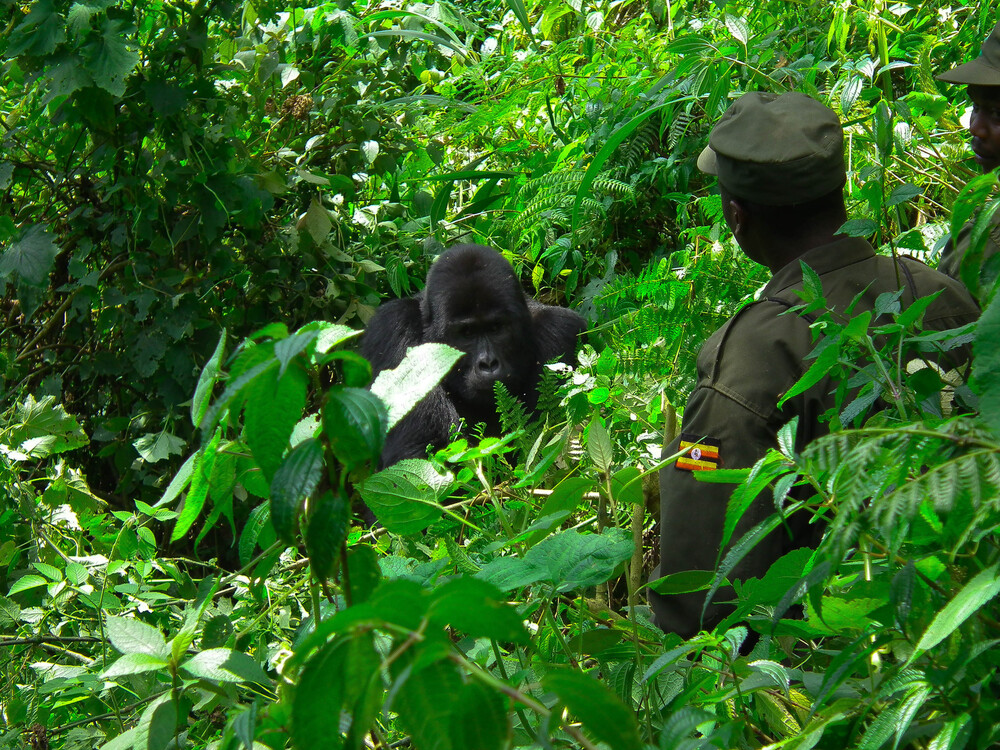
Volcanoes National Park deserves more than a rushed overnight visit when time allows. Beyond mountain gorilla trekking, the region provides golden monkey trekking, cultural experiences, scenic walks and opportunities to learn about Rwanda’s long history of primate conservation.
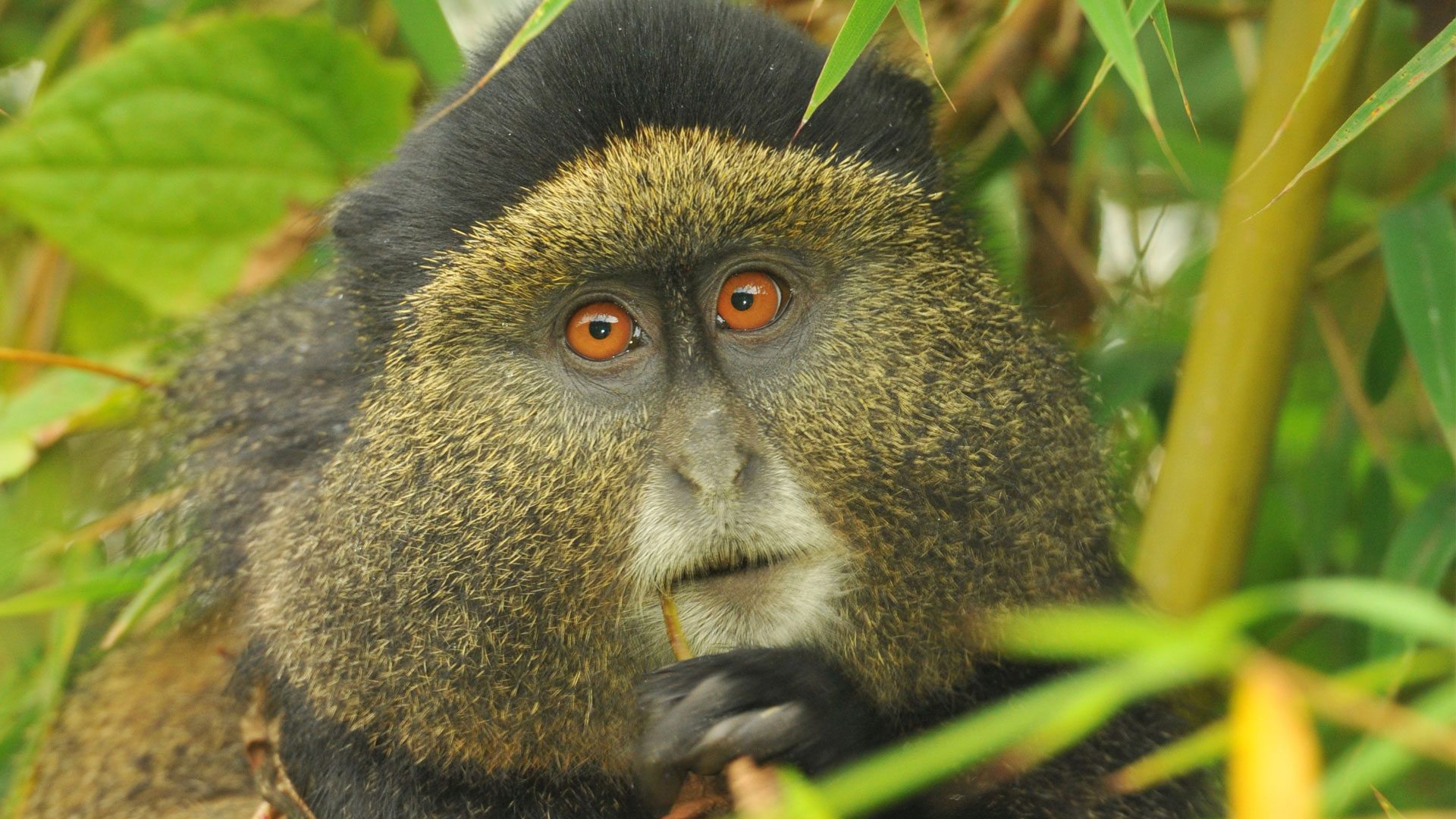
Golden monkey trekking can make an excellent second activity following the gorilla encounter. These active primates live in the bamboo forests of the Virunga region and create a faster-moving trekking experience. Travelers interested in conservation can also incorporate visits to institutions and projects associated with the protection and study of mountain gorillas.
The surrounding Musanze and Kinigi areas offer accommodation ranging from comfortable guesthouses and boutique properties to some of Africa’s most exclusive gorilla lodges. This allows us to design a Rwanda and Tanzania Safari for different budgets without changing the essential wildlife experiences.
For luxury travelers, staying close to Volcanoes National Park also creates opportunities for slower mornings, private dining, spa treatments and panoramic views across Rwanda’s volcanic countryside before continuing toward Tanzania.
Chimpanzee Trekking in Nyungwe National Park
Travelers with additional time can make their Rwanda and Tanzania Safari even richer by adding chimpanzee trekking in Nyungwe National Park. This creates an exceptional primate-focused beginning to the journey because guests can encounter both chimpanzees and mountain gorillas before continuing to Tanzania for classic savannah wildlife.
Nyungwe is a mountainous rainforest in southwestern Rwanda with an extraordinary variety of primates, birds and forest habitats. Chimpanzee trekking generally begins early, allowing trackers to locate habituated chimpanzee communities as they move through the forest. Unlike mountain gorillas, chimpanzees can move quickly through trees and across the forest floor, giving the experience a lively and sometimes unpredictable character.
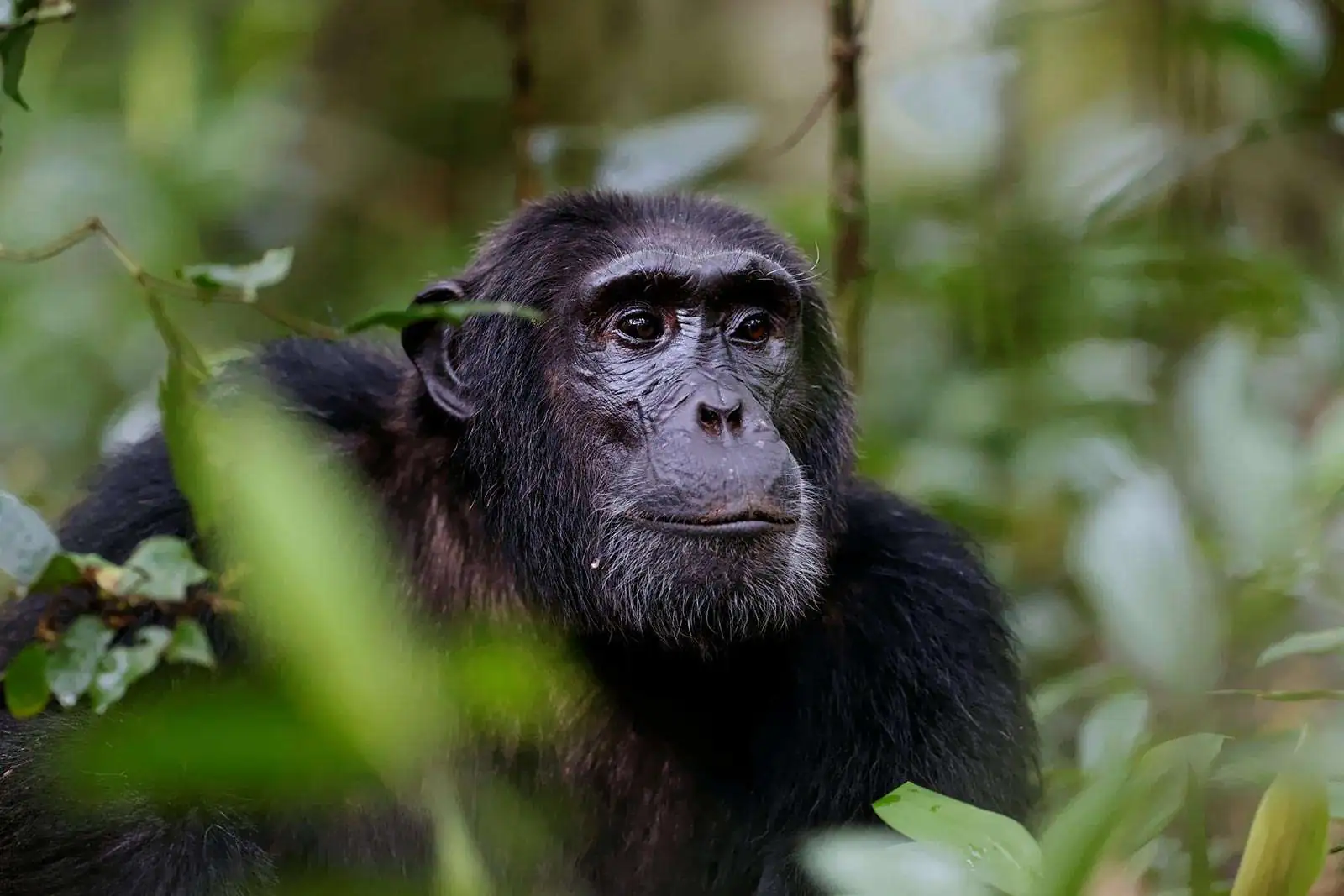
The famous canopy walkway can also be included while visiting Nyungwe, giving travelers a completely different perspective over the forest. Rwanda’s official tourism itineraries currently combine chimpanzee trekking, the canopy walkway, gorilla trekking and other primate experiences, making this a natural extension for visitors wanting a deeper Rwanda journey.
A longer Rwanda and Tanzania Safari can therefore progress beautifully from chimpanzees in Nyungwe to mountain gorillas in Volcanoes National Park and finally to lions, elephants, cheetahs, giraffes, wildebeest and other wildlife across Tanzania.
Akagera National Park and Rwanda Wildlife Safaris
Although Tanzania will normally provide the largest savannah component of the trip, travelers wanting to explore Rwanda more completely can include Akagera National Park before continuing south toward Tanzania.
Akagera presents another side of Rwanda. Its landscapes include open plains, woodland, wetlands and lakes, providing a striking contrast with the rainforests of Nyungwe and the volcanic terrain around Volcanoes National Park. Game drives and boat experiences can be incorporated into a longer Rwanda itinerary.
Adding Akagera is particularly worthwhile for travelers who have enough time for approximately two weeks or more. It creates a gradual transition from Rwanda’s forest ecosystems toward the much larger savannah landscapes awaiting in Tanzania while allowing guests to appreciate how remarkably diverse Rwanda is despite its relatively compact size.
Flying from Rwanda to Tanzania
One of the major advantages of combining these two countries is that the itinerary can be arranged efficiently using regional air connections. Instead of returning home after the Rwanda section, travelers can continue from Kigali toward Tanzania and begin the next stage of the safari.
For Tanzania’s northern circuit, Kilimanjaro International Airport and Arusha are common gateways. Depending on available schedules and the final itinerary, we can organize connections that position travelers conveniently for Tarangire, Ngorongoro, Lake Manyara or the Serengeti.
The direction of travel can also be reversed. Some guests prefer beginning with Tanzania’s open plains and finishing the journey with the intimate experience of mountain gorilla trekking in Rwanda. Both arrangements work well, although beginning in Rwanda creates a particularly dramatic progression from densely forested mountains to the vast open spaces of the Serengeti.
Boots in the Jungle Safaris coordinates the transfers, regional flights, accommodation and ground safari arrangements so that the transition between Rwanda and Tanzania feels like one continuous journey.
Tanzania Safari Experience
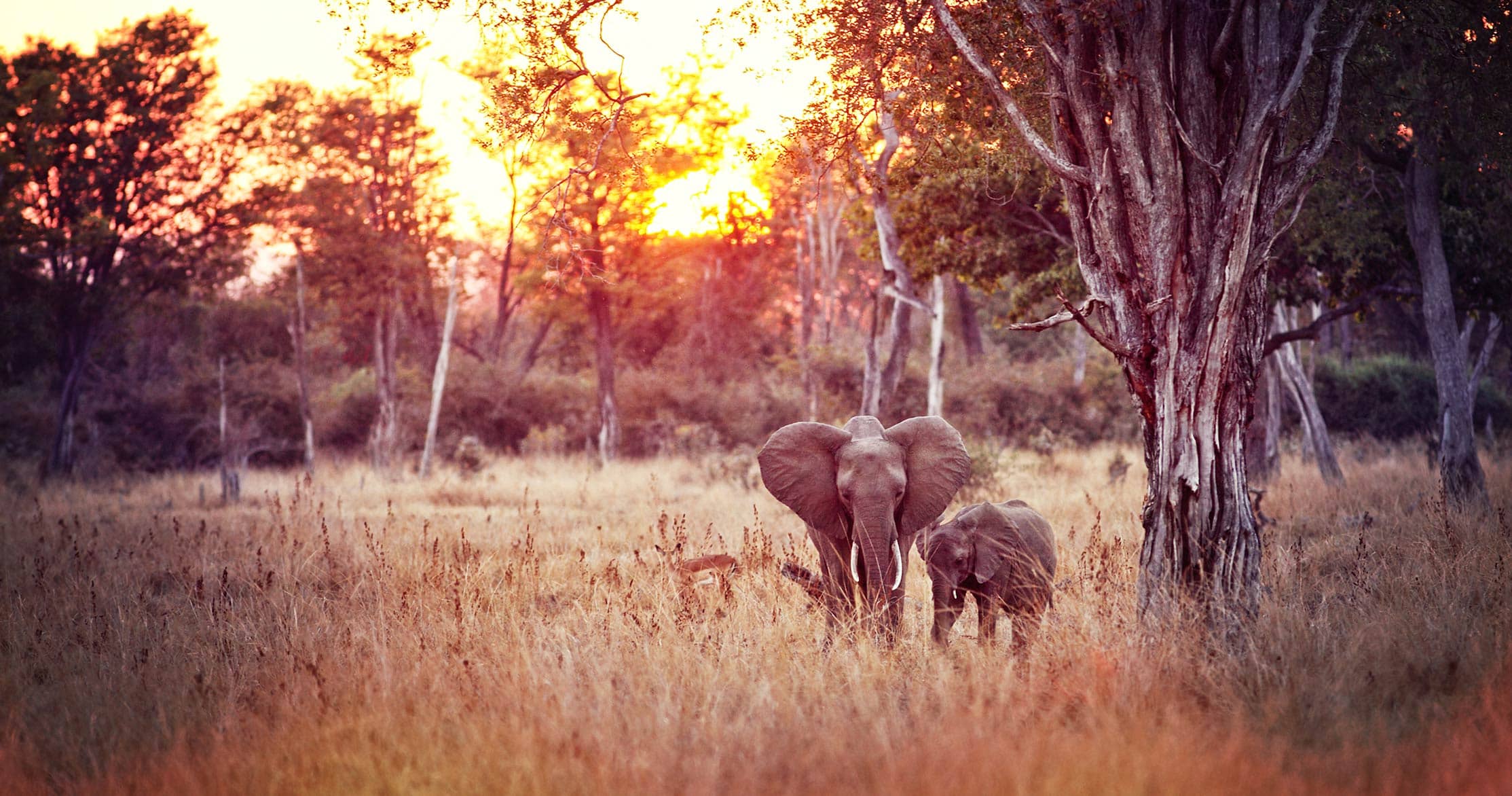
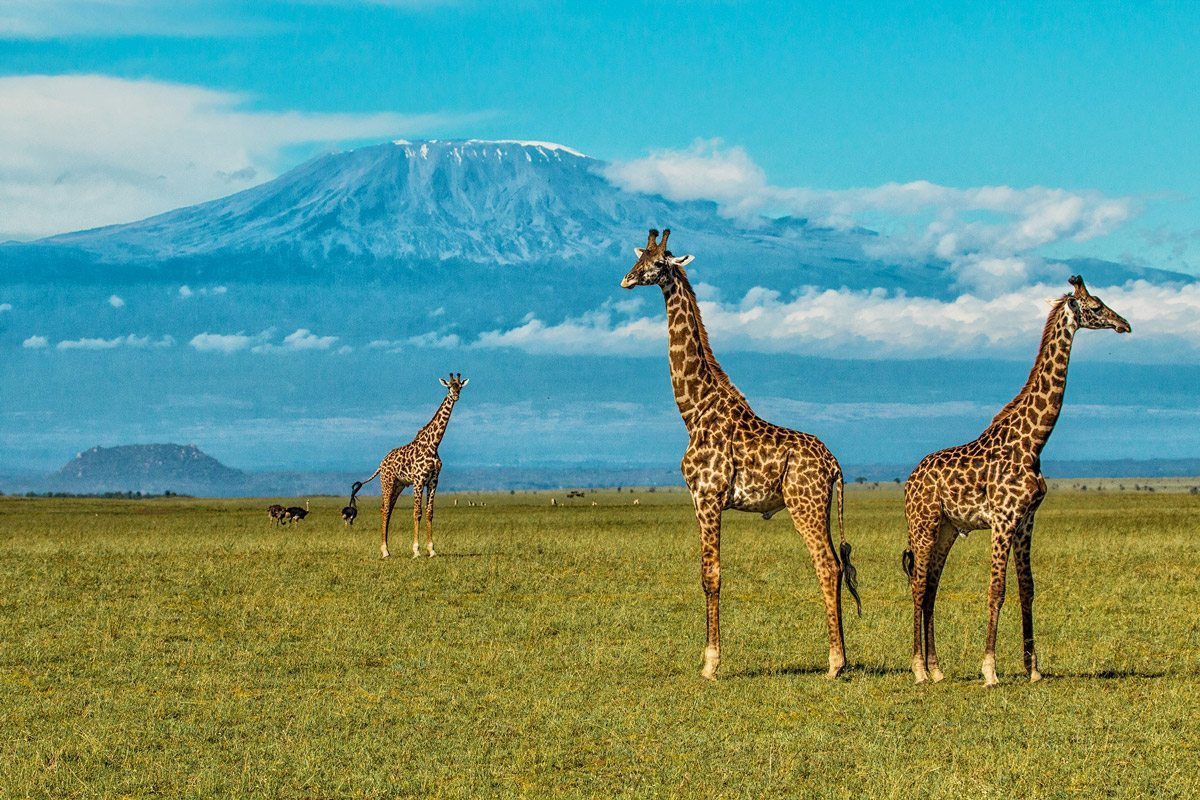
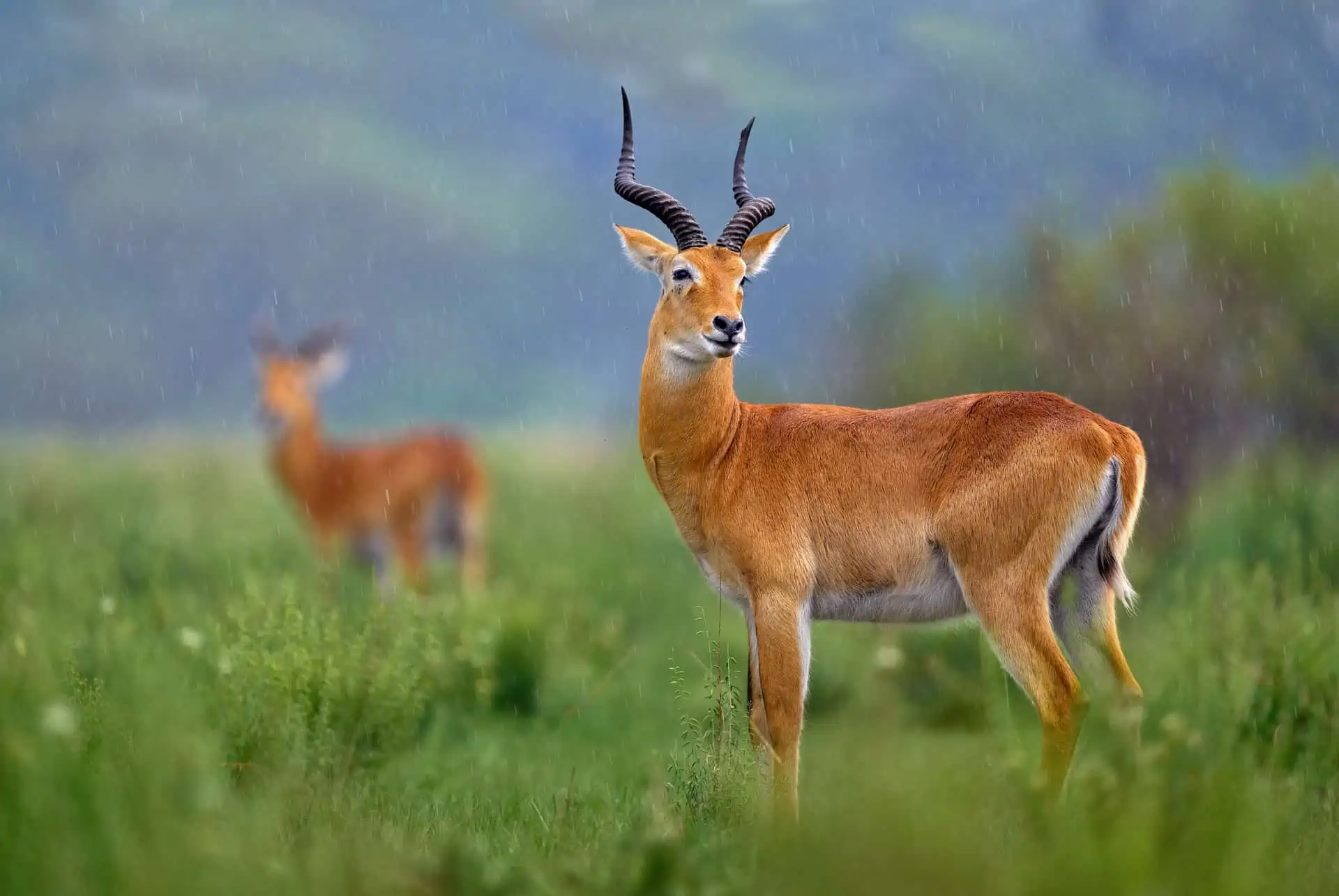
After Rwanda’s green mountains and primate forests, arriving in Tanzania brings an exciting change in landscape and wildlife. Tanzania is one of the great traditional safari destinations of Africa, with enormous protected areas and some of the continent’s best-known wildlife ecosystems.
The northern safari circuit is particularly suitable for a Rwanda and Tanzania Safari because it links Tarangire National Park, the Ngorongoro Conservation Area and Serengeti National Park into an efficient route. Tanzania’s official tourism information identifies these destinations among the signature experiences of the northern circuit.
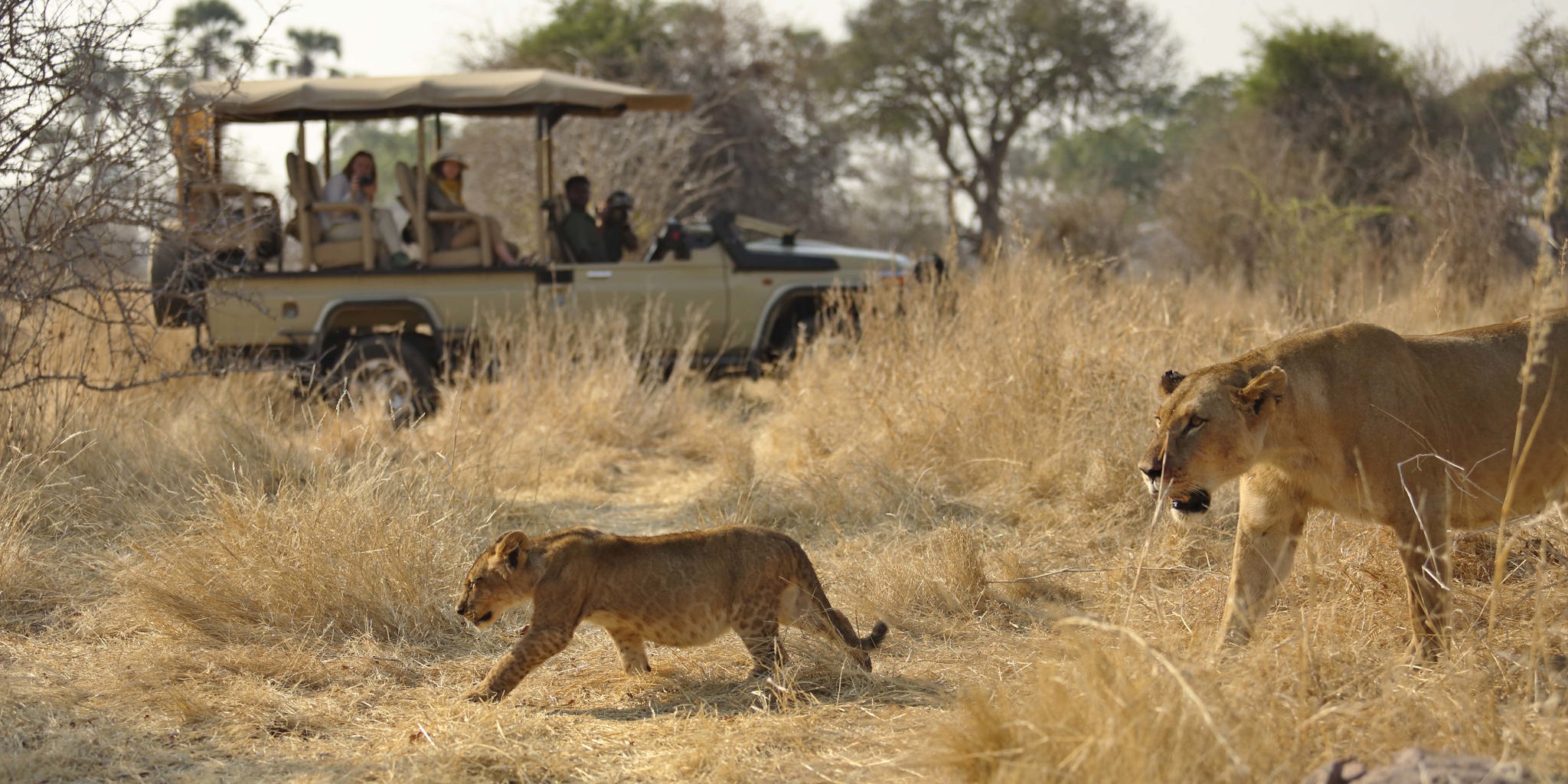
Game drives are normally conducted in customized 4×4 safari vehicles with experienced driver-guides. The safari is paced around wildlife activity rather than simply driving between lodges. Early mornings and late afternoons can provide excellent opportunities for predators and photography, while full-day game drives allow travelers to explore deeper into the parks.
Serengeti National Park – Heart of the Tanzania Safari
No Rwanda and Tanzania Safari feels complete without considering the Serengeti National Park. Its name has become almost synonymous with African safari travel, and the scale of the landscape becomes immediately apparent when travelers enter its sweeping grasslands.
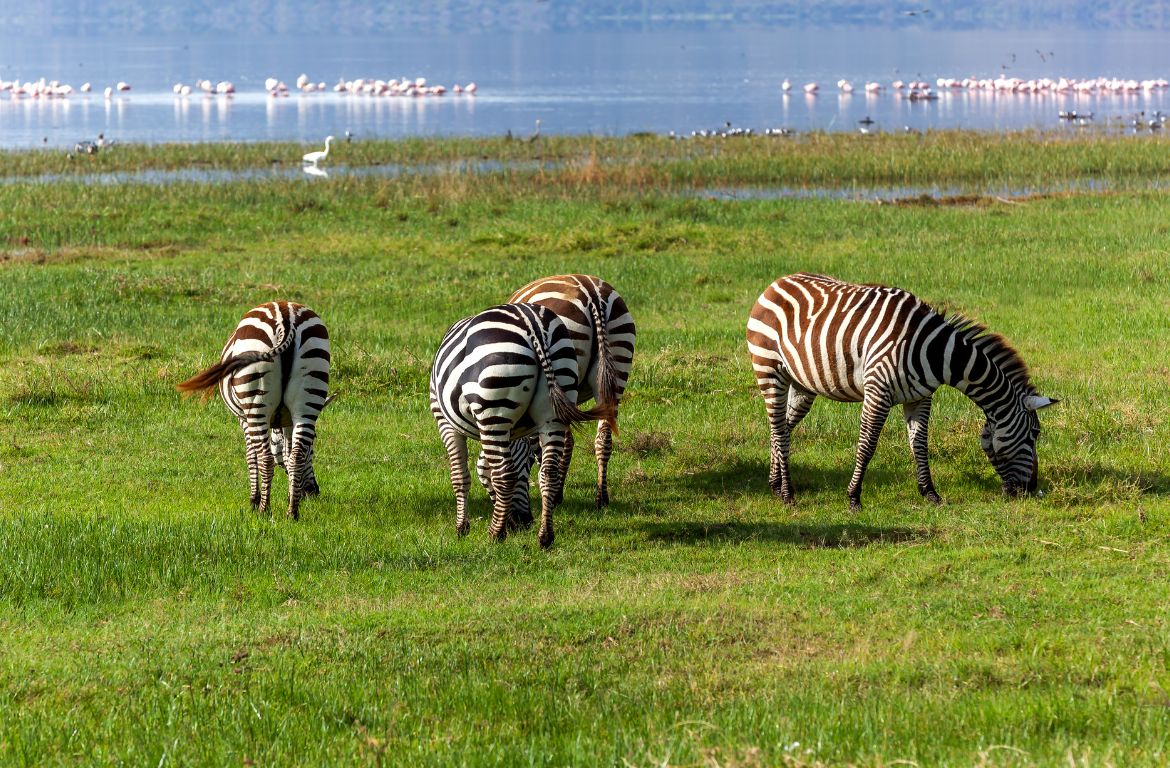
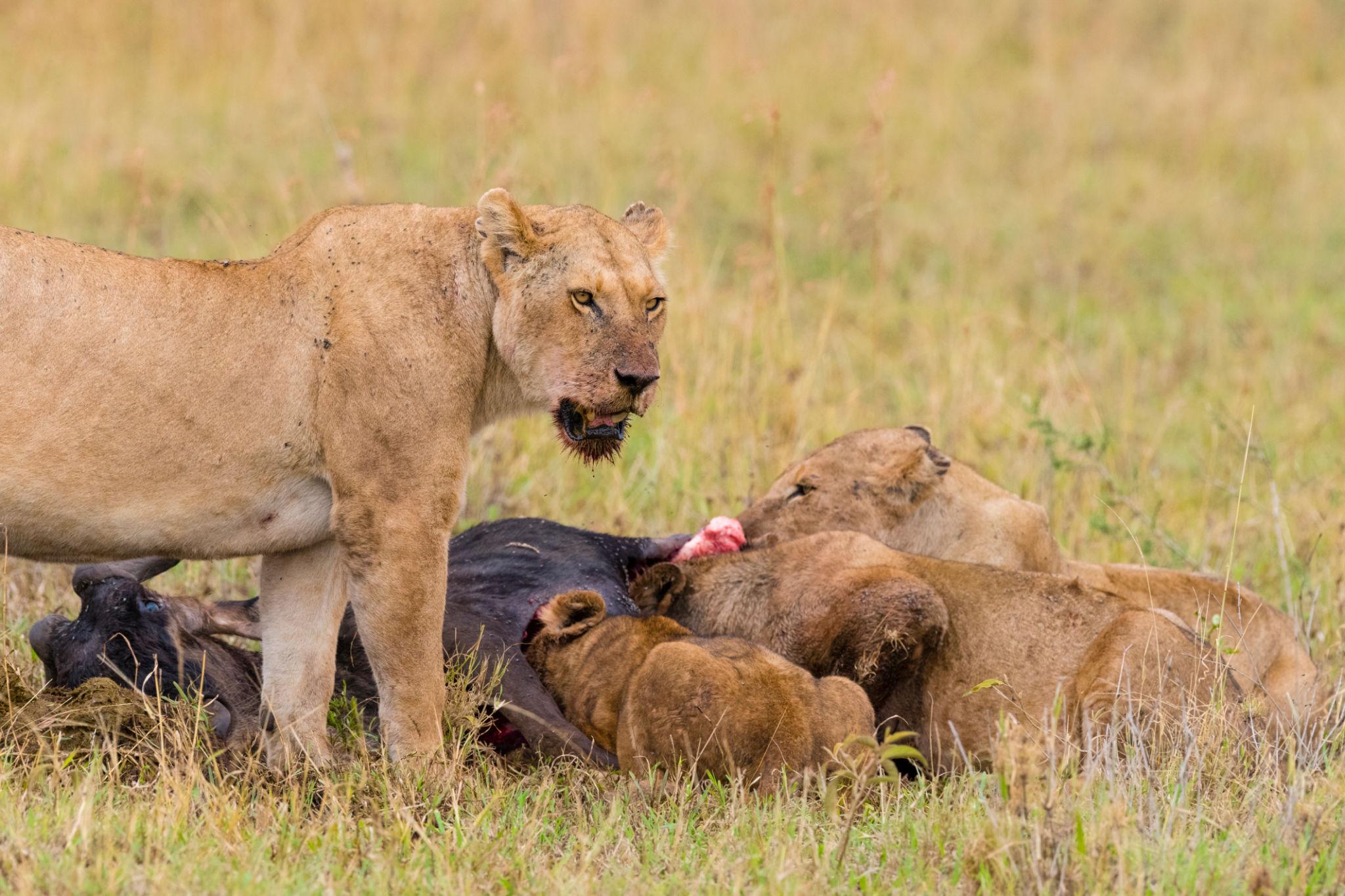
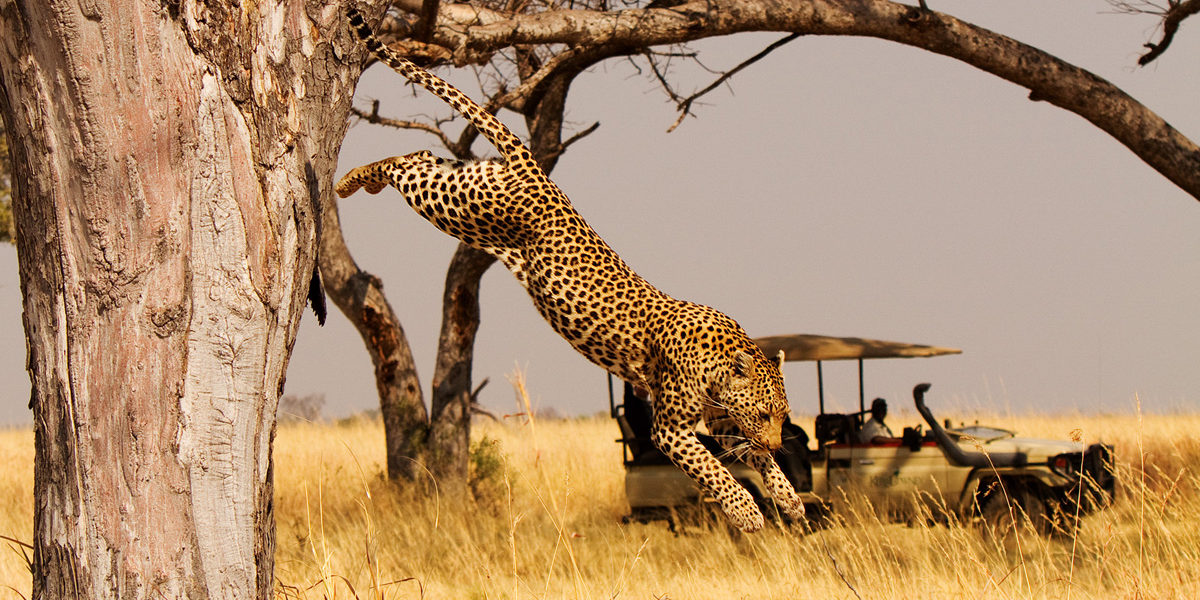
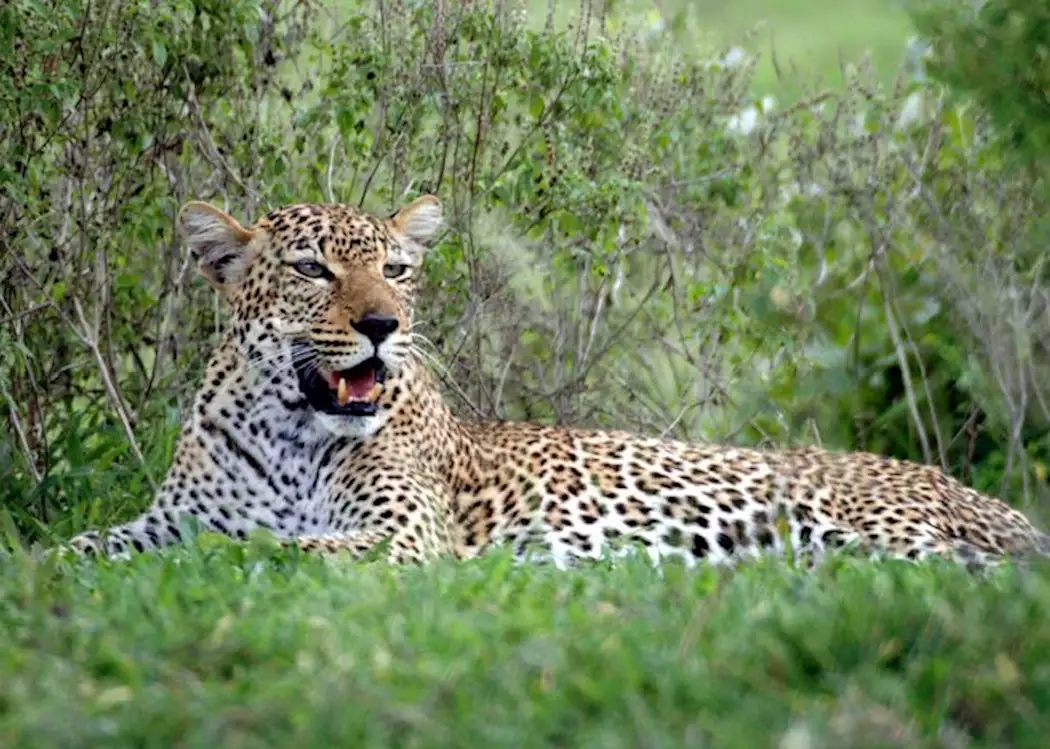
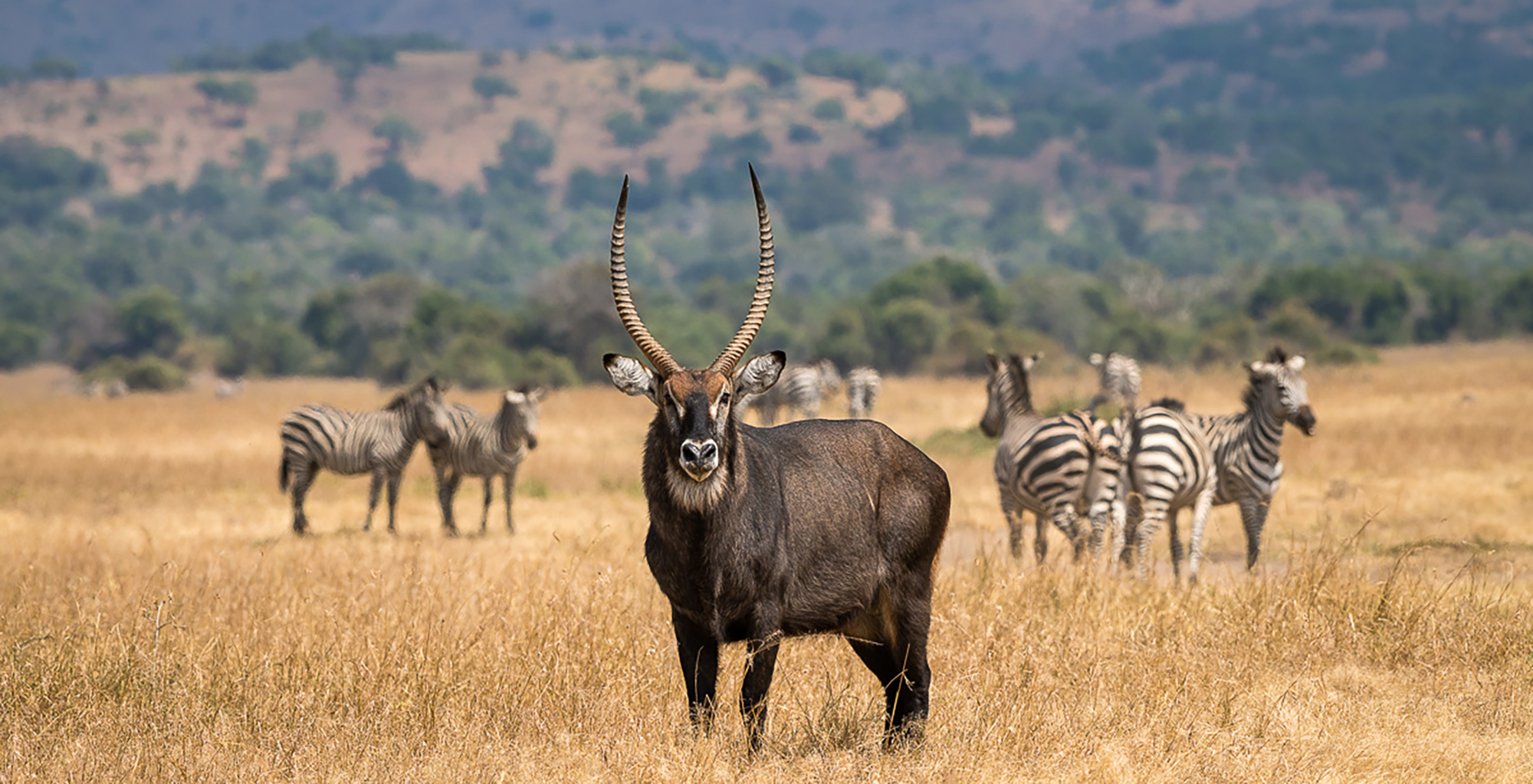
The Serengeti supports an extraordinary variety of wildlife. Lions are among its most famous predators, while cheetahs can often be associated with open plains where visibility supports their hunting style. Leopards may be encountered around woodland and rocky areas, while elephants, giraffes, buffaloes, zebras, gazelles and many other species occupy different parts of the ecosystem.
The Serengeti is also central to the annual movement of huge numbers of wildebeest and zebras through the greater Serengeti ecosystem. The exact location of the herds changes with rainfall, grazing conditions and the natural movement cycle, which is why choosing the correct area of the Serengeti is extremely important when planning a Great Migration safari.
Tanzania’s official tourism information continues to highlight the Serengeti as the setting of the great annual movement of wildebeest and zebra across the ecosystem. Our itinerary planning therefore considers both the travel month and wildlife priorities rather than automatically placing every guest in the same part of the national park.
Great Wildebeest Migration on a Rwanda and Tanzania Safari
Combining gorilla trekking with the Great Wildebeest Migration creates one of the most remarkable wildlife journeys possible in Africa. Within the same holiday, travelers can walk through a mountain rainforest searching for gorillas and later stand on the Serengeti plains watching enormous herds moving across the savannah.
The migration should be understood as a continuous ecological movement rather than a single event. Different stages take place in different parts of the Serengeti ecosystem throughout the year. During the early part of the year, large numbers of wildebeest are generally associated with the southern Serengeti and Ndutu region during the calving period. As seasonal conditions change, the herds gradually move through other parts of the ecosystem.
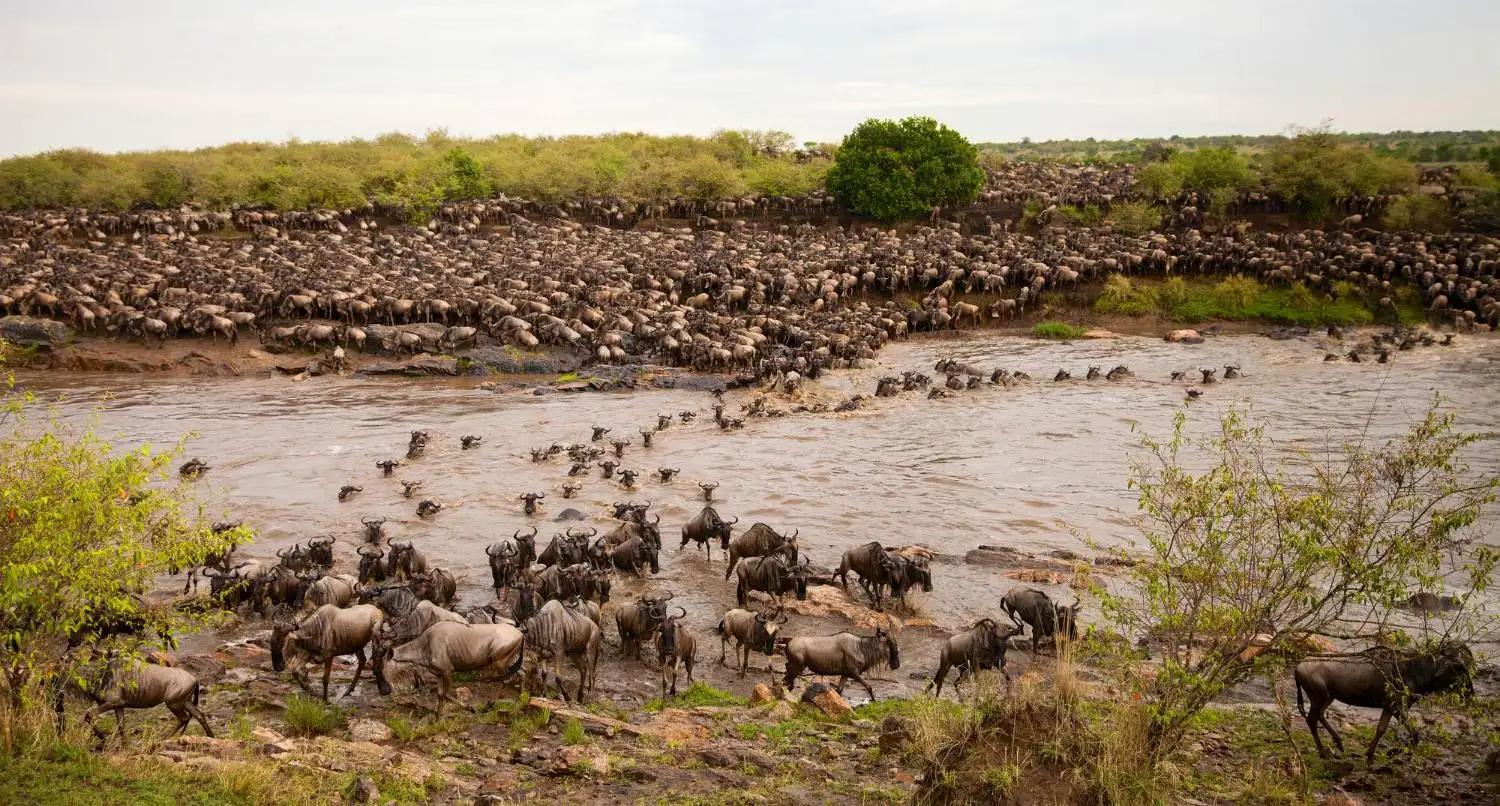
During portions of the dry season, many travelers focus on northern Serengeti because of the possibility of seeing dramatic river crossings. However, wildlife remains wild and neither crossing times nor exact herd locations can ever be guaranteed. A professionally planned safari instead selects the area with the strongest seasonal potential for the intended travel dates.
A Rwanda and Tanzania Safari focused on the Great Migration therefore benefits greatly from flexible itinerary design. Rather than using one permanent Serengeti camp throughout the year, we can recommend properties positioned around the region most suitable for the expected seasonal movement.
Ngorongoro Crater Safari
From the Serengeti, many journeys continue toward the Ngorongoro Conservation Area, where travelers encounter one of East Africa’s most recognizable landscapes. The massive volcanic crater creates a natural wildlife viewing environment surrounded by steep crater walls.
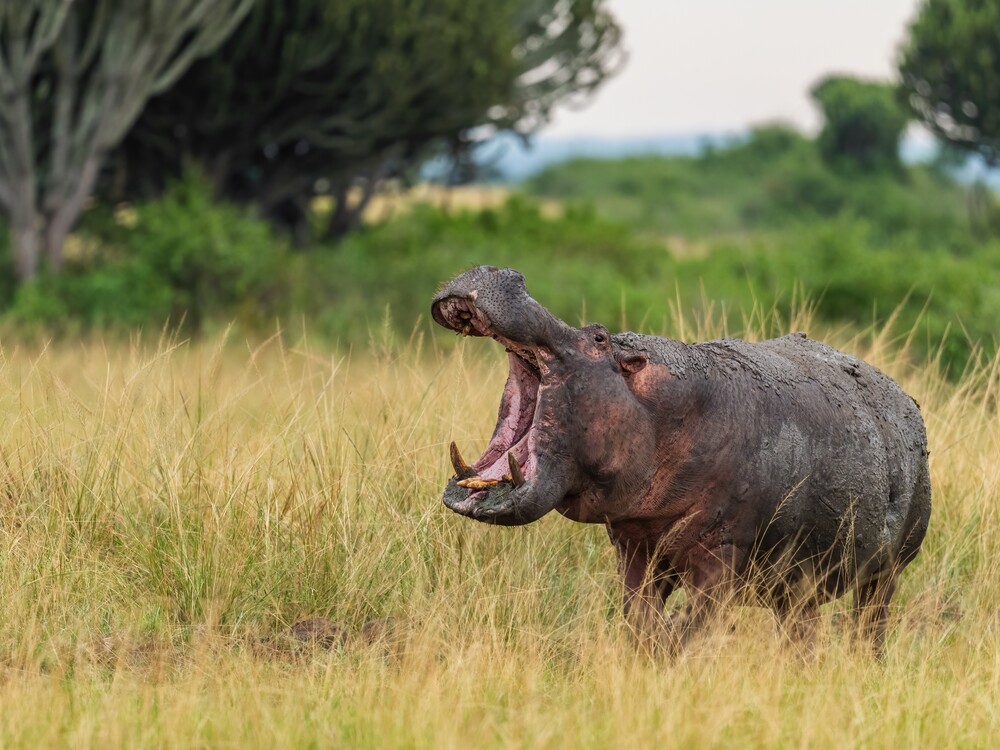
Descending into the Ngorongoro Crater early in the morning introduces travelers to grasslands, wetlands and other habitats supporting a remarkable variety of animals. Lions, buffaloes, zebras, wildebeest, hippos and other species can potentially be encountered during a crater game drive, while the wider conservation area also provides extraordinary scenery.
Ngorongoro works especially well after several nights in the Serengeti because the environment feels very different despite being part of the same northern Tanzania safari circuit. This constant variation is one reason a Rwanda and Tanzania Safari remains engaging throughout a longer itinerary.
The experience also connects naturally with Tarangire and Arusha, making Ngorongoro an important geographical bridge when arranging the Tanzania portion of the journey.
Tarangire National Park
Tarangire National Park is another valuable addition, particularly for travelers spending several nights on Tanzania’s northern circuit. The park is famous for dramatic baobab-dominated landscapes and significant elephant viewing, creating yet another environment that looks and feels different from the Serengeti.
During the drier months, wildlife can concentrate around dependable water sources, creating productive game-viewing opportunities. Elephants are often an important part of the Tarangire experience, but visitors may also encounter giraffes, zebras, buffaloes, antelopes and predators.
Tanzania’s tourism authority specifically highlights Tarangire’s elephant herds and baobab landscapes alongside the Serengeti and Ngorongoro as important elements of the northern safari circuit.
A typical Rwanda and Tanzania Safari may therefore move from Kigali to Volcanoes National Park, onward to Tanzania, then through Tarangire, Ngorongoro and Serengeti before finishing in Arusha or flying to Zanzibar.
Add Zanzibar to Your Rwanda and Tanzania Safari
For travelers with approximately two weeks or more, Zanzibar makes an excellent final chapter. After trekking through forests and spending several days on dusty safari roads, arriving beside the Indian Ocean provides a completely different pace.
Zanzibar offers tropical beaches, warm coastal scenery, Swahili culture and the historical atmosphere of Stone Town. Travelers can choose simply to relax at a beach resort or combine beach time with cultural and coastal activities.
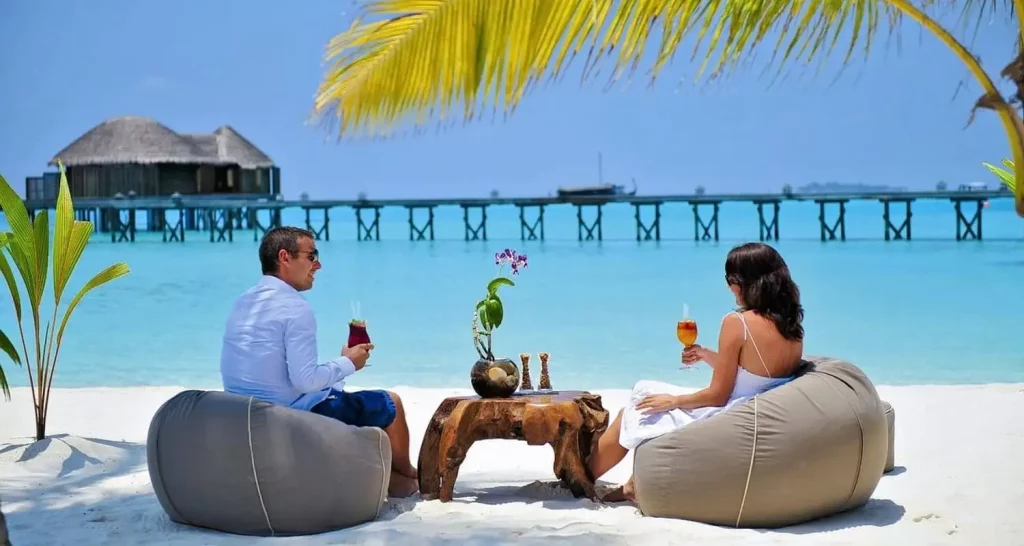
The contrast is especially attractive for honeymooners. A journey might begin with luxury accommodation in Rwanda, continue with mountain gorilla trekking, progress to elegant tented camps in the Serengeti and finish at a private beach resort in Zanzibar.
Families can also benefit from the change of pace because several relaxing days on the coast create time to unwind after the more structured schedule of trekking and wildlife drives. Tanzania’s official tourism board itself promotes safari-and-Zanzibar combinations as a natural way of combining game viewing with the coast.
Best Time for a Rwanda and Tanzania Safari
A Rwanda and Tanzania Safari can be arranged throughout the year, but the best travel period depends strongly on what you most want to experience.
Mountain gorilla trekking takes place throughout the year in Rwanda. The generally drier periods can make some forest trails more manageable, although rainforest conditions mean rain remains possible at any time. Wetter periods can bring greener landscapes and sometimes fewer visitors, making them attractive to travelers comfortable with potentially muddy trekking conditions.
Tanzania also provides year-round wildlife viewing, although seasonal patterns influence vegetation, animal movement and the Great Migration. Travelers specifically interested in migration river crossings usually plan differently from those interested in calving season, general Big Five wildlife, birding or quieter green-season safaris.
Rather than recommending one month for every traveler, Boots in the Jungle Safaris designs the route around the intended experience. A honeymoon couple seeking luxury and fewer crowds may require a different season and camp selection from a photographer specifically targeting migration activity.
How Many Days Do You Need for Rwanda and Tanzania?
The ideal Rwanda and Tanzania Safari usually requires at least 9 to 10 days, although 12 to 15 days creates a much more relaxed and complete journey.
A shorter itinerary may spend the opening days in Kigali and Volcanoes National Park for gorilla trekking before flying into Tanzania for Ngorongoro and Serengeti. This approach works for travelers whose priority is combining the two headline experiences: mountain gorillas and classic Tanzania wildlife.
With approximately 12 days, Tarangire can be included and additional nights can be spent in the Serengeti. The slower pace improves wildlife viewing because travelers are not constantly changing accommodation.
With approximately 14 or 15 days, Nyungwe chimpanzee trekking or Zanzibar can become part of the journey. Travelers with even more time can incorporate Akagera National Park, Lake Kivu, additional Serengeti regions or a longer Zanzibar stay.
10-Day Rwanda and Tanzania Safari
A well-designed 10-day Rwanda and Tanzania Safari can concentrate on the essential highlights. The journey can begin in Kigali, followed by transfer to Volcanoes National Park and mountain gorilla trekking. After returning toward Kigali, guests fly into Tanzania and continue toward the northern safari circuit.
The Tanzania section can include Ngorongoro and several nights in Serengeti National Park, allowing enough time for meaningful game drives without making the journey excessively long.
This option works particularly well for travelers with limited holiday time who still want two dramatically different wildlife experiences within one East African trip.
12-Day Rwanda and Tanzania Safari
A 12-day Rwanda and Tanzania Safari provides more breathing space and is one of our preferred lengths for first-time visitors. Rwanda can include Kigali, Volcanoes National Park, gorilla trekking and an additional experience such as golden monkey trekking or a cultural visit.
In Tanzania, Tarangire can be added before continuing through Ngorongoro to the Serengeti. Additional Serengeti nights allow guests to explore wildlife areas more thoroughly rather than treating the national park as a quick stop.
Depending on flight schedules, the itinerary can conclude in Arusha or connect directly toward Zanzibar for travelers adding a separate beach extension.
14-Day Rwanda and Tanzania Safari with Gorillas, Chimpanzees and Serengeti
Travelers wanting the strongest primate-and-wildlife combination should consider approximately 14 days. The Rwanda section can begin in Kigali before continuing south toward Nyungwe National Park for chimpanzee trekking. Guests then travel through Rwanda’s scenic countryside toward Volcanoes National Park for mountain gorilla trekking.
After completing Rwanda, the journey continues into Tanzania for Tarangire, Ngorongoro and the Serengeti. This produces an extraordinary progression of wildlife experiences: chimpanzees, mountain gorillas, elephants, lions, giraffes, wildebeest and numerous other species within a single holiday.
For travelers who can extend beyond two weeks, several nights in Zanzibar can be added without rushing the main safari.
Luxury Rwanda and Tanzania Safari
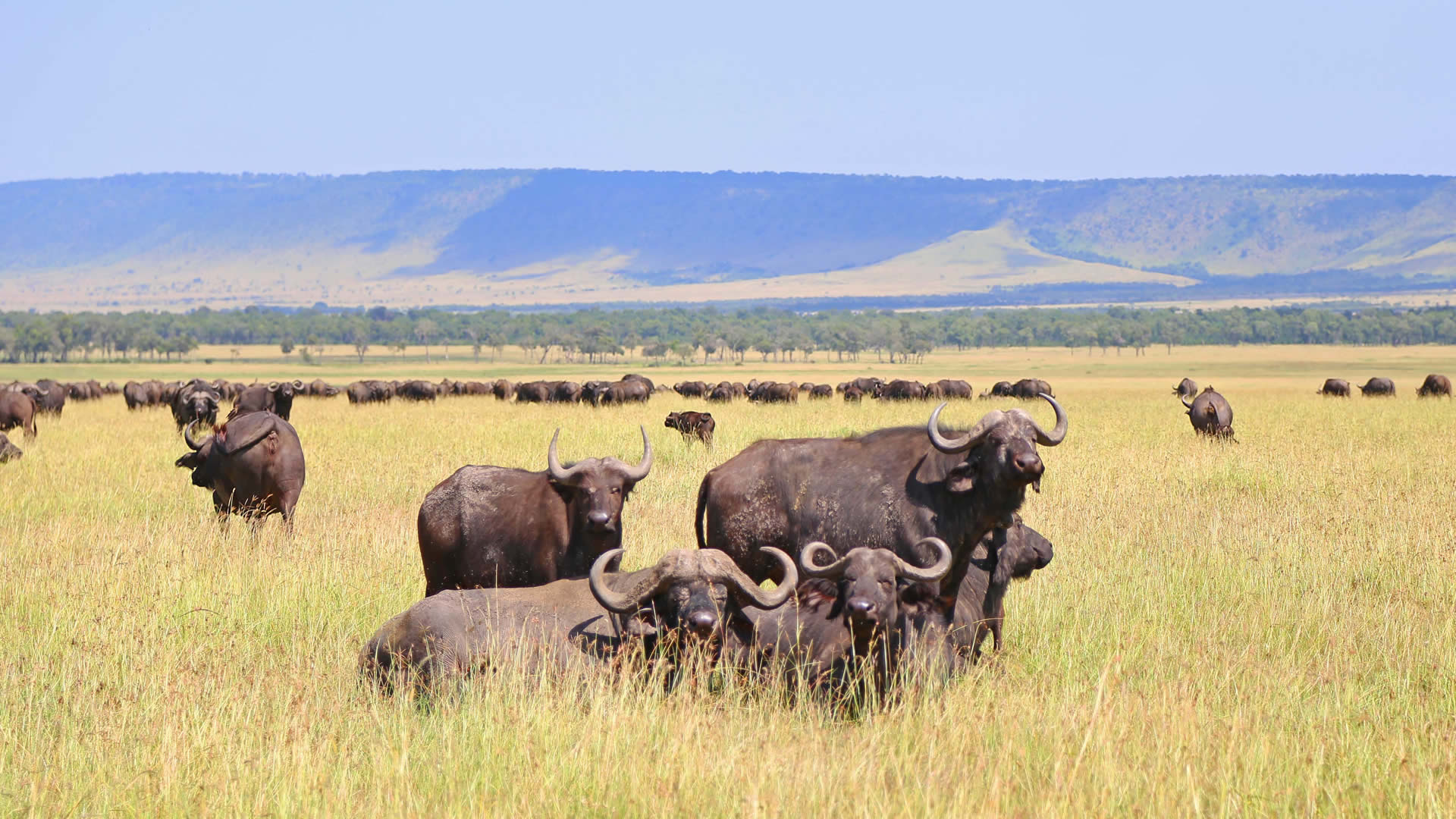
A luxury Rwanda and Tanzania Safari combines outstanding wildlife experiences with exceptional accommodation and personalized service. Rwanda offers exclusive properties around Volcanoes National Park positioned among dramatic mountain landscapes, while Tanzania has an extensive collection of luxury lodges, intimate tented camps and seasonal migration camps.
Luxury does not simply mean expensive accommodation. Private transfers, efficient regional flights, highly experienced guides, carefully selected room categories and an intelligently paced itinerary often make the greatest difference.
In Tanzania, fly-in connections can reduce long road transfers when appropriate. In the Serengeti, staying in the correct location for the season can dramatically improve both the experience and the amount of time spent actually watching wildlife.
For honeymooners and milestone celebrations, private dining experiences, upgraded rooms and a Zanzibar beach extension can create a journey balancing adventure with privacy and relaxation.
Mid-Range Rwanda and Tanzania Safari
A memorable Rwanda and Tanzania Safari does not need to rely exclusively on ultra-luxury lodges. Carefully selected mid-range accommodation can provide excellent comfort, good locations and warm hospitality while keeping the overall safari budget more manageable.
Because the Rwanda gorilla permit represents an important fixed component of the trip, accommodation selection and Tanzania routing can be used strategically to control the total safari cost.
Comfortable lodges around Volcanoes National Park can be combined with permanent tented camps or safari lodges in Tanzania. A private safari vehicle can still be provided while selecting accommodations offering good value rather than premium extras.
Boots in the Jungle Safaris can prepare different accommodation categories so travelers can compare the effect of lodge selection on the total journey without sacrificing the main wildlife experiences.
Rwanda and Tanzania Safari for Honeymooners
Few African journeys provide more contrast for honeymooners than combining Rwanda and Tanzania. The adventure can begin quietly among the mountains of Rwanda before the unforgettable morning spent trekking mountain gorillas.
The Tanzania portion changes the atmosphere entirely. Couples can stay in intimate safari camps overlooking open wilderness, enjoy game drives across the Serengeti and watch the landscape change in the evening as the sun disappears over the plains.
Finishing in Zanzibar creates a natural honeymoon finale, with several slower days beside the Indian Ocean after the adventure of trekking and safari travel.
We can design honeymoon journeys with increased privacy, longer stays at fewer properties and accommodation chosen specifically for atmosphere rather than simply following a standard safari circuit.
Rwanda and Tanzania Family Safari
Families can also combine Rwanda and Tanzania, although age requirements need to be considered when mountain gorilla trekking forms part of the itinerary. Rwanda currently sets the minimum gorilla trekking age at 15 years.
For families with eligible teenagers, gorilla trekking can become an extraordinary shared experience before traveling to Tanzania for more traditional wildlife viewing. Families with younger children can still visit Rwanda, but the itinerary must include appropriate alternative activities for family members who cannot participate in the gorilla trek.
Tanzania works particularly well for families because wildlife can be observed from safari vehicles and many lodges can accommodate family arrangements. The Serengeti, Ngorongoro and Tarangire provide varied environments, helping keep younger travelers interested throughout the journey.
The itinerary can also be slowed down by spending several nights in selected locations instead of changing lodges every day.
What Wildlife Can You See?
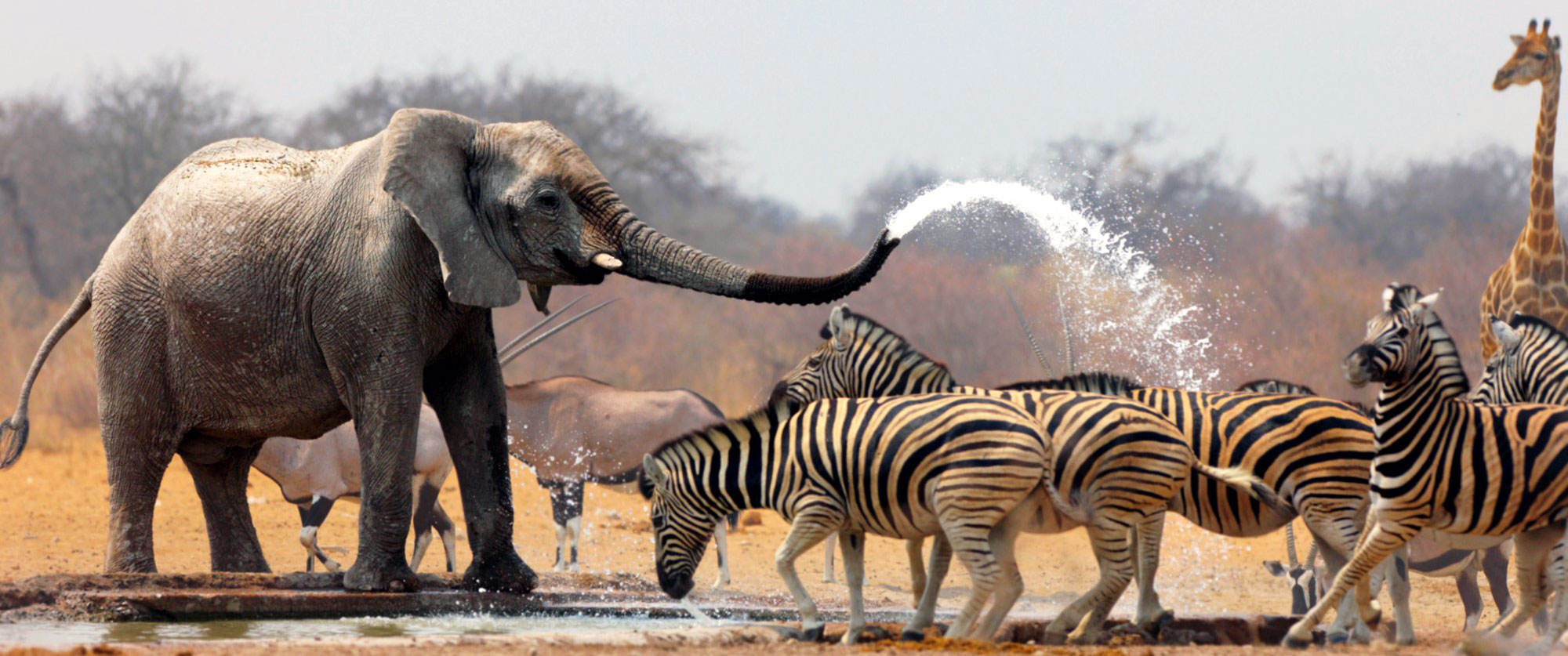
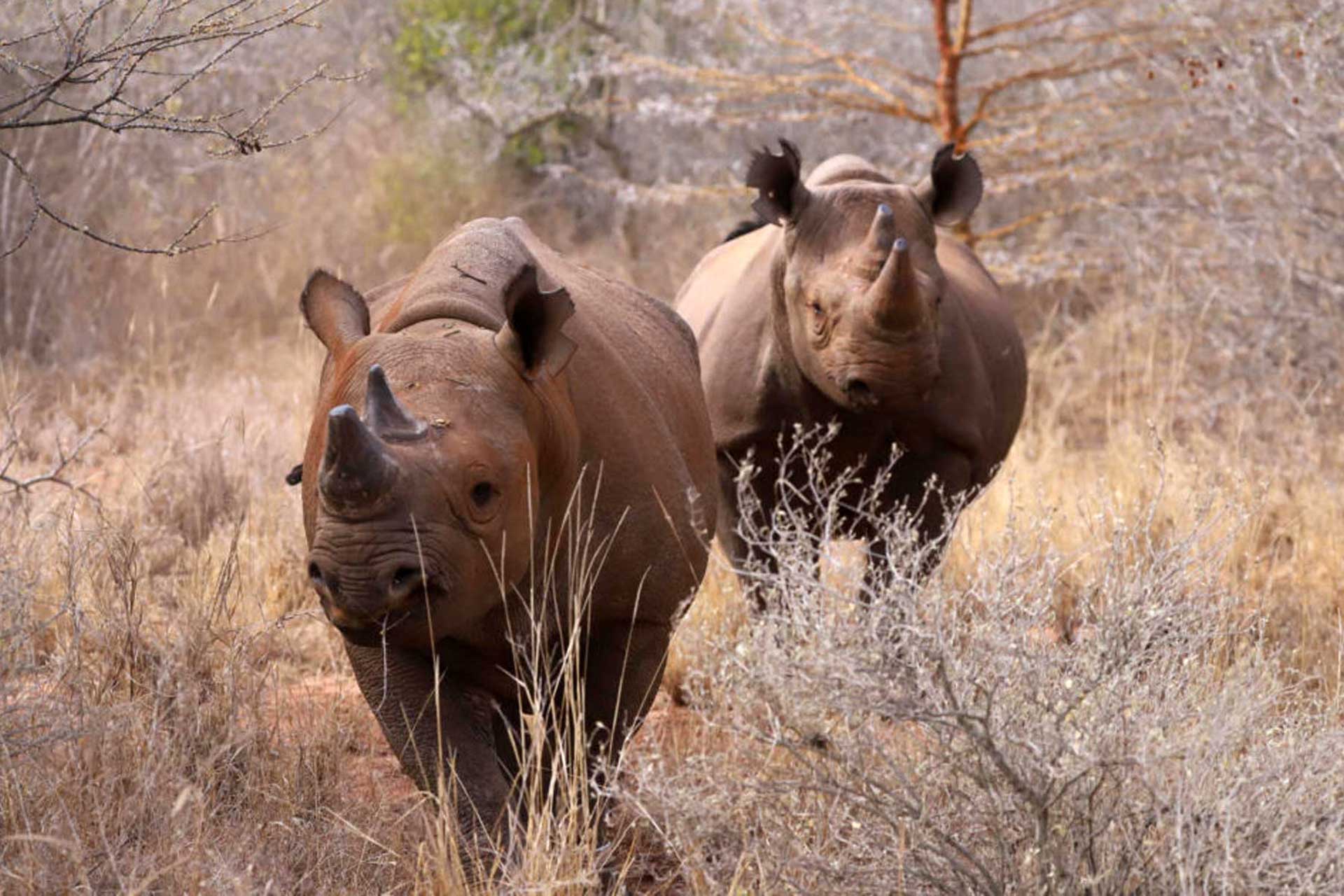
The strength of a Rwanda and Tanzania Safari comes from the enormous variety of wildlife habitats visited during one trip. Rwanda provides opportunities for mountain gorillas, chimpanzees, golden monkeys and numerous forest species, while Tanzania introduces the great mammals of East Africa’s savannah ecosystems.
Depending on the exact route and season, travelers may encounter lions, elephants, buffaloes, giraffes, zebras, wildebeest, hippos, various antelope species and a tremendous diversity of birds. Leopards and cheetahs are also important target species in Tanzania, although no wildlife sighting should ever be guaranteed.
The objective is not simply to create a checklist. Spending enough time in each ecosystem allows travelers to observe animal behavior, landscapes and ecological relationships rather than rushing from one sighting to another.
Rwanda and Tanzania Safari Cost
The cost of a Rwanda and Tanzania Safari depends on the length of the journey, accommodation category, season, regional flights, number of travelers, private transport arrangements and activities included.
Gorilla trekking makes Rwanda more expensive than many ordinary safari destinations because the trekking permit is a significant part of the journey. The current standard international gorilla permit rate is US$1,500 per person per trekking day.
Tanzania costs vary significantly according to whether guests use comfortable lodges, luxury properties or high-end seasonal camps. Serengeti location also matters because flights, park fees, conservation fees and accommodation can influence the final package considerably.
Private safaris can become better value per person when several travelers share the vehicle and transfers. Couples and solo travelers usually have higher per-person ground transport costs than larger private groups.
For this reason, Boots in the Jungle Safaris prepares customized quotations rather than promoting one misleading price for every traveler.
What Should You Pack?
Packing for a Rwanda and Tanzania Safari requires preparation for both rainforest trekking and warm savannah conditions. Comfortable walking footwear is particularly important for gorilla and chimpanzee trekking, where forest paths can be uneven or muddy.
Lightweight long trousers and long-sleeved clothing are useful during forest activities, together with a light waterproof layer. Tanzania generally requires comfortable safari clothing suitable for warm days while mornings and evenings may feel cooler depending on location and season.
A good camera, additional storage, charging equipment and binoculars can greatly improve the safari experience. Travelers should also keep important travel documents and necessary personal items accessible during regional connections.
Because baggage allowances can differ when small aircraft are incorporated into the itinerary, we provide guests with packing guidance appropriate to their confirmed flight arrangements.
Is Rwanda or Tanzania Better for Safari?
Rwanda and Tanzania offer different experiences, which is precisely why combining them works so well.
Rwanda is particularly celebrated for mountain gorilla trekking and other primate experiences. Its relatively compact geography also allows travelers to move between Kigali and major tourism regions without requiring the enormous distances associated with some larger African countries.
Tanzania is better suited to travelers seeking extensive traditional savannah game viewing, the Serengeti ecosystem, Ngorongoro, elephants in Tarangire and the Great Migration.
Choosing between them therefore depends on the desired experience. Choosing both removes the compromise and creates a significantly more diverse journey.
Why Book Your Rwanda and Tanzania Safari with Boots in the Jungle Safaris?
Planning two countries requires considerably more coordination than arranging an ordinary single-destination safari. Gorilla trekking permits, accommodation, regional flights, airport transfers, park routing and Tanzania safari logistics need to connect correctly.
At Boots in the Jungle Safaris, we design the Rwanda and Tanzania Safari as one journey from the beginning rather than booking two disconnected packages. This allows us to consider the overall pace, international arrival airport, gorilla permit availability, Tanzania safari season, Serengeti location and final departure arrangements together.
Our itineraries can be designed around luxury, mid-range or carefully selected value accommodation. We can also customize journeys for couples, families, photographers, honeymooners, private groups and travelers interested specifically in gorillas, chimpanzees or the Great Migration.
The result is a safari shaped around how you want to experience East Africa rather than forcing you into a fixed departure.
Frequently Asked Questions About Rwanda and Tanzania Safari
Can Rwanda and Tanzania be combined in one safari?
Yes. A Rwanda and Tanzania Safari is one of the strongest East African combinations because regional air connections allow travelers to combine Rwanda’s mountain gorilla trekking with Tanzania’s Serengeti, Ngorongoro and Tarangire wildlife experiences in one journey.
How many days are best for a Rwanda and Tanzania Safari?
Around 10 days can cover the main highlights, but 12 to 15 days is better for a relaxed journey. Travelers wanting chimpanzee trekking in Nyungwe or a Zanzibar extension should consider approximately two weeks or longer.
Can I see gorillas and the Great Migration on the same safari?
Yes. Rwanda gorilla trekking can be combined with a Tanzania safari timed around the seasonal movement of the Great Migration. The best Serengeti region depends on the month of travel, so the itinerary should be designed according to the expected migration pattern.
Where does gorilla trekking take place in Rwanda?
Mountain gorilla trekking takes place in Volcanoes National Park in northwestern Rwanda. The park forms part of the greater Virunga conservation landscape and is easily incorporated into a safari beginning or ending in Kigali.
Can I add chimpanzee trekking?
Yes. Chimpanzee trekking in Nyungwe National Park can be added before visiting Volcanoes National Park. This creates a particularly strong primate safari before travelers continue to Tanzania.
Which Tanzania parks should I combine with Rwanda?
For most first-time travelers, Serengeti National Park, Ngorongoro and Tarangire make an excellent combination. The exact route can be modified according to available days, travel season and wildlife interests.
Can Zanzibar be included?
Yes. Zanzibar is an excellent extension after the safari. Travelers can complete the gorilla and wildlife portions first and then fly to Zanzibar for several days of beach relaxation and cultural exploration.
Is a Rwanda and Tanzania Safari suitable for honeymooners?
Absolutely. The combination offers intimate gorilla trekking, luxury lodges, private game drives, romantic safari camps and the possibility of finishing at a beach resort in Zanzibar.
Is the safari suitable for families?
Yes, although families planning gorilla trekking must consider Rwanda’s minimum trekking age of 15 years. Families with younger children can have alternative activities arranged during the gorilla trek.
When should I book?
Early booking is recommended, especially when gorilla trekking forms part of the itinerary because permits are limited. Early planning is also valuable when targeting specific Great Migration periods or popular luxury camps in Tanzania.
Plan Your Rwanda and Tanzania Safari with Boots in the Jungle Safaris
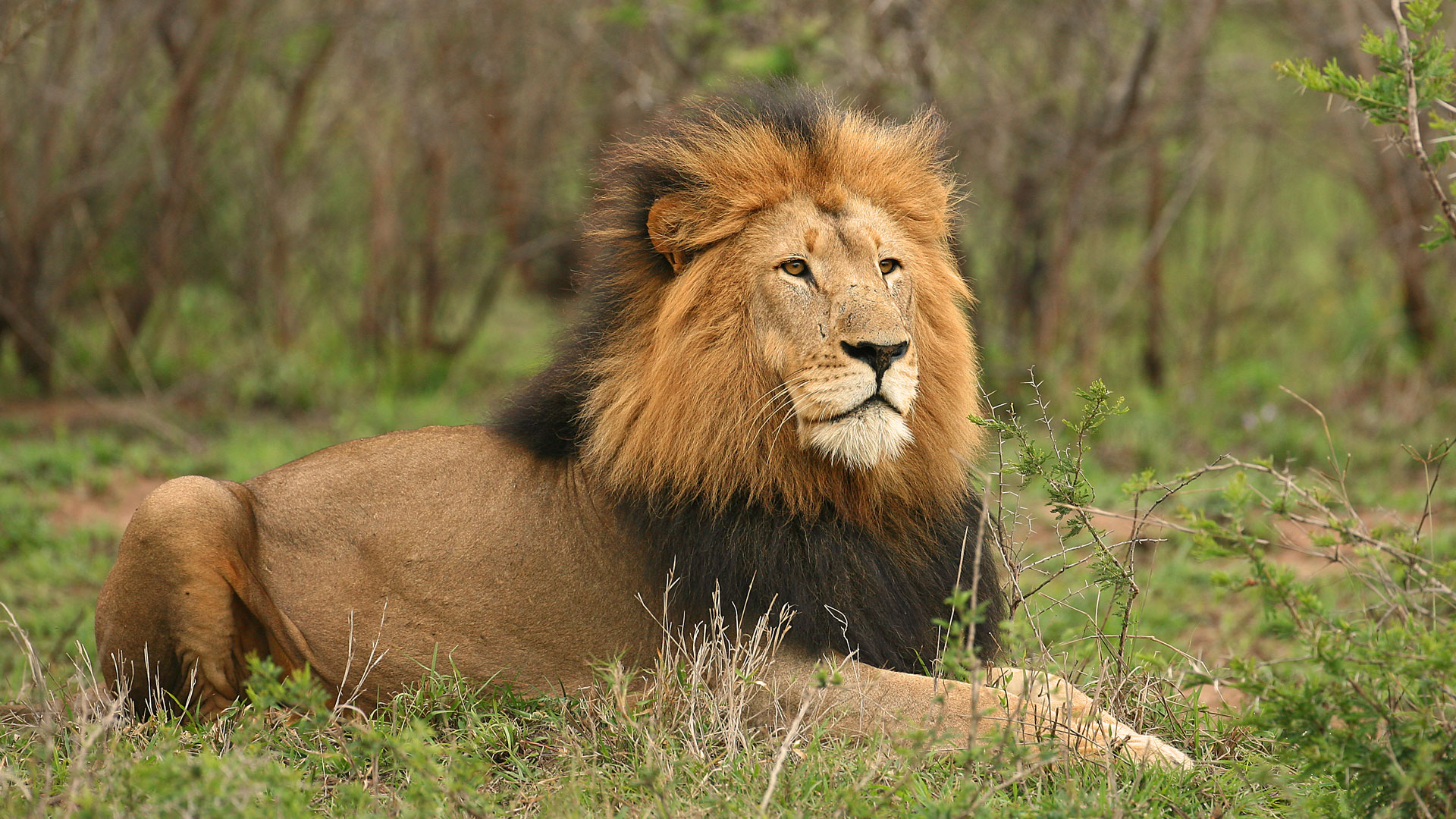
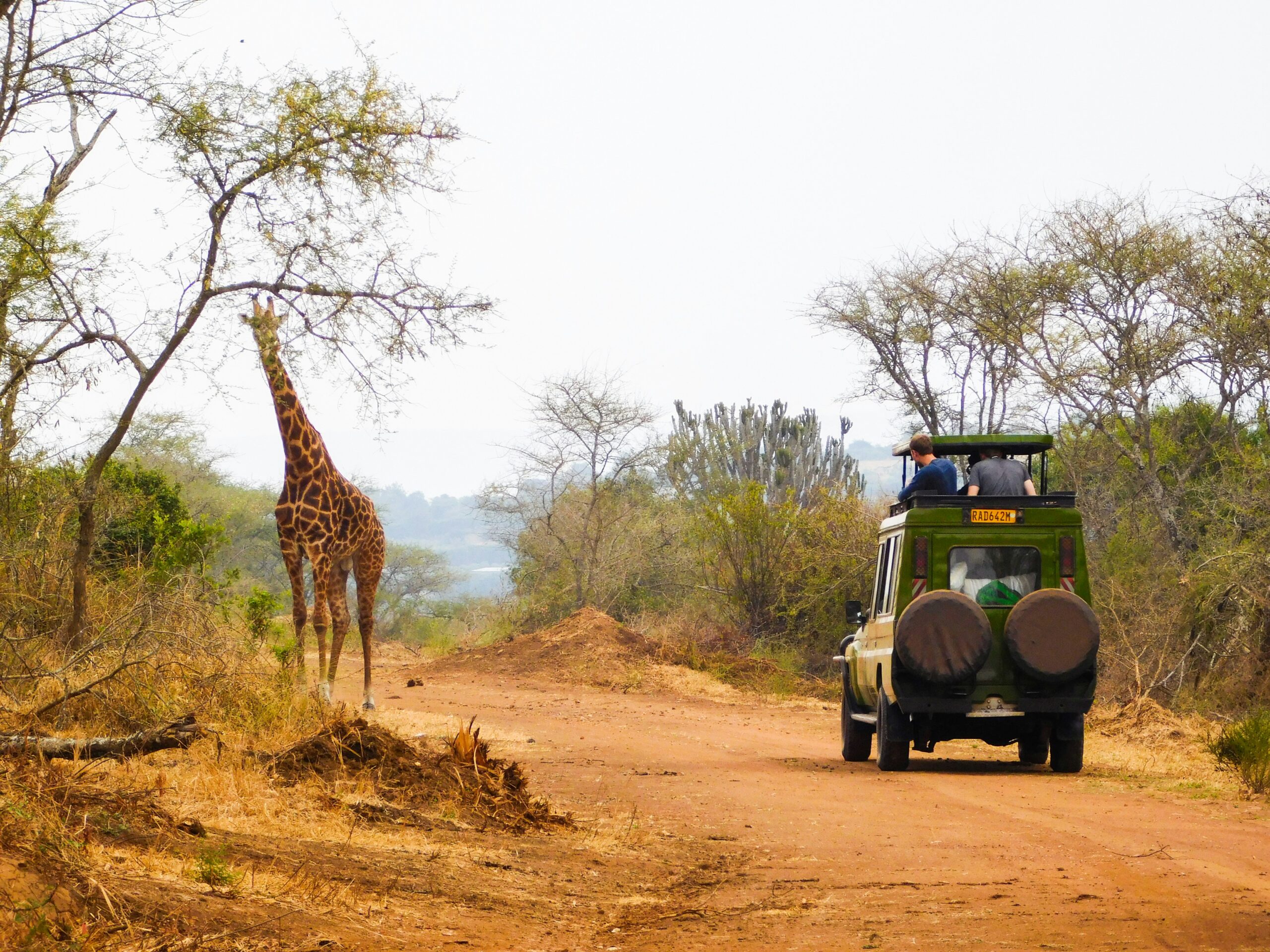
A Rwanda and Tanzania Safari brings together experiences that seem almost impossible to fit into one holiday. One morning you may be walking through the misty rainforest of Volcanoes National Park searching for a mountain gorilla family; days later you could be watching lions resting on the Serengeti plains, elephants moving through Tarangire or thousands of wildebeest spread across the greater Serengeti ecosystem.
Add chimpanzee trekking in Nyungwe and the journey becomes an extraordinary exploration of East Africa’s primates and wildlife. Add Zanzibar and the adventure finishes beside the Indian Ocean after days spent in forests, mountains and savannah wilderness.
Boots in the Jungle Safaris can design your journey from the first arrival in Rwanda to your final departure from Tanzania, coordinating gorilla trekking, chimpanzee trekking, accommodation, private safari vehicles, professional guides, regional connections and carefully selected safari experiences.
Tell us your preferred travel dates, number of travelers, approximate number of days and preferred accommodation level, and we will create a personalized Rwanda and Tanzania Safari built around the experiences that matter most to you.