Best Time for Chimpanzee Trekking in Uganda: Month-by-Month Guide
Choosing the Best Time for Chimpanzee Trekking in Uganda can make your wildlife holiday more comfortable and enjoyable. Uganda offers chimpanzee trekking throughout the year, giving you opportunities to explore tropical forests, observe wild chimpanzees and discover some of the country’s most beautiful natural destinations.
For many travellers, the drier months are attractive because forest trails are generally easier to walk on. However, the wetter months also have advantages, including lush forest scenery and seasonal changes in food availability that can influence chimpanzee movements. The best choice depends on whether you prioritize comfortable trekking conditions, quieter travel periods, photography or combining chimpanzee trekking with other Uganda safari experiences.
At Boots in the Jungle Safaris, we help travellers plan chimpanzee trekking trips around their preferred dates, destinations, accommodation and wider safari plans. Whether you want to visit Kibale National Park, track chimpanzees in Budongo Forest or add Kyambura Gorge to a Queen Elizabeth National Park safari, understanding the seasons will help you plan more confidently.
In this guide, we explain the Best Time for Chimpanzee Trekking, compare Uganda’s dry and rainy seasons, explore the advantages of each month and share practical advice for planning your trip.
Quick Answer: What Is the Best Time for Chimpanzee Trekking?
The drier periods of June to September and December to February are commonly preferred by travellers who want more comfortable walking conditions in Uganda’s chimpanzee forests.
However, chimpanzee trekking is available throughout the year, subject to the destination’s operating arrangements and permit availability. The Uganda Wildlife Authority notes that tracking and chimpanzee habituation in Kibale take place year-round and that the rainy season can also be favourable for tracking, despite muddy trails. During drier periods, chimpanzees may move deeper into the forest in search of food.
Here is a simple comparison:
- June to September: Generally preferred for drier trails and comfortable outdoor activities.
- December to February: Another popular period, often suitable for combining chimpanzee trekking with other Uganda safaris.
- March to May: Wetter conditions can make forest trails muddy, but the forest is lush and trekking remains possible.
- October to November: Rain may affect walking conditions, but these months can suit travellers seeking a quieter trip.
There is no single month that guarantees better chimpanzee sightings. These are wild animals, and their movements depend on food availability, social behaviour, weather and other natural factors.
Understanding Uganda’s Chimpanzee Trekking Seasons
Uganda generally experiences two drier periods and two wetter periods. These seasonal patterns influence trail conditions, travel planning and the type of experience visitors can expect.
1. The Dry Season: June to September
For travellers who prioritize walking comfort, June to September is often considered one of the best periods for chimpanzee trekking in Uganda.
Rainfall may be lower during parts of this period, making forest trails easier to navigate than during particularly wet conditions. This can be helpful for visitors who are concerned about slippery ground or who plan to combine chimpanzee trekking with other outdoor activities.
Kibale National Park is a popular destination during these months. Its tropical forest supports chimpanzees and other primates, and guided treks offer opportunities to observe their natural behaviour.
Advantages of visiting from June to September:
- Forest trails may be firmer and less muddy.
- Outdoor activities can be more comfortable in favourable weather.
- It can be convenient to combine chimpanzee trekking with gorilla trekking or savannah wildlife safaris.
- Scenic drives and additional nature walks may be easier to organize in suitable conditions.
Things to consider:
- These months overlap with a popular international safari travel period.
- Accommodation and preferred trekking sessions should be arranged in advance.
- Chimpanzees can still move long distances, so dry weather does not guarantee a shorter trek or better sightings.
For travellers planning a broader Uganda safari during the middle of the year, this period can be a practical choice.
2. The Short Dry Season: December to February
December to February is another favourable period for travellers who want to explore Uganda’s chimpanzee forests.
The weather can be relatively dry compared with the wetter months, although rainfall is possible in tropical forest environments at any time. Trail conditions vary, so it is sensible to prepare for mud and changing weather even when travelling during a generally drier period.
This season can work well for visitors who want to combine chimpanzee trekking with destinations such as Queen Elizabeth National Park, Murchison Falls National Park or Bwindi Impenetrable National Park.
Advantages of visiting from December to February:
- Walking conditions may be more comfortable when rainfall is limited.
- It is a good period to plan a multi-destination Uganda safari.
- Visitors can combine forest experiences with wildlife drives and scenic sightseeing.
- The period may suit travellers planning a holiday around the end-of-year or early-year break.
Things to consider:
- Demand may increase around Christmas and New Year.
- Accommodation and activity availability should be checked before confirming travel.
- Rainfall and forest conditions can still vary from week to week.
If you are comparing the Best Time for Chimpanzee Trekking with the best time for gorilla trekking or game viewing, December to February can be a useful period to consider for a combined itinerary.
3. The Long Rainy Season: March to May
March to May is generally associated with wetter conditions in many parts of Uganda. In chimpanzee trekking destinations, rainfall can make forest trails muddy, slippery and more physically demanding.
However, this season should not automatically be ruled out.
The forest becomes lush, vegetation grows actively and food availability changes throughout the habitat. The Uganda Wildlife Authority specifically notes that the rainy season can be favourable for chimpanzee tracking in Kibale, although visitors should expect muddy conditions. Chimpanzee movements vary naturally, so a successful encounter cannot be predicted from rainfall alone.
Advantages of visiting from March to May:
- The forest can be especially green and attractive for nature photography.
- Some travel dates may be less busy than peak holiday periods.
- It can be a rewarding time for visitors interested in tropical vegetation and forest ecosystems.
- Depending on current offers and official rates, some travel expenses may be lower, but this should be confirmed before booking.
Things to consider:
- Trails may become slippery and difficult to navigate.
- Waterproof footwear and rain protection are important.
- Heavy rain can affect comfort and the timing of outdoor activities.
- Transfers between destinations may require additional flexibility.
If you choose this season, allow sufficient time for the trek and follow the advice of your authorized guide. A rainy-season visit can still be rewarding when you arrive prepared.
4. The Short Rainy Season: October to November
October and November can bring wetter conditions in many of Uganda’s western forest destinations. The exact timing and intensity of rainfall vary from year to year.
For travellers considering the Best Time for Chimpanzee Trekking, these months can offer an alternative to the busiest travel periods, provided they are comfortable with potentially wet trails.
The forest’s rich vegetation and changing conditions can appeal to photographers and nature lovers. However, visitors should not assume that chimpanzees will necessarily be easier to locate or that every trekking session will experience the same weather.
Advantages of visiting from October to November:
- Some dates may be quieter than the main international holiday periods.
- The forest can offer beautiful green scenery.
- It may fit well into a flexible Uganda itinerary.
- Travellers may have more choice of travel dates, subject to actual permit and accommodation availability.
Things to consider:
- Rain can make trails slippery.
- A waterproof jacket and suitable hiking footwear are recommended.
- Allow flexibility for road transfers and optional activities.
- Confirm lodge availability, activity schedules and any seasonal offers directly.
For travellers with flexible dates, this period can be worth considering rather than waiting exclusively for the dry season.
Best Time for Chimpanzee Trekking Month by Month
The following table provides a practical planning guide. These are general seasonal patterns, not a forecast for a particular year or a guarantee of chimpanzee sightings.
| Month | General Conditions | Planning Advice |
|---|---|---|
| January | Often relatively dry | A popular choice for forest walks and combined safaris. |
| February | Often relatively dry, with changing rainfall | Good option for travellers prioritizing walking comfort. |
| March | Rainfall generally increases | Prepare for muddy trails and changing weather. |
| April | Often a wet period | Waterproof gear and flexible schedules are important. |
| May | Rain may continue, with local variation | Allow extra time for trekking and transfers. |
| June | Often the start of a drier period | A useful month for combining trekking with other outdoor activities. |
| July | Commonly a popular dry-season month | Arrange permits and accommodation early. |
| August | Often favourable for outdoor travel | Consider a combined chimpanzee and wildlife safari. |
| September | Seasonal conditions vary as rainfall patterns change | Check local conditions before finalizing activities. |
| October | Rainfall may increase | Prepare for wet trails and flexible plans. |
| November | Often part of a wetter period | A possible choice for flexible travellers. |
| December | Often relatively dry, though rain is possible | Book early around Christmas and New Year. |
The most suitable month depends on your preferred destination, travel dates, physical comfort and the other activities you want to include.
Is the Dry Season or Rainy Season Better for Chimpanzee Trekking?
The answer depends on what matters most to you.
If you prioritize walking comfort, the drier months are generally a sensible choice because the trails may be less muddy.
If you prioritize lush forest scenery, the wetter months can be appealing because vegetation is greener and the forest feels especially vibrant.
If you want to understand chimpanzee behaviour, remember that the animals are active throughout the year. Food availability and social movements affect where they travel, and neither the dry nor rainy season guarantees a particular encounter.
The Uganda Wildlife Authority highlights an important distinction: although drier conditions can make walking easier, chimpanzees may move deeper into the forest in search of food during dry periods. During rainy periods, food availability can influence their movements differently.
For this reason, we recommend choosing a season based on your overall travel preferences rather than assuming that one season guarantees better sightings.
Best Time for Chimpanzee Trekking in Kibale National Park
Kibale National Park is one of Uganda’s leading chimpanzee trekking destinations. Its tropical forest provides habitat for chimpanzees and several other primate species.
The park offers tracking throughout the year, subject to permit availability and official operating arrangements. June to September and December to February are popular choices for travellers who prefer drier walking conditions.
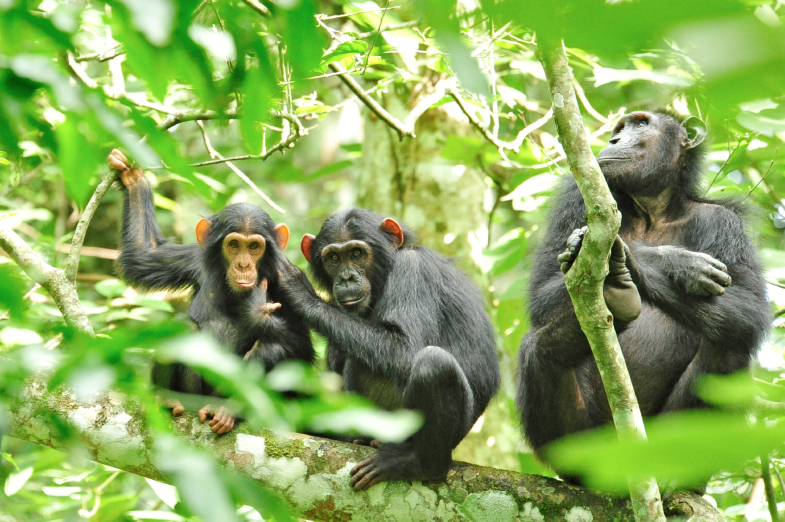
During the wetter periods, visitors should be ready for muddy paths and rain. The forest can nevertheless provide rewarding wildlife and nature experiences, and rainy conditions do not mean chimpanzee trekking stops.
Before planning your visit, consider:
- The date and availability of your trekking permit.
- Your preferred morning or afternoon session, where offered.
- Accommodation near the park and the time needed to reach the starting point.
- Whether you want to add Bigodi Wetland Sanctuary or other nearby attractions.
- Your preferred balance between travel comfort and seasonal flexibility.
Best Time for Chimpanzee Trekking in Budongo Forest
Budongo Forest, near Murchison Falls National Park in northwestern Uganda, is another destination where visitors can arrange chimpanzee tracking through the relevant authorized operators and forest tourism arrangements.
The relatively drier periods of December to February and June to September are often preferred for walking conditions. However, the forest can be visited at other times of the year, subject to activity availability.
Budongo is particularly useful for travellers who want to combine a chimpanzee experience with a classic savannah safari. You can plan a broader trip around Murchison Falls National Park, where activities may include game drives, a Nile boat cruise and visits to the famous falls.
Because chimpanzee locations and activity arrangements can vary, confirm the availability of tracking at your chosen forest site before finalizing the rest of your itinerary.
Explore our Murchison Falls Safaris to consider combining forest and savannah experiences in one trip.
Best Time for Chimpanzee Trekking in Kyambura Gorge
Kyambura Gorge, in Queen Elizabeth National Park, offers a distinctive forest trekking experience within a wider savannah landscape.
Unlike the larger forest environment of Kibale, the gorge has steep terrain in some sections. Rain can make the descent and forest trails more challenging, so visitors should consider their mobility, fitness and comfort with uneven ground when choosing travel dates.
Chimpanzee sightings in Kyambura Gorge are not guaranteed. Availability, trekking conditions and the time needed for the activity should be confirmed before booking.
If you are planning to visit Queen Elizabeth National Park for game drives and a Kazinga Channel boat cruise, adding Kyambura Gorge may provide a different wildlife experience.
See our Queen Elizabeth Safaris for ideas on building a combined itinerary.
What Time of Day Is Best for Chimpanzee Trekking?
In destinations that offer both morning and afternoon sessions, the best session depends on your permit arrangements, accommodation location and wider schedule.
Morning Chimpanzee Trekking
A morning trek can be a convenient choice, particularly during wetter periods when you want to begin walking earlier in the day. It also leaves the afternoon available for lunch, rest or an optional activity if timing permits.
Travellers staying farther from the park should plan an early departure and confirm the reporting time in advance.

Afternoon Chimpanzee Trekking
An afternoon session may suit visitors who are already staying nearby or whose travel arrangements make a morning session impractical.
However, you should not schedule a long road transfer immediately before the activity without allowing sufficient time for arrival, registration and briefing.
Important: Morning and afternoon sessions depend on the destination and the available official arrangements. Confirm your allocated session rather than assuming a particular time is available.
Does the Season Affect Your Chances of Seeing Chimpanzees?
Season can influence the trekking experience, but it is only one factor.
Chimpanzees move through the forest as they search for food, interact with their communities and respond to their environment. Their location may change from day to day, and the time needed to find them varies.
Your experience can also depend on:
- The forest destination you visit.
- The chimpanzee community being tracked.
- Current food availability and animal movements.
- Weather and trail conditions.
- The guidance of authorized trackers and guides.
- The time available for the activity.
No responsible safari operator should promise a particular chimpanzee encounter based only on the month of travel.
At Boots in the Jungle Safaris, we recommend preparing for a guided wildlife experience rather than treating it as a guaranteed photographic opportunity. Patience, flexibility and respect for the animals are important parts of the adventure.
What to Pack for Chimpanzee Trekking in Uganda
Whatever month you choose, pack for a tropical forest environment where conditions can change.
Recommended items include:
- Hiking boots or sturdy walking shoes with good grip.
- Long trousers and comfortable, lightweight clothing.
- Long-sleeved clothing suitable for forest walking.
- A lightweight waterproof jacket or raincoat.
- Insect repellent.
- A small backpack for personal essentials.
- Drinking water, following the instructions provided by your guide.
- A camera or phone, used according to the applicable rules.
- Binoculars if you enjoy birdwatching.
- Personal medication and any essential health items.
During wetter periods, waterproof footwear and rain protection become particularly important. Even during drier months, forest trails may remain damp or muddy.
Follow the park’s instructions regarding illness and wildlife contact. Chimpanzees are vulnerable to human diseases, so visitors who feel unwell should seek guidance from the operator or park team before entering the forest.
How Far in Advance Should You Book?
The ideal booking period depends on your travel dates, the destination and the availability of the trekking sessions you want.
If you plan to travel during popular holiday periods, book as early as practical so you have more choice of accommodation and can coordinate the rest of your safari.
Before confirming your itinerary:
- Choose your preferred travel dates.
- Select the chimpanzee trekking destination.
- Confirm permit availability and the applicable fees.
- Arrange accommodation and transport.
- Decide whether you want to include other destinations or activities.
- Review what your quotation includes and excludes.
Do not pay for a package based solely on a general claim that a certain month is best. Confirm the actual arrangements for your selected dates.
How Much Does Chimpanzee Trekking Cost in Uganda?
The total cost depends on your chosen forest, applicable permit fees, transport, accommodation, group size and any additional activities.
A traveller staying near Kibale may have different expenses from someone travelling from Kampala or combining chimpanzee trekking with a multi-day safari.
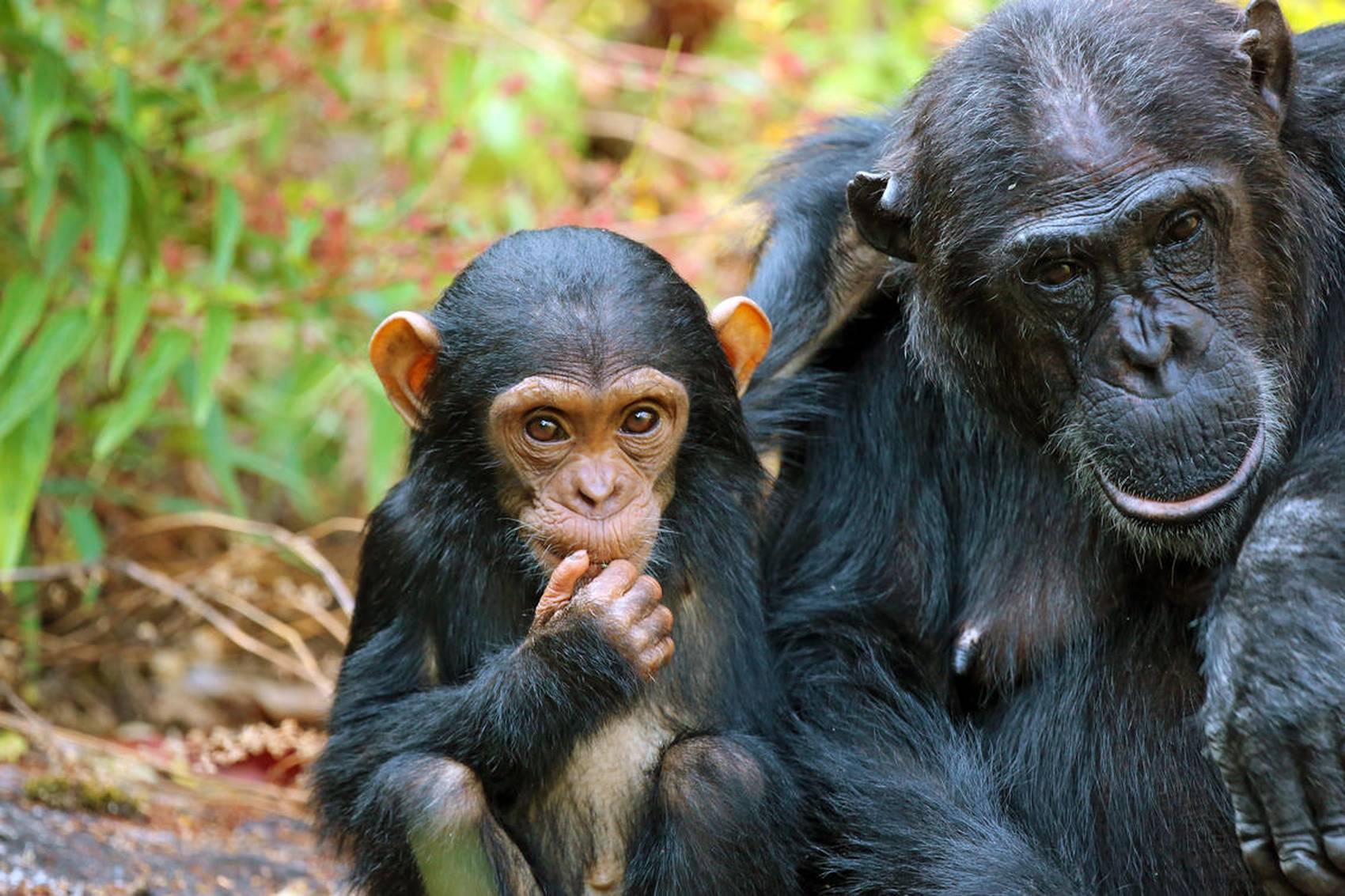
Your quotation may include:
- Chimpanzee trekking permit and applicable activity fees.
- Transport and fuel.
- Driver-guide services.
- Accommodation and meals.
- Park visits or additional activities specified in the itinerary.
Items such as optional excursions, extra nights, drinks, tips and personal expenses may be charged separately.
Permit rates and seasonal offers can change, so confirm current prices with the relevant authority or your authorized safari operator before booking. Do not rely on an old price list when planning a future trip.
Combine Chimpanzee Trekking with Other Uganda Safaris
One of the advantages of planning your trip around the Best Time for Chimpanzee Trekking is the opportunity to combine the forest experience with other destinations.
Chimpanzee Trekking and Gorilla Trekking
A longer Uganda itinerary can combine chimpanzee trekking in Kibale with mountain gorilla trekking in Bwindi Impenetrable National Park or Mgahinga Gorilla National Park. These are separate experiences and require separate arrangements, permits and travel time.
Chimpanzee Trekking and Queen Elizabeth National Park
Combine a forest trek with savannah wildlife viewing, a game drive and a possible Kazinga Channel boat cruise. Kyambura Gorge may also be an option, depending on availability and your itinerary.
Chimpanzee Trekking and Murchison Falls National Park
Travellers visiting Budongo Forest can explore the wider Murchison Falls area, with options that may include wildlife drives, a Nile boat cruise and a visit to Murchison Falls.
Chimpanzee Trekking and Bigodi Wetland Sanctuary
If you visit Kibale, consider adding a guided walk at Bigodi Wetland Sanctuary for birdwatching, wetland ecology and opportunities to learn about community conservation.
The right combination depends on how many days you have available and how much time you want to spend travelling between destinations.
Frequently Asked Questions About the Best Time for Chimpanzee Trekking
1. What is the best month for chimpanzee trekking in Uganda?
June, July, August, January and February are popular choices for travellers who prefer generally drier conditions. However, chimpanzee trekking takes place throughout the year, and sightings cannot be guaranteed in any month.
2. Can I go chimpanzee trekking during the rainy season?
Yes. Trekking is available year-round at destinations that are operating and have permits available. Rain can make trails muddy and slippery, so waterproof footwear and a flexible schedule are recommended.
3. Is the dry season better than the rainy season?
The dry season is generally more comfortable for walking because trails may be less muddy. The rainy season offers lush forest scenery and may influence food availability and chimpanzee movements. Neither season guarantees better sightings.
4. Is Kibale National Park open for chimpanzee trekking throughout the year?
Kibale offers chimpanzee tracking year-round, subject to official arrangements and permit availability. Confirm your date and session before making final travel plans.
5. Does rain make chimpanzees easier to find?
Rainfall alone cannot predict how quickly chimpanzees will be located. Food availability, community movements and other natural factors influence where the animals travel. The Uganda Wildlife Authority notes that rainy-season conditions can be favourable for tracking in Kibale despite muddy trails.
6. Is morning or afternoon better for chimpanzee trekking?
Both may be suitable where offered. A morning session can be convenient if you want to begin early or add another activity later, but the best option depends on your confirmed session, accommodation and transport.
7. When should I book my chimpanzee trekking permit?
Book as early as practical, especially if you have fixed travel dates or plan to visit during a busy holiday period. Confirm current permit availability and applicable fees before paying for the rest of your trip.
8. Can I combine chimpanzee trekking with gorilla trekking?
Yes. You can combine Kibale chimpanzee trekking with gorilla trekking in Bwindi or Mgahinga. The itinerary needs enough time for transfers and separate permit arrangements.
9. Which is better for chimpanzee trekking, Kibale or Budongo?
Both offer forest chimpanzee experiences, but they suit different itineraries. Kibale is a popular destination in its own right and can be combined with Fort Portal and Queen Elizabeth National Park. Budongo can work well for travellers visiting the Murchison Falls region. The best choice depends on your route, dates and activity availability.
10. How can Boots in the Jungle Safaris help me choose the best time?
We can help you compare the seasonal conditions, choose a suitable destination, check permit arrangements and organize transport and accommodation around your travel dates. We will also help you build a realistic itinerary that allows time for the trekking experience.
Plan Your Chimpanzee Trekking Safari with Boots in the Jungle Safaris
Choosing the Best Time for Chimpanzee Trekking is about more than finding the driest month. It means balancing walking conditions, travel dates, permit availability and the other experiences you want to enjoy in Uganda.

Whether you choose the drier months for easier walking or the wetter months for a lush forest experience, thoughtful planning can help you prepare for a rewarding wildlife adventure.
Boots in the Jungle Safaris can help you organize a chimpanzee trekking trip to Kibale National Park, Budongo Forest or another suitable destination, subject to current activity availability.
When requesting your quotation, please share:
- Your preferred travel dates.
- Number of travellers and children’s ages, if applicable.
- Your preferred chimpanzee trekking destination.
- Your starting point and preferred accommodation level.
- Whether you want to combine chimpanzee trekking with gorilla trekking or a wildlife safari.
- Your approximate budget, if available.
Contact Boots in the Jungle Safaris to discuss your dates and receive a tailored itinerary with clear inclusions, exclusions and permit arrangements.
Discover Uganda’s forests and wildlife with a safari planned around your interests.