Essential Gorilla Trekking Rules Uganda: The Complete Guide for Every Visitor
Gorilla Trekking Rules Uganda are designed to protect both endangered mountain gorillas and the thousands of visitors who travel to Uganda every year to experience one of the world’s greatest wildlife encounters. Uganda is home to nearly half of the world’s remaining mountain gorillas, found in Bwindi Impenetrable National Park and Mgahinga Gorilla National Park. Because these gentle giants share approximately 98% of human DNA, they are highly susceptible to human diseases and disturbances. Every trekking rule established by the Uganda Wildlife Authority (UWA) serves a critical role in ensuring the long-term conservation of these remarkable primates while providing visitors with a safe, ethical, and unforgettable experience.
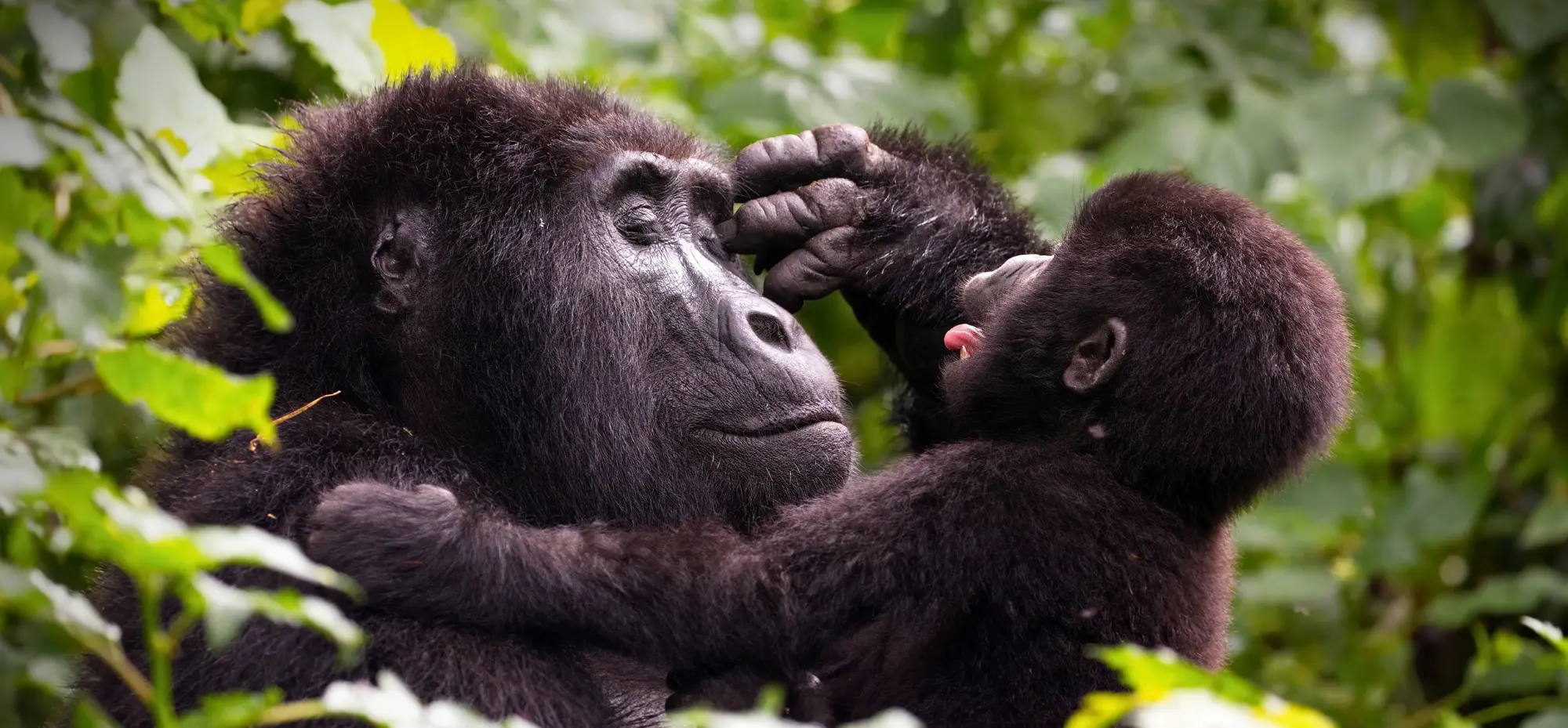
Understanding the Gorilla Trekking Rules Uganda before your safari will help you prepare adequately, avoid disappointment during your trek, and contribute positively to mountain gorilla conservation. Whether you are planning your first gorilla trekking adventure or returning for another encounter, following these regulations is mandatory and demonstrates respect for wildlife and local conservation efforts.
Why Gorilla Trekking Rules Uganda Are Important
The Gorilla Trekking Rules Uganda are far more than simple park regulations. They are conservation measures developed through decades of scientific research and practical experience in managing one of Africa’s most sensitive wildlife tourism activities.
Mountain gorillas are endangered animals with small populations living in fragile forest ecosystems. Human interaction, while beneficial for conservation funding, also introduces risks such as disease transmission, behavioral changes, and environmental disturbance. The rules help reduce these risks while allowing visitors to enjoy close yet responsible encounters with gorilla families.
Revenue generated from gorilla permits directly supports conservation programs, ranger patrols, veterinary interventions, habitat protection, anti-poaching operations, community development projects, and scientific research. By respecting the Gorilla Trekking Rules Uganda, visitors actively participate in preserving these magnificent animals for future generations.
Gorilla Trekking Rules Uganda Before Your Trek
Preparation begins long before entering the forest. Visitors are expected to understand several important regulations before arriving at the park headquarters.
Every trekker must possess a valid gorilla trekking permit issued by the Uganda Wildlife Authority or through a licensed tour operator. Permits are checked during registration, and only individuals whose permits match their passports or identification documents are allowed to participate.
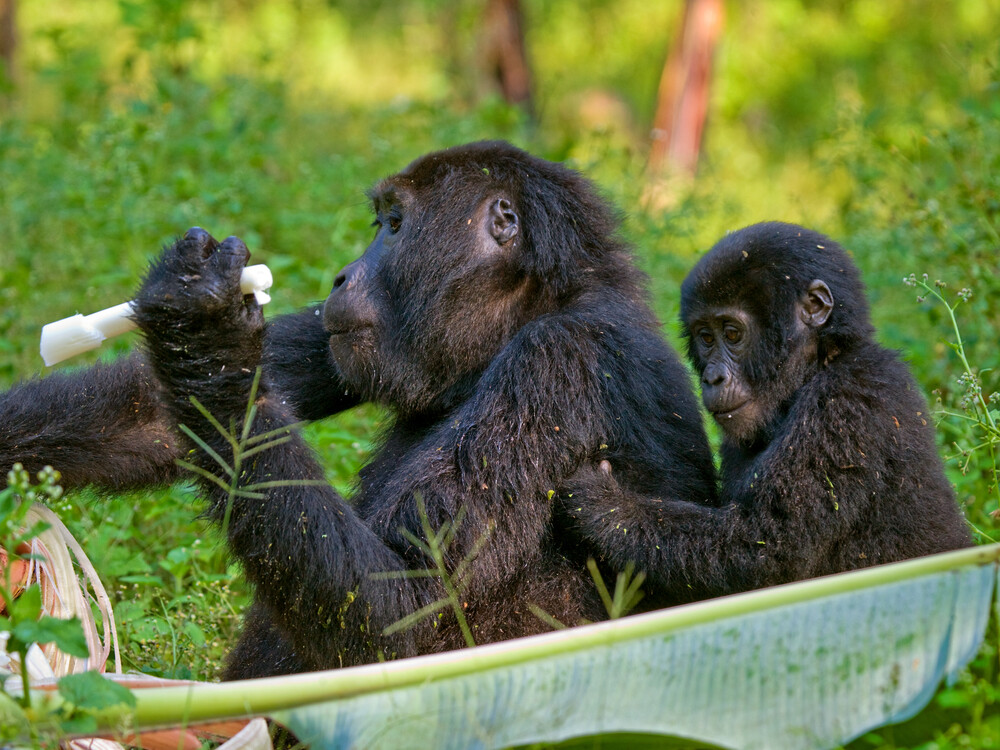
Trekkers should arrive early for the morning briefing, where park rangers explain the day’s procedures, assign gorilla families, discuss safety precautions, and review the official Gorilla Trekking Rules Uganda. Missing the briefing may delay or even prevent participation.
Visitors should also prepare physically by wearing suitable hiking boots, long trousers, waterproof jackets, gloves, and carrying sufficient drinking water. Bwindi’s terrain can be steep, muddy, and physically demanding, while Mgahinga features volcanic slopes and bamboo forests that also require good preparation.
Age Restriction for Gorilla Trekking
One of the most important Gorilla Trekking Rules Uganda is the minimum age requirement.
Only visitors aged 15 years and above are permitted to trek mountain gorillas. This regulation exists because younger children may struggle with long hikes, react unpredictably when encountering gorillas, or unintentionally transmit illnesses more easily.
The age limit also helps ensure that all participants can follow ranger instructions carefully throughout the trek.
Stay Home If You Are Sick
Because mountain gorillas are extremely vulnerable to human respiratory infections, anyone experiencing symptoms such as flu, cough, fever, sore throat, or contagious illness should not participate in the trek.
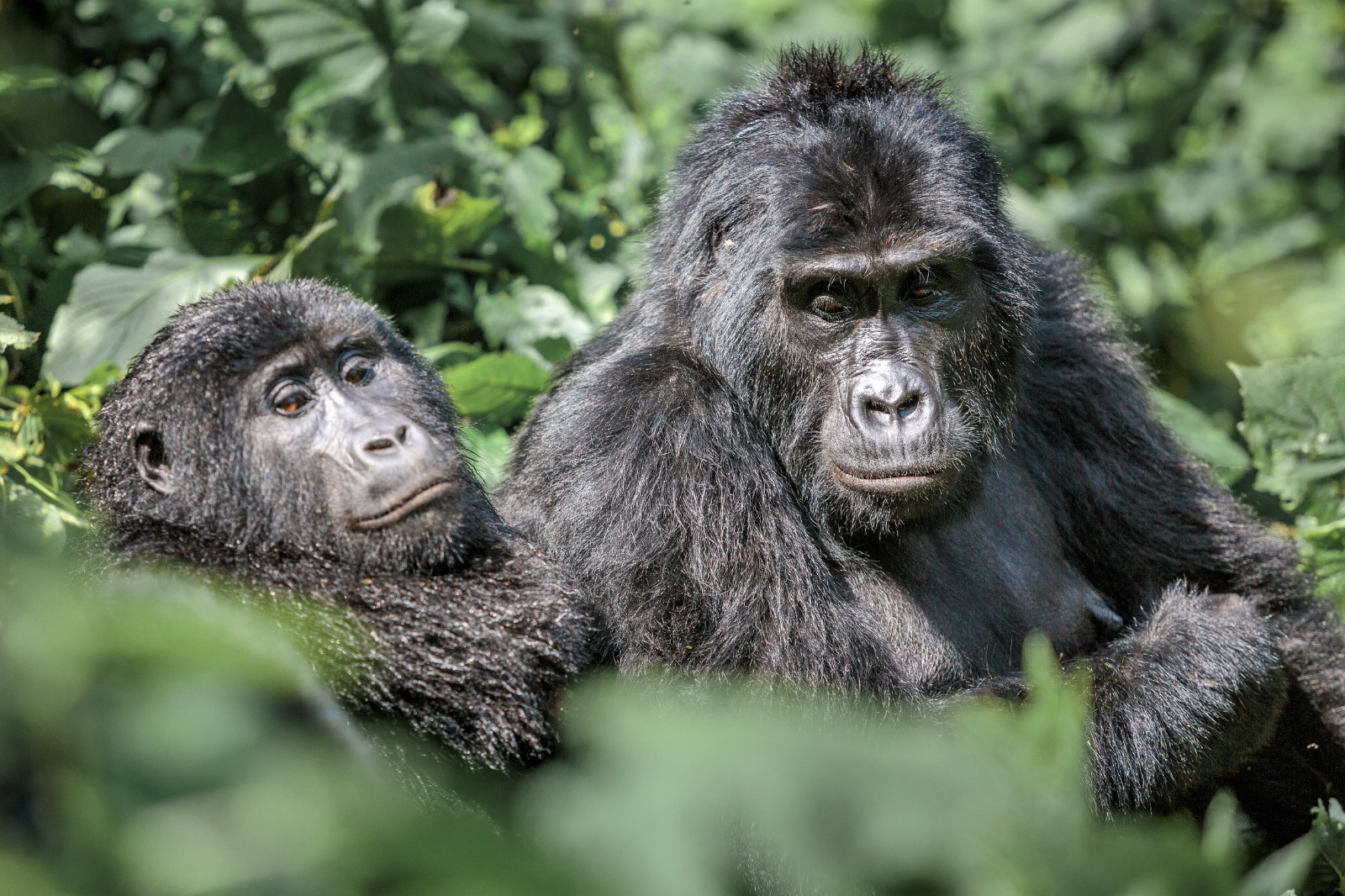
This is among the most critical Gorilla Trekking Rules Uganda because diseases that are mild for humans can become fatal for gorillas.
If a visitor becomes ill before the trek, park authorities may recommend postponing the experience to protect the gorilla family.
Always Follow Your Ranger Guide
Professional ranger guides lead every gorilla trek from the beginning until the end.
Visitors must remain with their assigned group and follow ranger instructions at all times. Rangers understand gorilla behavior, track the families daily, communicate with trackers ahead, and know how to respond if unexpected situations arise.
Ignoring guide instructions can endanger both visitors and gorillas.
Maintain the Required Viewing Distance
One of the most recognized Gorilla Trekking Rules Uganda is maintaining a minimum distance of seven meters (about 23 feet) from the gorillas whenever possible.
Although gorillas occasionally move closer out of curiosity, visitors should never attempt to reduce the distance intentionally.
Keeping this space minimizes disease transmission while allowing gorillas to behave naturally within their habitat.
Keep Noise to a Minimum
Mountain gorillas live peacefully within dense rainforest environments where loud sounds may cause unnecessary stress.
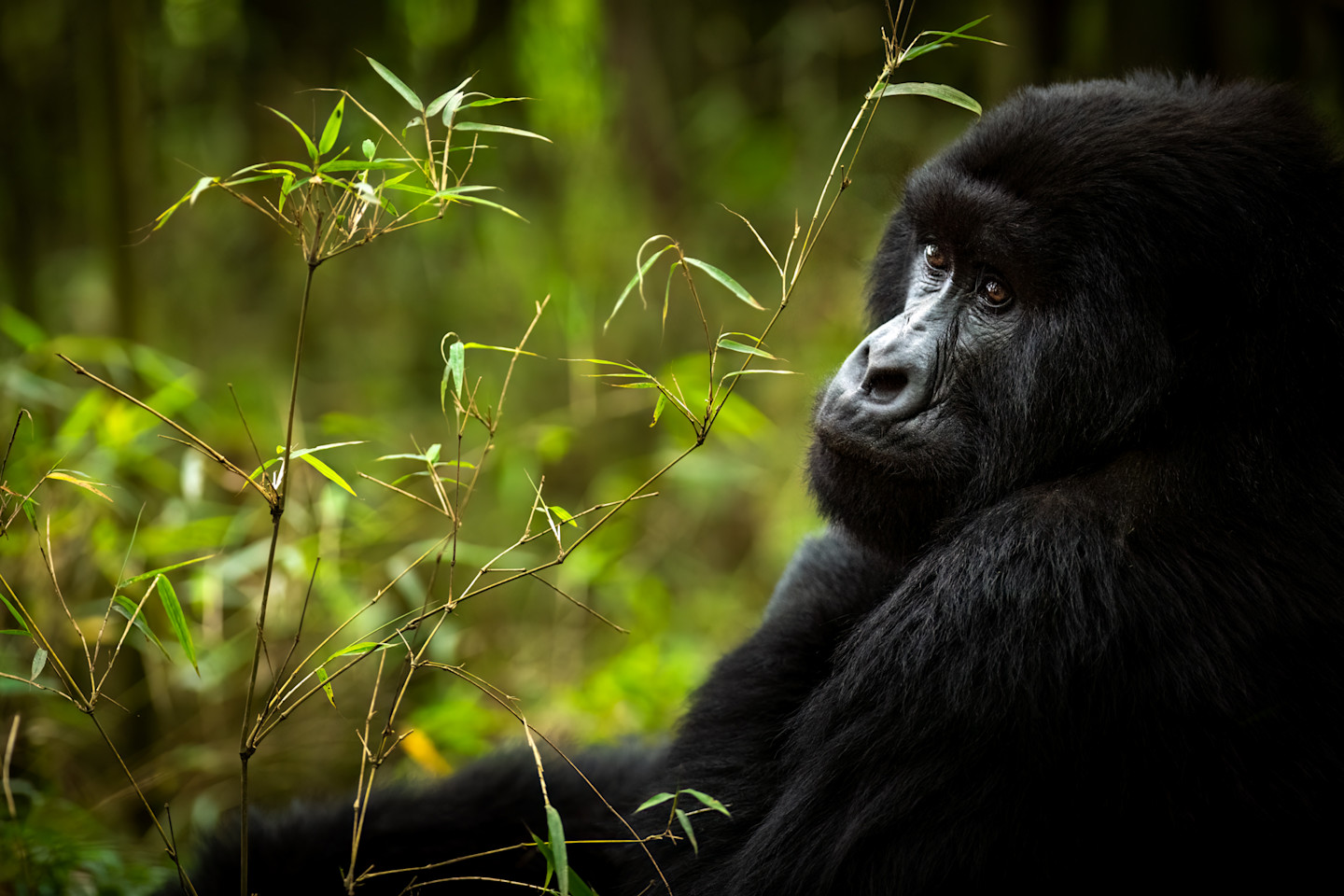
Visitors should speak quietly throughout the trek, avoid shouting, and silence mobile phones before entering the forest.
Calm voices also increase opportunities to hear natural forest sounds and observe other wildlife during the hike.
Do Not Touch the Gorillas
No matter how close a gorilla approaches, visitors must never attempt to touch it.
Human contact may transmit diseases, alter natural behavior, or provoke defensive reactions from gorillas.
Even when young gorillas appear playful or curious, maintaining distance remains one of the most important Gorilla Trekking Rules Uganda.
No Flash Photography
Photography is encouraged, but flash photography is strictly prohibited.
Flash can startle gorillas, interfere with their natural behavior, and create unnecessary stress during observation.
Visitors should instead use cameras capable of performing well under the low-light conditions common in Bwindi and Mgahinga forests.
Limit Your Visit to One Hour
Once your group reaches the gorilla family, visitors are allowed exactly one hour with the gorillas.
This rule limits human disturbance while giving every trekking group an equal opportunity to enjoy the experience.
The only exception is Uganda’s Gorilla Habituation Experience, where visitors may spend up to four hours with a semi-habituated gorilla family.
Do Not Eat or Drink Near Gorillas
Food attracts wildlife and may introduce harmful bacteria or viruses into gorilla habitats.
Visitors should finish meals before locating the gorillas or wait until they have left the observation area.
If drinking water becomes necessary, it should be done discreetly and only with ranger approval.
Dispose of Waste Responsibly
Nothing should be left behind inside the forest.
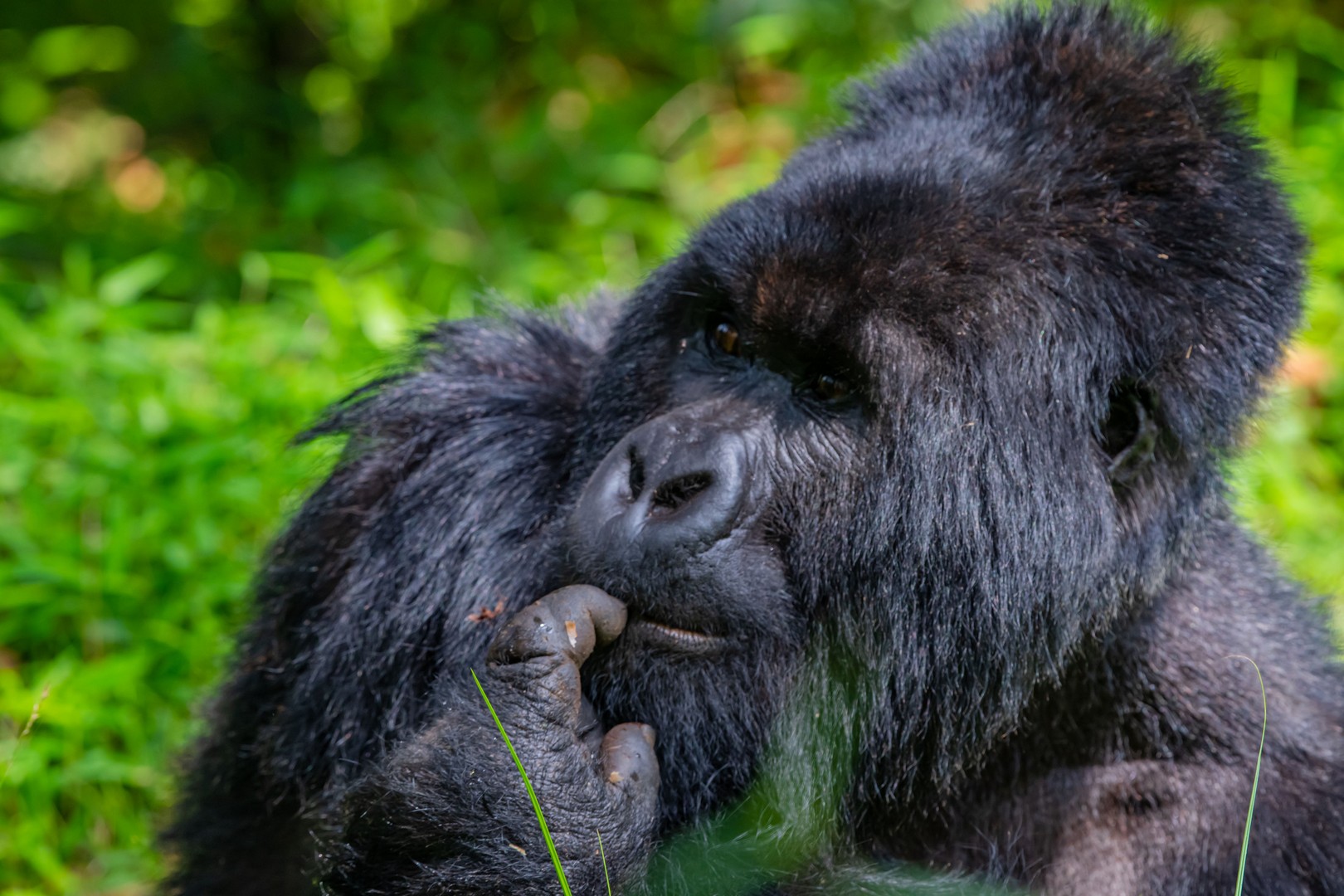
Plastic bottles, tissues, food wrappers, and all personal waste must be carried back out of the park.
Protecting the rainforest ecosystem is an essential objective behind the Gorilla Trekking Rules Uganda.
Avoid Direct Eye Contact with a Silverback
Although gorillas are peaceful animals, prolonged direct eye contact may sometimes be interpreted as a challenge, especially by dominant silverbacks.
Visitors should observe naturally without staring aggressively into a gorilla’s eyes.
Rangers provide guidance on appropriate body language during encounters.
What to Do If a Gorilla Approaches You
Occasionally, curious gorillas walk close to visitors.
Remain completely calm.
Do not run.
Do not scream.
Avoid sudden movements.
Allow the gorilla to pass naturally while following ranger instructions.
These situations are generally peaceful because habituated gorillas are accustomed to respectful human presence.
Respect the Forest Environment
The rainforest itself deserves protection.
Visitors should remain on existing trails whenever possible, avoid breaking vegetation unnecessarily, and never collect plants, rocks, or other natural materials from the park.
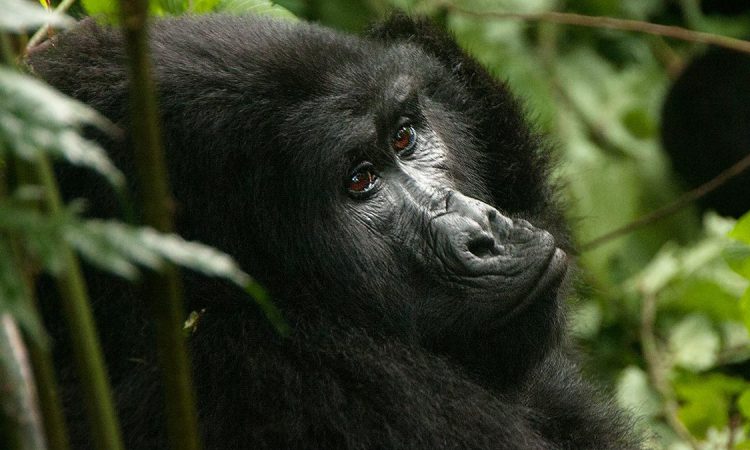
Conserving the habitat is equally important as protecting the gorillas themselves.
Gorilla Trekking Etiquette in Uganda
Good etiquette enhances everyone’s experience.
Treat fellow trekkers respectfully, keep conversations low, give photographers opportunities to take pictures, avoid blocking views, and allow rangers to position groups safely.
Responsible behavior ensures that every visitor enjoys meaningful wildlife encounters.
Penalties for Breaking Gorilla Trekking Rules Uganda
Failure to follow the Gorilla Trekking Rules Uganda can result in immediate removal from the trekking activity without refund.
In serious cases involving deliberate disturbance of wildlife, additional legal penalties under Uganda Wildlife Authority regulations may apply.
These strict measures demonstrate Uganda’s commitment to protecting one of the world’s most endangered species.
Complete Gorilla Trekking Briefing Process in Uganda
Every gorilla trekking adventure begins with a mandatory briefing conducted by Uganda Wildlife Authority (UWA) rangers at the park headquarters. This briefing is one of the most important parts of the Gorilla Trekking Rules Uganda because it prepares every visitor for a safe, enjoyable, and conservation-focused experience. Before entering the forest, all trekkers gather early in the morning, usually between 7:00 and 8:00 AM, where park officials verify permits, register participants, and explain the day’s procedures.
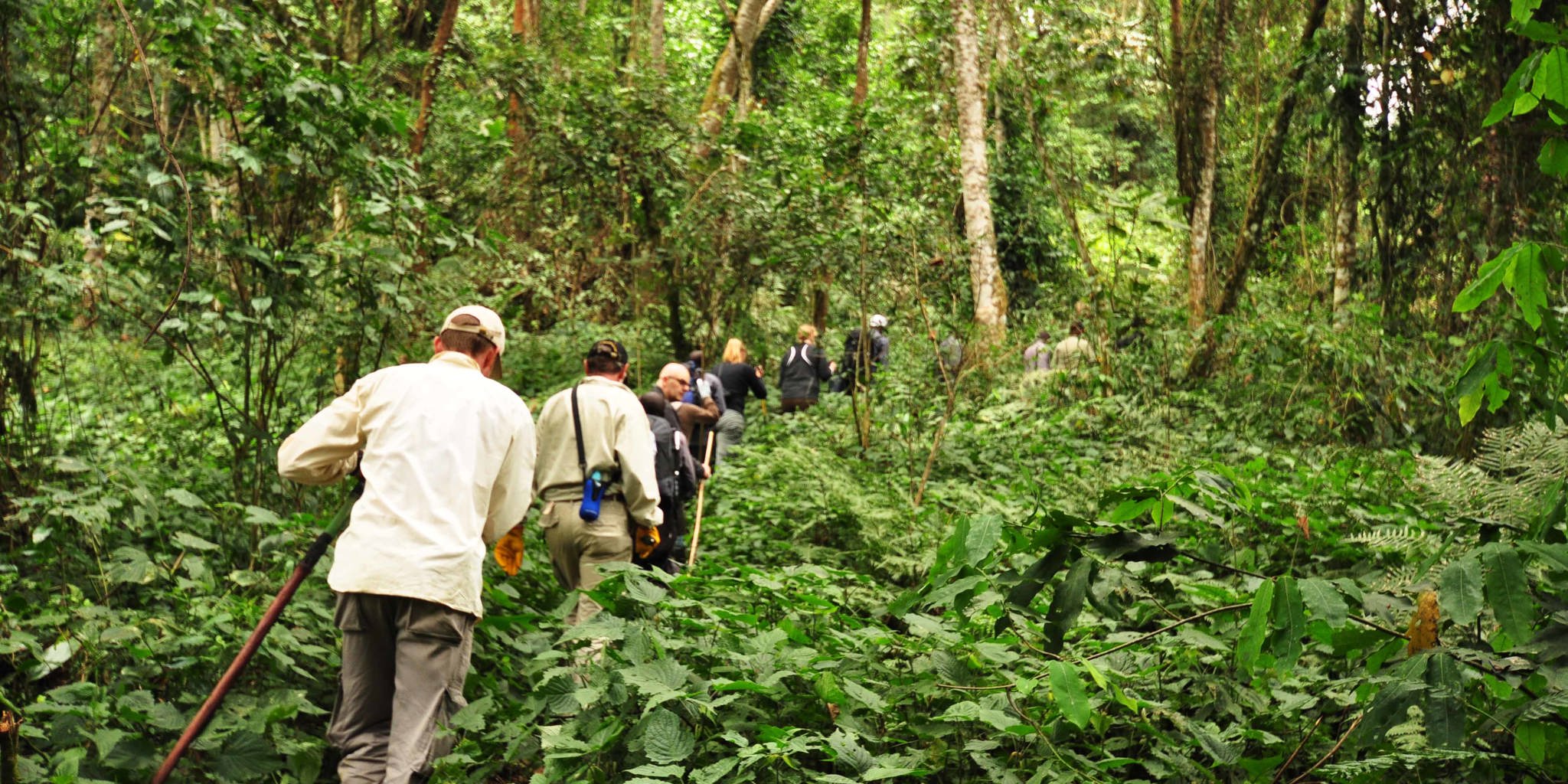
During the briefing, visitors are assigned to specific gorilla families based on fitness level, age, and personal preference whenever possible. Rangers introduce the gorilla family you will be tracking, estimate the trekking difficulty, discuss the expected terrain, and explain how to behave once the gorillas are located. They also review the official Gorilla Trekking Rules Uganda, including the minimum viewing distance, photography regulations, and emergency procedures. Visitors have the opportunity to ask questions before the trek begins, ensuring everyone understands what is expected throughout the experience.
The briefing also serves as an educational session where trekkers learn about mountain gorilla conservation, gorilla family structures, forest ecology, and the important role tourism plays in protecting Uganda’s endangered wildlife.
Health and Safety Guidelines Before Gorilla Trekking
Following the Gorilla Trekking Rules Uganda starts with ensuring that you are healthy enough to participate in the trek. Since mountain gorillas are genetically very close to humans, they are vulnerable to many human illnesses, particularly respiratory infections such as influenza, COVID-19, tuberculosis, and the common cold.
Visitors experiencing fever, cough, sore throat, flu symptoms, or any contagious illness are strongly advised not to trek. Protecting gorillas from disease is one of the primary reasons these regulations exist. If you become sick shortly before your trek, inform your tour operator or park authorities immediately so alternative arrangements can be discussed.
Travelers should also remain well hydrated before the hike, eat a light breakfast, and carry enough drinking water throughout the trek. Although gorilla trekking does not require advanced mountaineering skills, the steep forest terrain can be physically demanding. Visitors with heart conditions or mobility challenges should consult their physician before traveling and inform their safari company in advance.
What to Wear While Following Gorilla Trekking Rules Uganda
Wearing the right clothing greatly improves both comfort and safety during gorilla trekking. The rainforests of Bwindi Impenetrable National Park and Mgahinga Gorilla National Park are cool, humid, and often muddy, making proper attire an important part of observing the Gorilla Trekking Rules Uganda.
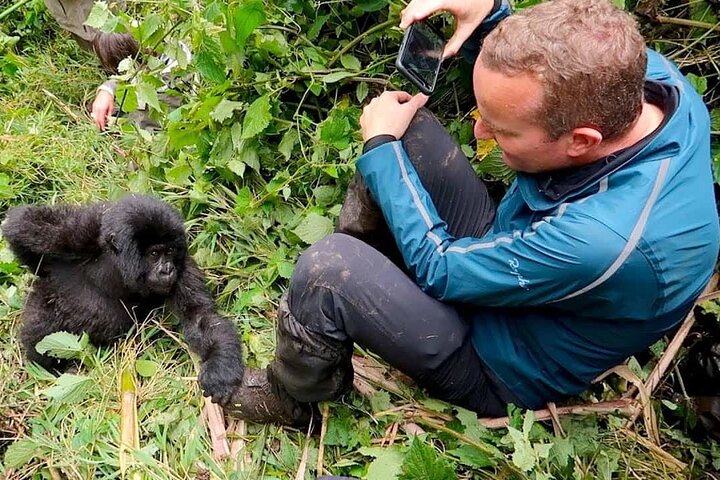
Visitors should wear long-sleeved shirts and long trousers to protect against scratches, insects, and stinging plants. Waterproof hiking boots with good ankle support provide stability on slippery trails, while gaiters help prevent mud and ants from entering your boots. Gardening gloves are useful when holding onto vegetation during steep climbs.
A lightweight waterproof jacket is highly recommended because rain showers can occur unexpectedly throughout the year. Neutral-colored clothing such as green, brown, or khaki is preferred because it blends naturally with the forest environment without attracting unnecessary attention from wildlife.
A small backpack should contain drinking water, snacks, sunscreen, insect repellent, a camera, spare batteries, and personal medication. Walking sticks provided at the park headquarters can greatly reduce fatigue during steep sections of the hike.
Photography Rules During Gorilla Trekking
Capturing photographs of mountain gorillas is one of the highlights of every safari, but visitors must observe several photography guidelines under the Gorilla Trekking Rules Uganda.
Flash photography is strictly prohibited because sudden bursts of light may disturb or frighten gorillas. Modern cameras perform exceptionally well under the forest’s low-light conditions, allowing photographers to capture excellent images without flash. Visitors are encouraged to increase ISO settings, use wide apertures, and maintain steady camera support for the best results.
Photography should never interfere with the gorillas’ natural behavior or obstruct other visitors’ viewing opportunities. Drones are not permitted inside Uganda’s national parks because they create noise and may stress wildlife. Visitors should also avoid spending the entire hour behind the camera. Taking time to simply observe the gorillas without a lens often creates the most memorable experience
Environmental Conservation Rules During Gorilla Trekking
The forests that shelter mountain gorillas are among Africa’s most valuable ecosystems. Protecting these habitats is an important part of the Gorilla Trekking Rules Uganda.
Visitors must never leave litter behind in the forest. Plastic bottles, food wrappers, tissues, and all other waste should be carried back out of the park. Smoking is prohibited because discarded cigarette butts may cause forest fires and contaminate wildlife habitats.
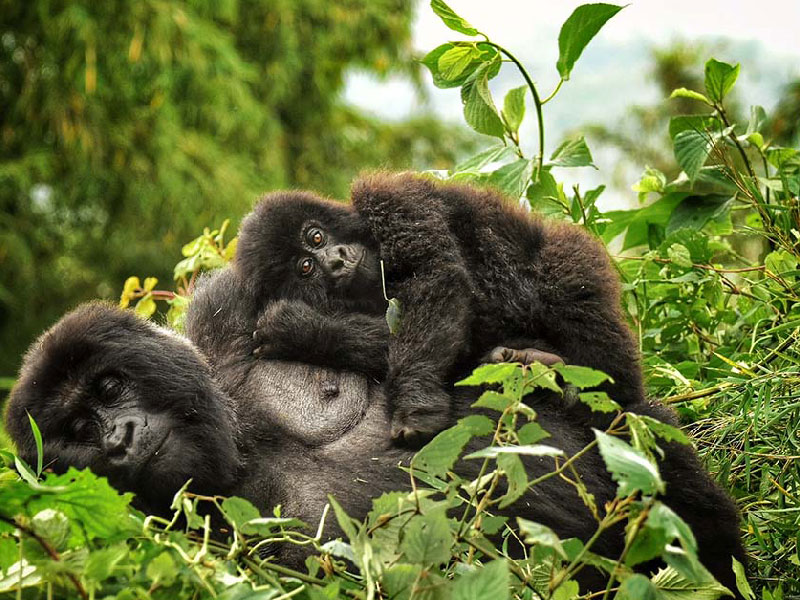
Trekkers should avoid breaking branches unnecessarily, picking flowers, collecting plants, or removing natural objects from the forest. Remaining on established trails whenever instructed helps reduce environmental damage while protecting sensitive vegetation.
Every visitor plays a direct role in preserving Uganda’s rainforests simply by following these conservation principles.
Gorilla Trekking Rules Uganda vs Gorilla Habituation Rules
Many travelers ask whether gorilla trekking and gorilla habituation follow the same regulations. While both experiences share many conservation principles, there are important differences.
Standard gorilla trekking allows visitors to spend one hour with a fully habituated gorilla family after locating them in the forest. Gorilla habituation, available only in Uganda’s Bwindi Impenetrable National Park, allows visitors to accompany researchers and rangers for up to four hours with a gorilla family that is still becoming accustomed to human presence.
Both experiences require visitors to maintain the recommended viewing distance, avoid flash photography, remain quiet, and follow ranger instructions. However, habituation experiences involve smaller groups, more detailed explanations from researchers, and additional observation of gorilla behavior throughout the day.
Common Mistakes Visitors Should Avoid
Even experienced travelers occasionally make mistakes during gorilla trekking. One of the most common errors is arriving without sufficient physical preparation. Although some gorilla families are located relatively close to the trailhead, others require several hours of hiking through steep forest terrain.
Another common mistake is packing unnecessary items that make backpacks excessively heavy. Visitors should carry only essential equipment while hiring local porters to assist with additional luggage if needed.
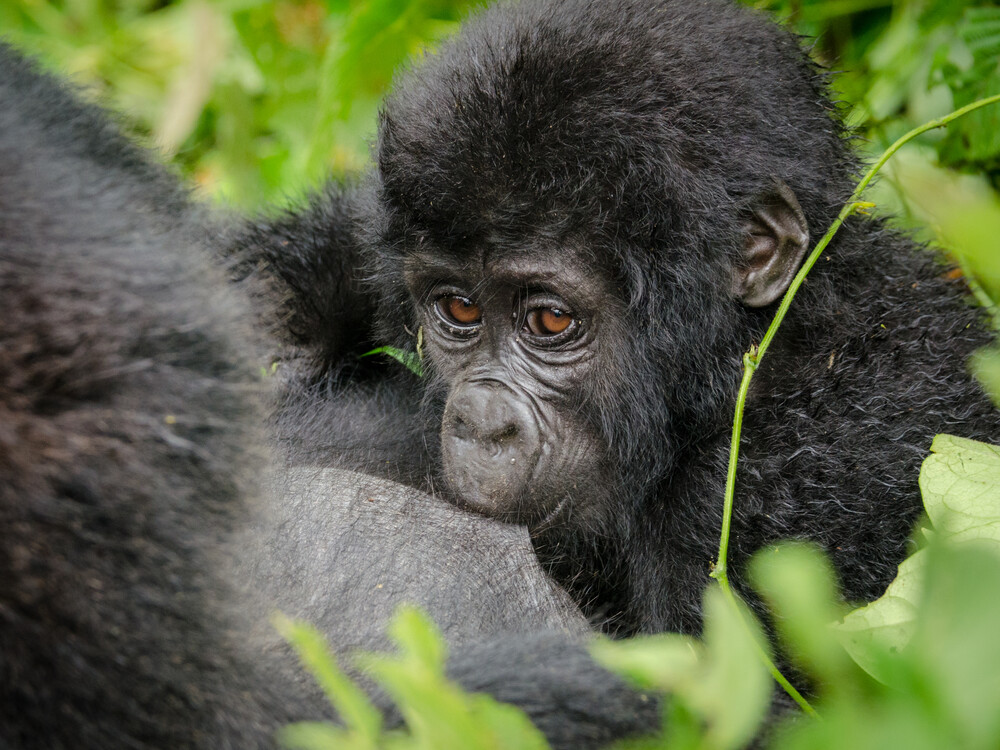
Talking loudly, forgetting rain gear, wearing unsuitable footwear, arriving late for the briefing, and ignoring ranger instructions can all reduce the quality of the experience. Understanding the Gorilla Trekking Rules Uganda before arrival helps eliminate these avoidable mistakes.
Tips for the Best Gorilla Trekking Experience
To fully enjoy your safari, begin preparing several weeks before your departure by taking regular walks or light hikes to improve fitness. Book your gorilla permit several months in advance, particularly during the peak seasons between June and September or December and February.
Hiring a porter is one of the best decisions visitors can make. Porters assist with backpacks, provide support on difficult terrain, and contribute directly to local community livelihoods. Choosing comfortable accommodation close to your trekking sector also reduces travel time on the morning of your trek.
Most importantly, approach the experience with patience. Gorilla trekking is not simply about reaching the gorillas—it is also about appreciating Uganda’s spectacular rainforest, birdlife, butterflies, waterfalls, and breathtaking scenery along the journey.
Why Gorilla Trekking Rules Uganda Protect Future Generations
The remarkable recovery of Uganda’s mountain gorilla population is one of Africa’s greatest conservation achievements. Strict enforcement of the Gorilla Trekking Rules Uganda has played a significant role in this success by reducing disease transmission, minimizing habitat disturbance, and encouraging sustainable tourism practices.
Every visitor who follows these rules contributes directly to conservation efforts that protect mountain gorillas, preserve Uganda’s unique rainforests, support local communities, and fund wildlife research. Responsible tourism ensures that future generations will continue to experience the extraordinary privilege of observing mountain gorillas in their natural habitat.
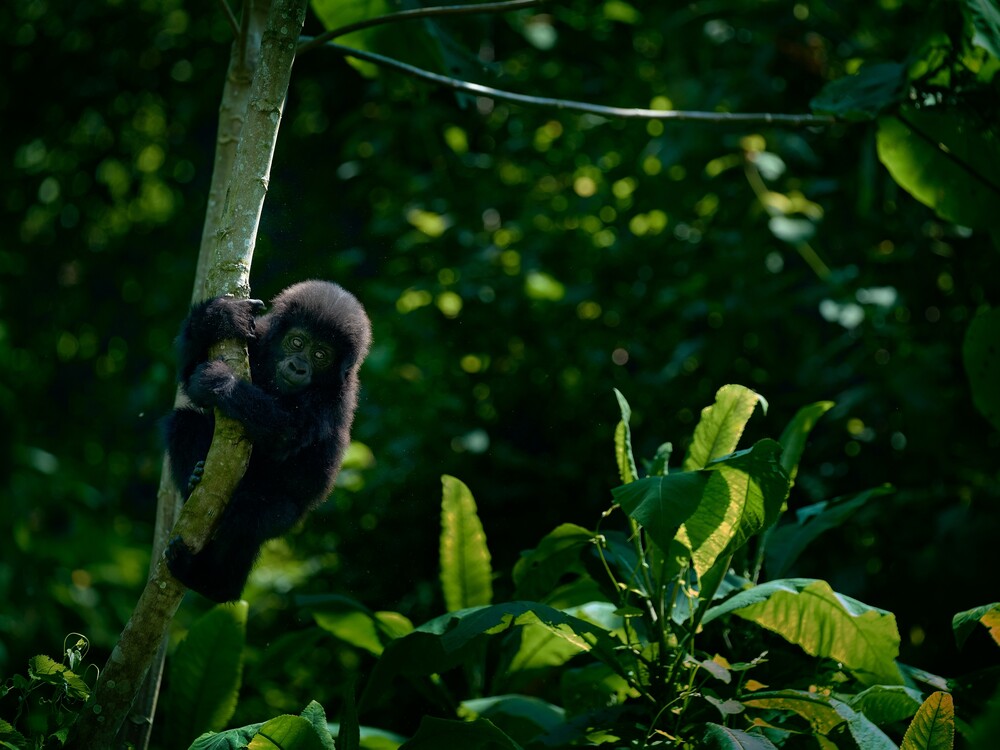
By respecting every guideline before, during, and after your trek, you become an active partner in one of the world’s most successful wildlife conservation stories.
Why Choose Boots in The Jungle Safaris for Gorilla Trekking in Uganda
Planning a gorilla trekking safari requires expert knowledge of permits, park sectors, accommodations, transportation, and trekking preparation. Boots in The Jungle Safaris specializes in personalized gorilla trekking experiences across Bwindi Impenetrable National Park and Mgahinga Gorilla National Park. Our experienced safari consultants help secure permits, recommend the best lodges, organize reliable transportation, and ensure every traveler understands the Gorilla Trekking Rules Uganda before entering the forest.
Whether you are planning a luxury safari, a mid-range adventure, or a budget-friendly gorilla trek, our team creates seamless itineraries that maximize your wildlife experience while supporting responsible tourism and conservation. With our local expertise and commitment to exceptional service, you can enjoy one of Africa’s greatest wildlife encounters with complete confidence.