Ultimate Best Time to Visit Rwanda Guide
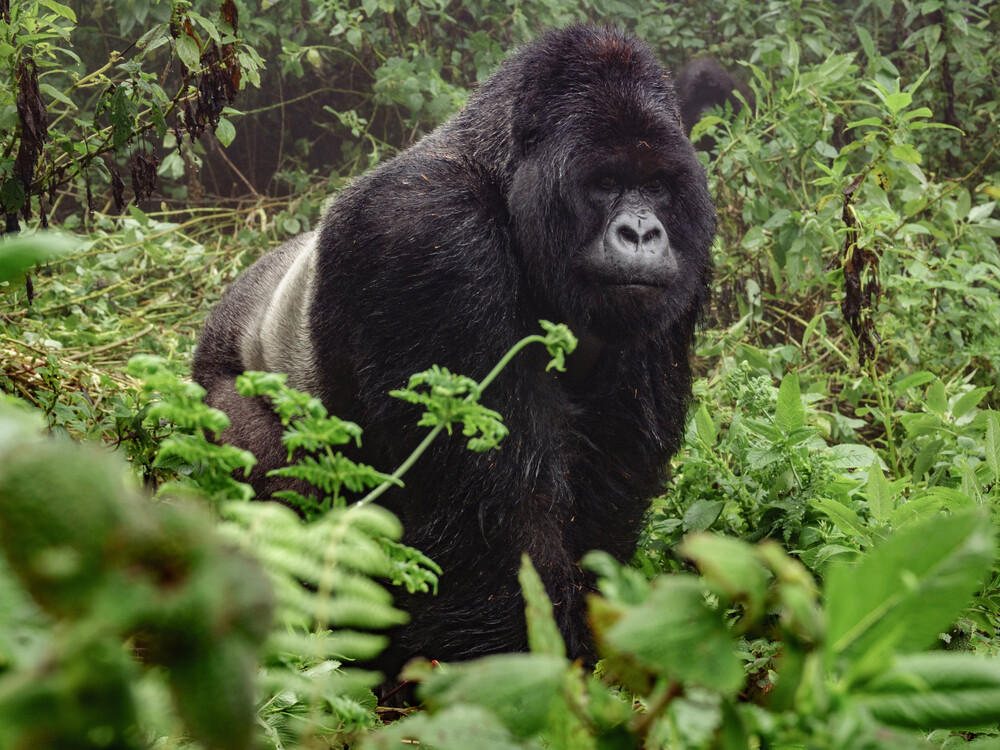
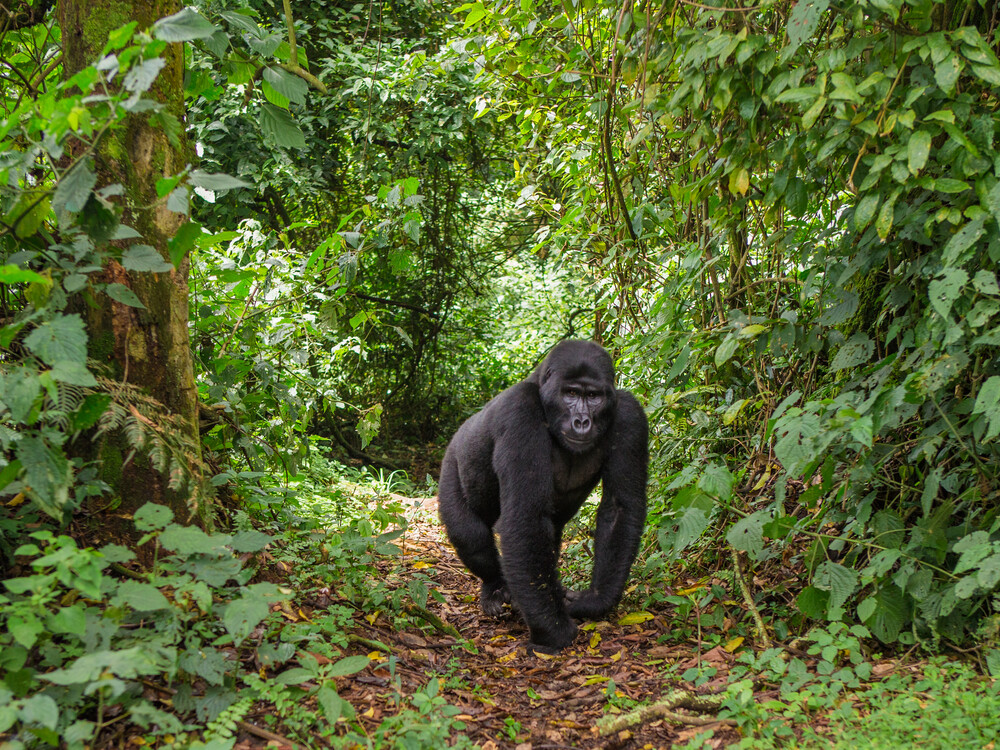
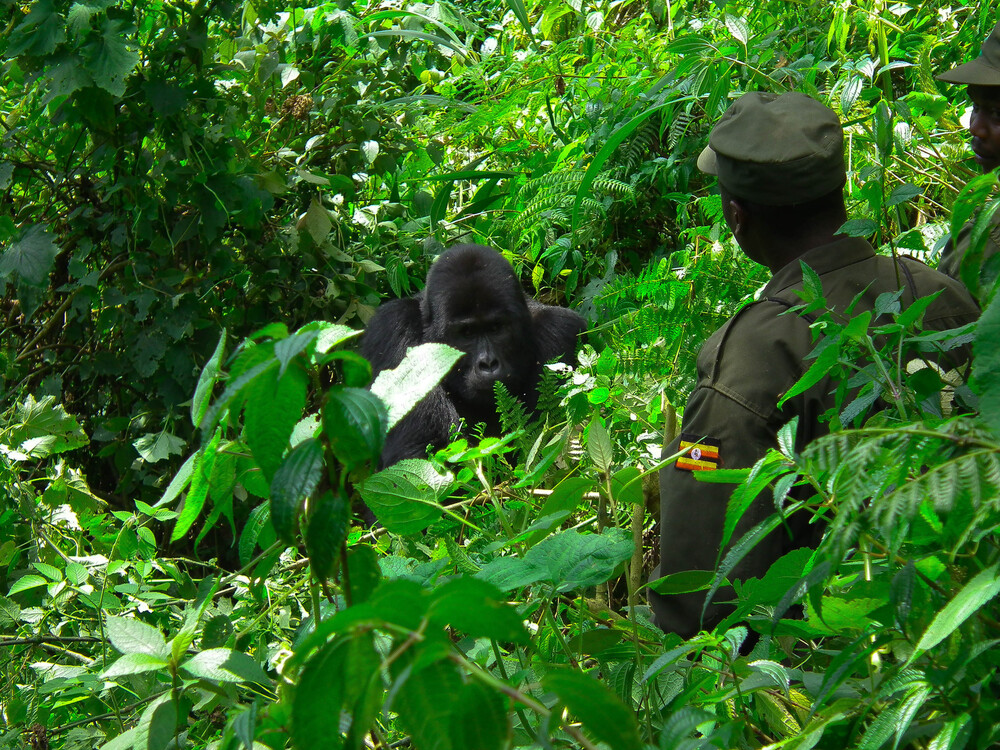
Rwanda is one of Africa’s most rewarding safari destinations and welcomes visitors throughout the year. Thanks to its pleasant tropical highland climate, breathtaking landscapes, remarkable wildlife, and excellent tourism infrastructure, there is never a bad time to explore the country. However, the Best Time to Visit Rwanda ultimately depends on the type of experience you are looking for. Whether your dream safari includes mountain gorilla trekking, Big Five wildlife safaris, chimpanzee trekking, birdwatching, volcano hiking, photography, cultural encounters, or a romantic honeymoon, each season offers unique opportunities that make Rwanda a year-round destination.
Choosing the Best Time to Visit Rwanda is important because weather conditions can influence hiking trails, wildlife viewing, accommodation availability, photography, and overall travel costs. While the dry seasons generally provide easier trekking conditions and excellent game viewing, the rainy seasons transform Rwanda into a lush green paradise with fewer visitors, spectacular scenery, and attractive safari discounts. Understanding these seasonal differences allows travelers to select the perfect time based on their interests, travel style, and budget.
One of Rwanda’s greatest advantages is its comfortable climate throughout the year. Unlike many African destinations that experience extreme heat, Rwanda’s high elevation creates mild daytime temperatures and cool evenings, making outdoor activities enjoyable in every season. Volcanoes National Park, Akagera National Park, Nyungwe Forest National Park, and Lake Kivu each experience slightly different weather patterns, but all remain accessible year-round. This Best Time to Visit Rwanda Guide explains how these seasonal variations affect gorilla trekking, wildlife safaris, hiking, birdwatching, and other popular activities.
This comprehensive Best Time to Visit Rwanda Guide has been designed to help you choose the ideal travel period based on weather conditions, rainfall, crowd levels, permit availability, accommodation prices, photography opportunities, and safari experiences. Whether you are planning your first visit to Rwanda or returning to discover another part of the country, this guide provides practical advice to help you make informed travel decisions and maximize your safari experience.
At Boots in The Jungle Safaris, we specialize in creating unforgettable Rwanda adventures throughout the year. Our experienced safari consultants provide personalized itineraries, official gorilla permit reservations, carefully selected accommodation, comfortable 4×4 transportation, professional guides, and expert local advice tailored to your preferred travel season. With our expertise and this Best Time to Visit Rwanda Guide, planning your dream Rwanda safari becomes simple, enjoyable, and completely stress-free.
Understanding Rwanda’s Climate
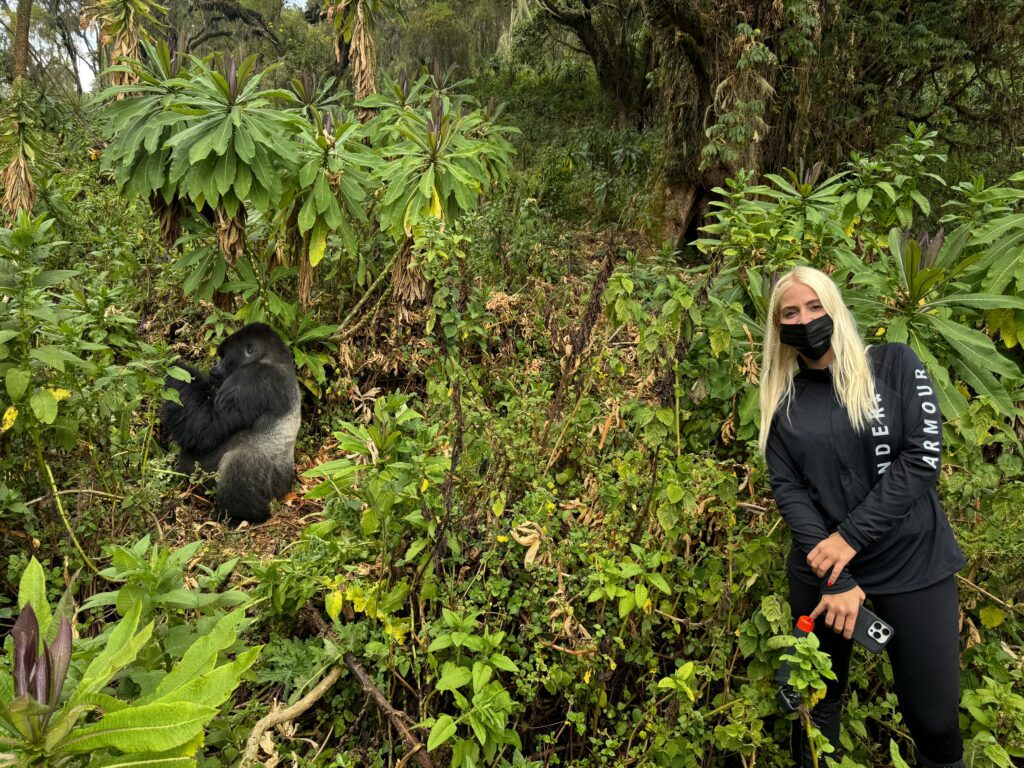
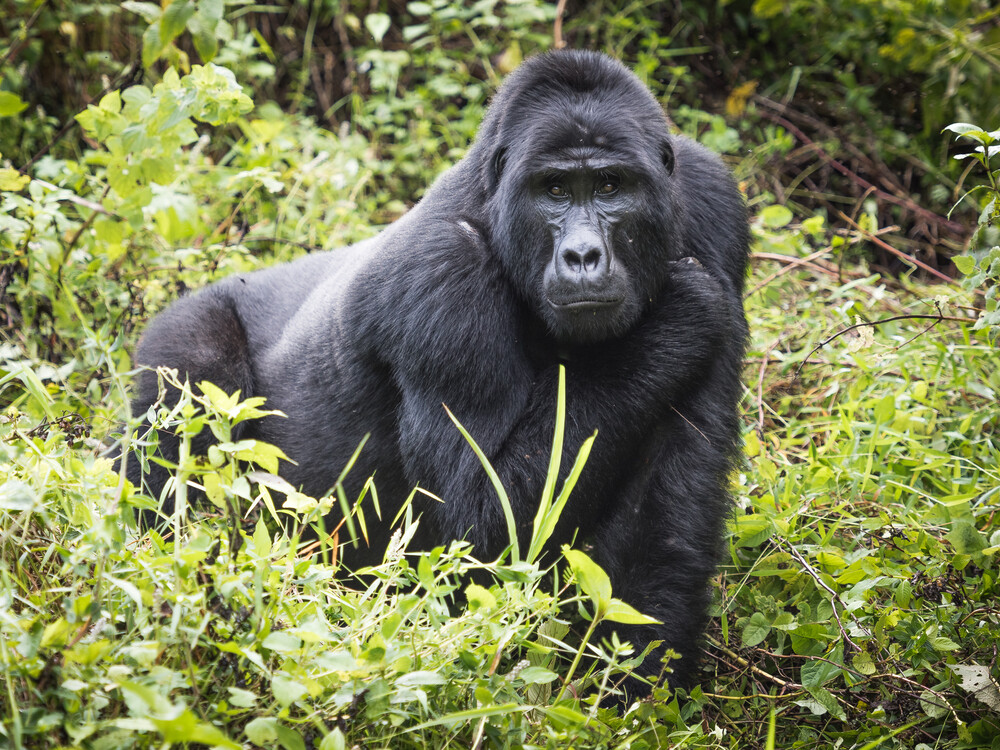
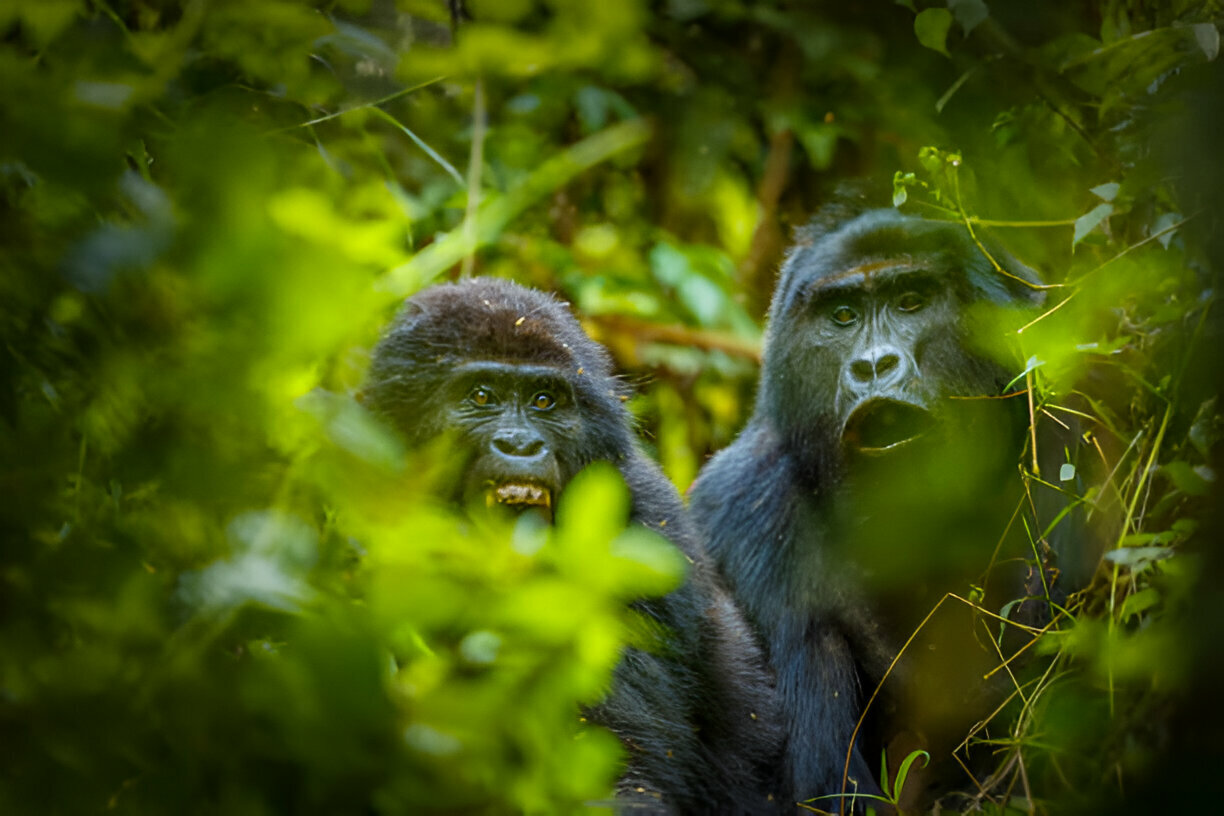
Understanding Rwanda’s climate is essential when deciding the Best Time to Visit Rwanda. Despite being located close to the equator, Rwanda enjoys a remarkably pleasant climate because of its high elevation. Often referred to as the “Land of a Thousand Hills,” the country lies between approximately 900 and 4,500 meters (2,950 to 14,760 feet) above sea level. These varying elevations create moderate temperatures throughout the year, making Rwanda one of Africa’s most comfortable safari destinations regardless of the season.
Rwanda experiences a tropical highland climate characterized by warm days, cool evenings, and relatively stable temperatures. Average daytime temperatures generally range between 68°F and 81°F (20°C to 27°C) depending on the region, while nighttime temperatures in higher-altitude areas such as Volcanoes National Park can fall to around 50°F (10°C). This mild climate allows visitors to comfortably enjoy outdoor activities including gorilla trekking, wildlife safaris, hiking, and cultural tours throughout the year.
Altitude plays a significant role in shaping Rwanda’s weather. The volcanic mountains surrounding Volcanoes National Park experience cooler temperatures and more frequent rainfall than the lower eastern plains of Akagera National Park. Nyungwe Forest National Park, with its dense montane rainforest, receives higher annual rainfall, supporting one of Africa’s richest ecosystems and creating ideal conditions for chimpanzees and countless bird species. Lake Kivu, located along Rwanda’s western border, enjoys slightly warmer conditions that are perfect for lakeside relaxation and water-based activities.
Rainfall in Rwanda follows two distinct rainy seasons and two dry seasons. The longer rainy season typically occurs from March to May, while the shorter rainy season falls between October and November. Dry periods generally extend from June to September and December to February. Although rainfall patterns influence trail conditions and wildlife viewing, they rarely prevent travel, making Rwanda an excellent destination during every month of the year.
One reason the Best Time to Visit Rwanda is difficult to define is because each season offers different advantages. Dry months provide easier hiking conditions, clearer skies, and exceptional wildlife viewing, while rainy months bring lush green landscapes, dramatic scenery, fewer tourists, excellent birdwatching, and lower accommodation rates. Understanding these seasonal weather variations helps travelers choose the perfect time based on their preferred activities rather than assuming there is only one ideal season to visit Rwanda.
Rwanda Seasons Explained
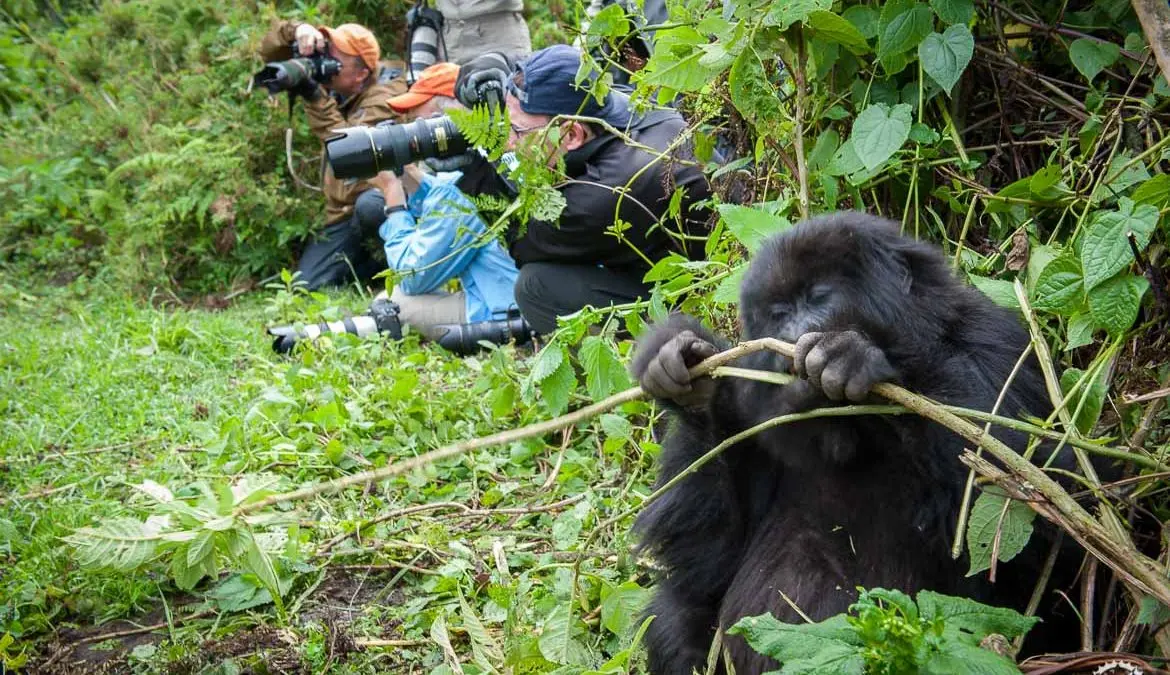
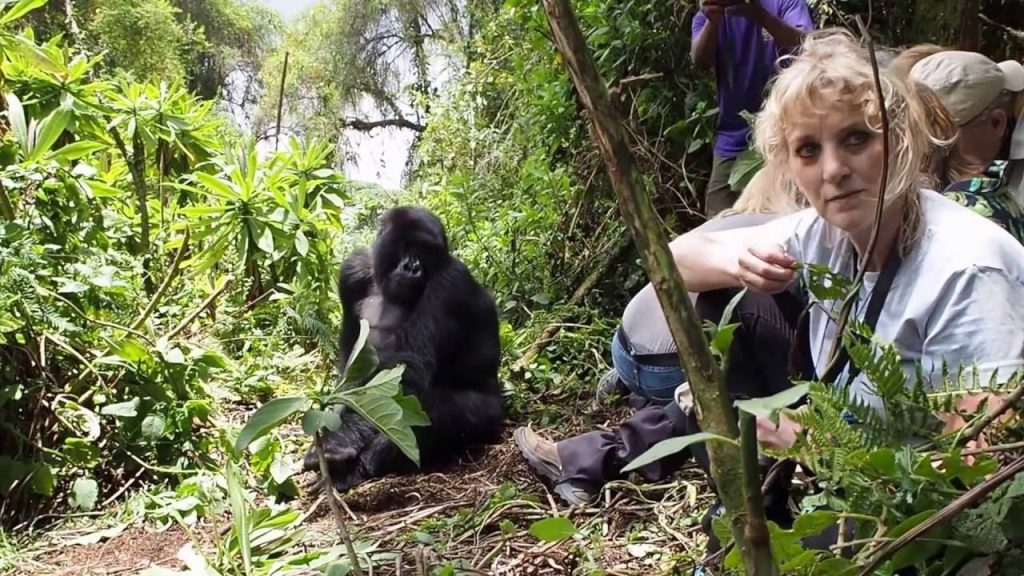
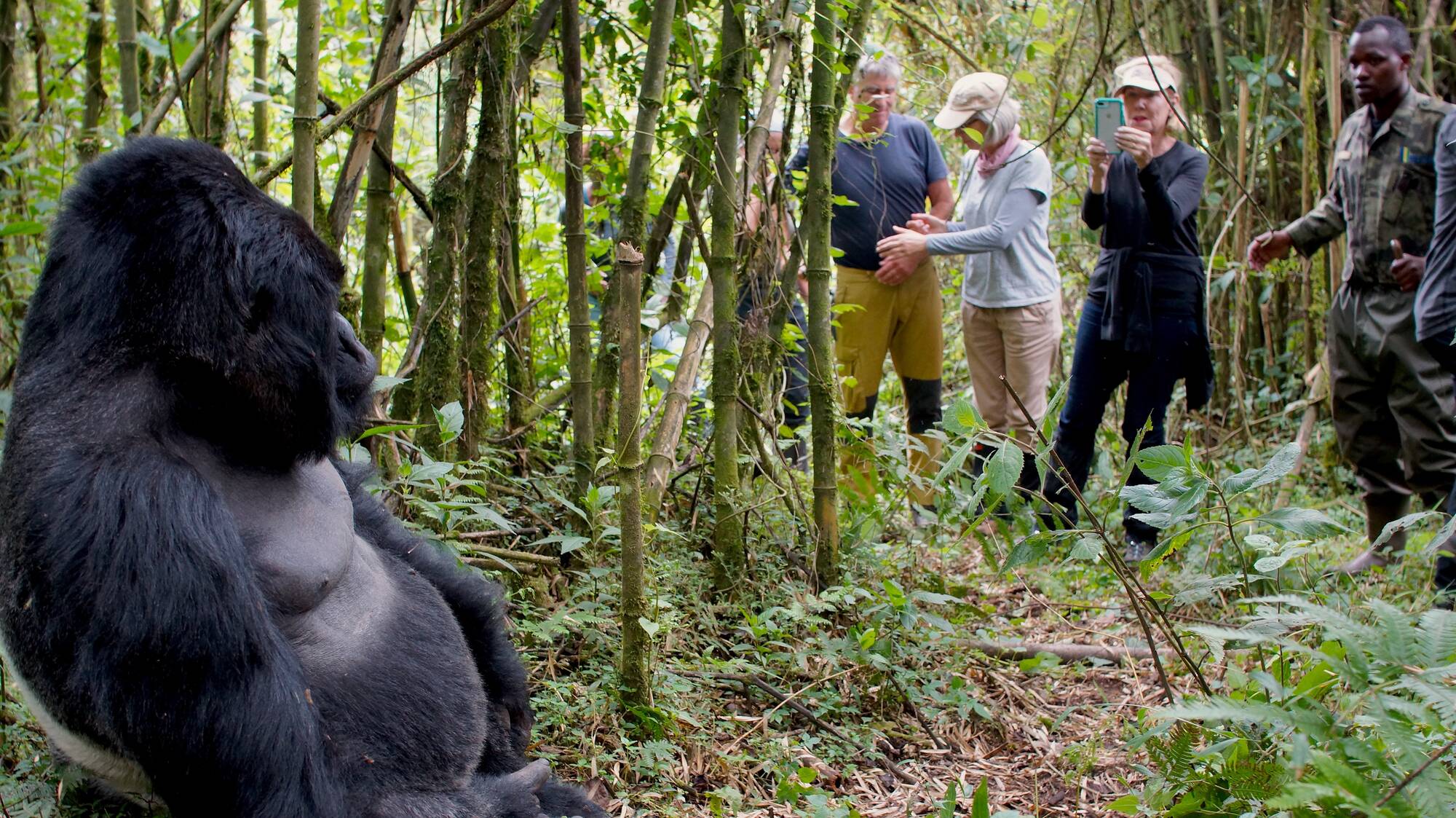
Choosing the Best Time to Visit Rwanda begins with understanding the country’s four distinct travel seasons. Rwanda experiences two dry seasons and two rainy seasons each year, with every period offering unique advantages for different safari activities. Whether your priority is gorilla trekking, wildlife photography, birdwatching, hiking, or enjoying quieter safari experiences, Rwanda provides outstanding opportunities throughout the calendar year.
Dry Seasons (June to September & December to February)
The dry seasons, from June through September and December through February, are generally regarded as the Best Time to Visit Rwanda for most travelers. During these months, rainfall is less frequent, forest trails become drier, and road conditions improve significantly, making travel between national parks more comfortable.
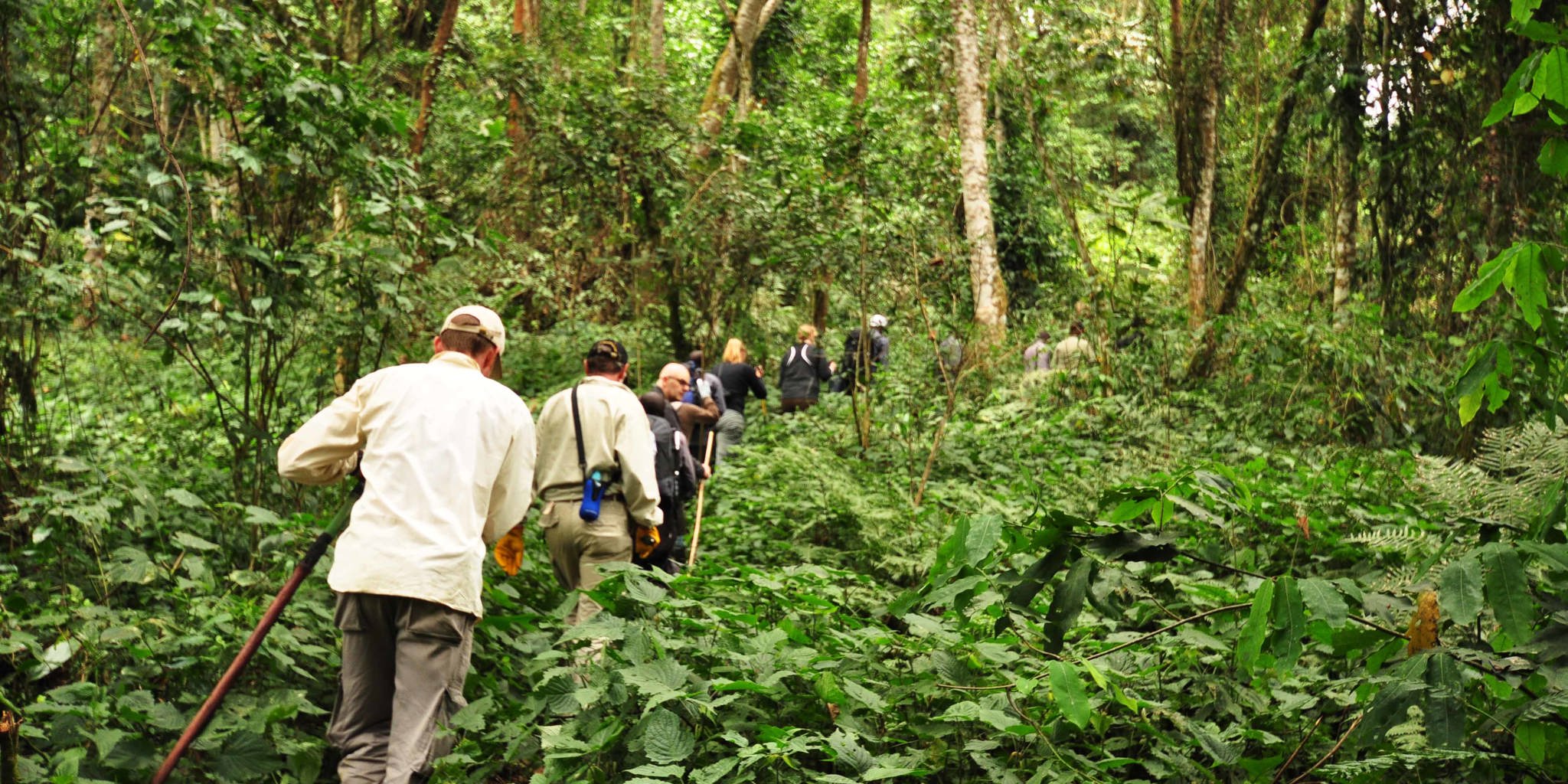
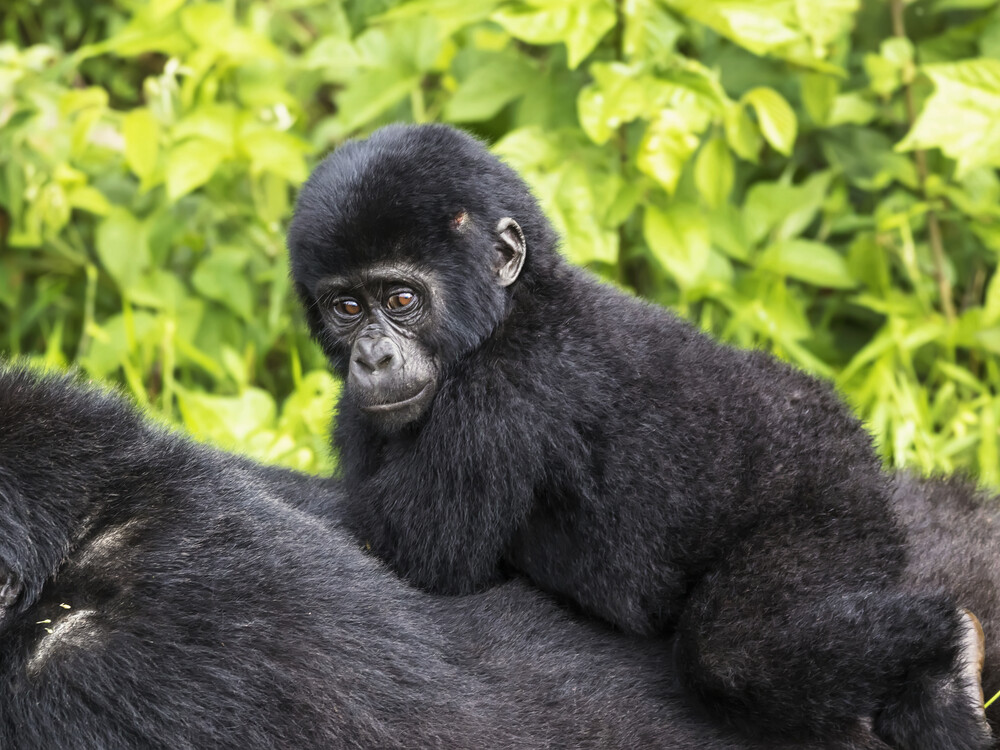
For visitors planning gorilla trekking in Volcanoes National Park, the dry season provides easier hiking conditions as trails are less muddy and vegetation is slightly less dense. Although mountain gorillas can be found throughout the year, trekking during the dry months is often more comfortable, especially for older travelers or those with moderate fitness levels.
Wildlife viewing in Akagera National Park also improves during the dry season as animals gather around permanent water sources. Lions, elephants, buffaloes, giraffes, zebras, hippos, antelope species, and numerous predators become easier to locate, providing excellent game-viewing opportunities. Boat safaris on Lake Ihema are equally rewarding, with hippos, crocodiles, and abundant birdlife frequently seen along the shoreline.
Because these months are considered the Best Time to Visit Rwanda, they also represent the peak tourism season. Gorilla permits, luxury lodges, and popular safari accommodations often sell out several months in advance, making early reservations highly recommended.
Rainy Seasons (March to May & October to November)
The rainy seasons from March to May and October to November offer a completely different but equally rewarding Rwanda safari experience. Although rainfall becomes more frequent, it rarely lasts all day, with showers often occurring during the afternoon or evening before sunshine returns.
One of the greatest advantages of visiting during the rainy season is the incredible transformation of Rwanda’s landscapes. Dense forests become greener, waterfalls flow more powerfully, tea plantations flourish, and rolling hills appear even more vibrant. These lush surroundings create spectacular scenery that many photographers consider the most beautiful time of year.
The rainy season also offers fewer tourists, making gorilla trekking, national parks, and cultural attractions feel quieter and more exclusive. Accommodation rates are often lower, and safari operators may offer attractive discounts, making this an excellent choice for budget-conscious travelers.
Birdwatchers particularly appreciate the rainy season because migratory species arrive alongside Rwanda’s impressive resident bird population. Nyungwe Forest National Park, Akagera National Park, and Volcanoes National Park become exceptional destinations for bird photography and wildlife observation.
For travelers seeking lush scenery, peaceful trekking experiences, and excellent value, the rainy months can also represent the Best Time to Visit Rwanda, proving that every season has its own unique appeal.
Best Time to Visit Rwanda for Gorilla Trekking
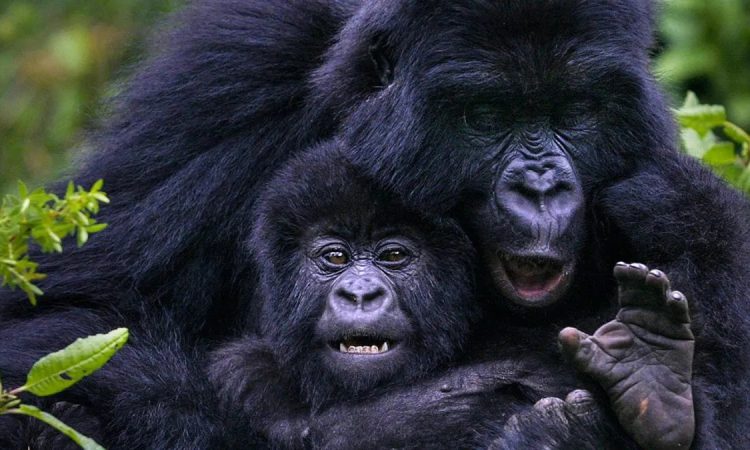
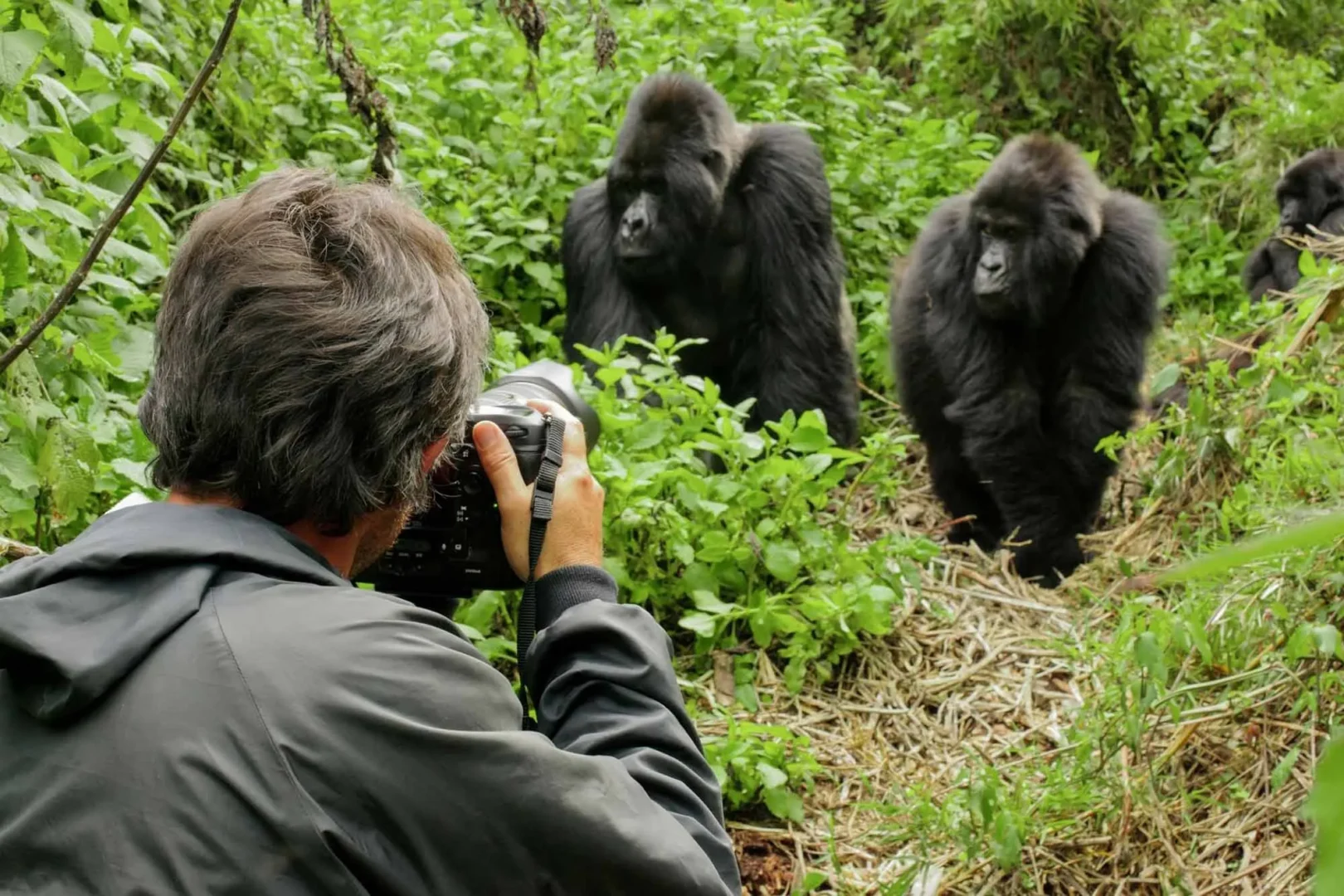
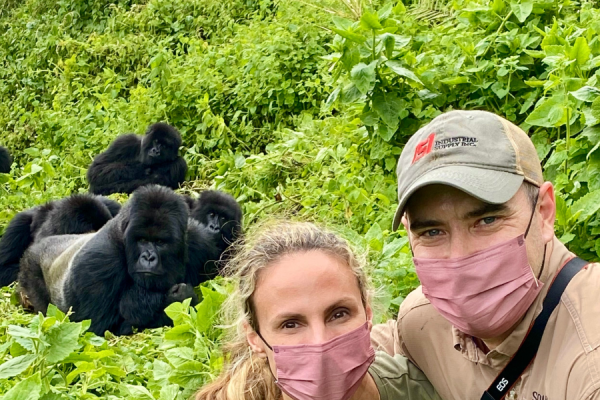
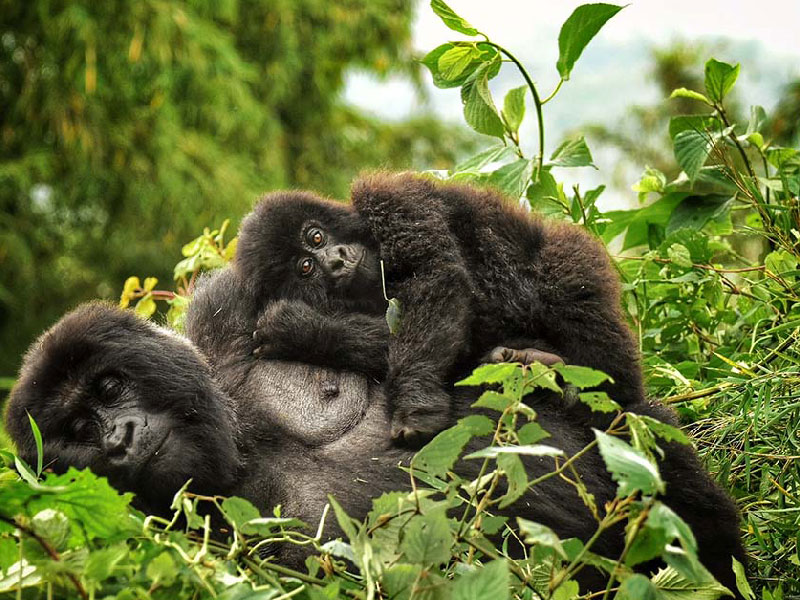
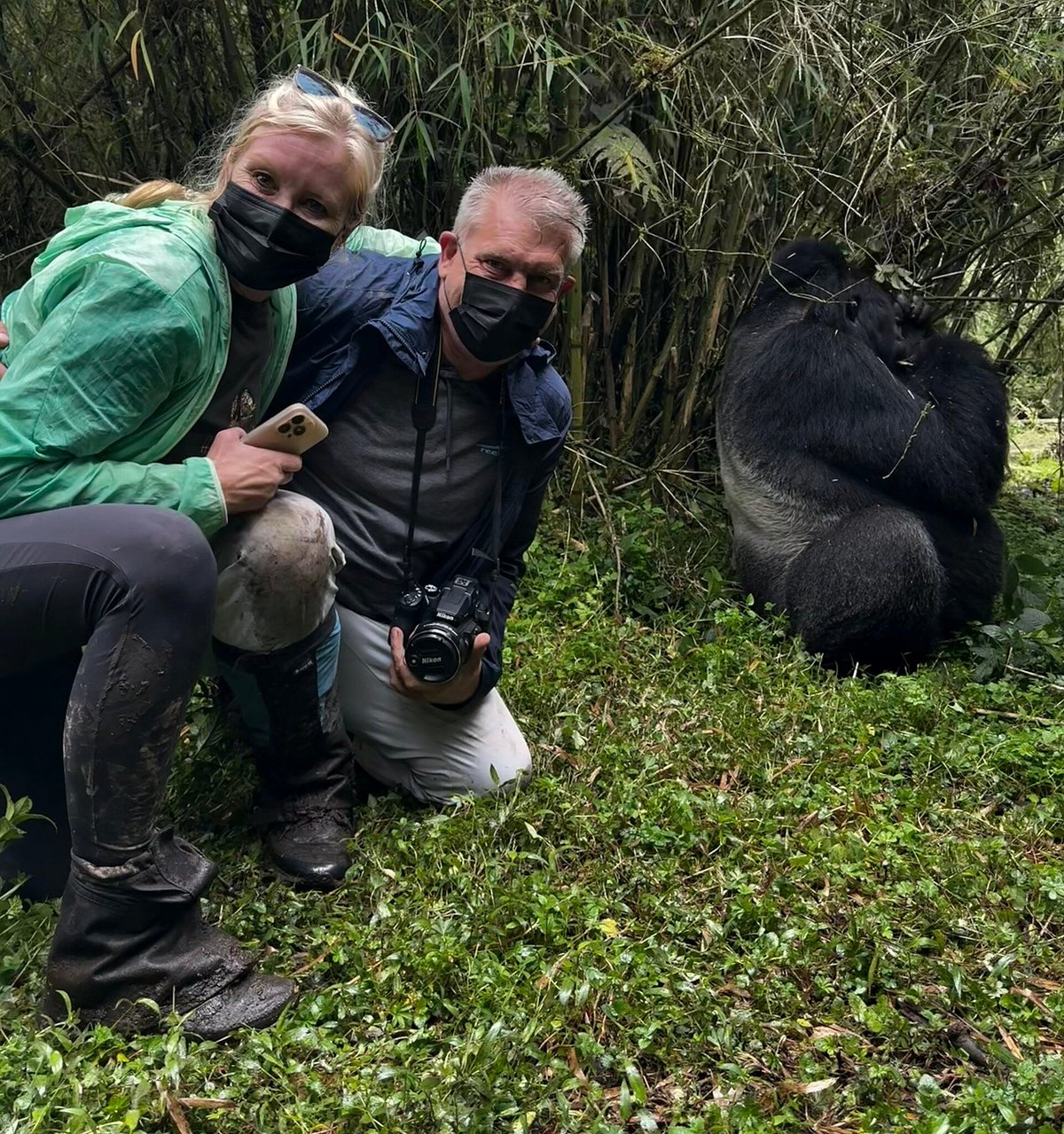
For many travelers, mountain gorilla trekking is the primary reason for visiting Rwanda, making this one of the most important sections of any Best Time to Visit Rwanda Guide. Volcanoes National Park offers gorilla trekking every day of the year, and mountain gorillas remain within the park regardless of season. This means successful gorilla sightings are consistently excellent throughout the year, although weather conditions influence the overall trekking experience.
The dry seasons from June to September and December to February are widely considered the Best Time to Visit Rwanda for gorilla trekking. During these months, rainfall is less frequent, hiking trails become firmer, and steep mountain paths are easier to navigate. Visibility within the forest also improves, making wildlife photography more rewarding while reducing the physical demands of the trek.
Despite the popularity of the dry season, many experienced travelers intentionally choose the rainy months. During March to May and October to November, Volcanoes National Park becomes exceptionally green and photogenic. The mist-covered rainforest creates dramatic scenery, and the softer natural light produces outstanding gorilla portraits. Although trails become muddier, the forest feels more peaceful due to fewer visitors.
Because the dry season represents the peak tourism period, gorilla permits experience exceptionally high demand. Rwanda issues only a limited number of permits each day to protect the endangered mountain gorillas and maintain a high-quality visitor experience. Travelers planning to visit during June through September or December through February should reserve their permits at least six to twelve months in advance whenever possible.
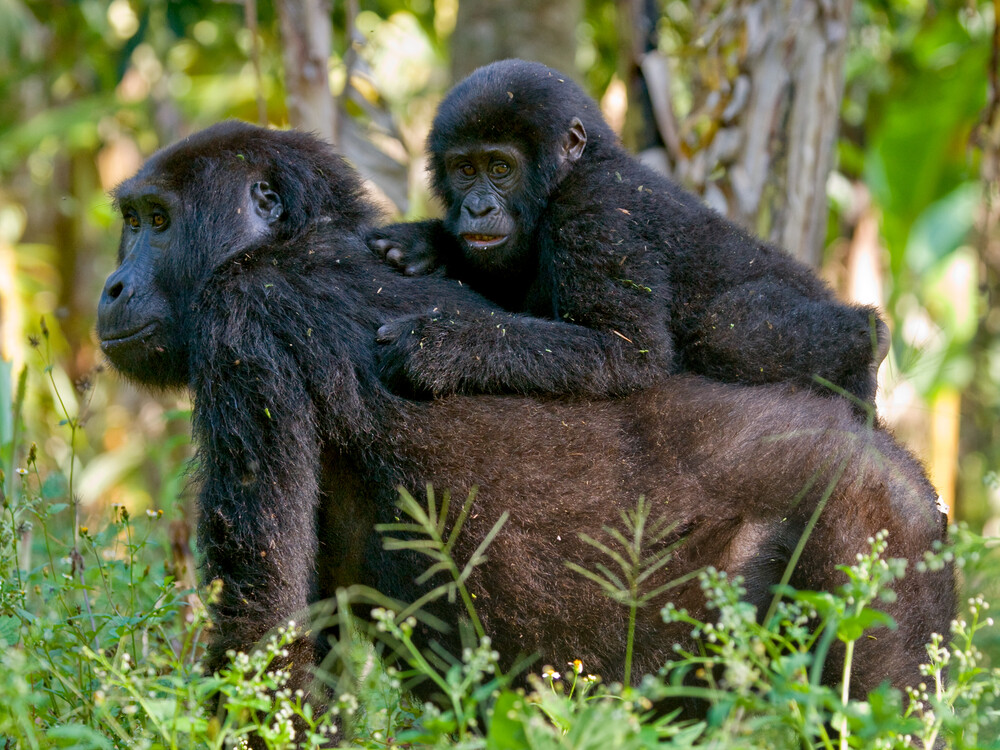
Regardless of the season, mountain gorillas remain active throughout the day, feeding, resting, grooming, and interacting naturally within their family groups. Weather conditions may influence hiking difficulty, but they do not significantly affect gorilla viewing opportunities. This is why many safari experts emphasize that the Best Time to Visit Rwanda for gorilla trekking depends more on personal preferences regarding weather, crowd levels, and photography than on the likelihood of seeing gorillas.
Best Time to Visit Rwanda for Wildlife Safaris
While gorilla trekking often receives the greatest attention, Rwanda also offers exceptional traditional wildlife safaris, particularly within Akagera National Park. Determining the Best Time to Visit Rwanda for wildlife viewing depends largely on seasonal rainfall and animal behavior, although rewarding safaris are possible throughout the year.
The dry seasons provide the finest wildlife viewing conditions in Akagera National Park. As grasses become shorter and water sources become more concentrated, animals gather around lakes, rivers, and wetlands, making them easier to locate during game drives. Visitors enjoy excellent sightings of lions, elephants, buffaloes, rhinoceroses, giraffes, zebras, impalas, topis, elands, warthogs, hippos, crocodiles, and numerous bird species. Predator sightings are also generally more frequent during these months because prey animals become concentrated around permanent water.
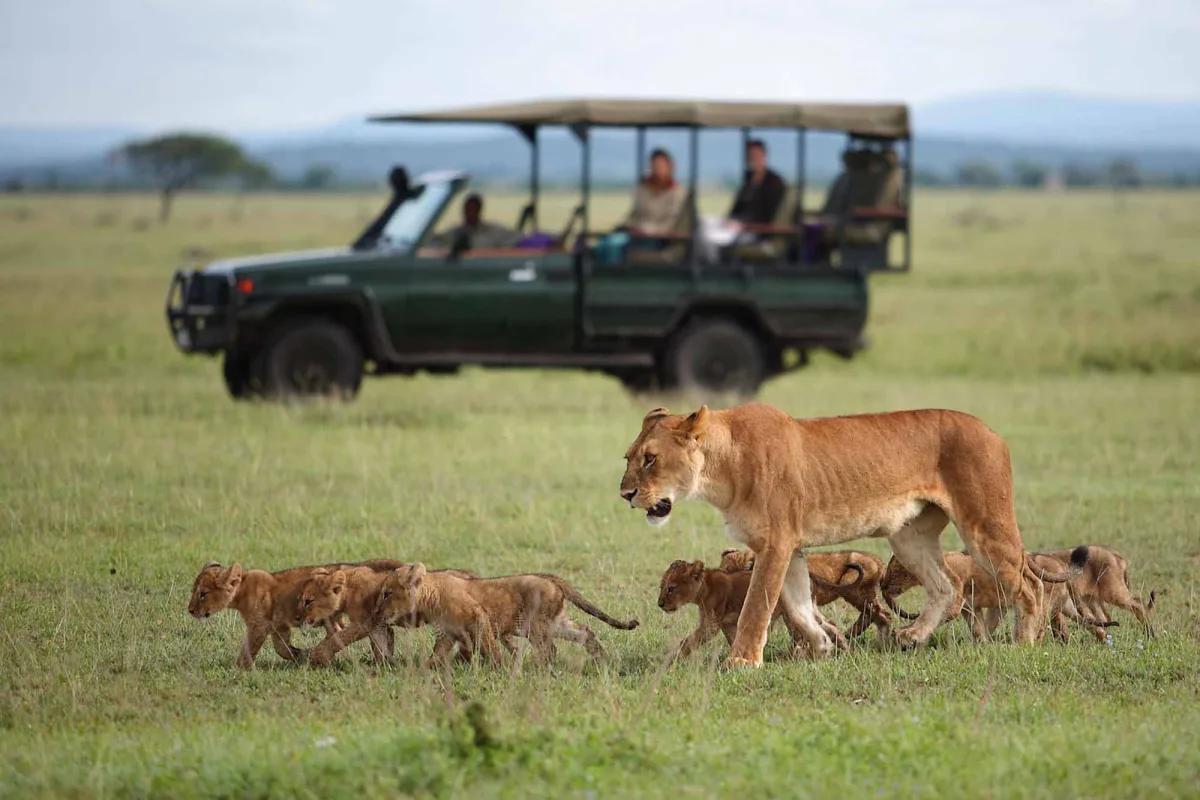
Boat safaris on Lake Ihema remain one of Akagera’s highlights regardless of season, but calmer weather during the dry months often provides particularly enjoyable cruising conditions. Large pods of hippos, Nile crocodiles, African fish eagles, kingfishers, herons, and many other aquatic species can be observed at close range while enjoying Rwanda’s peaceful lakeside scenery.
The rainy seasons offer an entirely different safari experience. Fresh vegetation transforms Akagera into a lush green landscape filled with colorful wildflowers and healthy grazing animals. While taller grasses may make some wildlife slightly harder to spot, the scenery becomes especially beautiful, creating outstanding opportunities for landscape and wildlife photography. Migratory birds also arrive during this period, making the rainy season highly rewarding for bird enthusiasts.
Ultimately, the Best Time to Visit Rwanda for wildlife safaris depends on your priorities. Travelers seeking maximum animal visibility and classic safari conditions generally prefer the dry season, while those interested in greener landscapes, fewer tourists, birdwatching, and exceptional photography often find the rainy season equally rewarding. Both seasons showcase the remarkable biodiversity that has made Akagera National Park one of East Africa’s fastest-growing safari destinations.
Best Time to Visit Rwanda for Chimpanzee Trekking
Chimpanzee trekking is one of Rwanda’s most exciting primate experiences, and understanding the Best Time to Visit Rwanda can help you make the most of your adventure in the ancient rainforests of Nyungwe National Park. Home to one of Africa’s oldest montane forests, Nyungwe protects a thriving population of chimpanzees along with twelve other primate species. Chimpanzee trekking is available throughout the year, but weather conditions and seasonal changes can influence trekking difficulty, photography, and the movement of the chimpanzees.
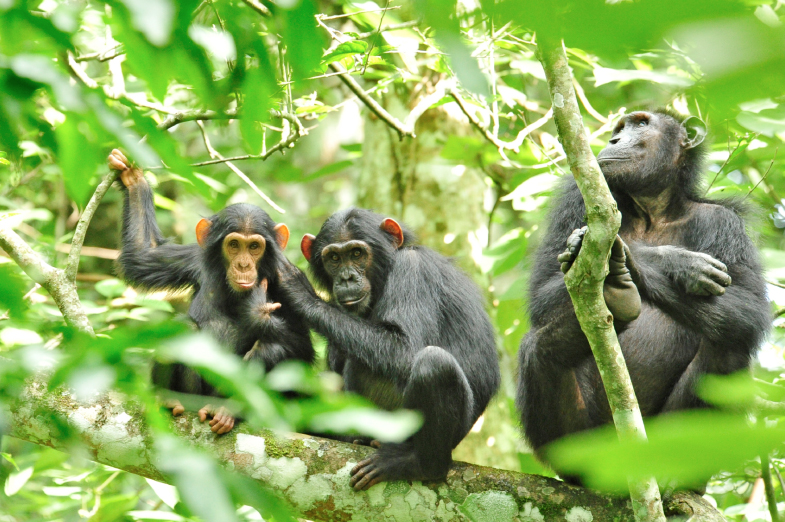
Nyungwe Forest experiences a cool, humid rainforest climate due to its high elevation, receiving rainfall throughout the year. Unlike open savannah parks, the forest remains lush regardless of season, although rainfall varies between the dry and wet months. The dry seasons from June to September and December to February are generally considered the Best Time to Visit Rwanda for chimpanzee trekking because forest trails become less slippery, making hiking more comfortable. These conditions are particularly beneficial for visitors who prefer easier walks through the dense rainforest.
During the rainy seasons from March to May and October to November, Nyungwe transforms into an exceptionally vibrant rainforest filled with fresh vegetation, flowering plants, and abundant wildlife activity. Although trekking trails become muddier and require greater physical effort, the forest is remarkably beautiful, with mist-covered trees creating a magical atmosphere. Many photographers appreciate this period because the rainforest appears richer in color, while soft natural lighting creates excellent wildlife photography conditions.
Chimpanzees are highly mobile animals and move throughout the forest daily in search of fruits, leaves, flowers, and insects. Their seasonal movements are influenced more by food availability than by rainfall, meaning sightings remain consistently successful throughout the year. Experienced trackers locate the chimpanzee communities early each morning before guiding visitors into the forest, ensuring excellent chances of finding them regardless of season.
Photography during chimpanzee trekking requires patience because chimpanzees are energetic and often move quickly through the forest canopy. The dry season provides brighter lighting and slightly better visibility, while the rainy season offers dramatic rainforest scenery and richer natural colors. Whichever season you choose, chimpanzee trekking remains one of the highlights of any Rwanda safari, making Nyungwe National Park an outstanding destination throughout the year.
Best Time to Visit Rwanda for Birdwatching
For bird enthusiasts, determining the Best Time to Visit Rwanda depends on whether your goal is observing resident species, migratory birds, or the rare Albertine Rift endemics. Rwanda is one of Africa’s premier birdwatching destinations, with more than 700 recorded bird species distributed across forests, wetlands, savannahs, lakes, and mountainous landscapes. The country’s remarkable biodiversity allows birdwatching throughout the year, with every season offering unique opportunities.
Rwanda’s resident bird population can be observed in every month, making birdwatching a rewarding activity regardless of when you travel. Forests, wetlands, and national parks support an extraordinary variety of colorful species, including turacos, hornbills, kingfishers, bee-eaters, sunbirds, weavers, barbets, and numerous birds of prey.
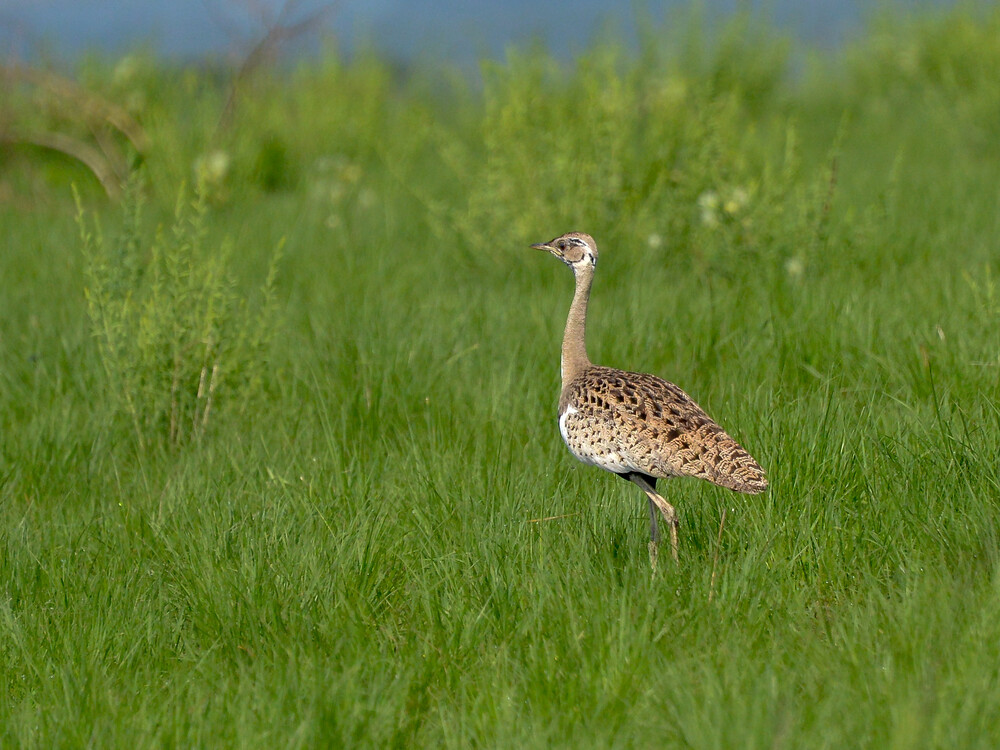
The rainy seasons from October to November and March to May are widely regarded as the Best Time to Visit Rwanda for birdwatching because they coincide with the arrival of numerous migratory bird species from Europe and northern Africa. During this period, wetlands become especially active, forests are alive with bird calls, and breeding plumage makes many species particularly attractive for photography.
One of Rwanda’s greatest birdwatching highlights is the opportunity to observe the rare Albertine Rift endemic birds, many of which are found only within the mountainous forests of Central and East Africa. Species such as the Red-collared Babbler, Rwenzori Turaco, Grauer’s Swamp Warbler, Handsome Francolin, Regal Sunbird, Archer’s Robin-Chat, and Shelley’s Crimsonwing attract birdwatchers from around the world.
Nyungwe National Park remains Rwanda’s premier birding destination thanks to its ancient montane rainforest and exceptional concentration of Albertine Rift endemics. Akagera National Park offers a completely different birdwatching experience with extensive wetlands supporting African Fish Eagles, Shoebills, herons, storks, pelicans, and numerous waterbirds. Volcanoes National Park complements these destinations with high-altitude forest species and unique montane birds found around the Virunga Mountains.
Whether visiting during the dry or rainy seasons, birdwatchers will discover that Rwanda offers extraordinary avian diversity. However, those specifically seeking migratory birds and breeding activity often consider the rainy seasons the Best Time to Visit Rwanda, while year-round resident species ensure rewarding birdwatching in every month.
Best Time to Visit Rwanda for Hiking
Adventure travelers often consider hiking one of Rwanda’s greatest attractions, making the Best Time to Visit Rwanda an important consideration when planning mountain climbs and forest walks. Rwanda’s diverse landscapes offer volcano summits, rainforest trails, crater lakes, waterfalls, and scenic ridges that provide unforgettable hiking experiences throughout the year.
The most famous hiking destinations are found within Volcanoes National Park, where visitors can climb Mount Bisoke and Mount Karisimbi, two spectacular volcanoes forming part of the Virunga Mountain range. Mount Bisoke is a rewarding one-day hike leading to a beautiful crater lake at the summit, while Mount Karisimbi offers a challenging two-day expedition to Rwanda’s highest peak, standing at 4,507 meters (14,787 feet).
The dry seasons from June to September and December to February are generally regarded as the Best Time to Visit Rwanda for volcano hiking. During these months, rainfall is less frequent, hiking trails remain firmer, and steep volcanic slopes become easier to climb. Clearer skies also provide breathtaking panoramic views across Rwanda, Uganda, and the Democratic Republic of Congo from the mountain summits.
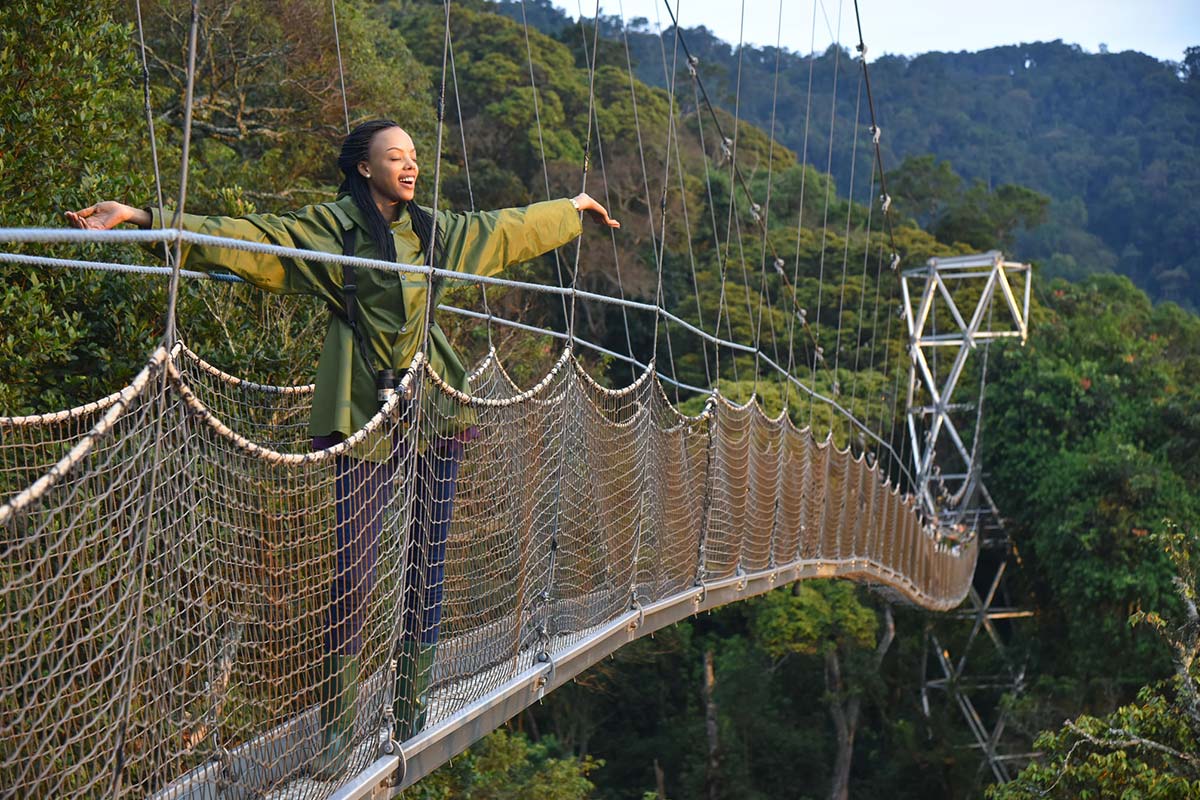
Nyungwe National Park offers equally rewarding hiking experiences, including the famous Canopy Walk, one of Africa’s highest suspended forest walkways. Visitors also enjoy numerous forest trails leading to waterfalls, tea plantations, viewpoints, and rich wildlife habitats. The rainforest remains beautiful throughout the year, although dry months provide more comfortable walking conditions with less slippery trails.
Rainy seasons transform Rwanda’s hiking trails into lush green landscapes filled with colorful vegetation, flowing streams, and dramatic mist-covered forests. Although hiking becomes more physically demanding due to muddy paths, many travelers appreciate the peaceful atmosphere and vibrant scenery. Photographers especially enjoy the rainy months because the forests appear exceptionally fresh and colorful.
Whether you prefer volcano climbing, rainforest exploration, or scenic nature walks, hiking opportunities are available throughout the year. The Best Time to Visit Rwanda for hiking ultimately depends on whether you prioritize easier trekking conditions or spectacular green landscapes.
Best Time to Visit Rwanda for Photography
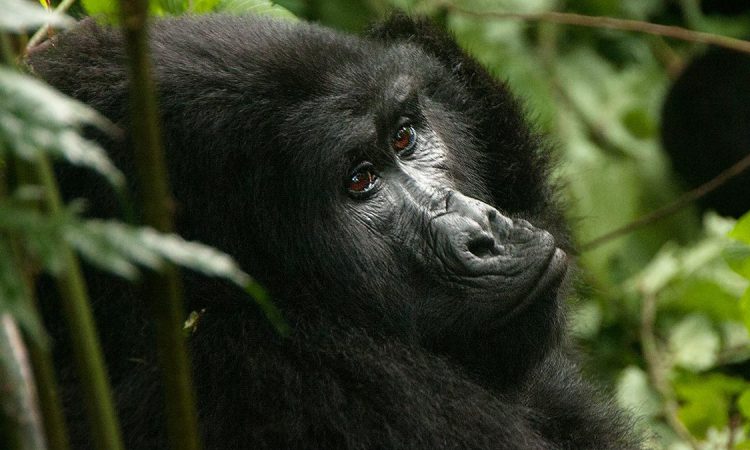
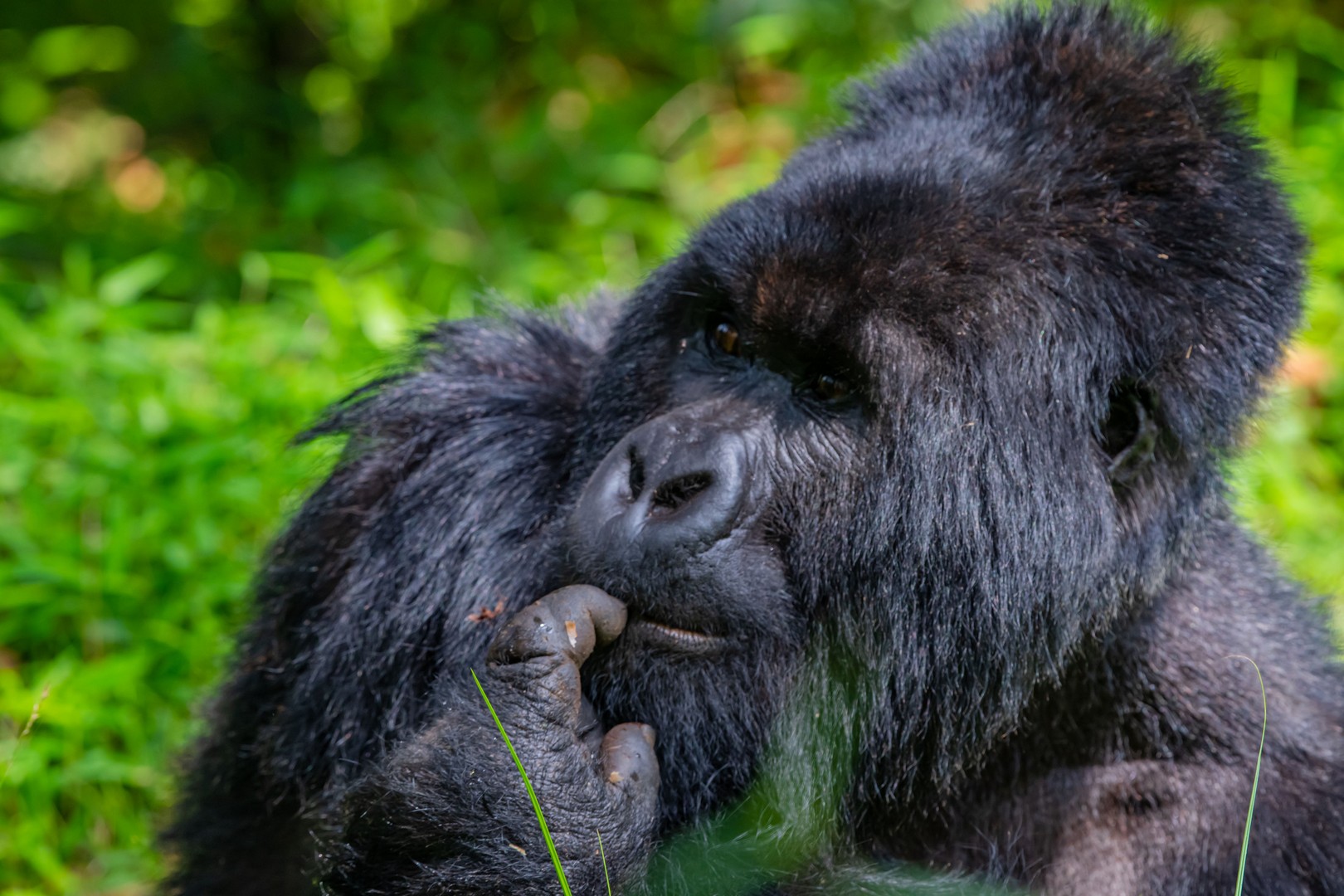
Rwanda is a paradise for photographers, offering extraordinary opportunities to capture mountain gorillas, dramatic volcanic landscapes, wildlife, colorful birdlife, and vibrant cultural experiences. Choosing the Best Time to Visit Rwanda for photography depends largely on the type of images you hope to create, as both the dry and rainy seasons provide distinct photographic advantages.
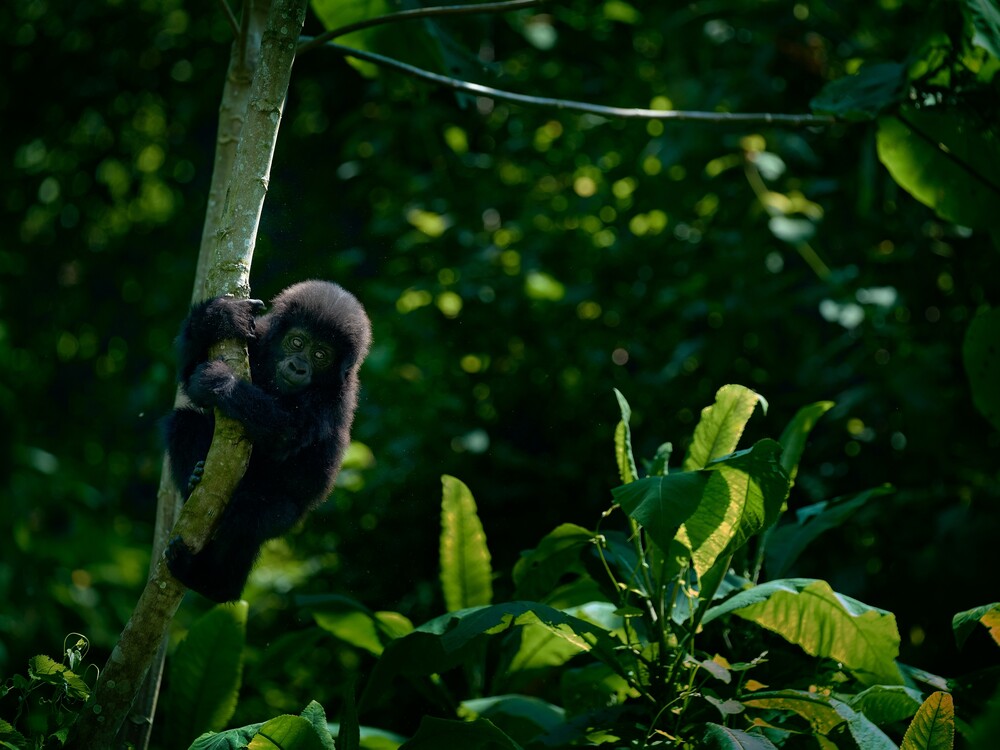
For gorilla photography, the dry seasons generally provide slightly better shooting conditions because rainfall is less frequent and forest trails are easier to navigate while carrying camera equipment. The brighter conditions beneath the forest canopy allow for faster shutter speeds, making it easier to photograph moving gorillas and playful young juveniles.
Landscape photographers often find the rainy seasons particularly rewarding. Rwanda’s rolling hills become intensely green, volcanoes disappear beneath dramatic mist, waterfalls flow more powerfully, and tea plantations display vibrant colors. Early morning mist rising over the valleys creates breathtaking compositions that have earned Rwanda its reputation as one of Africa’s most scenic countries.
Wildlife photography in Akagera National Park also varies seasonally. During the dry months, animals gather around lakes and rivers, increasing opportunities to photograph lions, elephants, giraffes, buffaloes, zebras, rhinos, hippos, and numerous antelope species. The rainy season offers richer vegetation and dramatic skies that create striking wildlife images with colorful natural backgrounds.
Sunrise photography is exceptional throughout Rwanda because cool morning temperatures often produce beautiful golden light across the country’s hills and national parks. During the rainy season, morning mist frequently blankets valleys and forests, adding atmosphere and depth to landscape photography. Meanwhile, the dry season provides clearer skies and more consistent lighting, making it easier to photograph distant mountain scenery.
Ultimately, photographers will find that the Best Time to Visit Rwanda depends entirely on their creative goals. Travelers seeking dramatic landscapes and rich colors often prefer the green season, while those focused on wildlife and gorilla photography generally appreciate the brighter conditions of the dry season.
Rwanda Weather by Month
January
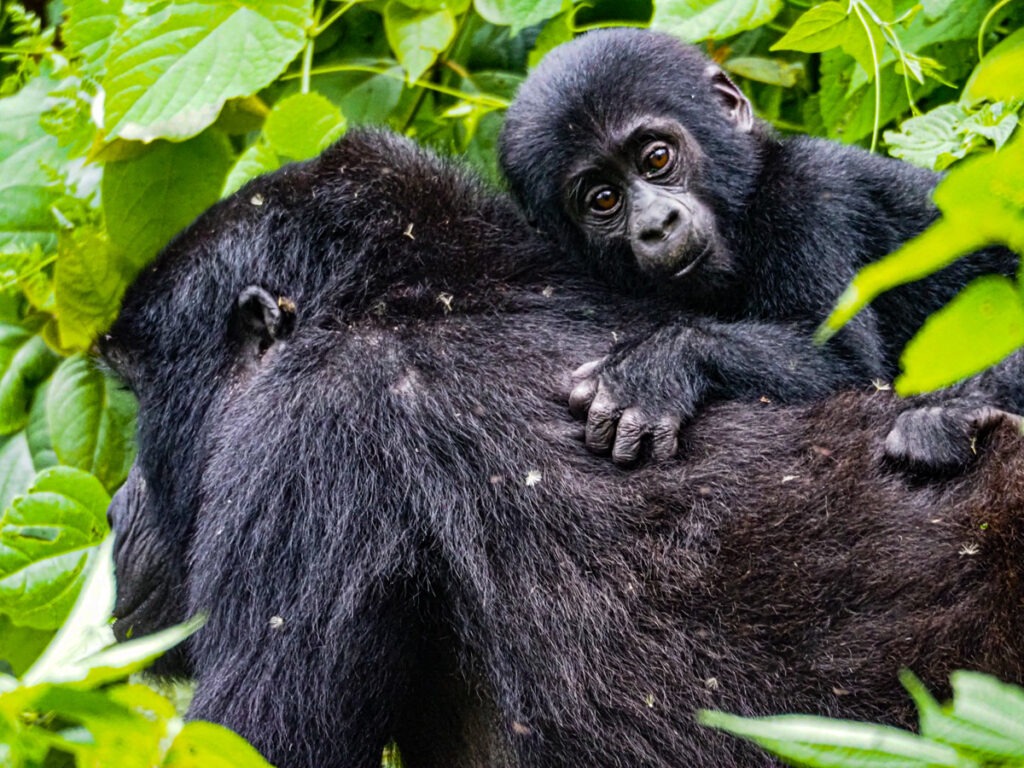
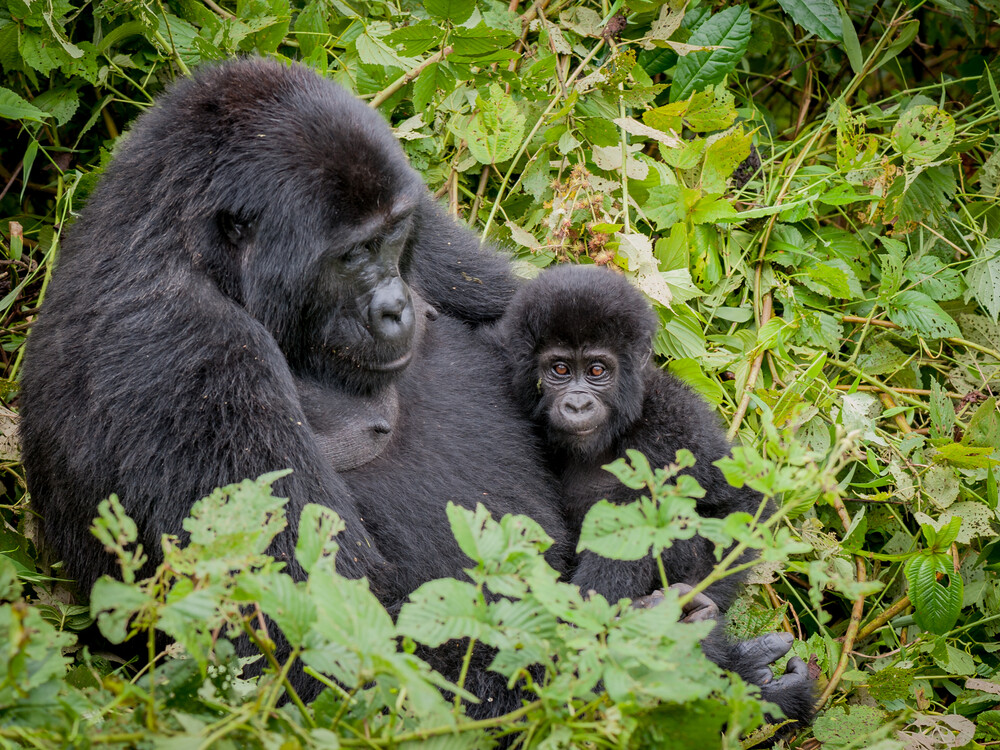
January falls within Rwanda’s short dry season and is considered one of the Best Time to Visit Rwanda for gorilla trekking and wildlife safaris. Weather is generally warm and pleasant with relatively low rainfall. Gorilla trekking trails are easier to navigate, Akagera National Park offers excellent wildlife viewing, birdwatching remains productive, and accommodation demand is high. Prices are generally higher due to increased visitor numbers. January is highly recommended for travelers seeking comfortable safari conditions.
February
February continues the favorable dry weather with warm temperatures and minimal rainfall. Gorilla trekking conditions remain excellent, wildlife gathers around water sources in Akagera, and photography benefits from bright natural lighting. Birdwatching is rewarding with both resident and some migratory species present. Crowds remain moderate to high, making advance gorilla permit bookings advisable.
March
March marks the beginning of the long rainy season. Rainfall increases, creating lush green landscapes across Rwanda. Gorilla trekking continues successfully despite muddier trails, while wildlife remains active in Akagera. Birdwatching improves with the arrival of migratory species. Visitor numbers decrease, accommodation prices become more attractive, and photographers enjoy dramatic scenery.
April
April is Rwanda’s wettest month. Heavy rainfall creates spectacular green landscapes, abundant waterfalls, and vibrant forests. Gorilla trekking remains available but requires greater physical effort due to slippery trails. Wildlife viewing is still rewarding, birdwatching is exceptional, and fewer tourists create a quieter safari experience. Budget travelers often find excellent accommodation deals during April.
May
Rainfall gradually decreases during May while landscapes remain beautifully green. Gorilla trekking conditions improve slightly compared to April, wildlife viewing remains enjoyable, and birdlife is abundant. Crowds remain relatively low, accommodation prices are competitive, and photographers continue to enjoy lush scenery.
June
June begins Rwanda’s principal dry season and is widely regarded as one of the Best Time to Visit Rwanda. Gorilla trekking becomes easier, wildlife viewing improves significantly, birdwatching remains productive, and hiking conditions are excellent. Tourist numbers increase considerably, making early permit reservations essential.
July
July offers cool temperatures, dry weather, and excellent visibility. Gorilla trekking, volcano hiking, wildlife safaris, and photography all perform exceptionally well during this peak travel month. Accommodation demand is very high, and prices reflect the popularity of the season. Advance planning is strongly recommended.
August
August continues the excellent dry-season conditions with comfortable temperatures and outstanding safari experiences. Gorilla trekking trails remain dry, Akagera wildlife sightings are excellent, birdwatching remains rewarding, and photographers enjoy clear skies. This is another busy tourism month with high demand for gorilla permits and lodges.
September
September concludes the long dry season while maintaining favorable safari conditions. Wildlife viewing remains excellent, gorilla trekking is comfortable, birdwatching continues to be productive, and visitor numbers begin to reduce slightly toward the end of the month. It remains one of the Best Time to Visit Rwanda for all major activities.
October
October introduces the short rainy season with increasing rainfall and greener landscapes. Gorilla trekking remains highly successful despite wetter trails, wildlife viewing continues, bird migration begins to increase, and photographers enjoy dramatic scenery. Crowds decline, making accommodation more readily available.
November
November experiences regular rainfall but continues to offer rewarding safari experiences. Nyungwe Forest becomes particularly beautiful for chimpanzee trekking and birdwatching, while Volcanoes National Park remains excellent for gorilla trekking. Accommodation prices are generally lower, making November attractive for budget-conscious travelers.
December
December marks the return of the short dry season and quickly becomes one of the busiest travel periods of the year. Gorilla trekking conditions improve, wildlife viewing strengthens, birdwatching remains excellent, and festive holiday demand increases accommodation occupancy. Early reservations are highly recommended, particularly for gorilla permits and luxury lodges.
Best Time to Visit Rwanda for Different Travelers
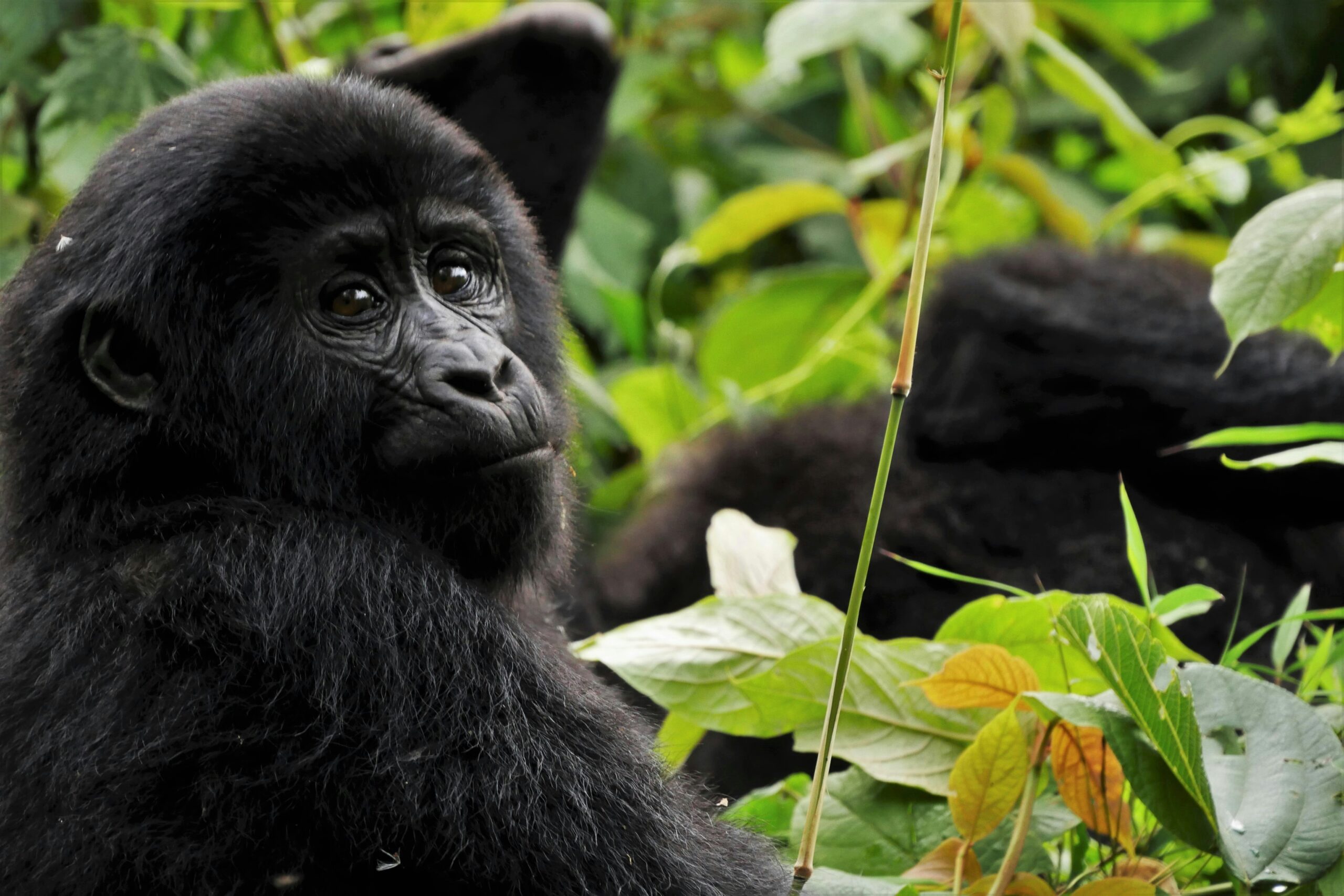
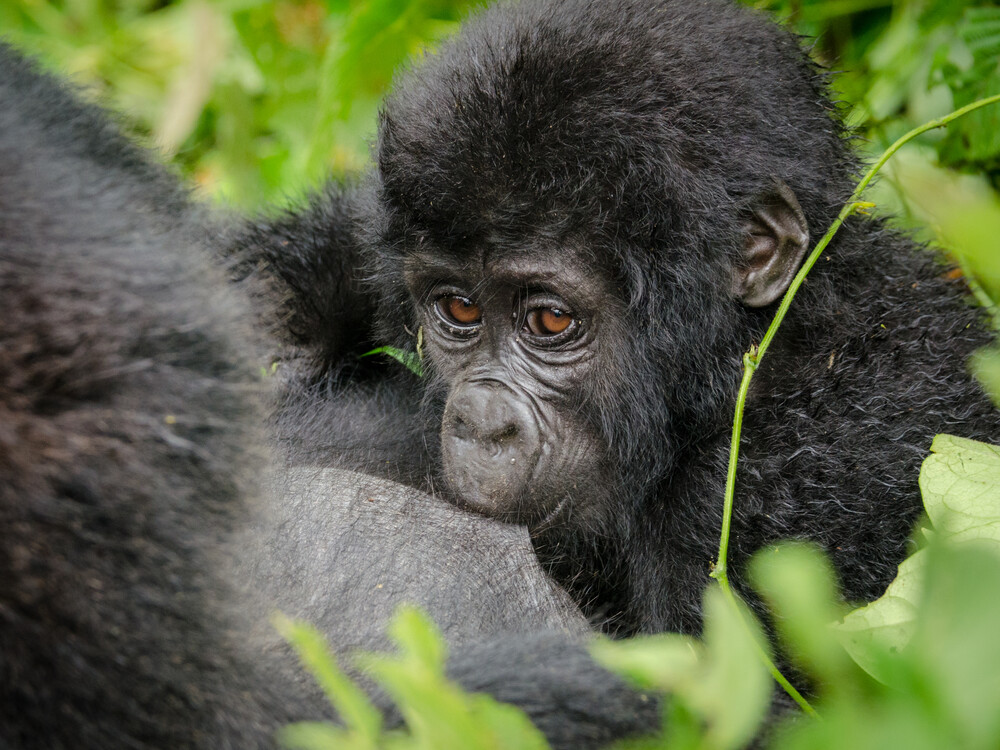
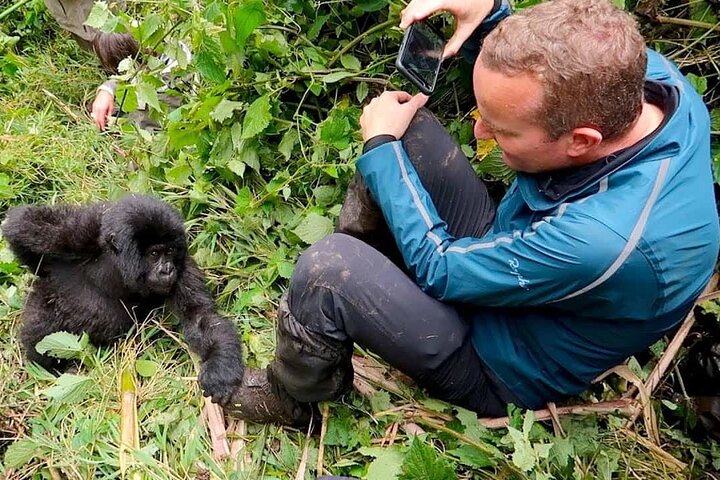
The Best Time to Visit Rwanda varies depending on each traveler’s interests, budget, and preferred experiences. Understanding these differences helps visitors choose the season that best matches their expectations.
First-time visitors generally benefit most from traveling during the dry seasons when gorilla trekking, wildlife safaris, road travel, and hiking conditions are at their best. These months provide a smooth introduction to Rwanda’s diverse attractions.
Families often prefer the dry months because easier road conditions, shorter hiking challenges, and predictable weather make traveling with children more comfortable and enjoyable.
Honeymooners can visit throughout the year. Dry months provide ideal conditions for combining luxury lodges with gorilla trekking, while the rainy seasons offer lush romantic scenery, greater privacy, and attractive accommodation offers.
Luxury travelers usually favor June through September and December through February when premium lodges, exclusive safari experiences, and ideal trekking conditions combine to create unforgettable holidays.
Budget travelers often find the rainy seasons to be the Best Time to Visit Rwanda, as accommodation discounts, increased lodge availability, and fewer tourists significantly reduce overall travel costs.
Solo travelers enjoy Rwanda year-round thanks to its excellent safety, friendly people, and well-organized tourism infrastructure. Both dry and rainy seasons offer rewarding experiences depending on personal preferences.
Photographers have excellent opportunities in every season. Wildlife photographers generally prefer the dry season, while landscape photographers often choose the rainy months for vibrant vegetation, dramatic skies, and beautiful morning mist.
Birdwatchers typically consider March through May and October through November the Best Time to Visit Rwanda because of migratory bird arrivals, breeding activity, and lush habitats supporting exceptional bird diversity.
Adventure travelers seeking volcano climbing, rainforest hiking, canopy walks, and extended trekking usually prefer the dry seasons for easier trail conditions, although experienced hikers often appreciate the challenge and stunning scenery offered by Rwanda’s rainy months.
Frequently Asked Questions About the Best Time to Visit Rwanda
1. What is the Best Time to Visit Rwanda?
The Best Time to Visit Rwanda is generally during the dry seasons from June to September and December to February, when gorilla trekking, wildlife safaris, hiking, and road travel are most comfortable. However, Rwanda offers excellent travel opportunities throughout the year.
2. Is Rwanda good to visit all year?
Yes. Rwanda is a year-round destination with comfortable temperatures, excellent wildlife viewing, mountain gorilla trekking, chimpanzee trekking, birdwatching, and cultural experiences available in every season.
3. Which month is best for gorilla trekking in Rwanda?
July and August are often considered the best months because of dry weather and easier hiking conditions, although gorilla trekking is successful throughout the year.
4. What is Rwanda’s dry season?
Rwanda has two dry seasons: June to September and December to February. These periods generally receive less rainfall and offer excellent trekking and safari conditions.
5. What is Rwanda’s rainy season?
The long rainy season runs from March to May, while the short rainy season occurs during October and November.
6. When is the cheapest time to visit Rwanda?
The rainy seasons generally offer lower accommodation rates, reduced safari prices, and greater availability, making them ideal for budget-conscious travelers.
7. Which month has the best wildlife viewing in Rwanda?
June through September usually offers the best wildlife viewing in Akagera National Park as animals gather around permanent water sources.
8. Is April a good time to visit Rwanda?
Yes. Although April experiences heavy rainfall, it offers beautiful green landscapes, excellent birdwatching, fewer tourists, and attractive accommodation discounts.
9. Can I trek gorillas during the rainy season?
Absolutely. Gorilla trekking operates every day throughout the year, and mountain gorillas remain within Volcanoes National Park regardless of weather.
10. When should I book gorilla permits?
For travel during peak seasons, gorilla permits should ideally be booked at least six to twelve months in advance.
11. Is Rwanda crowded during peak season?
Popular attractions, especially Volcanoes National Park, receive more visitors during the dry seasons, making early reservations highly recommended.
12. What is the best month for birdwatching?
March, April, October, and November are excellent months due to migratory bird arrivals and breeding activity.
13. Which season is best for photography?
The dry season offers brighter lighting for wildlife photography, while the rainy season provides lush landscapes, dramatic mist, and vibrant scenery.
14. When are hotels cheapest in Rwanda?
Accommodation is generally more affordable during the rainy seasons, particularly between March and May.
15. Which season is best for honeymoon safaris?
Both seasons are excellent. Dry months provide ideal safari conditions, while rainy months offer quieter lodges, greener scenery, and a more romantic atmosphere.
16. Is December a good month to visit Rwanda?
Yes. December marks the beginning of the short dry season and offers excellent conditions for gorilla trekking, wildlife safaris, and holiday travel.
17. How cold does Rwanda get?
Due to its high elevation, evenings in mountainous areas can drop to around 50°F (10°C), while daytime temperatures generally remain pleasant.
18. Does it rain every day during the rainy season?
No. Rain often falls in short showers, usually during the afternoon or evening, leaving plenty of time for safari activities.
19. Can I combine Rwanda and Uganda in one safari?
Yes. Many travelers combine Rwanda’s Volcanoes National Park with Uganda’s Bwindi Impenetrable National Park, Queen Elizabeth National Park, or Lake Bunyonyi.
20. How many days should I spend in Rwanda?
A stay of five to eight days is ideal for experiencing gorilla trekking, wildlife safaris, chimpanzee trekking, Lake Kivu, and Kigali.
21. What should I pack for different seasons?
Pack waterproof hiking boots, a rain jacket, warm clothing for cool evenings, long-sleeved shirts, hiking trousers, insect repellent, sunscreen, a camera, and a waterproof backpack.
22. Is the dry season always sunny?
No. Rwanda’s weather can change quickly due to its mountainous terrain, and occasional showers may still occur during the dry season.
23. Are roads accessible during the rainy season?
Yes. Major roads remain accessible throughout the year, although some rural roads may become muddy after heavy rainfall.
24. Is Akagera National Park worth visiting year-round?
Yes. Akagera offers excellent wildlife viewing in every season, with dry months providing easier game viewing and rainy months offering beautiful green landscapes and exceptional birdwatching.
25. When is Nyungwe Forest best to visit?
Nyungwe is rewarding throughout the year. Dry seasons provide easier hiking, while rainy months create spectacular rainforest scenery and excellent birdwatching.
26. Which season has fewer tourists?
The rainy seasons generally attract fewer visitors, creating quieter gorilla trekking experiences and better accommodation availability.
27. How early should I plan my Rwanda safari?
Planning six to twelve months ahead is recommended, especially if your itinerary includes gorilla trekking during peak travel seasons.
28. Why is Rwanda a good destination throughout the year?
Rwanda combines year-round gorilla trekking, outstanding wildlife, spectacular scenery, mild weather, excellent infrastructure, rich culture, and diverse safari experiences in every season.
29. Why choose Boots in The Jungle Safaris for your Rwanda safari?
Boots in The Jungle Safaris offers expert local knowledge, guaranteed gorilla permit assistance, customized itineraries, carefully selected accommodation, comfortable 4×4 transportation, professional guides, competitive pricing, and personalized support from your first inquiry until your departure.
30. How do I book a Rwanda safari?
Simply contact Boots in The Jungle Safaris with your preferred travel dates, interests, and budget. Our safari specialists will recommend the Best Time to Visit Rwanda, prepare a personalized itinerary, reserve your gorilla permits, arrange accommodation and transportation, and provide a free no-obligation quotation to help you plan the perfect Rwanda safari.
Book Your Rwanda Safari Today
There has never been a better time to experience the beauty, wildlife, and culture of Rwanda. Whether your dream holiday includes unforgettable mountain gorilla trekking in Volcanoes National Park, a Big Five safari in Akagera National Park, chimpanzee trekking in Nyungwe Forest, relaxing on the shores of Lake Kivu, or combining Rwanda with Uganda for the ultimate East African adventure, Boots in The Jungle Safaris is ready to help you create the perfect itinerary. Our team understands that the Best Time to Visit Rwanda varies depending on your interests, travel style, and budget, which is why every safari we organize is fully customized to suit your personal preferences.
As Rwanda travel specialists, we provide comprehensive safari planning from the moment you contact us until the end of your journey. Our services include official gorilla permit reservations, carefully selected accommodation, luxury and mid-range safari vehicles, airport transfers, experienced English-speaking driver-guides, domestic flight arrangements where required, and complete logistical support throughout your holiday. Whether you are planning a luxury honeymoon, family vacation, photography expedition, birdwatching safari, or solo adventure, we design itineraries that maximize your experience during the Best Time to Visit Rwanda for your chosen activities.
Mountain gorilla permits are among the most sought-after wildlife permits in Africa, with only a limited number issued each day to protect the endangered gorillas. During the peak travel seasons from June to September and December to February, permits often sell out several months in advance. Early booking not only guarantees permit availability but also provides a wider choice of accommodation, preferred travel dates, and customized safari options. Even if you plan to travel during the quieter green season, booking ahead allows us to secure the best lodges and tailor every aspect of your itinerary.
Our experienced safari consultants are always available to provide honest advice on the Best Time to Visit Rwanda based on your travel goals. Whether you prioritize gorilla trekking, wildlife photography, birdwatching, hiking, cultural experiences, or budget-friendly travel, we will recommend the ideal season and create an itinerary that matches your expectations. Every safari is carefully planned with attention to detail, ensuring comfort, safety, flexibility, and unforgettable wildlife encounters.
Contact Boots in The Jungle Safaris today to begin planning your Rwanda adventure. Request your free personalized quotation, reserve your gorilla permits early, and let our local experts design a tailor-made safari that perfectly matches your preferred travel season, interests, and budget. We look forward to helping you discover why Rwanda remains one of Africa’s most remarkable year-round safari destinations.