
Ultimate Rwanda Travel Guide
Rwanda is one of Africa’s most remarkable travel destinations, offering an extraordinary combination of breathtaking landscapes, abundant wildlife, vibrant culture, and exceptional conservation success. Known as the “Land of a Thousand Hills,” Rwanda captivates visitors with its rolling green mountains, mist-covered volcanoes, crystal-clear lakes, and welcoming communities. Although it is one of Africa’s smaller countries, Rwanda delivers an incredibly diverse range of experiences, from unforgettable mountain gorilla encounters and Big Five safaris to cultural discoveries and luxury holidays. This Rwanda Travel Guide introduces everything you need to know to experience the very best that Rwanda has to offer.
This comprehensive Rwanda Travel Guide has been carefully designed to help every traveler confidently plan their journey to Rwanda. Whether you are visiting for the world-famous mountain gorillas of Volcanoes National Park, exploring the savannahs of Akagera National Park, trekking chimpanzees in Nyungwe Forest, relaxing along the shores of Lake Kivu, or discovering the vibrant capital city of Kigali, this Rwanda Travel Guide covers everything you need before you travel. It provides practical information on wildlife, national parks, accommodation, transportation, visas, weather, travel costs, safety, local culture, and expert travel advice to ensure a seamless and memorable safari.
Rwanda has become one of Africa’s fastest-growing tourism destinations because of its commitment to conservation, environmental sustainability, and high-quality visitor experiences. The country’s clean cities, excellent road network, modern tourism infrastructure, and strong focus on safety make it an ideal destination for first-time visitors as well as seasoned safari enthusiasts. Throughout this Rwanda Travel Guide, you will discover how Rwanda combines luxury lodges, exciting wildlife safaris, authentic cultural encounters, and unforgettable adventures while supporting one of Africa’s greatest conservation success stories.
Whether you are planning a short gorilla trekking holiday, a family safari, a honeymoon, a photography expedition, or an extended East African adventure, this Rwanda Travel Guide will help you make informed decisions every step of the way. From choosing the best time to visit and understanding gorilla permit requirements to selecting accommodation, comparing safari costs, and creating the perfect itinerary, this Rwanda Travel Guide has been developed to answer the questions travelers ask most frequently before visiting Rwanda.
At Boots in The Jungle Safaris, we combine extensive local knowledge with years of safari planning experience to create unforgettable journeys across Rwanda. Our experienced safari specialists provide personalized itineraries, guaranteed gorilla permit assistance, carefully selected accommodation, comfortable transportation, and professional guiding services tailored to your interests, budget, and travel style. With our expertise and this detailed Rwanda Travel Guide, planning your dream Rwanda safari becomes simple, enjoyable, and completely stress-free.
Why Visit Rwanda?
One of the first questions many travelers ask when reading a Rwanda Travel Guide is, “Why should I visit Rwanda?” The answer lies in the country’s remarkable diversity. Rwanda has transformed itself into one of Africa’s premier tourism destinations, attracting visitors from around the world with its spectacular wildlife, breathtaking scenery, rich cultural heritage, and commitment to sustainable tourism. Despite its relatively small size, Rwanda offers an impressive variety of experiences that appeal to wildlife enthusiasts, adventure seekers, honeymooners, photographers, families, and luxury travelers alike. Every Rwanda Travel Guide highlights the country’s ability to deliver unforgettable experiences within short travel distances.
The nickname “Land of a Thousand Hills” perfectly captures Rwanda’s breathtaking scenery. Rolling green hills stretch across the countryside, interrupted by dramatic volcanic peaks, fertile valleys, tea plantations, and peaceful lakes. The country’s high elevation creates cool, pleasant temperatures throughout much of the year, making outdoor activities comfortable regardless of the season. As you continue reading this Rwanda Travel Guide, you will discover why Rwanda’s spectacular landscapes are considered among the most beautiful anywhere in Africa.
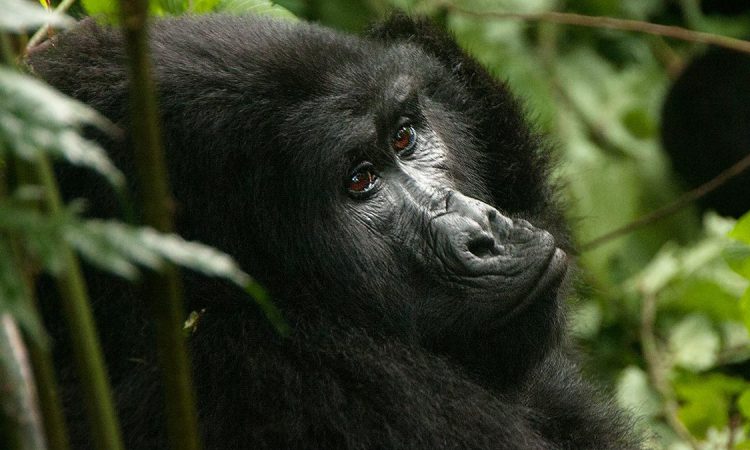
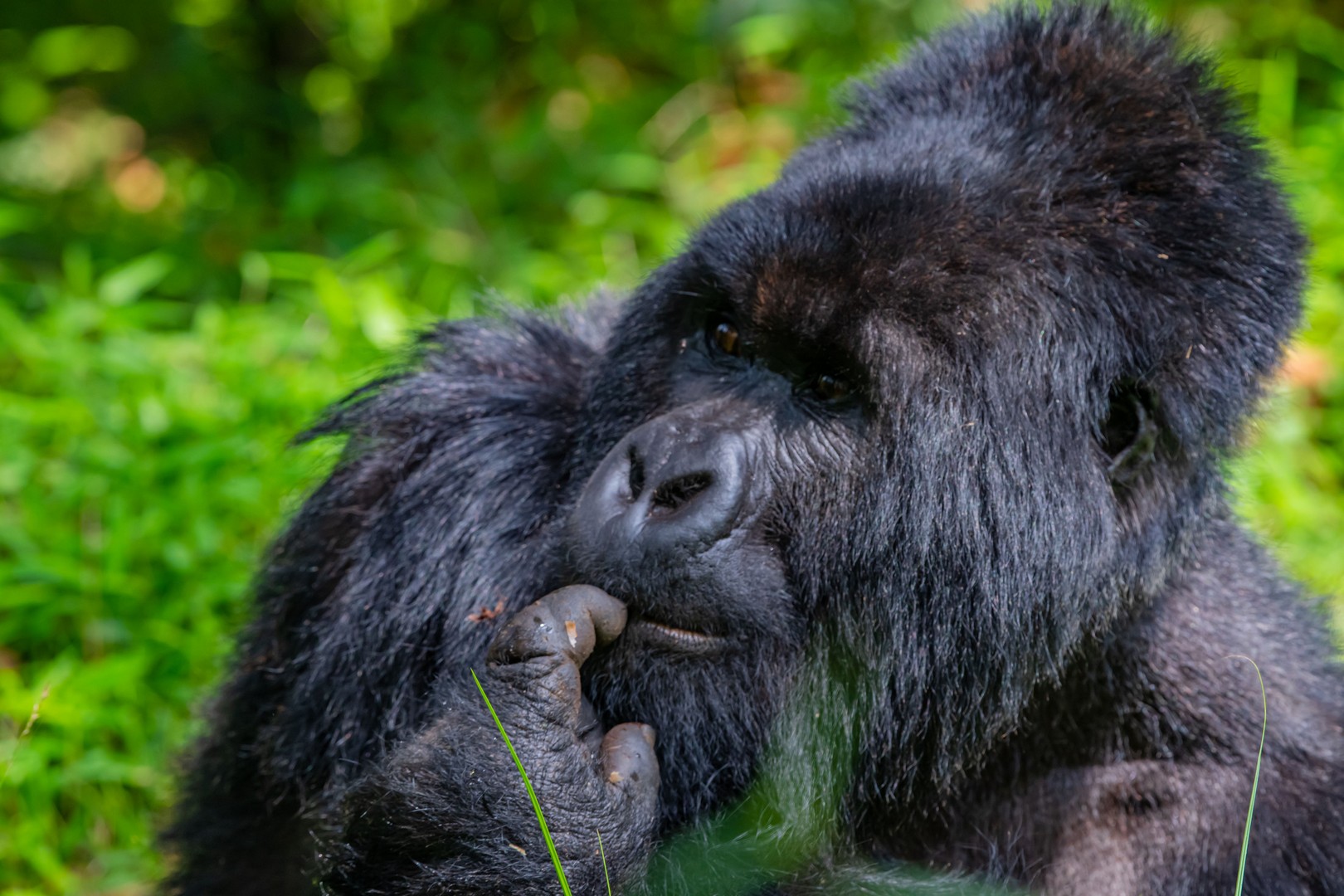
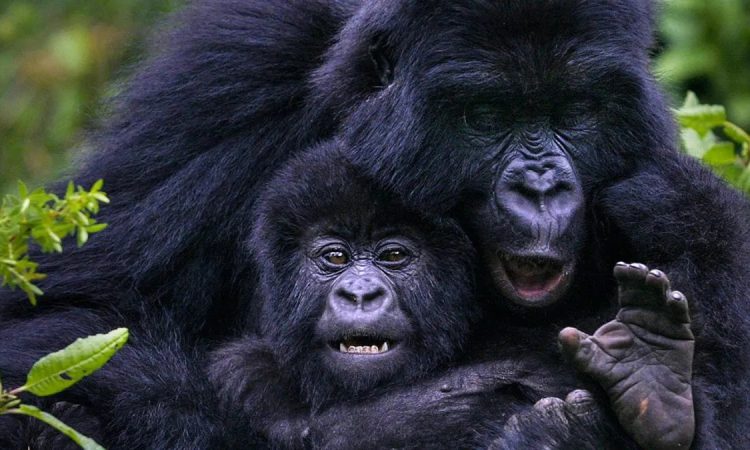
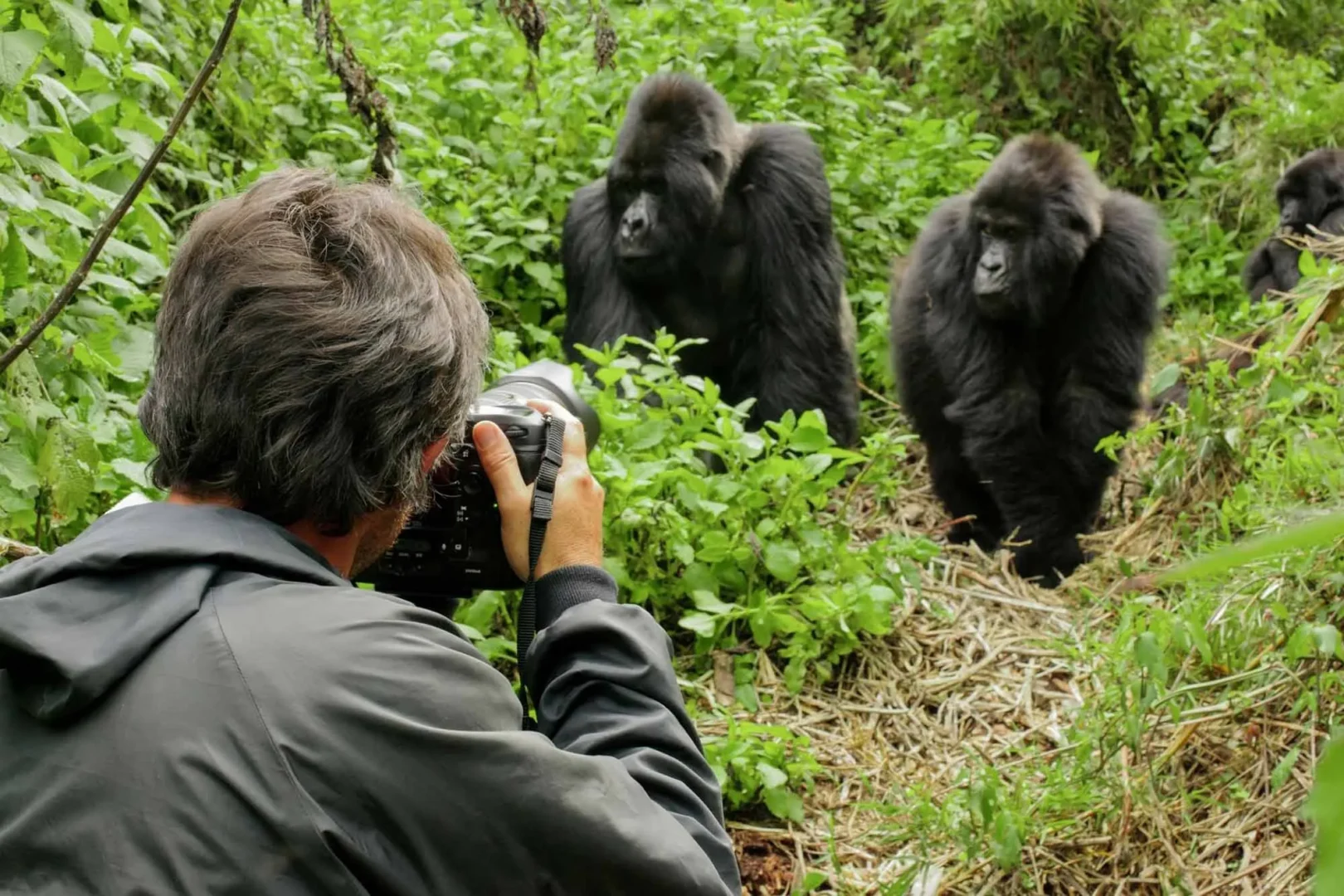
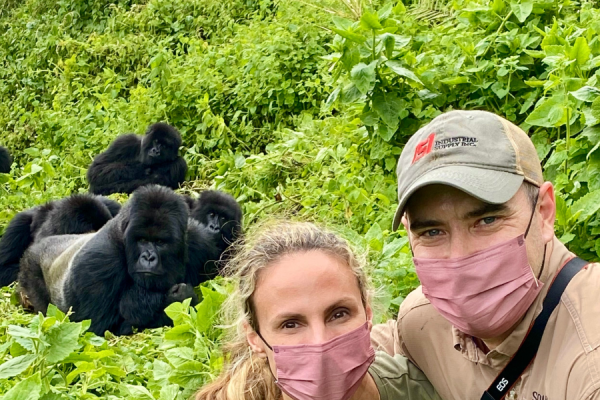
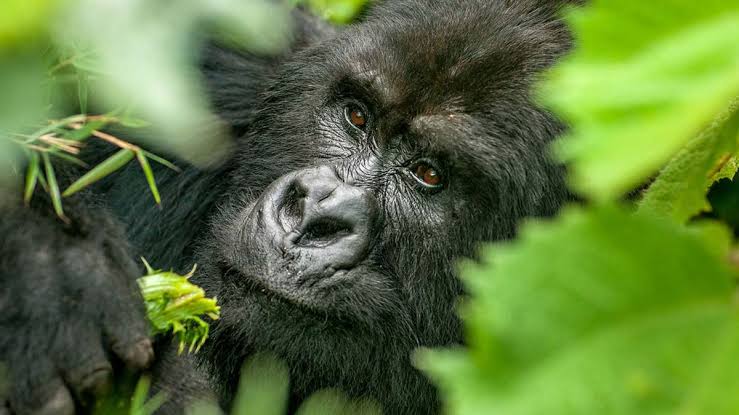
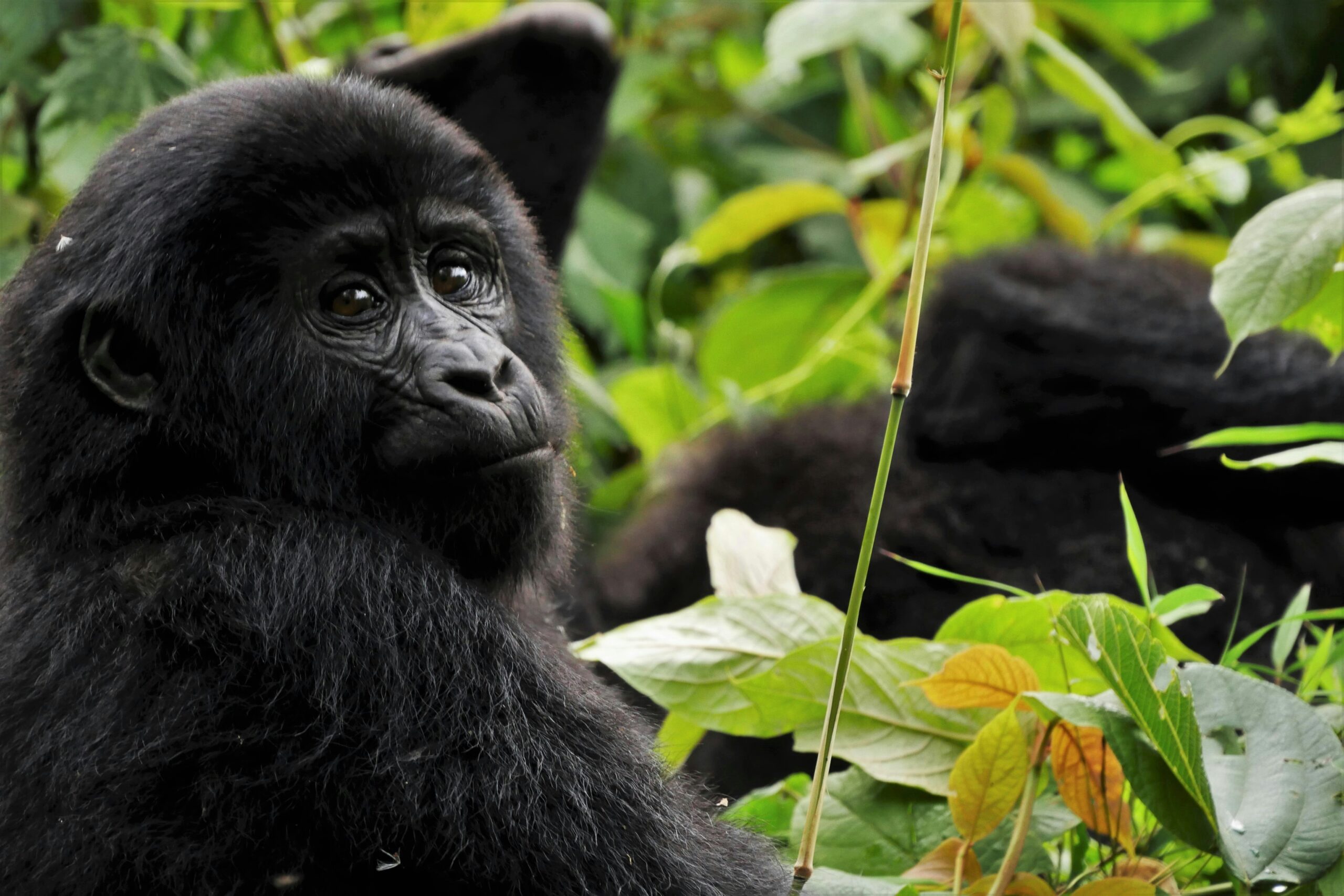
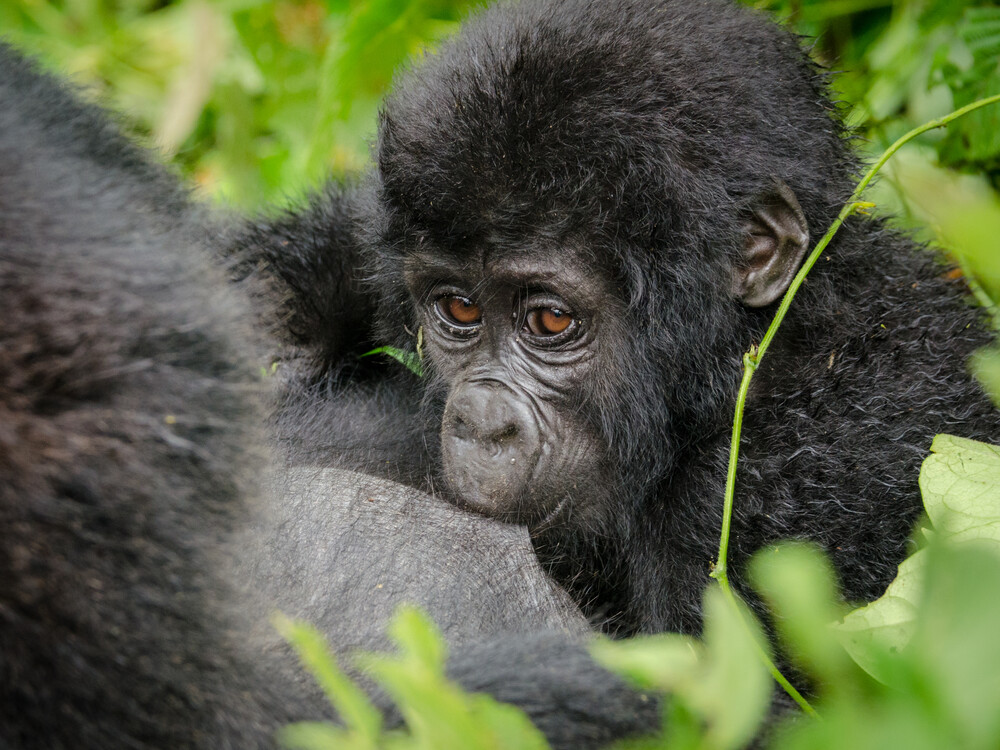
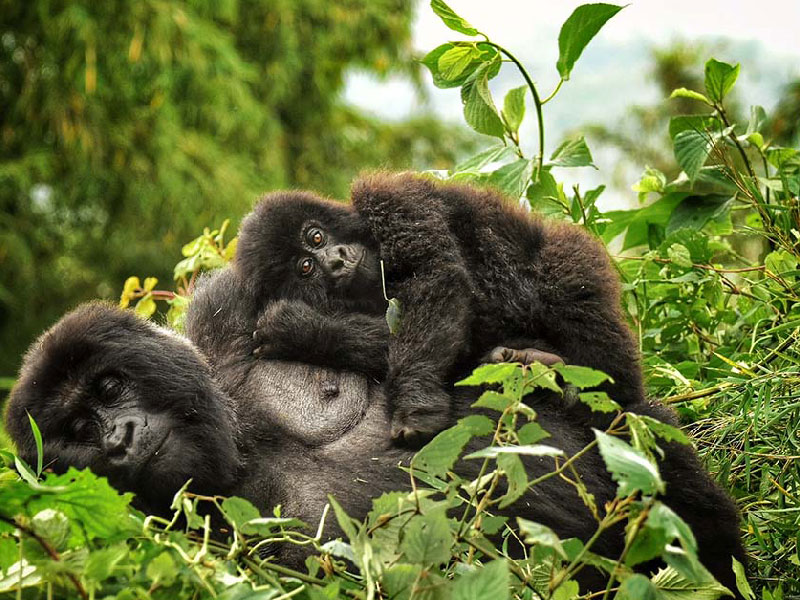
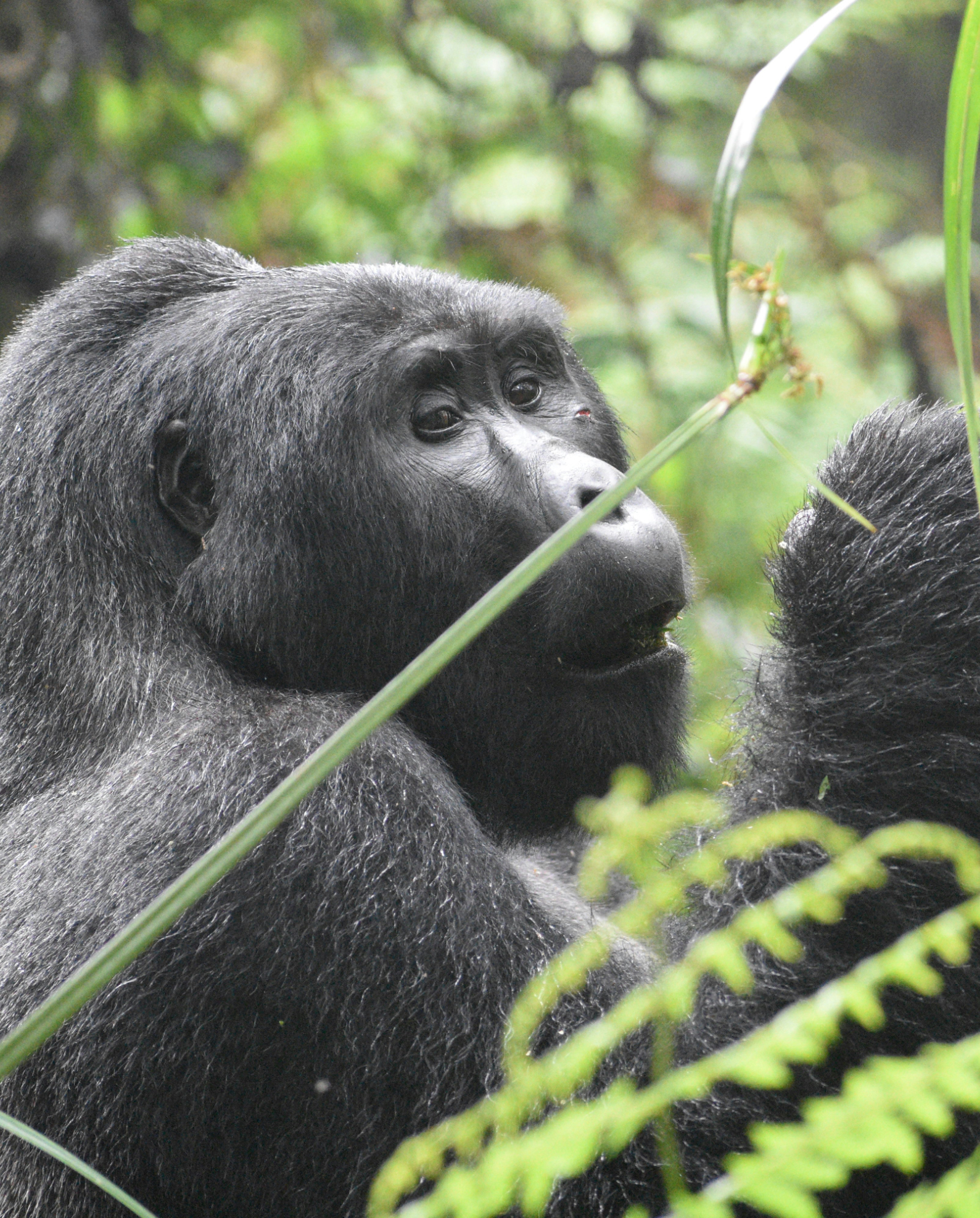
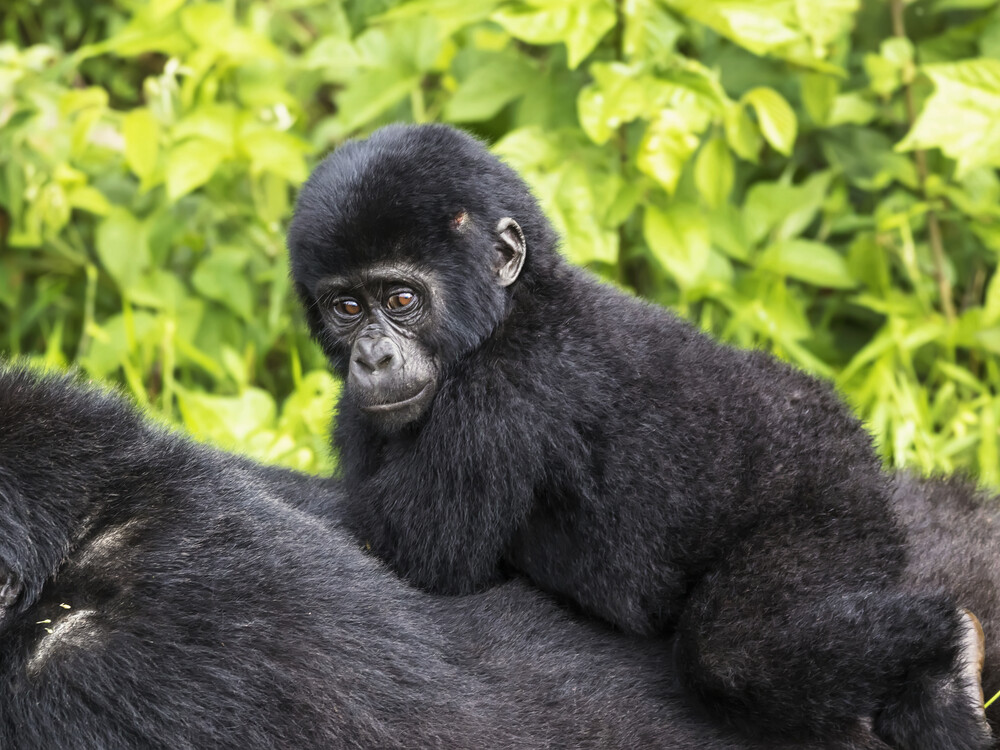
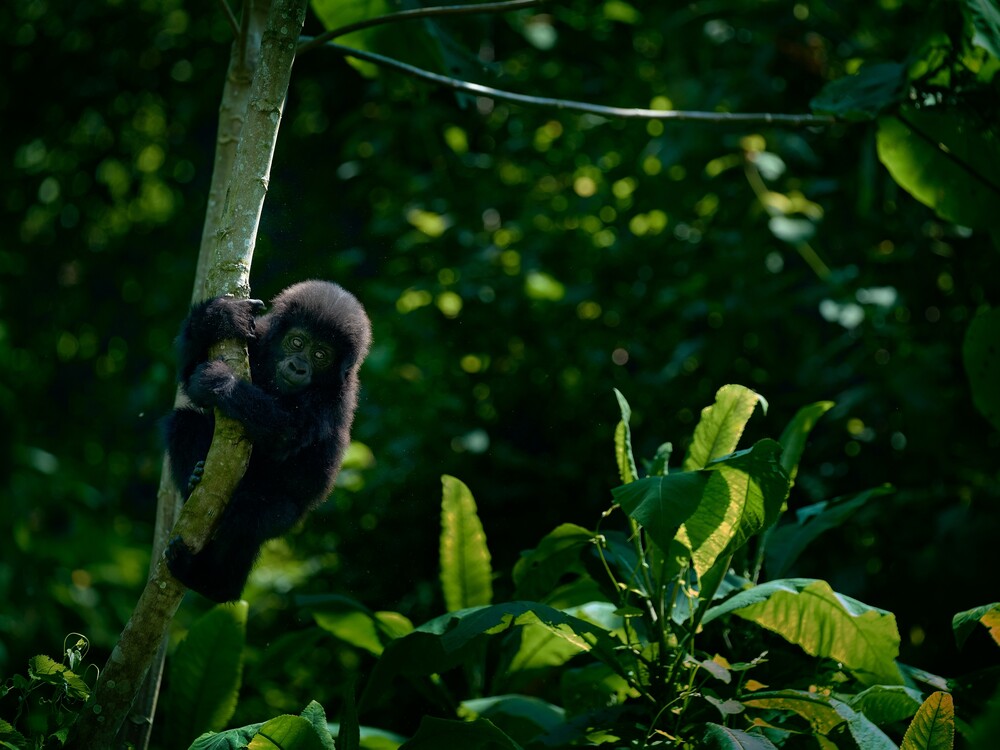
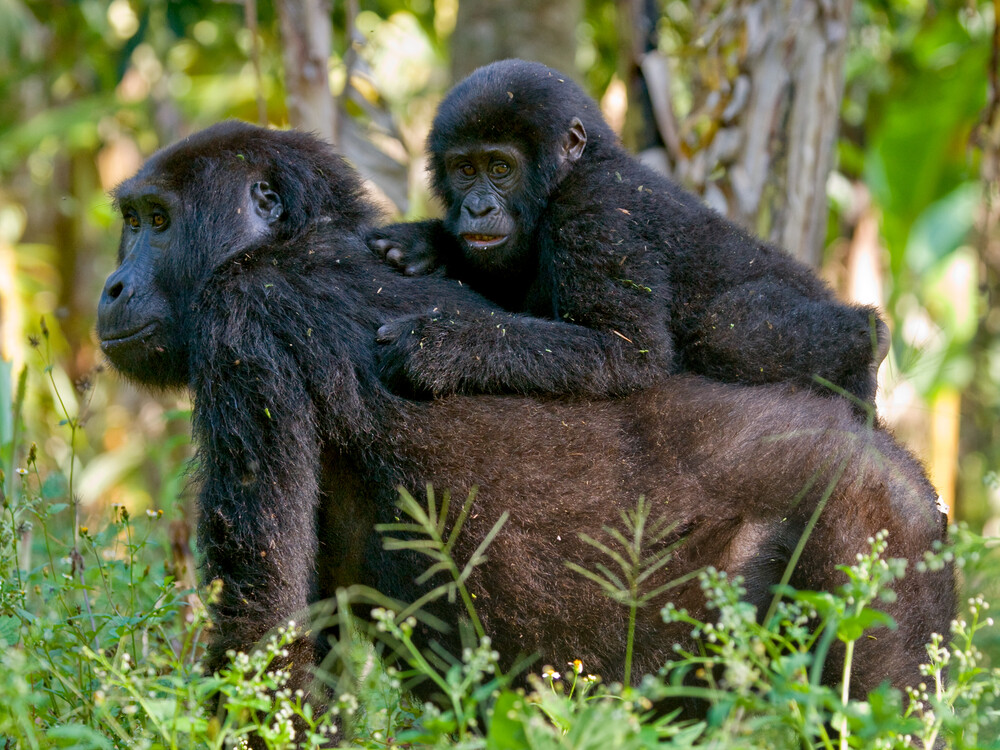
Perhaps the greatest reason to visit Rwanda is the opportunity to encounter the endangered mountain gorillas in Volcanoes National Park. Gorilla trekking is considered one of the world’s most extraordinary wildlife experiences, allowing visitors to spend one unforgettable hour observing these gentle giants in their natural habitat. Every complete Rwanda Travel Guide places gorilla trekking at the heart of any Rwanda safari because it offers an experience found in very few places on Earth while directly supporting wildlife conservation and local communities.
Beyond gorilla trekking, Rwanda also offers exceptional wildlife safaris. Akagera National Park has successfully restored its populations of lions, rhinoceroses, elephants, buffaloes, and leopards, making Rwanda one of the few countries where visitors can see the Big Five alongside giraffes, zebras, hippos, crocodiles, numerous antelope species, and hundreds of bird species. This Rwanda Travel Guide recommends combining gorilla trekking with a classic wildlife safari to experience the country’s incredible ecological diversity.
Rwanda’s natural beauty extends well beyond its national parks. Lake Kivu offers peaceful beaches, boat cruises, kayaking, coffee tours, and spectacular sunsets, while Nyungwe Forest National Park protects one of Africa’s oldest rainforests, home to chimpanzees, canopy walks, waterfalls, and extraordinary biodiversity. Throughout this Rwanda Travel Guide, you’ll discover destinations that appeal to nature lovers, photographers, birdwatchers, and adventure travelers alike.
Safety is another reason why Rwanda continues to attract visitors from around the world. Frequently recognized as one of Africa’s safest countries, Rwanda offers low crime rates, clean cities, excellent infrastructure, and welcoming communities. Kigali is widely regarded as one of Africa’s cleanest capitals, allowing visitors to explore with confidence. Any reliable Rwanda Travel Guide would rank Rwanda among the continent’s easiest and safest destinations for international tourists.
Rwandans are renowned for their warmth, hospitality, and friendliness. Visitors are welcomed into communities eager to share their traditions, cuisine, music, dance, and history. Cultural experiences such as visits to the Iby’Iwacu Cultural Village provide meaningful opportunities to learn about Rwanda’s heritage while supporting sustainable community tourism. This Rwanda Travel Guide encourages travelers to combine wildlife experiences with cultural encounters for a richer understanding of the country.
Modern infrastructure further enhances every Rwanda safari. Rwanda boasts excellent roads, reliable telecommunications, quality healthcare facilities, efficient public services, and internationally recognized hotels and safari lodges. Kigali International Airport serves as the country’s primary gateway, while short driving distances between attractions allow travelers to maximize sightseeing and minimize travel time. These advantages make Rwanda one of the easiest safari destinations to explore, as highlighted throughout this Rwanda Travel Guide.
Finally, Rwanda has become a global leader in conservation and sustainable tourism. Revenue generated from tourism supports wildlife protection, anti-poaching initiatives, habitat restoration, and community development. By following the recommendations in this Rwanda Travel Guide and choosing responsible safari operators such as Boots in The Jungle Safaris, visitors directly contribute to protecting endangered mountain gorillas while enjoying one of Africa’s most rewarding travel experiences.
Luxury travelers are equally well catered for through world-class safari lodges offering exceptional hospitality, gourmet dining, spa facilities, private guides, and exclusive experiences. Whether you are planning a luxury honeymoon, a family safari, a photography expedition, or your first African adventure, this Rwanda Travel Guide demonstrates why Rwanda continues to rank among Africa’s finest safari destinations.
Top Tourist Attractions in Rwanda
Every Rwanda Travel Guide highlights Rwanda’s incredible diversity despite its relatively small size. From mist-covered volcanic mountains and ancient rainforests to scenic lakes, wildlife-rich savannahs, and vibrant cultural sites, Rwanda offers attractions for every type of traveler. Whether you are planning a gorilla trekking adventure, a wildlife safari, a honeymoon, or a cultural holiday, this Rwanda Travel Guide introduces the country’s most iconic destinations that deserve a place on your itinerary.
Volcanoes National Park
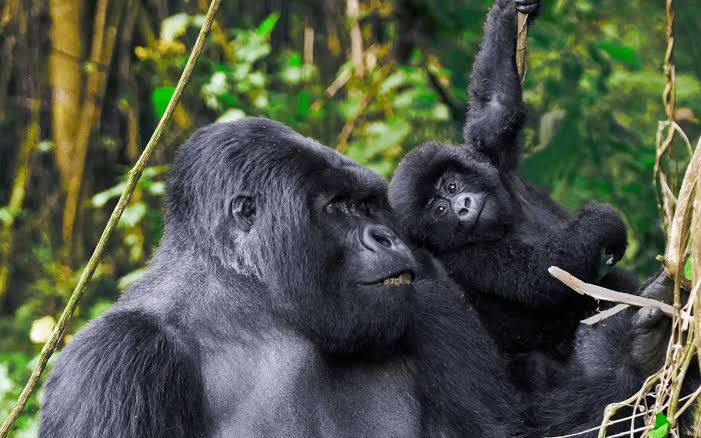
No Rwanda Travel Guide would be complete without Volcanoes National Park, Rwanda’s most famous tourism destination and one of Africa’s greatest wildlife conservation success stories. Located within the spectacular Virunga Mountains in northern Rwanda, the park is internationally renowned as the home of the endangered mountain gorillas and as the former research base of legendary primatologist Dian Fossey. Every year, thousands of visitors travel here to experience one of the world’s most unforgettable wildlife encounters.
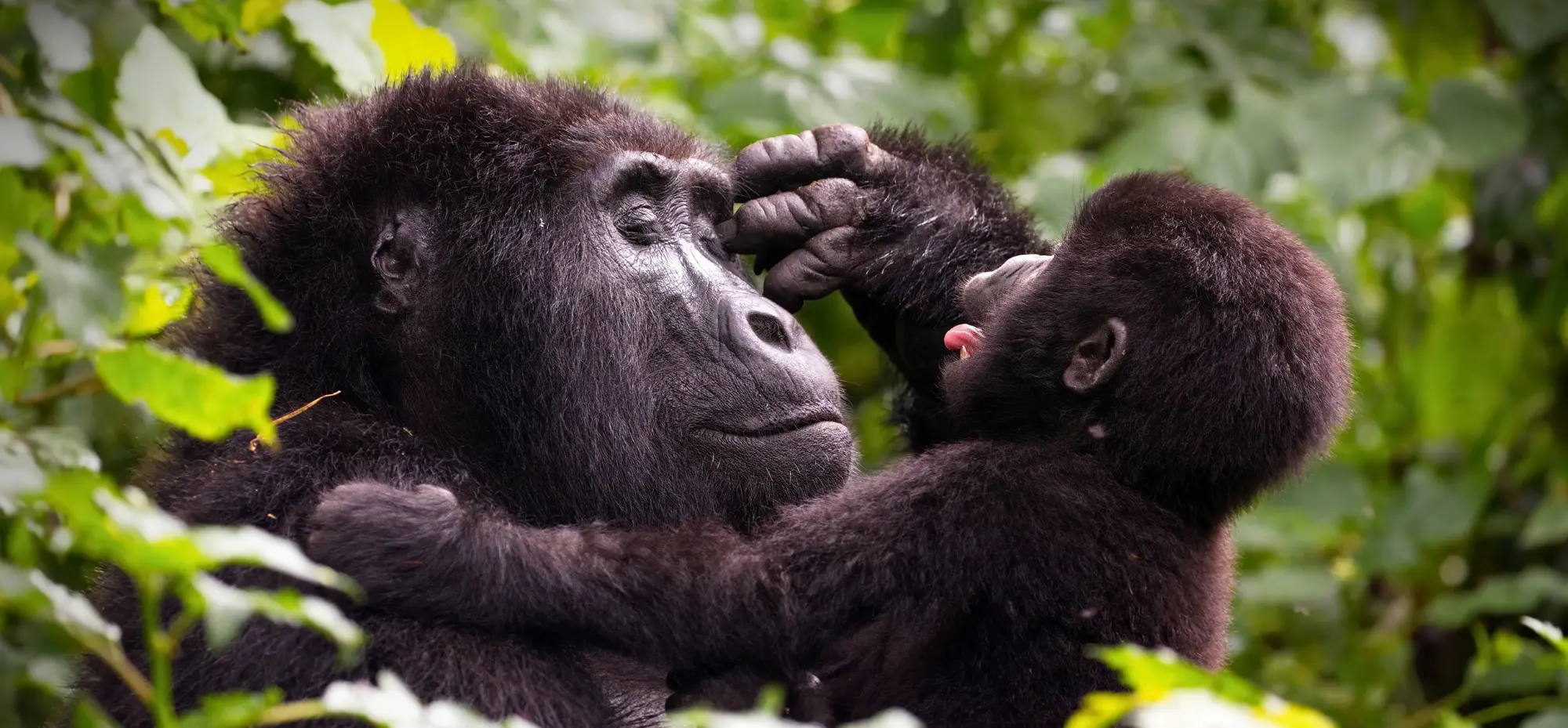
The park protects a breathtaking landscape of volcanic peaks, bamboo forests, alpine meadows, and dense montane rainforest that shelters several habituated gorilla families available for tourism. Gorilla trekking remains the highlight of every visit, allowing travelers to spend one magical hour observing mountain gorillas feeding, playing, grooming, and interacting naturally within their family groups. For many visitors following this Rwanda Travel Guide, this once-in-a-lifetime experience is the primary reason for choosing Rwanda.
Beyond gorilla trekking, Volcanoes National Park offers Golden Monkey Trekking, guided nature walks, volcano hiking, birdwatching, cave exploration, and visits to the Dian Fossey Tomb and Research Center. Luxury lodges, comfortable mid-range accommodation, and budget-friendly options surrounding the park make it accessible to every traveler. This Rwanda Travel Guide highly recommends spending at least two nights in the Volcanoes region to fully appreciate everything the park has to offer.
Akagera National Park
Another destination featured prominently in every Rwanda Travel Guide is Akagera National Park. Situated in eastern Rwanda, Akagera presents a completely different landscape from the volcanic north. It is Rwanda’s only classic savannah park and home to the famous Big Five—lion, leopard, elephant, buffalo, and rhinoceros. Thanks to remarkable conservation efforts, Akagera has become one of Africa’s most successful wildlife restoration stories.
Game drives across its rolling plains reveal giraffes, zebras, impalas, topis, elands, waterbucks, bushbucks, warthogs, hyenas, and numerous predators. Visitors can also enjoy boat safaris on Lake Ihema, where hippos, Nile crocodiles, and hundreds of bird species can be observed in their natural habitat.
This Rwanda Travel Guide recommends combining Akagera National Park with Volcanoes National Park for travelers wishing to experience both classic African wildlife safaris and unforgettable mountain gorilla encounters within one itinerary.
Nyungwe Forest National Park
Every comprehensive Rwanda Travel Guide recommends visiting Nyungwe Forest National Park for its extraordinary biodiversity. Covering more than 1,000 square kilometers, Nyungwe protects one of Africa’s oldest montane rainforests and contains hundreds of tree species, orchids, butterflies, birds, and mammals.
Chimpanzee trekking is the park’s most popular activity, allowing visitors to observe energetic chimpanzees within their natural rainforest habitat. The forest is also home to more than thirteen additional primate species, including Angola colobus monkeys, L’Hoest’s monkeys, owl-faced monkeys, blue monkeys, and silver monkeys.
Nyungwe’s famous canopy walkway offers spectacular panoramic views across the rainforest canopy, while numerous hiking trails lead visitors to waterfalls, scenic viewpoints, and excellent birdwatching locations. This Rwanda Travel Guide considers Nyungwe one of East Africa’s finest rainforest destinations.
Lake Kivu
No relaxing Rwanda itinerary is complete without Lake Kivu. As highlighted throughout this Rwanda Travel Guide, Lake Kivu is Rwanda’s largest freshwater lake and one of Africa’s most scenic lakes. Stretching along Rwanda’s western border with the Democratic Republic of Congo, it provides the perfect opportunity to unwind after several days of wildlife adventures.
Visitors enjoy boat cruises, kayaking, paddleboarding, swimming, cycling, coffee plantation visits, fishing excursions, and lakeside walks. Popular destinations including Gisenyi, Kibuye, and Cyangugu feature beautiful resorts, restaurants, and spectacular sunset viewpoints overlooking the lake.
Many itineraries featured in this Rwanda Travel Guide include Lake Kivu immediately after gorilla trekking, allowing travelers to relax before returning home.
Kigali City
As the gateway to the country, Kigali features prominently in every Rwanda Travel Guide. Frequently recognized as one of Africa’s cleanest, safest, and most organized capital cities, Kigali combines modern infrastructure with rich cultural experiences.
The Kigali Genocide Memorial offers visitors an important opportunity to understand Rwanda’s tragic history while appreciating the country’s remarkable journey of reconciliation and development. Beyond the memorial, visitors can explore vibrant local markets, contemporary art galleries, museums, coffee shops, restaurants, and scenic viewpoints overlooking the city’s rolling hills.
Whether arriving or departing Rwanda, this Rwanda Travel Guide recommends spending at least one full day exploring Kigali.
King’s Palace Museum
Located in Nyanza, the King’s Palace Museum provides fascinating insight into Rwanda’s royal history and traditional governance. Visitors explore a beautifully reconstructed royal residence showcasing traditional architecture, royal artifacts, ceremonial traditions, and the famous Inyambo long-horned cattle that symbolize Rwanda’s rich cultural heritage.
This cultural attraction offers an excellent addition to any itinerary featured in this Rwanda Travel Guide, particularly for travelers interested in Rwanda’s history.
Ethnographic Museum
The Ethnographic Museum in Huye houses one of East Africa’s finest collections of historical and cultural artifacts. Its exhibits showcase traditional crafts, musical instruments, hunting equipment, clothing, agricultural tools, household items, and historical displays that provide visitors with a deeper understanding of Rwanda’s cultural identity.
This Rwanda Travel Guide recommends combining the museum with visits to Nyungwe Forest National Park for travelers exploring southern Rwanda.
Iby’Iwacu Cultural Village
Located near Volcanoes National Park, the Iby’Iwacu Cultural Village offers authentic cultural experiences that complement gorilla trekking. Visitors learn about traditional dances, drumming, food preparation, herbal medicine, ancient hunting techniques, and royal ceremonies while interacting directly with local communities.
As recommended throughout this Rwanda Travel Guide, cultural tourism allows visitors to experience Rwanda beyond its wildlife while directly supporting local livelihoods.
Twin Lakes (Burera & Ruhondo)
Nestled beneath the Virunga Volcanoes, Lakes Burera and Ruhondo offer some of Rwanda’s most breathtaking scenery. Surrounded by terraced hills and volcanic peaks, these tranquil lakes provide excellent opportunities for boat rides, hiking, birdwatching, photography, and community visits.
For photographers and nature lovers following this Rwanda Travel Guide, the Twin Lakes represent one of Rwanda’s hidden gems.
Gishwati-Mukura National Park
Gishwati-Mukura National Park is Rwanda’s newest national park and an emerging ecotourism destination highlighted in this Rwanda Travel Guide. The park protects important montane forests that support chimpanzees, golden monkeys, blue monkeys, L’Hoest’s monkeys, and numerous bird species.
Ongoing conservation and reforestation efforts have transformed Gishwati-Mukura into a peaceful destination offering intimate wildlife encounters away from larger visitor crowds, making it an excellent choice for travelers seeking off-the-beaten-path experiences.
Rwanda Gorilla Trekking Guide
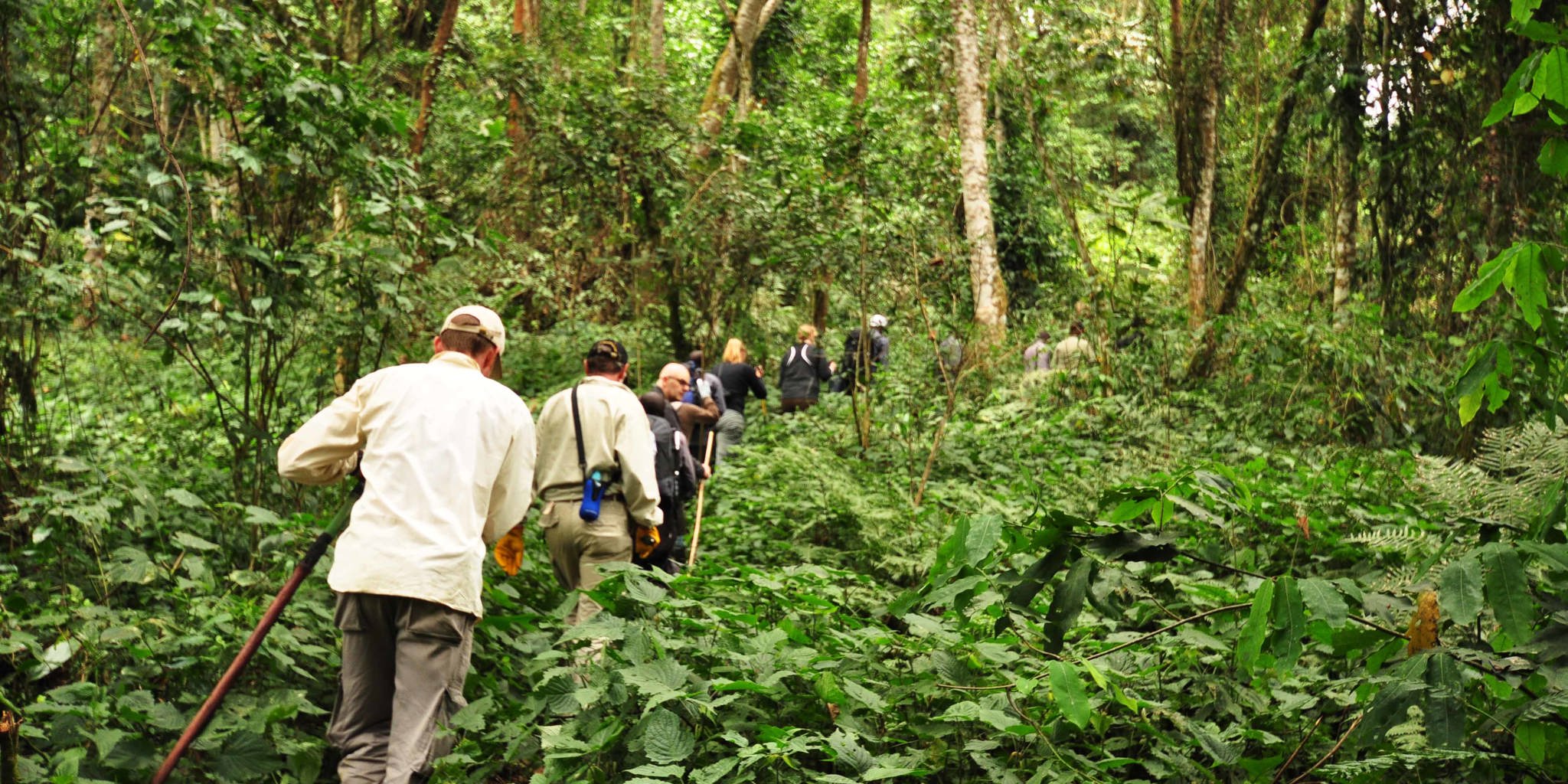
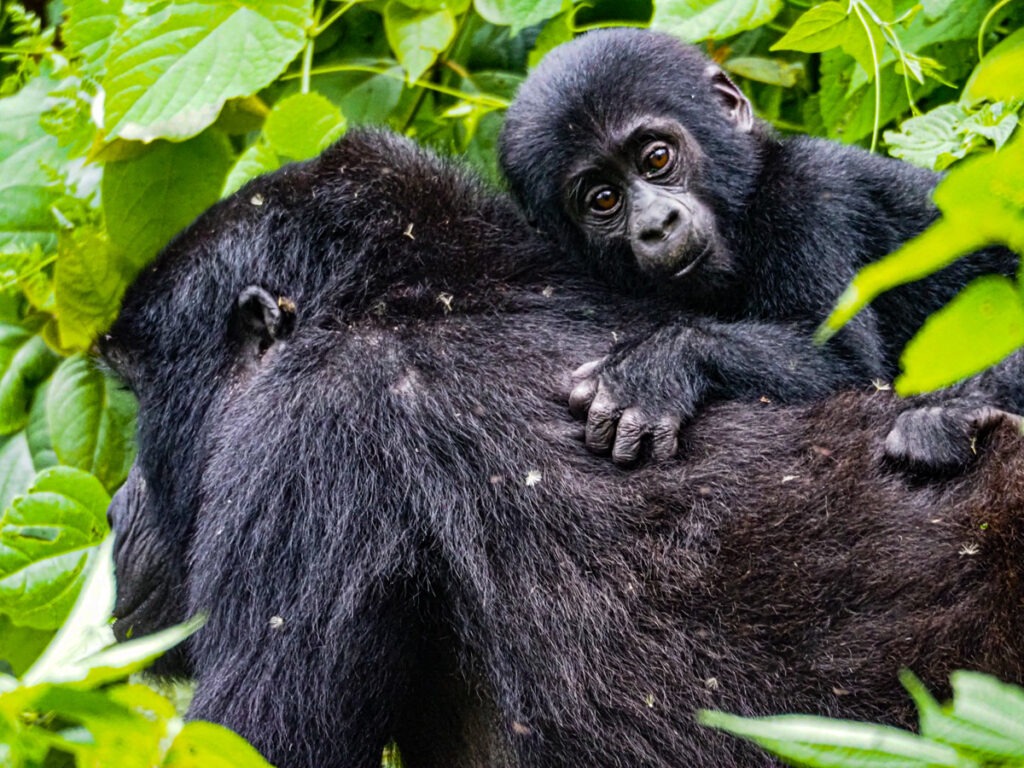
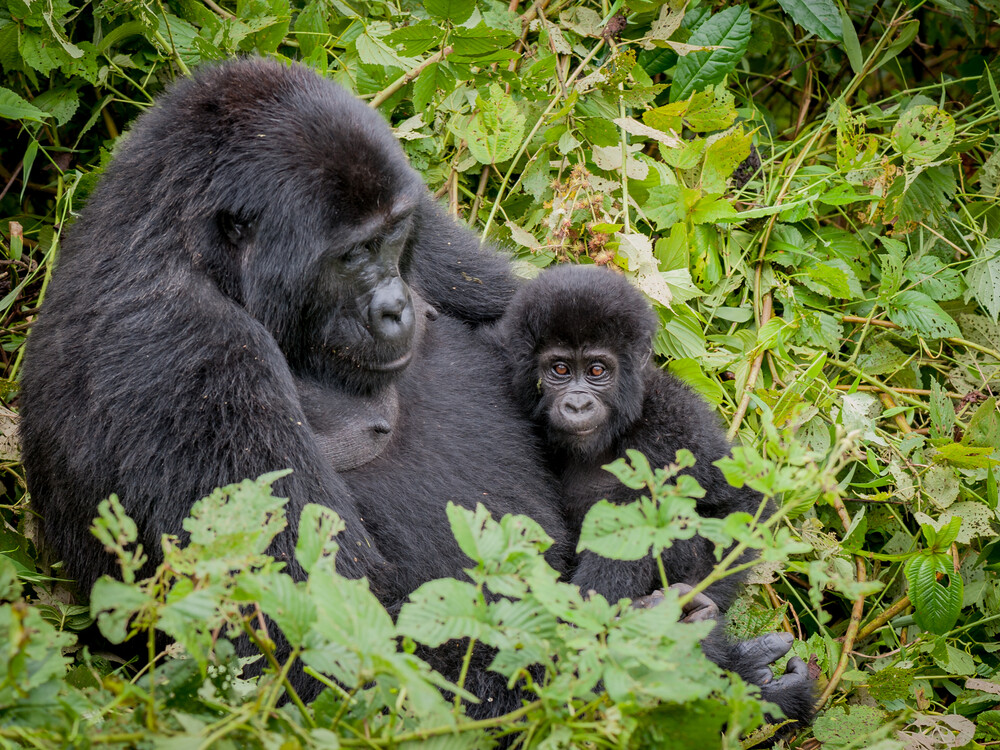
No Rwanda Travel Guide is complete without a detailed introduction to gorilla trekking, the country’s most iconic wildlife experience. Gorilla trekking in Volcanoes National Park remains one of the world’s greatest wildlife adventures, attracting thousands of visitors every year who dream of encountering endangered mountain gorillas in their natural habitat. For many travelers reading this Rwanda Travel Guide, gorilla trekking is the primary reason for visiting Rwanda.
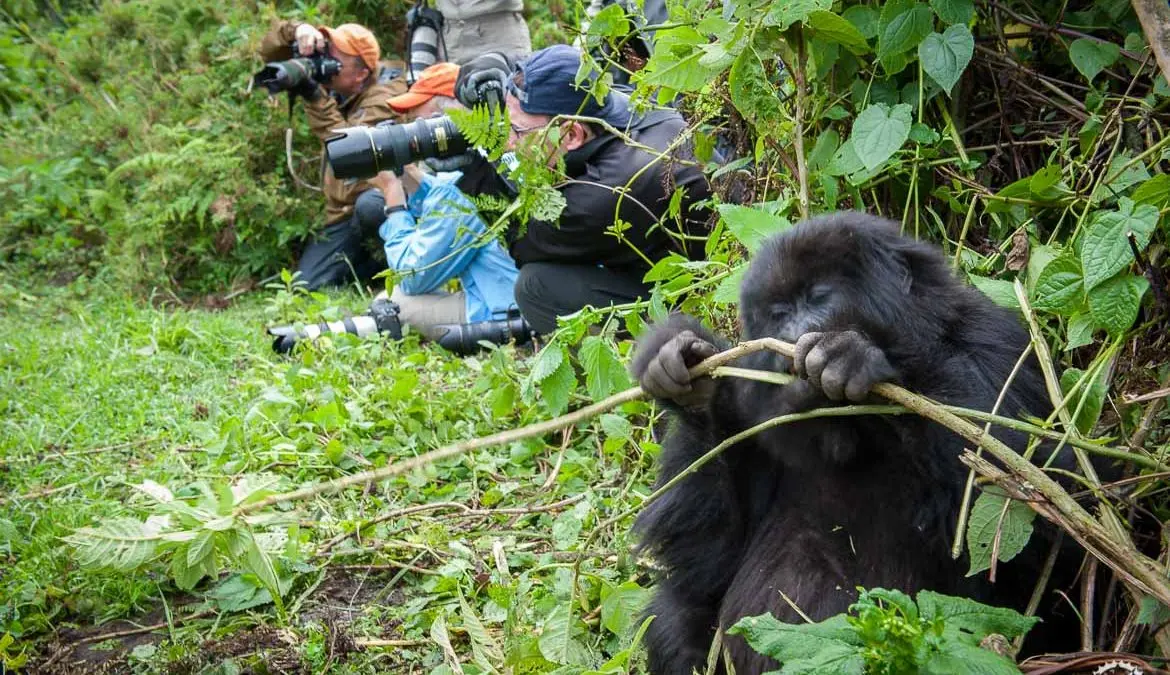
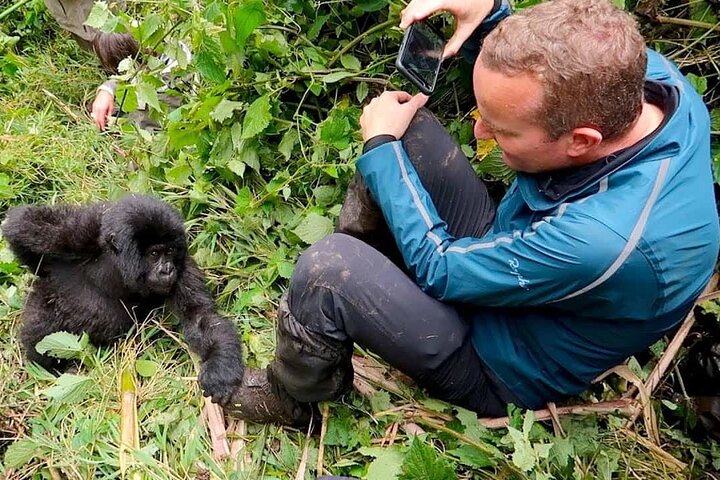
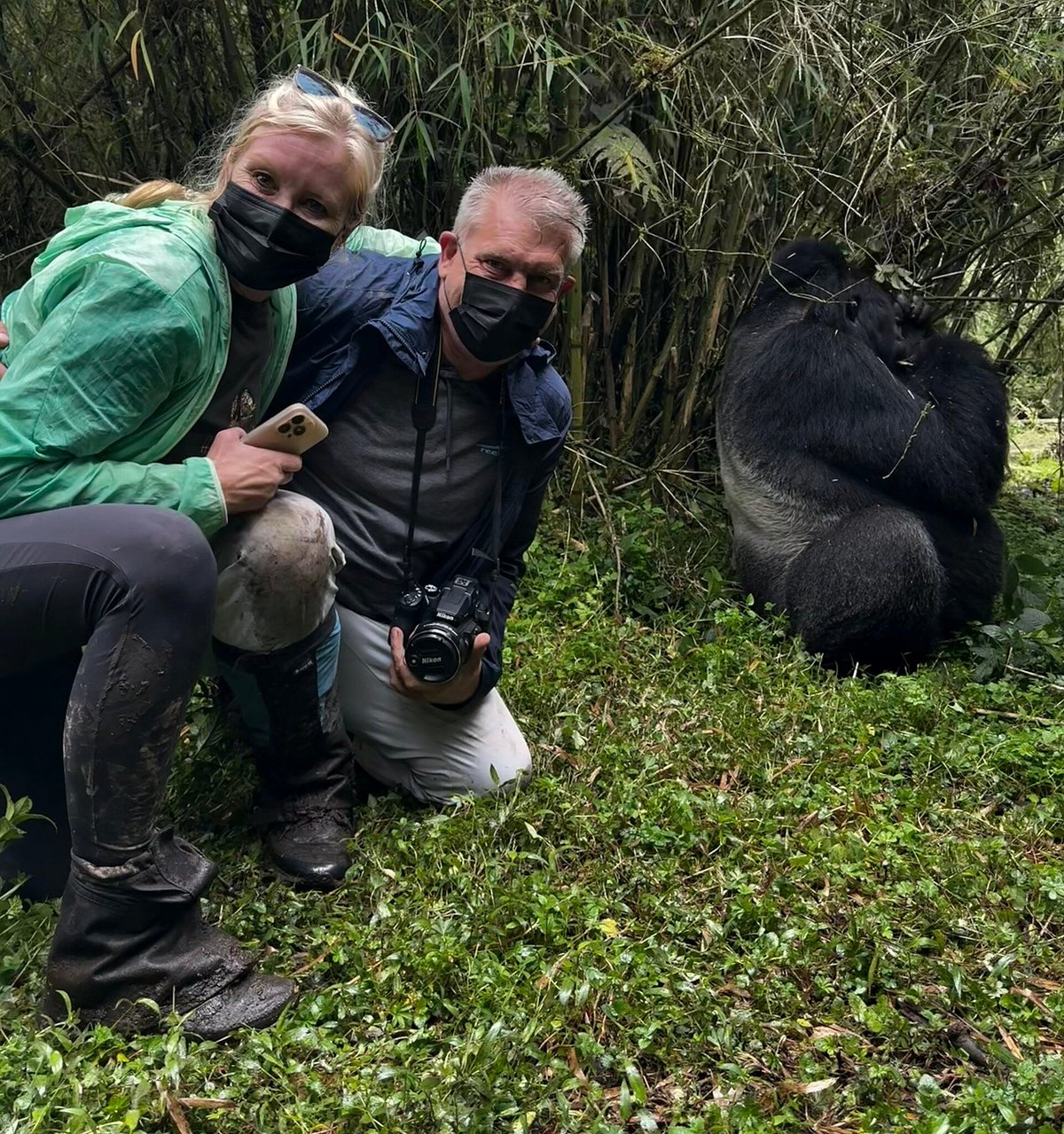
Visitors trek through the lush forests of Volcanoes National Park alongside experienced park rangers and trackers in search of one of the habituated mountain gorilla families. Once located, visitors spend one unforgettable hour quietly observing these magnificent primates feeding, grooming, resting, playing, and interacting naturally. Every Rwanda Travel Guide recommends booking this experience well in advance due to its worldwide popularity.
Every visitor must obtain an official Rwanda gorilla permit before trekking. Permits are issued by the Rwanda Development Board and should ideally be reserved several months in advance, particularly during the peak travel seasons. Early booking provides greater flexibility when selecting trekking dates, accommodation, and preferred travel itineraries.
The difficulty of gorilla trekking varies depending on the assigned gorilla family. Some groups are reached within one to two hours, while others require longer hikes across steep, muddy, and densely forested terrain. Participants must be at least 15 years old, reasonably fit, and prepared for changing mountain weather conditions.
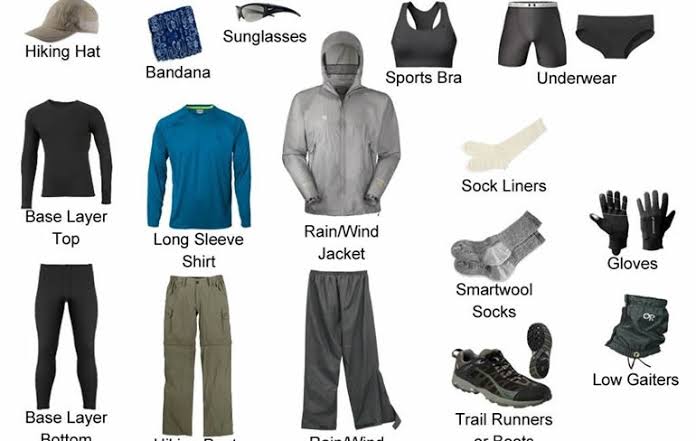
This Rwanda Travel Guide recommends packing sturdy waterproof hiking boots, long trousers, long-sleeved shirts, gardening gloves, a waterproof rain jacket, insect repellent, sufficient drinking water, snacks, and a comfortable daypack. Hiring a local porter and using a walking stick can make the trek significantly easier while also supporting local communities.
Photography is permitted during gorilla trekking provided that flash photography is not used. Visitors are required to follow strict conservation guidelines, including maintaining the recommended viewing distance, keeping noise to a minimum, avoiding direct physical contact with the gorillas, and following all ranger instructions. These regulations ensure that gorilla tourism continues to support the long-term conservation of this critically important species.
For visitors seeking more detailed planning information, this Rwanda Travel Guide recommends exploring our dedicated pages on Rwanda Gorilla Trekking, Rwanda Gorilla Permit Cost, Rwanda Gorilla Trekking Booking, What to Pack for Gorilla Trekking, and the Best Time for Gorilla Trekking in Rwanda, where every aspect of planning your gorilla safari is explained in greater detail.
Rwanda Wildlife Safaris
Although gorilla trekking receives worldwide attention, Rwanda also offers outstanding traditional wildlife safaris centered on Akagera National Park. The park’s successful reintroduction of lions and rhinoceroses has restored Rwanda’s Big Five status, making it one of East Africa’s most rewarding conservation stories.
Game drives reveal elephants, buffaloes, giraffes, zebras, impalas, topis, elands, bushbucks, waterbucks, leopards, hyenas, servals, and many other mammals roaming the expansive savannahs. Early morning and late afternoon game drives provide the best opportunities for predator sightings.
Boat safaris on Lake Ihema introduce visitors to enormous pods of hippos, Nile crocodiles, and countless waterbirds. Birdwatchers can identify more than 500 bird species, including African fish eagles, kingfishers, herons, shoebills (occasionally), papyrus gonoleks, and many migratory species.
The park’s diverse ecosystems—including wetlands, lakes, woodland, grassland, and rolling hills—support reptiles such as monitor lizards, crocodiles, turtles, snakes, and numerous amphibians. Wildlife enthusiasts often combine Akagera with Volcanoes National Park, creating an itinerary that showcases both rainforest primates and classic African safari wildlife.
Chimpanzee Trekking in Rwanda
Chimpanzee trekking offers another exceptional primate experience within this Rwanda Travel Guide. Nyungwe Forest National Park protects one of Africa’s oldest rainforests and is home to vibrant chimpanzee communities that can be visited through guided trekking excursions.
The best time for chimpanzee trekking is during the dry seasons when forest trails are generally easier to navigate. Treks begin early in the morning as experienced trackers locate chimpanzee groups before guiding visitors through the forest. Unlike gorillas, chimpanzees are highly active, energetic, and vocal, creating an exciting and fast-paced wildlife encounter.
Beyond chimpanzees, Nyungwe is home to more than 13 other primate species, including Angola colobus monkeys, blue monkeys, L’Hoest’s monkeys, owl-faced monkeys, silver monkeys, and vervet monkeys. Combined with the park’s famous canopy walkway, scenic waterfalls, and exceptional biodiversity, chimpanzee trekking makes Nyungwe Forest National Park an essential destination for travelers seeking a comprehensive Rwanda wildlife experience.
Rwanda Visa Requirements
This Rwanda Travel Guide recommends checking the latest entry requirements before your trip to ensure a smooth arrival. Rwanda offers a straightforward visa process for most international visitors, making it one of the easiest countries to enter in East Africa.
Many nationalities are eligible for a visa on arrival at Kigali International Airport and land border crossings. Travelers planning to visit Rwanda together with Uganda and Kenya may benefit from the East Africa Tourist Visa, which allows multiple entries between the three countries on a single visa.
Your passport should be valid for at least six months beyond your arrival date and contain sufficient blank pages for immigration stamps. Depending on your country of origin, proof of onward travel or accommodation may also be requested.
Visitors arriving from countries with a risk of yellow fever transmission must present a valid Yellow Fever Vaccination Certificate. Comprehensive travel insurance is also strongly recommended for all travelers.
What to Pack for Rwanda
Packing correctly will make your safari far more enjoyable. This Rwanda Travel Guide recommends bringing lightweight clothing for daytime activities together with warm layers for cool mornings and evenings, especially around Volcanoes National Park.
Essential items include sturdy waterproof hiking boots, a lightweight rain jacket, long trousers, long-sleeved shirts, gardening gloves for gorilla trekking, a hat, sunscreen, sunglasses, and comfortable walking shoes.
Bring a quality camera, spare batteries, memory cards, and a power bank for long safari days. Insect repellent, personal medications, reusable water bottles, and waterproof bags are also highly recommended.
Always travel with your passport, travel insurance documents, visa information, flight tickets, and gorilla permit confirmations if applicable.
Rwanda Travel Tips
This Rwanda Travel Guide offers several practical tips to help you enjoy a smooth journey.
The local currency is the Rwandan Franc (RWF), although US Dollars are widely accepted at hotels and safari lodges. Credit cards are accepted in many establishments, but carrying some local cash is useful for smaller purchases.
Local SIM cards from MTN Rwanda and Airtel Rwanda provide affordable mobile data and excellent coverage throughout most tourist areas. Internet access is widely available in hotels, restaurants, and cafés.
Rwanda uses Type C and Type J electrical sockets with a standard voltage of 230V, so international visitors may require a travel adapter.
Tipping is appreciated but not compulsory. Safari guides, porters, and lodge staff are usually tipped based on the quality of service received.
Always ask permission before photographing local people, respect local customs, and learn a few simple Kinyarwanda greetings such as “Muraho” (Hello) and “Murakoze” (Thank you) to enhance your interactions with local communities.
Frequently Asked Questions About Rwanda Travel Guide
1. What is a Rwanda Travel Guide?
A Rwanda Travel Guide is a comprehensive resource that helps visitors plan their trip by providing information on gorilla trekking, national parks, accommodation, transportation, visas, weather, travel costs, safety, and the best places to visit in Rwanda.
2. When is the best time to visit Rwanda?
According to this Rwanda Travel Guide, the best time to visit is during the dry seasons from June to September and December to February, when gorilla trekking and wildlife viewing conditions are at their best.
3. Is Rwanda safe for tourists?
Yes. Rwanda is widely regarded as one of the safest and cleanest countries in Africa, making it an excellent destination for families, couples, solo travelers, and first-time visitors.
4. Do I need a visa to visit Rwanda?
Many nationalities can obtain a visa on arrival or apply online before travel. Travelers visiting Rwanda together with Uganda and Kenya can also use the East Africa Tourist Visa.
5. How much does a Rwanda safari cost?
The cost depends on the gorilla permit, accommodation, transportation, safari duration, and activities included. Budget, mid-range, and luxury options are available.
6. How do I book gorilla trekking in Rwanda?
You can book through Boots in The Jungle Safaris, where we arrange gorilla permits, accommodation, transportation, and personalized safari itineraries.
7. How many days do I need in Rwanda?
A minimum of 3–5 days is recommended for gorilla trekking, while 7–10 days allows you to explore Rwanda’s major attractions.
8. Can I combine Rwanda with Uganda?
Yes. Many travelers combine Volcanoes National Park with Bwindi Impenetrable National Park and other Ugandan safari destinations.
9. What currency is used in Rwanda?
The official currency is the Rwandan Franc (RWF), although US Dollars are widely accepted in hotels and safari lodges.
10. Is Rwanda suitable for family holidays?
Yes. Rwanda offers wildlife safaris, cultural experiences, boat cruises, and family-friendly accommodation. Gorilla trekking is restricted to visitors aged 15 years and above.
11. What wildlife can I see in Rwanda?
Rwanda is home to mountain gorillas, chimpanzees, the Big Five, giraffes, zebras, hippos, crocodiles, antelopes, and over 700 bird species.
12. Which national park is best for gorilla trekking?
Volcanoes National Park is Rwanda’s premier destination for mountain gorilla trekking.
13. What should I pack for Rwanda?
Pack hiking boots, a rain jacket, long trousers, lightweight clothing, insect repellent, a camera, travel documents, and personal medication.
14. Is Rwanda good for birdwatching?
Yes. Rwanda is one of Africa’s top birding destinations with more than 700 recorded bird species across its national parks and wetlands.
15. Can I see the Big Five in Rwanda?
Yes. Akagera National Park is home to lions, leopards, elephants, buffaloes, and rhinoceroses.
16. What language is spoken in Rwanda?
Kinyarwanda is the national language, while English, French, and Swahili are also widely spoken.
17. Is Rwanda expensive to visit?
Rwanda offers luxury, mid-range, and budget travel options, allowing visitors to plan according to their budget.
18. Can I visit Lake Kivu after gorilla trekking?
Yes. Lake Kivu is one of the most popular destinations to relax after gorilla trekking.
19. How difficult is gorilla trekking?
The difficulty varies depending on the assigned gorilla family and terrain, but most reasonably fit travelers can complete the trek.
20. What is the age limit for gorilla trekking?
The minimum age for gorilla trekking in Rwanda is 15 years.
21. Can I visit Rwanda all year round?
Yes. Rwanda is a year-round destination, although the dry seasons offer the best trekking conditions.
22. Are credit cards accepted in Rwanda?
Yes. Most hotels, lodges, and restaurants accept major credit cards, although carrying some local currency is recommended.
23. How do I get around Rwanda?
Private safari vehicles are the most convenient option, while taxis, buses, and motorcycle taxis are available in towns and cities.
24. Is travel insurance necessary?
Yes. Comprehensive travel insurance is highly recommended for all visitors.
25. Can I customize my Rwanda safari?
Absolutely. Boots in The Jungle Safaris designs tailor-made itineraries based on your interests, travel dates, and budget.
26. What are the must-visit places in Rwanda?
Volcanoes National Park, Akagera National Park, Nyungwe Forest National Park, Lake Kivu, Kigali City, and the Twin Lakes are among Rwanda’s top attractions.
27. Why should I use this Rwanda Travel Guide?
This Rwanda Travel Guide provides reliable information to help you confidently plan your safari, choose the best destinations, and prepare for your journey.
28. Why book with Boots in The Jungle Safaris?
We offer expert local knowledge, guaranteed gorilla permit assistance, personalized itineraries, experienced guides, competitive pricing, and exceptional customer service.
29. How far is Volcanoes National Park from Kigali?
Volcanoes National Park is approximately 2½ to 3 hours by road from Kigali International Airport.
30. How do I start planning my Rwanda safari?
Use this Rwanda Travel Guide as your planning resource, then contact Boots in The Jungle Safaris for a free, personalized itinerary and no-obligation quotation.
Book Your Rwanda Safari Today
Your unforgettable African adventure begins with the right planning, and this Rwanda Travel Guide is the perfect starting point. Whether your dream is to trek endangered mountain gorillas in Volcanoes National Park, enjoy a Big Five safari in Akagera National Park, track chimpanzees in Nyungwe Forest, unwind along the beautiful shores of Lake Kivu, or experience Rwanda’s rich culture and welcoming hospitality, Boots in The Jungle Safaris is ready to turn your travel plans into reality.
Our experienced Rwanda safari specialists provide personalized travel planning tailored to your interests, travel dates, and budget. We assist with gorilla permit reservations, carefully selected accommodation, comfortable private 4×4 transportation, professional English-speaking guides, airport transfers, and fully customized itineraries designed to give you the very best Rwanda has to offer. Whether you are looking for a luxury escape, a mid-range adventure, a budget safari, a honeymoon, a family holiday, or a photography expedition, we create journeys that are memorable, seamless, and stress-free.
Contact Boots in The Jungle Safaris today to receive your free, no-obligation quotation. Let our local expertise and this comprehensive Rwanda Travel Guide help you plan the perfect Rwanda safari and discover why the Land of a Thousand Hills is one of Africa’s most extraordinary travel destinations.