
Best Time to Visit Uganda
If you are planning an unforgettable African adventure, one of the first questions you’ll probably ask is, what is the Best Time to Visit Uganda? The answer depends on the experiences you hope to enjoy, but the wonderful thing about Uganda is that it is a true year-round safari destination. Blessed with an equatorial climate, diverse ecosystems, spectacular scenery, abundant wildlife, and warm hospitality, Uganda offers memorable experiences during every month of the year. Whether your dream is trekking endangered mountain gorillas in Bwindi Impenetrable National Park, tracking chimpanzees through Kibale Forest, witnessing the thunder of Murchison Falls, searching for tree-climbing lions in Queen Elizabeth National Park, or photographing over a thousand bird species, understanding the Best Time to Visit Uganda allows you to plan a safari that perfectly matches your interests.
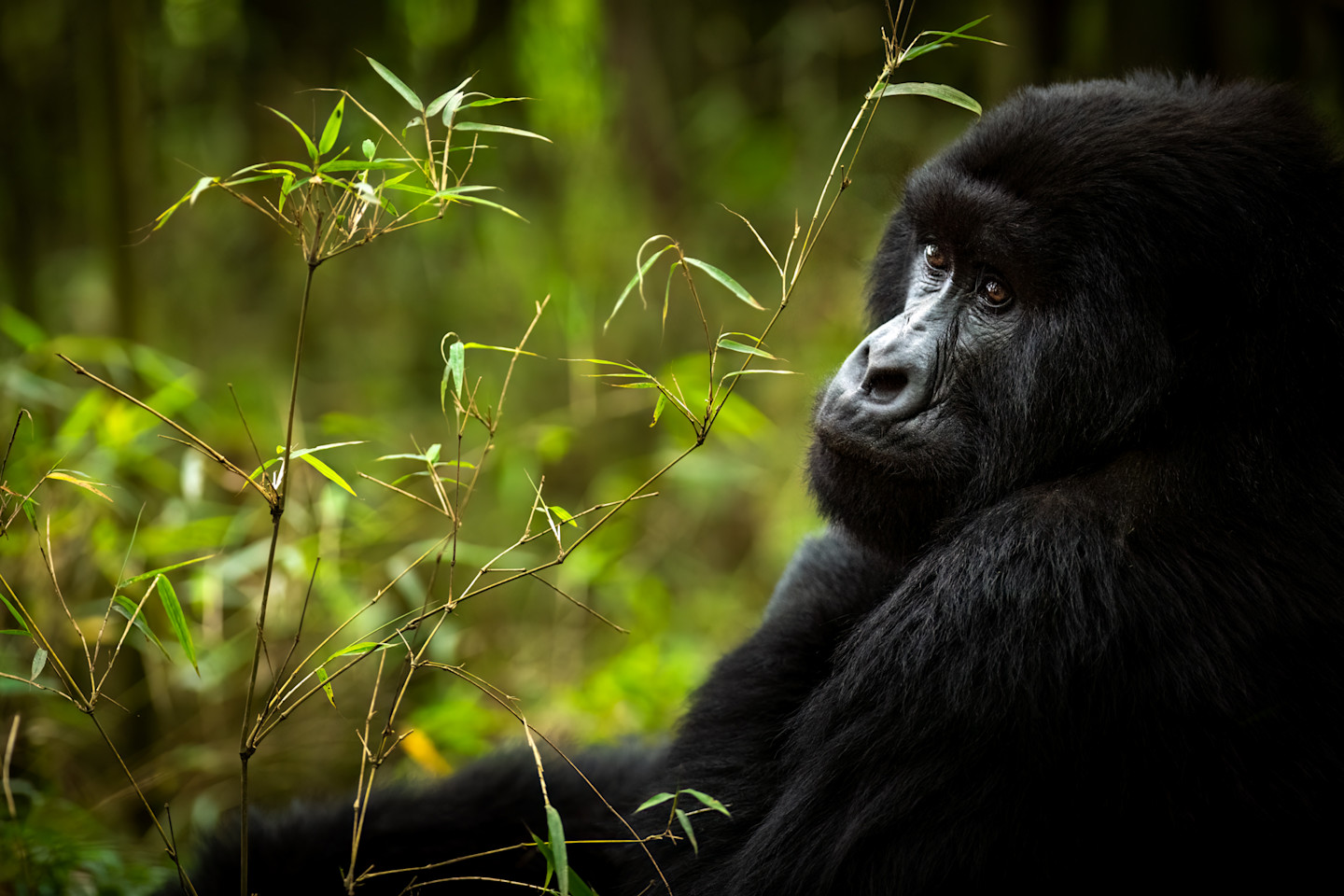
Uganda is affectionately known as the Pearl of Africa, a title given by Sir Winston Churchill because of its extraordinary natural beauty and biodiversity. Despite its relatively compact size, Uganda contains snow-capped mountains, tropical rainforests, vast savannahs, wetlands, volcanic landscapes, lakes, rivers, and rich cultural heritage. Unlike many African safari destinations that experience prolonged droughts or extremely high temperatures, Uganda enjoys a pleasant climate throughout the year due to its high elevation. This means there is rarely a “bad” time to visit. Instead, different seasons simply offer different advantages, making Uganda one of the most flexible safari destinations in Africa.
At Boots in The Jungle Safaris, we have guided travelers through Uganda in every season, allowing us to appreciate how each time of year brings unique opportunities. Some visitors prefer the dry months when wildlife is easier to locate and hiking trails are less muddy, while others love the quieter rainy seasons when forests are greener, waterfalls are more dramatic, birdlife flourishes, and accommodation prices become more affordable. Our experienced safari specialists tailor every itinerary to suit your travel dates, interests, and budget, ensuring you experience the very Best Time to Visit Uganda for your preferred activities.
Throughout this comprehensive guide, you’ll discover how Uganda’s seasons influence gorilla trekking, wildlife safaris, chimpanzee tracking, birdwatching, photography, hiking, family holidays, honeymoon safaris, and budget travel. By understanding the country’s climate and seasonal patterns, you’ll be able to confidently choose the ideal time for your unforgettable Uganda safari.
Uganda’s Climate Throughout the Year
One of the reasons Uganda remains such an exceptional safari destination is its remarkably comfortable climate. Although the country sits directly on the Equator, visitors are often surprised to discover that temperatures remain moderate throughout the year rather than becoming unbearably hot. This is largely because much of Uganda lies between 900 and 1,500 metres above sea level, while several regions—including the southwestern highlands—rise above 2,000 metres. These higher elevations naturally cool the climate, creating pleasant conditions for both wildlife and visitors.
Daytime temperatures across most safari destinations generally range between 23°C and 29°C, while evenings and early mornings are refreshingly cool, especially around Bwindi Impenetrable National Park, Mgahinga Gorilla National Park, Mount Elgon, the Rwenzori Mountains, and Lake Bunyonyi. During gorilla trekking, many travelers even find themselves wearing light jackets because the rainforest can become cool and misty, particularly in the mornings.
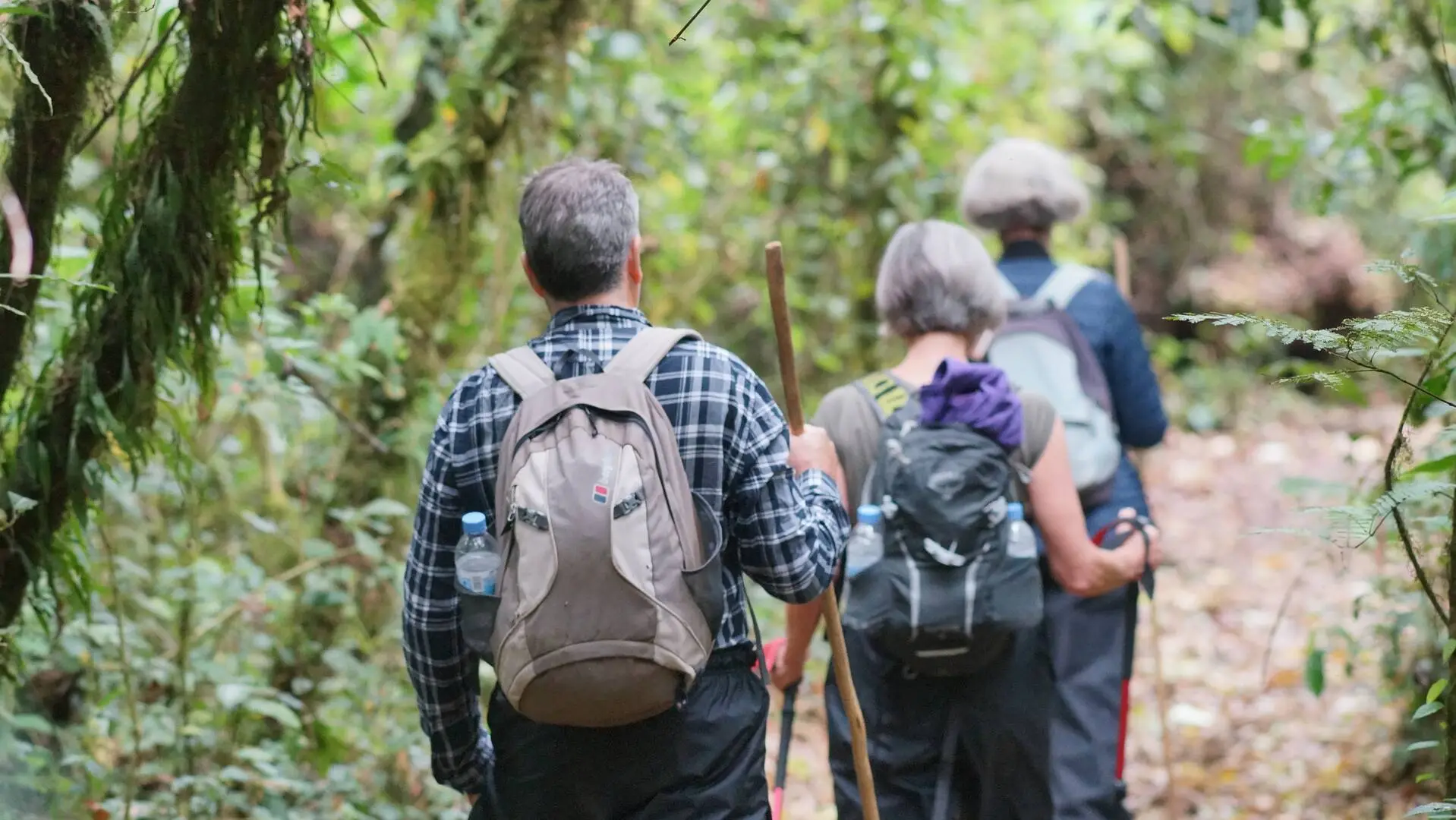
Uganda experiences two distinct dry seasons and two rainy seasons each year. The primary dry season extends from June to August, while a shorter dry period occurs between December and February. These months are widely regarded as the Best Time to Visit Uganda because roads remain in excellent condition, hiking trails are easier to navigate, wildlife gathers around permanent water sources, and clear skies provide ideal photography conditions.
The rainy seasons generally occur between March and May and again from September to November. Although rainfall increases during these periods, it rarely rains continuously throughout the day. Instead, visitors often experience brief afternoon showers followed by sunshine. These rains transform Uganda into a lush green paradise, filling rivers and waterfalls, refreshing forests, and creating spectacular landscapes that photographers absolutely love.
Another major advantage of Uganda’s climate is its consistency. Unlike some African destinations where temperatures can become extreme, Uganda remains pleasantly warm throughout the year. This stable weather supports one of the richest ecosystems on the continent, allowing wildlife to thrive regardless of the season. National parks remain open throughout the year, making Uganda one of Africa’s most dependable safari destinations.
For travelers planning gorilla trekking, wildlife safaris, cultural tours, birdwatching, hiking, or honeymoon adventures, understanding Uganda’s seasonal weather helps determine the Best Time to Visit Uganda according to personal travel goals rather than simply avoiding rainfall.
Why Choose Boots in The Jungle Safaris?
Selecting the Best Time to Visit Uganda is only the first step toward creating the safari of your dreams. At Boots Safaris, we combine years of local experience, expert destination knowledge, and personalized service to help you enjoy Uganda at its very best, regardless of the season you choose to travel.
Our experienced safari consultants understand how wildlife movements, weather patterns, gorilla trekking conditions, bird migrations, and seasonal landscapes change throughout the year. This allows us to recommend the Best Time to Visit Uganda based entirely on your travel interests. Whether your priority is mountain gorilla trekking in Bwindi Impenetrable National Park, chimpanzee tracking in Kibale Forest, searching for tree-climbing lions in Queen Elizabeth National Park, witnessing the power of Murchison Falls, exploring the untouched wilderness of Kidepo Valley National Park, or relaxing beside the peaceful shores of Lake Bunyonyi, we carefully tailor every itinerary to suit your expectations.
From securing gorilla permits and selecting exceptional accommodations to providing comfortable 4×4 safari vehicles and highly experienced driver-guides, Boots Safaris handles every detail with professionalism and care. Whether you travel during the peak dry season or the quieter green season, we ensure you experience the Best Time to Visit Uganda in the most rewarding way possible.
Best Time to Visit Uganda for Photography
Choosing the Best Time to Visit Uganda for photography depends on the type of images you want to capture. Uganda is a photographer’s paradise throughout the year, offering spectacular opportunities to photograph mountain gorillas, diverse wildlife, breathtaking landscapes, colorful birds, waterfalls, and authentic cultural experiences. Every season presents unique photographic advantages, making the Best Time to Visit Uganda different for every traveler.
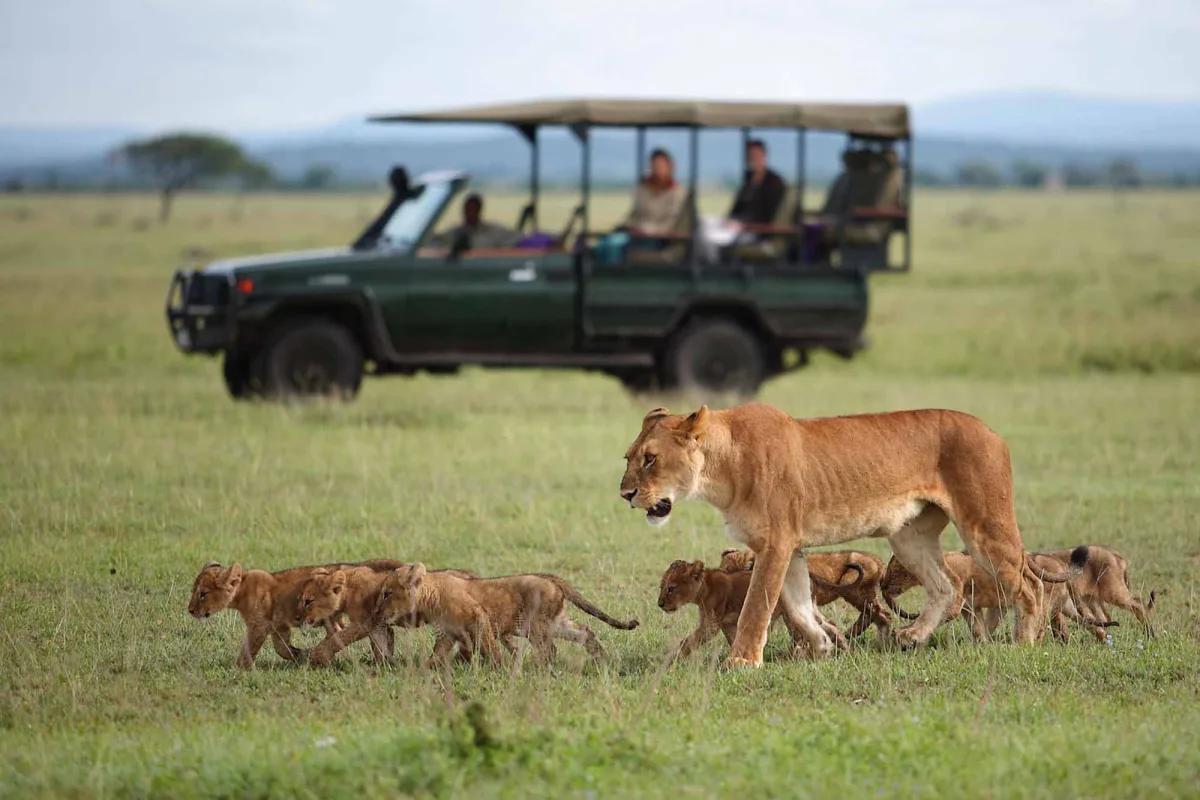
During the dry seasons from June to August and December to February, photographers enjoy clear blue skies, lower humidity, and excellent visibility across Uganda’s national parks. Early mornings and late afternoons provide soft golden light that beautifully illuminates elephants, lions, giraffes, buffaloes, and other wildlife during game drives. The dry conditions also make it easier to access remote safari locations and position vehicles for the perfect wildlife shot.
The rainy seasons reveal a completely different side of Uganda. For many landscape photographers, this is actually the Best Time to Visit Uganda because the countryside transforms into vibrant shades of green. Mist-covered mountains, dramatic storm clouds, overflowing waterfalls, blooming flowers, and lush rainforests create stunning compositions that cannot be experienced during the dry months. Gorilla photography also benefits from overcast skies, as the diffused natural light reduces harsh shadows beneath the forest canopy, producing clearer and more balanced images. Whether you specialize in wildlife, landscapes, birds, or cultural photography, the Best Time to Visit Uganda depends on your personal photography style and creative goals.
Best Time to Visit Uganda on a Budget
For travelers looking to enjoy an unforgettable African safari without spending excessively, the Best Time to Visit Uganda is often during the country’s low and shoulder seasons. Between March and May and again from October to November, Uganda offers exceptional value while still delivering remarkable wildlife encounters and breathtaking scenery.
During these months, many luxury lodges, safari camps, and boutique accommodations reduce their rates, allowing visitors to experience premium hospitality at significantly lower prices. National parks are also much quieter, creating a more exclusive safari experience without the crowds typically seen during peak travel seasons. Choosing the Best Time to Visit Uganda during these months means you can often upgrade your accommodation or extend your safari while staying within your budget.
Despite occasional rainfall, gorilla trekking continues successfully every day, wildlife remains abundant in Uganda’s national parks, and chimpanzee trekking is equally rewarding. The lush green scenery also enhances the beauty of the landscapes, making your safari feel even more magical. For budget-conscious travelers seeking excellent value without compromising on quality, the Best Time to Visit Uganda is undoubtedly during these quieter months.
Best Time to Visit Uganda for Hiking
Uganda offers some of Africa’s most rewarding hiking experiences, from climbing the legendary Rwenzori Mountains to exploring Mount Elgon, Mount Moroto, Sipi Falls, and the scenic trails surrounding Bwindi Impenetrable National Park. For adventure enthusiasts, the Best Time to Visit Uganda for hiking is generally during the country’s dry seasons, when weather conditions make mountain trekking safer and more enjoyable.
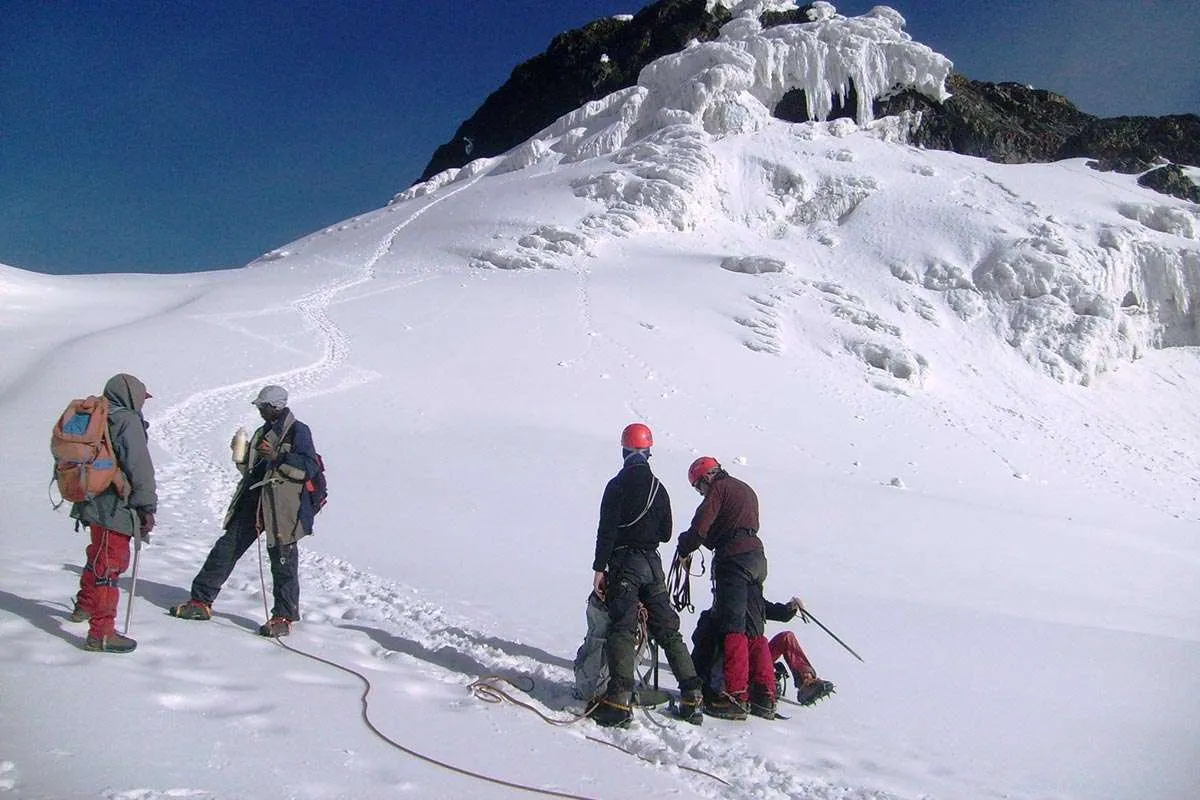
Between June and August and again from December to February, hiking trails remain firmer and less slippery, allowing climbers to comfortably navigate mountain paths and forest trails. River crossings become easier, panoramic views are clearer, and the chances of enjoying uninterrupted hiking days are much higher. These months are especially popular for climbing the snow-capped Rwenzori Mountains, often referred to as the “Mountains of the Moon,” where clear weather significantly enhances both safety and scenic beauty.
Even shorter nature walks around crater lakes, community trails, waterfalls, and rainforest paths become more enjoyable during the dry months. Whether you are an experienced mountaineer or simply enjoy scenic walks, choosing the Best Time to Visit Uganda ensures a safer, more comfortable, and unforgettable hiking adventure.
Best Time to Visit Uganda for Families
Families planning an African holiday often wonder about the Best Time to Visit Uganda with children. Fortunately, Uganda is one of Africa’s most family-friendly safari destinations, offering exciting wildlife experiences, beautiful scenery, and educational adventures throughout the year. However, many families prefer traveling during the dry seasons between June and August or December and February because of the comfortable weather and easier travel conditions.
These months provide excellent opportunities for children to enjoy game drives, boat cruises, nature walks, cultural village visits, and wildlife viewing without frequent interruptions from rainfall. The dry weather also makes road travel smoother between national parks, reducing travel fatigue for younger visitors.
Choosing the Best Time to Visit Uganda also allows families to maximize wildlife sightings, as elephants, giraffes, buffaloes, zebras, hippos, crocodiles, and numerous bird species become easier to observe around rivers and open grasslands. Many family-friendly lodges offer spacious cottages, children’s activities, swimming pools, and flexible meal options designed specifically for families traveling together. At Boots in the Jungle Safaris, we carefully design family itineraries that combine adventure, relaxation, education, and comfort, ensuring every member of the family enjoys an unforgettable African safari.
Month-by-Month Guide to the Best Time to Visit Uganda
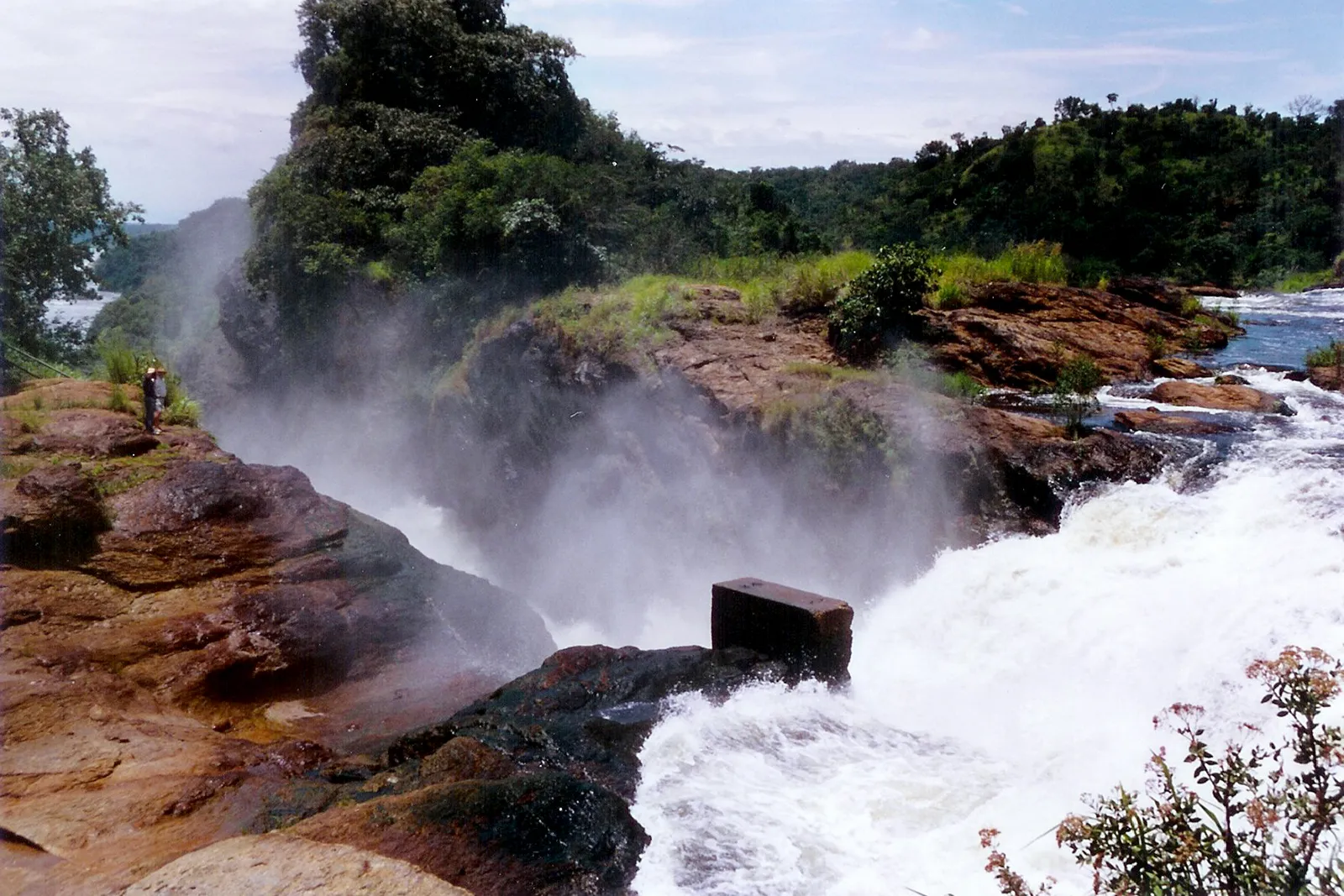
January – One of the Best Time to Visit Uganda for Dry Weather Adventures
January is widely regarded as one of the Best Time to Visit Uganda because it falls within the country’s short dry season. The weather is generally warm and sunny, with very little rainfall across most safari destinations. Roads leading to national parks remain in excellent condition, making travel comfortable whether you’re heading to Bwindi Impenetrable National Park, Murchison Falls National Park, Queen Elizabeth National Park, or Kidepo Valley National Park.
January offers ideal conditions for mountain gorilla trekking since forest trails are less muddy and easier to navigate. Wildlife viewing is also exceptional because animals gather around permanent water sources, allowing safari guides to locate elephants, buffaloes, lions, giraffes, and antelopes more easily. Chimpanzee trekking in Kibale Forest is equally rewarding, while photographers enjoy bright skies and beautiful golden light throughout the day. Because of these excellent conditions, January is undoubtedly among the Best Time to Visit Uganda for first-time safari travelers.
February – Excellent Wildlife Viewing and Gorilla Trekking
February continues the favorable dry weather experienced in January and remains another excellent month for anyone searching for the Best Time to Visit Uganda. The comfortable temperatures, clear skies, and dry roads make this one of the busiest safari months of the year.
Game drives in Queen Elizabeth National Park and Murchison Falls National Park become particularly rewarding as wildlife congregates around rivers and waterholes. Visitors have excellent opportunities to observe lions, elephants, buffaloes, Uganda kobs, hippos, crocodiles, and numerous bird species. Gorilla trekking conditions are among the year’s best, with shorter hiking times often experienced due to easier trail access. Chimpanzee trekking, boat cruises, cultural tours, and hiking activities also benefit from the pleasant weather.
February is especially popular among honeymooners, photographers, and families who want reliable weather during their Uganda safari.
March – Green Landscapes and Excellent Value
March marks the beginning of Uganda’s first rainy season, although rainfall usually starts gradually rather than continuously. While occasional showers become more frequent, this month still provides wonderful safari experiences and is increasingly considered one of the underrated periods for the Best Time to Visit Uganda.
The countryside begins transforming into vibrant shades of green as fresh vegetation covers hills, forests, and savannahs. Wildlife remains abundant throughout the parks, while migratory birds continue arriving, making birdwatching increasingly rewarding. Forests become particularly beautiful for gorilla trekking, with mist creating magical scenery around the mountain gorillas.
Accommodation prices often begin to decrease during March, allowing travelers to enjoy luxury lodges at more affordable rates. Visitors who prefer fewer crowds while still enjoying excellent wildlife encounters often find March to be one of the most attractive months to visit Uganda.
April – Lush Rainforests and Outstanding Birdwatching
April is generally the wettest month across many regions of Uganda, bringing heavier rainfall that transforms the country’s landscapes into breathtaking green paradise. Although some travelers avoid this period, experienced safari enthusiasts often appreciate April for its exceptional scenery and peaceful national parks.
Mountain gorilla trekking continues every day despite the rain. While forest trails become more challenging due to muddy conditions, gorillas frequently remain at lower elevations where food is abundant, sometimes reducing hiking distances. The rainforest becomes incredibly photogenic, with mist hanging between ancient trees and vibrant vegetation creating spectacular photography opportunities.
Birdwatching reaches one of its annual peaks during April as breeding activity increases and migratory birds remain present. Rivers, waterfalls, and wetlands become full, creating dramatic natural scenery throughout Uganda. Travelers looking for discounted safari prices often consider April an excellent value month despite the wetter conditions.
May – Beautiful Scenery and Peaceful Safaris
May serves as a transition month as rainfall gradually decreases across many parts of Uganda. The landscapes remain lush and green, while national parks continue to experience relatively few visitors compared to the busy dry seasons.
For travelers seeking tranquility, May can be one of the Best Time to Visit Uganda. Gorilla trekking remains highly successful, chimpanzee trekking flourishes in the fresh forests, and birdwatching continues to produce remarkable sightings. Wildlife becomes increasingly active as fresh vegetation supports large herbivore populations throughout the parks.
Safari lodges often continue offering attractive seasonal discounts, making May particularly appealing for travelers seeking luxury experiences at lower prices without sacrificing wildlife encounters.
June – Beginning of Uganda’s Peak Safari Season
June marks the beginning of Uganda’s major dry season and is widely recognized as one of the absolute Best Time to Visit Uganda. Rainfall decreases significantly, temperatures become pleasantly warm, and safari conditions improve dramatically across the country.
Game viewing becomes easier as grasses begin drying and wildlife concentrates around rivers and waterholes. Gorilla trekking conditions improve considerably with firmer forest trails and reduced rainfall. Chimpanzee trekking also becomes more comfortable, while hiking adventures in the Rwenzori Mountains and Mount Elgon benefit from clearer weather.
Because of these favorable conditions, June marks the beginning of Uganda’s busiest safari period, making early accommodation and gorilla permit bookings highly recommended.
July – Peak Season for the Best Time to Visit Uganda
July represents the heart of Uganda’s peak safari season and is consistently ranked among the Best Time to Visit Uganda. Dry weather dominates most regions, creating ideal conditions for nearly every safari activity available.
Wildlife viewing reaches exceptional levels across Queen Elizabeth National Park, Murchison Falls National Park, Lake Mburo National Park, and Kidepo Valley National Park. Visitors regularly encounter elephants, lions, buffaloes, giraffes, leopards, and numerous antelope species during game drives.
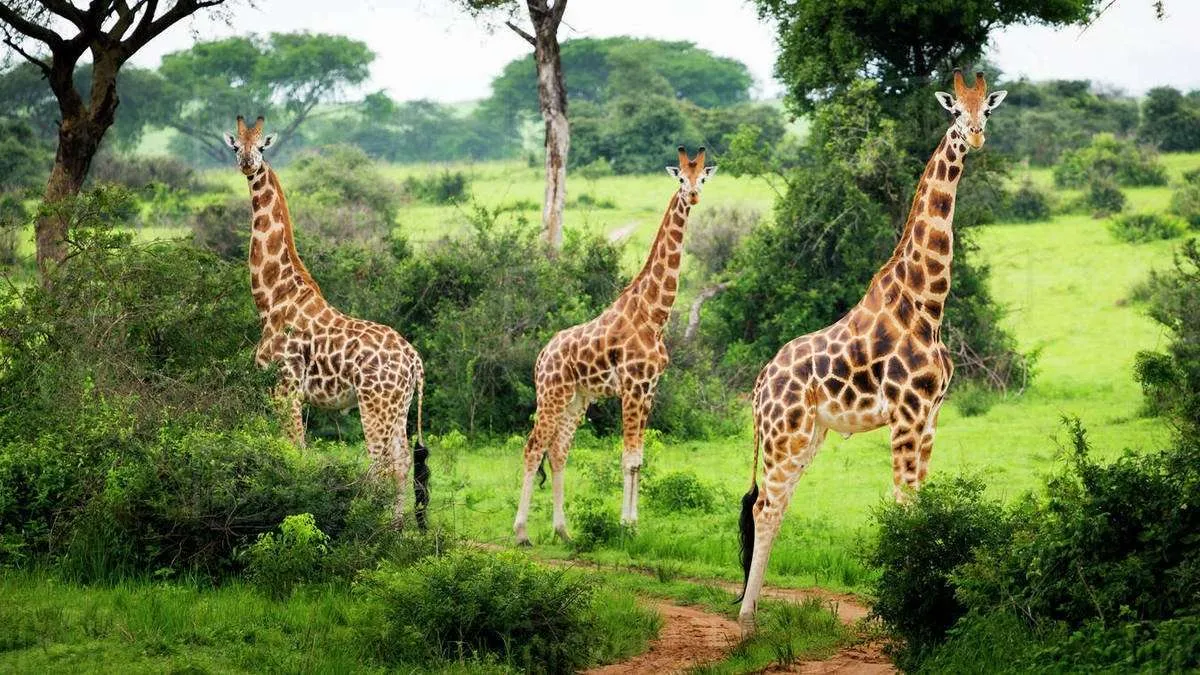
Mountain gorilla trekking becomes particularly enjoyable as hiking conditions remain dry and photography benefits from brighter forest lighting. Boat cruises along the Kazinga Channel and the Victoria Nile also provide unforgettable wildlife viewing, with hippos, crocodiles, elephants, and birds gathering along riverbanks.
Because July attracts visitors from around the world, gorilla permits and luxury accommodations should be secured well in advance.
August – Excellent Weather Across Uganda
August continues Uganda’s long dry season and remains one of the finest months for exploring the country’s remarkable national parks. Travelers searching for the Best Time to Visit Uganda frequently choose August because of its combination of comfortable weather, excellent wildlife viewing, and reliable trekking conditions.
The dry vegetation allows guides to locate wildlife more easily, while roads remain highly accessible throughout the country. Gorilla trekking, chimpanzee tracking, hiking, birdwatching, and photography all remain exceptional during August.
Families traveling during international school holidays particularly enjoy this month because children can comfortably participate in game drives, nature walks, cultural visits, and boat cruises.
September – A Beautiful Transition into the Green Season
September marks the gradual return of light rains across many parts of Uganda. Although occasional showers begin to appear, they rarely interfere significantly with safari activities.
Fresh vegetation starts returning to the parks, creating greener landscapes while wildlife viewing remains excellent. Birdwatching becomes increasingly productive as breeding activity resumes and habitats flourish after seasonal rains.
Travelers who prefer quieter parks often appreciate September because visitor numbers decline slightly after the busy July and August period. Gorilla trekking remains highly successful, making September another attractive option when considering the Best Time to Visit Uganda.
October – Lush Forests and Fewer Tourists
October is one of Uganda’s most scenic months. Frequent rainfall transforms forests, wetlands, and national parks into vibrant green landscapes filled with fresh vegetation and colorful flowers.
Although occasional showers occur, gorilla trekking remains excellent throughout Bwindi and Mgahinga. The mountain gorillas continue following predictable feeding patterns, while fewer visitors create a more peaceful trekking experience.
Wildlife safaris remain rewarding, birdlife flourishes, and photographers particularly enjoy October’s dramatic cloud formations, mist-covered forests, and vivid natural colors. Travelers seeking beautiful scenery combined with fewer crowds often consider October among the hidden gems of the Best Time to Visit Uganda.
November – Paradise for Birdwatchers
November is widely regarded as one of Uganda’s premier birdwatching months. Migratory birds arrive from Europe and northern Africa, joining the country’s incredible resident bird population to create extraordinary bird diversity.
Wetlands, forests, and savannahs become filled with colorful birdlife, while breeding plumage provides outstanding photography opportunities. Bird enthusiasts visiting Mabamba Swamp, Queen Elizabeth National Park, Kibale Forest, Bwindi Impenetrable National Park, and Murchison Falls National Park often record impressive species lists during November.
Despite occasional rainfall, gorilla trekking, chimpanzee trekking, and wildlife safaris continue successfully. Lower accommodation prices and quieter parks make November an excellent alternative for travelers seeking value.
December – Festive Safari Season
December welcomes the return of Uganda’s short dry season and concludes the year as one of the Best Time to Visit Uganda. Warm sunny weather combines with festive holiday celebrations, attracting both international and domestic travelers.
The improved weather provides excellent conditions for gorilla trekking, wildlife viewing, boat cruises, hiking, and cultural experiences. Families frequently choose December because of school holidays, while honeymooners enjoy the romantic atmosphere created by Uganda’s luxury safari lodges.
Since December is one of the busiest travel months, Boots Safaris recommends reserving gorilla permits, accommodations, and domestic flights several months before arrival.
Why Choose Boots in The Jungle Safaris?
Choosing the Best Time to Visit Uganda is only the beginning of planning a truly unforgettable safari. At Boots in The Jungle Safaris, we believe that every journey should be personalized, professionally organized, and filled with authentic experiences that create lifelong memories. Our extensive local knowledge, experienced guides, and commitment to exceptional service ensure that every safari is carefully designed around your interests, travel dates, and budget.
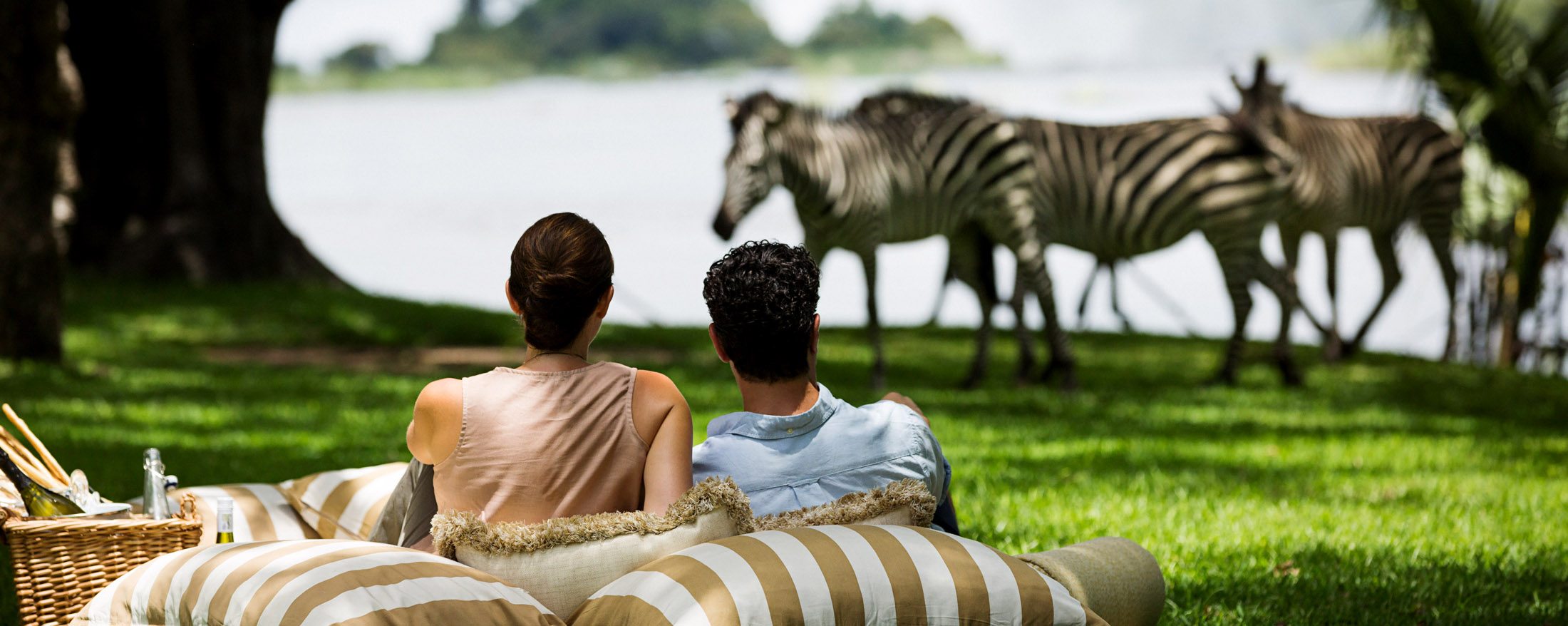
Whether you wish to trek mountain gorillas in Bwindi Impenetrable National Park, track chimpanzees in Kibale Forest, witness the thunderous Murchison Falls, search for the famous tree-climbing lions of Ishasha, cruise along the Kazinga Channel, explore the remote wilderness of Kidepo Valley National Park, or unwind beside the tranquil waters of Lake Bunyonyi, our team handles every detail with precision. From securing gorilla permits and selecting the perfect accommodation to arranging comfortable transportation and knowledgeable local guides, we ensure a seamless travel experience from arrival to departure.
Unlike standard tour operators, Boots in The Jungle Safaris specializes in tailor-made itineraries rather than one-size-fits-all packages. We understand that every traveler has different expectations, whether you are seeking a luxury honeymoon, a family safari, a photography expedition, a birdwatching adventure, or a budget-friendly wildlife holiday. By helping you choose the Best Time to Visit Uganda based on your travel goals, we maximize your opportunities to enjoy extraordinary wildlife encounters and unforgettable African adventures.