
Ultimate Gorilla Trekking Guide – Best Gorilla Trekking Safaris in Uganda & Rwanda
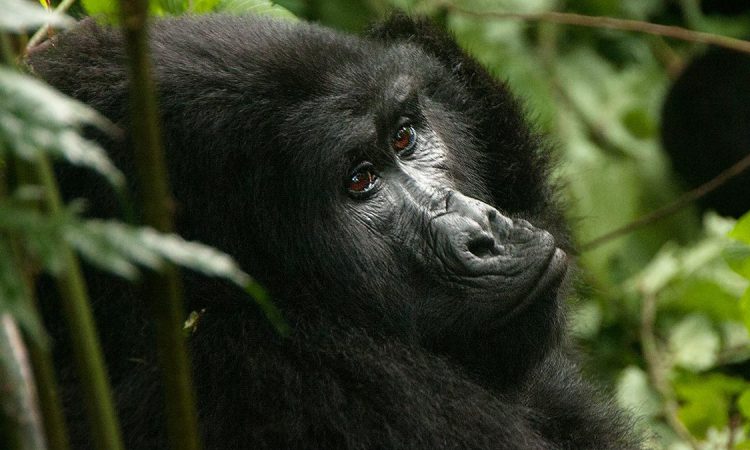
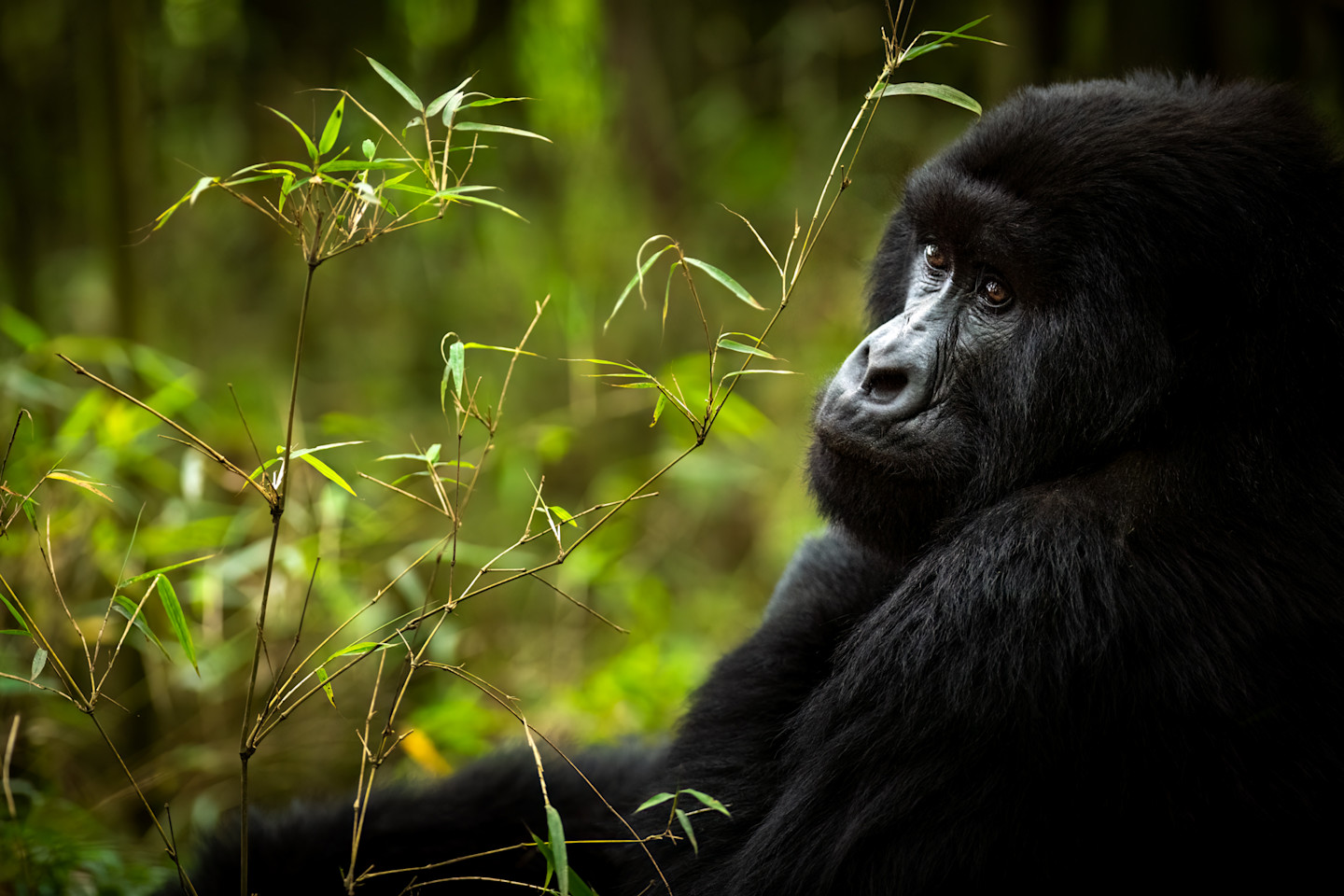
Gorilla Trekking is one of the most extraordinary wildlife experiences in the world and remains one of Africa’s most sought-after safari adventures. Unlike traditional wildlife safaris where animals are viewed from safari vehicles, this experience takes travelers deep into ancient tropical rainforests where they encounter endangered mountain gorillas face to face in their natural habitat. The emotional connection created during these encounters is unmatched, making this one of the most life-changing wildlife adventures on Earth.
This safari experience combines adventure travel, wildlife conservation, rainforest exploration, photography, cultural encounters, and eco-tourism into a single unforgettable journey. Travelers hike through dense forests, bamboo zones, volcanic slopes, mist-covered mountains, and jungle trails while guided by experienced trackers and ranger guides searching for habituated gorilla families.
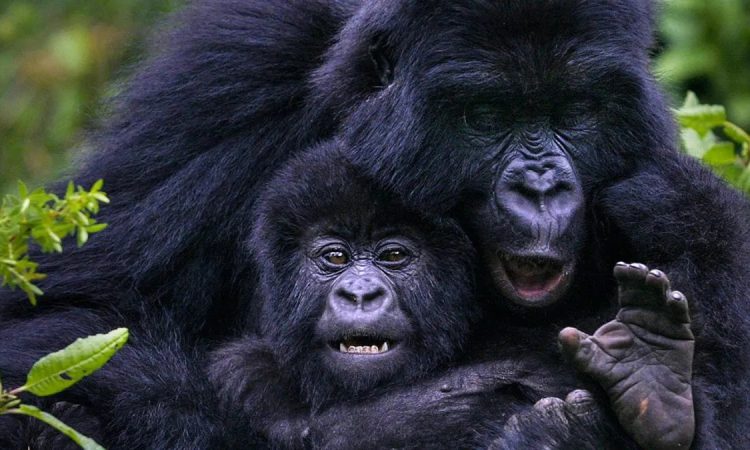
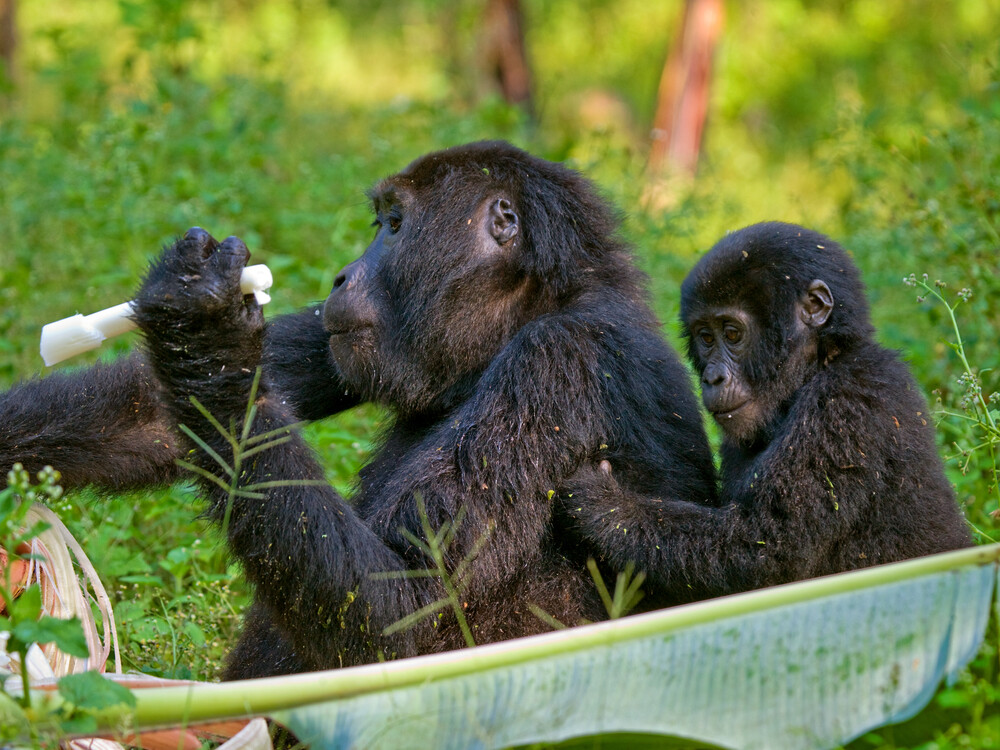
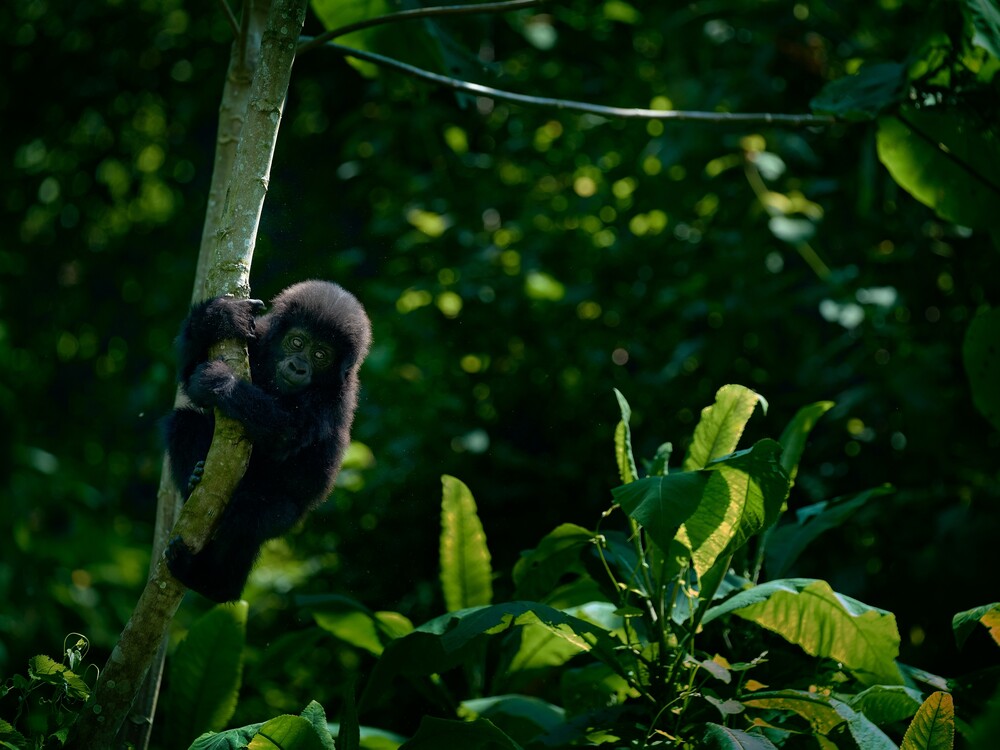
The highlight of the adventure comes when visitors finally meet a gorilla family hidden within the rainforest. Watching a massive silverback protect his family, seeing mothers care for their babies, observing playful young gorillas climbing trees, and witnessing gorillas communicate with each other creates unforgettable memories that remain with travelers forever.
Every year, thousands of visitors travel to Africa specifically for mountain gorilla safaris in Uganda, Rwanda, and the Democratic Republic of Congo. These rainforest expeditions attract wildlife photographers, luxury travelers, honeymooners, conservation enthusiasts, solo travelers, filmmakers, researchers, and adventure seekers looking for authentic encounters with mountain gorillas in the wild.
Uganda is famous for gorilla safari tours in Bwindi Impenetrable National Park and Mgahinga Gorilla National Park, offering affordable permits, diverse trekking sectors, and excellent combinations with chimpanzee tracking and wildlife safaris.
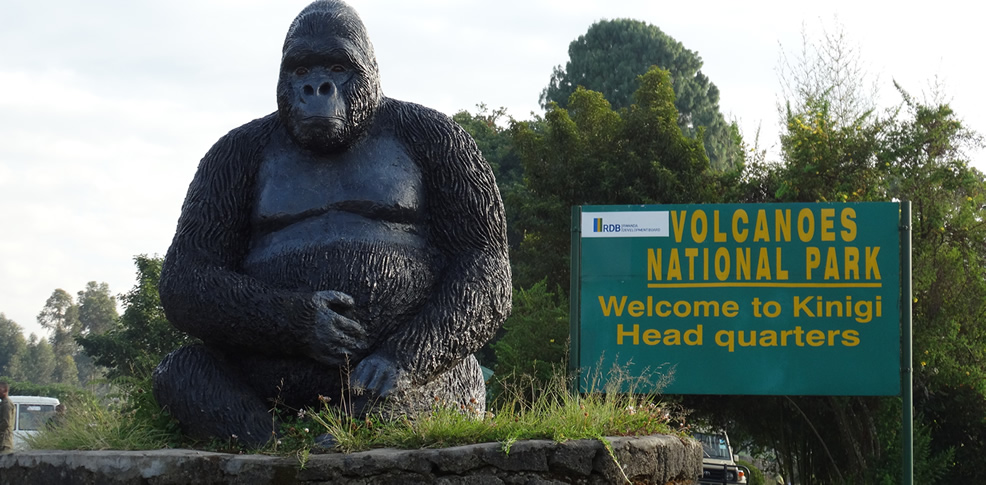
Rwanda is internationally recognized for luxury gorilla experiences in Volcanoes National Park, attracting travelers seeking high-end lodges, premium safari services, and easier access from Kigali.
One of the major reasons these rainforest expeditions continue growing in popularity is the conservation impact associated with tourism revenue. Permit fees directly support anti-poaching programs, ranger salaries, gorilla monitoring, veterinary care, local employment, and rainforest conservation projects. By visiting these protected forests, travelers contribute directly to protecting endangered gorillas and preserving Africa’s biodiversity.
These safari adventures are also highly customizable for different styles of travel. Luxury gorilla safaris may include helicopter transfers, private guides, luxury rainforest lodges, spa treatments, and personalized services. Midrange tours offer comfortable accommodations and professionally guided experiences, while budget options provide affordable opportunities for travelers seeking authentic African adventures.
Many travelers combine gorilla tours with other East African safari experiences such as chimpanzee tracking, Big Five safaris, birdwatching, photography expeditions, hiking adventures, and cultural tours. Popular safari combinations include Queen Elizabeth National Park, Murchison Falls National Park, Serengeti National Park, Maasai Mara, and Nyungwe Forest National Park.
This ultimate guide covers everything travelers need to know before planning a mountain gorilla safari in Africa, including the best destinations, permit costs, safari packages, luxury lodges, packing lists, photography tips, trekking difficulty, conservation efforts, travel seasons, and how to choose the best gorilla safari experience in Uganda, Rwanda, or Congo.
Whether you are planning a luxury gorilla holiday, a honeymoon safari, a family adventure, a photography expedition, or a budget-friendly rainforest experience, Africa offers some of the most unforgettable wildlife encounters anywhere in the world.
Why Gorilla Trekking is One of Africa’s Best Wildlife Experiences
Close Encounters with Mountain Gorillas
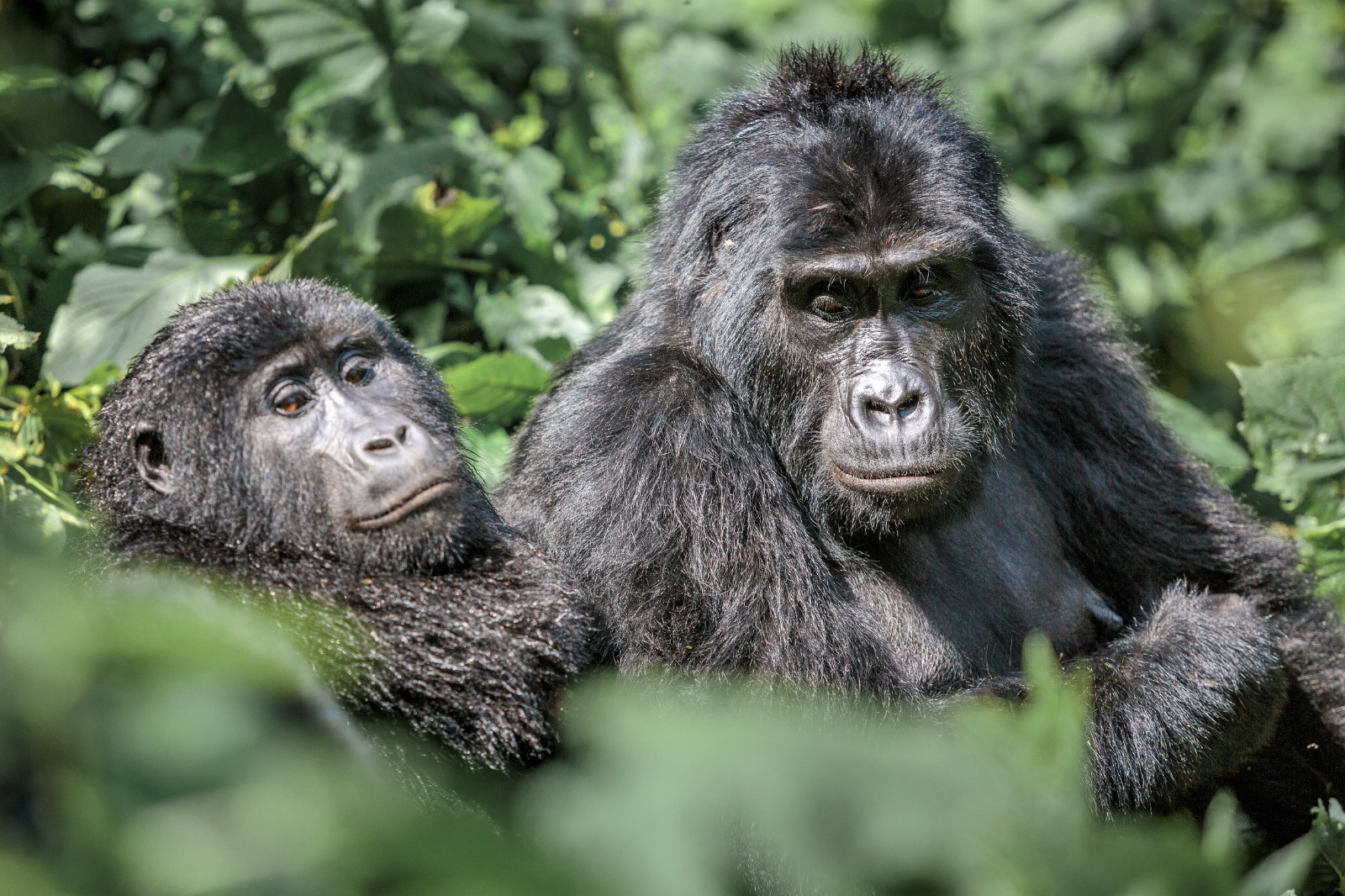
One of the biggest reasons travelers dream about this rainforest adventure is the opportunity to observe mountain gorillas up close in their natural habitat. Few wildlife encounters anywhere in the world create the same emotional impact as standing only meters away from a wild gorilla family deep inside an African rainforest.
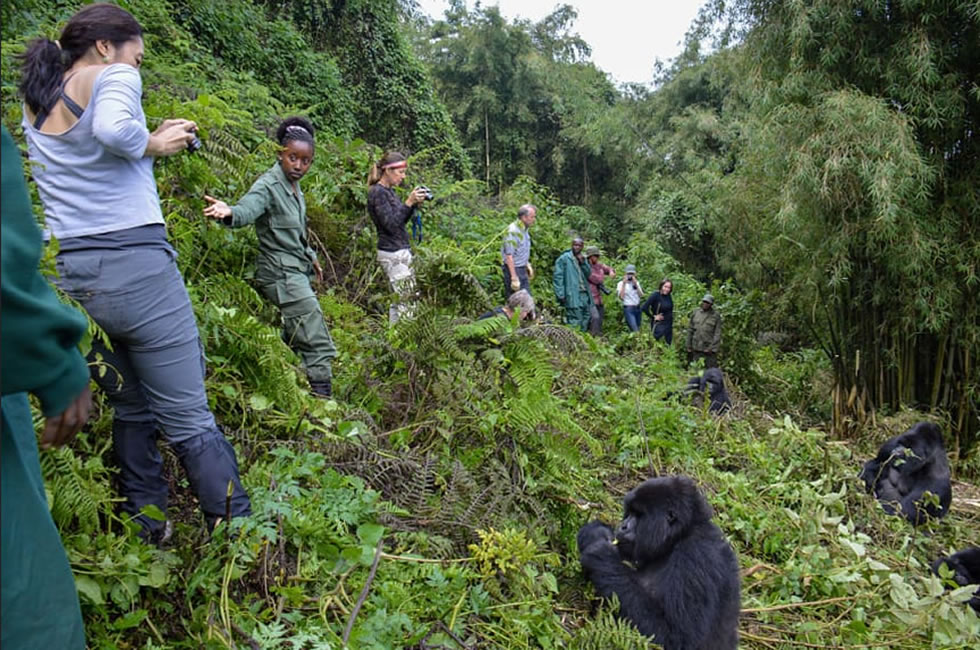
During these guided forest hikes, visitors spend one unforgettable hour observing a habituated gorilla family under the supervision of experienced ranger guides. Within that hour, travelers watch gorillas behave naturally without barriers or cages. Visitors often witness silverbacks protecting their families, juvenile gorillas playing in the vegetation, mothers nursing babies, and entire gorilla groups feeding, grooming, resting, and interacting peacefully.
The human-like behavior of mountain gorillas makes these experiences especially emotional and memorable. Gorillas share nearly 98% of human DNA, and many visitors are amazed by the similarities between gorilla families and human social interactions. Their facial expressions, eye contact, communication patterns, and family bonds often leave travelers deeply moved.
Unlike traditional game drives where wildlife sightings may be distant or brief, these forest encounters feel intimate, immersive, and personal. Many travelers describe seeing gorillas in the wild as a life-changing experience because of the emotional connection created during the visit.
The anticipation also adds excitement to the adventure. Trekkers hike through dense rainforest vegetation following fresh trails, broken bamboo, footprints, and guidance from experienced trackers until the gorilla family is located. The moment visitors first hear gorilla sounds or catch sight of a silverback through the misty forest creates unforgettable excitement.
Because gorillas move freely through the rainforest searching for food and shelter, every safari experience is unique. No two encounters are ever exactly the same.
Rare Wildlife Experience
These rainforest expeditions offer travelers the opportunity to encounter one of the rarest and most endangered primates on Earth. Mountain gorillas are found only within a small region of East and Central Africa, making these safaris exclusive wildlife experiences unavailable anywhere else in the world.
Unlike many animals commonly seen on safari, mountain gorillas cannot survive in captivity. Visiting protected rainforests in Uganda, Rwanda, or Congo is therefore one of the only ways to observe these incredible primates in their natural environment.
The global mountain gorilla population remains limited despite successful conservation efforts. Habitat destruction, poaching, disease, and human encroachment once pushed mountain gorillas close to extinction. However, conservation tourism and protected national parks have played a major role in increasing gorilla populations over the years.
The rarity of mountain gorillas makes every rainforest encounter incredibly special. Many travelers spend years dreaming about visiting Africa before finally experiencing these extraordinary primates in the wild.
Permit systems strictly limit the number of daily visitors allowed to see gorillas, helping maintain sustainable tourism while protecting the natural behavior of gorilla families. This controlled approach ensures conservation remains the priority while still allowing travelers to enjoy meaningful wildlife encounters.
Best Countries for Gorilla Trekking in Africa
Africa is the only continent in the world where travelers can experience mountain gorilla encounters in the wild. Gorilla trekking in Africa takes place in three primary countries: Uganda and Rwanda. Each destination offers unique gorilla safari experiences, landscapes, trekking styles, permit prices, accommodation options, and overall safari atmospheres.
Choosing the best country for gorilla trekking depends on travel budget, preferred level of comfort, accessibility, trekking difficulty, photography interests, conservation interests, and the type of safari experience travelers are seeking.
Uganda is widely known for affordable gorilla trekking safaris and diverse rainforest adventures. Rwanda is famous for luxury gorilla trekking experiences and premium safari services, while Congo attracts adventurous travelers looking for remote wilderness experiences and lower permit costs.
Understanding the differences between these gorilla trekking destinations helps travelers choose the best safari experience for their interests and budget.
Gorilla Trekking in Uganda
Uganda is considered one of the best gorilla trekking destinations in Africa because of its affordable permits, large mountain gorilla population, diverse trekking sectors, rich biodiversity, and the ability to combine gorilla safaris with wildlife safaris, chimpanzee trekking, and cultural experiences.
Uganda is home to nearly half of the world’s remaining mountain gorillas, making it one of the most important destinations for mountain gorilla conservation and gorilla tourism in Africa. Gorilla trekking in Uganda takes place in two national parks: Bwindi Impenetrable National Park and Mgahinga Gorilla National Park.
Uganda attracts a wide range of travelers including luxury safari guests, photographers, honeymooners, conservation travelers, solo adventurers, backpackers, and families seeking authentic rainforest experiences.
One of Uganda’s biggest advantages is value for money. Uganda offers world-class gorilla trekking experiences at permit prices significantly lower than Rwanda, making it highly attractive for travelers seeking affordable gorilla safaris without sacrificing quality.
Uganda also offers exceptional safari combinations. Travelers can combine gorilla trekking with Big Five wildlife safaris in Queen Elizabeth National Park and Murchison Falls National Park, chimpanzee trekking in Kibale National Park, boat safaris, birdwatching, cultural experiences, hiking adventures, and luxury lodge stays.
The country’s diverse landscapes, friendly communities, strong tourism infrastructure, and extensive safari options make Uganda one of Africa’s leading gorilla safari destinations.
Best Gorilla Trekking Parks in Uganda
Bwindi Impenetrable National Park
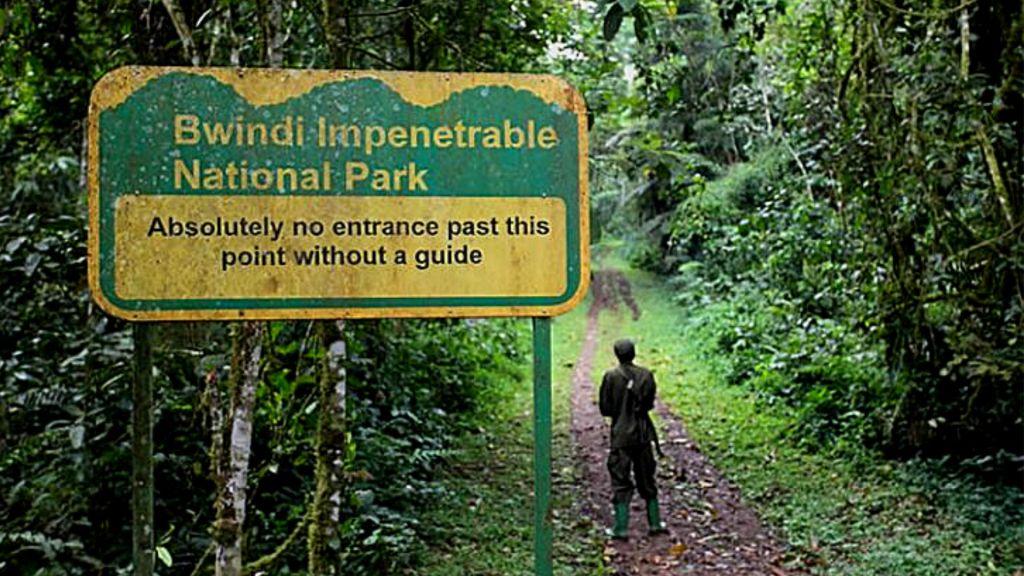
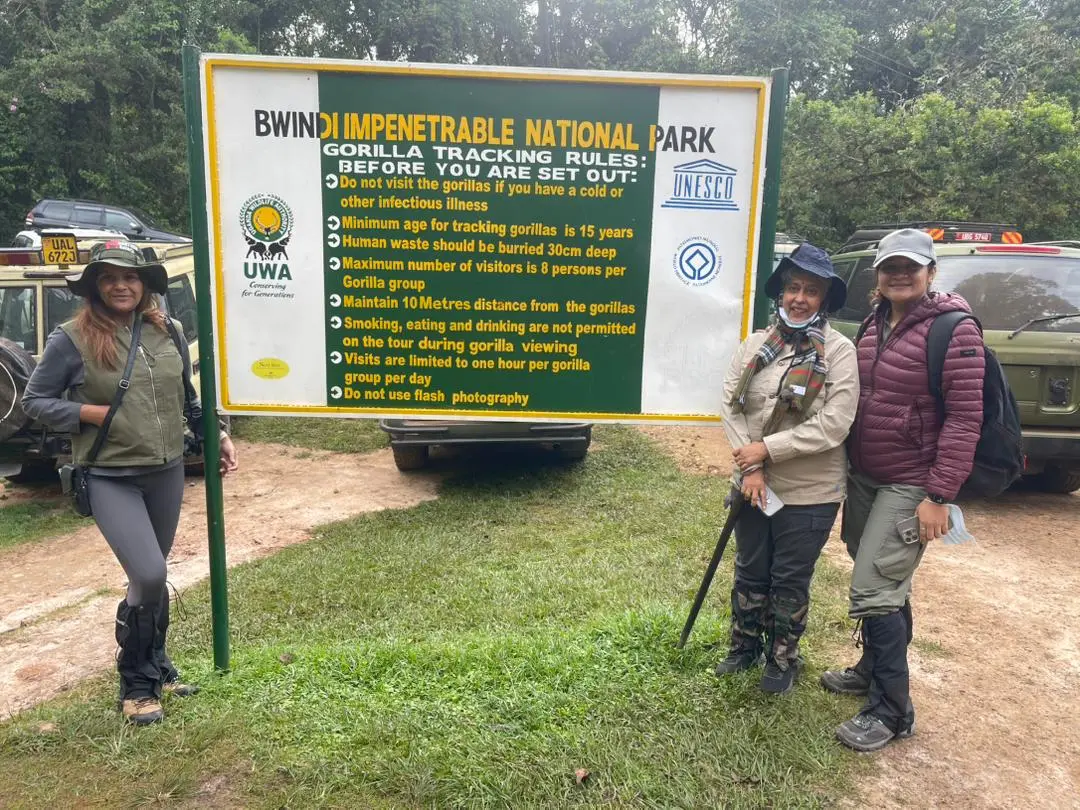
Bwindi Impenetrable National Park is the most famous gorilla trekking destination in Uganda and one of the most iconic gorilla safari parks in Africa. This UNESCO World Heritage Site is home to nearly half of the world’s remaining mountain gorillas and offers some of the most immersive rainforest experiences on the continent.
Bwindi Impenetrable Forest is known for its ancient jungle ecosystem, thick vegetation, steep hills, waterfalls, mist-covered valleys, and extraordinary biodiversity. The forest is estimated to be over 25,000 years old and supports hundreds of bird species, butterflies, mammals, reptiles, and primates.
Gorilla trekking in Bwindi is famous for its authentic jungle atmosphere. Trekkers move through dense rainforest terrain, bamboo zones, muddy trails, and steep forest slopes while guided by trackers and ranger guides searching for habituated gorilla families.
Bwindi offers more habituated gorilla families than any other gorilla trekking destination in Africa, making it one of the best locations for securing gorilla permits and experiencing different trekking environments.
The park is divided into four major gorilla trekking sectors, each offering unique trekking conditions, accommodation styles, scenery, and gorilla families.
Gorilla Trekking Sectors in Bwindi
Buhoma Sector
Buhoma Sector is the oldest and most famous gorilla trekking sector in Bwindi Impenetrable National Park. Located in the northern part of the park, Buhoma is known for relatively accessible trekking routes, luxury lodges, scenic forest views, and excellent tourism infrastructure.
Buhoma is ideal for luxury travelers, first-time gorilla trekkers, honeymooners, and travelers seeking comfortable access to gorilla trekking experiences. The sector is home to some of Uganda’s most luxurious gorilla lodges and offers additional activities such as community walks, waterfall hikes, birdwatching, and Batwa cultural experiences.
Popular gorilla families in Buhoma include:
Mubare Gorilla Family
Habinyanja Gorilla Family
Rushegura Gorilla Family
Katwe Gorilla Family
Rushaga Sector
Rushaga Sector, located in southern Bwindi, is famous for having the highest concentration of habituated gorilla families in Uganda. It is one of the best sectors for travelers seeking permit availability, gorilla habituation experiences, and diverse trekking options.
Rushaga offers spectacular mountain scenery overlooking the Virunga Volcanoes and features both moderate and challenging trekking conditions depending on the gorilla family assigned.
One of the biggest advantages of Rushaga is the Gorilla Habituation Experience, which allows travelers to spend up to four hours with gorillas instead of the standard one-hour encounter.
Rushaga is highly popular among photographers, researchers, adventure travelers, and visitors seeking deeper gorilla encounters.
Nkuringo Sector
Nkuringo Sector is one of the most scenic and physically demanding gorilla trekking sectors in Uganda. Located in southern Bwindi at higher elevations, Nkuringo offers breathtaking views of forests, mountains, valleys, and the Virunga Volcanoes.
The steep terrain makes trekking in Nkuringo more challenging, but many travelers consider it one of the most rewarding gorilla trekking experiences because of its dramatic scenery and peaceful atmosphere.
Nkuringo is especially popular among luxury travelers, photographers, and hikers seeking immersive rainforest adventures away from larger crowds.
Luxury lodges in Nkuringo are known for stunning forest views, personalized service, private cottages, and high-end gorilla safari experiences.
Ruhija Sector
Ruhija Sector is located in eastern Bwindi and is known for beautiful forest landscapes, cooler temperatures, birdwatching opportunities, and moderate trekking experiences.
Ruhija is quieter compared to other sectors and attracts nature lovers, birdwatchers, and travelers seeking peaceful rainforest experiences.
The sector is home to several habituated gorilla families and offers excellent opportunities for combining gorilla trekking with birding safaris because Bwindi is one of Africa’s top birdwatching destinations.
Travelers in Ruhija often enjoy panoramic forest views, less crowded trekking routes, and authentic rainforest environments.
Why Bwindi Gorilla Trekking is Popular
Large Number of Gorilla Families
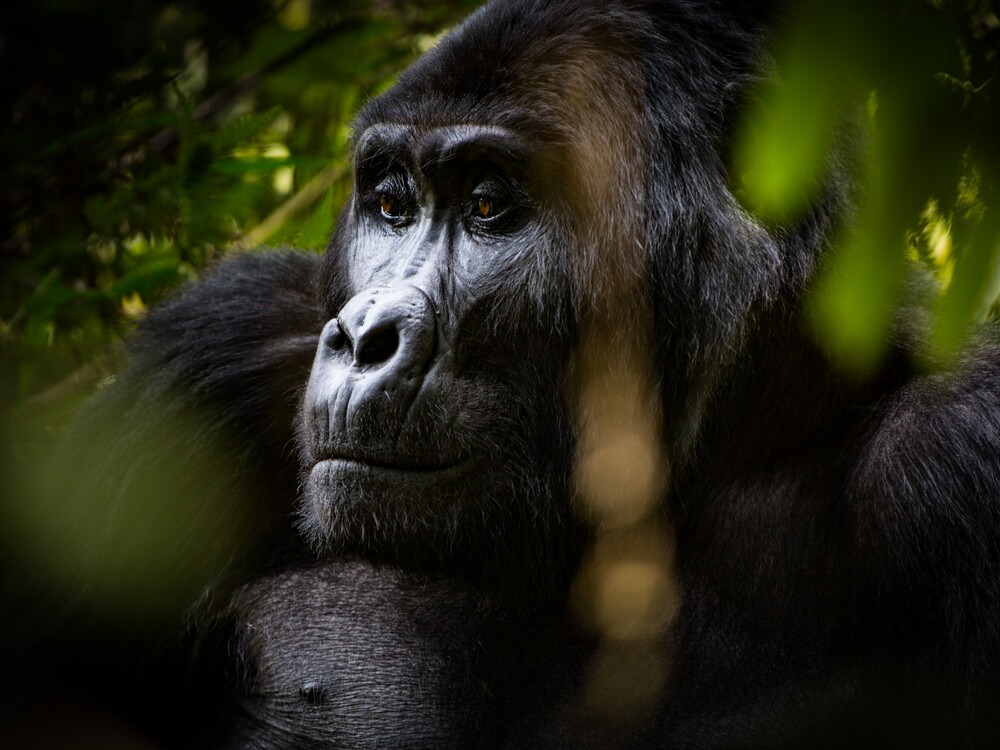
Bwindi has the largest number of habituated gorilla families available for tourism in Africa, increasing opportunities for gorilla permit availability and diverse trekking experiences.
Excellent Luxury and Budget Lodges
Bwindi offers accommodations for every travel style, including ultra-luxury lodges, midrange safari camps, eco-lodges, and affordable guesthouses.
Rich Biodiversity
Bwindi is one of Africa’s richest rainforest ecosystems and supports numerous mammals, primates, birds, butterflies, and plant species.
Birdwatching Opportunities
Bwindi is internationally recognized as one of Africa’s best birdwatching destinations with hundreds of recorded bird species including many Albertine Rift endemics.
Strong Conservation Programs
Tourism revenue from gorilla trekking in Bwindi directly supports conservation efforts, anti-poaching patrols, gorilla monitoring, and local communities.
Authentic Rainforest Experience
The thick rainforest environment, mist-covered hills, waterfalls, and jungle atmosphere make Bwindi one of the most immersive gorilla trekking destinations in Africa.
Mgahinga Gorilla National Park
Mgahinga Gorilla National Park offers quieter and more exclusive gorilla trekking experiences with stunning views of the Virunga Volcanoes shared by Uganda, Rwanda, and Congo.
Although smaller than Bwindi, Mgahinga is one of the most scenic gorilla trekking destinations in Africa. The park features volcanic mountains, bamboo forests, lava caves, alpine vegetation, and breathtaking panoramic landscapes.
Mgahinga is home to the Nyakagezi Gorilla Family, one of Uganda’s most famous and stable gorilla groups. Because visitor numbers are lower compared to Bwindi, gorilla trekking in Mgahinga often feels more intimate and less crowded.
The park is also famous for golden monkey tracking, volcano hiking, Batwa cultural experiences, birdwatching, and photography.
Travelers seeking scenic volcanic landscapes, quieter gorilla experiences, and adventurous hiking opportunities often prefer Mgahinga Gorilla National Park.
Gorilla Trekking in Rwanda
Rwanda is internationally recognized for luxury gorilla trekking experiences, premium safari services, excellent tourism infrastructure, and easy access to gorilla habitats.
Gorilla trekking in Rwanda takes place in Volcanoes National Park, one of Africa’s most iconic national parks and one of the world’s most famous gorilla trekking destinations.
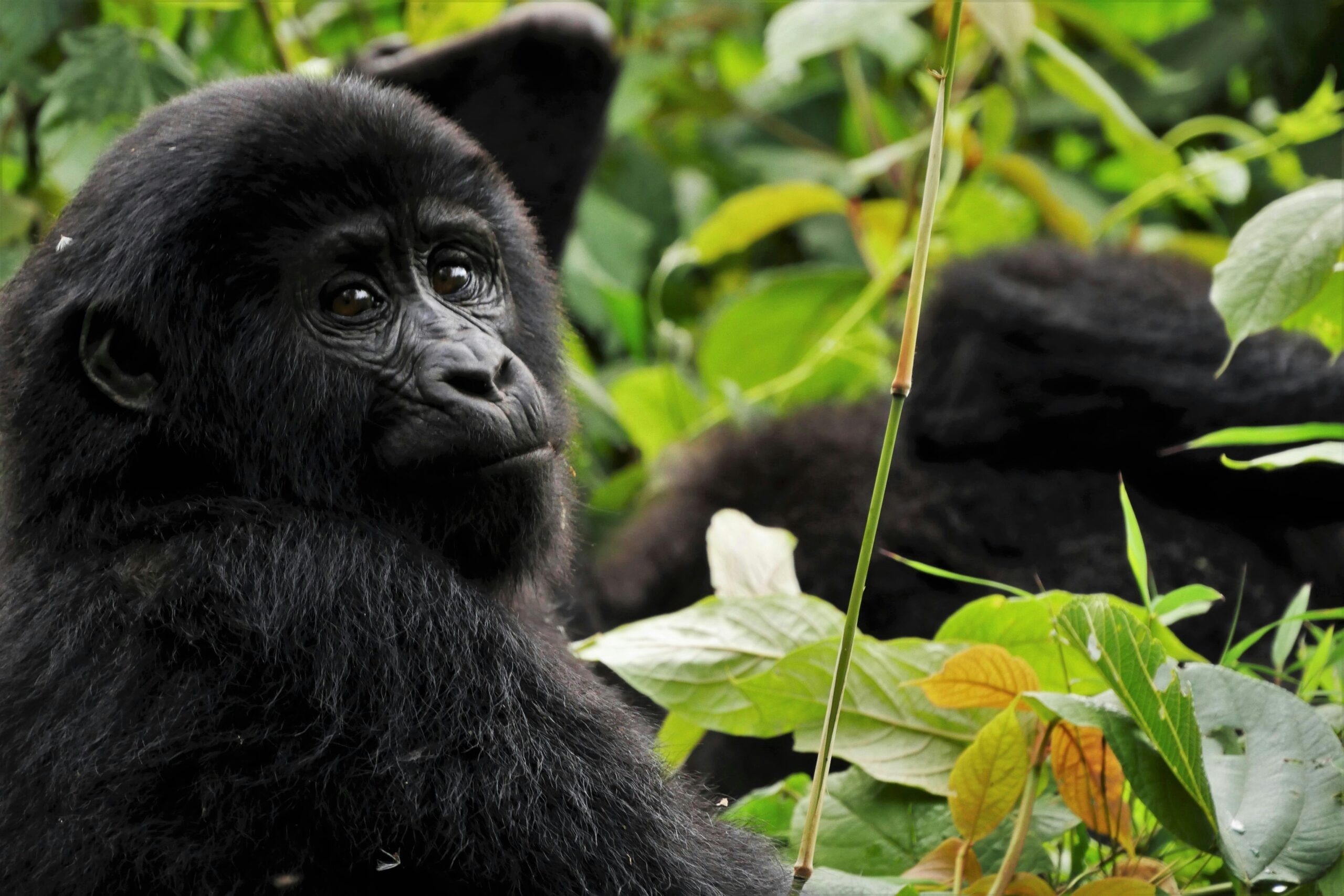
Rwanda has positioned itself as a high-end safari destination focused on luxury tourism, conservation, sustainability, and premium visitor experiences. Gorilla safaris in Rwanda are especially popular among luxury travelers, honeymooners, celebrities, photographers, business travelers, and visitors seeking shorter travel times.
One of Rwanda’s greatest advantages is accessibility. Volcanoes National Park is located only a few hours from Kigali International Airport, allowing travelers to access gorilla trekking experiences quickly without long overland drives.
Rwanda is also known for excellent roads, organized tourism systems, luxury rainforest lodges, professional guiding services, and high standards of hospitality.
Volcanoes National Park Gorilla Trekking
Volcanoes National Park is Rwanda’s premier gorilla trekking destination and part of the larger Virunga Conservation Area shared with Uganda and Congo.
The park features dramatic volcanic landscapes, bamboo forests, mist-covered mountains, and dense rainforest habitats where mountain gorillas thrive.
Gorilla trekking in Volcanoes National Park is known for relatively shorter trekking distances compared to some sectors in Uganda. The bamboo-covered lower slopes often make hikes easier for travelers seeking less physically demanding gorilla experiences.
Volcanoes National Park is also historically significant because it was home to renowned primatologist Dian Fossey, whose conservation work helped protect mountain gorillas from extinction.
In addition to gorilla trekking, visitors can enjoy golden monkey tracking, volcano hiking, cultural tours, birdwatching, and visits to the Dian Fossey research center.
Luxury gorilla lodges in Rwanda are among the finest safari accommodations in Africa and often feature private villas, spa facilities, gourmet dining, personal butlers, and exceptional views of the Virunga Volcanoes.
Why Travelers Choose Gorilla Trekking in Rwanda
Short Transfer from Kigali
Travelers can reach Volcanoes National Park within a few hours from Kigali, making Rwanda ideal for short luxury gorilla safaris.
Luxury Gorilla Lodges
Rwanda offers some of Africa’s most luxurious gorilla safari lodges with exceptional service, private villas, wellness experiences, and premium comfort.
Well-Organized Trekking Experiences
Gorilla trekking operations in Rwanda are highly organized with professional ranger teams, structured visitor briefings, and smooth tourism systems.
Excellent Road Infrastructure
Rwanda’s well-maintained roads make travel comfortable and efficient for safari guests.
High-End Safari Experiences
Rwanda focuses heavily on luxury tourism, making it one of the best destinations for exclusive gorilla holidays and premium safari experiences.
Gorilla Trekking Permits
What is a Gorilla Trekking Permit
A gorilla trekking permit is an official document issued by a national park authority that allows a traveler to visit a habituated gorilla family in the wild. It is not just an entry ticket; it is a controlled conservation tool used to limit the number of visitors, protect gorilla families from overcrowding, and support the long-term survival of endangered gorillas.
Every traveler must have a valid permit before joining a guided trek in Uganda, Rwanda, or Congo. The permit gives visitors access to the assigned national park, ranger-guided forest walk, gorilla briefing, security support, and one regulated hour with a habituated gorilla family.
In Uganda, permits are issued through the Uganda Wildlife Authority for Bwindi Impenetrable National Park and Mgahinga Gorilla National Park. Uganda’s foreign non-resident permit is currently USD 800 under the July 2024–June 2026 tariff.
In Rwanda, permits are managed by the Rwanda Development Board for Volcanoes National Park, with the standard gorilla permit commonly listed at USD 1,500 per person.
For Congo, permit prices can vary by park, season, security conditions, and booking channel, so travelers should confirm current rates before payment.
Gorilla Trekking Permit Costs
| Destination | National Park | Estimated Permit Cost Per Person | Best For |
|---|---|---|---|
| Uganda | Bwindi Impenetrable National Park / Mgahinga Gorilla National Park | USD 800 | Best value, diverse trekking sectors, safari combinations |
| Rwanda | Volcanoes National Park | USD 1,500 | Luxury travel, short transfers from Kigali, premium lodges |
| Congo | Virunga National Park / Kahuzi-Biega National Park | Usually around USD 400 – USD 450, subject to confirmation | Adventure travel, remote wilderness, lowland gorilla encounters |
What Gorilla Trekking Permits Include
A gorilla permit usually includes the official national park access required for the trek, professional ranger guide services, pre-trek briefing, tracking support, and one hour with a habituated gorilla family once located. In most destinations, the permit also contributes to conservation programs, ranger patrols, gorilla monitoring, community revenue-sharing, and habitat protection.
The permit does not usually include accommodation, meals, transport, porter fees, tips, visas, travel insurance, or private safari guide services. These are normally included separately in a full safari package.
When to Book Gorilla Trekking Permits
Gorilla permits should be booked early because visitor numbers are limited daily. For peak travel months such as June, July, August, September, December, January, and February, booking 3–6 months in advance is strongly recommended.
For luxury safaris, honeymoon trips, family holidays, and fixed-date itineraries, permits should be secured as soon as travel dates are confirmed. This is especially important for Bwindi because the permit must match the correct trekking sector, such as Buhoma, Rushaga, Nkuringo, or Ruhija.
Gorilla Trekking Safaris in Uganda
Uganda is one of Africa’s best destinations for gorilla trekking safaris because it offers strong value, excellent permit availability, diverse trekking sectors, and easy combinations with other wildlife experiences. A Uganda gorilla safari can be planned as a short 3-day trip, a 5-day gorilla and wildlife safari, a 7-day primate and wildlife journey, or a luxury fly-in experience with premium lodges.
Popular Uganda Gorilla Trekking Tours
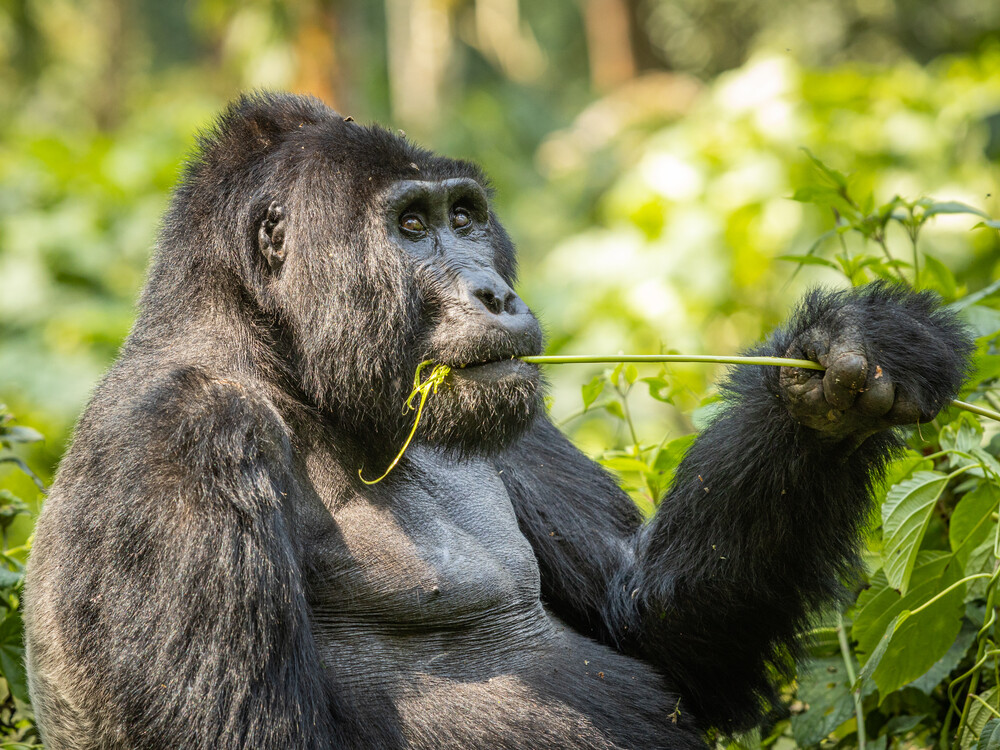
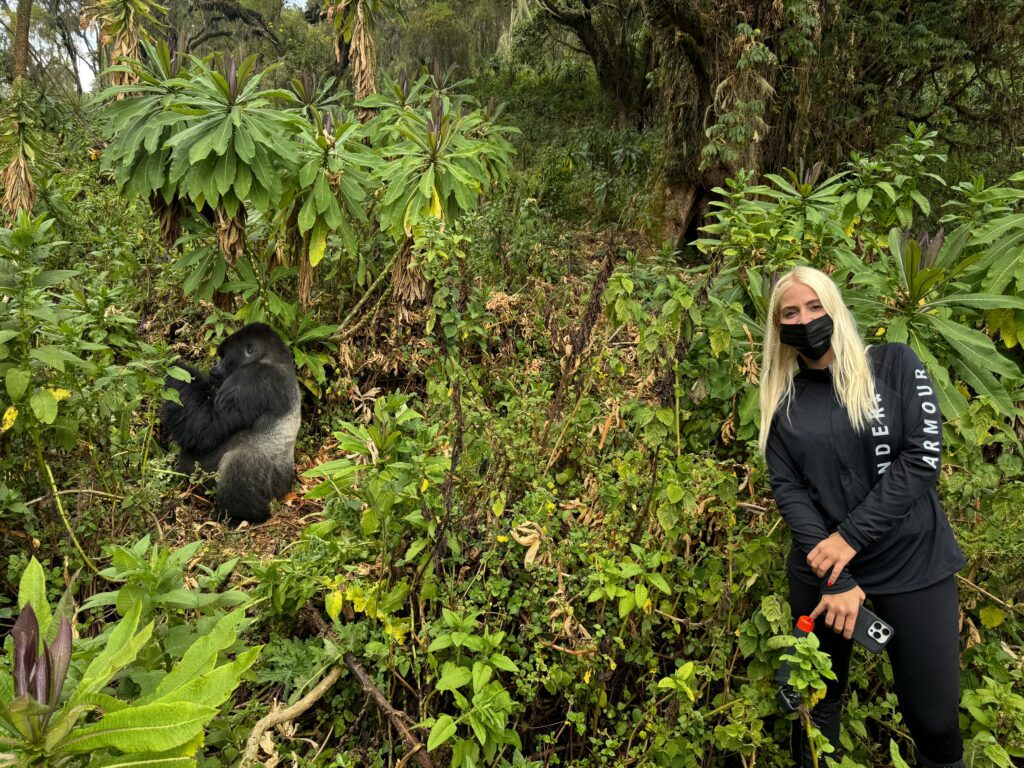
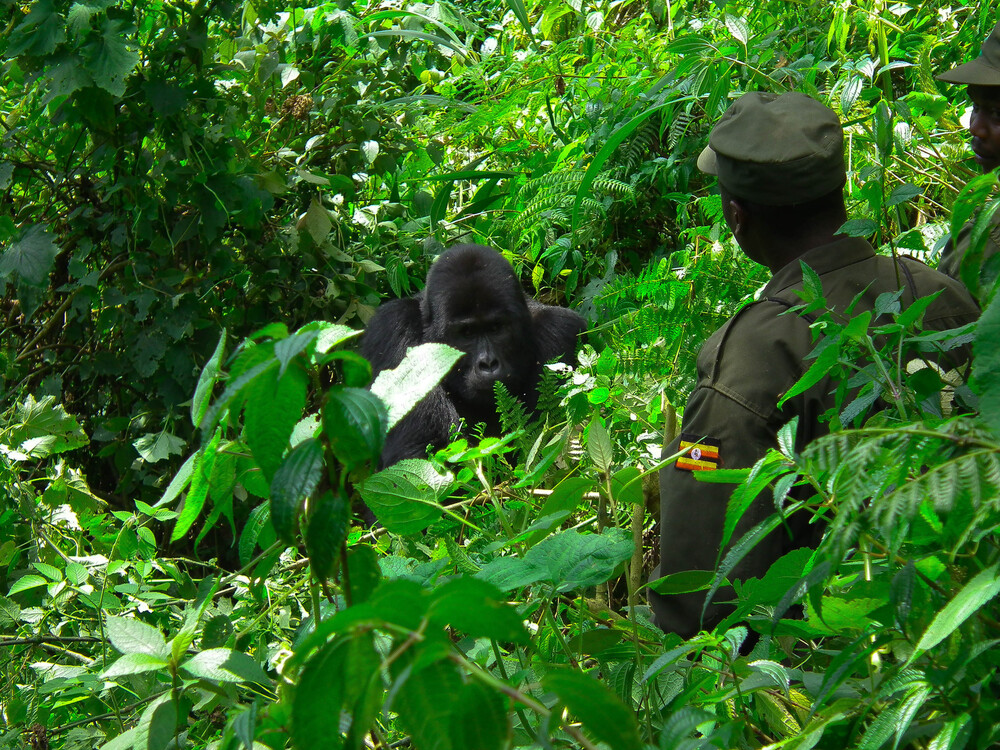
3 Day Gorilla Trekking Safari
A 3 day gorilla safari is ideal for travelers with limited time who want to focus mainly on Bwindi Impenetrable National Park or Mgahinga Gorilla National Park. The trip normally includes arrival, transfer to the gorilla region, one full trekking day, and return transfer.
This short safari works best for travelers starting from Kigali or Entebbe, although Kigali often gives easier access to southern Bwindi sectors such as Rushaga and Nkuringo. It is perfect for visitors who want a powerful wildlife experience without adding many extra safari days.
5 Day Gorilla Trekking and Wildlife Safari
A 5 day Uganda gorilla and wildlife safari combines the rainforest experience with classic savannah wildlife viewing. The most popular route includes Bwindi Impenetrable National Park and Queen Elizabeth National Park.
Travelers can enjoy gorilla tracking in Bwindi, game drives in Queen Elizabeth National Park, the Kazinga Channel boat cruise, and possible sightings of elephants, buffaloes, hippos, crocodiles, antelopes, lions, and many bird species. This itinerary is excellent for travelers who want both primates and traditional African wildlife in one journey.
7 Day Gorilla Trekking Safari
A 7 day Uganda safari allows more time for a richer and more relaxed experience. It can include gorilla tracking in Bwindi, chimpanzee trekking in Kibale Forest or Kyambura Gorge, game drives in Queen Elizabeth National Park, boat safaris, cultural visits, and scenic countryside drives.
This itinerary is ideal for travelers who want a balanced Uganda safari with gorillas, chimpanzees, wildlife, landscapes, and local culture. It also works well for photographers because the pace allows more time in each destination.
Luxury Gorilla Trekking Safaris
Luxury Uganda gorilla safaris are designed for travelers who want comfort, privacy, excellent guiding, and seamless logistics. These trips may include scheduled flights or helicopter transfers, private safari vehicles, luxury rainforest lodges, premium rooms, fine dining, spa treatments, porter assistance, and personalized guiding.
Luxury gorilla trips often use top lodges around Buhoma, Nkuringo, Rushaga, or Mgahinga, depending on permit availability and the preferred trekking sector. These safaris are ideal for honeymooners, VIP travelers, photographers, families, and guests who want to reduce long driving times while enjoying a high-end rainforest experience.
Gorilla Trekking Rules and Regulations
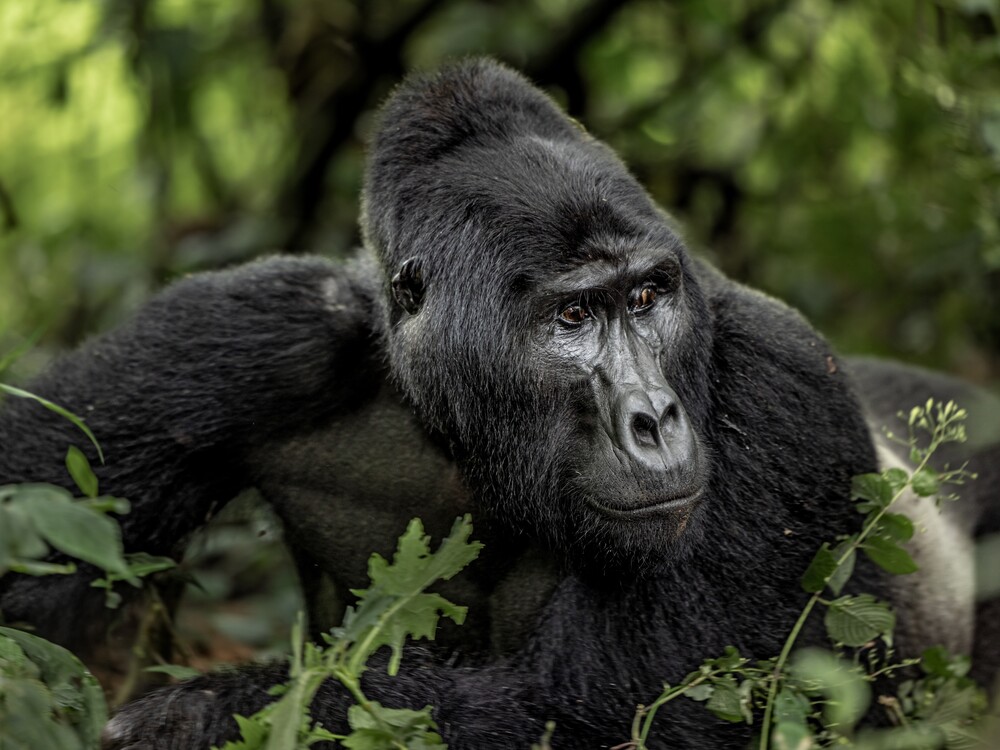
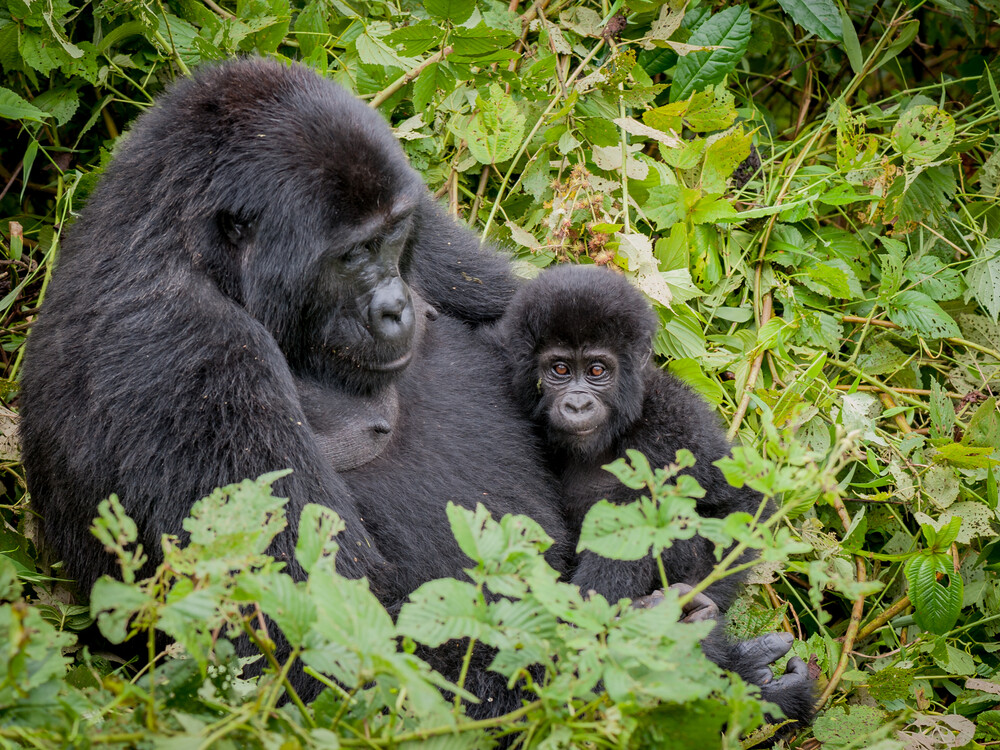
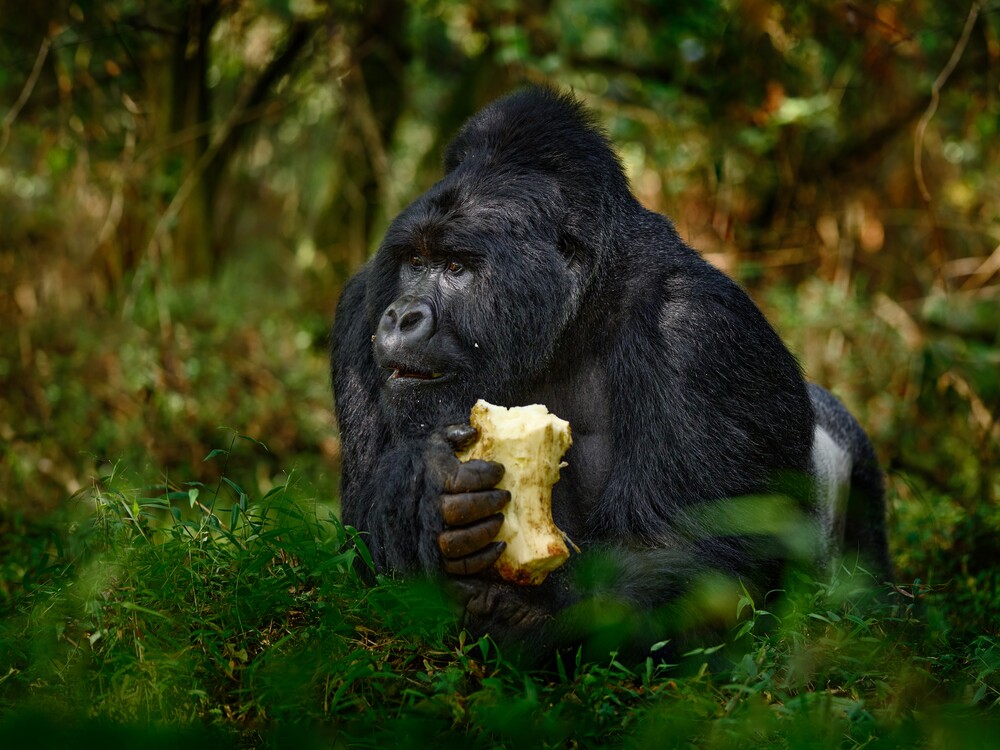
Gorilla trekking rules and regulations are designed to protect both travelers and endangered gorillas. Because mountain gorillas share nearly 98% of human DNA, they are highly vulnerable to human diseases, environmental stress, and excessive human interaction. The rules followed during gorilla trekking experiences help maintain gorilla health, preserve natural gorilla behavior, support conservation efforts, and ensure safe wildlife encounters inside protected national parks.
Before every trek, visitors attend a detailed ranger briefing where guides explain trekking procedures, gorilla behavior, safety guidelines, photography rules, health protocols, and conservation practices. All travelers participating in gorilla trekking safaris in Uganda, Rwanda, or Congo must follow these regulations throughout the experience.
Gorilla Trekking Age Limit
The minimum age for gorilla trekking is 15 years old in Uganda, Rwanda, and the Democratic Republic of Congo. Wildlife authorities established this age requirement to ensure participants are physically capable of handling rainforest hiking conditions and emotionally mature enough to follow gorilla trekking rules during close wildlife encounters.
Gorilla trekking can sometimes involve steep forest trails, muddy terrain, thick vegetation, slippery slopes, and several hours of hiking through mountainous rainforest environments. Younger children may struggle with the physical demands, changing weather conditions, and long trekking durations.
Another reason for the age restriction relates to gorilla behavior and conservation safety. Mountain gorillas are highly intelligent animals that can react differently to loud noises, sudden movements, or unpredictable behavior. Older participants are generally better able to remain calm, quiet, and respectful around gorilla families.
Families traveling with children under 15 often combine gorilla safaris with alternative wildlife experiences such as game drives, cultural visits, community experiences, boat safaris, nature walks, birdwatching, or golden monkey tracking activities.
Travelers should also carry valid passports or identification documents because park authorities may verify ages before gorilla trekking activities begin.
Gorilla Trekking Distance Rules
Visitors participating in gorilla trekking experiences are required to maintain a minimum distance of at least 7 meters from gorillas whenever possible. This rule exists primarily to reduce the risk of disease transmission between humans and gorillas.
Mountain gorillas are highly susceptible to common human illnesses such as flu, coughs, respiratory infections, and viruses. Even minor illnesses that seem harmless to humans can seriously affect gorilla health.
Maintaining a safe distance also helps minimize stress and disturbance to gorilla families while allowing them to continue behaving naturally in the rainforest environment.
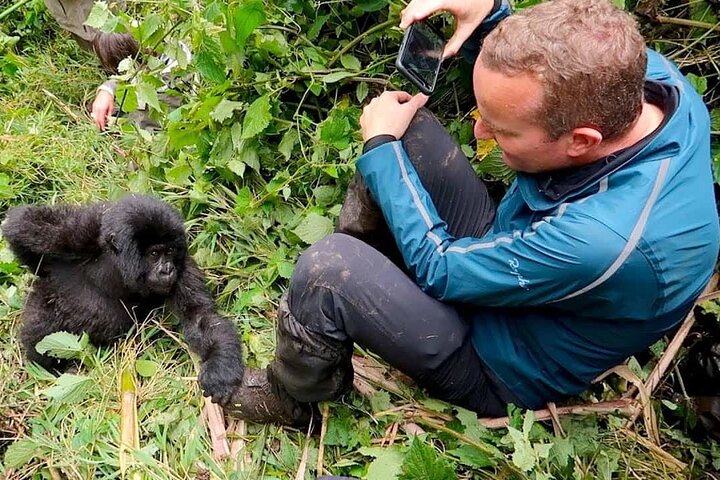
In some situations, gorillas may move closer to visitors on their own. Gorilla families are naturally curious animals, especially younger gorillas. If this happens, travelers are instructed to remain calm, avoid sudden movements, avoid direct aggressive eye contact, and follow ranger instructions carefully.
Touching gorillas is strictly prohibited even if gorillas approach visitors closely. Feeding gorillas is also forbidden because it can affect their natural feeding behavior and increase dependency on humans.
The 7-meter rule helps preserve respectful wildlife encounters while protecting both gorillas and travelers during gorilla trekking safaris.
Gorilla Trekking Health Rules
Health regulations are among the most important rules during gorilla trekking activities because gorillas are extremely vulnerable to human diseases.
Travelers showing signs of contagious illnesses such as flu, cough, fever, cold symptoms, diarrhea, respiratory infections, or other communicable diseases may not be allowed to participate in gorilla trekking. Park authorities and ranger guides have the right to restrict sick visitors from joining gorilla tracking groups in order to protect endangered gorillas from infection.
Because gorillas share a close genetic relationship with humans, diseases can spread rapidly between people and gorilla families. Protecting gorilla health is therefore a major conservation priority in Uganda, Rwanda, and Congo.
Travelers are encouraged to practice good hygiene before and during their safari. Washing hands regularly, using sanitizers, covering coughs or sneezes properly, and maintaining recommended distances all help reduce risks during gorilla trekking experiences.
Visitors are also advised to carry personal medications, drink safe bottled water, stay hydrated during forest hikes, and inform safari guides about any medical conditions that may affect trekking ability.
Some travelers choose to wear face masks during close gorilla encounters as an additional precaution, especially when visiting during periods of increased public health awareness.
Health protocols during gorilla trekking help ensure sustainable tourism while protecting the long-term survival of mountain gorillas in Africa’s protected rainforests.
Gorilla Trekking Photography Rules
Photography is one of the highlights of gorilla trekking safaris, and travelers from around the world visit Africa specifically to capture unforgettable images of mountain gorillas in the wild. However, photography regulations are important to ensure gorilla safety and minimize disturbance during encounters.
Flash photography is strictly prohibited during gorilla trekking experiences because bright flashes can startle, stress, or disturb gorillas. Sudden flashes may also interrupt natural gorilla behavior and negatively affect wildlife photography experiences for other visitors.
Travelers are encouraged to use cameras with good low-light performance because rainforest environments are often dark due to thick forest canopies. Professional photographers commonly use mirrorless cameras, DSLR cameras, telephoto lenses, fast lenses, and weather-protected equipment during gorilla safaris.
Visitors should also avoid moving aggressively around gorillas while taking photographs. Maintaining calm body language, quiet communication, and respectful positioning helps create safer and more natural wildlife encounters.
Ranger guides often help photographers position themselves safely while ensuring gorillas remain comfortable and undisturbed. Travelers are advised to follow guide instructions carefully when taking photos or filming gorilla families.
In addition to photographing gorillas, the rainforest environment also offers opportunities to capture landscapes, birds, waterfalls, butterflies, local communities, bamboo forests, and other wildlife species found within gorilla habitats.
For wildlife photographers, filmmakers, and content creators, gorilla trekking provides some of the most rewarding photography opportunities anywhere in Africa while supporting conservation-focused tourism.
Gorilla Trekking vs Gorilla Habituation
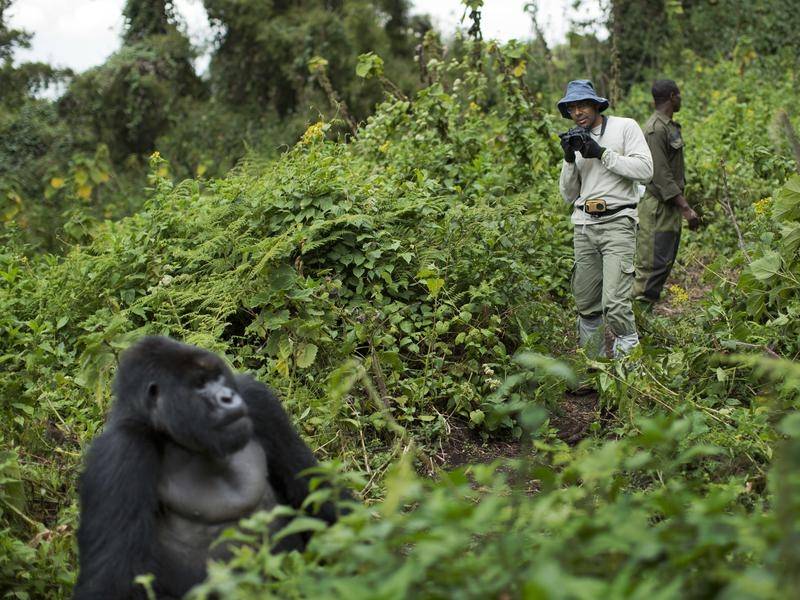
Many travelers planning a gorilla safari in Africa often ask about the difference between Gorilla Trekking and Gorilla Habituation. While both experiences involve visiting mountain gorillas in their natural rainforest habitat, the duration, style of interaction, trekking experience, and overall level of immersion are very different.
Understanding the differences between Gorilla Trekking and Gorilla Habituation helps travelers choose the best primate experience based on their interests, photography goals, fitness level, budget, and travel style.
Gorilla Trekking Experience
The standard Gorilla Trekking experience allows travelers to spend one unforgettable hour with a habituated gorilla family after locating them in the rainforest. This is the most popular gorilla safari activity in Uganda, Rwanda, and Congo and is considered one of the greatest wildlife experiences in the world.
During Gorilla Trekking, visitors wake up early in the morning for a ranger briefing before being assigned to a specific gorilla family and trekking group. Small groups led by professional ranger guides and trackers then hike through the rainforest searching for gorillas.
The trekking duration can vary significantly depending on the movement of the gorilla family, weather conditions, terrain, and forest location. Some gorilla families are found within one hour, while others may require several hours of hiking through steep jungle terrain, bamboo forests, muddy trails, valleys, and mountain slopes.
Once the gorilla family is located, travelers are allowed exactly one hour in the presence of the gorillas. During this time, visitors observe gorillas feeding, grooming, resting, climbing trees, caring for babies, and interacting naturally within their family groups.
The one-hour encounter is carefully controlled to reduce stress on gorillas and minimize human impact on their environment. Despite the limited time, most travelers describe the experience as deeply emotional, unforgettable, and life-changing.
Standard Gorilla Trekking experiences are available in:
Bwindi Impenetrable National Park
Mgahinga Gorilla National Park
Volcanoes National Park
Virunga National Park
Gorilla Trekking is ideal for:
First-time gorilla safari travelers
Wildlife enthusiasts
Families
Honeymooners
Adventure travelers
Luxury safari guests
Travelers with limited time
Visitors seeking classic gorilla encounters
The experience also provides excellent opportunities for wildlife photography, rainforest exploration, conservation tourism, and cultural interaction with communities living near gorilla habitats.
Gorilla Habituation Experience
The Gorilla Habituation Experience is a more immersive and extended gorilla encounter available mainly in Uganda’s Rushaga Sector of Bwindi Impenetrable National Park.
Unlike standard Gorilla Trekking, where visitors spend only one hour with gorillas, Gorilla Habituation allows travelers to spend up to four hours with a semi-habituated gorilla family alongside researchers, trackers, conservationists, and ranger guides.
Habituation is the gradual process of training wild gorillas to become comfortable with human presence without changing their natural behavior. This process can take several years and involves daily monitoring by experienced researchers and park teams.
Travelers participating in Gorilla Habituation become part of this conservation and research process, offering a much deeper and more educational experience compared to regular Gorilla Trekking.
The extended four-hour encounter gives visitors more time to observe gorilla behavior, social interactions, feeding habits, communication patterns, family dynamics, movement within the forest, and interactions between silverbacks, females, and juveniles.
Because fewer permits are issued daily for Gorilla Habituation experiences, these encounters are often more exclusive, quieter, and less crowded than standard Gorilla Trekking groups.
The Gorilla Habituation Experience is especially popular among:
Wildlife photographers
Filmmakers
Researchers
Conservation travelers
Wildlife enthusiasts
Luxury safari guests
Travelers seeking deeper gorilla encounters
Photographers particularly benefit from the additional time because they can observe changing lighting conditions, gorilla movement, forest interactions, and unique behavioral moments that may not occur during a standard one-hour visit.
Gorilla Habituation treks are generally more physically demanding because semi-habituated gorilla families often move deeper through the rainforest and are less predictable than fully habituated groups.
The permit cost for Gorilla Habituation is also higher than regular Gorilla Trekking because of the exclusive nature and extended time allowed with the gorillas.
For travelers seeking the most immersive mountain gorilla experience in Africa, Gorilla Habituation is considered one of the most extraordinary wildlife adventures available anywhere in the world.
Gorilla Trekking and Wildlife Safari Combinations
One of the greatest advantages of gorilla trekking safaris in East Africa is the ability to combine rainforest primate experiences with traditional wildlife safaris, chimpanzee trekking, birdwatching, cultural tours, photography expeditions, and luxury safari holidays.
Many travelers choose extended safari itineraries that combine gorilla trekking with Big Five game viewing, chimpanzee tracking, volcanic hiking, luxury lodge experiences, and East African savannah safaris.
These safari combinations create more diverse and rewarding travel experiences while allowing visitors to explore multiple ecosystems across Africa.
Gorilla Trekking and Big Five Safaris
Combining gorilla trekking with Big Five safaris is one of the most popular safari options in East Africa. Travelers can experience mountain gorillas in rainforest environments while also enjoying classic African wildlife safaris featuring lions, elephants, buffaloes, leopards, rhinos, giraffes, hippos, crocodiles, zebras, antelopes, and other iconic wildlife species.
This combination creates a complete African safari experience blending rainforest adventures with savannah wildlife exploration.
Queen Elizabeth National Park
Queen Elizabeth National Park is one of the best wildlife safari destinations to combine with gorilla trekking in Uganda.
Located between Bwindi Impenetrable National Park and Kibale National Park, Queen Elizabeth National Park offers classic savannah game drives, boat safaris, birdwatching, crater lakes, scenic landscapes, and diverse wildlife experiences.
The park is famous for:
Tree-climbing lions in Ishasha Sector
Kazinga Channel boat safaris
Large elephant populations
Hippos and crocodiles
Buffaloes and antelopes
Excellent birdwatching
Scenic crater lakes
Many Uganda gorilla safaris combine Bwindi gorilla trekking with Queen Elizabeth National Park because the two destinations are easily connected by road.
Travelers enjoy the contrast between rainforest gorilla encounters and open savannah wildlife viewing within a single safari itinerary.
Murchison Falls National Park
Murchison Falls National Park is Uganda’s largest and most famous savannah wildlife park and an excellent addition to gorilla trekking safaris.
The park is known for:
The powerful Murchison Falls waterfall
Nile River boat safaris
Large elephant herds
Lions and leopards
Giraffes and buffaloes
Hippos and crocodiles
Birdwatching opportunities
Travelers combining gorilla trekking with Murchison Falls National Park often enjoy longer Uganda safari itineraries that include chimpanzee trekking in Kibale Forest or Budongo Forest.
This combination allows visitors to experience both Uganda’s tropical rainforests and savannah ecosystems during one journey.
Serengeti National Park
Serengeti National Park is one of Africa’s most iconic safari destinations and is commonly combined with gorilla trekking safaris in Uganda or Rwanda.
The Serengeti is globally famous for:
The Great Migration
Large lion populations
Cheetahs and leopards
Hot air balloon safaris
Luxury tented camps
Endless savannah landscapes
Travelers often combine Rwanda gorilla trekking or Uganda gorilla safaris with Tanzania wildlife safaris for an extended East African safari adventure.
This combination offers one of the most complete wildlife experiences in Africa.
Maasai Mara National Reserve
Maasai Mara National Reserve is another top safari destination commonly combined with gorilla trekking experiences.
The Maasai Mara is famous for:
Big Five safaris
The Great Migration
Luxury safari camps
Maasai cultural experiences
Excellent predator sightings
Photography safaris
Many luxury travelers combine Rwanda gorilla trekking with Kenya safaris because of strong regional flight connections between Kigali and Nairobi.
This creates a premium East African safari experience combining rainforest gorillas with world-class savannah wildlife viewing.
Gorilla Trekking and Chimpanzee Trekking
Combining gorilla trekking with chimpanzee trekking is one of the most rewarding primate safari experiences in Africa. Travelers enjoy encounters with both mountain gorillas and chimpanzees while exploring Africa’s tropical rainforest ecosystems.
Chimpanzees are highly active, vocal, energetic, and social primates, creating a completely different experience compared to the calm and peaceful atmosphere often associated with mountain gorillas.
Many travelers consider gorilla trekking and chimpanzee trekking combinations to be the ultimate primate safari adventure.
Kibale National Park
Kibale National Park is Africa’s most famous chimpanzee trekking destination and one of the best parks to combine with gorilla trekking in Uganda.
Kibale Forest is home to:
Chimpanzees
Colobus monkeys
Red-tailed monkeys
L’Hoest’s monkeys
Birdlife
Ancient rainforest ecosystems
Chimpanzee trekking in Kibale is known for exciting forest walks, close chimpanzee encounters, loud vocalizations, and active primate behavior.
Many Uganda safari itineraries combine Kibale chimpanzee trekking with gorilla trekking in Bwindi Impenetrable National Park and wildlife safaris in Queen Elizabeth National Park.
Nyungwe Forest National Park
Nyungwe Forest National Park is Rwanda’s premier chimpanzee trekking destination and one of Africa’s oldest montane rainforests.
The park offers:
Chimpanzee trekking
Canopy walks
Birdwatching
Waterfalls
Monkey tracking
Scenic rainforest hiking
Nyungwe is often combined with gorilla trekking in Volcanoes National Park for a complete Rwanda primate safari.
Travelers exploring both destinations experience Rwanda’s diverse rainforest ecosystems, rich biodiversity, and exceptional conservation tourism experiences.
Frequently Asked Questions About Gorilla Trekking
What is Gorilla Trekking
Gorilla Trekking is a guided rainforest hiking experience that allows travelers to observe endangered mountain gorillas in their natural habitat. The activity takes place in protected national parks in Uganda, Rwanda, and the Democratic Republic of Congo. During the trek, visitors are led by professional ranger guides and trackers through dense rainforest trails until they locate a habituated gorilla family. Once the gorillas are found, travelers are allowed to spend one unforgettable hour observing them in the wild.
Where is the best Gorilla Trekking destination
Uganda, Rwanda, and Congo are the best Gorilla Trekking destinations in Africa, and each offers unique experiences. Uganda is popular for affordable permits, diverse trekking sectors, and safari combinations. Rwanda is famous for luxury gorilla safaris and easier accessibility from Kigali. Congo attracts adventurous travelers looking for remote wilderness experiences and lower permit costs. The best destination depends on travel style, budget, fitness level, and safari preferences.
How much does Gorilla Trekking cost
The cost of Gorilla Trekking varies depending on the country visited, accommodation level, transportation, safari duration, and permit fees. Uganda Gorilla Trekking permits cost around USD 800, Rwanda permits cost around USD 1,500, while Congo permits are generally cheaper. Budget gorilla safaris may start from around USD 1,500 per person, while luxury gorilla safaris can exceed USD 10,000 depending on lodge quality, flights, and exclusive services.
Is Gorilla Trekking safe
Yes, Gorilla Trekking is generally safe when conducted with trained ranger guides and park authorities. National parks in Uganda, Rwanda, and Congo operate Gorilla Trekking under strict conservation and security guidelines. Rangers are highly experienced in gorilla behavior, visitor management, and rainforest navigation. Travelers are briefed before every trek and guided throughout the experience to ensure safety for both visitors and gorillas.
How long does Gorilla Trekking take
Gorilla Trekking can last anywhere from one hour to several hours depending on the location of the gorilla family. Some gorilla groups are found close to the starting point, while others move deeper into the rainforest. Once the gorillas are located, visitors are allowed one hour with them during standard Gorilla Trekking experiences.
What should I wear for Gorilla Trekking
Travelers should wear comfortable hiking boots, long trousers, long-sleeved shirts, waterproof jackets, gardening gloves, and neutral-colored clothing suitable for rainforest hiking. Gorilla Trekking environments are often muddy, steep, and wet, so proper outdoor clothing is essential. A small backpack, reusable water bottle, insect repellent, snacks, and a walking stick are also highly recommended.
Can beginners do Gorilla Trekking
Yes, Gorilla Trekking is suitable for beginners with moderate fitness levels. While some treks can be physically demanding, ranger guides adjust trekking groups based on age, fitness, and traveler ability. Porters are available to assist visitors during the hike, and some trekking sectors offer easier routes for less experienced hikers.
Is Gorilla Trekking worth it
Gorilla Trekking is widely considered one of the most rewarding wildlife experiences in the world. The opportunity to stand face to face with endangered mountain gorillas in their natural rainforest habitat creates emotional and unforgettable memories. Many travelers describe Gorilla Trekking as a life-changing experience because of the close connection shared with gorilla families during the encounter.
How close can you get to gorillas during Gorilla Trekking
Visitors are generally required to maintain a minimum distance of at least 7 meters from gorillas to reduce the risk of disease transmission and disturbance. However, gorillas sometimes move closer to visitors on their own. In such situations, travelers are instructed to remain calm and follow ranger guidance carefully.
Which country has the cheapest Gorilla Trekking permits
Congo generally offers the cheapest Gorilla Trekking permits in Africa, especially for travelers visiting Virunga National Park or Kahuzi-Biega National Park. Uganda offers excellent value for money with more affordable permits compared to Rwanda, while Rwanda focuses more on premium luxury gorilla safari experiences.
What is the best month for Gorilla Trekking
The best months for Gorilla Trekking are usually during the dry seasons from June to September and December to February. During these periods, forest trails are less muddy and hiking conditions are easier. However, Gorilla Trekking is available year-round, and some travelers prefer the wet seasons because forests are greener and less crowded.
Can seniors participate in Gorilla Trekking
Yes, many Gorilla Trekking safaris can be customized for seniors. Ranger guides often assign easier trekking routes to older travelers whenever possible. Sedan chairs and porter assistance can also be arranged for travelers who may require extra support during the trek.
Is Gorilla Trekking difficult
Gorilla Trekking difficulty varies depending on terrain, weather conditions, forest density, and gorilla movement. Some treks may involve steep hills, muddy paths, and several hours of hiking, while others are shorter and easier. Moderate fitness is generally recommended, but many travelers of different ages successfully complete Gorilla Trekking safaris every year.
Can I combine Gorilla Trekking with wildlife safaris
Yes, Gorilla Trekking is commonly combined with wildlife safaris, chimpanzee trekking, birdwatching, cultural experiences, and luxury safari holidays. Popular safari combinations include Queen Elizabeth National Park, Murchison Falls National Park, Serengeti National Park, Maasai Mara National Reserve, Kibale National Park, and Nyungwe Forest National Park.
Do Gorilla Trekking permits sell out
Yes, Gorilla Trekking permits often sell out during peak travel seasons, especially in popular trekking sectors such as Buhoma, Rushaga, and Volcanoes National Park. Travelers are strongly advised to book permits several months in advance to secure preferred travel dates.
How many gorilla families can be visited
Several habituated gorilla families are available for tourism across Uganda, Rwanda, and Congo. Uganda has the largest number of habituated gorilla groups, especially within Bwindi Impenetrable National Park. Each gorilla family is visited by a limited number of travelers per day to protect gorilla welfare and maintain sustainable tourism.
What is included in a Gorilla Trekking safari
Most Gorilla Trekking safari packages include gorilla permits, accommodation, transportation, ranger guides, park fees, meals, and scheduled activities. Luxury packages may also include domestic flights, helicopter transfers, private guides, porter services, premium lodges, and personalized safari experiences.
What age is required for Gorilla Trekking
Travelers must be at least 15 years old to participate in Gorilla Trekking activities in Uganda, Rwanda, and Congo. The age restriction helps ensure visitor safety and protects gorillas from unpredictable behavior or health risks associated with younger children.
What is Gorilla Habituation
Gorilla Habituation is an extended gorilla experience that allows travelers to spend up to four hours with a semi-habituated gorilla family alongside researchers, trackers, and conservation teams. This experience is mainly available in Uganda and offers deeper insights into gorilla behavior, communication, feeding patterns, and social interactions.
Why is Gorilla Trekking important
Gorilla Trekking plays a major role in wildlife conservation and rainforest protection across Africa. Tourism revenue generated through gorilla permits supports anti-poaching programs, ranger salaries, gorilla monitoring, veterinary care, scientific research, and community development projects. Gorilla Trekking has become one of Africa’s greatest conservation success stories and continues helping protect endangered mountain gorillas for future generations.
Book Your Gorilla Trekking Safari with Boots in the Jungle Safaris
Experience the magic of Gorilla Trekking with expertly crafted gorilla safaris across Uganda, Rwanda, and Congo. Whether you are planning a luxury gorilla holiday, budget Gorilla Trekking adventure, family safari, honeymoon experience, photography expedition, or combined wildlife journey, Boots in the Jungle Safaris is ready to help you plan the ultimate African gorilla safari.
Our experienced safari team specializes in personalized Gorilla Trekking itineraries, gorilla permit booking assistance, luxury and budget lodge selection, private guided safaris, wildlife safari combinations, chimpanzee trekking tours, and tailor-made East African safari experiences designed around your travel goals.
From the mist-covered forests of Bwindi Impenetrable National Park to the volcanic landscapes of Volcanoes National Park and the adventurous wilderness of Congo, Gorilla Trekking offers one of the most unforgettable wildlife encounters anywhere in the world.
Book your Gorilla Trekking safari with Boots in the Jungle Safaris today and discover why meeting mountain gorillas in the wild remains one of Africa’s most life-changing safari experiences.