
Ultimate Guide: Can Children Trek Gorillas in Rwanda? Complete Age Rules, Family Safari Options and Expert Advice
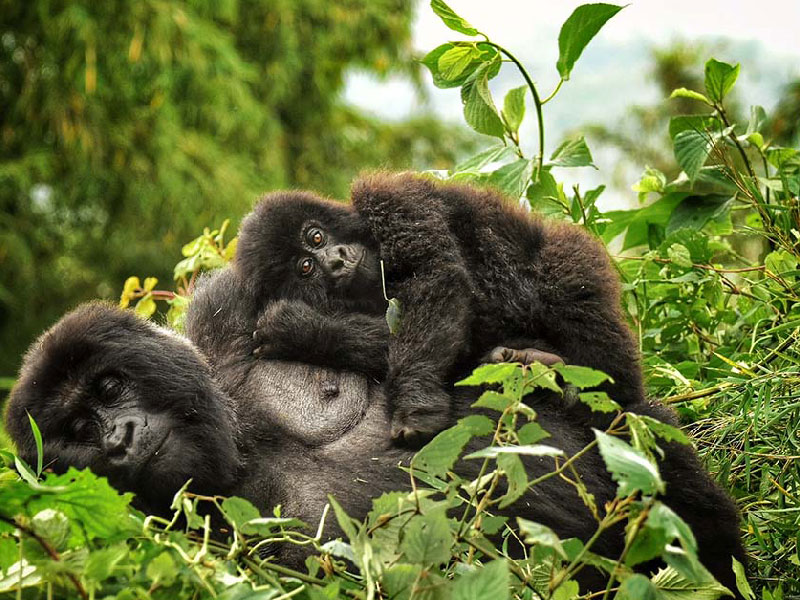
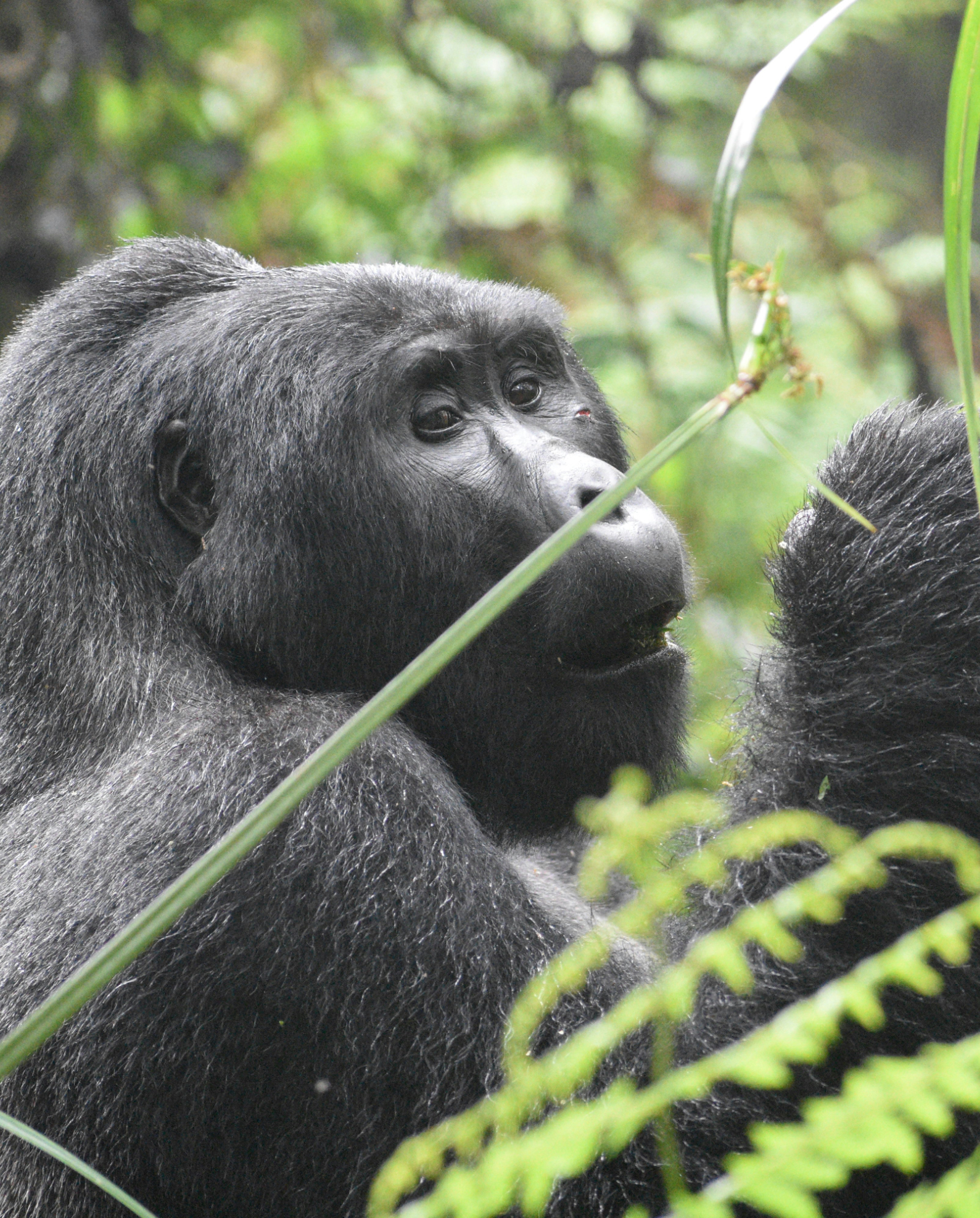
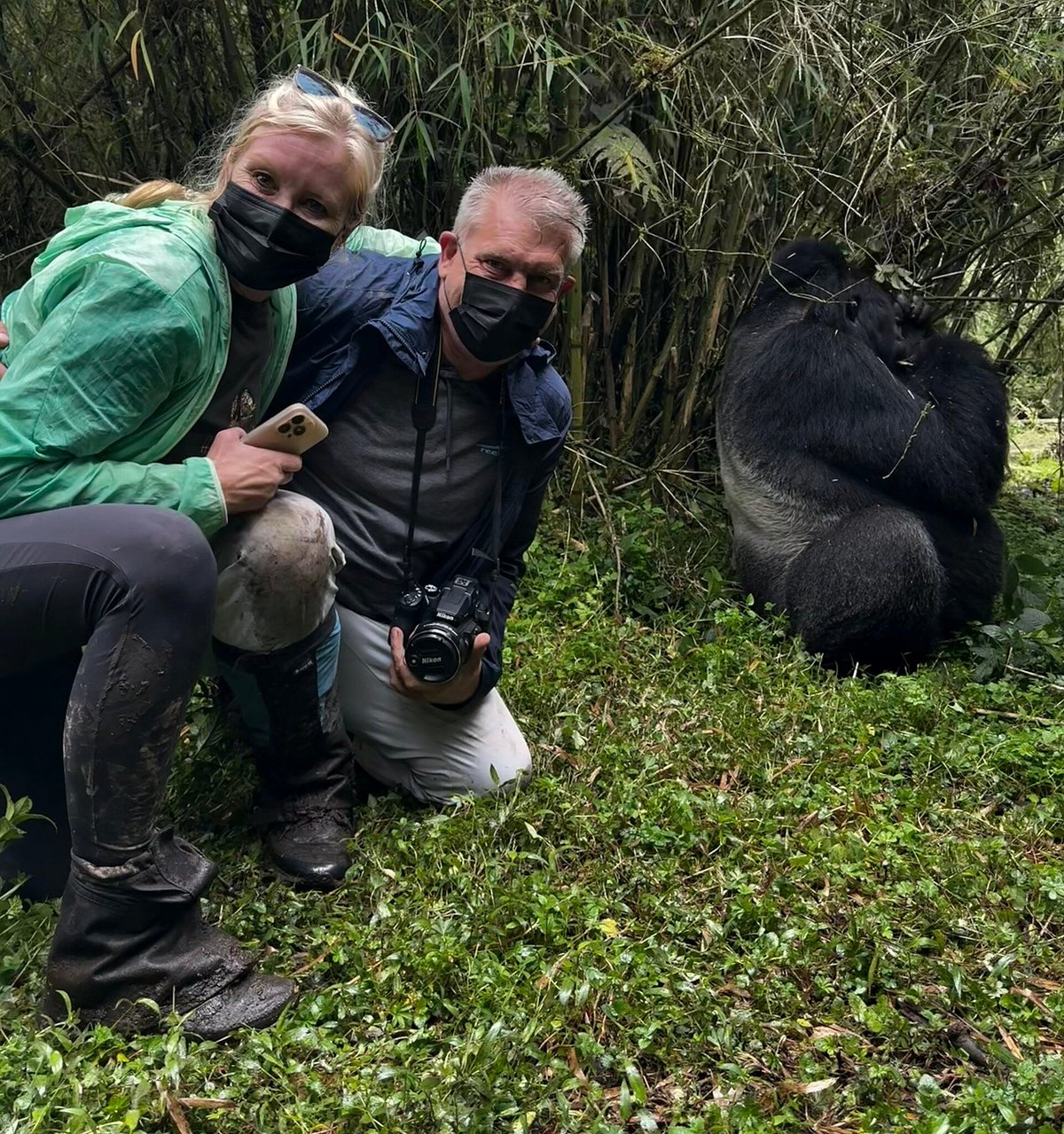
The question “Can Children Trek Gorillas in Rwanda?” is one of the most common concerns among families planning a Rwanda safari. Many parents dream of sharing the unforgettable experience of standing in the rainforest and observing endangered mountain gorillas together with their children. However, before planning this adventure, it is important to understand Rwanda’s official gorilla trekking age regulations.
The official requirement is that visitors must be 15 years or older to participate in mountain gorilla trekking in Rwanda’s Volcanoes National Park.
This means children below the age of 15 years are not allowed to join official gorilla trekking activities, even if they are physically active, experienced travelers, or passionate about wildlife.
The regulation applies to all visitors because gorilla trekking is a specialized wildlife experience that involves entering the natural habitat of endangered mountain gorillas. Visitors must be able to follow strict conservation guidelines, handle the physical challenges of rainforest trekking, and behave responsibly during close encounters with wild animals.
What Does the Gorilla Trekking Age Requirement Mean for Families?
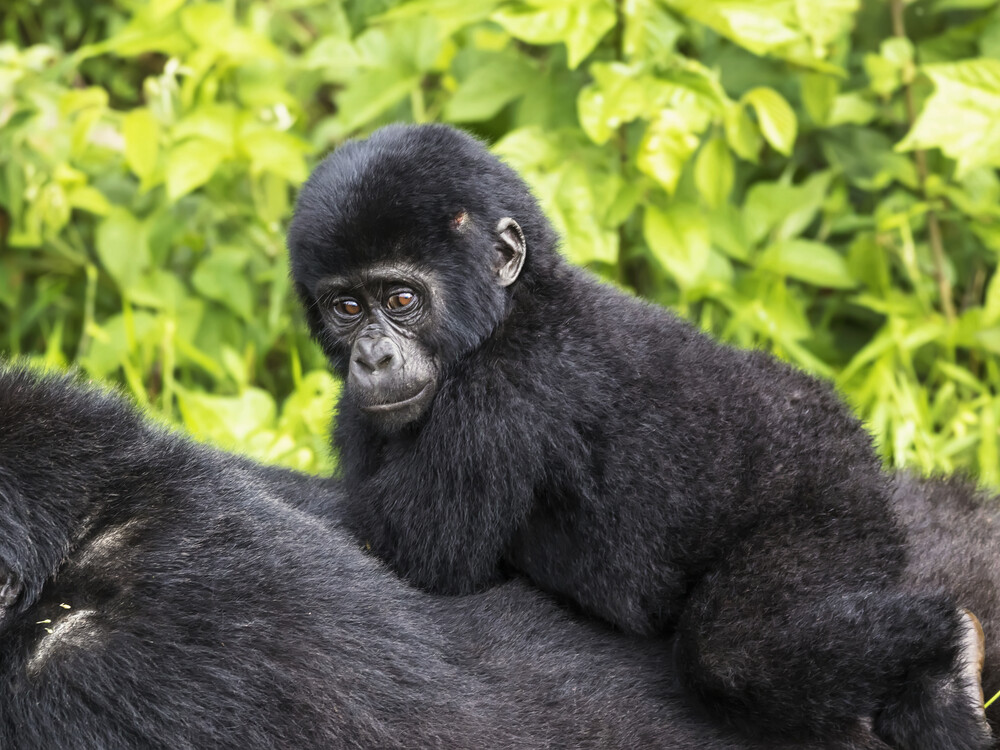
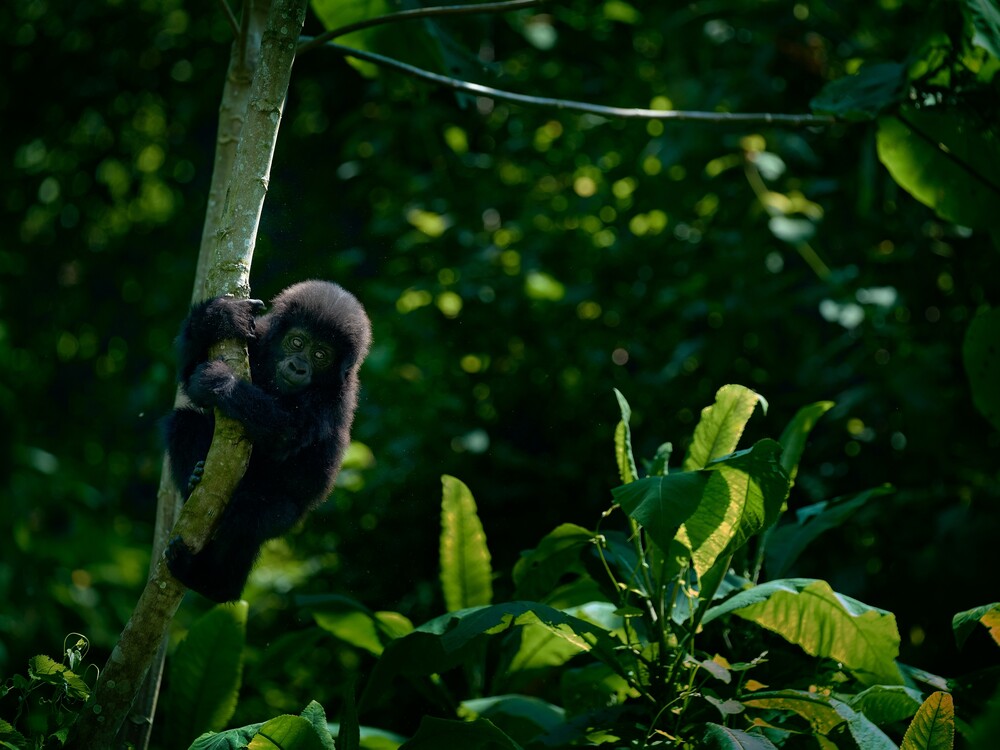
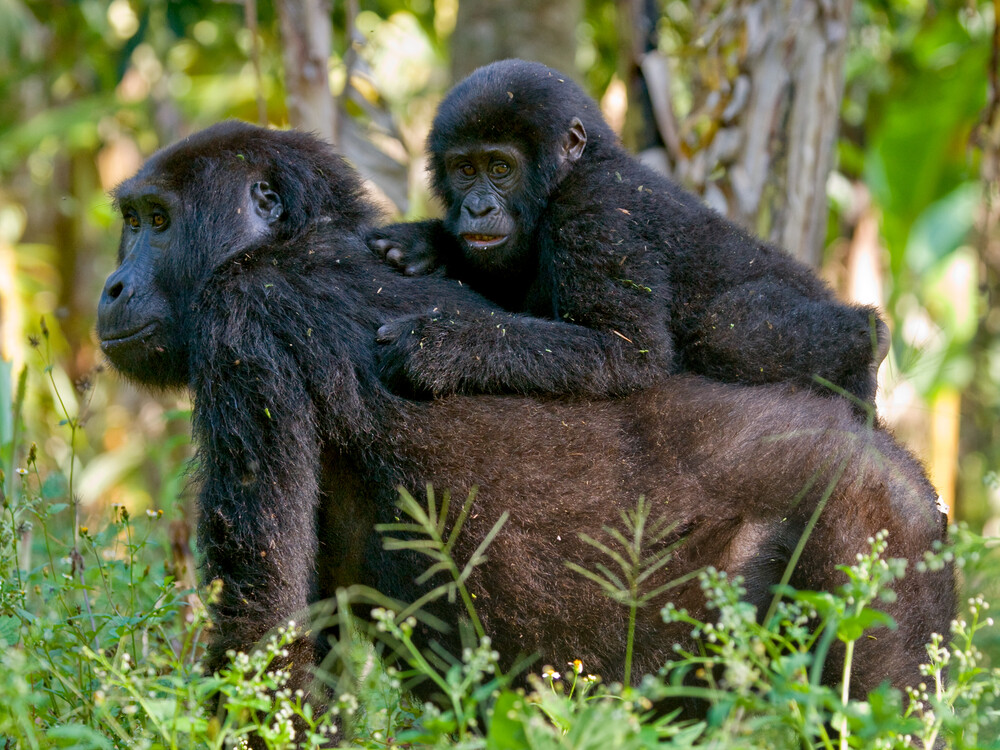
For families planning a Rwanda safari, understanding the age requirement helps create realistic expectations and avoid disappointment after arriving in the country.
When asking “Can Children Trek Gorillas in Rwanda?”, the answer depends entirely on the child’s age:
Children Below 15 Years Old
Children below 15 years cannot participate in mountain gorilla trekking.
This restriction applies regardless of:
- Physical fitness
- Hiking experience
- Interest in wildlife
- Parental supervision
The rule exists because younger children may find it difficult to manage the demands of the trek and the responsibility required during a close gorilla encounter.
Teenagers Aged 15 Years and Above
Teenagers who have reached 15 years old can participate in gorilla trekking.
This age group is often ideal because teenagers are generally able to:
- Understand conservation importance
- Follow ranger instructions
- Appreciate animal behavior
- Manage longer walks
- Respect wildlife rules
For many families, a teenager’s first gorilla trek becomes an educational and emotional highlight of their Rwanda adventure.
Adults of All Ages
Adults can participate in gorilla trekking if they are physically prepared and comfortable with the hiking conditions.
There is no maximum age limit for gorilla trekking in Rwanda. Many older travelers successfully complete the experience with proper preparation, support, and realistic expectations.
Why Can Children Under 15 Not Trek Gorillas in Rwanda?
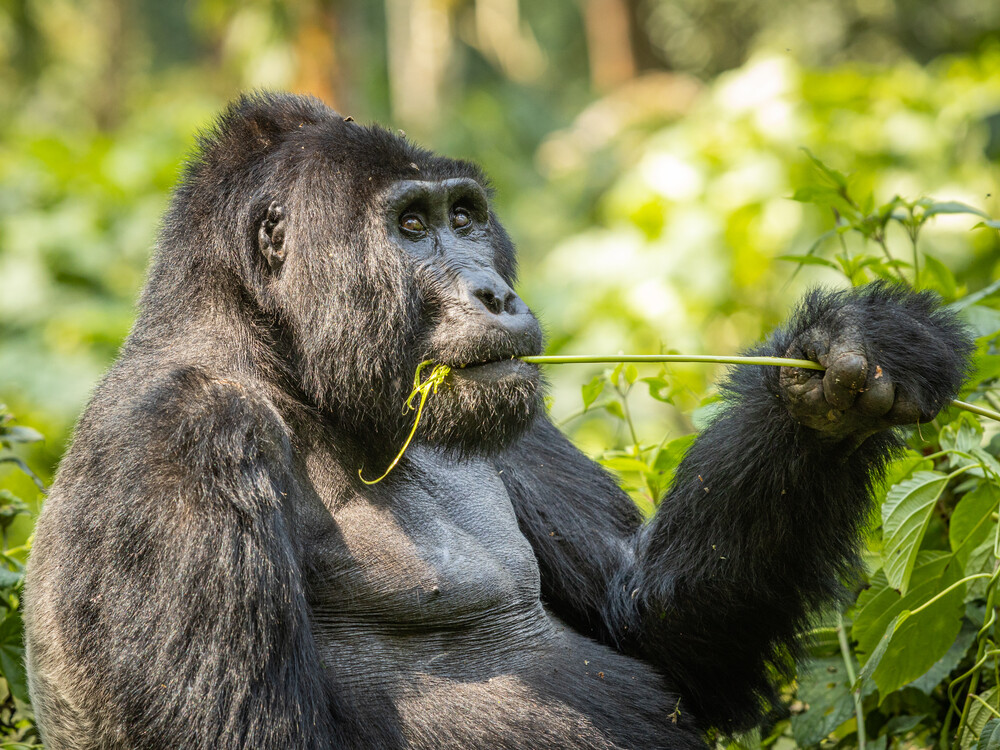
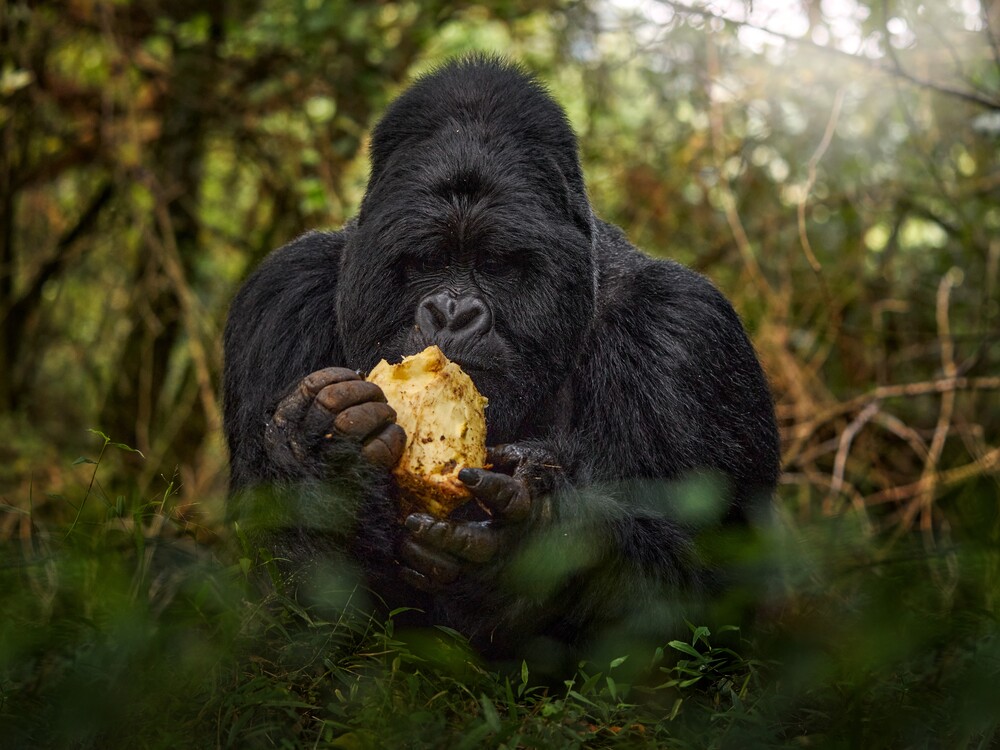
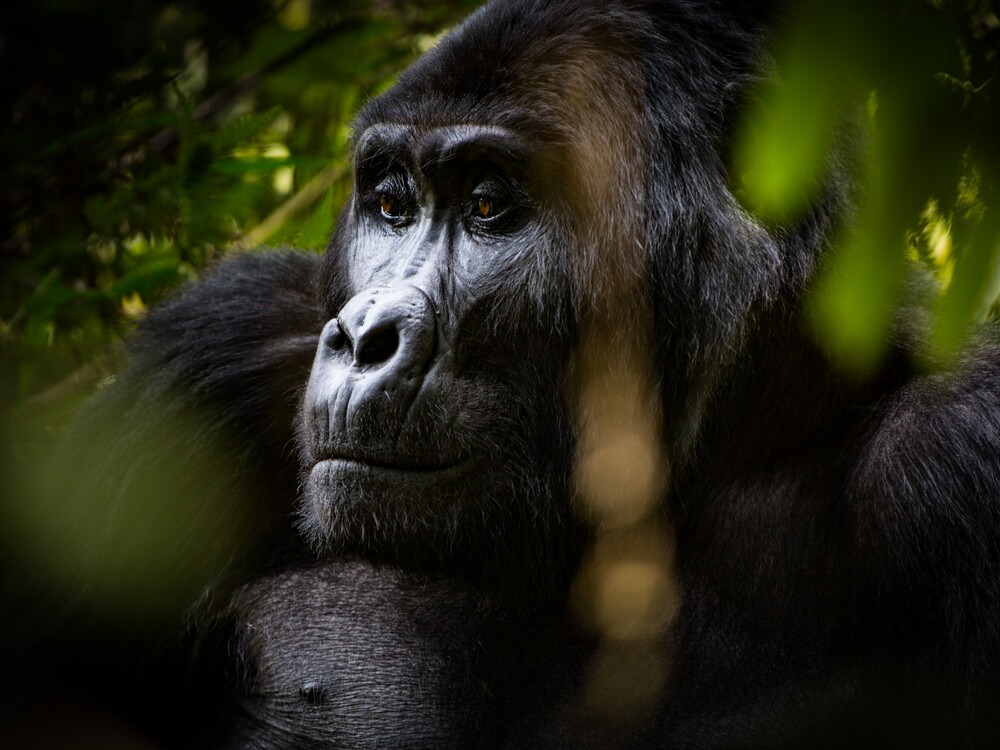
Many parents ask why younger children cannot join gorilla trekking, especially if their children enjoy nature, animals, and outdoor adventures.
The restriction is not because Rwanda does not welcome families. In fact, Rwanda is an excellent family destination with many child-friendly activities.
The reason younger children cannot participate is because gorilla trekking requires a combination of:
- Physical ability
- Emotional maturity
- Responsible behavior
- Respect for conservation rules
The age restriction helps protect both visitors and mountain gorillas while maintaining the quality of the experience.
Safety During Gorilla Trekking
One of the main reasons behind the restriction is visitor safety.
Gorilla trekking takes place inside the natural rainforest environment of Volcanoes National Park. Unlike a normal walking tour, the experience involves hiking through mountainous terrain where conditions can change quickly.
Visitors may encounter:
- Steep slopes
- Uneven forest trails
- Muddy pathways
- Dense vegetation
- Long walking distances
- Changing weather conditions
The difficulty of each trek depends on where the assigned gorilla family is located.
Some visitors may reach gorillas after a short walk, while others may hike for several hours through challenging terrain.
Why Younger Children May Struggle With Gorilla Trekking
Young children may find certain aspects of gorilla trekking difficult because:
The Trek Can Be Physically Demanding
Children may become tired faster than adults, especially during longer hikes.
A trek may require:
- Continuous walking
- Moving through forest vegetation
- Climbing slopes
- Maintaining pace with the group
Although guides do their best to support visitors, the experience requires a certain level of endurance.
Children May Need Frequent Breaks
During a long trek, younger children may need:
- More resting time
- Additional assistance
- Frequent stops
This can make it difficult for the entire trekking group to maintain the planned schedule.
Weather Conditions Can Be Challenging
The Virunga mountain environment can experience changing weather conditions.
Visitors may encounter:
- Rain showers
- Cooler temperatures
- Wet trails
- Humidity
Children may find these conditions uncomfortable, especially if they are not accustomed to outdoor environments.
Protecting Mountain Gorillas From Disturbance
Another major reason why children cannot trek gorillas in Rwanda is the protection of endangered mountain gorillas.
Mountain gorillas are highly intelligent and socially complex animals. Rwanda’s conservation success depends on carefully managed interactions between humans and gorillas.
Although habituated gorillas are accustomed to human presence, they remain wild animals and must be treated with respect.
Visitors are required to follow strict rules during the encounter.
These include:
- Remaining calm
- Speaking quietly
- Avoiding sudden movements
- Maintaining the recommended distance
- Following guide instructions
Why Children May Create Conservation Challenges
Young children naturally express emotions differently from adults.
When seeing a gorilla for the first time, a child may become extremely excited and may:
- Speak loudly
- Move suddenly
- Attempt to get closer
- React unpredictably
These reactions are normal for children, but around wild animals they can create unnecessary stress.
The minimum age requirement ensures visitors are mature enough to understand that the gorillas’ comfort and safety must come first.
Ensuring Responsible Wildlife Experiences
Gorilla trekking is not simply about seeing animals. It is a carefully managed conservation experience.
Visitors are entering the home of endangered mountain gorillas and must respect their natural behavior.
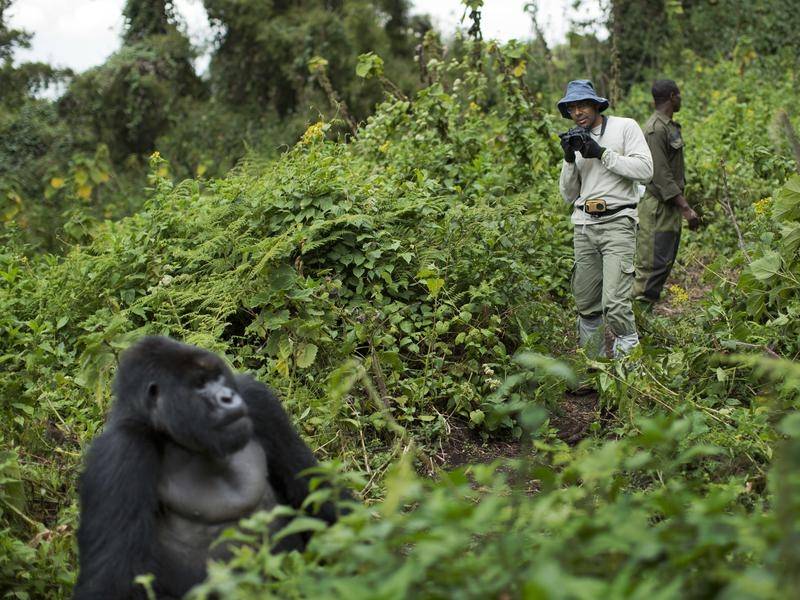
After locating a gorilla family, visitors normally spend approximately one hour observing them.
During this time, responsible visitors should:
Observe Quietly
Quiet observation allows gorillas to continue behaving naturally.
Visitors may witness:
- Feeding
- Grooming
- Playing
- Resting
- Family interactions
The most memorable moments often happen when gorillas feel comfortable and relaxed.
Respect Gorilla Space
Visitors must never attempt to touch, chase, or influence gorilla behavior.
The goal is to observe the animals as naturally as possible.
Allow Natural Behaviors to Continue
Some of the most powerful moments during gorilla trekking happen when visitors simply watch.
Examples include:
- A silverback protecting the family
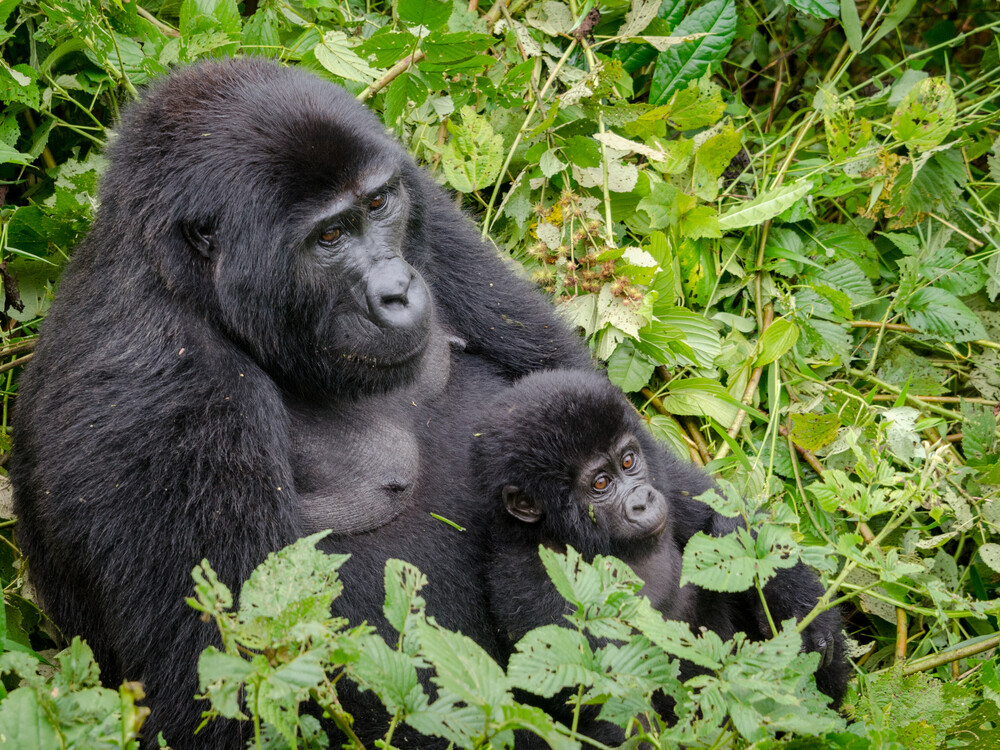
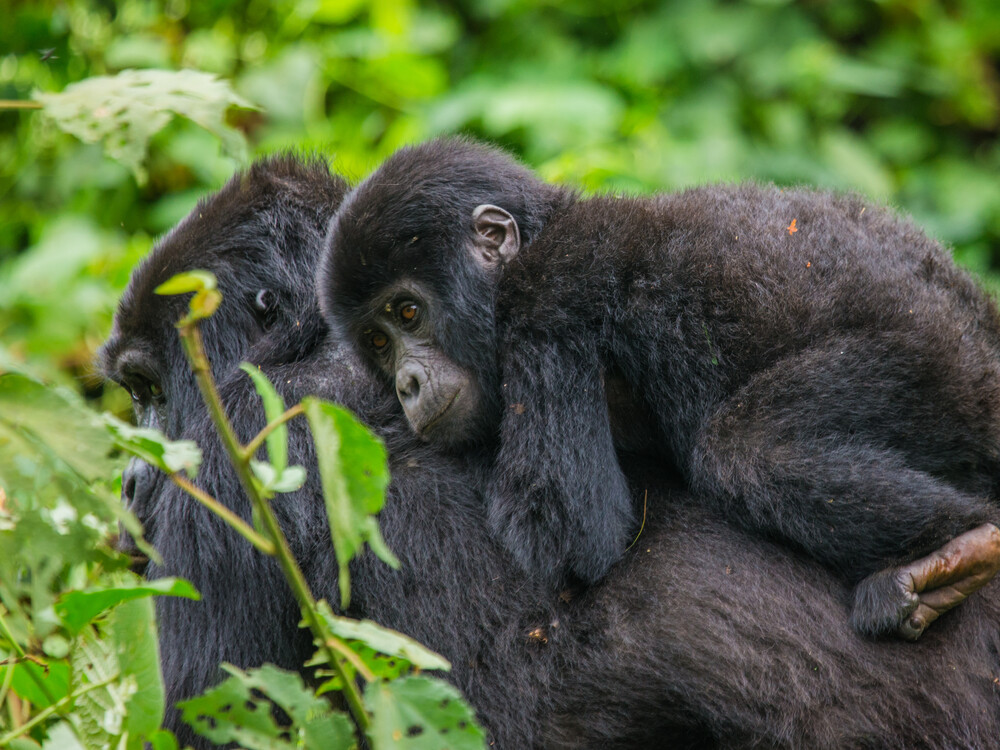
- A mother caring for an infant
- Young gorillas playing together
- Family members communicating
These moments create a deeper understanding of gorilla society.
Listen Carefully to Guides
Professional guides and trackers understand gorilla behavior and are responsible for ensuring safe interactions.
Following their instructions helps protect both visitors and gorillas.
Can Teenagers Trek Gorillas in Rwanda?
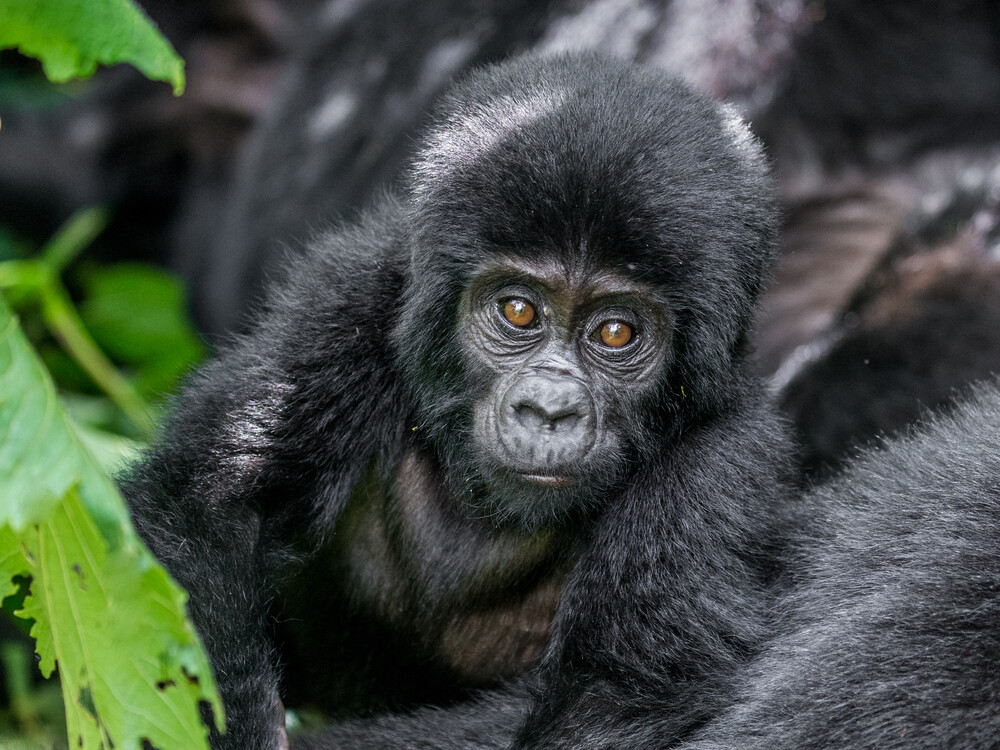
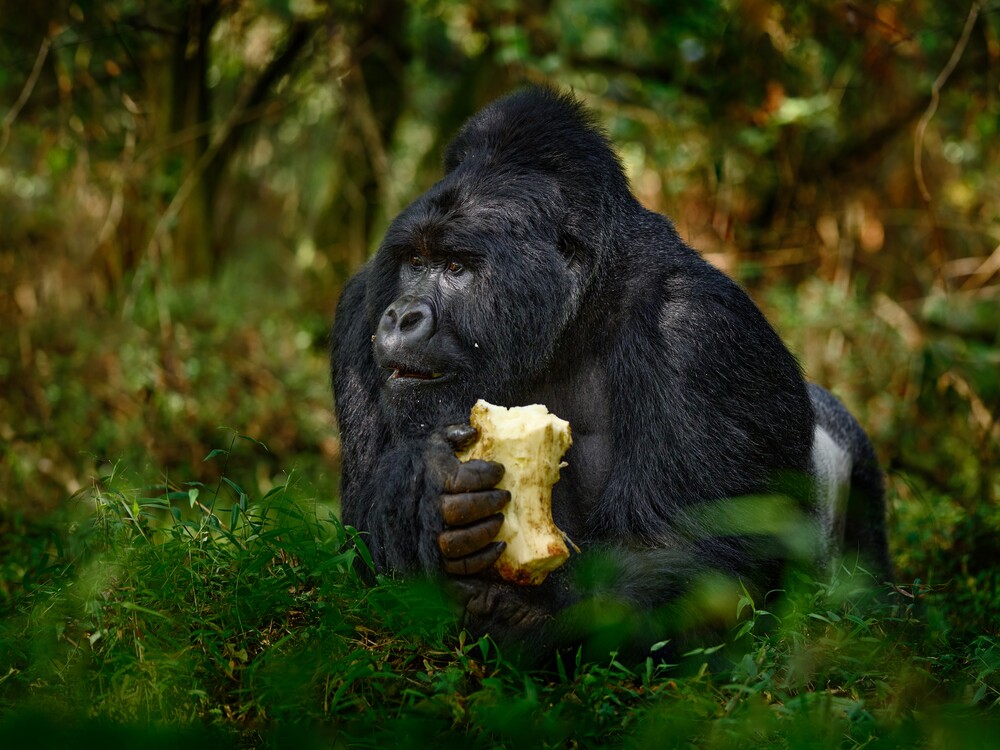
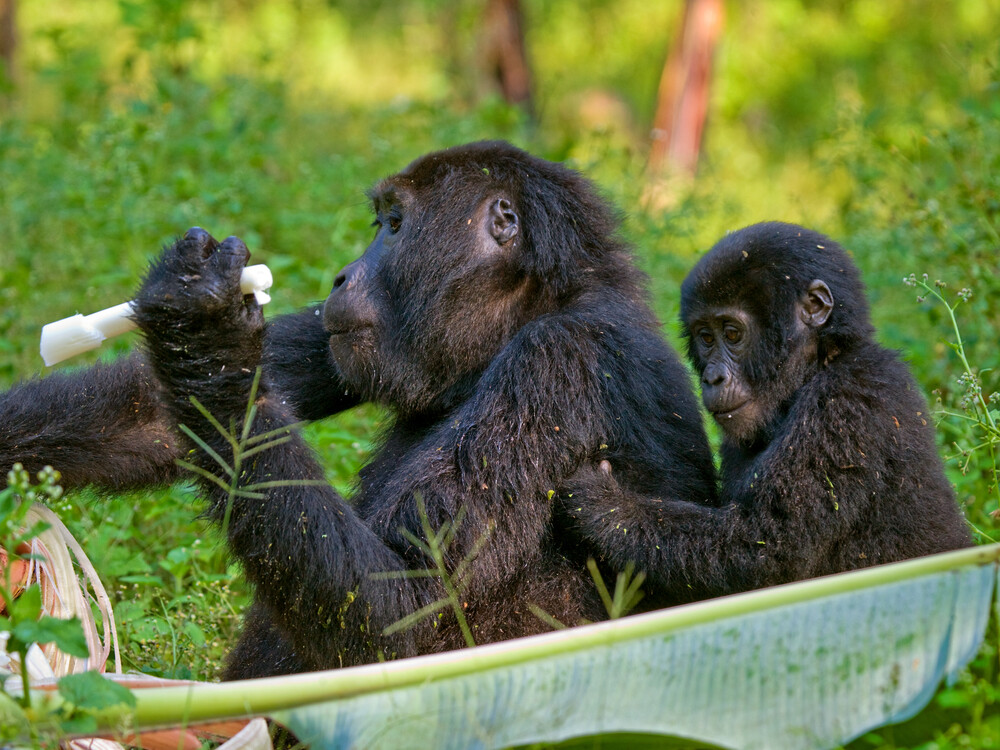
Yes, teenagers aged 15 years and above can participate in gorilla trekking in Rwanda.
For many families, teenagers are among the best candidates for this experience because they are old enough to understand the significance of conservation while still being young enough to experience the adventure with excitement and curiosity.
A teenage traveler often views gorilla trekking as more than just a holiday activity. It becomes an opportunity to learn about wildlife protection, explore nature, and create unforgettable memories with family.
Learning About Gorilla Conservation
One of the greatest benefits of teenagers participating in gorilla trekking is the educational value.
Before entering Volcanoes National Park, visitors receive a briefing about:
- Gorilla behavior
- Conservation rules
- Safety procedures
- Responsible tourism
Teenagers learn how conservation efforts have helped protect mountain gorillas from extinction.
Understanding Mountain Gorilla Conservation Efforts
Teenagers discover how Rwanda protects gorillas through:
- Wildlife monitoring
- Habitat protection
- Veterinary support
- Anti-poaching programs
- Responsible tourism
They learn that every gorilla trekking experience contributes to conservation efforts.
Understanding Habitat Protection
Mountain gorillas depend on protected forests for survival.
Teenagers learn why protecting natural habitats is important for:
- Gorillas
- Other wildlife species
- Local communities
This creates a broader understanding of environmental responsibility.
Understanding the Role of Tourism in Conservation
Gorilla tourism plays an important role in supporting conservation.
Teenagers can understand how tourism revenue helps fund:
- National parks
- Conservation programs
- Community projects
This turns the trekking experience into a practical lesson about sustainable tourism.
Observing Incredible Gorilla Behavior
Teenagers can experience some of the most fascinating wildlife behaviors during gorilla trekking.
Mountain gorillas have complex family structures, and every encounter is unique.
During the trek, teenagers may observe:
Silverbacks Protecting Their Families
The silverback is the leader of the gorilla family.
Visitors may witness:
- Protective behavior
- Communication with family members
- Leadership within the group
Mothers Caring for Infants
Mother gorillas have extremely strong bonds with their babies.
Teenagers may observe:
- Mothers carrying infants
- Teaching young gorillas
- Protecting their offspring
Young Gorillas Playing
Young gorillas are often energetic and playful.
They may:
- Chase each other
- Climb vegetation
- Interact with siblings
These moments are often among the most memorable parts of the experience.
Feeding and Grooming Activities
Gorillas spend much of their day feeding and socializing.
Visitors may see:
- Natural feeding behavior
- Grooming between family members
- Communication within the group
Family-Friendly Rwanda Safari Alternatives for Children Under 15
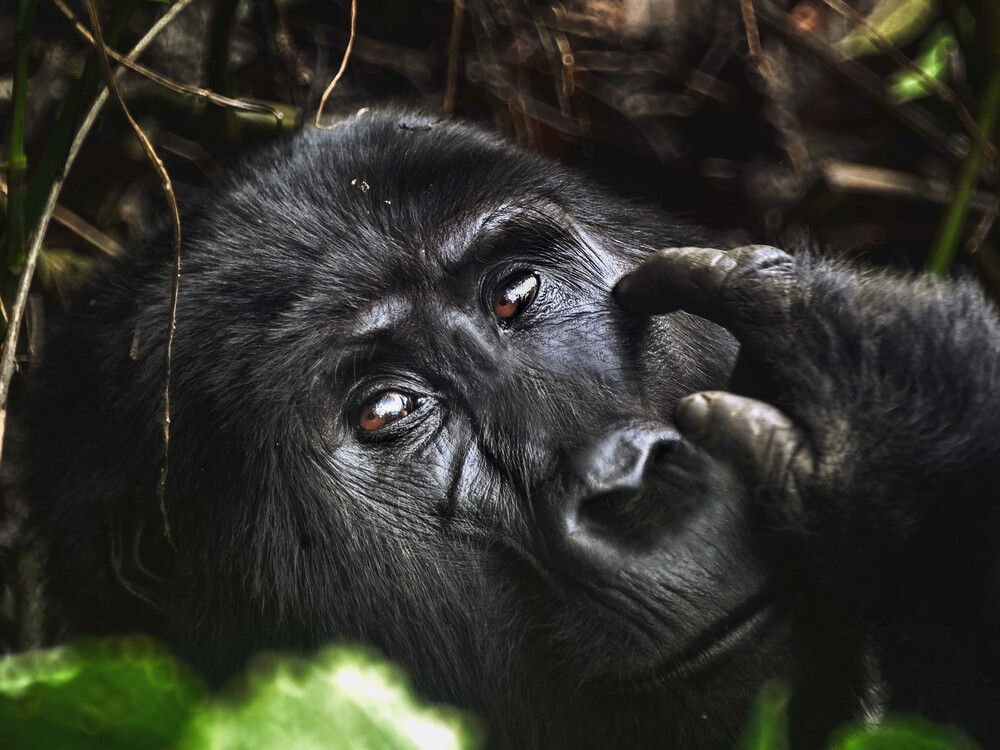
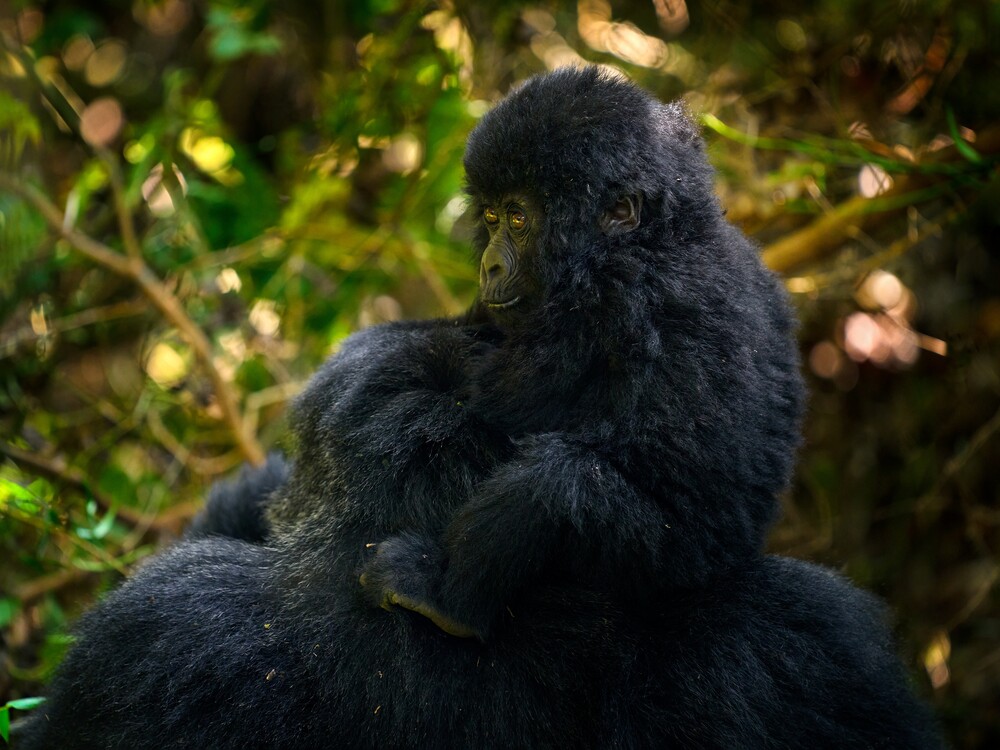
Although the official answer to “Can Children Trek Gorillas in Rwanda?” is no for children below 15 years old, families should not feel that they have to miss out on Rwanda’s incredible wildlife experiences. Rwanda is one of Africa’s most family-friendly destinations, offering a wide range of activities where younger travelers can discover nature, wildlife, culture, and adventure in safe and exciting ways.
A child being below the gorilla trekking age limit does not mean they cannot enjoy the beauty of Rwanda. In fact, many families create unforgettable memories through a combination of wildlife safaris, cultural experiences, scenic destinations, and outdoor adventures that are suitable for younger children.
While mountain gorilla trekking requires visitors to meet specific age requirements because of the physical demands and conservation responsibilities involved, other Rwanda experiences allow children of different ages to participate comfortably.
Families traveling with younger children can enjoy destinations such as Akagera National Park, Lake Kivu, Kigali, and other cultural and nature attractions while still experiencing the incredible diversity of Rwanda.
Akagera National Park Family Safari
For families with children below the Gorilla Trekking Age Limit Rwanda, Akagera National Park is one of the best alternatives for experiencing Rwanda’s wildlife.
Located in eastern Rwanda, Akagera offers a completely different landscape from Volcanoes National Park. Instead of misty mountain forests, families explore open savannah plains, wetlands, lakes, and woodland areas filled with diverse wildlife.
Unlike gorilla trekking, which involves hiking through rainforest terrain, Akagera provides traditional safari experiences where families can view animals comfortably from a safari vehicle.
This makes it an excellent choice for younger children because they can enjoy wildlife encounters without the physical challenges associated with mountain gorilla trekking.
Wildlife Experiences in Akagera National Park
Akagera National Park is home to some of Rwanda’s most impressive wildlife species.
Children can enjoy unforgettable sightings of:
Lions
Seeing lions in the wild is one of the most exciting moments for young travelers.
Families may observe lions resting in the grasslands, moving through the savannah, or interacting as part of their pride.
A lion sighting creates the same sense of adventure that families often seek during African safaris.
Elephants
Elephants are among the most fascinating animals for children to see.
Families may observe these gentle giants while learning about:
- Elephant behavior
- Social relationships
- Conservation efforts
Watching elephants move across Rwanda’s landscapes creates powerful memories for young travelers.
Rhinos
Akagera is part of Rwanda’s successful wildlife restoration story, including the return of endangered rhinos.
Children can learn how conservation programs help protect threatened species and restore natural ecosystems.
Giraffes
Giraffes are especially enjoyable for children because of their unique appearance and impressive height.
Families may watch giraffes feeding among trees while enjoying the beautiful scenery of Akagera.
Zebras
The sight of zebras moving across open plains provides a classic African safari experience.
Children often enjoy photographing and observing these beautifully patterned animals.
Hippos and Antelopes
Akagera’s lakes and wetlands support many other fascinating species.
Families may see:
- Hippos in water areas
- Antelopes grazing across plains
- Water animals near lakes
These encounters introduce children to Rwanda’s diverse ecosystems.
Game Drives in Akagera National Park
Game drives are one of the best family activities in Rwanda because they combine adventure, comfort, and education.
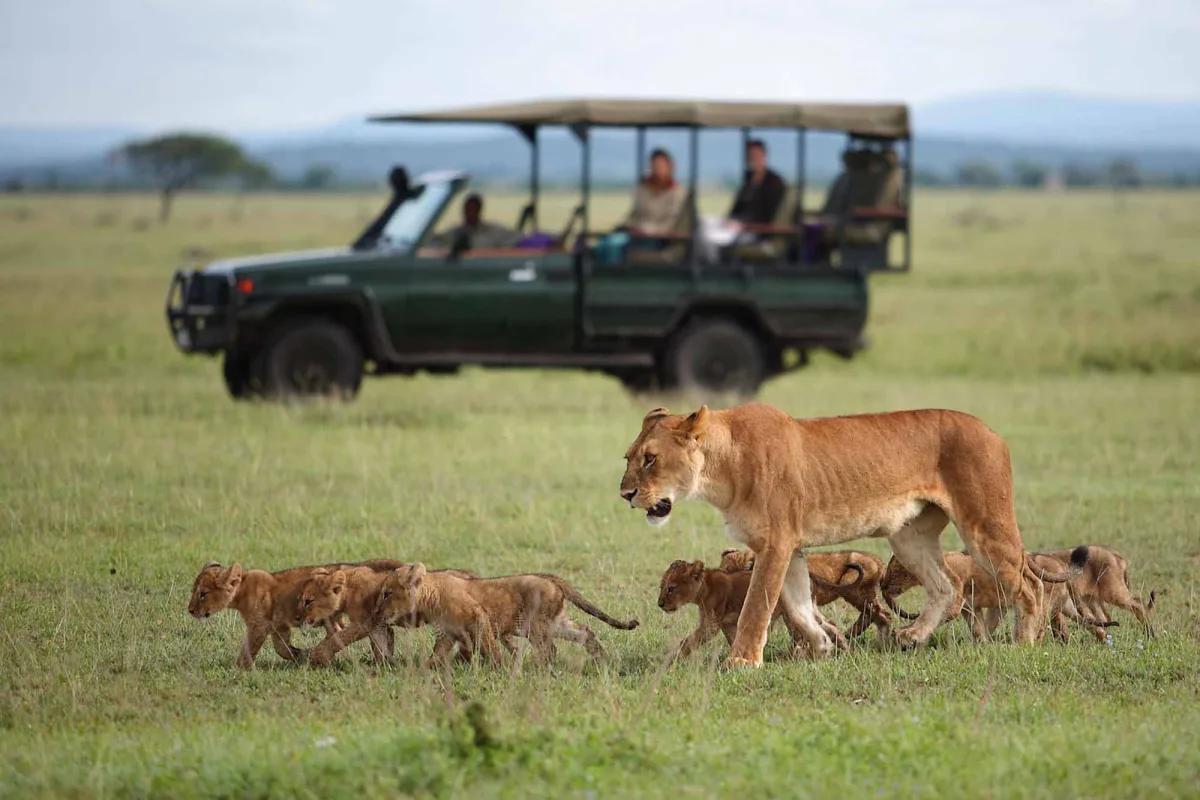
For families asking “Can Children Trek Gorillas in Rwanda?”, game drives provide an excellent alternative where younger children can still experience the excitement of searching for wildlife.
During a game drive, families travel through the park in a comfortable safari vehicle with an experienced guide who explains:
- Animal behavior
- Conservation efforts
- Park history
- Local ecosystems
Morning Game Drives
Morning game drives are often among the best wildlife experiences because many animals are active during the cooler hours of the day.
Families may enjoy opportunities to see:
- Predators returning from activity
- Grazing animals
- Birds
- Beautiful sunrise landscapes
The peaceful morning atmosphere makes it an excellent experience for children.
Afternoon Game Drives
Afternoon drives provide another opportunity to explore Akagera’s wildlife areas.
As temperatures begin to reduce, animals often become more active.
Families can enjoy:
- Wildlife viewing
- Photography
- Scenic landscapes
- Educational experiences
Wildlife Photography for Children
Akagera is also a fantastic destination for introducing children to photography.
Young travelers can capture images of:
- Wildlife
- Landscapes
- Birds
- African scenery
Photography encourages children to observe nature carefully and develop appreciation for wildlife.
Boat Safari Experiences on Lake Ihema
Boat safaris on Lake Ihema provide another exciting family activity in Akagera National Park.
Unlike long hiking experiences, boat trips allow families to relax while observing wildlife from the water.
This makes them suitable for younger children.
Families may see:
Hippos
Hippos are among the most exciting animals to observe from a boat.
Visitors can watch them resting in the water while learning about their behavior.
Crocodiles
Crocodiles can often be seen along the shores of the lake.
Guides explain their role within the ecosystem and how they survive in Rwanda’s wetlands.
Water Birds
Lake Ihema is a paradise for bird lovers.
Families may observe:
- Kingfishers
- Herons
- African fish eagles
- Other wetland species
Bird watching can become an enjoyable educational activity for children.
Lakeside Wildlife
Boat safaris also provide opportunities to observe animals visiting the water areas.
This creates a different perspective compared to traditional game drives.
Kigali Cultural Experiences for Families
For families traveling with children below the Gorilla Trekking Age Limit Rwanda, Kigali offers meaningful cultural experiences that help children understand Rwanda beyond wildlife.
The capital city provides opportunities to learn about:
- Rwanda’s history
- Local traditions
- Art
- Community life
Kigali is safe, clean, and easy to explore with children.
Cultural Centers
Cultural experiences allow children to discover Rwanda’s traditions in an interactive way.
They can learn about:
Traditional Music
Children can experience Rwanda’s unique musical heritage through performances and demonstrations.
Dance
Traditional dance introduces young travelers to Rwanda’s cultural expressions and celebrations.
Local Traditions
Families can learn about:
- Traditional lifestyles
- Community values
- Historical practices
These experiences help children develop appreciation for different cultures.
Art Galleries
Rwanda has a growing creative scene, and art experiences can be enjoyable for children.
Art visits introduce families to:
- Local creativity
- Traditional crafts
- Modern African artwork
Children can discover how artists use paintings and crafts to tell stories about Rwanda.
Local Markets
Visiting local markets provides children with a chance to experience everyday life in Rwanda.
Families can discover:
- Local products
- Traditional crafts
- Fresh foods
- Handmade items
Market visits provide authentic cultural interaction beyond typical tourist activities.
Lake Kivu Family Adventure
Lake Kivu is another excellent destination for families with children below the gorilla trekking age requirement.
After exploring Rwanda’s wildlife and culture, Lake Kivu provides a relaxing environment where families can slow down and enjoy beautiful surroundings.
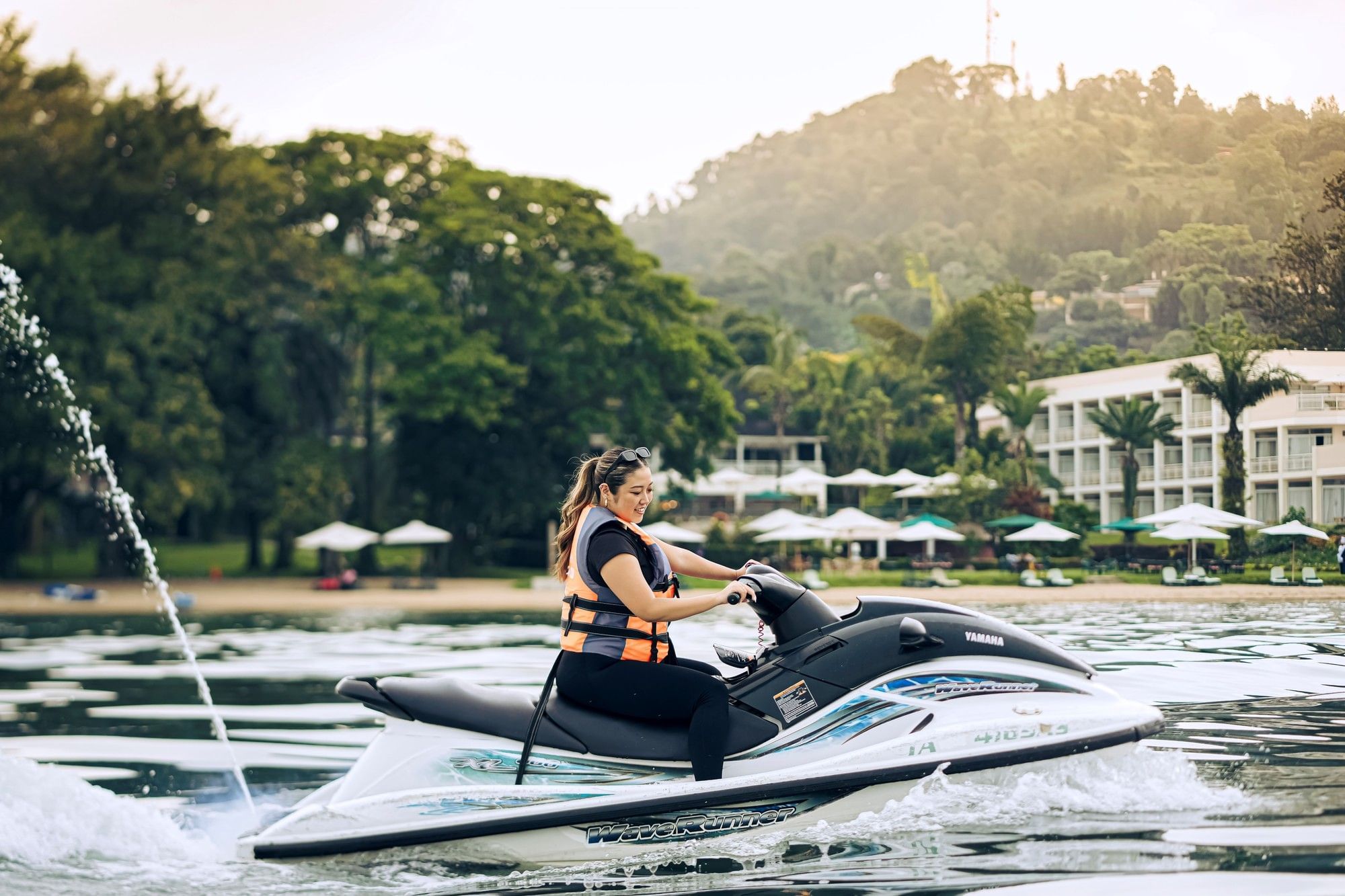
The lake is located between Rwanda and the Democratic Republic of Congo and is famous for its peaceful waters, scenic hills, and stunning sunsets.
Family Activities at Lake Kivu
Families can enjoy:
Boat Rides
Boat trips allow families to explore:
- Islands
- Fishing communities
- Scenic landscapes
Children often enjoy the adventure of being on the water.
Beautiful Scenery
Lake Kivu offers incredible views of:
- Rolling hills
- Green landscapes
- Lakeside villages
It is a perfect place for family photography.
Lakeside Walks
Families can enjoy relaxed walks while experiencing the peaceful atmosphere around the lake.
Swimming Opportunities
Some areas around Lake Kivu provide safe swimming opportunities where families can relax.
Sunset Views
Lake Kivu sunsets are among Rwanda’s most beautiful experiences.
Families can enjoy peaceful evenings watching the changing colors over the water.
Golden Monkey Trekking and Other Primate Experiences
Families interested in primates may consider golden monkey trekking in Volcanoes National Park.
Golden monkeys are different from mountain gorillas but provide another fascinating wildlife experience.
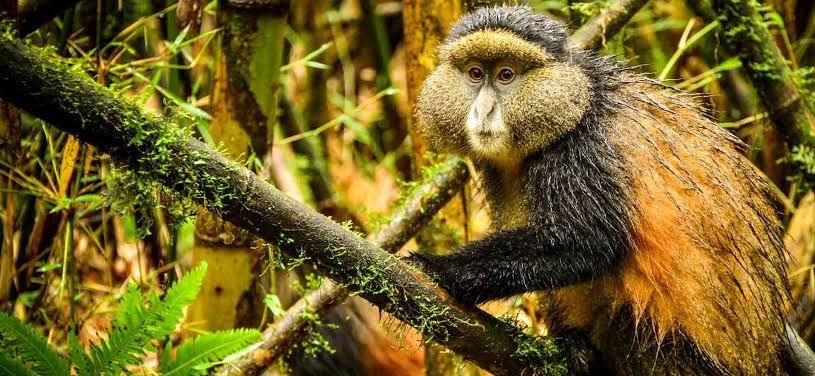
These colorful and energetic primates move quickly through bamboo forests, creating an exciting adventure.
Unlike gorilla trekking, golden monkey experiences may have different regulations, so families should always confirm current requirements before booking.
For children who love animals, primate experiences can provide a wonderful introduction to Rwanda’s biodiversity.
Best Rwanda Family Safari Options Based on Children’s Ages
The ideal Rwanda safari depends greatly on the ages and interests of the children traveling.
Understanding age requirements helps families create realistic and enjoyable itineraries.
Families With Children Under 15 Years
For families where children do not meet the gorilla trekking age requirement, recommended experiences include:
Akagera National Park Safari
Provides classic African wildlife experiences through game drives and boat safaris.
Kigali Cultural Experiences
Introduces children to Rwanda’s history, traditions, and creativity.
Lake Kivu Relaxation
Offers scenic views, relaxation, and family-friendly activities.
Nature Walks
Allows children to explore Rwanda’s landscapes at a comfortable pace.
Community Visits
Provides opportunities to meet local communities and learn about daily life.
These experiences ensure younger children still enjoy a complete Rwanda adventure.
Families With Teenagers 15 Years and Above
Families with teenagers who meet the official age requirement can enjoy a more complete Rwanda wildlife experience.
A teenage family safari can combine:
Gorilla Trekking in Volcanoes National Park
The highlight of the journey, offering a once-in-a-lifetime encounter with mountain gorillas.
Golden Monkey Trekking
Another exciting primate experience.
Lake Kivu
A relaxing extension after trekking.
Akagera Safari
A chance to see Rwanda’s Big Five and other wildlife.
Kigali Experiences
A cultural introduction and conclusion to the journey.
This combination creates a balanced Rwanda safari that includes wildlife, culture, adventure, and conservation.
Preparing Teenagers for Gorilla Trekking in Rwanda
Although teenagers aged 15 years and above can participate, proper preparation is still important.
A successful gorilla trek depends on physical readiness, responsible behavior, and having suitable equipment.
Physical Fitness
Teenagers should be comfortable with:
Walking Long Distances
Some gorilla families may require extended hiking before they are located.
Hiking
The rainforest environment requires walking on natural trails.
Uneven Terrain
Teenagers should be prepared for:
- Slopes
- Muddy paths
- Forest trails
Outdoor Conditions
They should be comfortable with changing weather and natural environments.
Following Instructions
Teenagers must understand the importance of responsible behavior.
They should:
- Listen carefully to guides
- Stay with the trekking group
- Respect gorilla space
- Follow conservation rules
This ensures a safe and meaningful experience.
Appropriate Equipment
Teenagers should have suitable trekking equipment, including:
Good Hiking Boots
For comfort and safety on forest trails.
Long Trousers
For protection from vegetation and insects.
Rain Jacket
For unpredictable rainforest weather.
Comfortable Backpack
For carrying personal essentials.
Water Bottle
To stay hydrated during the trek.
Proper preparation helps teenagers enjoy every moment of their gorilla trekking experience.
Book Your Family Rwanda Gorilla Safari With Boots in The Jungle Safaris
Understanding Can Children Trek Gorillas in Rwanda helps families choose the right activities based on their children’s ages, interests, and abilities.
At Boots in The Jungle Safaris, we specialize in creating personalized Rwanda family safari experiences designed around every traveler’s needs.
We understand that every family is different. Some families travel with young children who need alternative experiences, while others travel with teenagers ready for the adventure of gorilla trekking.
Our services include:
- Gorilla permit booking
- Family safari planning
- Professional local guides
- Comfortable 4×4 transportation
- Handpicked accommodation
- Customized Rwanda itineraries
- Wildlife and cultural experiences for all ages
Whether you are planning a gorilla trekking adventure with teenagers or a family safari with younger children, our team can design a journey that creates unforgettable memories.
Contact Boots in The Jungle Safaris today and begin planning your Rwanda family safari filled with wildlife, culture, adventure, and extraordinary experiences.