
Essential Travel Documents for Gorilla Trekking
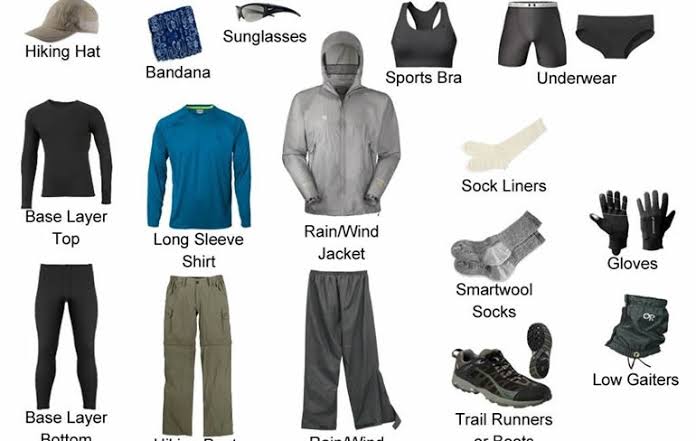
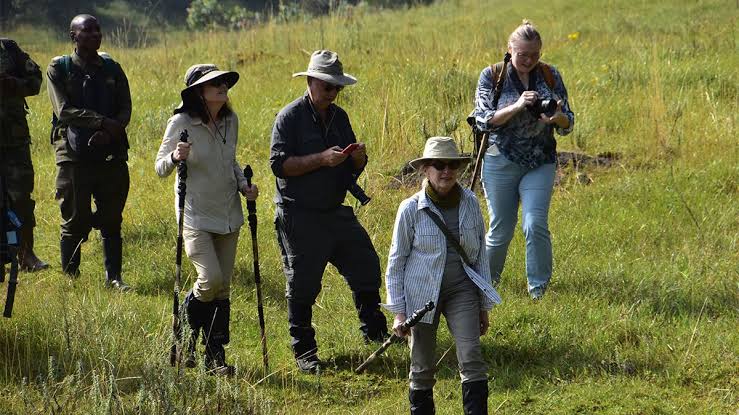
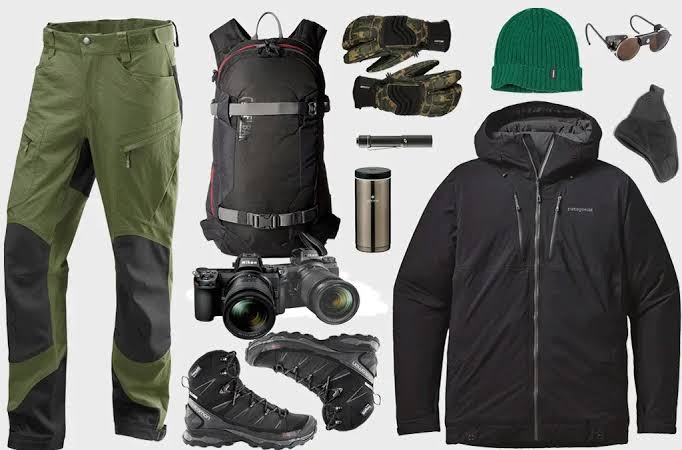
The first and most important section of every Gorilla Trekking Checklist should focus on your travel documents. While clothing and trekking equipment are essential for comfort, having the correct documents ensures a smooth experience from your arrival in East Africa until the day you enter the rainforest.
Your passport is the most important document to include in your Gorilla Trekking Checklist. It is
equired for international travel, immigration procedures, hotel check-ins, and verification during gorilla trekking registration. Travelers should ensure that their passport is valid according to their travel requirements before departing for Uganda or Rwanda.
It is recommended to carry both the original passport and digital copies stored securely on your phone, email, or cloud storage. Having backup copies can be extremely helpful in case the original document is lost or misplaced during your journey.
A valid gorilla trekking permit is another essential document. The permit confirms your authorization to participate in the gorilla trekking experience and is checked at the park headquarters before entering the forest. Without a valid permit, visitors cannot join the trek because access to mountain gorilla groups is strictly controlled for conservation purposes.
Your safari operator normally arranges and secures the gorilla permit on your behalf after confirmation of your booking. However, keeping a copy of the permit details in your travel documents helps ensure everything is organized before trekking day.
Travel insurance information should also be included in your Gorilla Trekking Checklist. Although gorilla trekking is a safe and professionally managed activity, travel insurance provides additional protection against unexpected situations such as medical emergencies, delayed flights, lost luggage, or trip interruptions.
Other important documents include flight confirmations, hotel reservation details, emergency contacts, vaccination records where applicable, and copies of your safari itinerary. Keeping all these documents together in a waterproof document pouch prevents damage from rain and humidity during your travels.
For travelers crossing borders between Uganda and Rwanda, additional documents such as visas and immigration requirements should also be prepared in advance. Checking entry requirements before departure avoids unnecessary complications during your safari.
A well-organized traveler always begins their Gorilla Trekking Checklist with documents because proper documentation creates the foundation for a stress-free and enjoyable gorilla trekking adventure.
ProWaterproof Hiking Boots
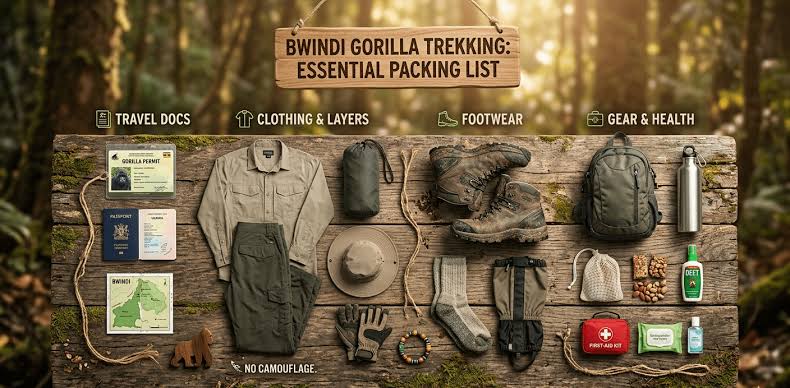
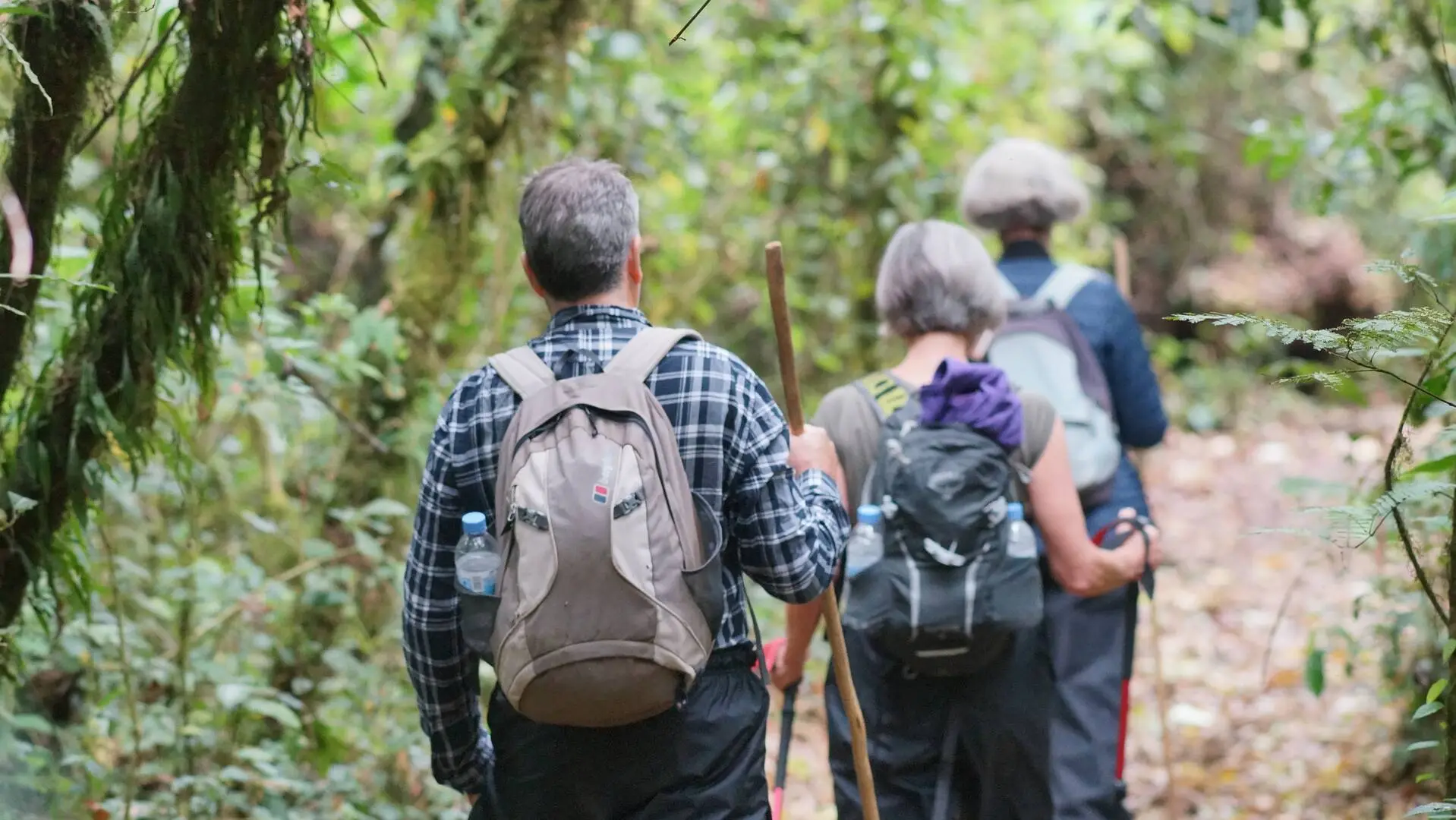
Waterproof hiking boots are among the most important items on a complete Gorilla Trekking Checklist. The rainforest terrain can be muddy, slippery, and uneven, making proper footwear essential.
A good pair of hiking boots provides grip, ankle support, and stability while walking through challenging forest conditions. Strong soles help prevent slipping when navigating wet trails, steep slopes, and muddy sections.
Waterproof materials keep your feet dry during rainfall, stream crossings, and wet vegetation. Wet feet can quickly become uncomfortable and increase the chance of developing blisters during long treks.
Travelers should avoid wearing sneakers, sandals, or casual shoes because they do not provide enough protection or support. Gorilla trekking involves several hours of walking, and unsuitable footwear can negatively affect your experience.
It is also important to break in your hiking boots before traveling. Wearing new boots for the first time during trekking can cause discomfort and painful blisters.
Adding waterproof hiking boots to your Gorilla Trekking Checklist is one of the best decisions you can make for a comfortable and successful adventure.
Rain Protection Equipment
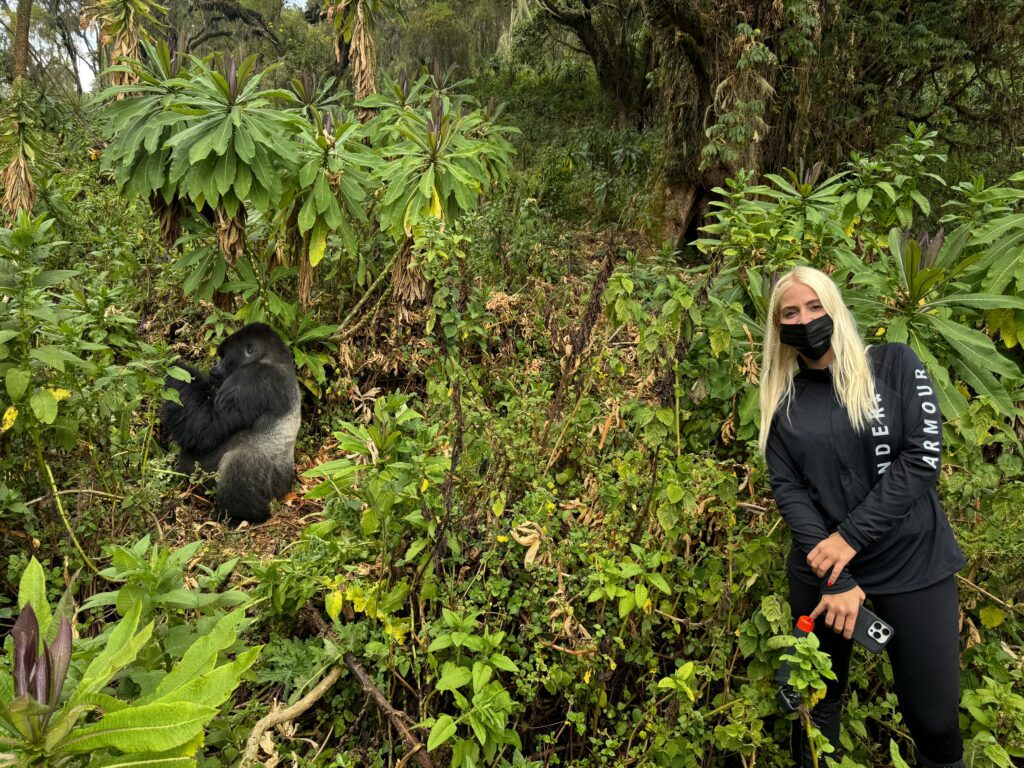
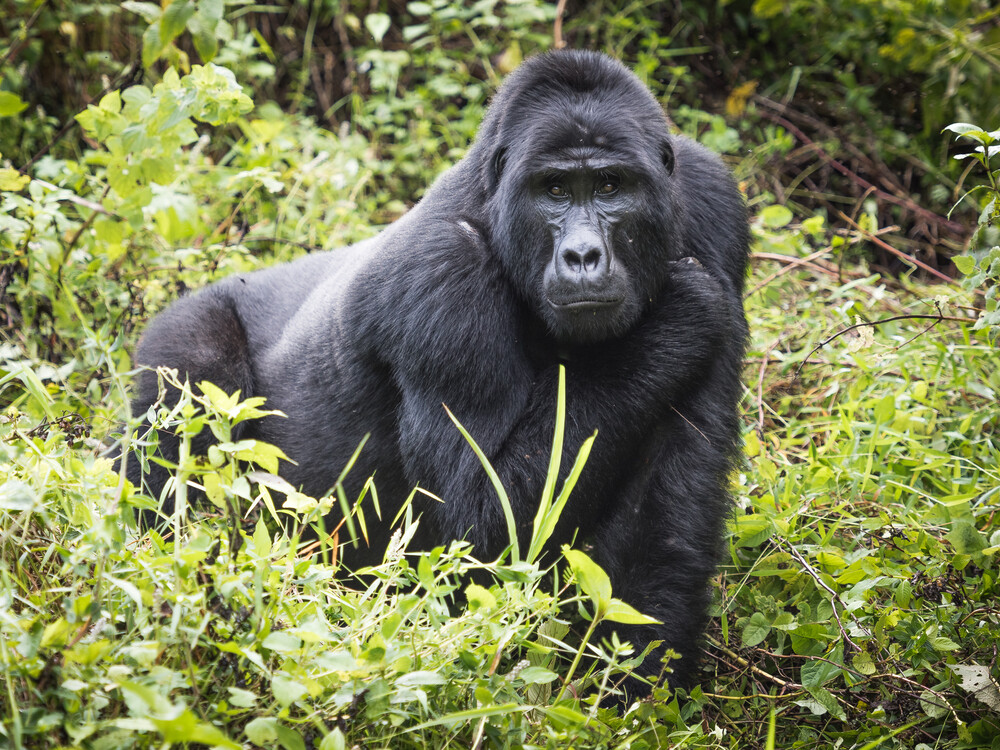
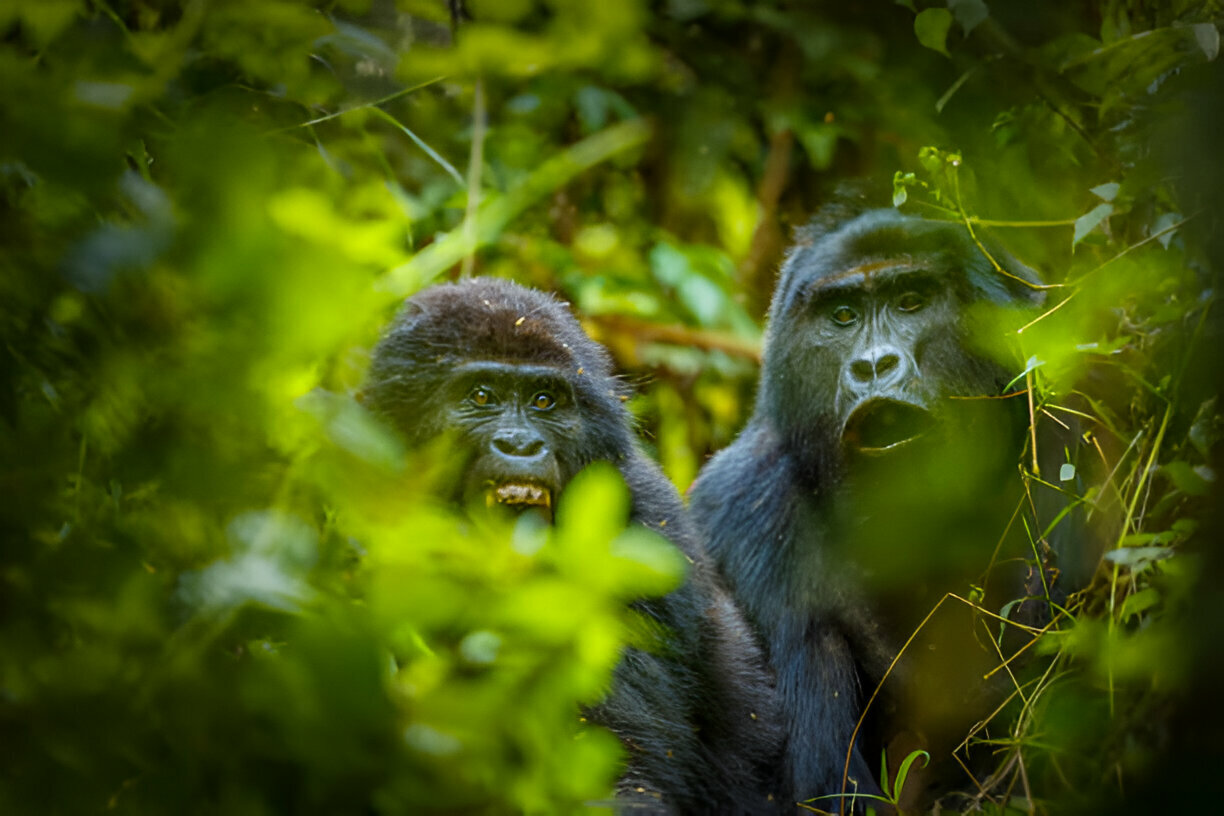
Rain protection is another essential section of your Gorilla Trekking Checklist because mountain gorilla habitats are located in tropical rainforests where rainfall can occur at any time of the year.
Many travelers assume that visiting during the dry season means they will avoid rain completely. However, rainforest weather is unpredictable. A bright morning can quickly transform into a rainy afternoon, especially in mountainous areas such as Bwindi Impenetrable National Park and Volcanoes National Park.
A lightweight waterproof rain jacket should always be included in your trekking equipment. A quality rain jacket protects you from sudden showers while allowing comfortable movement during hiking. The best options are waterproof, breathable, and easy to pack inside a small backpack.
Breathability is especially important because gorilla trekking involves physical activity. A jacket that traps heat and sweat can become uncomfortable during long hikes. Modern outdoor rain jackets are designed to allow moisture from your body to escape while preventing rain from entering.
When choosing a rain jacket for your Gorilla Trekking Checklist, consider features such as an adjustable hood, waterproof zippers, and comfortable cuffs. These small details provide additional protection when trekking during heavy rainfall.
A waterproof backpack cover is another valuable item. It protects important belongings such as cameras, phones, passports, snacks, and personal documents from unexpected rain. Even if your backpack is water-resistant, an additional cover provides extra security.
Waterproof pouches or dry bags are also useful for protecting sensitive equipment. Photographers especially benefit from keeping cameras, batteries, and memory cards protected from moisture.
Umbrellas are generally not recommended for gorilla trekking. Although they provide rain protection, they are difficult to use while hiking through dense vegetation and uneven terrain. A proper waterproof jacket allows you to keep both hands free while walking.
Including reliable rain protection in your Gorilla Trekking Checklist ensures that changing weather conditions do not interrupt your adventure. With the right preparation, rain becomes part of the rainforest experience rather than a challenge.
Backpack and Personal Items for Your Gorilla Trekking Checklist
A lightweight and comfortable backpack is one of the most important items to include in your Gorilla Trekking Checklist because it allows you to carry all essential supplies needed during your rainforest adventure while keeping your hands free for hiking. Unlike ordinary sightseeing activities, gorilla trekking involves walking through dense forests, climbing hills, crossing muddy trails, and spending several hours outdoors, making a practical backpack extremely valuable.
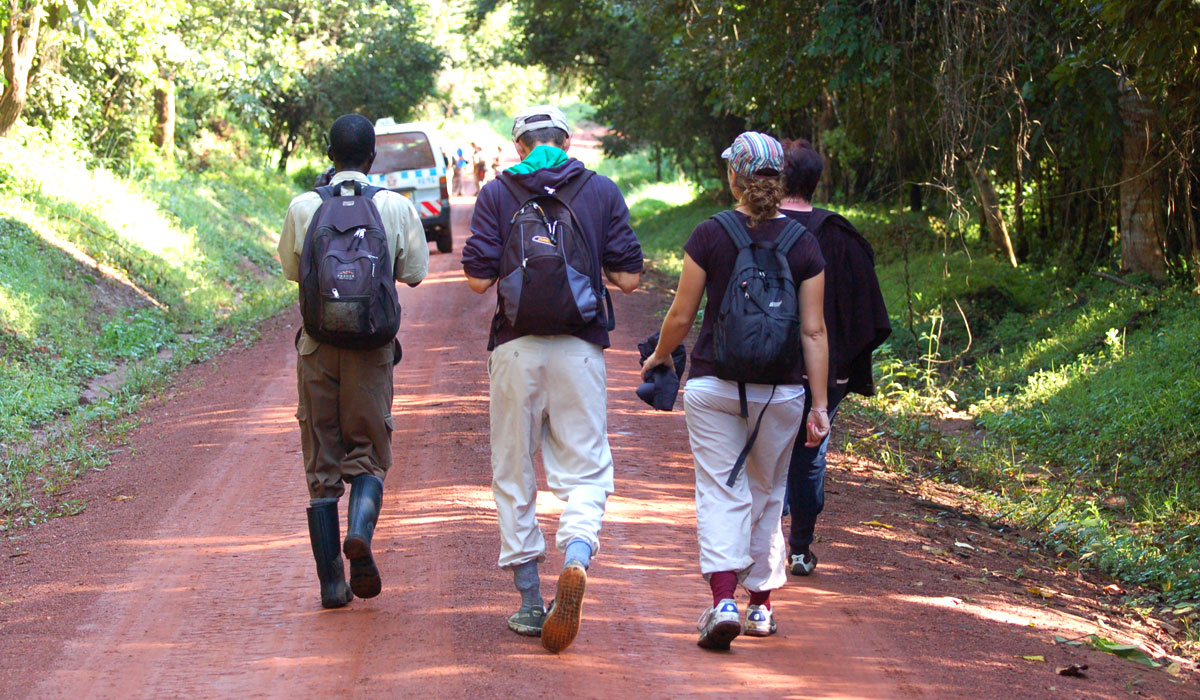
The ideal backpack for gorilla trekking should be lightweight, durable, comfortable, and preferably waterproof. If your backpack is not completely waterproof, carrying a waterproof rain cover is highly recommended because sudden rainfall is common in mountain gorilla habitats. Protecting your belongings from rain ensures that important items such as cameras, travel documents, phones, and medication remain safe throughout the trek.
A backpack with a capacity of approximately 20 to 30 liters is usually enough for most travelers. This size provides enough space for essential items without becoming unnecessarily heavy. The purpose of your Gorilla Trekking Checklist is not to carry everything you own into the forest but to organize practical items that improve comfort and safety.
Comfort is another important consideration when choosing a trekking backpack. Adjustable shoulder straps, padded back support, and chest or waist straps help distribute weight evenly, reducing pressure on your shoulders during longer hikes. A poorly designed backpack can quickly become uncomfortable, especially during steep climbs or extended walking periods.
Your backpack should contain only essential items that you may need during the trek. Important items to include in your Gorilla Trekking Checklist backpack include drinking water, energy snacks, a waterproof rain jacket, camera equipment, extra batteries, personal medication, sunscreen, insect repellent, travel documents, and hand sanitizer.
Organization is equally important. A backpack with multiple compartments allows you to separate items and access them quickly without stopping frequently. For example, your rain jacket should be easily reachable because weather conditions can change suddenly, while your camera equipment should be protected in a secure compartment.
Many travelers also choose to hire a local porter during gorilla trekking. If you hire a porter, they can carry your backpack and provide assistance on challenging sections of the trail. This not only makes your trek easier but also supports local communities living around gorilla conservation areas.
A properly prepared backpack is therefore a key part of a successful Gorilla Trekking Checklist, helping you remain comfortable, organized, and ready for every moment of your mountain gorilla adventure.
Photography Equipment for Gorilla Trekking
Photography is one of the most exciting parts of a mountain gorilla trekking experience, making camera equipment an important consideration when preparing your Gorilla Trekking Checklist. Standing close to endangered mountain gorillas in their natural rainforest environment creates unforgettable memories that many travelers want to preserve through photography.
A quality camera or smartphone allows you to capture incredible moments during your trek. Modern smartphones can produce excellent images, while DSLR and mirrorless cameras provide additional control, better zoom capabilities, and higher image quality for wildlife photography.
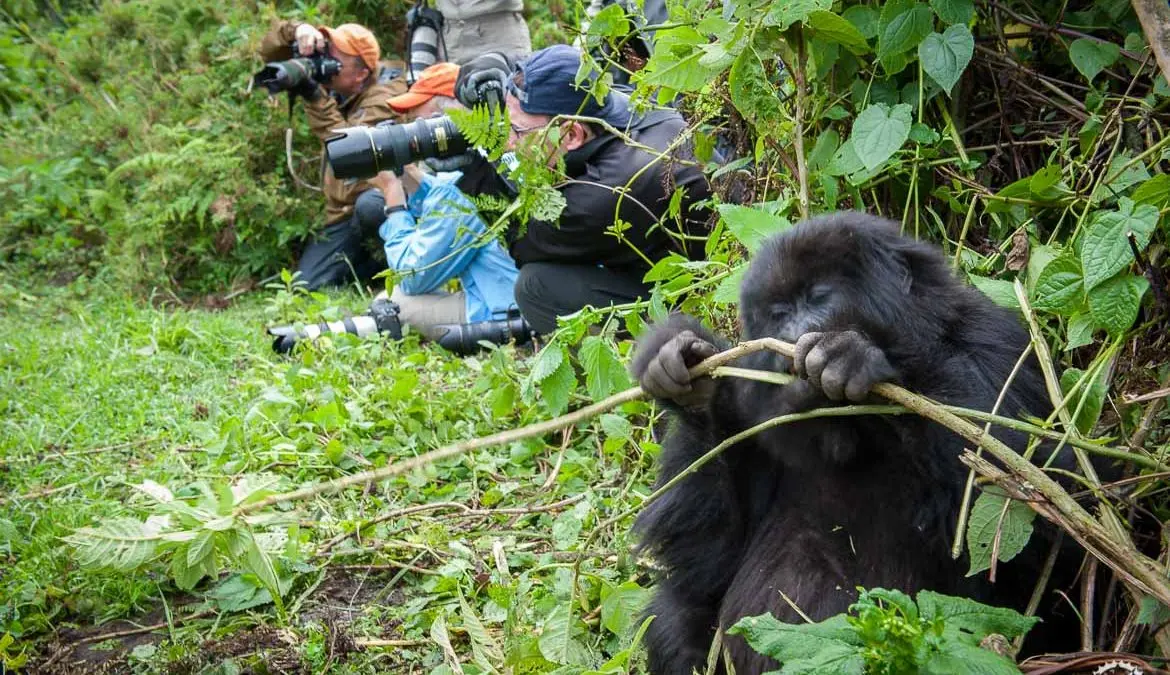
When selecting photography equipment for your Gorilla Trekking Checklist, it is important to balance image quality with practicality. Carrying extremely heavy equipment can make trekking more difficult, especially during long hikes through steep forest terrain.
Extra batteries are strongly recommended because rainforest conditions, cooler temperatures, and long trekking hours can reduce battery performance. Running out of power just before reaching the gorillas can be disappointing, especially during such a rare wildlife encounter.
Additional memory cards are also useful because gorilla encounters often provide many incredible photography opportunities. Visitors may capture silverbacks, mothers caring for young gorillas, playful juveniles, and beautiful rainforest surroundings.
Because mountain gorilla habitats receive frequent rainfall, protecting your equipment is essential. A waterproof camera cover, dry bag, or protective pouch should be included in your Gorilla Trekking Checklist to prevent damage caused by rain and humidity.
Visitors should remember that flash photography is strictly prohibited during gorilla trekking. Flash can disturb the gorillas and affect their natural behavior. Responsible photography means capturing memories while respecting wildlife conservation rules.
A good photographer also focuses on enjoying the experience beyond the camera. While photographs are valuable, the most important memory is the personal connection created by observing mountain gorillas peacefully living in their natural habitat
Health and Personal Care Items
Health and personal care supplies are important additions to every Gorilla Trekking Checklist because comfort and wellbeing contribute greatly to enjoying your mountain gorilla adventure. Although gorilla trekking is safe and professionally managed, travelers should prepare for the physical demands of hiking through rainforest environments.
Personal prescription medication should always be included in your Gorilla Trekking Checklist. Travelers who regularly use medication should carry enough supplies for the entire journey and keep them easily accessible.
If you have specific health conditions, allergies, or medical requirements, it is advisable to inform your safari operator and guide before trekking. This allows your support team to provide appropriate advice and assistance if needed.
A small personal first-aid kit can also be useful. Basic items such as pain relief medication, adhesive plasters, antiseptic wipes, personal medical supplies, and allergy medication can provide additional comfort during your journey.
Insect repellent is another useful item. Although mountain gorilla habitats are located at higher elevations where mosquitoes are often less common than in lowland areas, other insects may still be present in forest environments. Applying insect repellent helps improve comfort during the trek.
Sunscreen should also be included in your Gorilla Trekking Checklist. Even though much of the trek takes place under forest cover, visitors may experience direct sunlight before entering the forest or during transfers between locations.
Hand sanitizer is another practical item, especially when eating snacks during trekking breaks. Maintaining good hygiene helps reduce health risks and keeps you comfortable throughout the experience.
Other useful personal care items may include lip balm, tissues, personal toiletries, wet wipes, and any small items that improve your comfort during travel.
A well-prepared traveler understands that a complete Gorilla Trekking Checklist is not only about equipment but also about maintaining personal health and comfort throughout the adventure.
Food and Hydration Essentials
Maintaining energy levels is an important part of a successful gorilla trekking experience, making food and hydration essential sections of your Gorilla Trekking Checklist. Gorilla trekking requires physical effort because visitors walk through forests, climb hills, and sometimes spend several hours searching for a gorilla family.
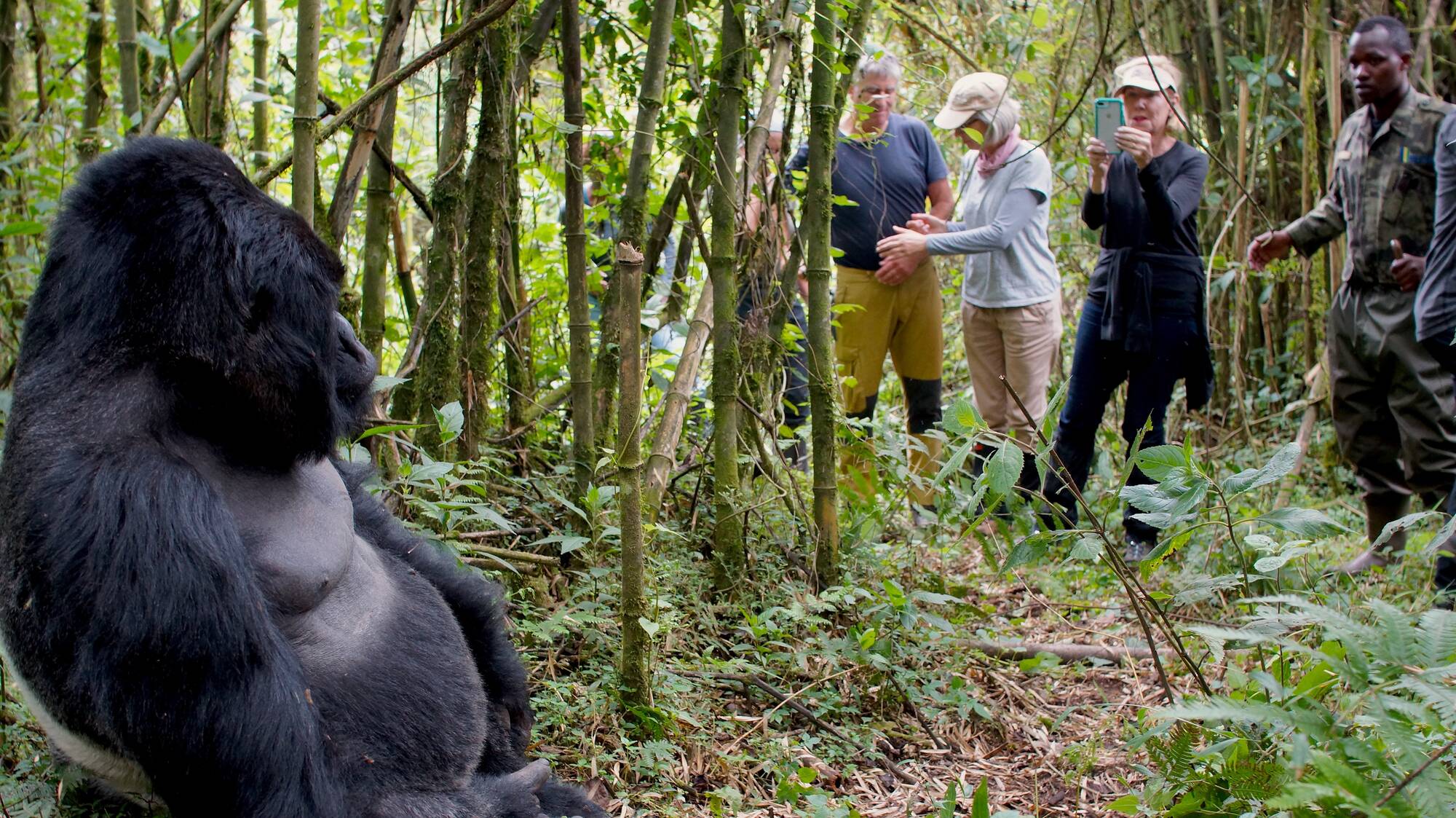
Drinking enough water is one of the most important preparation steps. Physical activity combined with humidity and changing weather conditions can increase your body’s need for hydration.
Most safari lodges provide bottled drinking water before visitors depart for trekking. However, travelers should confirm arrangements before the trek and ensure they carry enough water based on the expected hiking duration.
A reusable water bottle or hydration system is also an excellent addition to a sustainable Gorilla Trekking Checklist. These options help reduce plastic waste while ensuring you have access to water throughout the adventure.
Energy snacks are another useful item. Lightweight foods such as nuts, granola bars, protein bars, dried fruits, biscuits, and dark chocolate provide quick energy during longer treks.
However, visitors should only eat during designated breaks away from the gorillas. Food should never be consumed close to mountain gorillas because it may encourage unwanted interactions and create health risks.
Choosing lightweight, nutritious snacks ensures you maintain energy without adding unnecessary weight to your backpack.
Proper hydration and nutrition help reduce fatigue and allow you to fully enjoy the incredible moment of encountering mountain gorillas in their natural environment.
Optional Items That Improve Your Experience
While essential equipment should always be the priority, several optional items can improve comfort and convenience during gorilla trekking. Including these items in your Gorilla Trekking Checklist depends on your personal preferences, trekking conditions, and travel style.
Gardening gloves or trekking gloves are among the most useful optional items. They protect your hands when holding branches, moving through vegetation, or supporting yourself on steep sections of the trail.
Gaiters are another valuable addition. They cover the space between your trousers and hiking boots, preventing mud, insects, leaves, and small stones from entering your footwear.
A walking stick can greatly improve stability during the trek. Many national parks provide walking sticks before the trek begins, but some travelers prefer carrying adjustable trekking poles from home.
Binoculars are useful for travelers interested in additional wildlife viewing. Before and after the gorilla encounter, visitors may observe birds, monkeys, butterflies, and other forest species.
A power bank is another practical item, especially for travelers using smartphones for photography, navigation, and communication. Long travel days and extended trekking activities can quickly reduce battery levels.
A small notebook can also be useful for travelers who enjoy recording memories, wildlife observations, or important moments from their adventure.
These optional additions allow travelers to personalize their Gorilla Trekking Checklist while ensuring they remain comfortable and prepared.
What Not to Include in Your Gorilla Trekking Checklist
Knowing what not to carry is just as important as knowing what to pack. A good Gorilla Trekking Checklist focuses on essential items that improve your experience rather than unnecessary belongings that increase weight.
Heavy luggage should not be carried into the forest. Large suitcases should remain at your lodge or accommodation because they are difficult to manage during trekking.
Avoid carrying unnecessary electronics that add weight and provide little value during the trek. While cameras and phones are useful, excessive equipment can make hiking more challenging.
Expensive jewelry should also be avoided. Gorilla trekking is an outdoor adventure where practical clothing and equipment are more important than personal accessories.
Strong perfumes and scented products are discouraged because they may interfere with the natural forest environment and wildlife experience.
Disposable plastic items should also be minimized. Responsible travelers should carry reusable products whenever possible and ensure all waste leaves the forest with them.
The purpose of a Gorilla Trekking Checklist is efficient preparation. Carrying only what you need creates a lighter, more comfortable, and more enjoyable trekking experience.
Frequently Asked Questions About Gorilla Trekking Checklist
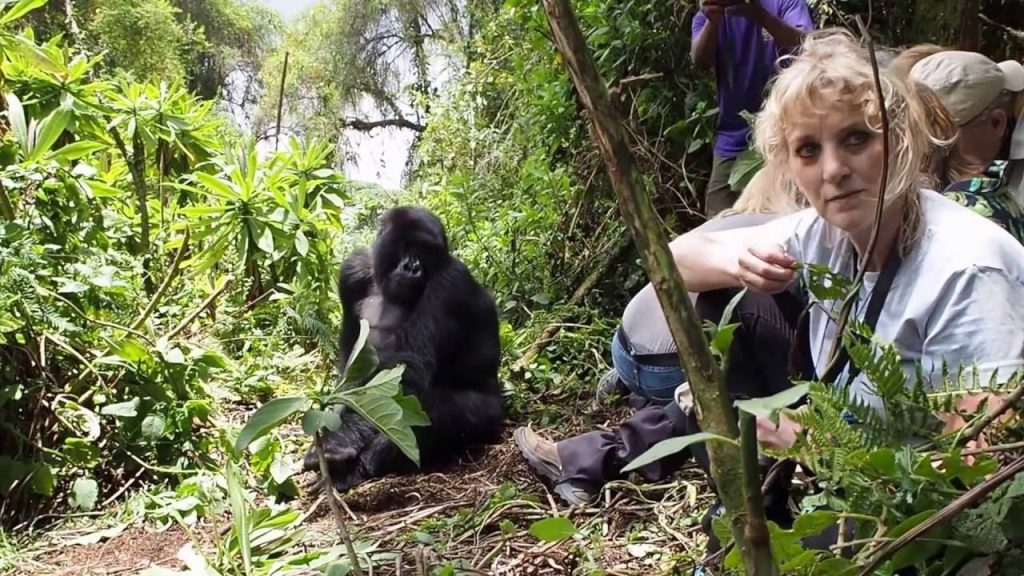
1. What should I include in my Gorilla Trekking Checklist?
A complete Gorilla Trekking Checklist should include waterproof hiking boots, suitable trekking clothing, rain protection, travel documents, drinking water, snacks, camera equipment, medication, and personal care items.
The most important items are those that protect you from rainforest conditions while ensuring comfort during several hours of hiking.
2. Do I need special clothes for gorilla trekking?
Yes. Gorilla trekking requires practical outdoor clothing such as long trousers, long-sleeved shirts, waterproof jackets, hiking boots, and protective accessories.
These items protect against rain, vegetation, insects, and changing temperatures.
3. What shoes should I pack for gorilla trekking?
Waterproof hiking boots with strong grip and ankle support are recommended.
They provide stability on muddy trails, steep slopes, and uneven rainforest terrain.
4. Should I carry a camera during gorilla trekking?
Yes. Cameras and smartphones are allowed during gorilla trekking, but flash photography is prohibited.
5. Do I need a rain jacket for gorilla trekking?
Yes. A waterproof rain jacket is one of the most important items in a Gorilla Trekking Checklist because rainfall can occur unexpectedly.
6. How much water should I carry for gorilla trekking?
Most travelers should carry enough water for several hours of hiking. Many visitors carry around two liters depending on trekking duration and weather conditions.
7. Should I hire a porter during gorilla trekking?
Yes. Porters provide valuable assistance by carrying backpacks and helping visitors navigate challenging sections of the trail.
8. Can I wear shorts during gorilla trekking?
Shorts are not recommended because long trousers provide better protection against vegetation, insects, and scratches.
9. What should I avoid packing for gorilla trekking?
Avoid heavy luggage, unnecessary electronics, expensive jewelry, strong perfumes, and items that make your backpack difficult to carry.
10. Why is a Gorilla Trekking Checklist important?
A Gorilla Trekking Checklist helps travelers prepare properly, avoid forgetting important items, and enjoy a safe, comfortable, and unforgettable mountain gorilla adventure.
Boots in The Jungle Safaris Helps You Prepare for Gorilla Trekking
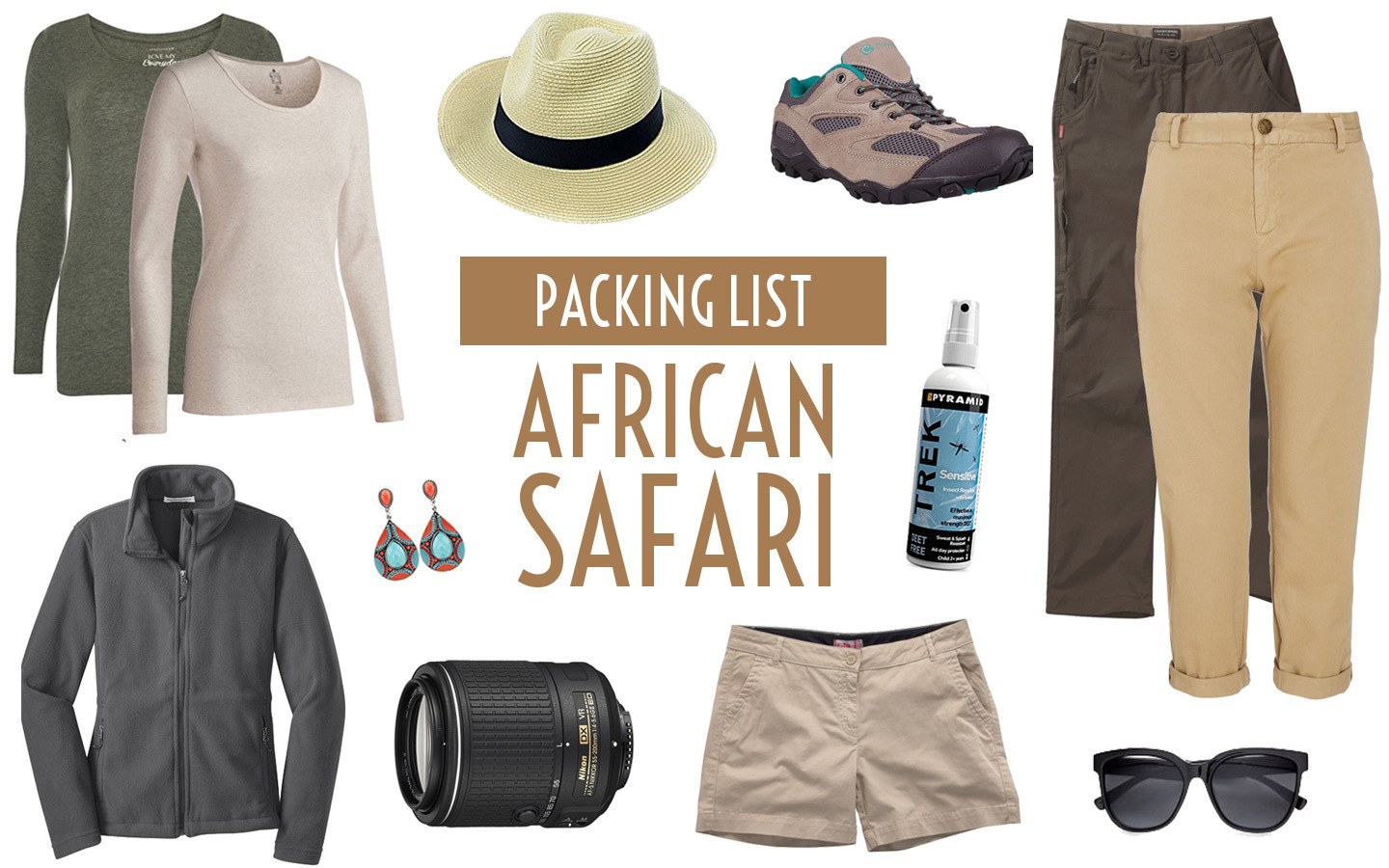
A complete Gorilla Trekking Checklist ensures that you arrive in Uganda or Rwanda prepared, comfortable, and confident for your mountain gorilla adventure. Proper preparation allows you to focus on the unforgettable experience of observing one of the world’s most endangered and fascinating wildlife species.
At Boots in The Jungle Safaris, we assist travelers with every stage of their gorilla trekking journey. Our services include gorilla permit arrangements, carefully selected accommodation, reliable transportation, professional guides, porter arrangements, and expert preparation advice.
We understand that every traveler has different needs, which is why we provide personalized recommendations based on your trekking destination, travel season, fitness level, and personal preferences.
Whether you are visiting Bwindi Impenetrable National Park, Mgahinga Gorilla National Park, or Volcanoes National Park, our local expertise ensures that you understand what to expect and how to prepare.
With the right equipment, proper planning, and a complete Gorilla Trekking Checklist, your rainforest adventure becomes safer, more comfortable, and more rewarding.
Boots in The Jungle Safaris is committed to helping travelers experience the magic of mountain gorilla trekking with confidence from the first planning stage until the final unforgettable moment in the forest.