
Ultimate Uganda Safari Cost Guide
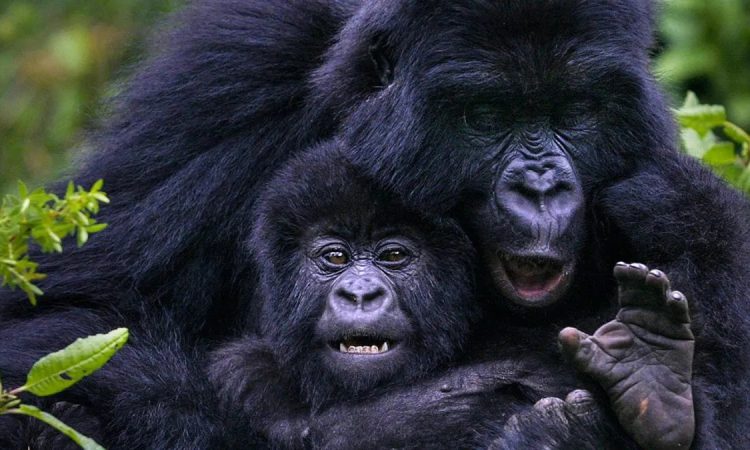
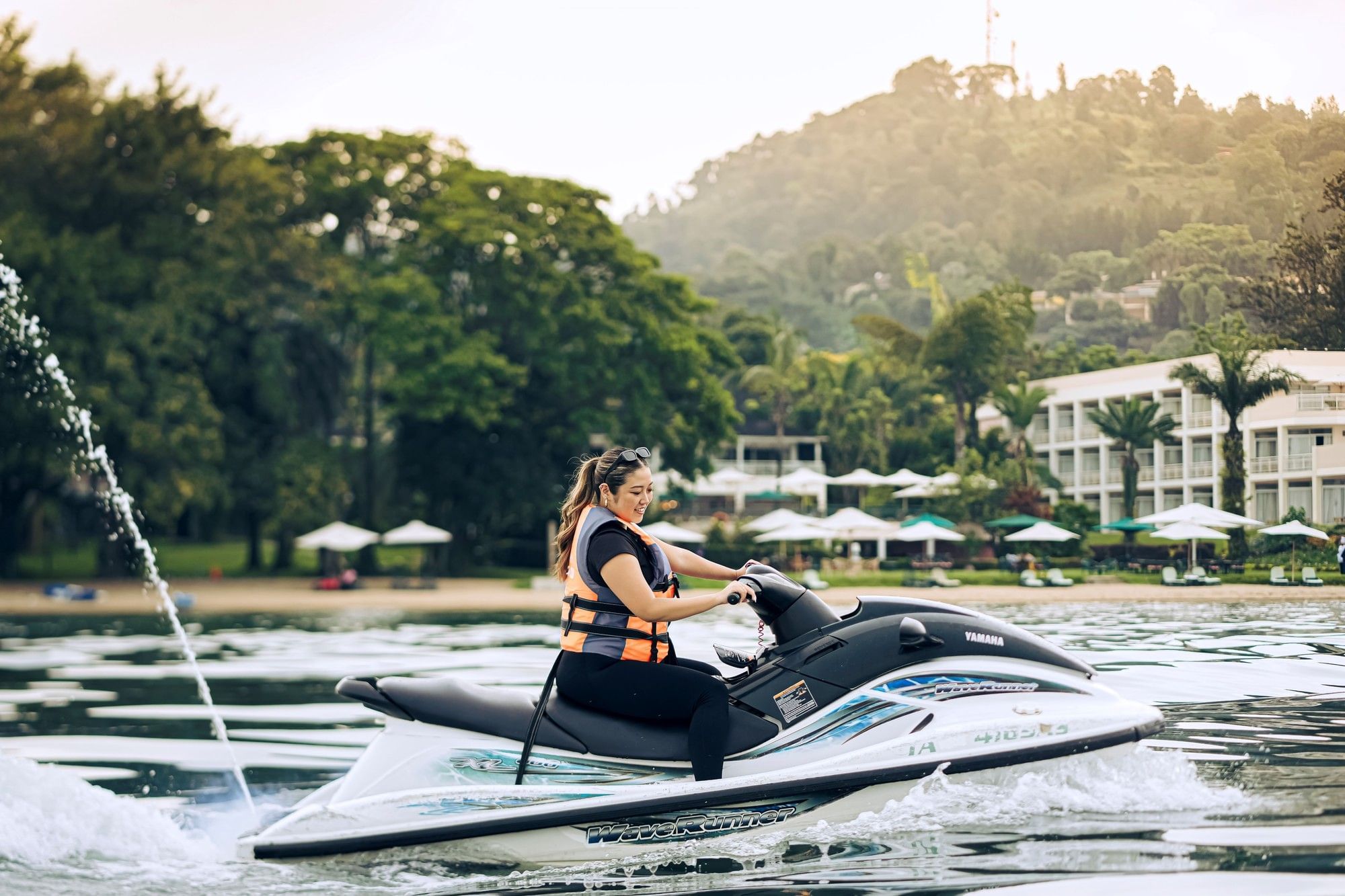
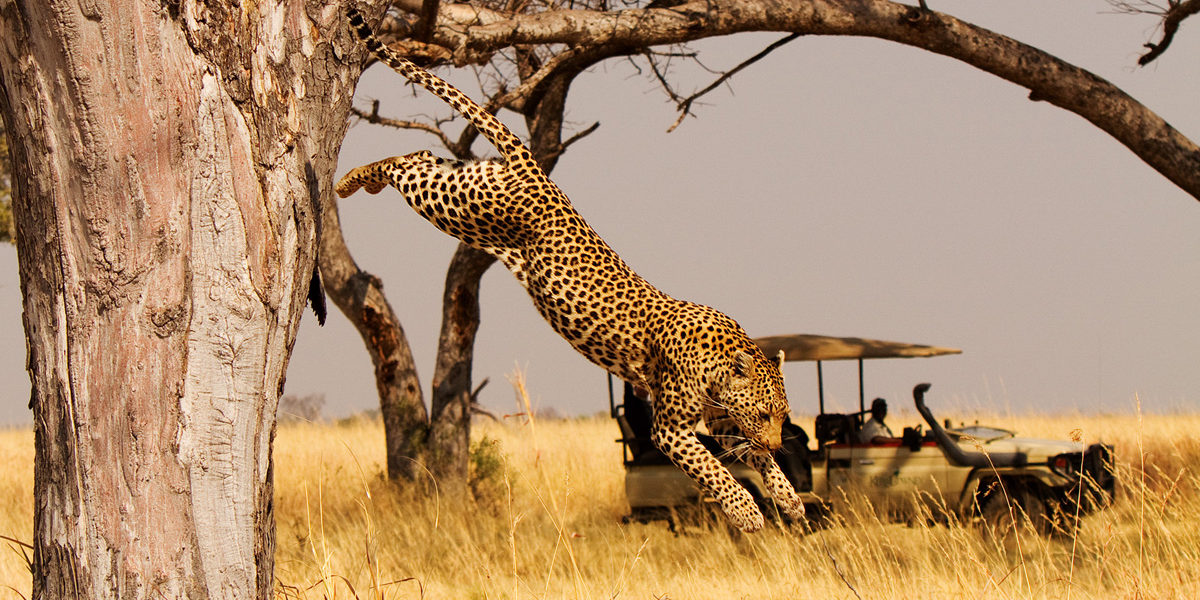
Planning the budget for an African safari is one of the most important steps before booking your trip, and this Uganda Safari Cost Guide is designed to help you understand every expense involved in visiting one of Africa’s most diverse safari destinations. Uganda offers exceptional value by combining unforgettable wildlife encounters, mountain gorilla trekking, chimpanzee tracking, classic game drives, boat cruises, birdwatching, cultural experiences, and breathtaking scenery within a single destination. Whether you are planning a short three-day gorilla safari or a two-week journey across Uganda’s national parks, understanding the complete safari budget helps you make informed decisions and avoid unexpected expenses.
One of the reasons Uganda continues to attract travelers from around the world is its remarkable diversity. Within one holiday, visitors can trek endangered mountain gorillas in Bwindi Impenetrable National Park, search for chimpanzees in Kibale Forest National Park, enjoy game drives among elephants and lions in Queen Elizabeth National Park, cruise beneath the spectacular Murchison Falls, relax at Lake Bunyonyi, and experience authentic cultural encounters with local communities. This variety makes Uganda one of Africa’s best-value safari destinations and an excellent choice for travelers seeking multiple wildlife experiences without crossing several international borders.
The total cost of a Uganda safari depends on several factors rather than a single fixed price. The number of travel days, accommodation category, transportation method, gorilla permits, national parks visited, travel season, group size, and additional activities all influence the final budget. Two travelers visiting Uganda during the same month may spend very different amounts depending on whether they choose a budget camping safari, a comfortable midrange itinerary, or a luxury fly-in experience.
This Uganda Safari Cost Guide explains every major expense involved in planning your safari, including gorilla permits, park entrance fees, accommodation, safari vehicles, domestic flights, meals, guide services, optional activities, visas, travel insurance, and additional personal expenses. It also compares budget, midrange, and luxury safari options while providing realistic planning estimates for different safari durations.
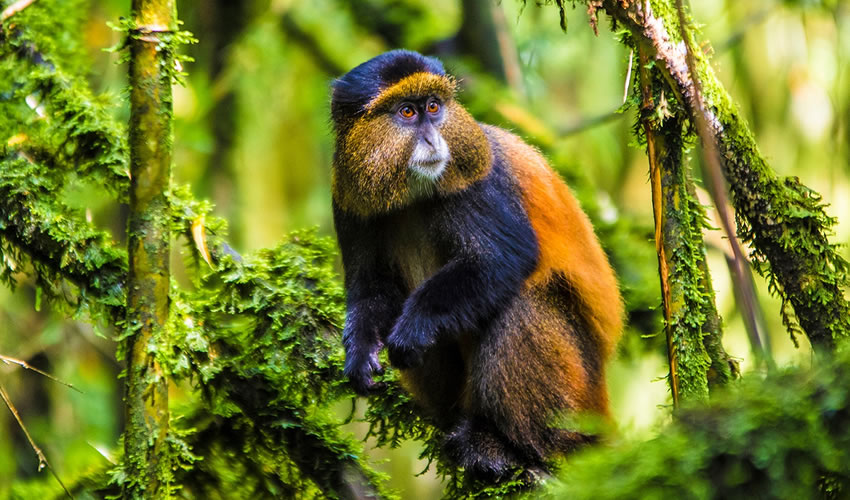
Unlike many destinations where wildlife experiences are limited tos game drives, Uganda allows visitors to enjoy activities that are unavailable almost anywhere else in the world. Gorilla trekking, gorilla habituation, chimpanzee tracking, golden monkey trekking, rhino tracking, mountain hiking, canoe excursions, community visits, and birdwatching all contribute to the overall safari experience. Understanding how these activities affect your budget is an important part of planning the perfect holiday.
Another advantage explained throughout this Uganda Safari Cost Guide is flexibility. Uganda welcomes backpackers, solo travelers, families, honeymooners, photographers, retirees, adventure travelers, and luxury guests. Safaris can begin in Entebbe, Kampala, or Kigali and can be customized according to available time, budget, and personal interests. Travelers can choose scenic road safaris through the countryside or convenient domestic flights that reduce driving time while increasing comfort.
Accommodation also plays a significant role in safari pricing. Uganda offers everything from affordable guesthouses and comfortable safari lodges to some of East Africa’s finest luxury camps overlooking forests, rivers, and savannah landscapes. Choosing accommodation near the correct national park or gorilla trekking sector not only improves convenience but also helps maximize the value of your safari investment.
At Boots in the Jungle Safaris, we believe every traveler deserves transparent pricing and professional advice before making a booking. Every quotation we prepare clearly explains what is included and excluded, allowing guests to compare different safari options with confidence. Whether you are planning an affordable wildlife holiday, a private family safari, or an exclusive luxury adventure, our experienced safari consultants tailor every itinerary according to your preferred travel style and budget.
Throughout this Uganda Safari Cost Guide, you will discover realistic safari price ranges, practical budgeting advice, seasonal travel considerations, money-saving strategies, and expert planning tips that will help you enjoy an unforgettable Uganda safari while receiving excellent value for your investment.
What Determines Uganda Safari Cost?
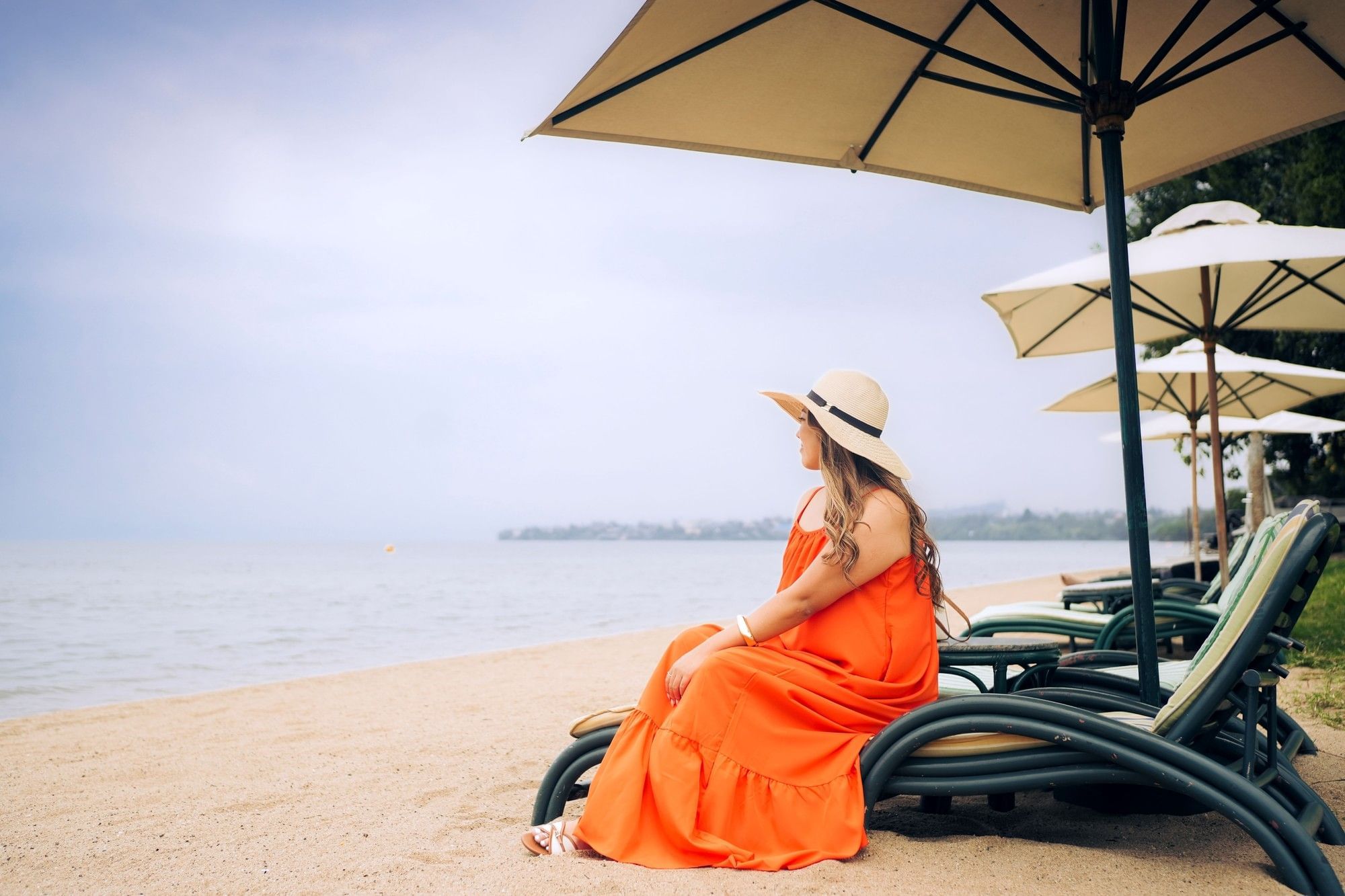
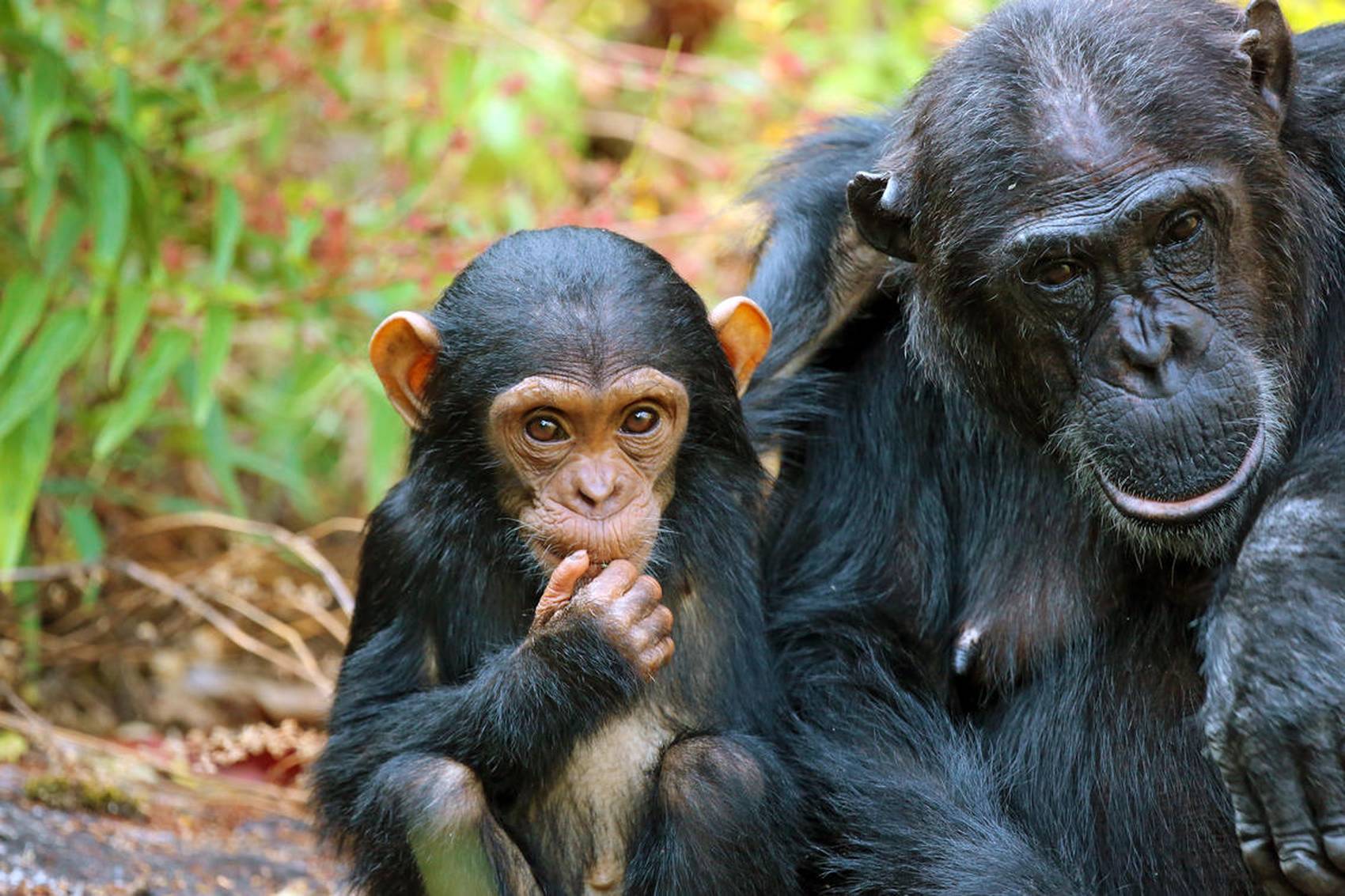
The total price of a safari is shaped by several connected services rather than one fixed charge. This Uganda Safari Cost Guide helps travelers understand how itinerary length, national parks, permits, accommodation, transport, group size, and travel style influence the final quotation.
A carefully prepared safari price should cover the complete journey from arrival to departure. Before comparing quotations, travelers should check whether each offer includes accommodation, meals, park entrance fees, permits, activities, transportation, fuel, professional guiding, airport transfers, and applicable taxes. A low headline price may not offer better value when important services have been excluded.
Safari Duration
Safari duration is one of the biggest factors affecting the final cost. Every additional day usually adds accommodation, meals, vehicle hire, fuel, guiding, and activity expenses. A short two-day or three-day safari is therefore normally less expensive than a ten-day or fourteen-day journey.
However, a longer safari can sometimes provide better value per day. Fixed expenses such as airport transfers and long-distance transportation are divided across more travel days. A seven-day itinerary also allows travelers to visit several destinations without rushing between parks.
A short safari suits visitors with limited time or those concentrating on one major experience, such as gorilla trekking or Murchison Falls. Longer safaris are better for travelers who want to combine primates, savannah wildlife, cultural experiences, boat cruises, birdwatching, and relaxation.
National Parks Visited
The number and location of national parks directly influence the overall price. Visiting several parks means paying additional entrance fees, completing longer road transfers, using more fuel, and booking more lodge nights.
A safari combining Lake Mburo, Queen Elizabeth, Kibale, and Bwindi usually costs more than a journey focused on one destination. Kidepo Valley National Park can also increase transportation costs because of its remote location in northeastern Uganda.
The route should be planned logically. A well-designed circuit reduces unnecessary backtracking and allows travelers to spend more time enjoying activities instead of remaining on the road. Boots in the Jungle Safaris can arrange western, southwestern, northern, or complete Uganda circuits according to the available time and budget.
Gorilla Permits
Gorilla permits form the largest single expense in most Uganda gorilla safari packages. As of July 2026, the standard Uganda gorilla tracking permit costs USD 800 for a foreign non-resident, USD 700 for a qualifying foreign resident, USD 500 for a citizen from the rest of Africa, and UGX 300,000 for an East African citizen.
Uganda Wildlife Authority also introduced discounted low-season permits for April, May, and November. During these months, the announced rate is USD 600 for foreign non-residents and USD 500 for foreign residents. The discounted permits cannot be rescheduled, so travelers should confirm their dates carefully before payment. The standard foreign non-resident permit remains USD 800 from January 2027, while the gorilla habituation permit increases to USD 1,800 for foreign non-residents.
The gorilla permit includes the ranger-guided trekking activity, park entrance for the day, and a community development contribution. It does not include transportation, accommodation, meals, porter services, travel insurance, or personal expenses.
Because permits are date-specific and limited, availability should be checked before confirming international flights or making non-refundable lodge payments.
Accommodation
Accommodation can create a major difference between budget, midrange, luxury, and ultra-luxury packages. Uganda offers simple guesthouses, permanent tented camps, comfortable safari lodges, boutique forest retreats, and exclusive luxury properties.
A budget lodge may provide a clean private room, essential meals, and a convenient location. A midrange lodge normally offers more spacious rooms, en-suite bathrooms, attractive views, stronger service, and better facilities. Luxury lodges may include premium dining, private cottages, swimming pools, spa treatments, fireplaces, laundry, and highly personalized hospitality.
The lodge location also matters. Accommodation close to a park entrance or gorilla trekking headquarters may cost more, but it can reduce transfer times and improve the overall safari experience.
Transportation
Transportation costs depend on the route, safari duration, vehicle type, fuel requirements, and number of passengers. A private safari vehicle is usually priced per vehicle rather than per person, which means couples and small groups can share the expense.
A standard safari van generally costs less than a four-wheel-drive Land Cruiser. However, a Land Cruiser provides stronger performance, greater comfort, better luggage space, and improved access on remote or rough roads.
Long routes such as Entebbe to Bwindi, Entebbe to Kidepo, or a complete Uganda circuit require more fuel and vehicle time. A shorter safari beginning in Kigali may reduce road transportation costs when visiting Mgahinga or southern Bwindi.
Domestic Flights
Domestic flights increase the price but reduce long road journeys. Scheduled flights can connect Entebbe with airstrips serving Murchison Falls, Queen Elizabeth, Kidepo, Bwindi, and Mgahinga.
A fly-in itinerary is particularly valuable for travelers with limited time, honeymooners, older guests, luxury travelers, and visitors who prefer to avoid full-day road transfers.
The quotation must include more than the flight ticket. Travelers should also consider luggage restrictions, airport taxes, airstrip transfers, private vehicles at the destination, and possible overnight accommodation required by the flight schedule.
Travel Season
Travel season affects accommodation availability, lodge promotions, flight prices, and permit demand. June to September and December to February are popular periods because they often provide favorable conditions for wildlife viewing and trekking.
April, May, and November are generally quieter. Some lodges may offer lower rates during these months, and Uganda Wildlife Authority has introduced discounted gorilla and chimpanzee permit rates for selected visitor categories during these low-season periods.
Low-season travel can deliver excellent value, but visitors should prepare for occasional rainfall and potentially muddy forest trails.
Group Size
Group size has a major effect on the price per person. A solo traveler pays the full cost of the safari vehicle, fuel, and driver-guide. A couple shares these expenses, while a family or small group can divide them among more participants.
Permit charges and many park activity fees remain individual expenses. Every traveler joining gorilla trekking, chimpanzee tracking, a boat cruise, or another paid activity must have the correct permit or ticket.
A larger group may require a bigger vehicle or multiple vehicles. The safari should therefore be priced according to passenger comfort rather than placing too many travelers in one vehicle.
Private Versus Group Safari
A private safari provides a dedicated vehicle, personal driver-guide, flexible departure times, and greater freedom to adjust the daily program. It is ideal for couples, families, photographers, honeymooners, older travelers, and guests with specific interests.
A group safari generally costs less because vehicle and guide expenses are shared. However, the itinerary follows a fixed schedule, and travelers may have less control over stops, meal times, wildlife viewing, and accommodation.
The right choice depends on whether the traveler prioritizes affordability, flexibility, privacy, or social interaction.
Uganda Safari Permit and Park Fees
Permits and conservation fees are essential components of this Uganda Safari Cost Guide. The official charges support protected-area management, ranger operations, habitat conservation, wildlife monitoring, and community projects.
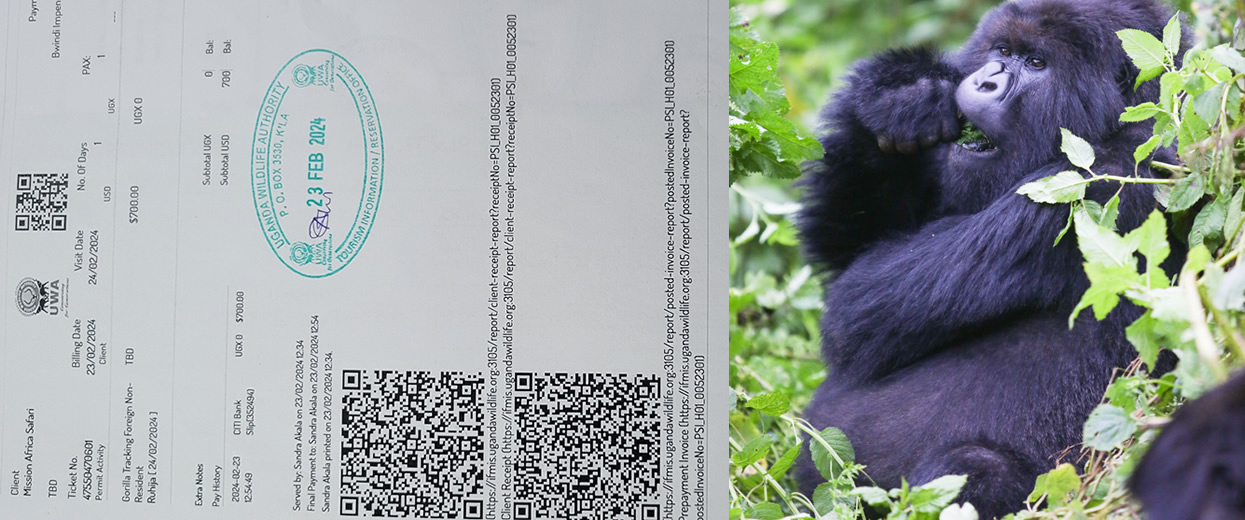
Fees can change, so every quotation should be based on the traveler’s actual dates and visitor category.
Gorilla Permits
A standard Uganda gorilla tracking permit currently costs USD 800 for foreign non-residents. The experience is available in Bwindi Impenetrable National Park and Mgahinga Gorilla National Park.
A gorilla habituation permit provides an extended encounter with a gorilla family undergoing habituation. The foreign non-resident rate is USD 1,500 through 2026 and rises to USD 1,800 from 1 January 2027.
The permit price should be shown clearly in the safari quotation. Travelers should avoid packages that advertise an extremely low price without confirming whether the gorilla permit is included.
Chimpanzee Permits
Kibale National Park is Uganda’s leading chimpanzee tracking destination. The current foreign non-resident chimpanzee tracking permit is USD 250, while chimpanzee habituation costs USD 300. The Kibale tracking rate rises to USD 300 and habituation to USD 400 for foreign non-residents from January 2027.
Kyambura Gorge in Queen Elizabeth National Park currently costs USD 100 for foreign non-residents, rising to USD 200 from January 2027. Kibale chimpanzee fees include the associated park entrance component, while Kyambura tracking excludes the Queen Elizabeth National Park entrance fee.
Budongo Forest chimpanzee experiences are managed separately from the main UWA Kibale tariff, so the current rate should be confirmed when preparing the itinerary.
National Park Entrance Fees
Park entrance fees are generally charged per person for each 24-hour period. Under the tariff available in July 2026, Murchison Falls National Park charges USD 45 per foreign non-resident adult. Queen Elizabeth, Kidepo Valley, Kibale, Lake Mburo, Bwindi, and Mgahinga are listed at USD 40, while Semuliki is listed at USD 35.
Vehicle entrance fees may also apply, depending on whether the vehicle is registered in Uganda or abroad. A professional safari quotation should include both passenger and vehicle costs where applicable.
Rhino Tracking
Rhino tracking is commonly included on the journey to or from Murchison Falls. The activity allows travelers to explore the sanctuary on foot with trained guides while learning about Uganda’s rhino conservation efforts.
The cost must be confirmed for the planned travel date because the location, management arrangements, and applicable tariff can change. The January 2027 UWA tariff lists rhino tracking in Ajai at USD 20 for a foreign non-resident adult, but this should not be confused with current sanctuary arrangements elsewhere.
Boat Cruises
Boat cruises are among the best-value experiences on a Uganda safari. Popular options include the Nile cruise in Murchison Falls, the Kazinga Channel cruise in Queen Elizabeth, and boat activities in Lake Mburo.
The 2024–2026 UWA tariff lists standard launch-cruise fees of USD 30 for a foreign non-resident in Murchison Falls, Queen Elizabeth, and Lake Mburo. Private boats and lodge-operated cruises may cost more.
The final price may depend on boat type, departure time, private or shared arrangement, and whether park entrance is already included.
Conservation Contributions
Safari fees support more than visitor access. Uganda Wildlife Authority shares part of protected-area revenue with communities neighboring national parks, and a specific contribution from each gorilla permit supports communities around Bwindi and Mgahinga. UWA reported disbursing UGX 2.19 billion to Bwindi–Mgahinga communities in June 2025 from park-entry income and the gorilla permit levy. (Uganda Wildlife Authority)
This means that part of the money paid for permits and park access contributes to conservation, livelihoods, schools, health services, infrastructure, and projects intended to reduce human-wildlife conflict.
Uganda Safari Accommodation Cost
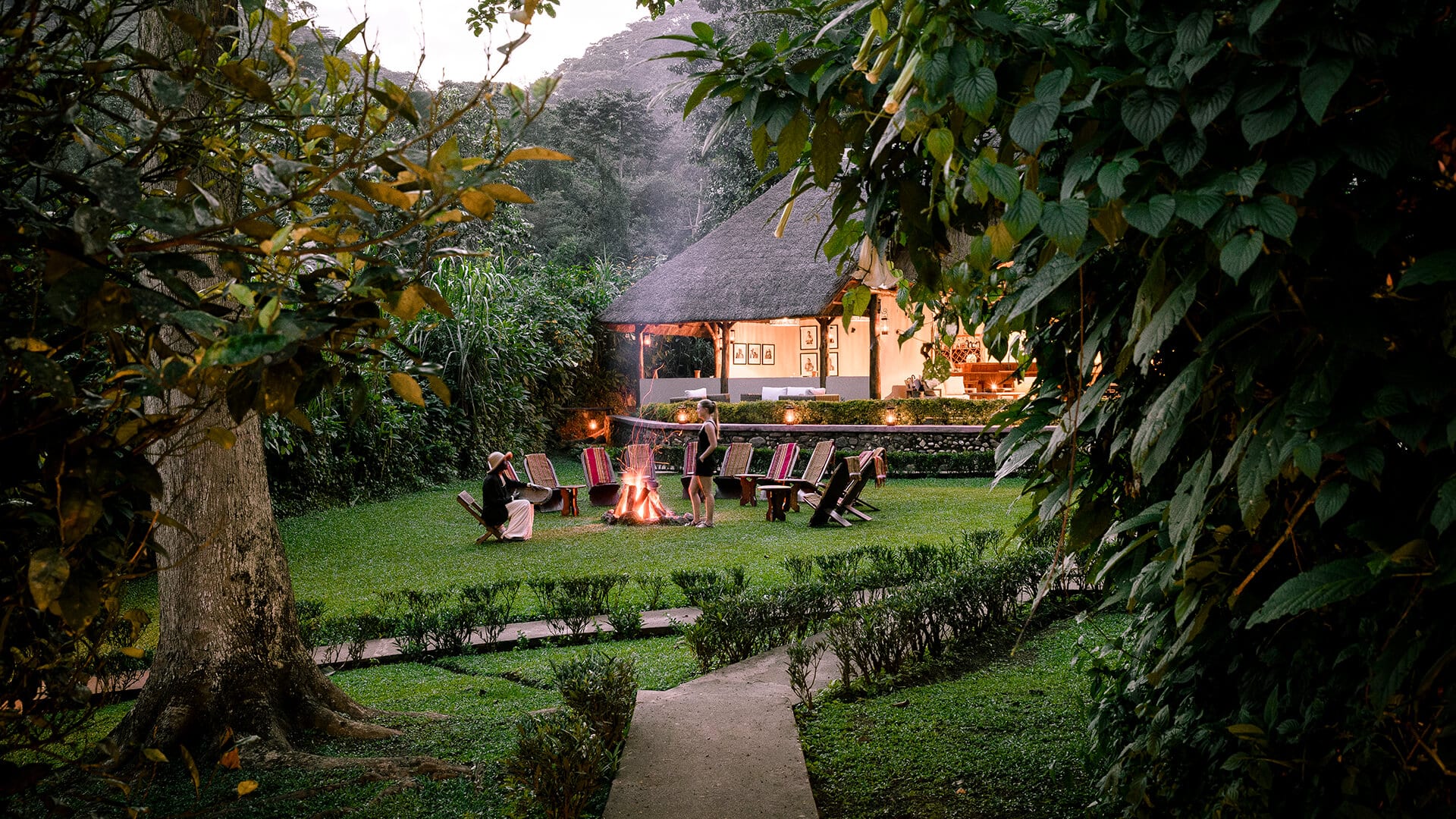
Accommodation is one of the most flexible parts of the Uganda Safari Cost Guide. The final rate depends on destination, season, meal plan, room type, lodge location, and service level.
Budget Accommodation
Budget safari accommodation may range from approximately USD 40 to USD 150 per person per night. It suits backpackers, students, solo adventurers, volunteers, younger travelers, and visitors who prefer to spend more of their budget on permits and activities.
Budget lodges generally provide clean rooms, private or shared bathrooms, mosquito nets where required, essential meals, and practical service. Some offer excellent views and warm hospitality despite having fewer luxury facilities.
Travelers should confirm whether the rate includes breakfast, half board, or full board. A low room rate may become less attractive when meals and transfers must be paid separately.
Midrange Accommodation
Midrange lodges may cost approximately USD 150 to USD 450 per person per night. This category offers one of the best balances between comfort and value.
Guests can normally expect private en-suite rooms, quality meals, attractive communal areas, reliable service, better lodge locations, and pleasant views. Some midrange properties also provide swimming pools, fireplaces, gardens, and organized cultural activities.
Midrange accommodation is suitable for couples, families, mature travelers, first-time safari visitors, and guests who want comfort without paying ultra-luxury rates.
Luxury Accommodation
Luxury lodges may cost approximately USD 450 to USD 1,200 per person per night, although prices can rise considerably in exclusive gorilla and remote wilderness destinations.
These properties may include large suites, private verandas, premium meals, complimentary laundry, swimming pools, spa treatments, private dining, superior guiding, and personalized guest service.
Luxury lodges are often positioned in exceptional locations overlooking forests, rivers, crater lakes, or wildlife areas. The higher cost reflects both the room and the complete hospitality experience.
Ultra-Luxury Accommodation
Ultra-luxury properties may charge USD 1,200 to more than USD 3,000 per person per night. Rates can be higher for premium villas, private houses, exclusive-use camps, festive periods, and fully inclusive arrangements.
This category suits travelers seeking privacy, outstanding design, private butler service, fine dining, spa treatments, premium beverages, private guides, charter flights, and highly personalized experiences.
Guests should carefully review what the rate includes because some ultra-luxury lodges bundle activities, transfers, laundry, drinks, and special experiences into one price.
Best-Value Lodges
The best-value lodge is not always the cheapest. It is a property that delivers the right combination of comfort, location, meals, service, and access to planned activities.
A slightly more expensive lodge beside a park entrance may save hours of daily driving. A full-board lodge may also offer better value than a cheaper room that excludes meals.
Boots in the Jungle Safaris selects lodges according to the route, trekking sector, budget, guest profile, and quality of recent service rather than price alone.
Uganda Safari Transportation Cost
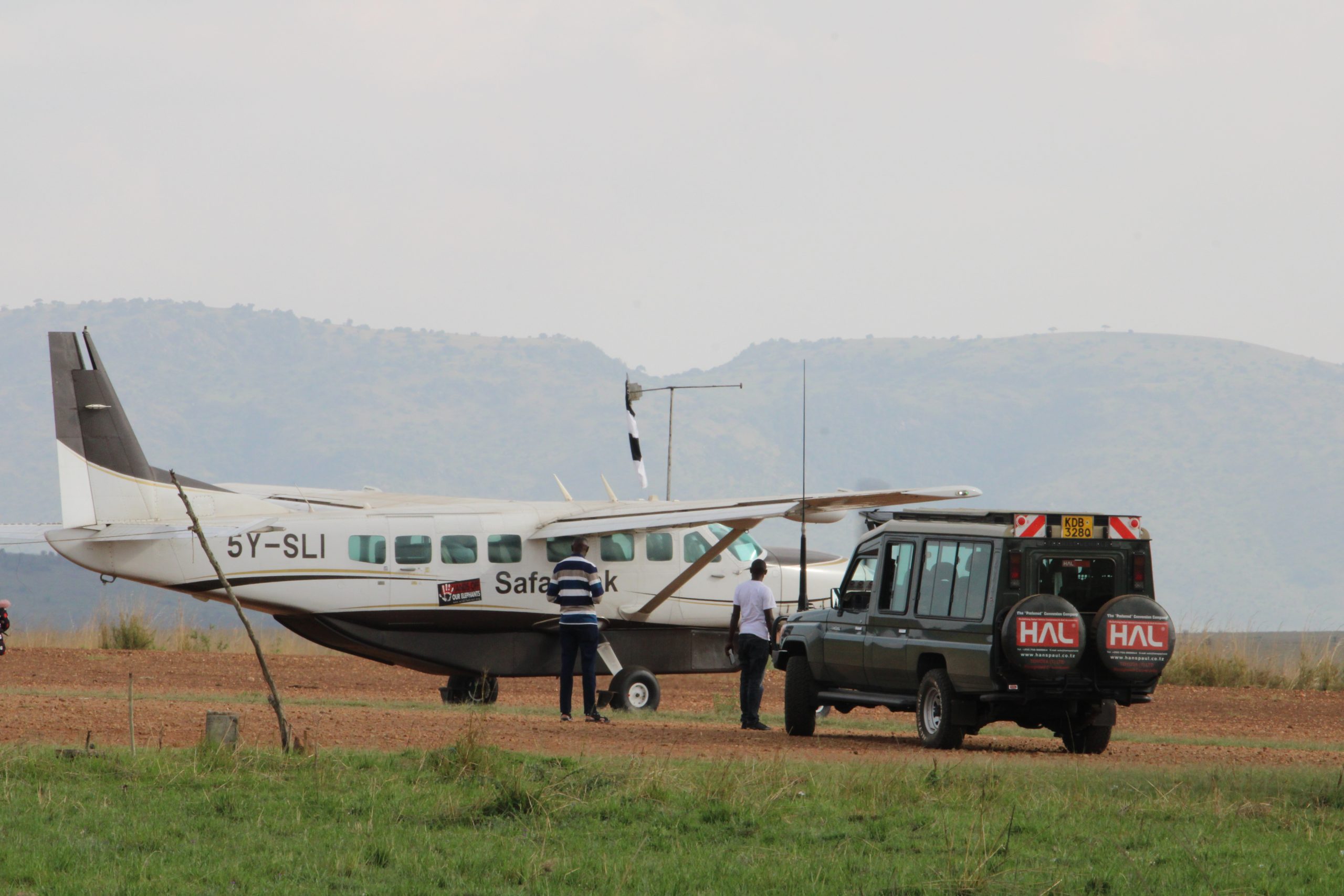
Transportation is a major part of almost every Uganda safari because national parks are spread across different regions.
Private Land Cruiser
A customized four-wheel-drive Land Cruiser is the preferred vehicle for premium road safaris. It offers stronger suspension, good ground clearance, comfortable seating, charging facilities, luggage space, and a pop-up roof for wildlife viewing.
A private Land Cruiser may cost approximately USD 220 to USD 400 per day depending on the model, route, fuel requirements, safari duration, and services included.
The quotation should confirm whether the price includes fuel, the driver-guide, vehicle park fees, airport transfers, and emergency support.
Safari Van
A safari van is usually more affordable than a Land Cruiser and works well for many standard routes. It can provide a pop-up roof, comfortable seating, and good wildlife viewing.
A van may cost approximately USD 140 to USD 250 per day depending on fuel, route, group size, and season. It is most suitable for budget and midrange travelers using established roads.
Domestic Flights
A one-way scheduled domestic flight may cost approximately USD 250 to USD 500 per traveler. The exact amount depends on route, season, luggage allowance, availability, and booking conditions.
Travelers must also budget for transfers from the destination airstrip to their lodge. These transfers may be included in the lodge rate or charged separately.
Fly-In Safaris
A fly-in safari combines scheduled or charter flights with vehicles based at the destination. It reduces travel time and allows guests to visit several distant regions within a shorter holiday.
Fly-in safaris cost more because the package includes air tickets, airstrip transfers, vehicles at each destination, and premium accommodation. They are ideal for luxury travelers, honeymooners, older guests, and visitors who prioritize convenience.
Fuel
Fuel is usually included in an organized safari quotation. Its cost depends on total distance, road conditions, vehicle type, and itinerary.
Travelers comparing packages should confirm that the quoted transportation price includes enough fuel for all scheduled transfers and game drives. A vehicle-only rate excluding fuel can make a quotation appear cheaper than it really is.
Driver-Guide
The professional driver-guide is central to the safari experience. The guide manages road transfers, wildlife interpretation, daily timing, accommodation coordination, park procedures, and unexpected changes.
Driver-guide costs are normally included in a complete package. A responsible tour operator also covers the guide’s accommodation, meals, and park-related expenses rather than asking travelers to pay them during the trip.
Frequently Asked Questions About Uganda Safari Cost Guide
1. How much does a Uganda safari cost?
According to this Uganda Safari Cost Guide, a Uganda safari may cost from approximately USD 250 per person per day for budget travel to more than USD 2,000 per person per day for an ultra-luxury fly-in itinerary. The final amount depends on safari duration, accommodation, permits, transportation, travel season, group size, and the activities included.
2. What is included in a Uganda safari price?
A complete package may include accommodation, meals, transportation, fuel, professional driver-guide services, airport transfers, park entrance fees, permits, scheduled activities, and drinking water. International flights, visas, travel insurance, gratuities, premium drinks, and personal expenses are normally excluded. This Uganda Safari Cost Guide recommends checking the inclusions carefully before confirming a booking.
3. What is the cheapest Uganda safari?
Short trips to Lake Mburo National Park, Jinja, or wildlife destinations near Entebbe and Kampala are generally the most affordable. Gorilla and chimpanzee safaris usually cost more because of permit fees. Choosing budget accommodation, road transportation, and a shared vehicle can further reduce the total cost.
4. How much is a three-day Uganda safari?
A three-day wildlife safari may cost approximately USD 750 to USD 1,400 at budget level, USD 1,300 to USD 2,300 at midrange level, and USD 2,500 or more for luxury travel. The final price depends on the national park, accommodation, transport, group size, and activities selected.
5. How much is a seven-day Uganda safari?
A seven-day safari may range from approximately USD 2,200 to USD 3,800 for budget travel, USD 3,600 to USD 6,000 for midrange travel, and USD 6,500 or more for luxury travel. This Uganda Safari Cost Guide uses these figures as general planning estimates rather than fixed quotations.
6. How much does a Uganda gorilla safari cost?
A short Uganda gorilla safari may cost between approximately USD 1,300 and more than USD 5,000 per person. The final amount depends on safari duration, starting point, lodge category, transportation method, group size, and whether the package includes one or more gorilla permits.
7. How much is a Uganda gorilla permit?
The standard foreign non-resident gorilla permit costs USD 800. Discounted permits may be available at USD 600 during April, May, and November under the announced low-season arrangement. Permit rates can change, so travelers should request an updated quotation before booking.
8. Is the gorilla permit included in Uganda safari packages?
It depends on the tour operator and the advertised package. Boots in the Jungle Safaris clearly states whether the gorilla permit is included. Travelers should never assume that a very low package price covers the permit, especially when comparing offers through a Uganda Safari Cost Guide.
9. How much is chimpanzee tracking in Uganda?
The Kibale chimpanzee tracking permit costs USD 250 for a foreign non-resident in 2026 and is expected to rise to USD 300 from January 2027. Additional costs may include accommodation, transport, meals, park access, and guide services.
10. Is Uganda expensive for tourists?
Uganda can accommodate a wide range of travel budgets. Visitors can choose budget guesthouses, comfortable midrange lodges, luxury camps, private road safaris, group departures, domestic flights, or fly-in packages. This flexibility is one of the main reasons the country offers strong safari value.
11. Is Uganda cheaper than Rwanda for gorilla trekking?
Yes. Uganda’s standard foreign non-resident gorilla permit costs USD 800, while Rwanda’s standard gorilla permit costs USD 1,500. Uganda may therefore offer better value for travelers focused on permit price, although transport, accommodation, and itinerary design must also be considered.
12. Is Uganda cheaper than Kenya or Tanzania?
Uganda can be more affordable for private road safaris, especially outside peak travel periods. The comparison depends on the national parks visited, accommodation category, travel season, permits, flights, and activities. This Uganda Safari Cost Guide recommends comparing complete packages rather than permit or lodge prices alone.
13. How much does budget accommodation cost in Uganda?
Budget safari accommodation may cost approximately USD 40 to USD 150 per person per night. The final rate depends on the destination, room type, meal plan, season, and distance from the national park or activity starting point.
14. How much does midrange accommodation cost in Uganda?
Midrange accommodation may range from approximately USD 150 to USD 450 per person per night. These lodges generally provide private en-suite rooms, good meals, attractive locations, and a higher level of comfort than budget properties.
15. How much do luxury safari lodges cost in Uganda?
Luxury lodges may range from USD 450 to more than USD 1,200 per person per night. Ultra-luxury properties can exceed USD 3,000 per person per night, particularly when private villas, premium dining, spa treatments, drinks, laundry, and exclusive services are included.
16. How much does a safari vehicle cost in Uganda?
A safari van may cost roughly USD 140 to USD 250 per day, while a customized Land Cruiser may cost approximately USD 220 to USD 400 per day. The price depends on the route, fuel, vehicle model, safari duration, and whether driver-guide services are included.
17. Are fuel costs included in a Uganda safari package?
Fuel is normally included in a complete organized safari quotation. However, travelers should confirm this before booking because some vehicle-only rates exclude fuel and can make the initial package appear cheaper than the final cost.
18. Are park entrance fees included in Uganda safari packages?
Most complete safari packages include national park entrance fees. The quotation should clearly state whether both visitor and vehicle entrance charges are covered. This Uganda Safari Cost Guide recommends asking for a detailed list of all included park fees.
19. Do children pay full Uganda safari prices?
Children may receive reduced national park entrance fees, activity rates, or lodge prices. However, discounts vary according to age, accommodation policy, room arrangement, and selected activity. Some permits and premium lodge services may still be charged at full price.
20. Can children trek gorillas in Uganda?
The minimum age for gorilla trekking in Uganda is 15 years. Families traveling with younger children should arrange alternative activities or childcare while eligible adults complete the trek.
21. Can children track chimpanzees in Uganda?
Chimpanzee tracking generally has a minimum age of 12 under current Uganda Wildlife Authority guidelines. Age limits should always be confirmed before paying for permits.
22. Is a private Uganda safari more expensive?
A private safari normally costs more than a group departure, especially for a solo traveler. However, couples, families, and small groups can divide vehicle, fuel, and guide costs. Private safaris also provide greater flexibility, privacy, and control over the itinerary.
23. How can solo travelers reduce Uganda safari costs?
Solo travelers can reduce expenses by joining scheduled departures, sharing selected transfers, choosing budget or midrange lodges, traveling during quieter months, and visiting fewer destinations. A well-planned itinerary based on this Uganda Safari Cost Guide can help avoid unnecessary transport and accommodation costs.
24. Is it cheaper to begin a Uganda safari in Kigali?
It can be cheaper for short gorilla trips to Mgahinga or southern Bwindi because the road journey is shorter than from Entebbe. Travelers must still budget for visas, border procedures, Rwanda accommodation, and international flight arrangements.
25. Is it cheaper to begin a Uganda safari in Entebbe?
Entebbe works particularly well for longer Uganda circuits. It may offer better route value when combining several national parks such as Lake Mburo, Queen Elizabeth, Kibale, Murchison Falls, and Bwindi.
26. How much does a domestic safari flight cost in Uganda?
A one-way scheduled domestic flight may cost approximately USD 250 to USD 500 per traveler. Some airstrip transfers, luggage supplements, and private vehicle services may be charged separately.
27. Are tips included in the Uganda Safari Cost Guide?
Tips are normally excluded from safari quotations and remain discretionary. Travelers may choose to tip driver-guides, lodge staff, porters, rangers, trackers, boat crews, and community guides when they receive good service.
28. How much should I budget for tips on a Uganda safari?
The amount depends on safari length, service quality, group size, and personal preference. Travelers should include a reasonable gratuity allowance in their budget rather than treating tips as compulsory fixed charges.
29. Is travel insurance included in Uganda safari prices?
Travel insurance is normally excluded. Visitors should purchase a policy covering medical emergencies, evacuation, trip cancellation, lost luggage, delayed flights, and planned activities such as gorilla trekking or hiking.
30. Are international flights included in Uganda safari packages?
International flights are generally excluded unless the package specifically states otherwise. The Uganda Safari Cost Guide mainly focuses on expenses incurred after arrival in Uganda or at the agreed regional starting point.
31. Which months offer the best Uganda safari value?
April, May, and November can offer strong value because demand is generally lower, some lodges provide seasonal promotions, and discounted primate permits may apply. Travelers should balance potential savings with the possibility of rainfall.
32. Do Uganda safari prices increase during Christmas?
Many lodges apply festive-season supplements during Christmas and New Year. Domestic flights, premium rooms, and popular safari vehicles may also become more expensive or sell out. Early booking is strongly recommended.
33. Can I pay for a Uganda safari in installments?
Many tour operators accept a deposit followed by scheduled balance payments. However, gorilla and chimpanzee permit payments may be required immediately because permits are date-specific and subject to availability.
34. Are Uganda safari deposits refundable?
Refund conditions depend on the tour operator, accommodation provider, permit rules, travel date, and cancellation period. Gorilla and chimpanzee permits often have strict cancellation, refund, and rescheduling conditions.
35. Can Boots in the Jungle Safaris customize my safari budget?
Yes. Boots in the Jungle Safaris can adjust the itinerary by changing safari duration, accommodation category, vehicle type, transportation method, national parks, activities, or starting point. This allows the final package to reflect your priorities and available budget.
36. What currency is used for Uganda safari prices?
International safari packages are commonly quoted in US dollars. Some local expenses, tips, market purchases, and personal services may be paid in Uganda shillings.
37. Are credit-card and transfer fees included?
Bank fees, wire-transfer charges, and card-processing fees may be excluded from the package price. Travelers should confirm the accepted payment method and any associated charges before sending money.
38. How early should I book a Uganda safari?
Travelers should book several months in advance, especially when the itinerary includes gorilla permits, chimpanzee permits, premium lodges, domestic flights, or peak-season travel. Early planning also provides more flexibility when comparing options in this Uganda Safari Cost Guide.
39. What can cause the final Uganda safari quotation to change?
The final quotation may change because of different travel dates, group size, permit availability, lodge selection, transport method, fuel requirements, activities, domestic flights, seasonal supplements, or supplier rate adjustments.
40. How do I receive an accurate Uganda safari price?
Provide your preferred travel dates, number of travelers, arrival airport, safari duration, accommodation category, transport preference, and priority activities. Boots in the Jungle Safaris can then check current availability and prepare a detailed quotation based on your needs.
The estimates provided in this Uganda Safari Cost Guide are intended for initial planning. Every safari should be priced individually because accommodation availability, permits, route, travel season, and group size can significantly affect the final amount.
Book Your Uganda Safari Today
Your ideal Uganda safari should reflect your interests, travel pace, comfort expectations, and available budget. Boots in the Jungle Safaris will help you compare budget, midrange, luxury, road-based, and fly-in options before you make a decision.
Send us your preferred travel dates, number of travelers, arrival airport, safari duration, accommodation level, and the experiences you would most like to include. Our team will check gorilla and chimpanzee permit availability, recommend a practical route, select suitable lodges, and prepare a clear quotation.
Whether you are planning an affordable wildlife safari, a private gorilla adventure, a romantic honeymoon, a family holiday, or a complete twenty-one-day Uganda journey, we will customize the itinerary around your needs.