Best Time to See the Great Migration in Tanzania and Kenya
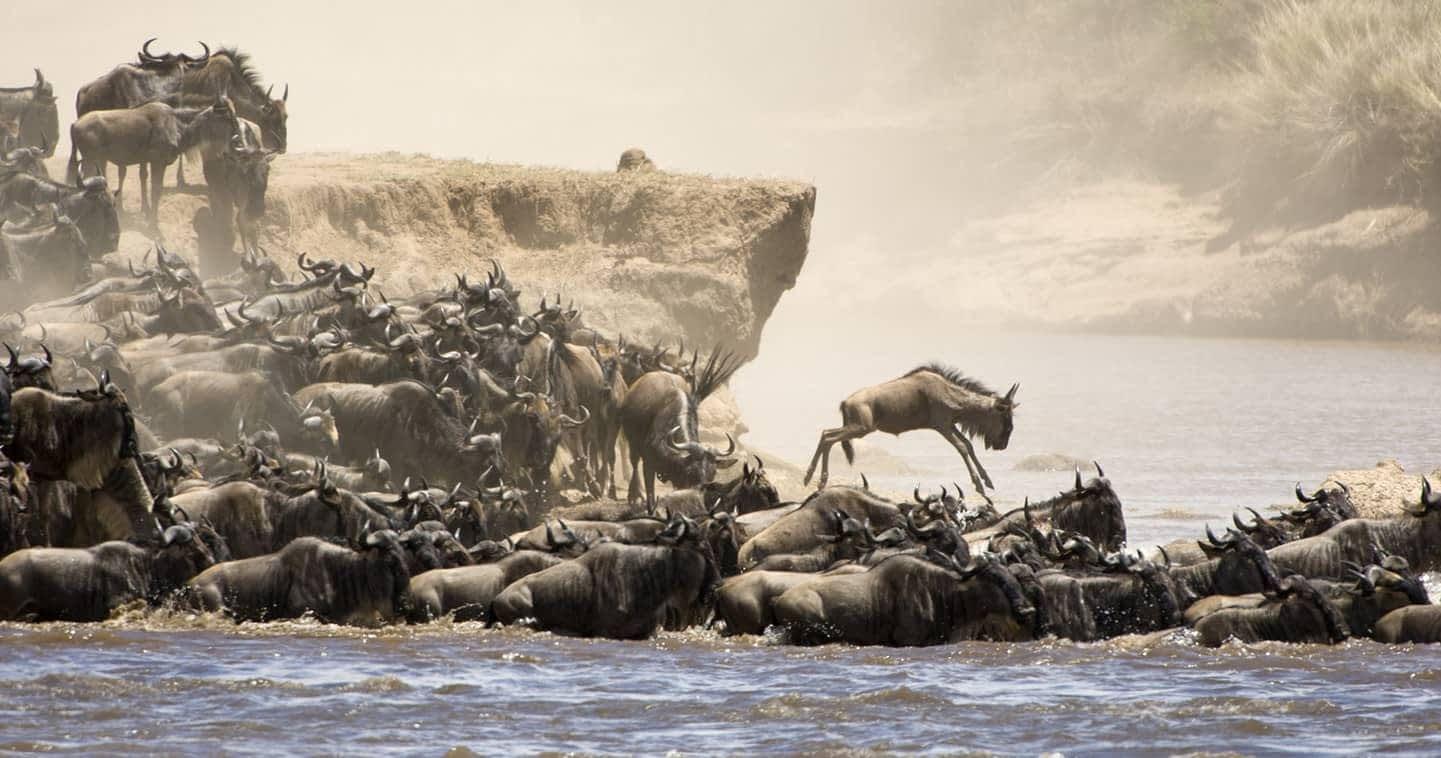
The Best Time to See the Great Migration depends on the type of wildlife experience you want to witness during your African safari. The Great Migration is not a single event that happens on a specific day; it is a continuous natural cycle that changes throughout the year as millions of animals follow ancient migration routes across the Serengeti-Mara ecosystem.
Every year, more than 1.5 million wildebeests, together with hundreds of thousands of zebras and gazelles, move between Tanzania’s Serengeti National Park and Kenya’s Masai Mara National Reserve. This incredible journey is controlled by nature itself, with rainfall, fresh grass availability, water sources, and breeding cycles determining where the herds move.
Unlike many wildlife experiences that can be predicted precisely, the Great Migration follows natural patterns. The exact timing of herd movements can change slightly every year depending on environmental conditions, making every safari unique.
The Best Time to See the Great Migration depends on what you want to experience:
- January to March: The spectacular wildebeest calving season in southern Serengeti.
- April to May: Massive herd movements through green Serengeti landscapes.
- June: Dramatic Grumeti River crossings in western Serengeti.
- July to October: Famous Mara River crossings between Tanzania and Kenya.
- November to December: Return migration toward southern Serengeti.
Travelers interested in newborn animals may choose the early months, while those dreaming of dramatic river crossings often prefer the dry season. Photography travelers, luxury safari guests, and families may have different ideal periods depending on their priorities.
At Boots in the Jungle Safaris, we help travelers choose the perfect migration season by combining expert knowledge of wildlife movements, safari destinations, accommodation options, and personal travel preferences.
Best Months Overall to See the Great Migration
The overall Best Time to See the Great Migration is generally considered to be between July and October, especially for travelers who want to witness one of nature’s most dramatic moments: the Mara River crossings.
During these months, the migration reaches northern Serengeti and Kenya’s Masai Mara, where enormous herds gather before attempting to cross dangerous rivers.
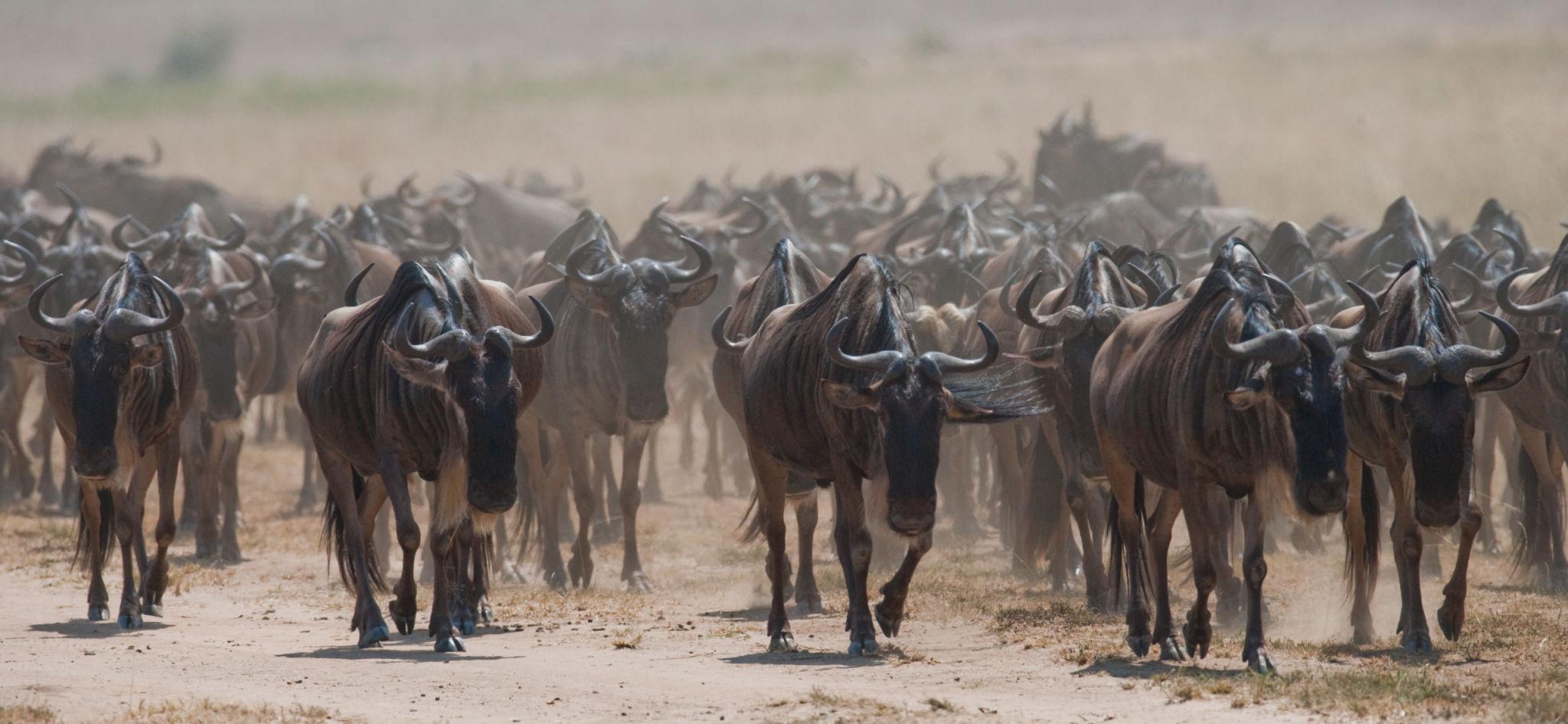
This period is considered the peak migration season because it combines:
- Massive wildlife concentrations.
- Excellent weather conditions.
- Dramatic river crossing opportunities.
- High predator activity.
- Outstanding photography conditions.
Travelers visiting between July and October may experience scenes such as:
- Thousands of wildebeests moving across open plains.
- Huge herds gathering along riverbanks.
- Lions following migration routes.
- Cheetahs hunting in open grasslands.
- Crocodiles waiting in rivers.
However, the Best Time to See the Great Migration depends on the specific experience you want.
For example:
A traveler seeking newborn calves may prefer February, while a photographer searching for dramatic action scenes may choose September.
January to March: Best Time for Newborn Wildebeests and Calving Season
For travelers interested in birth, young animals, and incredible predator encounters, January to March is one of the most rewarding periods of the Great Migration.
During these months, the migrating herds gather in the southern Serengeti and Ndutu Plains, where seasonal rains create rich grasslands filled with nutrients.
This area becomes one of the largest wildlife nurseries on Earth.
During the calving season:
- Hundreds of thousands of wildebeests gather in southern Serengeti.
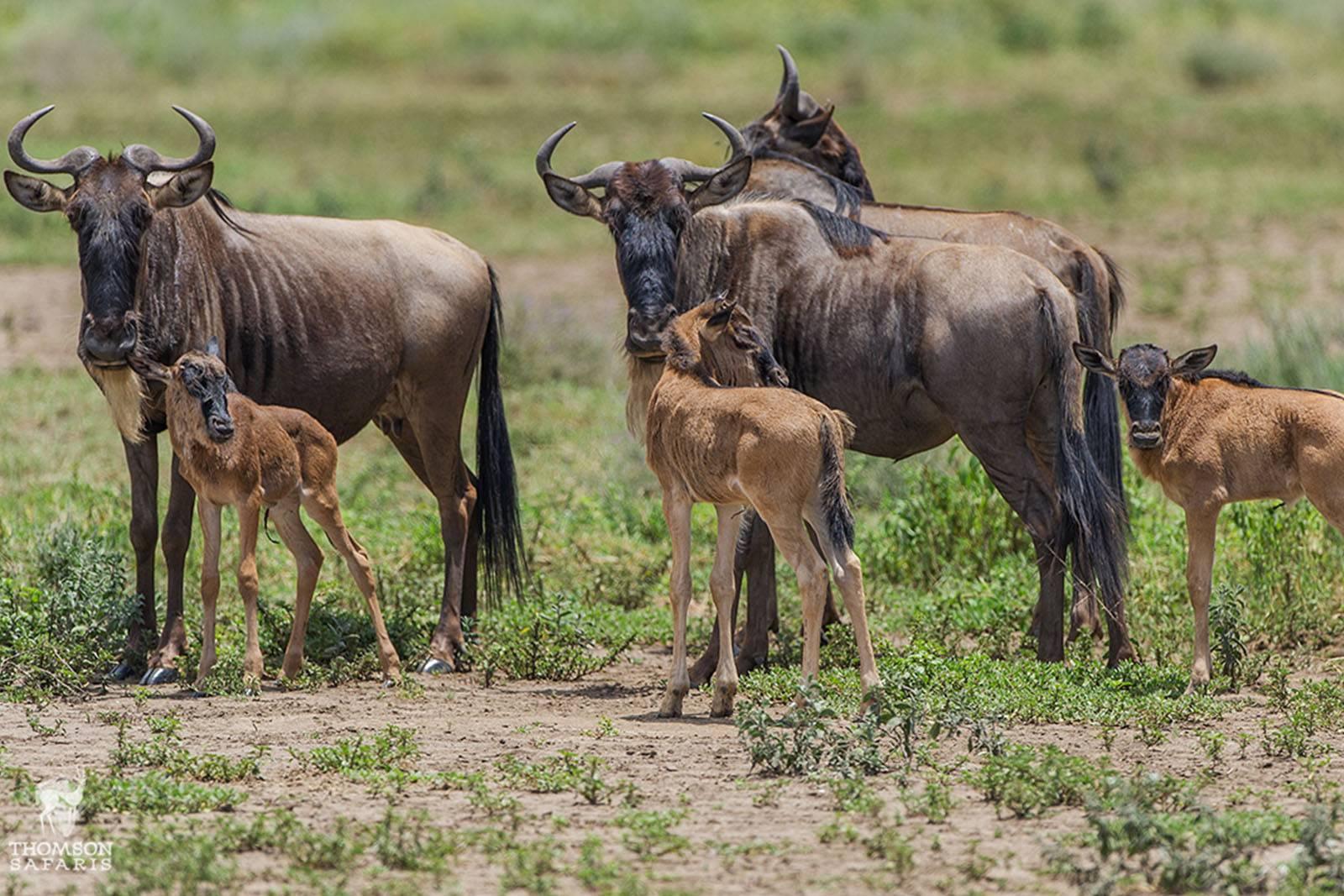
- Thousands of calves are born within a short period.
- Mothers protect and guide their newborns.
- Predators concentrate around migration areas.
The southern Serengeti landscape becomes alive with activity as new life begins.
Southern Serengeti Calving Experience
The southern Serengeti is the heart of the calving season.
The timing of births is one of nature’s most impressive survival strategies. Wildebeest mothers give birth when food availability is at its highest, ensuring they have enough energy to support their young.
Travelers may witness:
- Pregnant females preparing for birth.
- Newborn calves taking their first steps.
- Large herds grazing across green plains.
- Families moving together through the ecosystem.
The synchronized births create a powerful survival advantage because predators cannot capture every newborn when thousands are born at the same time.
Predator Activity During Calving Season
January to March is also one of the best periods for predator viewing.
The large concentration of vulnerable calves attracts:
Lions
Lions patrol the calving grounds searching for hunting opportunities. The open plains allow travelers to observe prides moving near migration herds.
Cheetahs
Cheetahs take advantage of the open landscapes where they can use their incredible speed to chase young wildebeests and gazelles.
Hyenas
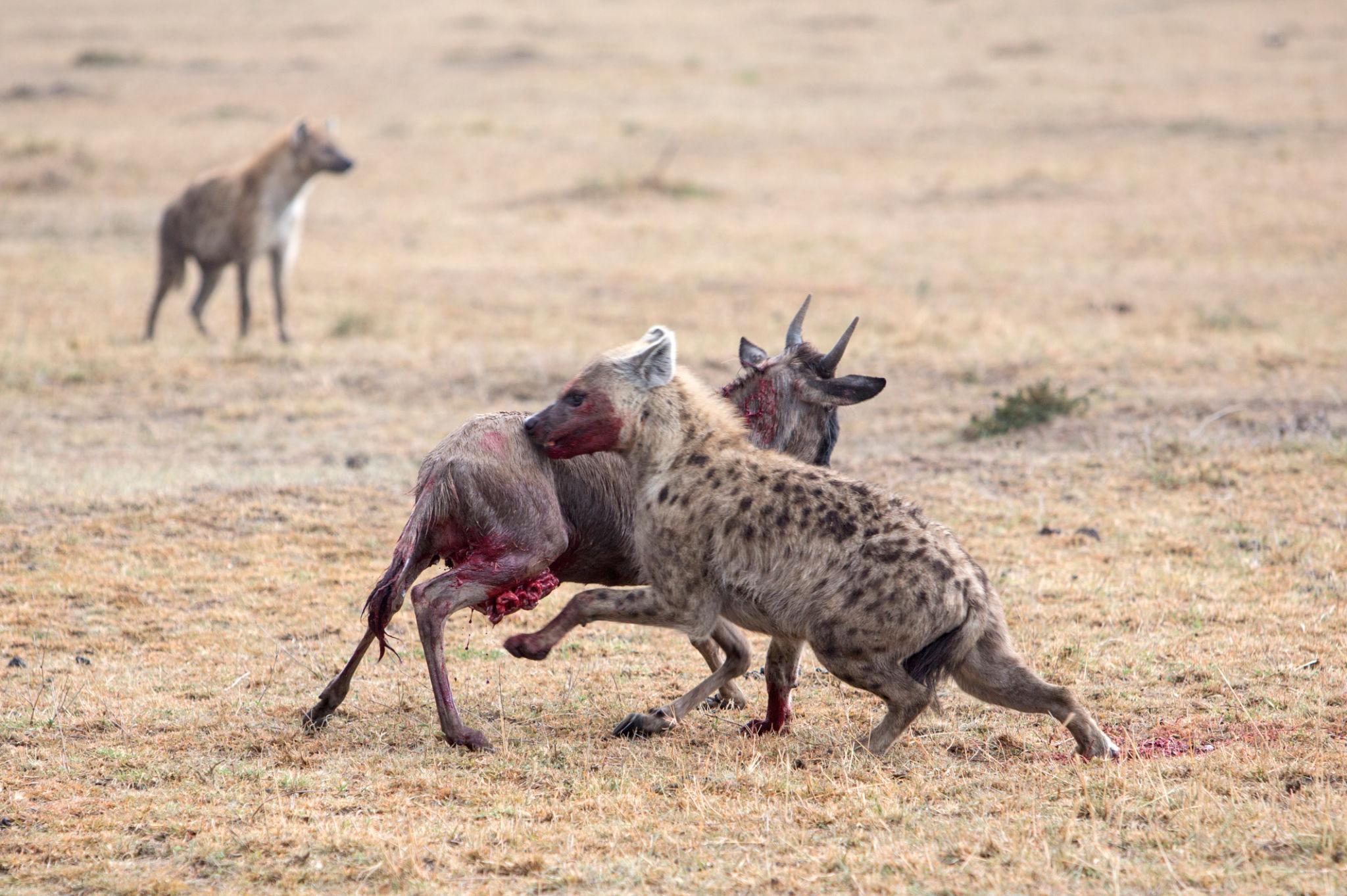
Hyenas follow the migration closely, hunting and scavenging within the large concentrations of animals.
Leopards
Leopards can be seen around woodland areas near migration routes, using vegetation and trees as cover.
For wildlife photographers, January to March offers some of the most emotional and dramatic scenes of the entire migration cycle.
April to June: Best Time for Green Landscapes and Herd Movement
April to June is a transitional period in the migration calendar.
After spending months in southern Serengeti during calving season, the herds begin moving north following rainfall patterns and fresh grazing opportunities.
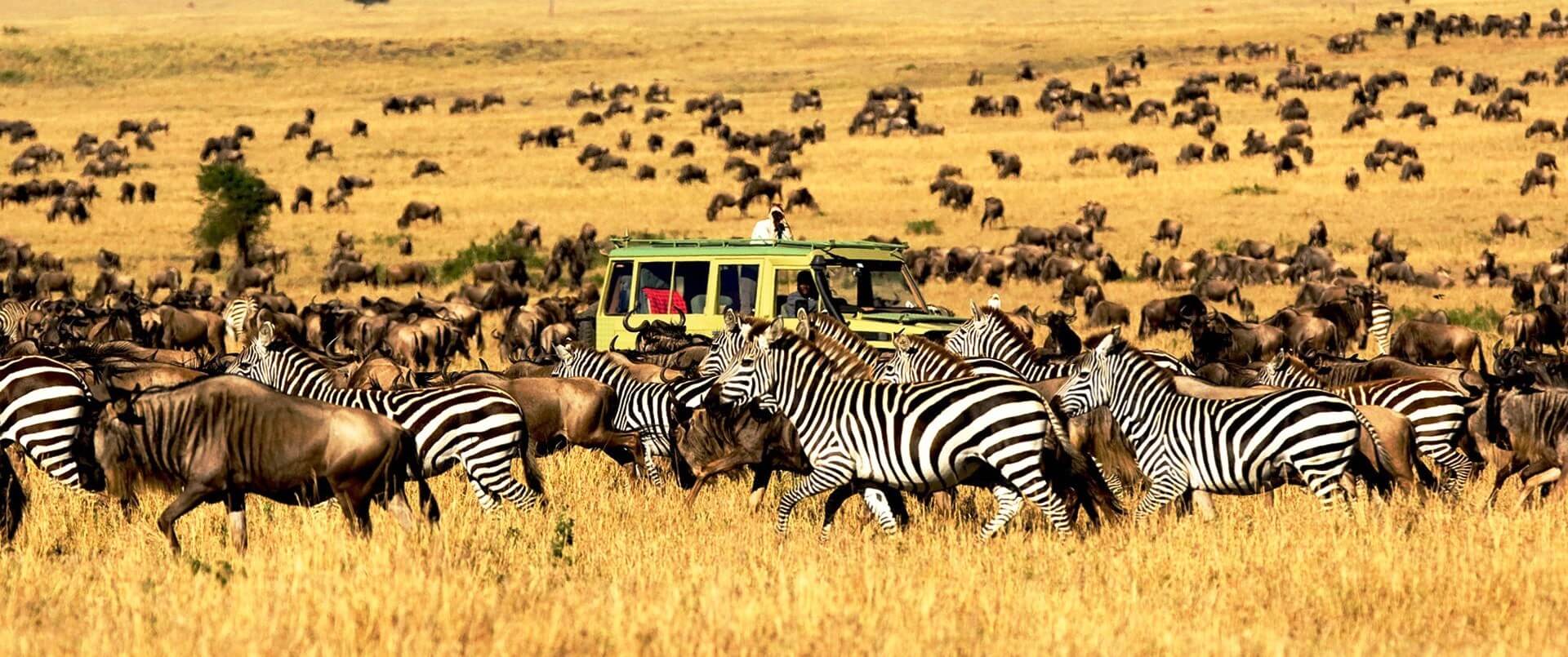
This period offers a different but equally impressive Great Migration experience.
Instead of focusing mainly on newborn animals, travelers witness the movement of massive herds across changing landscapes.
Migration Movement Through Green Serengeti
During April and May:
- Wildebeests begin leaving southern Serengeti.
- Herds move toward central Serengeti.
- Zebras and gazelles follow the same migration routes.
- Predators continue tracking the movement.
The Serengeti transforms after seasonal rains, creating some of the most beautiful scenery of the year.
Travelers can enjoy:
- Thousands of animals moving across green plains.
- Dramatic landscapes.
- Excellent wildlife photography.
- Fewer safari vehicles compared with peak season.
Best Locations During April to June
The recommended areas during this period include:
Central Serengeti
Central Serengeti provides excellent wildlife viewing because migrating herds mix with permanent resident animals.
Visitors may see:
- Lions.
- Leopards.
- Elephants.
- Buffaloes.
- Giraffes.
Western Serengeti
The Western Corridor becomes important as herds move closer to the Grumeti River.
This region offers:
- Large wildlife concentrations.
- Beautiful river landscapes.
- Fewer crowds.
Western Corridor
The Western Corridor is especially important during June when the famous Grumeti River crossings begin.
July to October: Best Overall Time for River Crossings
For many travelers, July to October represents the Best Time to See the Great Migration because it offers the greatest chance of experiencing the legendary river crossings.
During this period:
- Herds reach northern Serengeti.
- Animals begin entering Kenya’s Masai Mara.
- River crossings become possible.
- Predator activity increases.
The dry season also makes wildlife easier to observe because animals gather around remaining water sources.
This is the classic safari season for travelers wanting the most dramatic migration scenes.
Best Months for River Crossings
Mara River Crossings: July to October
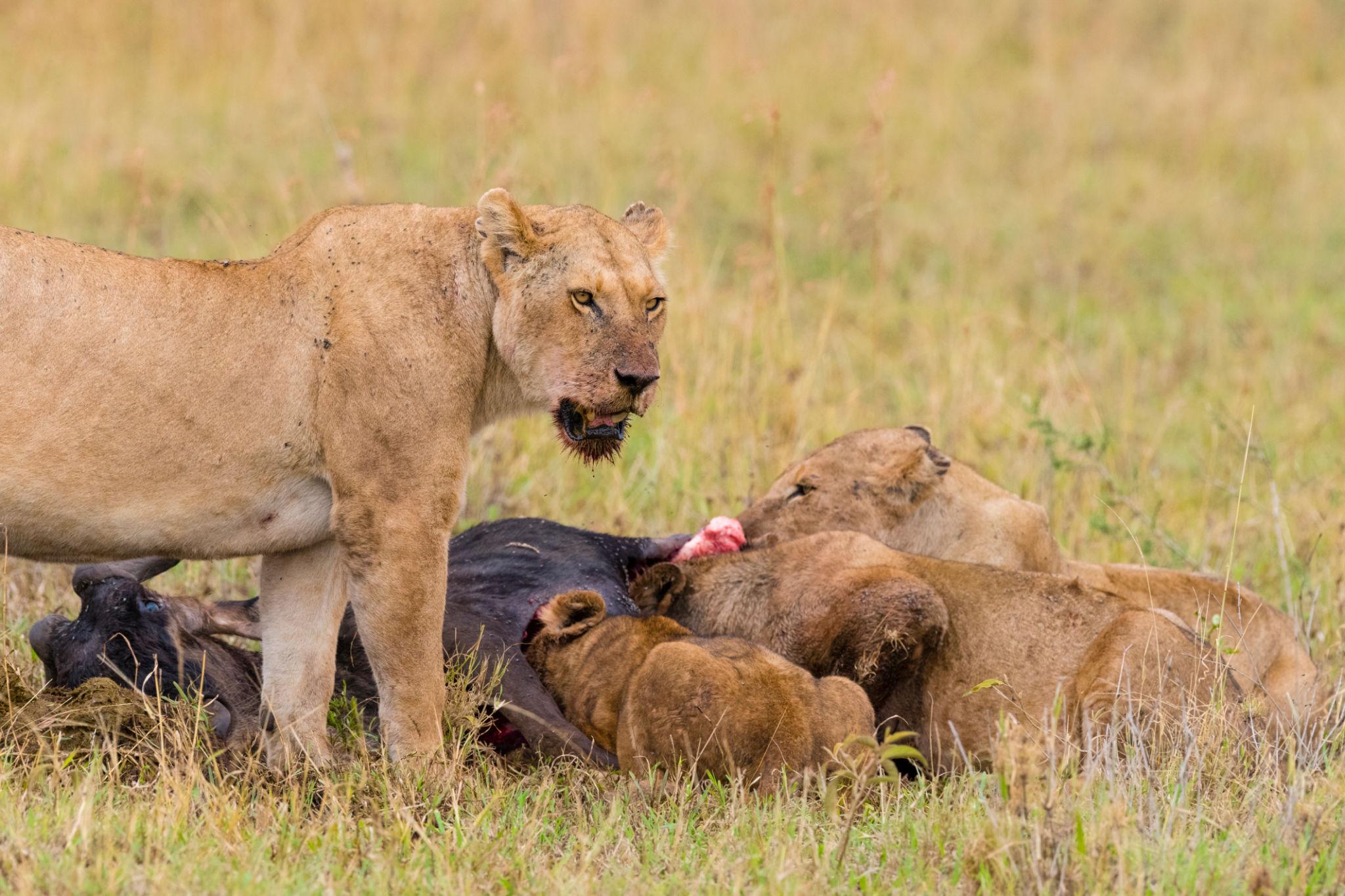
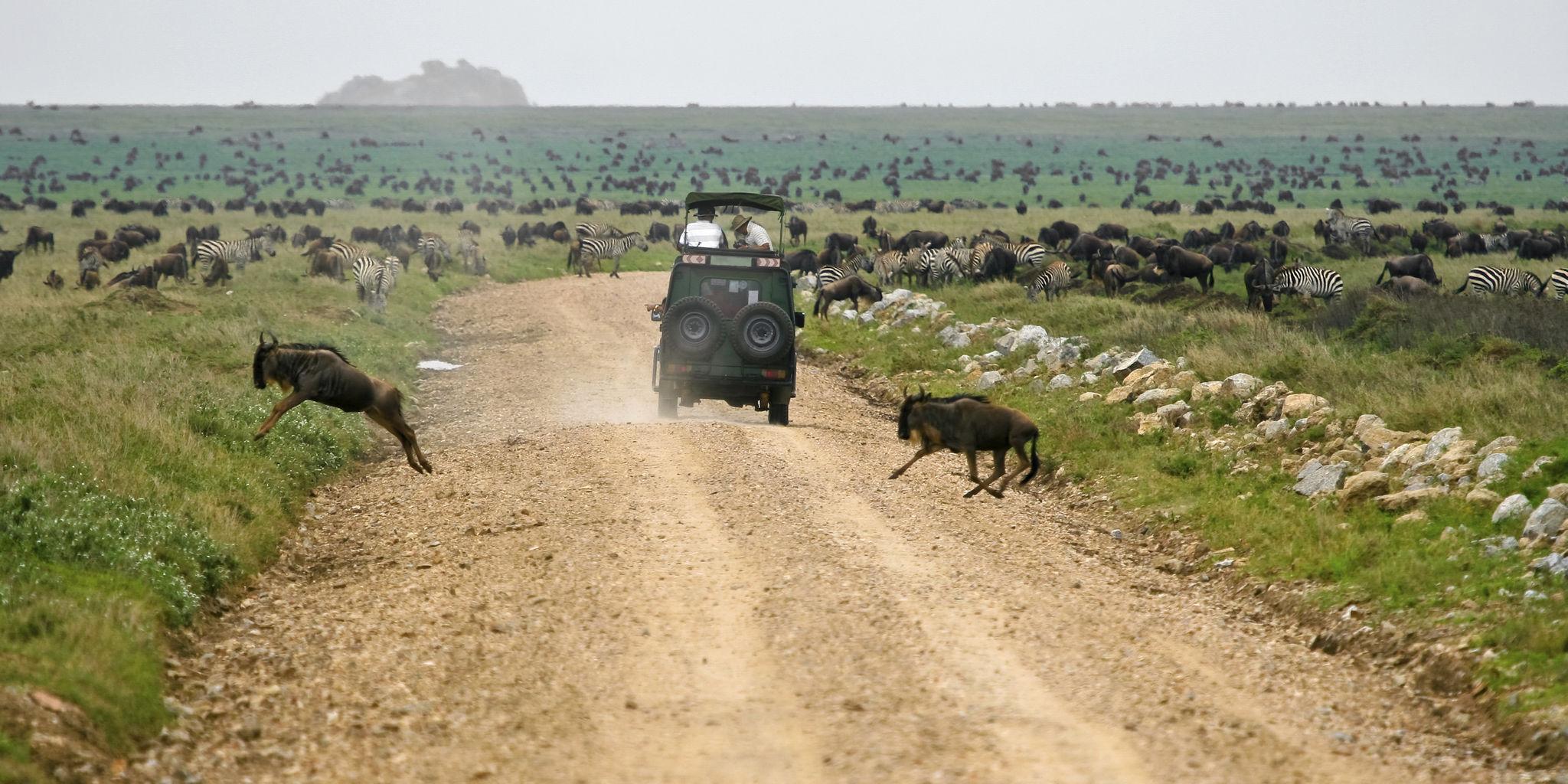
The Mara River crossings are among the most famous wildlife events on Earth.
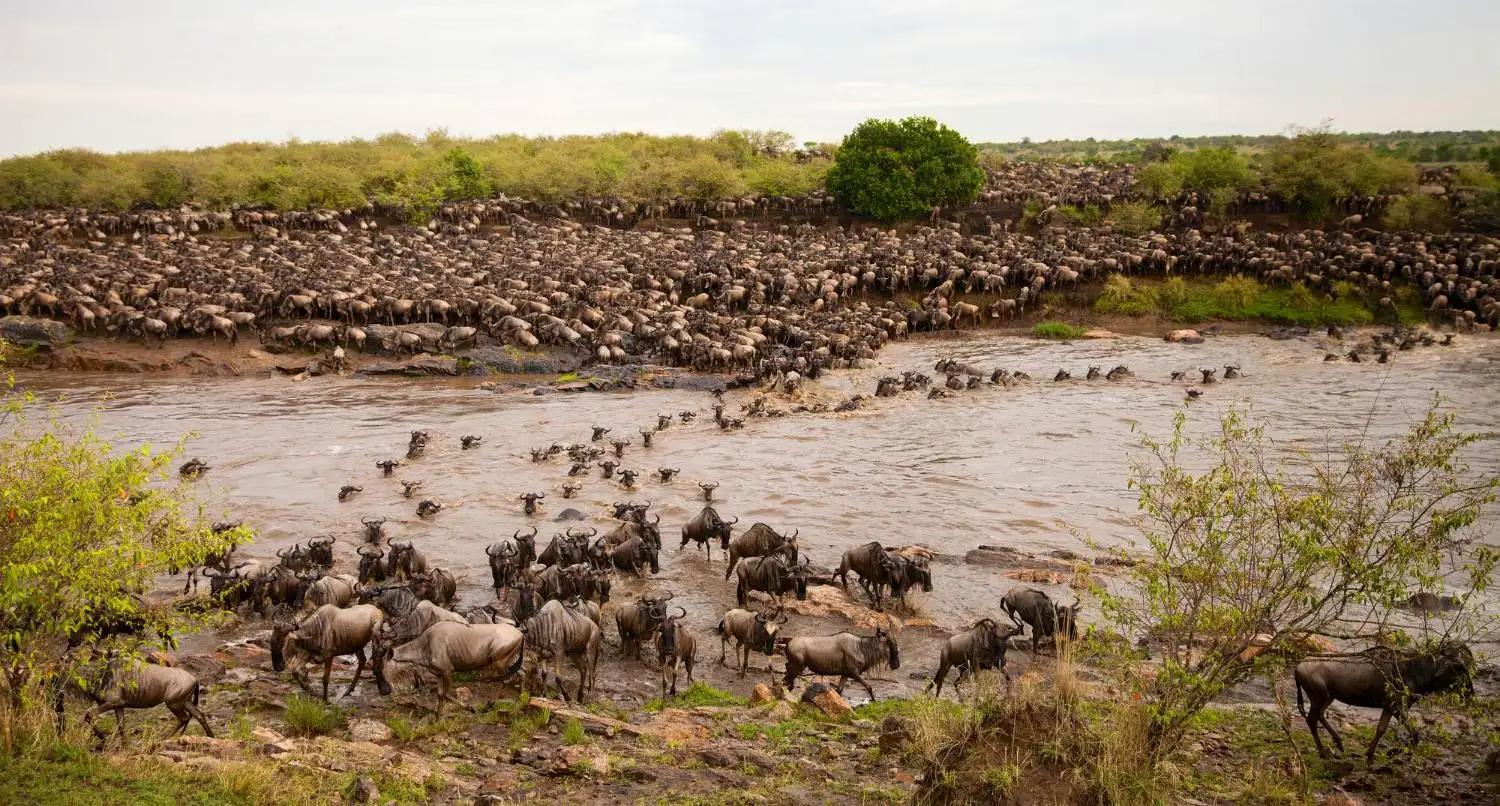
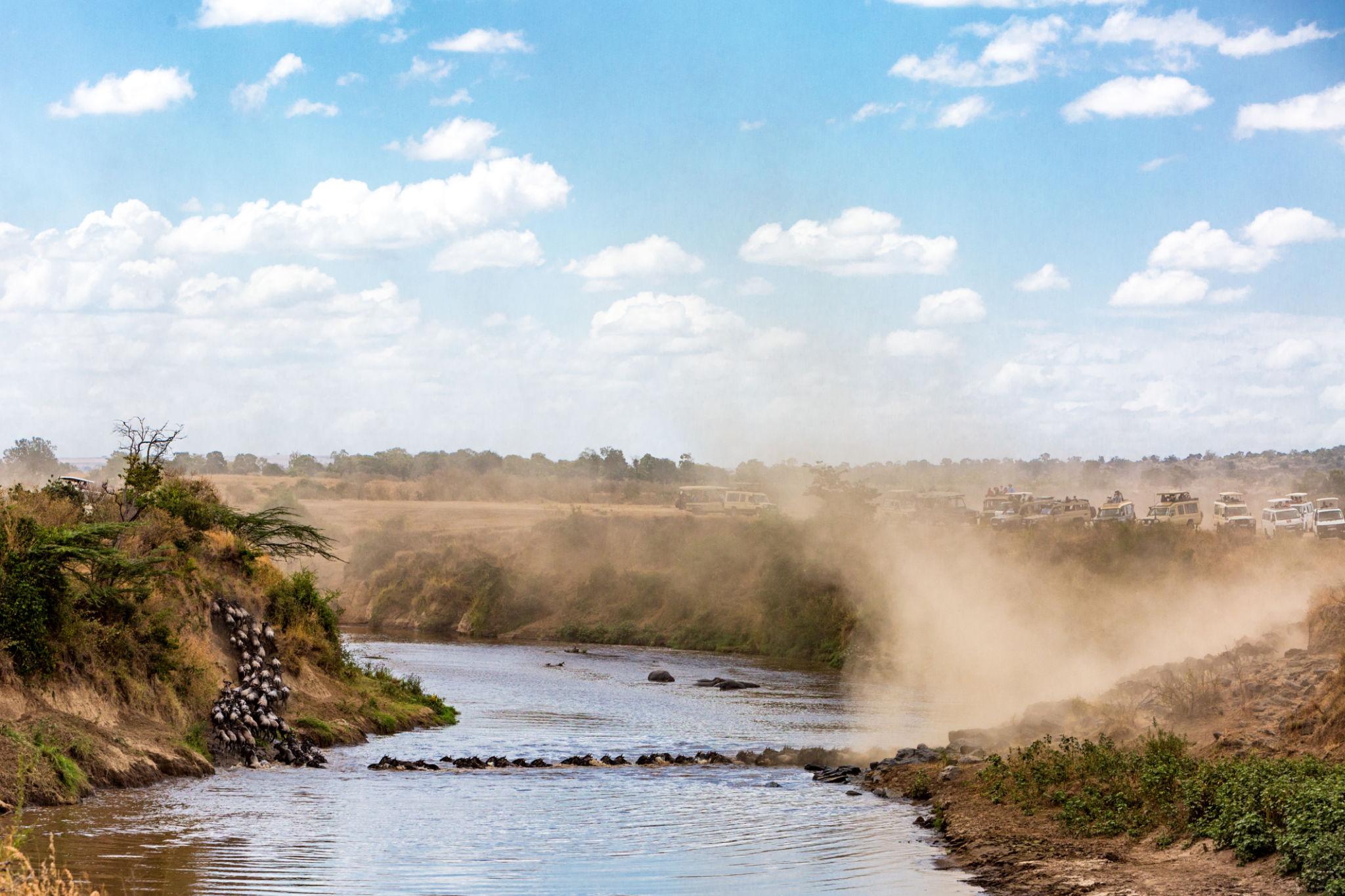
Every year, thousands of wildebeests gather along the riverbanks before making the dangerous journey through the water.
These crossings represent a dramatic struggle between survival and nature’s challenges.
Travelers may witness:
- Herds gathering nervously near riverbanks.
- Animals rushing into the water.
- Strong currents separating individuals.
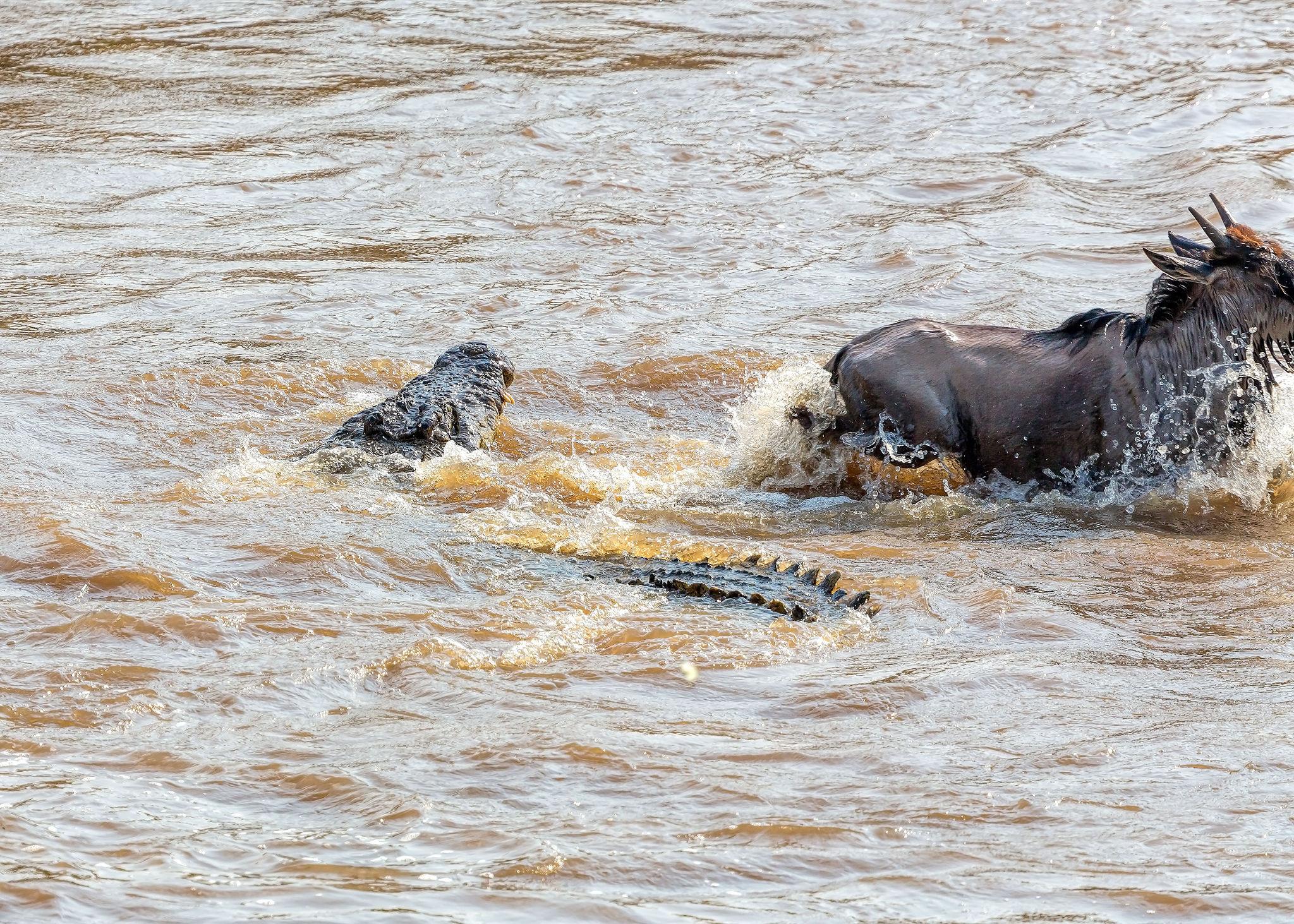
- Nile crocodiles waiting below.
- Predators watching nearby.
The unpredictability of these crossings makes them unforgettable.
August: A Popular Month for Mara River Crossings
August is one of the most popular months for a Great Migration Safari.
During this period, large herds often gather around northern Serengeti and Masai Mara.
Travelers may experience:
- Massive herds near crossing points.
- Dramatic river attempts.
- Excellent wildlife viewing.
- Strong predator activity.
The weather is usually dry, making road conditions favorable and game drives highly productive.
August is ideal for travelers who want the excitement of peak migration season.
September: One of the Strongest Months for River Crossings
September is often considered one of the best months for witnessing Mara River crossings.
During this period:
- Large numbers of wildebeests remain in Masai Mara.
- Wildlife concentrations are extremely high.
- Predator activity remains excellent.
- Photography conditions are outstanding.
Travelers can enjoy:
- Clear skies.
- Comfortable temperatures.
- Excellent visibility.
- Fewer crowds compared with August in some areas.
For many safari specialists, September offers one of the best balances between migration action and travel comfort.
October: Excellent Late-Season Migration Viewing
October continues to provide excellent opportunities for experiencing the Great Migration.
Although some herds begin preparing for the return journey south, many animals remain in Kenya’s Masai Mara.
Advantages of visiting in October include:
- Fewer visitors than peak months.
- Excellent wildlife viewing.
- Comfortable weather.
- Continued predator encounters.
October is a great choice for travelers who want a quieter migration experience while still having opportunities to witness major wildlife activity.
Best Months for Photography During the Great Migration
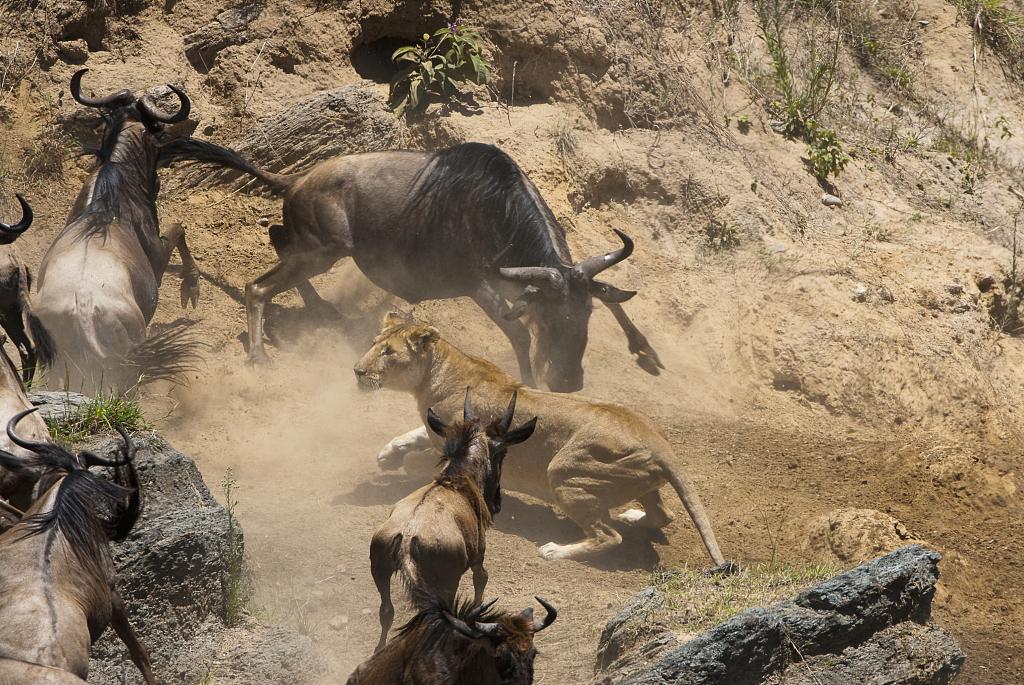
The Best Time to See the Great Migration for photography depends on the type of images a traveler wants to capture. The Serengeti and Masai Mara offer incredible photographic opportunities throughout the year, but each season provides a different style of wildlife photography.
From emotional newborn moments to dramatic river crossings and powerful predator encounters, every stage of the migration tells a different visual story.
For professional photographers, wildlife enthusiasts, and travelers carrying cameras, choosing the right month can make the difference between a good safari photograph and a once-in-a-lifetime image.
January to March: Best for Newborn Wildlife Photography
January to March is one of the most rewarding periods for photographers because it captures the beginning of life during the Serengeti calving season.
The southern Serengeti and Ndutu Plains become a spectacular wildlife nursery where thousands of wildebeest calves are born.
Photographers can capture:
- Newborn calves taking their first steps.
- Mothers protecting their young.
- Family interactions within herds.
- Green landscapes after seasonal rains.
- Predator-prey encounters.
The soft green backgrounds, dramatic skies, and abundance of young animals create excellent photography conditions.
Some of the most powerful images from the Great Migration come from this season because they show the emotional connection between mothers and their young.
April to June: Best for Green Landscapes and Herd Movement Photography
April to June offers unique photography opportunities because the Serengeti transforms into a green paradise.
After seasonal rains, the plains become covered with fresh vegetation, creating beautiful natural backgrounds.
Photographers can capture:
- Massive herds moving across green plains.
- Zebras and wildebeests travelling together.
- Birds following grazing animals.
- Beautiful sunrise and sunset scenes.
- Wildlife surrounded by fresh landscapes.
This period is especially attractive for photographers who want:
- Fewer vehicles.
- More peaceful compositions.
- Wide landscape images.
- Natural wildlife scenes.
The movement of large herds through the green Serengeti creates some of the most beautiful migration photographs.
June: Best for Dramatic River Photography
June provides excellent opportunities for photographers interested in river scenes and wildlife challenges.
During this period, migrating herds reach the Western Corridor and encounter the Grumeti River.
Photographers may capture:
- Wildebeests gathering along riverbanks.
- Animals entering the water.
- Crocodiles waiting below.
- Herd movement through dramatic landscapes.
The Grumeti River crossings provide a more exclusive photography experience compared with the famous Mara River crossings because there are often fewer vehicles.
July to October: Best for Action and Wildlife Drama Photography
For many photographers, July to October represents the Best Time to See the Great Migration because it offers the most dramatic wildlife action.
This is the season of:
- Mara River crossings.
- Massive herd movements.
- Predator encounters.
- Intense survival moments.
Photographers can capture some of Africa’s most iconic wildlife images.
Mara River Crossing Photography
The Mara River crossing creates some of the most powerful wildlife photography opportunities on Earth.
Photographers may capture:
- Thousands of wildebeests rushing into the river.
- Animals jumping from steep riverbanks.
- Powerful water movement.
- Nile crocodiles below the surface.
- Dust rising from huge herds.
These moments are unpredictable, making patience essential.
Some photographers wait for hours before witnessing a dramatic crossing that lasts only a few minutes.
Predator Photography During Migration Season
July to October also provides excellent opportunities to photograph Africa’s famous predators.
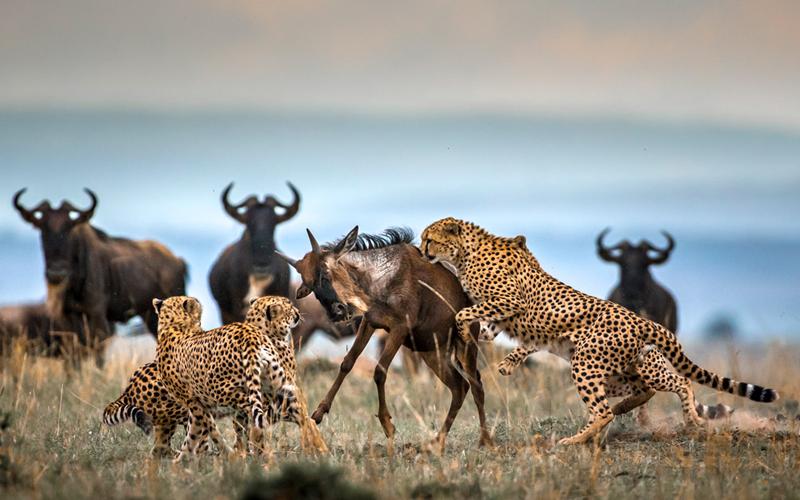
The movement of millions of prey animals attracts:
Lions
Photographers can capture:
- Lions resting near migration routes.
- Hunting attempts.
- Pride interactions.
- Cubs learning survival skills.
Cheetahs
The open plains provide opportunities to photograph:
- Cheetahs preparing for hunts.
- High-speed chases.
- Young animals learning hunting techniques.
Leopards
Although more difficult to find, leopards create unforgettable images when spotted near:
- Trees.
- Riverine forests.
- Woodland areas.
November to December: Best for Quiet Wildlife Photography
The return migration period offers excellent opportunities for photographers seeking fewer crowds and peaceful wildlife experiences.
During November and December:
- Herds begin moving south.
- Landscapes become green again after rains.
- Wildlife spreads across the plains.
Photography opportunities include:
- Beautiful landscapes.
- Wildlife in fresh vegetation.
- Dramatic skies.
- Less crowded sightings.
This period is ideal for photographers who prefer intimate wildlife moments rather than large crowds around major events.
Weather Conditions During Migration Season
Understanding weather conditions is important when choosing the Best Time to See the Great Migration.
The Serengeti and Masai Mara experience different seasons throughout the year, and each weather pattern influences wildlife movement, photography, and safari conditions.
January to March Weather Conditions
During the calving season, southern Serengeti experiences warm temperatures and seasonal rains.
Conditions include:
- Green landscapes.
- Warm days.
- Short rainfall periods.
- Excellent visibility.
Advantages:
- Fresh grass attracts huge herds.
- Beautiful scenery.
- Excellent photography conditions.
- High wildlife activity.
The occasional rain showers create dramatic skies and vibrant landscapes.
April to May Weather Conditions
April and May are part of the longer rainy season.
Conditions include:
- Frequent rainfall.
- Green landscapes.
- Cooler temperatures.
- Possible muddy roads.
Advantages:
- Fewer tourists.
- Beautiful scenery.
- Excellent wildlife photography.
- Large herd movements.
Travelers should expect some unpredictable weather, but the rewards are beautiful landscapes and peaceful safari experiences.
June to October Weather Conditions
June to October is the classic dry season and one of the most popular safari periods.
Conditions include:
- Sunny days.
- Clear skies.
- Cooler mornings.
- Limited rainfall.
Advantages:
- Excellent wildlife visibility.
- Easier game drives.
- Better road conditions.
- Best river crossing opportunities.
Because water becomes limited, animals often gather around rivers and water sources, making wildlife viewing excellent.
November to December Weather Conditions
November and December bring the beginning of the short rains.
Conditions include:
- Fresh green landscapes.
- Short rainfall periods.
- Warm temperatures.
- Beautiful skies.
Advantages:
- Fewer visitors.
- Excellent photography.
- Return migration experiences.
- Vibrant scenery.
This season provides a quieter alternative for travelers who prefer avoiding peak crowds.
Great Migration Month Comparison Guide
| Months | Migration Experience | Best For | Main Location |
|---|---|---|---|
| January – March | Calving season with thousands of newborn wildebeests entering the world and intense predator activity. | Birth photography, predator encounters, and family wildlife experiences. | Southern Serengeti & Ndutu Plains |
| April – May | Large herd movements through fresh green Serengeti plains following seasonal rainfall. | Landscape photography, fewer crowds, and peaceful migration viewing. | Central Serengeti |
| June | Dramatic Grumeti River crossings as migrating herds encounter one of their first major obstacles. | River scenes, crocodile encounters, and dramatic wildlife moments. | Western Serengeti & Western Corridor |
| July – October | Famous Mara River crossings, massive herds, and increased predator action during peak migration season. | Ultimate migration experience, wildlife photography, and dramatic safari moments. | Northern Serengeti & Masai Mara |
| November – December | Return migration south as herds follow new rains and fresh grazing areas. | Quiet safaris, green landscapes, and fewer visitor crowds. | Northern Tanzania & Serengeti |
Choosing the Right Month Based on Your Safari Goals
The Best Time to See the Great Migration depends on what you want to experience.
Different travelers have different safari dreams, and each season provides something unique.
If You Want to See Newborn Wildebeests
Choose:
January – March
Best locations:
- Southern Serengeti.
- Ndutu Plains.
Experience:
- Thousands of newborn calves.
- Predator activity.
- Green landscapes.
If You Want to See River Crossings
Choose:
July – October
Best locations:
- Northern Serengeti.
- Masai Mara.
Experience:
- Mara River crossings.
- Massive herds.
- Crocodile encounters.
If You Want Fewer Crowds
Choose:
April – June or November
Experience:
- Peaceful game drives.
- Beautiful landscapes.
- Excellent wildlife viewing.
If You Want the Best Photography Experience
Choose:
January – March or July – October
January to March:
- Newborn animals.
- Green scenery.
- Emotional wildlife moments.
July to October:
- River crossings.
- Predator action.
- Dramatic scenes.
If You Want a Luxury Great Migration Safari
Choose:
July – October
This period offers the highest concentration of wildlife and allows travelers to enjoy premium camps located near migration routes.
Luxury travelers can enjoy:
- Private safari vehicles.
- Exclusive camps.
- Expert guides.
- Prime wildlife locations.
If You Want a Family Great Migration Safari
Choose:
January – March or June – October
These periods provide excellent wildlife viewing while allowing flexible safari planning.
Family-friendly experiences include:
- Shorter game drives.
- Comfortable lodges.
- Educational wildlife experiences.
- Private vehicles.
Frequently Asked Questions About the Best Time to See the Great Migration
What is the best-time-to-see-the-great-migration?
The best-time-to-see-the-great-migration depends on the type of wildlife experience you want to enjoy. July to October is considered the peak season for dramatic river crossings, while January to March is the best period for witnessing thousands of newborn wildebeests during the Serengeti calving season. Travelers looking for fewer crowds may prefer April to June or November.
What are the best months for the Great Migration Safari?
The best months depend on your safari goals. The best-time-to-see-the-great-migration for newborn animals is January to March, June is excellent for Grumeti River crossings, and July to October offers the famous Mara River crossings between Tanzania and Kenya.
Is July to October the best-time-to-see-the-great-migration?
Yes, July to October is considered one of the best periods for the Great Migration because large herds gather in northern Serengeti and Kenya’s Masai Mara. During this season, travelers have opportunities to witness river crossings, predator encounters, and massive wildlife movements.
What is the best month to see the Mara River crossings?
The best-time-to-see-the-great-migration river crossings is usually between August and September. These months often provide excellent opportunities to witness thousands of wildebeests crossing the Mara River, although exact timing depends on rainfall, river levels, and animal movements.
When is the best time to see newborn wildebeests?
The best-time-to-see-the-great-migration for newborn wildebeests is January to March during the Serengeti calving season. Thousands of calves are born across the southern Serengeti and Ndutu Plains when fresh grass provides ideal conditions for raising young animals.
Where is the best place to see the Great Migration calving season?
The best locations during the best-time-to-see-the-great-migration calving period are the southern Serengeti and Ndutu Plains in Tanzania. These areas become a massive wildlife nursery where travelers can witness newborn calves, large herds, and increased predator activity.
Can I see predators during the Great Migration?
Yes. Predator sightings are one of the highlights of the Great Migration. The best-time-to-see-the-great-migration for predator action is often during calving season and river crossing periods when lions, cheetahs, leopards, and hyenas follow the movement of migrating herds.
What is the best time for Great Migration photography?
The best-time-to-see-the-great-migration for photography depends on the type of images you want. January to March is excellent for newborn wildlife photography, while July to October provides dramatic opportunities for river crossings, predator encounters, and massive herd photography.
Is April and May a good time for the Great Migration Safari?
Yes. April and May can be an excellent choice for travelers searching for a quieter safari experience. The best-time-to-see-the-great-migration during these months offers green Serengeti landscapes, large herd movements, fewer visitors, and beautiful photography conditions.
When does the Great Migration reach the Western Serengeti?
The migrating herds usually reach western Serengeti around May and June. Travelers choosing this period as their best-time-to-see-the-great-migration can experience the Grumeti River crossings, large wildlife concentrations, and fewer safari vehicles.
What happens during the Grumeti River crossing?
During the Grumeti River crossing, thousands of wildebeests gather along riverbanks before attempting to cross. They face strong currents, steep banks, and large Nile crocodiles. For travelers interested in dramatic wildlife scenes, June can be the best-time-to-see-the-great-migration in western Serengeti.
Is June a good month to visit the Great Migration?
Yes. June is an excellent month for travelers looking for a more exclusive migration experience. It can be the best-time-to-see-the-great-migration for Grumeti River crossings, green landscapes, and large herds moving through western Serengeti.
What is the weather like during the Great Migration season?
Weather changes throughout the year and influences the best-time-to-see-the-great-migration. July to October usually offers dry conditions and clear skies, January to March brings warm temperatures with occasional rains, April to May creates green landscapes with more rainfall, and November to December brings short rains and fresh vegetation.
What is the cheapest time to see the Great Migration?
The best-time-to-see-the-great-migration for travelers seeking better value is often during April, May, and November. These months are outside the peak season and may offer lower accommodation rates, fewer crowds, and excellent wildlife viewing.
What is the least crowded time to experience the Great Migration?
Travelers looking for a quieter safari may find the best-time-to-see-the-great-migration during April to June and November. These months provide peaceful game drives, beautiful landscapes, and fewer vehicles around wildlife sightings.
Should I visit Tanzania or Kenya for the Great Migration?
Both destinations offer incredible migration experiences. The best-time-to-see-the-great-migration in Tanzania includes Serengeti calving season, Grumeti crossings, and most of the migration route, while Kenya’s Masai Mara is famous for the dramatic Mara River crossings.
Can I combine Tanzania and Kenya for the Great Migration Safari?
Yes. A combined Tanzania and Kenya safari is one of the best ways to experience the complete migration journey. The best-time-to-see-the-great-migration can include exploring Serengeti, witnessing river crossings, visiting Masai Mara, and adding other highlights such as Ngorongoro Crater.
How many days do I need for a Great Migration Safari?
Most travelers need between 5 and 10 days for a Great Migration Safari. The ideal length depends on the best-time-to-see-the-great-migration period, the locations you want to visit, and whether you want a luxury, photography, or family safari experience.
Can families go on a Great Migration Safari?
Yes. Families can enjoy the Great Migration throughout the year. The best-time-to-see-the-great-migration for families depends on comfort preferences, but January to March and July to October offer incredible wildlife experiences suitable for family adventures.
Is the Great Migration suitable for luxury travelers?
Yes. The Great Migration is perfect for luxury travelers. Choosing the best-time-to-see-the-great-migration allows visitors to stay in premium lodges, luxury mobile camps, and enjoy private safari vehicles with expert guides.
What should I pack for a Great Migration Safari?
Packing depends on the best-time-to-see-the-great-migration season you choose. Travelers should bring lightweight clothing, warm layers for early mornings, comfortable shoes, binoculars, cameras, sunscreen, insect repellent, and personal essentials.
Are river crossings guaranteed during the Great Migration?
No. River crossings are natural events and cannot be guaranteed. Even during the best-time-to-see-the-great-migration season, crossings depend on rainfall, river conditions, and animal behavior.
Can Boots in the Jungle Safaris help me choose the best migration season?
Yes. Boots in the Jungle Safaris specializes in helping travelers find the best-time-to-see-the-great-migration based on their interests, preferred wildlife experiences, travel dates, accommodation style, and safari goals. Our experts create customized Tanzania and Kenya migration itineraries designed around unforgettable wildlife encounters.
Book Your Great Migration Safari with Boots in the Jungle Safaris
Choosing the Best Time to See the Great Migration ensures that your safari matches your expectations and wildlife dreams.
Whether you want to witness thousands of newborn wildebeests in southern Serengeti, experience the legendary Mara River crossings, photograph powerful predators, or enjoy a luxury East African adventure, the right timing creates an unforgettable experience.
At Boots in the Jungle Safaris, we specialize in creating customized Great Migration Safari experiences across Tanzania and Kenya.
Our safari specialists help you plan around:
- The best migration season.
- Wildlife locations.
- Luxury and midrange accommodation.
- Private safari preferences.
- Photography requirements.
- Family and honeymoon experiences.
We combine expert knowledge of the Serengeti-Mara ecosystem with personalized service to ensure you experience the migration at its most spectacular moment.
From the first steps of newborn calves to the dramatic struggle of river crossings, the Great Migration is a journey that stays with you forever.