Ultimate Guide to Gorilla Families in Volcanoes National Park: Discover Rwanda’s Legendary Mountain Gorilla Groups
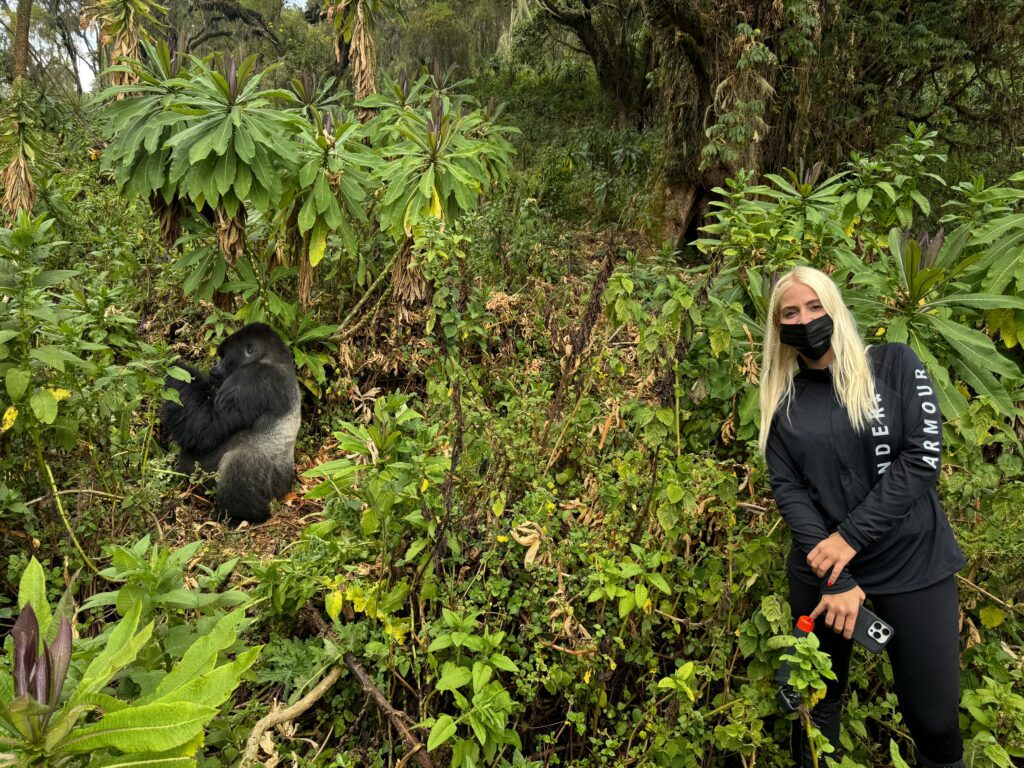
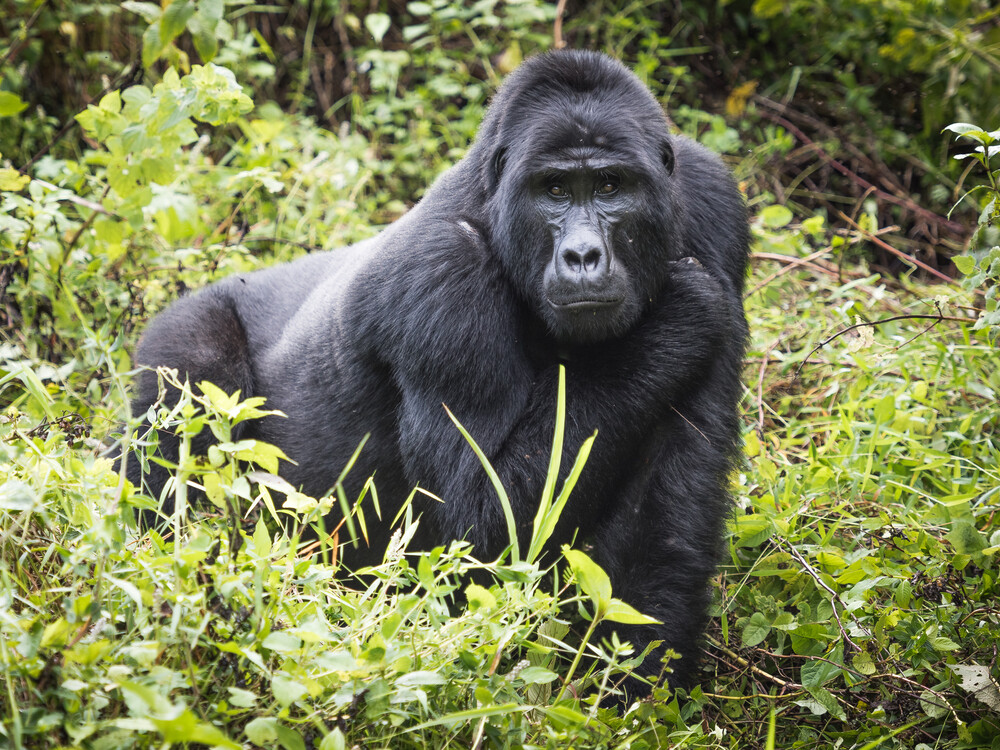
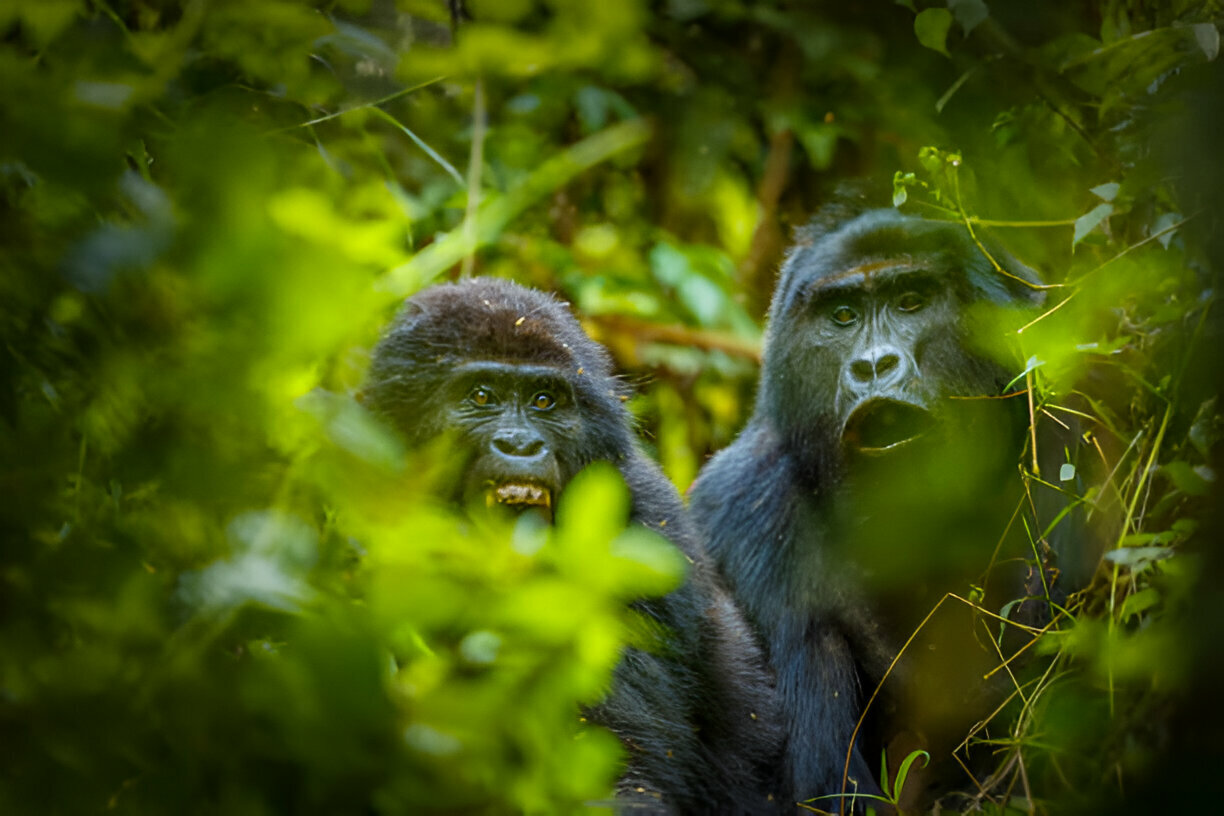
The Gorilla Families in Volcanoes offer one of the most extraordinary wildlife experiences in Africa, providing travelers with a rare opportunity to enter the natural habitat of endangered mountain gorillas and witness their remarkable social lives. Located in northern Rwanda, Volcanoes National Park is one of the most important mountain gorilla conservation areas in the world and forms part of the famous Virunga Massif, a volcanic ecosystem shared by Rwanda, Uganda, and the Democratic Republic of Congo.
The park is home to several habituated mountain gorilla families that have undergone years of careful monitoring and conservation efforts, allowing visitors to experience responsible gorilla trekking while supporting the long-term protection of these endangered primates. Every trek into the forest provides a unique opportunity to observe gorillas in their natural environment, surrounded by ancient forests, bamboo-covered slopes, and the dramatic scenery of the Virunga Mountains.
Each of the Gorilla Families in Volcanoes has its own identity, history, and personality. Although all mountain gorillas share similar social structures, every family develops unique characteristics depending on its leadership, members, location, and experiences over time. Some gorilla groups are famous because of their large numbers, while others are recognized because of legendary silverbacks, interesting family histories, or their calm and fascinating interactions.
Understanding these gorilla families before your trekking experience adds deeper meaning to your journey. Instead of simply visiting a group of animals, travelers begin to appreciate the individual stories behind each family, the challenges they have overcome, and the conservation work that has helped them survive.
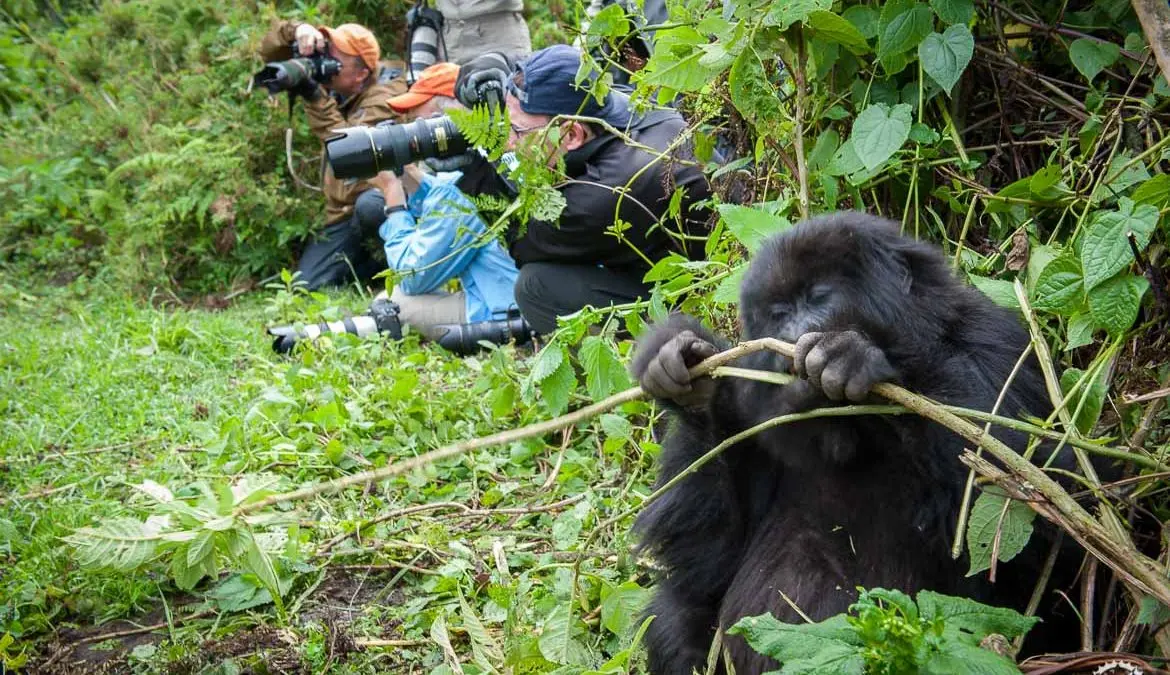
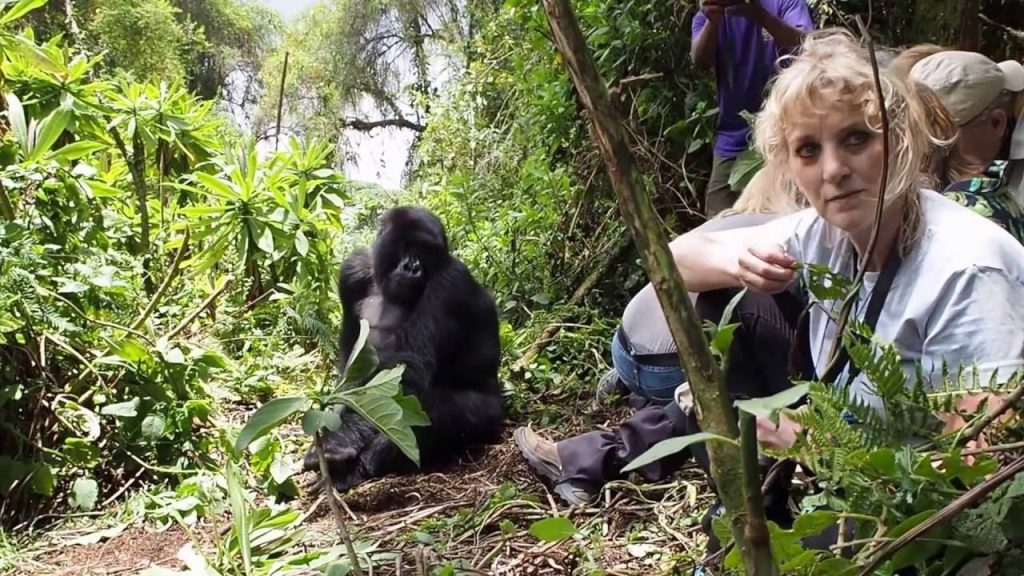
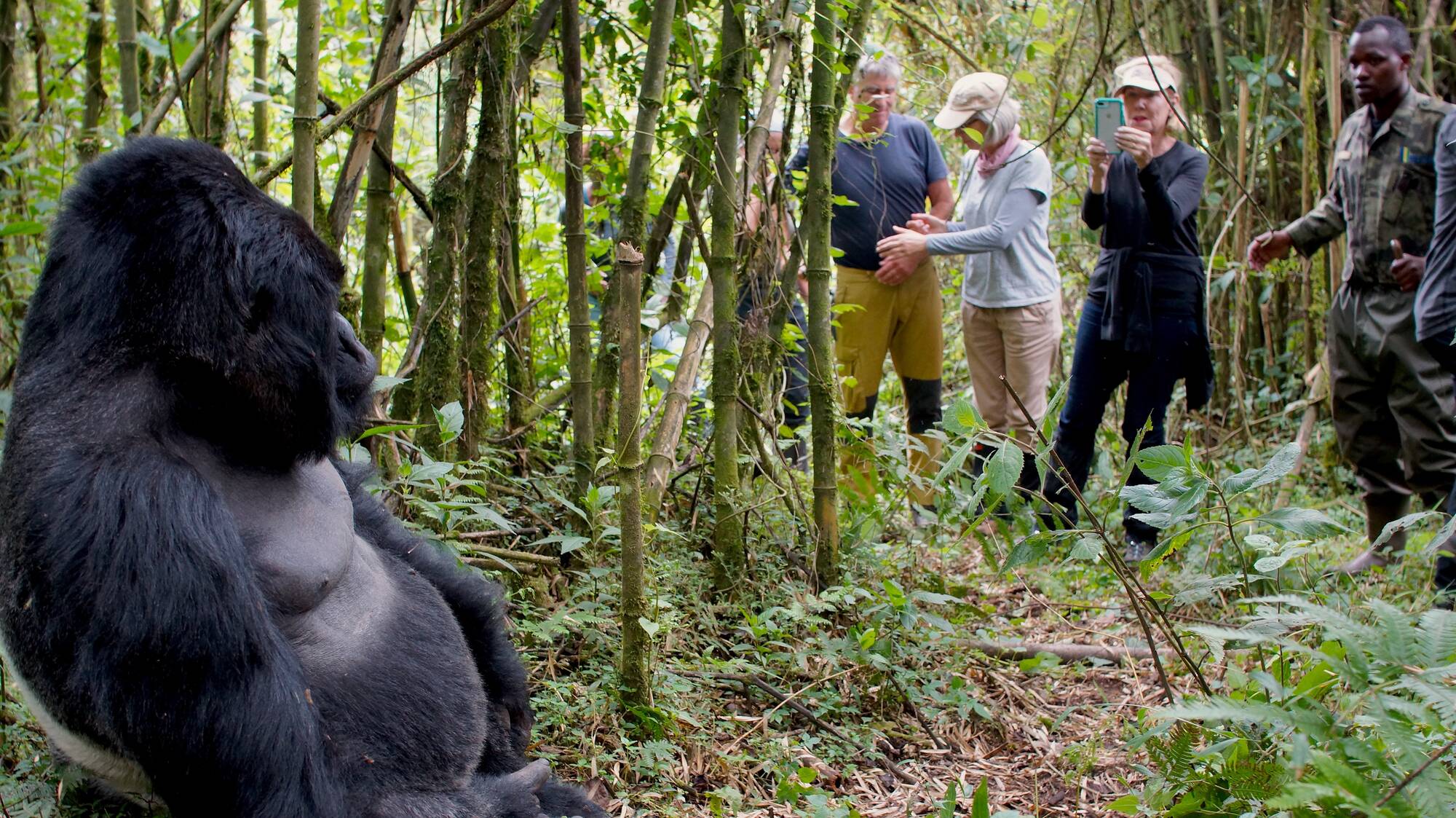
Unlike traditional wildlife viewing experiences where animals are often observed from vehicles or long distances, gorilla trekking creates a much more personal connection with nature. Visitors walk through the rainforest alongside experienced trackers, search for a specific gorilla family, and spend valuable time observing their daily activities.
During this encounter, travelers may witness powerful moments such as a dominant silverback protecting his family, mothers caring for young infants, juveniles playing among the vegetation, or different members communicating through sounds and body movements.
The Gorilla Families in Volcanoes live within one of Africa’s most beautiful natural environments. The Virunga volcanic ecosystem features mist-covered mountains, dense rainforest, bamboo forests, and rich biodiversity that supports not only mountain gorillas but also golden monkeys, forest elephants, and numerous bird species.
Through decades of conservation, scientific research, and responsible tourism, Rwanda has created one of the world’s most successful mountain gorilla protection programs. Tourism revenue from gorilla trekking contributes directly toward conservation initiatives, ranger operations, habitat protection, and community projects around Volcanoes National Park.
This complete guide explores the different Gorilla Families in Volcanoes, their social structures, habituation process, unique characteristics, and what travelers can expect when planning an unforgettable Rwanda gorilla trekking adventure.
Understanding Gorilla Families in Volcanoes National Park
The Social Structure of Mountain Gorilla Families in Rwanda
The Gorilla Families in Volcanoes are highly organized communities built around strong family relationships and complex social connections. Mountain gorillas are among the most intelligent and socially developed animals in the world, and their family structures closely resemble many aspects of human communities.
Unlike some wildlife species that live alone or only gather temporarily, mountain gorillas depend on permanent family groups for protection, learning, companionship, and survival. These groups provide security for young gorillas and create strong emotional bonds between different members.
A typical gorilla family usually includes:
- A dominant silverback male
- Adult females
- Juvenile gorillas
- Infant gorillas
- Younger blackback males
Each member has an important role within the group, contributing to the stability and survival of the family.
The Role of the Silverback in Gorilla Families
The silverback is the leader and protector of the gorilla family. The name comes from the distinctive silver-colored hair that develops across the back of mature males as they reach adulthood.
The silverback plays several important roles, including:
- Protecting the family from threats
- Leading movements through the forest
- Choosing resting and feeding areas
- Maintaining peace within the group
- Protecting young gorillas
A dominant silverback demonstrates remarkable strength, but his leadership is not based only on physical power. Successful silverbacks maintain strong relationships with females and younger members through communication, protection, and social interaction.
During a gorilla trekking experience, observing a silverback provides one of the most memorable moments because visitors can witness the confidence, intelligence, and responsibility of these incredible animals.
A silverback may spend time resting peacefully while monitoring his surroundings, feeding among family members, interacting with juveniles, or responding to potential threats.
The Importance of Female Gorillas Within the Family
Female gorillas are essential to the survival and development of every gorilla family.
They are responsible for:
- Raising infants
- Teaching young gorillas social behaviors
- Maintaining relationships within the group
- Supporting family stability
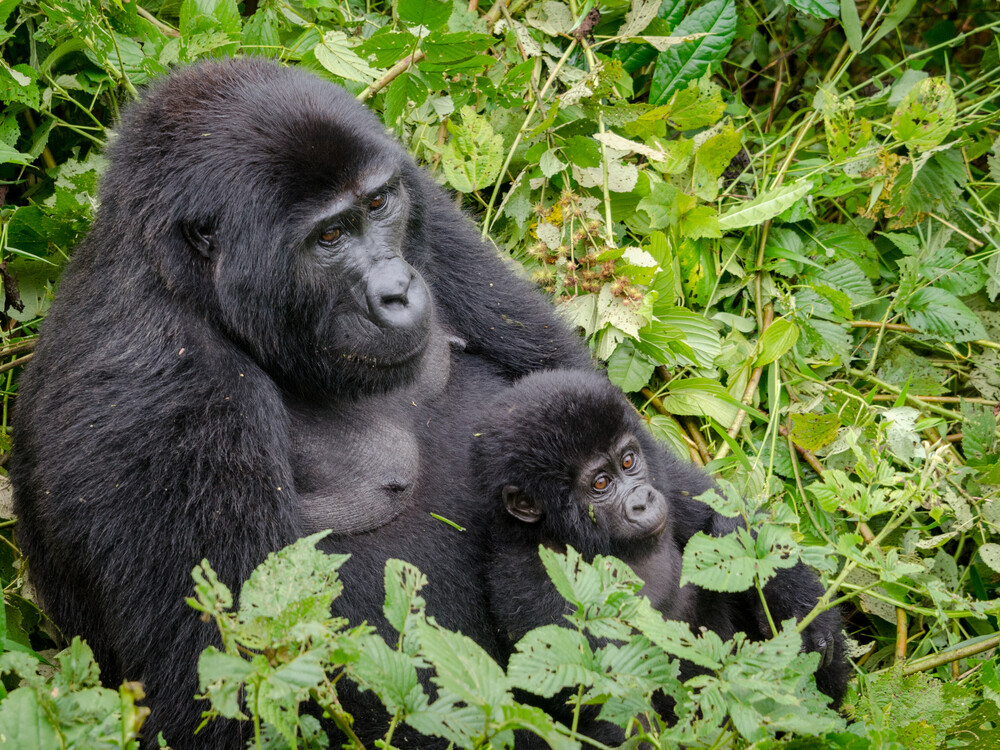
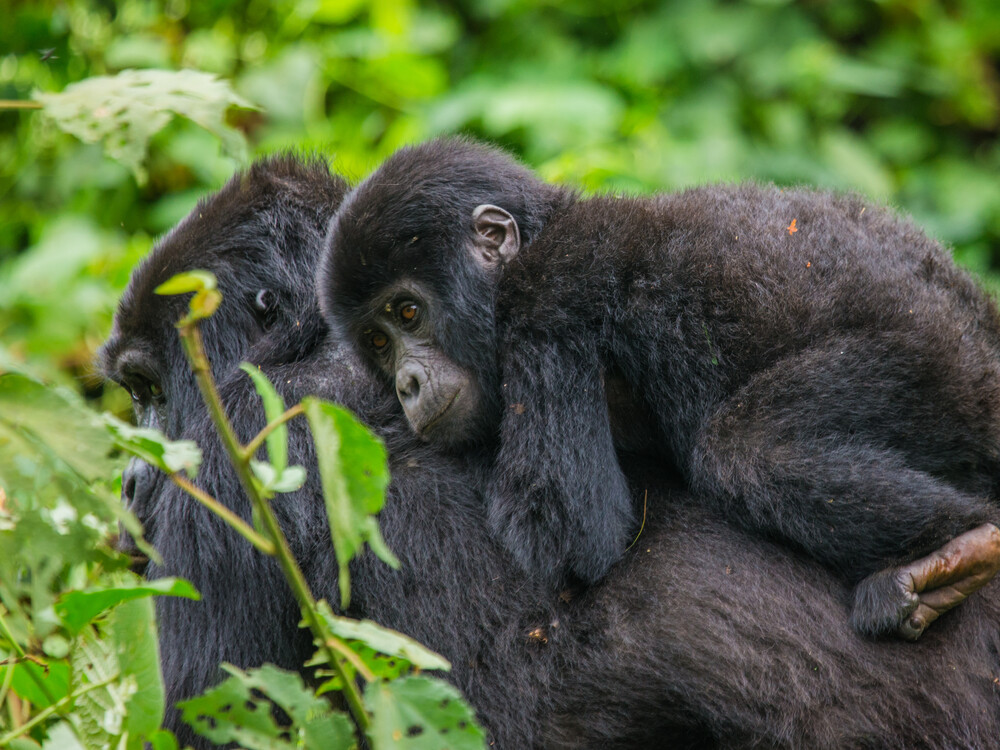
Mother gorillas develop extremely strong bonds with their infants. A young gorilla depends entirely on its mother during the early years of life and learns important survival skills by observing her behavior.
Visitors trekking the Gorilla Families in Volcanoes often describe watching mothers and infants as one of the most emotional parts of the experience.
Mothers can frequently be seen:
- Carrying babies through the forest
- Grooming their young
- Protecting infants while resting
- Allowing juveniles to play nearby
These interactions demonstrate the intelligence, care, and emotional depth of mountain gorillas.
Young Gorillas and Their Role in Family Development
Young gorillas are among the most entertaining members of any family group.
Juveniles spend much of their time:
- Playing with other young gorillas
- Climbing vegetation
- Exploring their surroundings
- Learning social behaviors
Although their activities may appear playful, these moments are extremely important for their development. Through play, young gorillas learn communication skills, social relationships, and behaviors they will need as adults.
During gorilla trekking, watching juveniles interact is often one of the highlights because their playful energy creates unforgettable wildlife moments.
Every Gorilla Family Has Its Own Personality
One of the most fascinating aspects of the Gorilla Families in Volcanoes is that every group develops its own unique personality.
Some families are known for being:
- Calm and relaxed around visitors
- Large and socially active
- Dominated by powerful silverbacks
- Full of playful young gorillas
- More mobile within the forest
These differences occur because every group has a unique history and combination of individuals.
Just like human families, gorilla groups have different relationships, behaviors, and personalities that make every trekking experience different.
How Gorilla Families in Volcanoes Become Habituated
The Gorilla Habituation Process in Volcanoes National Park
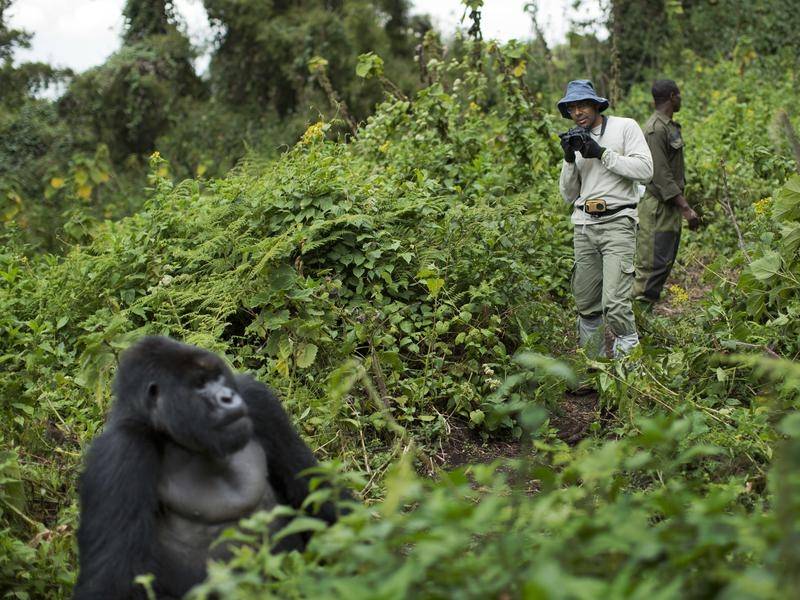
Before visitors can experience the Gorilla Families in Volcanoes, each group must complete a careful habituation process.
Gorilla habituation is one of the most important conservation procedures because it allows researchers and visitors to observe mountain gorillas while ensuring their natural behaviors are protected.
The purpose of habituation is not to make gorillas tame or domesticated. Mountain gorillas remain completely wild animals. Instead, habituation allows them to become comfortable with the presence of humans while continuing their normal activities.
How the Habituation Process Works
The habituation process is carefully managed by conservation experts, researchers, and park authorities.
It involves:
Daily Monitoring by Researchers
Researchers spend years observing gorilla groups before tourism activities are introduced.
They study:
- Family relationships
- Feeding patterns
- Movement patterns
- Social behaviors
- Health conditions
This information helps conservation teams understand each gorilla family and ensure safe interactions.
Careful Observation of Gorilla Behavior
Before a family becomes available for trekking, experts monitor how gorillas respond to human presence.
Researchers observe whether gorillas:
- Remain calm around humans
- Continue natural behaviors
- Show signs of stress
- Maintain normal social interactions
The wellbeing of the gorillas is always the highest priority.
Gradual Exposure to Human Presence
Habituation happens slowly over time.
Researchers gradually increase interaction while carefully observing gorilla reactions.
This prevents sudden changes that could affect their natural behavior.
The process requires patience because mountain gorillas are intelligent animals with individual personalities.
Continuous Health Monitoring
Because gorillas and humans share similarities, health protection is extremely important.
During habituation and tourism activities, conservation teams monitor:
- Gorilla health
- Signs of illness
- Physical conditions
- Family wellbeing
Strict visitor guidelines help reduce health risks and protect these endangered animals.
Why Gorilla Habituation Is Important for Conservation
Once a gorilla family becomes habituated, carefully controlled trekking experiences can begin.
These encounters provide important benefits, including:
Supporting Gorilla Protection Programs
Revenue from gorilla trekking helps fund conservation activities such as:
- Ranger patrols
- Habitat protection
- Anti-poaching operations
- Wildlife monitoring
Supporting Scientific Research
Habituated gorillas allow researchers to study:
- Gorilla behavior
- Population changes
- Social structures
- Conservation challenges
This knowledge helps improve protection strategies.
Supporting Local Communities
Gorilla tourism provides economic opportunities for communities surrounding Volcanoes National Park.
Benefits include:
- Employment opportunities
- Tourism-related businesses
- Community development projects
When local communities benefit from conservation, they become important partners in protecting mountain gorillas.
Famous Gorilla Families in Volcanoes National Park
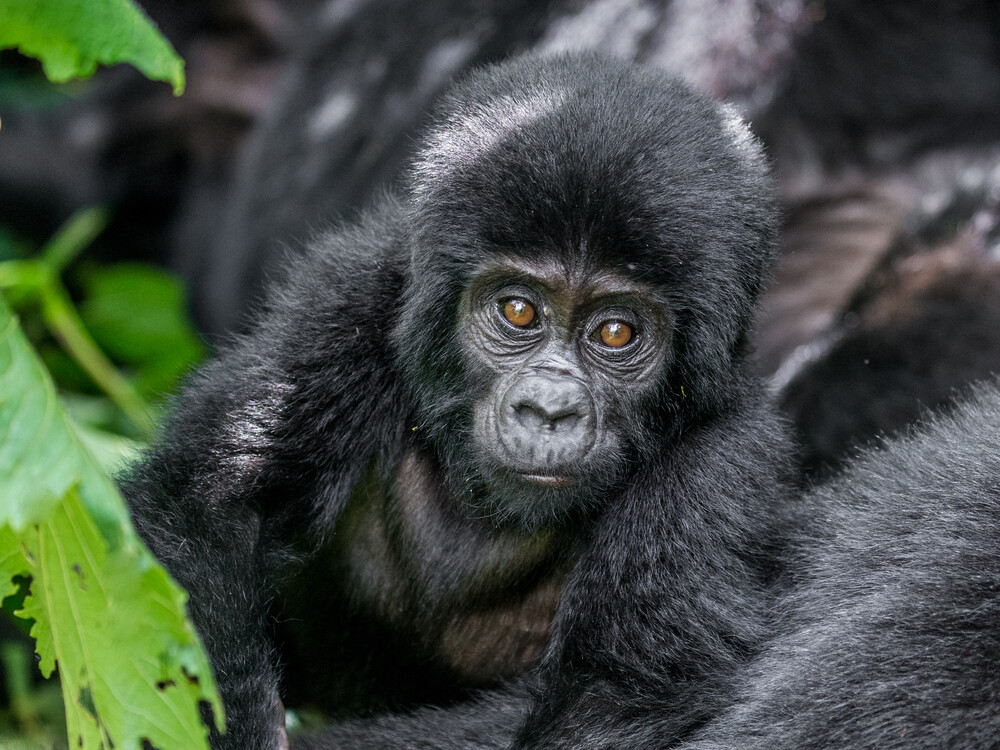
Discover the Legendary Gorilla Groups of Volcanoes National Park, Rwanda
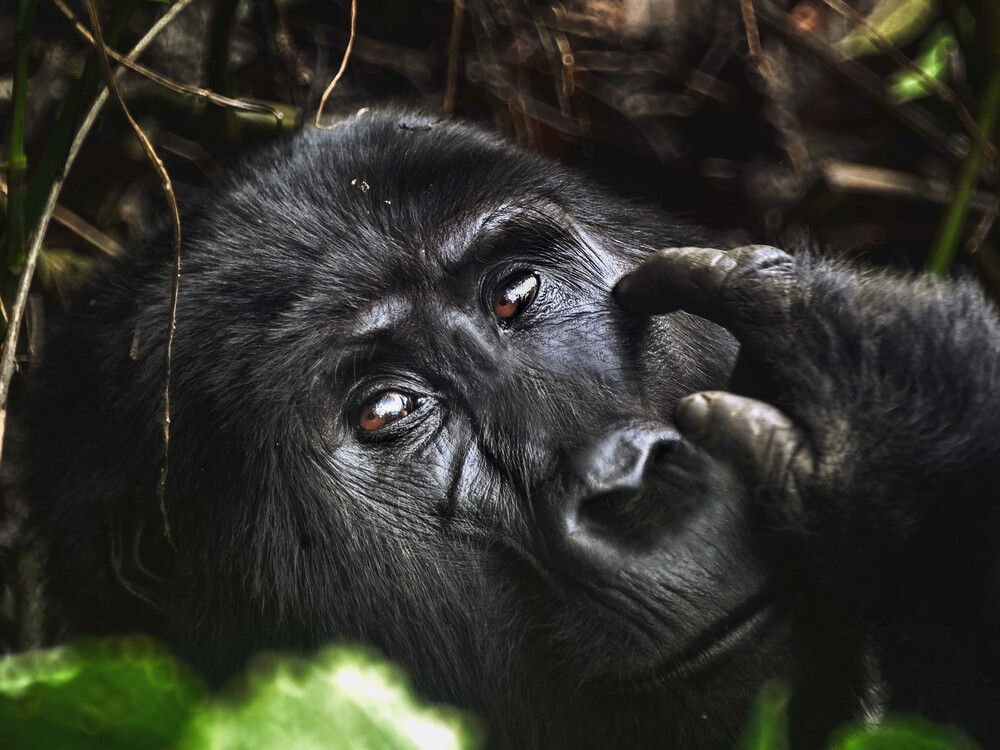
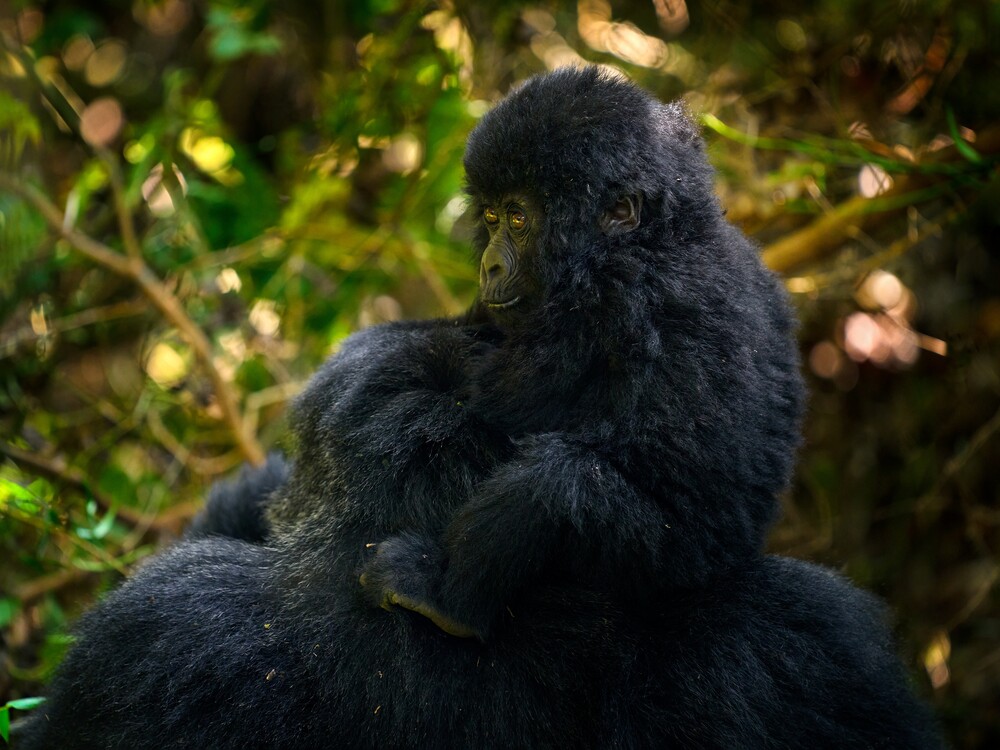
The Gorilla Families in Volcanoes are among the most remarkable wildlife attractions in Rwanda, each carrying a unique story shaped by generations of conservation, natural changes, and fascinating social relationships. Volcanoes National Park is home to several habituated mountain gorilla families that have become famous around the world because of their individual personalities, historical backgrounds, and unforgettable trekking experiences.
Every gorilla family offers something different. Some groups are known for their impressive size and complex social structures, while others are recognized for peaceful behavior, powerful silverbacks, active movements, or unique family histories. Understanding these different groups helps travelers appreciate that gorilla trekking is not simply about seeing mountain gorillas, but about connecting with individual families that have their own identities.
The following are some of the most famous Gorilla Families in Volcanoes that visitors can encounter during a Rwanda gorilla trekking adventure.
Susa Gorilla Family – The Legendary Gorilla Group of Volcanoes
The Susa Gorilla Family is one of the most famous and historically important groups among the Gorilla Families in Volcanoes. This legendary family gained worldwide recognition because of its connection to early mountain gorilla research conducted in the Virunga Mountains and its importance in the conservation history of Rwanda’s mountain gorillas.
The group was famously studied by researchers during the early efforts to understand and protect mountain gorillas. Its story contributed significantly to global awareness about the threats facing these endangered primates and helped inspire international conservation efforts.
The Susa family became particularly well known because of its large size and fascinating social organization. At certain periods, it was among the largest habituated gorilla groups in Rwanda, consisting of many individuals from different generations living together. This created exceptional opportunities for researchers and visitors to observe complex gorilla relationships.
During a trek to the Susa Gorilla Family, visitors may witness:
- Strong bonds between family members
- Adult gorillas caring for younger individuals
- Juveniles playing and learning social behaviors
- Silverbacks maintaining order within the group
- Multiple generations interacting together
One of the most fascinating aspects of the Susa family is observing how different age groups contribute to the group’s survival. Young gorillas learn important behaviors through play, while adults provide protection and guidance.
Tracking the Susa Gorilla Family can sometimes be more physically demanding because the group may move through higher sections of Volcanoes National Park. The trek can involve steep terrain, dense vegetation, and changing weather conditions.
However, the effort is rewarded with one of the most memorable wildlife encounters in Africa. Standing in the rainforest and observing a historically significant gorilla family provides a deeper understanding of the importance of mountain gorilla conservation.
For travelers interested in history, photography, and observing large gorilla groups, the Susa Gorilla Family remains one of the most extraordinary choices among the Gorilla Families in Volcanoes.
Karisimbi Gorilla Family – The High Mountain Gorilla Group
The Karisimbi Gorilla Family is one of the most adventurous groups among the Gorilla Families in Volcanoes, named after Mount Karisimbi, one of the highest volcanic peaks within the Virunga Mountain range.
This family is associated with higher-altitude areas of Volcanoes National Park, offering visitors a unique trekking experience surrounded by dramatic volcanic landscapes and untouched rainforest environments.
Unlike some gorilla groups that are often found closer to accessible trekking routes, the Karisimbi family may require longer and more challenging hikes. Visitors should be prepared for:
- Steeper forest trails
- Higher elevations
- Changing weather conditions
- Longer trekking distances
The challenge of reaching this family creates a more adventurous experience for travelers who enjoy wilderness exploration and physically rewarding activities.
The Karisimbi Gorilla Family is particularly appealing to visitors who want:
- A remote rainforest experience
- Beautiful mountain scenery
- Fewer encounters with other trekking groups
- A deeper connection with nature
The journey through the forest itself becomes part of the adventure. Travelers move through different vegetation zones while searching for the gorillas, experiencing the beauty of Volcanoes National Park beyond just the final encounter.
Once the gorillas are located, visitors are rewarded with an authentic wildlife experience where they can observe mountain gorillas living naturally within their forest environment.
The combination of challenging trekking, volcanic scenery, and intimate gorilla encounters makes the Karisimbi Gorilla Family one of the most memorable groups in Rwanda.
Amahoro Gorilla Family – The Peaceful Gorilla Group
The Amahoro Gorilla Family is one of the most loved and admired groups among visitors exploring the Gorilla Families in Volcanoes.
The word “Amahoro” means “peace” in Kinyarwanda, and this name reflects the calm and gentle nature often associated with this gorilla family.
The group is appreciated because of its peaceful social interactions and relaxed behavior. Visitors often describe encounters with the Amahoro family as deeply emotional because they provide an opportunity to observe the softer side of mountain gorilla life.
During a trek with the Amahoro Gorilla Family, visitors may witness:
- Mothers protecting and caring for infants
- Young gorillas playing together
- Adults feeding peacefully
- Social grooming between family members
- Natural communication behaviors
One of the most beautiful aspects of this family is watching the strong relationships between individuals. Mountain gorillas depend heavily on social connections, and the Amahoro group demonstrates how cooperation and trust maintain family stability.
The silverback plays an important role in keeping the group peaceful and organized. Rather than constantly displaying aggression, many successful silverbacks maintain leadership through protection, confidence, and strong relationships with family members.
For photographers, the Amahoro family offers excellent opportunities to capture emotional wildlife images, especially moments involving mothers, infants, and close family interactions.
Travelers looking for a meaningful and relaxed gorilla trekking experience often consider the Amahoro Gorilla Family one of the highlights of Volcanoes National Park.
Sabinyo Gorilla Family – One of the Most Accessible Gorilla Groups
The Sabinyo Gorilla Family is among the most popular groups for travelers visiting Volcanoes National Park because it is often found in areas that allow relatively easier trekking conditions.
Named after Mount Sabyinyo, one of the volcanic peaks forming the Virunga range, this family provides an excellent opportunity for visitors who want a rewarding gorilla experience without extremely demanding hiking.
The Sabinyo Gorilla Family is known for:
- Fascinating silverback behavior
- Strong family relationships
- Memorable close encounters
- Good accessibility
This group is particularly suitable for travelers who may have limited trekking experience or prefer shorter hiking distances.
However, an easier trek does not mean a less rewarding experience. The Sabinyo family provides incredible opportunities to observe natural gorilla behavior, including feeding, resting, communication, and interactions between different generations.
Visitors often appreciate the chance to spend time observing the family without the physical challenge associated with some other gorilla groups.
For first-time gorilla trekkers, older travelers, or photographers carrying camera equipment, the Sabinyo Gorilla Family can provide an excellent balance between accessibility and unforgettable wildlife encounters.
Agashya Gorilla Family – The Special Gorilla Group
The Agashya Gorilla Family is another remarkable group among the Gorilla Families in Volcanoes, known for its interesting history and evolving social structure.
The name Agashya means “special” in Kinyarwanda, reflecting the unique identity and story of this family.
Like all mountain gorilla groups, the Agashya family has experienced natural changes over time. Leadership changes, family expansion, and movements of individuals are normal parts of gorilla society.
Visitors trekking the Agashya Gorilla Family may experience:
- Multiple generations living together
- Protective silverback behavior
- Feeding activities
- Social interactions between members
One of the fascinating aspects of this family is observing how gorilla groups adapt and develop over time. New relationships form, leadership changes occur, and the family continues evolving.
The Agashya group provides an excellent example of the dynamic nature of mountain gorilla societies and the importance of long-term conservation.
Hirwa Gorilla Family – A Naturally Formed Gorilla Group
The Hirwa Gorilla Family represents the natural development and growth of mountain gorilla populations within Volcanoes National Park.
The group was formed when individuals from existing gorilla families separated and established a new social community. This process is a normal part of gorilla behavior and demonstrates how gorilla populations naturally expand.
New gorilla families can form when:
- Young males become independent
- Females transfer between groups
- New leadership structures develop
The formation of the Hirwa family highlights the success of conservation efforts in Rwanda, as healthy gorilla populations allow natural social changes to occur.
Visitors trekking the Hirwa Gorilla Family may observe:
- Young gorillas developing social skills
- Family members interacting
- Natural feeding patterns
- Strong bonds between individuals
This family offers travelers a chance to witness the ongoing evolution of mountain gorilla communities.
Ugenda Gorilla Family – The Active Moving Group
The Ugenda Gorilla Family is known for its active movements within the forest.
The name Ugenda relates to movement, reflecting the tendency of this group to travel frequently through its habitat.
Unlike some families that may remain within smaller areas, the Ugenda group can require more searching and hiking because of its movement patterns.
Tracking this family provides a more adventurous trekking experience where visitors follow the natural movements of mountain gorillas through Volcanoes National Park.
The experience allows travelers to appreciate the true wilderness of the rainforest, where gorillas move freely according to their natural feeding and social patterns.
For adventurous travelers, the Ugenda Gorilla Family provides an exciting opportunity to explore deeper into the forest while searching for these incredible primates.
What Makes Gorilla Families in Volcanoes Unique?
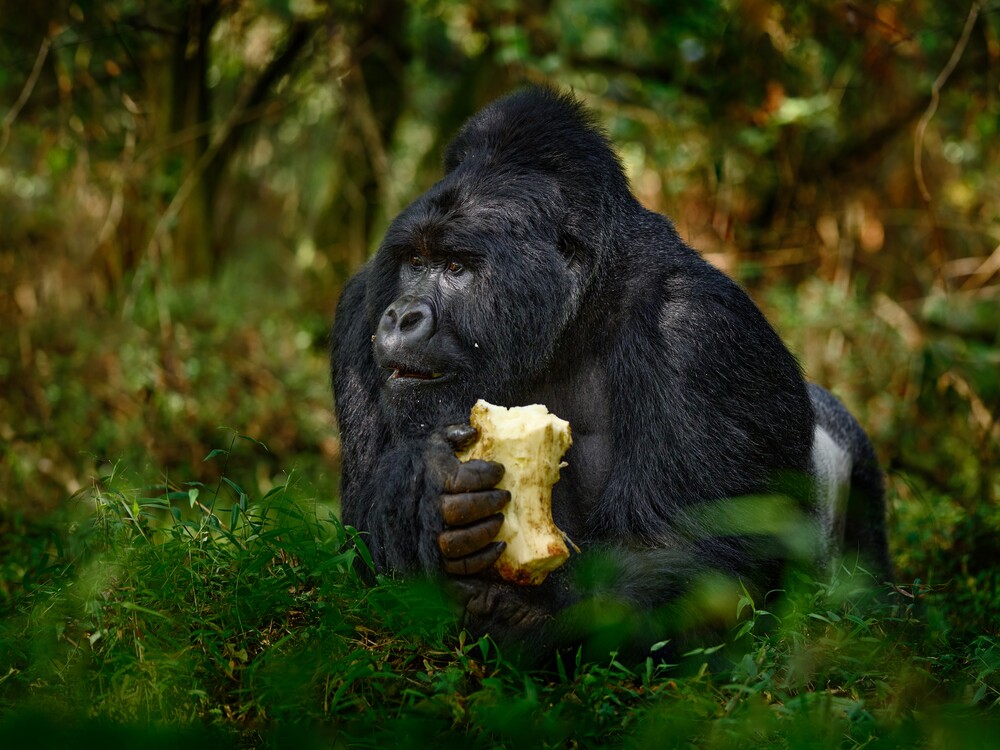
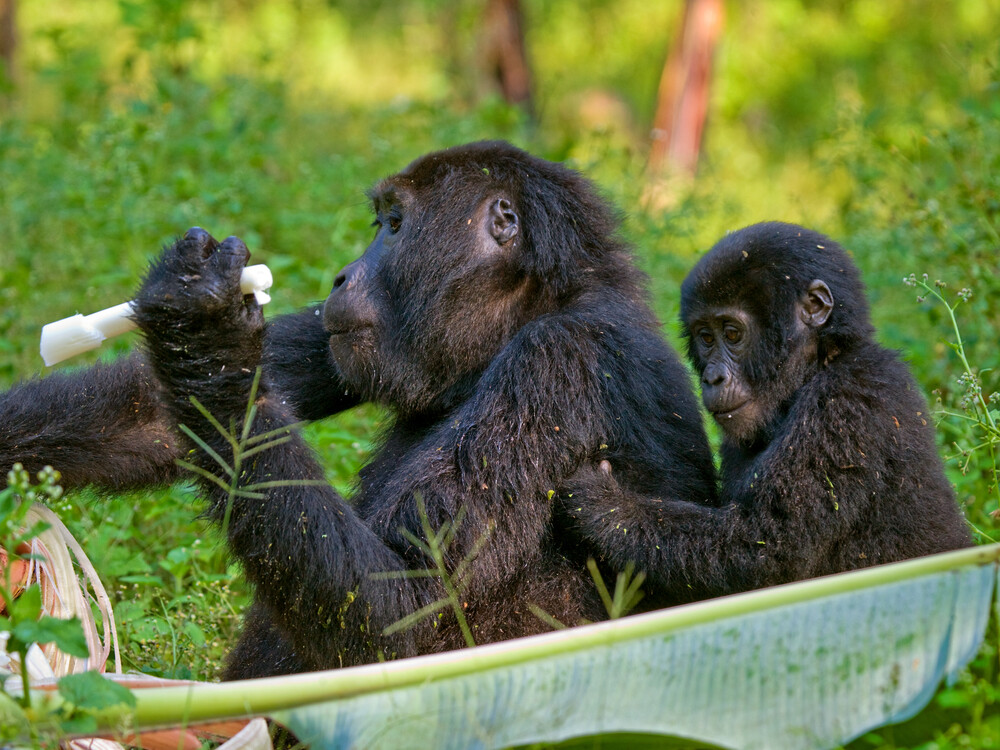
Different Personalities, Behaviors, and Family Histories
One of the greatest reasons visitors love the Gorilla Families in Volcanoes is because every group has its own personality and story.
Although all mountain gorillas share similar characteristics, each family develops unique behaviors based on:
- Family size
- Silverback leadership
- Individual personalities
- Forest location
- Social relationships
- Previous history
Some groups may be calm and relaxed, allowing visitors to observe peaceful interactions. Others may be more active, providing exciting moments as gorillas move through vegetation and communicate with each other.
The presence of different personalities makes every gorilla trekking experience unique. Even visitors who trek multiple times can have completely different experiences depending on the family they encounter.
How Gorilla Families Are Assigned During Trekking
Choosing the Right Gorilla Family Experience
Visitors cannot usually choose a specific gorilla family directly because assignments are managed by the Rwanda Development Board and park authorities.
The allocation process considers several factors, including:
- Visitor fitness level
- Trekking difficulty
- Availability of gorilla groups
- Visitor preferences where possible
Travelers should communicate their interests when booking their safari.
For example:
Photographers may prefer groups known for active behaviors and good photography opportunities.
Travelers with limited mobility may request easier trekking options.
Adventure travelers may prefer more challenging hikes.
An experienced safari company can help plan the best possible gorilla trekking experience based on your interests, physical ability, and expectations.
Best Gorilla Families in Volcanoes for Photography
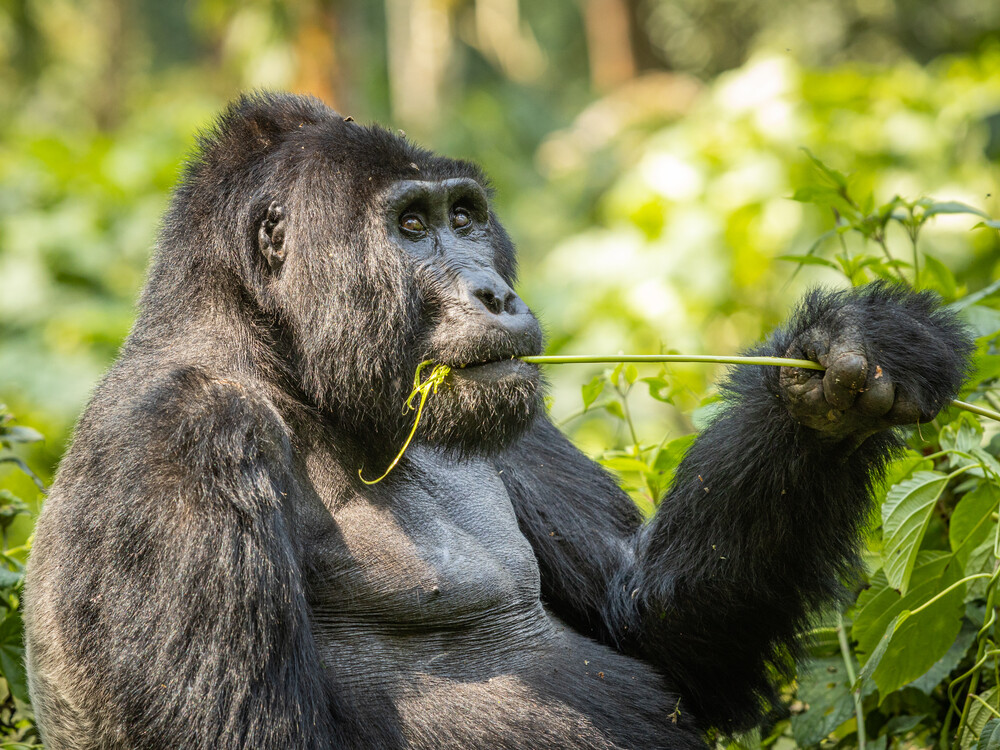
Capturing Unforgettable Mountain Gorilla Images
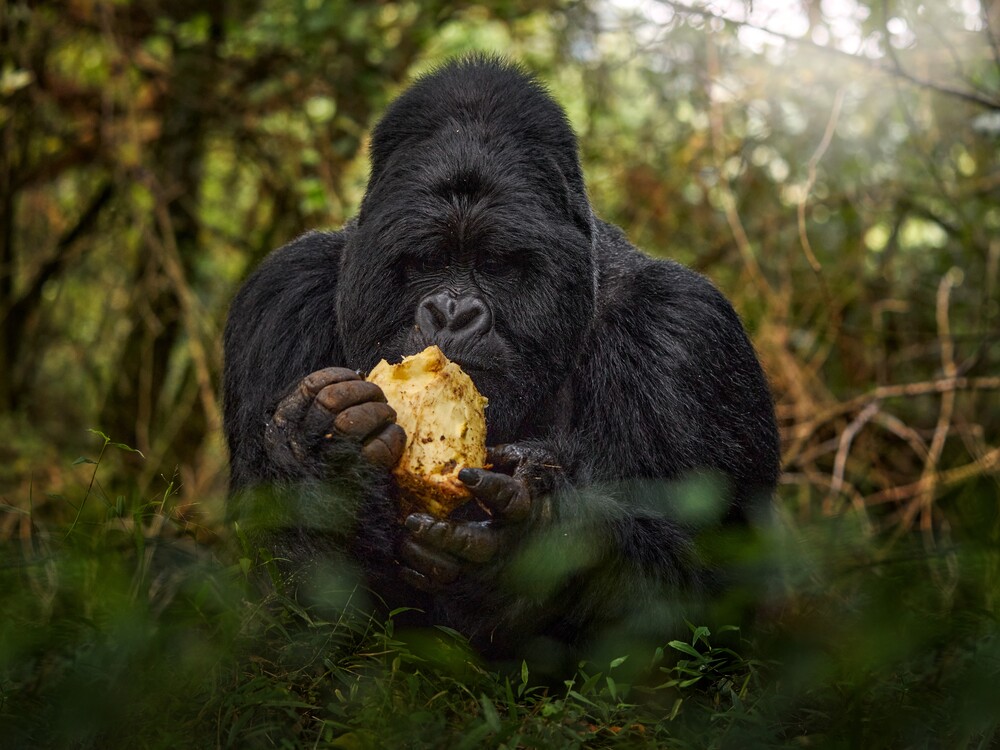
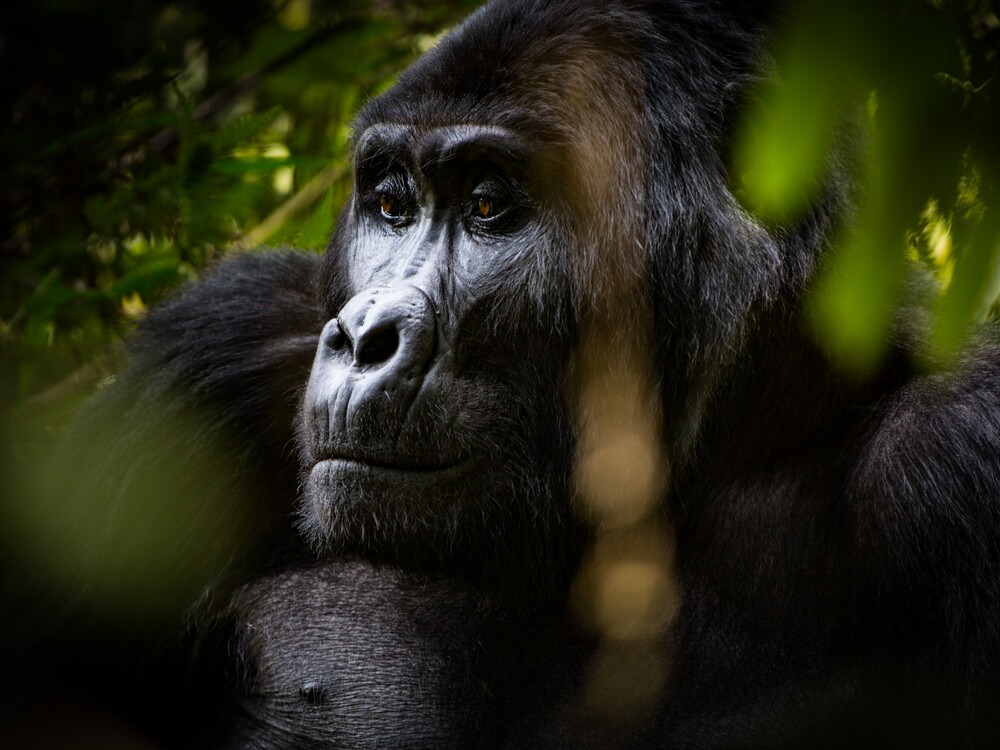
The Gorilla Families in Volcanoes provide some of the best wildlife photography opportunities in Africa.
Every family offers different photographic possibilities depending on:
- Number of gorillas
- Behavior patterns
- Forest environment
- Natural lighting conditions
Photographers can capture:
- Powerful silverback portraits
- Mothers with infants
- Young gorillas playing
- Grooming interactions
- Family communication
- Rainforest landscapes
Groups with many young gorillas often provide excellent opportunities because juveniles are active and constantly interacting.
Large families also create opportunities for storytelling images showing relationships between different generations.
The combination of close encounters, dramatic volcanic landscapes, and rainforest atmosphere makes Volcanoes National Park one of the world’s most rewarding destinations for mountain gorilla photography.
Best Time to Visit Gorilla Families in Volcanoes
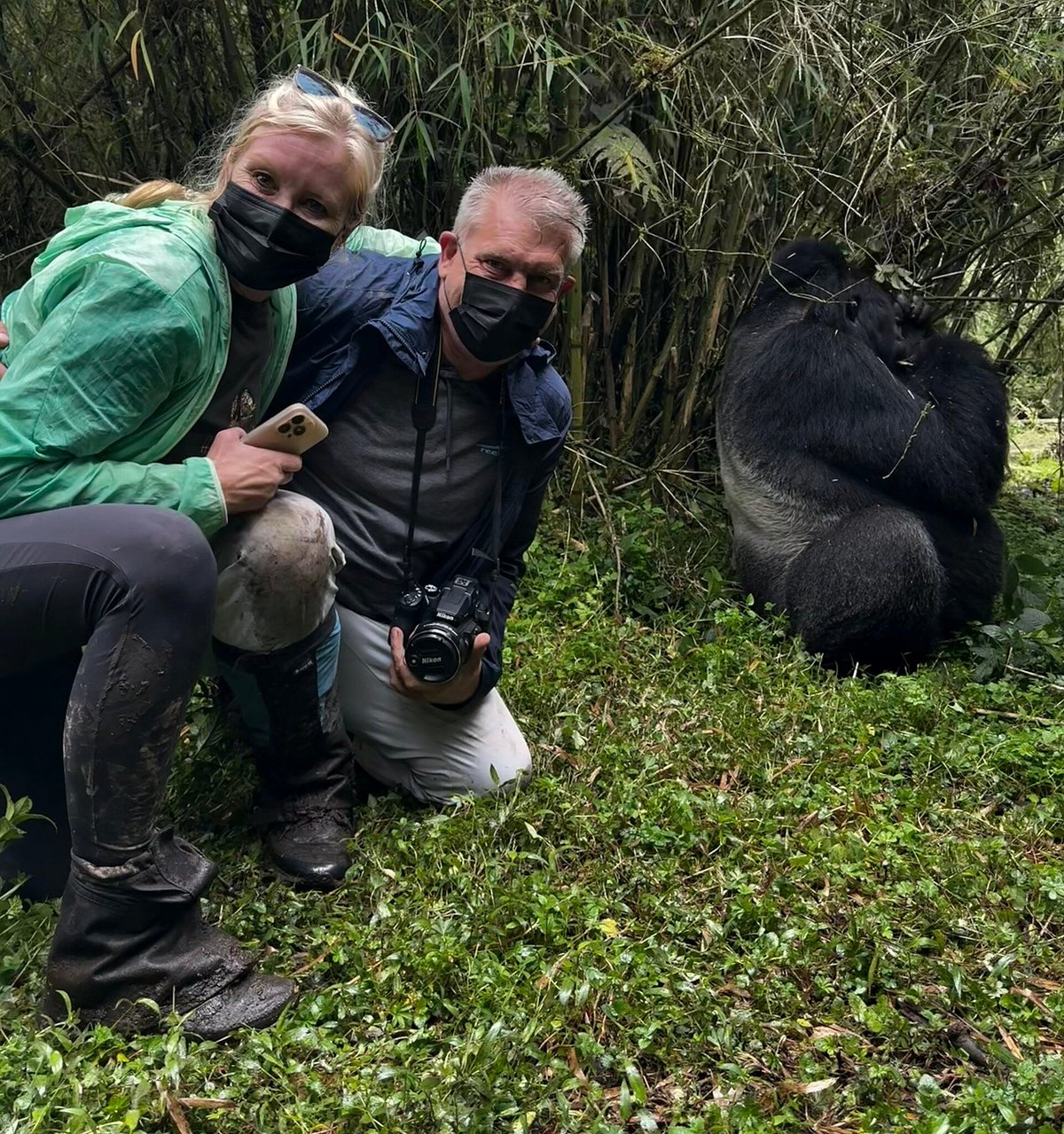
Seasonal Considerations for Gorilla Trekking in Rwanda
Gorilla trekking in Volcanoes National Park is available throughout the year, and every season provides different advantages depending on traveler preferences.
Dry Season Gorilla Trekking
The main dry seasons occur from:
- June to September
- December to February
These months are popular because trekking conditions are generally easier.
Advantages include:
- Less muddy trails
- More comfortable hiking conditions
- Easier movement through the forest
- Better accessibility
For travelers who want more predictable trekking conditions, the dry seasons are excellent choices.
Wet Season Gorilla Trekking
The wetter seasons occur from:
- March to May
- October to November
Although rainfall can make trekking more challenging, these months offer unique advantages.
Benefits include:
- Beautiful green vegetation
- Fresh rainforest scenery
- Dramatic misty landscapes
- Fewer visitors
- Excellent photography conditions
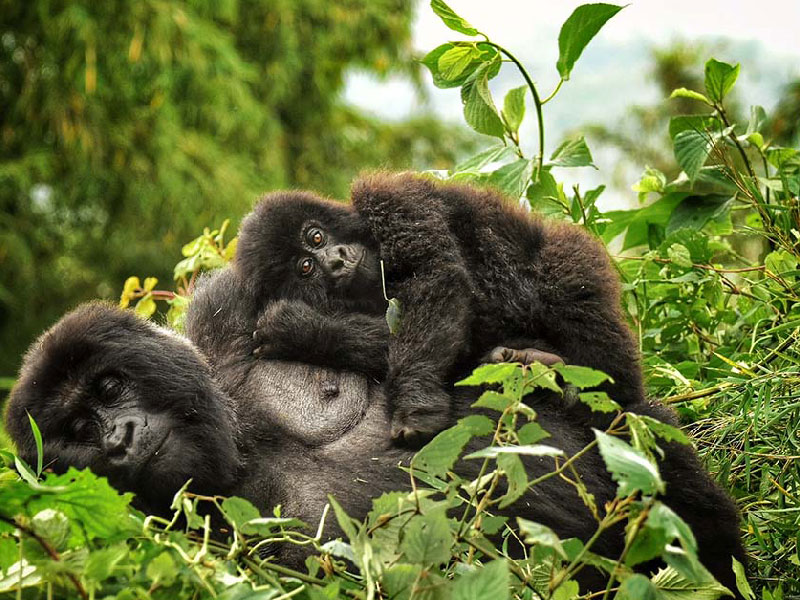
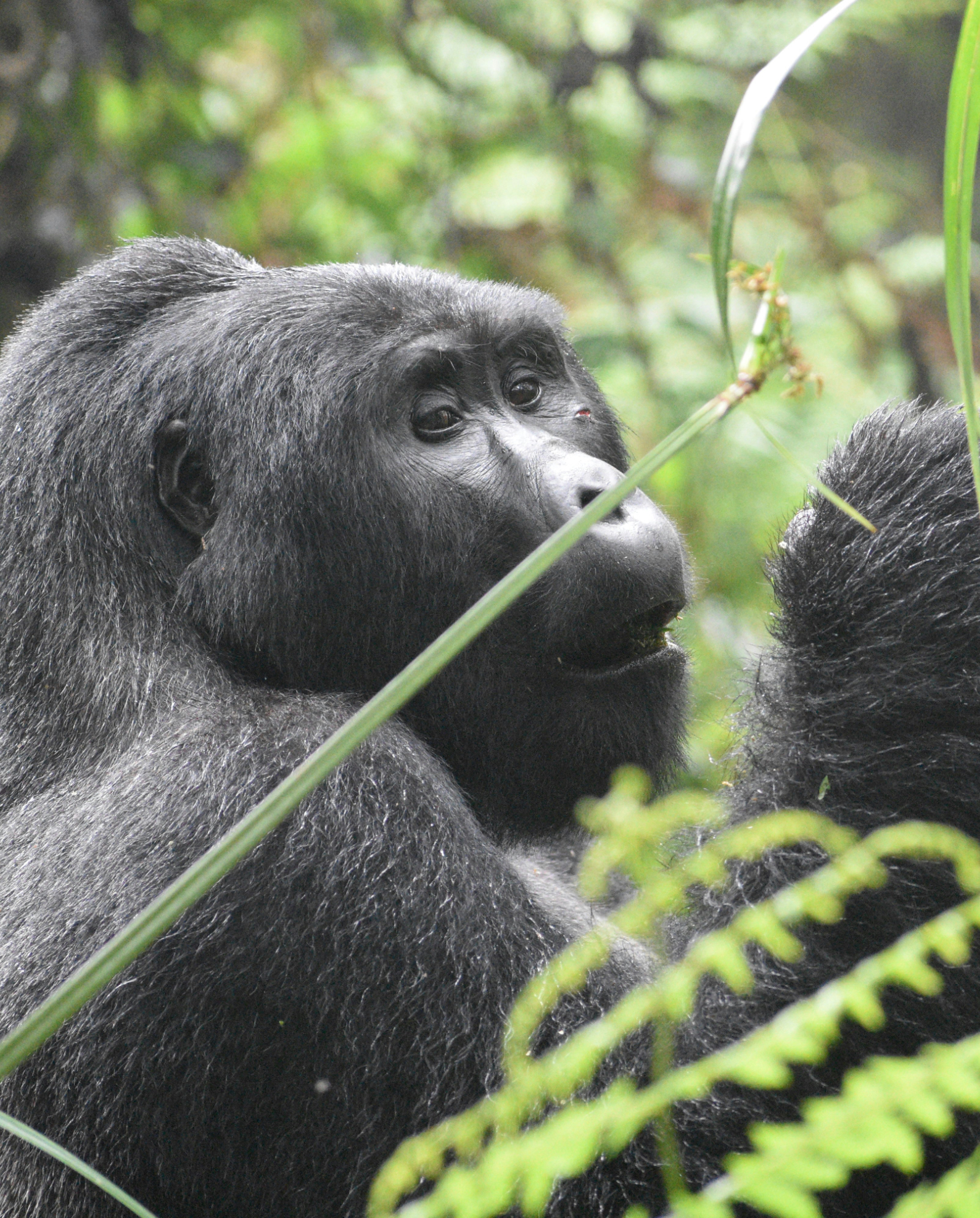
For photographers, the wet seasons can create some of the most atmospheric images because mist, moisture, and lush vegetation add a dramatic rainforest feeling.
Ultimately, the best time to visit the Gorilla Families in Volcanoes depends on your priorities, whether you prefer easier hiking conditions, fewer crowds, or the most dramatic natural scenery.
Book Your Gorilla Trekking Experience With Gorilla Families in Volcanoes
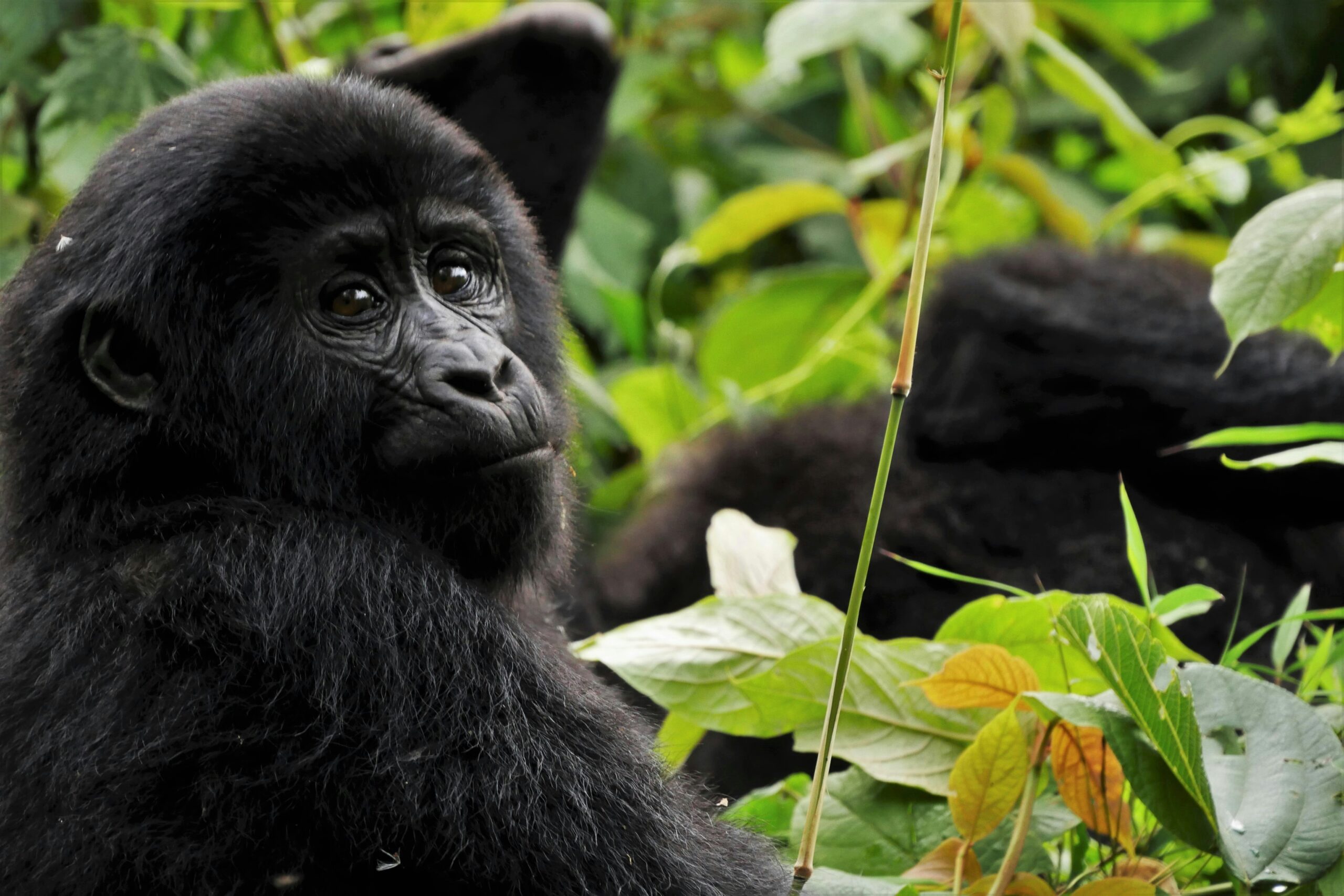
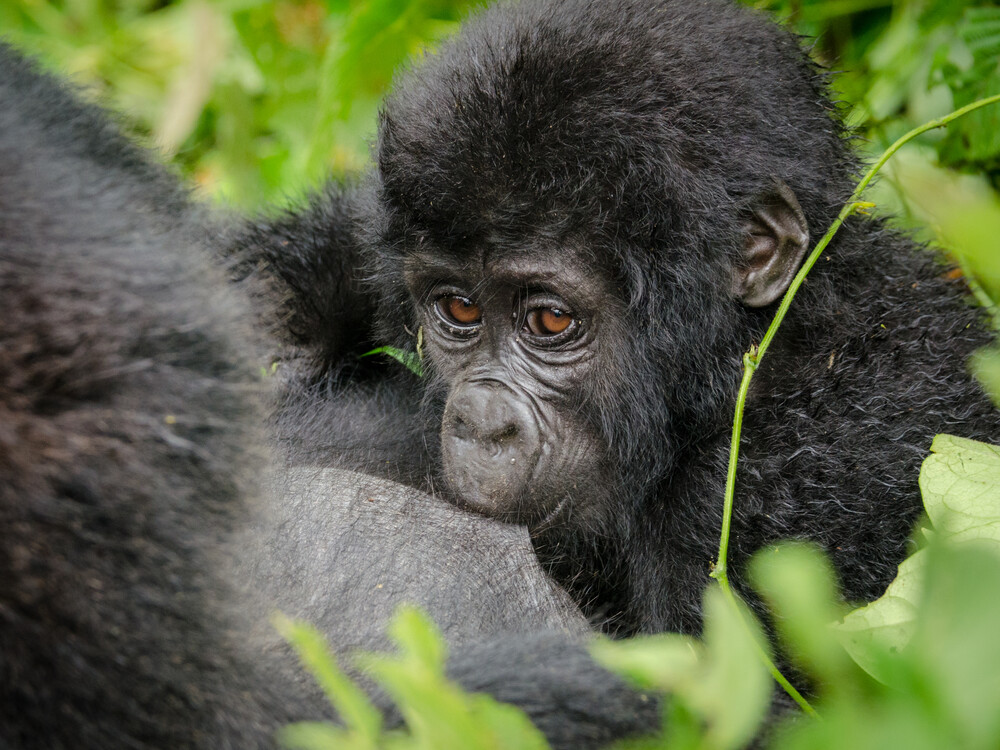
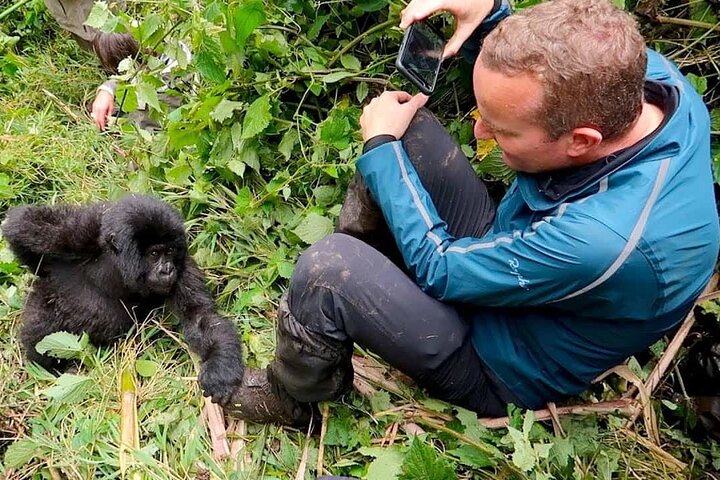
The Gorilla Families in Volcanoes represent one of the greatest wildlife experiences on Earth. Each family tells a unique story of conservation, survival, and the incredible social world of mountain gorillas.
From legendary groups with decades of history to newer families developing within Rwanda’s protected forests, every encounter offers a rare connection with these endangered primates.
At Boots in The Jungle Safaris, we create personalized Rwanda gorilla trekking experiences designed around your interests, including wildlife photography, adventure, conservation, and luxury travel.
Our Rwanda gorilla safari experiences include:
- Gorilla permit arrangements
- Professional local guides
- Comfortable 4×4 safari vehicles
- Carefully selected accommodations
- Personalized trekking plans
- Complete travel support
Whether you are visiting Rwanda for your first gorilla encounter or returning to explore more of the incredible Gorilla Families in Volcanoes, we help you create a safe, meaningful, and unforgettable adventure.
Begin planning your Rwanda gorilla trekking journey today and experience the magic of meeting mountain gorillas in Volcanoes National Park.