Ultimate Gorilla Trekking Photography Guide Rwanda: Capture Extraordinary Mountain Gorilla Moments in the Wild
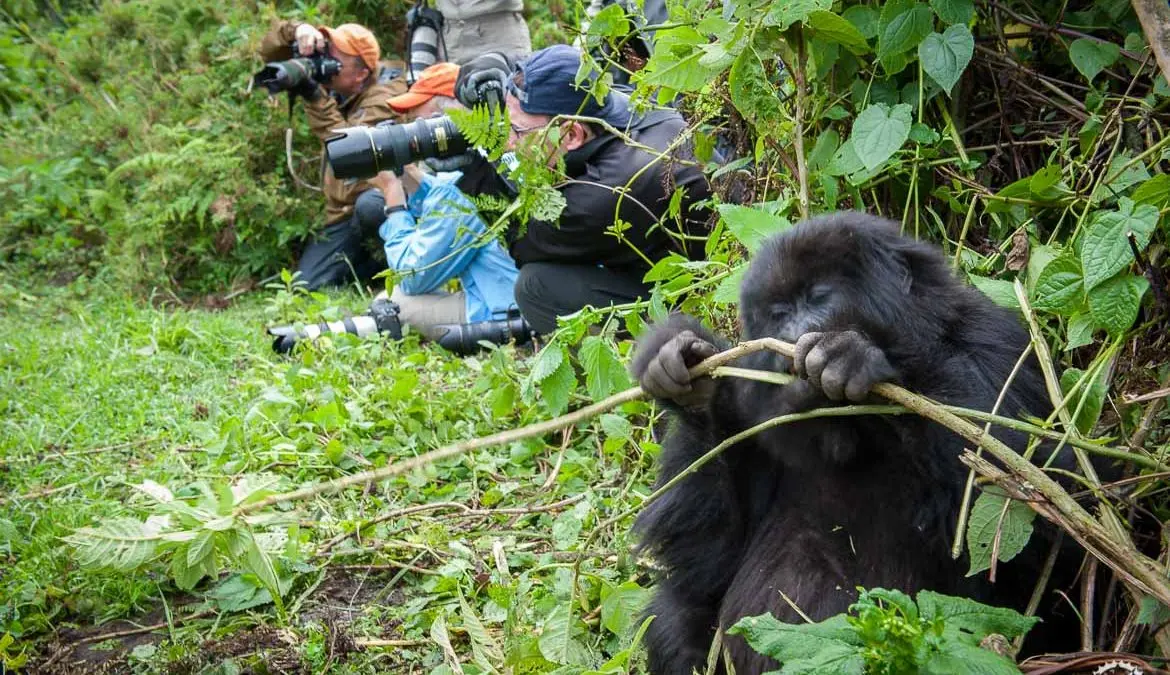
A Gorilla Trekking Photography experience in Rwanda is one of the most extraordinary wildlife photography adventures available anywhere in the world. Unlike conventional safari photography, where photographers often remain inside a vehicle and capture animals from a distance, photographing mountain gorillas requires a deeper level of preparation, patience, and connection with the natural environment.
The journey begins long before pressing the camera shutter. Photographers must hike through ancient rainforest ecosystems, navigate changing weather conditions, understand gorilla behavior, and adapt quickly to the unpredictable nature of wildlife encounters. Every moment in front of a mountain gorilla is unique, and photographers have a limited opportunity to capture authentic images that tell the story of these endangered primates.
Rwanda has become one of Africa’s premier destinations for wildlife photographers because it offers some of the most intimate and well-managed mountain gorilla encounters in the world. The country’s famous Volcanoes National Park, located within the dramatic Virunga volcanic mountain range, provides a spectacular setting where photographers can capture mountain gorillas surrounded by misty mountains, dense bamboo forests, and untouched wilderness.
The atmosphere of Volcanoes National Park creates a truly cinematic environment for photography. The combination of early morning mist, towering volcanic peaks, lush green vegetation, and the powerful presence of mountain gorillas allows photographers to create images that are not only visually stunning but also emotionally meaningful.
However, successful Gorilla Trekking Photography requires much more than owning a professional camera. The rainforest environment presents unique challenges, including limited light, unpredictable weather, moving subjects, and difficult terrain. Photographers must understand how to prepare their equipment, select appropriate camera settings, work with natural light, and anticipate gorilla behavior to capture exceptional images.
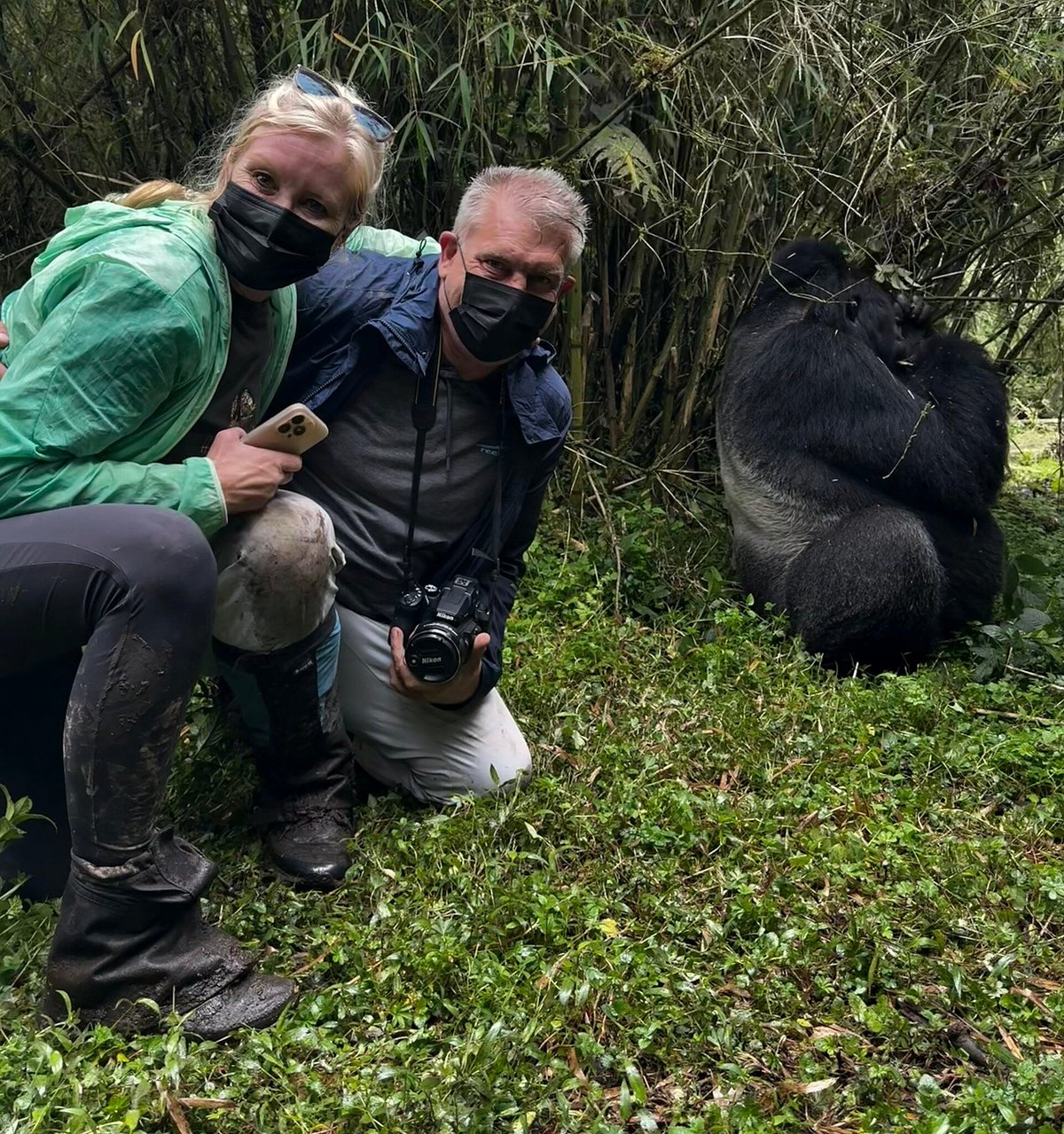
Respect for conservation guidelines is also a fundamental part of gorilla photography. Mountain gorillas are endangered animals, and every photography experience must prioritize their protection and wellbeing. Following the guidance of park rangers, trackers, and experienced guides ensures that photographers can capture incredible moments without disturbing the gorillas.
This complete Gorilla Trekking Photography Guide Rwanda provides photographers with detailed information on preparing for their adventure, selecting photography equipment, understanding gorilla behavior, mastering rainforest photography techniques, and creating unforgettable mountain gorilla images in one of Africa’s most remarkable destinations.
Why Rwanda Is One of the Best Destinations for Gorilla Trekking Photography
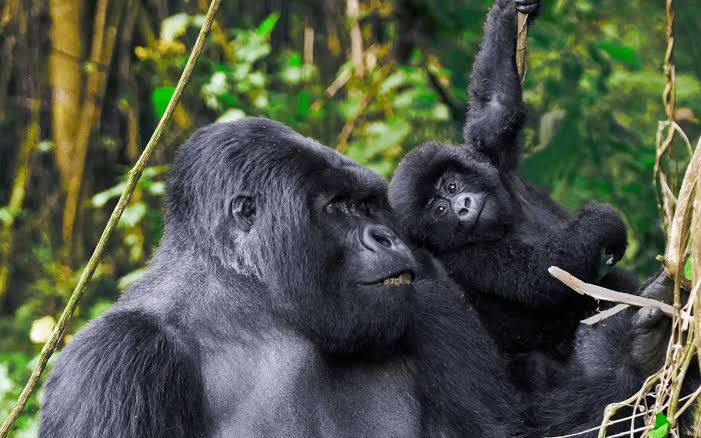
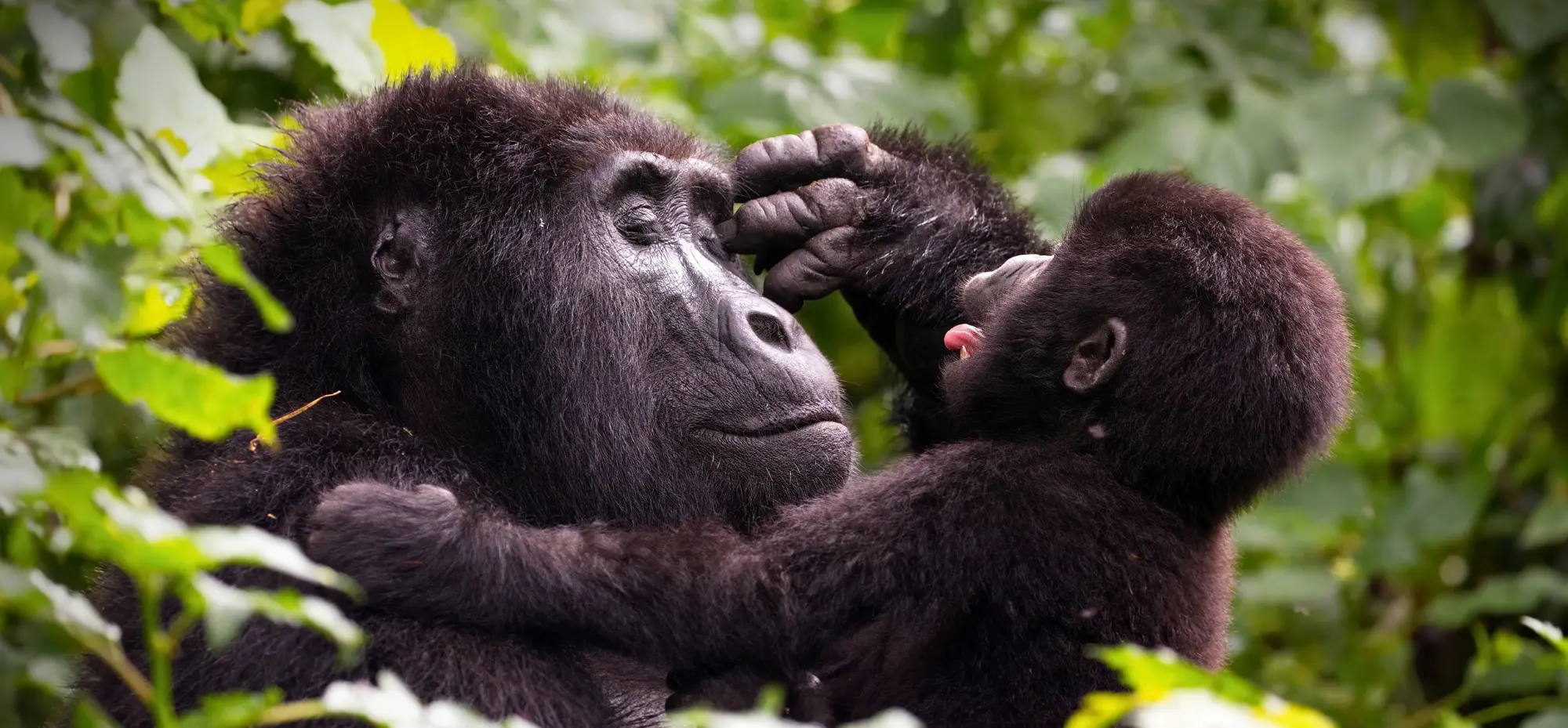
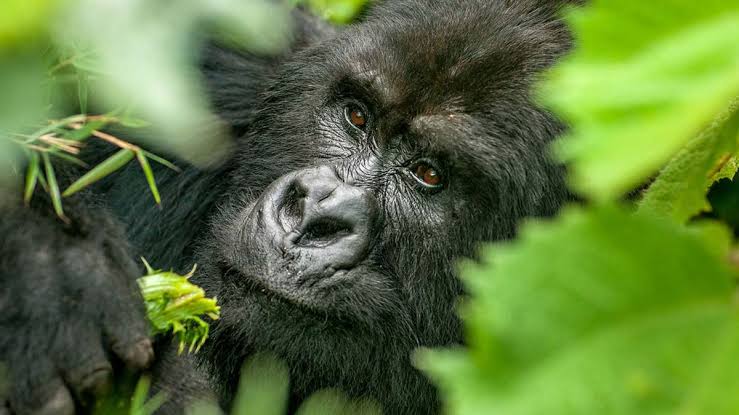
Rwanda has established itself as one of the world’s leading destinations for mountain gorilla photography due to its exceptional conservation efforts, accessible trekking experiences, and breathtaking natural landscapes.
The country’s main gorilla trekking destination, Volcanoes National Park, protects several habituated mountain gorilla families that have been carefully monitored and gradually introduced to human presence for responsible tourism and research purposes.
Located in northern Rwanda, Volcanoes National Park forms part of the larger Virunga Conservation Area, which stretches across Rwanda, Uganda, and the Democratic Republic of Congo. This unique ecosystem is home to some of the last remaining mountain gorillas on Earth.
For photographers, Rwanda offers a rare opportunity to photograph these incredible animals at relatively close distances while they behave naturally within their forest habitat.
Unlike many wildlife photography experiences where animals may appear only briefly or remain far away, gorilla trekking provides photographers with the chance to observe detailed behaviors, facial expressions, and family interactions.
The photographic opportunities in Rwanda are extraordinary because every gorilla encounter presents different moments and stories.
Photographers may capture:
Mountain Gorillas Surrounded by Ancient Forest
The rainforest environment of Volcanoes National Park creates a beautiful natural background for photography. Images of gorillas sitting among thick vegetation, bamboo forests, and forest shadows help showcase the connection between these animals and their habitat.
These environmental photographs are especially valuable because they tell a wider conservation story. They show not only the gorilla itself but also the fragile ecosystem that supports its survival.
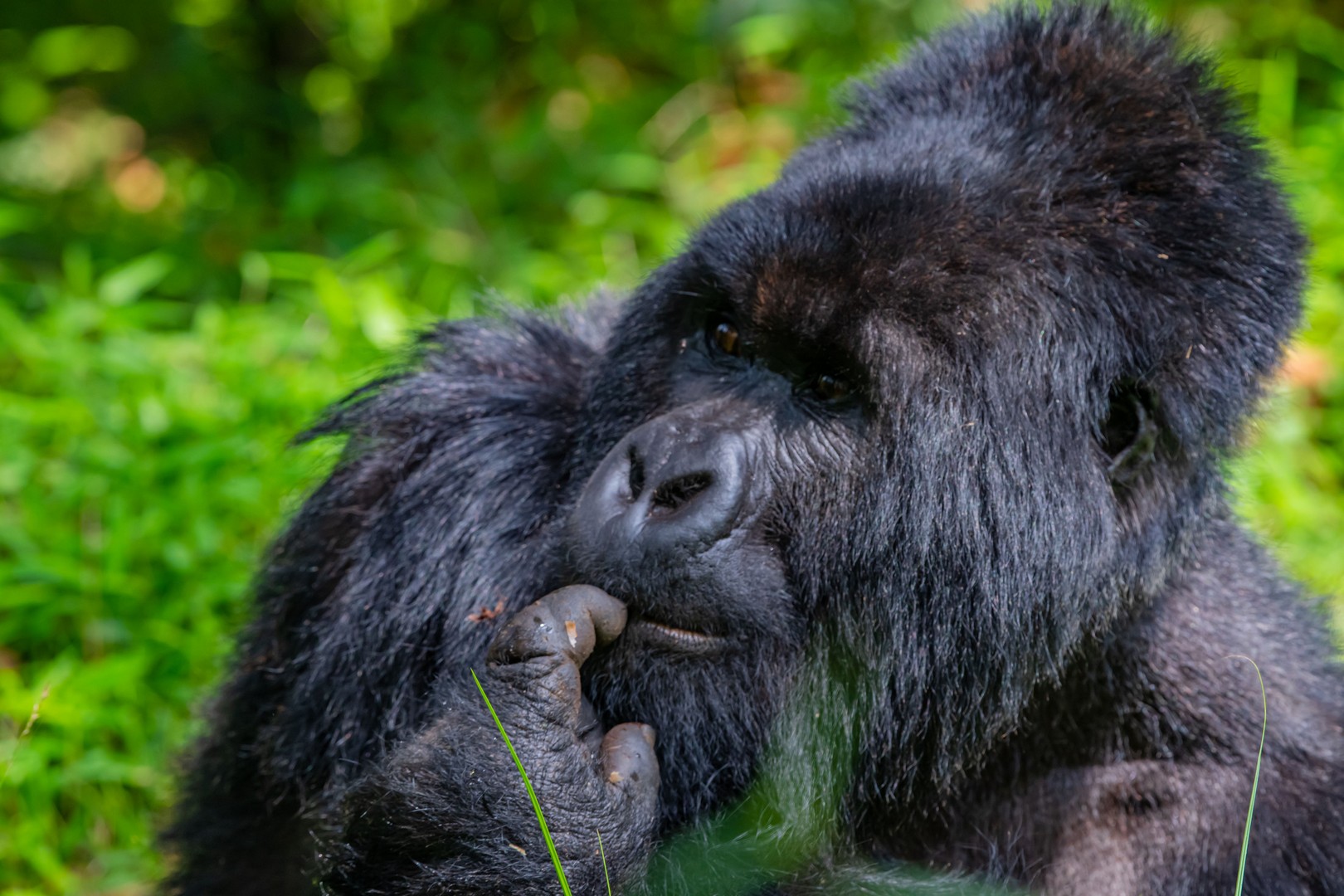
Silverback Gorillas Displaying Powerful Behavior
The dominant silverback male is often one of the most impressive subjects for wildlife photographers. Their enormous size, muscular appearance, and commanding presence create powerful photographic opportunities.
Photographers can capture:
- Silverbacks monitoring their families
- Protective behavior
- Feeding moments
- Resting poses
- Interactions with younger gorillas
A well-composed silverback portrait can communicate strength, intelligence, and the emotional complexity of these remarkable animals.
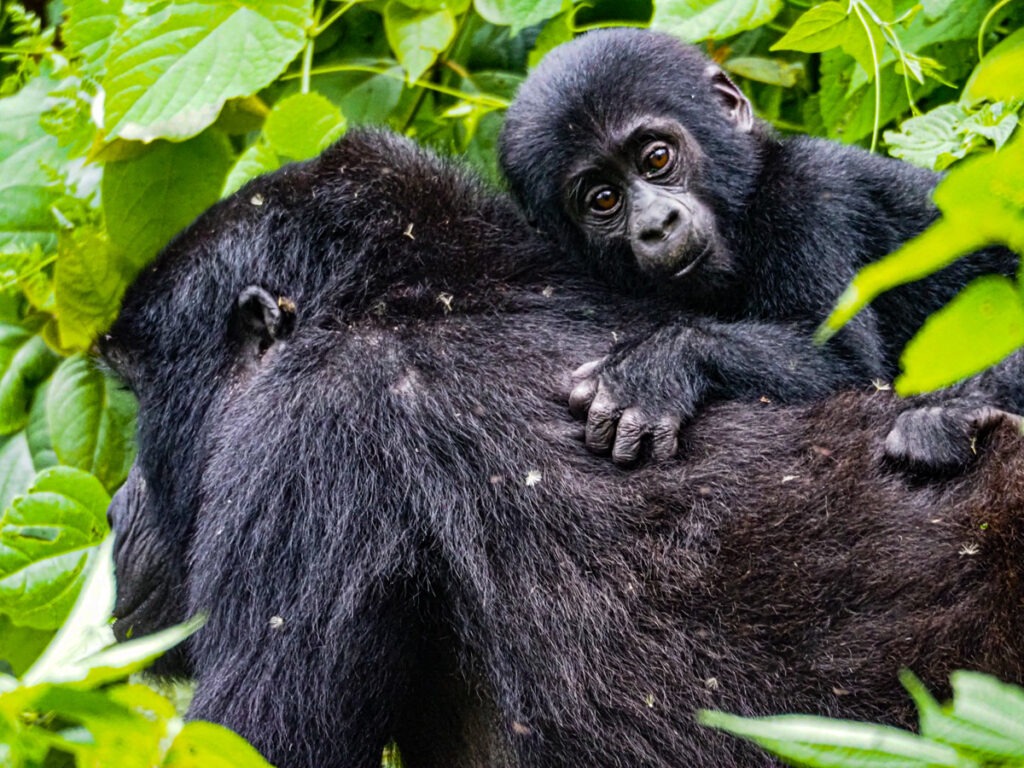
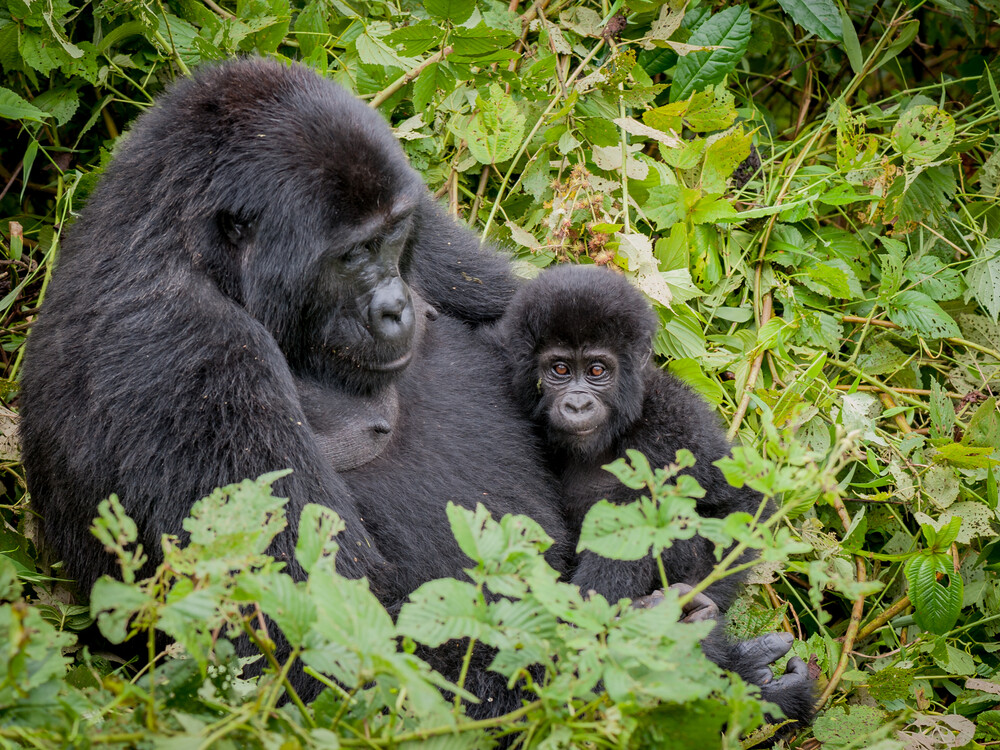
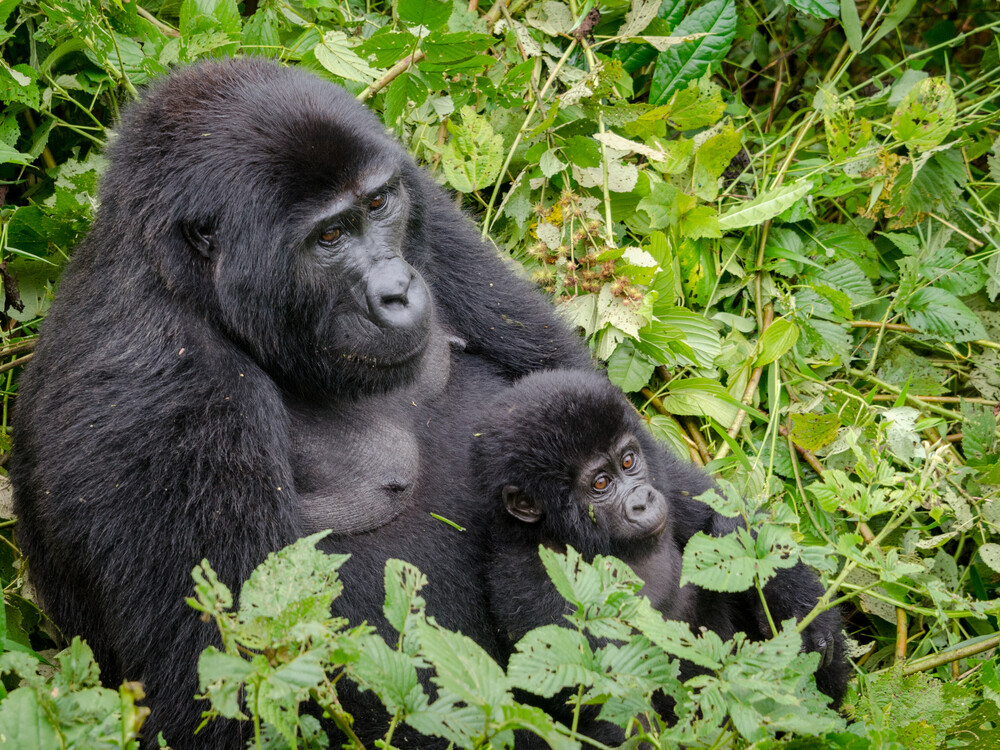
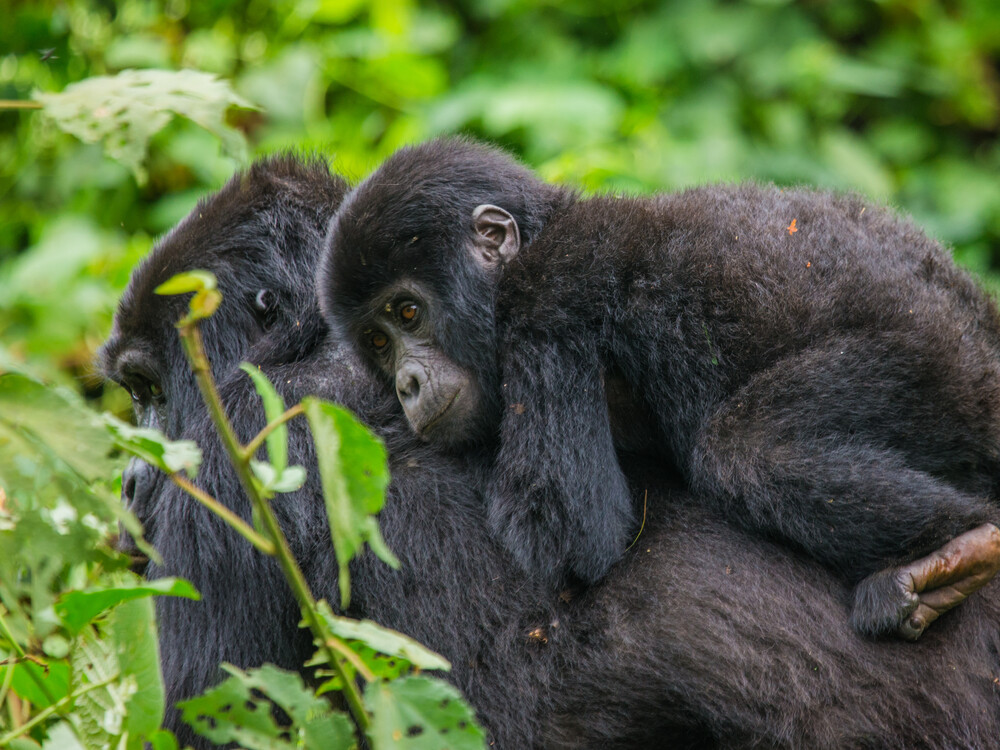
Mothers Caring for Young Gorillas
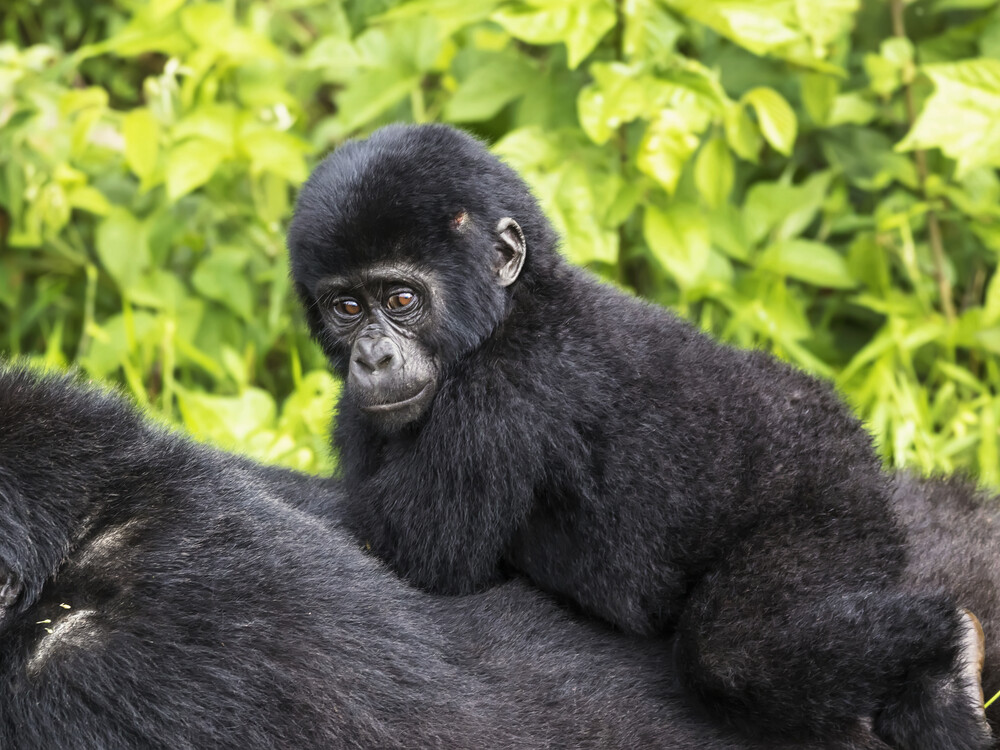
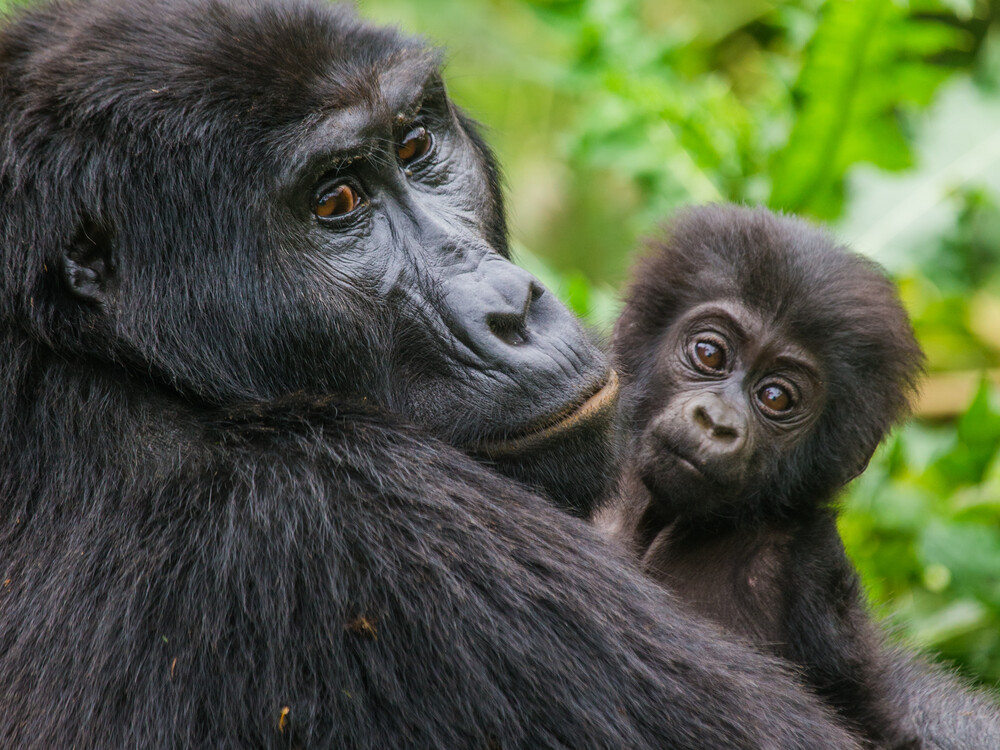
Some of the most emotional gorilla photographs involve mothers and infants.
Female gorillas demonstrate strong family bonds, and photographers may witness:
- Mothers carrying babies
- Infants playing around adults
- Protective maternal behavior
- Young gorillas learning social behaviors
These moments create intimate photographs that reveal the similarities between gorilla families and human family relationships.
Gorilla Families Interacting Naturally
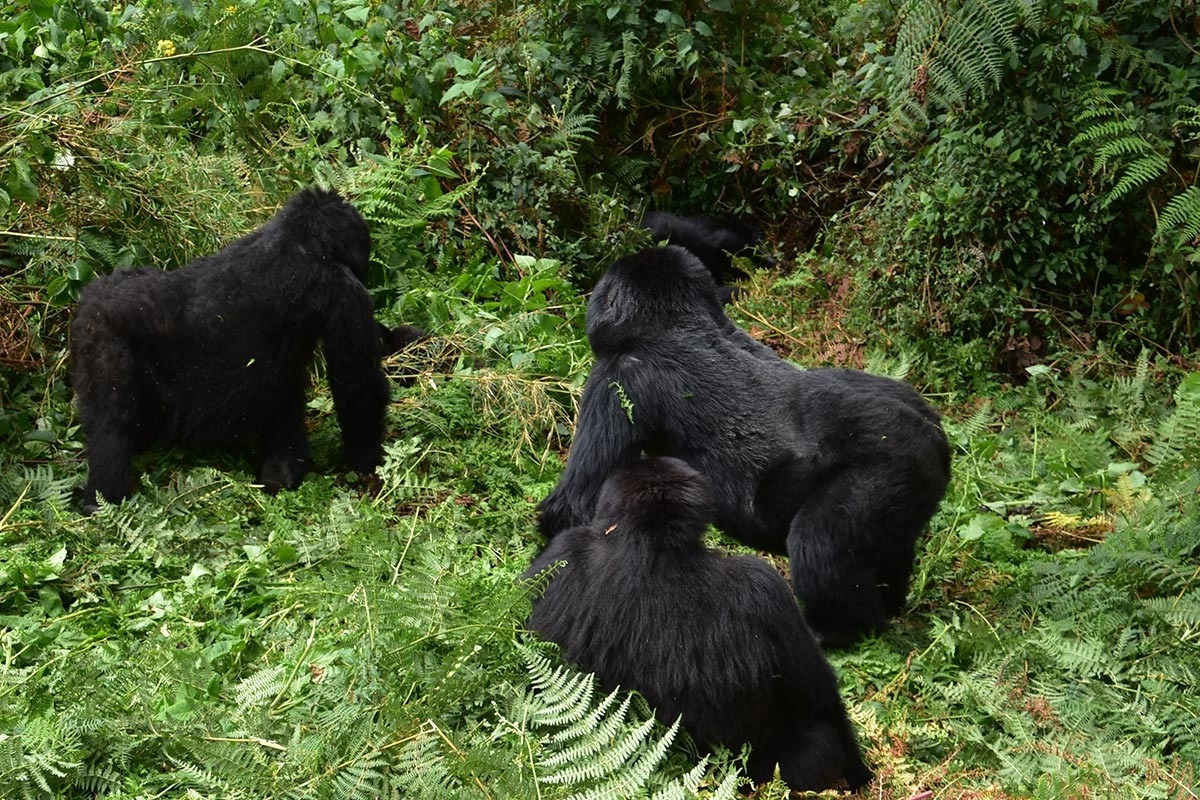
Mountain gorillas live in complex social groups, and photographers have the opportunity to document their relationships.
Important behaviors to photograph include:
- Grooming
- Playing
- Communication
- Feeding together
- Young gorillas exploring their surroundings
These images provide a deeper understanding of gorilla society rather than simply creating animal portraits.
Misty Volcanic Mountain Backgrounds
One of the unique advantages of photographing gorillas in Rwanda is the dramatic landscape surrounding Volcanoes National Park.
The mist-covered Virunga Mountains create a mysterious atmosphere that adds depth and emotion to photographs.
The combination of:
- Foggy rainforest conditions
- Volcanic landscapes
- Dense vegetation
- Natural light
allows photographers to create images with a distinct African wilderness character.
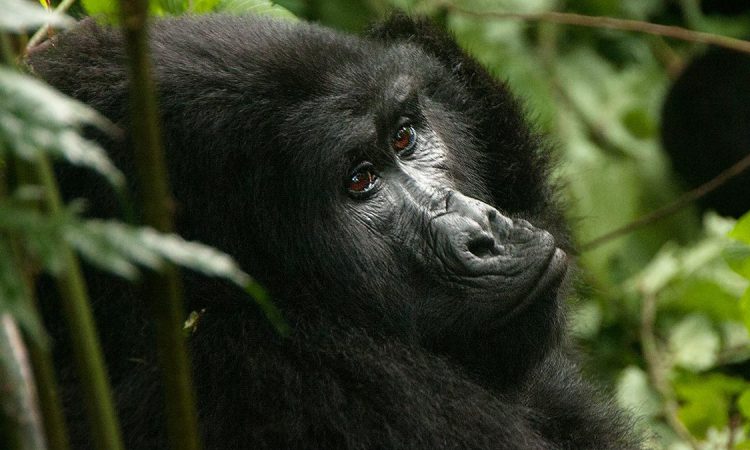
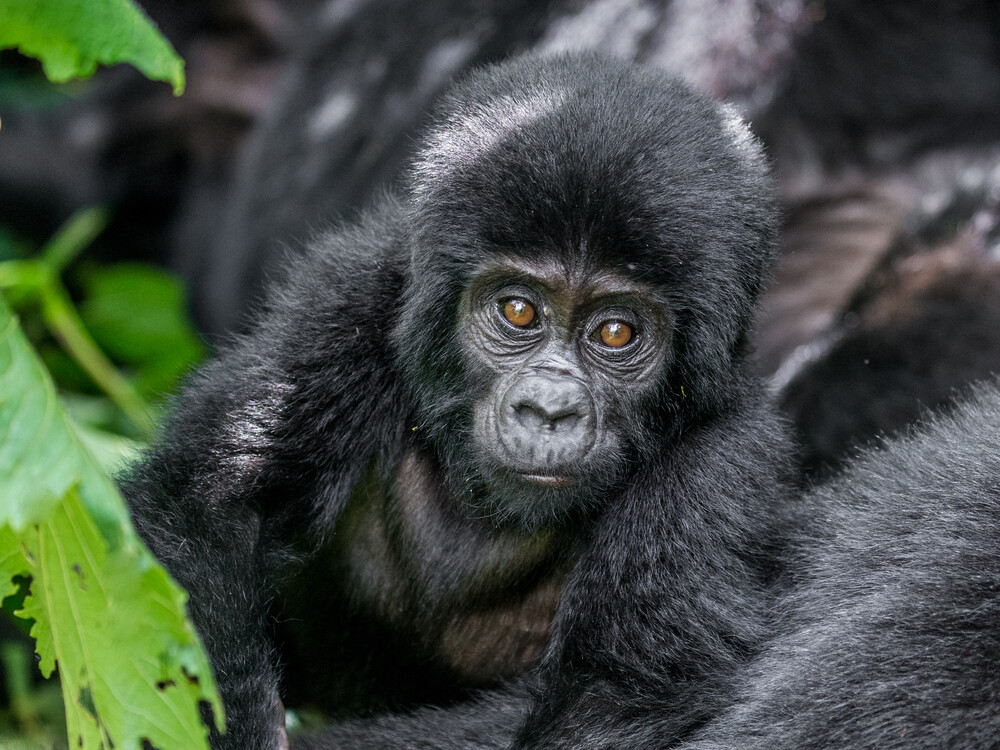
Emotional Eye-Contact Portraits
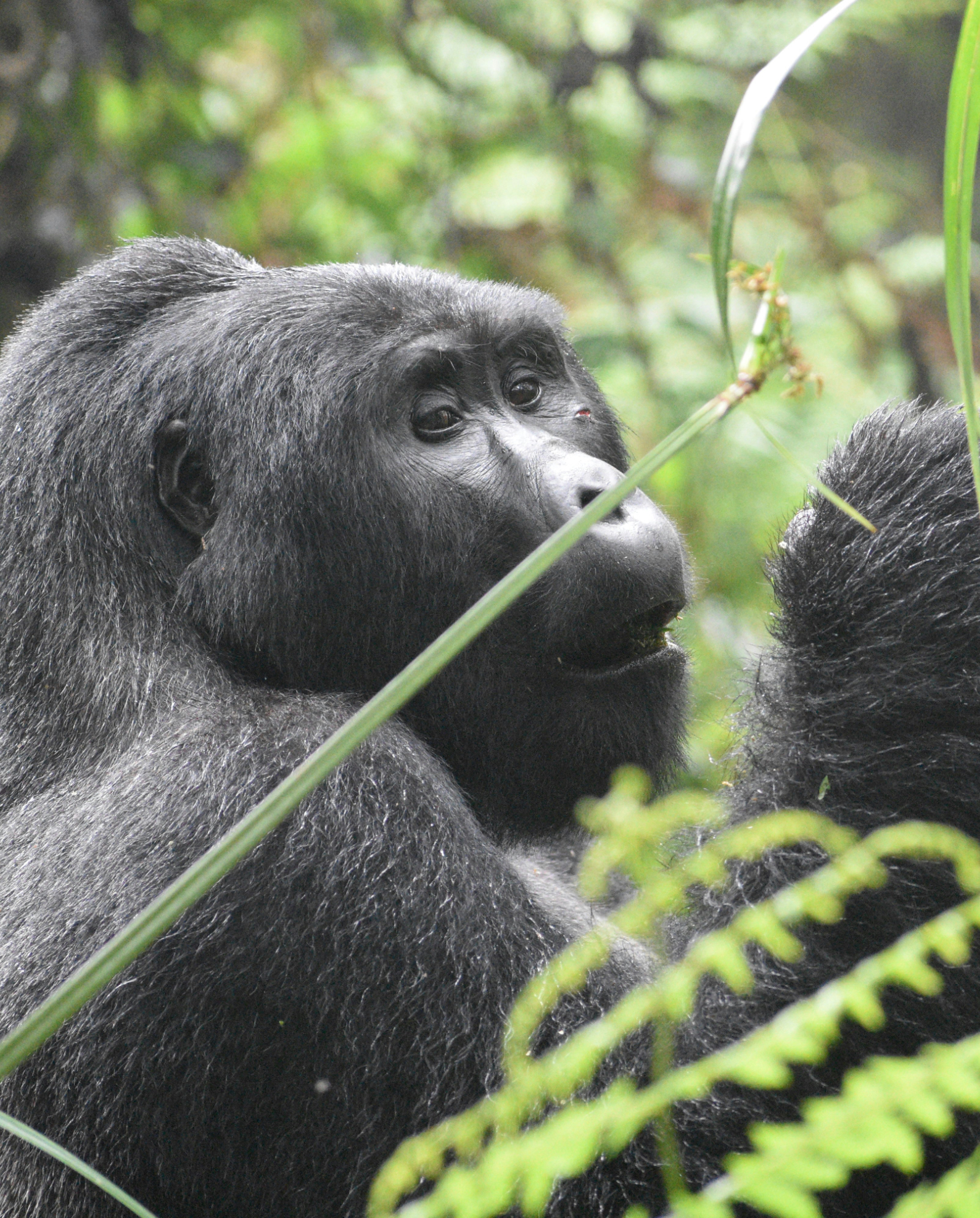
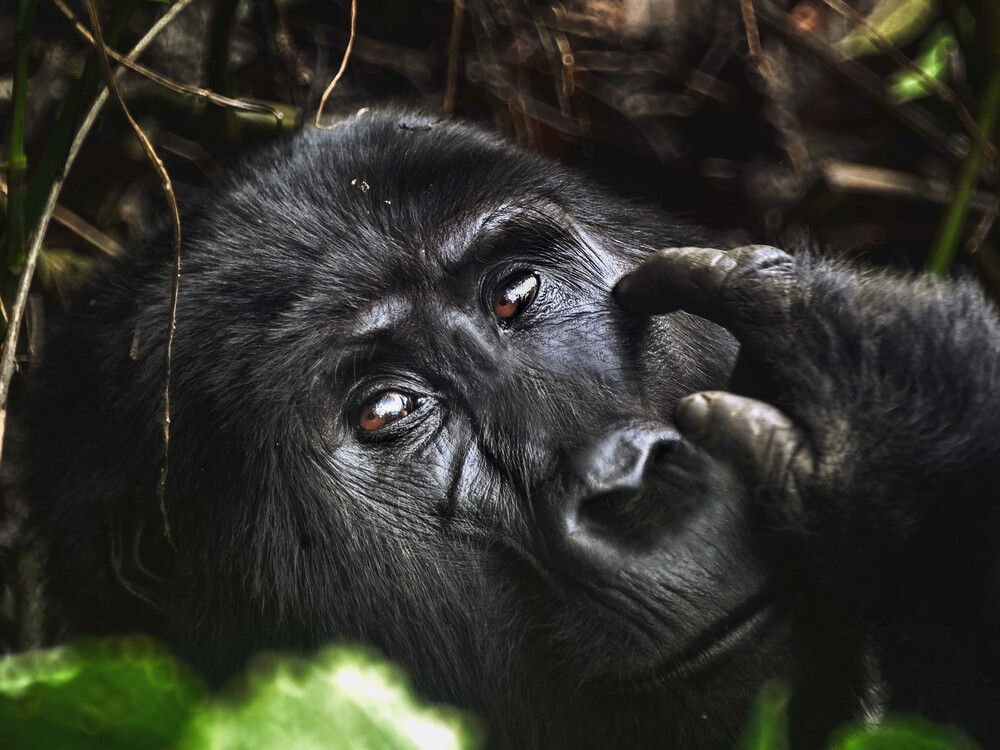
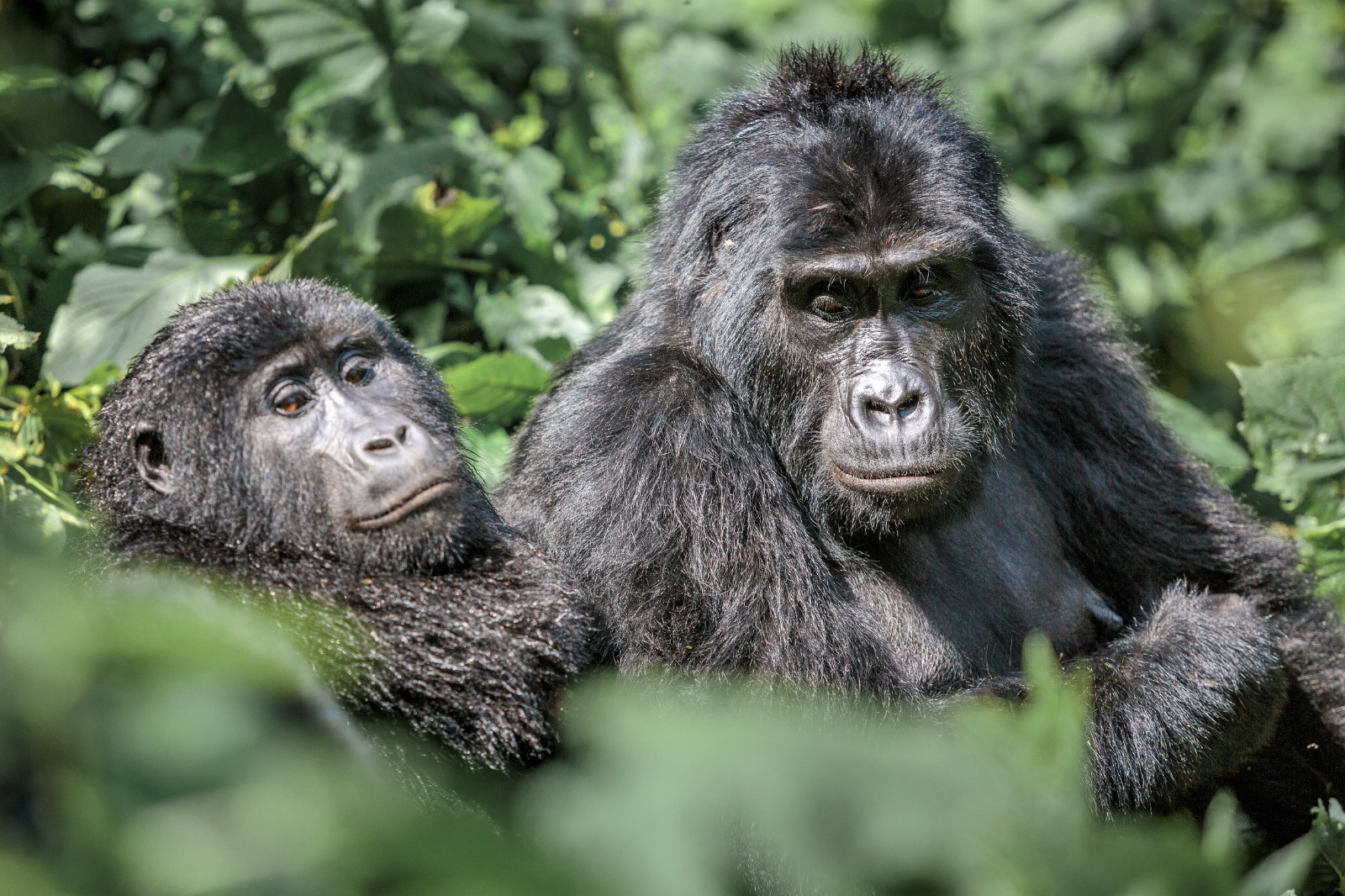
One of the most unforgettable aspects of Gorilla Trekking Photography is capturing eye contact with a mountain gorilla.
The intelligence and emotional expression visible in their eyes create powerful portraits that connect viewers with these endangered animals.
A successful gorilla portrait is not only technically sharp; it communicates personality, emotion, and the unique character of the individual gorilla.
The combination of wildlife behavior, rainforest scenery, and close encounters makes Rwanda one of the most rewarding destinations for photographers seeking meaningful wildlife experiences.
Understanding the Gorilla Photography Experience in Rwanda
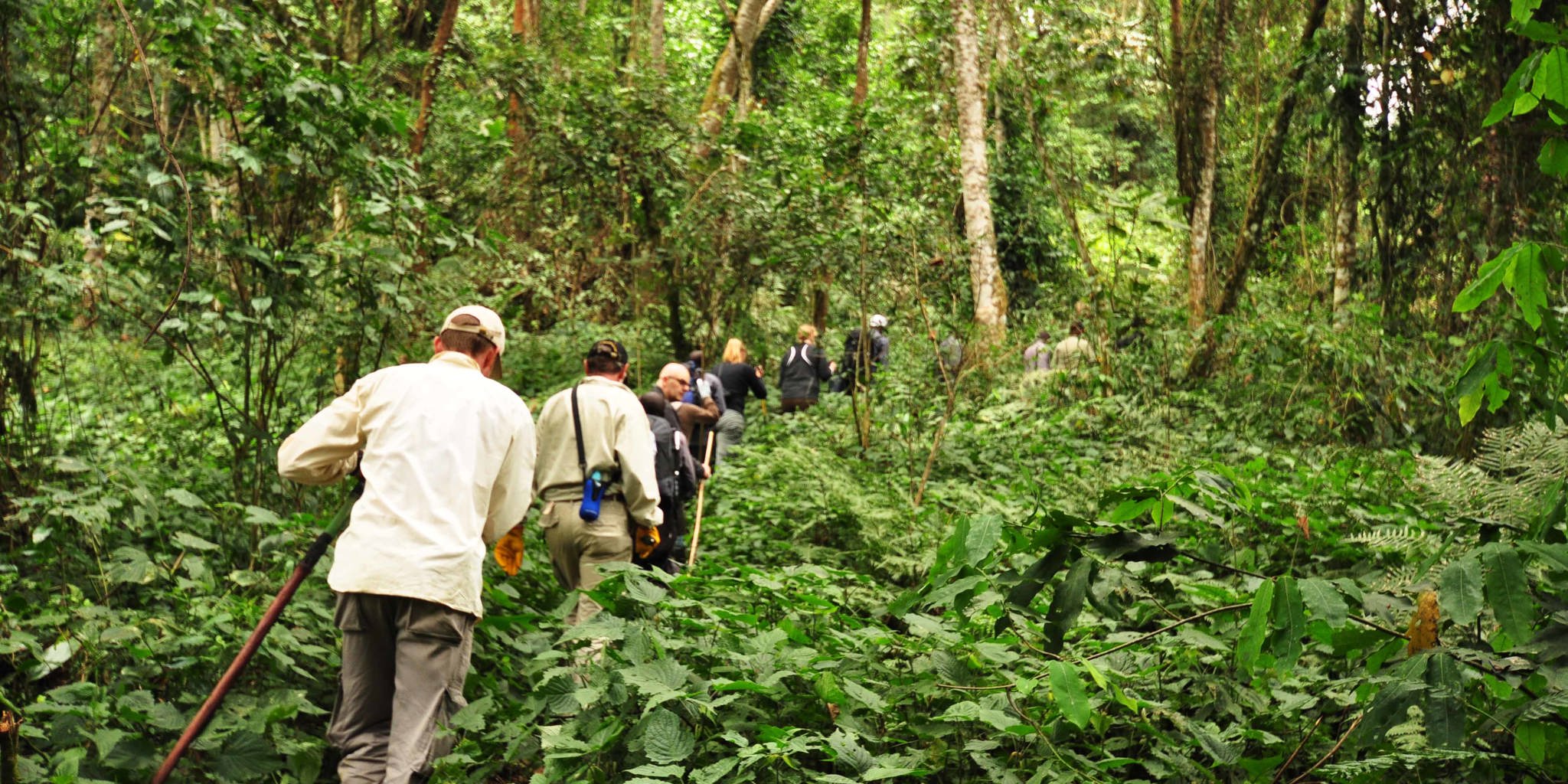
A successful Gorilla Trekking Photography adventure begins with understanding how the trekking experience works and preparing for the conditions photographers will encounter.
Unlike traditional wildlife photography, where photographers can spend an entire day waiting for animals, gorilla trekking follows a structured process designed around conservation and animal protection.
Before entering Volcanoes National Park, all visitors attend a detailed briefing conducted by park authorities. This briefing explains important safety procedures, conservation rules, and expectations during the gorilla encounter.
During the briefing, photographers learn about:
- How to behave around gorillas
- Maintaining the recommended distance
- Avoiding sudden movements
- Respecting gorilla behavior
- Photography restrictions
After the briefing, visitors are divided into small trekking groups and assigned to specific gorilla families.
The selection of gorilla groups may depend on several factors, including:
- Visitor fitness levels
- Trekking difficulty preferences
- Availability of gorilla families
- Special interests of visitors
Each trekking group is accompanied by a professional team consisting of:
Experienced Park Guides
Guides play a vital role in making the photography experience successful. They understand gorilla behavior, communicate with trackers, and help visitors position themselves safely.
Their knowledge allows photographers to anticipate important moments before they happen.
Gorilla Trackers
Trackers are highly experienced individuals who follow gorilla movements daily. They know the location, habits, and personalities of different gorilla families.
Their expertise increases the chances of finding gorillas and helps photographers understand what behaviors may occur.
Security Personnel
Rangers accompany trekking groups to ensure visitor safety and protect both tourists and wildlife within the national park.
The duration of the trek varies depending on where the gorilla family is located.
Some groups may be reached after a relatively short walk, while others require several hours of hiking through steep rainforest terrain.
The trekking experience may involve:
- Muddy forest paths
- Dense vegetation
- Sloping volcanic terrain
- Changing weather conditions
For photographers, preparation is extremely important because carrying heavy equipment through the forest can become challenging.
Once the gorillas are located, visitors normally spend approximately one hour observing them.
This limited time makes preparation essential.
Photographers should already understand:
- Camera settings
- Lens selection
- Lighting adjustments
- Equipment arrangement
There is usually no time to stop and experiment once the encounter begins. The gorillas may move between vegetation, approach visitors, interact with other family members, or suddenly display interesting behaviors.
Changing lenses repeatedly can also create unnecessary movement and risk exposing equipment to humidity and rain.
The most successful photographers enter the forest already prepared, allowing them to focus completely on observing and capturing the incredible moments happening in front of them.
A great Gorilla Trekking Photography experience is not only about taking photographs; it is about understanding the environment, respecting the animals, and creating images that preserve the memory of one of the world’s most extraordinary wildlife encounters.
Best Camera Equipment for Gorilla Trekking Photography Rwanda
Choosing the right photography equipment is one of the most important steps when preparing for a Gorilla Trekking Photography adventure in Rwanda. Unlike normal wildlife photography experiences where photographers can carry large equipment and move around freely, gorilla trekking involves hiking through dense rainforest, steep volcanic terrain, and changing weather conditions.
Photographers must carefully balance image quality, equipment weight, durability, and accessibility. Carrying too much equipment can make the trek physically demanding, while carrying too little may limit the ability to capture important moments during the gorilla encounter.
The ideal setup for Gorilla Trekking Photography Rwanda should allow photographers to quickly adjust to changing light conditions, capture both close-up portraits and wider environmental images, and operate comfortably while moving through the forest.
A well-prepared photographer does not necessarily need the most expensive camera equipment. The most important factors are understanding your equipment, knowing your camera settings, and being prepared for the unique challenges of photographing mountain gorillas in their natural habitat.
Camera Body Recommendations for Gorilla Trekking Photography
Choosing the Right Camera Body for Rwanda Gorilla Photography
A reliable camera body with strong performance in difficult lighting conditions is essential for successful Gorilla Trekking Photography.
The rainforest environment of Volcanoes National Park can be challenging because thick vegetation often blocks direct sunlight, creating shaded areas and constantly changing lighting conditions. A camera with excellent low-light capabilities allows photographers to maintain image quality even when shooting under forest canopies.
A suitable camera body should provide:
- Excellent high ISO performance
- Fast and accurate autofocus
- Good battery efficiency
- Weather protection
- Comfortable handling
- Fast continuous shooting speeds
- Reliable performance in humid environments
During a gorilla encounter, photographers often have only seconds to capture important behaviors. A camera that focuses quickly and responds immediately can make the difference between capturing a powerful image and missing the moment.
Full-Frame Mirrorless Cameras for Gorilla Photography
Full-frame mirrorless cameras have become increasingly popular among professional wildlife photographers because they combine excellent image quality with advanced autofocus technology.
Advantages of full-frame mirrorless cameras include:
- Superior low-light performance
- Better image quality at higher ISO settings
- Advanced animal eye autofocus
- Lightweight designs compared to some professional DSLRs
- Excellent video capabilities
These cameras perform especially well in the rainforest because they can capture detailed images even when natural light is limited.
For photographers planning a professional Gorilla Trekking Photography Safari Rwanda, a high-quality mirrorless camera provides flexibility, reliability, and excellent results.
Professional DSLR Cameras for Gorilla Trekking Photography
Professional DSLR cameras remain a strong choice for wildlife photography due to their durability, excellent image quality, and reliable performance.
Advantages include:
- Strong battery life
- Comfortable grip during long photography sessions
- Wide selection of professional lenses
- Proven reliability in outdoor conditions
Many experienced wildlife photographers continue using DSLR systems because they are familiar with the controls and comfortable operating them quickly during unpredictable wildlife moments.
The best camera is ultimately the one the photographer understands and can operate confidently.
Crop Sensor Cameras for Gorilla Photography
High-quality crop sensor cameras can also produce excellent results during gorilla trekking.
They offer several advantages:
- More affordable equipment options
- Additional reach from telephoto lenses
- Lightweight systems
- Good image quality
For photographers who are travelling with limited equipment or prefer a lighter setup, a crop sensor camera combined with a quality lens can deliver impressive Gorilla Trekking Photography results.
Best Lenses for Gorilla Trekking Photography Rwanda
Choosing the Right Lens for Mountain Gorilla Photography
Lens selection is one of the most important decisions when preparing for Gorilla Trekking Photography Rwanda.
Unlike traditional wildlife photography where animals are usually far away, mountain gorillas can sometimes approach relatively close distances. This means photographers need lenses that provide flexibility rather than extremely long-range equipment.
A versatile zoom lens is often the best option because it allows photographers to quickly switch between:
- Close-up gorilla portraits
- Family group photographs
- Environmental rainforest images
- Behavioral moments
Since changing lenses inside the rainforest can expose equipment to moisture and dust, many photographers prefer carrying one or two versatile lenses rather than multiple options.
24–70mm Lens for Gorilla Trekking Photography
Best Lens for Close Gorilla Portraits and Environmental Images
A 24–70mm lens is one of the most useful choices for photographing mountain gorillas at close range.
This lens is ideal for capturing:
Close Gorilla Portraits
The shorter focal range allows photographers to capture detailed facial expressions, including:
- Gorilla eyes
- Facial features
- Fur texture
- Emotional expressions
These intimate portraits are among the most powerful images created during Gorilla Trekking Photography.
Family Interactions
When several gorillas are together, a 24–70mm lens allows photographers to include multiple animals within the frame.
It is excellent for photographing:
- Mothers with infants
- Social interactions
- Grooming behaviors
- Young gorillas playing
Environmental Rainforest Photographs
This lens also allows photographers to show gorillas within their natural surroundings.
Including forest vegetation, bamboo, and misty backgrounds helps tell the complete story of the gorilla experience.
70–200mm Lens for Gorilla Trekking Photography
The Most Popular Wildlife Photography Lens Choice
The 70–200mm lens is considered one of the best all-around options for Gorilla Trekking Photography because it provides excellent flexibility.
It allows photographers to maintain some distance while still capturing detailed images.
Advantages include:
Beautiful Portrait Compression
The lens creates attractive background separation, making the gorilla stand out from the surrounding vegetation.
This is especially useful when photographing:
- Silverback gorillas
- Individual portraits
- Quiet moments
Photographing Shy Individuals
Some gorillas may remain deeper within vegetation or slightly away from the group.
The 70–200mm lens allows photographers to capture these moments without disturbing natural behavior.
Reduced Lens Changes
Because it covers a wide range, photographers can capture different situations without constantly changing equipment in the rainforest.
100–400mm Lens for Gorilla Photography
Additional Reach for Wildlife Photographers
A 100–400mm lens is useful for photographers who want additional reach while maintaining flexibility.
This lens is particularly helpful when:
- Gorillas are positioned farther away
- Vegetation creates distance
- Photographers want tighter facial portraits
However, because gorillas can approach close distances, photographers should avoid relying only on very long lenses.
A balanced Gorilla Trekking Photography setup usually combines a medium zoom lens with a wider option for environmental storytelling.
Essential Photography Accessories for Gorilla Trekking
Preparing Your Photography Gear for Rwanda’s Rainforest Environment
The rainforest conditions of Volcanoes National Park require careful preparation. Humidity, rainfall, mud, and long trekking distances mean photographers need reliable accessories to protect their equipment.
Extra Camera Batteries
Battery preparation is essential during Gorilla Trekking Photography.
Cold temperatures, humidity, and frequent camera use can reduce battery performance.
Photographers should carry:
- Multiple fully charged batteries
- Original manufacturer batteries where possible
- A waterproof battery storage pouch
A gorilla encounter cannot be repeated if a camera battery fails at the most important moment.
Memory Cards for Gorilla Photography
Gorilla encounters often produce many images because photographers continuously capture changing expressions and behaviors.
Carry:
- High-capacity memory cards
- Fast writing-speed cards
- Backup storage options if possible
Shooting in RAW format is recommended because it provides greater flexibility during editing.
Rain Protection for Camera Equipment
Weather in Rwanda’s rainforest can change quickly.
Even during dry seasons, photographers should prepare for sudden rain showers.
Protect your equipment using:
- Camera rain covers
- Waterproof camera bags
- Dry bags
- Protective sleeves
Keeping equipment dry ensures your camera continues performing throughout the trek.
Lens Cloths and Cleaning Equipment
Humidity can create moisture on lenses, reducing image quality.
Carry:
- Microfiber lens cloths
- Lens cleaning wipes
- Small protective pouches
Clear lenses are essential for sharp wildlife photographs.
Comfortable Camera Strap
A comfortable camera strap reduces fatigue during long hikes.
The strap should allow:
- Easy camera access
- Secure carrying
- Comfortable movement through forest trails
Portable Camera Bag
A lightweight and weather-resistant camera bag is ideal for gorilla trekking.
The best bags provide:
- Quick access
- Equipment protection
- Comfortable carrying
- Space for rain protection accessories
Avoid carrying unnecessarily heavy equipment because trekking conditions can be physically demanding.
Best Camera Settings for Gorilla Trekking Photography
Recommended Settings for Photographing Mountain Gorillas
The rainforest environment creates unique photography challenges. Light levels can change within seconds, and gorillas may move unexpectedly.
Understanding camera settings before entering the forest allows photographers to focus on capturing moments rather than adjusting equipment.
Shutter Speed Settings for Gorilla Photography
Freezing Gorilla Movement
A fast shutter speed helps capture sharp images during active moments.
Recommended starting point:
1/250 seconds or faster
Increase shutter speed when photographing:
- Silverbacks moving through vegetation
- Young gorillas playing
- Grooming interactions
- Feeding activities
Fast shutter speeds reduce motion blur and create sharper wildlife images.
Aperture Settings for Gorilla Trekking Photography
Creating Sharp and Artistic Wildlife Images
A wide aperture allows more light into the camera while creating beautiful background separation.
Recommended range:
f/2.8 – f/5.6
A wider aperture helps photographers:
- Photograph in low light
- Isolate gorillas from backgrounds
- Create professional-looking portraits
ISO Settings for Rainforest Photography
Managing Low-Light Conditions
Rainforest environments often require higher ISO settings because natural light is limited.
Recommended range:
ISO 800–3200
Modern cameras handle these settings effectively while maintaining good image quality.
The goal is to achieve the correct exposure while keeping shutter speed fast enough to capture movement.
Autofocus Settings for Gorilla Photography
Capturing Sharp Wildlife Images
Autofocus performance is extremely important during Gorilla Trekking Photography because gorillas can move suddenly.
Recommended autofocus options include:
- Continuous autofocus mode
- Animal eye autofocus where available
- Single-point focus for detailed portraits
Young gorillas especially move quickly, making autofocus tracking extremely valuable.
Photography Techniques for Capturing Stunning Gorilla Images
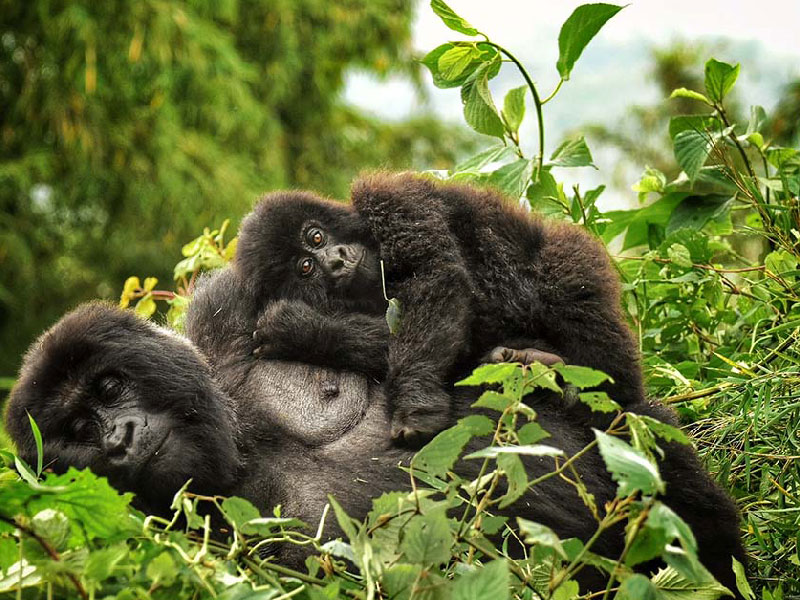
Focus on the Eyes
The eyes are the most powerful element in wildlife photography.
When photographing mountain gorillas, prioritize:
- Sharp eyes
- Natural expressions
- Facial details
- Emotional connection
A simple portrait focused on a gorilla’s eyes can become one of the most memorable images from an entire Rwanda safari.
Capture Gorilla Behavior Instead of Only Portraits
Creating Storytelling Wildlife Photographs
The strongest Gorilla Trekking Photography images tell a story.
Instead of photographing only faces, photographers should observe and capture natural behaviors such as:
- Silverbacks protecting their families
- Mothers caring for infants
- Young gorillas playing
- Feeding activities
- Grooming interactions
Behavioral photographs create a deeper connection between viewers and mountain gorillas.
Include the Natural Environment
Creating Complete Gorilla Trekking Photography Stories
While close-up portraits are impressive, environmental images provide important context.
Photographers should include:
- Dense rainforest vegetation
- Bamboo forests
- Mist-covered mountains
- Natural gorilla habitats
These images show the complete experience of trekking through Rwanda’s wilderness and highlight the importance of protecting mountain gorilla habitats.
A successful Gorilla Trekking Photography collection should combine emotional portraits, wildlife behavior, and environmental storytelling to create a complete visual journey.
Understanding Light Conditions During Gorilla Photography
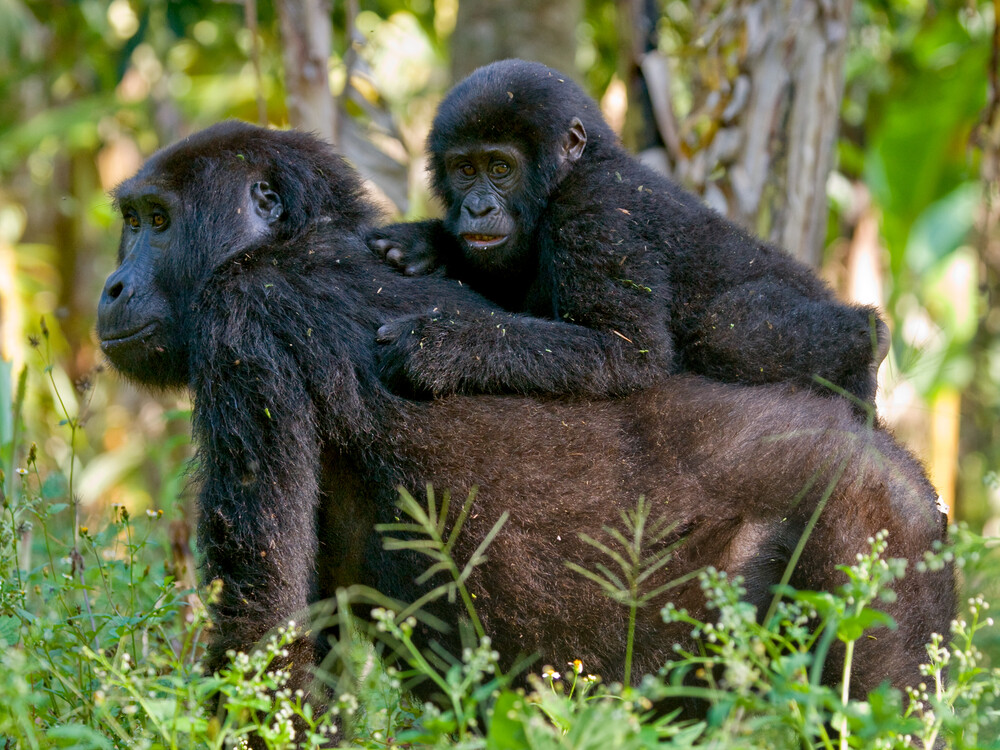
Mastering Rainforest Lighting for Gorilla Trekking Photography Rwanda
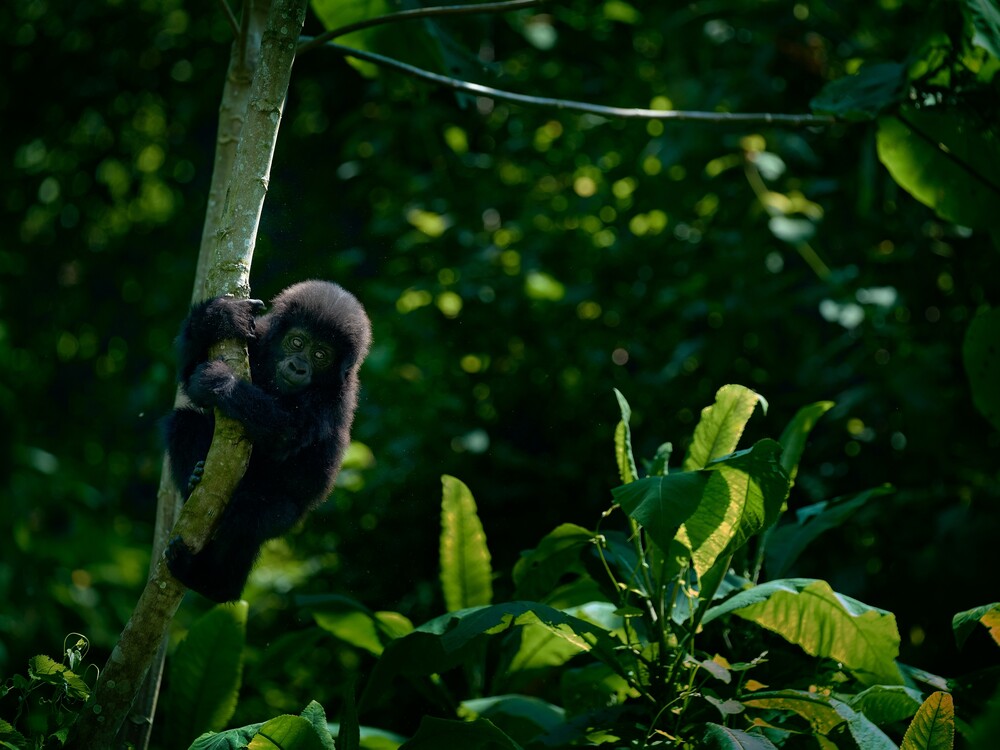
One of the biggest challenges photographers face during Gorilla Trekking Photography Rwanda is working with constantly changing natural light conditions inside the rainforest. Unlike open savannah photography, where sunlight is usually predictable, the dense forests of Volcanoes National Park create a unique environment where light can change from one moment to another.
The thick forest canopy allows only limited sunlight to pass through, creating a mixture of bright areas, deep shadows, and soft diffused light. These conditions can be challenging for photographers because mountain gorillas may move between areas of different brightness levels within seconds.
Understanding how to manage light is essential for creating sharp, well-exposed, and emotionally powerful gorilla photographs.
The rainforest environment creates three major lighting challenges:
Shadows Inside the Forest
The dense vegetation of Volcanoes National Park often blocks direct sunlight, creating darker areas beneath the trees.
These shadows can affect photography by:
- Reducing available light
- Making autofocus more difficult
- Requiring higher ISO settings
- Creating uneven exposure across the image
Photographers should avoid underexposing images because recovering details from very dark areas can reduce image quality during editing.
Using a camera with strong low-light performance and understanding manual exposure adjustments will help overcome these challenges.
Bright Background Areas
Another common challenge during Gorilla Trekking Photography is photographing gorillas against brighter areas of the forest.
For example, a gorilla may sit beneath dark vegetation while sunlight shines through an opening behind it. In these situations, cameras can struggle because the bright background may cause the subject to appear too dark.
Photographers should:
- Focus exposure on the gorilla rather than the background
- Use exposure compensation when necessary
- Check the camera histogram regularly
- Avoid losing important details in highlights
Correct exposure ensures that the gorilla’s facial expressions, fur details, and natural colors remain visible.
Low-Light Conditions During Gorilla Encounters
Many gorilla encounters happen in areas where natural light is limited. Photographers may need to increase camera sensitivity while maintaining enough shutter speed to capture movement.
Useful techniques include:
Increasing ISO When Necessary
Modern cameras can produce excellent results at higher ISO settings.
Increasing ISO allows photographers to maintain:
- Faster shutter speeds
- Proper exposure
- Sharper images
During Gorilla Trekking Photography Rwanda, an ISO range between 800 and 3200 is often useful depending on the available light and camera capabilities.
Shooting in RAW Format
Professional photographers should always consider shooting in RAW format.
RAW files preserve much more image information compared to compressed formats, allowing greater flexibility during editing.
Benefits include:
- Better recovery of shadow details
- Improved highlight control
- More accurate color adjustments
- Greater editing possibilities
Because rainforest lighting can be unpredictable, RAW photography provides an important advantage when processing gorilla images.
Using Exposure Compensation
Exposure compensation allows photographers to quickly adjust brightness without changing multiple camera settings.
This is particularly useful when:
- A gorilla moves between shadows and sunlight
- Background brightness changes
- The camera incorrectly exposes the subject
Small adjustments can help create properly balanced photographs while keeping attention on the gorilla.
Monitoring Highlights and Exposure
Professional wildlife photographers regularly check their camera display and histogram to ensure important details are not lost.
Bright areas such as:
- Gorilla fur reflecting sunlight
- Open sky through trees
- Wet vegetation
can become overexposed if not carefully monitored.
Maintaining balanced exposure helps create natural-looking images with detailed textures.
The Beauty of Early Morning Light in Volcanoes National Park
Early morning trekking often provides some of the most beautiful conditions for Gorilla Trekking Photography.
The soft morning light creates:
- Gentle shadows
- Warm natural tones
- Reduced contrast
- Atmospheric rainforest scenes
The famous mist surrounding the Virunga Mountains adds a dramatic and mysterious quality to photographs.
This combination of:
- Mountain mist
- Dense forest
- Soft morning light
- Mountain gorillas in their natural habitat
creates the unique visual character that makes Rwanda gorilla photography so special.
What to Wear for Gorilla Trekking Photography Rwanda
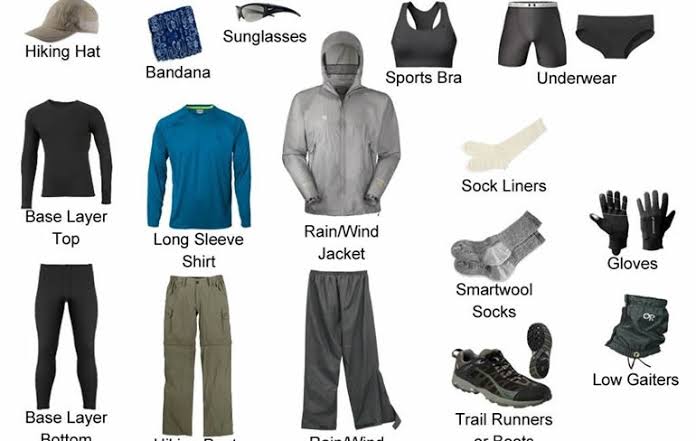
Choosing the Right Clothing for Comfort and Photography Success
Proper clothing plays an important role in a successful Gorilla Trekking Photography Rwanda experience. Photographers spend several hours hiking through rainforest environments before reaching the gorillas, and comfortable, protective clothing can significantly improve the overall experience.
The terrain in Volcanoes National Park can include:
- Steep forest trails
- Muddy pathways
- Dense vegetation
- Wet and slippery areas
Photographers must choose clothing that protects them from the environment while allowing freedom of movement.
Long Hiking Trousers
Long trousers are essential for gorilla trekking.
They protect photographers from:
- Thorny vegetation
- Insects
- Mud
- Scratches while walking through the forest
Lightweight hiking trousers are recommended because they provide protection while remaining comfortable during long hikes.
Avoid jeans because they become heavy and uncomfortable when wet.
Waterproof Hiking Boots
Strong hiking boots are among the most important items for gorilla trekking.
The rainforest environment can become muddy, especially during rainy seasons.
Good hiking boots provide:
- Strong ankle support
- Better grip on slippery trails
- Protection from moisture
- Comfort during long walks
Comfortable footwear allows photographers to focus on capturing images rather than dealing with discomfort.
Long-Sleeved Shirts
Long-sleeved shirts provide protection from:
- Vegetation
- Insects
- Changing temperatures
Lightweight breathable materials are ideal because rainforest conditions can become warm during hiking.
Lightweight Rain Jacket
Rain can occur suddenly in Rwanda’s rainforest environment.
A lightweight waterproof jacket helps protect:
- The photographer
- Camera equipment
- Personal belongings
A good rain jacket should be easy to pack and quickly accessible when weather conditions change.
Gardening Gloves for Forest Protection
Gardening gloves are highly recommended for gorilla trekking.
They help protect hands from:
- Sharp vegetation
- Thorny plants
- Wet branches
They are especially useful when photographers need to move through forest areas while carrying equipment.
Comfortable Hiking Socks
Quality hiking socks improve comfort during long treks.
They help prevent:
- Blisters
- Foot discomfort
- Moisture problems
Merino wool or moisture-wicking socks are excellent options.
Choosing Appropriate Colors for Gorilla Photography
Neutral clothing colors are recommended during Gorilla Trekking Photography.
Suitable colors include:
- Green
- Brown
- Beige
- Grey
These colors blend naturally with the forest environment.
Photographers should avoid:
- Bright red
- Neon colors
- Highly reflective clothing
Bright colors may create distractions and can also affect the natural appearance of wildlife photographs.
Professional Tips for Better Gorilla Trekking Photography
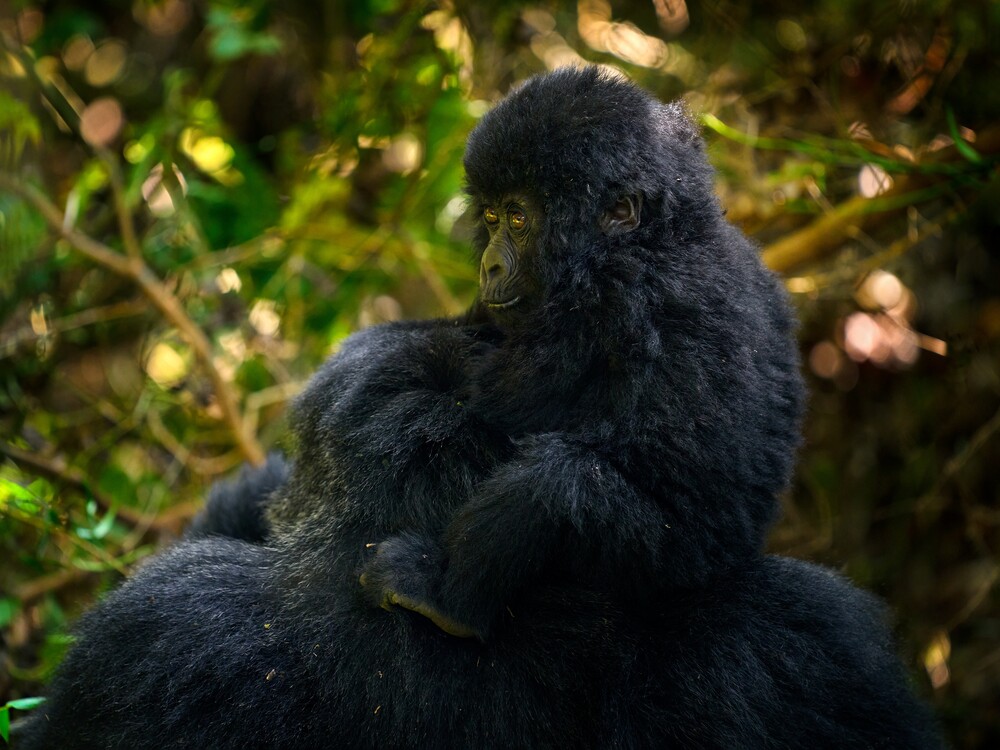
Travel With an Experienced Gorilla Photography Guide
Working with an experienced guide can greatly improve the quality of your Gorilla Trekking Photography experience.
Professional guides and trackers understand gorilla behavior and can help photographers anticipate important moments before they happen.
They provide valuable assistance with:
Positioning
Guides help photographers find safe and suitable positions where they can capture clear images without disturbing the gorillas.
Understanding Gorilla Movements
Experienced trackers recognize behavioral patterns and can explain what gorillas are likely to do next.
This helps photographers prepare their camera settings before important moments occur.
Finding the Best Photography Opportunities
Guides know how to position visitors based on:
- Lighting conditions
- Gorilla behavior
- Forest surroundings
Their knowledge can transform a simple encounter into an unforgettable photography experience.
Do Not Chase Photographs
Patience Creates the Best Wildlife Images
The best wildlife photographs are created through patience and observation.
During Gorilla Trekking Photography Rwanda, photographers should allow gorillas to behave naturally rather than trying to force specific images.
Avoid:
- Moving aggressively toward gorillas
- Disturbing natural behavior
- Focusing only on action moments
Some of the most powerful photographs come from quiet moments, such as:
- A silverback looking through vegetation
- A mother caring for an infant
- Young gorillas interacting peacefully
- A gorilla resting calmly in the forest
Wildlife photography is about storytelling, not simply collecting images.
Carry Less but Carry Better Equipment
Creating Better Images With a Practical Photography Setup
Although professional photography equipment can improve image quality, carrying too much gear can make trekking difficult.
A heavy camera bag can become exhausting during several hours of hiking.
A practical Gorilla Trekking Photography setup often includes:
- One reliable camera body
- One versatile zoom lens
- Extra batteries
- Memory cards
- Rain protection equipment
A photographer who is comfortable and mobile will often capture better images than someone carrying unnecessary equipment.
Photography Rules and Conservation Guidelines
Responsible Gorilla Trekking Photography in Rwanda
Photography must always follow Rwanda’s gorilla conservation regulations.
Mountain gorillas are endangered animals, and responsible tourism plays an important role in protecting their future.
Important guidelines include:
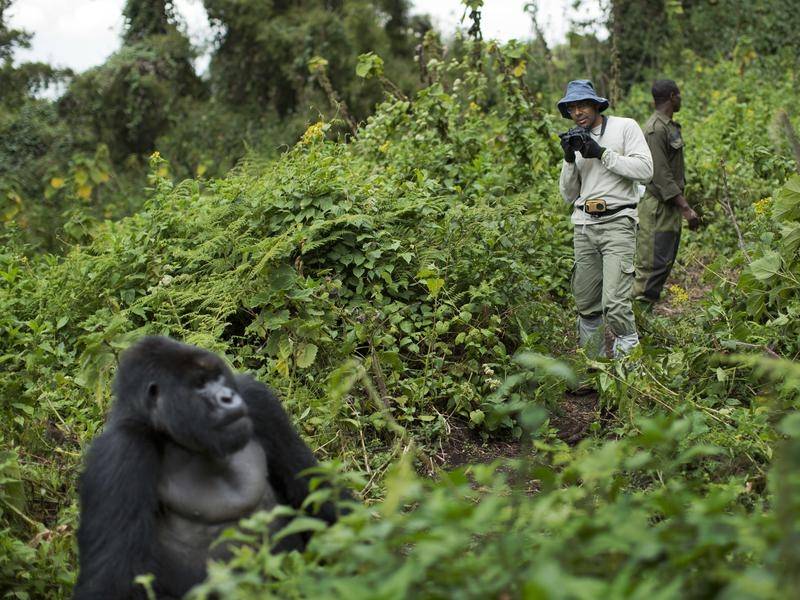
Maintain the Required Distance From Gorillas
Visitors must respect the recommended distance between themselves and the gorillas.
This protects:
- Gorilla health
- Visitor safety
- Natural behavior
Photographers should never move closer simply to achieve a better photograph.
Follow Guide Instructions
Park guides and trackers understand gorilla behavior better than anyone.
Their instructions help ensure:
- Safe encounters
- Responsible photography
- Minimal disturbance
Avoid Disturbing Gorilla Behavior
Photographers should allow gorillas to continue their natural activities.
Avoid:
- Loud sounds
- Sudden movements
- Flash photography
The goal of Gorilla Trekking Photography is to document authentic behavior, not interrupt it.
Do Not Use Flash Photography
Flash photography is prohibited because it may disturb gorillas.
Natural light and appropriate camera settings should always be used.
Respect the One-Hour Viewing Period
The limited viewing time protects gorillas from excessive human interaction.
Photographers should make every moment count by being prepared before entering the forest.
Best Time for Gorilla Trekking Photography in Rwanda
Choosing the Best Season for Photography Opportunities
Rwanda offers gorilla trekking throughout the year, and each season provides unique advantages for photographers.
Dry Seasons for Gorilla Photography
The main dry seasons are:
- June to September
- December to February
Advantages include:
- Easier hiking conditions
- Less muddy trails
- More comfortable trekking
- Better accessibility
These months are popular among photographers who prefer easier movement through the forest.
Wet Seasons for Gorilla Photography
The wet seasons occur during:
- March to May
- October to November
Advantages include:
- Rich green vegetation
- Fewer visitors
- Dramatic rainforest atmosphere
- Beautiful mist effects
For photographers seeking atmospheric images, wet seasons can produce some of the most visually stunning Gorilla Trekking Photography results.
Combining Gorilla Photography With Other Rwanda Photography Experiences
Creating a Complete Rwanda Wildlife Photography Safari
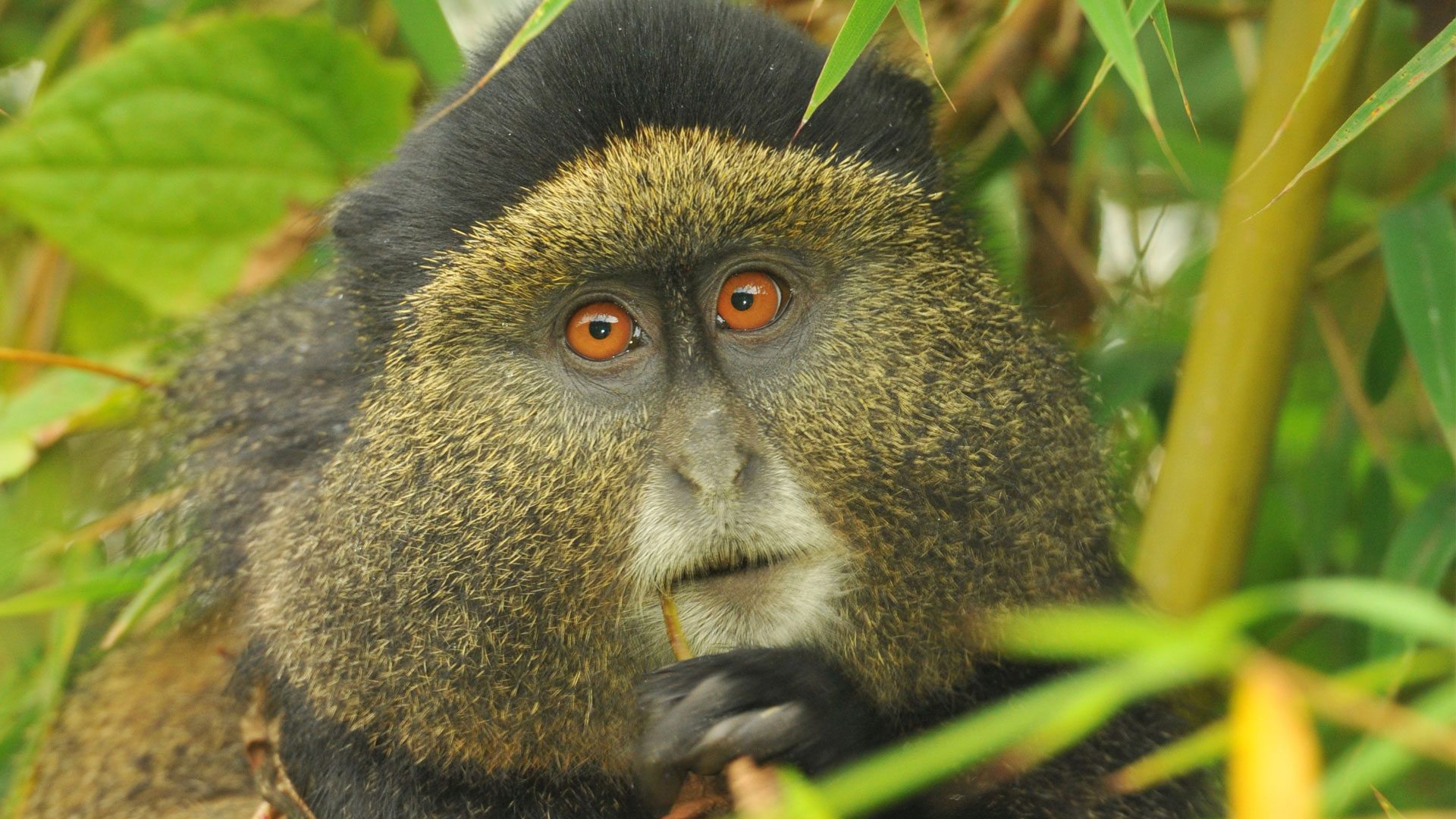
Rwanda offers many opportunities beyond mountain gorillas, allowing photographers to create a diverse wildlife photography journey.
Golden Monkey Photography
Located in Volcanoes National Park, golden monkey trekking provides opportunities to photograph these colorful and active primates.
Photographers can capture:
- Playful behavior
- Group movements
- Forest interactions
Combining golden monkey photography with gorilla trekking creates a complete primate photography experience.
Akagera National Park Photography
Akagera National Park offers classic African safari photography opportunities.
Photographers can capture:
- Lions
- Elephants
- Rhinos
- Giraffes
- Hippos
- Birds
Adding Akagera to a gorilla photography itinerary creates a diverse wildlife collection.
Lake Kivu Photography
Lake Kivu provides opportunities for beautiful landscape and cultural photography.
Photographers can capture:
- Sunset views
- Lakeside communities
- Fishing activities
- Scenic landscapes
Combining Volcanoes National Park with Lake Kivu creates a balanced Rwanda photography adventure.
Book Your Gorilla Trekking Photography Safari Rwanda
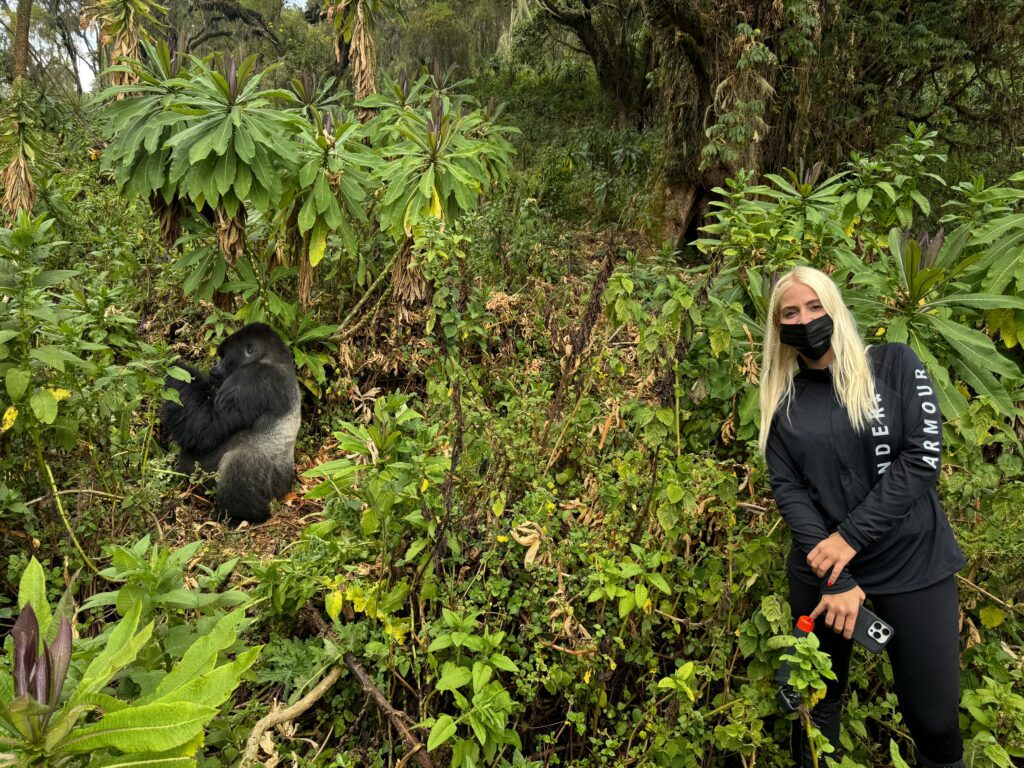
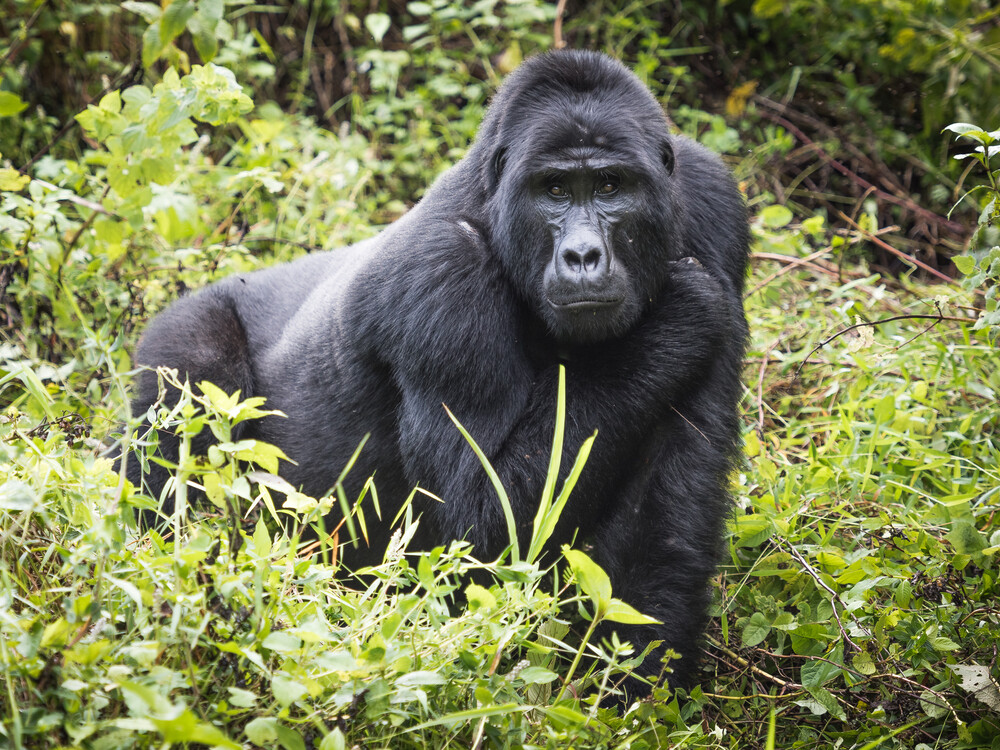
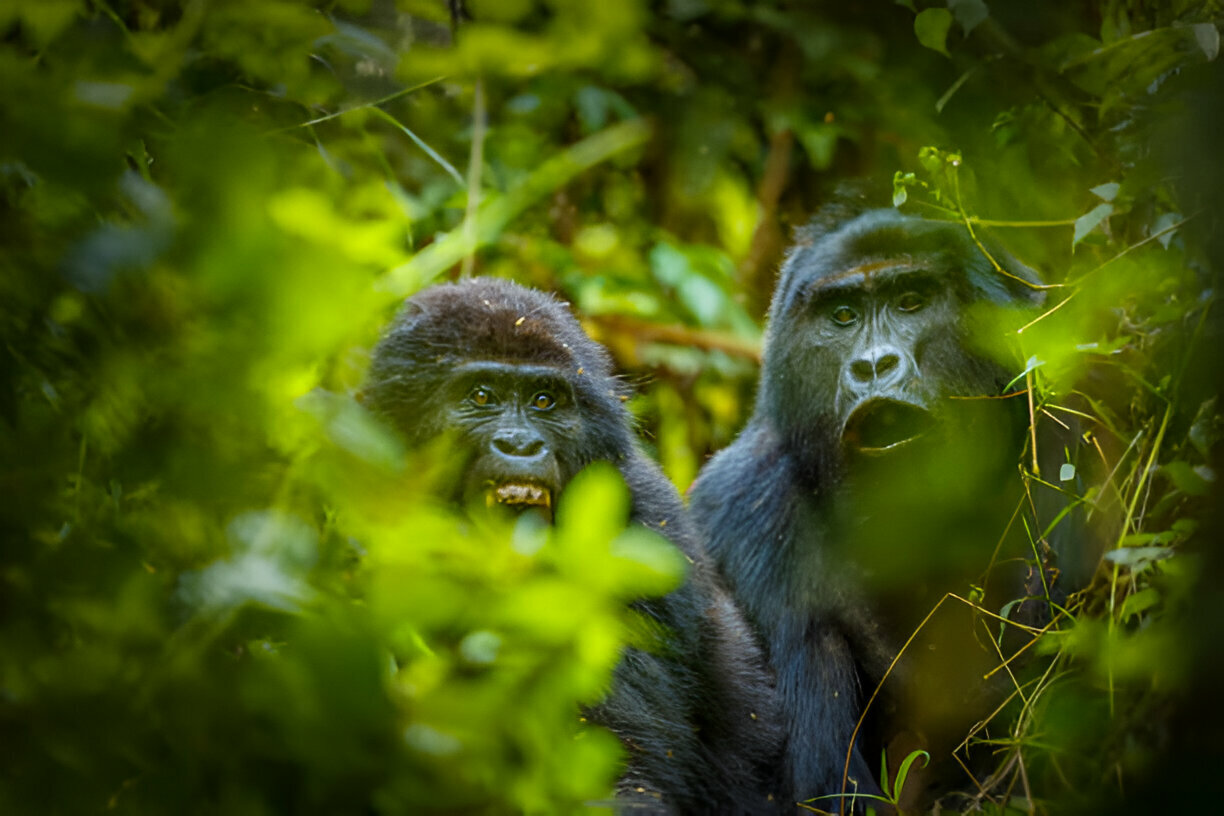
A successful Gorilla Trekking Photography experience requires careful preparation, professional guidance, and the right approach to wildlife photography.
From selecting suitable camera equipment and understanding rainforest lighting to capturing authentic gorilla behavior, every detail contributes to creating unforgettable photographs.
At Boots in The Jungle Safaris, we specialize in creating personalized Rwanda gorilla trekking experiences designed for photographers, wildlife enthusiasts, and travelers looking for meaningful encounters with mountain gorillas.
Our photography-focused safari experiences include:
- Gorilla permit arrangements
- Experienced local guides and trackers
- Comfortable safari transportation
- Carefully selected accommodations
- Flexible photography itineraries
- Expert safari planning support
Whether you are a professional wildlife photographer or an enthusiast looking to capture your first mountain gorilla images, we create unforgettable Gorilla Trekking Photography Rwanda experiences tailored to your interests.
Begin planning your extraordinary mountain gorilla photography adventure with Boots in The Jungle Safaris and experience Rwanda’s incredible wildlife through your lens.