
The Ultimate Guide: How Difficult Is Gorilla Trekking? Everything You Need to Know Before Your Adventure
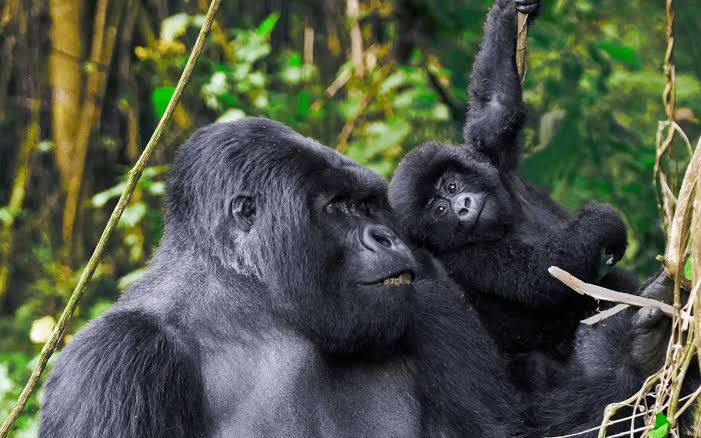
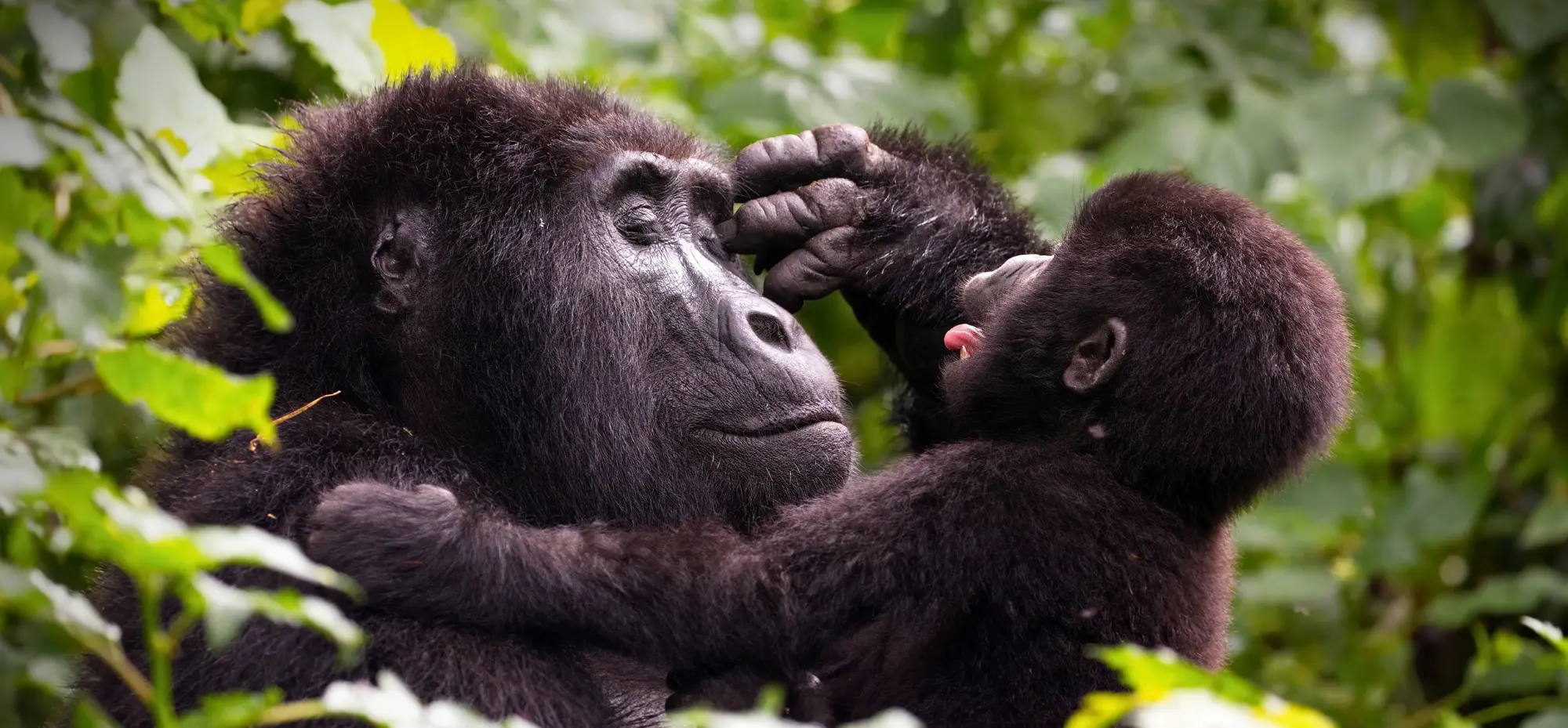
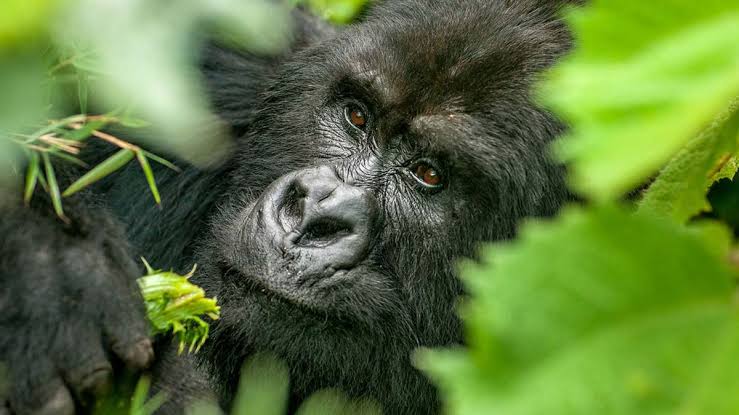
One of the most common questions travelers ask before planning a mountain gorilla safari is How Difficult Is Gorilla Trekking? Understanding the difficulty level before your journey helps you prepare properly, choose the right destination, and approach the experience with confidence. The answer is not the same for every traveler because gorilla trekking difficulty depends on several important factors, including your fitness level, the location of the gorilla family, weather conditions, altitude, terrain, and how well you prepare before arriving in Uganda or Rwanda.
Gorilla trekking is considered a moderate physical adventure rather than an extreme hiking expedition. You do not need to be a professional athlete, experienced mountaineer, or expert hiker to participate. However, it is important to understand that this is a real rainforest adventure that involves walking through natural environments rather than developed trails. Visitors should expect to hike across uneven forest floors, climb hills, navigate muddy sections, walk through thick vegetation, and sometimes spend several hours searching for a gorilla family.
Unlike traditional wildlife safaris where animals are observed comfortably from a safari vehicle, gorilla trekking requires visitors to enter the forest on foot. The physical challenge is part of what makes the experience unique. Every step takes you deeper into ancient rainforest ecosystems where you may encounter beautiful landscapes, colorful birds, butterflies, unique plant species, and the sounds of the forest before reaching the mountain gorillas.
The level of difficulty also depends on the individual traveler. Someone who regularly walks, hikes, or exercises may find the experience easier compared to someone who rarely engages in physical activity. However, gorilla trekking is not a race. Professional guides and trackers lead the group at a comfortable pace, allowing visitors to rest whenever necessary.
Understanding How Difficult Is Gorilla Trekking allows you to prepare realistically. With proper physical preparation, suitable trekking clothing, waterproof hiking boots, enough water, and the assistance of experienced guides and local porters, travelers of different ages and fitness levels successfully complete gorilla trekking adventures every year.
At Boots in The Jungle Safaris, we help travelers understand every aspect of gorilla trekking difficulty before departure. Our team provides guidance on fitness preparation, selecting suitable trekking locations, packing the right equipment, choosing accommodation near trekking points, and making practical decisions that improve the overall experience.
What Makes Gorilla Trekking Difficult?
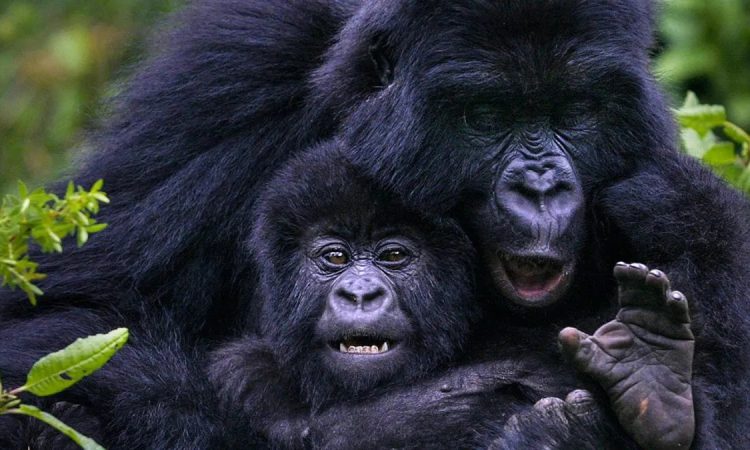
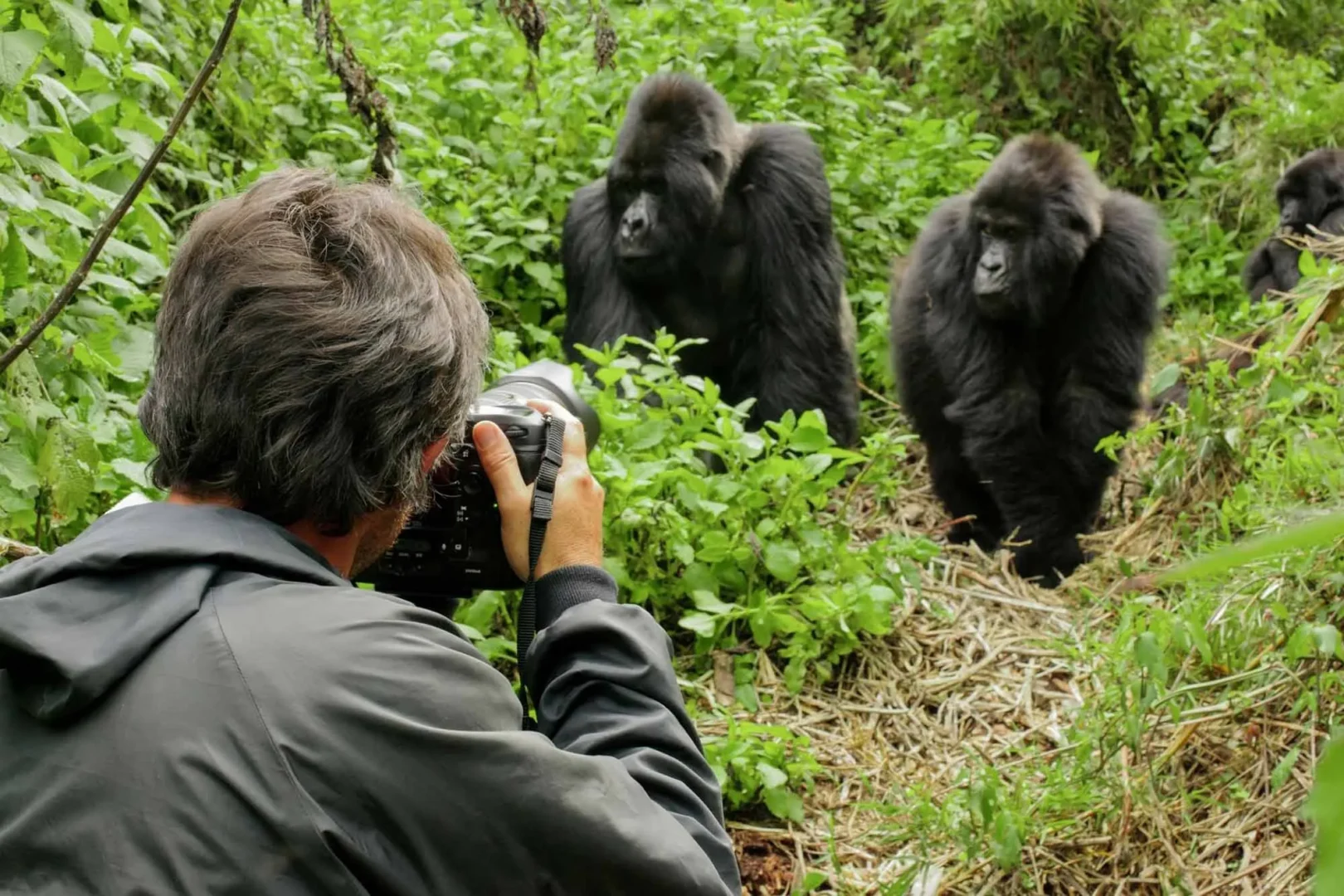
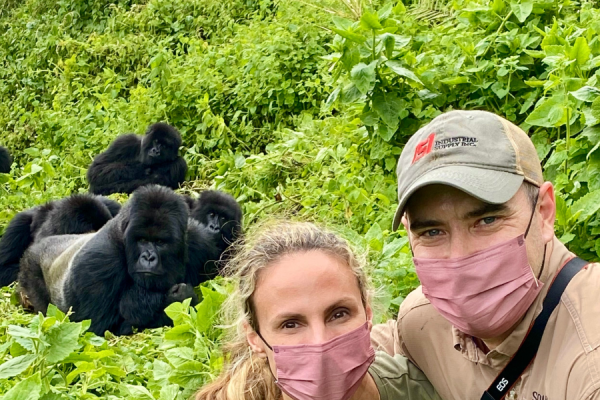
When asking How Difficult Is Gorilla Trekking, it is important to understand that the challenge comes from the natural environment rather than the mountain gorillas themselves. Mountain gorillas are calm and peaceful animals, and every trekking experience is carefully managed by trained guides, trackers, and conservation authorities to ensure the safety of both visitors and wildlife.
The biggest factor that determines difficulty is the rainforest terrain. Mountain gorillas live in high-altitude forests located in mountainous regions of Uganda and Rwanda. These environments are naturally rugged, with steep slopes, thick vegetation, muddy trails, exposed tree roots, and uneven ground. Unlike hiking trails that are professionally constructed and maintained, gorilla trekking routes follow natural paths through the forest.
In Bwindi Impenetrable National Park, for example, the forest landscape contains hills and valleys covered by dense vegetation. The word “impenetrable” reflects the thick nature of the forest, where visitors move through a unique environment filled with ancient trees, vines, ferns, and bamboo. Walking through such terrain requires more effort than walking on flat surfaces.
Weather conditions are another major factor influencing How Difficult Is Gorilla Trekking. Mountain gorilla habitats receive rainfall throughout the year, and weather can change quickly. A trail that is manageable in dry conditions can become slippery and muddy after rainfall. Visitors may need to carefully navigate wet sections, especially when climbing or descending hills.
Altitude also contributes to the physical challenge. Gorilla trekking destinations are located at elevations where temperatures are cooler and oxygen levels may feel slightly different for visitors who are not accustomed to mountain environments. While altitude is not usually a serious problem for most travelers, some visitors may notice that hiking uphill requires more effort.
The duration of the trek is another important consideration. Since gorillas move freely through their natural habitat, the exact location of a gorilla family cannot always be predicted. Some groups may remain close to the starting point, while others may move deeper into the forest. This means one traveler may experience a relatively easy trek while another may have a longer and more demanding adventure on the same day.
This is why the question How Difficult Is Gorilla Trekking does not have one fixed answer. Every trek is different. The experience can range from an easy forest walk to a challenging mountain hike depending on the conditions of the day and the gorilla family being visited.
How Long Does Gorilla Trekking Take?
The duration of a gorilla trek is one of the biggest factors when considering How Difficult Is Gorilla Trekking. Unlike ordinary tours with fixed walking times, gorilla trekking duration changes depending on the location and movement of the gorilla family assigned to visitors.
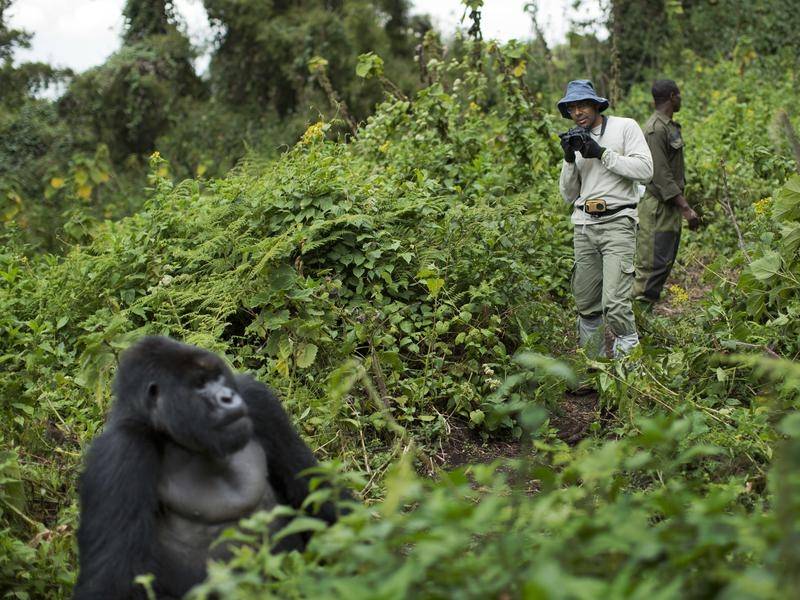
The adventure begins early in the morning with registration, briefing, and preparation at the park headquarters. During this briefing, visitors meet their guides, trackers, and sometimes porters before entering the forest. The trackers then lead the group using their knowledge of gorilla movements and forest conditions.
Some visitors may reach the gorillas within 30 minutes to one hour of walking. These shorter treks usually happen when the assigned gorilla family is located relatively close to the park boundary or starting point. These experiences are often considered easier and are suitable for travelers who prefer a less physically demanding adventure.
However, other gorilla groups may require several hours of hiking before they are located. Longer treks can involve steep climbs, deeper forest exploration, and more challenging terrain. Visitors may walk for three, four, five, or even more hours depending on where the gorillas have moved.
The physical effort required during a longer trek should not discourage travelers. Guides understand that visitors have different abilities and maintain a slow, manageable pace. Regular breaks are provided, allowing trekkers to drink water, rest, and recover energy before continuing.
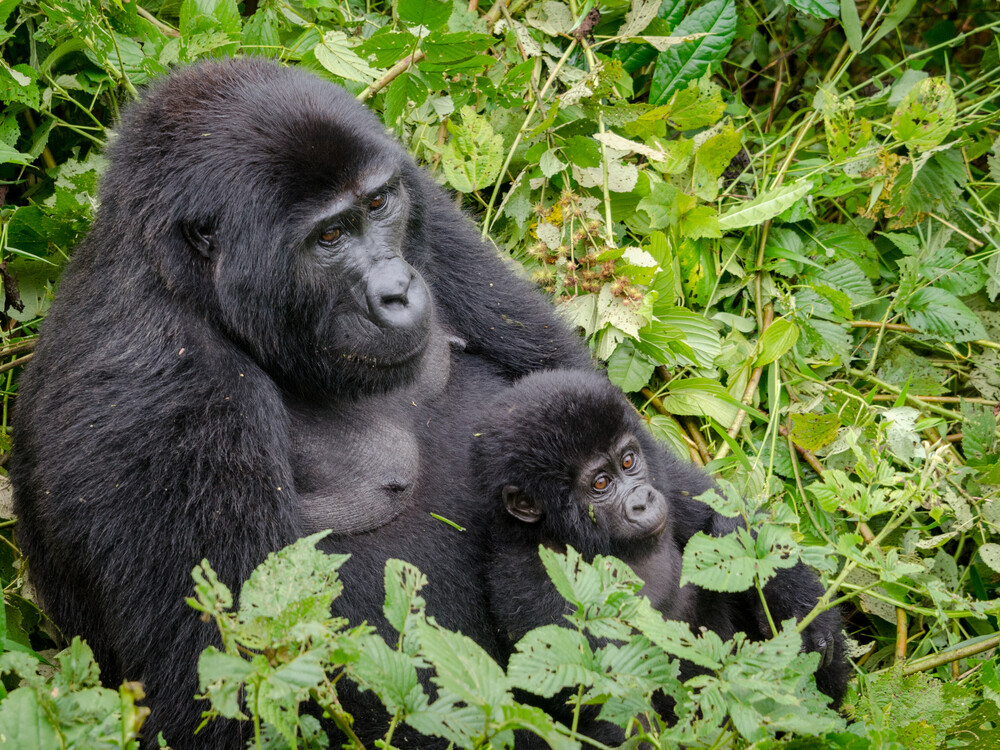
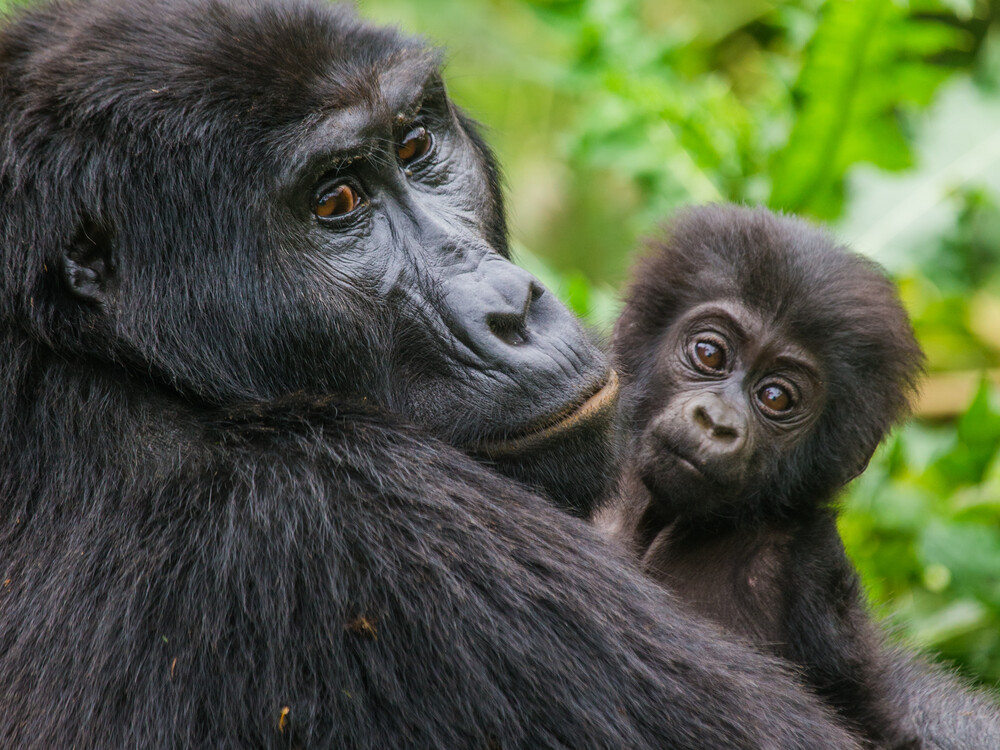
Once the gorillas are found, visitors spend one unforgettable hour observing them in their natural habitat. This magical encounter includes watching silverbacks, mothers, juveniles, and other members of the family feeding, playing, grooming, and interacting.
A good understanding of How Difficult Is Gorilla Trekking means preparing for different possibilities rather than assuming every trek will have the same duration. Being physically prepared ensures that even a longer trek becomes an enjoyable adventure rather than a stressful challenge.
Gorilla Trekking Difficulty Levels in Uganda
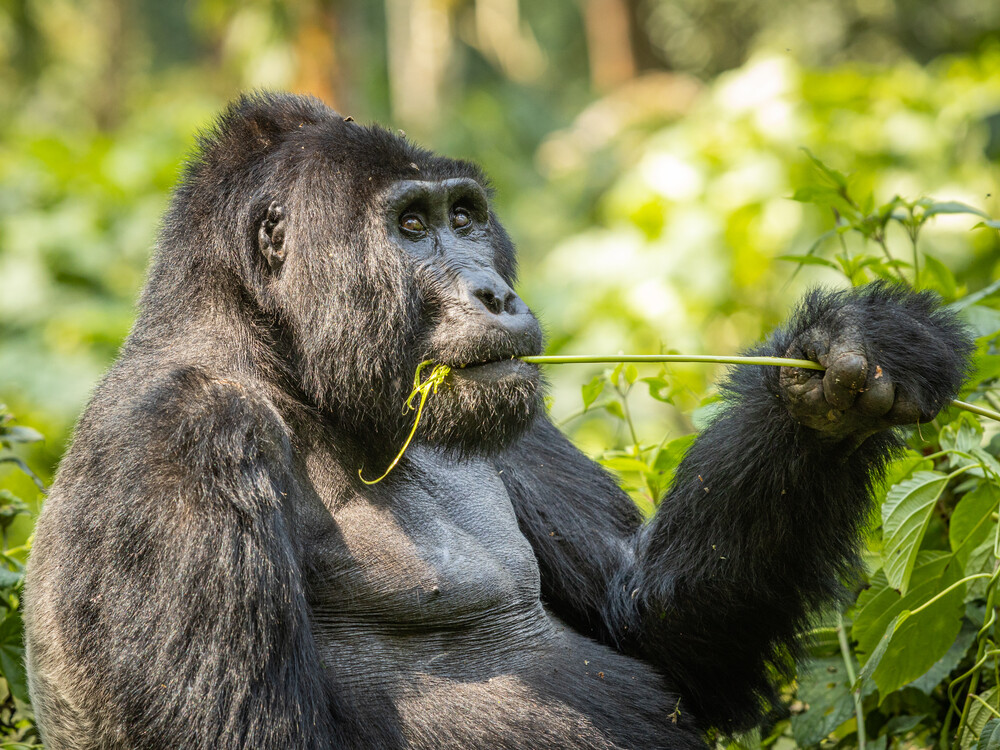
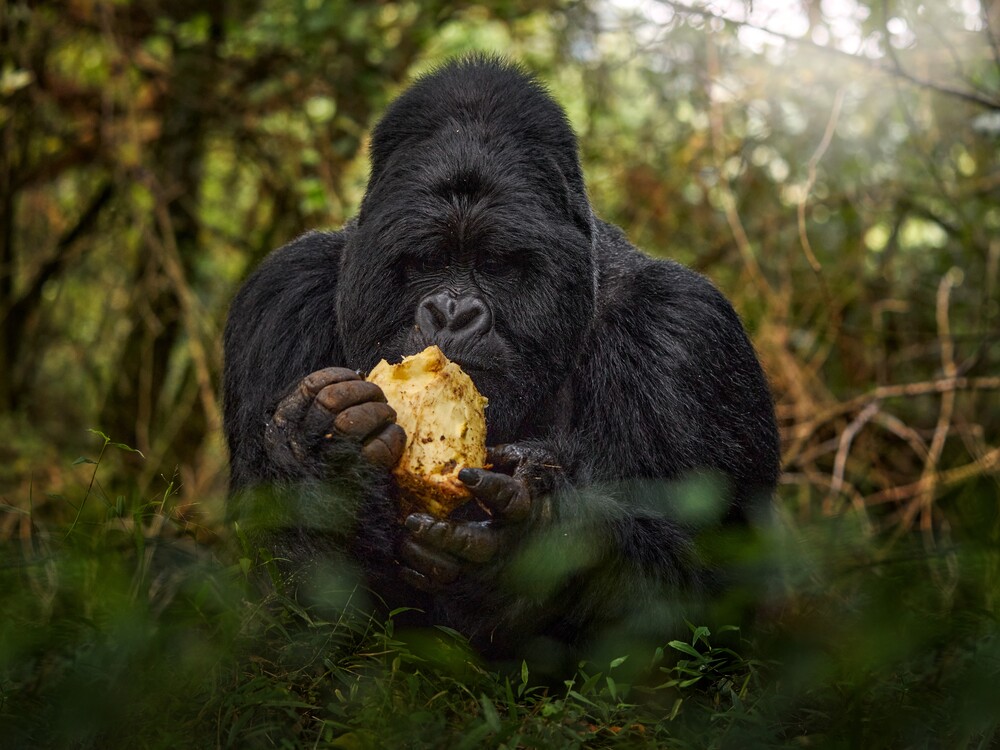
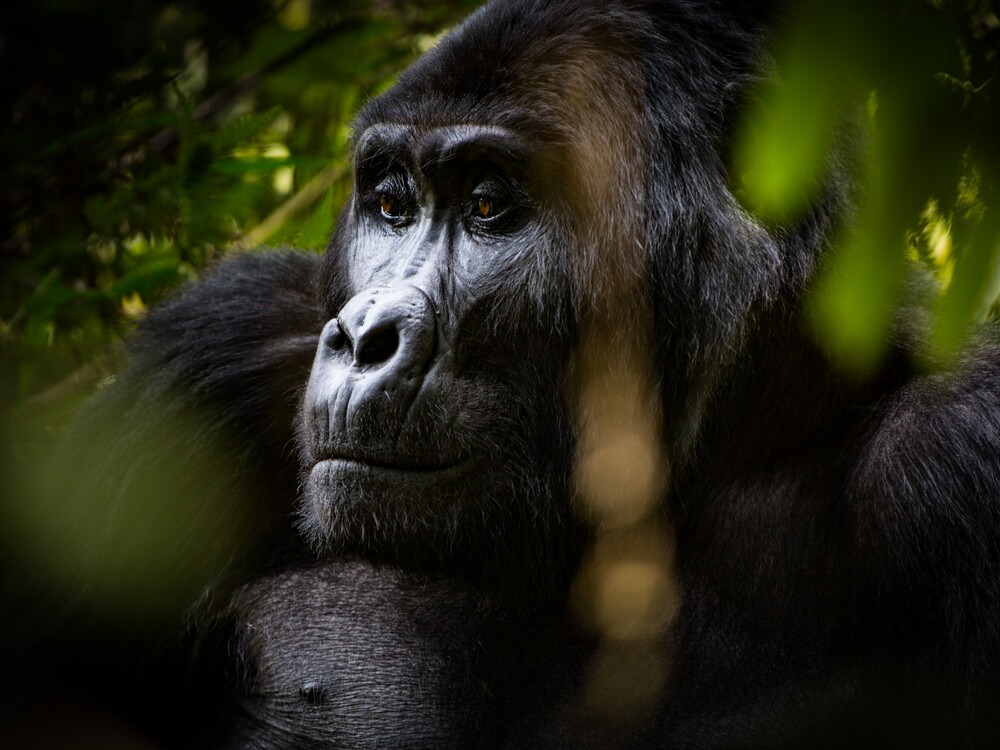
Uganda offers some of Africa’s most diverse mountain gorilla trekking experiences, and the difficulty level varies depending on the trekking destination and sector chosen. Understanding these differences helps answer How Difficult Is Gorilla Trekking when deciding where to have your gorilla adventure.
Uganda’s gorilla trekking takes place mainly in Bwindi Impenetrable National Park and Mgahinga Gorilla National Park. Both destinations offer incredible encounters with endangered mountain gorillas, but each has unique terrain and trekking conditions.
Bwindi Impenetrable National Park
Bwindi Impenetrable National Park is Uganda’s most famous gorilla trekking destination and home to many habituated gorilla families. The park is divided into different trekking sectors, including Buhoma, Ruhija, Rushaga, and Nkuringo, each offering a different trekking experience.
The difficulty of gorilla trekking in Bwindi depends greatly on the sector and the location of the assigned gorilla family. The park’s mountainous landscape means visitors should expect hills, valleys, and forest trails that require physical effort.
The Nkuringo sector is often considered one of the more physically challenging areas because it sits within a mountainous region with steep terrain. The climbs can be demanding, especially for travelers who are not used to hiking, but the breathtaking views and rewarding gorilla encounters make the effort worthwhile.
The Ruhija sector also involves forest hiking through elevated terrain, while Buhoma offers some routes that may be more accessible depending on gorilla family locations. Rushaga is known for having many gorilla families and offers different trekking possibilities, including gorilla habituation experiences that may involve longer time inside the forest.
When considering How Difficult Is Gorilla Trekking in Bwindi, it is important to remember that the assigned gorilla family has the biggest influence on the day’s experience. Two travelers visiting the same sector may have completely different trekking conditions depending on where their gorillas are located.
Mgahinga Gorilla National Park
Mgahinga Gorilla National Park provides another unique answer to How Difficult Is Gorilla Trekking in Uganda. Located within the Virunga volcanic mountain range, Mgahinga offers spectacular scenery, bamboo forests, and dramatic volcanic landscapes.
The park is smaller compared to Bwindi but provides an incredible trekking environment. Visitors may hike through mountain slopes and forest areas influenced by the surrounding volcanic landscape.
The physical challenge at Mgahinga depends on the gorilla group location and weather conditions. Some sections may involve climbing, making good footwear and preparation especially important.
One advantage of Mgahinga is the peaceful atmosphere and beautiful scenery. The journey through bamboo forests and mountain landscapes becomes part of the adventure, creating an unforgettable experience beyond simply reaching the gorillas.
When asking How Difficult Is Gorilla Trekking in Uganda, the exact trekking sector, weather, and gorilla family assignment often matter more than the country itself.
Gorilla Trekking Difficulty in Rwanda
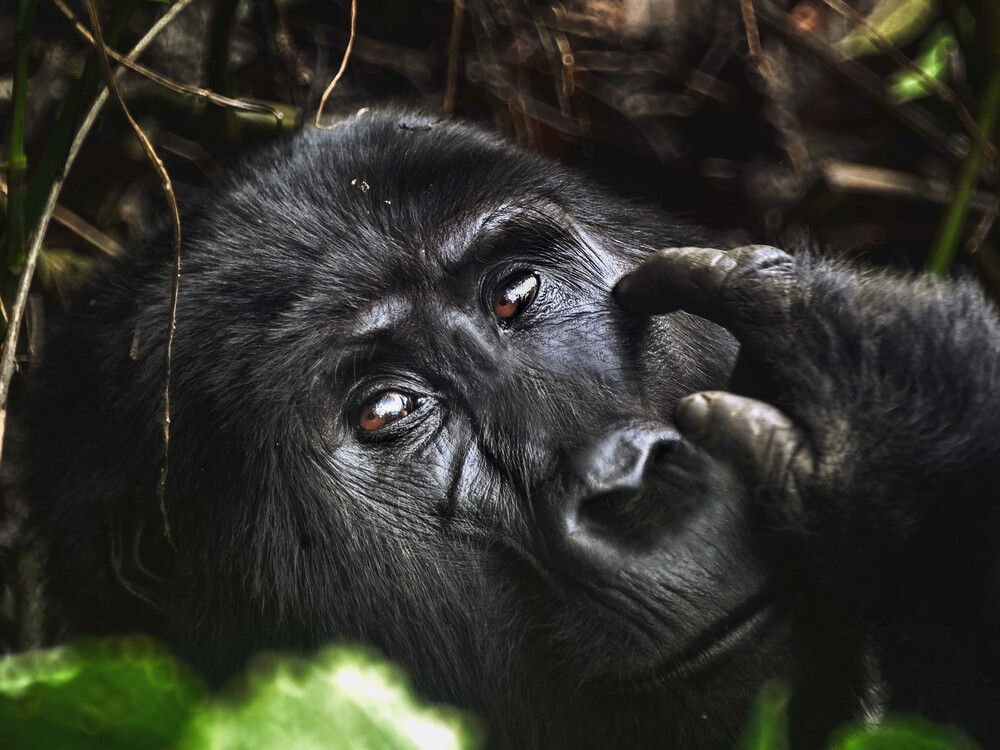
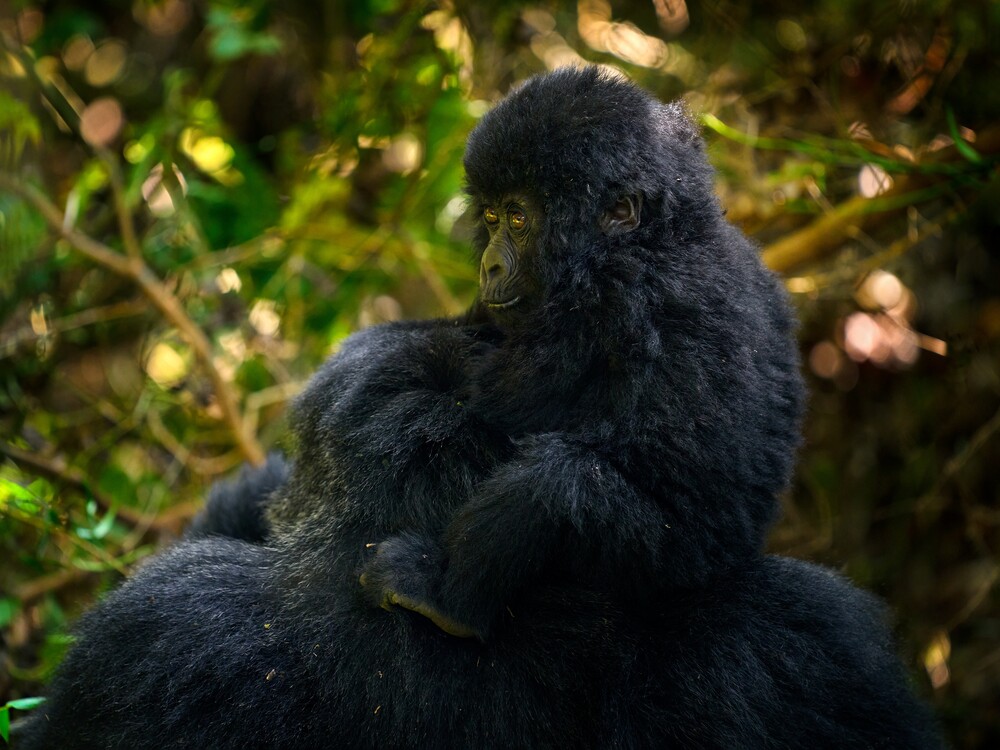
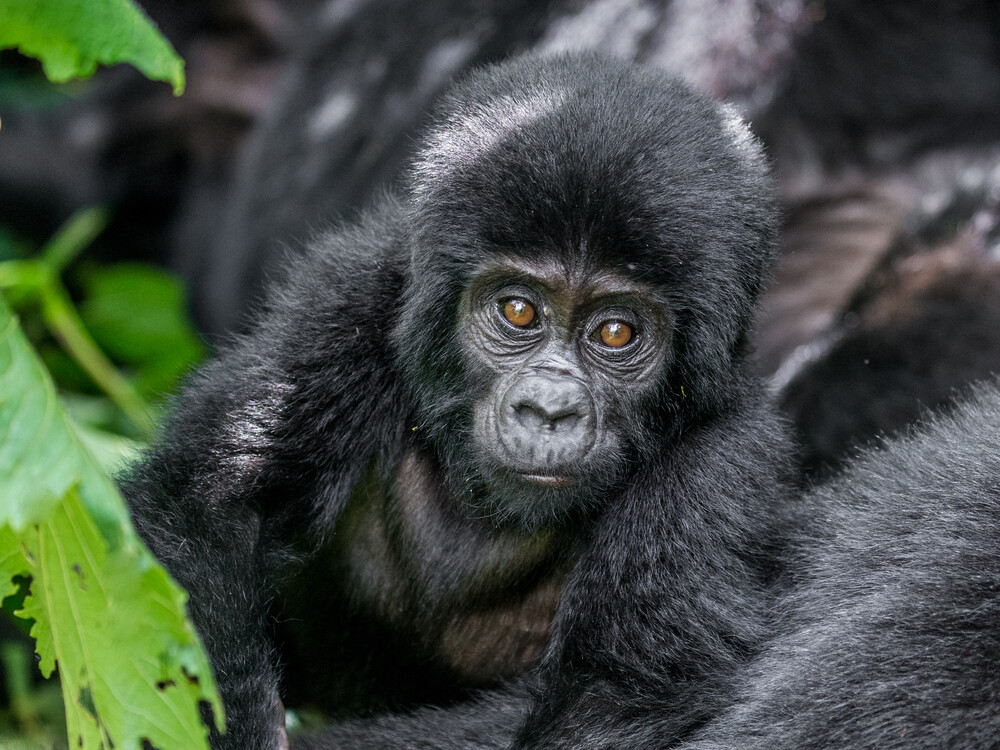
Rwanda’s Volcanoes National Park is one of the world’s most famous destinations for mountain gorilla trekking. Many travelers ask How Difficult Is Gorilla Trekking in Rwanda compared to Uganda, and the answer depends on the specific trekking conditions and individual expectations.
Volcanoes National Park offers a highly organized trekking experience with excellent infrastructure, experienced guides, and well-managed visitor systems. The park is located within the Virunga volcanic mountains, creating beautiful but sometimes challenging terrain.
Some gorilla families in Rwanda are located relatively close to the park headquarters, making the trek shorter and easier. Other groups may require longer hikes into higher areas of the volcanic landscape, involving steeper climbs and greater physical effort.
Altitude is one factor that can influence difficulty in Rwanda. Visitors are trekking in mountainous areas, and travelers who are not accustomed to higher elevations may notice that uphill sections require more energy.
However, Rwanda’s professional guides are experienced in managing groups with different fitness levels. They encourage visitors to move slowly, take breaks when needed, and enjoy the forest experience rather than focusing only on reaching the gorillas quickly.
Another advantage of Rwanda is that visitors can discuss their preferences and fitness level with the trekking team. Depending on availability, guides may recommend gorilla families that better match a traveler’s physical ability.
Overall, Rwanda gorilla trekking is considered a moderately challenging adventure, but it is achievable for travelers who prepare properly. Understanding How Difficult Is Gorilla Trekking allows visitors to arrive with realistic expectations and enjoy one of the most extraordinary wildlife experiences in the world.
Is Gorilla Trekking Hard for First-Time Hikers?
Many first-time hikers often ask How Difficult Is Gorilla Trekking if they have little or no previous hiking experience. The thought of entering a dense rainforest, climbing mountain slopes, and walking through unfamiliar terrain can feel intimidating, especially for travelers who have never participated in a trekking adventure before.
The good news is that previous hiking experience is not a requirement for gorilla trekking. Thousands of travelers from around the world successfully complete gorilla trekking adventures every year without being experienced hikers. The experience is designed to be accessible to ordinary travelers, not only professional outdoor enthusiasts.
However, beginners should understand that gorilla trekking is still a real wilderness adventure. The rainforest environment is different from normal walking conditions, and some level of preparation will make the experience much more enjoyable. Simple activities such as walking regularly, climbing stairs, practicing on nature trails, and improving general fitness can significantly increase confidence before the safari.
First-time hikers should focus on building endurance rather than trying to complete intense workouts. Gorilla trekking is not about speed or competition. Visitors move slowly with experienced guides and trackers who understand that travelers have different physical abilities.
Patience is one of the most important qualities during a first gorilla trek. The gorilla family may be found quickly, or the search may take several hours depending on their location. Remaining positive and enjoying the journey through the forest makes the experience much more rewarding.
Many first-time hikers are surprised by how enjoyable gorilla trekking becomes once they focus less on the physical challenge and more on the incredible surroundings. The sounds of the rainforest, beautiful landscapes, wildlife encounters, and anticipation of seeing mountain gorillas create memories that go far beyond the effort required.
This Gorilla Trekking Fitness Guide approach helps beginners understand that preparation, not previous experience, is the key factor. With proper clothing, suitable footwear, a comfortable pace, and support from professional guides, first-time hikers can confidently complete their gorilla trekking adventure.
How Fit Do You Need to Be for Gorilla Trekking?
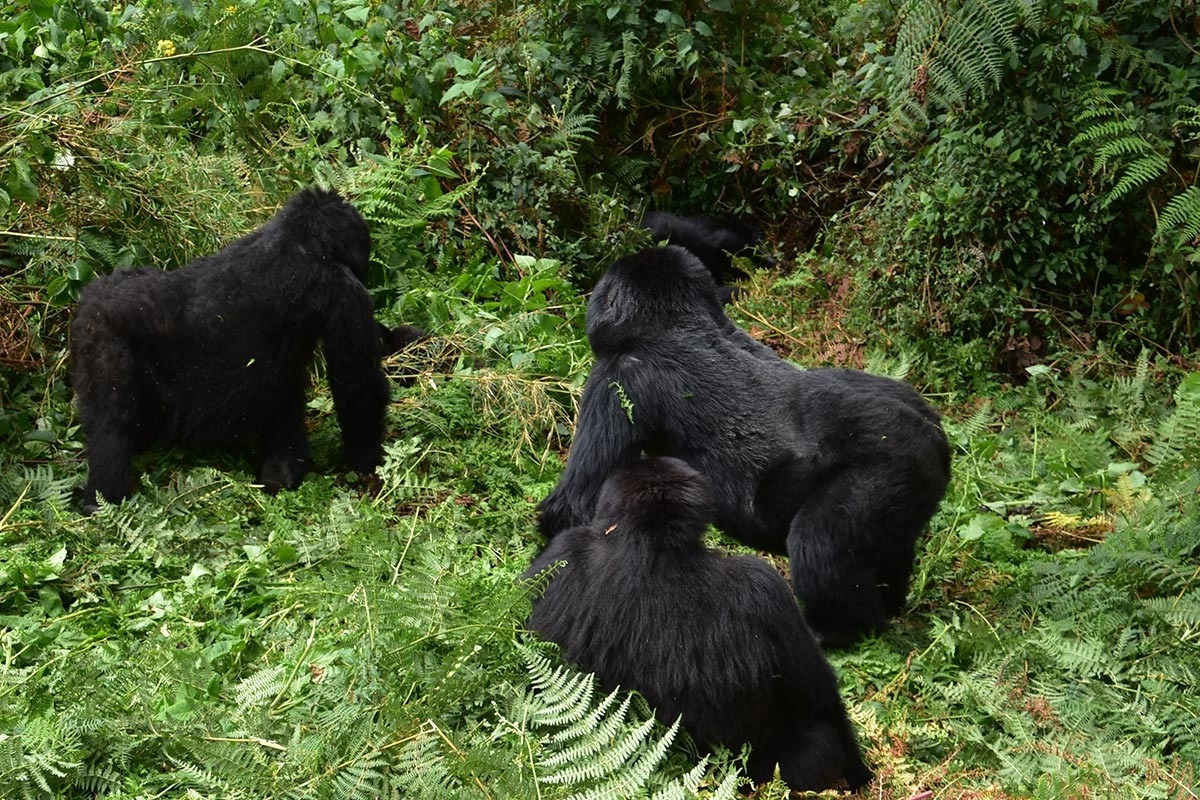
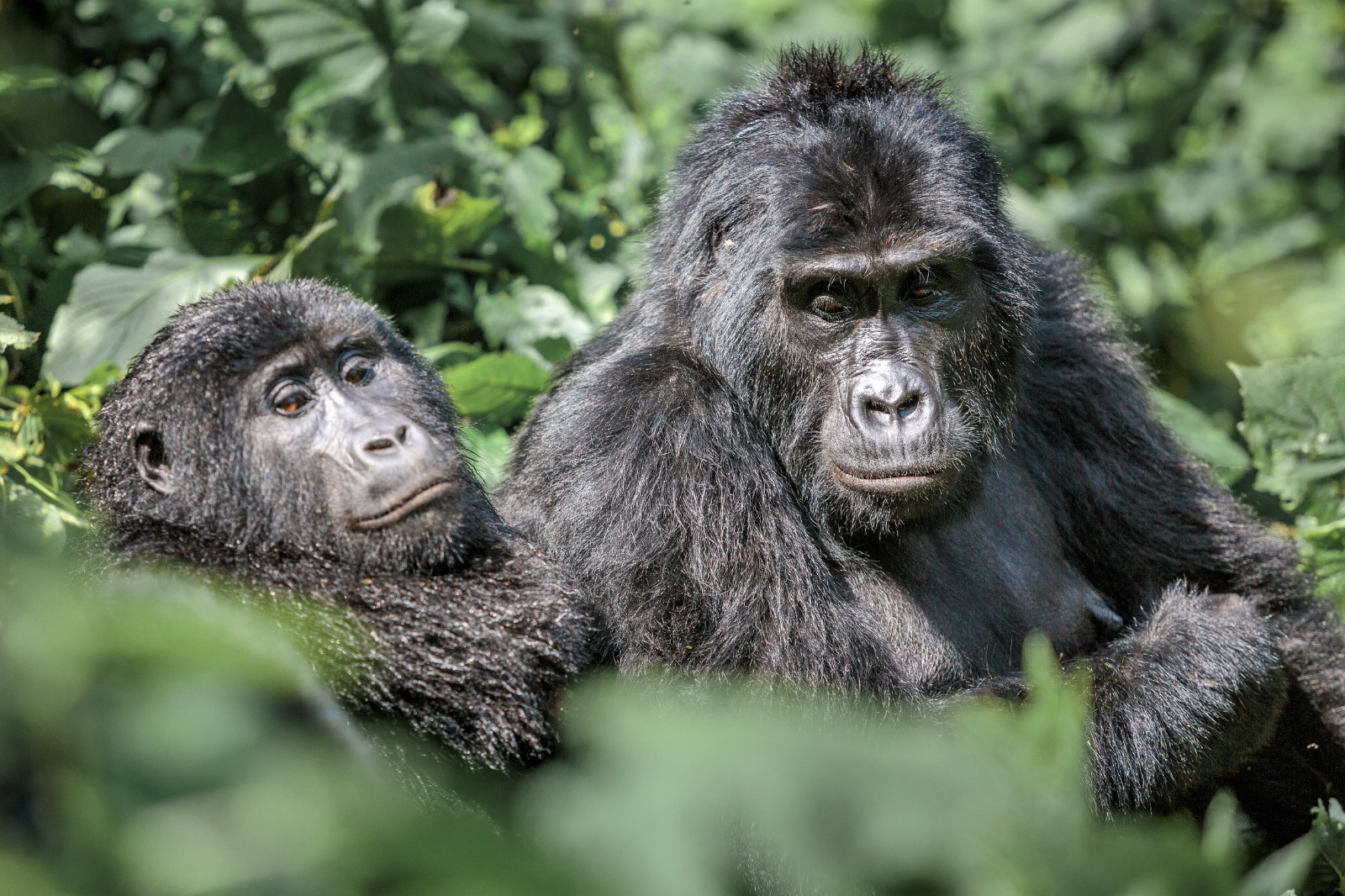
Fitness level plays an important role when answering How Difficult Is Gorilla Trekking because your physical condition directly affects how comfortable you feel during the adventure. However, you do not need to be extremely athletic, highly trained, or physically exceptional to enjoy a mountain gorilla trek.
A traveler with average fitness who can walk several kilometers, climb stairs, and remain active for several hours is generally well prepared. The most important factors are endurance, balance, leg strength, and the ability to maintain steady movement through natural terrain.
Gorilla trekking requires different types of physical ability compared to normal exercise. You are not simply walking on a flat surface. You may need to climb hills, step over tree roots, move through thick vegetation, and maintain balance on muddy trails. Preparing these specific abilities before your trip improves your overall experience.
The most useful preparation activities include regular walking, hiking practice, leg strengthening exercises, balance training, cardiovascular activities, and stretching exercises.
Regular walking helps your body become comfortable with longer periods of movement. Hiking on natural trails or uneven surfaces is even better because it closely matches the conditions found in gorilla habitats.
Leg strengthening exercises such as squats, lunges, and step-ups improve your ability to climb and descend hills. Stronger leg muscles reduce fatigue and make challenging sections easier.
Balance training is also valuable because rainforest trails can be slippery and unpredictable. Exercises that improve stability help you move more confidently through uneven terrain.
Cardiovascular activities such as cycling, swimming, jogging, and stair climbing strengthen your endurance. A stronger cardiovascular system allows your body to use oxygen efficiently during long hikes.
Starting preparation several weeks before your safari allows your body to gradually adapt. The goal is not to become a professional athlete but to prepare your muscles, heart, and lungs for rainforest hiking.
Understanding How Difficult Is Gorilla Trekking becomes much easier when travelers realize that preparation is about improving comfort and confidence rather than achieving a specific fitness level.
Can Older Travelers Complete Gorilla Trekking?
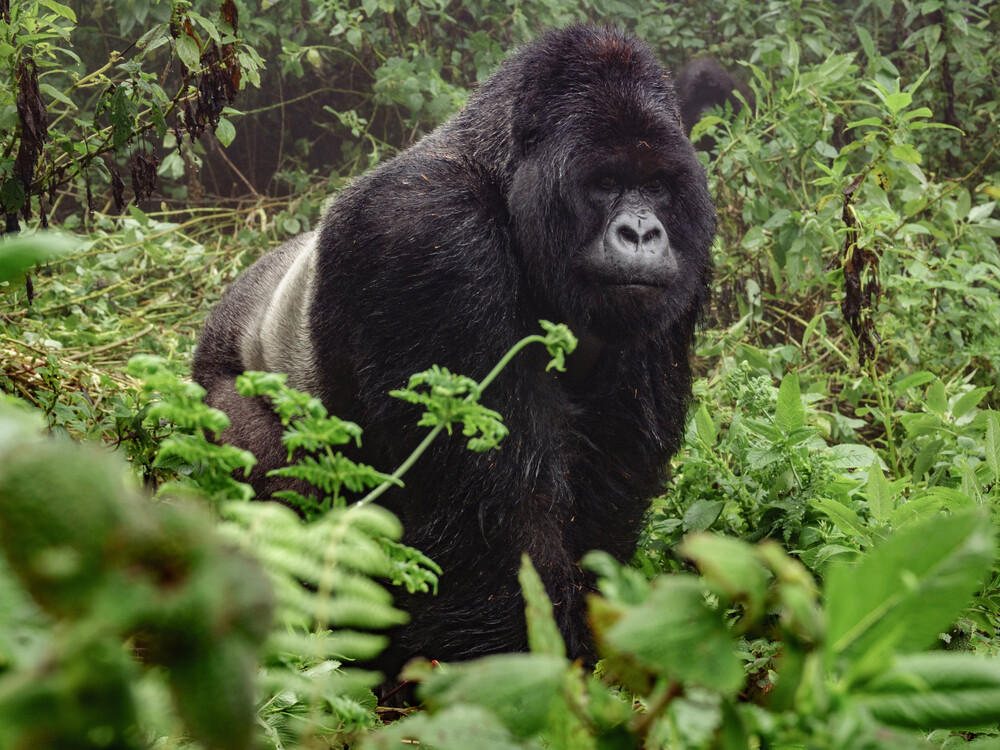
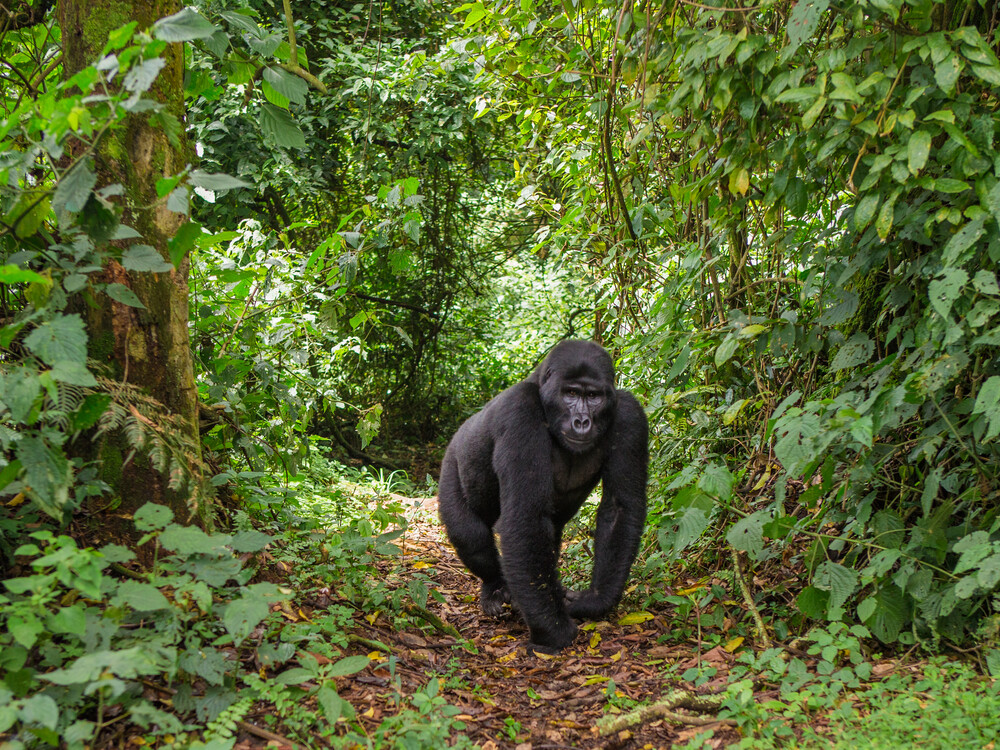
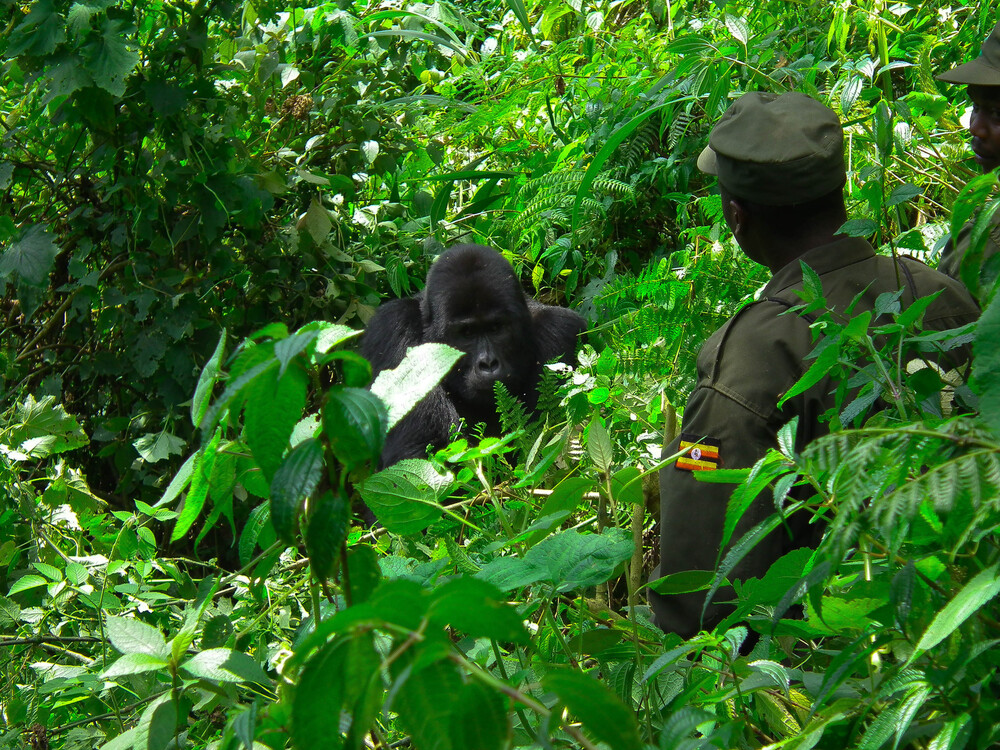
Age is one of the biggest concerns when discussing How Difficult Is Gorilla Trekking. Many older travelers wonder whether they are too old to experience mountain gorilla trekking in Uganda or Rwanda.
The answer is that age alone is not a limitation. Physical ability, mobility, preparation, and personal determination are usually more important factors than the number of years someone has lived. Many senior travelers successfully complete gorilla trekking adventures every year.
A healthy older traveler with reasonable mobility and preparation may complete a trek more comfortably than a younger traveler who has not prepared physically. The rainforest experience is not about competing with others; it is about moving at your own pace and enjoying the journey.
Older visitors can make gorilla trekking easier by choosing a suitable trekking sector, hiring a porter, taking regular breaks, using a walking stick, and communicating openly with guides about their abilities.
Hiring a porter is especially beneficial for senior travelers. Porters assist with carrying backpacks, provide support on difficult sections, and help conserve energy throughout the trek. Their assistance often makes the difference between a tiring experience and a comfortable adventure.
Choosing the right trekking location can also help. Some gorilla trekking sectors offer easier routes compared to others, and safari operators can provide recommendations based on your fitness level and preferences.
Guides and trackers are experienced in supporting visitors of different ages and abilities. They understand that every traveler has unique needs and work to ensure everyone has a safe and enjoyable experience.
Therefore, when considering How Difficult Is Gorilla Trekking, older travelers should focus on preparation rather than age. With proper planning and support, gorilla trekking can be one of the most rewarding experiences of a lifetime.
How to Make Gorilla Trekking Easier
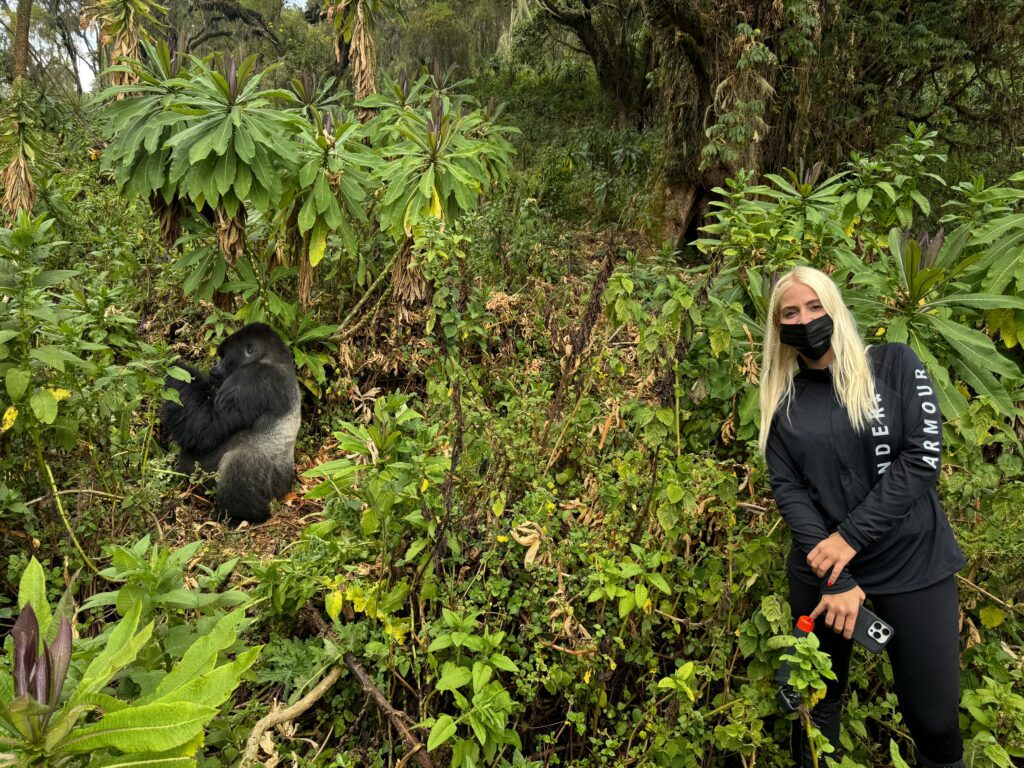
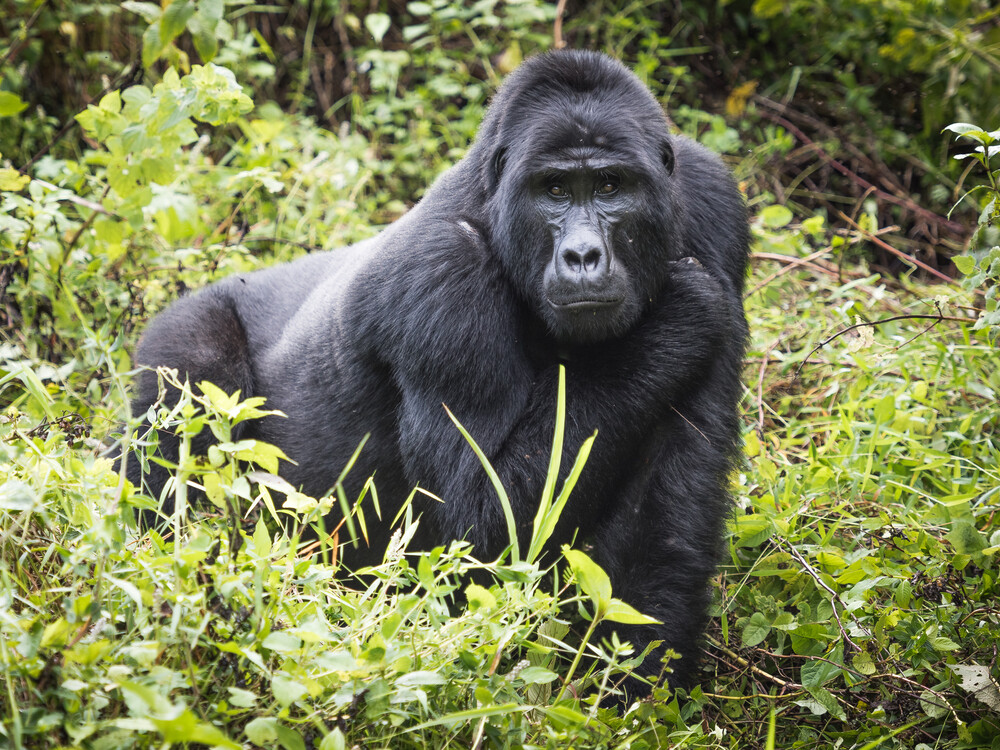
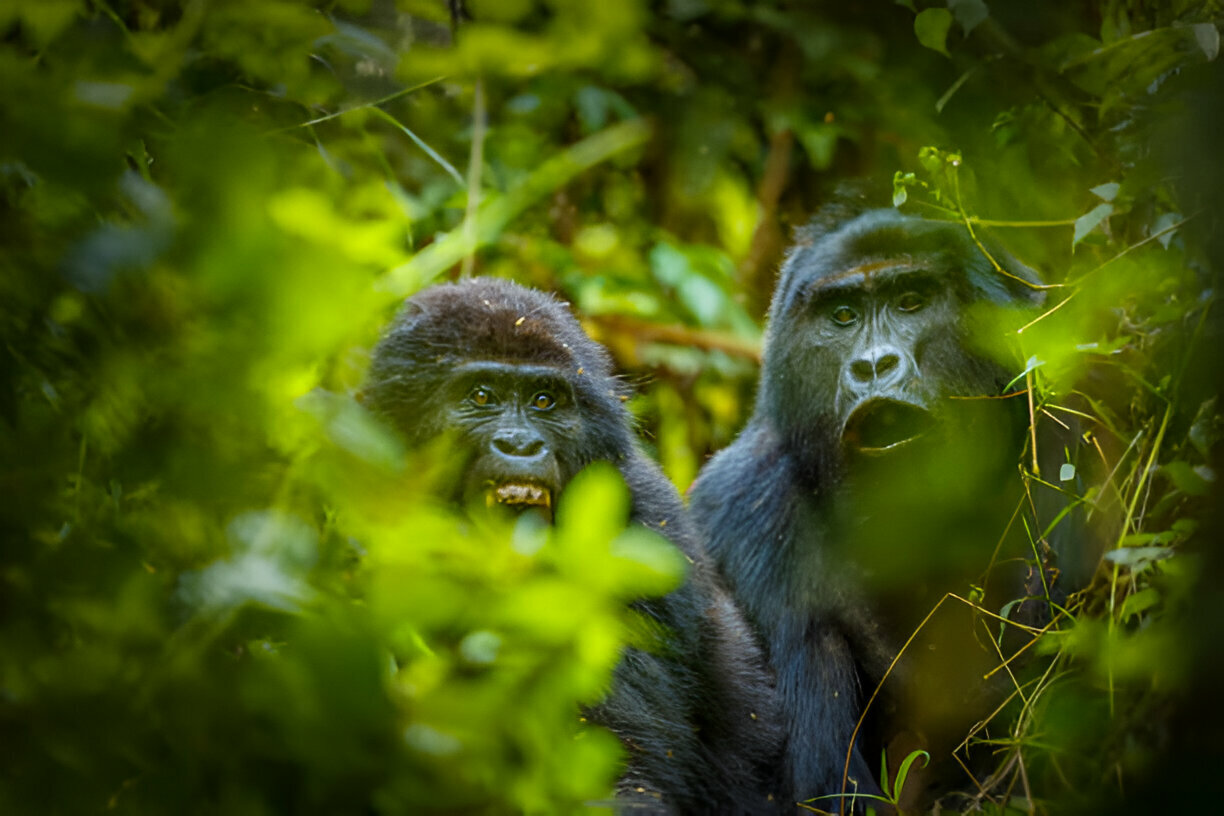
Understanding How Difficult Is Gorilla Trekking also means knowing the practical steps that can reduce the physical challenge and improve your overall experience.
One of the most recommended ways to make gorilla trekking easier is hiring a porter. Porters are local community members who assist visitors by carrying backpacks and providing support during challenging sections of the trail.
Many travelers initially think they do not need a porter, but after experiencing steep climbs and muddy trails, they often realize how valuable the assistance is. A porter allows you to walk with less weight, conserve energy, and focus completely on enjoying the forest.
Wearing proper hiking equipment is another important factor. Waterproof hiking boots with good grip provide stability on muddy and uneven trails. Comfortable clothing, rain protection, gloves, and gaiters also improve your comfort during the trek.
Keeping your backpack lightweight is equally important. Carry only essential items such as water, snacks, camera equipment, medication, rain gear, and personal belongings. Excess weight increases fatigue, especially during longer hikes.
Maintaining a slow and steady pace is another effective strategy. Gorilla trekking is not a race, and rushing often causes unnecessary exhaustion. Moving gradually allows your body to conserve energy and enjoy the surrounding environment.
Staying hydrated and eating properly before and during the trek also improves endurance. Drinking enough water and carrying small energy snacks helps maintain energy levels throughout the adventure.
The purpose of gorilla trekking is not simply reaching the gorillas but enjoying the entire journey. With proper preparation and the right approach, even challenging treks become manageable and rewarding.
What Should You Pack for a Difficult Gorilla Trek?
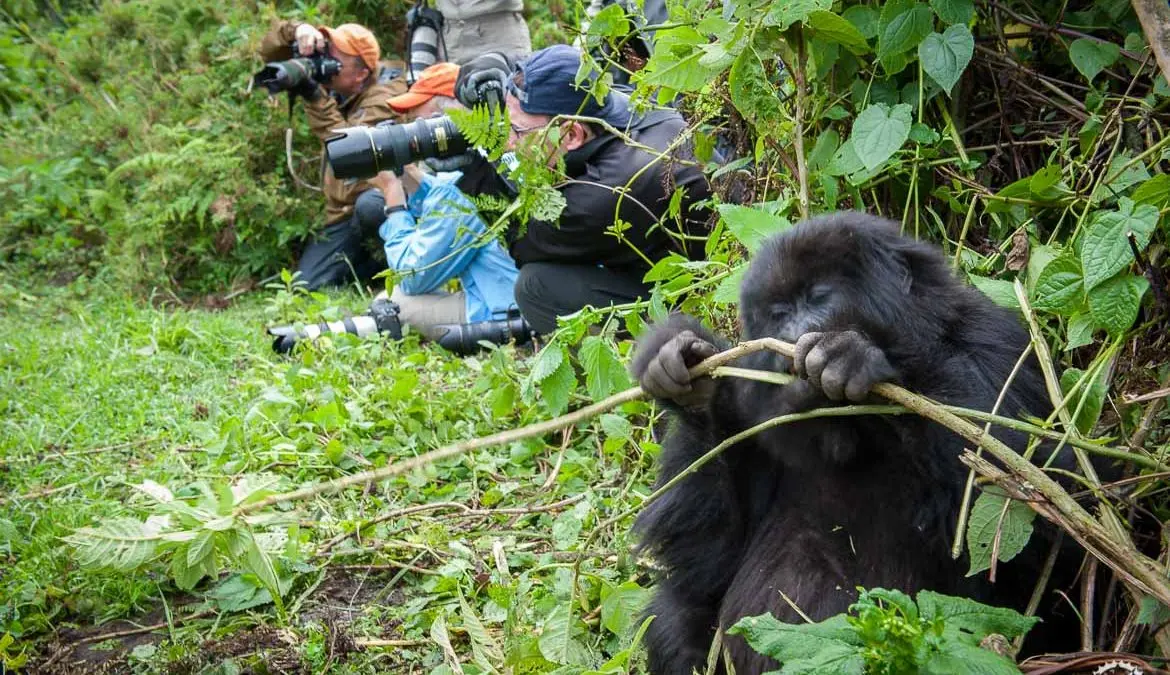
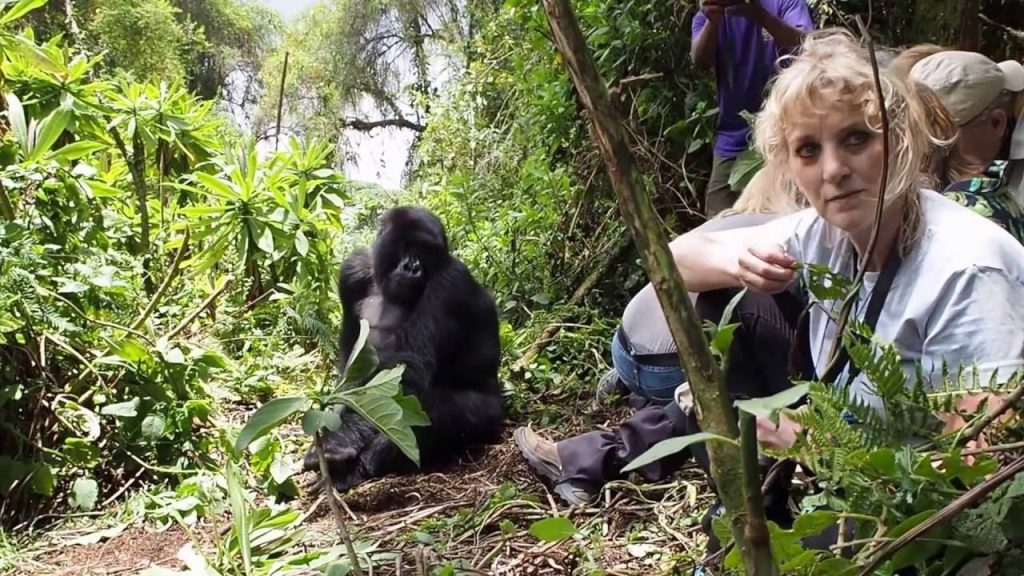
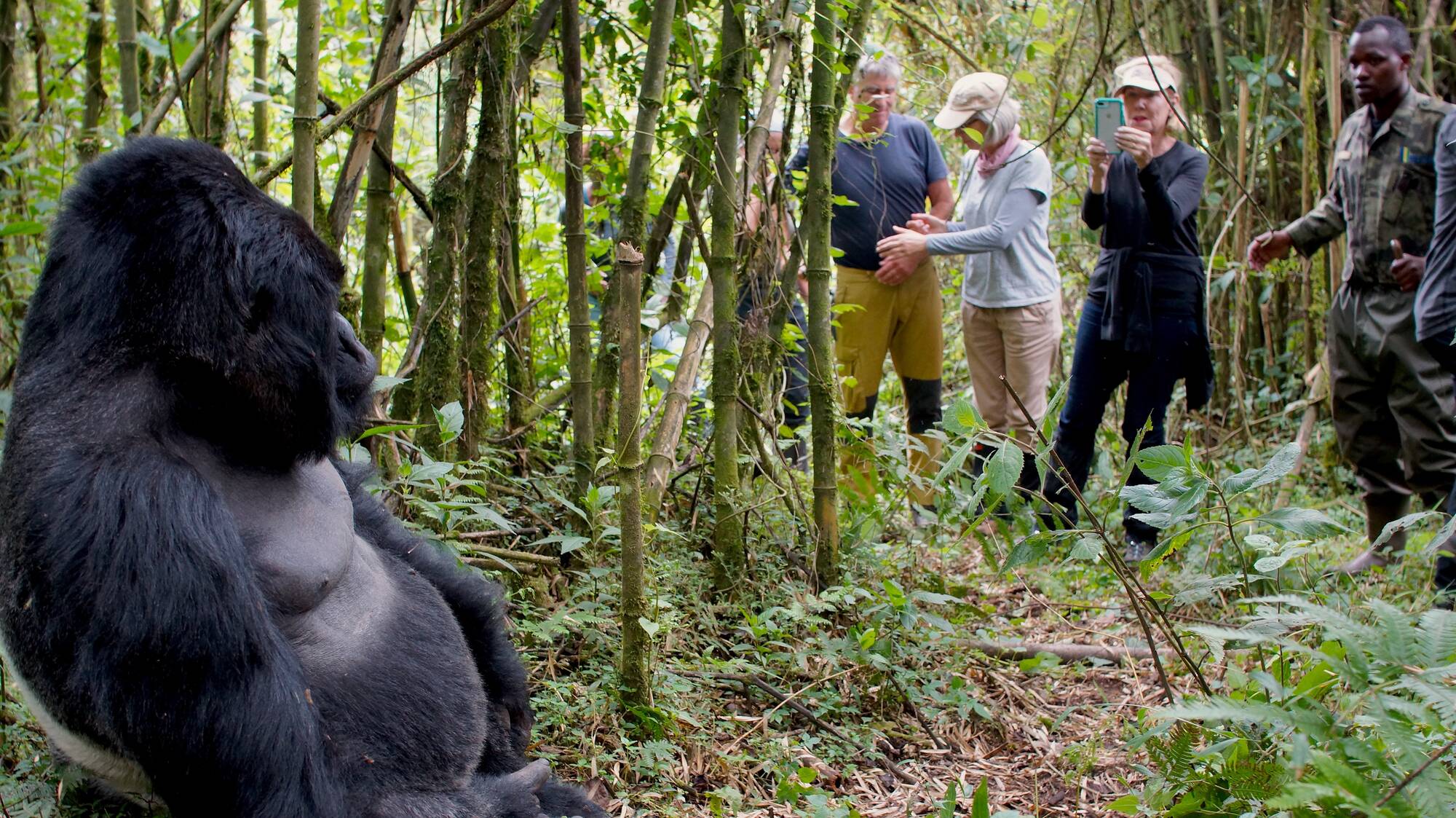
When preparing for challenging trekking conditions, your equipment plays an important role in determining How Difficult Is Gorilla Trekking. The right gear improves comfort, protects you from the environment, and allows you to focus on the experience rather than physical discomfort.
Essential items for a challenging gorilla trek include:
Waterproof hiking boots provide grip, ankle support, and protection against mud and slippery terrain.
A rain jacket protects against sudden rainfall and changing rainforest weather conditions.
Long hiking trousers protect your legs from vegetation, insects, and scratches.
A long-sleeved shirt provides protection while allowing comfortable movement.
Gardening gloves or trekking gloves protect your hands when holding branches or moving through vegetation.
Gaiters prevent mud, water, insects, and small stones from entering your boots.
A walking stick improves balance while climbing hills and navigating slippery trails.
Drinking water helps maintain hydration during several hours of physical activity.
Energy snacks provide additional fuel during longer treks.
Camera equipment allows you to capture unforgettable moments while observing mountain gorillas.
A lightweight backpack allows you to carry essentials without creating unnecessary weight.
Proper preparation can significantly change your perception of How Difficult Is Gorilla Trekking. With the right equipment, a challenging trek becomes a comfortable adventure.
Best Time to Experience Easier Gorilla Trekking
The season can influence How Difficult Is Gorilla Trekking because weather conditions directly affect trail conditions, mud levels, and walking comfort.
During the drier months of June to September and December to February, trails are generally firmer and easier to navigate. These periods are popular because rainfall is usually lower, making hiking conditions more comfortable.
However, it is important to remember that gorilla habitats are tropical rainforests. Rain can occur at any time, even during dry seasons, so waterproof clothing remains essential.
During wetter months from March to May and October to November, rainfall is more frequent and trails may become muddier. Trekking can require more effort because visitors may encounter slippery slopes and wetter vegetation.
Despite the additional challenge, rainy seasons have their own advantages. Forests become incredibly green, vegetation is lush, and photographers often enjoy beautiful rainforest scenery.
Regardless of when you travel, preparation remains the most important factor. A traveler with proper fitness, suitable clothing, and the right equipment can enjoy gorilla trekking in any season.
Frequently Asked Questions About How Difficult Is Gorilla Trekking
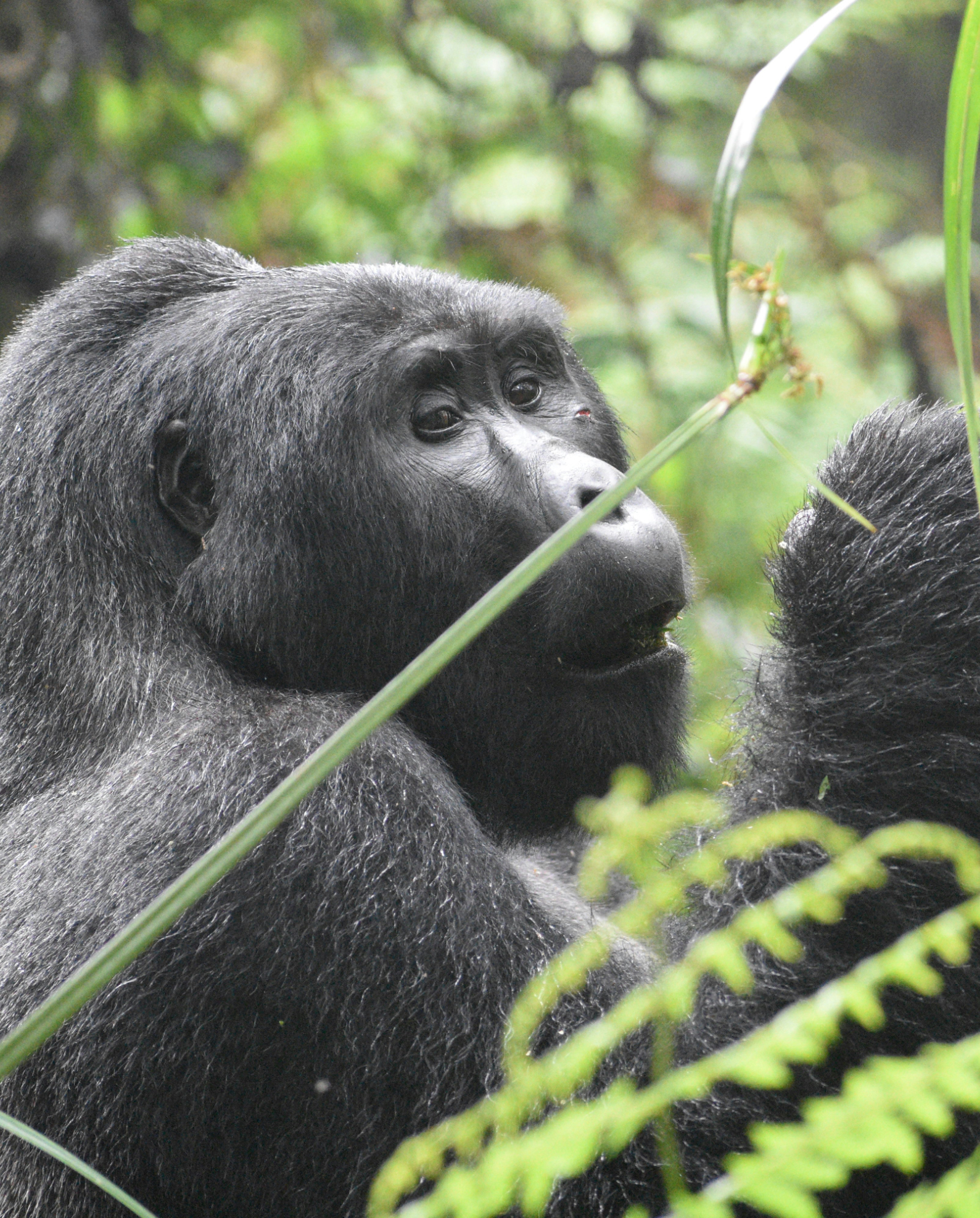
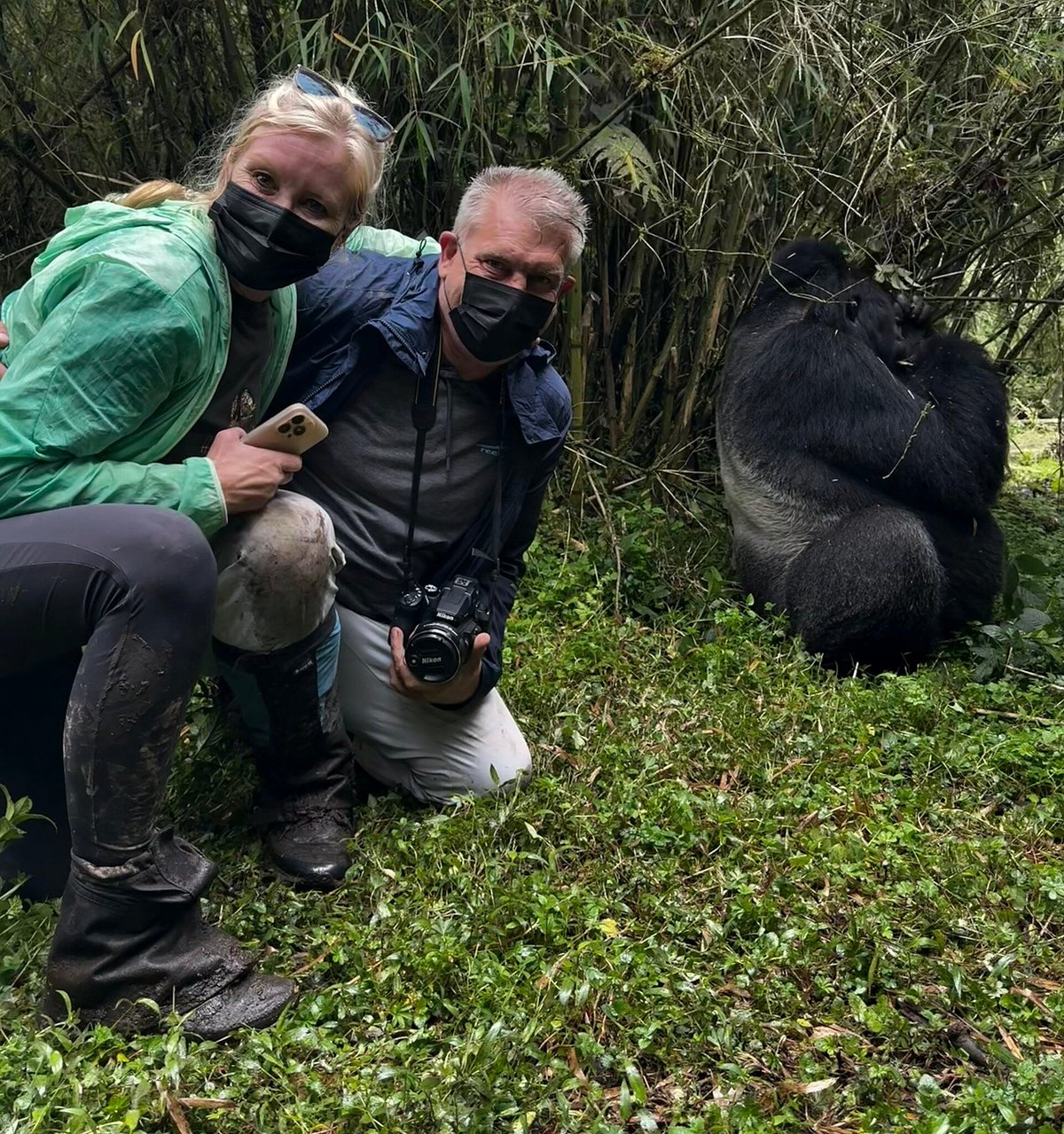
1. How difficult is gorilla trekking for an average person?
How Difficult Is Gorilla Trekking for an average traveler depends on their fitness level, the terrain, weather conditions, and the location of the assigned gorilla family. Most healthy travelers with basic walking ability can successfully complete the experience.
Gorilla trekking requires moderate physical effort because visitors walk through natural rainforest terrain, but it is not an extreme adventure. Guides maintain a comfortable pace, provide breaks when necessary, and ensure visitors have enough time to rest.
With proper preparation, suitable equipment, and a positive mindset, the experience is achievable for many travelers.
2. Do I need to be physically fit for gorilla trekking?
You do not need professional athletic fitness to participate in gorilla trekking. However, being physically prepared improves comfort and confidence.
Following a Gorilla Trekking Fitness Guide that includes regular walking, hiking practice, strength exercises, and stretching helps your body adapt to rainforest conditions.
3. Is gorilla trekking harder in Uganda or Rwanda?
Both Uganda and Rwanda offer unique gorilla trekking experiences, and difficulty depends more on the specific gorilla family, terrain, and weather conditions rather than the country itself.
How Difficult Is Gorilla Trekking varies between different sectors and parks, meaning one trek in Uganda may be easier than another trek in Rwanda, and vice versa.
4. How many hours do you hike during gorilla trekking?
The hiking duration varies depending on where the gorilla family is located.
Some treks may take less than one hour, while others may require several hours of walking through the forest before reaching the gorillas.
5. Can beginners do gorilla trekking?
Yes, beginners can successfully complete gorilla trekking.
Previous hiking experience is not required, but preparation through walking, fitness exercises, and proper planning makes the experience easier and more enjoyable.
6. Is gorilla trekking harder than hiking?
Gorilla trekking combines hiking with rainforest conditions, making it different from ordinary hiking.
The biggest challenges are usually the uneven terrain, thick vegetation, mud, humidity, and unpredictable trekking distances.
7. Can seniors do gorilla trekking?
Yes, many seniors complete gorilla trekking successfully every year.
With proper preparation, porter assistance, suitable trekking options, and communication with guides, older travelers can enjoy this incredible wildlife experience.
8. What makes gorilla trekking difficult?
The main challenges include steep terrain, muddy trails, humidity, elevation, unpredictable distances, and changing weather conditions.
Understanding these factors helps travelers prepare properly before their adventure.
9. How can I prepare for a difficult gorilla trek?
Preparation includes regular walking, hiking practice, strength exercises, proper equipment, hydration, and mental preparation.
A structured fitness routine before your trip makes the trek much more comfortable.
10. Is gorilla trekking worth the physical effort?
Yes. Although gorilla trekking requires some physical effort, the reward is an unforgettable wildlife experience.
Standing near mountain gorillas in their natural rainforest habitat is considered one of Africa’s most extraordinary adventures, making the preparation and effort completely worthwhile.
Boots in The Jungle Safaris Helps You Prepare for Gorilla Trekking
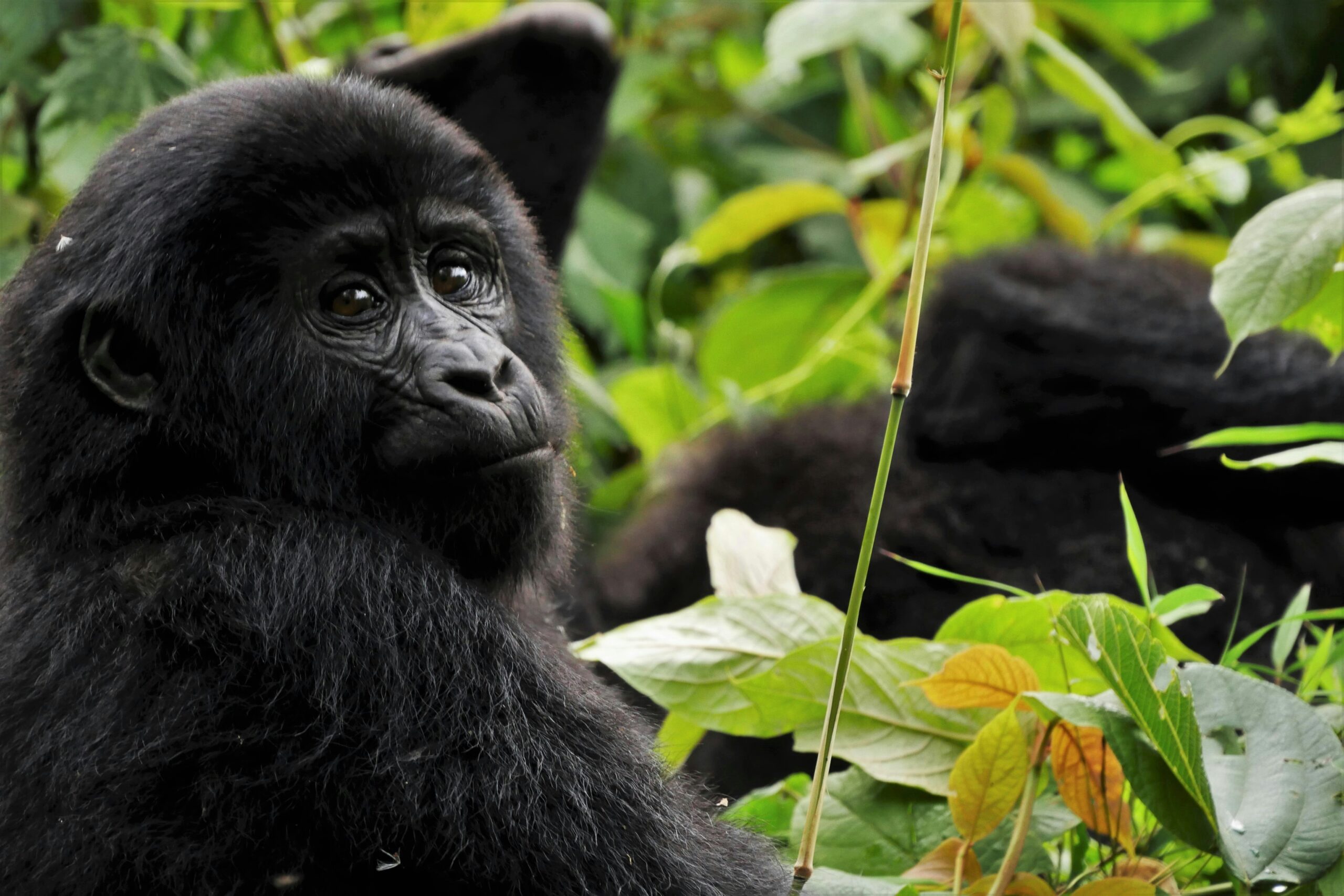
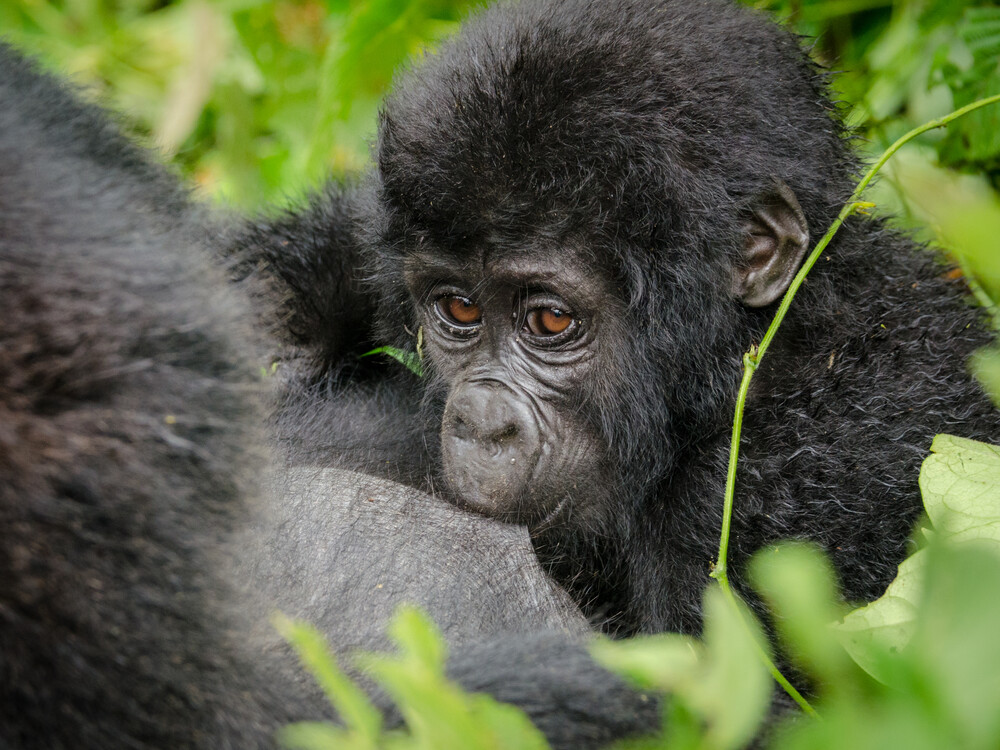
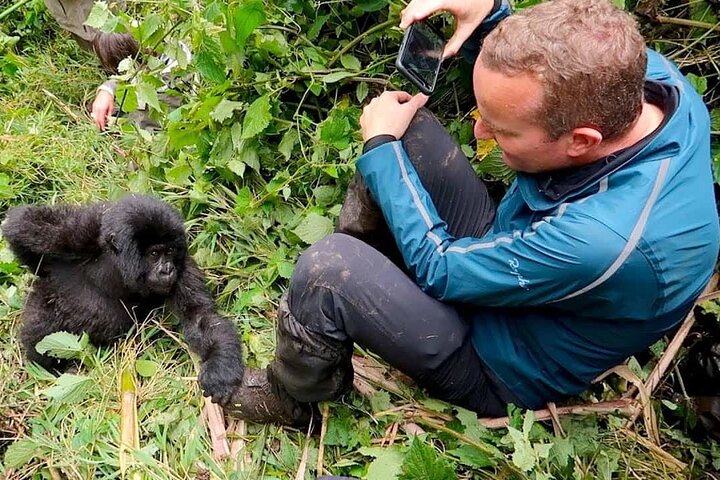
Understanding How Difficult Is Gorilla Trekking allows you to prepare properly and approach your adventure with confidence. While gorilla trekking involves physical effort, it is an achievable experience for most travelers who prepare appropriately.
Boots in The Jungle Safaris helps guests plan every part of their gorilla adventure, from selecting suitable trekking locations to arranging gorilla permits, accommodation, transportation, professional guides, and porter services.
Our local expertise allows us to recommend the best trekking options based on your fitness level, travel preferences, and expectations. Whether you choose Uganda’s Bwindi Impenetrable National Park, Mgahinga Gorilla National Park, or Rwanda’s Volcanoes National Park, we help ensure you understand the conditions before your trek begins.
With the right mindset, proper equipment, and expert support, gorilla trekking becomes less about difficulty and more about the unforgettable reward of standing near mountain gorillas in their natural rainforest home.