
The Ultimate Gorilla Trekking Fitness Guide: Prepare Your Body for an Unforgettable Mountain Gorilla Adventure
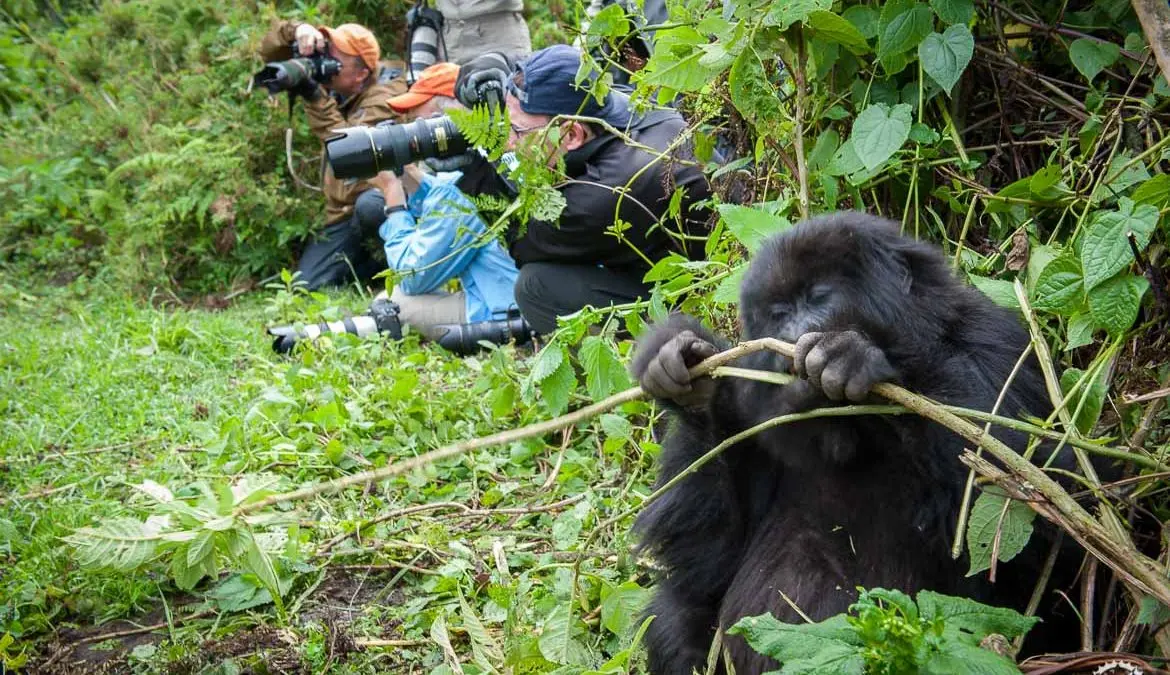
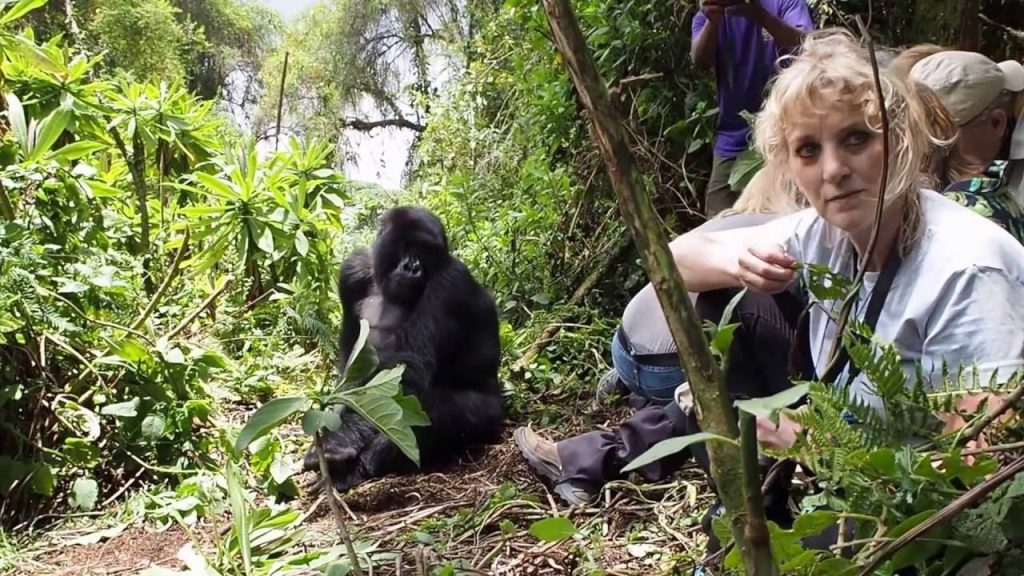
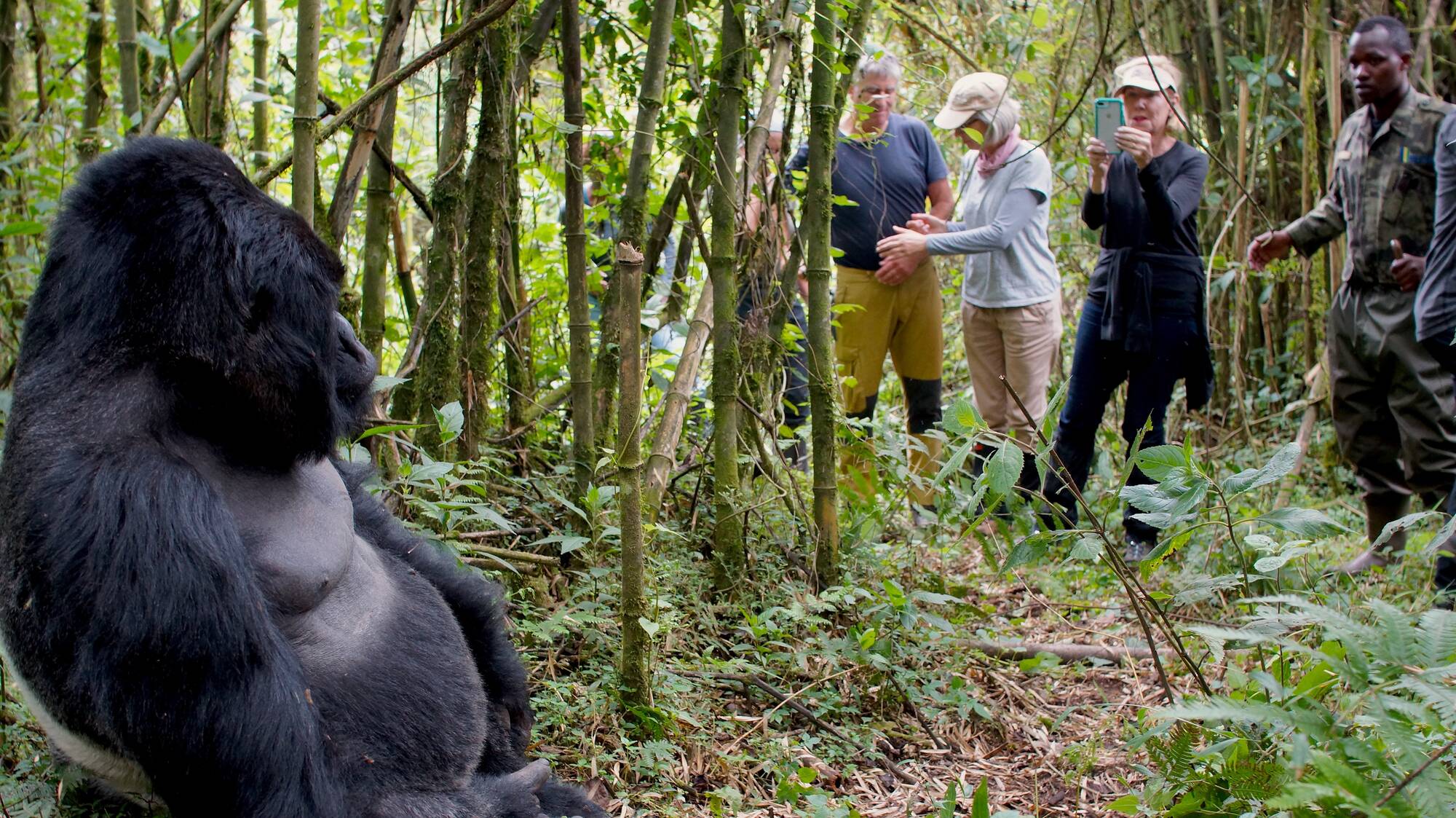
A successful mountain gorilla trekking experience requires more than simply booking a gorilla permit and traveling to Uganda or Rwanda. While the excitement of meeting mountain gorillas in their natural habitat is the main reason many travelers visit East Africa, physical preparation plays an equally important role in ensuring a comfortable and enjoyable adventure. This Gorilla Trekking Fitness Guide is designed to help travelers understand the level of fitness required, how to prepare their bodies before the trip, and how to confidently handle the unique conditions of the rainforest environment.
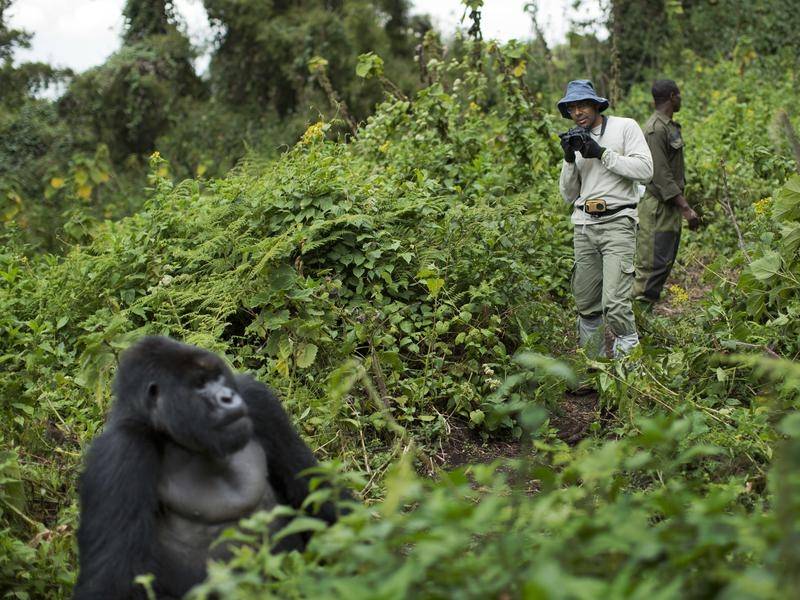
Mountain gorilla trekking is a special type of wildlife experience that combines adventure, hiking, and wildlife observation. Unlike traditional safaris where visitors spend most of their time inside comfortable safari vehicles while searching for wildlife, gorilla trekking requires walking through natural forests, following mountain trails, climbing hills, crossing uneven ground, and sometimes spending several hours searching for a gorilla family.
The physical demands of the trek vary depending on several factors, including the location of the gorilla family, the terrain, weather conditions, and the visitor’s personal fitness level. Some gorilla groups are found close to the park headquarters, requiring a shorter and easier walk, while others may be located deeper in the forest and require more endurance.
Many travelers often ask whether they need to be extremely athletic or experienced hikers before joining a gorilla trek. The answer is no. Gorilla trekking is designed to accommodate visitors with different abilities, and experienced guides and trackers maintain a comfortable pace throughout the journey. However, having a reasonable level of fitness significantly improves your confidence, reduces exhaustion, and allows you to fully appreciate the experience.
A good level of preparation helps you enjoy every stage of the adventure, from the morning briefing at the park headquarters to walking through ancient rainforest landscapes and finally encountering a family of mountain gorillas. Instead of focusing on physical discomfort, you can concentrate on the incredible scenery, sounds of the forest, and the unforgettable moment of observing these endangered primates.
This detailed Gorilla Trekking Fitness Guide explains everything travelers need to know about preparing physically for their adventure. It covers endurance training, strength preparation, walking practice, trekking difficulty levels, age considerations, and practical techniques that make gorilla trekking more comfortable.
At Boots in The Jungle Safaris, we understand that preparation is an important part of creating a successful gorilla trekking experience. Beyond arranging permits, accommodation, transportation, and professional guides, we provide travelers with practical advice to ensure they arrive physically and mentally ready for their mountain gorilla adventure.
Why Physical Fitness Matters for Gorilla Trekking
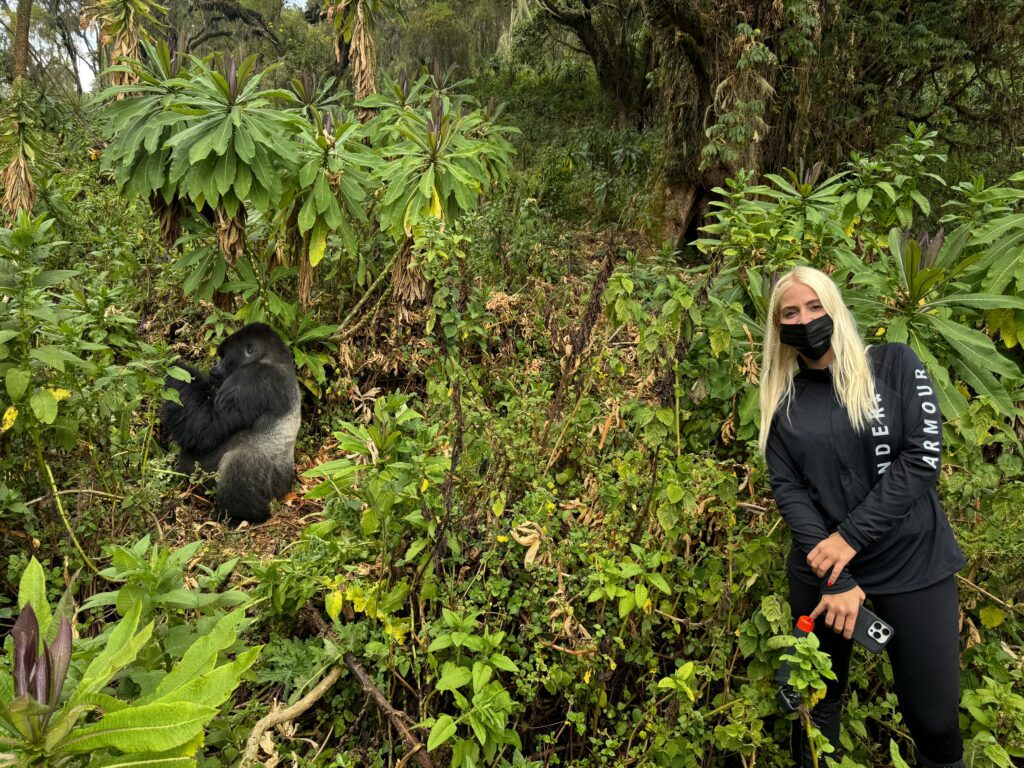
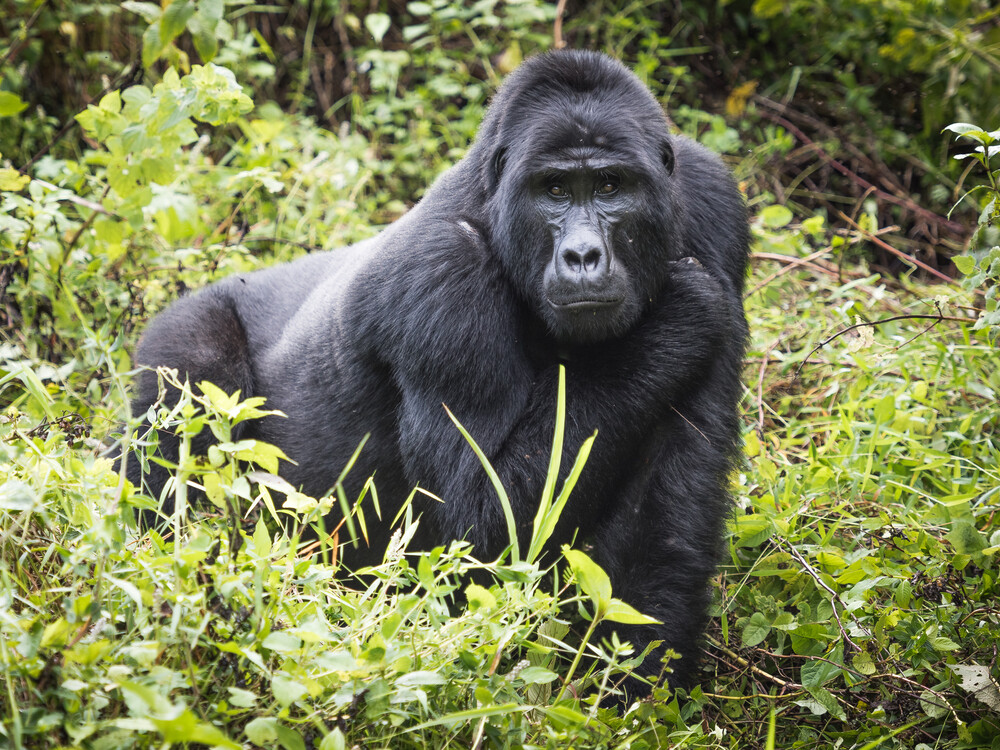
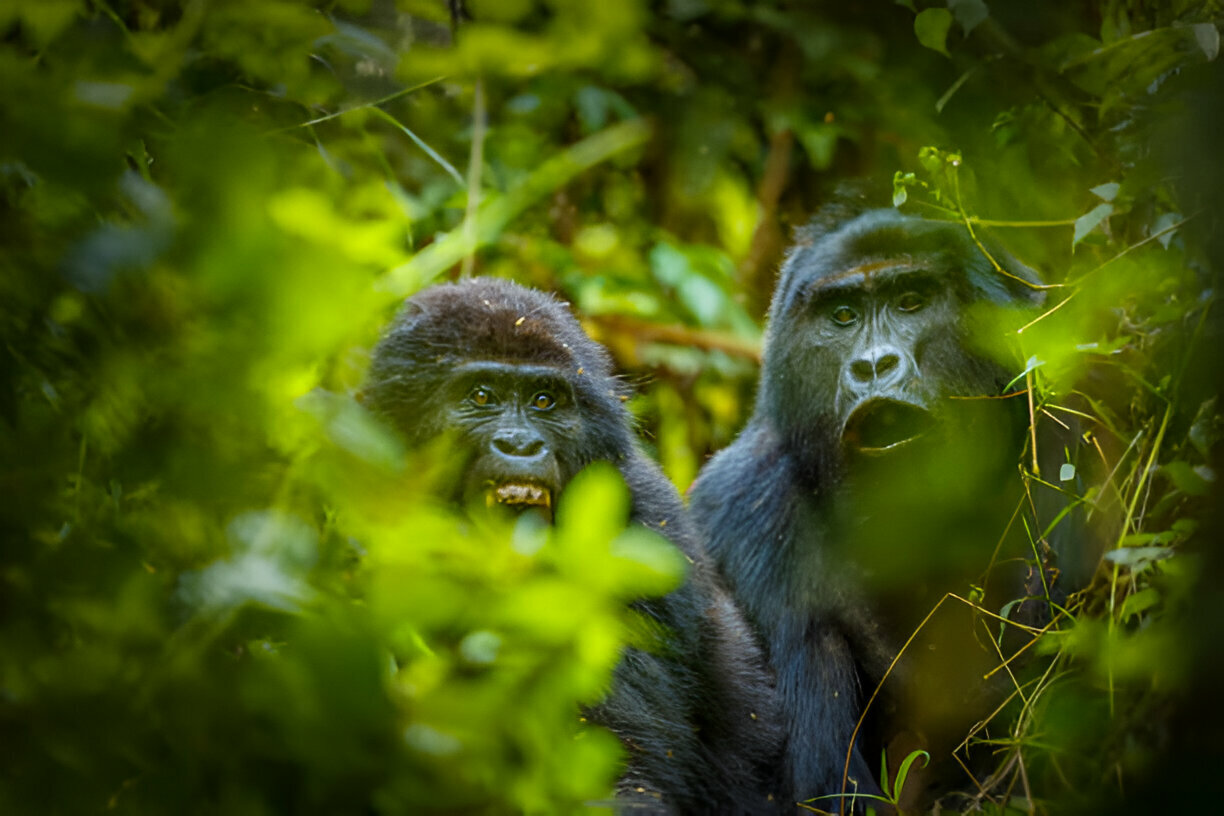
Understanding fitness requirements is one of the most important parts of preparing for a gorilla trekking adventure. This Gorilla Trekking Fitness Guide is not about becoming a professional athlete before your safari; instead, it focuses on building enough endurance, strength, and confidence to comfortably handle the natural conditions of the rainforest.
Mountain gorilla trekking takes place in high-altitude environments where trails are rarely flat. Visitors may walk uphill through thick vegetation, descend slippery slopes, cross muddy sections, and move through dense forest landscapes. The level of physical challenge depends largely on where the gorilla family is located on the day of trekking.
Some gorilla groups live closer to the starting point and may require a shorter hike, while others move deeper into the forest, requiring several hours of walking. Because gorillas are wild animals that move naturally through their habitat, the exact trekking distance cannot always be predicted in advance.
Good fitness preparation allows you to manage these conditions without excessive fatigue. A traveler who has prepared their body can focus more on the incredible surroundings, listen to the sounds of the rainforest, appreciate the scenery, and fully enjoy the moment when they finally meet the gorillas.
A proper fitness routine also reduces the risk of muscle soreness, exhaustion, and difficulty completing challenging sections of the trail. This is why following a structured Gorilla Trekking Fitness Guide before your safari can make a significant difference.
Understanding the Physical Demands of Gorilla Trekking
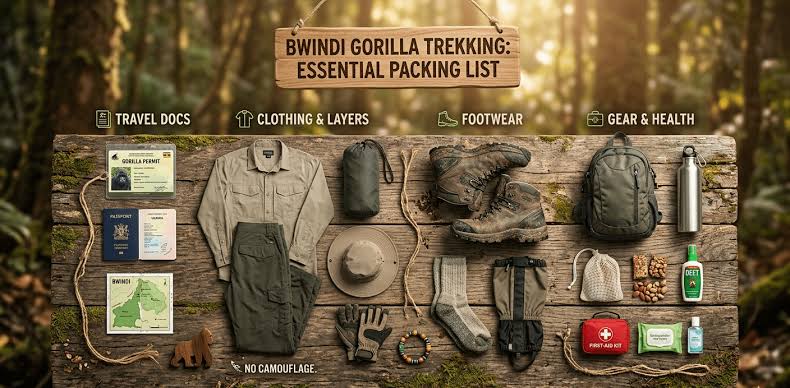
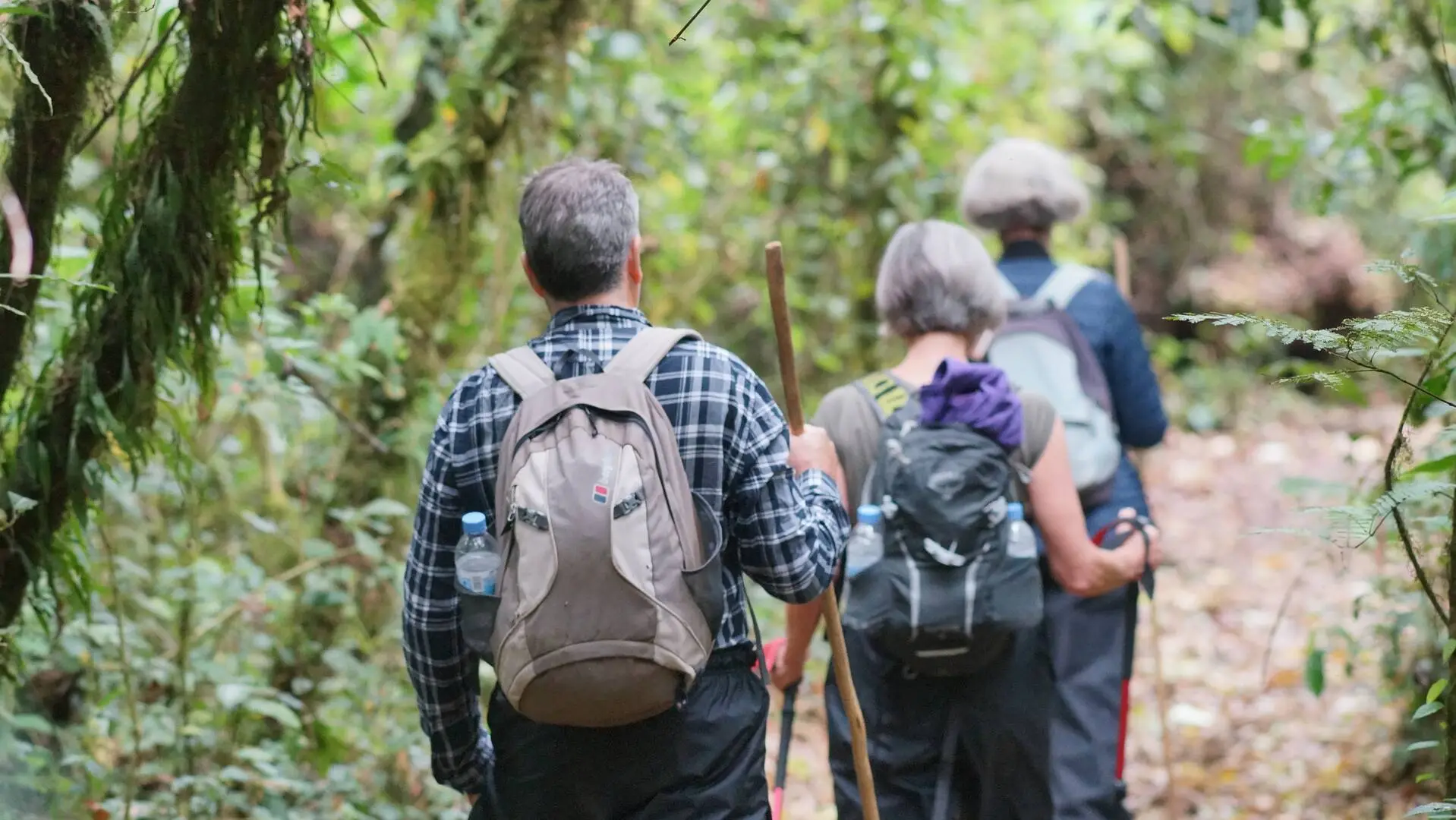
Before beginning your fitness preparation, it is important to understand what your body experiences during a typical gorilla trek. Gorilla trekking is not a competitive hike, and visitors are encouraged to move at a comfortable pace. However, the rainforest environment naturally creates physical challenges.
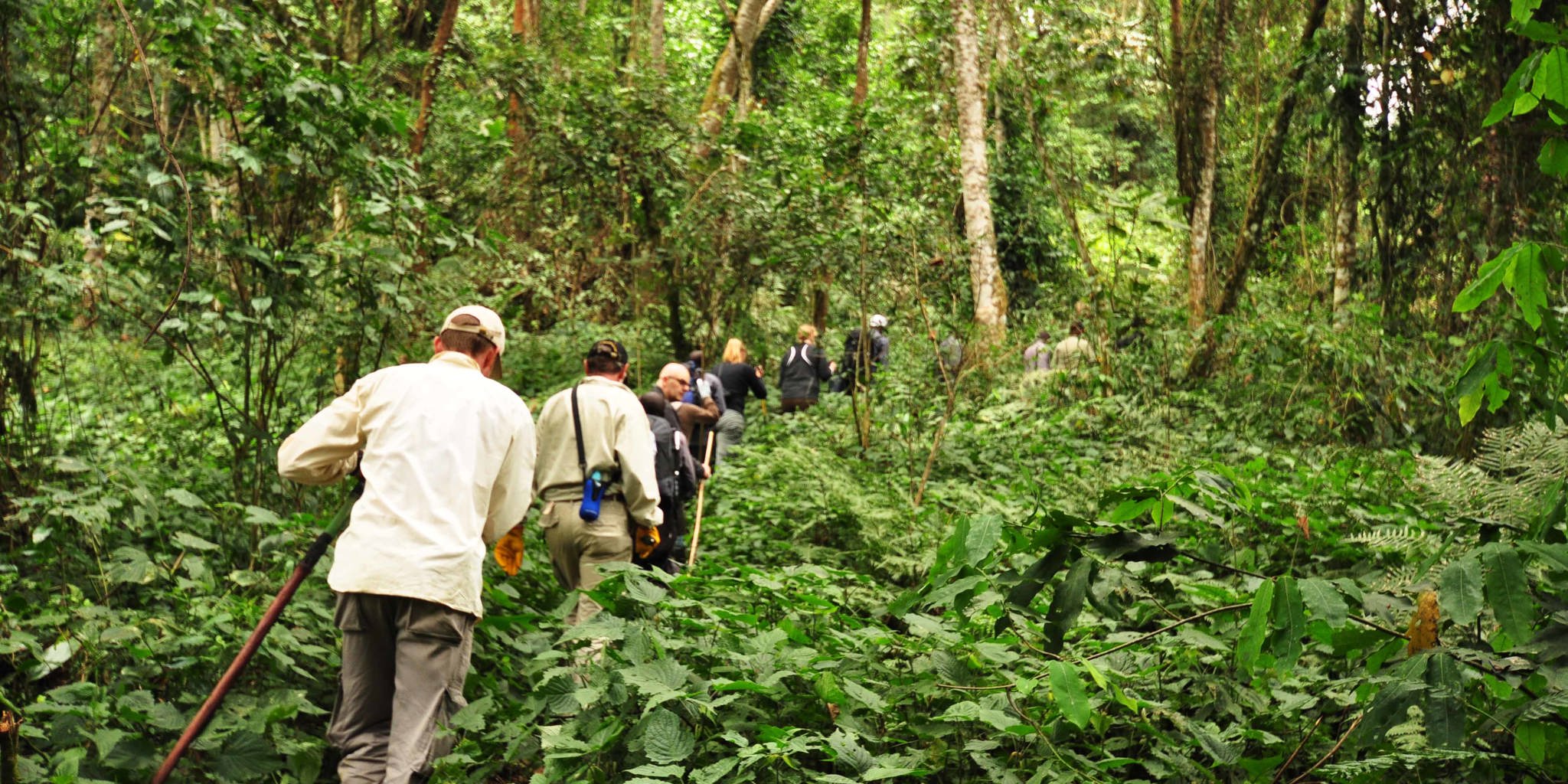
The trek usually begins early in the morning with a briefing from park officials and experienced guides. After entering the forest, visitors follow trackers who locate the gorilla family. The walking distance can vary from a short hike of less than an hour to a longer adventure lasting several hours.
The terrain is one of the biggest factors affecting difficulty. Mountain gorilla habitats are located in mountainous regions, meaning visitors should expect elevation changes, uneven surfaces, and natural obstacles. Walking uphill requires cardiovascular endurance, while navigating muddy trails requires balance and leg strength.
Humidity also plays a role. Even when temperatures are moderate, the combination of physical activity and tropical conditions can cause sweating and increased energy use. Staying hydrated and maintaining a steady pace are essential throughout the trek.
This Gorilla Trekking Fitness Guide emphasizes preparation for realistic conditions rather than extreme training. The goal is to help your body adapt to walking, climbing, and maintaining energy levels during several hours in the forest.
Building Cardiovascular Endurance Before Gorilla Trekking
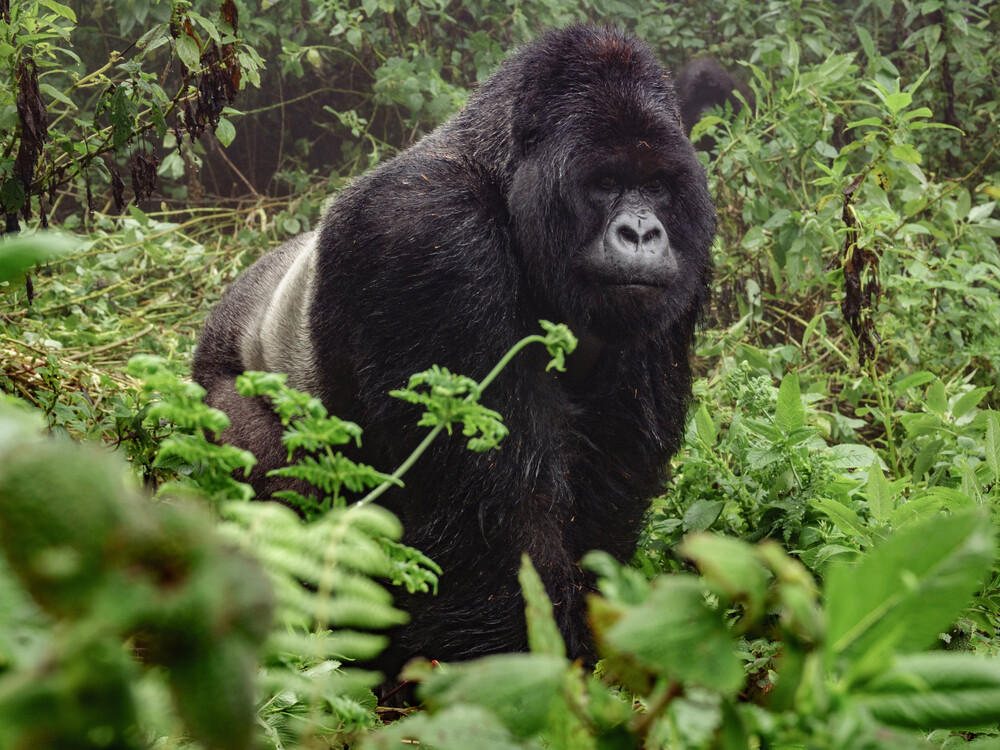
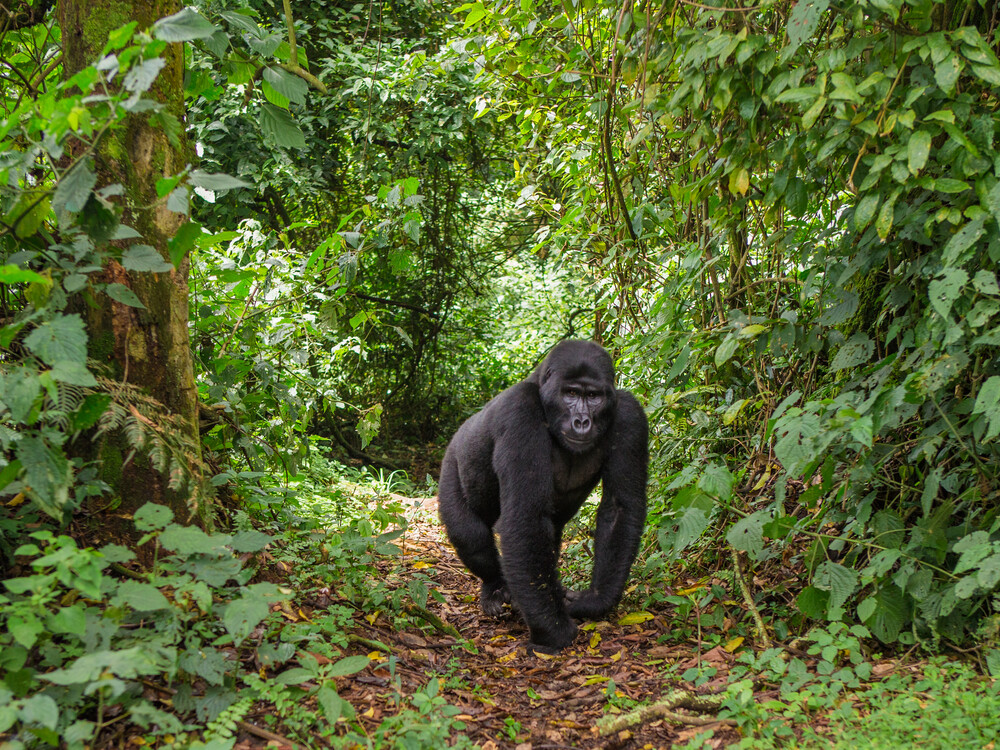
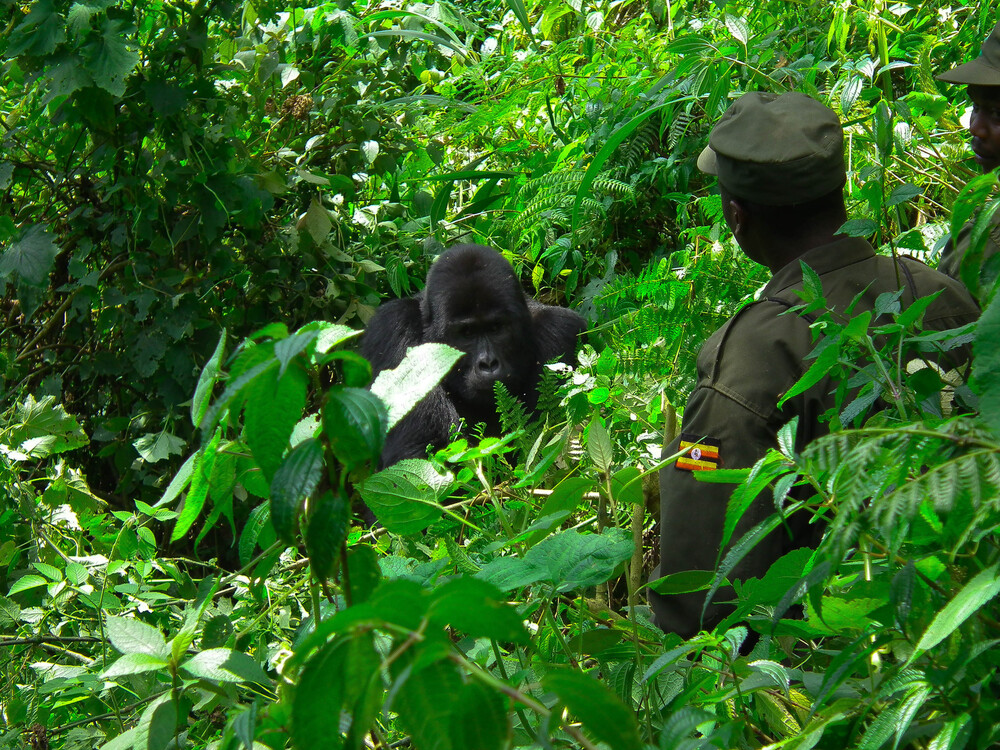
Cardiovascular endurance is one of the most important areas to develop when following a Gorilla Trekking Fitness Guide. Your heart and lungs need to efficiently supply oxygen to your muscles during extended periods of walking, especially when climbing hills or navigating challenging terrain.
Regular walking is one of the simplest and most effective ways to prepare. Start by increasing the distance of your walks gradually. If you normally walk short distances, begin with 30-minute walks several times per week and slowly increase the duration.
Hiking is even better preparation because it closely matches the conditions you will experience during gorilla trekking. Walking on trails with hills, uneven surfaces, or natural terrain helps your body adapt to the demands of the rainforest environment.
Other excellent cardiovascular exercises include cycling, swimming, jogging, stair climbing, and using an elliptical machine. These activities strengthen your endurance while reducing the risk of becoming exhausted during the trek.
Ideally, begin your fitness preparation several weeks before traveling. Even a simple routine performed consistently can greatly improve your stamina and confidence. A well-planned Gorilla Trekking Fitness Guide focuses on gradual improvement rather than sudden intense workouts.
Strength Training for Gorilla Trekking
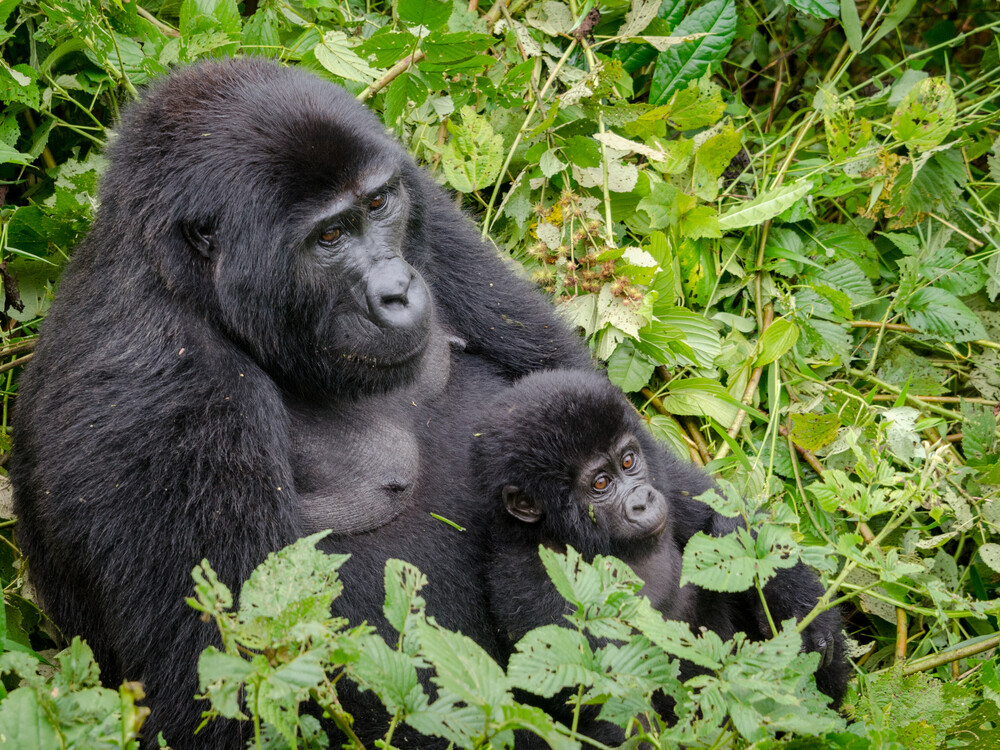
While endurance is important, strength is equally valuable when preparing for a mountain gorilla trek. This Gorilla Trekking Fitness Guide recommends focusing on the muscles most involved in hiking, including your legs, core, and upper body.
Strong leg muscles help you climb hills, walk longer distances, and maintain stability on uneven terrain. Exercises such as squats, lunges, step-ups, and calf raises are excellent because they strengthen the same muscles used during trekking.
Your core muscles also play an important role by improving balance and stability. A strong core helps you maintain posture while walking on uneven ground, carrying a backpack, or navigating slippery trails.
Upper body strength is useful because visitors often use their hands for support while trekking. Holding branches, using walking sticks, or carrying personal items requires some upper-body endurance.
You do not need heavy gym equipment to prepare. Simple bodyweight exercises performed regularly can significantly improve your physical readiness before your safari.
Walking and Hiking Practice Before Your Safari
One of the most practical recommendations in this Gorilla Trekking Fitness Guide is to practice walking before your trip. The best preparation for trekking is often trekking itself.
Try to include longer walks in your routine several weeks before departure. Gradually increase distance and include different types of terrain whenever possible. Walking on hills, nature trails, or uneven paths provides excellent preparation for the conditions you may encounter in Uganda or Rwanda.
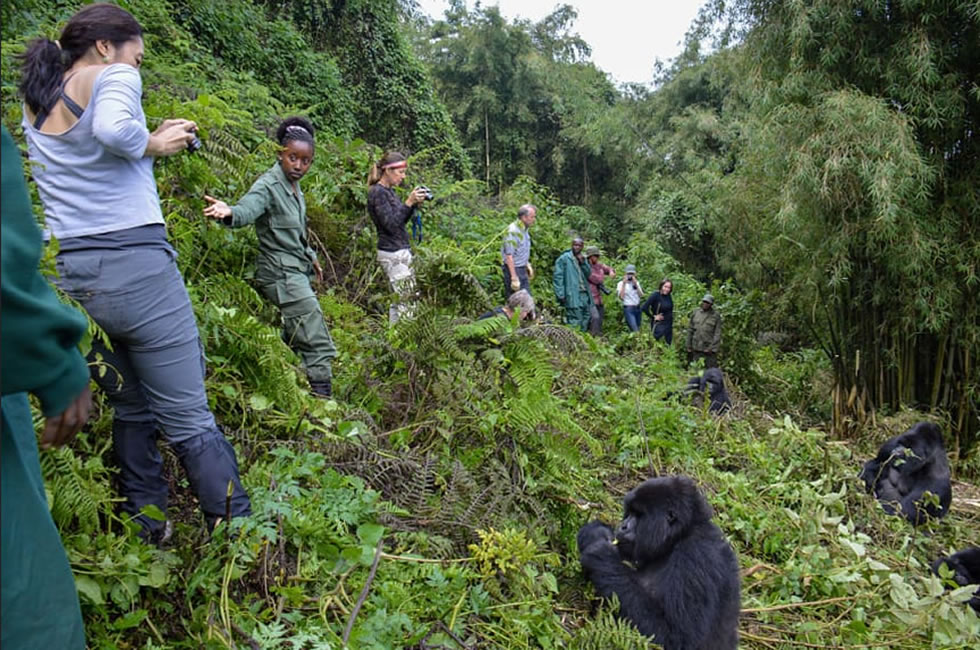
If possible, practice walking while carrying a small backpack. During your actual trek, you may carry water, a camera, rain gear, snacks, and personal items. Training with a lightweight backpack helps your shoulders and back adjust.
Wearing your hiking boots during practice walks is also highly recommended. This allows your feet to adapt to the footwear and helps identify any discomfort before your safari begins.
Consistent walking preparation improves confidence and reduces the physical surprise of entering the rainforest for the first time.
Preparing for Different Gorilla Trekking Difficulty Levels
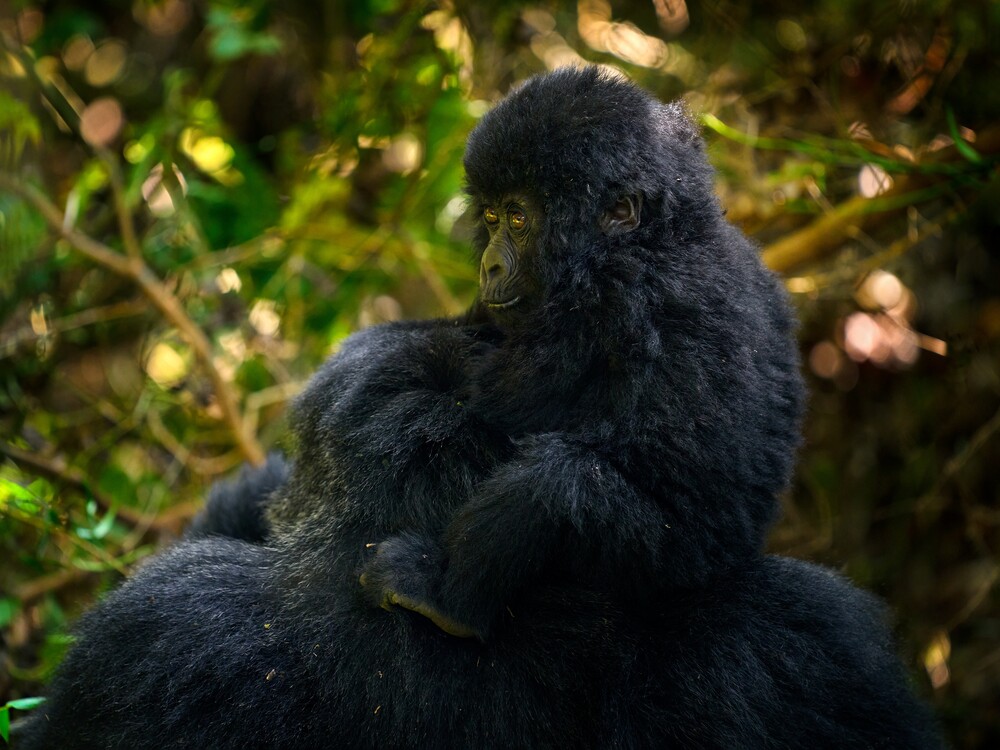
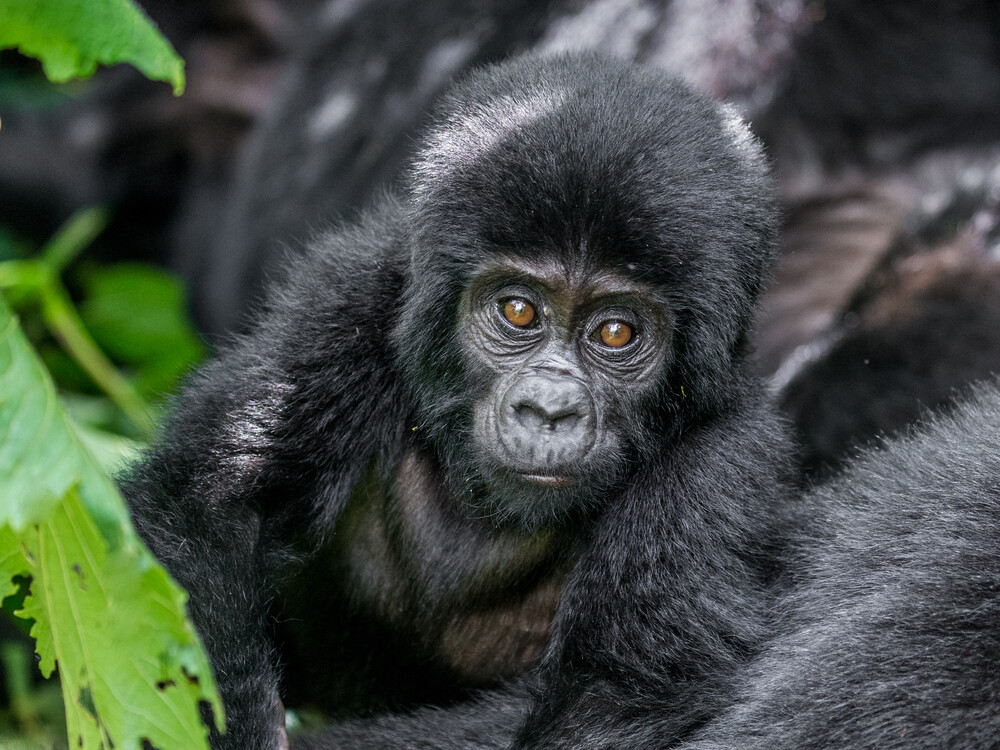
Not all gorilla trekking experiences are the same. The difficulty level depends on the location of the gorilla family, the terrain, weather conditions, and your chosen trekking destination.
In Uganda, Bwindi Impenetrable National Park has several trekking sectors, including Buhoma, Ruhija, Rushaga, and Nkuringo. Some sectors involve steeper terrain than others. Nkuringo, for example, is known for more challenging landscapes because of its mountainous location.
Mgahinga Gorilla National Park also involves hiking through mountain terrain, including areas influenced by the Virunga volcanic landscape.
In Rwanda, Volcanoes National Park offers gorilla trekking experiences with varying levels of difficulty depending on the gorilla group assigned. Some groups may require shorter walks, while others involve longer climbs.
This Gorilla Trekking Fitness Guide recommends preparing for moderate physical activity rather than assuming you will receive the easiest possible trek. Being prepared allows you to enjoy any trekking route confidently.
Fitness Preparation Timeline Before Gorilla Trekking
A good fitness plan should begin before your safari rather than waiting until the last minute. Ideally, travelers should start preparing between four and twelve weeks before their gorilla trekking adventure.
During the first weeks, focus on building a consistent walking routine. Increase your daily movement and introduce basic strength exercises.
As your travel date approaches, increase hiking duration and include more challenging routes. Add exercises that improve balance, leg strength, and endurance.
In the final weeks before departure, maintain your fitness without overtraining. The goal is to arrive energetic and healthy rather than exhausted.
Following this gradual approach ensures your body is prepared while reducing the risk of injury.
Gorilla Trekking Fitness Guide for Older Travelers
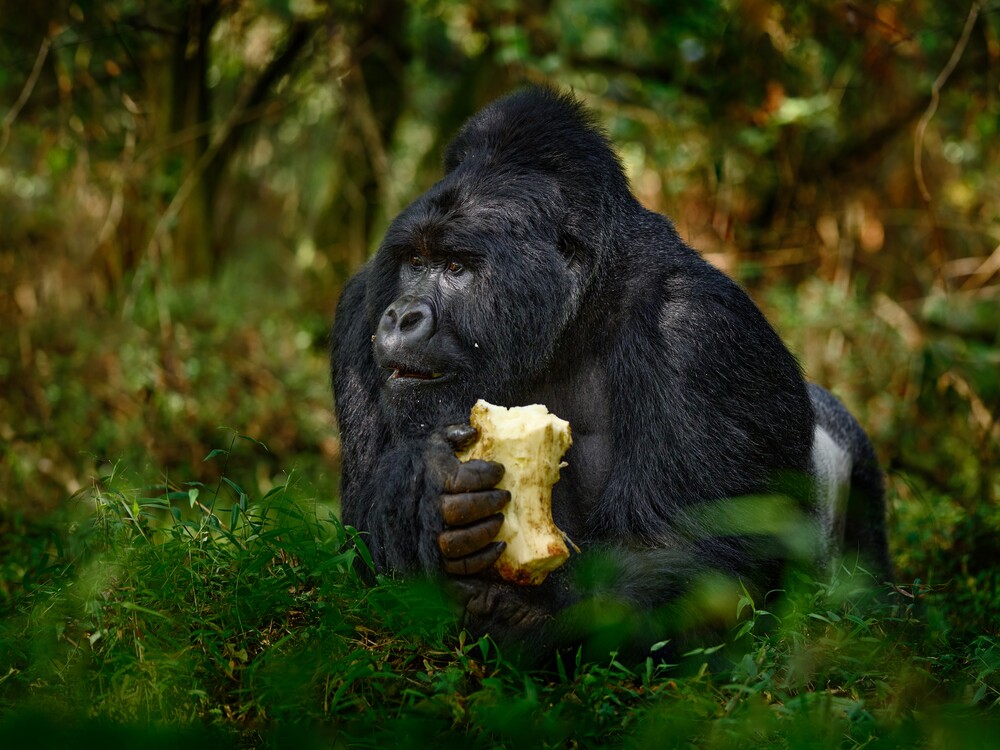
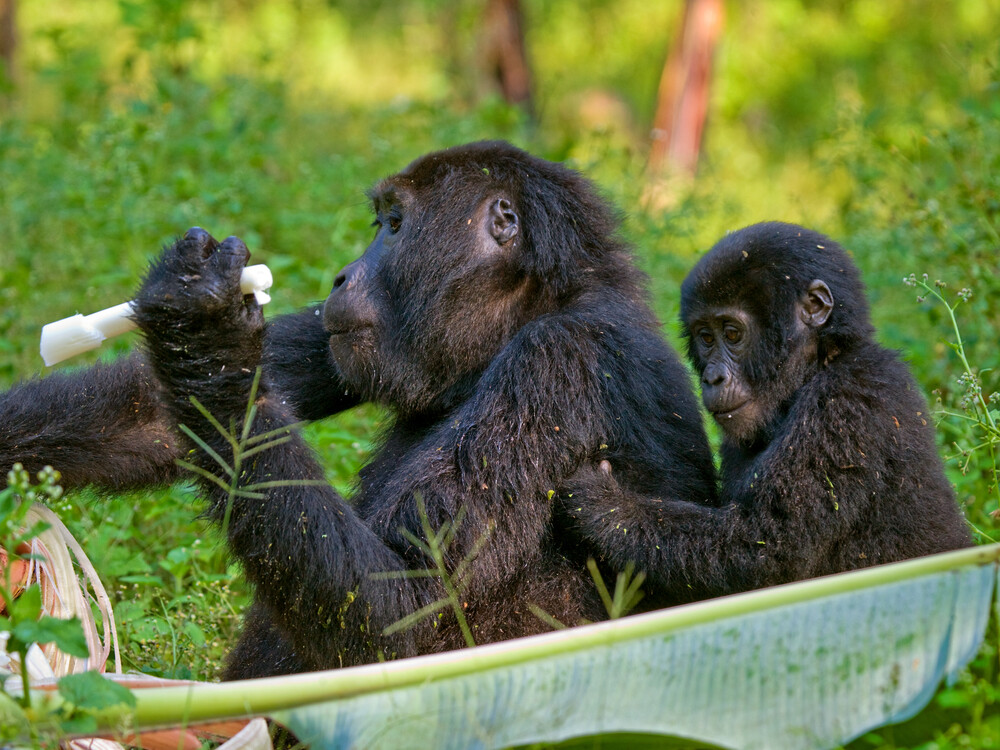
Age alone does not prevent someone from enjoying gorilla trekking. Many older travelers successfully complete gorilla treks every year by preparing properly and choosing suitable trekking options.
This Gorilla Trekking Fitness Guide recommends focusing on mobility, balance, endurance, and overall comfort rather than comparing yourself to younger travelers.
Older visitors should consider regular walking, gentle strength exercises, stretching, and balance training before the trip. Consulting a healthcare professional before intense physical activity is also advisable, especially for travelers with existing medical concerns.
Several options can make trekking easier, including hiring a porter, requesting easier gorilla families where possible, taking frequent breaks, and communicating openly with guides.
Experienced guides are trained to support visitors of different abilities and ensure everyone enjoys a safe experience.
Mental Preparation for Gorilla Trekking
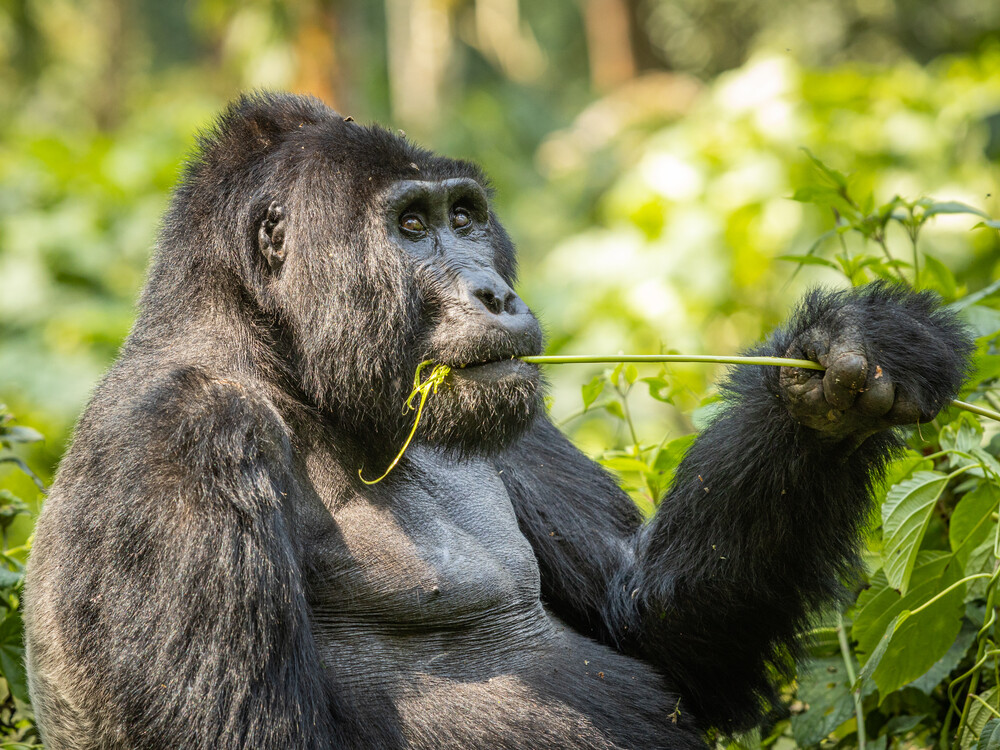
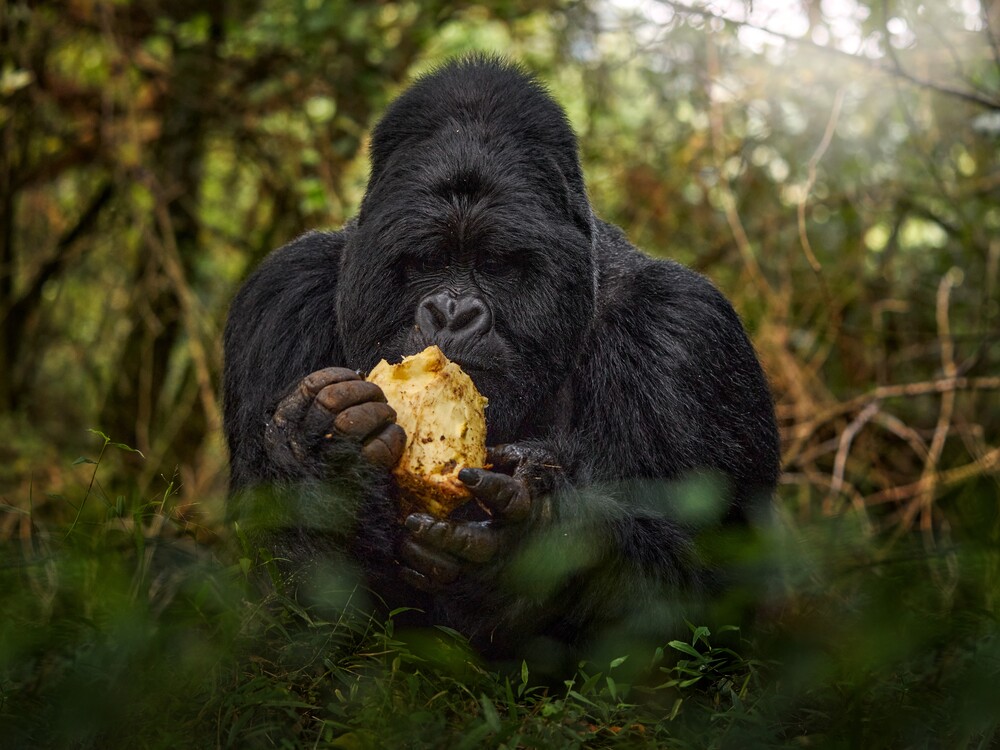
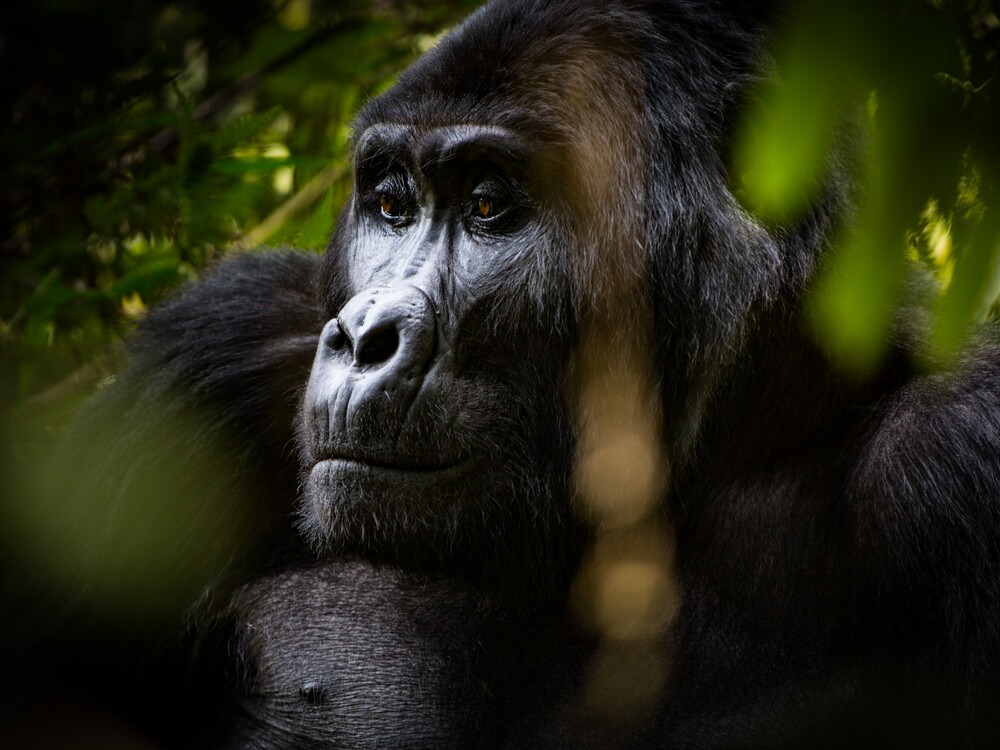
Physical preparation is important, but mental readiness is equally valuable. Gorilla trekking takes place in a wild environment where conditions are naturally unpredictable.
A positive mindset helps you remain patient when trails become difficult or when the gorilla family requires a longer search. The reward of seeing mountain gorillas in their natural habitat makes the effort incredibly worthwhile.
This Gorilla Trekking Fitness Guide encourages travelers to approach the experience as an adventure rather than a test. Move at your own pace, listen to your guides, and appreciate every part of the journey.
The forest itself is part of the experience. The sounds, scenery, wildlife, and anticipation before meeting the gorillas create memories that last a lifetime.
Tips to Make Gorilla Trekking Physically Easier
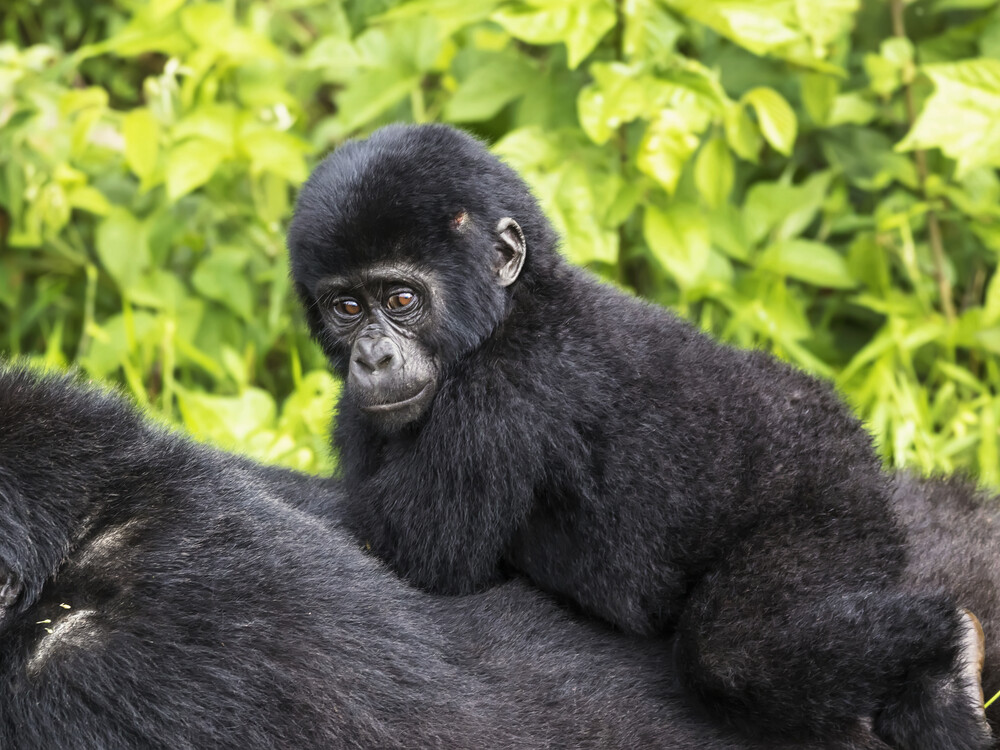
Several simple strategies can improve your comfort during the trek. Start the day with a nutritious breakfast that provides enough energy for several hours of activity. Stay hydrated before and during the trek, and avoid rushing through difficult sections.
Hiring a porter is one of the best decisions many travelers make. Porters assist with carrying backpacks and provide support on challenging terrain while also contributing directly to local communities.
Using a walking stick can improve balance on muddy trails and steep slopes. Wearing proper hiking boots and suitable clothing also reduces physical stress.
Following these recommendations alongside this Gorilla Trekking Fitness Guide ensures you approach your adventure with confidence.
Frequently Asked Questions About Gorilla Trekking Fitness Guide
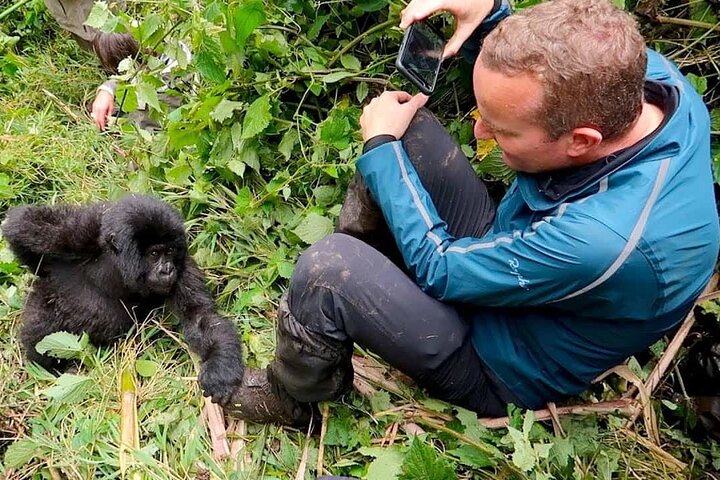
1. How fit do I need to be for gorilla trekking?
A common question answered in this Gorilla Trekking Fitness Guide is how physically fit someone needs to be before joining a mountain gorilla trek. You do not need to be an athlete or an experienced mountaineer to participate. Gorilla trekking is suitable for many travelers with different fitness levels because the pace is controlled by professional guides and trackers.
However, having a reasonable level of fitness makes the experience much more enjoyable. You should be comfortable walking for several hours, climbing gentle to steep slopes, and moving through uneven natural terrain. Regular walking, hiking, and simple strength exercises before your trip can greatly improve your confidence.
This Gorilla Trekking Fitness Guide recommends focusing on endurance, balance, and leg strength rather than extreme physical training. The goal is to prepare your body for rainforest conditions so you can enjoy the adventure comfortably.
2. How long should I train before gorilla trekking?
The recommended preparation period depends on your current fitness level, but most travelers benefit from following a structured Gorilla Trekking Fitness Guide for at least four to twelve weeks before their safari.
If you already exercise regularly, you may only need to increase your walking and hiking activities. However, if you have a less active lifestyle, starting earlier gives your body enough time to gradually build endurance and strength.
A good preparation routine should include regular walking, hill climbing, leg exercises, stretching, and activities that improve cardiovascular fitness. Gradual preparation reduces the risk of exhaustion and helps you arrive in Uganda or Rwanda feeling confident and ready.
3. Is gorilla trekking physically difficult?
Gorilla trekking is considered a moderate physical activity, but difficulty levels vary depending on the location of the gorilla family and the terrain. This Gorilla Trekking Fitness Guide explains that some treks may involve short walks, while others may require several hours of hiking through mountainous rainforest.
The main challenges include steep slopes, muddy trails, high humidity, and uneven ground. However, visitors are not rushed, and guides adjust the pace according to the group’s ability.
With proper preparation, suitable clothing, and a positive mindset, many travelers of different ages successfully complete gorilla trekking every year.
4. Can older travelers go gorilla trekking?
Yes, older travelers can participate in gorilla trekking with proper preparation and planning. This Gorilla Trekking Fitness Guide emphasizes that age alone is not a limitation. Many senior travelers successfully complete gorilla treks by preparing appropriately and choosing suitable trekking options.
Older visitors should focus on improving walking endurance, balance, flexibility, and overall comfort before their trip. Gentle exercises such as walking, stretching, swimming, and light strength training can be very beneficial.
Hiring a porter is also highly recommended because porters assist with carrying backpacks and provide support on difficult sections of the trail, making the experience easier and more enjoyable.
5. Do I need hiking experience before gorilla trekking?
No, previous hiking experience is not required. This Gorilla Trekking Fitness Guide explains that many first-time hikers successfully complete gorilla trekking experiences every year.
However, practicing walking before your trip is strongly recommended. Spending time on nature trails, hills, or uneven paths helps your body adjust to the type of terrain you may encounter inside the rainforest.
Even simple preparation, such as walking regularly and practicing with your hiking boots, can significantly improve your comfort during the trek.
6. What exercises are best for preparing for gorilla trekking?
The best exercises recommended in this Gorilla Trekking Fitness Guide focus on improving endurance, strength, and balance.
Walking and hiking are among the most effective preparation exercises because they closely match the conditions of gorilla trekking. Strength exercises such as squats, lunges, step-ups, and calf raises help prepare your legs for climbing and descending slopes.
Cardiovascular activities such as cycling, swimming, jogging, and stair climbing also improve stamina. Combining these exercises creates a balanced fitness routine that prepares your body for the rainforest environment.
7. How many kilometers do you walk during gorilla trekking?
The distance covered during gorilla trekking varies depending on the location of the gorilla family. There is no fixed distance because mountain gorillas move naturally through their habitat.
Some visitors may walk a short distance before reaching the gorillas, while others may hike several kilometers through the forest. This Gorilla Trekking Fitness Guide recommends preparing for several hours of walking rather than focusing only on distance.
Being comfortable with long walks, hills, and uneven terrain is more important than being able to walk a specific number of kilometers.
8. Can someone with average fitness complete gorilla trekking?
Yes, someone with average fitness can successfully complete gorilla trekking. This Gorilla Trekking Fitness Guide is designed to show that preparation matters more than having exceptional athletic ability.
Travelers who can walk comfortably, climb stairs, and remain active for several hours are generally capable of enjoying the experience. The key is gradual preparation before the trip.
With experienced guides, walking sticks, proper equipment, and the option of hiring a porter, gorilla trekking can be accessible to many travelers.
9. Should I hire a porter during gorilla trekking?
Hiring a porter is strongly recommended as part of your gorilla trekking preparation. This Gorilla Trekking Fitness Guide highlights porters as one of the best ways to make your trek physically easier while supporting local communities.
Porters assist by carrying your backpack, helping on steep sections, and providing additional support when trails become challenging. They also allow you to conserve your energy and focus on enjoying the rainforest experience.
Many travelers later describe hiring a porter as one of the best decisions they made during their gorilla adventure.
10. Do I need special training for gorilla trekking in Uganda and Rwanda?
Special professional training is not required, but preparing your body is highly recommended. This Gorilla Trekking Fitness Guide encourages travelers to develop basic endurance, strength, and confidence before arriving.
Regular walking, hiking, and simple exercises are usually enough preparation for most visitors. The goal is not to complete a difficult fitness challenge but to comfortably handle natural forest conditions.
Proper preparation allows you to enjoy gorilla trekking in destinations such as Bwindi Impenetrable National Park, Mgahinga Gorilla National Park, and Volcanoes National Park.
11. What happens if I cannot complete the gorilla trek?
Although most visitors complete their gorilla trek successfully, guides are trained to support travelers who experience difficulties. This Gorilla Trekking Fitness Guide recommends being honest about your fitness level and communicating any concerns before starting.
Guides can adjust the pace, provide breaks, and offer assistance when necessary. Hiring a porter can also make challenging sections easier.
Choosing the right trekking sector and preparing physically before your safari significantly reduces the chances of struggling during the experience.
12. Can I prepare for gorilla trekking without going to a gym?
Yes. This Gorilla Trekking Fitness Guide explains that gym membership is not necessary for successful preparation.
Walking regularly, climbing stairs, hiking outdoors, performing bodyweight exercises, and stretching can provide excellent preparation. Consistency is more important than expensive equipment.
Many travelers prepare successfully through simple activities performed regularly before their gorilla trekking adventure.
13. What should I eat before gorilla trekking?
Nutrition plays an important role in your preparation. Before trekking, travelers should eat a balanced breakfast containing carbohydrates, protein, and healthy fats to provide enough energy for several hours of activity.
This Gorilla Trekking Fitness Guide recommends staying hydrated before entering the forest and carrying light energy snacks such as nuts, fruits, or energy bars.
Proper nutrition helps maintain energy levels and improves your ability to comfortably complete the trek.
14. Is mental preparation important for gorilla trekking?
Yes, mental preparation is just as important as physical preparation. This Gorilla Trekking Fitness Guide explains that gorilla trekking is an adventure where conditions may change unexpectedly.
The trek may take longer than expected, trails may become muddy, and weather conditions may change. A positive attitude helps you remain patient and enjoy every part of the journey.
Remember that the walk through the forest is part of the experience, not simply a journey to reach the gorillas.
15. What is the best fitness advice before gorilla trekking?
The most important advice from this Gorilla Trekking Fitness Guide is to prepare gradually, stay consistent, and avoid last-minute intense training.
Focus on improving your walking endurance, strengthening your legs, practicing with your hiking boots, staying active, and maintaining a positive mindset.
With proper preparation and support from experienced safari professionals, your mountain gorilla trekking adventure can become one of the most rewarding experiences of your life.
Boots in The Jungle Safaris Helps You Prepare for Gorilla Trekking
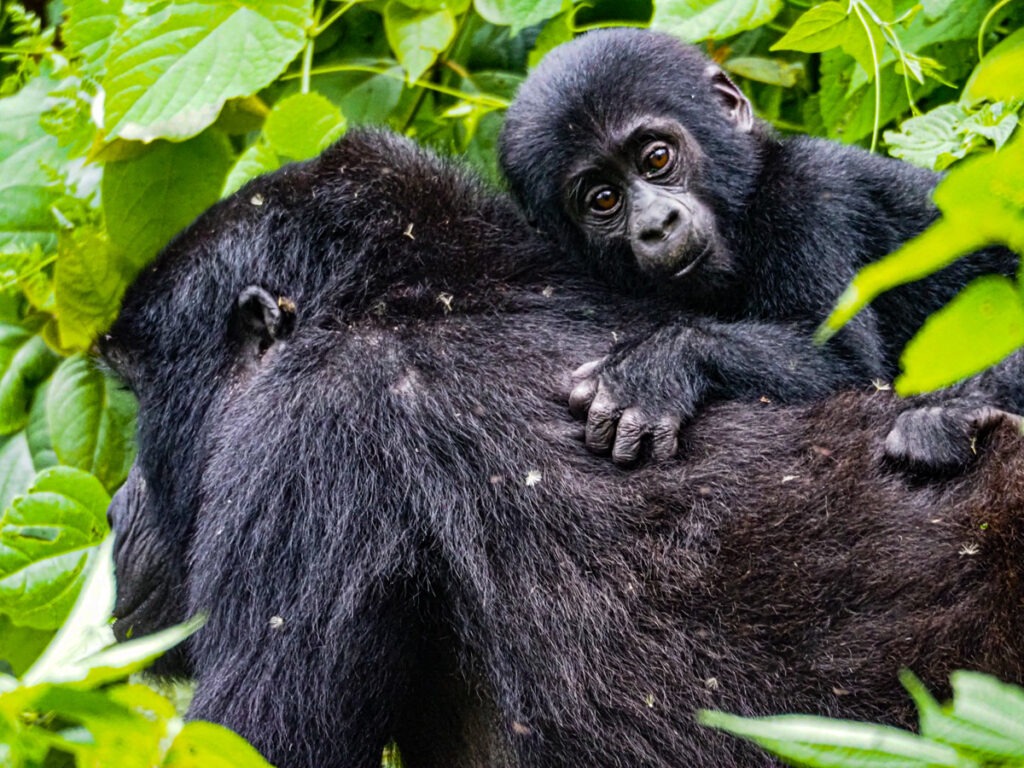
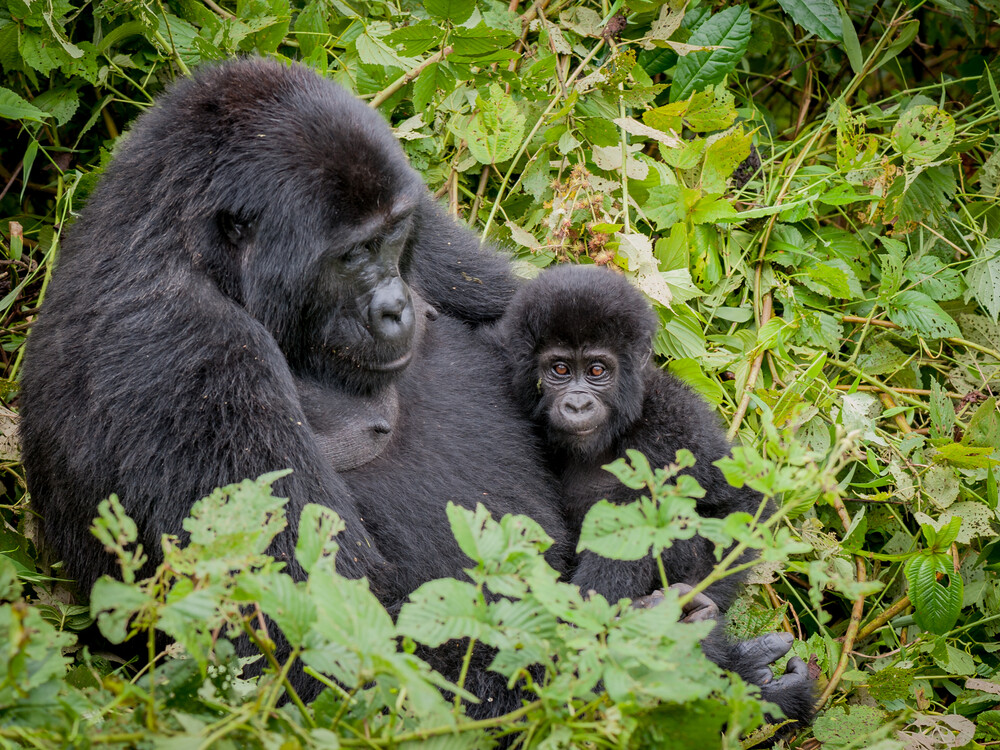
Preparing physically is an important part of enjoying your mountain gorilla experience, and Boots in The Jungle Safaris is committed to helping travelers prepare for every stage of their journey.
Our team provides complete safari planning, including gorilla permits, accommodation, transportation, experienced guides, porter arrangements, and expert advice on preparation. We help travelers understand the conditions they will encounter and provide practical recommendations based on their chosen destination.
Whether you are planning gorilla trekking in Uganda’s Bwindi Impenetrable National Park, Mgahinga Gorilla National Park, or Rwanda’s Volcanoes National Park, our Gorilla Trekking Fitness Guide recommendations help you arrive ready and confident.
With proper physical preparation, the right equipment, and experienced local support, your gorilla trekking adventure becomes more comfortable, enjoyable, and unforgettable. Standing face-to-face with a wild mountain gorilla is one of Africa’s greatest experiences, and preparing your body ensures you can fully appreciate every moment.