The Ultimate Guide on What to Wear for Gorilla Trekking: Complete Clothing Guide for Uganda & Rwanda Adventures
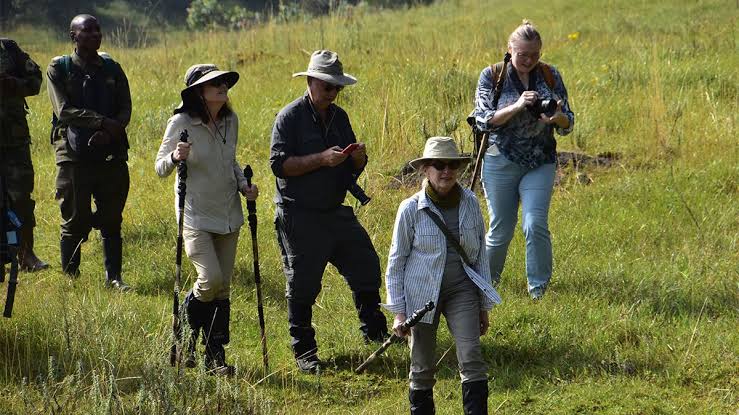
Knowing What to Wear for Gorilla Trekking is one of the most important preparations before embarking on a mountain gorilla adventure in Uganda or Rwanda. Gorilla trekking is not a typical wildlife viewing activity where visitors remain inside vehicles or walk along established paths. Instead, it is an active rainforest experience that involves hiking through natural jungle environments where terrain, weather, and vegetation can change throughout the day.
The mountain gorilla habitats of Uganda and Rwanda are located in high-altitude tropical forests where conditions are often unpredictable. Destinations such as Bwindi Impenetrable National Park, Mgahinga Gorilla National Park, and Volcanoes National Park experience frequent mist, rainfall, cool temperatures, and humid conditions. Visitors may begin their trek under cloudy skies, experience sunshine several hours later, and encounter rain before returning to the park headquarters.
Understanding What to Wear for Gorilla Trekking ensures that you are prepared for these changing conditions. The right clothing protects you from muddy trails, thorny vegetation, insects, rain showers, and temperature changes while allowing you to walk comfortably through challenging terrain. Proper clothing also improves your confidence because you can focus entirely on the incredible experience of observing mountain gorillas rather than worrying about discomfort.
The ideal gorilla trekking outfit is based on four important principles: protection, comfort, flexibility, and durability. You do not need to carry excessive clothing, but you should select practical outdoor wear designed for hiking and rainforest environments. Breathable fabrics, waterproof layers, and comfortable footwear are the foundation of a successful gorilla trekking experience.
At Boots in The Jungle Safaris, we frequently advise travelers about What to Wear for Gorilla Trekking before they arrive in East Africa. Our recommendations are based on the destination, season, trekking conditions, and individual traveler needs. A properly prepared outfit allows you to enjoy every moment, from the early morning briefing to the unforgettable encounter with a mountain gorilla family deep inside the forest.
This complete guide explains exactly What to Wear for Gorilla Trekking, including recommended shirts, trousers, footwear, rain protection, accessories, seasonal clothing advice, and expert preparation tips.
Why Choosing What to Wear for Gorilla Trekking Matters
Understanding What to Wear for Gorilla Trekking is essential because the experience takes place in a completely natural environment where conditions cannot be controlled. Unlike walking trails in urban parks or standard hiking routes, gorilla trekking follows paths created through ancient rainforest ecosystems where visitors must adapt to the environment.
The forest terrain can include muddy sections, slippery slopes, exposed tree roots, thick vegetation, bamboo forests, and narrow trails surrounded by plants. Depending on the location of the gorilla family, trekkers may walk for several hours before reaching the animals. During this time, clothing plays an important role in protecting your body and maintaining comfort.
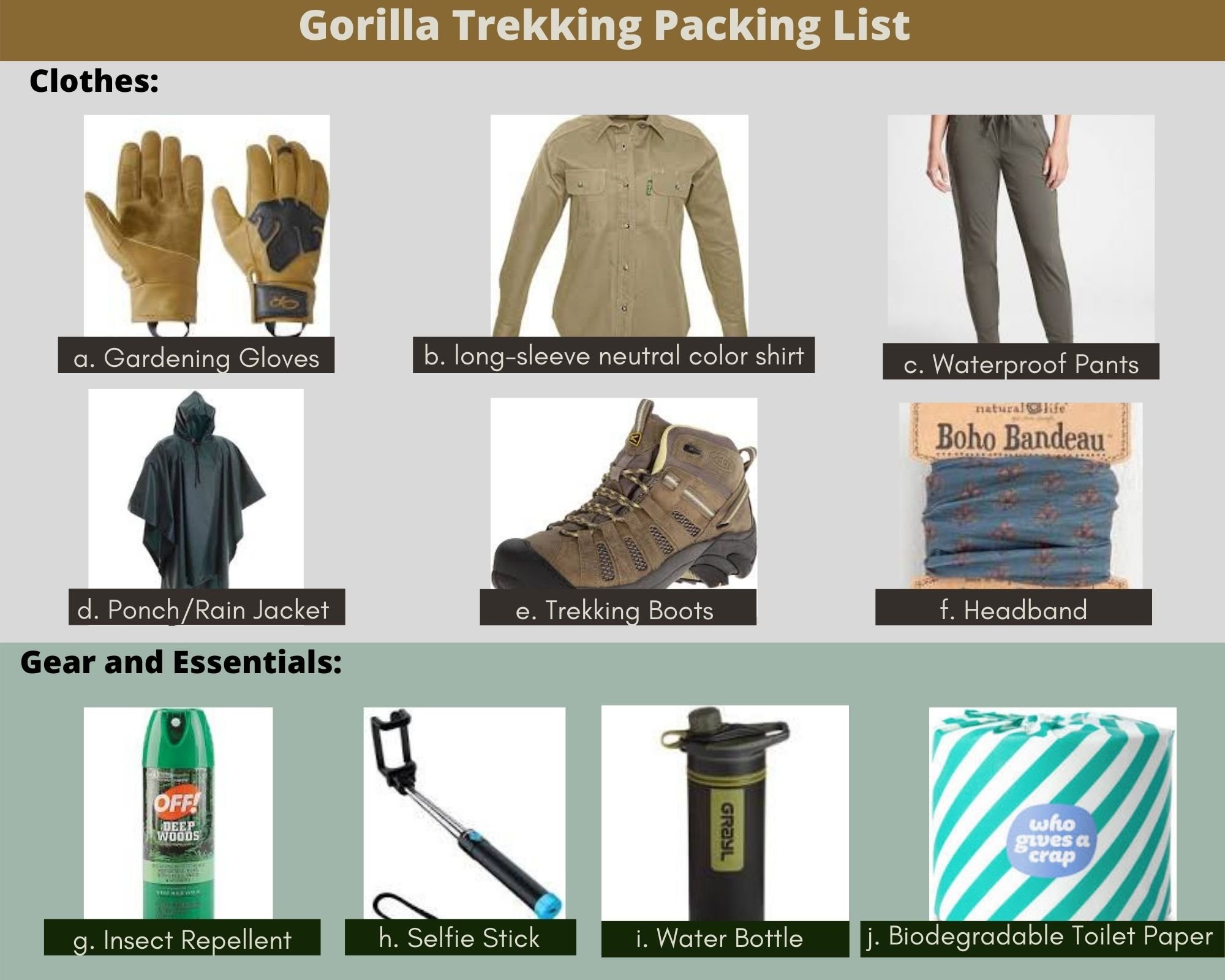
Wearing unsuitable clothing can make the trek unnecessarily difficult. Shorts, sandals, casual shoes, and lightweight travel clothing may leave your skin exposed to scratches, insects, mud, and moisture. The rainforest contains thorny plants and dense vegetation that frequently come into contact with visitors as they move through the forest.
The correct trekking clothes act as a protective barrier. Long sleeves protect your arms from branches and insects, while long trousers shield your legs from vegetation and scratches. Waterproof outer layers protect against sudden rainfall, and breathable materials help regulate body temperature during physically demanding sections of the hike.
Another reason why knowing What to Wear for Gorilla Trekking is important is because every trek is different. Gorilla families move freely through their natural habitat, meaning one group may be found close to the starting point while another may require a longer hike through deeper sections of the forest.
Your clothing should therefore prepare you for different levels of difficulty. Whether your trek lasts two hours or an entire morning, wearing the right outfit ensures that you remain comfortable, protected, and ready to enjoy one of Africa’s greatest wildlife experiences.
Long-Sleeved Shirts for Gorilla Trekking
When deciding What to Wear for Gorilla Trekking, a comfortable long-sleeved hiking shirt should be one of the first items included in your trekking outfit. Long sleeves provide essential protection against the natural elements of the rainforest while allowing you to remain comfortable during long periods of walking.
Mountain gorilla habitats contain dense vegetation, including vines, bamboo stems, shrubs, and thick undergrowth. As trekkers move through narrow forest paths, their arms may brush against branches and plants. A long-sleeved shirt creates a protective layer between your skin and the surrounding vegetation, reducing the chances of scratches and irritation.
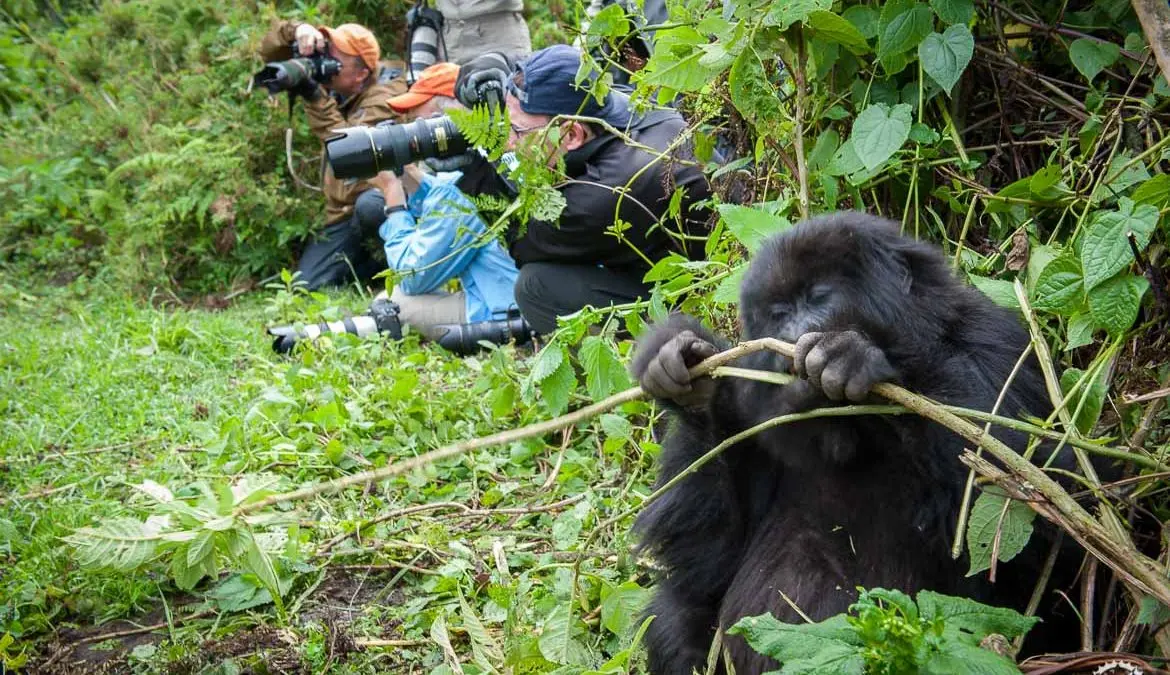
Long sleeves also provide protection from insects that are naturally present in tropical forest environments. Although gorilla habitats at higher elevations generally have fewer mosquitoes than lowland areas, other insects may still be encountered along the trail. Covering your arms reduces exposed skin and adds an additional level of comfort during the trek.
The best shirts for gorilla trekking are lightweight, breathable, and moisture-wicking. Technical hiking shirts made from polyester blends, nylon, or specialized outdoor fabrics are ideal because they allow sweat to evaporate quickly while drying faster after rainfall. These materials are particularly useful in rainforest conditions where humidity levels can remain high throughout the day.
Avoid wearing heavy cotton shirts when preparing What to Wear for Gorilla Trekking. Although cotton feels comfortable initially, it absorbs moisture and dries slowly. If you sweat heavily or experience rainfall, a wet cotton shirt can become uncomfortable, heavy, and cold.
The color of your shirt also matters. Neutral colors such as green, brown, grey, khaki, and beige are recommended because they blend naturally with the forest environment. These colors are commonly preferred for wildlife experiences because they create a more natural appearance compared to bright colors that stand out against the surroundings.
A long-sleeved hiking shirt can also be combined with other layers depending on the season. During cooler mornings, it can be worn underneath a fleece jacket and waterproof rain jacket. During warmer periods, it can be worn alone while still providing protection from vegetation and insects.
Including a quality long-sleeved shirt in your What to Wear for Gorilla Trekking preparation ensures you remain protected without sacrificing comfort or mobility.
Hiking Trousers for Gorilla Trekking
Choosing suitable trousers is another essential part of understanding What to Wear for Gorilla Trekking. The right hiking trousers provide protection, flexibility, and comfort while allowing you to move easily through steep terrain and dense rainforest vegetation.
Gorilla trekking involves walking through natural forest environments where visitors may encounter tall grasses, thorny plants, muddy trails, and thick undergrowth. Long hiking trousers provide valuable protection by covering your legs and reducing exposure to scratches, insect bites, and irritating plants.
The ideal trekking trousers should be lightweight, durable, and quick-drying. Since gorilla trekking can involve climbing steep slopes and walking for several hours, your trousers should allow unrestricted movement. Materials with stretch properties are especially useful because they provide additional flexibility when stepping over roots, climbing hills, or navigating uneven ground.
Many experienced trekkers prefer outdoor hiking trousers made from nylon, polyester blends, or similar technical fabrics. These materials are designed for active travel because they resist moisture, dry quickly, and remain comfortable during changing weather conditions.
When planning What to Wear for Gorilla Trekking, avoid heavy jeans or casual trousers. Denim absorbs water easily, becomes heavy when wet, takes a long time to dry, and restricts movement during hiking. While jeans may be suitable for travel days, they are not practical inside the rainforest.
Convertible hiking trousers that can transform into shorts are popular among travelers because they provide flexibility during the journey. However, during the actual gorilla trek, keeping the trousers in their full-length position is strongly recommended because the additional coverage protects your legs from vegetation and insects.
The fit of your trousers is also important. Extremely tight trousers may restrict movement, while very loose trousers can become uncomfortable when walking through dense vegetation. A comfortable hiking fit allows freedom of movement while maintaining protection.
For travelers wondering What to Wear for Gorilla Trekking, a pair of durable long hiking trousers is one of the most important clothing choices. Combined with proper footwear and a waterproof layer, they create a comfortable foundation for exploring Uganda and Rwanda’s incredible mountain gorilla habitats.
Waterproof Jacket or Rain Jacket for Gorilla Trekking
A waterproof jacket is one of the most important clothing items when deciding What to Wear for Gorilla Trekking because mountain gorilla trekking takes place inside tropical rainforest environments where rainfall can occur at any time of the year. Even during the traditional dry seasons, the forests of Uganda and Rwanda can experience sudden showers, mist, and light rainfall due to their high altitude and unique mountain climate.
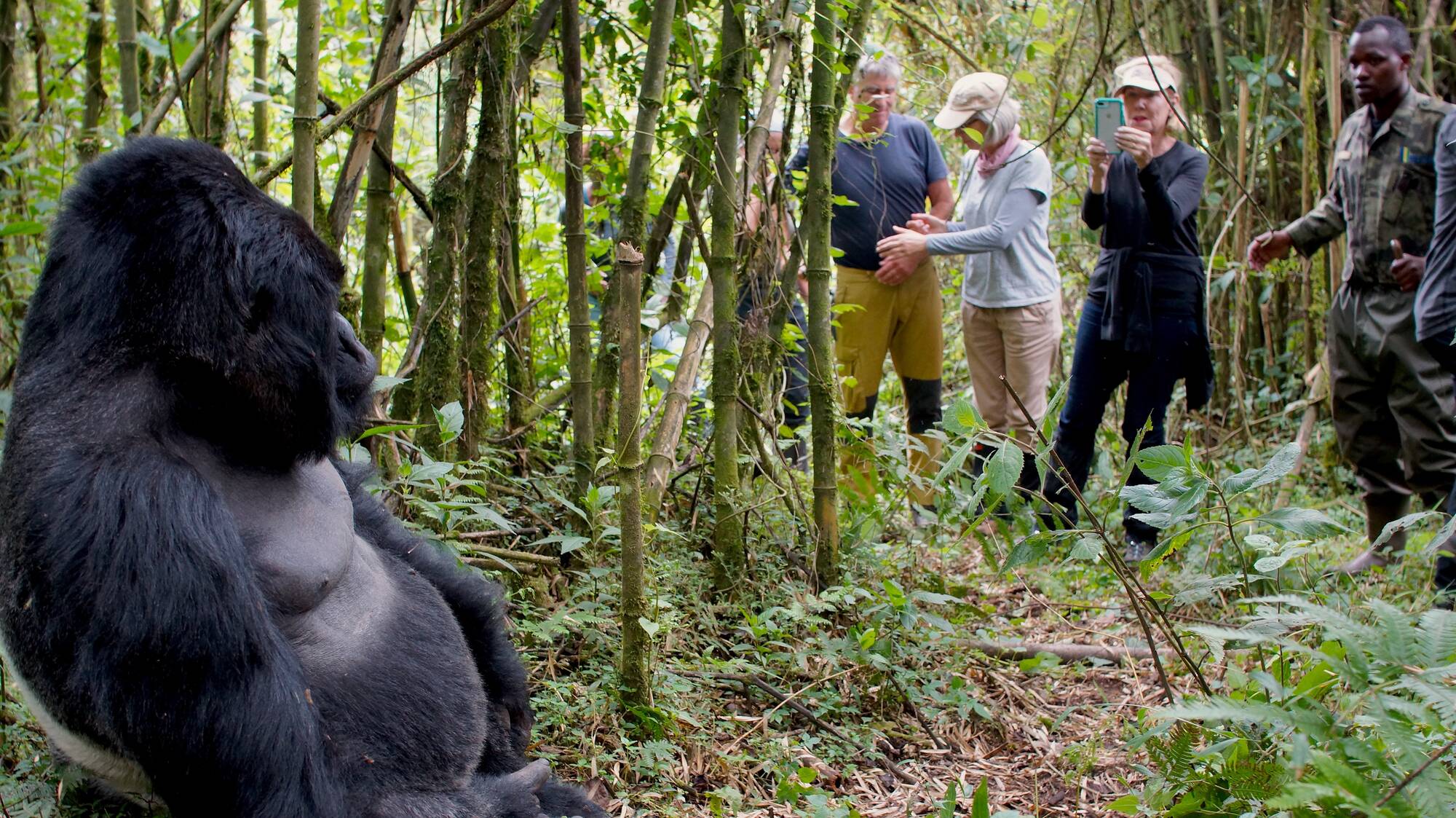
Unlike ordinary sightseeing activities, gorilla trekking involves spending several hours outdoors while hiking through natural forest terrain. You may begin your trek under clear skies and later experience heavy rainfall while deep inside the forest. Carrying a reliable waterproof jacket ensures that you remain dry, comfortable, and protected throughout the adventure. This makes a rain jacket an essential part of any proper What to Wear for Gorilla Trekking preparation.
The best waterproof jackets for gorilla trekking should be lightweight, breathable, and fully waterproof. Since trekking involves continuous movement through steep and challenging terrain, your body naturally produces heat and sweat. A breathable jacket allows moisture from your body to escape while preventing rainwater from penetrating the fabric. This balance helps you remain comfortable instead of feeling hot and trapped inside your clothing.
When choosing a rain jacket for your gorilla trekking outfit, consider features such as an adjustable hood, waterproof zippers, sealed seams, and elastic cuffs. An adjustable hood provides extra protection during heavy rainfall, while waterproof zippers prevent water from entering through the front opening. Elastic cuffs around the wrists stop rain from flowing inside your sleeves when walking through wet vegetation.
A lightweight design is also important because you will not always need to wear your jacket throughout the trek. During dry periods, the jacket can be folded and stored inside your day backpack until weather conditions change. Compact hiking rain jackets are ideal because they provide excellent protection without taking up unnecessary space.
Besides protecting you from rainfall, a waterproof jacket also provides additional warmth during cooler periods. Mountain gorilla habitats are located at high elevations where temperatures can feel surprisingly cold, especially in the early morning before the trek begins. A rain jacket works as an outer protective layer against wind, mist, and cool forest air.
When planning What to Wear for Gorilla Trekking, never rely on weather forecasts alone. Rainforest weather is naturally unpredictable, and even visitors trekking during the dry season should carry waterproof protection. A quality rain jacket ensures that unexpected rain does not affect your comfort or your ability to fully enjoy your mountain gorilla experience.
Fleece Jacket or Warm Layer for Gorilla Trekking
Many travelers underestimate how cool mountain gorilla habitats can become, which is why understanding What to Wear for Gorilla Trekking requires preparation for both warm and cold conditions. Although Uganda and Rwanda are located near the equator, gorilla trekking destinations are found in mountainous regions where temperatures are significantly lower than many visitors expect.
Gorilla trekking usually begins early in the morning after registration and briefing at the park headquarters. At this time of day, areas such as Bwindi Impenetrable National Park, Mgahinga Gorilla National Park, and Volcanoes National Park can feel chilly because of the high altitude, morning mist, and cool mountain air.
A lightweight fleece jacket is one of the best clothing layers to include when deciding What to Wear for Gorilla Trekking. Fleece provides warmth by trapping body heat while remaining breathable and lightweight. Unlike heavy jackets, fleece layers allow easy movement and can be comfortably carried inside your backpack when temperatures increase.
The advantage of a fleece jacket is its versatility. During cooler mornings, it provides essential warmth before entering the forest. As your body warms during the hike, it can easily be removed and packed away. Later in the afternoon or during breaks, it can be worn again for additional comfort.
Layering is considered one of the smartest approaches to gorilla trekking clothing. Instead of wearing one thick jacket, travelers should combine several lighter layers. A moisture-wicking base layer helps manage sweat, a fleece jacket provides insulation, and a waterproof jacket creates protection against rain and wind.
This three-layer approach allows you to adjust your clothing according to changing conditions. If the sun comes out, you can remove the outer layers. If rain or cold temperatures return, you can quickly add protection without carrying excessive luggage.
A fleece jacket should therefore be included in every practical What to Wear for Gorilla Trekking guide because it provides comfort, warmth, and flexibility while adding very little weight to your travel gear.
Waterproof Hiking Boots for Gorilla Trekking
One of the most important answers to What to Wear for Gorilla Trekking is a pair of strong waterproof hiking boots. Your footwear plays a major role in determining your comfort, safety, and overall enjoyment during the trek because mountain gorilla habitats contain some of the most challenging natural terrain in Africa.
The rainforest environment is completely different from ordinary walking trails. Gorilla trekking routes pass through muddy paths, steep hills, slippery slopes, thick vegetation, exposed roots, and uneven forest floors. Visitors may need to climb uphill sections, cross small streams, or walk through wet areas while following trackers searching for the gorilla family.
Quality hiking boots provide the grip and stability needed to move safely through these conditions. Boots with strong rubber soles and deep tread patterns offer excellent traction on muddy and slippery surfaces, reducing the risk of falling while navigating difficult sections of the trail.
Waterproof protection is equally important. Rainfall is common in mountain gorilla habitats, and the forest floor often remains damp even after rainfall stops. Waterproof boots prevent water from entering while walking through mud, wet grass, puddles, and small streams. Keeping your feet dry improves comfort and reduces the chance of developing painful blisters.
Ankle support is another important feature when choosing what footwear to wear for gorilla trekking. Boots that extend above the ankle provide additional stability on uneven ground and reduce the risk of twisting your ankle while walking across hidden roots or slippery rocks.
Visitors should avoid wearing sneakers, trainers, sandals, or casual shoes during gorilla trekking. Although these may feel comfortable for normal travel activities, they do not provide enough protection, grip, or support for rainforest conditions. Unsuitable footwear can quickly lead to discomfort, injuries, and exhaustion.
Before traveling, always break in your hiking boots. Wearing new boots for the first time during a gorilla trek can cause painful pressure points and blisters. Testing your boots during several walks or hikes before your safari ensures they are comfortable and ready for the adventure.
When preparing What to Wear for Gorilla Trekking, investing in high-quality waterproof hiking boots is one of the best decisions you can make.
Hiking Socks for Gorilla Trekking
Choosing the right socks is another important part of understanding What to Wear for Gorilla Trekking. While many travelers focus mainly on boots and clothing, the quality of your socks can greatly influence your comfort during several hours of hiking through the rainforest.
The best hiking socks are designed to manage moisture, reduce friction, and provide cushioning in areas that experience pressure during walking. Moisture-wicking socks made from merino wool or technical synthetic materials are highly recommended because they move sweat away from your skin and dry faster than ordinary cotton socks.
Cotton socks are generally not recommended for gorilla trekking because they absorb moisture and remain wet for long periods. In humid rainforest environments, wet socks can increase friction inside your boots and contribute to painful blisters.
Thicker hiking socks can also provide additional comfort by creating a soft layer between your feet and your boots. They help reduce pressure points and improve warmth during cool morning temperatures at higher elevations.
Packing an extra pair of socks is always a smart decision when preparing What to Wear for Gorilla Trekking. If your feet become wet due to rainfall, muddy trails, or stream crossings, changing into dry socks after the trek can greatly improve your comfort.
Your socks should work together with your hiking boots to create a complete footwear system. Comfortable boots without suitable socks may still result in discomfort, while quality socks combined with proper boots provide excellent protection throughout the entire gorilla trekking experience.
Gardening Gloves or Trekking Gloves for Gorilla Trekking
Gloves may seem like a small accessory, but they are a valuable addition when deciding What to Wear for Gorilla Trekking. During the trek, visitors often use their hands for balance, hold branches while walking through dense vegetation, and push aside plants along narrow forest trails.
Lightweight gardening gloves are among the most popular options because they are affordable, durable, and provide excellent protection. They protect your hands from thorny plants, rough tree bark, bamboo stems, and sharp vegetation commonly found inside mountain gorilla forests.
Gloves also improve grip when climbing steep sections or navigating muddy slopes. Instead of worrying about touching wet branches or rough surfaces, you can move more confidently through challenging areas.
The ideal gloves should be lightweight, breathable, and flexible. Very thick gloves may become uncomfortable during warm conditions because they restrict hand movement and trap heat. Simple gardening gloves or lightweight hiking gloves usually provide the best balance between protection and comfort.
Because gloves take up very little space in your backpack, they are one of the easiest items to include when preparing What to Wear for Gorilla Trekking. Many travelers who initially consider them unnecessary later appreciate having them during the trek.
Gaiters for Gorilla Trekking
Gaiters are another useful clothing accessory when deciding What to Wear for Gorilla Trekking. These protective covers fit around your lower legs and sit over your hiking boots, creating a barrier that prevents mud, water, insects, leaves, and small stones from entering your footwear.
Mountain gorilla habitats, especially during the rainy seasons, can become extremely muddy. As visitors walk through wet vegetation and forest trails, mud can easily splash onto trousers and enter the top of hiking boots. Gaiters help solve this problem by sealing the gap between your trousers and boots.
Besides keeping your feet cleaner and drier, gaiters also provide additional protection against scratches from vegetation. Thick grasses, thorny bushes, and bamboo plants can brush against your legs while trekking, especially in areas where trails are narrow.
Gaiters are particularly valuable for visitors trekking in Bwindi Impenetrable National Park during wetter months when rainfall creates muddy conditions. However, they remain useful throughout the year because rainforest conditions can change quickly.
Modern hiking gaiters are lightweight, waterproof, and easy to pack. They attach securely using adjustable straps and require very little space inside your backpack. For travelers looking for complete protection and comfort, gaiters are a practical addition to any What to Wear for Gorilla Trekking preparation.
Together with waterproof hiking boots, long trousers, gloves, and a rain jacket, gaiters complete a well-prepared gorilla trekking outfit designed for comfort, safety, and unforgettable rainforest exploration.
Hat and Sunglasses for Gorilla Trekking
A hat and sunglasses are practical additions when considering What to Wear for Gorilla Trekking, especially because your adventure involves spending time both inside and outside the rainforest environment. Although much of the actual gorilla trekking takes place beneath dense forest canopy, visitors often spend time in open areas before entering the forest, during park registration, while walking to the trailhead, and during transfers between destinations.
A wide-brimmed hat provides useful protection against direct sunlight, particularly during warm periods or when walking through exposed sections of the trail. It shields your face, neck, and ears from strong sunlight while also offering some protection from light rainfall. Hats made from lightweight, breathable materials are ideal because they prevent overheating while keeping you comfortable during long travel days.
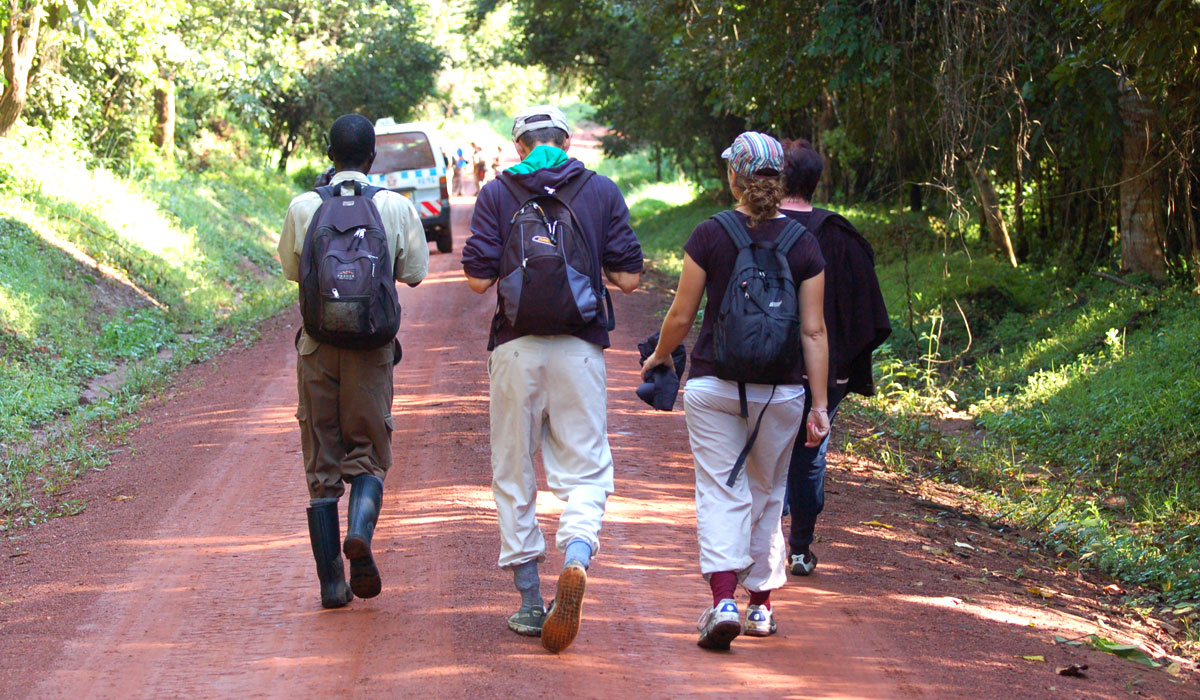
When deciding What to Wear for Gorilla Trekking, a hat should complement your overall trekking outfit rather than simply being a fashion accessory. The best options are practical outdoor hats designed for hiking, preferably with ventilation features that allow air circulation. A hat with a secure fit is also recommended because forest trails can involve climbing, bending, and movement through dense vegetation.
Sunglasses are another useful item to include when preparing What to Wear for Gorilla Trekking. They protect your eyes from ultraviolet rays during open sections of the journey and reduce glare while traveling through bright areas around the national parks. They are particularly useful during vehicle transfers, scenic viewpoints, lodge surroundings, and other outdoor activities before or after the trek.
Inside the rainforest itself, sunglasses are usually less necessary because the thick vegetation provides natural shade and reduces direct sunlight. However, carrying them in your backpack ensures you have eye protection whenever you return to open areas. Polarized sunglasses are especially useful because they reduce glare and improve visual comfort during outdoor activities.
When choosing sunglasses for gorilla trekking, select a durable pair that is lightweight and comfortable. Avoid expensive fashion sunglasses that may become inconvenient during active travel. Practical outdoor eyewear designed for hiking and safari activities is usually the best option.
Including a hat and sunglasses in your What to Wear for Gorilla Trekking preparation ensures that you are comfortable, protected, and ready for changing environments throughout your East African adventure.
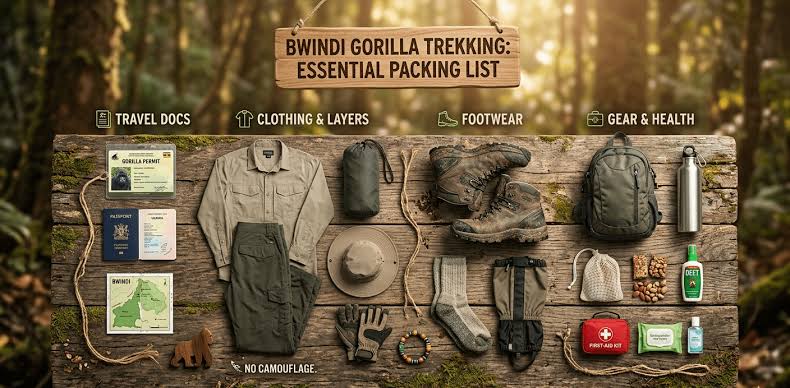
Complete Gorilla Trekking Outfit Checklist
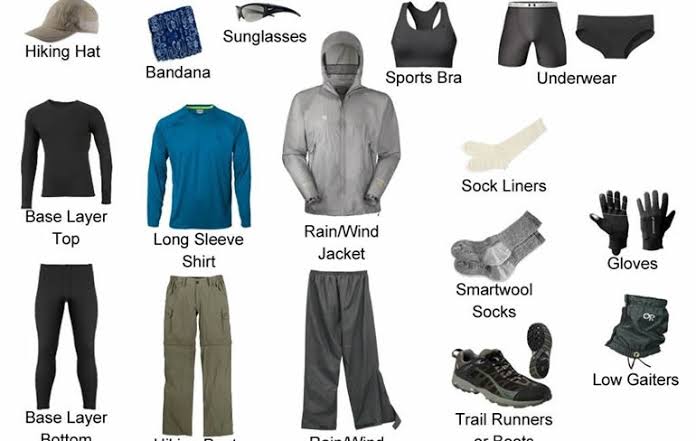
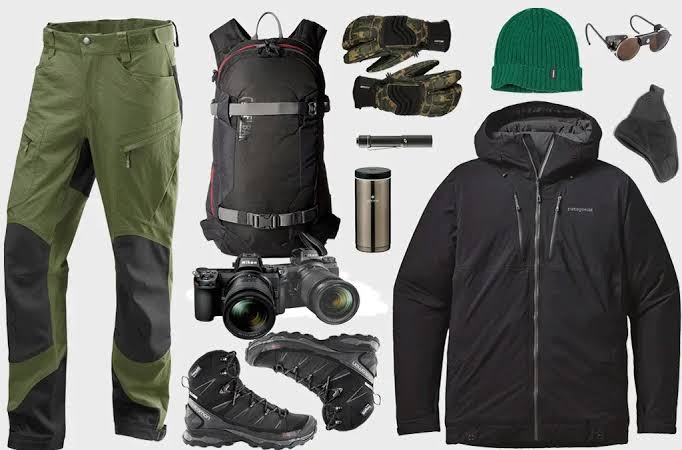
A complete understanding of What to Wear for Gorilla Trekking involves preparing a practical outfit that protects you from the rainforest environment while ensuring maximum comfort throughout the adventure.
Your essential gorilla trekking clothing should include a lightweight long-sleeved hiking shirt to protect your arms from vegetation and insects. Durable hiking trousers provide protection for your legs while allowing freedom of movement during steep climbs and forest walks.
Waterproof hiking boots are among the most important items because they provide grip, stability, and protection on muddy and uneven trails. A waterproof rain jacket protects you from sudden rainfall, while a lightweight fleece jacket provides warmth during cool mornings and higher elevations.
Additional accessories complete your trekking outfit. Moisture-wicking hiking socks reduce friction and prevent blisters, while gardening gloves or trekking gloves protect your hands when moving through vegetation. Gaiters provide extra protection against mud, insects, and wet conditions. A practical hat and sunglasses provide additional comfort before and after entering the forest.
Your complete What to Wear for Gorilla Trekking checklist should therefore focus on comfort, protection, and adaptability. The right clothing allows you to concentrate on the incredible experience of observing mountain gorillas rather than worrying about weather conditions or discomfort.
Boots in The Jungle Safaris Helps You Prepare for Gorilla Trekking
Knowing What to Wear for Gorilla Trekking is an essential part of preparing for your mountain gorilla adventure, but successful trekking involves much more than choosing the right clothing. Proper planning requires expert knowledge of permits, accommodation, transportation, trekking locations, and local conditions.
Boots in The Jungle Safaris helps travelers organize every detail of their gorilla trekking experience, from securing gorilla permits and selecting comfortable lodges to arranging professional guides, transportation, and personalized pre-travel advice. Our team understands the conditions travelers encounter in Uganda and Rwanda and provides practical recommendations based on the season, destination, and trekking difficulty.
Whether you are exploring Bwindi Impenetrable National Park, Mgahinga Gorilla National Park, or Volcanoes National Park, we ensure you are fully prepared with the right information about What to Wear for Gorilla Trekking before beginning your journey.
With proper preparation, suitable trekking clothing, and expert guidance from Boots in The Jungle Safaris, you can focus entirely on the unforgettable moment of standing in the rainforest and observing mountain gorillas in their natural habitat.