Gorilla Trekking Requirements: Complete Gorilla Trekking Briefing Process in Uganda
Gorilla Trekking Requirements are the foundation of every successful gorilla trekking safari in Uganda. Planning a gorilla trekking adventure is one of the most exciting wildlife experiences in Africa, but proper preparation is essential to ensure a safe, enjoyable, and conservation-friendly encounter with the endangered mountain gorillas. Uganda is internationally recognized as one of the world’s leading gorilla trekking destinations, offering extraordinary experiences in Bwindi Impenetrable National Park and Mgahinga Gorilla National Park, which together protect nearly half of the world’s remaining mountain gorillas.
The official Gorilla Trekking Requirements established by the Uganda Wildlife Authority (UWA) have been carefully developed to safeguard both visitors and gorillas while promoting responsible tourism that directly contributes to conservation. These requirements cover everything from securing a valid gorilla trekking permit and meeting the minimum age requirement to maintaining good health, wearing appropriate clothing, carrying the right equipment, and following strict conservation guidelines while inside the forest.
Understanding the Gorilla Trekking Requirements before arriving in Uganda allows visitors to prepare adequately for the physical demands of the trek, avoid unnecessary delays, and fully appreciate one of the most unforgettable wildlife encounters on Earth. Whether you are visiting Uganda for the first time or returning for another gorilla safari, following these requirements ensures your adventure is both rewarding and environmentally responsible.
Why Understanding Gorilla Trekking Requirements Is Important
The Gorilla Trekking Requirements are much more than a checklist for travelers—they are an essential part of Uganda’s internationally recognized mountain gorilla conservation program. Every requirement has been developed through decades of scientific research, wildlife management experience, and continuous monitoring of mountain gorilla behavior. Their primary purpose is to protect one of the world’s most endangered primates while allowing visitors to enjoy close and meaningful encounters in a sustainable manner.
Mountain gorillas share approximately 98 percent of human DNA, making them highly susceptible to many human illnesses, particularly respiratory infections. Unlike humans, gorillas have little natural immunity against diseases such as influenza, pneumonia, or even the common cold. For this reason, several Gorilla Trekking Requirements focus specifically on visitor health, hygiene, and maintaining appropriate distances during gorilla encounters to minimize disease transmission.
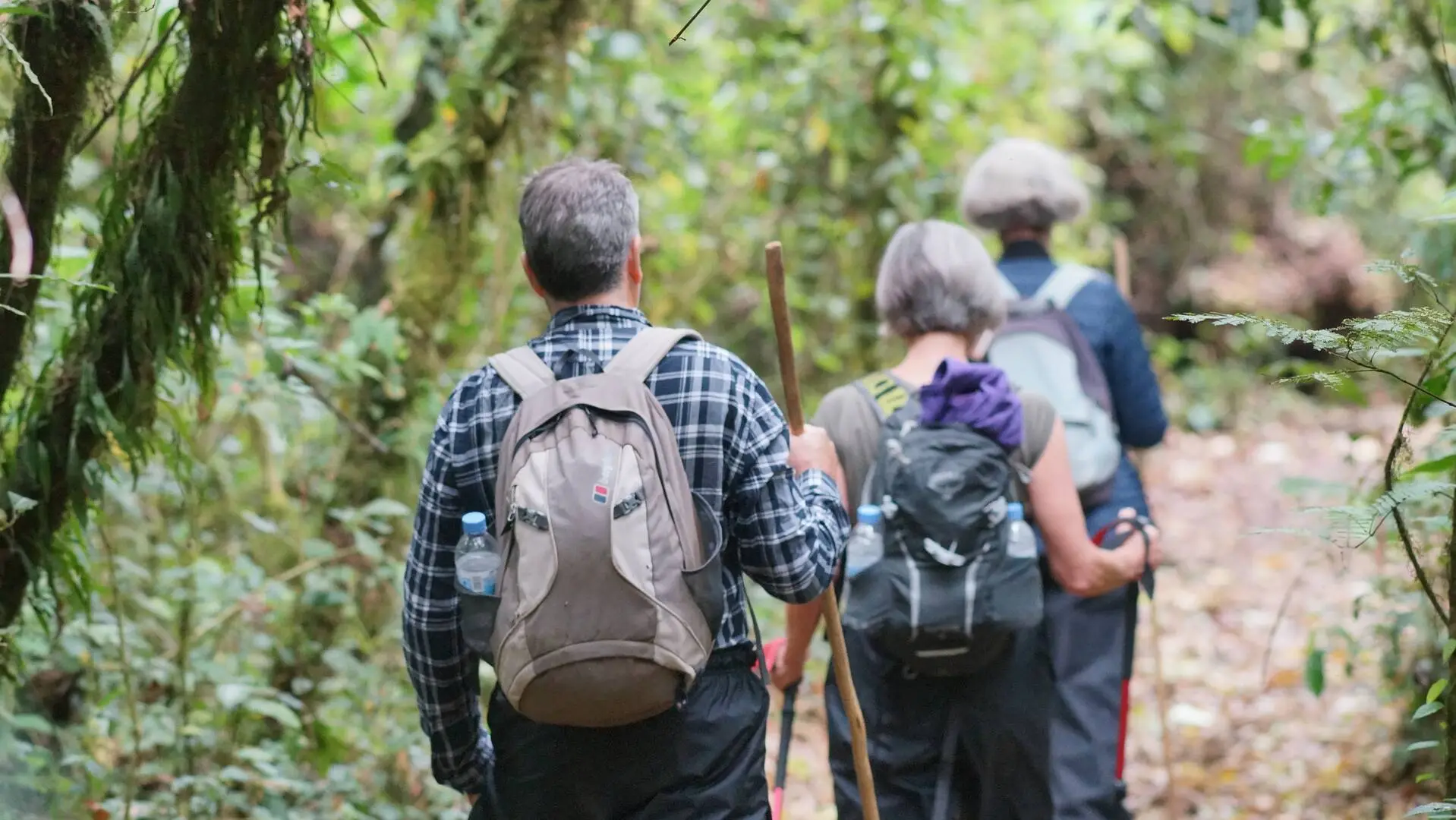
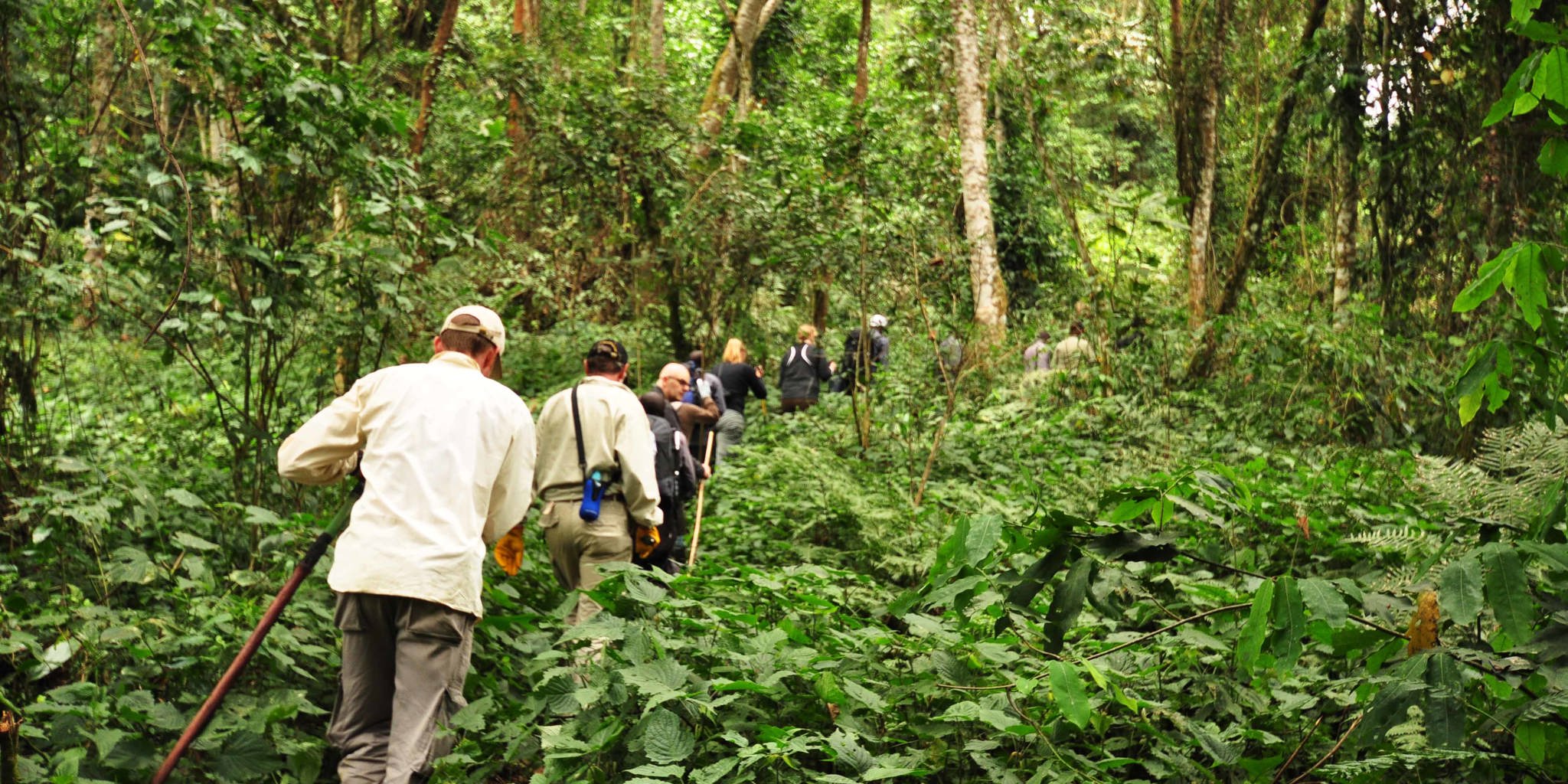
Understanding these requirements also helps visitors prepare for the physical nature of gorilla trekking. Depending on the location of the assigned gorilla family, the hike may involve walking through thick rainforest, climbing steep hills, crossing streams, and navigating muddy trails for several hours. Visitors who prepare adequately by meeting the recommended Gorilla Trekking Requirements enjoy the experience far more comfortably and safely.
In addition to protecting wildlife, these requirements help preserve the fragile rainforest ecosystem while ensuring every visitor enjoys a well-organized and memorable safari. Responsible tourism generated through gorilla trekking provides funding for ranger patrols, veterinary services, anti-poaching initiatives, scientific research, habitat restoration, and community development projects surrounding Uganda’s national parks. By understanding and following the Gorilla Trekking Requirements, every visitor becomes an active participant in one of Africa’s greatest conservation success stories.
Gorilla Trekking Requirements: Gorilla Trekking Permit Requirement
One of the most important Gorilla Trekking Requirements is obtaining a valid gorilla trekking permit before arriving at the park. Without a permit issued by the Uganda Wildlife Authority (UWA), no visitor is allowed to participate in gorilla trekking, regardless of whether they have already booked accommodation or transportation. Because mountain gorillas are endangered and the number of daily visitors is strictly controlled, gorilla permits are limited and highly sought after throughout the year.
Each gorilla trekking permit allows one visitor to spend one unforgettable hour observing a fully habituated gorilla family after experienced trackers have successfully located them in the forest. This one-hour viewing period is carefully regulated to minimize human disturbance while still providing visitors with an extraordinary wildlife experience. Every gorilla family is visited by only one trekking group per day, helping preserve their natural behavior and reducing stress caused by excessive human interaction.
Gorilla permits are available on a first-come, first-served basis and frequently sell out several months in advance, particularly during the dry seasons between June and September and December to February, when trekking conditions are generally easier. Travelers planning to visit during these peak months are strongly encouraged to reserve their permits well in advance to avoid disappointment.
Booking through an experienced safari company such as Boots in The Jungle Safaris simplifies the entire process. Our team secures gorilla permits on your behalf, confirms availability, matches permits with suitable accommodation, and organizes transportation to ensure a seamless safari experience. Since permits cannot usually be transferred at short notice, early planning remains one of the most important Gorilla Trekking Requirements for anyone wishing to experience Uganda’s magnificent mountain gorillas.
Gorilla Trekking Requirements: Minimum Age Requirement
Among the official Gorilla Trekking Requirements, one of the strictest regulations is the minimum age requirement. Every visitor participating in gorilla trekking in Uganda must be at least 15 years old on the day of the trek. This rule is strictly enforced by the Uganda Wildlife Authority and applies equally to both Ugandan citizens and international visitors.
The age restriction exists for several important reasons. Gorilla trekking often involves physically demanding hikes through dense rainforest, steep hills, and uneven terrain that younger children may struggle to complete safely. In addition, children are generally more likely to react unpredictably when encountering large wild animals, potentially placing both themselves and the gorillas at risk.
Health considerations also play a significant role in establishing this requirement. Younger children are often more susceptible to contagious illnesses and may unknowingly transmit respiratory infections to mountain gorillas. Since gorillas share much of our genetic makeup, protecting them from human diseases remains one of the highest priorities in conservation management.
Visitors whose age appears close to the minimum requirement may be asked to present a passport or official identification document during registration at the park headquarters. Understanding and respecting this important Gorilla Trekking Requirements policy helps ensure safe and responsible wildlife encounters for everyone involved.
Gorilla Trekking Requirements: Valid Passport and Travel Documents
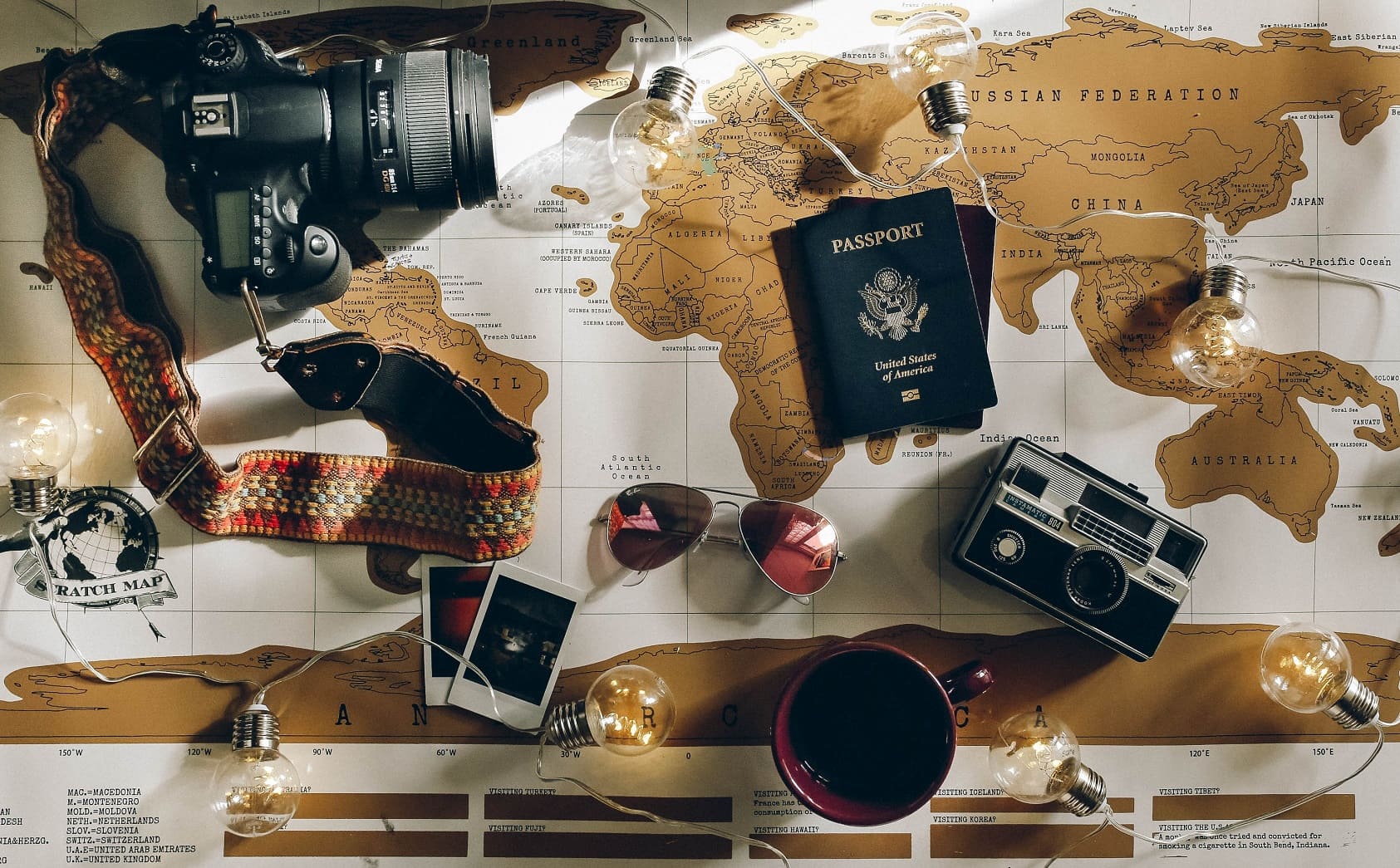
Having the correct travel documentation is another essential part of the Gorilla Trekking Requirements. Every international visitor traveling to Uganda for gorilla trekking must carry a valid passport with sufficient remaining validity, along with any visas or immigration documents required for entry into the country.
Depending on your nationality, Uganda may require an electronic visa before arrival. Many travelers also choose the East Africa Tourist Visa if they plan to visit Uganda, Rwanda, and Kenya during the same safari. Visitors entering Uganda through Rwanda should ensure they fully understand border crossing procedures and carry all necessary immigration documentation throughout the journey.
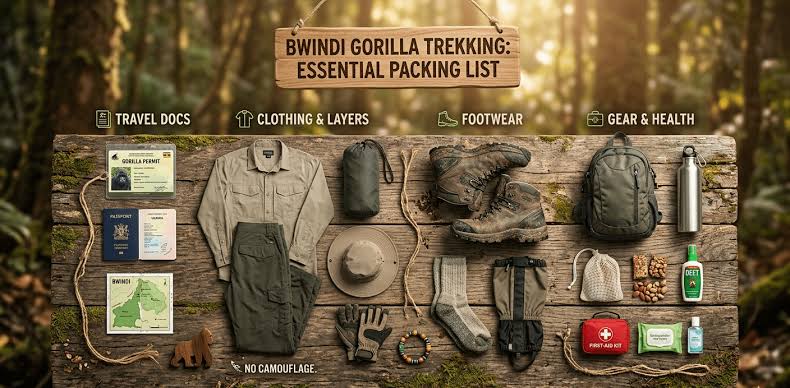
Besides your passport and visa, travelers should also carry printed or digital copies of their gorilla trekking permit, travel insurance policy, flight confirmations, hotel reservations, vaccination certificate, and emergency contact information. Although electronic copies are convenient, having printed documents available provides additional security in areas where internet access may be limited.
Meeting these documentation Gorilla Trekking Requirements helps ensure a smooth travel experience from your arrival in Uganda until the completion of your safari.
Gorilla Trekking Requirements: Good Physical Fitness
One of the most frequently overlooked Gorilla Trekking Requirements is maintaining a reasonable level of physical fitness before your safari. Gorilla trekking is not considered mountain climbing, and no technical hiking skills are required, but visitors should be prepared for several hours of walking through challenging rainforest terrain.
The duration of each trek depends entirely on the location of the assigned gorilla family. Some groups may be found within one or two hours of hiking, while others require five to eight hours of walking through dense vegetation, muddy slopes, valleys, and mountain ridges. Because gorillas move freely throughout the forest every day, no two trekking experiences are exactly the same.
Preparing physically before traveling to Uganda significantly improves the overall experience. Regular walking, jogging, stair climbing, cycling, or light hiking several weeks before departure helps build stamina and reduces fatigue during the trek. Visitors who maintain moderate fitness levels are generally able to enjoy the experience more comfortably while appreciating the beautiful rainforest scenery along the way.
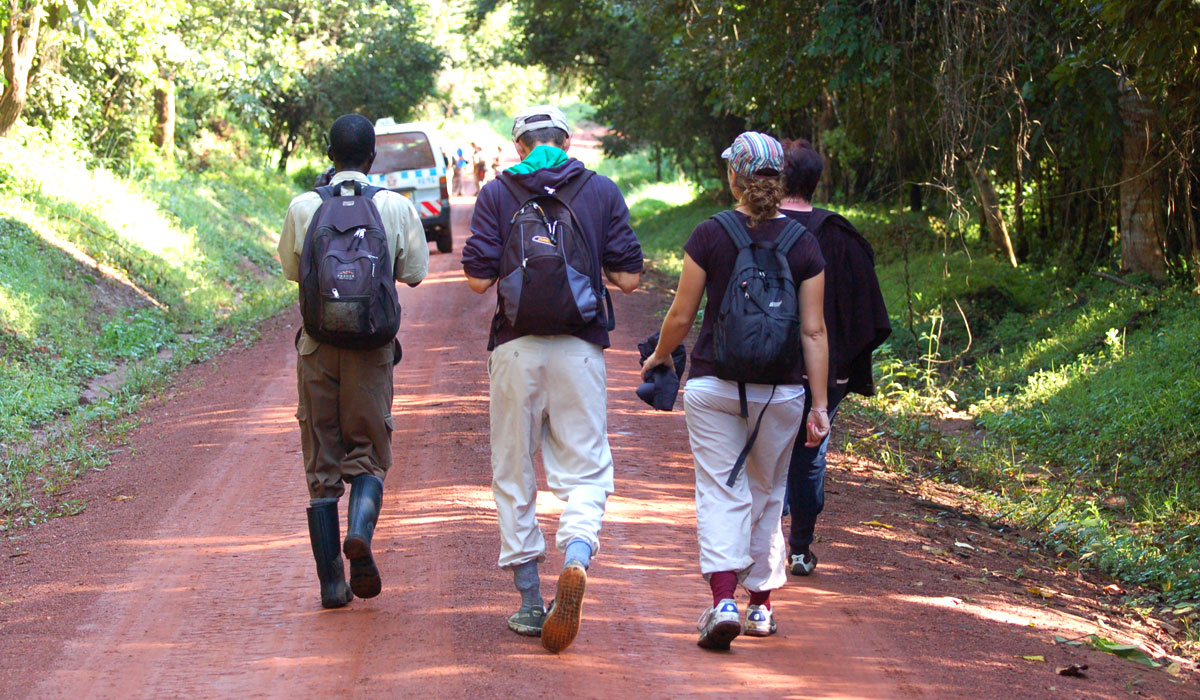
Hiring a local porter is also highly recommended, regardless of your fitness level. Porters assist by carrying backpacks, providing physical support during steep climbs, and helping visitors navigate slippery trails safely. Their services also provide valuable employment opportunities for local communities living around Bwindi and Mgahinga National Parks.
Being physically prepared is one of the most practical Gorilla Trekking Requirements, allowing visitors to focus entirely on the unforgettable moment of meeting Uganda’s mountain gorillas.
Gorilla Trekking Requirements: Good Health Requirement
Good health is one of the most critical Gorilla Trekking Requirements because it protects both visitors and the endangered mountain gorillas. Due to their close genetic relationship with humans, gorillas are highly vulnerable to diseases transmitted by people, particularly respiratory infections.
Visitors experiencing flu, fever, cough, sore throat, COVID-19 symptoms, tuberculosis, or any contagious illness should not participate in gorilla trekking. Even illnesses that appear relatively minor in humans may become fatal for gorillas. If you develop symptoms shortly before your scheduled trek, you should immediately inform your safari company or Uganda Wildlife Authority officials so alternative arrangements can be discussed whenever possible.
Travelers should remain well hydrated before beginning the trek and eat a healthy breakfast to maintain energy throughout the hike. Carrying personal medication, drinking plenty of water, and consulting your doctor before traveling if you have underlying medical conditions are all important aspects of preparing for gorilla trekking.
Visitors with asthma, diabetes, heart conditions, arthritis, or mobility concerns should discuss their health with both their physician and safari operator before arrival. Park authorities may assign shorter trekking routes whenever possible, ensuring visitors enjoy the experience safely while meeting the required Gorilla Trekking Requirements.
Gorilla Trekking Requirements: Required Clothing for Gorilla Trekking
Appropriate clothing is one of the most practical Gorilla Trekking Requirements because it directly influences your comfort, safety, and overall trekking experience. Uganda’s gorilla habitats consist of dense tropical rainforest with thick vegetation, muddy trails, steep slopes, and unpredictable weather conditions that require suitable outdoor clothing.
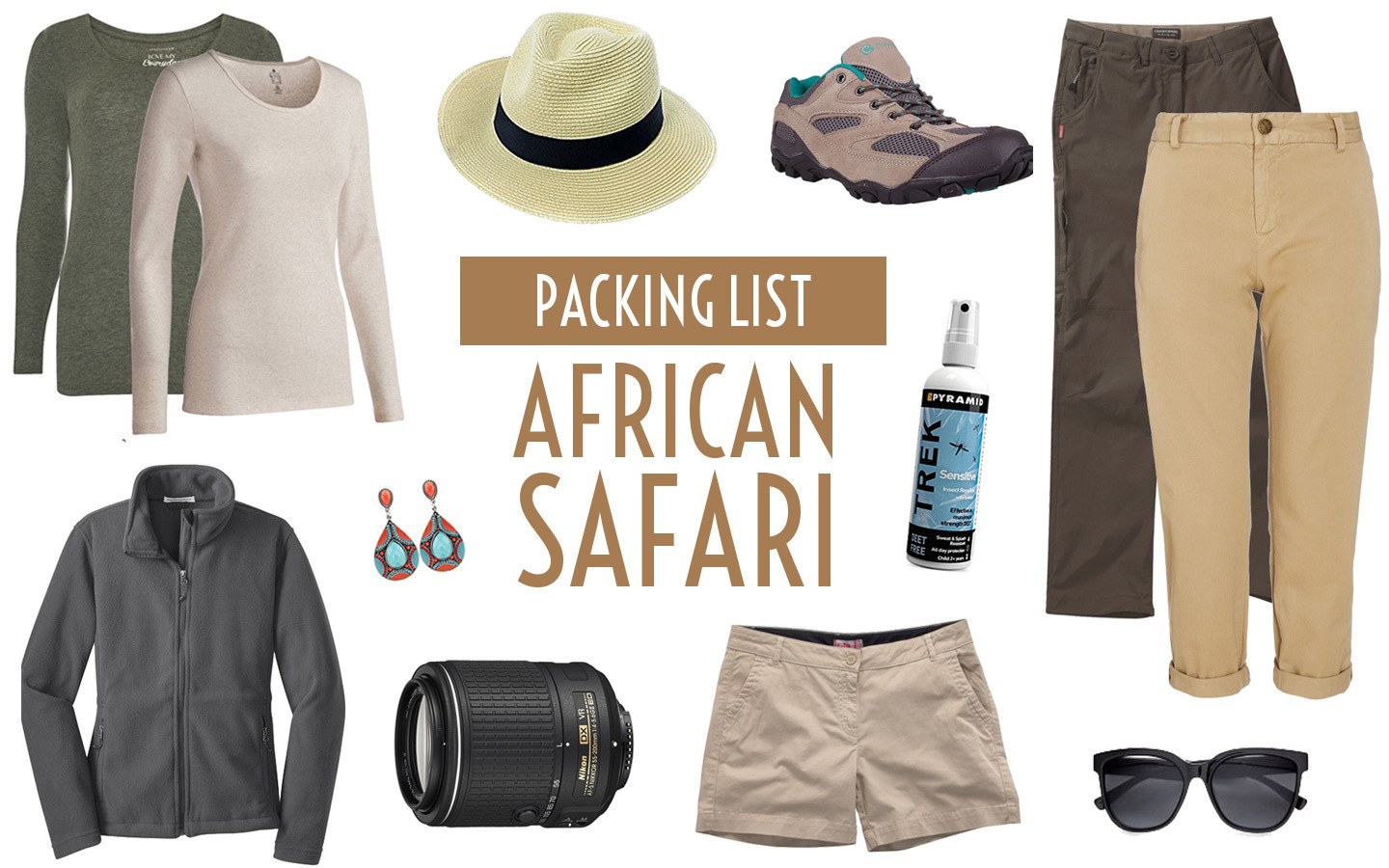
Visitors should wear lightweight long-sleeved shirts and long trousers to protect against thorny vegetation, insect bites, and stinging plants commonly encountered during the hike. Moisture-wicking fabrics help regulate body temperature while remaining comfortable throughout several hours of walking.
Waterproof hiking boots with excellent ankle support are essential because trails often become slippery after rainfall. Gaiters are highly recommended to prevent mud, stones, insects, and moisture from entering your boots. Gardening gloves or trekking gloves protect your hands when gripping branches or climbing steep forest sections.
Since weather conditions in Bwindi and Mgahinga can change rapidly, every visitor should carry a lightweight waterproof rain jacket even during the dry season. Neutral-colored clothing such as green, brown, grey, and khaki blends naturally into the rainforest environment and is generally preferred over bright colors.
Dressing appropriately according to these Gorilla Trekking Requirements allows visitors to remain comfortable throughout the trek while minimizing distractions during this once-in-a-lifetime wildlife encounter.
Gorilla Trekking Requirements: Essential Equipment to Carry
Meeting the Gorilla Trekking Requirements also means carrying the right equipment for a safe and enjoyable adventure. Packing wisely makes the trek considerably more comfortable while ensuring visitors are prepared for changing weather conditions and varying hiking durations.
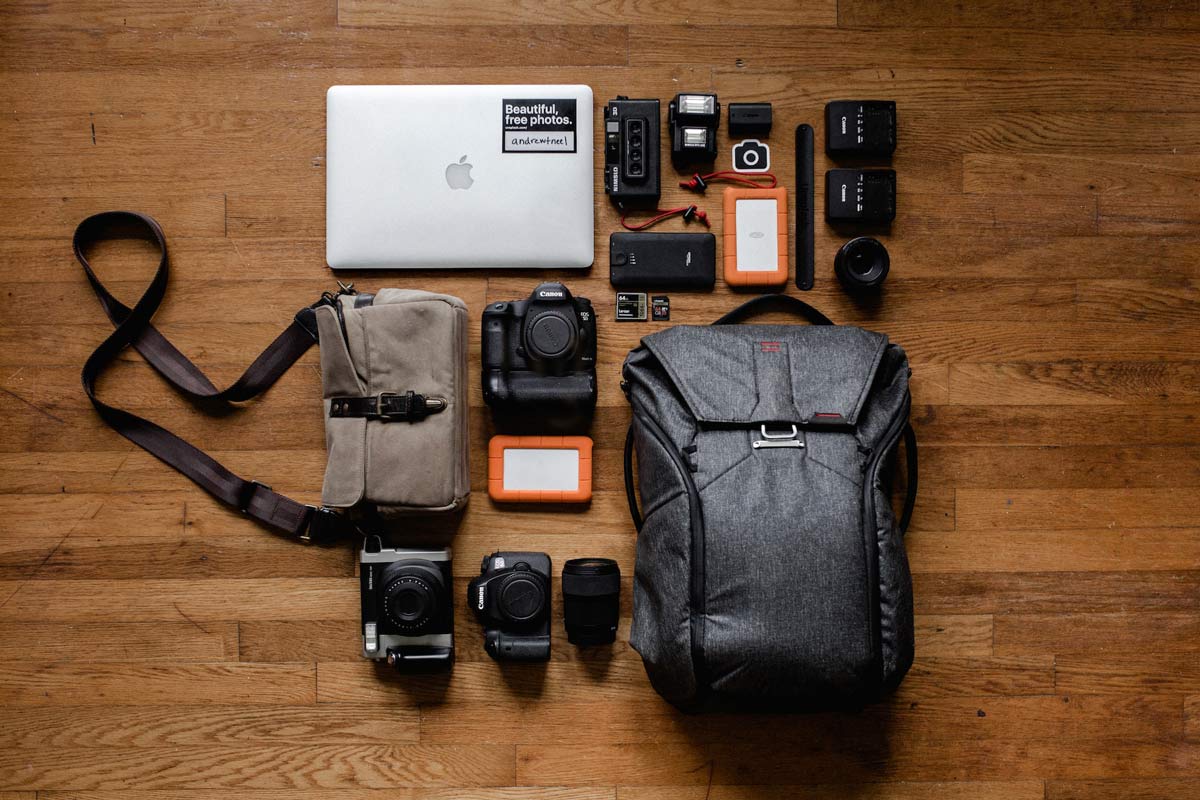
A comfortable daypack should contain at least two liters of drinking water, energy snacks, sunscreen, insect repellent, tissues, personal medication, waterproof bags for electronics, spare camera batteries, memory cards, and a lightweight rain cover. Since gorilla trekking often takes place under the forest canopy, cameras with good low-light performance are particularly useful for capturing memorable photographs without using flash.
Binoculars are another valuable addition because the rainforest is home to hundreds of bird species, colorful butterflies, monkeys, and other fascinating wildlife encountered during the hike. Walking sticks provided at the park headquarters offer excellent support on muddy slopes and help reduce fatigue, particularly during longer treks.
Visitors are encouraged to pack only essential items to keep backpacks lightweight and manageable. Hiring a porter to carry additional equipment not only makes the trek easier but also directly supports local communities surrounding Uganda’s national parks. Following these practical Gorilla Trekking Requirements ensures visitors are fully prepared to enjoy one of Africa’s most remarkable wildlife experiences.
Gorilla Trekking Requirements: Mandatory Gorilla Trekking Briefing Requirement
One of the most important Gorilla Trekking Requirements is attending the mandatory ranger briefing before beginning your trek. Every visitor, regardless of previous gorilla trekking experience, must participate in this briefing organized by the Uganda Wildlife Authority (UWA). The session takes place every morning at the park headquarters in Bwindi Impenetrable National Park and Mgahinga Gorilla National Park, usually between 7:00 AM and 8:00 AM, before trekking groups are assigned to their respective gorilla families.
The briefing serves as the official introduction to your gorilla trekking adventure and provides all the information necessary to ensure a safe, enjoyable, and conservation-friendly experience. Uganda Wildlife Authority rangers explain the day’s trekking procedures, expected hiking conditions, weather forecasts, estimated trekking durations, emergency protocols, and the important role visitors play in protecting endangered mountain gorillas. Since each gorilla family moves throughout the forest every day, experienced trackers communicate their latest locations to the ranger guides, allowing visitors to be allocated gorilla families according to age, physical fitness, medical conditions, and trekking ability.
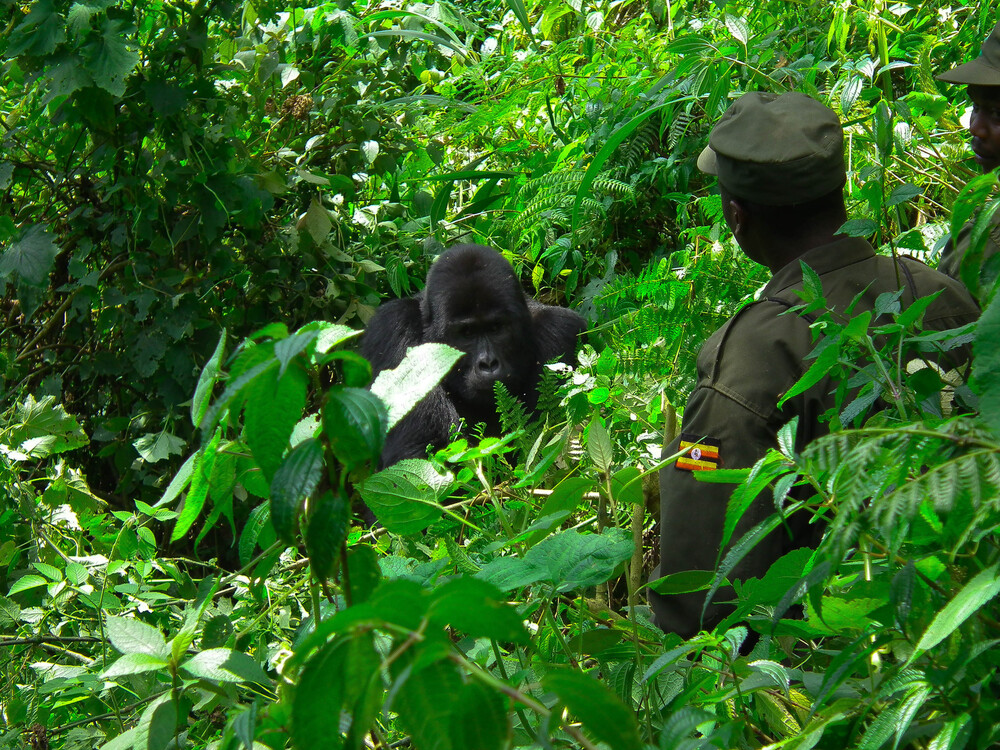
One of the key aspects covered during the briefing is the official Gorilla Trekking Requirements and trekking rules that every visitor must follow once they reach the gorillas. Rangers explain why visitors must maintain a safe viewing distance, avoid flash photography, remain quiet, and never attempt to touch or feed the gorillas. Demonstrations are also given on how to behave if a gorilla approaches the group, ensuring visitors remain calm and understand the natural behavior of these gentle primates.
The briefing is equally an educational conservation session. Visitors learn about the history of mountain gorilla conservation in Uganda, gorilla family structures, the gorilla habituation process, anti-poaching efforts, veterinary care, and how gorilla permit revenue supports local communities and wildlife conservation. This knowledge allows visitors to appreciate that meeting the Gorilla Trekking Requirements contributes directly to protecting one of the world’s rarest wildlife species.
Before leaving the headquarters, visitors are encouraged to ask questions regarding trekking procedures, photography, fitness requirements, or any concerns they may have. Attending the briefing is compulsory, and failure to participate may prevent a visitor from joining the day’s trek.
Gorilla Trekking Requirements: Gorilla Trekking Rules You Must Follow
While preparing for your safari involves understanding the Gorilla Trekking Requirements, visitors must also comply with Uganda’s official gorilla trekking rules throughout the entire experience. These regulations have been carefully developed by conservation experts to protect mountain gorillas while ensuring visitors enjoy safe and ethical wildlife encounters.
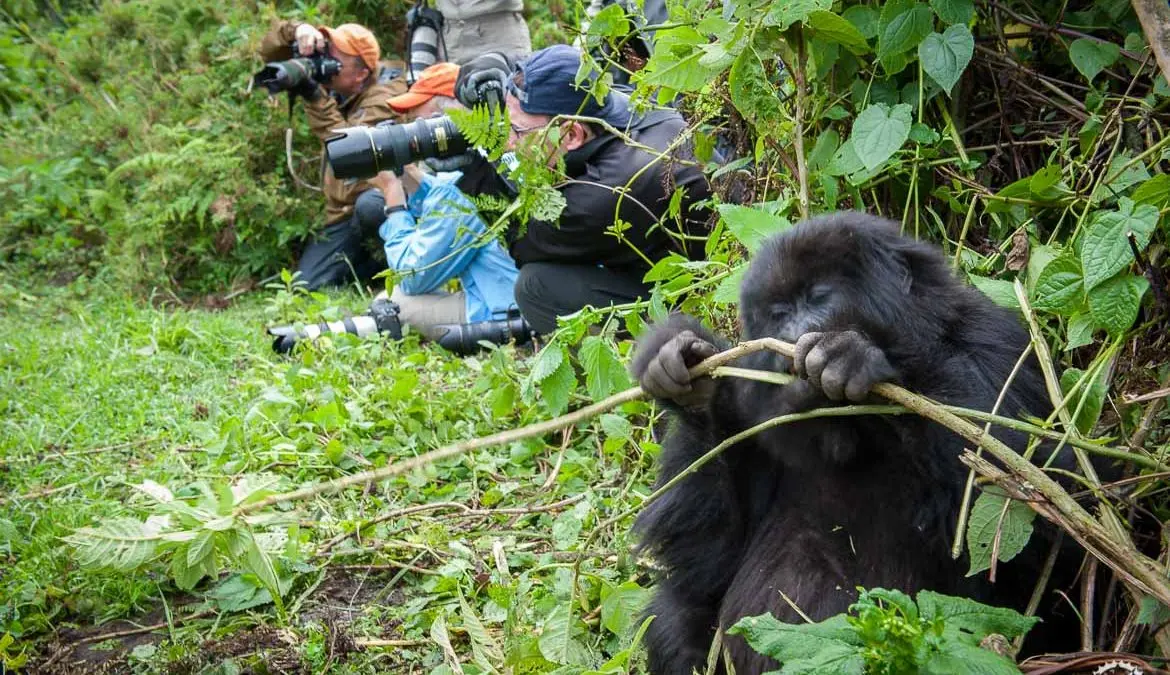
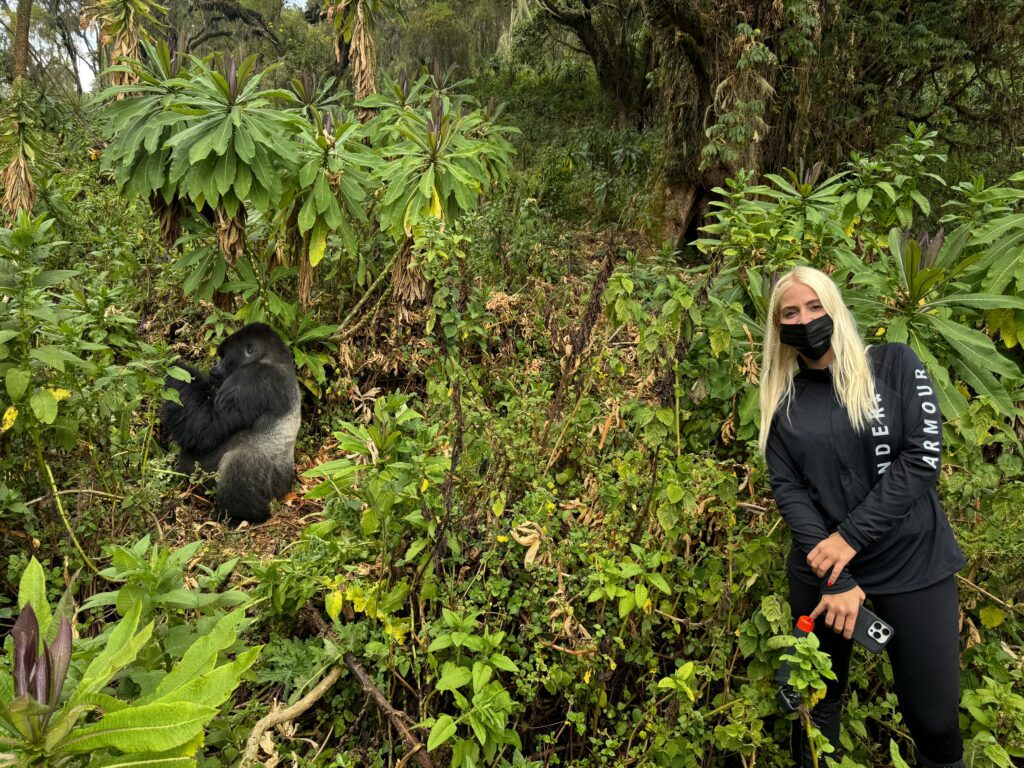
Perhaps the most well-known rule is maintaining a minimum distance of seven meters (approximately 23 feet) from the gorillas whenever possible. This distance helps reduce the possibility of disease transmission while allowing gorillas to behave naturally within their forest environment. Although gorillas occasionally move closer to visitors out of curiosity, trekkers should never intentionally reduce this distance or attempt to approach the animals for better photographs.
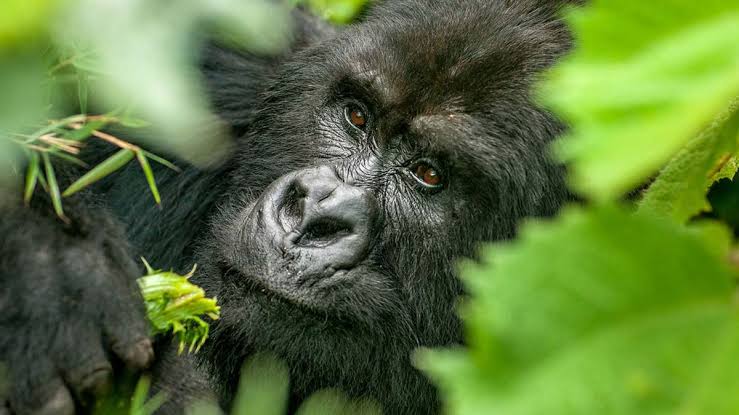
Visitors must remain quiet while observing the gorillas. Speaking softly helps prevent unnecessary stress and allows everyone to appreciate the peaceful sounds of the rainforest. Sudden movements, shouting, laughing loudly, or running should always be avoided because they may disturb the gorillas or cause unnecessary tension within the group.
Flash photography is strictly prohibited under the official Gorilla Trekking Requirements because sudden bursts of light can frighten gorillas, particularly infants. Visitors are encouraged to use cameras capable of performing well under low-light rainforest conditions without relying on flash.
Touching or feeding gorillas is never permitted, regardless of how close they come to visitors. Physical contact increases the risk of disease transmission and may alter their natural behavior. Similarly, eating, smoking, or leaving litter near the gorillas is prohibited to protect both wildlife and their habitat.
Finally, every trekking group is limited to one hour with the gorilla family once they have been located. This regulation minimizes human disturbance while ensuring every visitor enjoys an extraordinary yet responsible wildlife experience. By following these Gorilla Trekking Requirements, travelers directly contribute to the long-term conservation of Uganda’s mountain gorillas.
Gorilla Trekking Requirements: Hiring a Porter
Although hiring a porter is not a compulsory Gorilla Trekking Requirements, it is one of the best decisions visitors can make before beginning their trek. Many first-time visitors underestimate the physical demands of hiking through Uganda’s mountain rainforests. Dense vegetation, muddy trails, steep slopes, and changing weather conditions can quickly become challenging, even for physically fit travelers.
Professional porters provide valuable assistance by carrying backpacks, camera equipment, drinking water, and other personal belongings throughout the hike. This allows visitors to conserve energy and focus entirely on enjoying the remarkable experience of trekking to see mountain gorillas. Porters also provide physical support during difficult sections of the trail by offering a helping hand across muddy paths, steep climbs, and slippery descents.
Beyond the practical benefits, hiring a porter directly supports local communities living around Bwindi Impenetrable National Park and Mgahinga Gorilla National Park. Many porters are former poachers who have transitioned into conservation-friendly employment through tourism. Others are local residents who depend on porter services to support their families. By employing a porter, visitors contribute directly to community livelihoods while encouraging continued participation in wildlife conservation.
Most experienced travelers consider hiring a porter one of the best investments during their gorilla safari. It not only makes the trek significantly more comfortable but also enhances the overall experience while supporting the conservation initiatives promoted through Uganda’s Gorilla Trekking Requirements.
Gorilla Trekking Requirements: Accommodation Requirements Before Your Trek
Selecting suitable accommodation is another important aspect of meeting the Gorilla Trekking Requirements. Uganda’s gorilla trekking destinations are divided into different trekking sectors, and choosing accommodation close to your allocated sector greatly improves your overall safari experience.
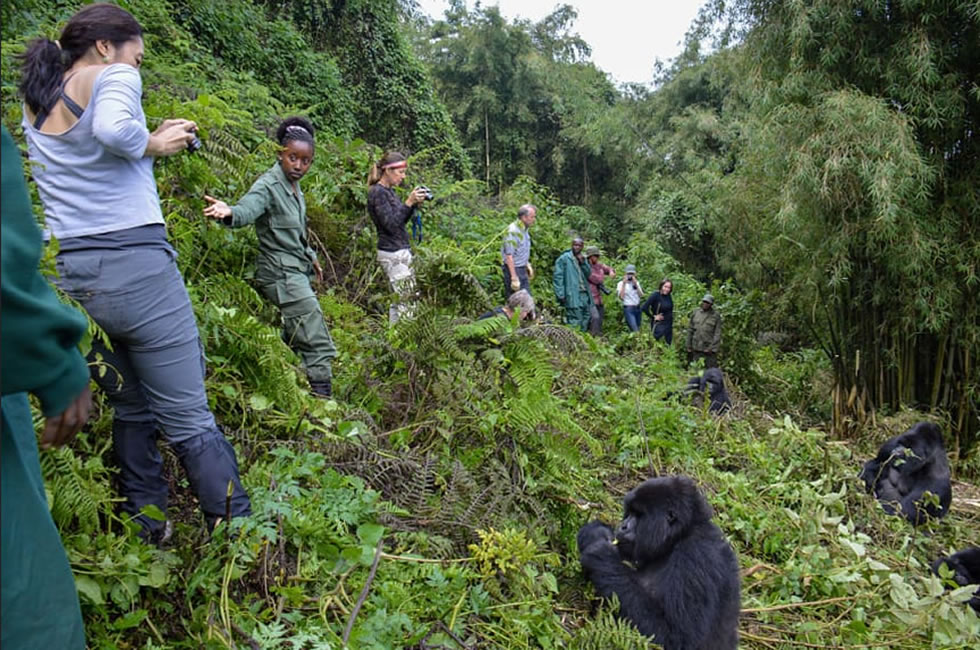
Bwindi Impenetrable National Park is divided into four trekking sectors: Buhoma, Rushaga, Ruhija, and Nkuringo, each with its own gorilla families and park headquarters. Since gorilla permits are issued for a specific sector, visitors should ideally stay in lodges located near their assigned trekking point. This minimizes early morning travel, reduces fatigue before the trek, and ensures visitors arrive punctually for the mandatory ranger briefing.
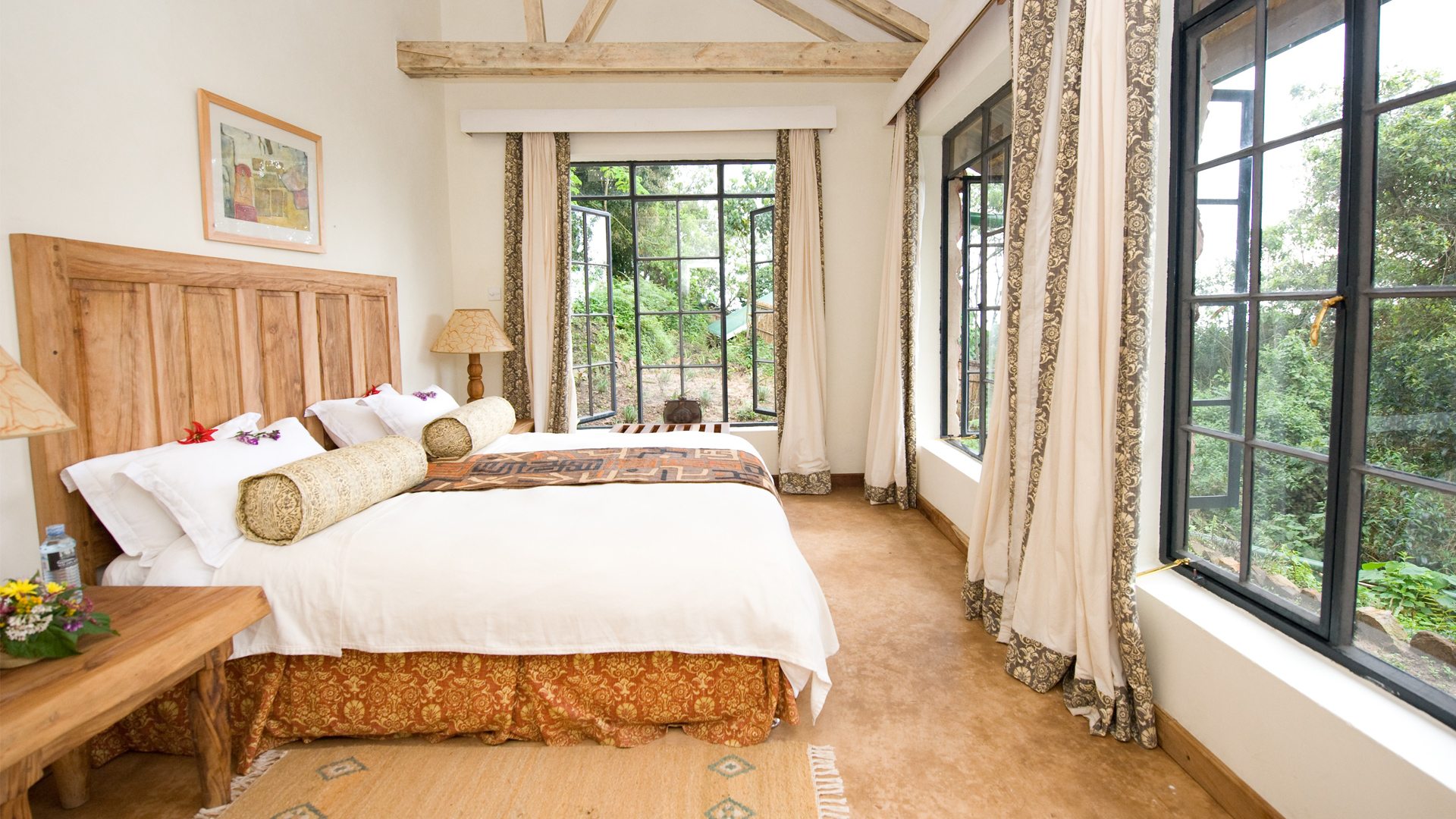
Accommodation options range from budget lodges and comfortable mid-range camps to luxurious safari lodges offering spectacular rainforest views, excellent hospitality, and personalized services. Staying close to your trekking sector also provides additional opportunities to enjoy forest walks, cultural experiences, birdwatching, and community visits before or after your gorilla trek.
At Boots in The Jungle Safaris, every itinerary is carefully planned so that accommodation perfectly matches your gorilla permit location. Our safari experts ensure seamless logistics by coordinating permits, lodge reservations, transfers, and trekking schedules, allowing visitors to focus entirely on enjoying their gorilla trekking experience while meeting every Gorilla Trekking Requirements.
Gorilla Trekking Requirements: Best Time to Meet Gorilla Trekking Requirements
One of the most frequently asked questions concerns the best time to meet the Gorilla Trekking Requirements and visit Uganda’s mountain gorillas. Fortunately, gorilla trekking operates throughout the year because mountain gorillas remain within Uganda’s protected forests regardless of the season. However, weather conditions influence trekking difficulty and overall visitor comfort.
The dry seasons from June to September and December to February are generally considered the best periods for gorilla trekking. During these months, rainfall is lower, forest trails are less slippery, and hiking conditions are generally easier. Clearer weather also provides excellent opportunities for photography and comfortable trekking.
The rainy seasons between March and May and October to November offer equally rewarding gorilla encounters despite wetter conditions. During these months, the rainforest becomes exceptionally green and beautiful, visitor numbers decrease, and accommodation availability often improves. Because mountain gorillas do not migrate, sightings remain excellent throughout the year.
Regardless of the season, visitors should prepare for changing weather by carrying waterproof clothing and appropriate hiking equipment. Proper preparation remains one of the most important Gorilla Trekking Requirements, ensuring a comfortable and enjoyable safari in every season.
Gorilla Trekking Requirements: Travel Insurance Requirement
Comprehensive travel insurance is another highly recommended part of the Gorilla Trekking Requirements, particularly for international visitors traveling to Uganda. Although travel insurance is not legally required for gorilla trekking, it provides valuable financial protection against unexpected circumstances that may arise before or during your safari.
A suitable travel insurance policy should include emergency medical treatment, medical evacuation, trip cancellation, trip interruption, lost luggage, flight delays, and personal accident coverage. Since gorilla trekking takes place in remote rainforest environments, access to advanced medical facilities may require evacuation to larger hospitals if serious emergencies occur.
Travel insurance also provides peace of mind if unforeseen circumstances prevent you from traveling after purchasing your gorilla permit or safari package. Choosing comprehensive insurance allows visitors to focus entirely on enjoying their adventure without unnecessary financial concerns.
Including quality travel insurance among your Gorilla Trekking Requirements is one of the smartest preparations for any safari in Uganda.
Gorilla Trekking Requirements: Vaccinations and Medical Preparation
Proper medical preparation forms an essential part of the Gorilla Trekking Requirements before traveling to Uganda. Visitors should consult their healthcare provider at least four to six weeks before departure to discuss recommended vaccinations, personal medical conditions, and preventive healthcare measures.
A Yellow Fever Vaccination Certificate is mandatory for entry into Uganda, and travelers should carry their original international vaccination card throughout their journey. Depending on your travel history and medical advice, vaccinations against hepatitis A, hepatitis B, typhoid, tetanus, rabies, and meningitis may also be recommended.
Malaria prevention is equally important since many parts of Uganda are malaria-risk areas. Travelers should discuss suitable anti-malaria medication with their physician, use insect repellent containing DEET, wear long-sleeved clothing during evenings, and sleep under mosquito nets whenever provided.
Visitors taking prescription medication should carry sufficient supplies for the entire trip, together with copies of prescriptions. Proper medical preparation helps visitors comfortably meet the Gorilla Trekking Requirements while protecting both themselves and Uganda’s endangered mountain gorillas.
Gorilla Trekking Requirements: Photography Requirements for Gorilla Trekking
Photography is one of the highlights of every gorilla trekking safari, and preparing the correct equipment forms part of the Gorilla Trekking Requirements for visitors wishing to capture unforgettable memories.
Because the rainforest canopy creates low-light conditions, cameras with excellent low-light performance are highly recommended. Fast lenses, high ISO capabilities, image stabilization, spare batteries, additional memory cards, waterproof camera covers, and microfiber cleaning cloths help photographers capture outstanding images throughout the trek.
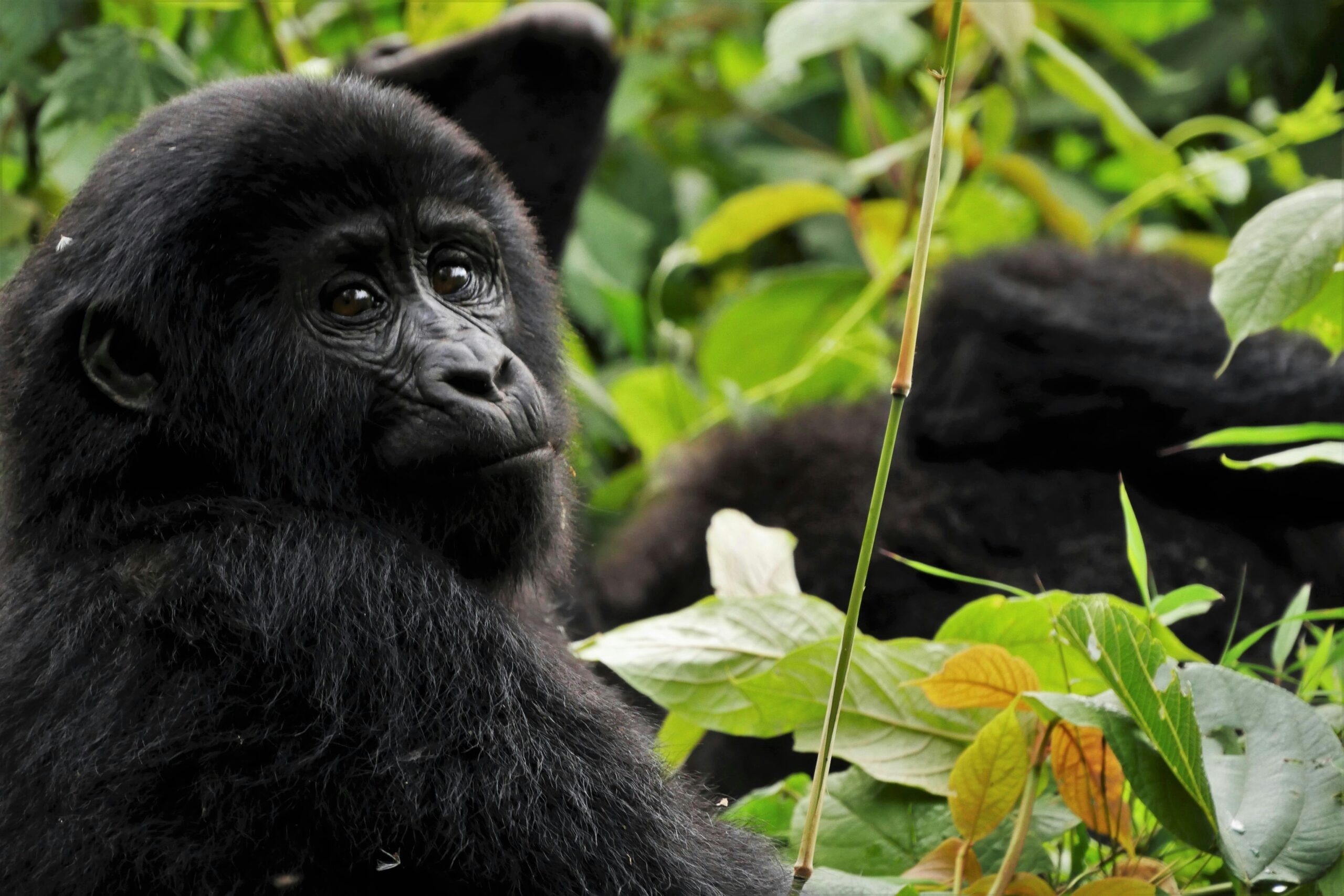
Flash photography is strictly prohibited because sudden bursts of light may disturb mountain gorillas and interrupt their natural behavior. Drone photography is also forbidden within Uganda’s national parks due to potential disturbance to wildlife and the surrounding ecosystem.
Visitors are encouraged to balance photography with simply observing the gorillas. Spending the entire viewing hour behind a camera often means missing fascinating family interactions, playful infants, protective mothers, and the impressive presence of dominant silverbacks. The most rewarding experience comes from combining photography with genuine appreciation of these magnificent animals in their natural habitat.
Why Book Your Gorilla Trekking Safari with Boots in The Jungle Safaris
Successfully meeting every Gorilla Trekking Requirements begins with choosing an experienced safari company that understands every aspect of gorilla trekking in Uganda. At Boots in The Jungle Safaris, we specialize in creating tailor-made gorilla trekking adventures designed around your interests, budget, travel dates, and preferred level of comfort.
Our experienced safari consultants handle every stage of your journey, including gorilla permit reservations, accommodation selection, airport transfers, domestic flights, cross-border travel arrangements, vehicle hire, experienced driver-guides, and personalized safari itineraries. Before your departure, we provide detailed travel information explaining every Gorilla Trekking Requirements, ensuring you arrive fully prepared for your once-in-a-lifetime adventure.
Whether you are planning a luxury gorilla safari, a mid-range wildlife holiday, a budget-friendly trekking experience, a honeymoon, a family vacation, or a combined Uganda and Rwanda safari, our dedicated team ensures every detail is professionally organized. With extensive local knowledge, reliable service, and a strong commitment to responsible tourism, Boots in The Jungle Safaris offers unforgettable gorilla trekking experiences while actively supporting mountain gorilla conservation and community development across Uganda.