Great Migration Month by Month Guide 2026–2030 | The Best Time to Experience Africa’s Greatest Wildlife Journey
The Great Migration Month by Month journey provides travelers with a complete understanding of how one of the world’s greatest wildlife spectacles changes throughout the year.
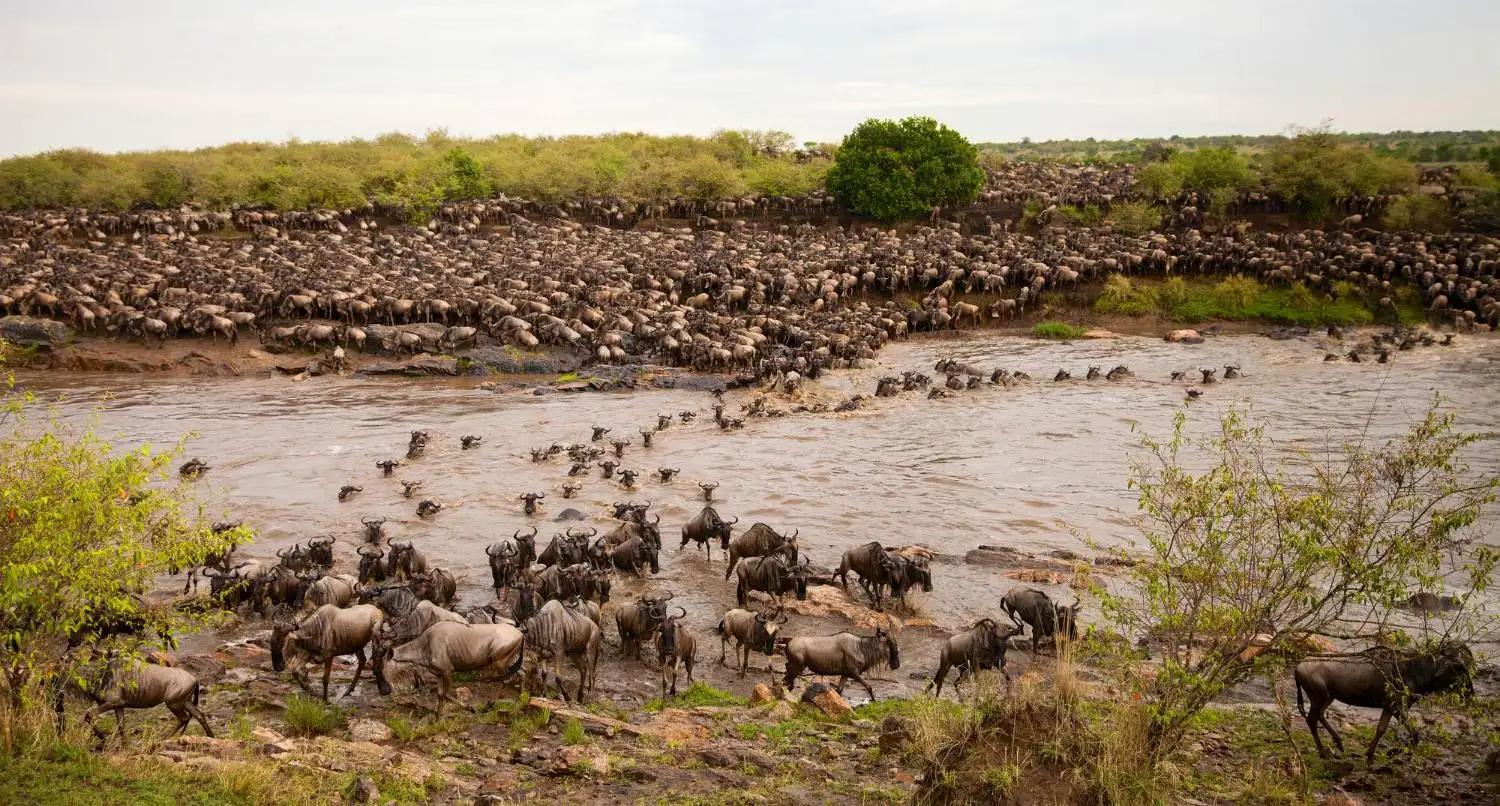
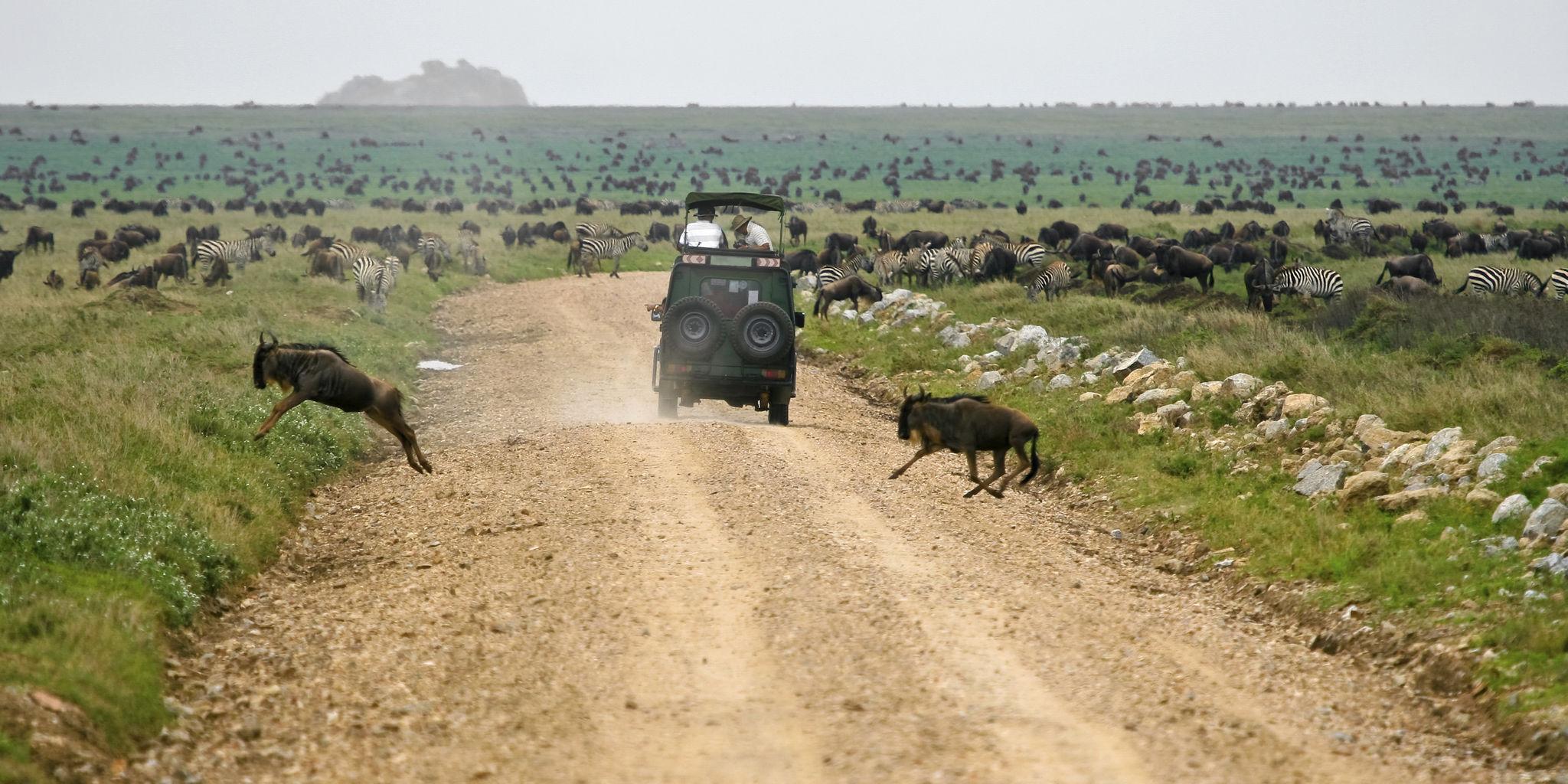
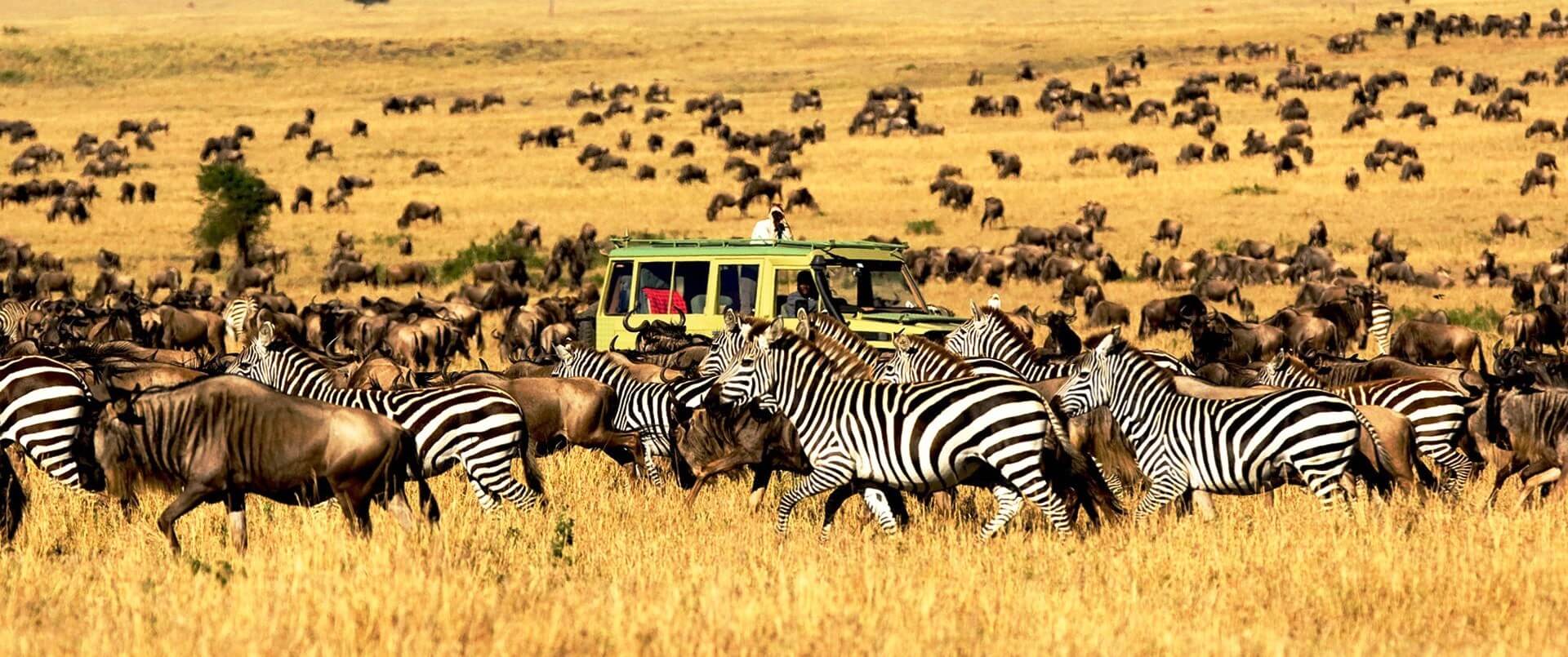
The Great Migration is not a single event that happens on one specific day or in one location. Instead, it is a continuous natural cycle where more than 1.5 million wildebeests, hundreds of thousands of zebras, and gazelles move through the Serengeti-Mara ecosystem in search of fresh grass, water, and survival opportunities.
Understanding the Great Migration Month by Month pattern helps travelers choose the perfect time for their safari depending on what they want to experience.
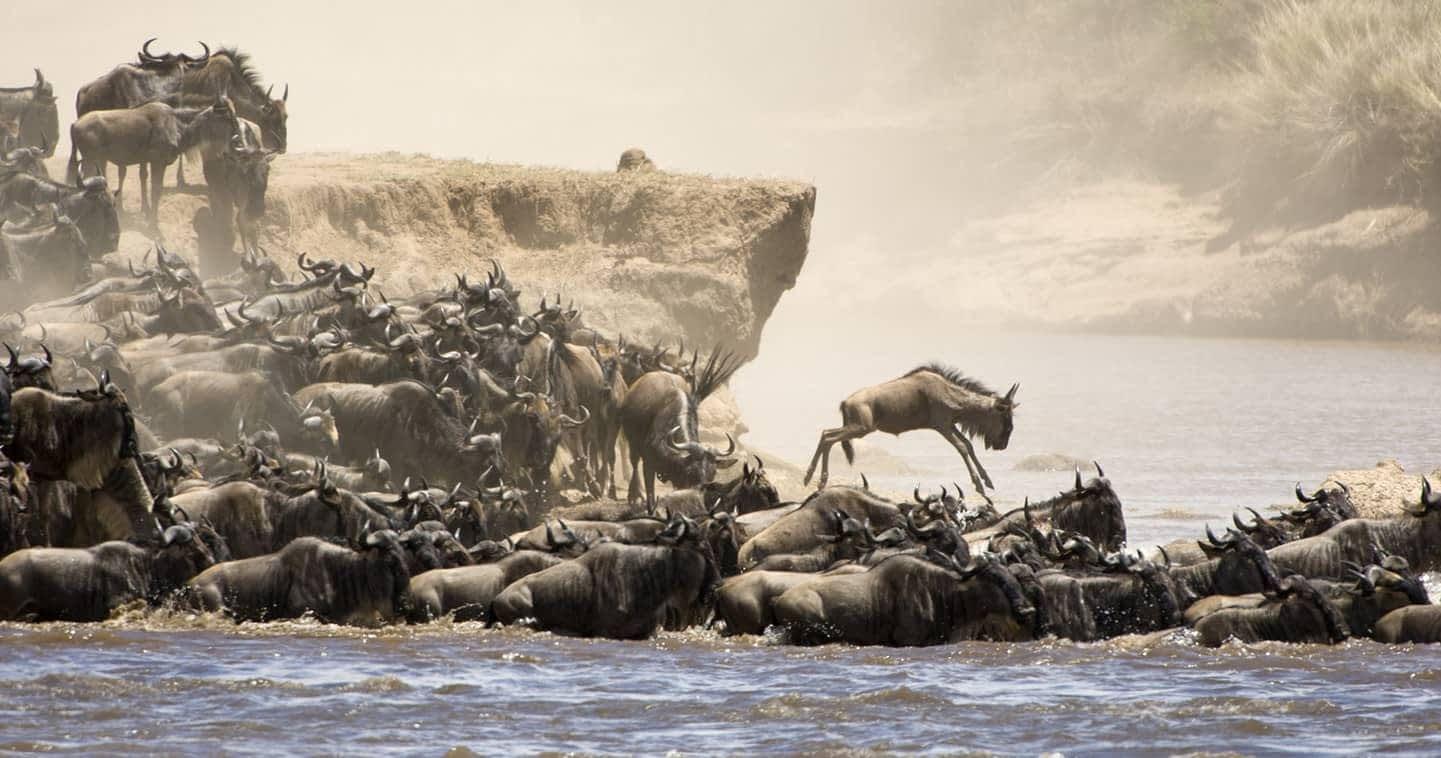
Some travelers dream of witnessing thousands of newborn wildebeests taking their first steps during the calving season, while others want to experience the dramatic Mara River crossings where animals face crocodiles and powerful currents.
Every month offers a unique chapter:
- January to March brings the magical calving season in southern Serengeti.
- April to May reveals massive herd movements across green plains.
- June introduces the dramatic Grumeti River crossings.
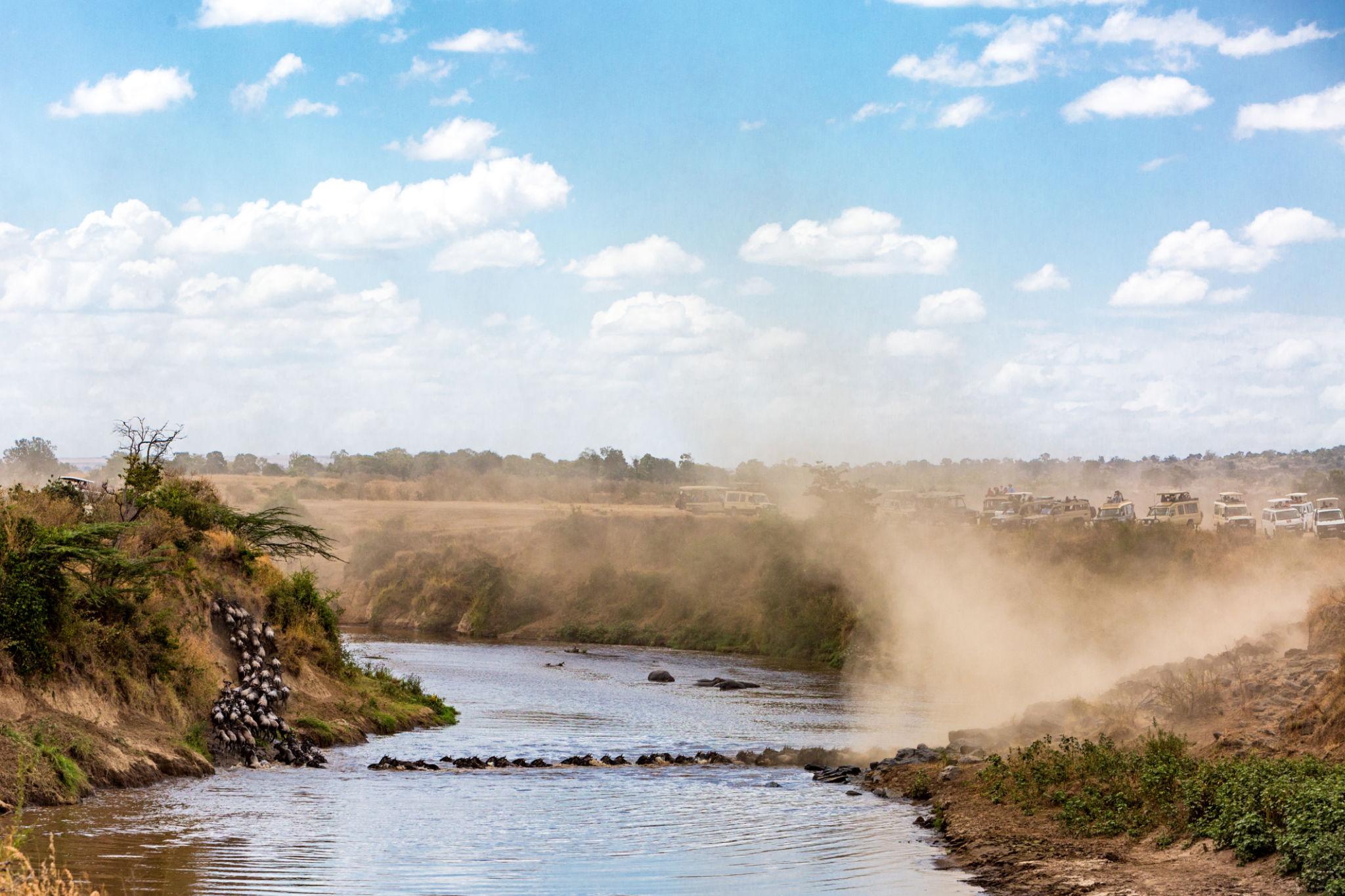
- July to October delivers the famous Mara River crossings.
- November to December marks the return journey south.
At Boots in the Jungle Safaris, we use seasonal migration knowledge to design unforgettable safari experiences that place travelers in the right location at the right time.
Great Migration Month by Month Calendar
| Month | Migration Experience | Best Location |
|---|---|---|
| January | Herds gather for calving season as wildebeest mothers prepare to give birth across the southern plains. | Southern Serengeti |
| February | Peak wildebeest births take place, creating one of the greatest wildlife nursery experiences on Earth. | Ndutu Plains |
| March | Newborn calves grow stronger while predators become highly active around the migrating herds. | Southern Serengeti |
| April | Large herds begin moving north following rainfall patterns and fresh grazing opportunities. | Central Serengeti |
| May | Major migration movement continues as thousands of animals cross the western Serengeti plains. | Western Serengeti |
| June | Wildebeests reach the Grumeti River where dramatic crossings and crocodile encounters occur. | Western Corridor |
| July | The migration reaches northern Serengeti as herds prepare for the famous Mara River crossings. | Northern Serengeti |
| August | Mara River crossings begin as massive herds attempt one of nature’s greatest survival challenges. | Northern Serengeti & Masai Mara |
| September | Peak river crossing season with incredible wildlife concentrations and predator activity. | Masai Mara |
| October | Herds remain in Kenya’s Masai Mara while enjoying excellent grazing conditions. | Masai Mara |
| November | The migration begins moving south as seasonal rains attract herds back toward Tanzania. | Northern Tanzania |
| December | Herds return to southern plains preparing for the next calving season cycle. | Serengeti |
Great Migration Month by Month Guide: Detailed Seasonal Breakdown
Understanding the Great Migration Month by Month pattern is essential for planning the perfect safari experience. The Great Migration is a continuous natural cycle that changes throughout the year, with each season offering unique wildlife encounters.
From the dramatic birth of thousands of wildebeest calves in southern Serengeti to the legendary Mara River crossings in Kenya, every month reveals a different chapter of the world’s greatest wildlife journey.
The location of the herds changes according to rainfall, grass availability, water sources, and natural instincts. Therefore, choosing the right month determines the type of experience travelers will enjoy.
January – March: Serengeti Calving Season and New Life
The first months of the Great Migration Month by Month calendar represent one of the most beautiful and emotional stages of the migration.
Between January and March, the migrating herds gather in the southern Serengeti and Ndutu Plains, where seasonal rains create rich grasslands perfect for breeding and raising newborn calves.
This period is often considered one of the best times for a Great Migration Safari because travelers witness the beginning of a new generation.
Serengeti Calving Season
The Serengeti calving season is one of nature’s greatest wildlife events.
During this period:
- Hundreds of thousands of wildebeests gather in southern Serengeti.
- Pregnant females give birth almost simultaneously.
- The plains become a massive wildlife nursery.
- Fresh grass provides essential nutrition for mothers and calves.
The timing of births is an important survival strategy. By giving birth when food is abundant, mothers have a better chance of raising healthy calves.
The synchronized calving period also overwhelms predators because so many young animals are born within a short time.
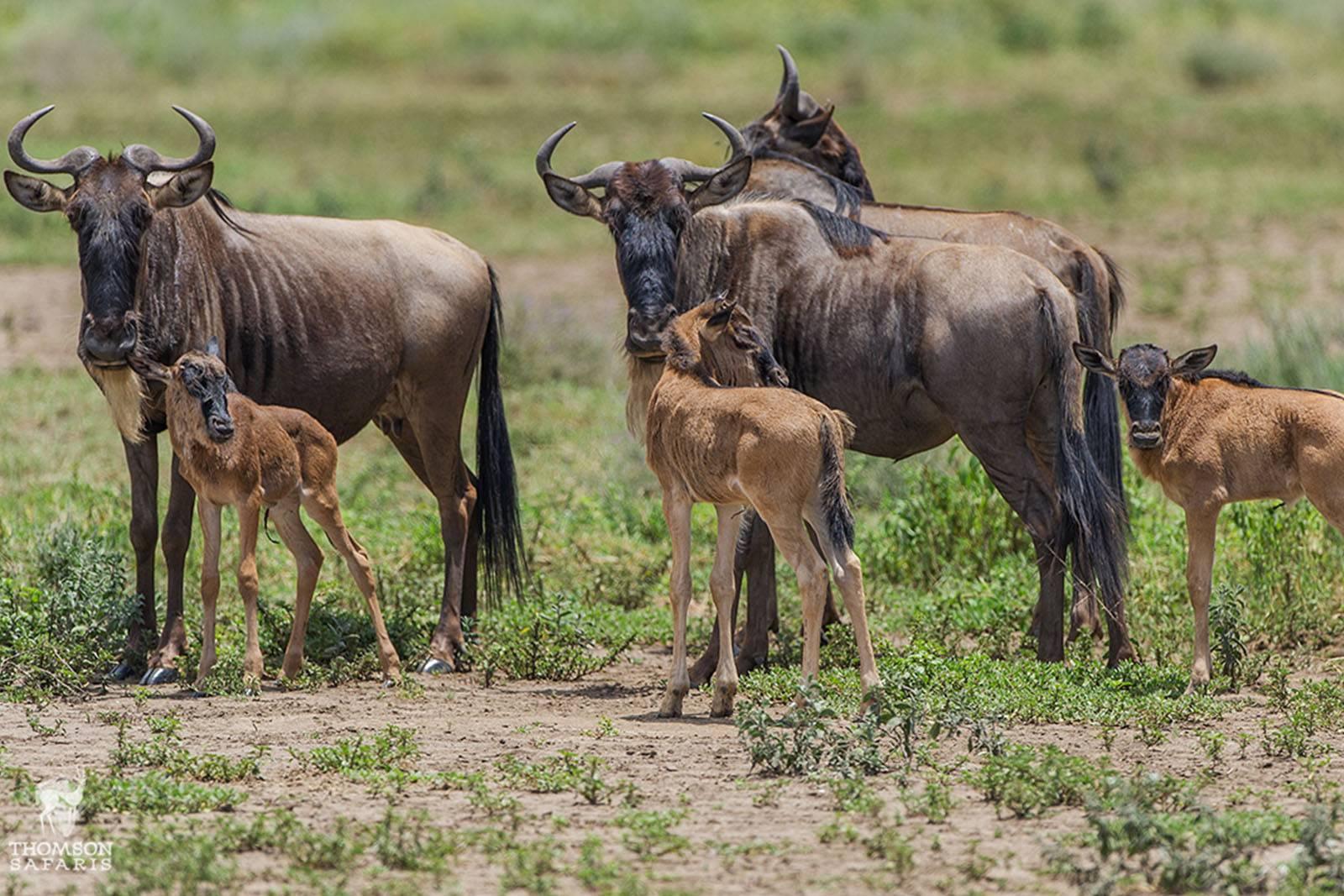
Thousands of Newborn Wildebeests
One of the most unforgettable experiences during the Great Migration Month by Month cycle is witnessing thousands of newborn wildebeests entering the world.
Newborn calves are incredibly vulnerable but surprisingly strong.
Within minutes after birth, many calves can:
- Stand on their feet.
- Follow their mothers.
- Move with the herd.
During a January to March Great Migration Safari, visitors may witness:
- Mothers protecting young calves.
- Herds moving across green plains.
- Young animals learning survival skills.
- Large family groups traveling together.
The sight of newborn wildebeests across the Serengeti plains represents one of Africa’s most powerful wildlife moments.
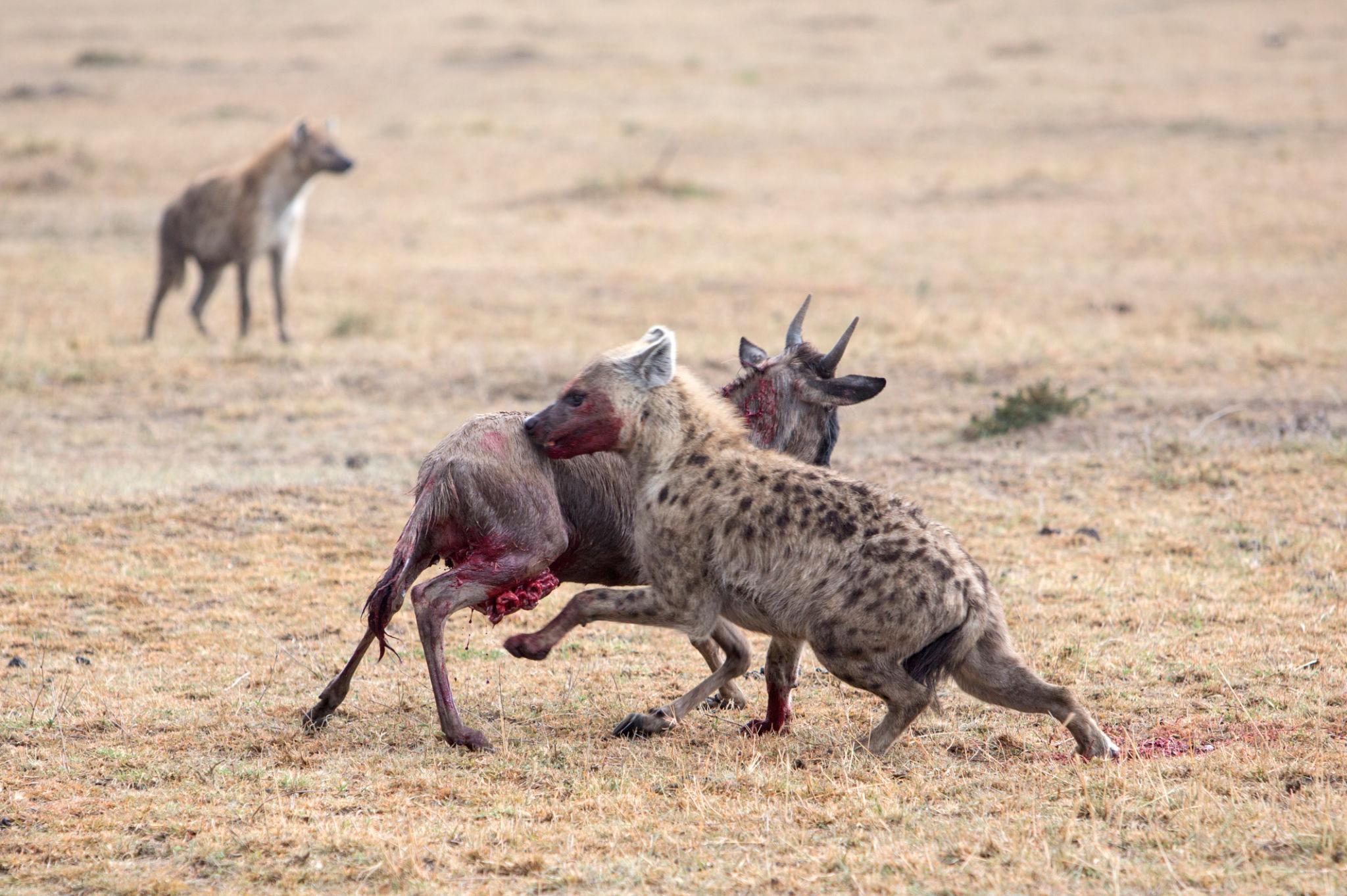
Predator Activity During Calving Season
The abundance of newborn animals attracts some of Africa’s most famous predators.
During this period, predator activity increases significantly.
Travelers may see:
Lions
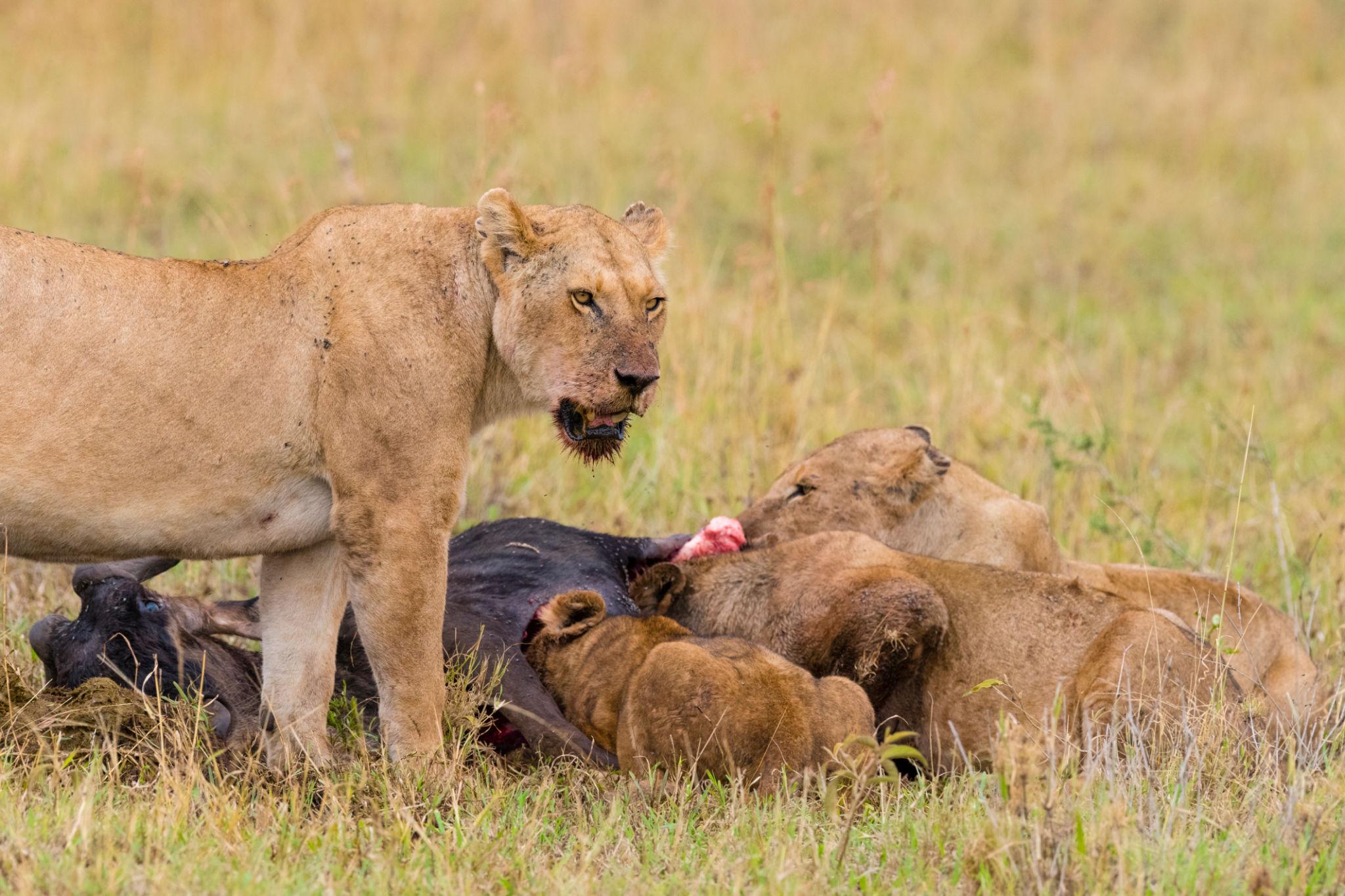
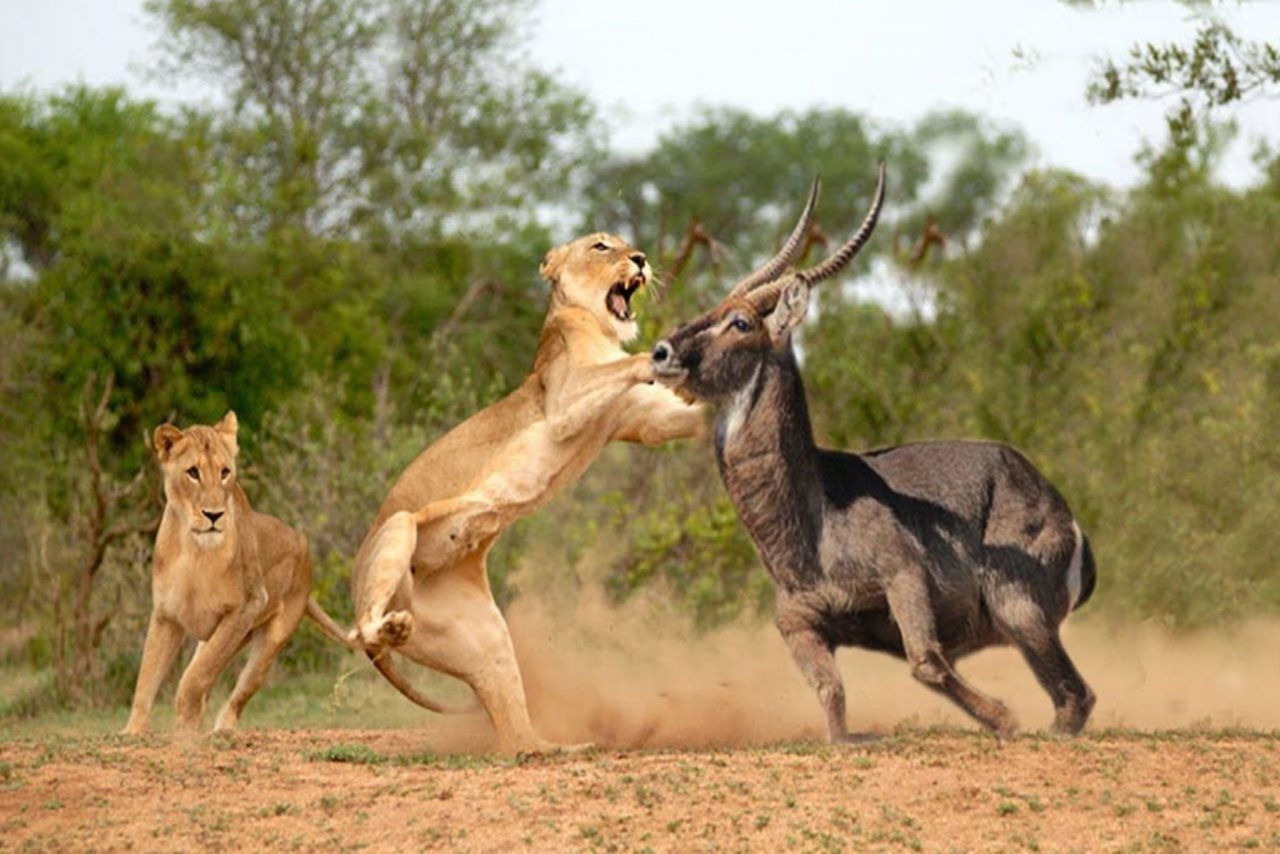
Lions patrol calving areas because young wildebeests provide hunting opportunities.
Cheetahs
Cheetahs use the open Serengeti plains to chase vulnerable calves and gazelles.
Hyenas
Hyenas follow migration herds and take advantage of opportunities created by the large concentration of animals.
Leopards
Leopards may be seen near woodland areas searching for prey.
The combination of birth and survival makes January to March one of the most dramatic periods in the Great Migration Month by Month calendar.
April – May: Migration Movement North Through Green Plains
April and May represent a transitional period in the Great Migration Month by Month journey.
After spending months in southern Serengeti, the herds begin moving north following rainfall patterns and fresh grazing areas.
This period offers travelers a different but equally impressive migration experience.
Migration Movement North
During April and May:
- Wildebeests begin leaving the southern plains.
- Herds move through central Serengeti.
- Zebras and gazelles follow behind.
- Predators continue tracking the movement.
The landscape changes dramatically as seasonal rains transform the Serengeti into a green paradise.
Travelers can enjoy:
- Large herd movements.
- Beautiful photography conditions.
- Fewer crowds.
- Excellent wildlife viewing.
Plains Become Green
The arrival of seasonal rains creates some of the most beautiful landscapes of the year.
The Serengeti plains become:
- Green and fertile.
- Filled with grazing animals.
- Rich with birdlife.
- Perfect for photography.
For travelers who prefer fewer crowds while still experiencing migration activity, April and May can be excellent months for a Great Migration Safari.
June: Western Corridor and Grumeti River Crossings
June is one of the most exciting months in the Great Migration Month by Month calendar because the herds reach western Serengeti and encounter the Grumeti River.
This stage represents one of the first major survival challenges of the migration.
Western Corridor Migration
The Western Corridor is famous for:
- Large concentrations of wildebeests.
- Beautiful river landscapes.
- Predator activity.
- Fewer safari crowds.
The region provides a more exclusive migration experience compared to the famous Mara River crossings.
Grumeti River Crossings
The Grumeti River creates a dramatic obstacle for migrating animals.
During June, travelers may witness:
- Thousands of wildebeests gathering near riverbanks.
- Animals entering powerful currents.
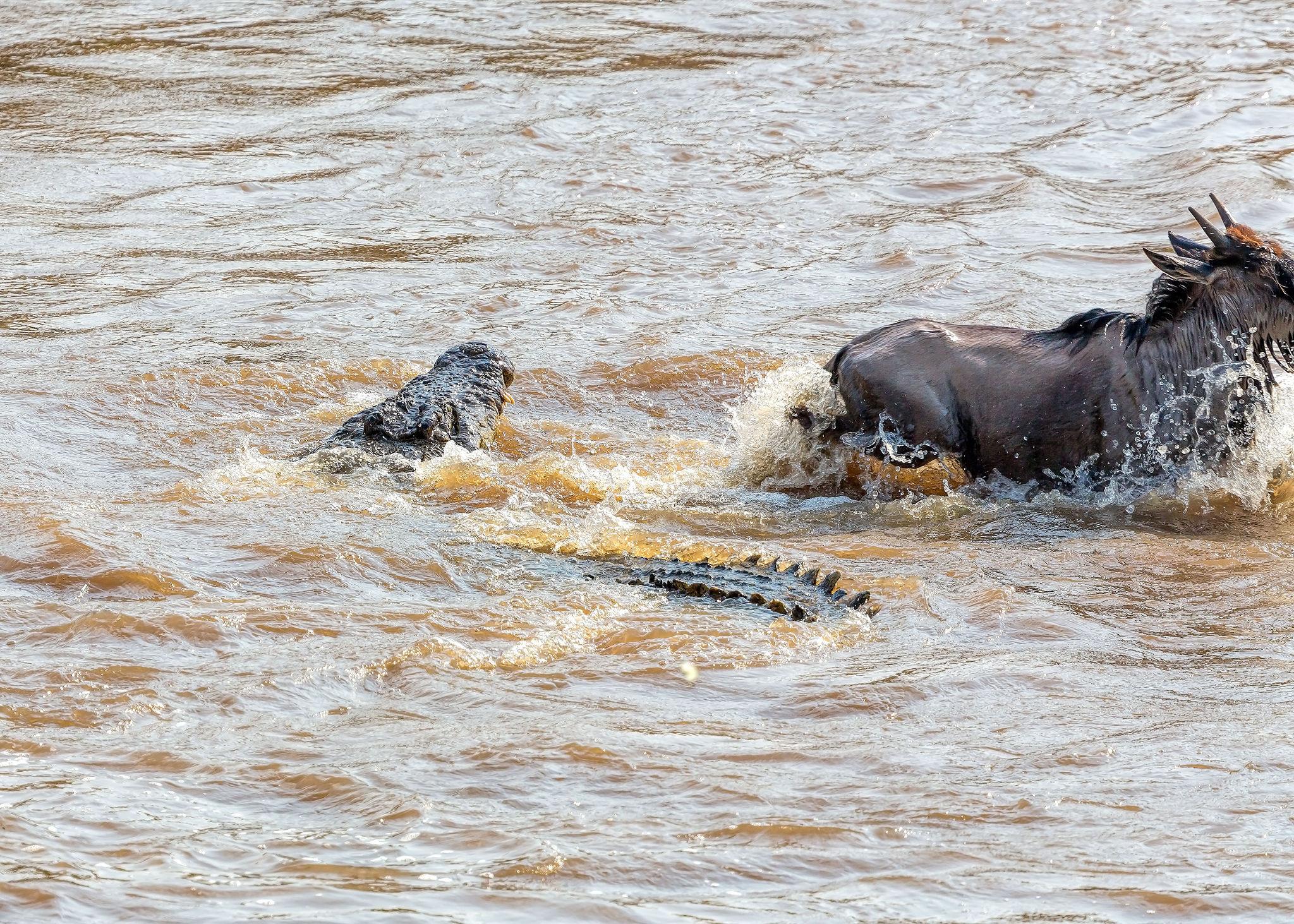
- Large Nile crocodiles waiting below.
- Predators watching nearby.
Although the Grumeti River crossing receives less attention than the Mara River crossing, it remains one of the most fascinating moments of the migration.
July – October: Northern Serengeti and Mara River Crossings
The July to October period is the most famous stage of the Great Migration Month by Month journey.
This is when the migration reaches northern Serengeti and Kenya’s Masai Mara.
For many travelers, this is the ultimate time for a Great Migration Safari.
Northern Serengeti Migration
Northern Serengeti becomes the center of migration activity between July and October.
The region offers:
- Massive wildlife concentrations.
- Excellent predator viewing.
- Beautiful landscapes.
- Access to Mara River crossings.
The remote wilderness of northern Serengeti provides an unforgettable safari atmosphere.
Mara River Crossings
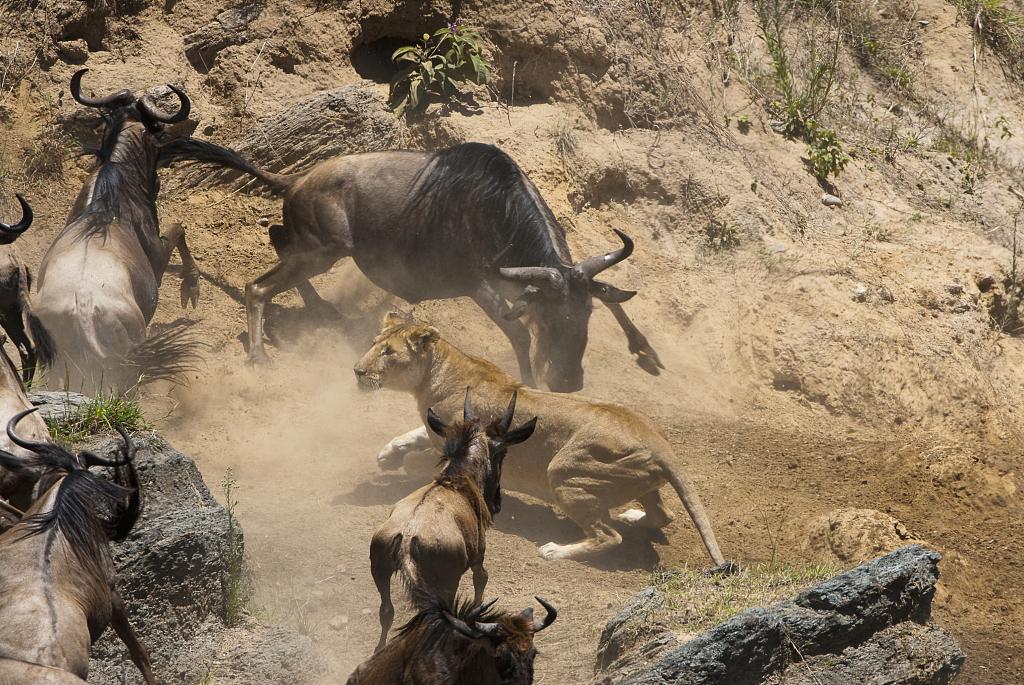
The Mara River crossing is one of the world’s greatest wildlife spectacles.
During this period, travelers may witness:
- Thousands of wildebeests gathering at riverbanks.
- Animals rushing through the water.
- Powerful currents.
- Nile crocodiles.
- Lions waiting nearby.
The unpredictability of the crossing makes every experience unique.
Some travelers may wait for hours before witnessing thousands of animals suddenly entering the river.
November – December: Return Migration South
The final stage of the Great Migration Month by Month cycle occurs between November and December.
After spending time in Kenya’s Masai Mara, the herds begin moving south again toward Tanzania.
The return journey is influenced by:
- Seasonal rains.
- Fresh grass growth.
- Water availability.
Migration Returning South
During this period:
- Herds leave Kenya.
- Animals cross back into Tanzania.
- The Serengeti begins preparing for the next cycle.
Travelers can enjoy:
- Beautiful green landscapes.
- Fewer visitors.
- Excellent photography.
- Peaceful wildlife viewing.
December marks the beginning of another migration cycle as animals return toward southern Serengeti before the next calving season.
Best Time for Great Migration Safari
The best time for a Great Migration Safari depends on the experience you want.
Best for Calving Season
January – March
Best for:
- Newborn wildebeests.
- Predator activity.
- Photography.
Location:
Southern Serengeti and Ndutu Plains.
Best for Grumeti River Crossings
June
Best for:
- Dramatic river experiences.
- Fewer crowds.
- Western Serengeti.
Best for Mara River Crossings
July – October
Best for:
- Famous river crossings.
- Massive herds.
- Big cat encounters.
Location:
Northern Serengeti and Masai Mara.
Frequently Asked Questions About the Great Migration Month by Month
What is the Great Migration Month by Month calendar?
The Great Migration Month by Month calendar is a guide showing how the annual movement of more than 1.5 million wildebeests, hundreds of thousands of zebras, and gazelles changes throughout the year. It explains where the herds are located, what wildlife experiences travelers can expect, and the best months for different migration events.
Why does the Great Migration happen every year?
The Great Migration happens every year because wildebeests follow seasonal rainfall, fresh grazing areas, and water sources across the Serengeti-Mara ecosystem. Their movement is driven by survival instincts that have guided the migration route for thousands of years.
How many wildebeests take part in the Great Migration?
Approximately 1.5 million wildebeests participate in the annual Great Migration. They move together with hundreds of thousands of zebras and gazelles, creating the largest terrestrial wildlife migration on Earth.
What is the best month to see the Great Migration?
The best month depends on the experience you want. January to March is ideal for calving season, June is excellent for Grumeti River crossings, while July to October offers the famous Mara River crossings between Tanzania and Kenya.
Is January a good time to experience the Great Migration?
Yes. January is an excellent month to experience the Great Migration because herds gather in southern Serengeti before the calving season reaches its peak. Travelers can enjoy green landscapes, large wildlife concentrations, and early newborn sightings.
What happens during the Serengeti calving season?
During the Serengeti calving season, hundreds of thousands of wildebeest mothers give birth across the southern Serengeti and Ndutu Plains. Thousands of calves are born within a short period, creating one of Africa’s greatest wildlife spectacles.
Where can I see newborn wildebeests during the Great Migration?
Newborn wildebeests are best seen in the southern Serengeti and Ndutu Plains between January and March. This area becomes the main nursery of the Great Migration.
What is the best location for the Great Migration in February?
February is best experienced in the Ndutu Plains and southern Serengeti. This is the peak calving period when thousands of wildebeest calves are born.
Are predator sightings common during the calving season?
Yes. Predator sightings are very common during calving season because lions, cheetahs, hyenas, and leopards are attracted by the large number of vulnerable newborn animals.
When do wildebeests start moving north in the Serengeti?
Wildebeests usually begin moving north between April and May after the calving season. They follow rainfall patterns and fresh grazing areas through central Serengeti.
Is April a good month for a Great Migration Safari?
Yes. April is a good month for travelers looking for fewer crowds, green landscapes, and large herd movements. The migration begins moving north through central Serengeti.
What happens during the migration in May?
During May, large herds continue moving north through the Serengeti toward the Western Corridor. Travelers can witness massive animal movements, beautiful green scenery, and excellent wildlife viewing.
When does the Grumeti River crossing happen?
The Grumeti River crossing usually occurs around May and June when migrating herds reach western Serengeti. The timing depends on rainfall and animal movements.
Where is the Western Corridor located during the Great Migration?
The Western Corridor is located in western Serengeti, Tanzania. It is famous for the Grumeti River crossings, large wildlife concentrations, and excellent predator viewing.
What makes the Grumeti River crossing special?
The Grumeti River crossing is special because it offers dramatic wildlife scenes with thousands of wildebeests facing strong currents and large Nile crocodiles. It is also less crowded compared to the Mara River crossings.
When is the best time to see Mara River crossings?
The best time to see Mara River crossings is usually between July and October. August and September are often considered peak months for this dramatic event.
Are Mara River crossings guaranteed during a Great Migration Safari?
No. Mara River crossings cannot be guaranteed because they depend on rainfall, river conditions, and natural animal movements. However, visiting during peak migration months increases the chances.
Which months are best for witnessing wildebeest river crossings?
June is best for Grumeti River crossings, while July to October provides opportunities for the famous Mara River crossings.
Where can I see the Great Migration in July?
In July, the migration is usually found in northern Serengeti as herds prepare to cross into Kenya’s Masai Mara.
Is August a good month for the Great Migration Safari?
Yes. August is one of the most popular months for a Great Migration Safari because Mara River crossings often begin and wildlife concentrations are extremely high.
Why is September considered one of the best migration months?
September is considered one of the best months because it often provides excellent opportunities for Mara River crossings, large herds, predator encounters, and outstanding photography.
Can I see crocodiles during the Great Migration river crossings?
Yes. Large Nile crocodiles can often be seen during Grumeti and Mara River crossings. They are part of the natural predator-prey drama of the migration.
Which predators can be seen during the Great Migration?
Travelers may see lions, cheetahs, leopards, hyenas, crocodiles, jackals, and other predators following the migrating herds.
Are lions active during the Great Migration?
Yes. Lions are highly active during the Great Migration because the movement of millions of prey animals creates excellent hunting opportunities.
Can I see cheetahs hunting during migration season?
Yes. The open plains of Serengeti and Masai Mara provide excellent opportunities to see cheetahs hunting young wildebeests, gazelles, and other antelope.
Are leopards found along the Great Migration route?
Yes. Leopards can be found along the migration route, especially near riverine forests, woodlands, and areas with suitable cover.
What animals migrate together with wildebeests?
Wildebeests migrate together with zebras, gazelles, and other grazing animals. These species benefit from each other’s feeding habits and movement patterns.
How long does the Great Migration journey take?
The complete migration cycle takes approximately one year because it follows a continuous circular route through Tanzania and Kenya.
Does the Great Migration happen in Kenya or Tanzania?
The Great Migration happens in both Tanzania and Kenya. Most of the journey takes place in Tanzania’s Serengeti, while the famous river crossings occur in northern Serengeti and Kenya’s Masai Mara.
What is the difference between the Serengeti and Masai Mara migration experience?
The Serengeti offers a wider range of migration experiences, including calving season, Grumeti crossings, and large herd movements. The Masai Mara is famous mainly for the dramatic Mara River crossings and big cat encounters.
Which month is best for photography during the Great Migration?
January to March is excellent for newborn calf photography, while July to October is ideal for dramatic river crossings, predator action, and large herd images.
What is the best month for fewer crowds during the Great Migration?
April, May, June, and November often have fewer visitors while still offering excellent wildlife experiences.
Can families experience the Great Migration Safari?
Yes. Families can enjoy the Great Migration Safari with carefully selected lodges, private vehicles, shorter drives, and child-friendly safari activities.
Is the Great Migration suitable for luxury safari travelers?
Yes. The Great Migration is ideal for luxury travelers. Luxury camps, private vehicles, expert guides, and exclusive experiences provide a premium safari experience.
How many days should I spend on a Great Migration Safari?
Most travelers spend between 5 and 10 days depending on the season and locations they want to visit. Longer safaris provide better opportunities to follow migration movements.
Can I combine the Great Migration with gorilla trekking in Uganda or Rwanda?
Yes. Boots in the Jungle Safaris can combine a Great Migration Safari with Uganda or Rwanda gorilla trekking for an incredible East African adventure.
What lodges are best for the Great Migration Safari?
The best lodges depend on the season. Options include luxury lodges and mobile camps located near migration routes in southern Serengeti, western Serengeti, northern Serengeti, and Masai Mara.
Should I choose a mobile camp or permanent lodge during migration season?
Mobile camps are excellent for travelers who want to stay close to moving herds, while permanent lodges provide more facilities and comfort. The best choice depends on your travel style.
How far do wildebeests travel during the Great Migration?
Wildebeests travel hundreds of kilometers during their annual migration between southern Serengeti, northern Serengeti, and Kenya’s Masai Mara.
What happens during the November return migration?
During November, migrating herds begin moving south from Kenya back into Tanzania as seasonal rains create fresh grazing areas.
Is December a good month to visit the Great Migration?
Yes. December is a good month for travelers seeking fewer crowds, green landscapes, and the beginning of the next migration cycle in Serengeti.
How do I choose the best month for my Great Migration Safari?
The best month depends on your preferred experience. Choose January to March for calving, June for Grumeti crossings, July to October for Mara River crossings, or November to December for a quieter safari.
Can Boots in the Jungle Safaris arrange a customized Great Migration itinerary?
Yes. Boots in the Jungle Safaris specializes in customized Great Migration itineraries designed around your preferred season, budget, accommodation style, photography goals, family needs, and wildlife interests.
Plan Your Great Migration Safari with Boots in the Jungle Safaris
Understanding the Great Migration Month by Month pattern is the key to planning an unforgettable African wildlife adventure.
Every season offers a different story:
- Birth and renewal in southern Serengeti.
- Herd movements across endless plains.
- Dramatic river crossings.
- Predator encounters.
- The return journey through ancient migration routes.
At Boots in the Jungle Safaris, we specialize in creating personalized Great Migration journeys across Tanzania and Kenya.
Our safari experts help you choose:
- The best migration season.
- The ideal safari route.
- Luxury or midrange accommodation.
- Private safari options.
- Photography-focused experiences.
- Family-friendly itineraries.