
Shoebill Trekking in Uganda – Ultimate Birdwatching & Wildlife Adventure
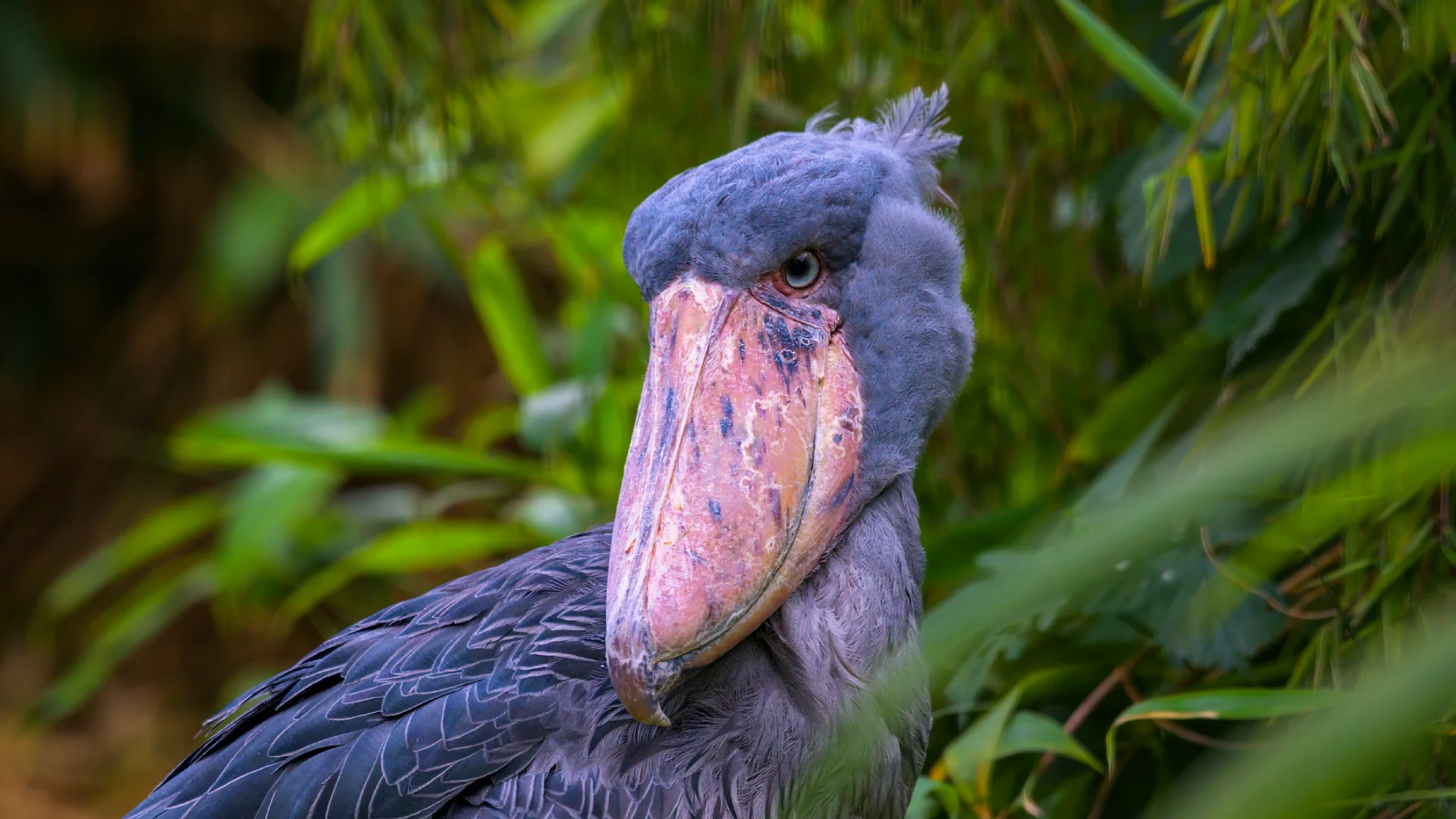
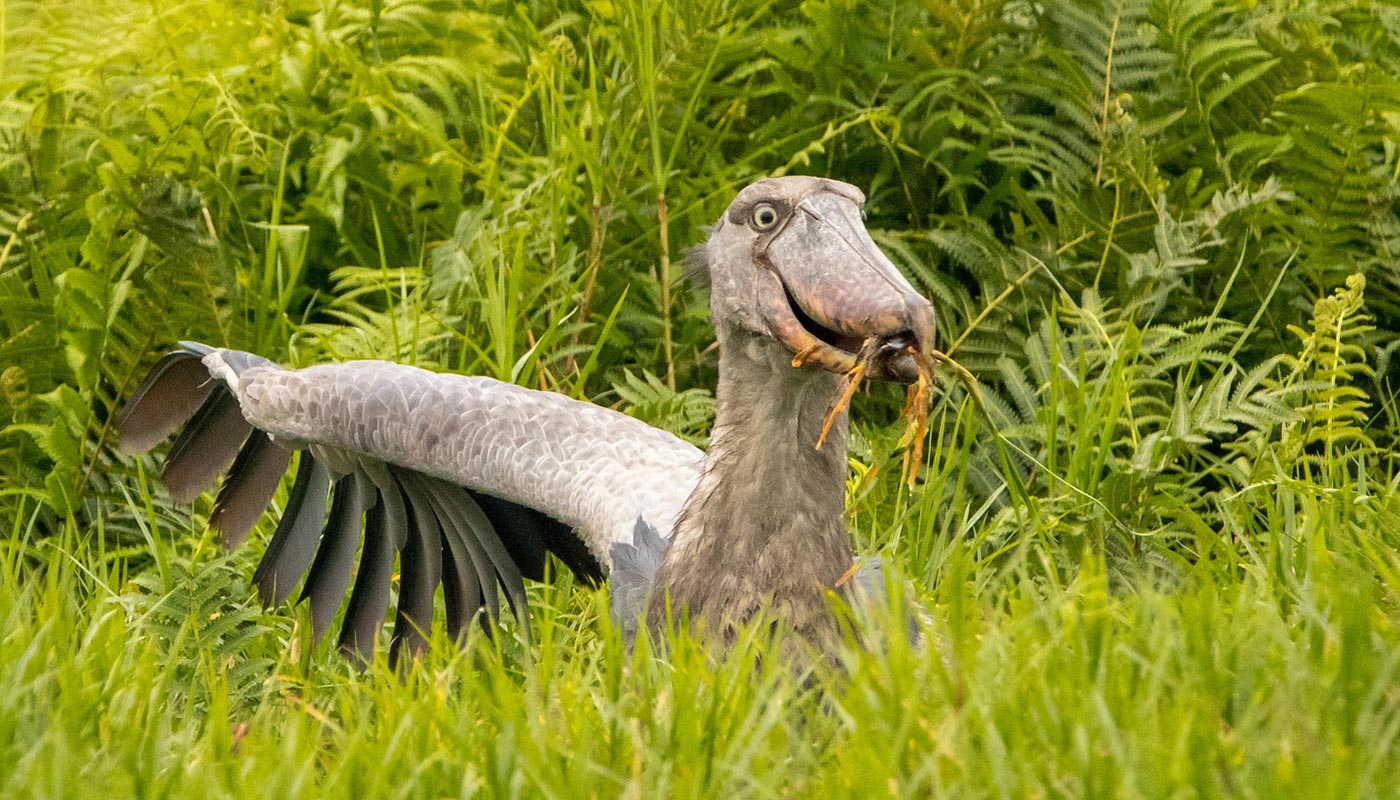
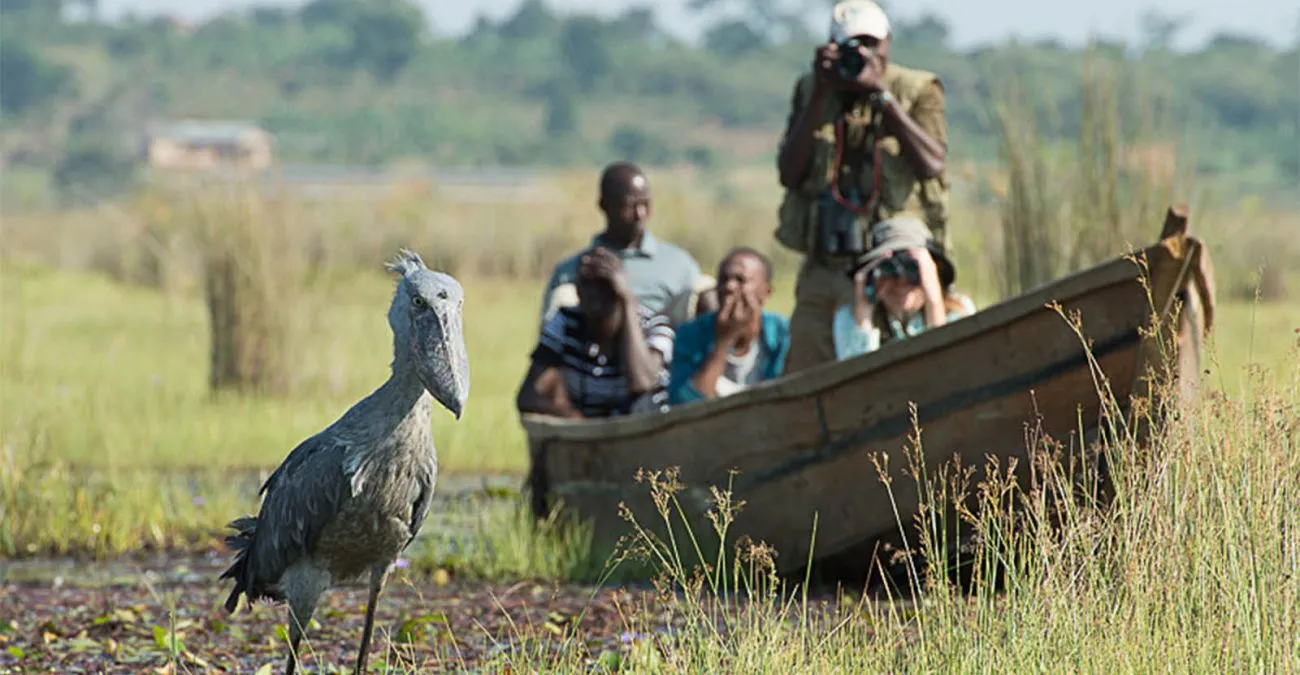
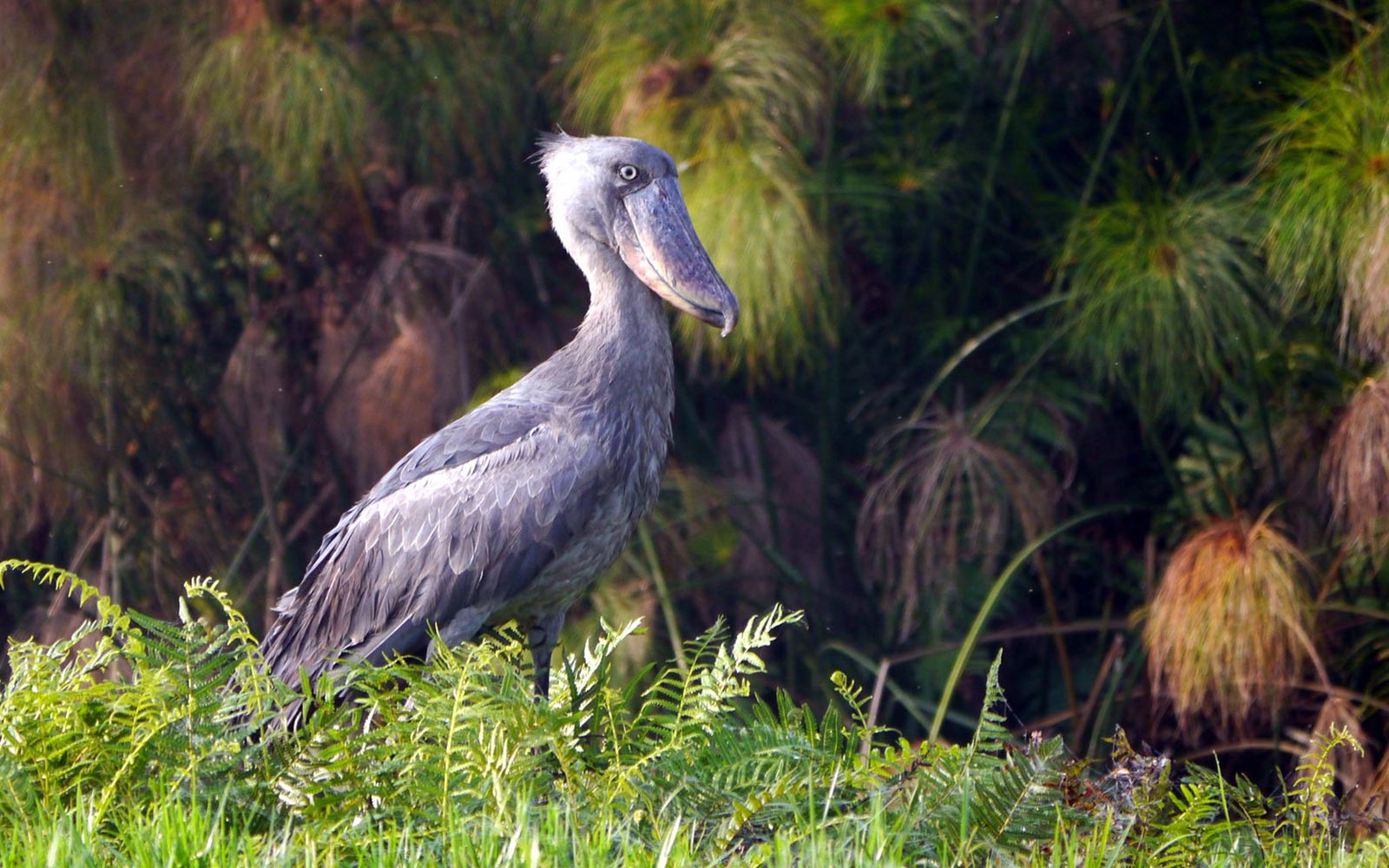
Shoebill trekking in Uganda offers one of the continent’s most unique wildlife adventures. The shoebill stork (Balaeniceps rex) is a rare, prehistoric-looking bird found in swampy wetlands, making it a bucket-list sight for birdwatchers, photographers, and nature enthusiasts alike. Trekking in shoebill habitats combines eco-friendly exploration, wildlife observation, and educational experiences into one immersive journey.
Uganda is one of the few countries where these elusive birds can be reliably observed. The Mabamba Swamp, on the shores of Lake Victoria, and the Hima Swamps in western Uganda are prime habitats, offering a sanctuary for shoebills and other wetland species. A trek in these regions allows visitors to witness the shoebill’s hunting behavior, observe wetland biodiversity, and enjoy the serenity of Uganda’s pristine marshlands.
Whether on a solo adventure, family tour, or photography-focused safari, shoebill trekking provides a rare opportunity to experience Uganda’s wetland ecosystems and conservation efforts up close.
Why Go Shoebill Trekking
Shoebill trekking is more than just birdwatching—it’s an immersive wetland adventure:
Rare Bird Encounter
The shoebill is a prehistoric species and a top target for bird enthusiasts. Guided treks through Mabamba Swamp or Hima Swamps provide safe, close-up views of this giant stork, including its hunting techniques and social behaviors.
Adventure and Eco-Tourism
Visitors traverse papyrus channels, reed beds, and wetlands by canoe or on foot, observing other birds, reptiles, and amphibians. Trekking promotes eco-conscious tourism, connecting travelers to fragile ecosystems while ensuring minimal environmental impact.
Photography Opportunities
The bird’s distinctive appearance, massive bill, and deliberate movements make it a favorite for wildlife photography. Shoebill trekking tours provide ideal vantage points for capturing rare and striking shots.
Conservation Awareness
Guided tours educate travelers about wetland conservation, species protection, and threats posed by habitat loss and poaching. Participating in shoebill trekking supports Uganda’s conservation initiatives and helps preserve these critical habitats.
Top Shoebill Trekking Locations in Uganda
Mabamba Swamp
The Mabamba Swamp is Uganda’s most famous shoebill habitat. Canoe trips through narrow papyrus channels allow for intimate wildlife encounters, including sightings of shoebills, herons, jacanas, and a variety of other wetland species. Expert guides provide ecological insights, making the experience both thrilling and educational.
Hima Swamps
Located near Fort Portal, Hima Swamps offer less crowded trekking experiences, ideal for travelers seeking solitude and focused birdwatching. The area provides pristine wetlands for observing shoebills while also offering opportunities to see other aquatic species.
Other Wetlands
Additional wetlands in northern and central Uganda occasionally host shoebills. Trekking these areas often combines birdwatching, eco-tourism, and cultural immersion, including village visits and stays at nearby eco-lodges.
Shoebill Trekking Activities
Guided Canoe Tours
Visitors explore swamps by canoe, quietly navigating through reeds to spot shoebills feeding, nesting, and interacting. Canoe tours are ideal for intimate wildlife observation and photography, offering both adventure and tranquility.
Birdwatching and Wildlife Spotting
Besides shoebills, trekkers encounter herons, African jacanas, kingfishers, monitor lizards, frogs, and small mammals, creating a rich wetland wildlife experience.
Nature Walks
Some trekking routes allow foot exploration of narrow swamp trails, complementing canoe trips. Walks provide perspectives on wetland plant diversity, small wildlife, and shoebill behavior from a different vantage point.
Photography and Filming
Shoebill trekking is highly sought-after by photographers. Guides assist in positioning visitors for optimal shots while ensuring minimal disturbance to the birds. Sunrise and early morning are ideal for capturing dramatic lighting.
Cultural Engagement
Visitors often meet local communities living near the wetlands. Cultural experiences include demonstrations of traditional fishing, papyrus harvesting, and village life, enriching the trek with authentic interactions.
Shoebill Trekking Accommodation
Accommodation options near shoebill trekking sites provide convenience and comfort:
- Eco-lodges: Sustainable structures located on swamp edges, offering prime wildlife viewing and serene surroundings.
- Boutique guesthouses: Comfortable stays with local hospitality and easy access to trekking routes.
- Luxury safari lodges: Lake-view suites with guided excursions, fine dining, and eco-friendly amenities.
Popular lodges near Mabamba Swamp include Bunambutye Eco-Lodge, Ziwa Safari Camp, and various lakefront guesthouses. Staying nearby allows early morning treks when shoebills are most active.
Suggested 3-Day Shoebill Trekking Itinerary
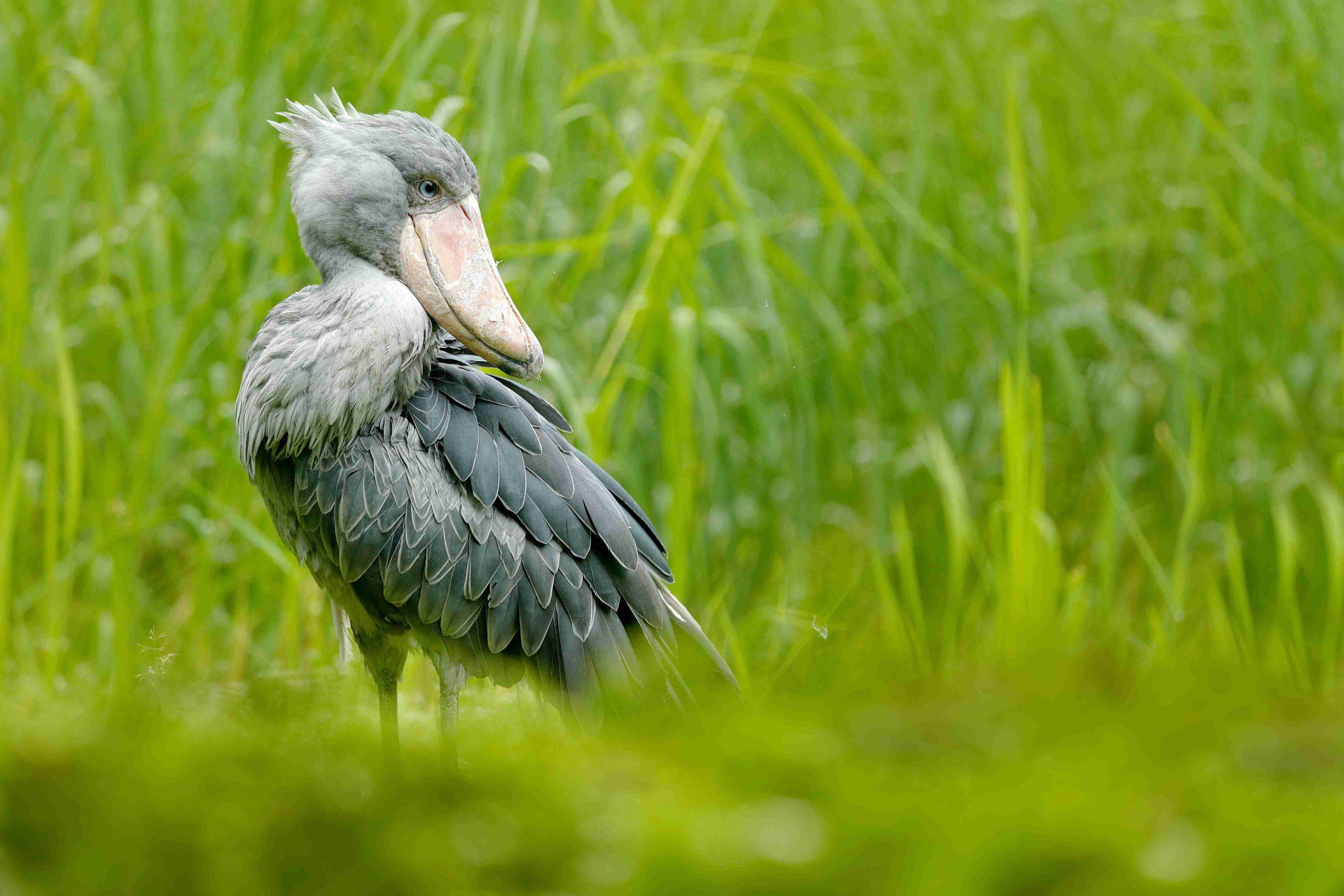
Day 1: Arrival in Entebbe or Kampala, transfer to Mabamba Swamp lodge. Evening briefing on shoebill ecology.
Day 2: Full-day guided shoebill trekking by canoe. Birdwatching, wildlife observation, and photography. Optional village visit in the afternoon.
Day 3: Morning trek for sunrise sightings, breakfast at the lodge, and departure. Optional extension to Lake Victoria or Murchison Falls safari.
This itinerary ensures multiple shoebill encounters while combining adventure, learning, and relaxation.
Frequently Asked Questions
What is shoebill trekking?
A guided wildlife experience to observe the rare shoebill stork in its natural wetland habitat, usually via canoe or foot.
Where can I see shoebills in Uganda?
Prime locations include Mabamba Swamp, Hima Swamps, and select northern wetlands.
When is the best time to see shoebills?
Dry seasons (December–February and June–October) are ideal for sightings and photography.
Is shoebill trekking family-friendly?
Yes, activities are suitable for families, couples, and solo travelers, with safe canoe rides and guided treks.
What else can I see on a shoebill trek?
Other wildlife includes herons, jacanas, African fish eagles, frogs, lizards, and small mammals.
Do I need to book in advance?
Yes, guided tours are popular and require advance booking to secure a canoe and expert guide.
Book Your Shoebill Trekking Adventure with Boots in the Jungle Safaris
Make your shoebill trekking safari seamless and unforgettable by booking with Boots in the Jungle Safaris. Services include:
- Fully customized tours with flexible itineraries
- Private canoe rides, guided nature walks, and birdwatching sessions
- Comfortable lodges near Mabamba Swamp and other prime sites
- Expert guides offering insights into shoebill behavior, wetland ecology, and conservation
- Optional add-ons like photography safaris, cultural village visits, and multi-day wildlife packages
Book now to secure your exclusive shoebill trekking safari: Boots in the Jungle Safaris