
Mount Kenya National Park Safari – Ultimate Mount Kenya National Park Travel Guide
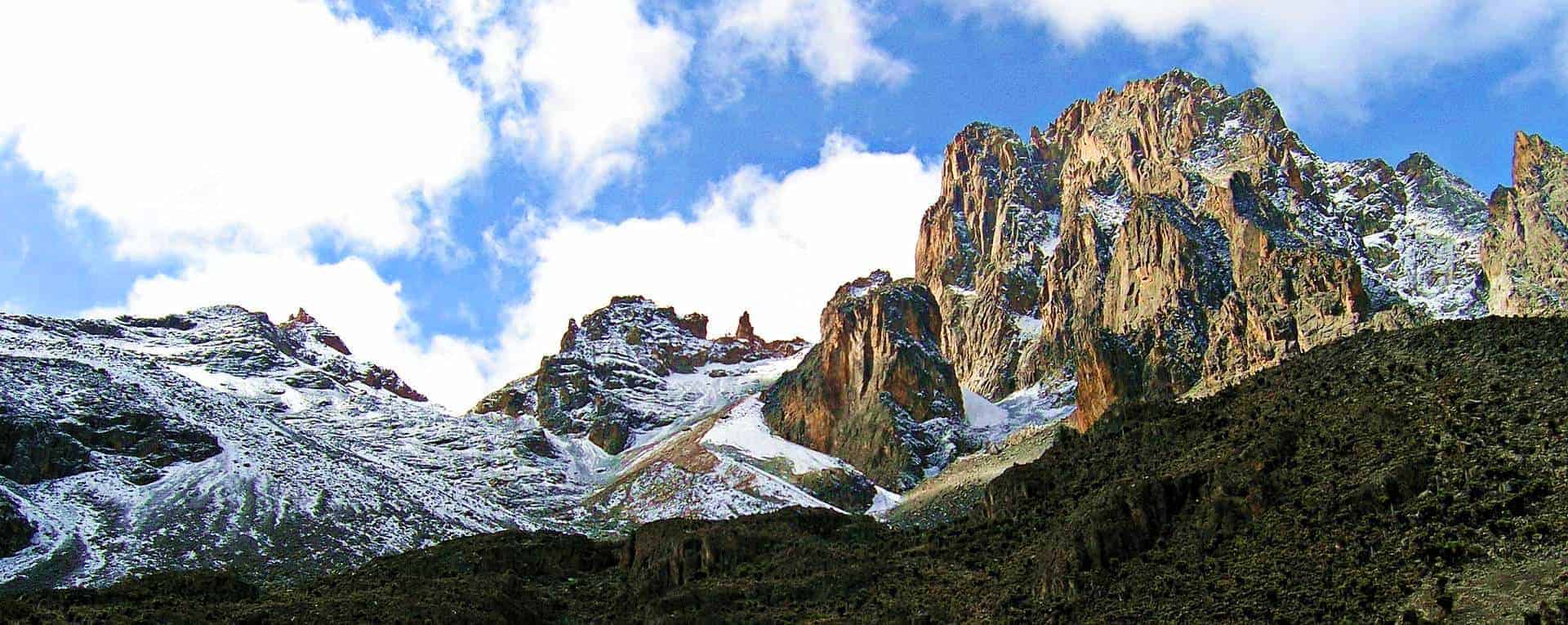
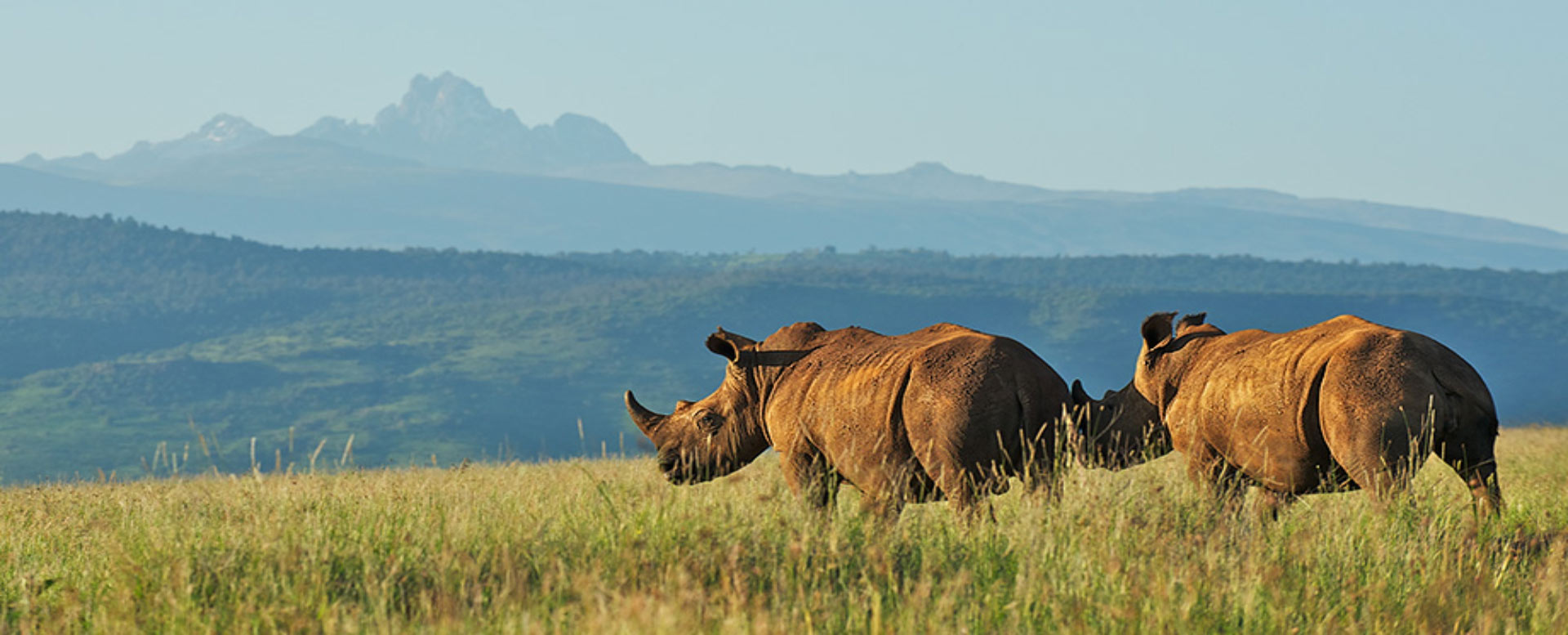
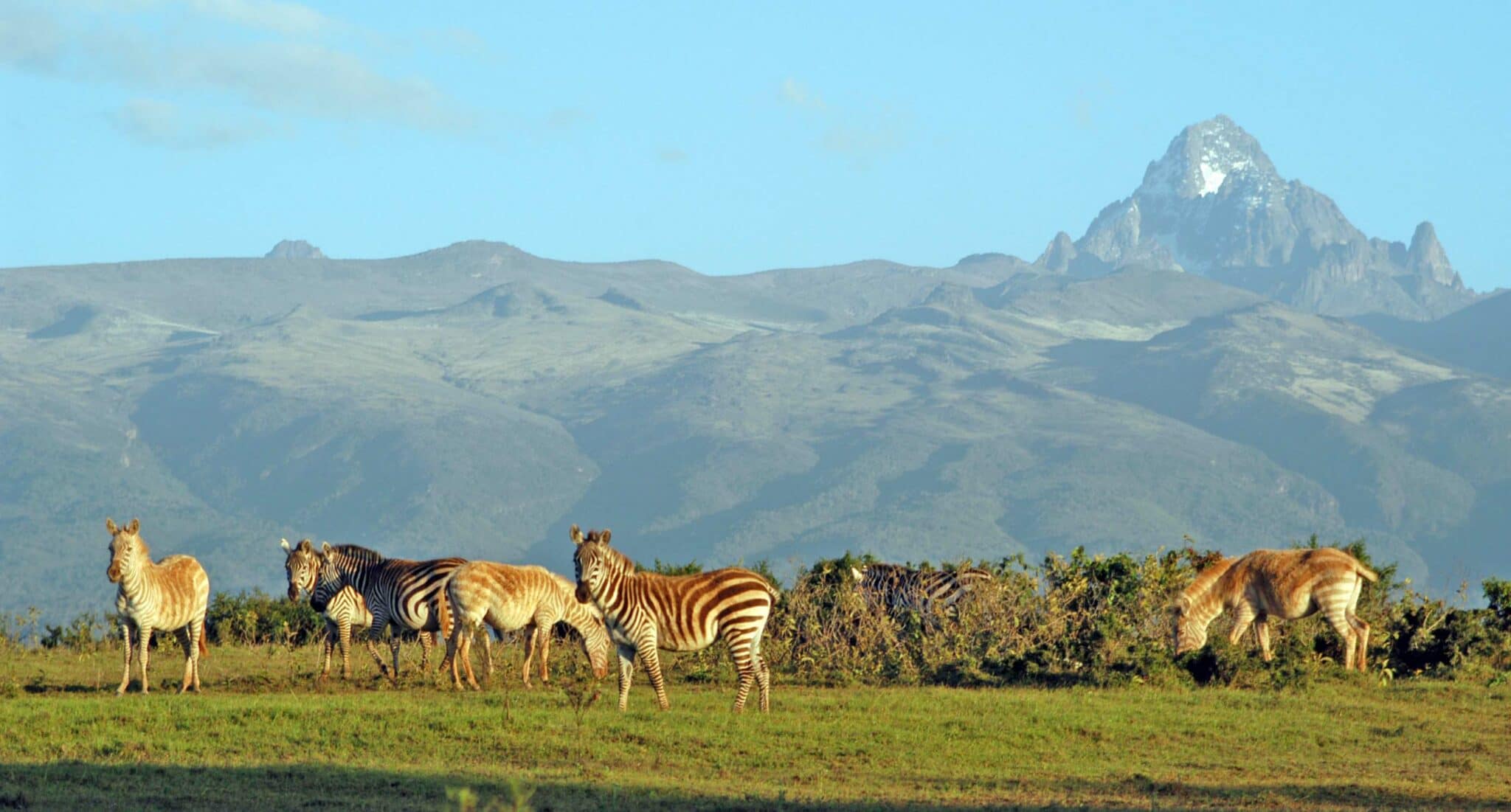
Mount Kenya National Park is one of the most spectacular protected areas in Kenya and one of the most rewarding mountain safari destinations in Africa. Located in the heart of central Kenya, the park surrounds the magnificent Mount Kenya, Africa’s second-highest mountain after Mount Kilimanjaro. Rising dramatically to 5,199 meters above sea level, Mount Kenya dominates the landscape with snow-capped peaks, rugged cliffs, glacial valleys, crystal-clear mountain lakes, dense forests, and unique alpine vegetation that create some of the most breathtaking scenery on the continent.
Mount Kenya National Park is internationally recognized for its exceptional natural beauty, ecological diversity, and adventurous outdoor experiences. The park combines mountain trekking, wildlife viewing, photography, birdwatching, camping, nature walks, and cultural encounters into one unforgettable safari destination. Unlike traditional wildlife safaris focused mainly on savannah game drives, Mount Kenya National Park offers travelers an entirely different experience centered around mountain exploration, scenic hiking trails, and high-altitude adventures.
The park was established in 1949 primarily to protect the fragile mountain ecosystem, the surrounding forests, wildlife habitats, and important water catchment areas that supply water to much of Kenya. Because of its environmental importance and extraordinary landscapes, Mount Kenya National Park was later designated as a UNESCO World Heritage Site. Today, the park remains one of Kenya’s most important conservation areas and a major attraction for local and international travelers.
Mount Kenya National Park is famous for its dramatic landscapes that change with altitude. Lower slopes are covered with thick bamboo forests and montane rainforests filled with wildlife, while higher elevations feature moorlands, giant lobelias, giant groundsels, alpine meadows, rocky cliffs, glaciers, and snowfields near the peaks. These unique ecological zones support an incredible variety of plant and animal species found nowhere else in Kenya.
A safari to Mount Kenya National Park appeals to many different types of travelers. Adventure seekers come to climb the mountain’s famous peaks including Batian, Nelion, and Point Lenana. Hikers and trekkers enjoy scenic mountain trails that pass through forests, waterfalls, valleys, caves, and alpine landscapes. Wildlife enthusiasts explore the forested lower slopes searching for elephants, buffaloes, leopards, monkeys, and rare antelope species. Birdwatchers visit the park to spot unique highland bird species, while photographers are drawn by the stunning mountain scenery and changing landscapes.
Mount Kenya National Park also offers travelers the opportunity to combine mountain adventures with classic Kenya safari experiences. Many visitors combine the park with destinations such as Samburu National Reserve, Maasai Mara National Reserve, Amboseli National Park, Ol Pejeta Conservancy, and Aberdare National Park to create a complete Kenya safari itinerary.
Whether you are planning a challenging mountain climb, a scenic trekking adventure, a photography safari, or a relaxing nature escape, Mount Kenya National Park provides one of the most unforgettable safari experiences in East Africa.
Where is Mount Kenya National Park Located?
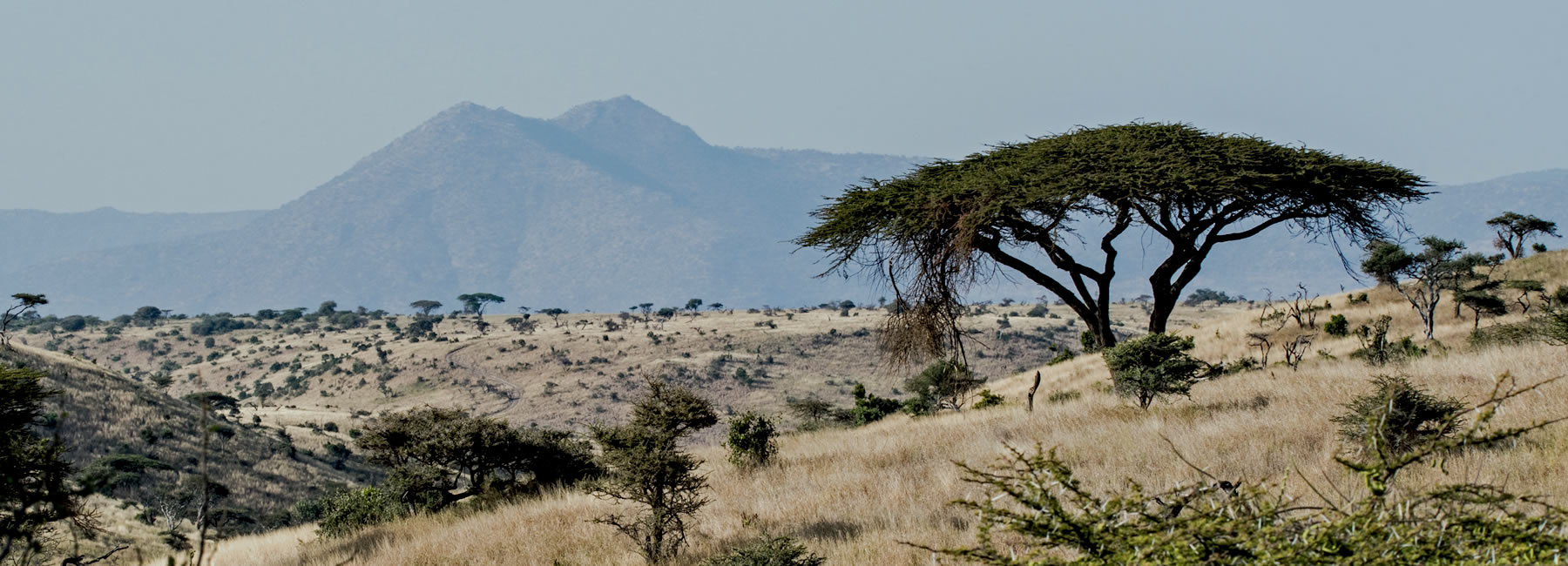
Mount Kenya National Park is located in central Kenya, approximately 175 kilometers northeast of Nairobi, the capital city of Kenya. The park surrounds Mount Kenya and stretches across several counties including Meru, Nyeri, Embu, Kirinyaga, and Tharaka Nithi. Its central location makes it one of the most accessible mountain safari destinations in Kenya.
The park lies almost directly on the equator, giving it unique climatic and ecological characteristics. Despite being located near the equator, the high altitude of Mount Kenya creates cool temperatures, alpine conditions, glaciers, and occasional snowfall near the summit peaks. This combination of equatorial location and mountainous elevation makes Mount Kenya National Park ecologically unique and highly diverse.
Mount Kenya National Park covers approximately 715 square kilometers and forms part of the larger Mount Kenya conservation ecosystem, which also includes the Mount Kenya Forest Reserve. Together, these protected areas safeguard critical water catchment forests, wildlife habitats, rivers, and biodiversity that support millions of people and ecosystems across Kenya.
The park can easily be reached from Nairobi by road within about three to four hours depending on the route and traffic conditions. Several access gates lead into different trekking routes and regions of the park, including Naro Moru Gate, Sirimon Gate, Chogoria Gate, and Burguret Gate. Each gate provides access to specific climbing trails and landscapes around the mountain.
Travelers can also access Mount Kenya National Park through domestic charter flights to nearby airstrips, especially for luxury safari packages or fly-in adventures. The mountain’s accessibility makes it easy to combine with other major safari destinations in Kenya.
The surrounding region around Mount Kenya National Park is rich in agriculture, culture, and scenic beauty. Fertile volcanic soils support coffee farms, tea plantations, and local communities that have strong cultural ties to the mountain. The Kikuyu people, one of Kenya’s largest ethnic groups, traditionally regard Mount Kenya as a sacred mountain and the dwelling place of their supreme god, Ngai.
Because of its strategic location, Mount Kenya National Park serves as an excellent base for exploring central Kenya and combining mountain trekking with wildlife safaris, cultural tours, and luxury lodge experiences.
Why Visit Mount Kenya National Park?
Spectacular Mountain Landscapes
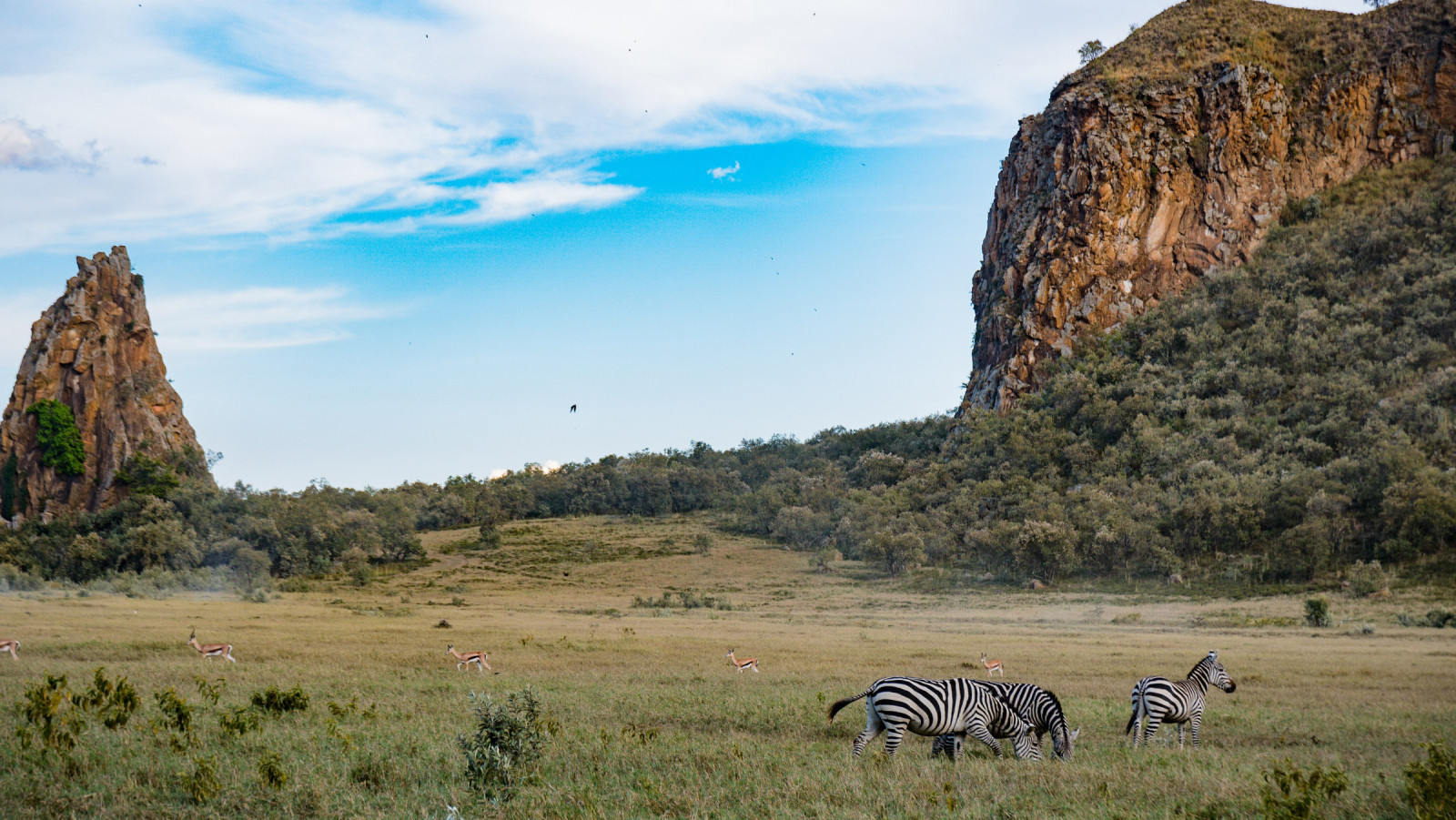
Mount Kenya National Park is one of the most visually stunning destinations in Kenya and Africa. The park is famous for its dramatic mountain scenery, towering peaks, deep valleys, glacial lakes, waterfalls, forests, and alpine landscapes that create unforgettable safari experiences for visitors.
The mountain itself rises majestically above the surrounding plains, offering constantly changing landscapes as travelers move through different altitude zones. Dense bamboo forests cover the lower slopes, while higher elevations reveal open moorlands, rocky ridges, alpine meadows, and glacier-covered peaks. The scenery becomes even more breathtaking during sunrise and sunset when the mountain glows with golden and pink colors.
One of the most remarkable features of Mount Kenya National Park is its collection of crystal-clear mountain lakes and tarns scattered across the alpine zones. Lakes such as Lake Michaelson, Lake Ellis, and Lake Alice provide spectacular photographic opportunities and peaceful camping locations surrounded by dramatic mountain backdrops.
The valleys and gorges around the mountain are equally impressive. Deep U-shaped glacial valleys carved by ancient glaciers create rugged and dramatic terrain ideal for hiking and photography. Waterfalls flowing through forested slopes add to the park’s scenic beauty and provide refreshing stops during trekking adventures.
The park’s landscapes change dramatically depending on weather and altitude. Travelers can experience tropical forests, mist-covered bamboo zones, giant heather forests, alpine moorlands, rocky cliffs, glaciers, and snowfields all within a single journey up the mountain. This incredible diversity of scenery makes Mount Kenya National Park one of the most unique safari destinations in East Africa.
Africa’s Second Highest Mountain
Mount Kenya is the second-highest mountain in Africa after Mount Kilimanjaro in Tanzania. Standing at 5,199 meters above sea level, the mountain dominates the Kenyan landscape and serves as one of the continent’s most iconic natural landmarks.
The mountain features three main peaks:
Batian Peak
Batian Peak is the highest summit on Mount Kenya at 5,199 meters. It is a jagged volcanic peak that attracts experienced technical climbers from around the world. Reaching Batian requires advanced rock-climbing skills, specialized equipment, and mountaineering experience.
Nelion Peak
Nelion Peak stands at 5,188 meters and is the second-highest peak on the mountain. Like Batian, Nelion is mainly climbed by professional mountaineers and technical climbers seeking a challenging alpine adventure.
Point Lenana
Point Lenana is the third-highest peak at 4,985 meters and is the most popular trekking summit for ordinary travelers. Unlike Batian and Nelion, Point Lenana does not require technical climbing experience, making it accessible to hikers and trekkers with reasonable fitness levels.
Climbing Point Lenana is considered one of the best trekking adventures in Africa because it combines challenging hiking with incredible scenery, wildlife encounters, alpine landscapes, and unforgettable sunrise views above the clouds.
Mount Kenya’s high altitude also creates unique weather patterns and ecosystems rarely found near the equator. Snow and glaciers near the summit contrast dramatically with tropical forests at lower elevations, making the mountain one of Africa’s most fascinating natural wonders.
Excellent Hiking and Trekking Experiences
Mount Kenya National Park is one of Africa’s premier hiking and trekking destinations. The park offers a wide variety of trekking experiences suitable for beginners, intermediate hikers, experienced climbers, photographers, families, and adventure travelers.
The mountain has several well-established trekking routes, each offering different scenery, difficulty levels, and experiences.
The Sirimon Route is popular for gradual acclimatization, scenic landscapes, and excellent wildlife viewing opportunities. The Chogoria Route is widely regarded as the most beautiful route because of its waterfalls, gorges, mountain lakes, and dramatic alpine scenery. The Naro Moru Route is the fastest and most direct route to Point Lenana, while the Burguret Route offers a remote and less crowded wilderness experience.
Hiking in Mount Kenya National Park allows travelers to pass through multiple ecological zones within a short period. Trekkers begin in tropical forests filled with birds and wildlife before ascending into bamboo forests, giant heather zones, alpine moorlands, rocky valleys, and glacier-covered landscapes near the peaks.
The trekking experience is enhanced by breathtaking scenery throughout the journey. Hikers enjoy panoramic mountain views, dramatic valleys, waterfalls, unique vegetation, and incredible sunrise and sunset moments over the surrounding Kenyan landscapes.
Camping and mountain hut accommodation also add to the adventure. Trekkers spend nights in scenic camps surrounded by mountain wilderness, creating unforgettable outdoor experiences under clear African skies.
Mount Kenya trekking is also less crowded compared to Mount Kilimanjaro, allowing for a quieter and more intimate mountain experience.
Rich Wildlife Viewing
Although Mount Kenya National Park is mainly known for mountain climbing and trekking, it also supports an impressive variety of wildlife species across its forests and lower slopes.
The dense forests around the mountain provide habitats for large mammals such as African elephants, Cape buffaloes, leopards, giant forest hogs, bushbucks, waterbucks, hyenas, and several antelope species. Wildlife sightings are especially common in the bamboo forests and lower montane regions.
Primates are also common in Mount Kenya National Park. Travelers may encounter black-and-white colobus monkeys, olive baboons, blue monkeys, and Sykes monkeys while exploring the forest trails.
The park is also an important birdwatching destination with more than 130 recorded bird species. Bird enthusiasts can spot species such as Hartlaub’s turaco, Jackson’s francolin, scarlet-tufted malachite sunbirds, crowned eagles, augur buzzards, and alpine chats.
Because the park combines mountain ecosystems with forest habitats, wildlife viewing in Mount Kenya National Park feels very different from traditional savannah safaris. The forested landscapes, mist-covered trails, and mountainous terrain create a more intimate and adventurous wildlife experience.
UNESCO World Heritage Site
Mount Kenya National Park is recognized globally as a UNESCO World Heritage Site because of its exceptional natural beauty, ecological diversity, and environmental importance.
UNESCO designated the park as a World Heritage Site due to its remarkable mountain scenery, rare ecosystems, glaciers, forests, wildlife habitats, and important water catchment functions. The mountain provides water to millions of people and supports agriculture, wildlife, hydroelectric power, and ecosystems across Kenya.
The park is also internationally recognized for its unique Afro-alpine vegetation and ecological transitions from tropical forests to snow-covered peaks. These ecosystems support many endemic plant and animal species found only in the Mount Kenya region.
Being a UNESCO World Heritage Site helps strengthen conservation efforts and sustainable tourism management in the park. It also increases the park’s global reputation as one of Africa’s most important natural attractions.
Unique Afro-Alpine Vegetation
One of the most fascinating features of Mount Kenya National Park is its extraordinary Afro-alpine vegetation. As travelers ascend the mountain, they pass through different ecological zones with unique plant species specially adapted to high-altitude environments.
The lower slopes are dominated by dense montane forests filled with giant cedar trees, podocarpus trees, bamboo forests, mosses, and ferns. Higher elevations transition into giant heather zones and moorlands characterized by dramatic landscapes and unusual vegetation.
The park is especially famous for its giant lobelias and giant groundsels, which are iconic plants of East African alpine ecosystems. These towering plants have adapted to freezing nighttime temperatures and intense daytime sunlight, creating surreal landscapes unlike anywhere else in Kenya.
Alpine meadows covered with colorful wildflowers add beauty to the mountain slopes, especially during wetter seasons. Moss-covered rocks, lichens, and unique shrubs further contribute to the mountain’s ecological diversity.
This Afro-alpine ecosystem is not only visually stunning but also scientifically important because it supports rare plant species adapted to extreme mountain environments. Exploring these vegetation zones is one of the highlights of trekking in Mount Kenya National Park.
Wildlife in Mount Kenya National Park
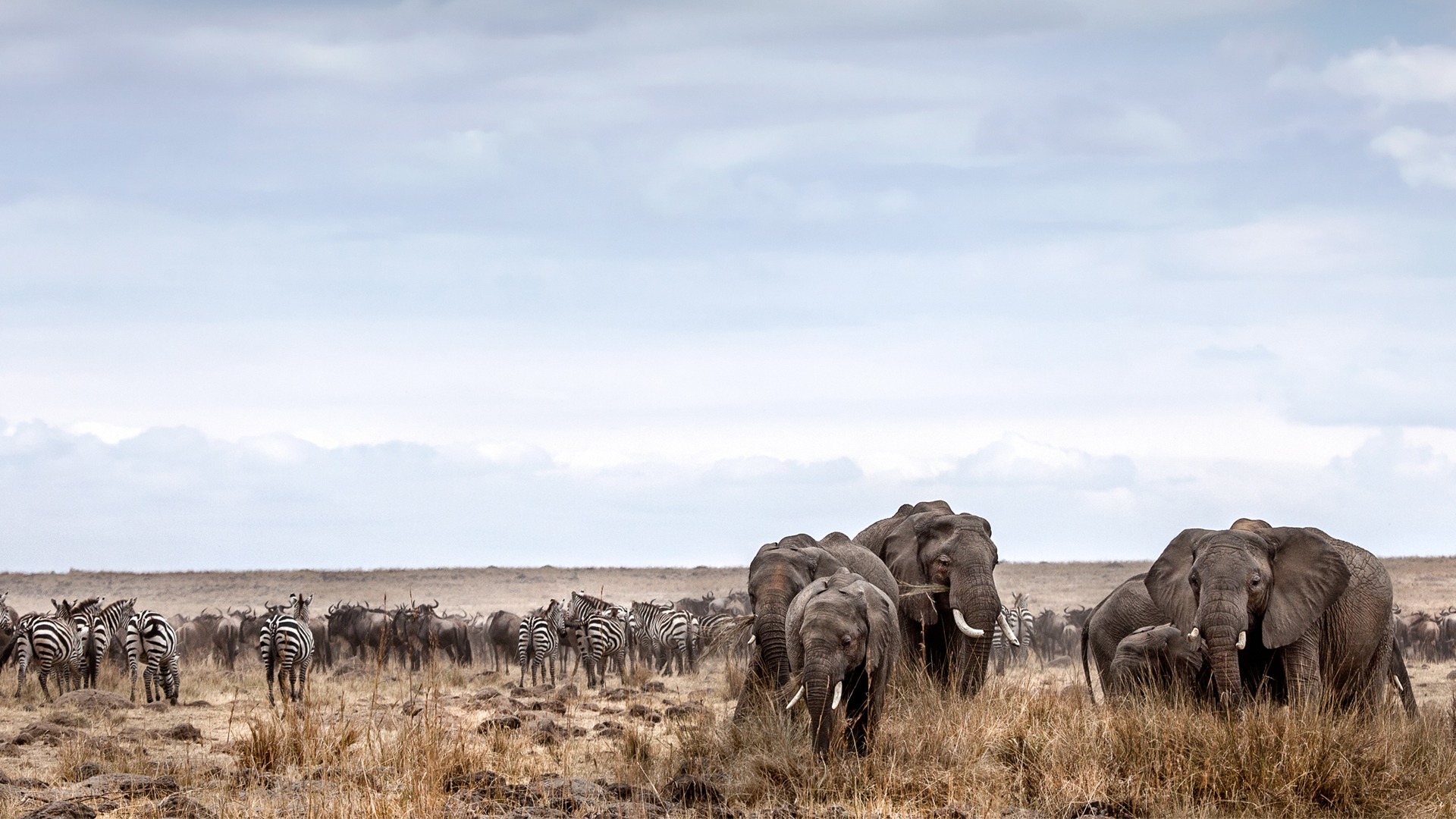
Mount Kenya National Park is not only famous for mountain climbing and trekking but also for its rich biodiversity and remarkable wildlife habitats. The park supports a wide range of animals across its dense montane forests, bamboo zones, moorlands, valleys, and alpine ecosystems. Although wildlife viewing in Mount Kenya National Park differs from traditional savannah safaris, the mountain forests provide a unique and rewarding experience for nature lovers, photographers, birdwatchers, and adventure travelers.
The lower forested slopes of Mount Kenya are particularly important wildlife habitats because they form part of one of Kenya’s major conservation ecosystems and water catchment areas. These forests provide food, shelter, breeding grounds, and migration corridors for numerous mammal species, birds, reptiles, and insects.
Wildlife encounters in Mount Kenya National Park are often more intimate and adventurous because animals live within dense forests and mountainous terrain rather than open plains. Travelers exploring the park through hiking trails, forest walks, trekking routes, and scenic drives may encounter a wide variety of species while surrounded by breathtaking mountain landscapes.
The combination of tropical forests, bamboo vegetation, rivers, waterfalls, alpine meadows, and rocky slopes creates diverse habitats that support wildlife throughout the year. The cooler climate and varying altitudes also allow species adapted to mountain environments to thrive within the park.
For wildlife enthusiasts seeking a safari experience beyond the typical game drives of Kenya’s savannah parks, Mount Kenya National Park offers an exciting blend of mountain adventure and forest wildlife exploration.
Mammals Found in Mount Kenya National Park
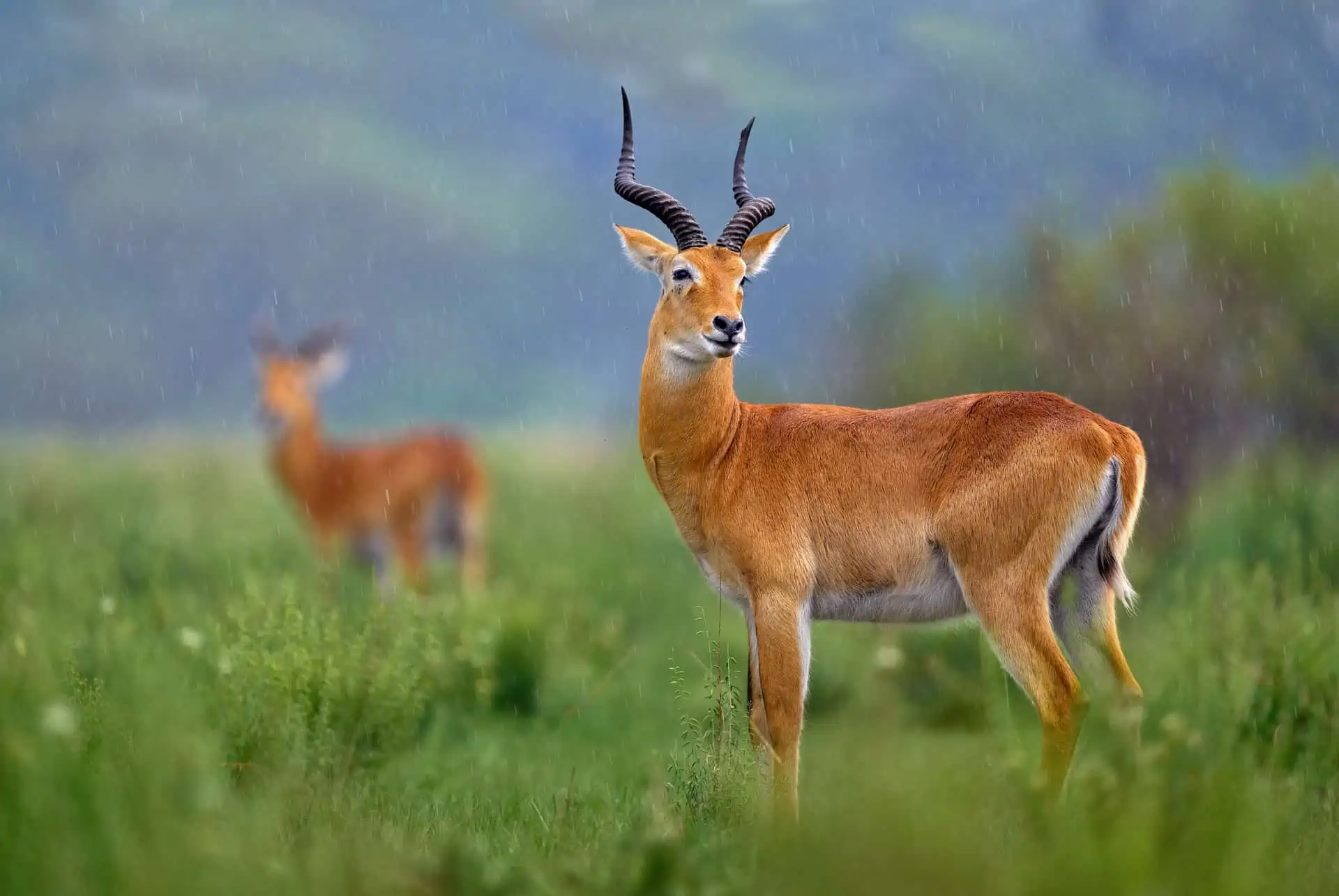
Mount Kenya National Park supports many mammal species ranging from large herbivores and predators to primates and smaller forest animals. The dense forests and bamboo zones on the lower slopes are especially rich in wildlife.
African Elephants
African elephants are among the most iconic animals found in Mount Kenya National Park. The mountain forests provide an important refuge for elephant populations that move through the forest ecosystem searching for food and water.
Elephants are commonly found in the lower forested areas where they feed on bamboo shoots, tree bark, grasses, leaves, and shrubs. Their movements through the forests help shape vegetation patterns and contribute to ecological balance within the park.
Although spotting elephants in dense forests can be more challenging than in open savannah parks, encounters are often thrilling and memorable because of the close and natural forest environment.
Cape Buffaloes
Cape buffaloes are another common large mammal found in Mount Kenya National Park. They usually inhabit forest clearings, bamboo zones, and grassy areas around the lower slopes of the mountain.
Buffaloes are powerful and highly adaptable animals that thrive in the cool mountain climate. Travelers may encounter them while trekking through forest trails or exploring lower-altitude sections of the park.
Because buffaloes can sometimes be unpredictable, guided treks and hikes are strongly recommended when exploring wildlife-rich areas of Mount Kenya National Park.
Leopards
Leopards are among the most elusive predators in Mount Kenya National Park. These secretive cats inhabit dense forests and rocky slopes where they hunt antelopes, hyraxes, monkeys, and smaller mammals.
Although leopard sightings are rare due to the thick vegetation and nocturnal behavior of these animals, the park provides an ideal habitat for them. Lucky travelers occasionally spot leopards during early morning or evening hours.
The presence of leopards highlights the ecological richness and healthy predator-prey balance within Mount Kenya National Park.
Giant Forest Hogs
The giant forest hog is one of the unique and fascinating mammals found in Mount Kenya National Park. These large wild pigs inhabit dense forests and bamboo zones where they forage for roots, fruits, insects, and vegetation.
Giant forest hogs are mostly active during dawn and dusk and are occasionally seen crossing forest trails or feeding in open glades.
Bushbucks
Bushbucks are shy antelopes commonly found in forested areas around Mount Kenya National Park. They prefer dense vegetation near rivers, forest edges, and bamboo thickets where they can hide from predators.
Bushbucks are usually seen alone or in pairs and are most active during early morning and late afternoon.
Suni Antelopes
Suni antelopes are among the smallest antelope species found in Mount Kenya National Park. These tiny and secretive animals inhabit dense undergrowth and forest habitats.
Their small size and cautious behavior make them difficult to spot, but they contribute to the rich diversity of wildlife within the park.
Black-and-White Colobus Monkeys
Black-and-white colobus monkeys are among the most striking primates found in Mount Kenya National Park. These monkeys are easily recognized by their long white tails and contrasting black fur.
They live in forest canopies where they feed mainly on leaves, fruits, flowers, and seeds. Travelers often hear their movements through the trees before seeing them leaping gracefully across branches.
Colobus monkeys are among the most photographed wildlife species in Mount Kenya National Park because of their beautiful appearance and active behavior.
Olive Baboons
Olive baboons are commonly seen throughout the lower slopes and forested regions of Mount Kenya National Park. These highly social primates travel in large troops and are often encountered near park roads, forest edges, and trekking trails.
Baboons are intelligent and adaptable animals that feed on fruits, insects, grasses, roots, and small animals.
Hyenas
Spotted hyenas inhabit parts of Mount Kenya National Park, especially forest edges and open moorland areas. Although more difficult to spot than in savannah parks, hyenas play an important role as scavengers and predators within the ecosystem.
Their eerie nighttime calls are sometimes heard near camps and mountain lodges.
Tree Hyraxes
Tree hyraxes are small mammals related to elephants despite their rodent-like appearance. These nocturnal animals live in forest canopies and rocky areas around Mount Kenya.
Travelers often hear their loud nighttime calls while staying in mountain lodges or camps.
Duikers
Duikers are small forest antelopes commonly found in the dense vegetation of Mount Kenya National Park. Several species inhabit the park, including bush duikers and blue duikers.
These shy animals move quietly through forests feeding on fruits, leaves, shoots, and fallen vegetation.
Birdlife in Mount Kenya National Park
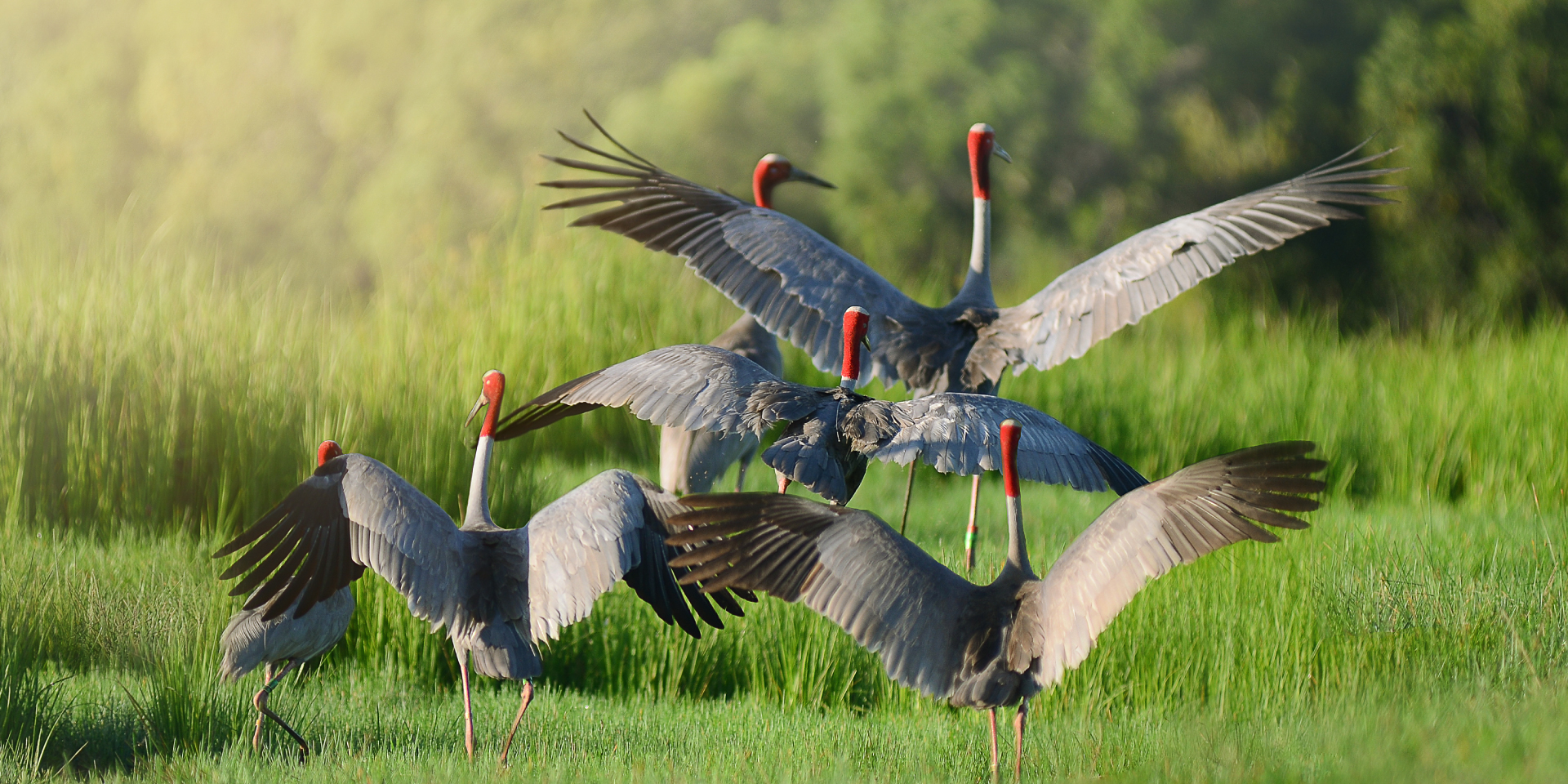
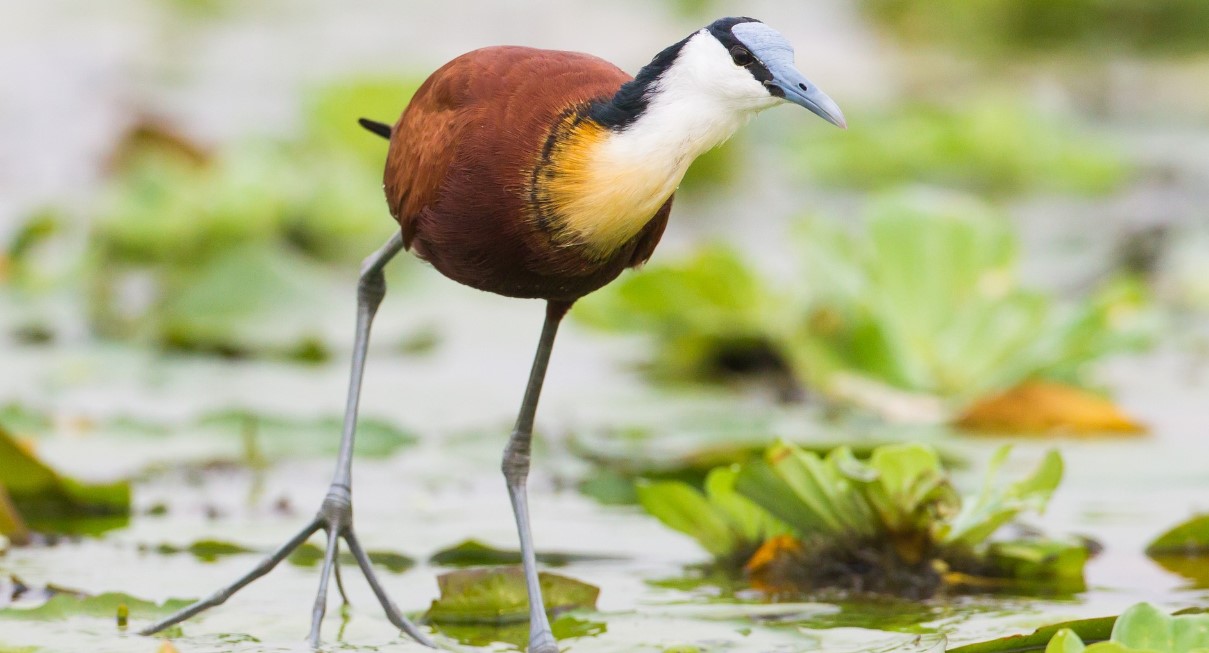
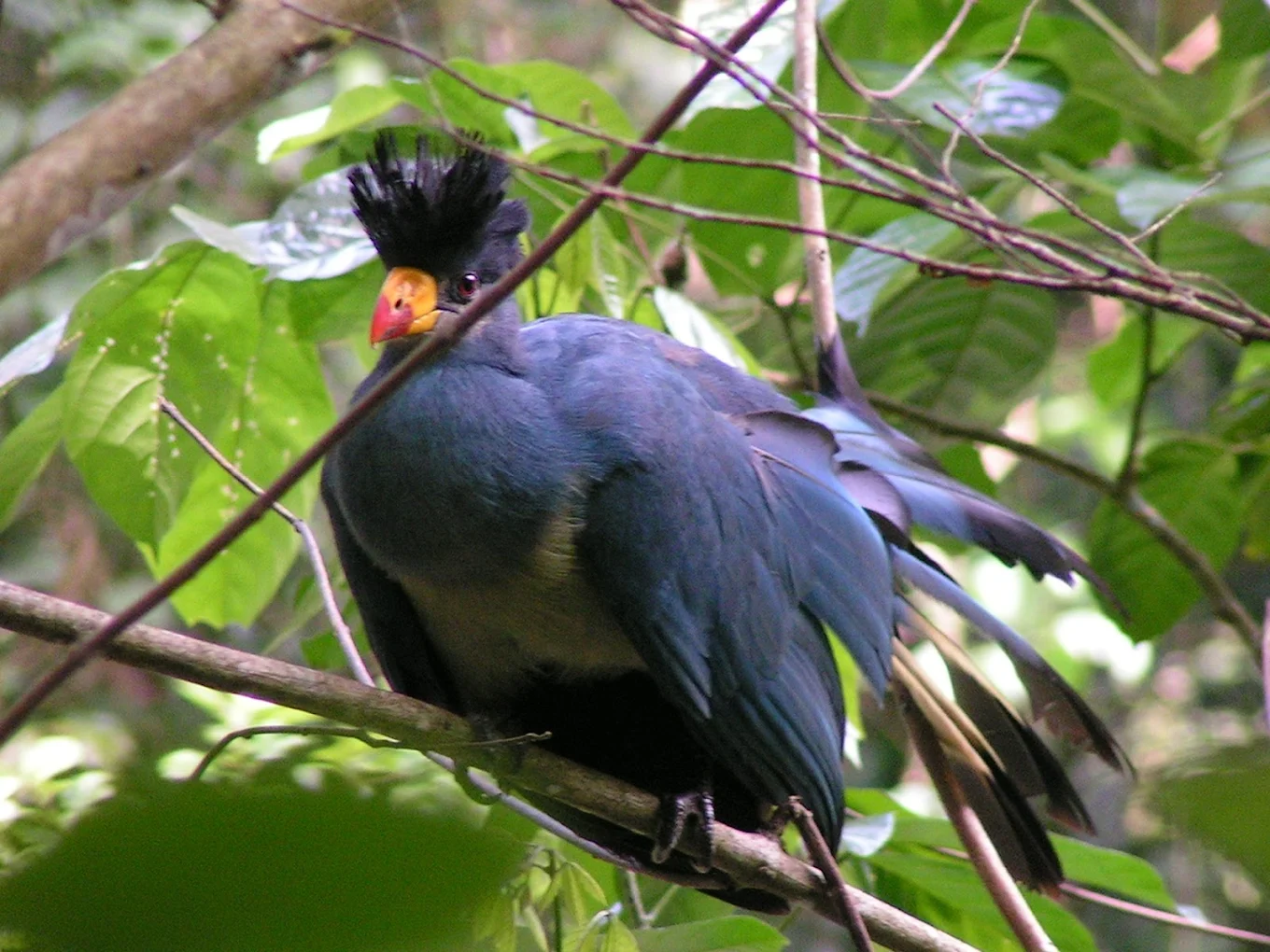
Mount Kenya National Park is one of Kenya’s top birdwatching destinations and supports more than 130 bird species across its forests, bamboo zones, moorlands, alpine slopes, rivers, and wetlands.
The mountain’s changing altitudes create diverse bird habitats that attract both resident and migratory species. Birdwatchers visiting Mount Kenya National Park can enjoy sightings of forest birds, alpine species, raptors, sunbirds, and highland endemics.
The park’s cool mountain climate, thick forests, flowering plants, and wetlands provide ideal conditions for birdlife throughout the year.
Jackson’s Francolin
Jackson’s francolin is one of the most sought-after bird species in Mount Kenya National Park. This attractive highland bird inhabits moorlands and alpine grasslands at higher elevations.
Birdwatchers often encounter Jackson’s francolin along trekking routes near alpine zones.
Hartlaub’s Turaco
Hartlaub’s turaco is a beautiful forest bird known for its striking green plumage and bright red wing feathers visible during flight.
This species inhabits montane forests where it feeds on fruits and berries. Its loud calls are commonly heard within forested sections of Mount Kenya National Park.
Alpine Chat
The alpine chat is a specialized high-altitude bird found in rocky alpine zones near the mountain peaks. It is commonly seen around trekking camps and rocky outcrops at higher elevations.
Scarlet-Tufted Malachite Sunbird
This spectacular bird is one of the most iconic species in Mount Kenya National Park. The scarlet-tufted malachite sunbird is adapted to high-altitude environments and feeds mainly on nectar from giant lobelias and alpine flowers.
Its brilliant metallic colors make it a favorite among bird photographers.
Crowned Eagle
The crowned eagle is one of Africa’s most powerful forest raptors and inhabits the dense forests of Mount Kenya National Park.
These impressive birds prey on monkeys, small antelopes, and other mammals within the forest ecosystem.
Augur Buzzard
The augur buzzard is commonly seen soaring above valleys, cliffs, and open moorlands searching for prey.
Its striking black-and-white coloration and broad wings make it easy to identify.
African Crowned Eagle
The African crowned eagle is another important predator within the park’s forest ecosystem. It plays a vital role in maintaining ecological balance among smaller mammals and birds.
Birdwatching in Mount Kenya National Park is rewarding throughout the year, but early mornings usually provide the best opportunities for sightings and photography.
Mount Kenya Climbing and Trekking Experiences
Mount Kenya National Park is one of Africa’s greatest trekking and mountaineering destinations. The mountain offers a wide range of climbing and hiking experiences suitable for beginners, experienced trekkers, adventure travelers, and professional mountaineers.
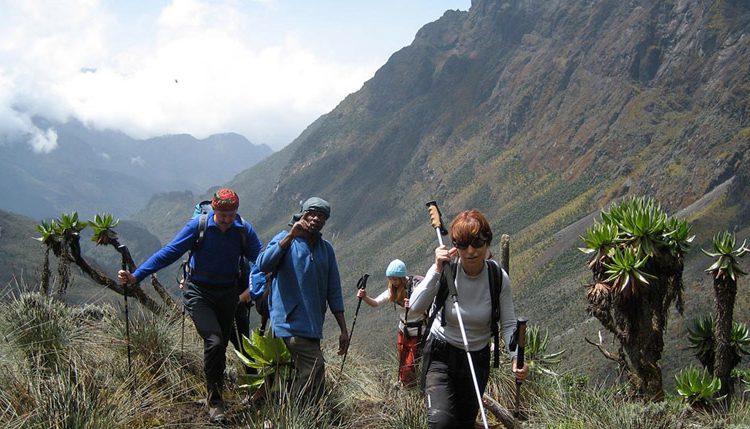
The trekking experience on Mount Kenya is highly rewarding because it combines dramatic mountain scenery, changing ecological zones, wildlife encounters, alpine vegetation, glaciers, lakes, valleys, and breathtaking summit views.
Unlike many other mountain destinations, Mount Kenya offers multiple trekking routes with different landscapes, difficulty levels, and experiences. Climbers and trekkers can choose routes based on fitness levels, available time, and scenic preferences.
Most trekking adventures in Mount Kenya National Park last between three and seven days depending on the route and summit goals.
Main Peaks of Mount Kenya
Mount Kenya features three major peaks that attract climbers and trekkers from around the world.
Batian Peak
Batian Peak is the highest summit of Mount Kenya at 5,199 meters above sea level. This jagged volcanic peak is a challenging destination mainly for experienced technical climbers and mountaineers.
Reaching Batian requires advanced rock-climbing skills, mountaineering equipment, ropes, and professional guiding support. Climbers must navigate steep rock faces, exposed ridges, and technical climbing sections.
The climb is physically demanding but highly rewarding for experienced mountaineers seeking one of Africa’s most prestigious alpine climbing experiences.
From the summit, climbers enjoy spectacular panoramic views of glaciers, valleys, peaks, forests, and distant Kenyan landscapes stretching toward the horizon.
Nelion Peak
Nelion Peak stands at 5,188 meters and is the second-highest summit on Mount Kenya. Like Batian, Nelion requires technical climbing skills and mountaineering experience.
The climb involves steep rock sections, scrambling, and challenging alpine terrain. Many climbers attempt both Batian and Nelion during multi-day mountaineering expeditions.
Nelion provides equally stunning views and is regarded as one of the most exciting technical climbs in East Africa.
Point Lenana
Point Lenana is the most accessible and most visited summit on Mount Kenya at 4,985 meters above sea level. Unlike Batian and Nelion, Point Lenana can be reached through trekking rather than technical climbing.
This peak attracts thousands of trekkers every year because it offers a realistic summit goal for travelers without mountaineering experience.
Most trekkers reach Point Lenana during early morning summit hikes timed to coincide with sunrise. Watching the sunrise from Point Lenana is one of the most unforgettable experiences in Mount Kenya National Park. On clear mornings, climbers can see Mount Kilimanjaro, the Great Rift Valley, and vast Kenyan landscapes illuminated by golden sunlight above the clouds.
The trek to Point Lenana passes through forests, moorlands, valleys, lakes, alpine vegetation zones, and rocky high-altitude landscapes, making it one of the most scenic mountain trekking adventures in Africa.
Point Lenana is ideal for adventure travelers seeking a challenging but achievable high-altitude trekking experience within Mount Kenya National Park.
Popular Activities in Mount Kenya National Park
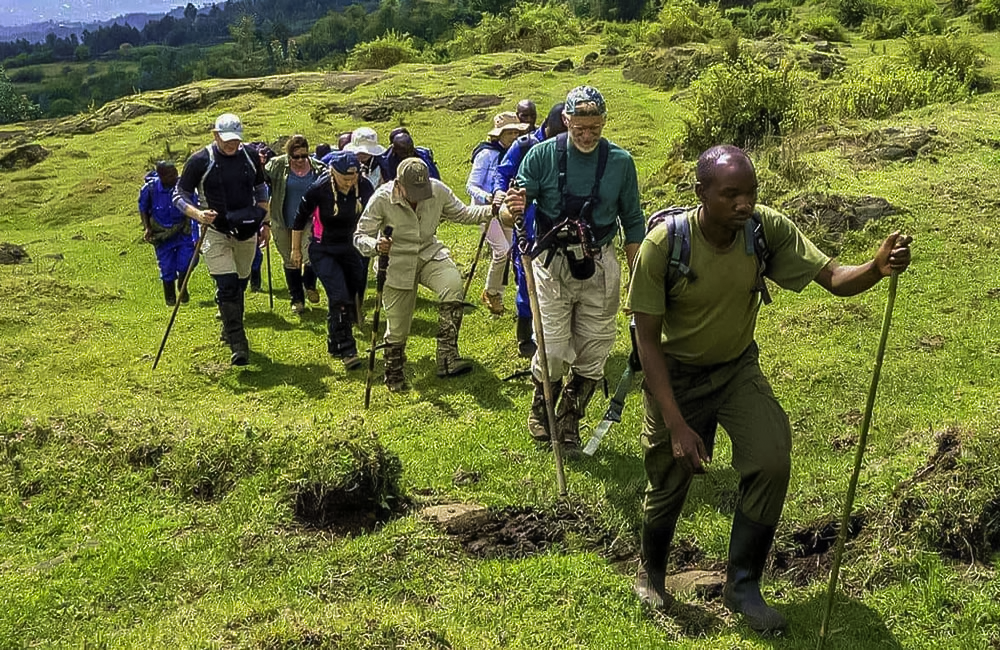
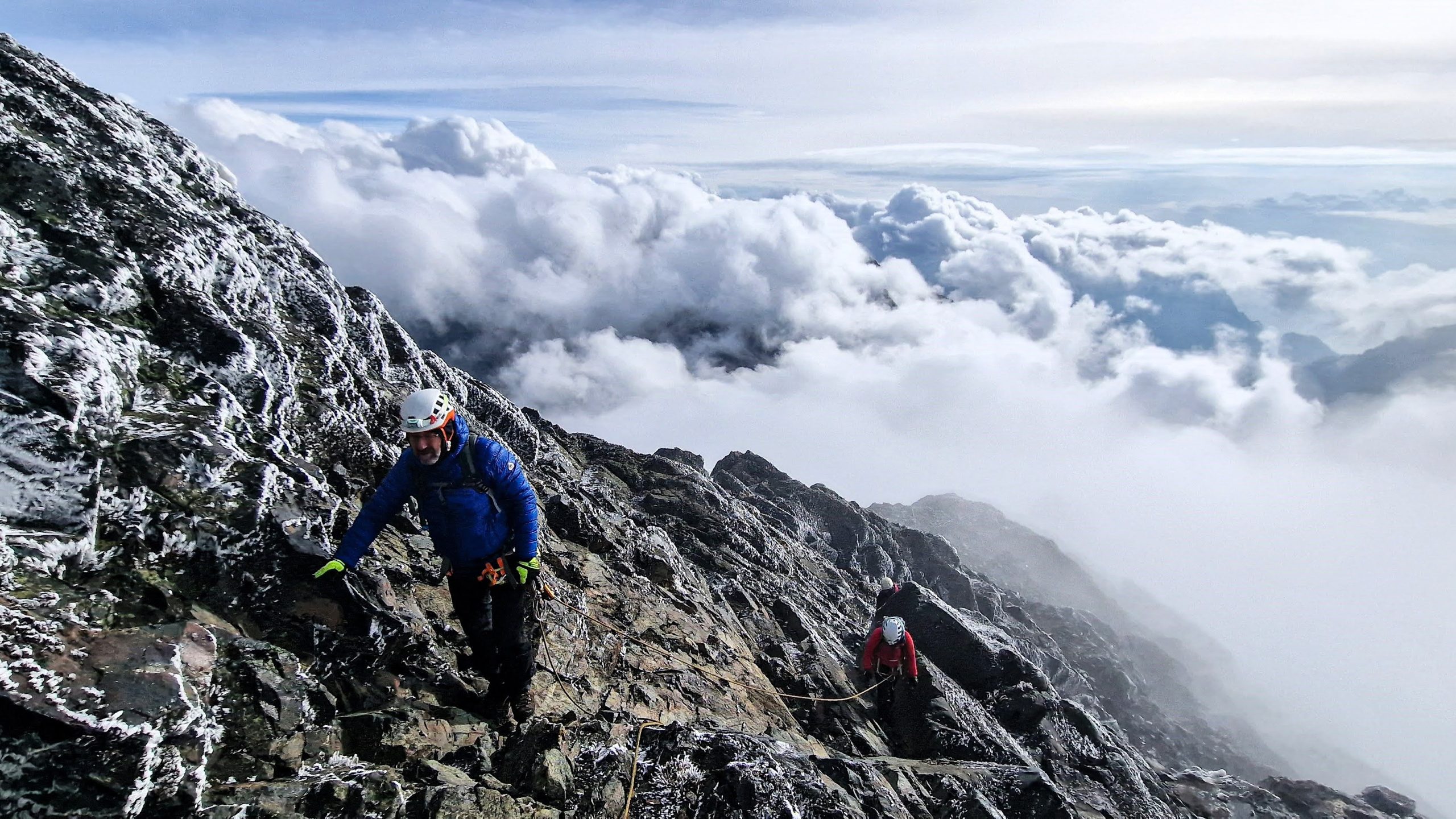
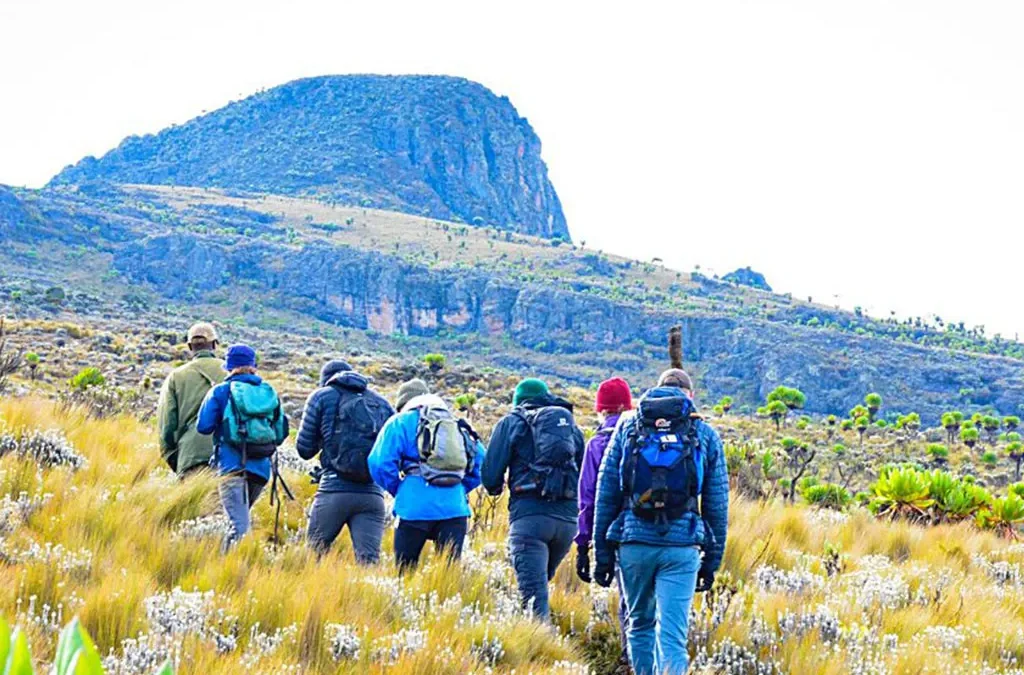
Mount Kenya National Park offers a wide range of adventure, nature, wildlife, and cultural experiences that make it one of the most exciting safari destinations in Kenya. Whether travelers are seeking mountain climbing challenges, scenic nature walks, wildlife encounters, or photography opportunities, the park provides unforgettable experiences throughout the year.
The combination of towering peaks, forests, alpine valleys, rivers, lakes, waterfalls, wildlife habitats, and dramatic mountain scenery allows visitors to enjoy multiple activities within a single safari. Mount Kenya National Park is suitable for solo travelers, couples, families, photographers, hikers, birdwatchers, and adventure enthusiasts looking for a unique Kenya safari experience beyond the traditional savannah game drives.
Mountain Climbing
Mountain climbing is the main attraction in Mount Kenya National Park and one of the most popular adventure experiences in East Africa. Mount Kenya attracts climbers and trekkers from around the world who come to conquer Africa’s second-highest mountain while enjoying some of the continent’s most spectacular alpine scenery.
The mountain offers climbing experiences for different skill levels. Professional mountaineers often attempt the technical peaks of Batian and Nelion, which require advanced rock-climbing skills, specialized equipment, and experienced mountain guides. These climbs involve steep rock faces, exposed ridges, glacier crossings, and challenging alpine conditions.
For most travelers, the main climbing goal is Point Lenana, the third-highest peak on Mount Kenya. Point Lenana does not require technical mountaineering skills, making it accessible to trekkers with good physical fitness and determination. Reaching the summit of Point Lenana is one of the greatest highlights of a Mount Kenya National Park safari.
The climb usually takes several days depending on the route chosen. Popular climbing routes include the Sirimon Route, Chogoria Route, Naro Moru Route, and Burguret Route. Each route offers unique landscapes, ecological zones, mountain lakes, waterfalls, forests, and breathtaking viewpoints.
One of the most unforgettable moments during the climb is the early morning summit hike to Point Lenana. Trekkers begin hiking before sunrise and reach the summit just as the sun rises above the clouds. The golden light illuminating the mountain peaks, glaciers, valleys, and distant Kenyan landscapes creates a truly magical experience.
Mountain climbing in Mount Kenya National Park also provides opportunities to experience dramatic altitude changes and unique ecosystems. Climbers pass through dense rainforests, bamboo forests, giant heather zones, moorlands, alpine meadows, rocky valleys, and glacier landscapes within a single expedition.
Hiking and Nature Walks
Mount Kenya National Park is one of the best hiking destinations in Kenya and offers excellent opportunities for guided nature walks and scenic trekking adventures. Travelers who may not wish to climb the summit can still enjoy incredible hiking experiences across different parts of the park.
The lower forest zones feature beautiful walking trails that pass through bamboo forests, waterfalls, rivers, caves, and wildlife habitats. Guided forest walks allow visitors to learn about local flora, fauna, birdlife, medicinal plants, and conservation efforts while exploring the natural beauty of the mountain ecosystem.
Moorland hikes are particularly popular because they provide access to open alpine landscapes filled with giant lobelias, giant groundsels, wildflowers, rocky ridges, and scenic valleys. These hikes are ideal for photography, birdwatching, and enjoying panoramic mountain views.
Nature walks in Mount Kenya National Park also provide peaceful opportunities to experience the mountain wilderness away from crowded tourist areas. Travelers can enjoy the sounds of birds, flowing rivers, rustling bamboo forests, and fresh mountain air while surrounded by spectacular scenery.
The park’s hiking experiences range from short day walks to multi-day trekking adventures. Guided hikes are recommended for safety, navigation, wildlife awareness, and learning about the ecology and history of Mount Kenya.
Wildlife Viewing
Although Mount Kenya National Park is mainly known for trekking and mountain climbing, wildlife viewing remains an important part of the safari experience. The dense forests and lower slopes of the mountain support a rich variety of mammals, primates, birds, and smaller forest animals.
Wildlife viewing is especially rewarding in the bamboo forests, montane forests, and lower-altitude regions where animals search for food, water, and shelter. Travelers exploring these areas may encounter African elephants, Cape buffaloes, bushbucks, giant forest hogs, hyenas, monkeys, and several antelope species.
Black-and-white colobus monkeys and olive baboons are among the most commonly seen primates in the park. Their playful behavior and movements through the forest canopies create exciting wildlife encounters during hikes and nature walks.
Leopards also inhabit the mountain forests, although sightings are rare because of their secretive and nocturnal nature. Smaller mammals such as duikers, tree hyraxes, and suni antelopes are occasionally spotted along forest trails.
Unlike open savannah safaris, wildlife viewing in Mount Kenya National Park feels more adventurous and intimate because animals are encountered within forests, valleys, and mountain landscapes. This creates a unique safari atmosphere that combines nature exploration with mountain adventure.
Birdwatching
Mount Kenya National Park is a paradise for birdwatchers and supports more than 130 bird species across its forests, moorlands, wetlands, and alpine ecosystems. The mountain’s diverse habitats attract both resident and migratory birds, making birdwatching possible throughout the year.
Bird enthusiasts visiting Mount Kenya National Park can spot a variety of highland species, forest birds, sunbirds, raptors, and alpine specialists. Popular species include Hartlaub’s turaco, Jackson’s francolin, scarlet-tufted malachite sunbird, crowned eagle, augur buzzard, alpine chat, and African crowned eagle.
The scarlet-tufted malachite sunbird is particularly famous because of its brilliant metallic colors and close association with the giant lobelias found in high-altitude moorlands. It is one of the most photographed birds in the park.
Forest trails and moorland zones provide excellent birdwatching opportunities, especially during early morning hours when bird activity is highest. The peaceful mountain environment and scenic landscapes make birdwatching in Mount Kenya National Park especially rewarding for photographers and nature lovers.
Camping
Camping is one of the most exciting ways to experience Mount Kenya National Park and is highly popular among trekkers, climbers, photographers, and adventure travelers. The mountain offers several camping areas located within scenic valleys, moorlands, forests, and alpine environments.
Camping allows travelers to immerse themselves fully in the mountain wilderness while enjoying spectacular views of peaks, glaciers, lakes, rivers, and star-filled night skies. The peaceful atmosphere of the mountain creates unforgettable outdoor experiences far from busy urban environments.
Popular camping areas include Shipton’s Camp, Mackinder’s Camp, Old Moses Camp, and Lake Ellis camping areas. These camps serve as overnight stops for trekkers climbing toward Point Lenana or exploring various mountain routes.
Campers often enjoy breathtaking sunsets and sunrises, cool mountain air, wildlife sounds, and excellent opportunities for photography. Night skies over Mount Kenya are especially impressive because of minimal light pollution and clear high-altitude conditions.
Camping experiences can range from basic adventure camping to more comfortable organized camping safaris with tents, cooks, guides, and support staff.
Photography Safaris
Mount Kenya National Park is one of the best photography destinations in Kenya because of its dramatic scenery, changing landscapes, wildlife, and unique alpine environments.
Photographers visiting the park can capture snow-capped peaks, glaciers, waterfalls, mountain lakes, bamboo forests, wildlife, giant lobelias, rocky valleys, dramatic cloud formations, and colorful alpine vegetation. The variety of landscapes within a relatively small area creates endless opportunities for landscape and nature photography.
Sunrise and sunset are particularly spectacular on Mount Kenya. Early morning light illuminating the mountain peaks and valleys creates golden colors and dramatic shadows that are ideal for photography.
The park’s changing weather conditions also produce fascinating photographic moments including mist-covered forests, clear alpine skies, dramatic storm clouds, and reflections on mountain lakes.
Wildlife photographers can capture forest animals and unique bird species within natural mountain habitats, while adventure photographers often focus on climbers ascending rugged peaks and trekkers navigating scenic trails.
Whether using professional equipment or smartphones, travelers will find countless opportunities for memorable photography throughout Mount Kenya National Park.
Mount Kenya National Park Entry Fees and Costs
The cost of visiting Mount Kenya National Park varies depending on the type of safari, trekking route, accommodation category, transportation method, and activities included in the itinerary. Travelers can choose from budget trekking adventures, midrange hiking safaris, or luxury mountain expeditions depending on their travel preferences and budget.
Several factors influence the overall cost of a Mount Kenya National Park safari, including park entrance fees, guide services, porter support, accommodation, camping equipment, meals, transportation, and climbing permits.
Travelers climbing Point Lenana or attempting technical peaks such as Batian and Nelion generally require multi-day itineraries with additional support services and mountain logistics.
Luxury safaris often include high-end lodges, private transportation, professional guides, customized itineraries, and upgraded camping or lodge experiences, while budget safaris focus mainly on trekking essentials and basic accommodation.
Typical Costs Include
Park Entrance Fees
All visitors entering Mount Kenya National Park must pay park entrance fees regulated by Kenya Wildlife Service. These fees contribute to conservation, wildlife protection, trail maintenance, and park management.
Guide Fees
Professional mountain guides are highly recommended for trekking and climbing activities. Guides provide navigation, safety support, wildlife awareness, first aid assistance, and valuable information about the mountain ecosystem.
Porter Services
Porters assist trekkers by carrying luggage, camping equipment, food supplies, and climbing gear during multi-day expeditions. Hiring porters greatly improves comfort and allows travelers to enjoy the trek more easily.
Camping Fees
Travelers camping within the park pay camping fees depending on the campsite location and duration of stay.
Accommodation
Accommodation costs vary widely depending on whether travelers choose mountain huts, budget camps, midrange lodges, luxury lodges, or organized camping safaris.
Transportation
Transportation costs include road transfers from Nairobi, private safari vehicles, domestic flights, or charter flights depending on the safari package selected.
Climbing Permits
Technical climbers attempting Batian or Nelion may require specialized climbing permits and mountaineering arrangements.
Sample Mount Kenya National Park Safari Costs
| Safari Type | Duration | Estimated Cost Per Person |
|---|---|---|
| Budget Trekking Safari | 3 Days | USD 450 – 900 |
| Midrange Mount Kenya Safari | 4–5 Days | USD 1,000 – 2,000 |
| Luxury Mount Kenya Safari | 5–7 Days | USD 2,500 – 6,000+ |
These costs may vary depending on season, group size, accommodation preferences, transport options, and additional safari activities included in the itinerary.
Book Your Mount Kenya National Park Safari with Boots in the Jungle Safaris
A Mount Kenya National Park safari offers one of the most rewarding adventure experiences in Africa. From snow-capped peaks and glacier landscapes to wildlife encounters, alpine vegetation, scenic hiking trails, and breathtaking mountain views, Mount Kenya National Park combines adventure, nature, conservation, and relaxation in one extraordinary destination.
Whether you are planning a challenging summit climb, a scenic trekking safari, a photography expedition, a birdwatching tour, or a peaceful mountain escape, Mount Kenya National Park provides unforgettable experiences for every type of traveler.
Boots in the Jungle Safaris specializes in professionally organized Mount Kenya National Park safaris tailored to different budgets, travel styles, and adventure levels. Our experienced team helps travelers plan customized itineraries that include mountain climbing, guided trekking, wildlife viewing, camping adventures, luxury lodge stays, transportation, and expert local guiding services.
We provide carefully designed safari experiences that allow travelers to fully explore the beauty and diversity of Mount Kenya while enjoying comfort, safety, and personalized service throughout the journey.
Whether you are visiting Kenya for the first time or returning for another African adventure, Mount Kenya National Park remains one of the continent’s most spectacular and rewarding safari destinations.