Ultimate Guide to Ngorongoro Conservation Area – A Complete Safari Experience in Tanzania
Nestled in the heart of Tanzania, the Ngorongoro Conservation Area is an extraordinary destination for safari lovers, adventure seekers, and those interested in cultural enrichment. This UNESCO World Heritage Site spans an impressive 8,292 square kilometers of diverse landscapes, including lush grasslands, dense woodlands, and dramatic volcanic highlands. With its breathtaking natural beauty and unparalleled wildlife experiences, Ngorongoro attracts thousands of visitors each year, making it one of the most popular safari destinations in Africa.
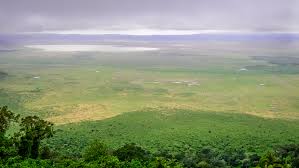
The area’s most famous feature is the Ngorongoro Crater, a massive volcanic caldera formed millions of years ago when a giant volcano collapsed. Known as the “Garden of Eden,” the crater is often hailed as one of the best places on Earth to witness wildlife in a concentrated area. It is home to a remarkable variety of animals, including the iconic Big Five – lions, elephants, buffaloes, rhinos, and leopards. Its unique ecosystem, with grasslands, swamps, and lakes, creates the perfect setting for both predators and prey to coexist in a delicate balance.
But Ngorongoro isn’t just about wildlife; it also offers a chance to explore the rich cultural heritage of the Maasai people, who have lived in the area for centuries. The Maasai have long coexisted with the wildlife of Ngorongoro, and their culture is deeply intertwined with the land. Visitors can engage with Maasai communities, gaining insight into their customs, traditions, and sustainable practices that help preserve the region’s rich biodiversity.
Whether you are an avid wildlife enthusiast or someone looking to immerse yourself in both nature and culture, the Ngorongoro Conservation Area is a must-visit destination that promises unforgettable experiences.
Why Visit Ngorongoro Conservation Area?
The Ngorongoro Crater – A Safari Wonderland
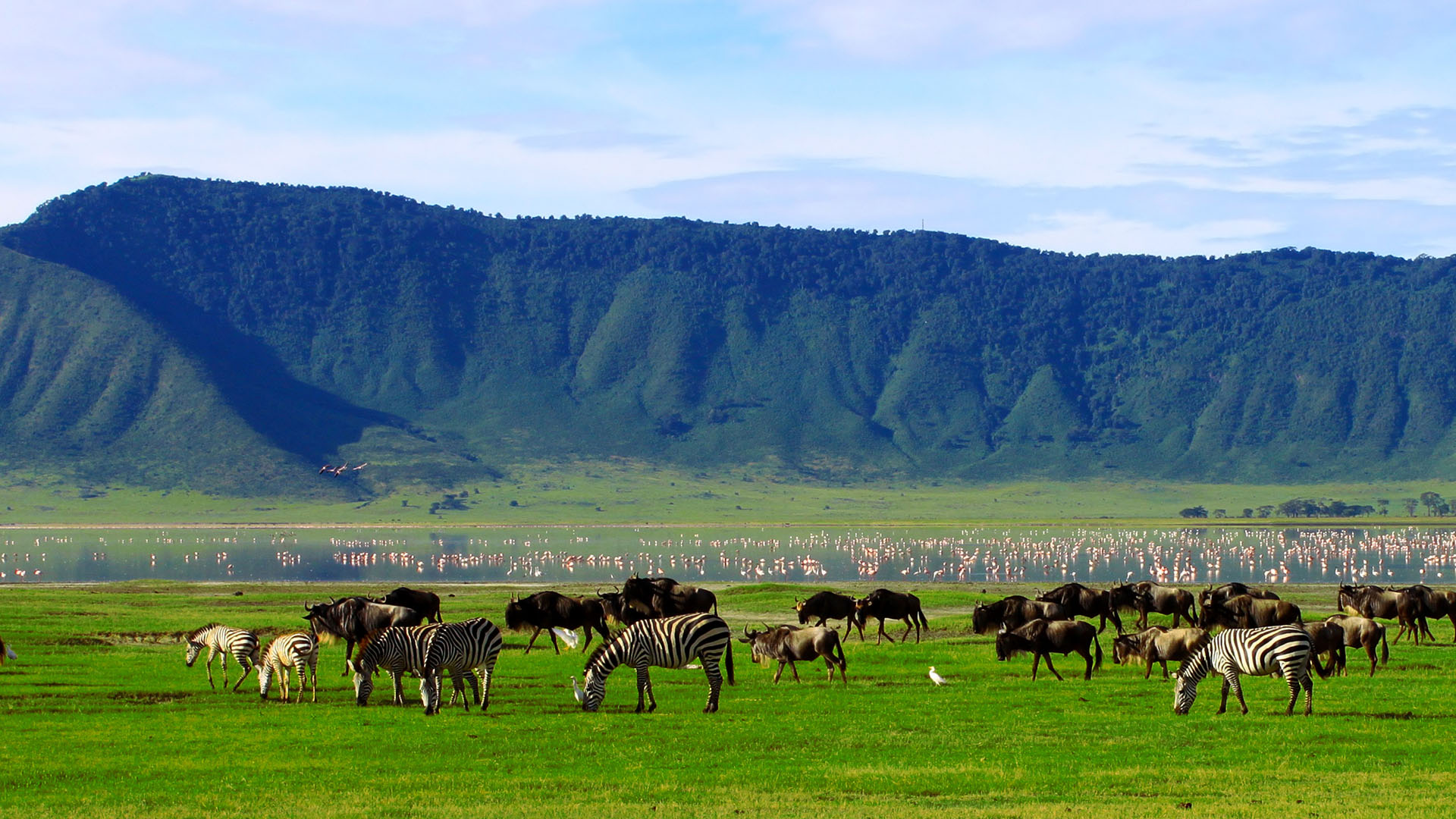
The Ngorongoro Crater is the centerpiece of the Ngorongoro Conservation Area, and it stands as one of the most remarkable wildlife havens in the world. Formed by the collapse of a giant volcano millions of years ago, the crater measures about 20 kilometers in diameter and is home to a staggering concentration of wildlife.
The Unique Ecosystem of the Crater
The floor of the crater spans approximately 260 square kilometers and features a mix of grasslands, swamps, lakes, and forests, creating a variety of habitats that support a rich and diverse range of species. The sheer density of wildlife within the crater, coupled with its relatively small area, ensures that visitors are guaranteed incredible wildlife sightings, often within a short distance of each other. The caldera’s steep walls create a natural barrier that keeps animals in, and this makes Ngorongoro one of the best places in Africa for a wildlife safari.
Diverse Habitats for Wildlife
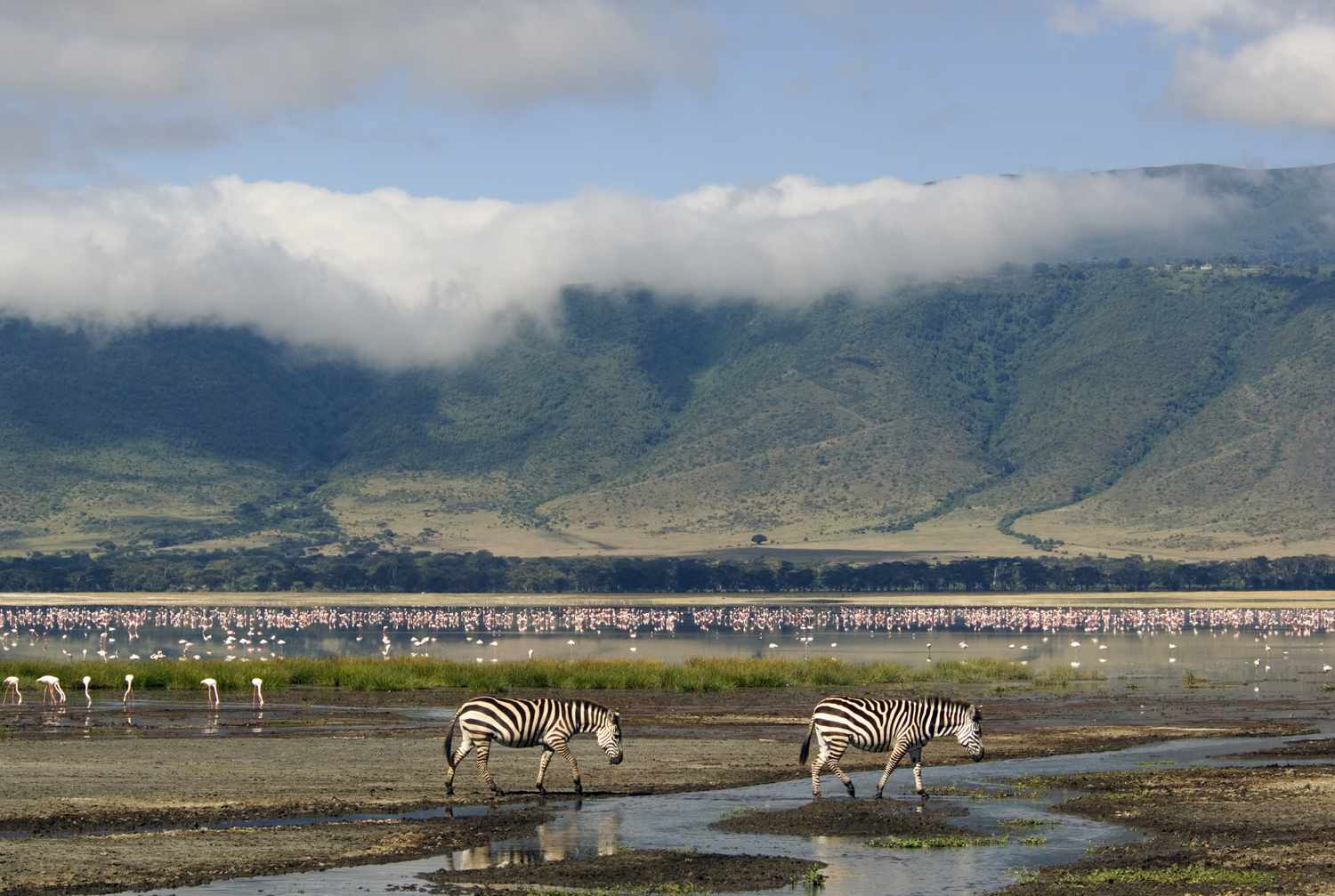
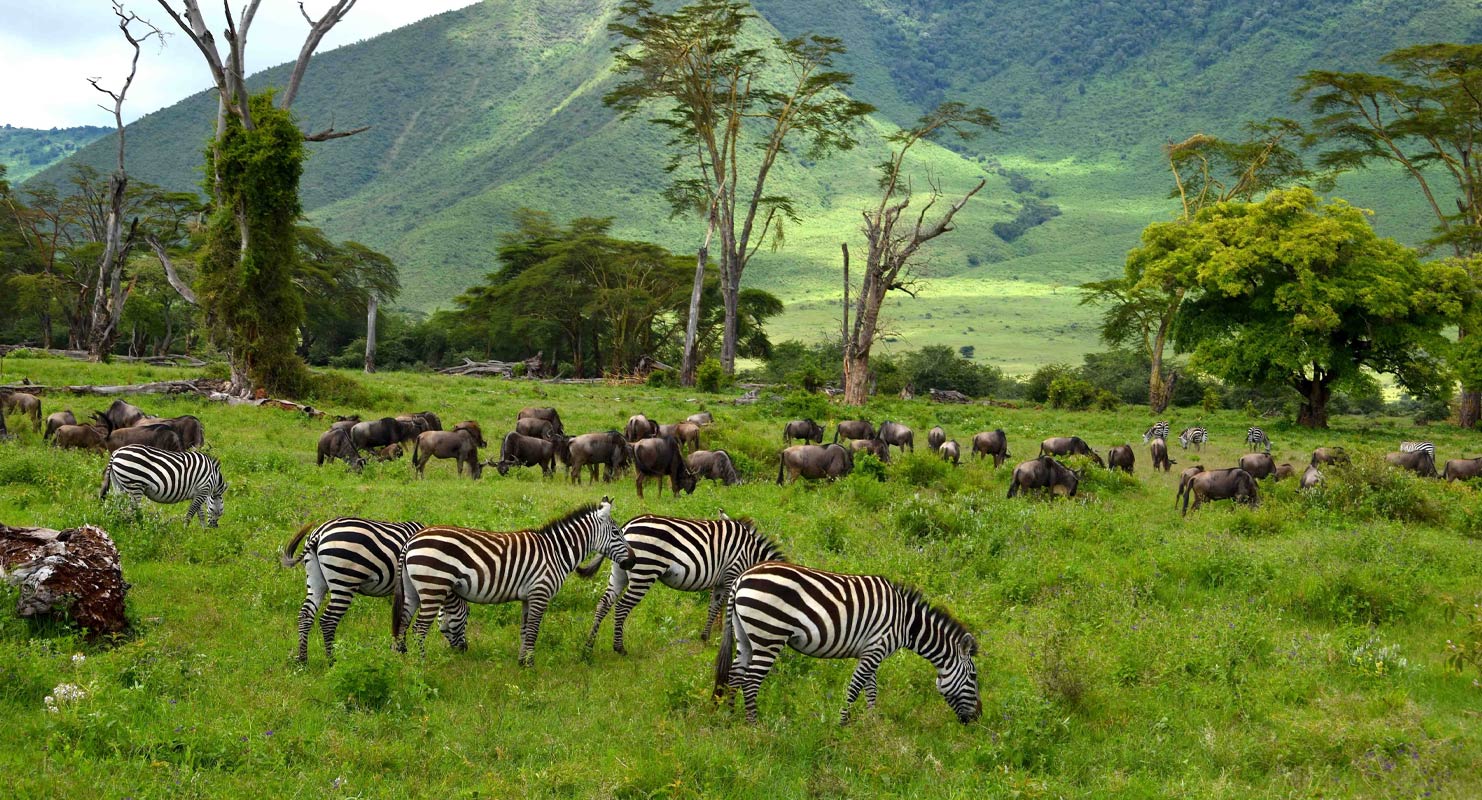
The varied habitats in the crater provide suitable environments for a wide variety of animals. Grasslands dominate the center of the crater, providing grazing opportunities for herbivores such as wildebeests, zebras, gazelles, and buffaloes. Swamps and lakes on the crater floor offer water sources for animals like elephants, hippos, and flamingos. The forests and cliffs around the crater’s edge provide shelter and hunting grounds for predators like lions, cheetahs, hyenas, and leopards.
Big Five Safari in Ngorongoro Crater
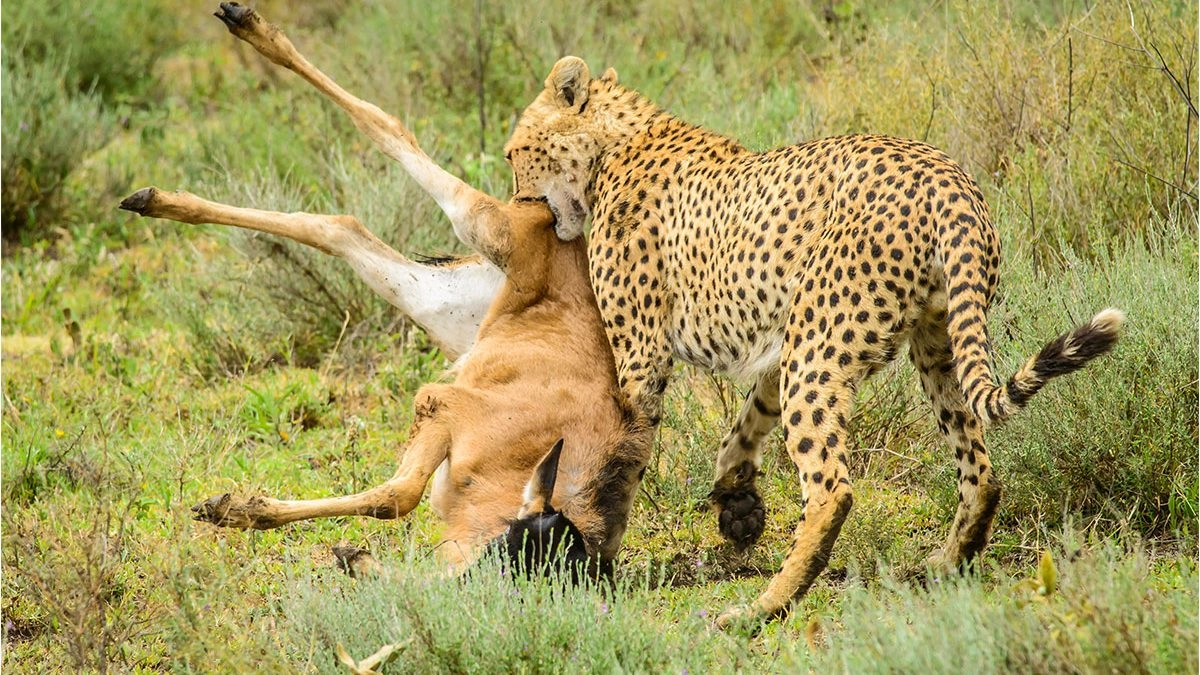
Ngorongoro Crater is one of the best places in Africa to see the Big Five – lions, elephants, buffaloes, leopards, and rhinos – all in one location. The dense concentration of wildlife in the crater, particularly during the dry season, makes it a prime destination for game drives.
Lions in Ngorongoro Crater
Lions are one of the most iconic predators in Ngorongoro, and they are commonly seen resting on the open grasslands or hunting in the lush, wooded areas of the crater. The lions of Ngorongoro are famous for their large prides, and visitors are often treated to close encounters with these majestic creatures, whether they’re lounging near waterholes, hunting for prey, or playing with their cubs.
Elephants in Ngorongoro Crater
Ngorongoro is home to large herds of African elephants, which can often be seen grazing on the lush vegetation around the crater floor. These gentle giants move through the swamps and grasslands in search of food, and visitors can watch them interact with their herd and even observe their intricate social behaviors.
Buffaloes in Ngorongoro Crater
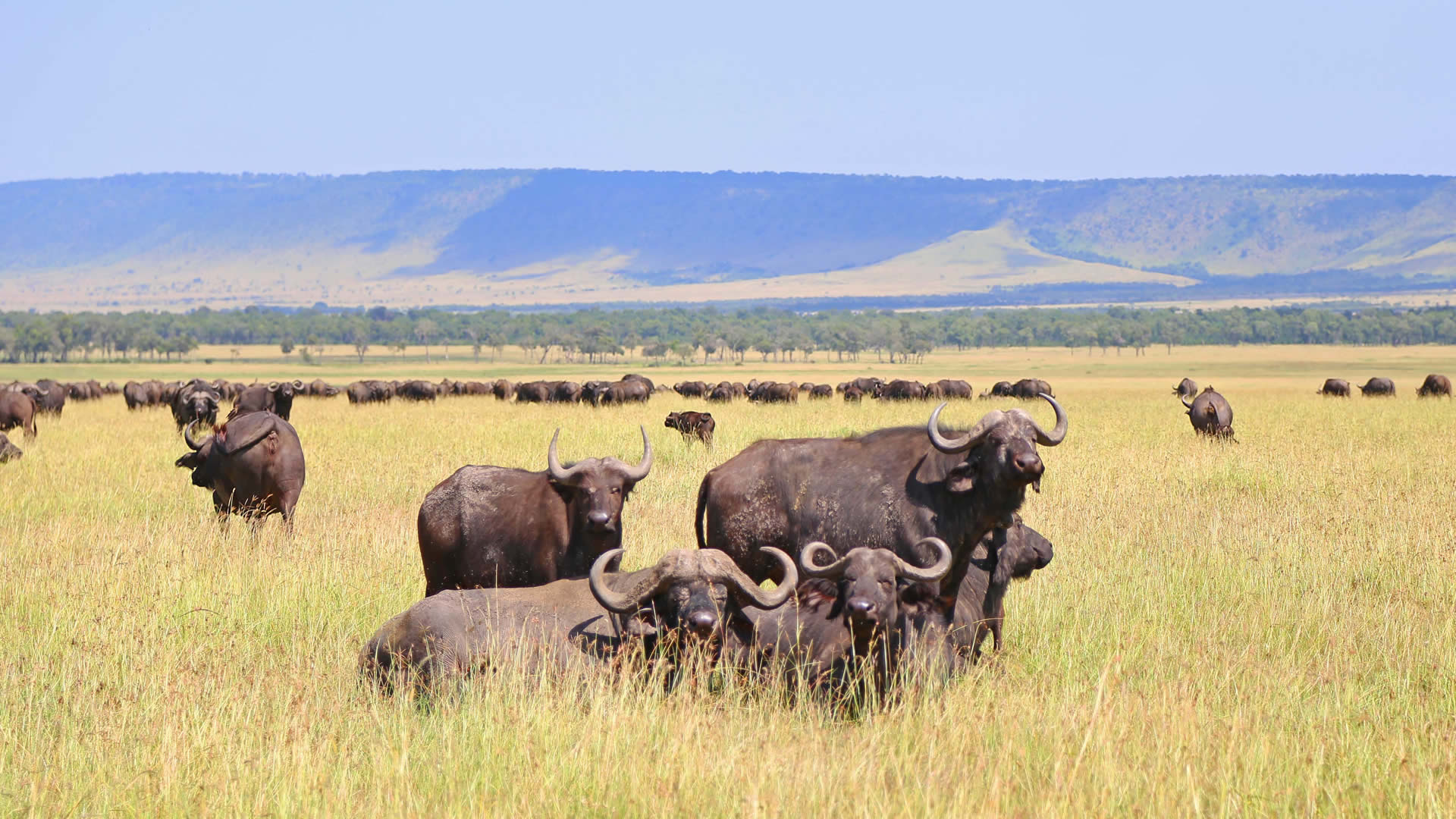
African buffaloes are widespread in Ngorongoro and are often found grazing on the grassy plains or near water sources. They are frequently seen in large herds, adding a dramatic presence to the park’s already impressive wildlife display. Buffaloes play a key role in the ecosystem, maintaining the health of the grasslands and providing food for predators like lions and hyenas.
Rhinos in Ngorongoro Crater
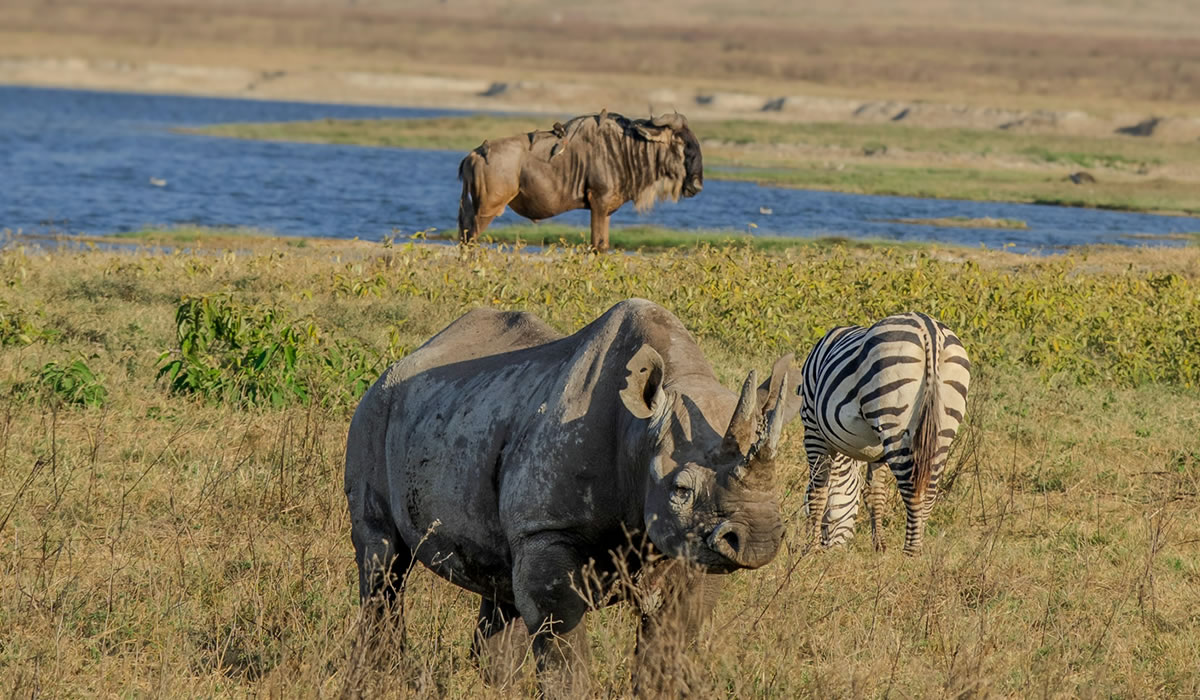
Ngorongoro Crater is one of the best places to see black rhinos in the wild. These endangered creatures roam the crater’s floor, feeding on grasses and shrubs. Rhino sightings in Ngorongoro are somewhat rare but incredibly special, as the park is one of the few places in Africa where they can be seen in a relatively concentrated area. Efforts to protect rhinos in the region have been highly successful, contributing to the park’s thriving wildlife population.
Leopards in Ngorongoro Crater
Leopards are often elusive and harder to spot, but they are present in the Ngorongoro Crater and can be seen resting in the trees or hunting on the crater floor. These solitary predators rely on their incredible camouflage and stealth to ambush prey, and they are a prized sighting for safari enthusiasts.
Unique Wildlife Encounters
While the Big Five dominate the spotlight, Ngorongoro Conservation Area is home to many other species, making it one of the most biodiverse regions in the world. The crater’s varied ecosystems support a range of animals and birds, offering visitors the chance to observe a wide variety of behaviors and interactions.
Wildebeests and Zebras
During the migration season, wildebeests and zebras can be found in the crater, where they come to graze and give birth to their young. Witnessing the Great Migration in the Ngorongoro Crater is a unique experience, as large herds move across the plains, attracting predators like lions, cheetahs, and hyenas.
Cheetahs and Hyenas
Cheetahs are known for their speed and agility and can be seen in the crater hunting small prey like gazelles and impalas. Hyenas often follow predators and scavenge from their kills, adding a fascinating dynamic to the predator-prey relationship in the crater. The interactions between these predators and their prey offer exciting wildlife viewing opportunities for visitors.
Jackals and Hippos
Jackals can be seen in the crater during early morning or late evening, scavenging for food or hunting small mammals. Meanwhile, hippos are often found lounging in the crater’s lakes and swamps, where they spend much of their day submerged in water. Hippos are fascinating creatures to observe, especially during their territorial disputes.
Over 500 Bird Species
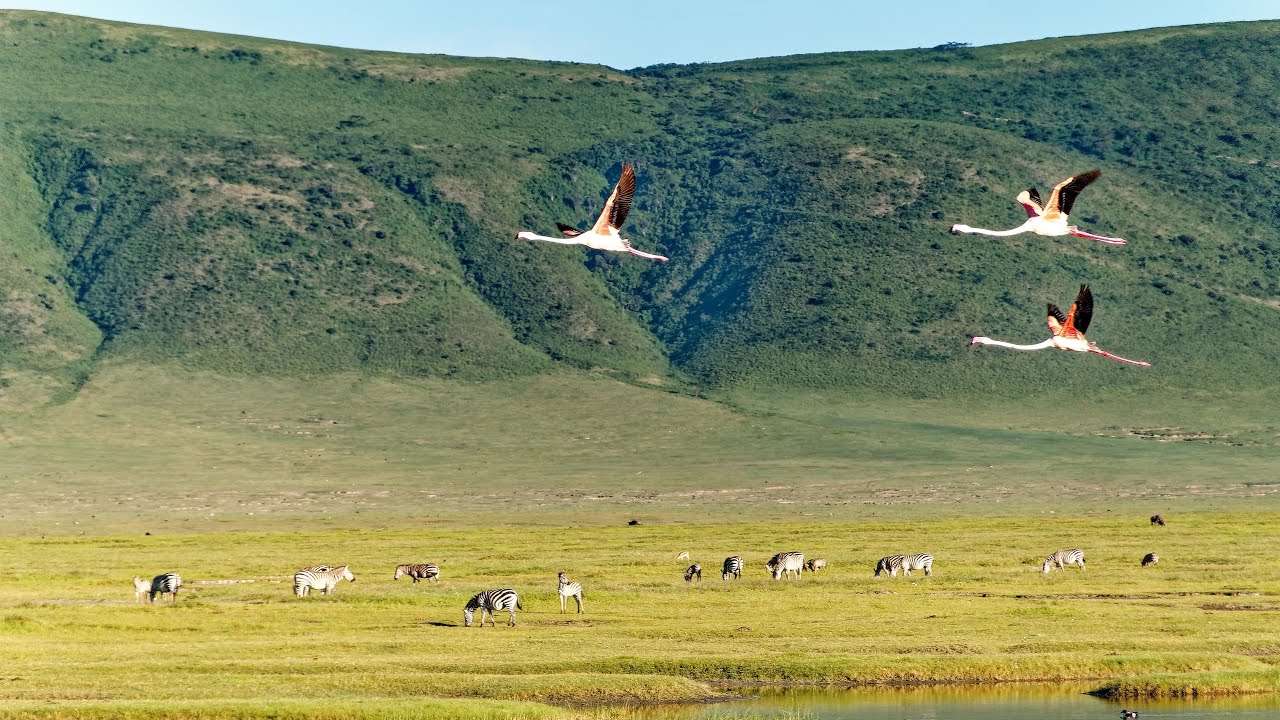
Ngorongoro Conservation Area is also a birdwatcher’s paradise. Over 500 bird species have been recorded, including flamingos that flock to the crater’s lakes, eagles soaring above the crater’s cliffs, and vultures scavenging the vast plains. Birdwatchers can also spot hornbills, kingfishers, buzzards, and several species of storks throughout the park.
Cultural Heritage in Ngorongoro
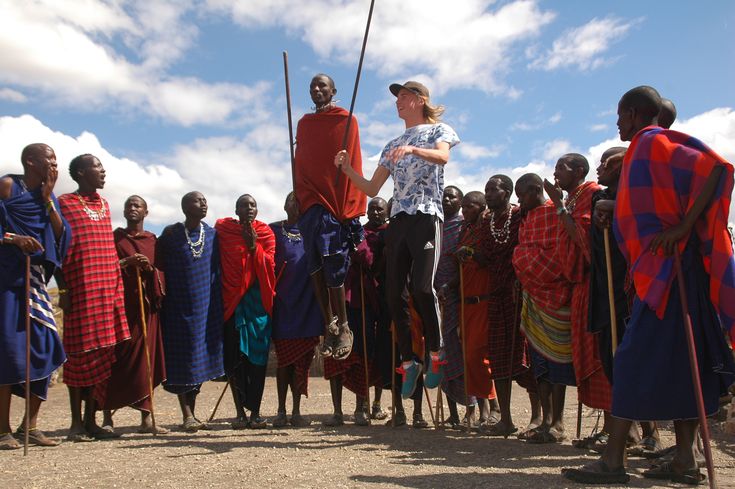
Ngorongoro Conservation Area is not only renowned for its rich biodiversity but also for its deep cultural significance, particularly due to the presence of the Maasai people. The Maasai are a semi-nomadic pastoralist community that has lived in the Ngorongoro region for centuries, maintaining a close and symbiotic relationship with the land and wildlife. Their rich cultural heritage, traditions, and unique way of life are woven into the very fabric of Ngorongoro, making it a fascinating destination for visitors interested in cultural experiences.
The Maasai People and Their Traditional Way of Life
The Maasai people have historically lived in harmony with the wildlife of the Ngorongoro Conservation Area, and their cultural practices are intricately linked to the land. Their semi-nomadic lifestyle revolves around the herding of cattle, which are considered a symbol of wealth and status within the Maasai community. The Maasai have a deep spiritual connection to the land, and they view the wildlife in Ngorongoro as part of their natural heritage.
Maasai Villages – Authentic Cultural Encounters
Visitors to Ngorongoro can engage with the Maasai through Maasai village visits, which offer a rare and authentic opportunity to experience their daily life and cultural practices. These visits provide a unique insight into the Maasai way of life, allowing visitors to learn about their ancient customs, rituals, and traditions that have been passed down through generations.
During these visits, you can witness Maasai dances, where the men perform energetic and rhythmic jumping dances to demonstrate strength and agility. These dances are a significant part of Maasai ceremonies, such as those held during important rites of passage, weddings, and festivals. You will also be introduced to traditional Maasai crafts, including beadwork, jewelry, and clothing, which hold deep cultural meanings.
Visitors can also enjoy local Maasai food during these cultural tours, where traditional dishes such as nyama choma (grilled meat), maize porridge, and sour milk are served. These meals are an excellent way to understand the Maasai’s relationship with their livestock and their sustainable way of using natural resources.
The Maasai and Wildlife Conservation
An essential aspect of Ngorongoro’s unique identity is the Maasai people’s role in wildlife conservation. The Maasai have lived in the Ngorongoro region for centuries and have been key partners in preserving the area’s ecosystem. Their traditional practices of rotational grazing, sustainable land management, and maintaining a balance between wildlife and livestock have ensured the harmonious coexistence of both.
The Maasai people are actively involved in the management of Ngorongoro Conservation Area, participating in conservation programs that aim to protect the wildlife, including endangered species such as the black rhino, while maintaining their pastoral lifestyle. The Maasai have long recognized the value of the area’s wildlife, and their cultural practices have contributed to the region’s ability to preserve its biodiversity.
Visitors to Ngorongoro have the opportunity to witness how sustainable tourism can benefit both local communities and conservation efforts, ensuring that the Maasai’s traditions are preserved alongside the protection of the region’s wildlife.
Best Time to Visit Ngorongoro Conservation Area
Ngorongoro Conservation Area offers a spectacular safari experience year-round, but the timing of your visit can significantly enhance the type of experience you have. Each season brings different opportunities for wildlife viewing, photography, and cultural immersion, allowing visitors to tailor their safari to their specific interests.
Dry Season (June to October)
The dry season, which lasts from June to October, is considered the best time for wildlife viewing in Ngorongoro. During this time, animals are concentrated around the crater’s water sources, making it easier to spot wildlife. The thinner vegetation also provides better visibility, especially for game drives.
Best Time for Big Five Safaris
This is the ideal time for spotting the Big Five (lions, elephants, buffaloes, leopards, and rhinos) as they tend to gather near the limited water sources within the crater. The dry season is also perfect for seeing large herds of wildebeests, zebras, and gazelles grazing across the plains of Ngorongoro.
Fewer Rainy Days, Clear Skies
The dry season brings clear skies and cooler temperatures, making it an ideal time for comfortable game drives and outdoor activities. With fewer rainy days, you’re more likely to experience uninterrupted game drives and stunning scenic views across the crater.
Green Season (November to May)
The green season, from November to May, is marked by the rainy season in Ngorongoro. While this time brings lush landscapes and vibrant greenery, it also means that wildlife may be more dispersed across the park, making game viewing slightly more challenging.
Ideal for Birdwatching
Despite the potential challenges for traditional wildlife viewing, the green season is a fantastic time for birdwatching. Ngorongoro attracts a wide variety of migratory birds during this period, including flamingos in the crater’s lakes and other species that arrive from Europe and Asia. Photographers also love the green season for capturing the vibrant landscapes and newborn animals in lush settings.
Peaceful Safari Experience
The green season is less crowded, offering a more peaceful and serene safari experience. If you’re looking to avoid large crowds and enjoy a more relaxed atmosphere, visiting during the rainy season allows you to enjoy the park without the bustling tourist traffic of the dry season.
Best Time for the Ngorongoro Crater
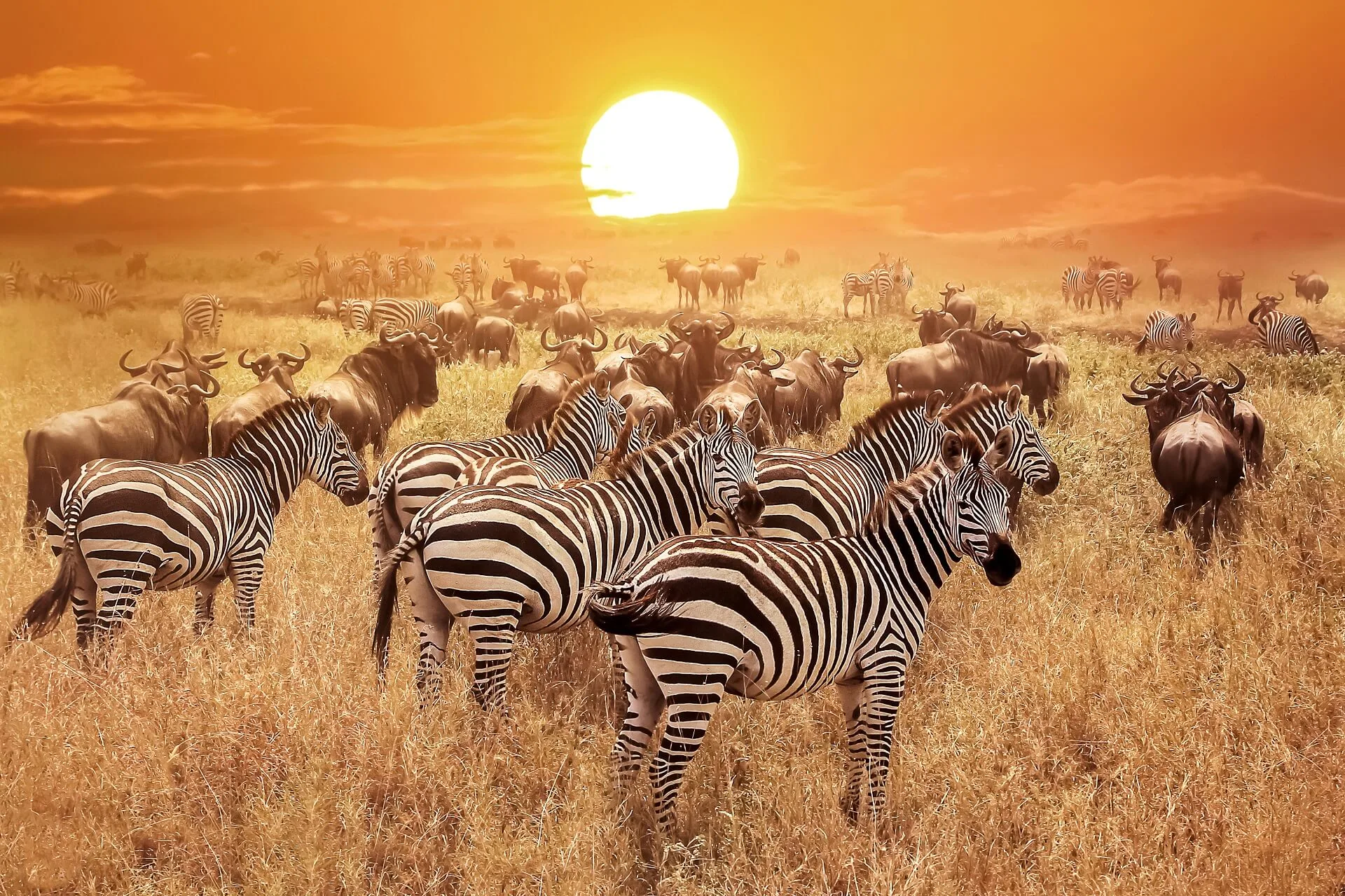
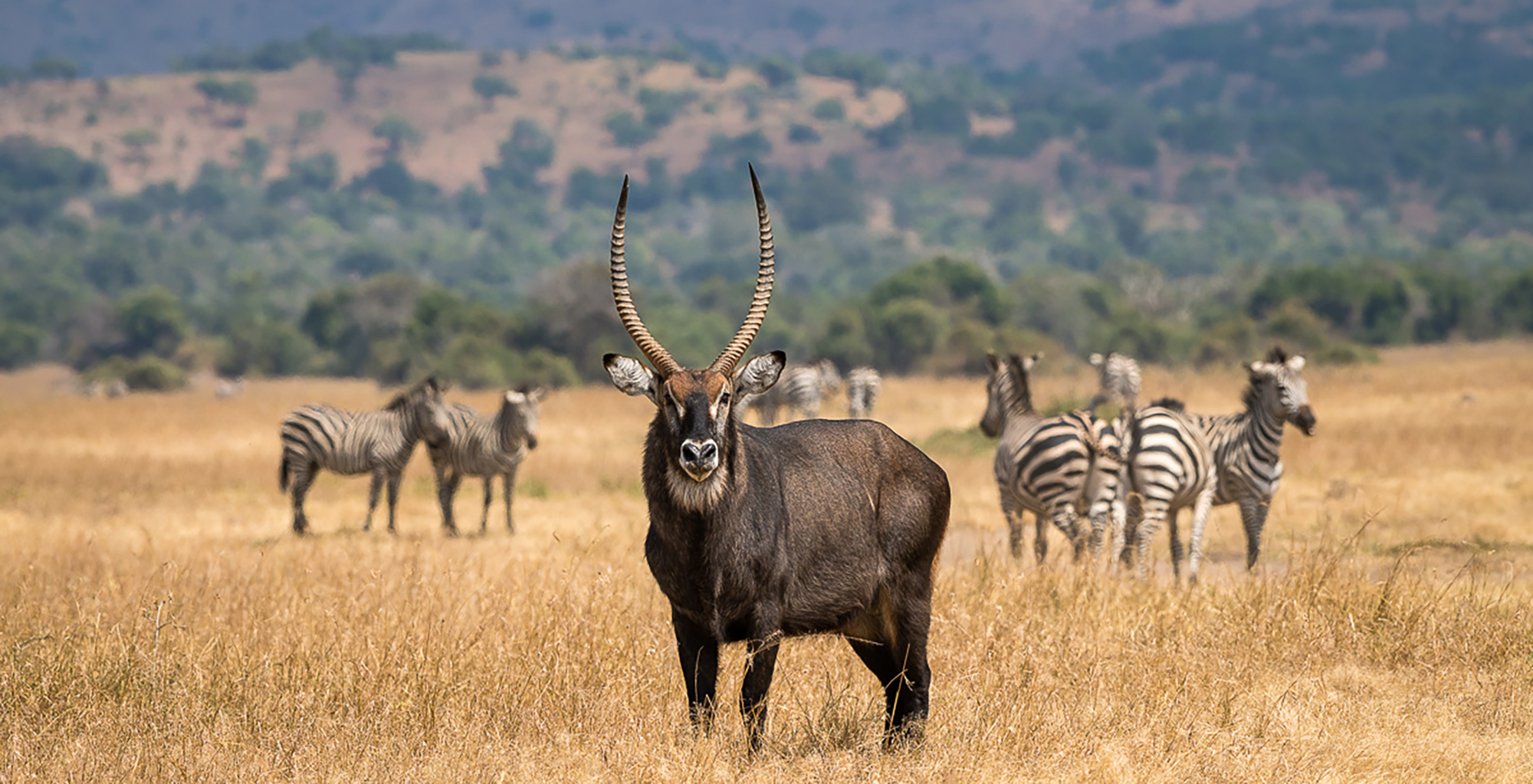
The Ngorongoro Crater can be visited year-round, but there are some periods that stand out for specific wildlife events.
Calving Season (January to March)
The calving season in the Ngorongoro Crater occurs from January to March, and it is one of the most exciting times to visit. During this period, thousands of wildebeests, zebras, and gazelles give birth to their young. The sight of these newborn animals attracting predators like lions, cheetahs, and hyenas creates dramatic wildlife scenes. It’s a prime time for predator-prey interactions and provides excellent photographic opportunities.
Top Safari Activities in Ngorongoro Conservation Area
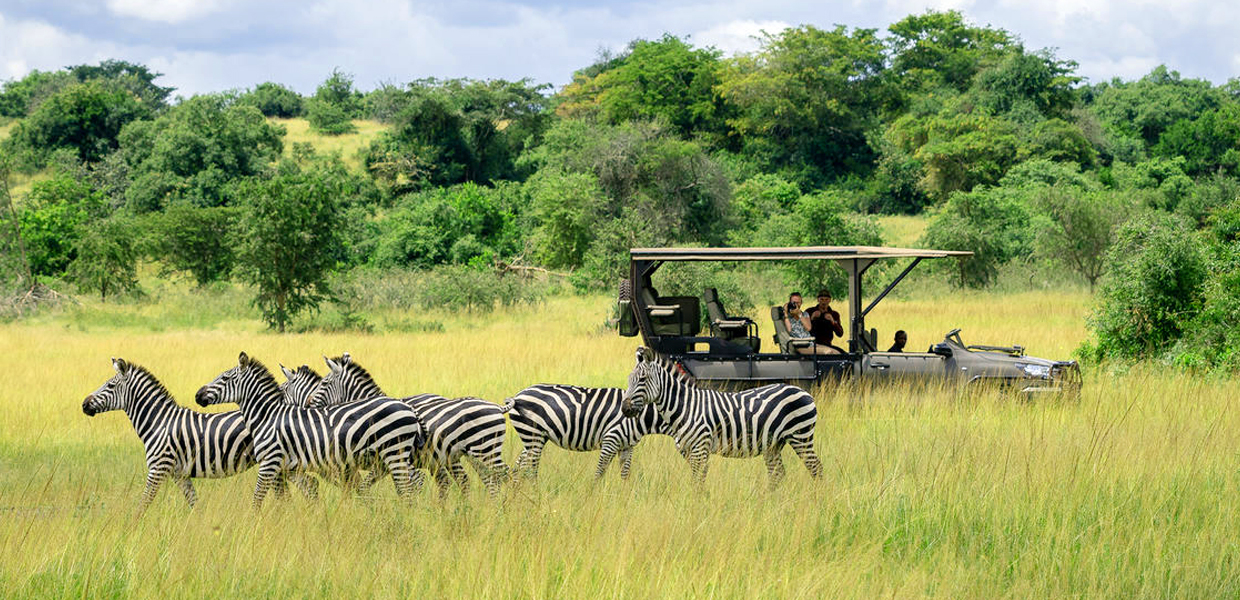
Ngorongoro Conservation Area is known for its high concentration of wildlife, stunning landscapes, and diverse ecosystems. Visitors can enjoy a variety of activities that allow them to explore the park from different perspectives, whether by vehicle, on foot, or through cultural engagement with the Maasai.
Game Drives in the Crater
Game drives are the most popular safari activity in Ngorongoro, especially in the Ngorongoro Crater itself. The crater’s relatively small area and high density of wildlife make it an ideal destination for thrilling game drives.
High Wildlife Concentration
As you descend into the crater, you’ll have the opportunity to spot lions, elephants, buffaloes, leopards, and rhinos, along with a variety of other animals such as wildebeests, zebras, cheetahs, and hyenas. The crater floor provides a unique setting for game drives, where you can see wildlife from a close distance and in their natural environment.
Private Game Drives
For those seeking an exclusive safari experience, private game drives are available in Ngorongoro. These drives allow you to customize your safari to your own interests, whether you want to focus on predator sightings, birdwatching, or spending more time at a specific location for photography. Private game drives also offer the flexibility to explore the crater at your own pace without the limitations of a group.
Personalized Itineraries
Private guides are available to tailor your safari to specific wildlife encounters and ensure you make the most of your time in Ngorongoro. This is perfect for those who prefer a more intimate, customized experience with greater opportunities for observation and photography.
Walking Safaris
Walking safaris are available in certain areas of Ngorongoro, providing a more immersive experience for those who want to connect with nature. Led by experienced Maasai guides, walking safaris offer a deeper understanding of the park’s ecosystem, wildlife tracks, and plant life. Walking through the lush landscapes of Ngorongoro allows you to experience the park’s beauty up close and from a new perspective.
Discover the Crater’s Natural Wonders
On a walking safari, you’ll learn about the local flora, fauna, and animal behavior. It’s an ideal way to understand the park’s diverse ecosystems, from the crater’s grasslands to the surrounding forests. Walking safaris also provide opportunities for birdwatching and discovering the park’s smaller animals that are often overlooked during game drives.
Cultural Tours with the Maasai
One of the unique aspects of Ngorongoro is the opportunity to engage with the Maasai people, who have lived in the area for centuries. Cultural tours provide visitors with a rare and authentic opportunity to learn about the Maasai’s traditional way of life.
Experience Maasai Traditions
During a Maasai cultural tour, you can visit Maasai villages where you’ll witness traditional dances, ceremonies, and community life. Learn about the Maasai’s deep connection to the land, their sustainable practices in managing livestock, and their role in wildlife conservation efforts.
Local Crafts and Food
Visitors can also explore Maasai handicrafts, such as beaded jewelry, wooden carvings, and woven mats. These crafts have cultural significance and are an excellent way to take home a piece of Maasai heritage. Additionally, you can taste traditional Maasai food, such as nyama choma (grilled meat), maize porridge, and fermented milk, offering a true taste of Maasai culture.
Accommodation in Ngorongoro Conservation Area
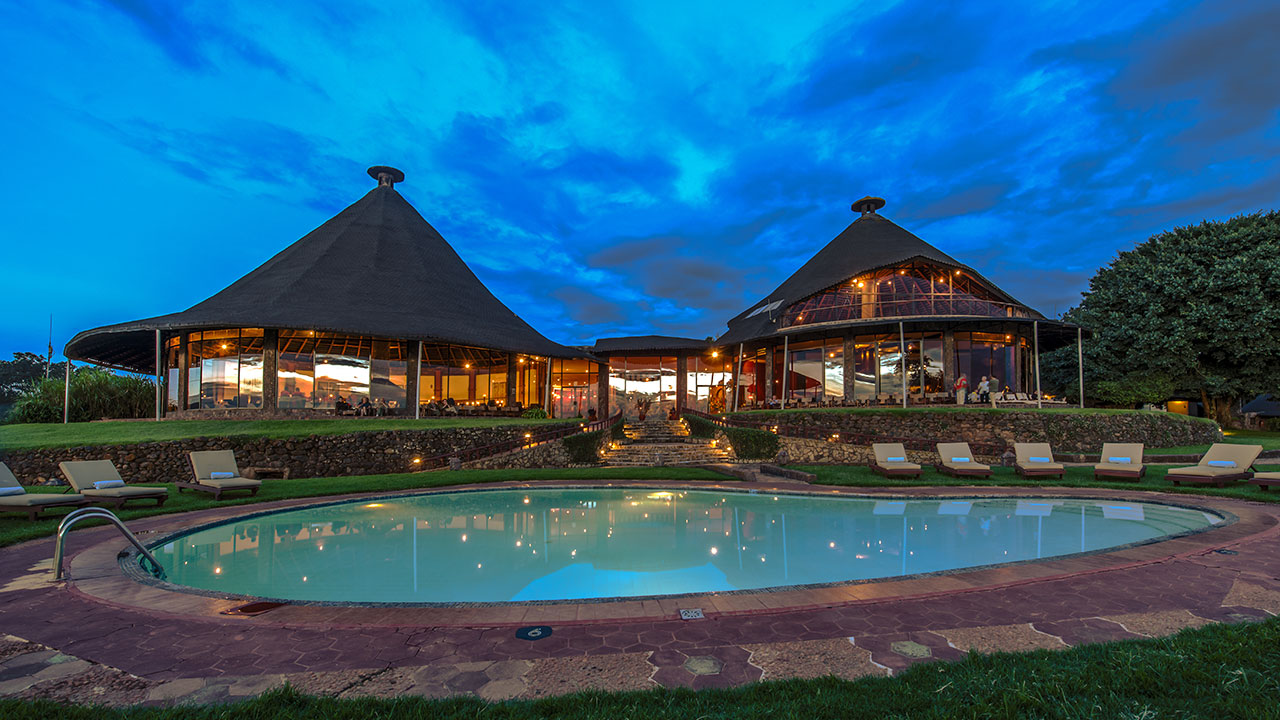
Ngorongoro Conservation Area offers a broad range of accommodation options, ensuring that every type of traveler—from those seeking luxury to those on a budget—can find the perfect place to stay. Whether you prefer a lavish lodge with stunning views of the Ngorongoro Crater, a comfortable mid-range option, or a rustic camping experience under the stars, Ngorongoro’s accommodations cater to all needs, promising a memorable and comfortable stay during your safari adventure.
Luxury Lodges in Ngorongoro Conservation Area
For those seeking an exclusive and indulgent experience, Ngorongoro offers a selection of luxury lodges that provide the perfect combination of comfort, exceptional service, and breathtaking views.
Ngorongoro Crater Lodge
Situated on the edge of the Ngorongoro Crater, Ngorongoro Crater Lodge is one of the most luxurious lodges in the area, offering panoramic views of the crater floor. The lodge’s unique design blends African and European styles, with opulent suites, private verandas, and exquisite decor that evoke a sense of grandeur. Guests enjoy private safari drives, gourmet meals, and personalized service in this secluded sanctuary, ensuring a truly high-end safari experience.
Whether you’re enjoying a sundowner overlooking the crater or indulging in a spa treatment, Ngorongoro Crater Lodge delivers unparalleled luxury and comfort in one of the world’s most scenic locations.
Four Seasons Safari Lodge Ngorongoro
Four Seasons Safari Lodge Ngorongoro is a perfect blend of luxury tented accommodations and proximity to nature. Located just outside the crater, this lodge offers spacious tents, each equipped with a private deck, a plunge pool, and stunning views of the savannah. The lodge offers a full range of services, including a world-class spa, gourmet dining, and personalized safari experiences.
With its strategic location, Four Seasons offers exclusive game drives, hot air balloon safaris, and a chance to relax in the comfort of your luxury tent after a day of safari exploration. The lodge’s attention to detail ensures guests enjoy the perfect combination of luxury and immersion in the Serengeti ecosystem.
Midrange Lodges in Ngorongoro Conservation Area
For travelers seeking comfort at a more affordable price, midrange lodges in Ngorongoro offer a great balance of luxury and value. These lodges offer comfortable rooms and excellent facilities while remaining relatively budget-friendly.
Serena Ngorongoro Lodge
Serena Ngorongoro Lodge offers a comfortable and charming stay with stunning views of the crater. The lodge is set within lush surroundings, blending beautifully with the natural environment. Each room is designed for relaxation and offers modern amenities with a touch of local Maasai-inspired décor.
Guests at Serena Lodge can enjoy guided game drives, cultural tours, and beautiful outdoor dining experiences, all while staying in a comfortable setting that is just a short distance from the Ngorongoro Crater. The lodge’s location and service make it a perfect option for those who want an authentic and enjoyable safari experience without the extreme cost of a luxury lodge.
Kudu Lodge
Kudu Lodge is another excellent midrange accommodation option, offering guests a more intimate experience. Located just outside the Ngorongoro Conservation Area, Kudu Lodge provides easy access to the crater while offering spacious rooms with a cozy and warm atmosphere. The lodge’s restaurant serves delicious meals made from local ingredients, and guests can enjoy stunning views of the surrounding highlands and wildlife from the lodge’s deck.
Perfect for travelers looking for a blend of comfort and adventure, Kudu Lodge offers a perfect base to explore the natural wonders of Ngorongoro, while providing the comfort and quality you expect from a midrange lodge.
Budget Accommodation in Ngorongoro Conservation Area
For budget-conscious travelers, Ngorongoro also offers options for a rustic, outdoor safari experience. From public campsites to budget tented camps, these affordable options allow visitors to stay close to nature while enjoying the beauty of the Ngorongoro Crater.
Public Campsites
Ngorongoro offers public campsites within the park, providing a more affordable and immersive way to experience the area’s wildlife. These campsites are equipped with basic facilities, including pit toilets, water supply, and barbecue areas. Staying at a public campsite is perfect for those who want to sleep under the stars, waking up to the sounds of wildlife and enjoy an authentic, back-to-nature experience.
Public campsites in Ngorongoro are often located in prime locations, giving visitors easy access to the crater floor for game drives and wildlife exploration. Whether you are a solo traveler, family, or group, public campsites provide an affordable way to experience Ngorongoro’s wildlife up close.
Budget Tented Camps
For a more comfortable option, budget tented camps provide a semi-permanent, comfortable camping experience. These camps offer basic yet cozy accommodations, where visitors can enjoy the thrill of sleeping in a tent but with the convenience of comfortable beds and private bathrooms. These budget-friendly options give visitors an authentic safari experience while remaining close to nature and wildlife.
With simple but functional designs, budget tented camps in Ngorongoro provide a peaceful retreat after a long day of safari exploration, allowing guests to unwind in a relaxed atmosphere at a more affordable price.
Frequently Asked Questions (FAQs) – Ngorongoro Conservation Area
1. When is the best time to visit Ngorongoro?
The dry season (June to October) is ideal for wildlife viewing. The green season (November to May) offers lush landscapes and birdwatching, but animals may be more dispersed.
2. How do I get to Ngorongoro?
Ngorongoro is accessible by road from Arusha (3-4 hours) or by flight to Ngorongoro Crater Airstrip or Seronera Airstrip.
3. What wildlife can I see in Ngorongoro?
You can see the Big Five and other species like wildebeests, zebras, gazelles, and over 500 species of birds.
4. Can I see the Big Five in Ngorongoro Crater?
Yes, Ngorongoro Crater is famous for offering sightings of all Big Five animals.
5. Is Ngorongoro safe to visit?
Yes, Ngorongoro is safe for tourists, with strict conservation measures and guidance from experienced guides.
6. Are cultural tours available in Ngorongoro?
Yes, visitors can engage with the Maasai people through village visits, dances, and cultural experiences.
7. What accommodations are available?
Ngorongoro offers luxury lodges, midrange lodges, and budget campsites to suit all budgets.
8. Can I do a walking safari in Ngorongoro?
Yes, walking safaris are available in certain areas outside the crater, led by knowledgeable Maasai or park rangers.
9. How long should I stay in Ngorongoro?
Typically, 2-3 days is ideal for exploring the crater and surrounding areas.
10. Do I need a guide to visit Ngorongoro?
Yes, a certified guide is required for safaris in the area.
11. What is the cost of visiting Ngorongoro?
Park entry fees are around $60-$70 per person/day, with accommodation ranging from $20 to $500+ per night depending on your choice.
12. Can I visit Ngorongoro with children?
Yes, family-friendly lodges and activities like game drives are suitable for children, but check for age restrictions for walking safaris.
13. What should I pack for Ngorongoro?
Pack lightweight, neutral-colored clothing, sun protection, binoculars, comfortable shoes, and insect repellent.
14. What other activities are available in Ngorongoro?
Besides game drives, you can enjoy cultural tours, walking safaris, and photography safaris.
15. Is Ngorongoro suitable for honeymooners?
Yes, Ngorongoro is perfect for honeymooners, offering luxury lodges, private game drives, and romantic experiences like hot air balloon safaris.
For more details or bookings, contact Boots in the Jungle Safaris today.
Book Your Ngorongoro Safari Today with Boots in the Jungle Safaris
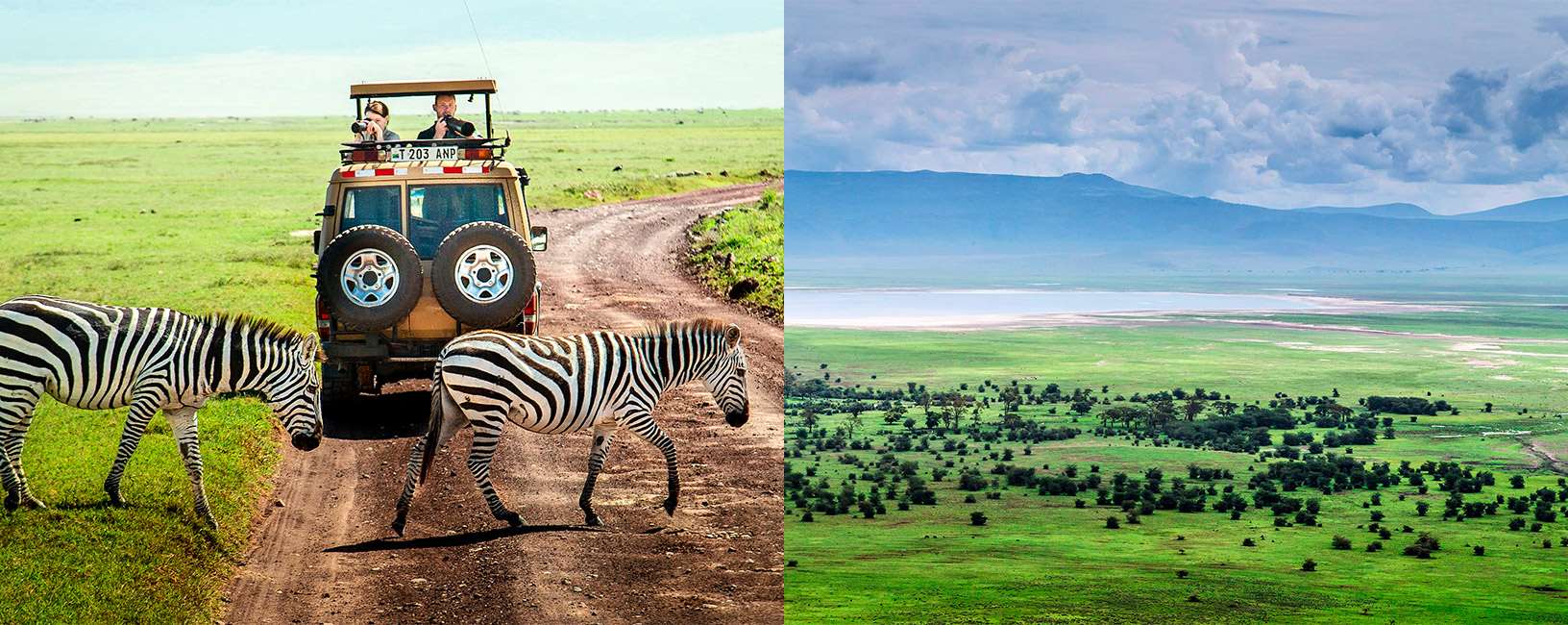
At Boots in the Jungle Safaris, we are dedicated to creating customized, unforgettable safari experiences in Ngorongoro Conservation Area. Whether you’re aiming to witness the Big Five, explore the Ngorongoro Crater, or immerse yourself in Maasai culture, we offer personalized safari packages that cater to your specific interests and budget.
Our expert guides, who are deeply knowledgeable about the wildlife, landscapes, and Maasai culture, will ensure that your Ngorongoro safari is educational, exciting, and unforgettable. From luxury lodges to budget-friendly camping, we work with a variety of accommodations to provide the best experience for every traveler.
Why Book with Boots in the Jungle Safaris?
- Expert Safari Guides – Our guides have extensive knowledge of Ngorongoro and ensure that you get the most out of your safari.
- Tailored Itineraries – We create personalized safari itineraries that meet your interests, whether it’s a photographic safari, a Big Five safari, or a cultural immersion with the Maasai people.
- Luxury to Budget Options – From luxury lodges to budget camping, we offer a wide range of accommodation options to suit your needs and preferences.
- Cultural Immersion – Engage with the Maasai people and learn about their rich culture while exploring Ngorongoro’s wildlife.
- Seamless Safari Experience – We handle all logistics, from airport transfers to safari game drives, ensuring a stress-free experience.
Book your Ngorongoro safari with Boots in the Jungle Safaris today and embark on an adventure in one of Africa’s most iconic safari destinations. Whether you’re traveling solo, as a couple, or with family, we promise an incredible, well-curated journey tailored just for you.
Why Choose Boots in the Jungle Safaris?
- Personalized Service – We design your safari around your preferences, interests, and travel style.
- Expert Knowledge – Our in-depth understanding of the Ngorongoro Conservation Area ensures that you will have the best possible safari experience.
- Sustainable Travel – We work closely with local communities and conservation efforts to ensure responsible tourism practices.
- Luxurious Experiences – From luxury safari lodges to private game drives, enjoy the finest accommodations and experiences in Ngorongoro.
Don’t miss out on the adventure of a lifetime. Book your Ngorongoro safari with Boots in the Jungle Safaris today, and immerse yourself in one of Tanzania’s most magnificent and wildlife-rich areas!