
Ultimate Guide to Serengeti National Park in Tanzania – Wildlife Safaris, Great Migration & Luxury Tours
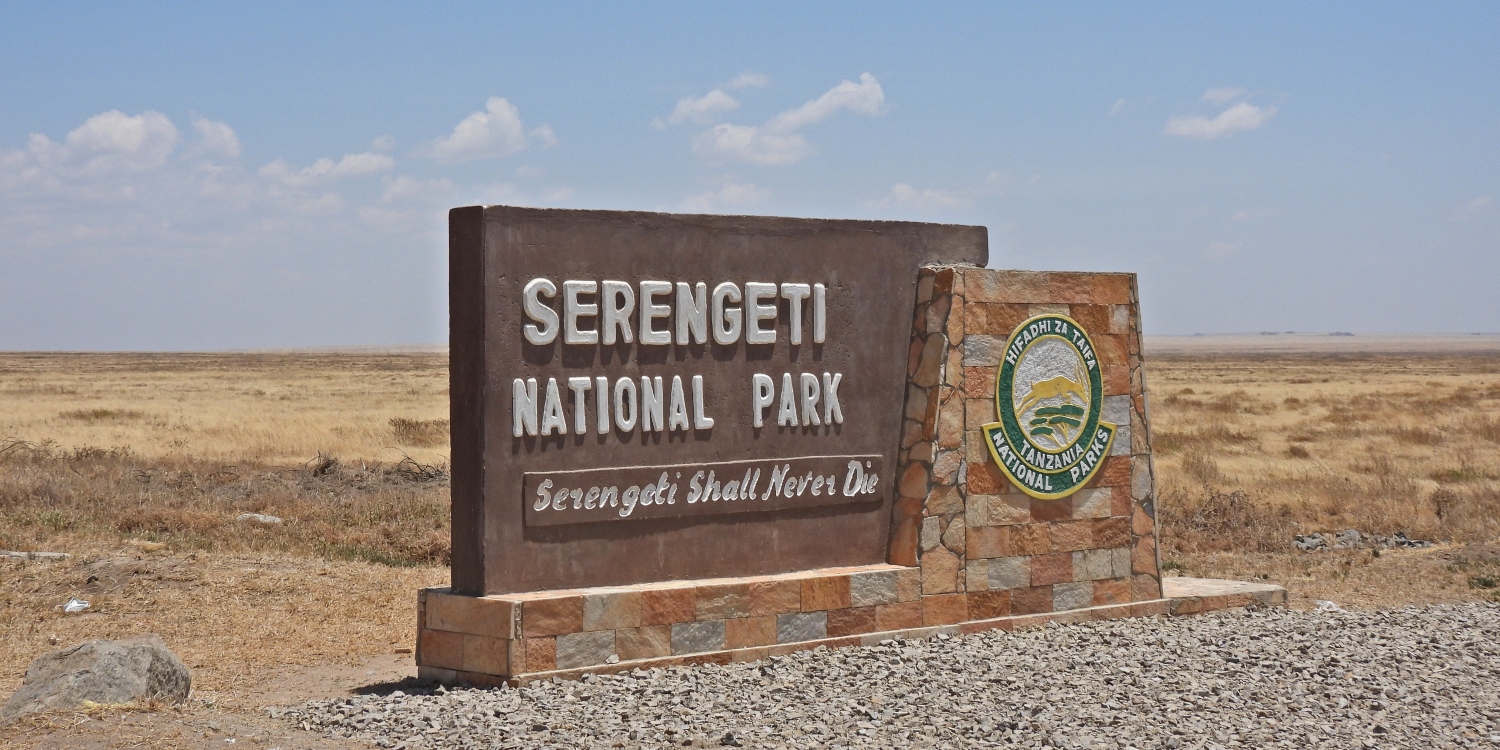
Serengeti National Park stands as one of the most legendary wildlife destinations in the world and remains the crown jewel of Tanzania’s safari circuit. Spanning approximately 14,750 square kilometers across northern Tanzania, Serengeti National Park is a vast wilderness of endless golden plains, rolling savannahs, acacia-dotted grasslands, seasonal rivers, granite kopjes, and scattered woodland ecosystems that create one of the richest wildlife habitats on Earth. The word “Serengeti” originates from the Maasai language, derived from the term “Siringet,” which translates to “the endless plains,” perfectly capturing the park’s dramatic and seemingly infinite landscapes.
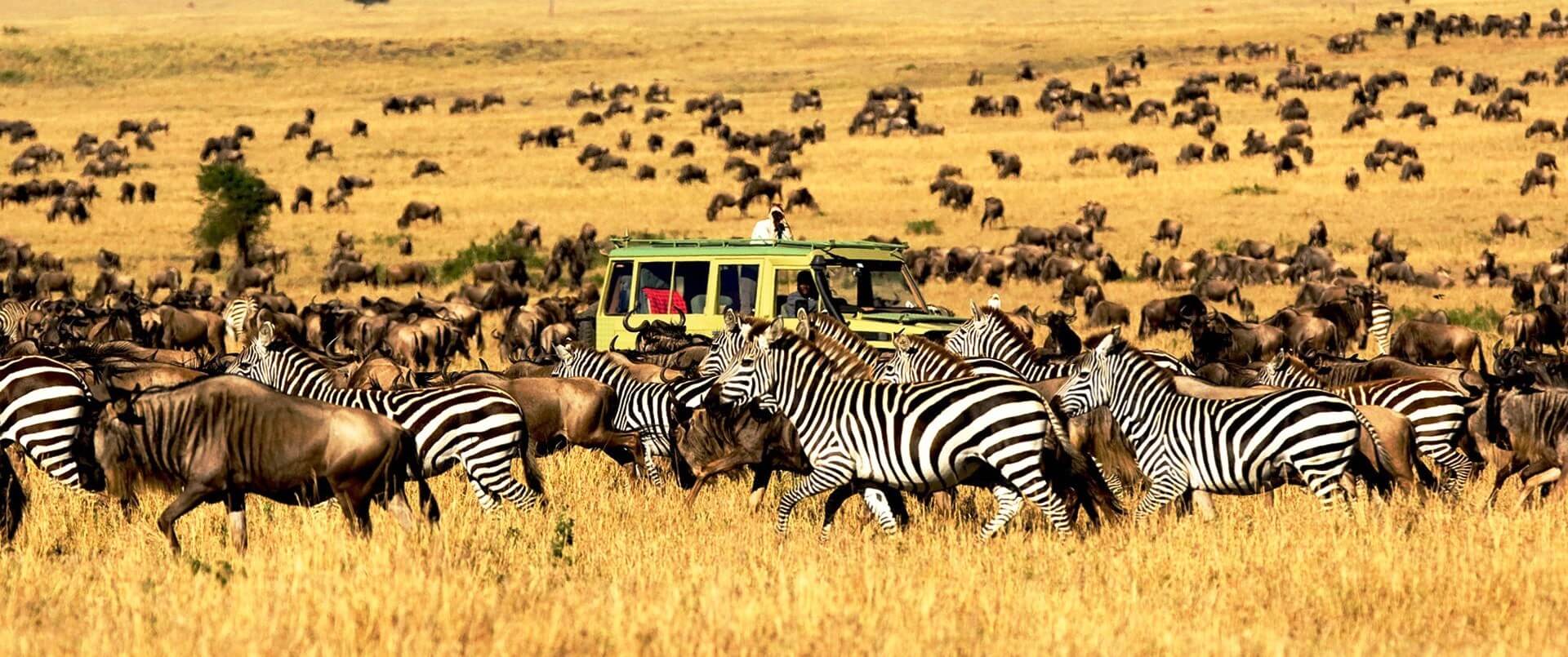
Serengeti National Park is internationally celebrated for hosting the Great Wildebeest Migration, often referred to as the greatest wildlife spectacle on Earth. Every year, more than two million wildebeests accompanied by hundreds of thousands of zebras and gazelles move through the Serengeti ecosystem in a continuous circular migration searching for greener pastures and water sources. This incredible movement of animals creates unforgettable safari moments including dramatic Mara River crossings, predator hunts, calving season encounters, and endless wildlife photography opportunities. The migration alone makes Serengeti National Park one of the most sought-after safari destinations in Africa.
The park is also renowned for its exceptional concentration of wildlife throughout the year. Visitors to Serengeti National Park can encounter the famous Big Five animals including lions, elephants, leopards, buffaloes, and rhinos. The park supports one of the largest lion populations in Africa and offers excellent opportunities to spot cheetahs sprinting across the plains, leopards resting in acacia trees, and hyenas roaming the grasslands. Serengeti National Park is equally home to giraffes, hippos, crocodiles, wildebeests, zebras, topis, elands, impalas, gazelles, jackals, and over 500 species of birds, making it a paradise for wildlife enthusiasts and birdwatchers alike.
Beyond its wildlife, Serengeti National Park offers some of the most breathtaking safari experiences in Tanzania. Travelers can enjoy luxury safari lodges overlooking the plains, intimate tented camps deep in the wilderness, romantic honeymoon safaris, family adventures, and exclusive private safaris tailored to individual interests. Hot air balloon safaris above the Serengeti plains provide spectacular aerial views of wildlife at sunrise, while guided game drives allow visitors to experience close encounters with Africa’s most iconic animals.
Serengeti National Park also delivers rich cultural experiences through interactions with the Maasai communities that live near the park boundaries. Visitors can learn about Maasai traditions, dances, cattle culture, and traditional lifestyles that have coexisted with wildlife for generations. These cultural experiences add depth and authenticity to any Serengeti safari adventure.
The beauty of Serengeti National Park changes with the seasons. During the green season, the plains become lush and vibrant with newborn animals and abundant birdlife, while the dry season offers concentrated wildlife viewing around rivers and waterholes. No matter the season, Serengeti National Park consistently delivers extraordinary safari experiences that rank among the best in Africa.
Whether you are searching for a luxury African safari, a Great Migration experience, a honeymoon safari in Tanzania, a family wildlife holiday, or a once-in-a-lifetime photographic expedition, Serengeti National Park remains one of the ultimate safari destinations in the world. Its unmatched wildlife density, spectacular landscapes, and timeless safari atmosphere make Serengeti National Park an unforgettable destination for every traveler visiting Tanzania.
Why Visit Serengeti National Park
The Great Wildebeest Migration
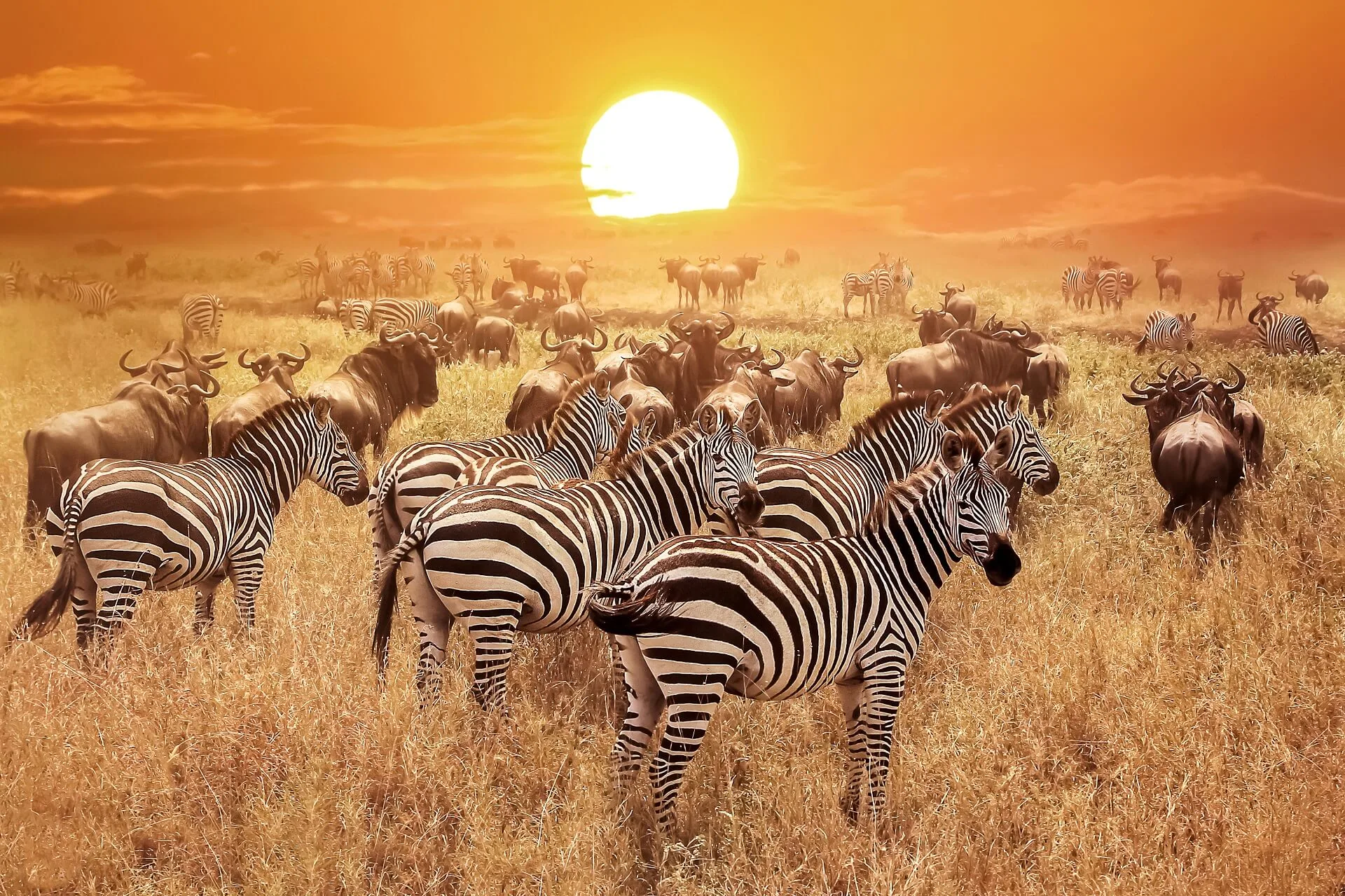
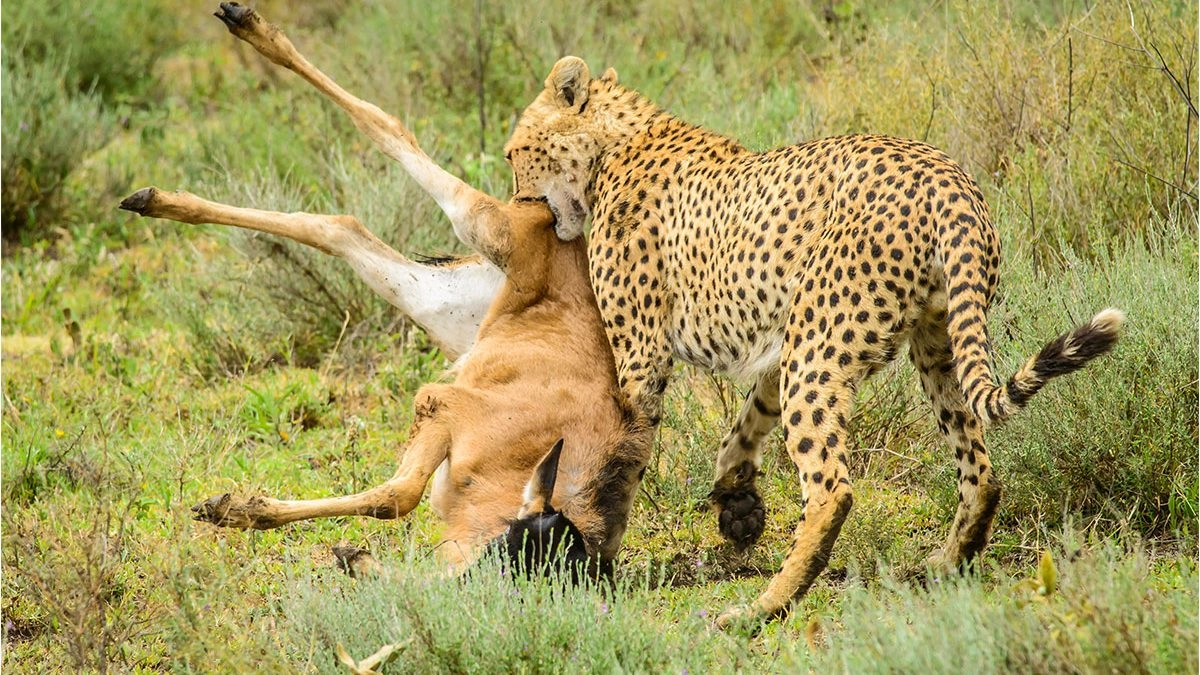
The Great Wildebeest Migration is the most famous attraction in Serengeti National Park and one of the greatest natural events on Earth. Every year, millions of wildebeests, zebras, and gazelles travel across the Serengeti ecosystem in search of fresh grazing lands and water. This migration creates dramatic wildlife encounters including river crossings filled with crocodiles, predator hunts by lions and cheetahs, and massive herds stretching across the plains as far as the eye can see.
The migration cycle changes throughout the year, giving visitors unique safari experiences in different regions of Serengeti National Park. From the calving season in the southern Serengeti to the famous Mara River crossings in northern Serengeti, every stage of the migration offers unforgettable safari moments and exceptional photography opportunities.
Exceptional Big Five Safaris
Serengeti National Park is among the best safari destinations in Africa for viewing the Big Five animals. The park’s vast ecosystem supports healthy populations of lions, elephants, buffaloes, leopards, and rhinos, making wildlife sightings highly rewarding throughout the year.
Lions are especially abundant in Serengeti National Park, and visitors often witness prides resting on kopjes, hunting on the plains, or interacting with cubs. Leopards are frequently spotted in riverine forests and acacia trees, while elephants roam the woodlands and grasslands in impressive family groups. The chance to experience Big Five safaris in such a natural and expansive environment makes Serengeti National Park a dream destination for safari lovers.
Endless Wildlife Viewing
One of the greatest reasons to visit Serengeti National Park is the remarkable concentration of wildlife found across the park. Unlike many safari destinations where wildlife sightings can be seasonal, Serengeti National Park offers excellent game viewing throughout the year.
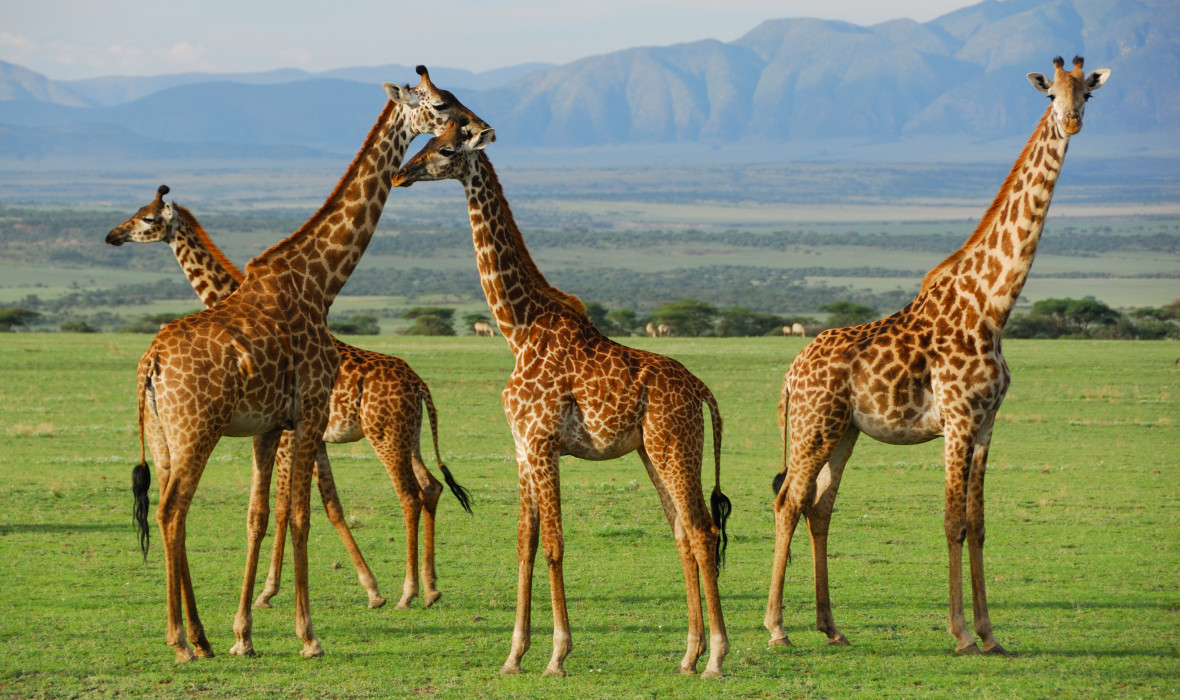
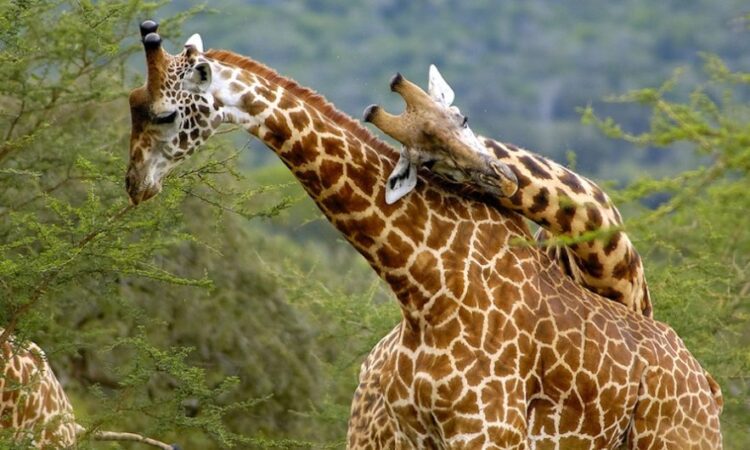
The endless plains support enormous populations of herbivores including wildebeests, zebras, giraffes, gazelles, impalas, elands, and topis. These animals attract large numbers of predators such as lions, cheetahs, hyenas, and jackals, creating a dynamic ecosystem full of wildlife action.
Game drives in Serengeti National Park often include sightings of hippos in rivers, crocodiles sunbathing on riverbanks, elephants feeding in woodland areas, and cheetahs scanning the plains for prey. The abundance of wildlife ensures that every safari drive in Serengeti National Park feels exciting and unique.
Stunning Landscapes
Serengeti National Park is not only famous for wildlife but also for its breathtaking scenery and iconic African landscapes. The park’s endless golden plains create spectacular panoramic views that define the classic African safari experience.
The landscape of Serengeti National Park includes rolling grasslands, acacia woodlands, seasonal rivers, rocky kopjes, and open savannahs that change beautifully with the seasons. Sunrise and sunset in Serengeti National Park are particularly magical, with golden light illuminating the plains and creating incredible photography opportunities.
The scenic beauty of Serengeti National Park makes every safari drive visually rewarding, whether travelers are exploring the southern plains during calving season, the central Serengeti around Seronera, or the remote northern migration areas.
Luxury Safari Experiences
Serengeti National Park offers some of the finest luxury safari experiences in Africa. Travelers can choose from world-class safari lodges, luxury tented camps, private villas, and exclusive safari retreats that combine comfort with immersive wildlife experiences.
Luxury safaris in Serengeti National Park include elegant accommodations with panoramic views of the plains, fine dining under the stars, infinity pools overlooking wildlife areas, spa treatments, bush breakfasts, and personalized game drives with expert guides. Many luxury camps in Serengeti National Park are strategically located near migration routes, allowing guests to experience incredible wildlife encounters directly from their camps.
For honeymooners, photographers, families, and luxury travelers, Serengeti National Park provides a perfect balance between adventure and comfort. Hot air balloon safaris, private sundowners, walking safaris, and customized safari itineraries further elevate the safari experience, making Serengeti National Park one of the most luxurious and rewarding wildlife destinations in Tanzania and Africa.
Location of Serengeti National Park
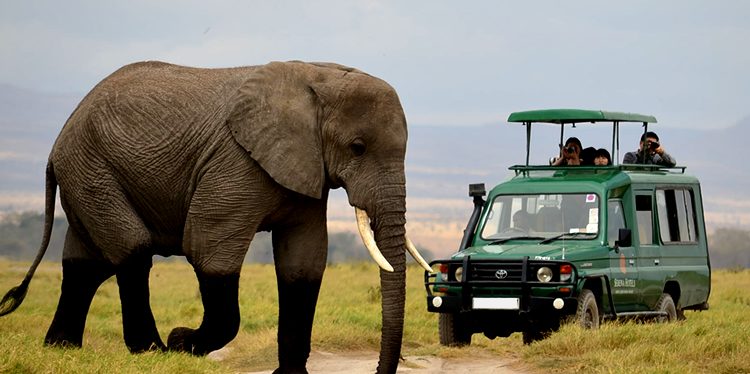
Serengeti National Park is located in northern Tanzania and forms part of the famous Serengeti ecosystem, one of the oldest and most biologically diverse wildlife ecosystems in the world. The park stretches across approximately 14,750 square kilometers and shares ecological connections with several major conservation areas in East Africa, making it one of the most important safari destinations on the African continent.
Serengeti National Park borders Ngorongoro Conservation Area to the southeast and extends northward toward the world-famous Maasai Mara National Reserve in Kenya. Together, these conservation areas create the larger Serengeti-Mara ecosystem, which supports the annual Great Wildebeest Migration and one of the highest wildlife concentrations in Africa.
The location of Serengeti National Park makes it a central highlight of Tanzania’s northern safari circuit, which also includes destinations such as Tarangire National Park, Lake Manyara National Park, and the Ngorongoro Crater. This strategic positioning allows travelers to combine multiple safari destinations into one unforgettable Tanzania safari itinerary.
Serengeti National Park is divided into several regions, each offering unique wildlife experiences and landscapes:
Southern Serengeti
The southern plains of Serengeti National Park are famous for the calving season of the Great Migration, which usually occurs between December and March. During this period, thousands of wildebeest calves are born daily, attracting predators such as lions, cheetahs, and hyenas.
Central Serengeti
Central Serengeti, particularly the Seronera Valley, is one of the most wildlife-rich areas in Serengeti National Park. This region offers excellent year-round game viewing and is famous for big cats including lions and leopards.
Northern Serengeti
Northern Serengeti is renowned for the dramatic Mara River crossings during the Great Migration. This remote area of Serengeti National Park offers spectacular wildlife encounters and fewer crowds compared to central areas.
Western Corridor
The western corridor of Serengeti National Park follows the Grumeti River and is another important migration route. The region is famous for crocodile sightings, river crossings, and scenic landscapes.
The nearest gateway city to Serengeti National Park is Arusha, which serves as the starting point for most northern Tanzania safaris. Other nearby towns include Karatu, Mwanza, and Musoma, which provide access to different sections of Serengeti National Park.
Most international visitors traveling to Serengeti National Park arrive through Kilimanjaro International Airport near Arusha. From there, travelers can either take domestic flights directly into Serengeti National Park or enjoy scenic overland safaris through northern Tanzania.
Several airstrips are located inside Serengeti National Park including:
- Seronera Airstrip
- Kogatende Airstrip
- Grumeti Airstrip
- Ndutu Airstrip
- Lobo Airstrip
These domestic flights provide quick and convenient access to different regions of Serengeti National Park, especially for luxury travelers and visitors following the Great Migration.
Traveling by road to Serengeti National Park is also a popular option. The drive from Arusha to Serengeti National Park takes visitors through beautiful landscapes, local villages, and the Ngorongoro Highlands, offering an immersive safari experience before reaching the endless plains of the Serengeti.
The remote location, vast open landscapes, and protected ecosystem of Serengeti National Park help preserve its authentic wilderness atmosphere, making every safari experience feel truly wild and unforgettable.
Wildlife in Serengeti National Park
Serengeti National Park is one of the richest wildlife destinations on Earth and offers some of the most extraordinary safari experiences in Africa. The park supports an incredible diversity of animals thanks to its expansive plains, rivers, forests, kopjes, and seasonal wetlands. Wildlife viewing in Serengeti National Park is exceptional throughout the year, attracting travelers, photographers, conservationists, and safari enthusiasts from around the world.
Serengeti National Park is especially famous for the Great Wildebeest Migration, but beyond the migration, the park hosts large populations of predators, herbivores, reptiles, and over 500 species of birds. The abundance of wildlife in Serengeti National Park creates thrilling safari moments during every game drive.
Big Five Animals in Serengeti National Park
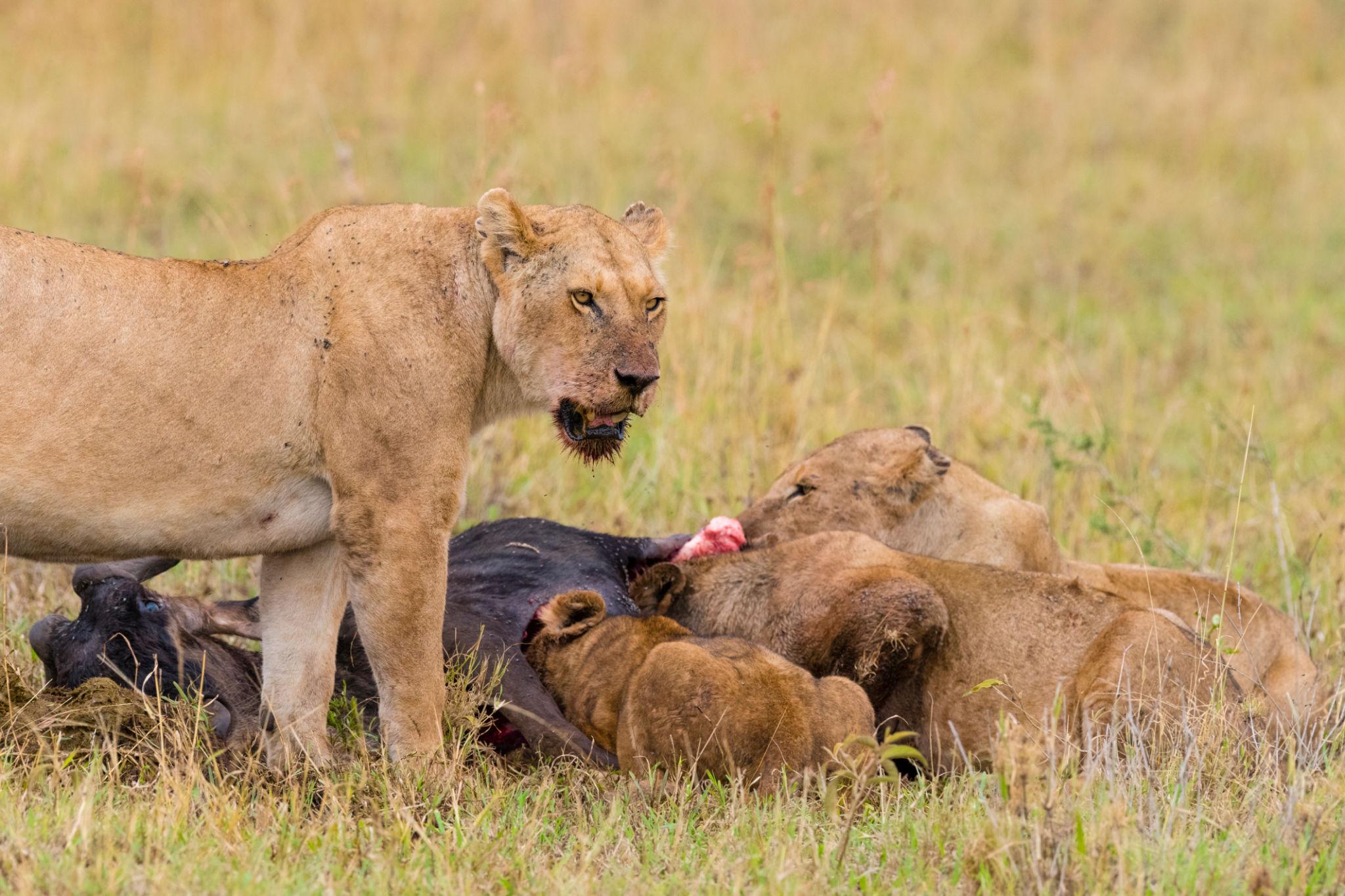
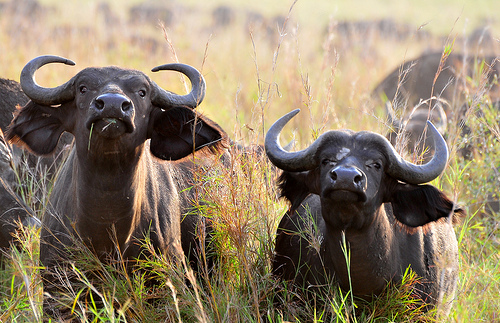
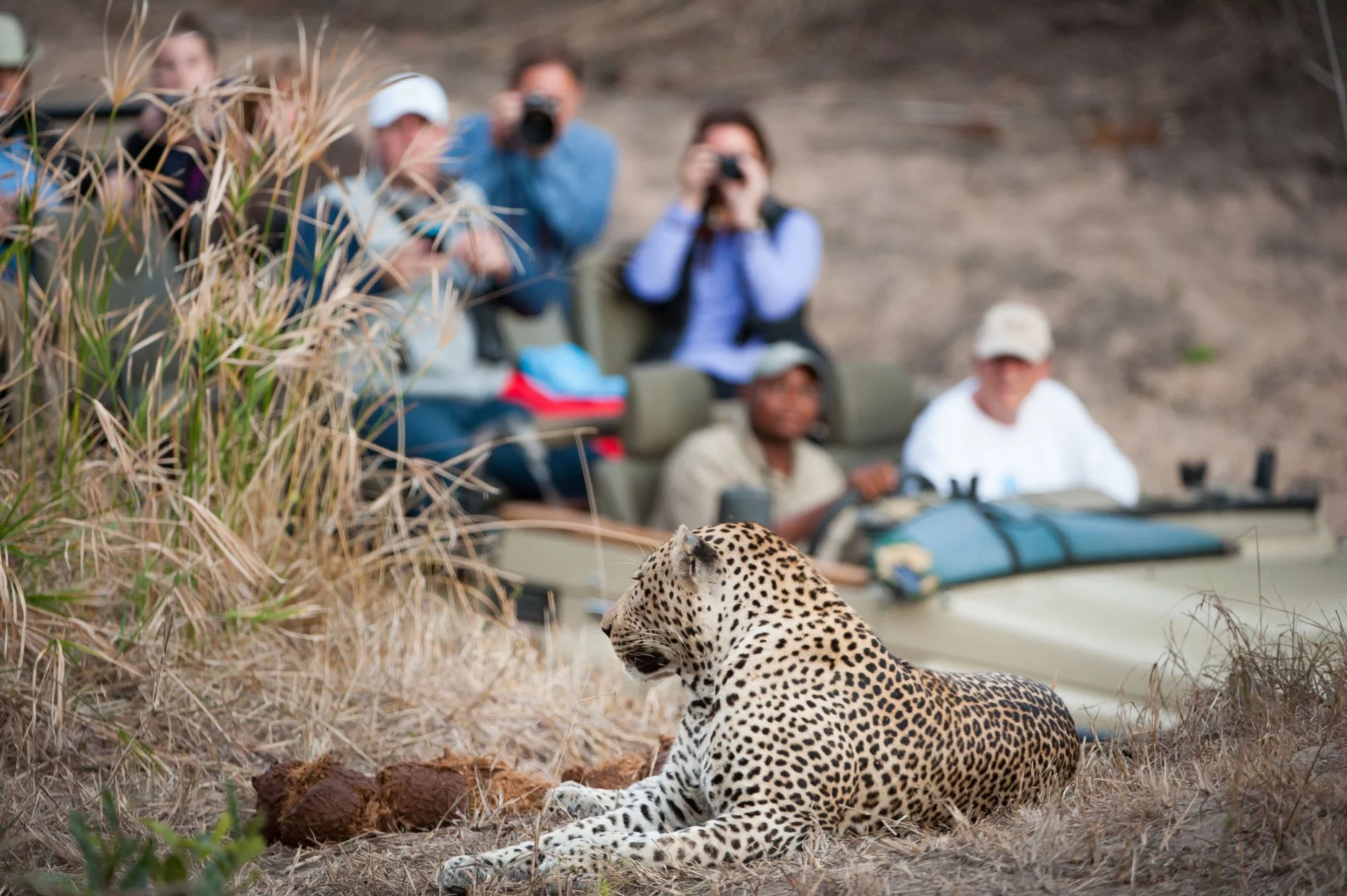
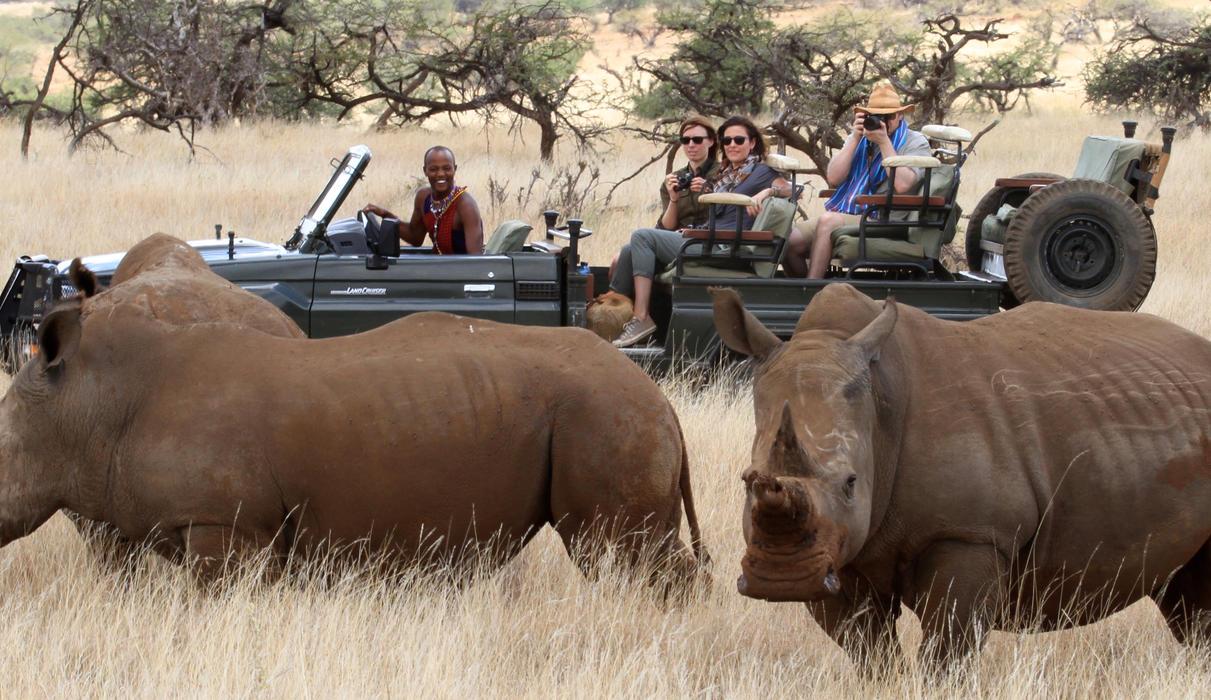
Serengeti National Park is one of the best places in Africa to experience Big Five safaris. The Big Five animals include lions, leopards, elephants, buffaloes, and rhinos, all of which can be found within the Serengeti ecosystem.
Lions in Serengeti National Park
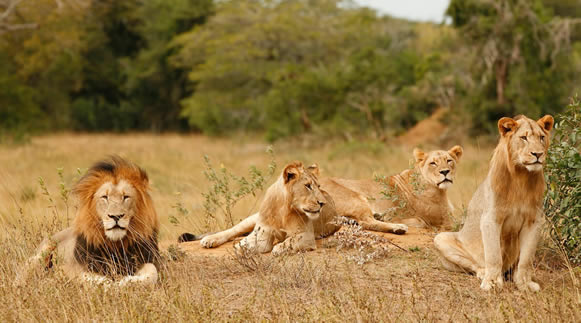
Serengeti National Park has one of the highest lion populations in Africa and is widely regarded as one of the best destinations in the world for lion sightings. The endless plains and abundant prey provide ideal hunting conditions for lions, allowing large prides to thrive across the park.
Visitors to Serengeti National Park frequently encounter lions resting on rocky kopjes, walking through the grasslands, or hunting wildebeests and zebras during the migration season. The Seronera region of central Serengeti is particularly famous for predator activity and offers excellent opportunities to witness lion behavior up close.
Lions in Serengeti National Park are active both during the day and at night, and safari travelers often observe interactions between pride members, playful cubs, territorial males, and dramatic hunting scenes.
Leopards in Serengeti National Park
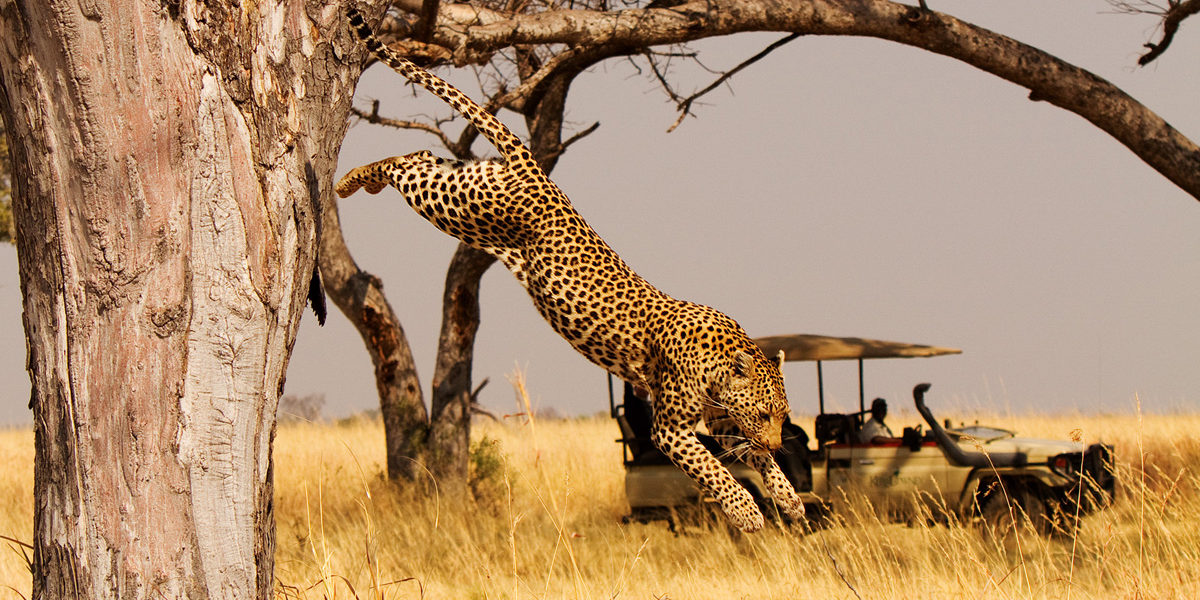
Leopards are among the most elusive and beautiful predators found in Serengeti National Park. These solitary cats are commonly spotted resting in acacia trees, especially in riverine forests and woodland areas.
The Seronera Valley is considered one of the best areas in Serengeti National Park for leopard sightings due to its permanent water sources and dense vegetation. Leopards often drag their prey into trees to protect it from scavengers such as hyenas and lions.
Spotting a leopard during a safari in Serengeti National Park is considered a special experience because of their secretive nature and remarkable camouflage. Early morning and evening game drives usually provide the best chances of seeing leopards in action.
Elephants in Serengeti National Park
Large elephant herds roam across the plains and woodlands of Serengeti National Park, creating unforgettable wildlife encounters for safari visitors. African elephants are commonly seen feeding on grasses, tree bark, and shrubs while moving in family groups led by experienced matriarchs.
Elephants in Serengeti National Park can often be observed near river systems, woodland areas, and open savannahs where they interact socially and care for their young. Watching elephants move gracefully across the Serengeti plains is one of the most iconic safari experiences in Tanzania.
Conservation efforts in Serengeti National Park have helped maintain healthy elephant populations, allowing travelers to experience these magnificent animals in their natural habitat.
Buffaloes in Serengeti National Park
African buffaloes are among the most widespread animals in Serengeti National Park and are frequently seen grazing in large herds across the plains and grasslands. Buffaloes play an important role in the Serengeti ecosystem and are one of the key prey species for lions.
Buffalo herds in Serengeti National Park can range from small family groups to massive gatherings numbering hundreds of individuals. Despite their calm appearance, buffaloes are powerful and unpredictable animals known for their defensive behavior when threatened.
The presence of buffaloes throughout Serengeti National Park contributes to the park’s exceptional Big Five safari experience and creates exciting predator-prey interactions during game drives.
Rhinos in Serengeti National Park
Black rhinos are among the rarest animals in Serengeti National Park and are primarily found in protected areas with intensive conservation monitoring. Although rhino sightings are less common compared to other Big Five animals, spotting one is considered a major safari highlight.
Rhinos in Serengeti National Park face ongoing conservation challenges due to historical poaching, but dedicated protection programs continue to support their recovery within the ecosystem.
These massive herbivores are known for their prehistoric appearance, solitary nature, and powerful build. Travelers fortunate enough to see rhinos in Serengeti National Park experience one of the most exclusive wildlife sightings in Tanzania.
The presence of black rhinos further strengthens Serengeti National Park’s reputation as one of Africa’s premier Big Five safari destinations.
The Great Migration Animals
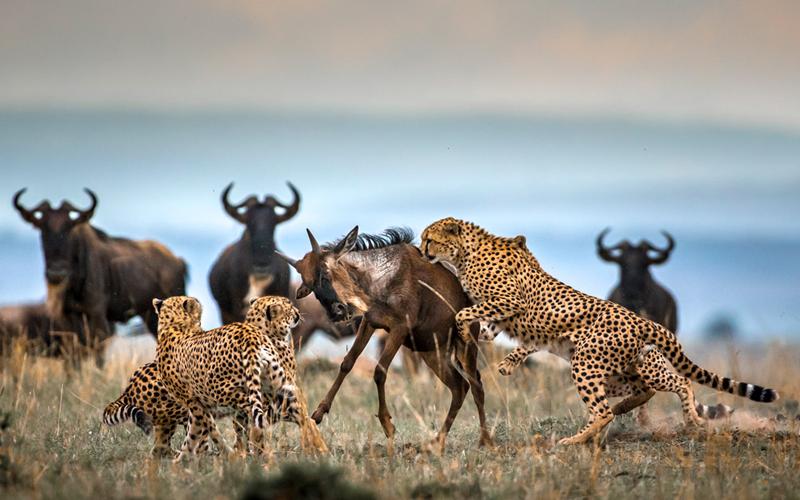
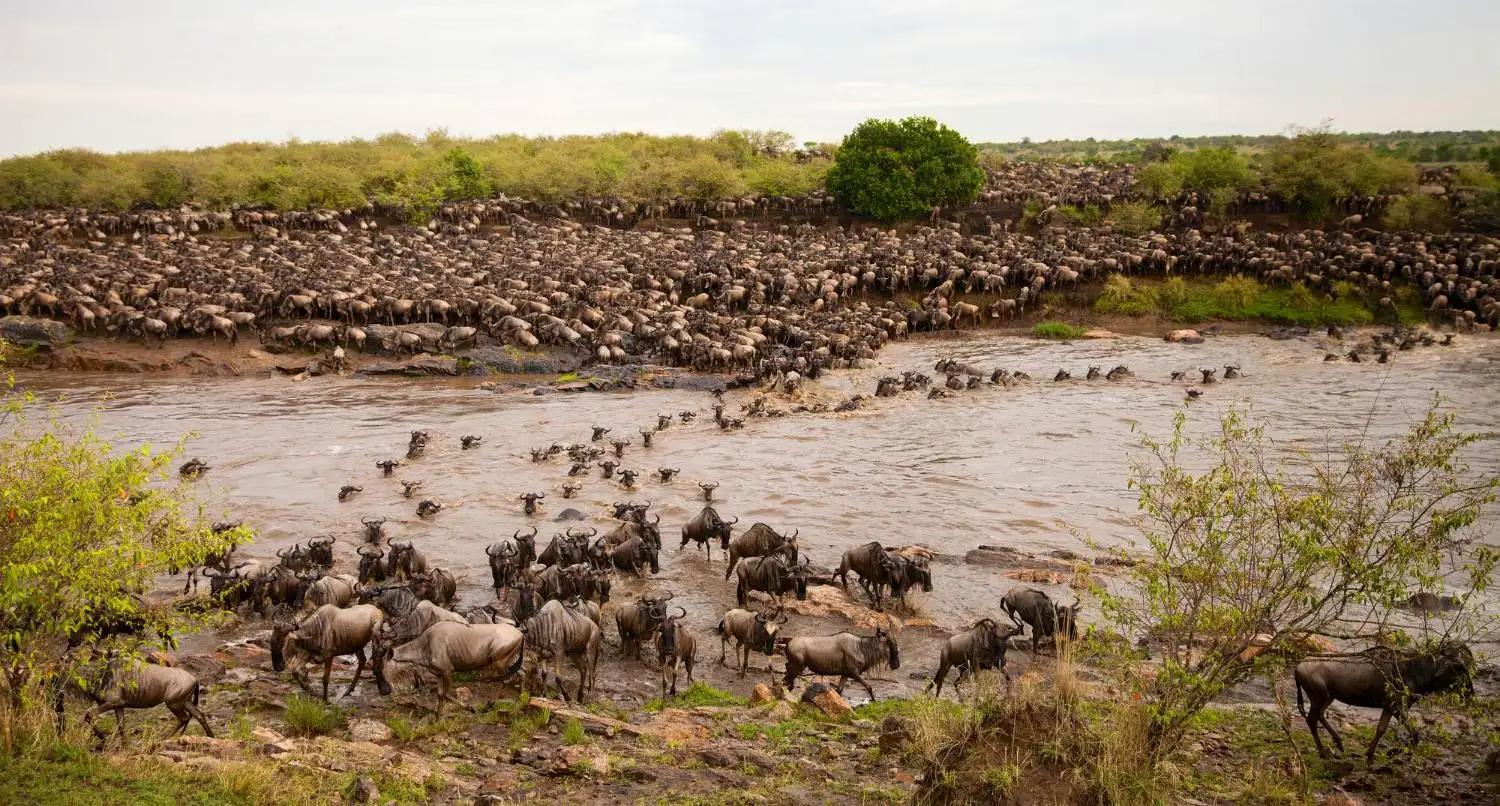
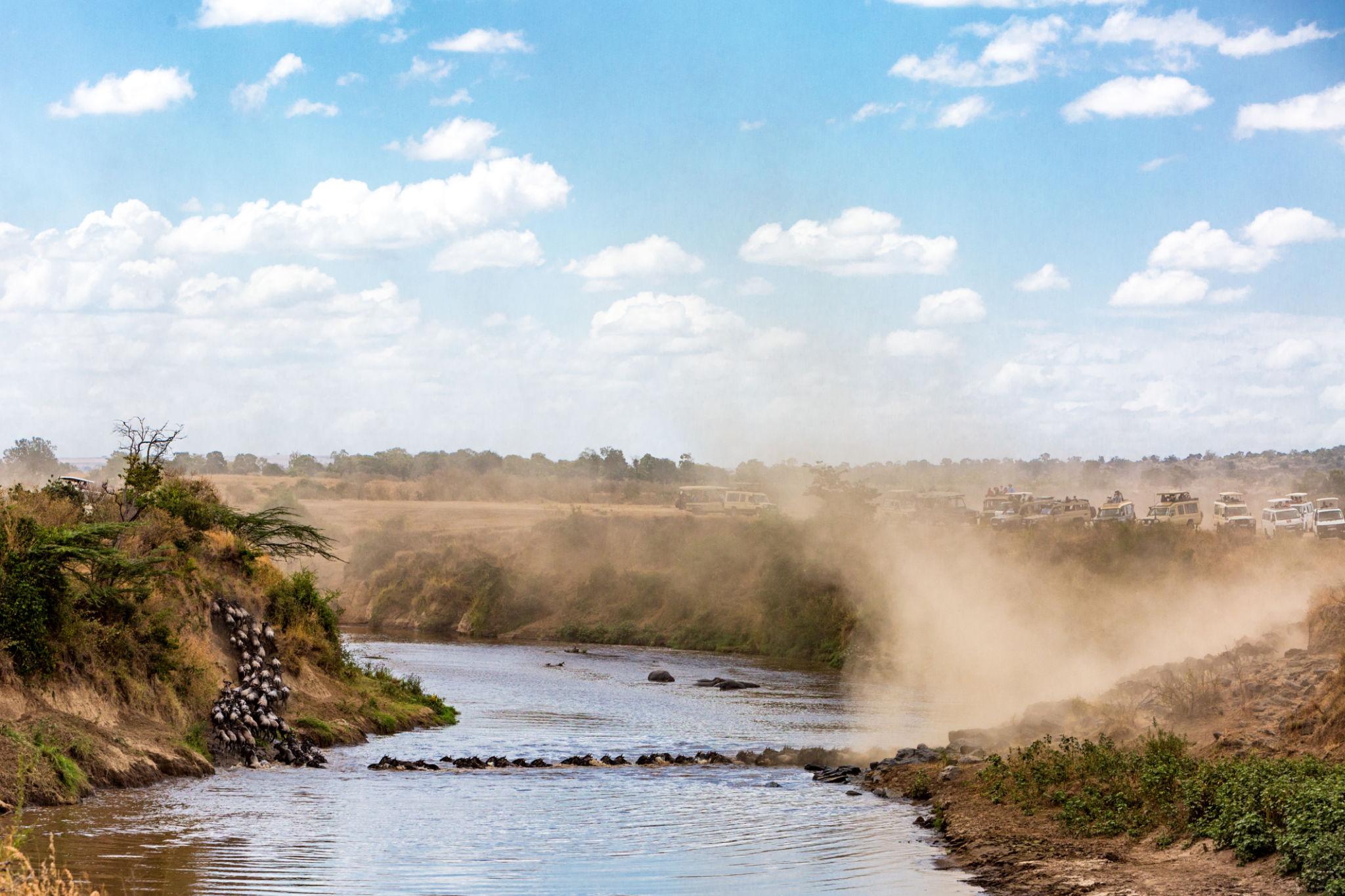
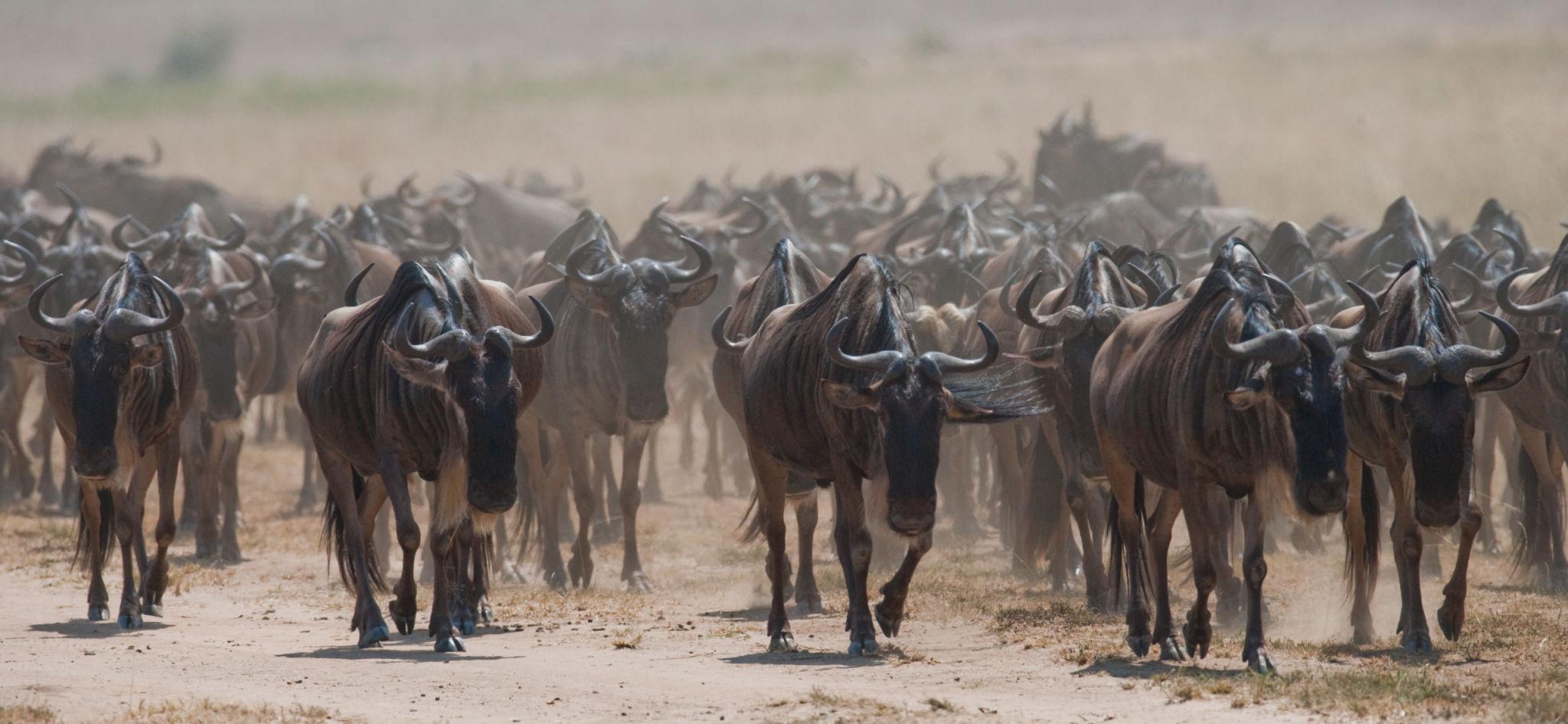
The Great Migration is the most iconic event in Serengeti National Park and one of the greatest wildlife spectacles on Earth. It involves an extraordinary movement of over two million animals, primarily consisting of wildebeests, zebras, and gazelles, as they move across the Serengeti ecosystem in search of fresh grazing lands and water. This seasonal migration creates dramatic scenes and thrilling wildlife action, attracting safari-goers from around the world. The migration is driven by the changing seasons, with the animals following an annual cycle of movement across Tanzania and Kenya, experiencing the full range of Africa’s breathtaking landscapes.
Wildebeests in the Great Migration
Wildebeests are the primary animals involved in the Great Migration, making up the largest portion of the migrating herds. Every year, around 1.5 million wildebeests traverse the Serengeti ecosystem in a clockwise direction, moving in search of new grazing areas and water sources. The wildebeests’ migration is driven by instinct and the need to find better grazing during the dry season. These animals are particularly well-adapted to the harsh conditions of the African savannah, and their migration is synchronized to ensure that calves are born during the calving season in the southern Serengeti.
During the Great Migration, wildebeests provide a major source of food for predators such as lions, cheetahs, and crocodiles. The dramatic river crossings, where wildebeests must swim through crocodile-infested waters, are one of the most exciting and dangerous aspects of the migration.
Zebras in the Great Migration
Zebras play a crucial role in the Great Migration and are often seen accompanying the wildebeests in their journey across the Serengeti. Around 200,000 zebras participate in the migration, and they tend to move alongside the wildebeest herds, relying on the same grazing lands and water sources.
Zebras are known for their distinctive black-and-white stripes, which help camouflage them in the tall grasses of the Serengeti. Their presence during the Great Migration offers visitors a stunning visual display of wildlife moving in sync across the plains. Zebras also add variety to the migration, with their different feeding patterns and vocalizations.
Zebras have a natural advantage during river crossings, as their agility helps them navigate swift currents. While the wildebeests face many challenges from predators at these crossings, zebras tend to be more alert, often assisting in detecting potential dangers.
Thomson’s Gazelles in the Great Migration
Thomson’s gazelles, also known as “Toms,” are another important species involved in the Great Migration. These smaller antelopes travel alongside the wildebeest and zebra herds, making up a significant portion of the migratory animals in Serengeti National Park. Their numbers can range in the hundreds of thousands during the peak of the migration, and they play an important role in maintaining the ecosystem’s balance.
Thomson’s gazelles are agile and fast, which allows them to evade predators like lions and cheetahs. They are also an important food source for carnivores along the migration route, as they often fall prey to predators on the hunt. Their presence in the migration adds to the spectacular diversity of wildlife that defines the Serengeti ecosystem.
Grant’s Gazelles in the Great Migration
Grant’s gazelles are slightly larger than Thomson’s gazelles, but they share a similar role in the Great Migration. These elegant antelopes are also an integral part of the migration, moving with the wildebeest and zebras across the Serengeti ecosystem in search of fresh pastures. While they are less abundant than Thomson’s gazelles, their presence adds variety to the migrating herds.
Grant’s gazelles are known for their speed and agility, which allows them to evade predators. They graze on grasses and shrubs, and their seasonal movements help balance the ecosystem’s plant life. As they travel, they are vulnerable to attacks from lions and cheetahs, making the migration a perilous journey.
Predators in Serengeti National Park
Serengeti National Park is renowned for its exceptional predator sightings. The park’s rich ecosystem supports some of the highest concentrations of carnivores in Africa, making it a top destination for those seeking thrilling predator-prey interactions. From the Big Cats to wild dogs and hyenas, the Serengeti offers some of the most exciting wildlife encounters for visitors.
Lions in Serengeti National Park
Lions are the undisputed kings of Serengeti National Park and one of the main attractions for visitors seeking predator sightings. Serengeti is home to one of the largest lion populations in Africa, and the park’s extensive plains provide ample hunting grounds for prides of lions.
Lions in Serengeti National Park are commonly seen resting on kopjes (rocky outcrops) or in the tall grasses, and they play a vital role in controlling populations of herbivores. The central and southern regions of the park are especially famous for lion sightings, where large prides are often observed hunting in coordinated efforts. The dramatic moments of lions stalking and chasing their prey across the plains make for unforgettable safari experiences.
The Serengeti lions are also known for their vocalizations, including roars that can be heard from miles away, especially at night when they establish their territory. Visitors often have the opportunity to witness these magnificent cats in action during morning and evening game drives.
Cheetahs in Serengeti National Park
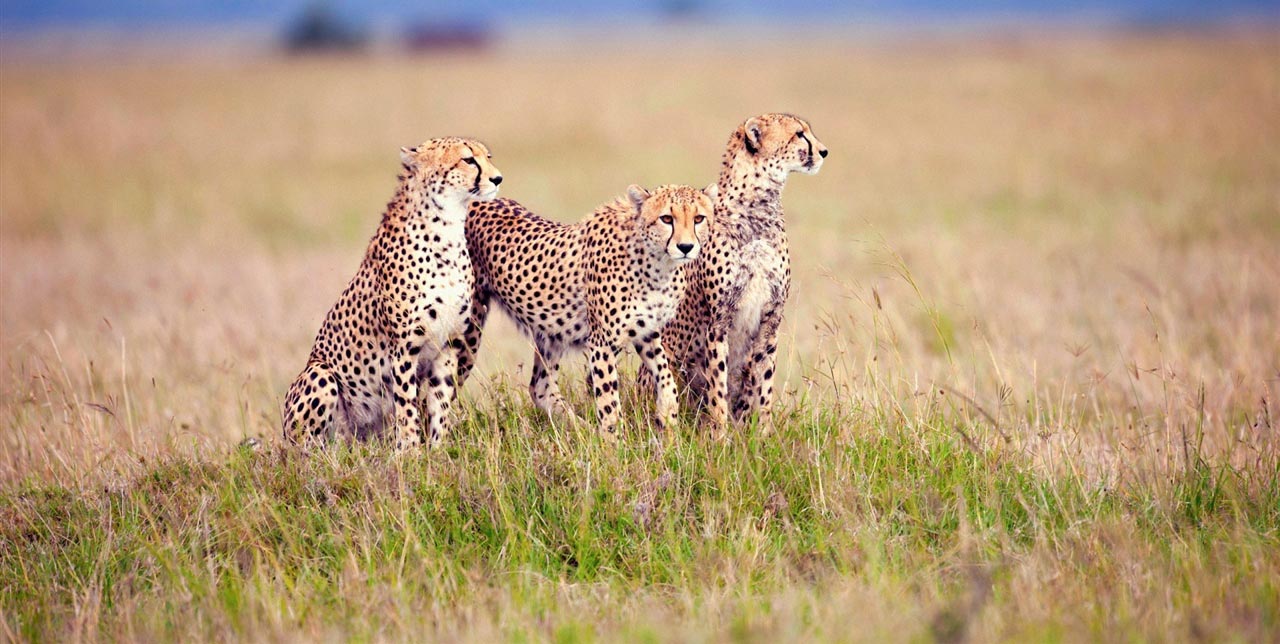
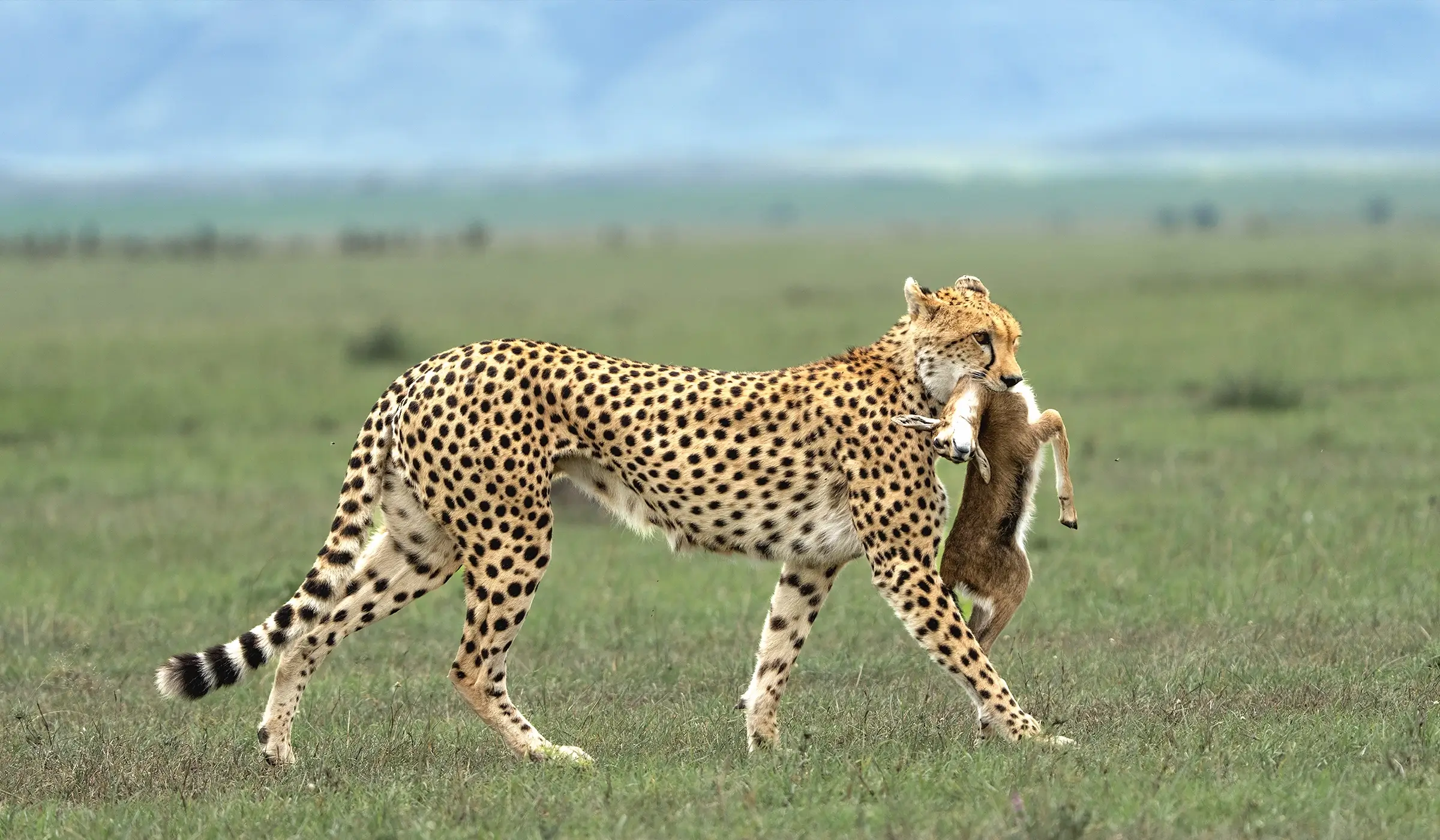
Cheetahs are one of the fastest land animals in the world and are frequently seen sprinting across the Serengeti plains in pursuit of prey. Serengeti National Park is home to a large population of cheetahs, and the park’s open savannahs provide an ideal environment for these predators to hunt and thrive.
Cheetahs in Serengeti are typically solitary animals, with males and females living separately outside the breeding season. Their hunting style relies on speed and stealth, as they use their incredible acceleration to chase down antelopes like Thomson’s gazelles and impalas.
Due to their need for wide open spaces to run at high speeds, Serengeti National Park’s grasslands are perfect for cheetahs. Safari-goers are often fortunate enough to witness a high-speed chase during the early morning or late afternoon hours, adding to the excitement of predator sightings.
Leopards in Serengeti National Park
Leopards are another iconic predator in Serengeti National Park, known for their elusive nature and incredible hunting skills. Leopards are solitary cats that spend much of their time resting in the trees or in dense vegetation, making them more difficult to spot than lions or cheetahs. However, Serengeti National Park is one of the best places in Africa to observe these elusive cats.
Leopards in Serengeti are skilled hunters, preying on a variety of animals including gazelles, baboons, birds, and impalas. They are often seen dragging their prey into the trees to keep it safe from scavengers like hyenas and lions. The dense riverine forests and acacia trees in Serengeti’s central and southern regions offer the perfect habitat for leopards, and their camouflaged coat helps them blend in seamlessly with their environment.
Leopard sightings in Serengeti are considered special, and visitors often feel a sense of accomplishment when they successfully spot these elusive cats on game drives.
Hyenas in Serengeti National Park
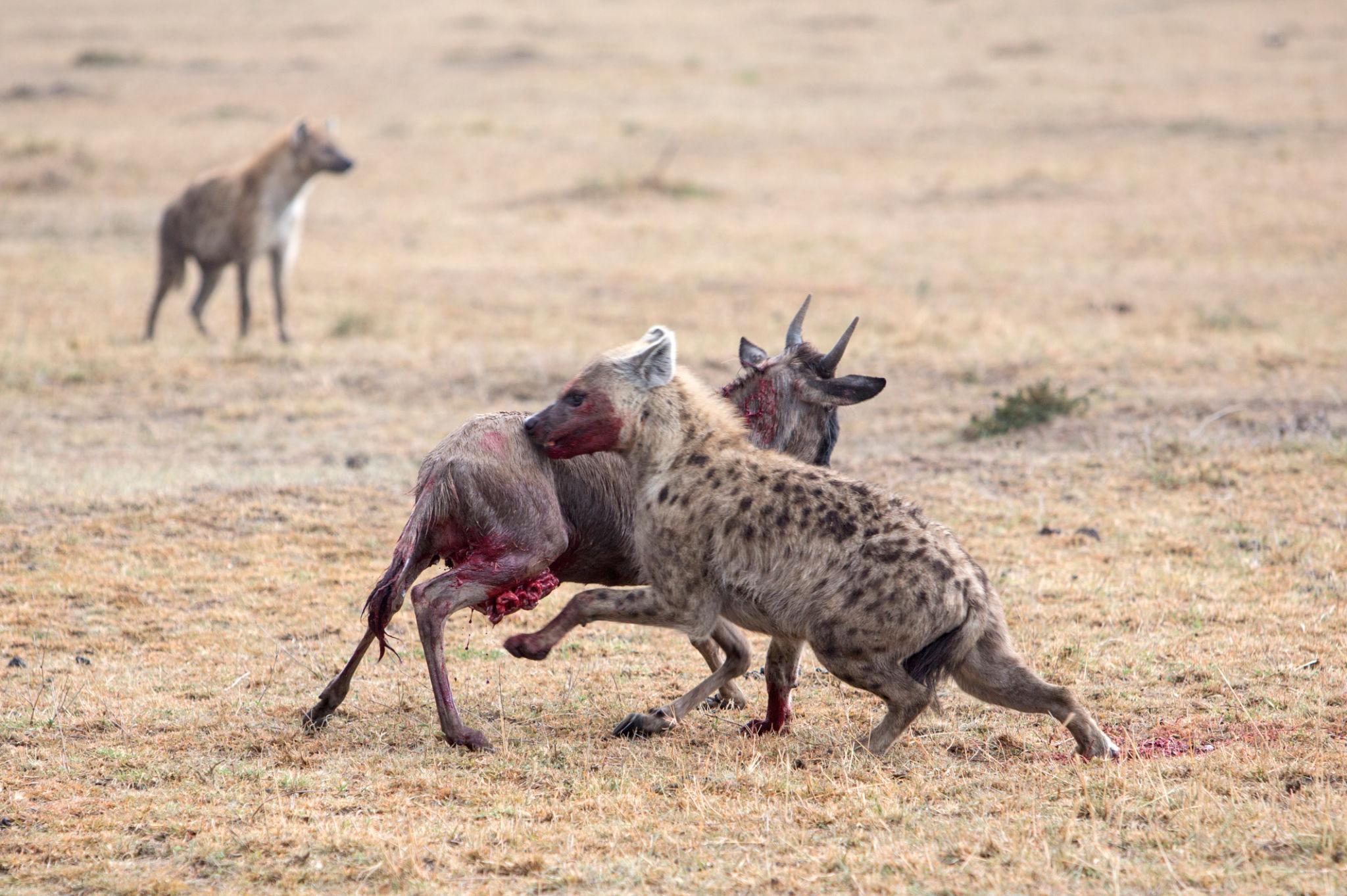
Hyenas are highly social predators that thrive in Serengeti National Park’s rich ecosystem. Known for their intelligence and scavenging abilities, hyenas often hunt in groups and can be heard cackling as they communicate with one another. Serengeti National Park is home to both spotted hyenas and striped hyenas, with the spotted hyenas being more abundant.
Spotted hyenas are commonly seen in large clans, and they play a critical role in the Serengeti ecosystem by cleaning up carcasses left behind by lions and other predators. They are also skilled hunters and often steal kills from lions, cheetahs, and leopards.
Hyena sightings in Serengeti are often paired with the sound of their distinctive laughter-like calls echoing across the plains, especially during dusk and night safaris. Visitors to Serengeti National Park can also observe hyena cubs playing in the dens or resting in the shade with their mothers.
African Wild Dogs in Serengeti National Park
African wild dogs, also known as painted wolves, are one of the most endangered carnivores in Africa. However, Serengeti National Park provides an important refuge for these highly social predators. With fewer than 5,000 individuals remaining in the wild, wild dogs are a rare and exciting sight for safari visitors.
Wild dogs live in packs and are known for their coordinated hunting strategies. They hunt primarily in the early morning or late evening, chasing prey such as impalas, Thomson’s gazelles, and wildebeests. Their endurance and teamwork are key to their success, as they often run their prey to exhaustion over long distances.
Although wild dogs are not as commonly seen as lions or leopards, Serengeti offers a rare chance to witness their captivating social dynamics, hunting strategies, and interactions within the pack.
Jackals in Serengeti National Park
Jackals are smaller carnivores that play a significant role in the Serengeti ecosystem. They are often found scavenging around predator kills, but they are also skilled hunters in their own right. Jackals typically hunt small mammals, birds, and insects and can be seen hunting alone or in pairs.
There are two primary species of jackals found in Serengeti National Park: the black-backed jackal and the side-striped jackal. Both species are opportunistic feeders and can often be seen following larger predators or hunting in the early morning and late afternoon. Jackals are especially active during the night, when they use their sharp senses of hearing and smell to locate food.b ;7
While not as large or as prominent as other predators in Serengeti, jackals are a fascinating addition to the predator mix, and their behavior adds an extra layer of excitement to the safari experience.
Birdlife in Serengeti National Park
Serengeti National Park is not only famous for its incredible wildlife but also for its abundant birdlife. With over 500 species of birds, the park is a haven for birdwatchers and wildlife enthusiasts alike. From large raptors to colorful songbirds, Serengeti offers diverse habitats that attract a wide variety of avian species, making it one of the premier birdwatching destinations in Africa.
The varied landscapes within Serengeti National Park, including open grasslands, riverine forests, and wetlands, provide ideal environments for both migratory and resident bird species. Visitors to Serengeti can expect to see both common and rare birds, with opportunities to observe bird behavior, nesting sites, and unique interactions within the park’s ecosystems.
Key Bird Species in Serengeti National Park
Secretary Birds
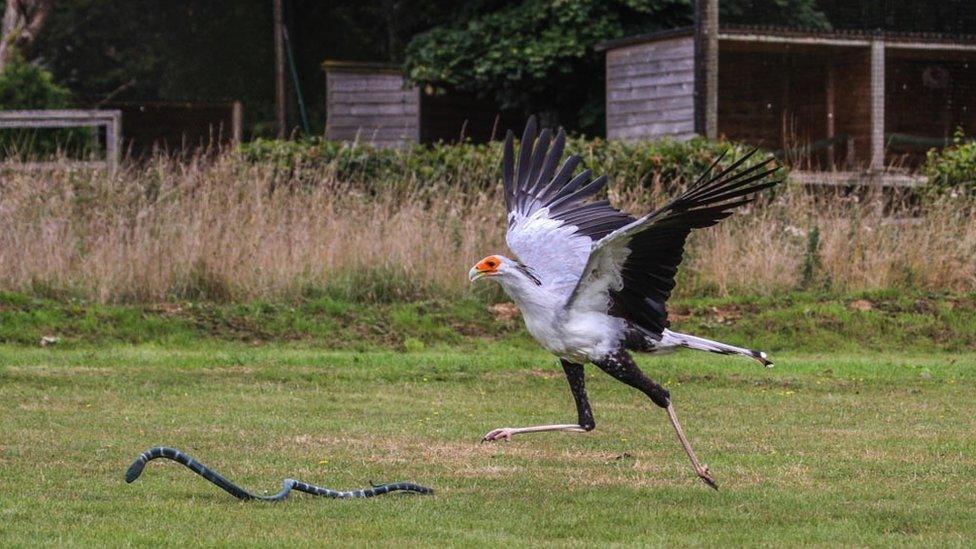
The Secretary bird is one of the most iconic birds in Serengeti National Park. Easily recognizable by its long legs, striking plumage, and distinctive crest of feathers, the secretary bird is a skilled hunter that specializes in hunting insects, reptiles, and small mammals. These birds are often seen on the open plains of Serengeti, where they search for prey by stomping on the ground with their powerful legs.
Secretary birds are also known for their spectacular hunting behavior, as they chase and catch their prey with great speed. Their striking appearance and hunting prowess make them a top attraction for birdwatchers.
Ostriches
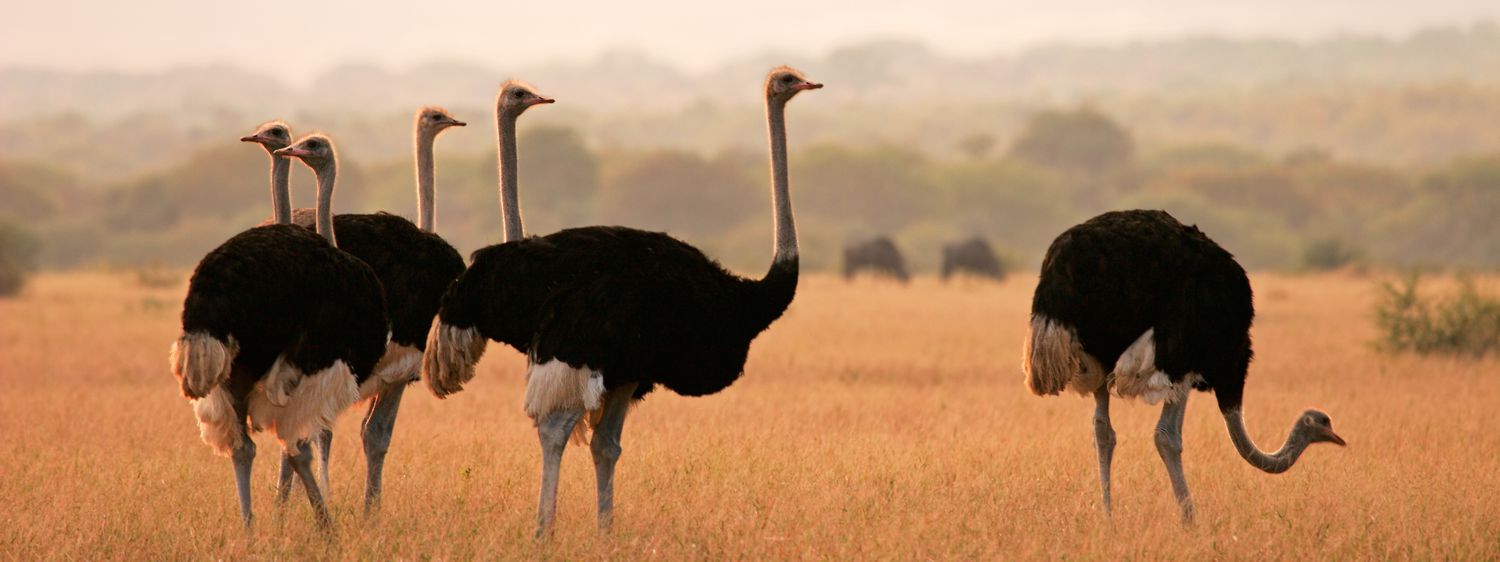
Ostriches, the largest birds in the world, are commonly found in the Serengeti’s open grasslands. These flightless birds are well-adapted to life on the savannah, where they use their powerful legs to run at speeds of up to 70 km/h (43 mph). Serengeti National Park is one of the best places in East Africa to see ostriches, as they roam the park in groups, often seen foraging for seeds, roots, and grasses.
Ostriches are known for their long necks and large, strong bodies, and they are a popular sight for visitors on game drives.
Kori Bustards
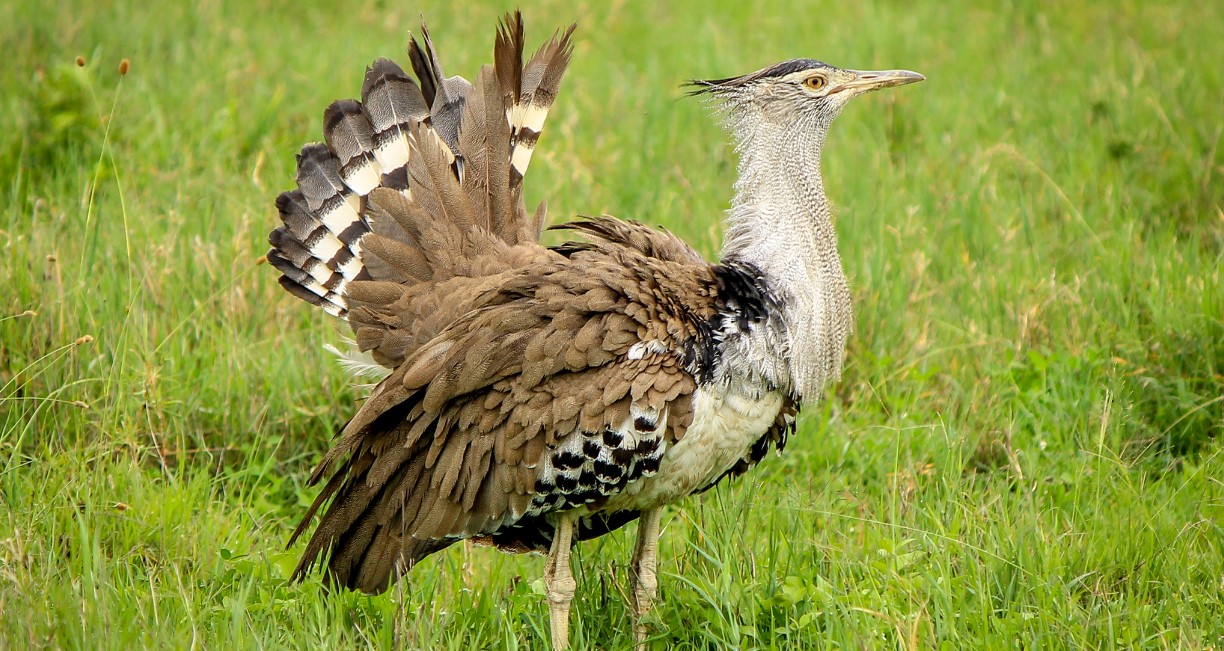
The Kori bustard is the heaviest flying bird in the world, and it is a common sight in Serengeti National Park. These large, ground-dwelling birds are often seen walking slowly through the grasslands, where they forage for insects, seeds, and small animals. Kori bustards are known for their impressive courtship displays, where the male inflates its chest and makes deep booming calls to attract a mate.
Their striking plumage and size make them one of the most remarkable birds to observe in the Serengeti.
Eagles
Serengeti National Park is home to a variety of eagle species, making it an exciting destination for birdwatchers keen on observing these powerful birds of prey. Among the most notable eagles found in the park are the martial eagle, tawny eagle, and the fish eagle.
The martial eagle, with its powerful talons and majestic flight, is one of the largest and most dominant eagles in Africa. It often hunts from high vantage points, swooping down on prey with remarkable speed and precision. Other species, like the tawny eagle, are frequently spotted perched on trees or flying over the plains in search of food.
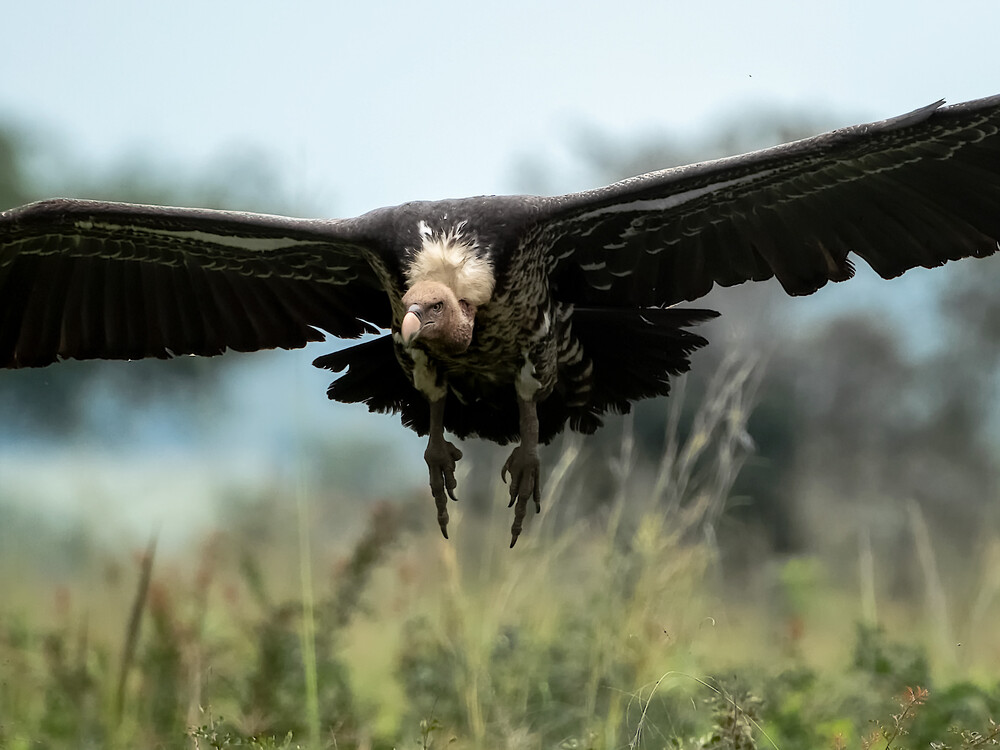
Vultures
Vultures play an essential ecological role in Serengeti National Park by cleaning up carcasses left behind by predators. Serengeti is home to several species of vultures, including the white-backed vulture, the lappet-faced vulture, and the griffon vulture.
These scavengers are often seen circling high in the sky, indicating the presence of a carcass or predator kill. The sight of vultures perched on trees or congregating around a kill is a common sight in Serengeti, and they are crucial for maintaining the balance of the ecosystem by preventing the spread of disease.
Hornbills
Hornbills are easily recognized by their large, curved bills and striking colors. Serengeti National Park is home to several species of hornbills, including the helmeted hornbill and the yellow-billed hornbill. These birds are often seen hopping along the ground or perched in trees, where they search for insects, fruit, and small reptiles.
Hornbills play an important role in the Serengeti ecosystem by acting as both predators and prey. They are particularly notable for their unique feeding behavior, where they use their large bills to crack open hard fruits or hunt for insects hiding in tree bark.
Kingfishers
Kingfishers are small, brightly colored birds commonly found near the rivers, streams, and wetlands of Serengeti National Park. These agile hunters are known for their ability to dive into the water and catch fish with remarkable precision. Several species of kingfishers, including the giant kingfisher and the malachite kingfisher, can be spotted in the park, particularly around water sources where they hunt for fish and aquatic insects.
With their brilliant colors and quick movements, kingfishers provide excellent opportunities for bird photography and add to the vibrant birdlife of Serengeti.
Best Time to Visit Serengeti National Park
Serengeti National Park is an exceptional safari destination that can be visited year-round. However, different seasons offer unique experiences, and understanding the seasons can help visitors maximize their safari experience. Whether you’re visiting for the Great Migration, wildlife viewing, birdwatching, or a luxury safari, timing your visit correctly will enhance your overall experience.
Dry Season (June to October)
The dry season in Serengeti National Park is considered the best time for wildlife viewing. This period, which runs from June to October, is marked by lower rainfall, and the vegetation becomes thinner, making wildlife easier to spot. During this time, many animals gather around the park’s water sources, including rivers, lakes, and watering holes, which means visitors have better opportunities to observe large concentrations of wildlife.
Game drives are particularly rewarding during the dry season, as it is easier to spot big cats like lions, leopards, and cheetahs. The dry season also coincides with the peak of the Great Wildebeest Migration, as millions of wildebeests and zebras move through Serengeti in search of fresh grazing land.
Green Season (November to May)
The green season, which lasts from November to May, brings a different but equally exciting experience in Serengeti National Park. This period is characterized by the rainy season, transforming the park into a lush paradise with vibrant green landscapes and a bloom of wildflowers. The rains bring a surge of life to the ecosystem, with many herbivores giving birth to their young, creating opportunities for predator sightings.
The green season is a fantastic time for birdwatching, as migratory birds flock to Serengeti, adding an extra dimension to the park’s already rich birdlife. For photographers, the lush landscapes, dramatic skies, and newborn animals offer stunning visual opportunities.
During the green season, the park is less crowded, making it an ideal time for visitors seeking a quieter, more peaceful safari experience.
Best Time for the Great Migration
The Great Wildebeest Migration is one of the most sought-after natural phenomena in Serengeti National Park. Timing your visit to coincide with key stages of the migration ensures an unforgettable safari experience. The migration follows a seasonal cycle that takes the animals across the Serengeti-Mara ecosystem, from the southern plains to the northern reaches of the Serengeti and the Maasai Mara in Kenya.
December to March: Calving Season in Southern Serengeti
From December to March, the southern Serengeti is the epicenter of the Great Migration. During this time, millions of wildebeests give birth to their calves, creating one of the most dramatic and intense wildlife spectacles on Earth. This period is also a prime time for predator sightings, as lions, cheetahs, and hyenas are drawn to the abundance of vulnerable young animals.
April to June: Migration Movement Through Central Serengeti
From April to June, the migration begins to move from the southern plains toward the central Serengeti. During this time, large herds can be spotted moving across the vast plains, searching for new grazing grounds. Although the rains may still be present in some areas, this is a great time for photography, as the lush landscape provides a beautiful backdrop to the migrating herds.
July to September: Mara River Crossings in Northern Serengeti
July to September is one of the most thrilling times to visit Serengeti National Park, as the herds reach the northern Serengeti and the Mara River. The river crossings are one of the most dramatic moments of the Great Migration, with wildebeests, zebras, and gazelles facing crocodiles and predators as they attempt to cross the fast-moving waters of the Mara River. The crossings are a highlight for any visitor and offer incredible photographic opportunities.
October to November: Herds Move Back South
By October to November, the herds begin to move back south toward the southern Serengeti for the calving season. During this time, the migration slows down, and the animals start to regroup for the next cycle. Visitors to Serengeti National Park during this time may witness the final stages of the migration and see large herds grazing along the plains before the cycle begins again.
Top Safari Activities in Serengeti National Park
Serengeti National Park offers a wide range of safari activities, each designed to give visitors an immersive experience in one of Africa’s most spectacular wildlife habitats. From thrilling game drives to serene cultural encounters, there’s something for every traveler in this iconic destination.
Game Drives
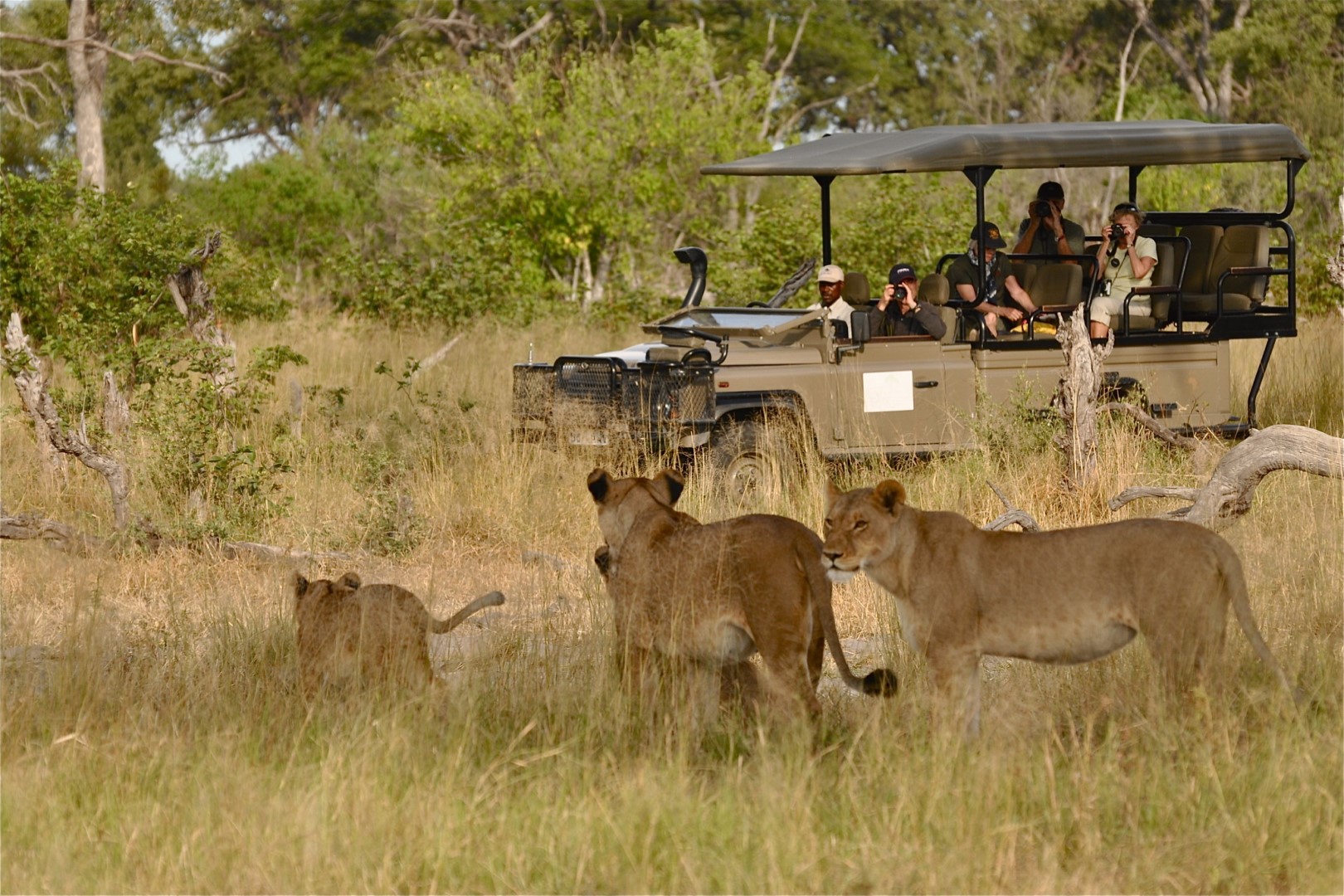
Game drives are the quintessential safari activity in Serengeti National Park, offering the best opportunity to explore the park’s vast landscapes and encounter its diverse wildlife. These drives are typically conducted in open-sided 4×4 safari vehicles, allowing for excellent visibility and wildlife sightings.
Morning and Evening Game Drives
Morning and evening game drives are particularly popular in Serengeti National Park, as they offer the best opportunities to observe wildlife at their most active. Early morning drives allow visitors to catch the park’s animals during their feeding times, when predators like lions and cheetahs are most likely to be on the hunt. The cooler temperatures of the morning also make for more comfortable safari conditions.
Evening drives, which usually take place just before sunset, allow for dramatic lighting and a chance to witness the park’s nocturnal animals starting to emerge. Lions, leopards, and hyenas are commonly seen during evening game drives, and the soft light of the setting sun creates beautiful photography opportunities.
Private Game Drives
For those looking for a more personalized experience, private game drives can be arranged. These provide greater flexibility and the chance to explore areas of the park at your own pace, focusing on specific wildlife sightings or photography moments. Private game drives also allow for customized itineraries and more intimate encounters with the park’s diverse species.
Hot Air Balloon Safaris
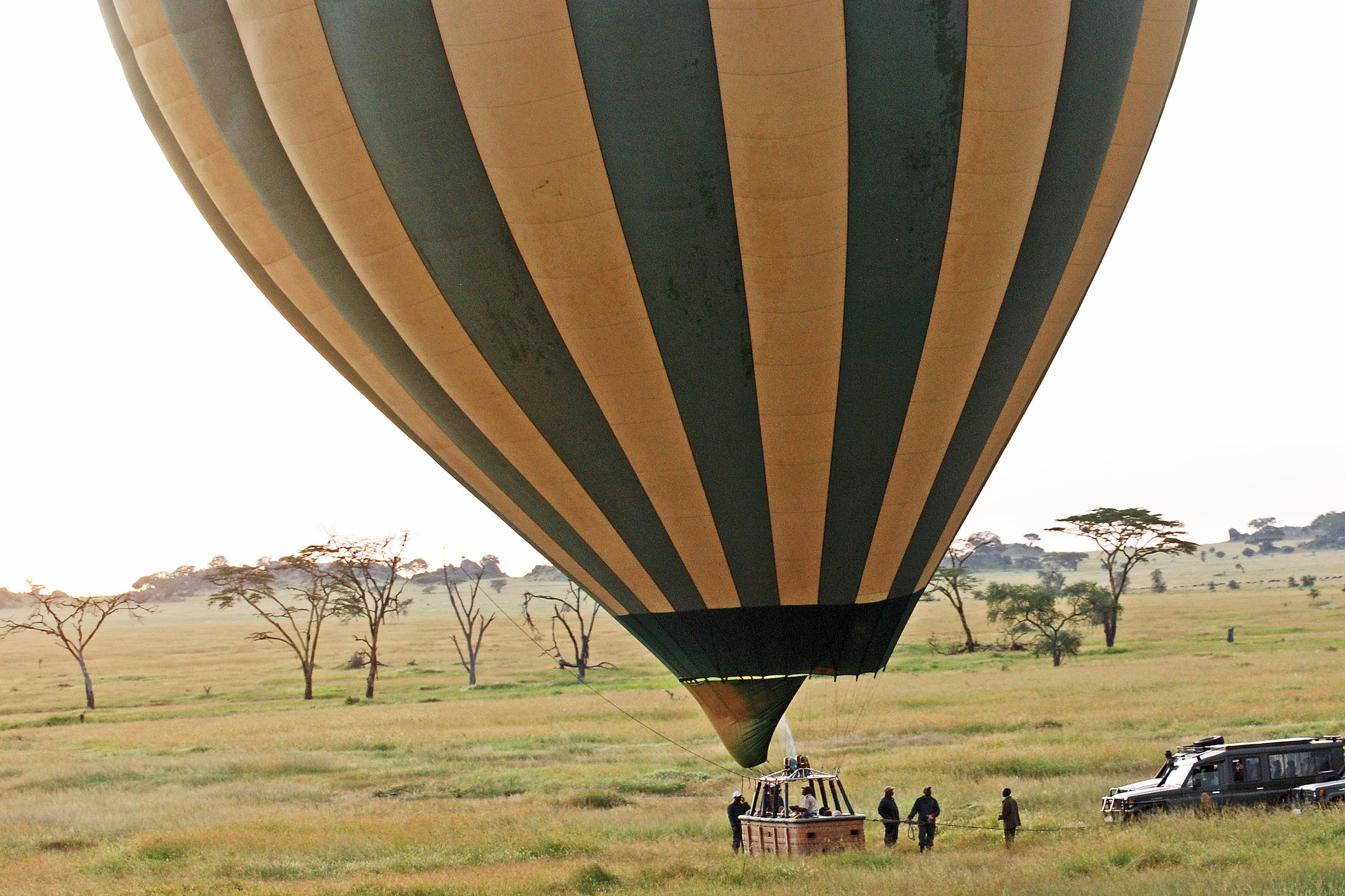
A hot air balloon safari in Serengeti National Park is a once-in-a-lifetime experience that offers breathtaking aerial views of the park’s expansive plains, wildlife, and dramatic landscapes. Hot air balloon rides typically take place at dawn, allowing visitors to watch the sun rise over the Serengeti while floating silently over the plains.
Scenic Aerial Views
From the balloon, visitors can spot herds of wildebeests, zebras, elephants, and other wildlife below, offering a unique perspective of the park. The vastness of the Serengeti plains, dotted with trees and rivers, creates an awe-inspiring landscape that is best seen from the air.
Post-Balloon Experience
After the balloon ride, passengers are typically treated to a champagne breakfast in the heart of the Serengeti, surrounded by the sounds of the wilderness. This is followed by a game drive to further explore the park and make the most of the early morning wildlife activity.
Balloon safaris are an unforgettable way to experience Serengeti National Park, offering a sense of tranquility and adventure that traditional game drives simply cannot match.
Walking Safaris
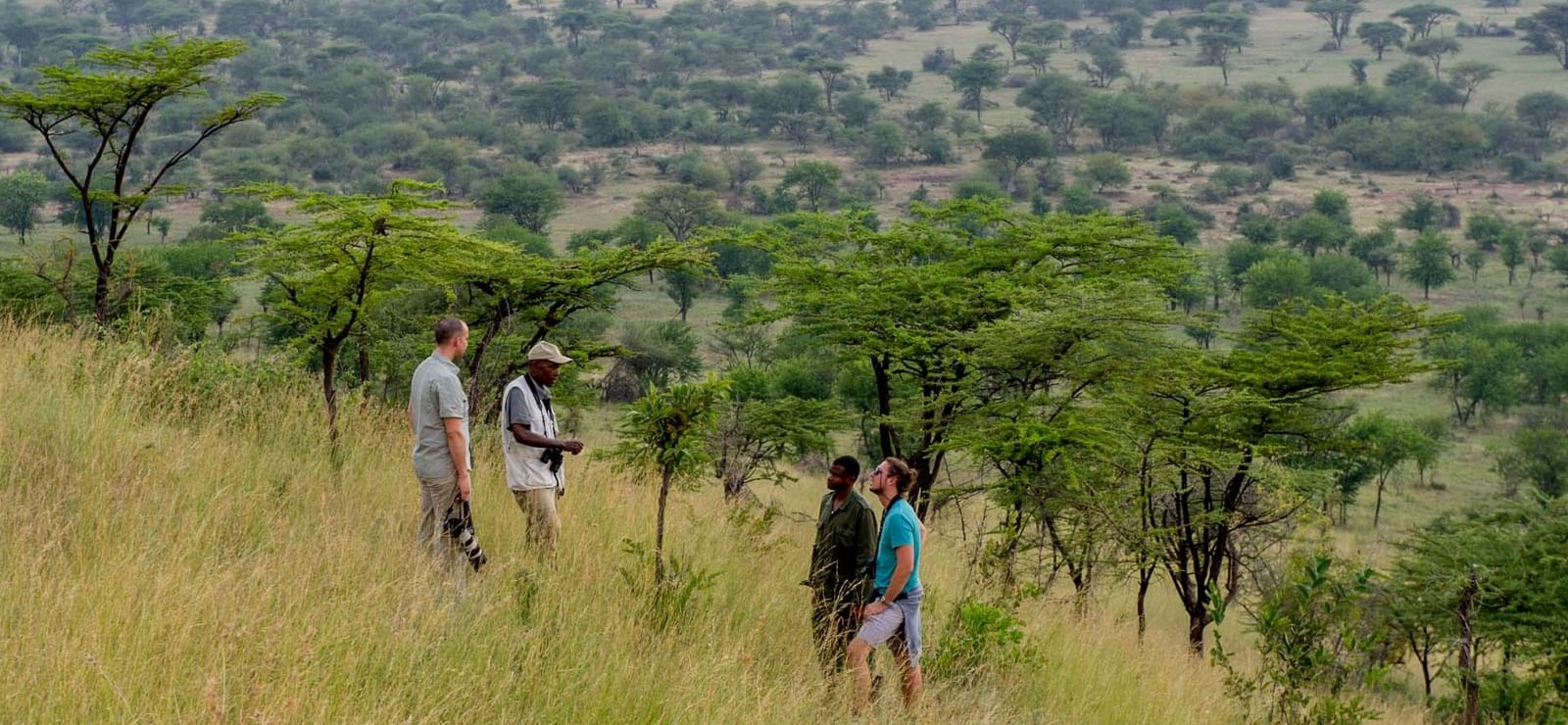
Walking safaris are a unique way to experience the Serengeti on foot, offering an intimate connection to the environment and its wildlife. Led by an experienced guide, walking safaris allow visitors to explore areas of the park that are inaccessible by vehicle, giving a deeper understanding of the ecosystem.
Guided Exploration
During a walking safari, guides will teach you about the flora, fauna, and the intricate balance of life in the Serengeti. Visitors learn how to track animals, identify animal prints, and understand the behavior of various species in their natural habitats. Walking safaris also allow guests to see smaller details of the ecosystem that are often missed on a game drive, such as insects, plants, and birdlife.
Safety and Regulation
Safety is paramount on walking safaris, and they are conducted in designated areas of the park, typically where larger predators are less prevalent. Your guide will always ensure that the group is aware of the terrain and the best practices for interacting with wildlife. A walking safari is a peaceful, slow-paced way to absorb the natural beauty of Serengeti.
Accommodation in Serengeti National Park
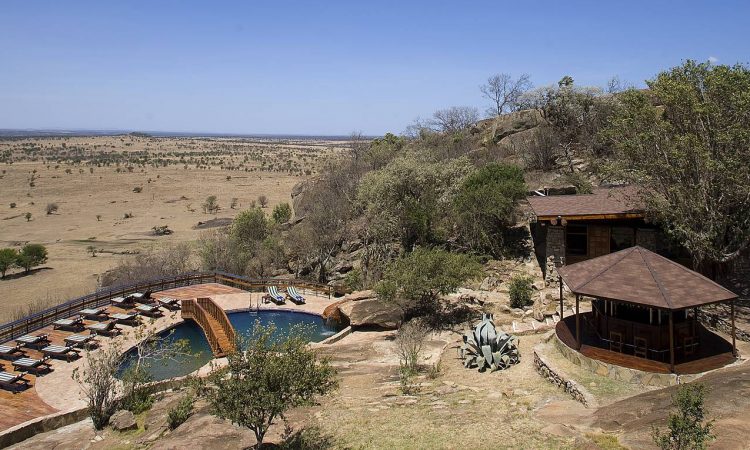

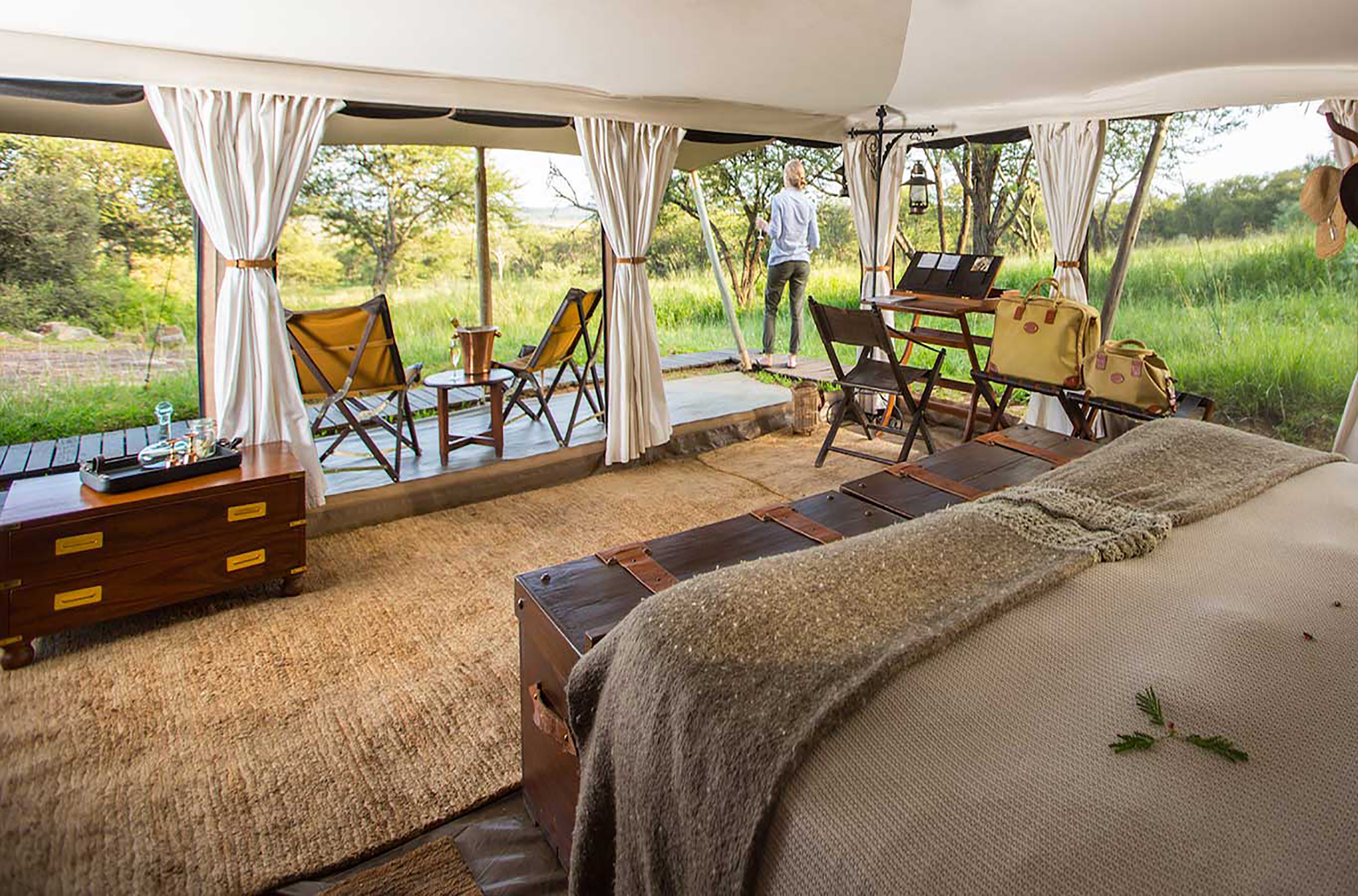
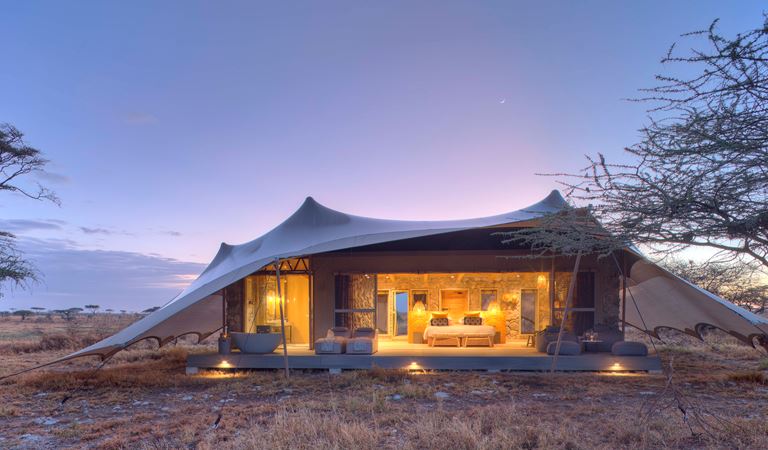
Serengeti National Park offers a wide range of accommodation options, from luxurious lodges and tented camps to more affordable choices, catering to every type of traveler. Whether you are seeking an exclusive, high-end safari experience or a more budget-friendly stay, Serengeti has options that provide both comfort and proximity to the park’s incredible wildlife.
Luxury Lodges in Serengeti National Park
Four Seasons Safari Lodge Serengeti
Four Seasons Safari Lodge is one of the most prestigious luxury lodges in Serengeti National Park, offering unrivaled comfort and style in the heart of the wilderness. With stunning views of the Serengeti plains, the lodge features spacious suites, a beautiful infinity pool, a spa, and fine dining experiences. Guests enjoy personalized safari experiences, including game drives, hot air balloon safaris, and private dinners under the stars.
Singita Sasakwa Lodge
Singita Sasakwa Lodge offers one of the most luxurious experiences in Serengeti National Park. Located on a hilltop with panoramic views of the Serengeti, this lodge features opulent cottages with private plunge pools, open-air dining areas, and impeccable service. Singita Sasakwa offers exclusive safari experiences, including private game drives, walking safaris, and wellness treatments at its spa.
Melia Serengeti Lodge
Melia Serengeti Lodge blends luxury with environmental sustainability. This modern lodge offers stunning views of the Serengeti plains, with spacious rooms and suites, a beautiful infinity pool, and fine dining experiences. Guests can enjoy personalized safaris, spa treatments, and a range of cultural and wildlife activities.
Serengeti Bushtops Camp
Serengeti Bushtops Camp provides a unique luxury safari experience with its spacious, beautifully appointed tents, each featuring a private deck, en-suite bathrooms, and luxurious amenities. The camp offers personalized service, gourmet meals, and exclusive safari experiences, including game drives, hot air balloon safaris, and nature walks with expert guides.
Midrange Lodges in Serengeti National Park
Serengeti Serena Safari Lodge
Serengeti Serena Safari Lodge is one of the top midrange lodges in Serengeti National Park, offering a fantastic location, exceptional service, and a wide range of activities. With its unique circular architecture and thatched roof, the lodge blends seamlessly into the Serengeti landscape. It offers a comfortable base for game drives, cultural tours, and evening entertainment.
Kubu Kubu Tented Lodge
Kubu Kubu Tented Lodge provides a more affordable yet luxurious safari experience. Located in the central Serengeti, the lodge offers spacious, tented accommodations with modern amenities and spectacular views of the Serengeti plains. Guests can enjoy game drives, nature walks, and sundowners in a relaxed, comfortable setting.
Tortilis Camp
Tortilis Camp is a fantastic midrange option for those looking for a great balance between comfort and affordability. The camp features tented suites with en-suite bathrooms, a restaurant offering delicious local and international cuisine, and easy access to game drives and walking safaris.
Budget Accommodation in Serengeti National Park
Public Campsites
Serengeti National Park offers several public campsites for budget travelers who want to experience the wilderness at an affordable price. These campsites are located in prime areas of the park and provide basic facilities, including pit toilets and water supply. Visitors can enjoy game drives and the opportunity to stay close to nature.
Budget Tented Camps
Budget tented camps provide a more comfortable alternative to public campsites while still offering a rustic, immersive safari experience. These camps often offer simple, but comfortable, tented accommodations with shared or private bathrooms, and the opportunity to join guided game drives and walking safaris.
Basic Safari Lodges
For those on a tighter budget, basic safari lodges offer affordable, no-frills accommodation while still providing a comfortable place to stay after a day of safari adventures. These lodges often offer simple rooms, basic amenities, and close proximity to wildlife-rich areas of the park, making them a great choice for budget-conscious travelers.
Serengeti National Park Safari Costs
| Safari Item | Estimated Cost |
|---|---|
| Park Entry Fees | $70 – $85 per person |
| Budget Safari | $200 – $350 per day |
| Midrange Safari | $400 – $700 per day |
| Luxury Safari | $800 – $3,500+ per day |
| Hot Air Balloon Safari | $550 – $700 per person |
Book Serengeti National Park Safaris with Boots in the Jungle Safaris
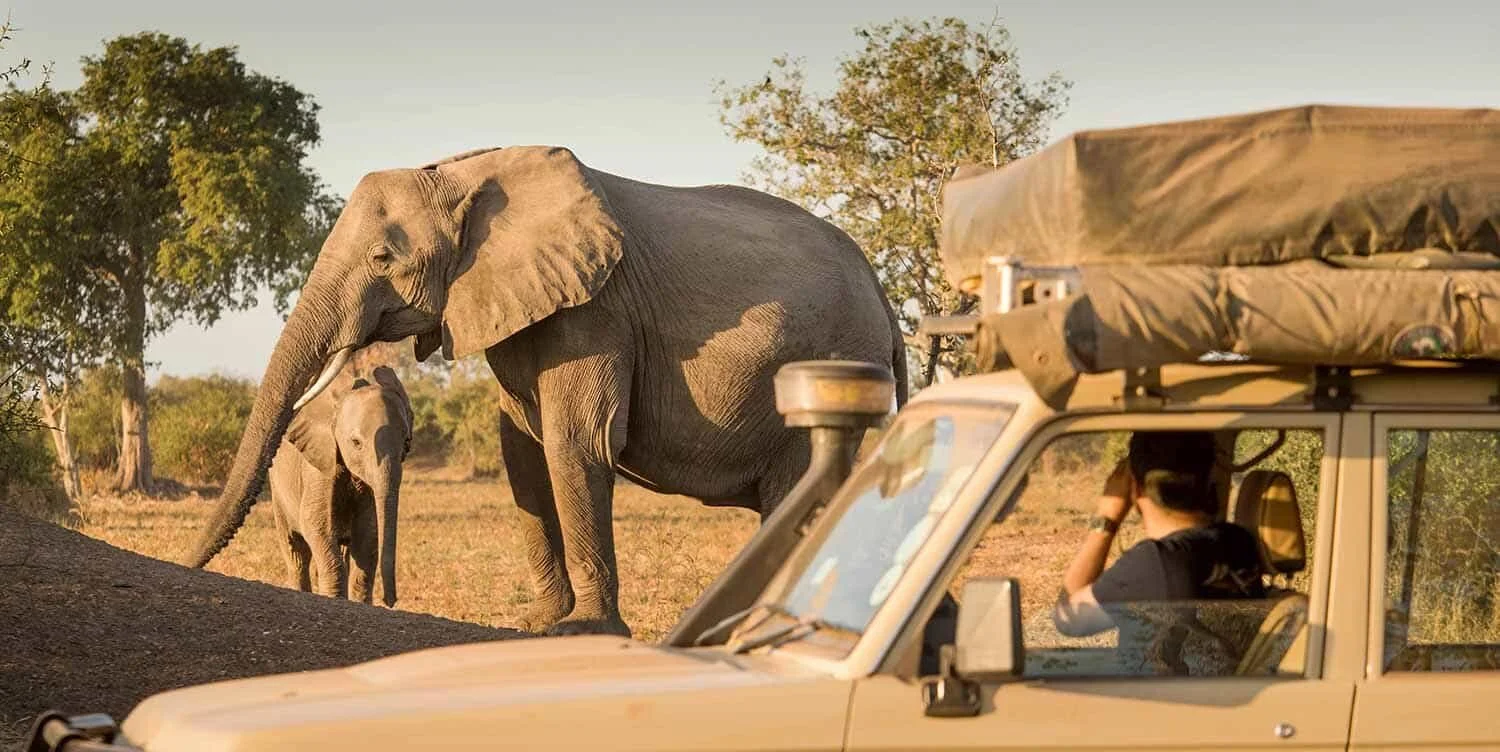

A safari in Serengeti National Park is one of the greatest wildlife experiences in the world. From witnessing the Great Migration to spotting the Big Five and enjoying luxury safari lodges, Serengeti National Park offers unforgettable adventures for every traveler.
Whether you are planning a honeymoon safari, family safari, migration safari, photography safari, or luxury African safari, Serengeti National Park delivers extraordinary safari memories in the heart of Tanzania.
Book your Serengeti National Park safari today and experience Africa’s most legendary wildlife destination.. detail and add boots in the jungle safaris